
What Is A Nutritional Label Reading Guide And Why Does It Matter
The Purpose Behind Food Labels And Who Regulates Them
Food labels serve as a mandatory contract between manufacturers and consumers. The United States Food and Drug Administration regulates these labels under the Nutrition Labeling and Education Act of 1990. This law requires food companies to disclose specific nutrient data and ingredient lists. The goal is simple. Government agencies want to prevent deceptive marketing. They ensure that every citizen can see exactly what exists inside a packaged product before they buy it.

The FDA updated the label design recently to reflect modern health research. These changes emphasize calories and serving sizes to combat rising obesity rates. The United States Department of Agriculture also oversees labels for meat, poultry, and egg products. These agencies set strict rules for how companies calculate percentages and list ingredients. This legal framework creates a standardized language for nutrition. It removes the guesswork from shopping and forces corporate transparency.
How Food Labels Help Consumers Make Healthier Everyday Choices
Reading labels shifts the power from the marketer to the buyer. Most people rely on front of package claims like natural or healthy. These terms are often vague and misleading. A label reading guide teaches you to look at the back of the box instead. This is where the hard data lives. You can quickly see the grams of added sugar and types of fats that cause long term health issues.

Strategic label reading prevents accidental overeating and chronic disease. By checking serving sizes, you understand how many nutrients you actually consume. People who read labels generally eat less sodium and more fiber than those who do not. This habit allows you to manage conditions like diabetes or high blood pressure with precision. You take control of your fuel. Consistent label checking is the most effective tool for maintaining a lean and functional body.
How To Read Food Labels Breaking Down The Basics

Understanding The Layout And Structure Of A Standard Food Label
The Nutrition Labeling and Education Act of 1990 standardized the look of food labels in the United States. Federal law mandates a specific order for data points to ensure consistency across all brands. You will find serving sizes at the top to set the scale for the data below. This layout ensures you see the most critical health metrics first before reaching the vitamin details.
Modern updates by the FDA have further refined this structure. Bold text now highlights calories and serving sizes to prevent consumer confusion. Daily value percentages sit on the right side to help you compare products quickly. The government designed this hierarchy to guide your eyes toward the most impactful data. Use this fixed structure to scan for risks like high sodium or added sugars instantly.
The Difference Between The Ingredients List And The Nutrition Facts Panel
The Nutrition Facts panel tracks chemical and biological data points like fat grams and milligram counts. It reports what the food contains on a molecular level after processing. This section uses math to show how a portion fits into a standard daily diet. It serves as a quantitative scorecard for your health goals. You use this panel to track and manage your physical intake.
The ingredients list displays the physical components used to build the product. Regulation requires manufacturers to list items in descending order by weight. The first three ingredients usually make up the bulk of the food. Many companies hide sugar under different names to manipulate this list. Always check both sections because a product can have good numbers but use low quality or toxic raw materials.
How To Read Nutrition Labels Calories Serving Sizes And Portions
Why Serving Size Is The Most Important Number On The Label
The serving size dictates every other value on the nutrition panel. It is not a recommendation of how much you should eat. Instead, it represents a standardized unit of measure based on typical consumption habits. If you ignore this number, all data regarding fats, sugars, and sodium becomes useless. You must compare the package serving size to the actual amount you consume to understand your intake.
The FDA updated labeling rules to reflect how people actually eat today. Manufacturers must now use larger font sizes for the serving size to limit consumer confusion. This change highlights the tactical shift toward transparency in the food industry. By grounding your analysis in the serving size, you gain control over your caloric math. Failing to check this number leads to significant errors in nutritional tracking and weight management.
How Calories Per Serving Can Be Misleading Without Context
Calories measure energy, but the total number is often a trap. Manufacturers frequently list small serving sizes to make high-calorie products look healthy. A single bag of snacks might contain three servings, tripling the listed calorie count if you eat the whole thing. You cannot assess a food item by looking at the calorie number alone. You must multiply that number by the total servings in the container.
Low-calorie claims often mask poor nutritional density. A product might be low in calories but loaded with chemical fillers or added sugars to maintain taste. High calorie counts are not always negative if the energy comes from nutrient-dense sources like healthy fats. Focus on the source of the energy rather than just the raw number. Efficient fuel choices require you to look beyond the surface level of the calorie count.
How To Read A Nutrition Label Fats Sodium And Carbohydrates Explained
Saturated Fat, Trans Fat, And Sodium: What The Numbers Really Mean For Your Health
Saturated fats and trans fats directly impact your cardiovascular health. Saturated fat primarily comes from animal products and tropical oils. High intake raises your LDL cholesterol levels. Trans fats are often listed as partially hydrogenated oils in the ingredients. These man-made fats are dangerous because they lower good cholesterol and raise bad cholesterol. Always look for zero grams of trans fat on the nutrition panel.
Sodium acts as a preservative and flavor enhancer in processed foods. The Daily Value is set at 2300 milligrams for healthy adults. Excessive sodium intake leads to high blood pressure and increased stroke risk. Most sodium comes from packaged meals rather than the salt shaker. Check the percentage of Daily Value to gauge salt levels. Anything above twenty percent per serving is considered high sodium content.
Total Carbohydrates Vs. Dietary Fiber Vs. Added Sugars: Know The Difference
Total carbohydrates include all forms of sugar, starch, and fiber in the food item. This number tells you the overall impact on your blood glucose levels. You must look deeper to understand the quality of those carbs. High total carbs with low fiber indicate a highly processed product. Focus on the ratio between total carbohydrates and fiber to determine if the food provides sustained energy.
Dietary fiber is the part of the plant that your body cannot digest. High fiber counts help slow down sugar absorption in your bloodstream. Added sugars are the most critical metric in this section of the label. These are sugars put in during processing rather than naturally occurring ones. Stick to products with minimal added sugars to avoid metabolic issues. Fiber should be high while added sugars stay low.
Reading Nutrition Labels Guide Vitamins Minerals And Daily Value Percentages
What The Percent Daily Value Actually Tells You
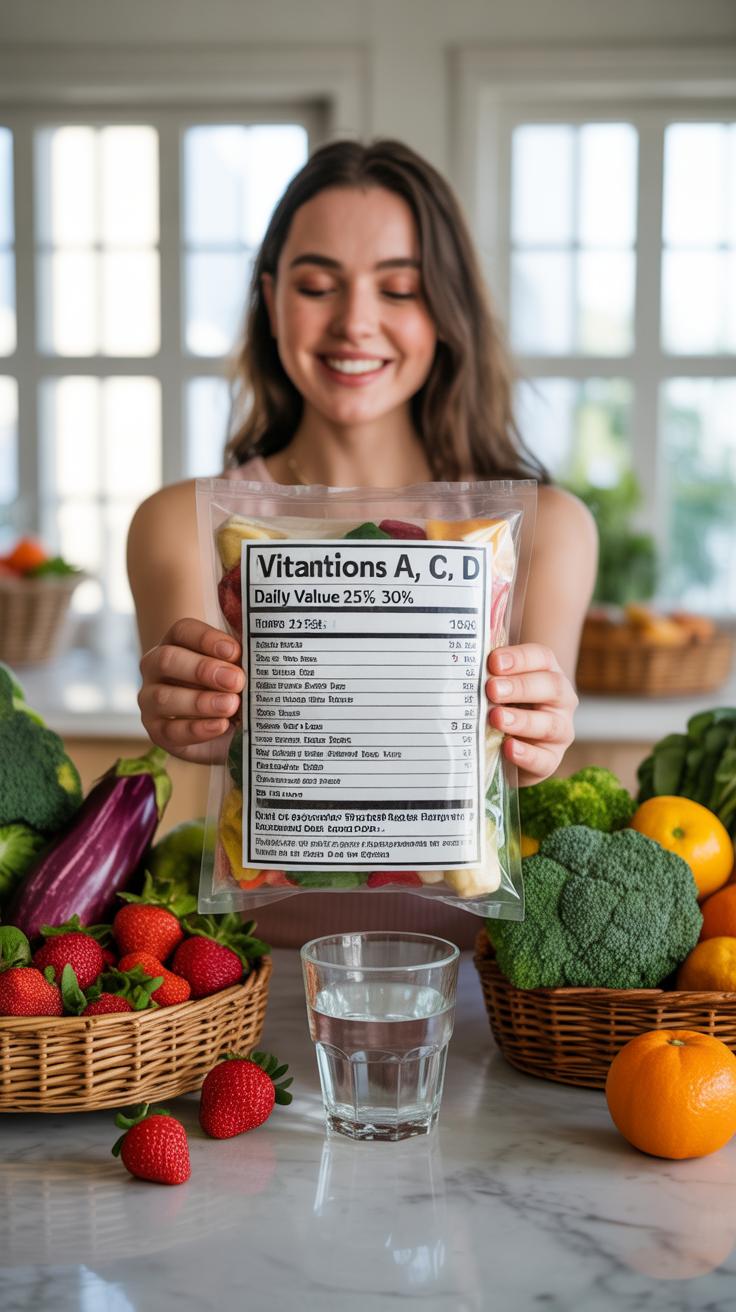
The Percent Daily Value shows how much a nutrient in a serving of food contributes to a total daily diet. The FDA bases these percentages on a standard 2,000 calorie intake for adults. This metric allows you to compare different products quickly without doing complex math. You must remember that your personal needs might be higher or lower depending on your age and activity.
Note the five and twenty rule for better decision making. A value of five percent or less means the food is low in that specific nutrient. A value of twenty percent or more means the food is high in that nutrient. Use this threshold to limit negative components like sodium or saturated fat. Target higher percentages for beneficial nutrients to ensure your body gets the fuel it requires.
Key Vitamins And Minerals To Look For On Every Food Label
Federal law requires manufacturers to list four specific micronutrients on every nutrition label. These include vitamin D, calcium, iron, and potassium. Most people fail to get enough of these four nutrients in their daily meals. Manufacturers must show both the actual amount in milligrams or micrograms and the percentage. This change helps you track intake more accurately than older labels that only listed percentages.
Prioritize these entries to prevent chronic diseases and maintain bone health or blood pressure. Vitamin D and potassium were added recently because Americans are consistently deficient in them. Vitamin A and C are now voluntary since deficiencies in these areas are currently rare. Check these numbers to ensure you choose dense foods. Higher values in these categories indicate a product has significant nutritional quality for its calorie count.
Nutrition Facts Label Worksheet Answers Common Misconceptions Cleared Up

Top Misunderstood Terms On Nutrition Labels And What They Actually Mean
Food labels use regulated terms that often mislead consumers who do not know the legal definitions. Most people assume these words imply health benefits. In reality, these terms describe specific chemical or weight thresholds set by the FDA. You must understand the technical meaning of these words to avoid marketing traps. Labels focus on what is absent rather than the quality of what remains.
- Light or Lite: This term refers to the color or texture of the food rather than its calories. In many cases, it means the product has half the fat or one third fewer calories than the regular version. Some brands use it to describe flavor intensity properly.
- Natural: The FDA lacks a firm definition for this term regarding production methods or nutrient content. It generally means the manufacturer added no synthetic substances or artificial flavors. It does not guarantee a food is organic, healthy, or free from pesticides and heavy processing.
- Reduced: This label means the product has at least 25 percent less of a specific nutrient or calories than the original version. It does not make the food healthy by default. A reduced sodium soup can still contain extremely high salt levels that exceed daily limits.
- No Sugar Added: Manufacturers use this when they do not add sucrose during processing. This does not mean the product is low in sugar. Ingredients like fruit juice concentrate or maltodextrin provide high sugar loads. Always check the total carbohydrate line to see the actual impact.
- Multigrain: This claim simply means the product contains more than one type of grain. It does not mean the grains are whole or unrefined. Manufacturers often use refined white flour as the primary ingredient. Look for the word whole before every grain listed to ensure quality.
Marketers select these words to trigger a health halo effect. This psychological bias makes you believe a product is good because of one positive attribute. Tactical shoppers ignore the front of the box entirely. Only the back label provides the data required for an objective choice. If you rely on front facing claims, you will likely consume more calories and processed additives than intended.
Why Low Fat And Sugar Free Labels Do Not Always Mean Healthy
Removing fat from a product usually ruins the taste and texture. Manufacturers fix this problem by adding large amounts of sugar and salt. You end up eating a highly processed food that spikes your insulin levels. This metabolic reaction triggers fat storage. A low fat label often signals a high carbohydrate load. You must weigh the loss of fat against the increase in refined fillers.
Sugar free products rely on artificial sweeteners or sugar alcohols to maintain sweetness. These substitutes can disrupt your gut microbiome and cause digestive distress. Some studies show these chemicals trick your brain into craving more sweets later. You save calories on the label but face long term metabolic consequences. Never assume a zero sugar claim equates to a nutritious choice. Focus on the total ingredient list to find real food.
Understanding Food Nutrition Labels Ingredients Lists And Additives

How Ingredients Are Listed By Weight And What That Reveals About A Product
The law requires food manufacturers to list ingredients in descending order by weight. The item that weighs the most comes first. The item that weighs the least comes last. This rule provides a clear window into the actual composition of the product. You must look at the first three ingredients. They usually make up the bulk of what you are eating.
Manufacturers often use different names for the same substance to manipulate this list. They use multiple types of sugar like corn syrup and maltodextrin. This practice splits the total weight across several names. It moves sugar further down the list to make the product look healthier. You must add these individual weights together in your mind to see the true nutritional profile.
Real food doesn’t have ingredients, real food is ingredients. When we return to the simplicity of the earth, we nourish the generations that come after us.
Common Food Additives Preservatives And Artificial Ingredients To Be Aware Of
Additives serve specific industrial functions like extending shelf life or enhancing color. Many processed foods contain emulsifiers and stabilizers to maintain texture over long periods. These chemicals do not provide nutritional value. They often signal a highly processed item that lacks whole ingredients. You should identify these long chemical names to understand how much the food has been altered from its natural state.
Preservatives like nitrates and benzoates prevent spoilage and bacterial growth. While they keep food safe for months, they can impact your health when consumed in high amounts. Synthetic dyes and artificial flavors target your brain to make food more addictive. High concentrations of these additives usually indicate a low quality base product. Focus on finding labels with short lists and recognizable names to avoid these substances.
How To Create Nutrition Facts Labels What Food Manufacturers Must Include
FDA Mandatory Requirements For Nutrition Facts Labels On Packaged Foods
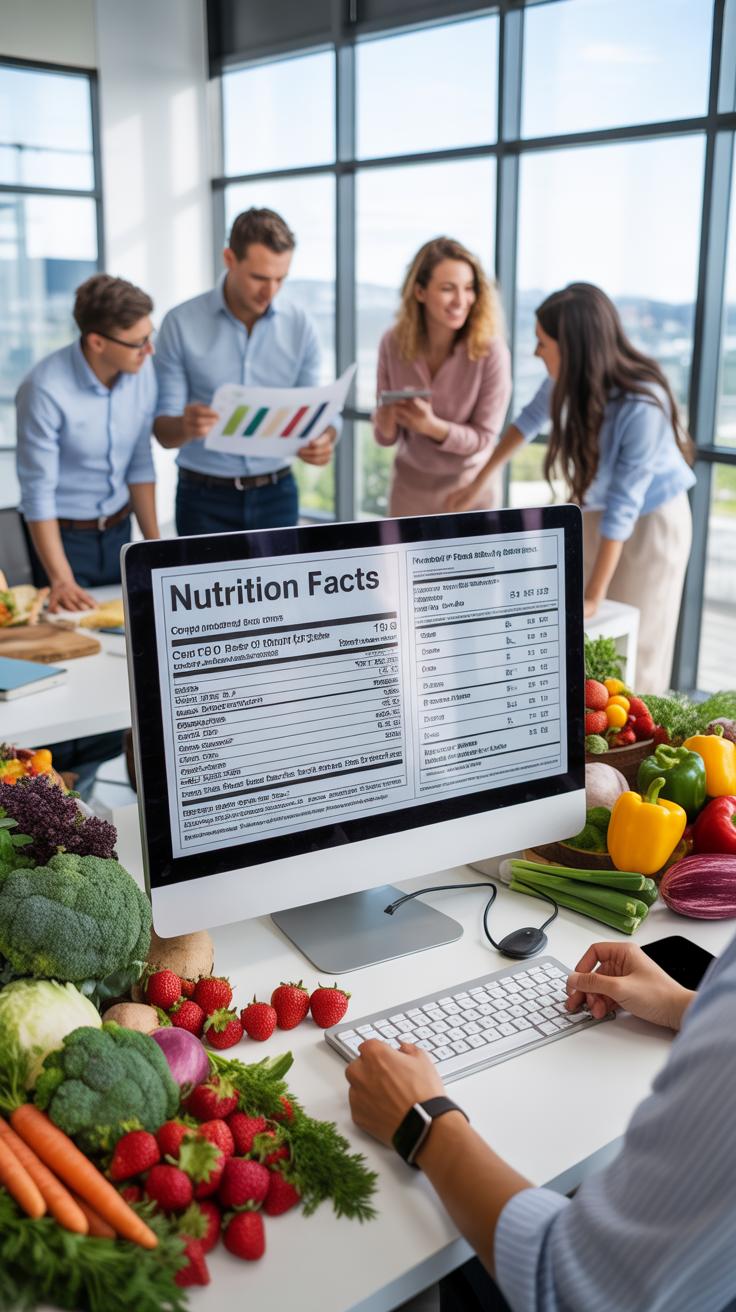
The FDA mandates specific data points on every standard nutrition label. Manufacturers must list calories, total fat, trans fat, and cholesterol. They also have to show sodium, total carbohydrates, and protein levels. This data helps buyers compare products quickly. The government sets these rules to ensure public safety and fair trade. Every company must follow these exact rules to sell food in the United States.
Labels must also show the serving size and servings per container clearly. These numbers are not suggestions. They reflect the amount of food people typically eat in one sitting. Manufacturers calculate daily values based on a two thousand calorie diet. This standard allows you to see how one portion fits into your total day. Small companies may get exemptions, but most packaged goods require this full breakdown.
How The 2016 FDA Nutrition Label Update Changed What Consumers See Today
The 2016 update changed the look and data on food labels significantly. The FDA made the calorie count larger and bolder for better visibility. They also updated serving sizes to reflect actual modern consumption habits rather than outdated ideals. This shift forced companies to be more honest about how much people really eat. These changes make it much harder for brands to hide high calorie counts.
This update also introduced a mandatory line for added sugars. Manufacturers must now distinguish between natural sugars and those added during processing. The FDA also changed the required micronutrients on the bottom of the label. Vitamin D and potassium are now mandatory because many people lack them. Vitamins A and C became voluntary because deficiencies are now rare. These technical shifts align labels with current public health needs.
How To Read Labels On Food Practical Tips For Smarter Grocery Shopping

How To Quickly Compare Two Products Using Their Nutrition Labels
Ignore the marketing claims on the front of the box. Look directly at the serving sizes of both products to ensure they match. If one brand lists information for half a cup and the other for a full cup, math is required. Normalize the data to a common weight or volume before looking at the specific nutrient percentages or gram counts.
Contrast the sugar and fiber content once serving sizes are equal. Low-sugar options with higher fiber are generally superior for metabolic health. Check the Daily Value percentages for sodium and saturated fat next. Aim for the product with the lower percentage if both provide similar calories. This method ensures you choose based on objective data rather than deceptive packaging colors or bold health claims.
Smart Grocery Shopping Habits That Start With Reading The Label First
Establish a standard workflow before placing any item into your cart. Shift your gaze from the price tag to the ingredient list immediately. The first three ingredients dominate the composition of the product. If those ingredients include added sugars or refined oils, put the item back. Speed up your shopping by focusing only on these critical data points to filter out junk.
- Check Serving Sizes: Total calories and nutrients change based on the serving size listed at the top. Manufacturers often lower the size to make calories look smaller. Always multiply the numbers if you plan to eat the entire container.
- Identify Hidden Sugars: Look for words ending in -ose like fructose or glucose on the ingredient list. Many products hide sugar under multiple names to keep it lower on the list. Combining these sources often reveals sugar as the primary component.
- Review Sodium Content: Most processed foods contain high levels of salt to extend shelf life. Compare the milligrams of sodium to the total calories. Aim for a one-to-one ratio or less to maintain a healthy cardiovascular system and avoid fluid retention.
- Audit Fiber Ratios: High fiber content helps slow down your body’s response to carbohydrates. Look for products that offer at least three grams of fiber per serving. This simple check distinguishes authentic whole-grain products from those that are merely colored with molasses.
- Avoid Trans Fats: Manufacturers can list zero grams of trans fat if the product has less than half a gram. Scan the ingredient list for partially hydrogenated oils instead. These oils indicate the presence of trans fats despite what the main label claims.
Develop a library of safe brands for your pantry staples. Once you verify a product meets your standards, you do not need to read the label every trip. Re-audit these brands every six months because companies frequently change recipes to reduce costs. Consistent monitoring prevents hidden ingredients from creeping back into your diet through reformulated products you previously trusted.
Frequently Asked Questions

What are the most important parts of a nutrition label for beginners?
When learning how to read food labels, beginners should start by checking the serving size and total calories. It is easy to assume a package contains one serving, but many actually hold several. Next, look at the Percent Daily Value (%DV) to see if a product is high or low in specific nutrients. Generally, 5% or less is considered low, while 20% or more is considered a high amount.
How can I identify hidden sugars and artificial additives in the ingredients list?
To master how to read food labels like a pro, always scan the ingredients list from top to bottom. Ingredients are listed by weight, so the first few items make up most of the product. Be wary of hidden sugars disguised as high fructose corn syrup, maltodextrin, or dextrose. If the list is long and filled with chemical names you cannot pronounce, the item is likely highly processed and less nutritious.
Is it possible to eat healthy on a budget using label information?
Absolutely! You can use label information to find affordable, nutrient-dense staples. Compare the unit price and nutritional value of store-brand frozen vegetables against fresh versions to save money without sacrificing quality. Choosing items with higher fiber and protein content for the price ensures you stay full longer. Reading labels helps you avoid paying a premium for “diet” marketing claims that often hide cheaper, unhealthy fillers and extra sodium.