
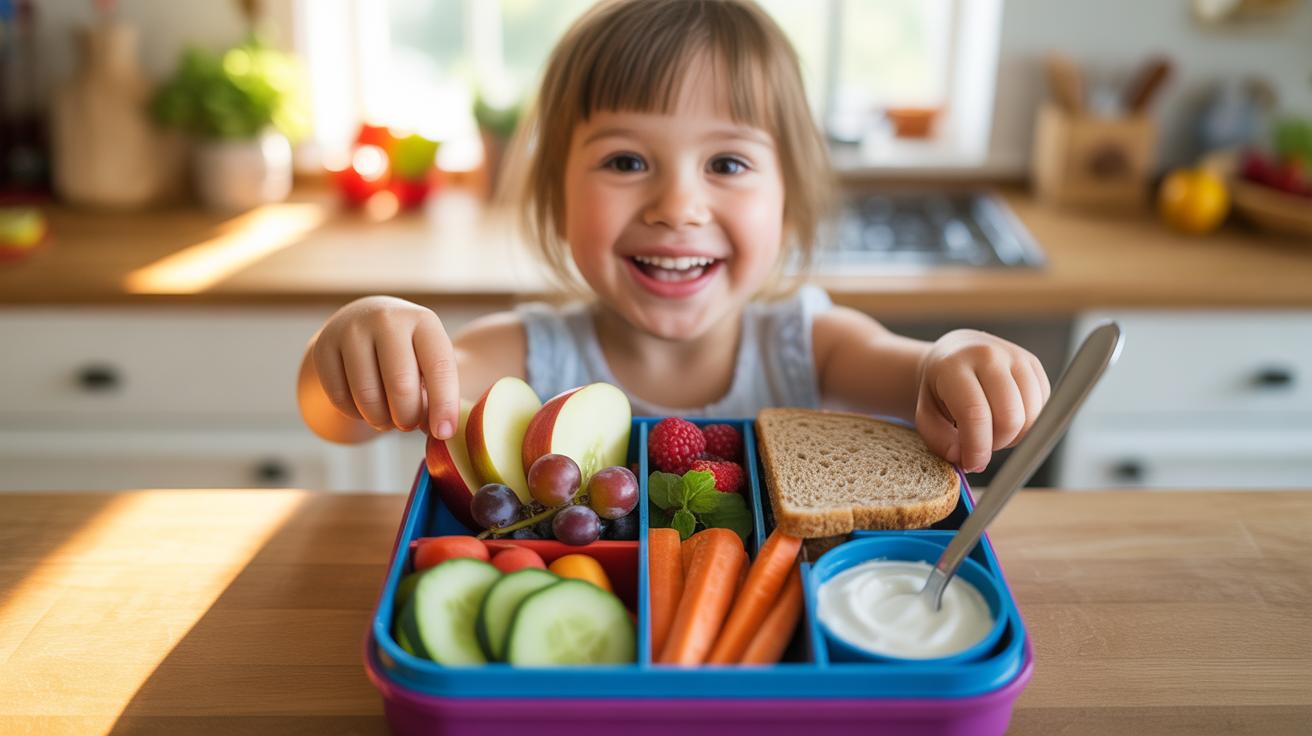
Why A Healthy Food Menu For Kids Starts With The Lunchbox
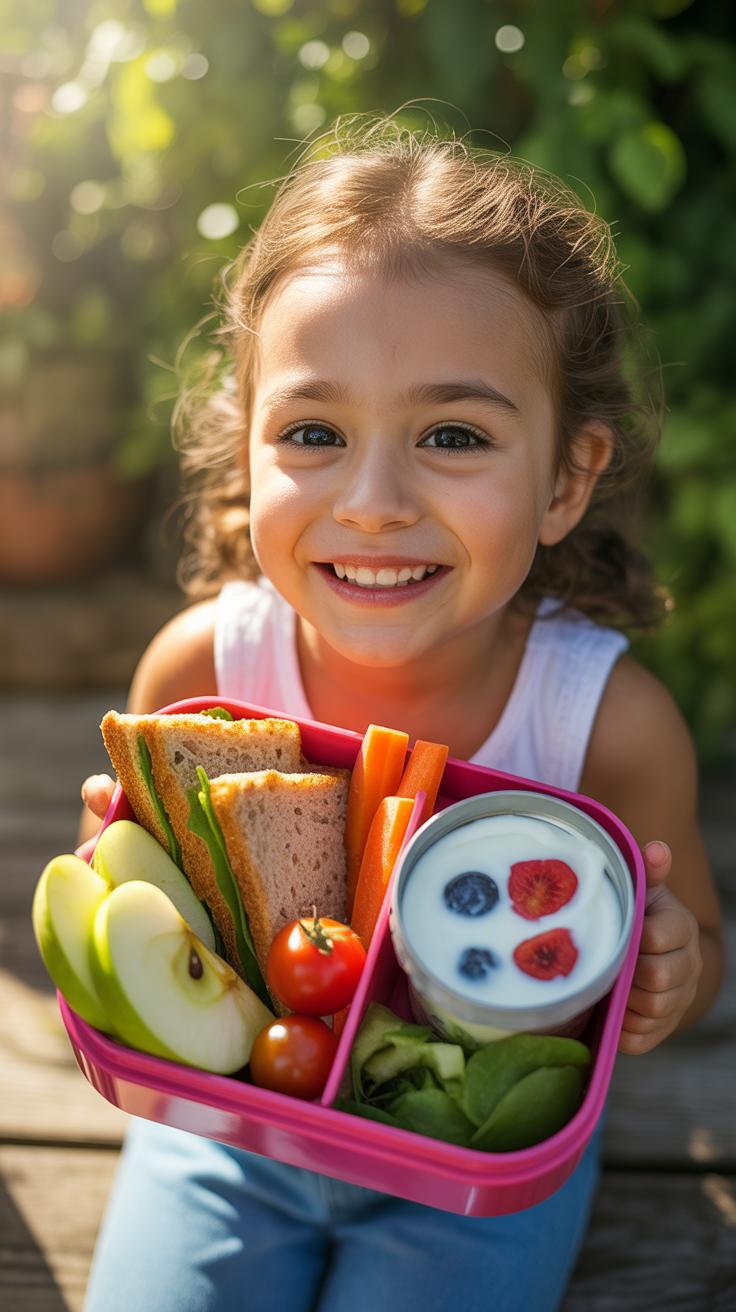
The Role Midday Nutrition Plays In A Child’S Focus And Energy
Midday nutrition dictates cognitive performance for the remainder of the school day. The brain requires a steady supply of glucose to function. High sugar lunches cause rapid insulin spikes followed by a crash. This crash leads to irritability and poor concentration. Complex carbohydrates and proteins provide sustained fuel. This prevents the energy dips that hinder classroom learning and behavioral control.
Strategic food choices impact neurotransmitter production. Proteins provide amino acids like tyrosine which support alertness. Healthy fats aid brain cell structure and communication. Without these nutrients, children struggle with memory retention and task switching. A balanced lunchbox acts as a chemical stabilizer for the developing brain. It ensures the child has the physical resources to meet demanding academic and social requirements.
How Consistent Lunch Habits Shape Long Term Eating Behaviors
The school lunchbox serves as a primary tool for repetitive food exposure. Children develop taste preferences based on what they eat most often. Providing whole foods consistently reduces the desire for hyper-palatable processed snacks. This daily routine builds a mental blueprint for what a meal should look like. Early exposure to diverse nutrients decreases the likelihood of picky eating habits in adulthood.

Consistent lunch habits establish a foundation for metabolic health. Regular meal timing regulates hunger hormones like ghrelin and leptin. This teaches a child to recognize true hunger and fullness cues. These behavioral patterns track into adolescence and beyond. By prioritizing nutrient density now, you reduce the risk of future diet-related diseases. The lunchbox is not just one meal. It is a daily lesson in nutrition.
Simple School Lunch Recipes That Are Nutritious And Kid Approved
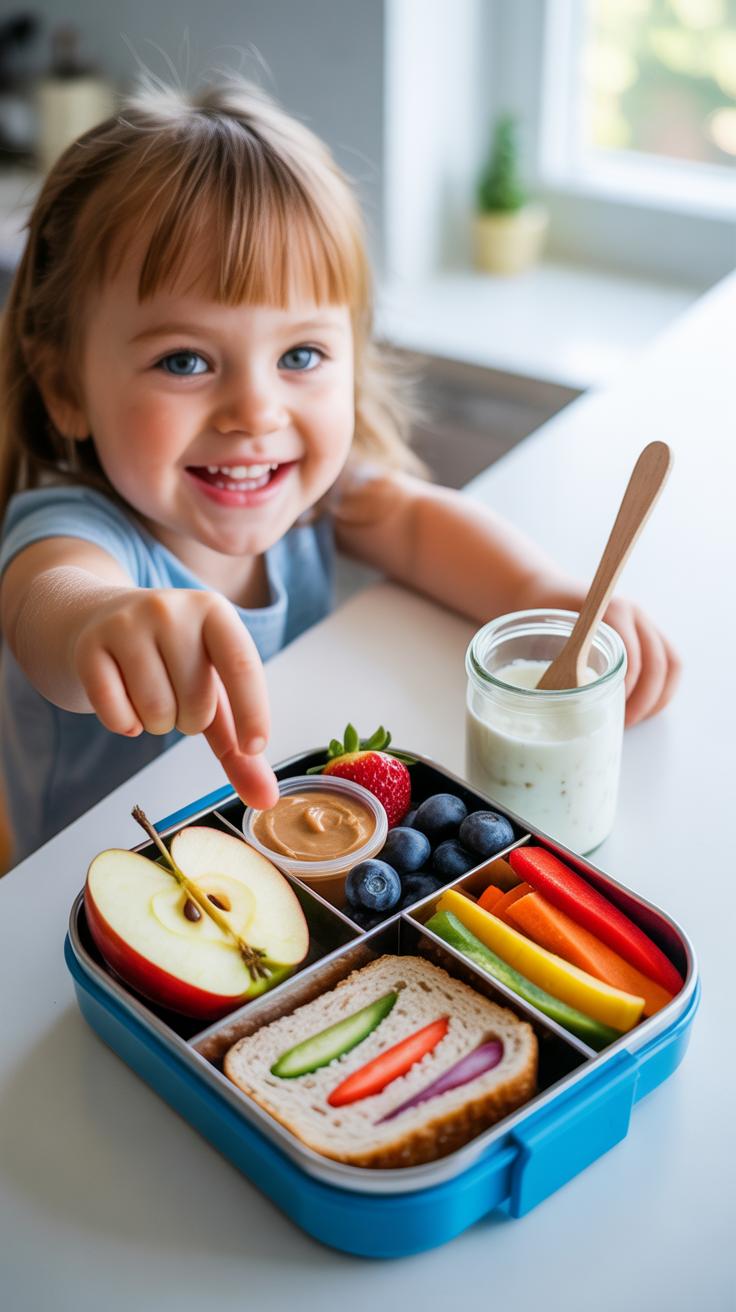
Easy Whole Grain Wraps And Sandwiches Kids Will Reach For First
Whole-grain wraps provide complex carbohydrates for sustained energy. High-fiber flour tortillas or sprouted grain breads prevent the blood sugar spikes found with white bread. Spread a thin layer of hummus or cream cheese to create a moisture barrier. This prevents the bread from becoming soggy before the lunch bell rings. Add sliced turkey or lean ham for essential muscle-building proteins.
Strategic layering is the key to lunchbox success. Place leafy greens or spinach against the moisture barrier to keep the bread dry. Roll wraps tightly and slice them into pinwheels for easier handling by smaller hands. Avoid using watery tomatoes directly against the grain. Use toasted bread to improve structural integrity. These choices ensure the meal remains appetizing after four hours in a locker.
Protein Packed Pasta Salads That Hold Up Well Until Lunchtime
Pasta salad is a stable lunch option that requires no reheating. Use rotini or penne made from chickpeas or lentils to increase protein and fiber content. These legumes provide more nutrients than traditional semolina pasta. Toss the cooked pasta in olive oil or a light vinaigrette while it is still warm. This technique allows the noodles to absorb flavor without becoming sticky or clumping together.
Include hardy vegetables like broccoli florets, bell peppers, and cucumbers. These ingredients maintain their crunch and do not wilt in the dressing. Add cubes of cheddar cheese or grilled chicken breast to boost the caloric density and satiety levels. Store the salad in an insulated container with an ice pack. Keeping the temperature low preserves the texture of the vegetables and ensures food safety.
Best Healthy Lunch Snacks To Pair With Your KidS Main Meal
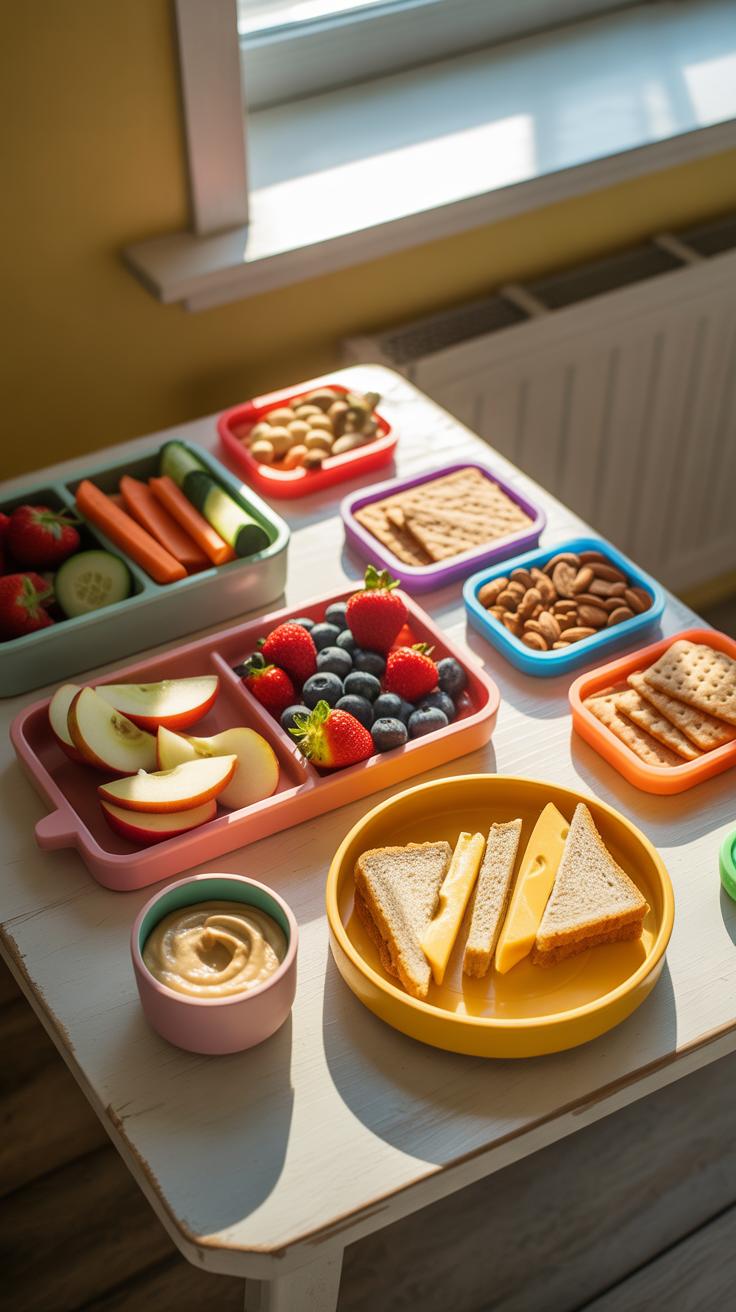
Fruit And Vegetable Pairings That Add Color, Crunch, And Nutrients
Pairing raw vegetables with healthy fats increases the absorption of fat soluble vitamins. Beta carotene in carrots and vitamin K in broccoli require dietary fat to reach the bloodstream. Use hummus or guacamole to provide this lipid bridge. These combinations stabilize blood sugar and prevent the mid afternoon energy crash. High fiber content promotes satiety and keeps the digestive system moving.
Select fruits with low glycemic loads to maintain steady insulin levels. Berries and sliced apples offer fiber and antioxidants without the sugar spike of processed snacks. Use citrus juices to prevent oxidation and browning on cut produce. This keeps the food visually appealing until the lunch hour. Slicing vegetables into uniform sticks makes them easier for small hands to handle and consume quickly.
Dairy And Nut Based Snack Options That Provide Sustained Energy
Protein and healthy fats are essential for cognitive function and long term energy. Greek yogurt and cottage cheese offer high protein counts that keep children full. These dairy products provide calcium and phosphorus for bone development. Use airtight containers to maintain proper temperature and texture. Ensure these items remain cold to prevent bacterial growth and maintain food safety protocols during the school day.
Nut butters and seeds provide dense caloric value and essential fatty acids. If your school has nut restrictions, substitute with sunflower seed butter or roasted chickpeas. These alternatives offer similar protein profiles and textures. These snacks help repair muscle tissue and support brain health throughout the afternoon. Always check ingredient labels to avoid added sugars or hydrogenated oils that provide zero nutritional value to the child.
Meal Prep Snacks That Save Time On Busy School Mornings
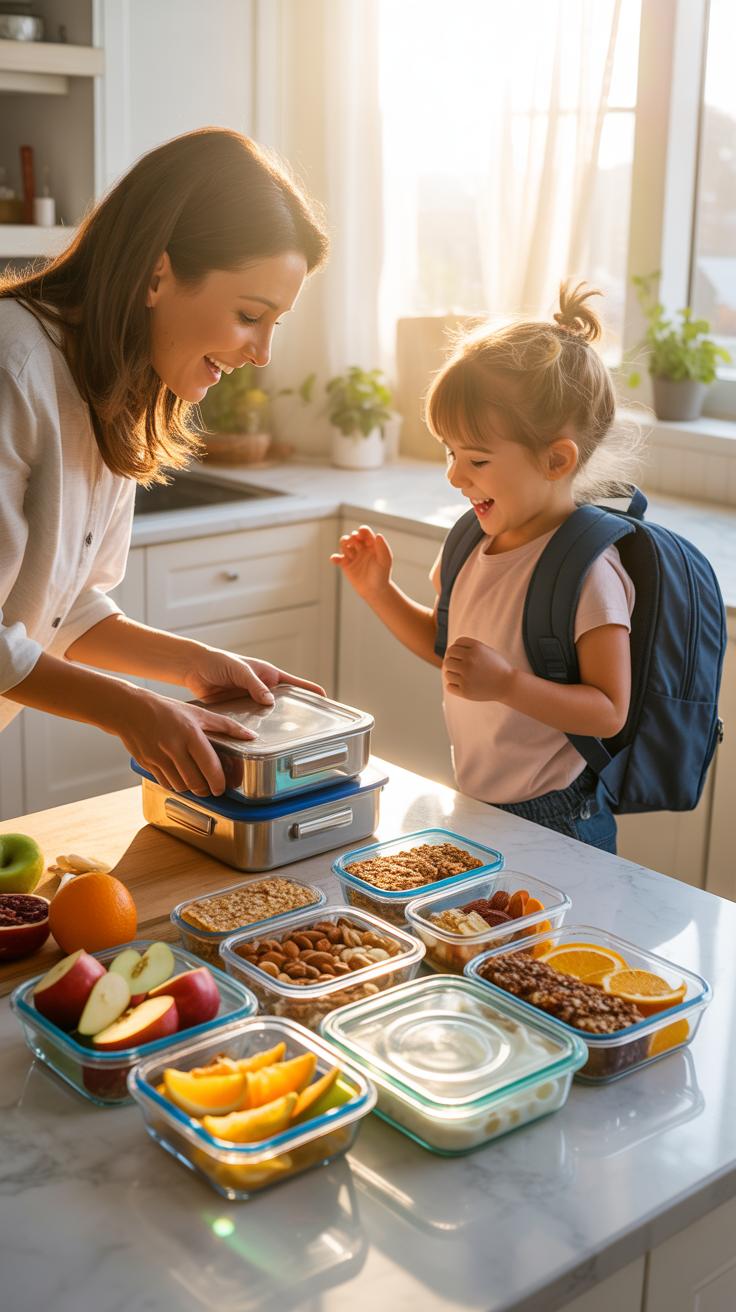
How To Batch Prep Snacks On Weekends For The Entire School Week
Systematic batch prepping eliminates the morning rush. Allocate sixty minutes every Sunday to portioning bulk items. Use clear airtight containers to keep snacks visible and fresh. Wash and dry produce immediately to prevent mold growth. Standardize your portion sizes using food scales or measuring cups. This ensures your children receive consistent caloric intake and reduces food waste across the five day school week.
Strategic storage maximizes your effort. Group prepared snacks into a designated bin in the refrigerator or pantry. This allows kids to participate in the packing process without creating a mess. Focus on high protein and high fiber combinations to maintain steady energy levels. Use reusable silicone bags to minimize environmental impact and recurring costs. A disciplined prep routine transforms complex morning logistics into a simple grab and go operation.
Top Make Ahead Snack Recipes Kids Look Forward To Every Day
Effective snack recipes prioritize shelf life and nutrient density. Focus on ingredients that withstand temperature changes and physical transport in a backpack. Choose recipes that allow for volume production without requiring specialized equipment. The goal is to create items that balance slow burning carbohydrates with healthy fats. These snacks maintain their texture and nutritional profile from Monday morning until Friday afternoon lunch.
- Oat and Seed Power Balls: Combine rolled oats with sunflower butter and honey to create a dense snack. These require no baking and provide long lasting energy through fiber. Store them in the refrigerator to maintain a firm texture during the school day.
- Roasted Chickpeas: Toss canned chickpeas with olive oil and sea salt before baking until crisp. This creates a high protein alternative to processed crackers or chips. They remain shelf stable for several days when kept in a dry and sealed container.
- Yogurt and Berry Parfaits: Layer plain Greek yogurt with frozen berries in small glass jars. The berries thaw by lunchtime and naturally sweeten the high protein yogurt base. This method avoids the excessive added sugars found in most commercial flavored yogurt cups.
- Cheese and Whole Grain Boxes: Slice blocks of sharp cheddar and pair them with sturdy whole grain crackers. Adding sliced cucumbers or grapes provides hydration alongside the protein and fats. This combination replicates commercial snack packs at a fraction of the cost and sugar.
- Hard Boiled Eggs: Boil a dozen eggs and keep them in their shells for maximum freshness. This is one of the most bioavailable protein sources for growing children. They are easy to peel and provide essential vitamins like choline for brain development.
Rotate these recipes weekly to prevent flavor fatigue and ensure a broad spectrum of micronutrients. Monitor which items return uneaten to adjust portion sizes or flavor profiles. Successful meal prepping relies on data from your child’s actual consumption habits. Stick to these proven staples to guarantee your child stays full and focused until the final school bell rings.
How To Build A Bento Box Healthy Enough To Cover All Food Groups
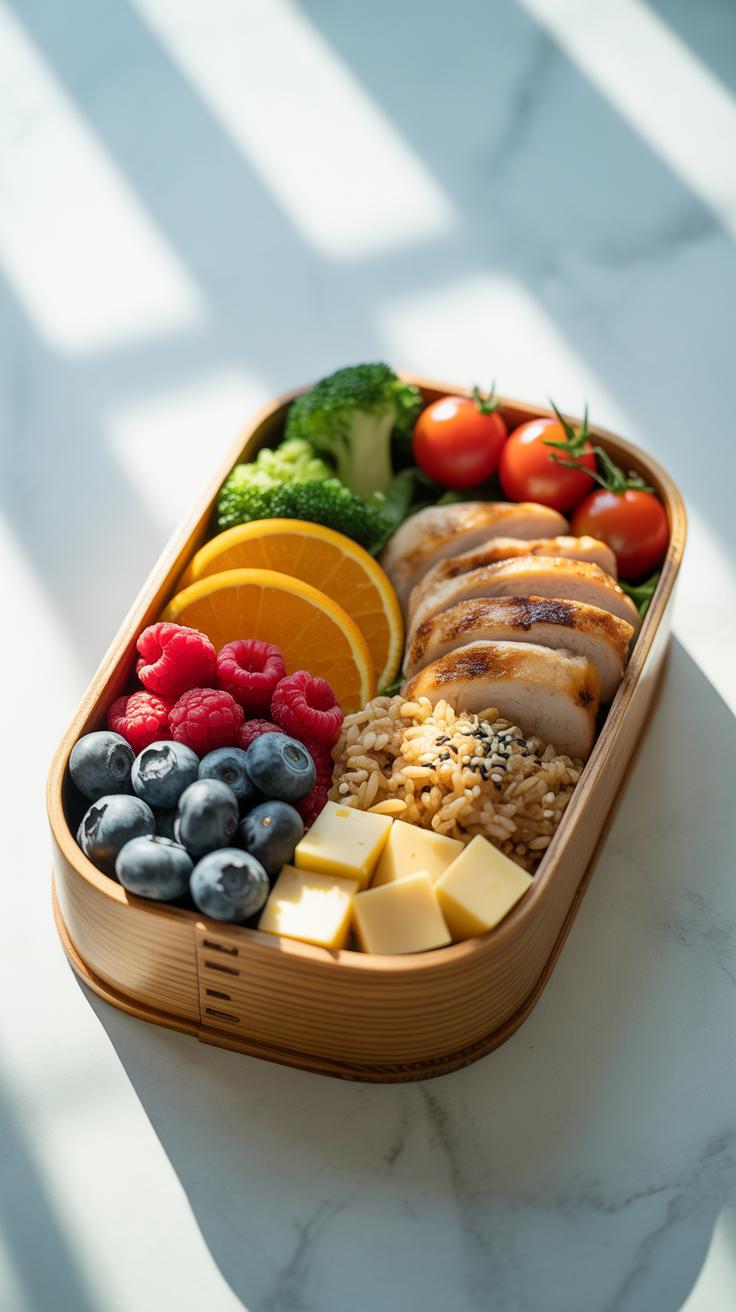
Understanding The Bento Box Format And Why It Works For Kids
The bento box originated in Japan during the Kamakura period as a simple way to carry dried rice. Modern bento design uses fixed compartments to prevent food from touching. This physical separation is a tactical advantage for children who reject mixed textures or flavors. Compartmentalization ensures that fruits remain crisp and sandwiches do not get soggy. This structure enforces variety by its very design.
Strategic placement of food reduces decision fatigue for the child. Small wells encourage grazing rather than a single heavy meal. This format mimics snack plates which increases consumption rates in younger students. You can monitor nutritional intake at a glance by checking which sections come back empty. The hard shell of the box also protects food from being crushed in a backpack. This maintains food integrity throughout the day.
Portioning Proteins, Grains, Fruits, And Veggies In A Bento Box
Proper bento construction requires a specific volume ratio to maximize nutrition. Fill the largest compartment with vegetables and fruits to ensure high fiber and vitamin content. Dedicate the second largest section to complex carbohydrates or whole grains. This provides the steady glucose supply needed for afternoon brain function. Use the remaining small wells for lean proteins and healthy fats like seeds or nut alternatives.
Tight packing is the primary technique to prevent shifting during transit. Traditional bento experts use a ratio of three parts grain, one part protein, and two parts produce. For children, prioritize easy to handle finger foods within these categories. Cut proteins into bite sized pieces and peel fruits beforehand to remove barriers to eating. This systematic approach ensures the meal covers all major food groups without requiring high maintenance packaging or utensils.
Creative Lunch Idea Kids Will Be Excited To Open At School
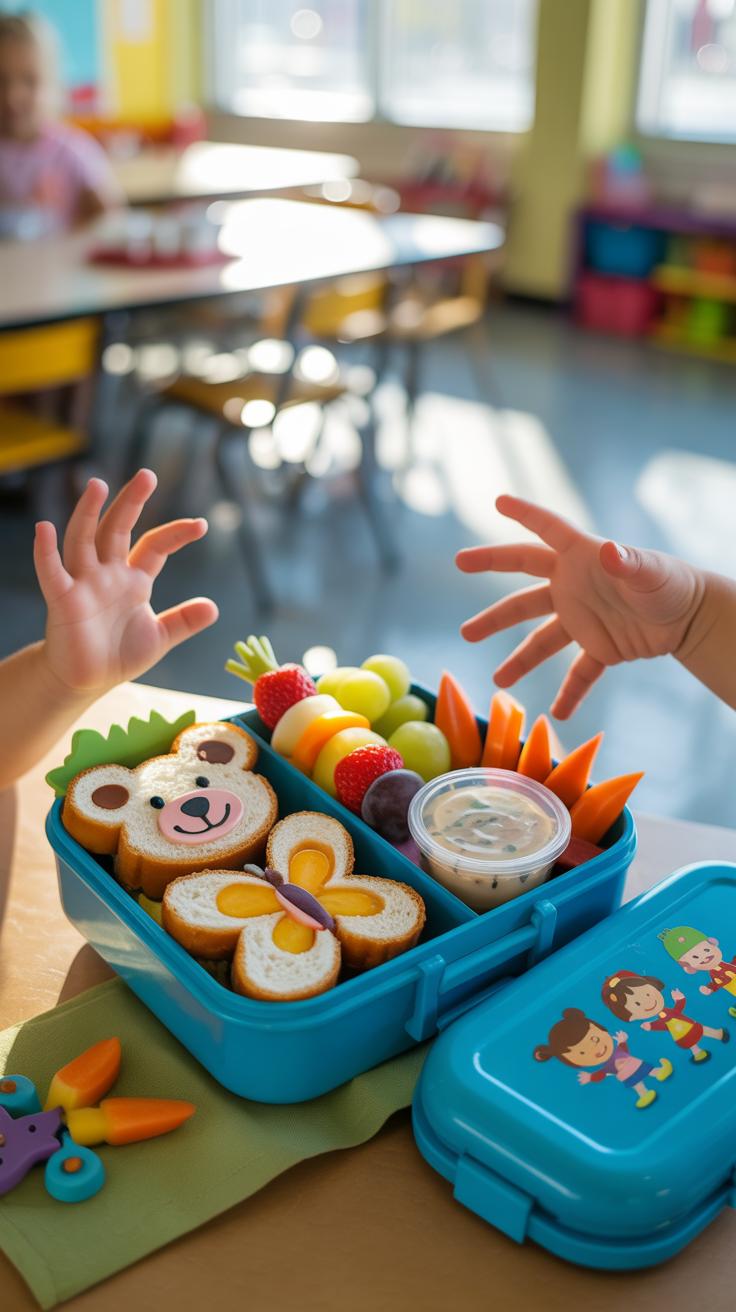
Using Fun Shapes Colors And Themes To Make Lunchboxes Appealing
Visual presentation directly influences food consumption. Use metal cutters to remove crusts and create geometric shapes from sandwiches or fruit. This method mimics the Japanese bento tradition of decorative food arrangement. Use vibrant vegetables like purple carrots or bell peppers to trigger interest through color variety. High contrast makes the meal look professional and intentional. Simple alterations improve the likelihood of a child eating nutritious items.
Strategic themes provide a cohesive narrative for the meal. Structure the box around a single topic such as a specific sport or a color scheme. This approach reduces decision fatigue for the child. Use reusable silicone dividers to prevent food items from touching. This preserves the structural integrity and crispness of produce. Proper placement ensures the food survives the commute without losing its visual appeal or functional texture.
Letting Kids Participate In Choosing Their Lunch To Reduce Waste
Involving children in the selection process increases their sense of autonomy. This psychological shift reduces the odds of food returning uneaten. Give the child two healthy options for each category of the meal. Let them choose between carrots or snap peas. This limited choice provides them control while you maintain nutritional standards. Proper planning ensures you only buy what they will actually consume at school.
Tactical participation extends to the preparation phase. Allow children to pack their own containers using pre-washed ingredients. This hands-on interaction builds familiarity with different food groups. Active involvement often leads to higher satisfaction rates during the lunch hour. Monitor their choices to ensure a balance of proteins and complex carbohydrates. Consistent engagement teaches them how to build a sustainable meal while minimizing overall household food waste.
Diverse Ideas For Lunch For Kids That Go Beyond The Basic Sandwich
Global Inspired Lunch Options That Introduce Kids To New Flavors
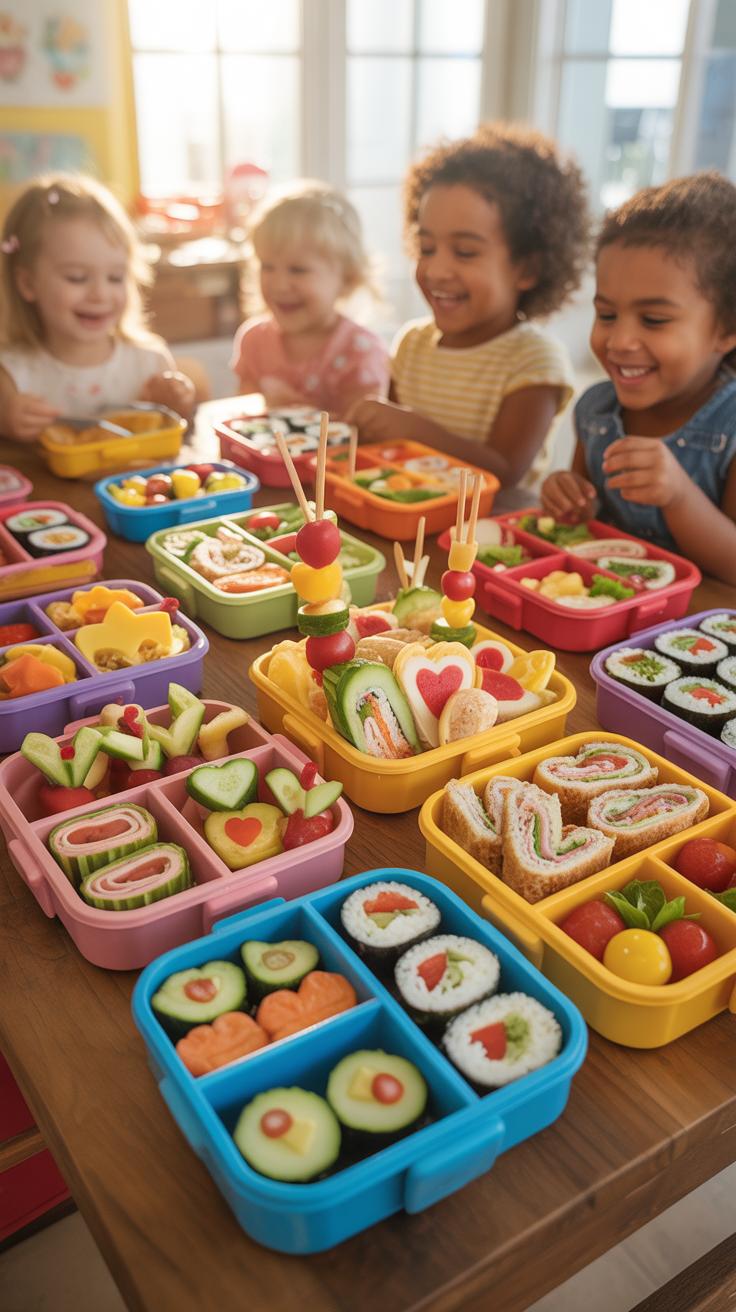
Exposure to global cuisines expands a child’s palate and improves nutrient density. Replace standard bread with items like pita, naan, or corn tortillas. These bases support hummus, lean proteins, and diverse vegetables. Use bento boxes to separate components and prevent flavor mixing. This approach mimics the Japanese style of portion control and aesthetic variety. It encourages children to explore different textures and spices.
Mediterranean and Asian flavors offer high nutritional value with minimal processing. Serve cold noodle salads using buckwheat or rice noodles to avoid gluten if necessary. Add sesame oil and ginger for authentic flavor profiles. Use small containers for dipping sauces to make the meal interactive. This strategy builds food confidence and reduces pickiness. It shifts the focus from repetitive starch to varied fiber and protein sources.
Warm Thermos Lunch Ideas That Keep Food Safe And Delicious
Temperature control is vital for food safety and palatability in school lunches. Use an insulated stainless steel flask to maintain heat for several hours. This allows for meals like lentil soup, bean chili, or whole grain pasta. These warm options provide sustained energy through complex carbohydrates. Preheating the thermos with boiling water for five minutes ensures maximum heat retention. This step prevents bacterial growth by keeping food out of the danger zone.
Leftovers from dinner function as efficient lunch solutions. Focus on balanced one-pot meals that contain both vegetables and proteins. Avoid cream-based sauces that may separate or spoil at lower temperatures. Use lean ground turkey or chickpeas to keep the meal light yet filling. High-fiber ingredients keep children satiated longer than simple sugars. This method reduces food waste and saves preparation time during the morning rush.
Practical Lunch To Go Ideas For Active And Busy School Days
Choosing The Right Containers And Bags For Portable Healthy Lunches
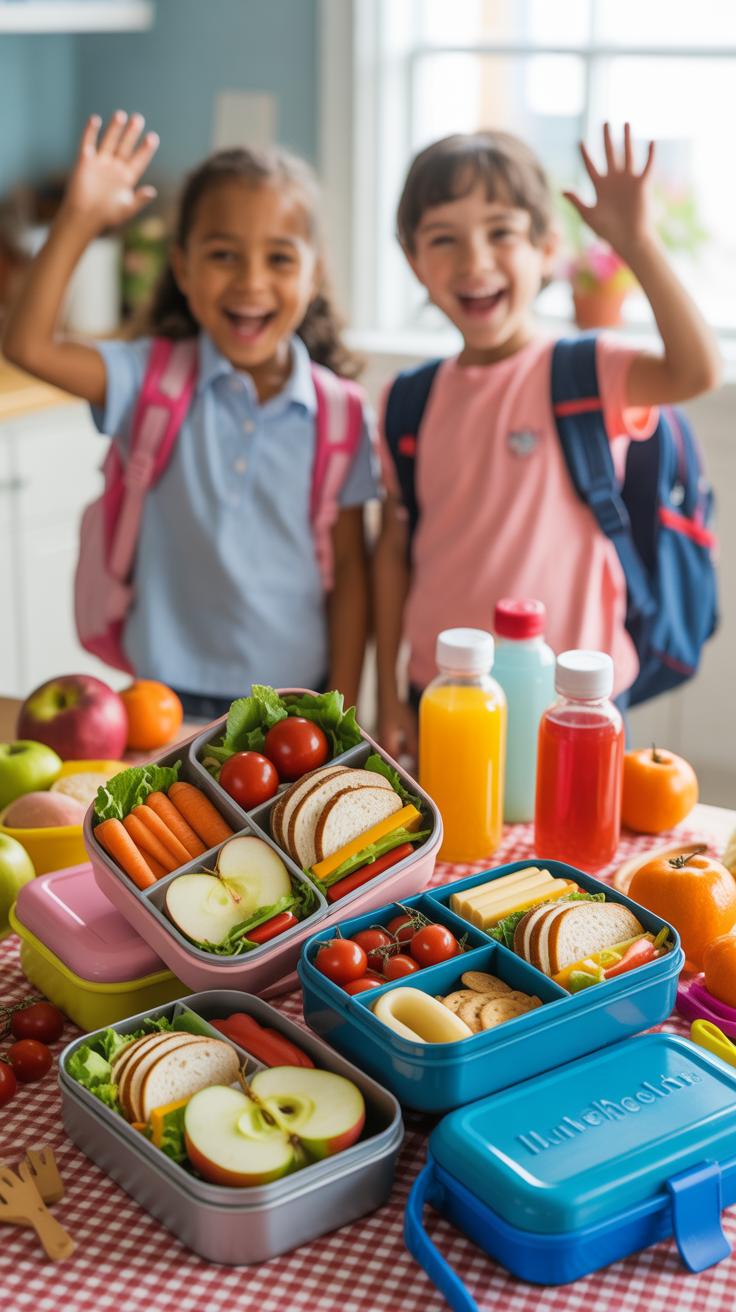
Select stainless steel or BPA-free plastic containers to ensure food safety and durability. Rigid containers protect delicate fruits and vegetables from crushing during transport. Use leak-proof seals for yogurt or dips to prevent messy spills. Modular sets allow you to organize different food groups without flavor transfer. High-quality latch systems ensure young children can open their meals independently without adult assistance.
Invest in insulated lunch bags with high-density foam to maintain safe internal temperatures. Cold items must stay below 40 degrees Fahrenheit to inhibit bacterial growth. Use gel packs or frozen water bottles to provide consistent cooling for several hours. Durable nylon or polyester exterior fabrics resist tears and permit easy cleaning. Choose hardware like heavy-duty zippers to withstand daily wear and tear from student use.
Quick Assembly Tips For Nutritious Lunches You Can Pack In Minutes
Efficiency requires a systematic approach to meal preparation and storage. Group ingredients by food category to minimize movement in the kitchen. Pre-wash and chop produce during the weekend to save time on busy mornings. Utilize leftover proteins from dinner to build the base of the next day’s meal. Standardized portions reduce decision fatigue and ensure your child receives a balanced mix of nutrients.
- Pre-Portioned Snacks: Divide large bags of nuts, seeds, or crackers into small reusable pouches. This prevents overeating and allows you to grab a side item in seconds. It also keeps dry goods crisp and fresh.
- Batch Prep Grains: Cook a large pot of quinoa or brown rice on Sunday night. These stable grains act as a neutral base for cold salads. Store them in airtight containers to maintain proper moisture levels and texture.
- Washer-Ready Produce: Clean berries and grapes immediately after purchase and dry them thoroughly before storage. Use vented containers to increase airflow and prevent mold. Ready-to-eat fruit eliminates the need for peeling or cutting during the morning rush.
- Liquid Leak Prevention: Place dressings and dips in small silicone or screw-top jars. Always put these small containers inside the main lunch box to provide a secondary barrier. This method keeps salads from getting soggy before lunchtime.
- Vertical Stacking Logic: Place heavier items like water bottles or dense containers at the bottom of the bag. Put soft items like sandwiches or berries on top. This specific order prevents physical damage to delicate foods during the commute.
Standardize your packing routine to maximize speed and consistency. Keep all lunch gear in a dedicated cabinet near the food prep area. Use a checklist to ensure every meal contains a protein, a complex carbohydrate, and a vegetable. Clear communication about the menu prevents last-minute changes or rejection. Consistency in your process turns a chore into a fast habit that supports student health.
How To Pack A Vegan School Lunch That Kids Will Actually Enjoy
Plant Based Protein Sources That Work Well In A Kid’S Lunchbox
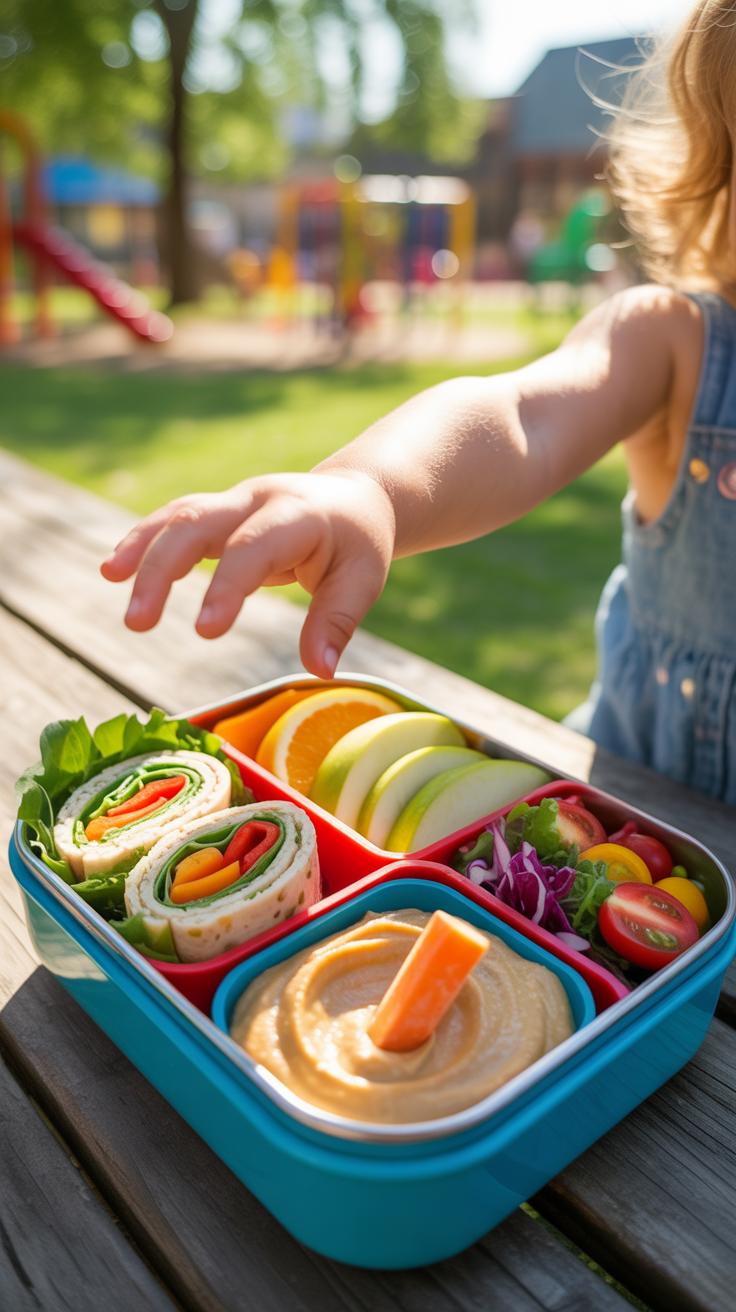
Vegan protein must remain stable at room temperature for several hours. Chickpeas and edamame provide reliable amino acids and fiber. These legumes stay firm and do not turn mushy in a sealed container. Dry roasted chickpeas offer a crunch that mimics processed snacks. Firm tofu cubes also work well when pressed and seasoned. These options provide necessary energy without requiring advanced refrigeration.
Sunflower seed butter serves as a high-protein substitute for peanut butter in nut-free schools. Most schools now ban peanuts to prevent allergic reactions. Seed butters offer similar healthy fats and proteins found in traditional nuts. Lentil pasta is another tactical choice for increasing protein density in a standard meal. It looks and tastes like wheat pasta but offers more nutrition. These swaps ensure the child stays full until dinner.
The best way to make children good is to make them happy through the warmth of a homemade meal. Nourish their bodies and their spirits with simple goodness packed from the heart.
Vegan Lunch Combinations That Are Balanced, Colorful, And Filling
A balanced vegan lunch contains a starch, a protein, and a raw produce item. Build a wrap using a whole grain tortilla and hummus as the primary binder. Shredded carrots and spinach add texture and vitamins. This combination prevents the bread from getting soggy before lunchtime. Include a side of sliced fruit to provide natural sugars for brain function. This layout covers all essential food groups without using animal products.
Bento boxes help keep different food textures separate and appealing. Fill one compartment with quinoa salad mixed with black beans and corn. Use another section for sliced bell peppers and snap peas. These vegetables provide a satisfying crunch that replaces chips. Consistency is key for child compliance with plant-based diets. Stick to familiar shapes and colors to reduce mealtime friction. Simple presentations increase the likelihood that the child finishes the entire meal.
Common Healthy Lunchbox Mistakes Parents Make And How To Fix Them
Why Kids Throw Away Their Lunch And What You Can Do Differently
Kids throw away food because of logistical hurdles. Large portions overwhelm them during short breaks. Some items require too much effort to open or peel. Classroom environments are loud and distracting. If a child cannot eat a meal in ten minutes, they will dump it to go play. You must prioritize speed and ease of access to ensure they consume the calories you provide.
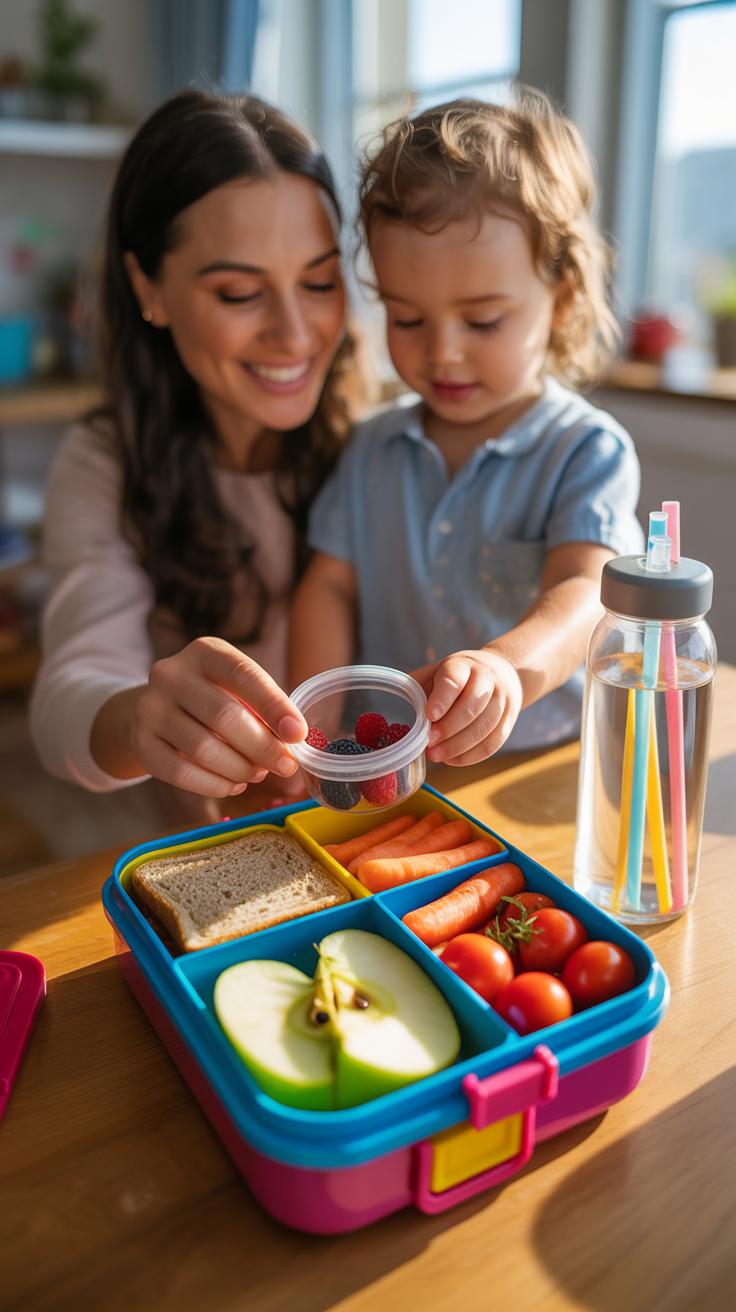
Switch to pre-peeled fruits and bite-sized proteins. Use containers that provide easy mechanical leverage for small hands. Test every lid and seal at home before sending it to school. If a child struggles to open a box, that food stays in the trash. Ask your child why specific items returned home or went missing. Their feedback tells you exactly which physical barriers prevent them from eating.
Balancing Treats And Nutrition Without Creating Food Guilt In Kids
Restricting all sugar or fat creates a scarcity mindset in children. This often leads to binging or trading food with peers. Parents who label foods as good or bad inadvertently cause anxiety. This anxiety creates a negative relationship with eating habits. Instead, serve small portions of treats alongside nutrient-dense items. This approach de-emphasizes the power of the treat and promotes a neutral view of food.
Focus on the physical function of food rather than moral labels. Explain how proteins build muscle and carbohydrates provide energy for recess. Include one small preference item to increase compliance with the overall meal. When you stop treating desserts as rewards, children stop viewing vegetables as punishments. Solid nutrition relies on consistent exposure to variety. Balanced lunchboxes minimize the urge to hunt for snacks later in the day.
Frequently Asked Questions

What are the main components of a balanced school lunch?
A balanced meal should include a mix of protein, complex carbohydrates, healthy fats, and colorful produce. When brainstorming healthy lunchbox ideas, think beyond the standard sandwich. Try incorporating lean turkey roll-ups, whole-grain crackers, or Greek yogurt dips. Including a variety of textures and bright colors makes the meal visually appealing to children while ensuring they receive the essential nutrients they need to stay focused throughout the school day.
How can I keep school lunches fresh and appetizing until lunchtime?
Keeping food at the right temperature is key to ensuring kids actually eat what you pack. Invest in a high-quality insulated bag and use slim ice packs to keep dairy and proteins cold. For warm meals like pasta or soup, preheat a thermos with boiling water before adding the food. These practical healthy lunchbox ideas help maintain food safety and keep textures crisp or creamy, preventing the dreaded soggy sandwich syndrome.
Is it possible to pack nutritious lunches on a tight budget?
Absolutely! You can provide nourishing meals without overspending by focusing on seasonal produce and bulk staples. Items like dried beans, eggs, and seasonal apples are much more affordable than pre-packaged “kid” snacks. Buying a large tub of yogurt and portioning it into reusable containers is cheaper and healthier than buying individual cups. Planning your meals around weekly grocery sales is the best way to implement sustainable, cost-effective habits.