
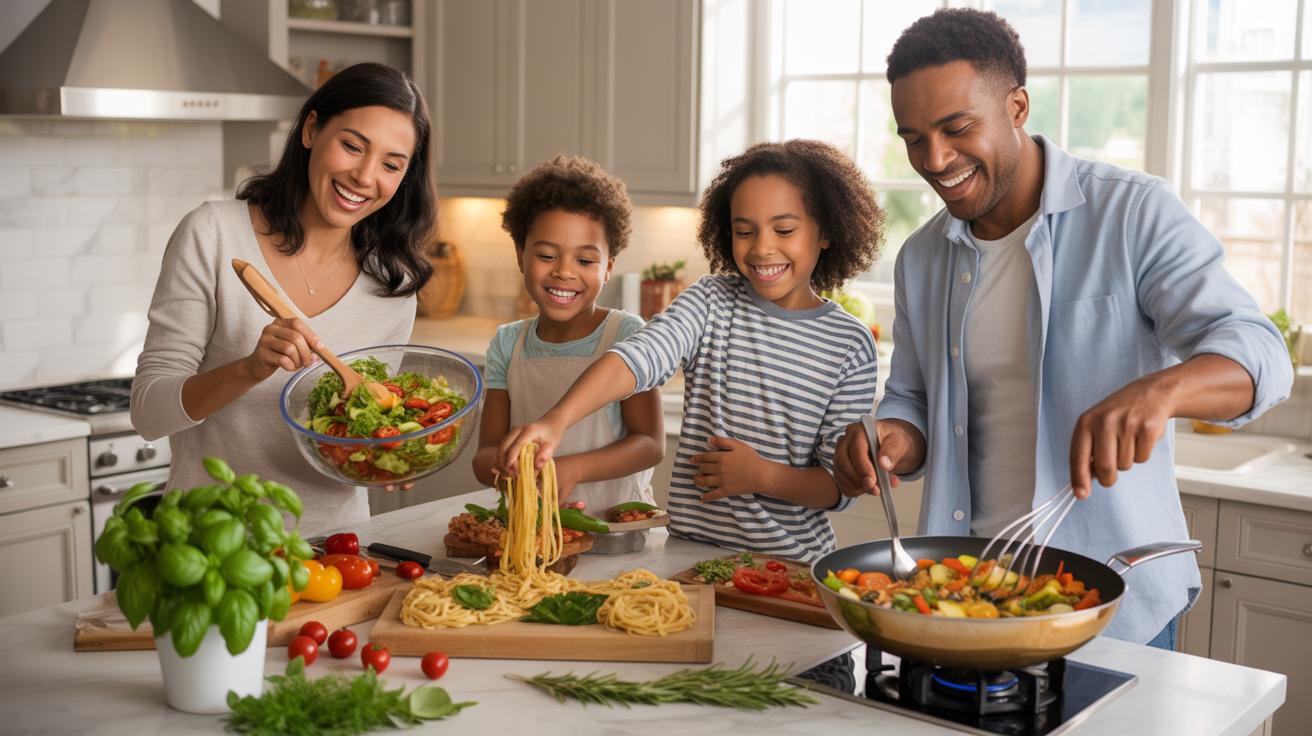
Why Fast Dinner Recipes Are A Game Changer For Busy Families
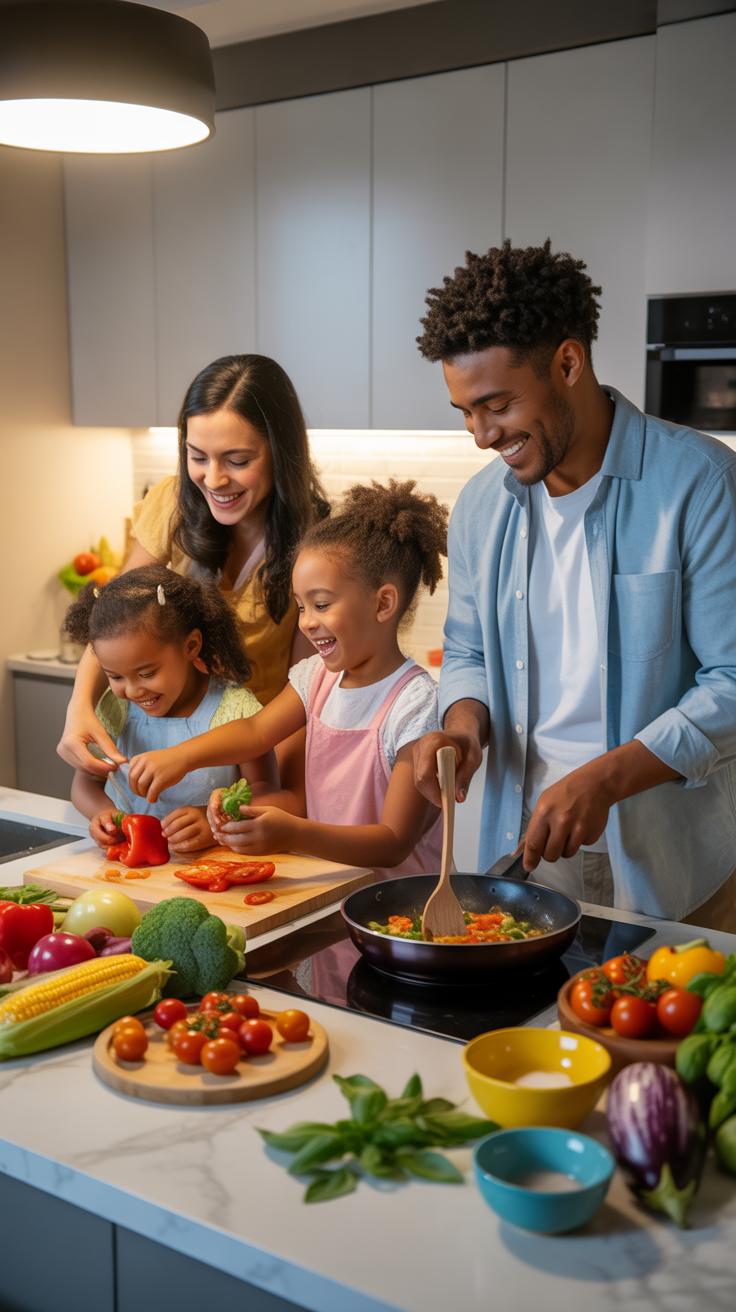
The Real Cost Of Skipping Home Cooked Meals On Weeknights
Skipping home cooking increases your reliance on processed food and commercial takeout. These options often contain high levels of sodium and industrial seed oils. Frequent consumption of restaurant meals correlates with higher caloric intake and lower nutrient density. You pay a premium for convenience through service fees and tips. This habit drains your monthly budget while offering poor nutritional returns for your family members.

Relying on ultra processed frozen meals disrupts metabolic health over time. Homemade food allows total control over ingredient quality and portion sizes. Maintaining a rotation of fast recipes prevents the decision fatigue that leads to expensive delivery orders. You stabilize your household finances by utilizing bulk pantry staples instead of overpriced convenience items. Strategic meal planning at home reduces waste and ensures a predictable nutritional floor for children.
How 30 Minute Cooking Habits Build Healthier Family Routines
Short cooking times make daily meal preparation sustainable for working parents. Preparing a meal in under half an hour fits within the natural window of evening downtime. This consistency builds a predictable structure for children who thrive on routine. Reliable dinner times improve domestic stability and reduce evening stress levels. You bridge the gap between a hectic workday and a restful night through active kitchen participation.

Mastering quick cooking techniques removes the psychological barrier to healthy eating. When a recipe takes less time than a delivery driver, the healthier choice becomes the easiest choice. These habits teach children that nutrition is a priority despite a busy schedule. Efficient kitchen workflows allow more time for actual consumption and conversation at the table. You solidify long term wellness by making home cooking a non negotiable part of the day.
Essential Pantry Staples That Make Fast Dinners Possible Every Night
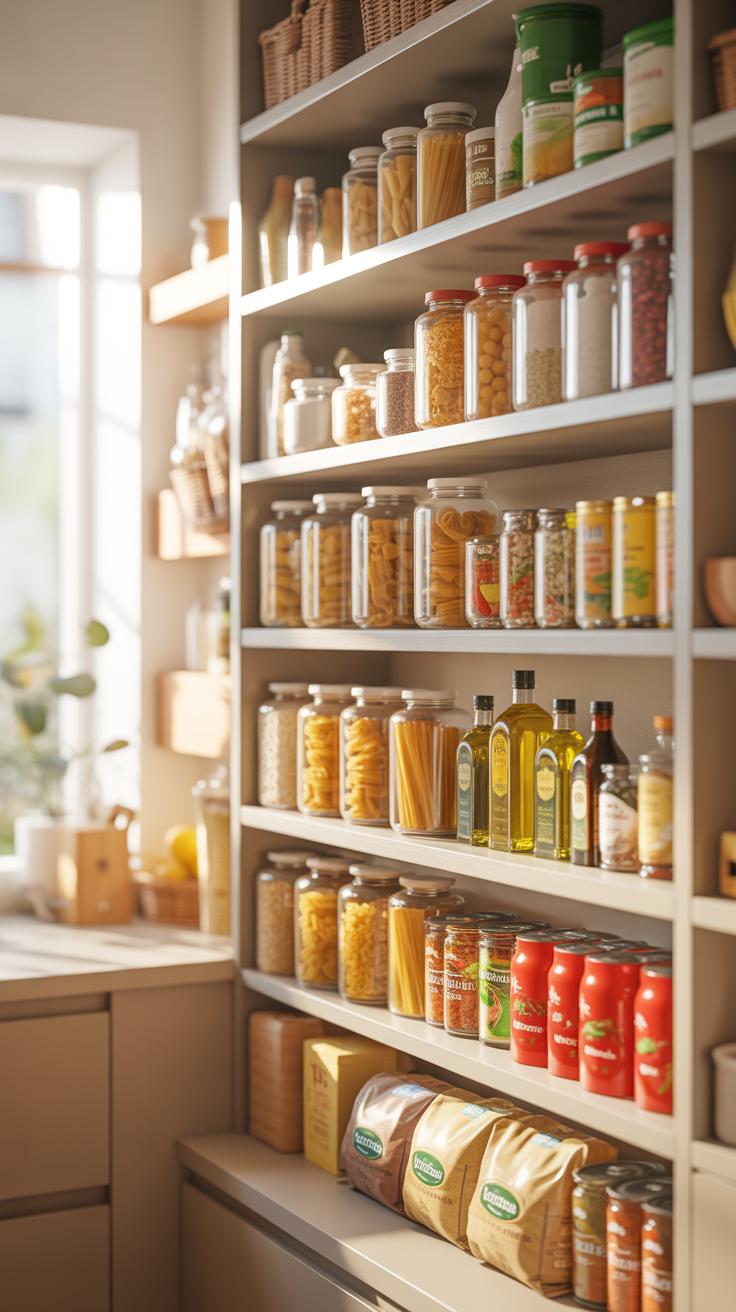
Stocking Your Kitchen For Speed: Proteins, Grains, And Sauces
Speed starts with your inventory. You cannot cook fast if you must shop every day. Your pantry needs high-protein bases and fast-cooking starches. These items stay shelf-stable for months. They provide the foundation for hundreds of different meals. Use these staples to eliminate decision fatigue during your busiest hours. Focus on items that require minimal processing before they hit the pan.
- Canned Beans: Black beans, chickpeas, and cannellini beans provide instant protein without the long soak times of dried varieties. They work in tacos, salads, and soups. Rinse them thoroughly to remove excess sodium and improve the final texture of your dish.
- Dry Pasta: Thin shapes like angel hair or spaghetti cook in under ten minutes. Whole wheat versions offer more fiber and keep the family full longer. Keep at least three different shapes to vary the mouthfeel of your weekly pasta rotations.
- Pre Cooked Grains: Standard brown rice takes forty minutes to simmer. Use parboiled or pouch-ready jasmine rice to cut that time to ninety seconds. These shelf-stable options maintain consistent quality and texture while removing the most time-consuming step of meal preparation.
- High Quality Jarred Marinara: A clean label sauce serves as a base for more than just pasta. Use it for quick chicken parmesan, poaching eggs, or as a dipping liquid. Enhance the flavor quickly by adding fresh garlic or dried oregano during the heating process.
- Jarred Aromatics: Minced garlic and ginger paste save ten minutes of knife work per meal. These products offer consistent flavor profiles and eliminate the need for peeling and chopping. Store them in the refrigerator after opening to maintain their potency for several months.
Smart stocking requires a balance of nutrients and flavor. Acids like vinegar and bright fats like olive oil transform dry goods into restaurant-quality meals. High-heat oils facilitate faster searing of meats. Keep bold spices like cumin, smoked paprika, and garlic powder ready. These ingredients allow you to pivot between different global cuisines using the same basic set of proteins and grains.
How A Well Organized Pantry Cuts Your Weeknight Cooking Time In Half
Organization is a physical tool for speed. Group your items by heat level or cuisine type to reduce searching. Visibility prevents you from buying duplicates or running out of critical ingredients. Use clear containers to track your inventory levels at a single glance. A chaotic cabinet forces you to stop moving. A clean system keeps your hands on the tools.
Standardized placement creates muscle memory in the kitchen. You should be able to reach for salt, oil, and your primary starch without looking. This efficiency allows you to focus on the stove rather than the cupboard. Professional kitchens use this “mise en place” logic to serve hundreds of people. Apply these same industrial principles to your home pantry to reclaim your evening.
Beef Recipes Easy Enough For Any Weeknight Without The Stress
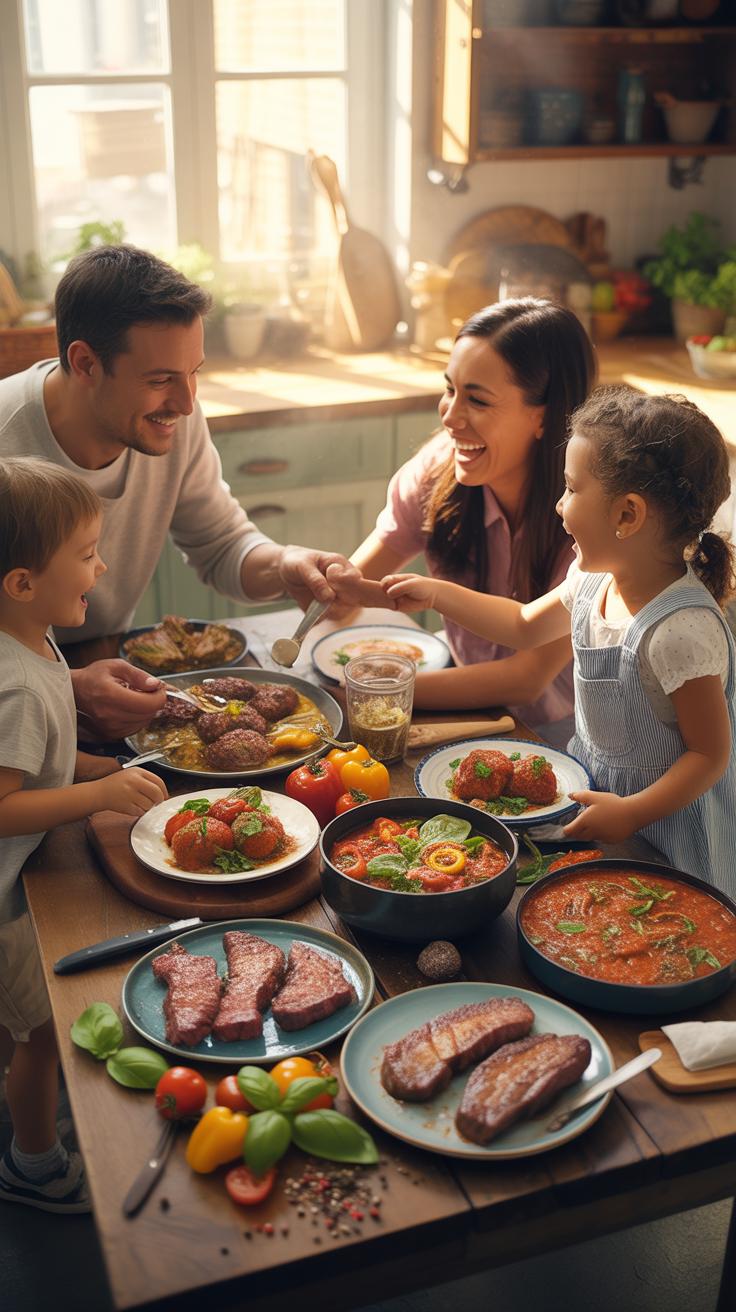
Choosing The Right Cuts Of Beef For Quick High Heat Cooking
Speed requires cuts with minimal connective tissue. Choose ribeye, sirloin, or tenderloin for pan-searing and stir-frying. These muscles do not need long braising times to soften. Leaner options like flank or skirt steak work if you slice them against the grain. Thick cuts take too long to reach safe internal temperatures. Stick to steaks under one inch thick for faster heat penetration.
Ground beef is the most efficient choice for weeknight meals. It provides maximum surface area for browning and requires no butchery. Look for an 80/20 lean-to-fat ratio to ensure moisture without excessive grease draining. Frozen patties or pre-crumbled meat save even more time during prep. High heat creates the Maillard reaction quickly. This chemical process develops deep flavor in minutes instead of hours.
Simple Seasoning Techniques That Elevate Easy Beef Recipes Fast
Salt is the most critical tool for beef. Apply coarse salt immediately before cooking to draw out moisture and create a crust. Do not salt too early unless you have several hours for traditional brining. Use high-smoke point oils like avocado or canola. These fats handle the intense temperatures needed for searing without burning. Proper heat management prevents the meat from steaming in its own juices.
Layer flavors using dry rubs instead of wet marinades to save time. Garlic powder, onion powder, and smoked paprika provide instant depth without adding liquid. Wet sauces should only hit the pan in the final sixty seconds of cooking. This prevents sugars from burning while glazing the meat effectively. Let the beef rest for five minutes after cooking. This allows fibers to relax and retain juice on the plate.
Beef And Broccoli With The Best Sauce A 25 Minute Family Favorite
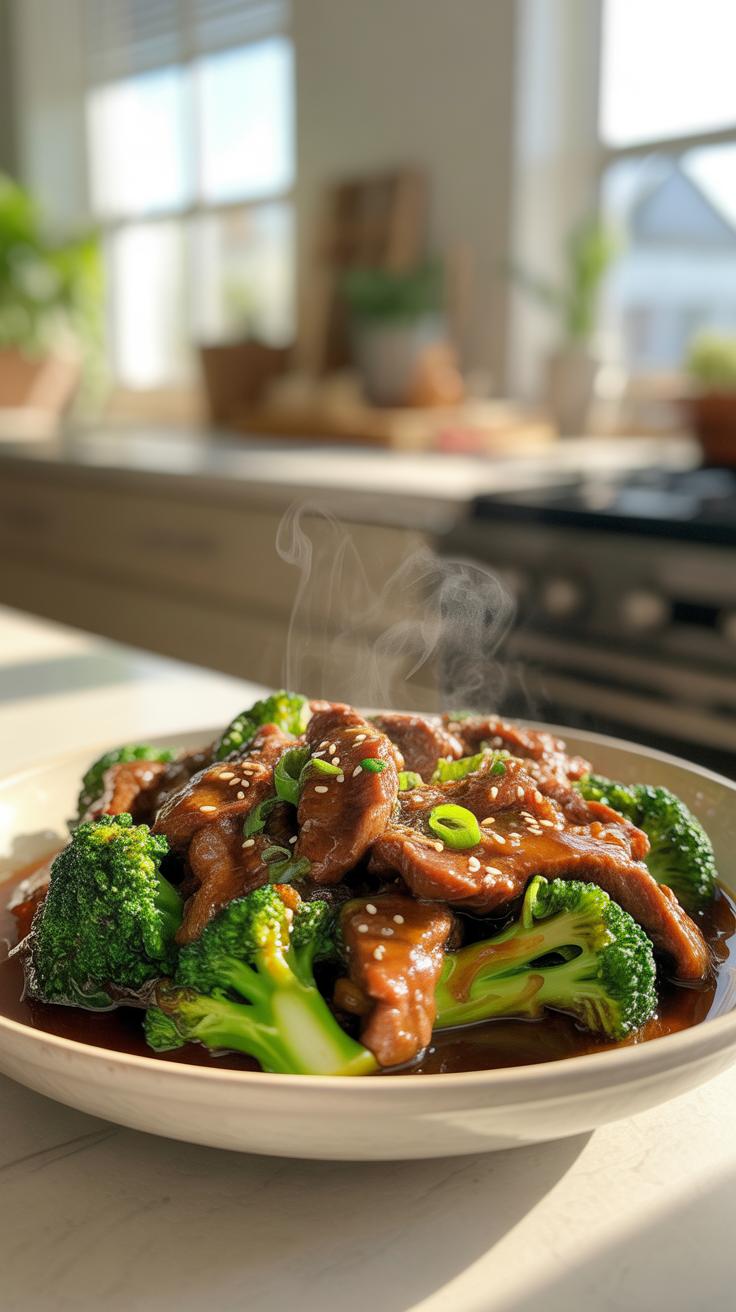
What Makes The Sauce In Beef And Broccoli So Irresistibly Good
The sauce relies on a balance of salt, sugar, and umami. Soy sauce provides the primary salt profile while brown sugar offsets bitterness. Professional kitchens use oyster sauce to add thickness and a deep savory note. This ingredient contains mollusk extract which creates a complex flavor layer. Garlic and ginger provide the aromatic base that defines traditional Cantonese-American cuisine.
The signature texture comes from a cornstarch slurry. Mixing cold water with cornstarch prevents unappetizing clumps in the pan. When this mixture hits the heat, it gelatinizes and clings to the protein. Toasted sesame oil serves as the finishing touch. Do not cook with sesame oil over high heat because it burns easily. Add it last to preserve its nutty scent and taste.
Step By Step Tips For Nailing Beef And Broccoli On A Busy Weeknight
Preparation determines your success because the actual cooking takes under ten minutes. You must slice your beef against the grain to break up tough muscle fibers. This technique ensures the meat stays tender even with fast cooking. Use a high-smoke point oil like canola or peanut oil to prevent burning. Ensure your wok or heavy skillet is screaming hot before adding the beef.
- Velveting the Meat: Coat your sliced beef in a mixture of cornstarch and soy sauce for ten minutes before cooking. This Chinese technique creates a protective barrier that keeps the interior juicy while allowing the outside to brown.
- Batch Cooking: Sear the beef in small groups rather than crowding the entire pound into the pan at once. Overcrowding lowers the pan temperature and causes meat to steam in its own juices instead of developing a crust.
- Steam the Broccoli: Add a splash of water to the pan and cover it for sixty seconds after searing the beef. This quick steam step softens the vegetable stems without turning the florets into mush or losing their bright green color.
- The Slurry Method: Whisk your cornstarch into the cold sauce liquids before pouring them into the hot pan. Constant stirring is required during this phase to ensure the sauce thickens evenly and reaches a glossy transparency within seconds.
- Flash Slicing: Place your flank steak or sirloin in the freezer for fifteen minutes before you start your prep work. Partially frozen meat is firmer and much easier to cut into the thin uniform strips required for rapid stir-fry cooking.
Timing is the final critical factor for a quality family dinner. Once the sauce thickens and coats the back of a spoon, remove the pan from the heat immediately. Residual heat will continue to cook the broccoli and beef as you plate the meal. Serve the dish over white rice or rice noodles to soak up the extra sauce. This strategy maximizes flavor and minimizes overall kitchen cleanup time.
Beef Casserole Recipes That Come Together Faster Than You Think
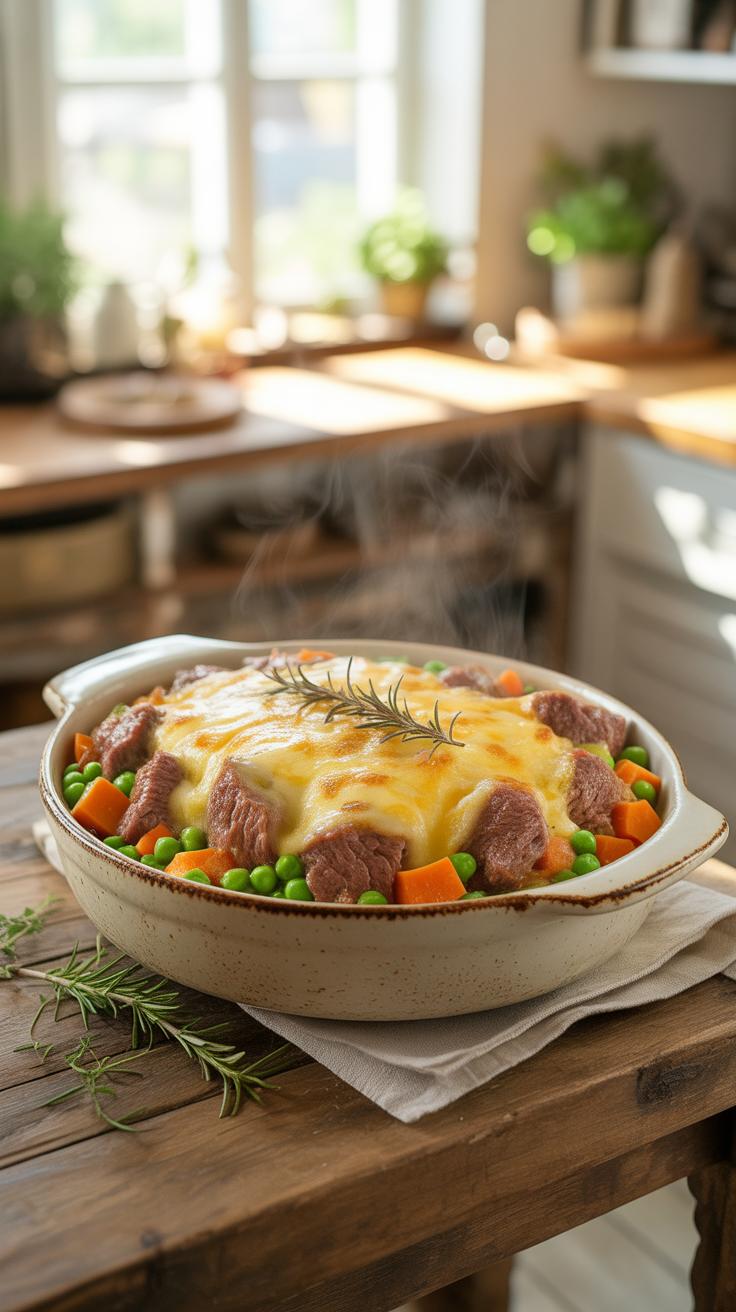
How To Build A Satisfying Beef Casserole In Under 30 Minutes
Traditional beef casseroles rely on long oven times to tenderize tough meat cuts. To finish in thirty minutes, you must change your heat source and protein choice. Use a large cast iron or stainless steel skillet on the stovetop instead of the oven. High heat browns ground beef or thin sirloin strips quickly. This method creates the necessary Maillard reaction without the wait.
Focus on par-boiled or quick-cooking starch bases to meet your time goal. Pre-cooked noodles, instant rice, or thinly sliced potatoes cut down cooking duration significantly. Combine your browned beef with high-moisture vegetables and a binder like heavy cream or stock. Cover the pan with a tight lid to trap steam and finish the dish. This pressure speeds up the softening of all ingredients.
The kitchen is the heart of the home, but the magic happens when we spend less time at the stove and more time around the table together. A simple meal shared with love is always a feast for the soul.
Smart Ingredient Swaps That Speed Up Classic Beef Casserole Recipes
Swap raw onions and garlic for high-quality powders to eliminate prep labor. Use frozen vegetable blends like peas and carrots to skip chopping. These items are flash-frozen at peak ripeness and cook faster than fresh alternatives. Canned tomato paste or condensed soups act as immediate thickeners. They provide a foundational flavor profile that usually takes hours of simmering to develop manually.
Replace dried pasta with fresh refrigerated noodles or dry precooked varieties. Fresh pasta cooks in three minutes while dry shapes take ten or more. Choose lean ground beef with a 90/10 ratio to minimize grease drainage time. If you use steak, slice it against the grain into thin ribbons while still semi-frozen. This tactical cutting ensures the beef cooks through in less than five minutes.
Non Pasta Dinners The Whole Family Will Actually Ask For Again
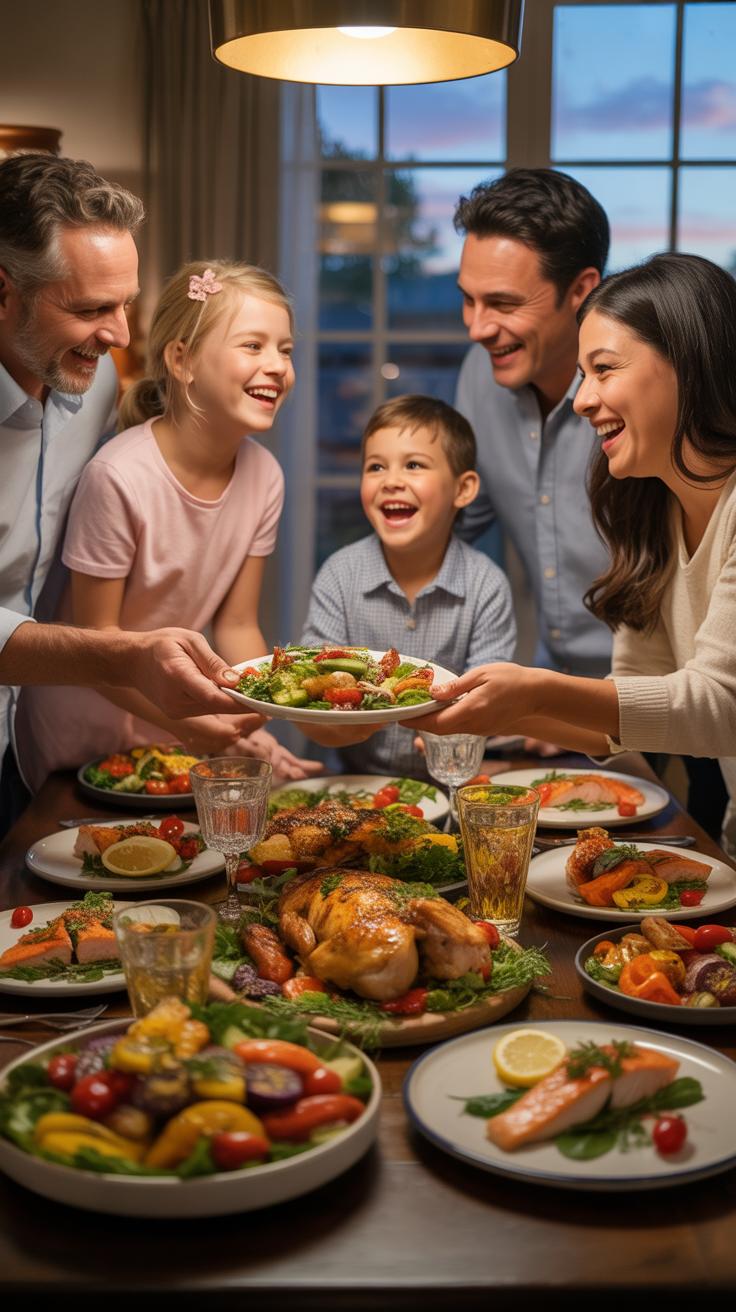
Grain And Veggie Based Plates That Satisfy As Much As Pasta Does
Rice and quinoa serve as superior bases for quick family dinner ideas because they absorb flavors faster than dried wheat noodles. Use parboiled or jasmine rice to reduce cooking time to twelve minutes. These grains provide a high glycemic index for immediate energy or a fiber rich profile for sustained fullness. Steam vegetables directly on top of the grains in one pot to save labor and cleanup time.
Focus on the texture to ensure family members do not miss the density of pasta. Roast cauliflower or chickpeas at high heat to create a crispy exterior that mimics the bite of al dente noodles. Use heavy fats like avocado oil or tahini to provide the mouthfeel typically associated with creamy pasta sauces. This strategy delivers a nutrient dense profile while keeping the kitchen time under twenty minutes total.
Protein Packed Non Pasta Dinner Ideas That Are Ready In Minutes
Prioritize thin cut proteins like chicken cutlets, shrimp, or ground beef to maximize surface area and minimize cooking duration. These proteins brown quickly through the Maillard reaction, which adds deep flavor without the need for long simmering. Sear these items in a heavy cast iron pan to maintain high heat. High heat ensures the meat stays juicy while the outside develops a necessary savory crust.
Pair these proteins with rapid cook sides like couscous or canned legumes. Chickpeas and black beans require only heating and seasoning to become a substantial base for the meal. This approach eliminates the wait time for boiling large pots of water. You get a dinner on the table in fifteen minutes by focusing on ingredients that cook through in a single layer. This method delivers high protein totals for growing children.
Recette Sant Wholesome Quick Beef Dinner Ideas Without Sacrificing Flavor
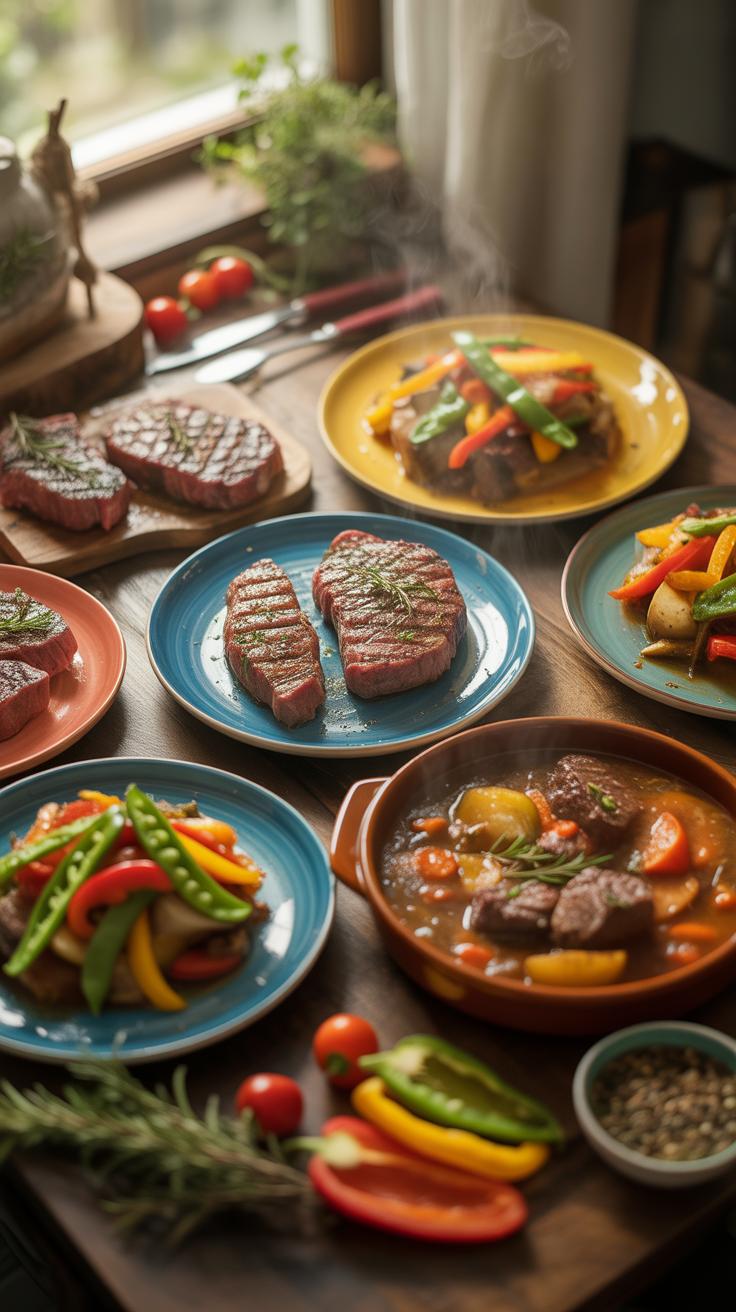
Balancing Nutrition And Speed In A Healthy Weeknight Beef Dinner
Achieving a fast beef dinner requires lean cuts and high heat. Select sirloin or flank steak to reduce saturated fat content. These cuts cook in under ten minutes when sliced thin. This speed preserves nutrients and ensures a tender texture. Strategic preparation eliminates the need for heavy oils or butter. Use cast iron pans to reach the high temperatures necessary for searing meat properly.
Focus on the protein to calorie ratio for maximum nutritional impact. Lean ground beef with 90 percent or higher leanness provides essential zinc and iron without excess grease. Drain any remaining fat after browning to keep the meal light. Season with dry rubs instead of sugary bottled sauces to control sodium levels. This tactical approach delivers a healthy meal that fits within a thirty minute window.
How To Add More Vegetables To Your Beef Recipes For Dinner Effortlessly
Integrate vegetables directly into the cooking process to save time and improve flavor. Finely grate carrots or zucchini into ground beef mixtures. This method adds moisture and fiber without changing the overall profile of the dish. Small vegetable pieces cook at the same rate as the meat. You increase the volume of the meal and lower the total cost per serving through bulk.
Use the fond left in the pan to sauté quick cooking greens. Spinach and kale wilt in seconds and absorb the savory beef juices. This technique eliminates the need for extra side dishes or additional pans. Choose frozen vegetable blends for consistent sizing and zero prep time. High heat stir frying keeps vegetables crisp and maintains their vitamin content. This strategy ensures a balanced plate every night.
Meal Planning Tips To Keep Quick Family Dinner Ideas Fresh All Week
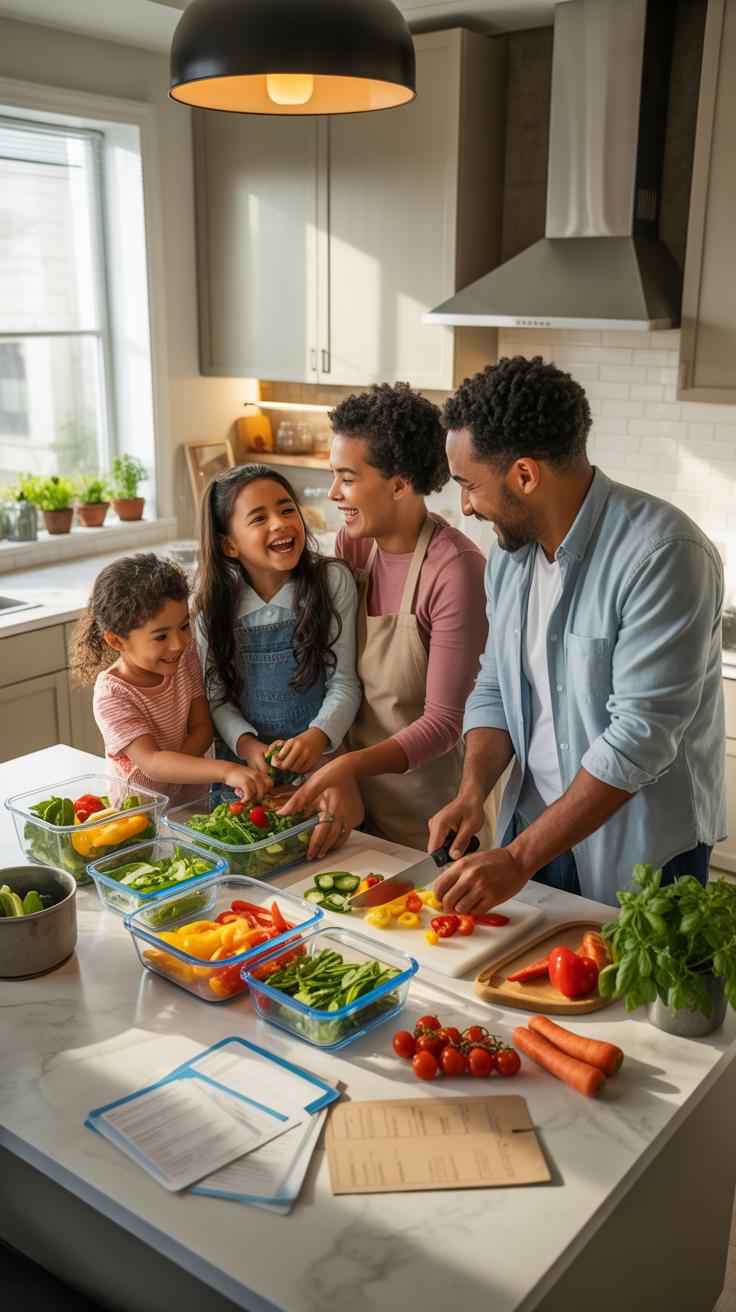
How To Rotate Your Fast Dinner Recipes So Families Never Get Bored
Standardize your weekly schedule by assigning specific themes to each night of the work week. Use categories like Tex-Mex, Mediterranean, or stir-fry to create a predictable structure. This method narrows your focus during grocery shopping and reduces decision fatigue. It ensures you use different flavor profiles across five days. You maintain speed by mastering the basic techniques required for each specific food category.
Swap ingredients within your established themes to prevent flavor fatigue. Change the protein source or core vegetable rather than the entire cooking method. If you served chicken tacos last week, switch to shrimp or black beans this week. This tactical rotation keeps the menu interesting without forcing you to learn new recipes. Consistency in your system builds speed. Variation in your ingredients maintains high family engagement.
Batch Prepping Strategies That Make Every Beef Dinner Night Effortless
Industrial efficiency requires you to process bulk proteins before the work week begins. Brown several pounds of lean ground beef or sear steak strips in one session. Store these cooked proteins in airtight containers for immediate use in later meals. This eliminates the longest cooking step during your actual dinner window. Pre-cooking beef reduces active kitchen time by fifteen minutes per meal.
Focus on physical organization to maximize your evening speed. Partition your prepped beef into specific portion sizes based on your family needs. Add neutral seasoning during the initial cook to keep the meat versatile for different cuisines. Raw vegetables should also be sliced and stored alongside the meat. This preparation turns a complex recipe into a simple heat and assembly task. Efficiency dictates that you touch the food only once.
Frequently Asked Questions

What are the best strategies for someone just starting to cook quick meals?
Getting started with quick family dinner ideas is all about simplicity and preparation. Focus on “one-pan” meals like sheet pan chicken or straightforward pasta dishes that require minimal cleanup. Keep your pantry stocked with staples like rice, canned beans, and jarred sauces. By choosing recipes with fewer than five core ingredients, you can build your confidence in the kitchen while ensuring a delicious, stress-free meal for your loved ones every night.
How can I reduce my actual kitchen prep time to stay under 30 minutes?
To master quick family dinner ideas, utilize time-saving tools like a food processor or a mandoline for rapid vegetable slicing. Many home cooks also find success by purchasing pre-cut frozen vegetables or rotisserie chickens to skip the heavy labor. Organizing your workspace before you begin—a technique called mise en place—ensures you aren’t hunting for spices while the pan is hot, allowing you to move from stovetop to table in record time.
Is it possible to make fast, healthy dinners on a tight monthly budget?
Absolutely! Nutritious meals don’t have to be expensive if you focus on versatile, low-cost proteins like eggs, lentils, or canned tuna. Buying seasonal produce and choosing store-brand frozen goods can significantly lower your grocery bill. Many affordable recipes, such as black bean tacos or vegetable stir-fry, prioritize bulk-buy ingredients that stretch across multiple nights, proving that serving a wholesome and speedy meal is achievable for every family’s financial situation.