
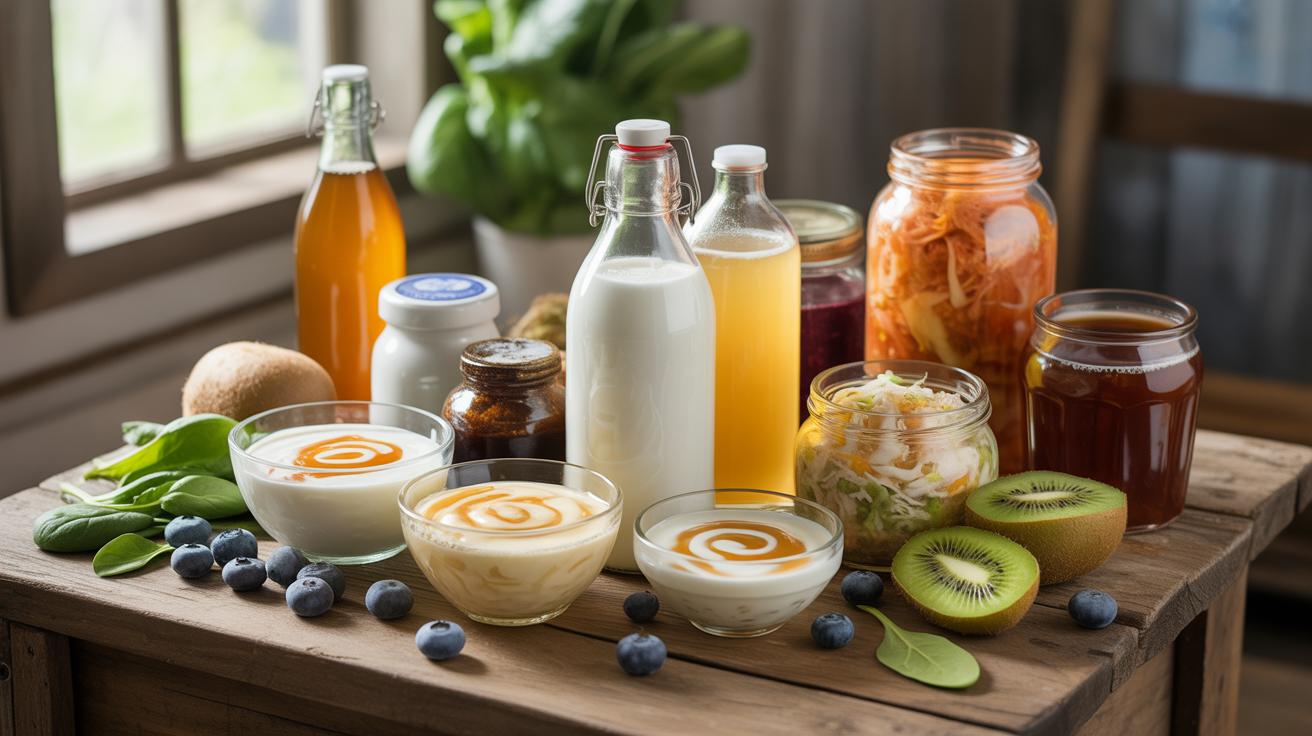
What Are Probiotic Foods And Why Do They Matter
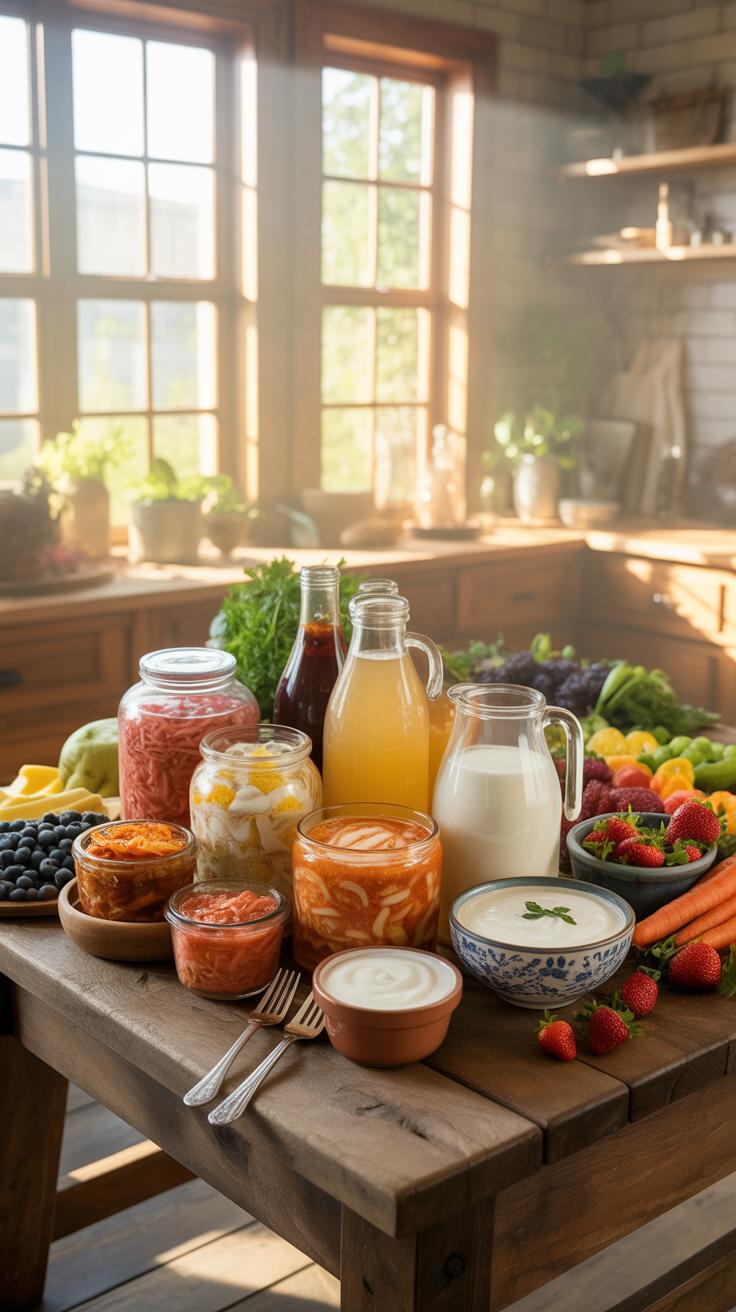
Understanding Live Cultures And How They Work In The Body
Probiotic foods contain live bacteria and yeasts that survive the digestive process. These microorganisms reach the large intestine and colonize the gut lining. Once established, they compete with harmful pathogens for space and nutrients. This competitive exclusion prevents bad bacteria from overgrowing and causing disease. A healthy gut environment depends on maintaining a diverse population of these beneficial microbial species.
These live cultures interact directly with the immune system through the intestinal wall. They help the body distinguish between harmless materials and dangerous invaders. This process reduces chronic inflammation and strengthens the physical barrier of the gut. Probiotics also break down fibers that the human body cannot digest on its own. This fermentation process produces essential compounds that fuel cells and regulate local metabolic functions.
The Science Behind Probiotics In Food And Their Health Benefits
Clinical research confirms that probiotic foods influence systemic health beyond the digestive tract. These foods provide a natural delivery system for strains like Lactobacillus and Bifidobacterium. Ingesting these microbes through whole foods often leads to better survival rates than supplements. The food matrix protects the bacteria from harsh stomach acids. Regular consumption supports hormone regulation by assisting in the breakdown and recycling of chemicals.

Probiotics play a critical role in the estrobolome which manages estrogen levels. When the gut microbiome is balanced, it ensures that excess hormones leave the body correctly. This prevents hormonal dominance and related health issues. Furthermore, probiotics produce short-chain fatty acids during the fermentation of food. These acids lower the pH of the colon and improve mineral absorption. This chemical change creates an environment where beneficial bacteria thrive.
The Connection Between Gut Health And Hormonal Balance
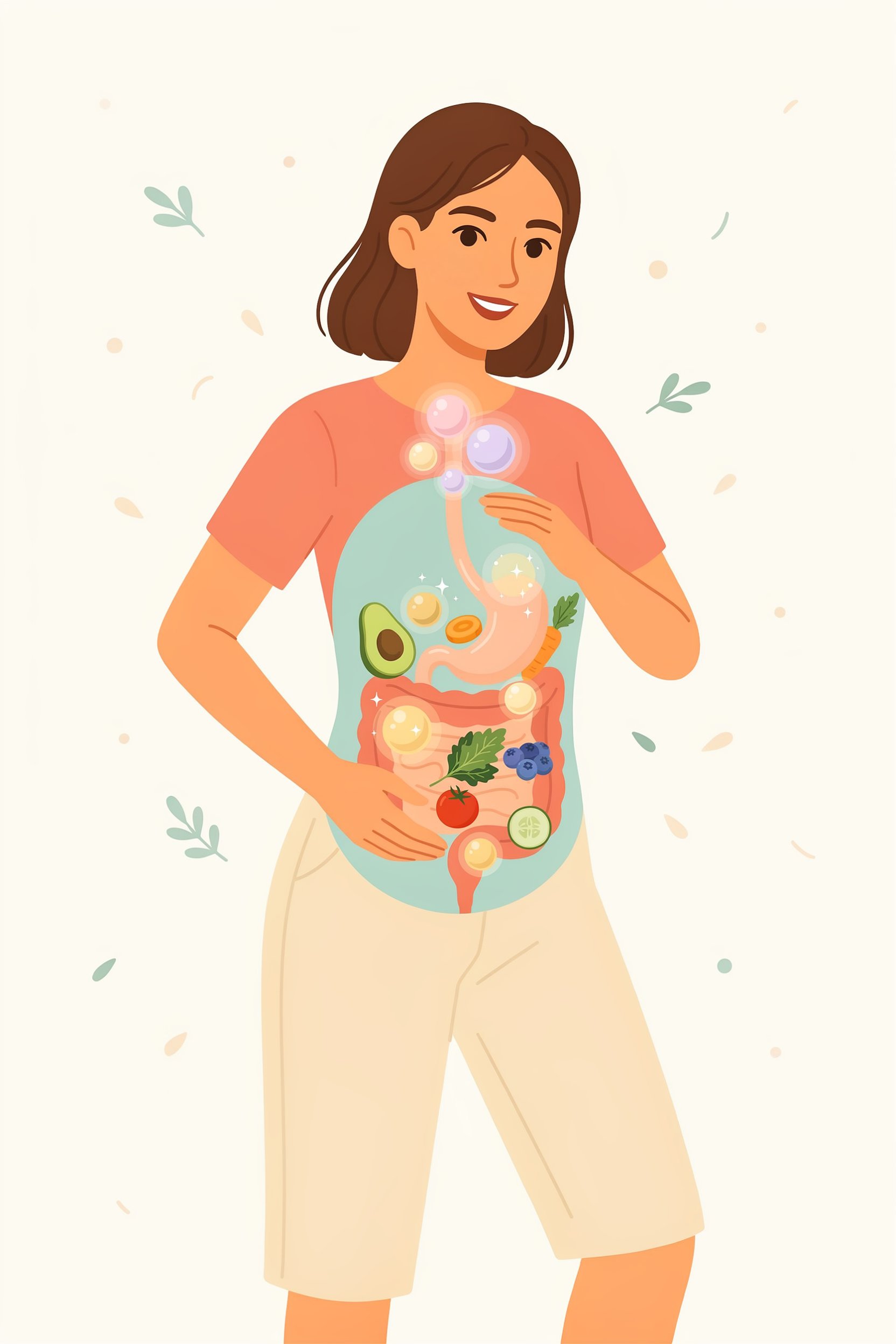
How The Gut Microbiome Influences Hormone Regulation
The gut microbiome functions as a central endocrine organ. It controls the estrobolome, which is a collection of bacteria specifically tasked with metabolizing estrogen. When your gut flora is balanced, these microbes produce enzymes that break down used hormones for excretion. If the microbiome is impaired, the body reabsorbs these hormones into the bloodstream. This process disrupts the delicate ratio of estrogen to progesterone.
Beyond estrogen, gut bacteria directly impact insulin sensitivity and cortisol levels. Short-chain fatty acids produced by healthy bacteria signal the brain to regulate appetite and stress responses. These chemical messengers travel through the vagus nerve to control the thyroid and adrenal glands. Probiotic foods provide the raw materials needed to maintain this communication. Proper microbial diversity ensures your body processes hormones efficiently without systemic buildup or deficiency.
Signs Your Gut Health May Be Affecting Your Hormones
Physical symptoms often signal a breakdown in the gut-hormone axis. Chronic fatigue and sudden weight gain suggest that your microbes are not supporting metabolic hormones. Skin issues like adult acne or eczema often stem from gut inflammation that triggers excess androgen production. If your digestion is sluggish, your body cannot clear out toxic hormone metabolites. This leads to mood swings and increased irritability throughout the month.
Irregular sleep patterns and sugar cravings also indicate a microbial imbalance. The gut produces about 95 percent of the serotonin in your body, which is a precursor to the sleep hormone melatonin. When bad bacteria outweigh the good, serotonin production drops and cravings for processed carbohydrates rise. These signs prove that your internal environment is struggling. Addressing the microbiome with specific probiotic foods is the fastest way to stabilize these physiological systems.
Top Fermented Foods That Are Rich In Natural Probiotics
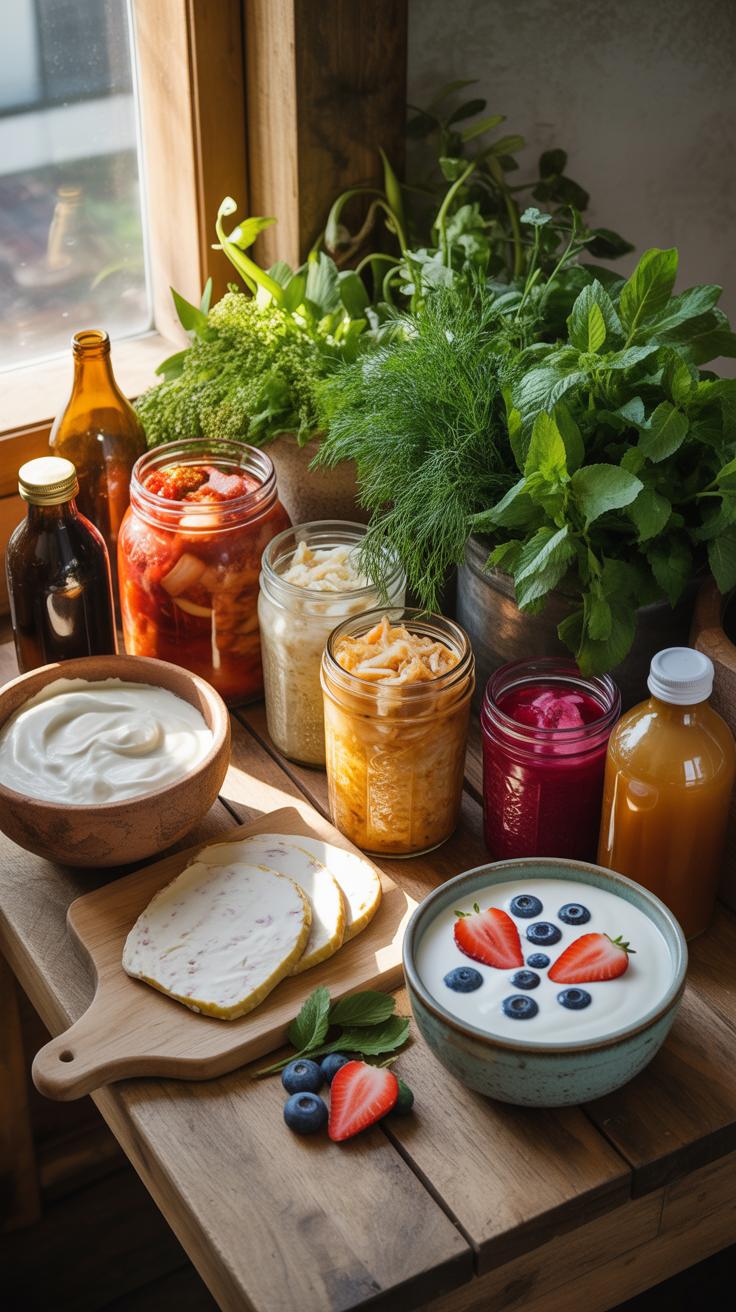
Yogurt, Kefir, And Cultured Dairy: Fermented Foods With The Most Beneficial Strains
Cultured dairy provides the highest density of live bacteria per serving. Manufacturers create yogurt by fermenting milk with thermophilic starters like Lactobacillus bulgaricus. This process converts lactose into lactic acid. The resulting environment supports gut microbiome diversity. Always choose products labeled with the Live and Active Cultures seal. This ensures the bacteria survived the pasteurization process and will reach your gut alive.
Kefir acts as a more potent probiotic source than standard yogurt. It uses kefir grains which contain up to thirty different strains of bacteria and yeast. This fermented beverage colonizes the intestinal tract more effectively. It also helps regulate estrogen metabolism by supporting the estrobolome. For maximum hormonal benefits, select plain versions. Added sugars feed opportunistic yeast and counteract the therapeutic effects of the beneficial microbes.
Kimchi, Sauerkraut, And Miso: Plant Based Fermented Foods Worth Adding To Your Plate
Traditional vegetable fermentation relies on wild lactobacilli found on raw produce. Sauerkraut requires only cabbage and salt to initiate lactic acid fermentation. This process increases the bioavailability of vitamins and creates organic acids. These acids lower the pH of your digestive tract to inhibit pathogen growth. Raw sauerkraut provides fiber that acts as fuel for the bacteria once they settle in your colon.
Kimchi and miso offer diverse bacterial profiles through complex fermentation cycles. Kimchi includes garlic and ginger which act as natural antimicrobials. Miso is a fermented soybean paste that introduces Aspergillus oryzae to the diet. These foods support hormone health by improving nutrient absorption. Strategic consumption of these plant-based ferments reduces systemic inflammation. Ensure you purchase unpasteurized versions found in the refrigerated section to get live cultures.
A Practical Probiotic Food List Healthy Eaters Swear By
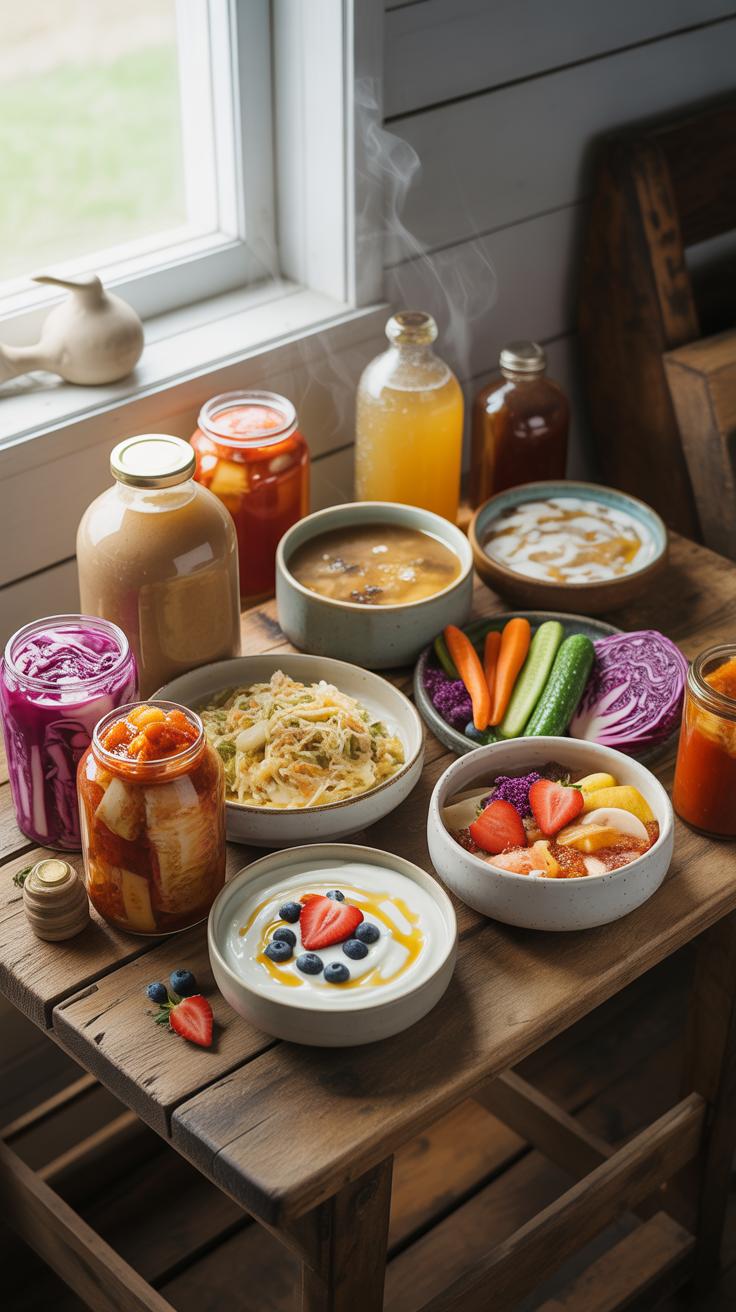
Everyday Probiotic Foods List You Can Find At Any Grocery Store
Grocery stores stock several fermented staples that provide high concentrations of live bacteria. You must choose refrigerated options to ensure the cultures remain active. Heat kills probiotics during processing. Focus on dairy and vegetable products that undergo natural fermentation. These foods integrate easily into a standard diet and require zero preparation time for the busy consumer.
- Greek Yogurt: High protein content makes this a primary choice for muscle maintenance. Look for the Live and Active Cultures seal on the container. This ensures the product contains at least 100 million cultures per gram at the time of manufacture.
- Kefir: This fermented milk drink contains a wider variety of bacterial strains than standard yogurt. It acts as a potent source of Lactobacillus and Bifidobacterium. Its liquid consistency allows for quick consumption or use in smoothies for better gut motility.
- Sauerkraut: Authentic sauerkraut requires only cabbage and salt. Choose raw versions found in the refrigerated section rather than shelf-stable cans. Canned varieties undergo pasteurization which destroys the beneficial microbes. It provides a dose of lactic acid bacteria and fiber.
- Kimchi: This Korean staple uses cabbage, radish, and spices to create a dense probiotic profile. It contains unique strains like Lactobacillus kimchii. Research links these specific microbes to improved metabolic function and better hormone regulation through the gut-brain axis.
- Miso: This Japanese paste comes from fermented soybeans, barley, or rice. It contains Aspergillus oryzae, a beneficial fungus used in traditional fermentation. Use it in dressings or low-heat soups to preserve the delicate microbes. High salt content requires moderate consumption levels.
Consistency matters more than volume when eating these foods. Small, daily servings maintain a stable environment for your microbiome. Rotating through different items on this list increases the diversity of your gut flora. Diversity is the primary metric for a healthy digestive system. Start with one serving per day to let your system adjust to the increased bacterial load.
Nourishing your body with traditional fermented foods is like returning to your grandmother’s kitchen, where every jar of sauerkraut cultivated the harmony of your inner spirit.
How To Read Labels And Choose The Best Food With Probiotics
Scan the ingredient list for the phrase live and active cultures. Many products claim to be fermented but undergo heat treatment before hitting the shelf. This process extends shelf life but kills the bacteria you need. Avoid products with excessive added sugars. High sugar intake feeds harmful yeast and negates many benefits provided by the probiotics in the food.
Check the expiration date before purchasing any fermented food. Bacterial counts naturally decline as the product sits on the shelf. fresher batches provide a more potent dose of microbes. If the label lists specific strains like Lactobacillus acidophilus or Bifidobacterium lactis, the manufacturer likely tracked the potency. Stick to glass or BPA-free packaging to avoid chemical leaching into acidic fermented liquids.
Foods With Probiotics That Specifically Support Female Hormone Health
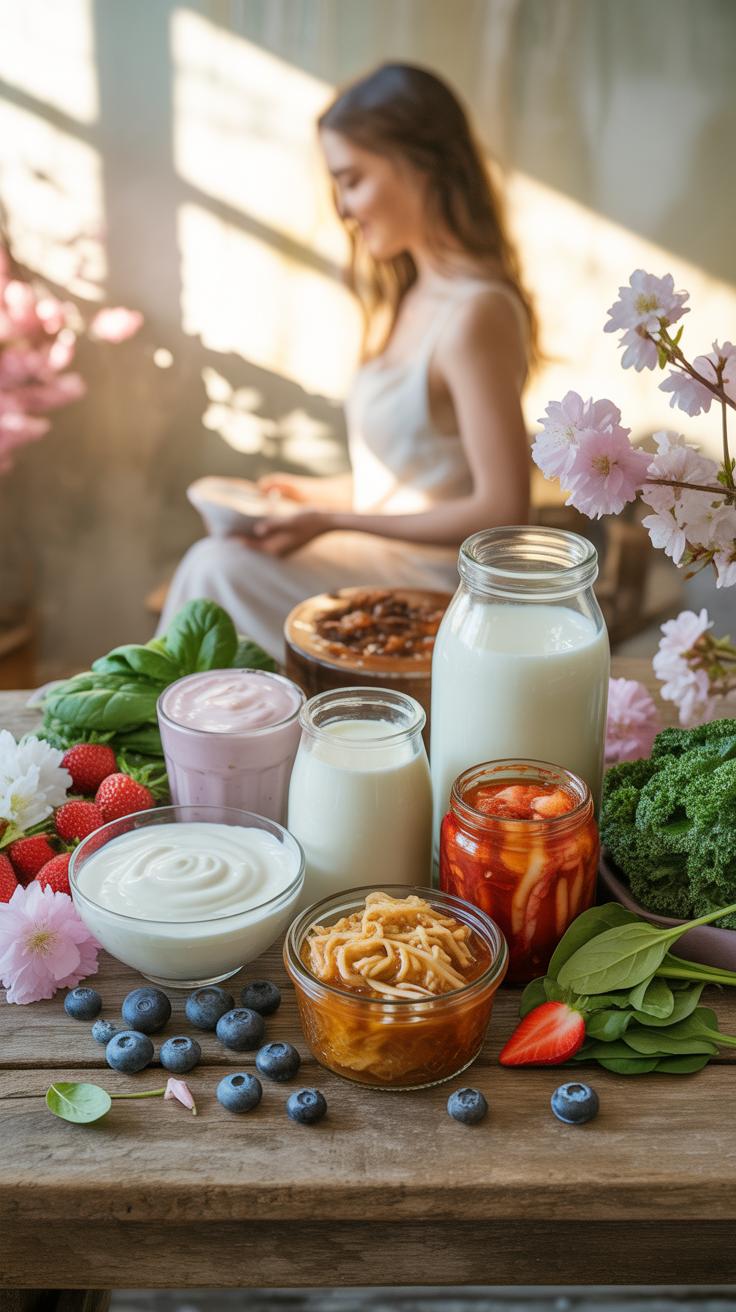
Probiotic Foods That May Help Balance Estrogen And Cortisol Levels
Estrogen metabolism depends heavily on a specific set of gut bacteria known as the estrobolome. These bacteria produce an enzyme called beta-glucuronidase. This enzyme dictates whether estrogen leaves the body or re-enters the bloodstream. Fermented foods like kimchi and sauerkraut provide the bacterial diversity needed to keep this process efficient. Proper clearance prevents estrogen dominance and its associated health risks.
Cortisol levels respond to the health of the gut lining. Chronic stress triggers the release of cortisol which can damage intestinal integrity. Consuming probiotic yogurt and kefir introduces beneficial strains that strengthen the physical gut barrier. This action lowers systemic inflammation and helps stabilize the adrenal response. Consistent intake of these tactical foods creates a physical defense against the negative impacts of high stress.
The Gut Hormone Axis: Why Women Especially Benefit From Probiotic Rich Diets
The gut-hormone axis serves as the primary control center for female reproductive health. Microbes in the digestive tract communicate directly with the endocrine system to regulate mood and cycle regularity. Probiotic foods provide the raw biological tools necessary for this communication. Without diverse bacterial colonies, the body struggles to maintain the delicate ratio of progesterone to estrogen required for optimal daily function.
Women face unique physiological shifts during menstruation, pregnancy, and menopause that disrupt microbial balance. Introducing fermented vegetables and kombucha provides a steady supply of live cultures to offset these shifts. These specific functional foods support the production of short-chain fatty acids. These acids act as signaling molecules that improve insulin sensitivity and thyroid function. Maintaining a healthy gut microbiome ensures the entire endocrine system operates at peak capacity.
Prebiotics And Probiotics Understanding The Powerful Pair
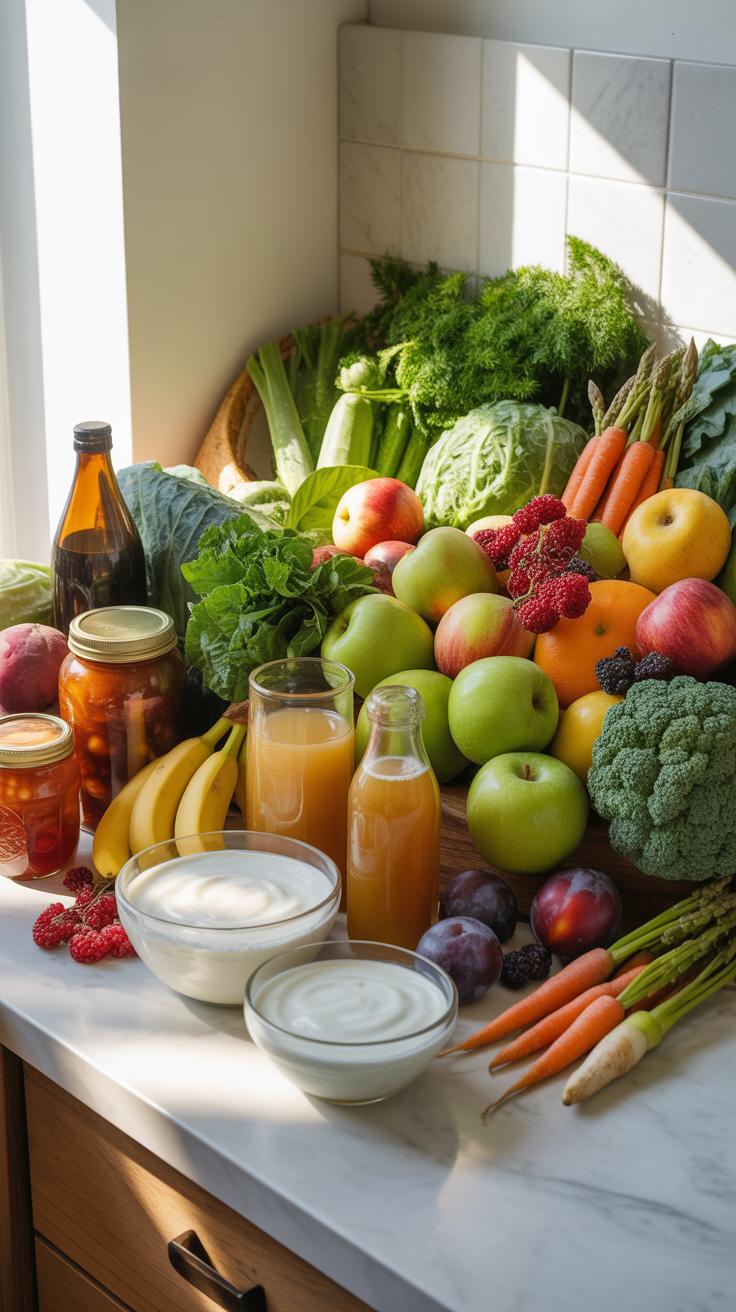
What Are Prebiotics And How Do They Feed Probiotic Bacteria
Prebiotics are specialized plant fibers that act as fuel for beneficial bacteria. They are not living organisms like probiotics. Instead, they function as a non-digestible food source. These fibers pass through the small intestine unchanged. They reach the colon where your gut flora ferments them. This fermentation process produces short-chain fatty acids. These acids improve gut barrier function and lower systemic inflammation levels.
Effective prebiotic sources include inulin and fructooligosaccharides. These compounds specifically target bifidobacteria and lactobacilli growth. When you consume these fibers, you directly increase the potency of your existing probiotic colonies. Starving these bacteria leads to a thinner mucus lining in the gut. This degradation triggers immune responses that disrupt hormone signaling. Consistent prebiotic intake ensures your microbiome remains active and resilient against pathogenic overgrowth.
Best Food Combinations That Deliver Both Prebiotics And Probiotics Together
Strategic eating requires pairing specific foods to create a symbiotic effect. Combining Greek yogurt with sliced bananas or berries is a primary example. The yogurt provides live cultures while the fruit offers pectin and resistant starch. This combination ensures the probiotics have immediate fuel to survive the harsh acidity of your stomach. High survival rates lead to better colonization in the lower gastrointestinal tract for hormone regulation.
Savory pairings offer similar tactical advantages for your internal ecosystem. Serve unpasteurized sauerkraut alongside sautéed onions and garlic. Onions contain high concentrations of inulin that feed the lactobacillus found in the cabbage. This pairing maximizes the biological impact of the meal. You should also consider adding flaxseeds to kefir. These combinations stabilize blood sugar and support the excretion of excess estrogen through the digestive pathway.
How To Incorporate More Probiotic Foods Into Your Daily Diet
Simple Meal Planning Tips For Adding Probiotics In Food Every Day
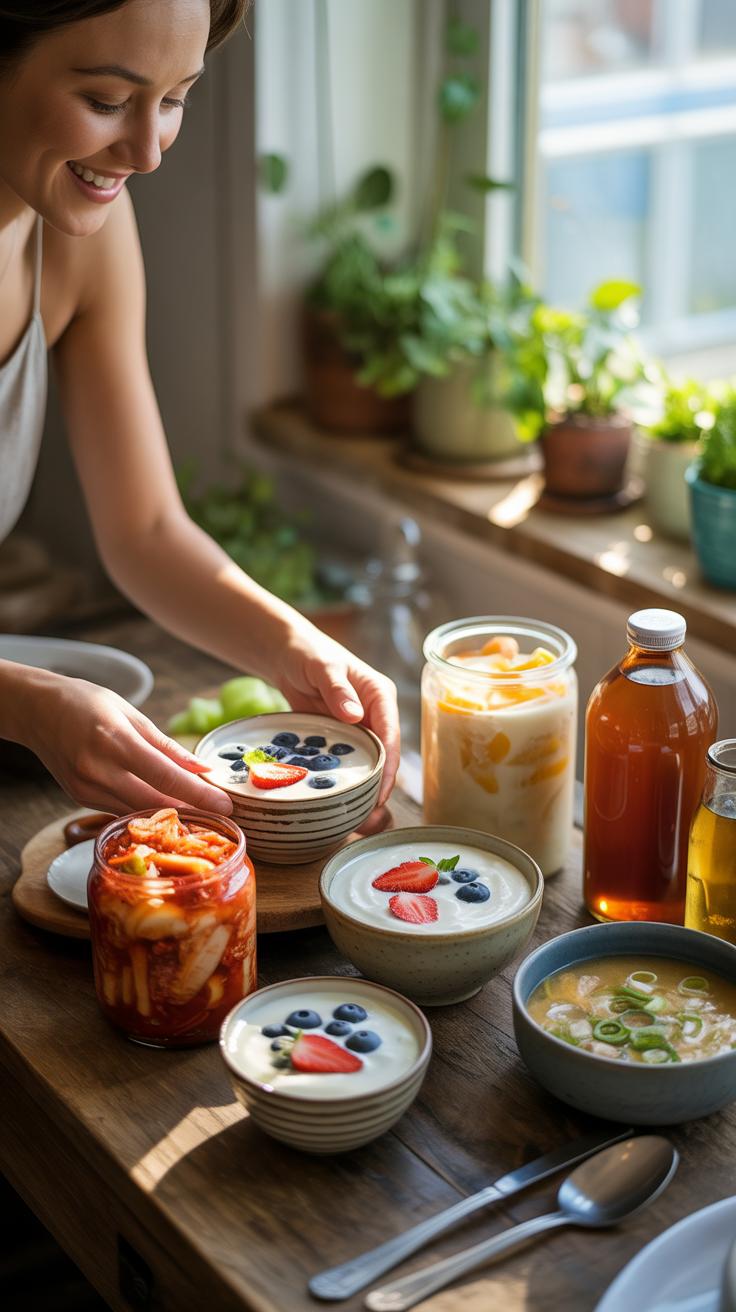
Consistency drives results with probiotic foods. You must integrate these items into your existing eating patterns rather than treating them as occasional supplements. Start by replacing standard condiments with fermented alternatives. Use kraut instead of relish or yogurt instead of sour cream. This approach ensures a steady intake of live cultures without requiring complex new recipes or significant lifestyle changes.
- Swap Your Breakfast Base: Use plain Greek yogurt or kefir instead of milk for cereal or smoothies. This shift provides a high dose of Lactobacillus and Bifidobacterium strains to start your metabolic day.
- Enhance Your Dressing: Mix miso paste or apple cider vinegar with mother into your salad dressings. These fermented bases add enzymes and organic acids that support digestion throughout the entire afternoon period.
- Top Your Proteins: Add a spoonful of raw sauerkraut or kimchi to your grilled meats and eggs. The acidity cuts through fat while the live cultures help break down dense proteins more efficiently.
- Drink Fermented Liquids: Replace one daily soda or coffee with kombucha or water kefir. These beverages provide carbonation and flavor along with beneficial yeasts and bacteria that support healthy gut flora diversity.
- Use Miso As Seasoning: Whisk miso into soups or stews after removing them from the heat source. This technique adds deep savory flavor and ensures the heat does not kill the delicate probiotic organisms before consumption.
Smart meal prep saves time and improves compliance. Store small jars of fermented vegetables at eye level in your refrigerator. Use transparent containers so you remember to add them to every plate. Aim for three small servings daily rather than one large dose. This steady frequency maintains a stable environment for your microbiome and helps regulate hormone production through the gut-brain axis.
Common Mistakes People Make When Eating Probiotic Foods
The biggest tactical error is heating probiotic foods to high temperatures. Heat above 115 degrees Fahrenheit kills the live bacteria that provide the health benefits. Many people cook sauerkraut or boil miso, which turns a functional food into a standard vegetable or soup. You must add fermented items to your dishes after the cooking process is complete to keep the microbes alive.
Another mistake involves buying shelf-stable products that lack live cultures. Companies often pasteurize ferments like pickles and sauerkraut to make them sit on shelves for months. This process kills the beneficial bacteria. Always look for the words raw or unpasteurized on the label. Check the refrigerated section of the grocery store to ensure you are buying foods that contain actual living organisms.
Probiotic Foods Vs Probiotic Supplements WhatS The Difference
Why Whole Food Sources Of Probiotics Are Often More Effective
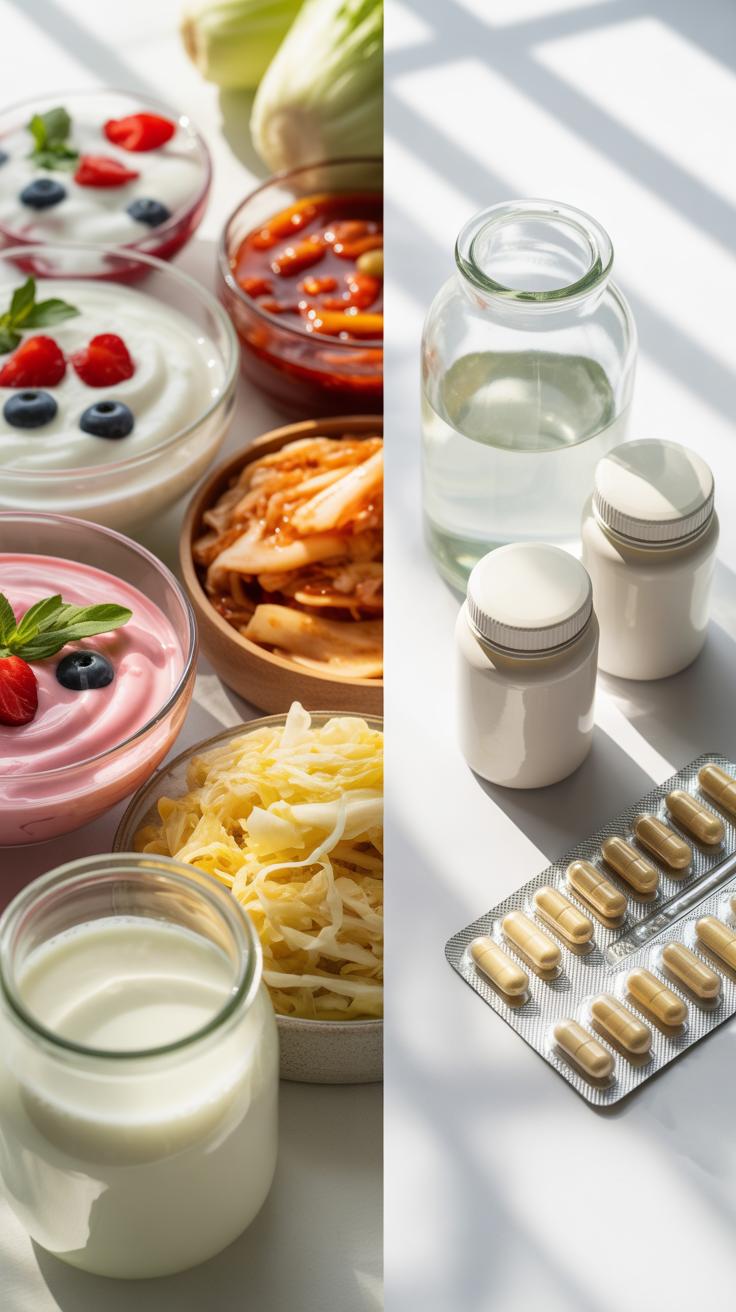
Probiotic foods offer a complex matrix of nutrients that supplements cannot replicate. Fermented foods like kimchi and kefir contain multiple strains of live bacteria. These foods also provide prebiotics, which act as fuel for the microbes. The natural food structure protects bacteria during the journey through your stomach acid. This ensures more live cultures reach your lower intestine where they do the most work.
Whole foods provide additional vitamins and minerals created during the fermentation process. For example, fermented dairy increases the bioavailability of calcium and B vitamins. These nutrients support hormone production and metabolic function. Choosing food over pills reduces the risk of consuming fillers or synthetic binders. You get a diverse ecosystem of microbes that mimics the natural human microbiome instead of a single isolated strain.
When Supplements May Be Needed Alongside A Probiotic Food Diet
Supplements serve a specific tactical purpose during acute health crises. If you just finished a round of heavy antibiotics, your gut needs high doses of specific strains immediately. Foods provide steady maintenance but lack the concentrated volume required for rapid recolonization. Clinically studied strains in pill form target specific issues like traveler diarrhea or intense IBS flares. Use supplements as a short term tool for repair.
Chronic conditions or severe malabsorption issues sometimes make digesting fermented foods difficult. Some people react poorly to the histamines found in aged products like sauerkraut or miso. In these cases, a controlled supplement allows for bacterial intake without the inflammatory food triggers. Always prioritize food for daily health once the baseline is stable. Use high quality capsules to fill gaps when your diet cannot meet your specific clinical needs.
The Role Of Gut Health In Managing Stress Mood And Energy
The Gut Brain Connection How A Healthy Microbiome Affects Mental Well Being
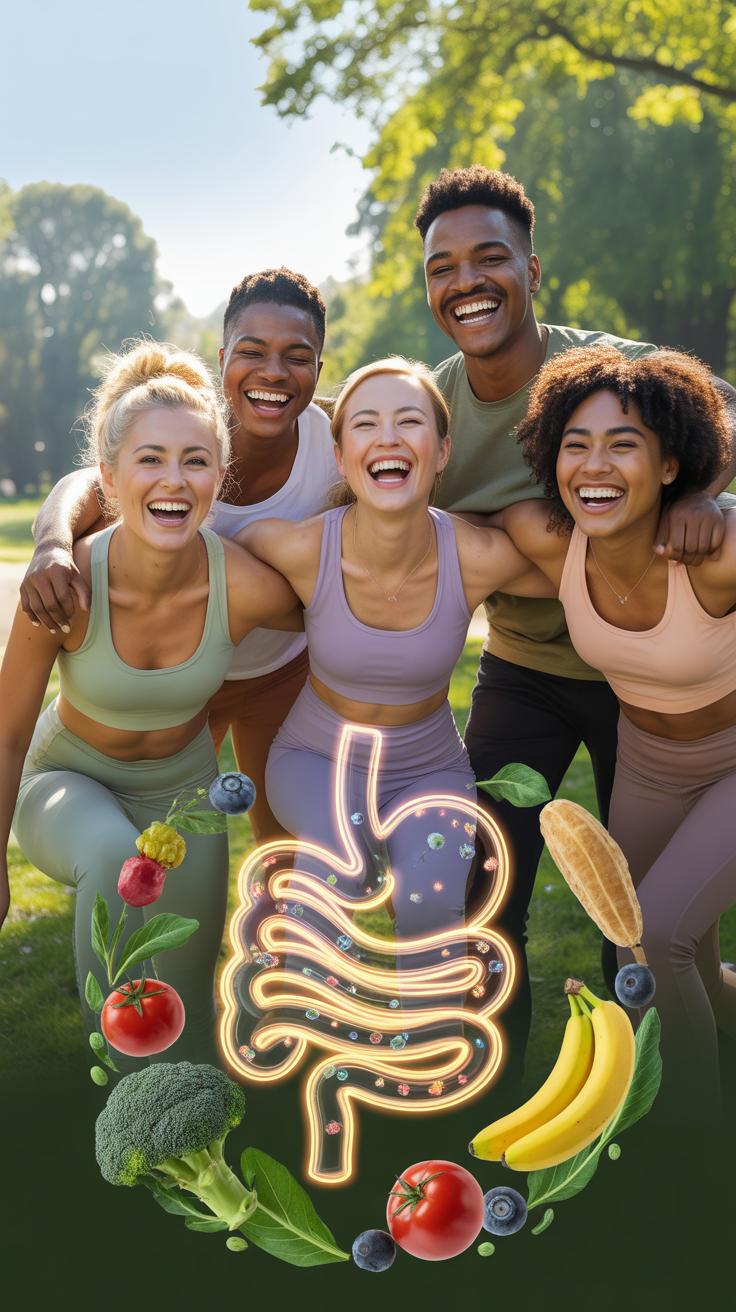
The gut and brain communicate constantly through the vagus nerve. This physical link allows the microbiome to influence your nervous system directly. Bacteria in the digestive tract produce over 90 percent of the body’s serotonin. This chemical regulates sleep, appetite, and emotional stability. A diverse microbiome ensures the steady production of these essential neurotransmitters. Without microbial balance, the brain lacks the raw materials required for stable mood.
Microbial diversity also impacts the blood-brain barrier. Beneficial bacteria produce short-chain fatty acids like butyrate. This compound strengthens the gut lining and prevents systemic inflammation. High inflammation levels correlate with cognitive fog and fatigue. By maintaining a healthy gut, you reduce the inflammatory markers that disrupt brain function. Practical gut management leads to faster information processing and consistent mental clarity throughout your day.
How Consistently Eating Probiotic Foods Can Support Stress Hormone Regulation
Eating probiotic foods helps control the hypothalamic-pituitary-adrenal axis. This system manages your response to external pressure. Certain strains, such as Lactobacillus and Bifidobacterium, lower cortisol levels in the blood. High cortisol causes weight gain, anxiety, and poor sleep quality. Consistent intake of fermented foods creates a biological buffer against these physical stress markers. This regulation keeps your energy levels stable during high-pressure situations.
Probiotics also improve nutrient absorption for hormone production. Your body needs specific minerals to build energy and manage recovery. A damaged gut cannot extract these nutrients from your diet effectively. Fermented foods like kefir and sauerkraut introduce active enzymes that break down food efficiently. This process ensures your endocrine system receives the fuel it needs. Better nutrient uptake results in higher daily stamina and faster recovery from physical strain.
Who Should Be Mindful When Eating Probiotic Foods

Health Conditions That May Require Caution With High Probiotic Diets
Immunocompromised individuals must approach fermented foods with extreme caution. People recovering from major surgery or those with weakened immune systems face rare risks of systemic infection. Live bacteria can enter the bloodstream in vulnerable patients. This condition is known as bacteremia or fungemia. Always consult a medical Professional if you have a compromised immune system. You must prioritize safety over the perceived benefits of raw cultures.
Patients with Small Intestinal Bacterial Overgrowth should also limit probiotic intake. Adding more bacteria to an already overgrown small intestine often worsens bloating and gas. Individuals with histamine intolerance may react poorly to aged or fermented products. These foods naturally contain high histamine levels during the fermentation process. If you experience headaches or hives after eating kraut, your body likely lacks the enzymes to process these specific biogenic amines.
How To Gradually Introduce Probiotic Foods Without Digestive Discomfort
Start with small serving sizes to avoid sudden gastric distress. Begin with a single teaspoon of fermented vegetables or two ounces of kefir daily. This strategy allows your gut microbiome to adapt without triggering significant gas or cramping. Your body needs time to recalibrate the balance of good and bad bacteria. Monitoring your physical response daily helps you determine your personal tolerance levels before increasing your intake.
Consistency matters more than volume when building gut health. Increase your portion sizes by small increments every three to five days. If you experience discomfort, hold at your current dose until symptoms resolve. This slow titration minimizes the risk of a Herxheimer reaction. Drinking plenty of water helps flush out metabolic byproducts as your internal flora shifts. You gain the most benefit by making these foods a permanent but stable fixture in your diet.
Frequently Asked Questions

What are the best probiotic foods for someone just starting out?
If you are new to gut health, start with familiar probiotic foods like Greek yogurt, kefir, or mild kombucha. These options are generally well-tolerated and provide a diverse range of live cultures that support both digestion and hormonal balance. Gradually introducing these fermented items into your daily routine allows your microbiome to adjust slowly, preventing bloating while helping to regulate estrogen levels and overall metabolic function effectively.
How can I incorporate more probiotic foods into my daily meals?
Integrating probiotic foods is easier than you might think. Try swapping your morning cereal for a yogurt bowl topped with berries, or add a spoonful of raw sauerkraut to your lunchtime salad for a satisfying crunch. For dinner, use miso paste as a savory base for dressings or glazes. Consuming small portions consistently throughout the day ensures a steady supply of beneficial bacteria to support your gut-brain axis and hormone production.
Can I improve my gut health with fermented items on a tight budget?
Absolutely. Improving your health doesn’t require expensive specialty drinks. Affordable staples like cabbage can be fermented at home into sauerkraut or kimchi for just pennies per serving. Additionally, purchasing large tubs of plain, store-brand yogurt is a cost-effective way to stock up on probiotic foods. These budget-friendly options are just as effective at nourishing your gut and supporting long-term endocrine health as more expensive, high-end commercial health products.