
What Is An Anti Inflammation Diet And Why Does It Matter For Women

Understanding Chronic Inflammation And Its Impact On The Female Body
Inflammation is a natural immune response to injury or infection. Short-term inflammation heals the body. Chronic inflammation happens when the immune system stays active for months or years. This constant state of alert damages healthy tissues and organs. It disrupts normal biological functions. Women face specific risks because chronic inflammation often targets the joints, skin, and cardiovascular system over time.

This persistent internal stress triggers several long-term health issues. It contributes to the development of autoimmune diseases. These conditions affect women at much higher rates than men. Chronic inflammation also increases the risk of heart disease and type 2 diabetes. Reducing this systemic heat is vital for longevity. An anti inflammatory meal plan acts as a primary tool to lower these metabolic risks.
How Hormones And Lifestyle Factors Make Women More Vulnerable To Inflammation
Hormonal fluctuations directly influence the inflammatory response in women. Estrogen generally provides a protective anti-inflammatory effect during reproductive years. When estrogen levels drop during perimenopause and menopause, inflammation often spikes. This shift leads to increased joint pain and slower recovery. Progesterone and cortisol also play roles in managing how the body reacts to stress. These changes require specific dietary adjustments to maintain balance.

External factors like sleep deprivation and high stress further accelerate inflammatory markers. Women often juggle multiple roles which leads to elevated cortisol levels. High cortisol promotes fat storage around the midsection. This visceral fat produces its own inflammatory chemicals. Poor diet and lack of movement compound these issues quickly. Adopting a strategic meal plan helps neutralize these triggers. It provides the nutrients needed to stabilize hormone production naturally.
Core Principles Of An Anti Inflammation Diet Meal Plan Built For Women

The Macronutrient Balance That Helps Calm Systemic Inflammation
Women must prioritize healthy fats to stabilize hormones and lower inflammatory markers. High intake of omega-3 fatty acids from fish or seeds reduces C-reactive protein levels. Monounsaturated fats from olive oil support heart health and cellular repair. Balancing these fats prevents the excessive production of pro-inflammatory cytokines. Use fat as a primary fuel source to maintain long-term metabolic health and steady energy.
Protein intake must remain consistent to support muscle mass and immune function. Choose lean sources like poultry, legumes, or wild-caught seafood. Avoid processed meats that contain nitrates and high sodium levels. Carbohydrates should come from low-glycemic sources like leafy greens and berries. These choices prevent insulin spikes that trigger systemic inflammation. Controlled insulin levels protect the joints and reduce chronic pain across the entire body.
Foods To Embrace And Foods To Avoid On An Anti Inflammation Diet
Focus on whole foods with high antioxidant profiles to neutralize oxidative stress. Dark leafy greens, cruciferous vegetables, and colorful fruits provide essential phytonutrients. These compounds rebuild damaged tissues and strengthen the gut barrier. Fermented foods like kimchi or yogurt improve gut flora. A healthy microbiome prevents toxins from leaking into the bloodstream. This barrier is the first line of defense against chronic immune activation.
Remove ultra-processed foods, refined sugars, and trans fats immediately. These ingredients disrupt the endocrine system and cause rapid inflammatory responses. High-fructose corn syrup and white flour spike blood sugar and damage blood vessels. Limit alcohol and excessive caffeine to keep cortisol levels under control. High cortisol leads to water retention and increased physical stress. Clean eating habits eliminate the triggers that cause visible bloating and internal heat.
Top Inflammation Diet Recipes That Are Simple Delicious And Nutrient Dense
Breakfast Inflammation Diet Recipes To Start Your Day With Calm Energy
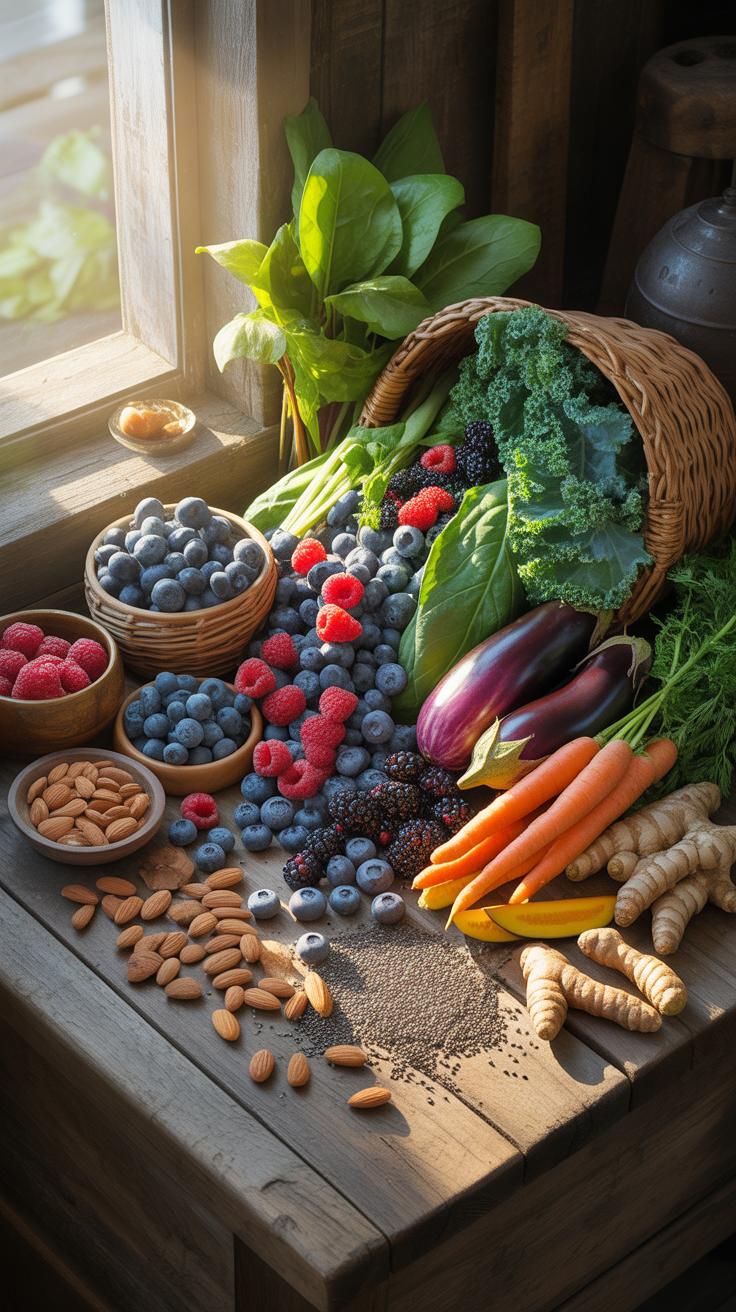
Strategic breakfasts focus on blood sugar stability to prevent cortisol spikes. Women should prioritize high-quality fats and omega-3 fatty acids early in the day. Chia seed pudding made with unsweetened almond milk provides fiber and healthy fats. This combination slows glucose absorption and reduces systemic stress. Avoid sugary cereals or processed pastries that trigger immediate inflammatory responses and energy crashes later.
Berries offer high antioxidant density without excessive sugar loads. Blueberries and raspberries contain anthocyanins that target oxidative stress. Use these as toppers for steel-cut oats or Greek yogurt. Ground flaxseeds add essential lignans and fiber for hormonal balance. Savory options like avocado on sprouted grain bread provide monounsaturated fats. This approach keeps insulin low and provides steady fuel for metabolic functions throughout the morning hours.
Lunch And Dinner Anti Inflammation Recipes Packed With Healing Ingredients
Midday and evening meals must revolve around lean proteins and cruciferous vegetables. Wild-caught salmon serves as a primary source of EPA and DHA fatty acids. These compounds directly inhibit pro-inflammatory cytokines in the body. Pair proteins with roasted broccoli, cauliflower, or kale to support liver detoxification. High-volume vegetable intake ensures a dense supply of phytonutrients while keeping the overall caloric load manageable.
Dinner strategy utilizes turmeric and ginger as functional seasoning tools. Curcumin in turmeric requires black pepper for proper absorption into the bloodstream. Use these spices on lentil stews or grilled chicken to maximize internal healing effects. Leafy greens should occupy half of the plate to provide magnesium and folate. Consistent intake of these nutrients repairs cellular damage and maintains a healthy gut microbiome for long-term health.
A Full 7 Day Anti Inflammation Diet Meal Plan Recipes Guide For Women

Days One Through Four: A Structured Eating Plan Focused On Whole Foods And Omega 3s
Kick off your week by flooding your system with omega-3 fatty acids to suppress pro-inflammatory cytokines. Use wild-caught salmon and mackerel as your primary protein sources for dinners. Prepare breakfast with chia seeds and walnuts to hit your fat targets early. These fats stabilize cell membranes and reduce joint stiffness. Avoid refined flours and processed sugars during this initial phase.
Midweek lunches require high-fiber leafy greens and cruciferous vegetables like broccoli or kale. These plants contain sulforaphane which blocks enzymes that cause joint destruction. Use extra virgin olive oil as your primary fat for all dressings. It contains oleocanthal which works similarly to ibuprofen by inhibiting COX enzymes. Keep your hydration levels high to flush out metabolic waste effectively during these first four days.
Let food be thy medicine and medicine be thy food. Eating in harmony with our bodies brings us back to the gentle vitality of our youth.
Days Five Through Seven: Anti Inflammation Meal Plan Recipes To Reduce Bloating And Fatigue
Transition your focus to gut health and fluid regulation during the final three days. Integrate fermented foods like unsweetened kefir or sauerkraut to improve your microbiome diversity. A healthy gut reduces systemic inflammation that often causes brain fog and chronic fatigue. Use ginger and turmeric in every meal to take advantage of their natural bioactive compounds. These roots lower oxidative stress levels.
The weekend protocol targets water retention and digestive speed. Replace heavy grains with steamed asparagus and cucumber to act as natural diuretics. Fiber-dense legumes like lentils provide steady energy without the glucose spikes that trigger inflammatory responses. End your week with magnesium-rich snacks like pumpkin seeds to improve sleep quality. Better sleep lowers cortisol which is a major driver of physical inflammation in women.
Anti Inflammatory Diet Meal Prep Strategies To Save Time And Stay Consistent

How To Batch Cook And Store Anti Inflammatory Ingredients For The Week Ahead
Batch cooking reduces decision fatigue and prevents reliance on processed convenience foods. Successful meal prep focuses on preparing high volume base ingredients that remain stable for several days. Focus on roasting hearty vegetables and simmering whole grains in advance. Portions should be cooled quickly and stored in airtight glass containers to maintain nutrient density and prevent chemical leaching from plastics.
- Roasted Cruciferous Vegetables: Roast broccoli, cauliflower, or Brussels sprouts in avocado oil at high heat. These vegetables retain their structural integrity and fiber content even after reheating. Store them in the middle of the refrigerator to maintain a constant temperature for up to four days.
- Whole Grain Bases: Boil large batches of quinoa, farro, or black rice in mineral rich bone broth. These grains serve as slow burning carbohydrate sources that regulate blood sugar levels. Keep them in sealed glass jars to prevent moisture loss and texture degradation throughout the week.
- Macerated Alliums and Herbs: Chop onions, garlic, and fresh parsley to store in olive oil. Prepped aromatics save significant time during active cooking sessions. The oil acts as a natural preservative and captures fat soluble compounds that target systemic inflammation during the final meal assembly.
- Lean Protein Prep: Bake or poach wild caught salmon or organic chicken breast using dry rubs. Proteins are the most time consuming elements to cook daily. Having these ready allows for immediate addition to salads or bowls. Slice them only when ready to eat to keep the meat moist.
- Soaked Legumes: Boil dried beans or lentils until tender and store them in their cooking liquid. This method is cheaper and more nutrient dense than using canned options. Legumes provide essential plant based protein and minerals. They stay fresh for five days when kept in the coldest part of the fridge.
Consistency comes from organization rather than inspiration. Use a vertical stacking system in your refrigerator so you can see every ingredient clearly. Label every container with the date of preparation. This visual system ensures you use older items first and minimizes food waste. Dedicating ninety minutes on Sunday creates a friction free environment for healthy eating during busy work days.
Kitchen Tools And Pantry Staples That Make Anti Inflammatory Diet Meal Prep Effortless
Quality kitchen tools determine the speed and ease of your preparation. A sharp chef knife and a heavy wooden cutting board are mandatory for processing large volumes of fresh produce. Use stainless steel or cast iron cookware to avoid synthetic coatings. High speed blenders allow for the rapid creation of dressings and sauces containing ginger, turmeric, and healthy fats that enhance nutrient absorption.
Stock your pantry with high quality fats and dry goods to avoid emergency trips to the store. Keep extra virgin olive oil in dark glass bottles to protect it from light oxidation. Maintain a supply of walnuts, chia seeds, and hemp hearts for immediate omega three additions. Dried spices like cinnamon and turmeric must be replaced every six months to ensure their active anti inflammatory compounds remain potent.
Lean Protein Sources That Play A Key Role In Reducing Inflammation
Why Lean Protein Supports Tissue Repair And Keeps Inflammatory Markers In Check
Proteins provide the essential amino acids required to rebuild damaged tissues and cells. Chronic inflammation often causes internal wear that the body must correct daily. Without adequate lean protein, the immune system cannot produce the white blood cells needed to regulate the inflammatory response. This deficiency leads to prolonged recovery times and increased cellular stress. Proper protein intake maintains your structural integrity.
High-fat protein sources often contain saturated fats that trigger systemic inflammation. Choosing lean options prevents the activation of pro-inflammatory pathways like the NF-kB signaling system. Stable protein consumption also helps regulate blood sugar levels throughout the day. Spikes in insulin contribute directly to inflammatory flares. Lean proteins provide the necessary building blocks for health without adding the metabolic burden of endocrine disrupting fats.
Best Plant Based And Animal Based Lean Protein Options For An Anti Inflammatory Diet
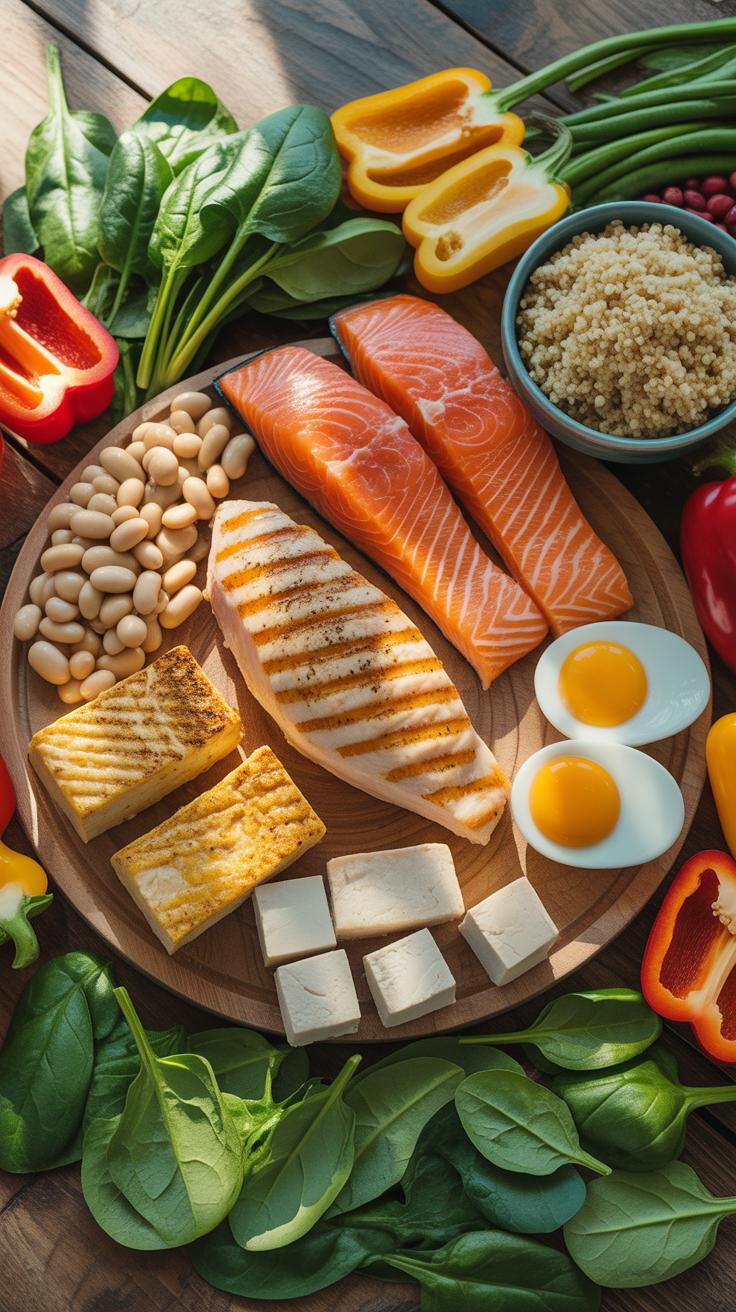
Strategic protein selection focuses on high nutrient density and low saturated fat content. You must prioritize sources that provide minerals and vitamins alongside complete amino acid profiles. Animal proteins should be wild or pasture raised to ensure a healthy ratio of fatty acids. Plant proteins offer the added benefit of fiber which further reduces C-reactive protein levels in the blood. Use these specific sources to optimize recovery.
- Cold-Water Fatty Fish: Salmon, sardines, and mackerel provide high levels of omega-3 fatty acids. These fats actively inhibit the production of substances that cause inflammation. They protect the heart and joints while delivering high-quality protein for muscle maintenance and cellular repair.
- Lentils and Legumes: These plant sources combine protein with significant amounts of soluble fiber. Fiber helps feed beneficial gut bacteria which strengthens the intestinal barrier. This process prevents toxins from entering the bloodstream and triggering an immune response. They are fundamental for long-term health.
- Tempeh and Tofu: Fermented soy products contain isoflavones that have proven antioxidant properties. These compounds help neutralize free radicals that damage healthy cells. They provide a complete protein profile and are versatile enough for daily consumption in many different types of meals.
- Pasture-Raised Poultry: Chicken and turkey breast provide essential amino acids with very little fat. Selecting birds raised on pasture ensures the meat contains fewer inflammatory markers than grain-fed alternatives. This makes chicken a reliable staple for consistent tissue repair and metabolic support.
- Quinoa: This pseudocereal is a rare plant source that contains all nine essential amino acids. It also contains phytonutrients called flavonoids which have anti-inflammatory effects. It acts as both a protein and a complex carbohydrate to keep energy levels stable and safe.
Balance your protein intake across these categories to maximize your nutrient variety. Rotating your sources prevents dietary boredom and ensures a full spectrum of micronutrients. Avoid processed meats like deli slices or sausages because they contain nitrates and sodium that provoke an inflammatory response. Stick to whole, minimally processed proteins to see the best results. Consistent execution of this strategy will lower your overall systemic stress.
Rheumatoid Diet Meals Designed To Ease Joint Pain And Stiffness In Women

How A Rheumatoid Diet Differs From A General Anti Inflammatory Eating Plan
A general anti inflammatory meal plan focuses on long term disease prevention. A rheumatoid diet targets specific autoimmune pathways to reduce joint destruction. Women with rheumatoid arthritis face higher risks of bone loss and muscle wasting. This version prioritizes higher protein intake and specific micronutrients like calcium and vitamin D. It moves beyond basic health to manage active flares and physical mobility.
This specialized approach removes triggers that specifically aggravate synovial tissue. General plans might allow moderate gluten or nightshades. A rheumatoid strategy often eliminates these to test for individual sensitivity. It emphasizes omega 3 fatty acids at therapeutic levels rather than maintenance levels. You must track how specific foods impact morning stiffness. This data driven method ensures the diet acts as a medical tool.
Evidence Based Rheumatoid Diet Meals That Target Joint Inflammation Naturally
Effective meals focus on high doses of EPA and DHA to block inflammatory cytokines. Cold water fish like mackerel or sardines serve as the primary protein source. Pair these with cruciferous vegetables like broccoli or Brussels sprouts. These vegetables contain sulforaphane which helps block the enzymes that cause joint destruction. Every meal must contribute to lower oxidative stress levels in the body.
Incorporate extra virgin olive oil as your primary fat source for its oleocanthal content. This compound functions similarly to ibuprofen by inhibiting pro inflammatory enzymes. Use turmeric and ginger in every savory dish to suppress inflammatory pathways. Avoid processed sugars and refined grains because they trigger immediate insulin spikes. Rapid insulin changes correlate directly with increased joint pain and swelling in women with autoimmune conditions.
Building A Sustainable Inflamation Diet Meal Plan Around Your Lifestyle

How To Personalize Your Inflamation Diet Meal Plan Based On Activity Level And Health Goals
Activity levels dictate your daily caloric and macronutrient needs. Active women require higher carbohydrate intake to fuel muscle recovery and prevent systemic stress. Focus on complex carbohydrates like sweet potatoes or quinoa after intense workouts. Sedentary women should prioritize healthy fats and lean proteins. This balance keeps insulin levels stable. High insulin triggers inflammatory markers in the body. Adjust your portions based on physical output.
Health goals like weight loss or hormone regulation require specific adjustments. For weight loss, increase fibrous vegetable intake to promote satiety without adding caloric density. If bone density is the priority, increase intake of leafy greens and fortified plant milks. Always prioritize omega 3 fatty acids from fatty fish or flaxseeds. These fats combat chronic inflammation at a cellular level. Target consistency over perfection to ensure long term success.
Mindful Eating Habits That Amplify The Benefits Of An Anti Inflammatory Diet For Women
Mindful eating improves digestion and nutrient absorption. Stress during meals activates the sympathetic nervous system. This state halts digestion and promotes gut inflammation. Eat in a calm environment without digital distractions. Chew food thoroughly to break down fibers and maximize enzyme efficiency. Slow eating allows the body to signal fullness via leptin. This prevents overeating and metabolic strain.
Timing your meals supports the natural circadian rhythm of your metabolism. Research shows that eating during daylight hours aligns with peak insulin sensitivity. Avoid heavy meals late at night to prevent sleep disruption. Quality sleep is essential for lowering C-reactive protein levels. Focus on hydration between meals rather than during them. This practice prevents the dilution of stomach acid. Proper digestion is the foundation of any anti-inflammatory strategy.
Common Mistakes Women Make On An Anti Inflammatory Meal Plan And How To Fix Them

Nutritional Gaps And Hidden Inflammatory Triggers That Silently Stall Your Progress
Many women transition to an anti inflammatory meal plan but fail to replace lost calories with nutrient dense fats. They often rely on processed gluten free products that contain high glycemic starches like potato or tapioca flour. These refined carbohydrates spike blood sugar and insulin levels. High insulin triggers systemic inflammation which defeats the purpose of the diet. You must prioritize whole foods over packaged alternatives.
Hidden triggers also include excessive consumption of omega 6 fatty acids found in seed oils. Even if you eat enough omega 3s from fish, a high ratio of omega 6 will promote inflammatory pathways. Another common gap is low vitamin D and magnesium levels which are critical for immune regulation. Address these gaps by cooking with stable fats like olive oil and tracking your micronutrient intake regularly.
How To Stay Motivated And Track Progress On Your Anti Inflammation Diet Meal Plan Long Term
Long term success requires shifting your focus from weight loss to functional biomarkers. Tracking daily energy levels and joint stiffness provides immediate feedback on how specific foods affect your body. Many women quit because they expect instant results. Cellular repair takes time and consistency. Use a simple log to record flare ups and correlate them with your recent meals to identify personal sensitivities.
Accountability improves when you simplify your food preparation. Focus on a rotating schedule of proven recipes instead of searching for new meals every day. This reduces decision fatigue which often leads to poor food choices. Measure success by improvements in sleep quality and skin clarity. These tangible signs of reduced inflammation serve as powerful psychological drivers to maintain the anti inflammatory meal plan for years.
Frequently Asked Questions

What exactly is an anti-inflammatory meal plan and how does it help women?
An anti-inflammatory meal plan focuses on nutrient-dense whole foods like leafy greens, fatty fish, and berries that help reduce chronic inflammation in the body. For women, this approach is particularly beneficial for balancing hormones, improving skin clarity, and managing symptoms of autoimmune conditions. By prioritizing antioxidants and healthy omega-3 fatty acids while limiting processed sugars, you can support your long-term wellness and maintain steady energy levels throughout your busy day.
Is it possible to follow an anti-inflammatory diet on a tight monthly budget?
Absolutely! You do not need expensive “superfoods” to see results. Affordable staples like dried lentils, canned sardines, frozen spinach, and seasonal cruciferous vegetables are perfect for a budget-friendly anti-inflammatory meal plan. Buying in bulk and choosing frozen fruits and vegetables often provides the same nutritional value as fresh versions at a fraction of the cost. With a little meal prep and smart shopping, you can nourish your body without overspending.
How long does it typically take to notice results from an anti-inflammatory diet?
Many women report feeling less bloated and more energetic within two to three weeks of consistently following an anti-inflammatory meal plan, though visible changes like clearer skin or reduced joint discomfort can take four to eight weeks. Results depend on how closely the plan is followed and individual factors like baseline inflammation levels.