

Why Sugar Cravings Happen The Science Behind Your Sweet Tooth
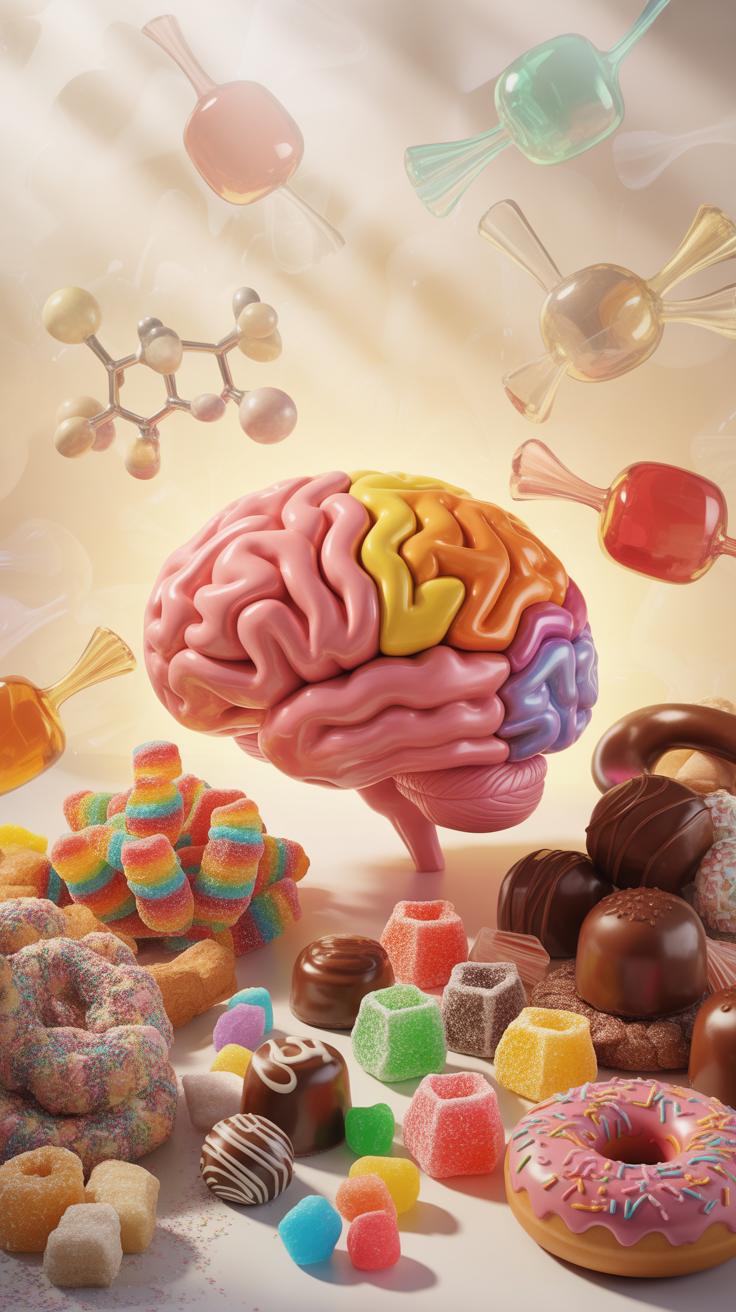
How Blood Sugar Spikes And Crashes Fuel The Craving Cycle
Eating refined carbohydrates causes a rapid rise in blood glucose levels. Your pancreas responds by secreting high amounts of insulin to shuttle glucose into your cells. This process works too well when you consume processed sugar. Blood sugar levels drop below the baseline very quickly. This sudden dip signals a biological emergency to your brain. You feel hungry and shaky immediately.

Your body demands a quick energy fix to restore balance. It triggers a physical craving for more sugar to spike your levels again. This creates a vicious cycle of highs and lows throughout the day. You are not lacking willpower in these moments. You are reacting to a physiological survival mechanism. Breaking this cycle requires stabilizing glucose to prevent the initial insulin surge.
The Role Of Dopamine And Brain Reward Pathways In Sugar Dependence
Sugar consumption triggers the release of dopamine in the nucleus accumbens. This is the same reward center activated by addictive drugs. Your brain records the sweet taste as a high-value survival signal. It strengthens the neural pathways associated with seeking that specific reward. Over time, your brain requires more sugar to reach the same level of pleasure. This is known as building a tolerance.

Frequent sugar intake blunts your natural reward response. Your brain reduces the number of dopamine receptors to protect itself from overstimulation. You then experience a muted mood and lower energy without sugar. This leads to psychological dependence and intense cravings. You eat sugar just to feel normal rather than for enjoyment. Strategic nutrition is the only way to reset these damaged reward pathways.
Stop Sugar Cravings By Understanding What Your Body Actually Needs

How Nutrient Deficiencies Such As Magnesium And Chromium Trigger Sweet Cravings
Your brain often misinterprets mineral deficiencies as a need for quick energy. Magnesium regulates glucose and insulin signaling. When levels drop, your cells struggle to take in fuel. This failure creates a false signal of hunger. You then reach for chocolate because it contains small amounts of magnesium. Your body wants the mineral but settles for the sugar rush instead.
Chromium plays a tactical role in carbohydrate metabolism. It helps the insulin receptors on your cells function correctly. Without enough chromium, your blood sugar fluctuates wildly. These drops trigger an urgent physical demand for glucose. You must supplement these minerals or eat whole foods to stabilize the system. Consistent mineral intake removes the biological trigger that forces you to seek sugar.
Dehydration And Sleep Deprivation: Two Overlooked Drivers Of Sugar Cravings
Dehydration mimics the feeling of hunger in the hypothalamus. Your liver requires water to release glycogen for energy. If you are dehydrated, the liver cannot function properly. This lack of available energy causes the brain to demand an outside source. You feel a strong urge for sweets when you actually just need water. Proper hydration keeps your metabolic processes running smoothly.
Sleep deprivation increases ghrelin and decreases leptin. Ghrelin is the hormone that tells you to eat. High ghrelin levels specifically drive cravings for high-calorie carbohydrates. Your tired brain seeks dopamine and fast glucose to stay awake. One bad night of sleep ruins your impulse control. You cannot fight biology with willpower alone. Get seven hours of sleep to keep your hunger hormones balanced and steady.
How To Quit Sugar Building A Sustainable No Sugar Diet Plan

The Difference Between Added Sugars And Natural Sugars In Whole Foods
Added sugars enter food during processing or cooking. Manufacturers use sucrose or high fructose corn syrup to increase shelf life and flavor. These sugars digest rapidly. They cause a fast insulin spike. This spike leads to a crash and triggers hunger. You find these in soda, bread, and sauces. Eliminate these to stabilize your blood glucose levels and stop the cycle of cravings.
Natural sugars exist within the cellular structure of fruit and dairy. Fruit contains fiber. Dairy contains protein and fat. These components slow down sugar absorption. Your body processes these nutrients over a longer period. This prevents the sharp insulin response caused by refined sugar. Focus your diet on whole foods. They provide necessary energy without the metabolic damage associated with processed sweeteners and syrups.
How To Structure Daily Meals On A No Sugar Diet To Stay Satisfied Longer
Prioritize high quality protein and healthy fats at every meal. Protein increases satiety hormones like cholecystokinin. Healthy fats slow down gastric emptying. This keeps you full for several hours. Start your day with eggs or steak instead of cereal. Removing the morning sugar spike prevents the late afternoon energy crash. This strategy creates a stable metabolic environment and reduces the urge to snack.
Incorporate fiber through non starchy vegetables at lunch and dinner. Fiber adds bulk to your meals without adding calories. It physically fills the stomach and signals the brain to stop eating. Avoid low fat products because they often replace fat with added sugar. Eat whole foods like avocado, nuts, and leafy greens. Consistent meal timing helps regulate your internal clock. This prevents the hunger pangs that lead to sugar consumption.
How To Cut Sugar Cravings With Protein Fiber And Healthy Fats
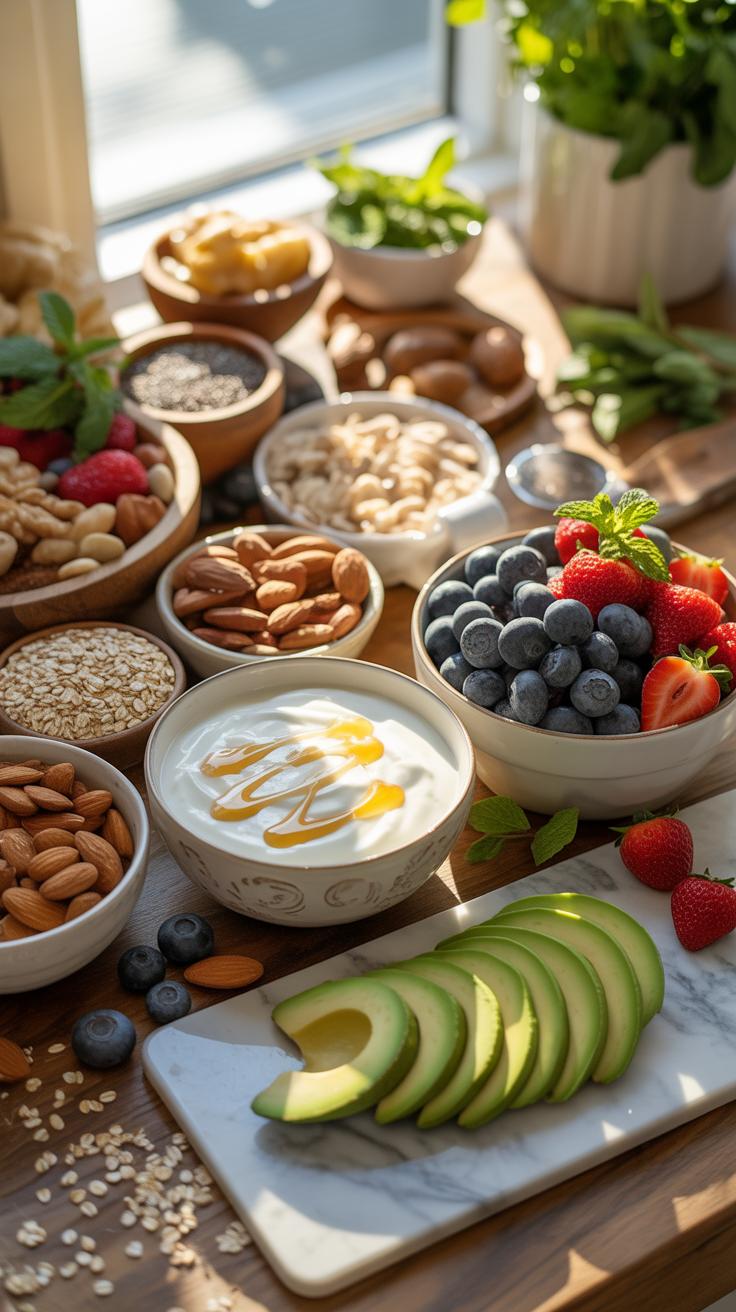
Why Protein And Fiber Are The Most Effective Macronutrients For Reducing Sugar Urges
Protein increases satiety by stimulating the release of peptide YY and cholecystokinin. These hormones signal the brain that the body is full. Protein also reduces levels of ghrelin, the hormone responsible for hunger. High protein intake stabilizes blood glucose levels by slowing the absorption of glucose into the bloodstream. This prevents the rapid insulin spikes and subsequent crashes that trigger intense sugar urges.
Fiber provides physical bulk in the stomach to slow digestion and gastric emptying. Soluble fiber creates a gel-like substance that delays sugar absorption. This process maintains a steady supply of energy rather than a sudden peak. Fiber also feeds beneficial gut bacteria that produce short-chain fatty acids. These fatty acids improve insulin sensitivity. Consistent fiber intake eliminates the biological triggers that make your brain crave quick energy from sugar.
Best Whole Food Sources Of Healthy Fats That Keep Blood Sugar Stable
Healthy fats provide a concentrated energy source that does not trigger an insulin response. Unlike carbohydrates, fats have a negligible impact on blood sugar levels. Incorporating monounsaturated and polyunsaturated fats into meals creates a long-lasting sense of fullness. This satiety prevents the snack-seeking behavior often associated with low blood sugar. Choosing whole food sources ensures you receive essential nutrients alongside the caloric density required for metabolic stability.
- Avocados: These fruits contain high amounts of monounsaturated fats and potassium. They provide a creamy texture that mimics the mouthfeel of sugary treats without the glucose load. Avocados slow the digestion of accompanying carbohydrates to keep your energy levels flat and consistent throughout the day.
- Walnuts: These nuts offer a unique balance of omega-3 fatty acids and antioxidants. Eating walnuts improves cognitive function and reduces the neurological drive to seek out sweet rewards. They provide a dense caloric structure that sustains the body during long gaps between meals.
- Extra Virgin Olive Oil: This oil is a staple of the Mediterranean diet and contains oleic acid. It reduces inflammation in the body and improves how cells respond to insulin. Using it as a primary fat source helps regulate appetite by triggering the release of fullness hormones.
- Chia Seeds: These seeds are packed with omega-3s and an immense amount of soluble fiber. They absorb many times their weight in water to create a feeling of fullness in the gut. This dual action of fat and fiber makes them a potent tool for stopping cravings.
- Wild-Caught Salmon: This fatty fish provides high-quality protein combined with essential omega-3 fatty acids. This combination is highly effective at reducing muscle breakdown and stabilizing metabolic rate. Regular consumption lowers systemic inflammation which often contributes to the hormonal imbalances that drive sugar dependency.
Fats take longer to break down than any other macronutrient. This slow metabolic pace ensures that your brain does not perceive an energy deficit. When the brain senses steady fuel, it stops sending signals for fast-acting glucose. Transitioning your primary fuel source from sugar to healthy fats creates metabolic flexibility. This allows your body to burn its own stored energy more efficiently and reduces total daily sugar consumption.
Sugar Detox What To Expect In The First Week And How To Push Through

Common Sugar Detox Symptoms Including Headaches Fatigue And Mood Swings
Withdrawal symptoms begin within 24 hours of cutting refined sugar. The brain reacts to the loss of a primary dopamine trigger. You will likely feel a dull headache caused by changes in blood flow and insulin levels. Fatigue sets in as the body struggles to transition from burning glucose to burning stored fat. This energy gap leads to severe physical tiredness and mental fog.
Mood swings occur because your neurotransmitters are rebalancing. You will feel irritable or anxious as your reward system resets. Some people experience muscle aches and changes in sleep patterns during the first three days. These symptoms are physiological responses to chemical changes in the gut and brain. Do not mistake this temporary distress for a permanent state of health. It is a necessary transition.
Nutrition Strategies That Ease Sugar Detox Discomfort Without Relapsing
Stabilizing blood sugar is the only way to stop the cycle of cravings. Increase your intake of healthy fats like avocado and olive oil. Fat provides a slow burning fuel source that keeps you full for longer periods. Combine these fats with high quality protein at every meal. This combination prevents the rapid insulin spikes that trigger future sugar binges and keeps your energy levels steady throughout the day.
Hydration is critical for flushing metabolic waste and reducing headache intensity. Drink water with added electrolytes like magnesium and potassium to support nerve function. Fiber from green vegetables slows digestion and supports gut health during the transition. If a craving strikes, eat fermented foods like sauerkraut. The sour profile and probiotics help change your palate and suppress the urge for sweets until your body adapts.
How To Stop Sweet Cravings With Smart Food Swaps And Mindful Eating

Natural Sweetener Alternatives Like Cinnamon Berries And Medjool Dates
Replace refined sugar with whole food sources to stabilize blood glucose. Cinnamon mimics sweetness while improving insulin sensitivity. Berries provide fiber and antioxidants that slow fructose absorption into the bloodstream. Medjool dates offer a dense texture and high fiber content. These options satisfy the palate without causing the rapid insulin spikes associated with processed white sugar. They transition your taste buds away from hyper-palatable foods.
Tactical swaps focus on nutrient density rather than empty calories. Use cinnamon in coffee or oats to reduce the need for syrups. Keep frozen berries available for immediate cravings. Limit date consumption to one or two per serving due to high energy density. These natural tools help recalibrate your sugar threshold. You eventually require less sweetness to feel satisfied. This strategy builds a sustainable nutritional foundation for long term success.
When you nourish your body with the wholesome goodness of real food, the restless longing for sweets simply fades away like a summer sunset. The secret to peace is found in a bowl of nature’s bounty rather than a box of refined sugar.
How Mindful Eating Practices Help Rewire Your Response To Sugar Triggers
Mindful eating forces a pause between the craving and the action. This technique activates the prefrontal cortex to override impulsive biological urges. You must identify if the hunger is physical or emotional. Physical hunger develops slowly while emotional cravings strike suddenly. Slowing down your eating pace allows your brain to receive fullness signals. These signals take approximately twenty minutes to register after you start eating.
Apply the Savor method to dismantle the power of sugar. Pay attention to the texture and actual flavor of the sweet food. Many find that processed sweets taste overly chemical when eaten slowly. This realization breaks the psychological reward loop. It shifts your relationship with food from a mindless habit to a conscious choice. Training your brain this way reduces the frequency and intensity of future sugar cravings.
Taking The No Sugar Challenge A Practical 30 Day Nutrition Roadmap

How To Prepare Your Kitchen And Meal Plan Before Starting A No Sugar Challenge
Preparation determines your success rate. You must eliminate all environmental triggers before day one. Empty your pantry of processed snacks and hidden sugars. Check labels for syrups and concentrates. Stock your kitchen with whole proteins and healthy fats. These foods keep blood sugar stable. Plan every meal for the first week. Eliminate decision fatigue to prevent poor choices when hunger strikes.
- Audit Food Labels: Check every packaged item for added sugars. Look for aliases like maltodextrin, dextrose, and rice syrup. Remove these items from your home immediately. Keeping them nearby increases the risk of failure during intense cravings.
- Source Quality Proteins: Buy eggs, beef, poultry, and fish in bulk. Protein provides the highest satiety levels. It stabilizes insulin and reduces the physiological urge for sweets. Ensure you have enough portions for three meals a day.
- Stock Healthy Fats: Purchase avocados, nuts, and olive oil. Fats provide long-burning energy. They slow down the digestion of carbohydrates. Use these to stay full between meals. Satiety is your best defense against the 3:00 PM sugar crash.
- Hydration Stations: Prepare large containers of filtered water. Dehydration often mimics hunger signals. Keep water accessible at your desk and in your car. Avoid diet sodas as artificial sweeteners can trigger the same insulin response as real sugar.
- Batch Cook Staples: Prepare large quantities of roasted vegetables and meats on Sunday. Having ready-to-eat meals prevents impulse buying during busy workdays. Control your environment to control your intake. Minimal effort during the week leads to maximum consistency and results.
Successful meal planning focuses on nutrient density. Replace refined carbohydrates with fibrous vegetables like broccoli and spinach. These provide necessary bulk without the glucose spike. Prepare small emergency snacks like raw almonds or hard-boiled eggs. Keep your blood sugar level consistent throughout the day. This strategy prevents the biological panic that leads to binging. Establish a routine and stick to it without exception.
How To Track Progress And Stay Motivated Through A 30 Day Quit Sugar Commitment
Track physiological changes rather than just weight. Document your energy levels every morning. Note your mental clarity and sleep quality. These metrics show the immediate benefits of reduced systemic inflammation. Use a simple log to record daily wins. High-quality data keeps you objective when motivation fades. Focus on the trend of your cravings. You will see them diminish in intensity over the four-week period.
Accountability improves your odds. Report your progress to a partner or use a tracking app. Do not rely on willpower alone. Build a system of rewards that do not involve food. Treat yourself to new gym gear or a movie after each successful week. If you slip up, analyze the trigger and resume the plan immediately. Consistency over thirty days resets your taste buds and reduces your sugar threshold.
How To Stop Eating Sugar Long Term Habits That Make The Results Last

How Gut Health And Probiotic Rich Foods Reduce Long Term Sugar Cravings
Your gut microbiome dictates your food preferences. Pathogenic bacteria and yeast thrive on simple sugars. These microbes send signals to your brain to demand more fuel for their own survival. When you eat fermented foods like sauerkraut or kefir, you introduce beneficial bacteria. These strains compete with sugar-loving microbes. This shift in your internal ecosystem reduces the biological drive to consume sweets.
Consistency matters for microbial diversity. You must consume probiotics daily to maintain a balanced gut. Fiber acts as a prebiotic to feed these healthy bacteria. A high-fiber diet ensures that beneficial strains stay dominant over time. This biological defense prevents the sudden spikes in cravings that often lead to relapses. Managing your gut health turns sugar avoidance from a willpower struggle into a natural state.
Building A Lifestyle Routine That Supports Sustained Low Sugar Nutrition Choices
Environment design beats willpower every time. You must remove high-sugar triggers from your home and workspace. Replace these items with high-protein snacks and healthy fats. Planning your meals in advance prevents hunger-driven decisions at the grocery store. Most people fail because they wait until they are hungry to choose what to eat. Deciding early eliminates the decision fatigue that leads to poor choices.
Sleep and stress management are tactical requirements for sugar control. Sleep deprivation lowers leptin and raises ghrelin levels. This hormonal shift increases your appetite for calorie-dense carbohydrates. High cortisol from chronic stress also triggers the brain to seek quick energy from sugar. You must establish a strict sleep schedule to keep these hormones in check. Proper recovery ensures your brain has the executive function to refuse sugar daily.
Frequently Asked Questions

Why do I experience intense sugar cravings even after eating a full meal?
It is common to feel a pull toward sweets if your meal lacked a balance of macronutrients. When you consume high-carb dishes without enough protein or healthy fats, your blood sugar spikes and then crashes rapidly. This roller coaster effect is often the primary reason you feel a need for more glucose. Learning how to stop sugar cravings starts with stabilizing your blood sugar by including fiber and protein in every single meal.
What are some immediate nutritional swaps I can make to reduce my desire for sweets?
To effectively manage your appetite, try reaching for magnesium-rich foods like almonds, seeds, or dark leafy greens. Magnesium helps regulate glucose levels and insulin, which reduces the biological signals for sugar. If you are struggling with how to stop sugar cravings in the moment, a small snack consisting of Greek yogurt with a dash of cinnamon can bridge the gap by providing satiety and a hint of natural sweetness without a massive insulin spike.
Is it possible to eat a diet that stops sugar cravings without buying expensive supplements?
Absolutely! You do not need pricey powders or specialized health foods to reset your palate. Focus on affordable whole foods found at any grocery store, such as eggs, beans, oats, and seasonal frozen berries. These pantry staples are packed with the essential nutrients and fiber required to keep you full and satisfied. Prioritizing these cost-effective, nutrient-dense ingredients is the most sustainable way to nourish your body and naturally dampen your desire for sweets.