

Understanding Hormonal Changes After 40 And Why A Hormonal Balance Diet Matters

How Estrogen Progesterone And Cortisol Shift As You Age
After age forty women enter perimenopause. This stage triggers sharp drops in estrogen and progesterone production. Progesterone often falls first and creates a hormonal gap. This imbalance leads to mood swings and sleep loss. The ovaries prepare to stop releasing eggs. You cannot stop this biological shift but you can manage the impact. Understanding these baseline shifts is the first step toward regaining physical control.

Cortisol levels often rise as sex hormones decline. Your body becomes less resilient to daily stress. High cortisol triggers fat storage around the midsection. It also interferes with insulin sensitivity. This creates a physiological environment that favors weight gain and fatigue. Managing these three specific hormones requires a tactical approach to nutrition. You must stabilize these levels to avoid the standard symptoms of aging and metabolic decline.
The Direct Link Between What You Eat And How Your Hormones Behave
Food acts as a chemical signal to your endocrine system. Every meal either stabilizes or disrupts your hormone production. High sugar intake spikes insulin and increases systemic inflammation. This inflammation worsens hot flashes and night sweats. You must prioritize nutrient density to provide the raw materials for hormone synthesis. A hormonal balance diet provides the specific building blocks your body can no longer produce efficiently.

Fiber and healthy fats are non-negotiable for metabolic health. Fiber helps your body flush out excess metabolized estrogen. This prevents estrogen dominance which causes bloating and breast tenderness. Healthy fats provide the cholesterol base needed for steroid hormone production. You control your internal chemistry through your fork. Consistent intake of protein and micronutrients keeps your blood sugar stable. Stable blood sugar prevents cortisol spikes and preserves lean muscle mass.
Foods To Balance Hormones The Nutritional Foundation Your Body Needs
Macronutrients And Their Role In Hormone Synthesis And Regulation
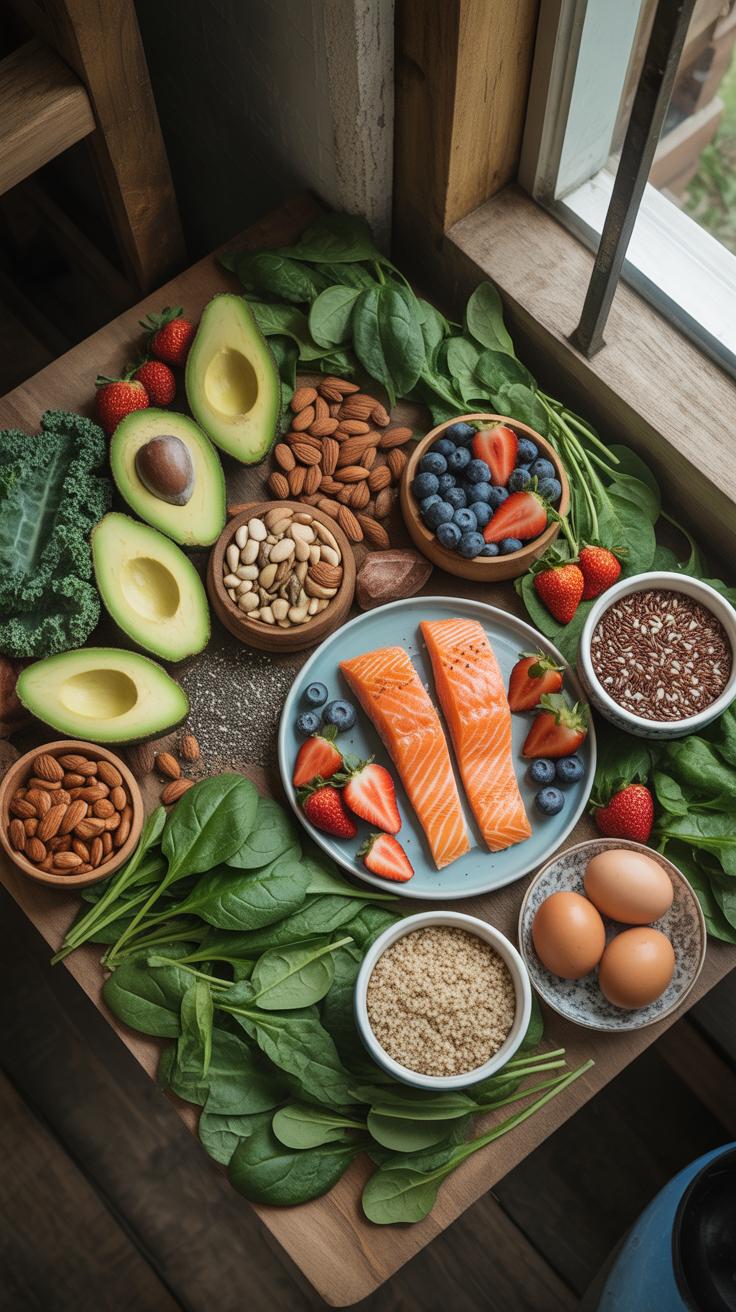
Proteins provide the amino acids required for peptide hormone production. Your body uses these building blocks to create insulin and growth hormones. Without adequate protein intake, your endocrine system cannot signal effectively. This leads to muscle loss and poor metabolic function. Prioritize lean sources to maintain steady blood sugar levels. Consistent intake keeps your energy levels high and prevents frequent hunger spikes throughout the day.
Complex carbohydrates manage your cortisol levels and thyroid function. They provide the steady glucose supply your brain needs to regulate stress responses. Low-quality carbs cause insulin spikes that disrupt your reproductive hormones. Choose fiber-rich options like oats or quinoa to stabilize your internal chemistry. Proper carbohydrate timing supports your circadian rhythm and improves sleep quality. This balance is critical for any effective hormonal balance diet over age forty.
Why Skipping Healthy Fats Can Disrupt Your Endocrine System
Cholesterol serves as the primary precursor for steroid hormones like estrogen and testosterone. If you cut out all fats, your body cannot produce these essential chemical messengers. This deficiency often leads to brain fog and cycles of extreme fatigue. Your cells also need lipids to build strong outer membranes. These membranes allow hormones to enter cells and deliver their instructions. Fats are tools, not enemies.
Fatty acids regulate inflammation and support your brain health. Omega-3s found in fish or walnuts reduce the chronic inflammation that blocks hormone receptors. When receptors are blocked, your body ignores your own hormones. This creates a state of resistance that mimics a deficiency. Eat monounsaturated fats to improve your insulin sensitivity and heart health. High-quality fats ensure your body processes signals correctly to maintain a steady internal state.
Hormonal Balance Food Phytoestrogens And Plant Based Hormone Support

What Phytoestrogens Are And Which Foods Naturally Contain Them
Phytoestrogens are plant-derived compounds that mimic the structure of human estrogen. These chemicals occur naturally in over three hundred different plants. They provide a safe way to modulate your body’s hormone levels as natural production slows down. These compounds act as a weaker version of the hormones your body produces. Choosing the right plant sources allows for better control of your internal chemistry.
Common foods contain high concentrations of these beneficial compounds. Soybeans and flaxseeds offer the highest density of lignans and isoflavones. You also find them in cruciferous vegetables like broccoli and cabbage. Sesame seeds and berries provide additional sources for a balanced intake. Consuming these specific foods helps stabilize your system. Focus on whole food sources to ensure maximum bioavailability and effective hormone support.
Nourishing yourself is an act of deep soul work, especially as your body finds its new rhythm and grace. Food is the most powerful medicine to help you return home to yourself.
How Flaxseeds Soy And Legumes Interact With Estrogen Receptors
These foods work by binding to estrogen receptors in your cells. They act as selective modulators to balance your system. When your natural estrogen is low, these plant compounds provide a mild boost. When your levels are too high, they block stronger forms of the hormone. This dual action makes them essential for women over forty. They regulate your biological response with precision.
Flaxseeds contain lignans that specifically target metabolism and gut health. Soy provides isoflavones that help maintain bone density and heart health. Legumes offer fiber along with these compounds to sweep excess hormones out of your body. This combination prevents the common spikes and drops that cause symptoms. Incorporating these staples into your daily routine offers a tactical advantage for maintaining long-term hormonal stability.
Hormone Health Starts In The Gut The Microbiome And Hormonal Regulation
How The Estrobolome Influences Estrogen Metabolism And Clearance
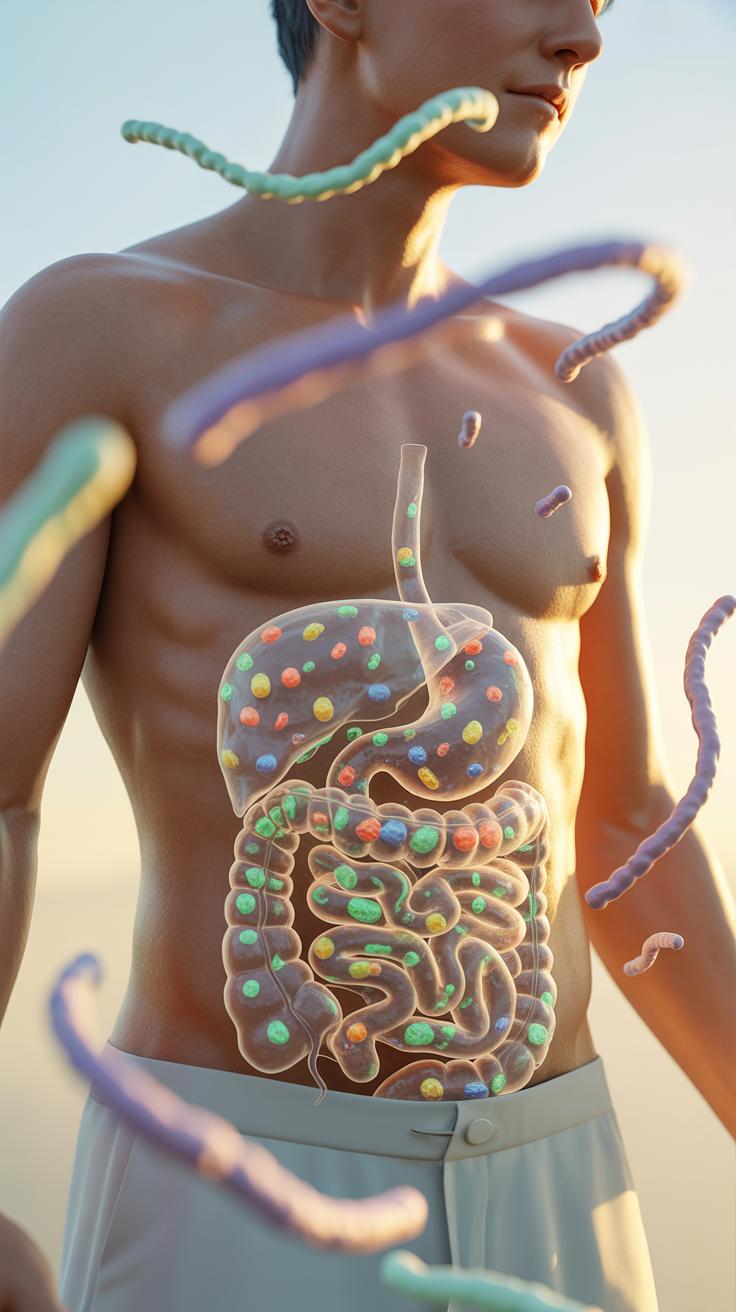
The estrobolome is a specific collection of bacteria in your gut. These microbes produce an enzyme called beta-glucuronidase. This enzyme dictates how your body processes estrogen. When the estrobolome is healthy, it helps clear used estrogen through your waste. This prevents the hormone from recirculating in your bloodstream. Proper clearance is vital for women over 40 to maintain a stable hormonal balance diet.
If your gut bacteria are out of balance, beta-glucuronidase levels rise. High levels of this enzyme unbind estrogen that was headed for excretion. This free estrogen re-enters the blood and increases overall levels. This process leads to estrogen dominance. This condition causes weight gain, mood shifts, and heavy cycles. You must keep your gut healthy to ensure your liver and intestines can remove these hormones effectively.
Fermented Foods And Prebiotic Fiber That Strengthen Gut Hormone Communication
A hormonal balance diet requires specific fuel for your gut microbes. Prebiotic fiber acts as the primary food source for beneficial bacteria. You find these fibers in garlic, onions, and asparagus. These plants contain inulin and other compounds that lower gut inflammation. When these bacteria eat fiber, they produce short-chain fatty acids. These acids signal your brain to regulate hunger hormones like ghrelin and leptin.
Fermented foods introduce live probiotic cultures directly into your digestive tract. Sauerkraut, kimchi, and kefir provide diverse bacterial strains. These microbes improve the integrity of your gut lining. A strong gut barrier prevents toxins from leaking into your blood. This reduces the stress on your adrenal glands. Adding these foods to your daily routine stabilizes your insulin response and supports steady estrogen metabolism throughout the day.
Foods Good For Hormone Balance Anti Inflammatory Eating After 40
The Connection Between Chronic Inflammation And Hormonal Imbalance
Chronic inflammation disrupts the endocrine system by interfering with hormone signaling pathways. This internal stress forces the body to produce excess cortisol. High cortisol levels prioritize survival over reproduction and metabolism. This shift causes a domino effect that lowers progesterone and throws estrogen out of balance. Managing inflammation is the only way to restore proper communication between your brain and your hormone-producing glands.
Persistent inflammation also causes insulin resistance. When cells stop responding to insulin, your body stores more fat around the midsection. This visceral fat produces its own inflammatory chemicals, creating a dangerous cycle. Women over 40 face naturally declining hormone levels, making them more sensitive to these disruptions. You must lower systemic inflammation to keep your thyroid, adrenal, and sex hormones functioning at optimal levels for long-term health.
Top Anti Inflammatory Foods To Prioritize In Your Daily Meals
Dietary choices act as a direct lever for controlling internal inflammation. Selecting nutrient-dense fats and antioxidants targets the root cause of hormonal chaos. These specific foods provide the raw materials necessary for hormone synthesis while cleaning up cellular waste. Prioritizing these items daily reduces the workload on your liver and adrenals. Use these high-impact foods to stabilize your internal environment and improve your overall metabolic rate.
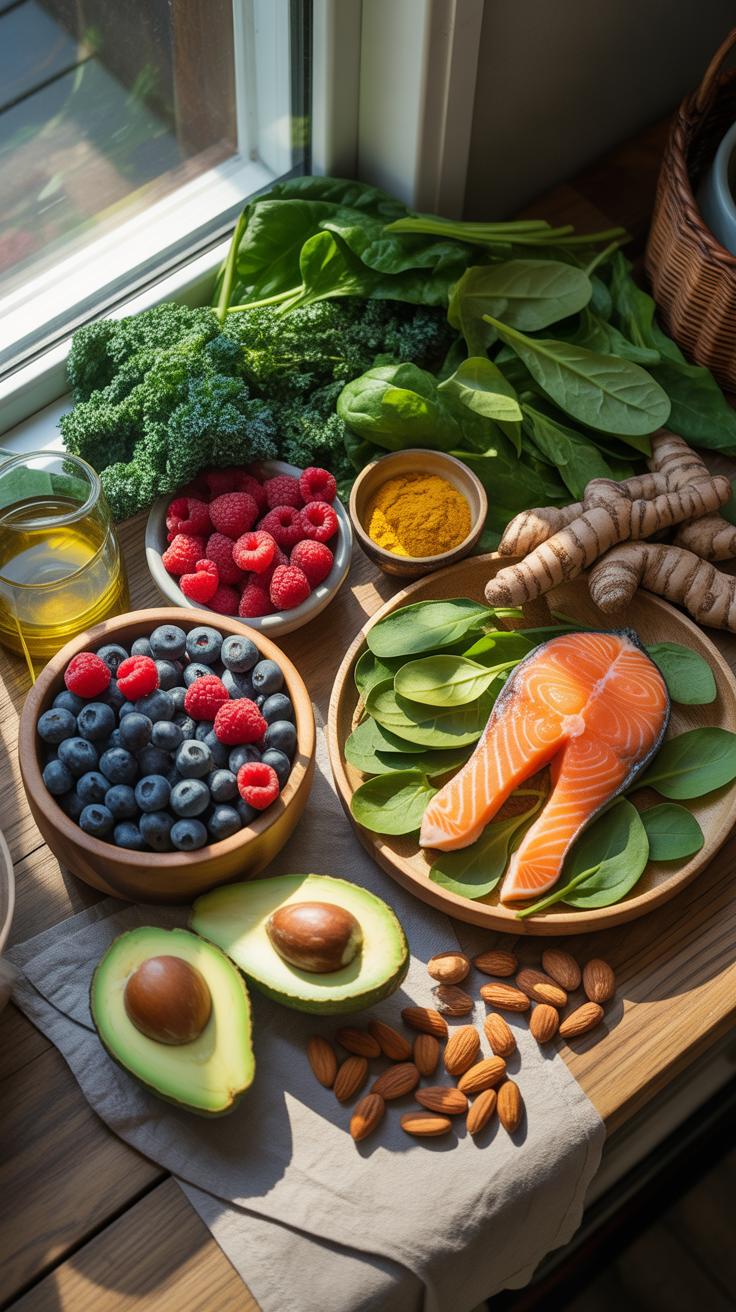
- Fatty Fish: Salmon and sardines contain high levels of omega-3 fatty acids. These fats reduce the production of substances that cause inflammation. They also support brain health and keep cell membranes flexible for better hormone signaling throughout your entire body.
- Leafy Greens: Spinach and kale provide magnesium and essential B vitamins. Magnesium helps regulate the stress response and improves sleep quality. These greens also support the liver in breaking down and removing excess estrogen to prevent dominance issues during the transition into menopause.
- Cruciferous Vegetables: Broccoli and cauliflower contain a compound called sulforaphane. This chemical helps the body detoxify harmful environmental estrogens. Eating these vegetables daily supports healthy estrogen metabolism and protects your tissues from oxidative stress that often increases as you age past 40.
- Extra Virgin Olive Oil: This oil contains oleocanthal, which works like a natural anti-inflammatory agent. It provides healthy monounsaturated fats that serve as the building blocks for steroid hormones. Using it as your primary fat source maintains vascular health and supports steady energy levels.
- Berries: Blueberries and raspberries are packed with antioxidants called flavonoids. These compounds neutralize free radicals that damage hormone-producing glands. Their high fiber content also prevents blood sugar spikes. Stable blood sugar is critical for maintaining insulin sensitivity and preventing fat storage.
Consistency matters more than variety when selecting these anti-inflammatory staples. Incorporate at least two of these options into every meal to see measurable results. Removing processed sugars and seed oils while adding these foods creates a powerful shift in your biology. Radical changes in your diet today will lead to more predictable hormone patterns and better physical resilience within a few weeks.
Foods For Hormone Balance Managing Blood Sugar To Protect Insulin And Cortisol

Why Blood Sugar Spikes Trigger A Cascade Of Hormonal Disruption
Eating high-sugar foods forces the pancreas to pump out massive amounts of insulin. This hormone tells your cells to store fat instead of burning it for fuel. Over time, frequent spikes lead to insulin resistance. This condition makes it harder for your body to regulate energy. For women over 40, these swings cause extreme fatigue and rapid weight gain around the midsection.
Blood sugar crashes act as a physical stressor on the body. Your adrenal glands respond by releasing cortisol to pull stored sugar back into the bloodstream. High cortisol levels then disrupt your sleep and block progesterone production. This cycle creates a permanent state of hormonal chaos. You cannot balance your sex hormones if your stress and storage hormones are constantly fighting for control.
Low Glycemic Eating Strategies That Keep Insulin And Cortisol Stable
Target a hormonal balance diet by focusing on the glycemic load of your meals. Choose complex carbohydrates that digest slowly. Fiber acts as a literal barrier to sugar absorption in the gut. Pair every starch with a high-quality protein and a healthy fat. This combination slows down gastric emptying. Slow digestion prevents the sharp glucose peaks that trigger systemic inflammation and hormonal interference.
Timing your meals prevents the cortisol spikes associated with low blood sugar. Eat within ninety minutes of waking to signal safety to your metabolism. Avoid snacking on naked carbohydrates like fruit or crackers alone. Always add nuts, seeds, or eggs to blunt the insulin response. Consistent glucose levels keep your brain calm and your ovaries functioning better. Stable energy levels are the foundation of all endocrine health.
Hormone Healthy Foods The Power Of Cruciferous Vegetables For Estrogen Detox

How Indole 3 Carbinol In Cruciferous Vegetables Supports Estrogen Metabolism
Cruciferous vegetables contain a specific compound called Indole-3-Carbinol. This molecule breaks down into Diindolylmethane during digestion in the stomach. These substances directly influence how your liver processes estrogen. They shift metabolism toward the 2-hydroxyestrone pathway. This pathway produces a weaker form of estrogen. This process is essential for women over forty. It helps maintain a healthy hormonal balance diet by preventing estrogen dominance.
Efficient estrogen detox reduces the risk of tissue overgrowth and mood swings. The liver requires these plant compounds to neutralize used hormones effectively. Without these nutrients, the body may recirculate harmful estrogen metabolites. This recirculation causes hormonal chaos and weight gain. Consuming these vegetables daily ensures your body disposes of waste hormones properly. This tactical approach keeps your endocrine system stable and your energy levels high.
Practical Ways To Include Broccoli, Kale, And Cauliflower In Everyday Eating
Stop boiling your vegetables until they lose all nutritional value. Use quick steaming or light sautéing to preserve the heat-sensitive enzymes. These enzymes help convert compounds into active detox agents. Add raw kale to a morning protein shake for a fast nutrient hit. Roast cauliflower with olive oil for a dense fiber source at dinner. Consistent daily intake is more effective than occasional large portions.
Diversify your vegetable sources to cover all nutrient bases. Shred raw cabbage into salads for texture and indole compounds. Swap rice for grated cauliflower to lower your glycemic load. Keep frozen broccoli on hand for fast meal prep on busy nights. Eating at least one cup of these vegetables daily provides the necessary raw materials for hormone health. This strategy simplifies your nutrition while maximizing your biological output.
Hormonal Foods To Avoid What To Reduce Or Remove From Your Plate After 40
How Processed Foods, Refined Sugar, And Alcohol Interfere With Hormone Signaling
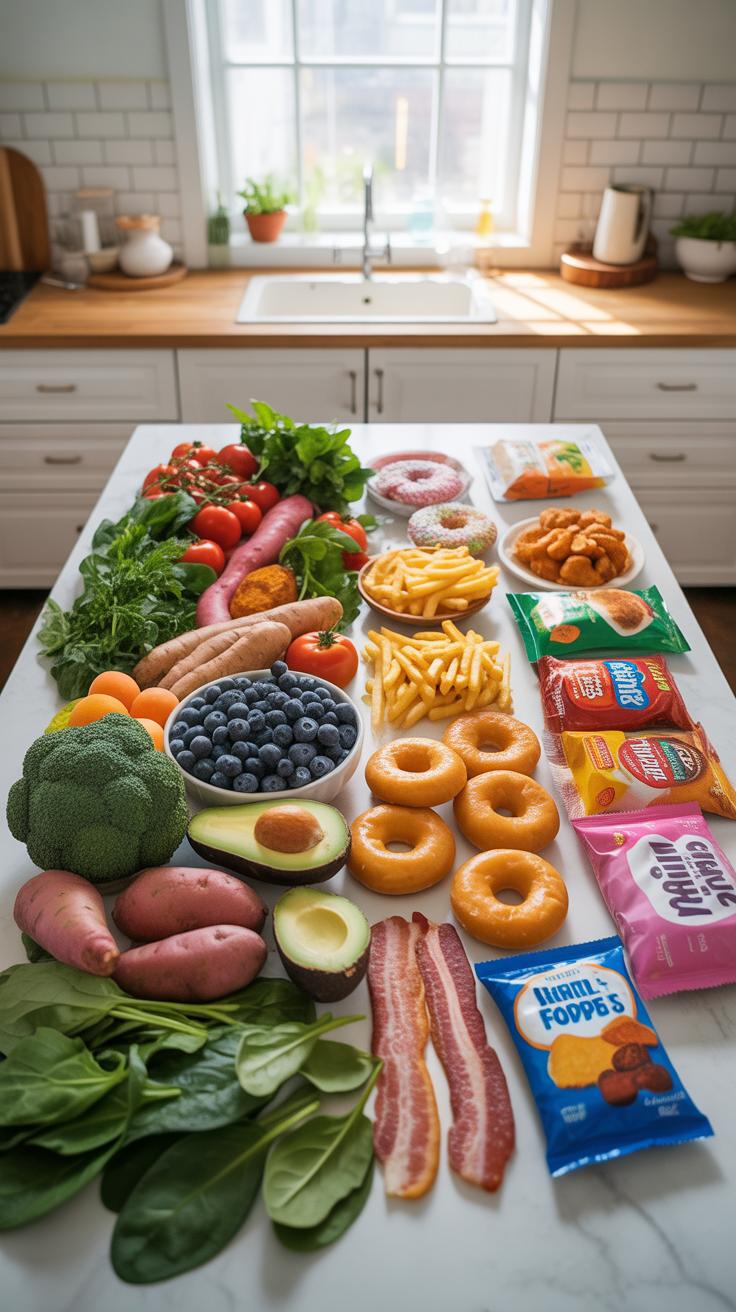
Refined sugar causes rapid spikes in insulin levels. Chronic insulin elevation leads to insulin resistance and fat storage. Over forty, your body struggles to manage these glucose swings. High sugar intake also increases cortisol secretion. This stress response blocks your body from producing enough progesterone. You end up with a hormonal gap that causes mood swings and weight gain around the midsection.
Alcohol disrupts the liver’s ability to clear excess estrogen. A sluggish liver keeps old hormones circulating in your bloodstream. This buildup leads to estrogen dominance and sleep disturbances. Processed snacks contain trans fats that damage cell receptors. When receptors fail, your brain cannot receive signals from satiety hormones. You feel hungry even when you have eaten enough. Cut these to regain metabolic control.
The Role Of Endocrine Disruptors In Packaged Foods And How To Minimize Exposure
Many packaged products contain chemicals that mimic natural hormones. Manufacturers use phthalates and bisphenol compounds in plastic linings and wraps. These substances attach to your estrogen receptors and send false signals. This interference confuses your endocrine system during the critical perimenopause transition. Over time, these synthetic compounds accumulate in fatty tissue. They can trigger early menopause symptoms and slow your resting metabolic rate.
Reduce your exposure by choosing whole foods over boxed goods. Limit your consumption of canned items that use resin linings. Switch from plastic containers to glass or stainless steel for food storage. High heat causes chemicals to leach into your meals faster. Never microwave food in plastic trays or wrap. Selecting fresh produce reduces your contact with industrial processing agents. Protect your internal signaling by controlling your external environment.
Foods For Hormone Balance For Women Targeted Nutrients During Perimenopause And Beyond

Magnesium, Zinc, And Vitamin D: Key Micronutrients For Women Over 40
Magnesium regulates the nervous system and lowers cortisol levels. Women over 40 often face high stress that depletes magnesium quickly. This mineral improves sleep quality and reduces anxiety during perimenopause. You find high concentrations in pumpkin seeds and leafy greens. Consistent intake supports the adrenal glands and prevents the metabolic slowdown common in older age. It is a vital tool for deep rest.
Zinc and Vitamin D function more like hormones than simple vitamins. Zinc supports healthy ovulation and progesterone production in the later stages of the cycle. Vitamin D acts as a precursor to steroid hormones and maintains bone density. Low levels of these nutrients lead to mood swings and weight gain. Prioritize eggs, oysters, and sun exposure to maintain these levels. Testing blood levels ensures you hit specific targets.
Omega 3 Fatty Acids And Their Proven Role In Reducing Perimenopausal Symptoms
Omega-3 fatty acids reduce systemic inflammation and stabilize cell membranes. These fats are essential because your body cannot produce them. They target the brain to improve mood and cognitive function. Women in perimenopause use these fats to combat brain fog and hot flashes. Salmon, sardines, and walnuts provide the best sources for these healthy fats. Using them daily keeps the endocrine system responsive.
These fats also decrease triglyceride levels and improve heart health after estrogen drops. Estrogen naturally protects the heart, so its decline requires a dietary shift. Omega-3s fill this gap by keeping arteries flexible and clear. They also help the body use insulin more effectively. This preventing of insulin resistance stops the midsection fat gain known as the menopause belly. Focus on high quality marine sources for maximum results.
Building Your Balance Hormones Diet A Sustainable Weekly Eating Framework

How To Structure Meals Throughout The Day To Support Hormonal Rhythm
Eat high protein meals at consistent times to stabilize blood sugar and insulin. Women over 40 face increased insulin resistance as estrogen levels drop. Front loading calories in the morning improves metabolic response and lowers evening cortisol. Aim for thirty grams of protein at breakfast to trigger satiety hormones. This prevents the glucose spikes that disrupt progesterone production and lead to weight gain.
Stop eating at least three hours before sleep to favor melatonin over insulin. Digestion competes with the repair processes handled by growth hormones during deep sleep. Focus on the macronutrient ratio of every plate. Combine fiber with healthy fats and lean proteins to slow sugar absorption. This strategy keeps energy levels steady and prevents the mid afternoon crash that drives sugar cravings and adrenal stress.
Simple Meal Planning Tips To Stay Consistent With A Hormone Supporting Diet
Strategic meal planning removes the decision fatigue that leads to poor food choices. Women over 40 need a high volume of cruciferous vegetables to help the liver metabolize spent estrogen. Prepare these staples in advance to ensure they remain the foundation of every meal. Consistency matters more than perfection when trying to regulate thyroid function and balance cortisol through a nutritional framework.
- Batch Prep Cruciferous Vegetables: Roast broccoli, cauliflower, or Brussels sprouts on Sundays. These vegetables contain indole-3-carbinol which assists the liver in detoxifying estrogen. Having them ready ensures you meet your daily fiber targets without extra effort during the week.
- Pre Portion Lean Proteins: Cook chicken, fish, or beans in large quantities early in the week. Maintaining adequate protein intake is vital for preserving muscle mass as testosterone and growth hormone levels naturally decline. Rapid access to protein prevents low blood sugar episodes.
- Standardize Your Breakfast: Choose two hormone friendly breakfast options and rotate them. High protein starts reduce ghrelin levels and prevent overeating later in the day. Using a repeatable system reduces morning stress and helps keep your cortisol rhythm in a healthy range.
- Wash And Chop Raw Greens: Clean your kale and spinach immediately after shopping. Dark leafy greens provide magnesium which helps regulate the nervous system and supports better sleep quality. Ready to use greens make it easier to add vital micronutrients to any quick meal.
- Audit Your Healthy Fats: Keep avocados, walnuts, and olive oil visible and ready for use. These fats provide the cholesterol backbone necessary for steroid hormone synthesis. Without adequate fat intake your body cannot produce the estrogen and progesterone required for hormonal balance after 40.
Organize your kitchen to support these specific nutritional targets every single day. Clear out processed foods that trigger inflammation and disrupt the endocrine system. Keep your planned ingredients at eye level in the refrigerator to reinforce your goals. Routine simplifies the process of managing your hormones. A structured environment makes it easier to stick to the plan when work or family stress peaks.
Frequently Asked Questions

Why is a specific diet so important for hormone health after age 40?
As women enter perimenopause, declining estrogen and progesterone levels can lead to weight gain, mood swings, and sleep disruptions. Adopting a targeted hormonal balance diet helps stabilize blood sugar and supports the endocrine system during this transition. By focusing on nutrient-dense whole foods, you provide your body with the essential building blocks needed to regulate fluctuating hormones, effectively reducing uncomfortable symptoms and improving your overall long-term metabolic health and vitality.
How can I start incorporating better eating habits into my daily routine?
Start by filling half your plate with fibrous cruciferous vegetables like broccoli or kale, which help the body metabolize excess estrogen. Pair these with high-quality proteins and healthy fats, such as avocado or olive oil, to maintain satiety. Consistency is key when following a hormonal balance diet, so try prepping balanced snacks like walnuts or Greek yogurt to avoid the blood sugar crashes that often trigger irritability and intense sugar cravings.
Is it expensive to eat for hormonal health on a tight budget?
Balancing your hormones doesn’t require expensive “superfood” powders or high-end supplements. Many of the best foods for endocrine support are budget-friendly staples. Frozen berries, canned wild-caught sardines, lentils, and seasonal greens are all cost-effective ways to get essential omega-3s and fiber. Buying in bulk and focusing on plant-based proteins allows you to maintain a healthy lifestyle without overspending, proving that nutritional wellness is accessible to everyone at any price point.