

Understanding PCOS And Why Diet Matters For Hormone Balancing

What Is PCOS And How Does It Affect The Body
Polycystic Ovary Syndrome is a complex endocrine disorder affecting reproductive-aged women. It disrupts the normal function of the ovaries and prevents regular ovulation. This condition stems from a hormonal imbalance where the body produces excess androgens. These male-type hormones interfere with egg development and release. Low-grade chronic inflammation often accompanies this state. This inflammation further damages tissues and worsens symptoms.

Common symptoms include irregular menstrual cycles and physical changes like acne or thinning scalp hair. Many women also experience unwanted facial hair growth and weight gain around the midsection. The condition increases the risk of long-term health issues like type 2 diabetes and heart disease. Diagnosis usually requires meeting specific clinical criteria regarding ovulation and androgen levels. Understanding these biological disruptions is the first step toward effective management.
The Direct Link Between Food Choices And Hormonal Imbalance In PCOS
Diet acts as a primary lever for managing PCOS because of its impact on insulin. Over seventy percent of women with this condition have insulin resistance. When you eat high-sugar foods, your blood glucose spikes. Your pancreas must pump out extra insulin to compensate. High insulin levels signal the ovaries to produce more testosterone. This chemical chain reaction halts ovulation and drives the visible symptoms of the disorder.

Choosing the right foods breaks this cycle by stabilizing blood sugar. Low-glycemic meals prevent the sharp insulin spikes that trigger androgen production. Proper fiber intake helps the body process and remove excess hormones through the digestive tract. Managing your plate is not just about weight loss. It is a tactical intervention to lower inflammation and restore chemical balance. Consistent dietary choices serve as the most effective daily medicine for hormonal health.
The Role Of Insulin Resistance In PCOS And How An Insulin Resistance Diet Food List Supports Healthy Eating

How Insulin Resistance Develops And Worsens PCOS Symptoms
Insulin resistance occurs when your cells stop responding to insulin effectively. Your pancreas pumps out more insulin to force blood sugar levels down. High insulin levels signal the ovaries to produce excess testosterone. This hormonal shift halts regular ovulation and creates stubborn weight gain. Most women with PCOS have some level of insulin resistance regardless of their body mass index.
Chronic high insulin drives the most visible PCOS symptoms. It causes acne, thinning scalp hair, and unwanted facial hair growth. This condition also creates intense sugar cravings and energy crashes. These fluctuations make it difficult to maintain a consistent diet. Reducing insulin levels is the primary tactical goal for managing PCOS. Lowering insulin directly lowers androgen production and restores metabolic balance.
Nourishing your body with gentle, whole foods is like returning home to yourself after a long journey. Healing begins when we choose ingredients that honor our natural rhythms and quiet the storm within.
Key Nutrients And Food Categories That Help Improve Insulin Sensitivity
Focus on foods with a low glycemic index to stabilize blood sugar. Fiber slows down sugar absorption and prevents insulin spikes. Aim for thirty grams of fiber every day from whole food sources. Pair every carbohydrate with a protein or a healthy fat. This strategy blunts the glucose response and keeps you full longer. Stabilizing your glucose prevents the body from overproducing insulin.
Magnesium and omega three fatty acids improve how your cells use insulin. Leafy greens and fatty fish provide these essential nutrients. Avoid all processed sugars and refined grains because they cause immediate insulin surges. These spikes trigger the ovaries to release more male hormones. A disciplined approach to food selection repairs your metabolic health. Consistent dietary choices reduce systemic inflammation and support long term hormone regulation.
Best Foods For Ovarian Health Building Your Ovarian Health Diet
Anti Inflammatory Foods That Directly Support Ovarian Function
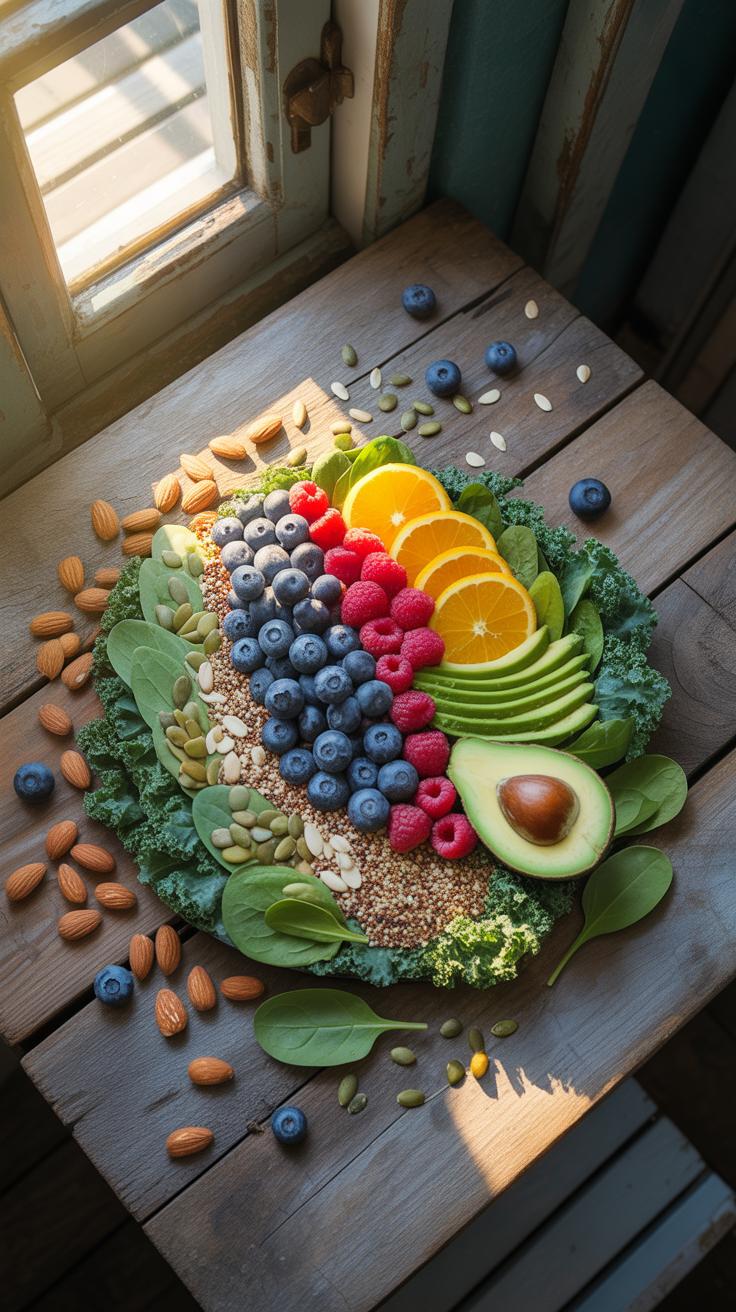
Chronic low-grade inflammation drives insulin resistance and disrupts ovarian hormone production. You must prioritize fatty fish like salmon and sardines for their high omega-3 content. These fats stabilize cell membranes and reduce the systemic inflammation that triggers excess androgen production in the ovaries. This biological shift helps restore regular ovulation cycles. Lowering inflammation levels directly improves how your body processes glucose and manages reproductive hormones.
Berries and leafy greens provide essential antioxidants that combat oxidative stress in follicular fluid. High oxidative stress damages developing eggs and hinders fertility in women with PCOS. Incorporating extra virgin olive oil and walnuts provides the monounsaturated fats necessary for healthy steroidogenesis. These foods work to lower C-reactive protein levels in your blood. Consistently consuming these items creates a stable chemical environment that supports ovary health and metabolic balance.
Vitamins And Minerals That Promote Healthy Ovarian Activity
Myo-inositol and D-chiro-inositol act as secondary messengers for insulin signaling in the ovaries. You find these compounds in high concentrations in citrus fruits and beans. They help the ovaries use insulin more effectively and lower testosterone levels. Magnesium is also critical because it regulates blood sugar and improves insulin sensitivity. Low magnesium levels are common in PCOS patients and can lead to increased metabolic dysfunction and poor egg quality.
Zinc and Vitamin D play vital roles in follicular development and hormone synthesis. Zinc helps the body process insulin and maintains high egg quality for better reproductive outcomes. Vitamin D receptors exist throughout the female reproductive system and influence estrogen production. Deficiencies in these nutrients often lead to irregular cycles and increased facial hair growth. You must ensure adequate intake through eggs and lean meats to maintain an optimal hormonal environment.
Foods For Ovarian Health You Should Be Eating Every Week
Whole Grains, Leafy Greens, And Lean Proteins That Nourish Hormonal Health
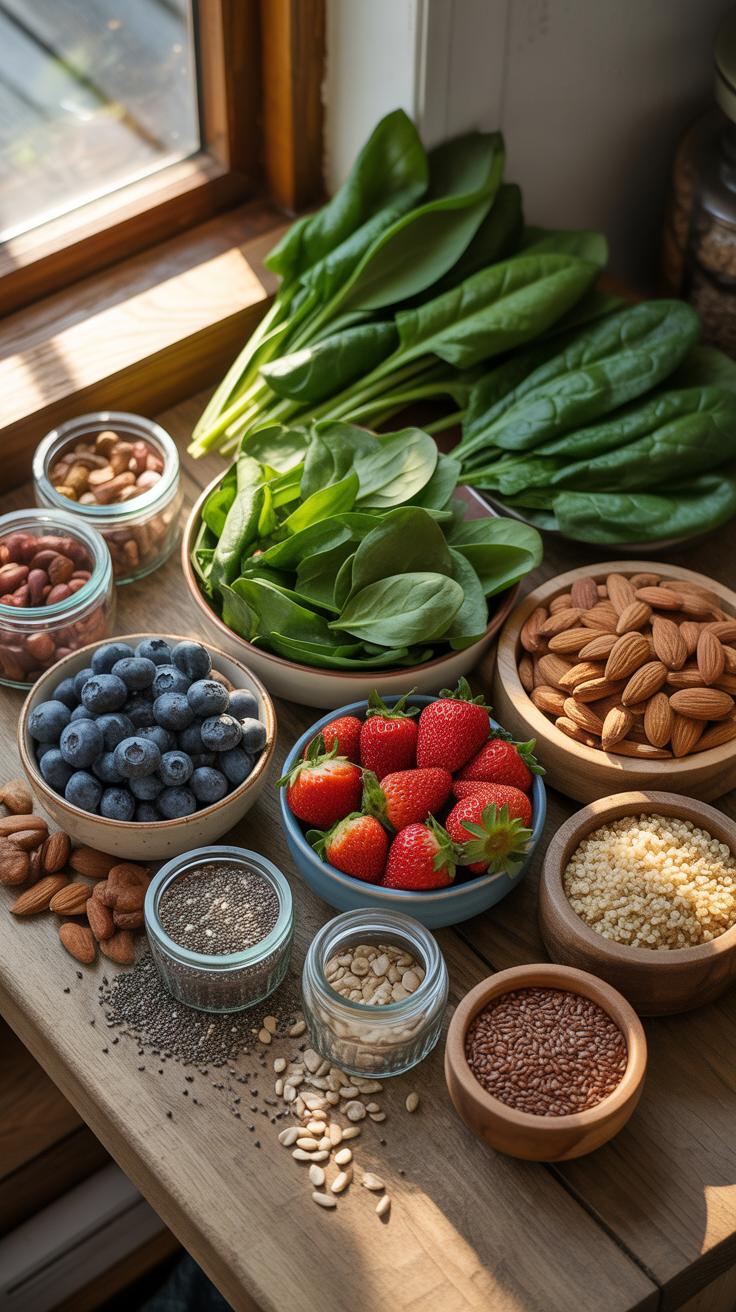
Whole grains like quinoa and buckwheat provide essential B vitamins that manage insulin levels. These complex carbohydrates prevent the rapid glucose spikes that trigger excess androgen production in the ovaries. Choosing grains with the germ and bran intact ensures a slower rate of digestion. This steady energy release supports consistent metabolic function throughout the day. You must prioritize these over processed white flours to maintain hormonal balance.
Leafy greens like spinach and kale deliver high concentrations of folate and iron. These nutrients improve egg quality and support regular ovulation cycles. Lean proteins such as chicken, turkey, and white fish provide the amino acids necessary for hormone synthesis without adding inflammatory saturated fats. Adequate protein intake preserves muscle mass which increases insulin sensitivity. Eat these three food groups every week to build a strong foundation for reproductive health.
Healthy Fats And Fiber Rich Foods That Keep Blood Sugar Stable
Healthy fats found in avocados and walnuts are mandatory for steroid hormone production. These lipids help the body absorb fat soluble vitamins like A, D, E, and K which are vital for ovarian function. Omega 3 fatty acids reduce chronic inflammation often associated with polycystic ovaries. Incorporating these fats into every meal slows down the absorption of carbohydrates. This process prevents the insulin surges that disrupt the menstrual cycle.
High fiber foods like lentils and beans move toxins and excess estrogen out of the system. Fiber binds to waste in the digestive tract and ensures regular elimination. This prevents the reabsorption of old hormones that can cause estrogen dominance. Aim for at least twenty five grams of fiber daily to stabilize blood sugar. Stable blood sugar reduces sugar cravings and helps manage body weight. Use fiber and fat as tools to control your glucose response.
What To Avoid On A PCOS Diet Plan Foods That Disrupt Your Hormones And Ovarian Health
Refined Carbohydrates, Sugars, And Ultra Processed Foods To Cut Back On
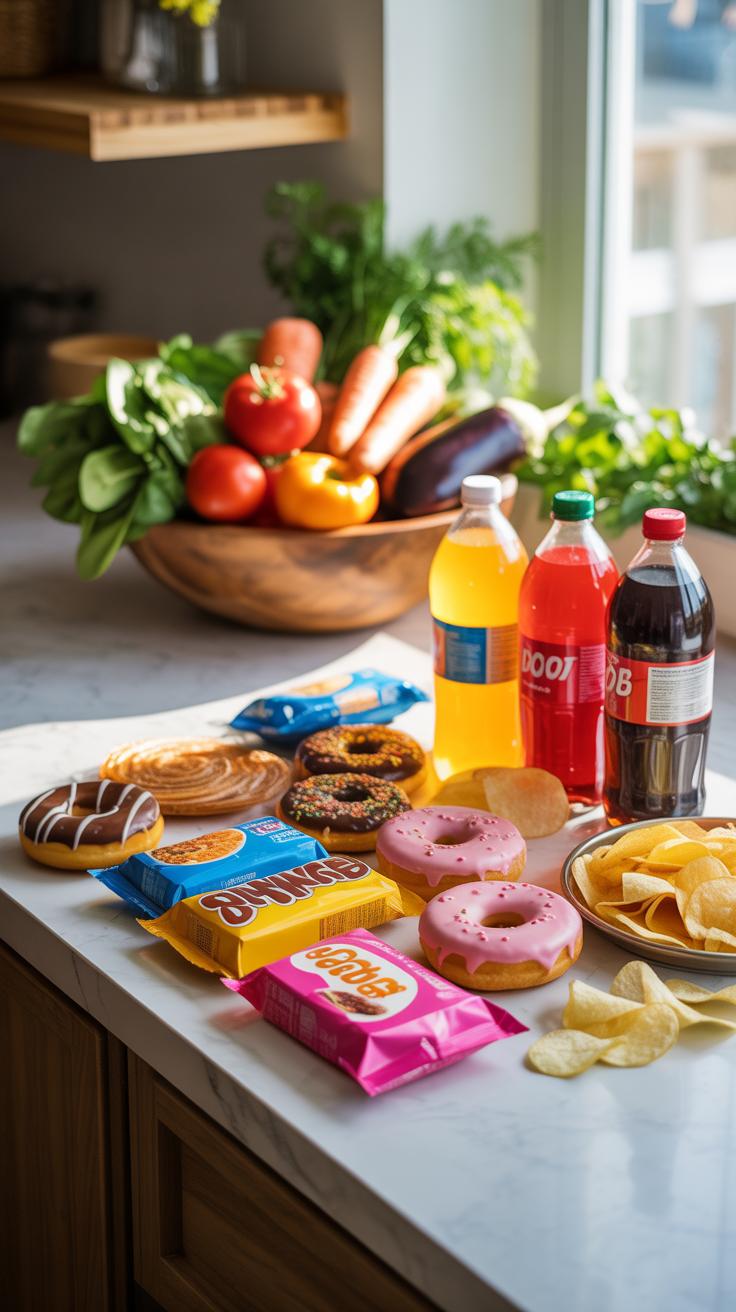
Refined carbohydrates cause rapid spikes in blood glucose levels. White bread, pastries, and sugary cereals lack the fiber needed to slow digestion. These spikes force the pancreas to pump out high levels of insulin. High insulin levels trigger the ovaries to produce excess testosterone. This hormonal shift stops ovulation and worsens acne or hair growth. You must limit these foods to stabilize your hormones.
Ultra-processed foods often contain hidden sugars and chemicals that worsen insulin resistance. Ingredients like high fructose corn syrup and maltodextrin disrupt metabolic health quickly. These items provide empty calories and drive systemic inflammation. Chronic inflammation makes it harder for your body to process energy efficiently. Reducing your intake of packaged snacks helps lower the androgen levels that cause common PCOS symptoms found in most clinical cases.
Dairy, Alcohol, And Inflammatory Oils: Understanding Their Impact On PCOS
Dairy products contain growth hormones and can increase insulin-like growth factor 1. For many women, this leads to increased oil production and skin issues. Alcohol acts as a toxin that stresses the liver and disrupts blood sugar balance. It also interferes with the metabolism of estrogen. Avoiding deep-fried foods prevents the intake of trans fats. These fats increase the risk of heart disease and worsen existing metabolic dysfunction.
Industrial seed oils like soybean and corn oil contain high levels of omega-6 fatty acids. These oils promote inflammation when consumed in large quantities. Systemic inflammation is a primary driver of the physical symptoms associated with this condition. You should swap these oils for stable fats like olive oil. Reducing alcohol and processed oils helps your liver clear excess hormones. This strategy supports overall ovarian health and keeps your cycle more regular.
Your Insulin Resistance Shopping List And Hormone Healthy Grocery List Made Simple
How To Structure A Weekly Grocery List That Supports PCOS Management
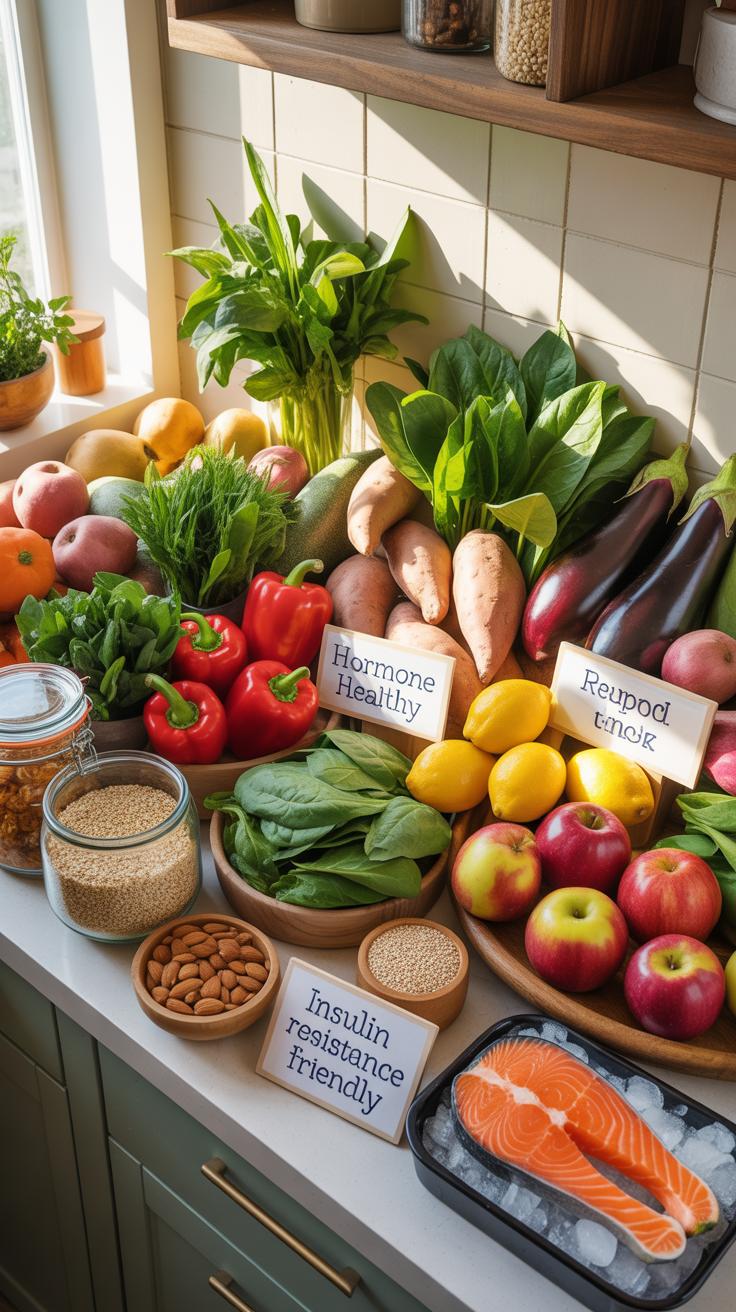
Effective grocery shopping starts with a blood sugar strategy. You must organize your list by food categories rather than aisle location. Group items into proteins, healthy fats, and high fiber carbohydrates. This method ensures you buy the specific building blocks needed for hormone synthesis. It prevents the common mistake of buying too many starches while neglecting essential fatty acid sources.
Prioritize the perimeter of the store where whole foods reside. Avoid the center aisles containing processed snacks that trigger insulin spikes. Always check labels for hidden sugars like maltodextrin or high fructose corn syrup. A tactical list limits decision fatigue and prevents impulsive purchases of inflammatory seed oils. Stick to your predefined quantities to maintain a consistent caloric intake and manage your weight effectively.
Pantry Staples, Fresh Produce, And Proteins To Always Have On Hand
Stocking your kitchen with the right inventory eliminates the temptation to order takeout. You need a mix of shelf-stable fats and high-quality proteins to stabilize your glucose levels throughout the day. Focus on nutrient-dense items that require minimal preparation. This approach ensures you have a viable PCOS-friendly meal option available even during busy work weeks when time is limited.
- Cruciferous Vegetables: Broccoli, cauliflower, and kale contain fiber and indole-3-carbinol. These compounds help the liver process excess estrogen common in PCOS patients. Fiber also slows down glucose absorption in the gut to prevent insulin surges after eating.
- Wild Caught Fatty Fish: Salmon and sardines provide high concentrations of omega-3 fatty acids. These fats reduce systemic inflammation and improve insulin sensitivity at the cellular level. They are essential for maintaining regular menstrual cycles and healthy skin.
- Extra Virgin Olive Oil: This monounsaturated fat serves as a primary fuel source. It contains polyphenols that fight oxidative stress in the ovaries. Use it for low-heat cooking or as a salad dressing to improve the absorption of fat-soluble vitamins.
- Legumes and Pulses: Lentils and chickpeas offer a combination of plant-based protein and slow-digesting carbohydrates. They have a low glycemic index and provide significant amounts of magnesium. This mineral is often deficient in women with insulin resistance issues.
- Raw Nuts and Seeds: Walnuts, chia seeds, and flaxseeds provide healthy fats and essential minerals. They work well as portable snacks that do not cause energy crashes. Flaxseeds specifically help bind to excess testosterone and move it out of the body.
Rotate your protein sources to ensure a full amino acid profile. High-quality animal proteins like grass-fed beef or organic poultry provide bioavailable iron and zinc. These minerals support thyroid function and egg quality. Keep your pantry stocked with apple cider vinegar and cinnamon to further assist with glucose management. Consistent access to these staples makes long-term adherence to a PCOS diet plan much easier.
Sample PCOS Diet Meal Plan A Practical Day Of Eating For Healthy Hormones
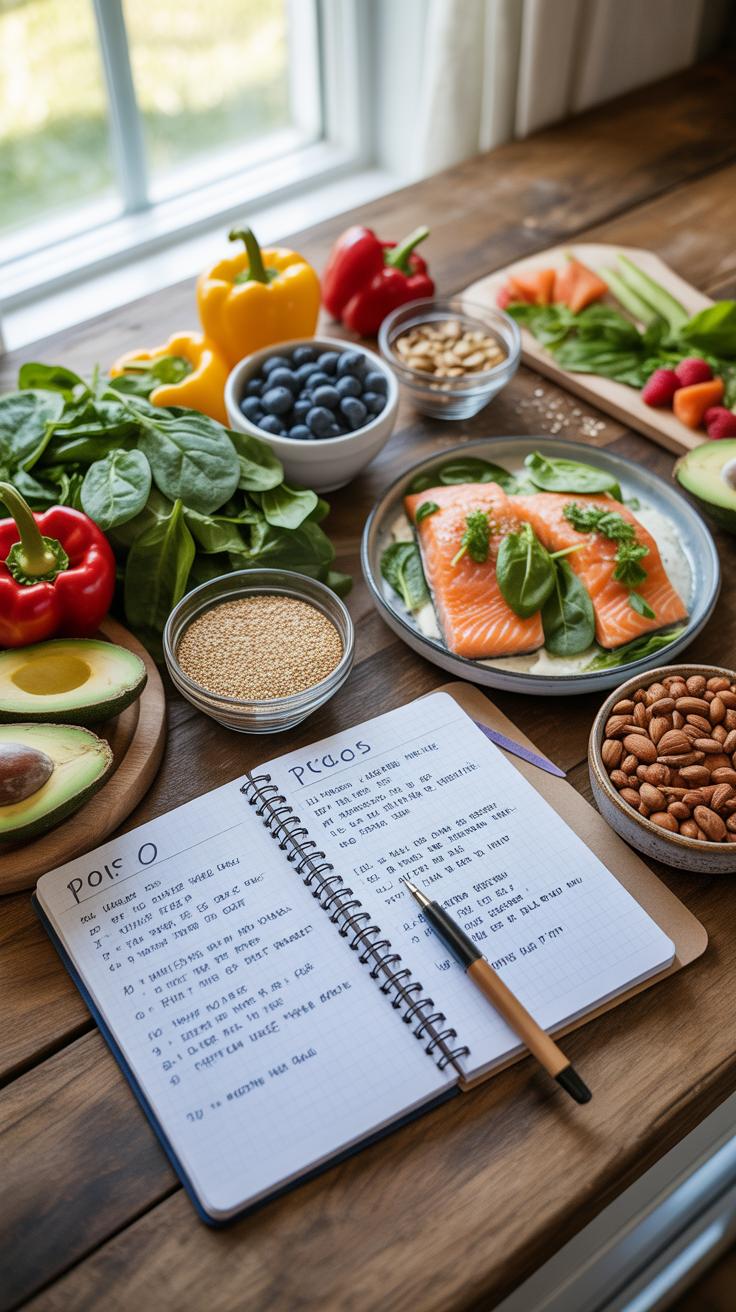
Breakfast, Lunch, And Dinner Ideas Tailored To PCOS Nutritional Needs
Strategic meal timing prevents the insulin spikes that drive androgen production in the female body. You must prioritize protein and fiber at every sitting to slow glucose absorption into your bloodstream. High quality fats provide the necessary building blocks for hormone synthesis while keeping you full longer. Avoid processed carbohydrates that cause energy crashes and increase systemic inflammation throughout your entire system.
- Savory Protein Breakfast: Start the day with three eggs scrambled with spinach and mushrooms to stabilize blood glucose immediately. Pairing high quality protein with leafy greens prevents the mid-morning hunger pangs common with cereal or toast.
- Fiber Rich Grain Bowl: Use quinoa or buckwheat as a base for lunch to provide complex carbohydrates that digest slowly. Add grilled chicken or chickpeas along with a half avocado to ensure a balance of macronutrients for sustained focus.
- Leafy Green Salmon Salad: Combine fatty fish like salmon with a massive serving of kale or arugula for a nutrient-dense midday meal. The omega-3 fatty acids in the fish help reduce inflammation and improve insulin sensitivity in muscle cells.
- Root Vegetable And Beef Stew: Use grass-fed beef and slow-cooked carrots or sweet potatoes to provide a comforting, low-glycemic dinner option. Slow cooking breaks down fibers making them easier to digest while preserving the mineral content of the whole food ingredients.
- Mediterranean Baked Cod: Top white fish with olives, tomatoes, and capers followed by a generous drizzle of extra virgin olive oil. This meal offers lean protein and healthy monounsaturated fats which support cardiovascular health and weight management for those with metabolic issues.
Dinner should focus on anti-inflammatory proteins and cruciferous vegetables like broccoli or cauliflower to support liver detoxification. Limit starchy vegetables to one small serving to prevent overnight blood sugar elevations. Consistent meal patterns regulate your internal clock and improve sleep quality by managing evening cortisol levels. Stick to whole foods that undergo minimal processing to maximize the nutritional impact of every single calorie consumed.
Smart Snacking Strategies To Keep Cortisol And Blood Sugar In Check
Snacking serves a tactical purpose and is not a reward for stress. You should only eat between meals if your hunger levels threaten to cause an overeating episode later. Choose snacks that combine a protein source with a healthy fat to keep insulin levels flat. This approach prevents the cortisol spikes associated with low blood sugar dips which can disrupt your ovulation cycles.
Keep portions controlled to avoid excessive caloric intake while still providing enough energy to maintain your metabolic rate. Walnuts, pumpkin seeds, and hard-boiled eggs are portable options that do not require refrigeration or lengthy preparation. Avoid sugary bars or fruit-only snacks that provide a quick burst of energy followed by a sharp crash. Consistent energy levels lead to better mood regulation and more effective weight management outcomes.
Sustaining A Healthy Lifestyle With PCOS Beyond The Plate

How Exercise, Sleep, And Stress Management Complement Your PCOS Diet
Dietary changes fail without physical support. Strength training builds muscle mass to improve insulin sensitivity directly. Cardio helps lower systemic inflammation and burns excess glucose. You must move your body to make your cells respond to the food you eat. Exercise is not just about calories. It is about changing how your hormones signal your cells to process sugar and store fat.
Sleep and stress dictate your hunger hormones. Poor sleep raises cortisol levels and triggers insulin resistance. High cortisol causes the body to store fat around the midsection. Chronic stress makes you crave sugar and disrupts your metabolic rate. You cannot out-eat a lack of rest. Manage your nervous system to keep your appetite stable. Focus on seven hours of sleep to keep your hormones in balance.
When To Consult A Registered Dietitian Or Healthcare Provider About Your PCOS Diet Plan
You need professional medical advice if your symptoms do not improve after three months. A registered dietitian can run blood tests to check your specific nutrient gaps. They identify if you have high androgens or severe insulin resistance. Medical experts help you avoid dangerous trends. Do not rely on social media influencers for health data. Get a clinical diagnosis to tailor your food intake correctly.
Consult a doctor before you start any new supplements or extreme calorie cuts. Specific conditions like thyroid secondary issues often mimic PCOS. A healthcare provider ensures you do not have hidden complications like fatty liver or pre-diabetes. They provide the medical baseline you need to track your progress accurately. Use data from lab results to refine your approach. Professional guidance makes your results predictable and safe.
Frequently Asked Questions

What are the fundamental principles of a hormone-balancing diet for beginners?
Understanding a pcos diet plan begins with focusing on insulin sensitivity and reducing inflammation. Beginners should prioritize high-fiber vegetables, lean proteins, and low-glycemic fruits to prevent blood sugar spikes. By choosing whole, unprocessed foods over sugary snacks, you can help regulate your menstrual cycle and manage weight more effectively. It is all about creating a sustainable lifestyle that nourishes your body while keeping your hormones in a steady, healthy balance.
How can I effectively structure my daily meals to manage symptoms?
To see the best results from your pcos diet plan, try the “plate method” for every meal. Fill half your plate with non-starchy leafy greens, one-quarter with lean protein like fish or tofu, and the final quarter with complex carbohydrates like quinoa. Don’t forget to include a small serving of healthy fats, such as avocado or nuts, which helps slow digestion and keeps you feeling satisfied much longer throughout the busy day.
Is it possible to eat healthy for hormone health on a tight grocery budget?
Absolutely! You do not need expensive “superfoods” to see results. Affordable staples like dried lentils, chickpeas, canned tuna, and frozen vegetables are nutrient-dense powerhouses that fit perfectly into your routine. Buying seasonal produce and choosing generic brands for pantry essentials like oats and brown rice makes following a structured nutritional path very accessible. Smart meal prepping with these versatile, low-cost ingredients ensures you stay on track without overspending.