
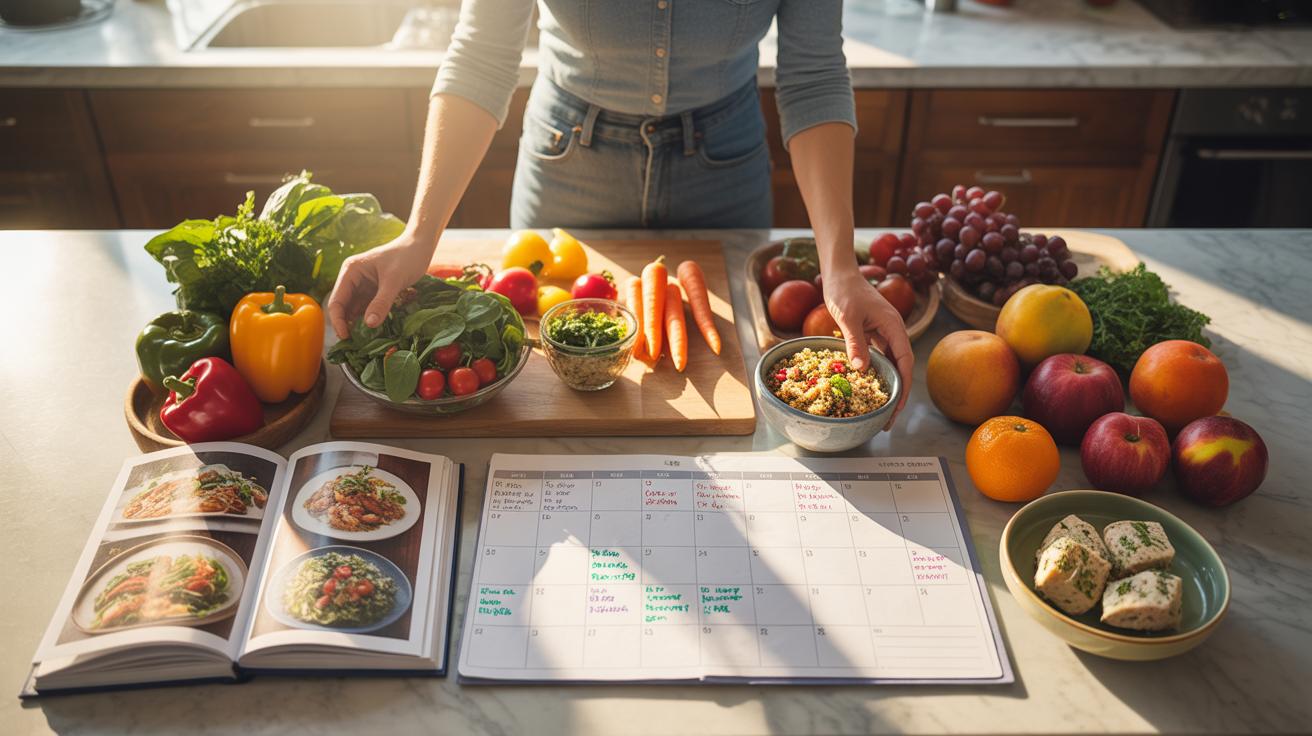
What Is Meal Planning And Why It Changes The Way You Eat
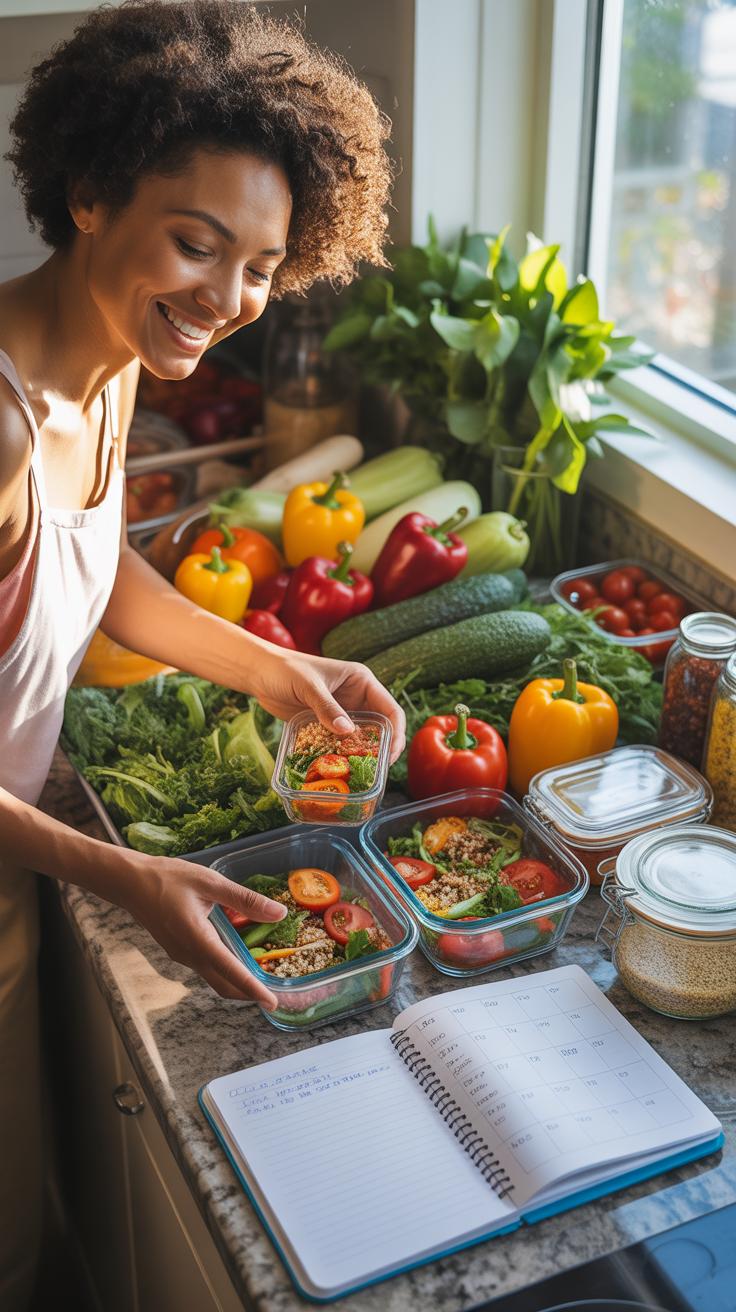
The Real Definition Of How To Meal Plan And What It Actually Involves
Meal planning is a management system for your food intake. It requires you to select specific meals for future dates based on your nutritional needs and schedule. You create a roadmap for your kitchen activities before you ever touch a stove. This process removes the need for daily decision making. It forces you to inventory your current supplies and buy only what you need.
Effective planning involves three core stages. First, you map out your menu for a set period. Second, you generate a precise shopping list to match those recipes. Third, you coordinate your preparation time to maximize efficiency. This is not the same as meal prepping. Planning is the strategy while prepping is the tactical execution. You cannot have a successful prep without a solid plan.
The Proven Benefits Of Planning Meals Ahead For Your Health, Budget, And Time
Planning meals provides immediate control over your finances and health. You stop buying high-priced convenience foods and reduce impulse purchases at the grocery store. This system minimizes food waste because every ingredient has a designated purpose. You track your macro-nutrients and calories more accurately when you decide on portions in advance. This data driven approach ensures your body receives the fuel it requires.

You regain hours of your week by eliminating the daily search for recipes and ingredients. A set plan reduces the mental load of managing a household. You skip the stress of last-minute cooking and the temptation of expensive takeout. Consistency in your diet leads to better long-term physical outcomes. Reliable planning moves you from a reactive state to a proactive state in your kitchen and lifestyle.
How To Create A Weekly Meal Plan That Works For Your Lifestyle
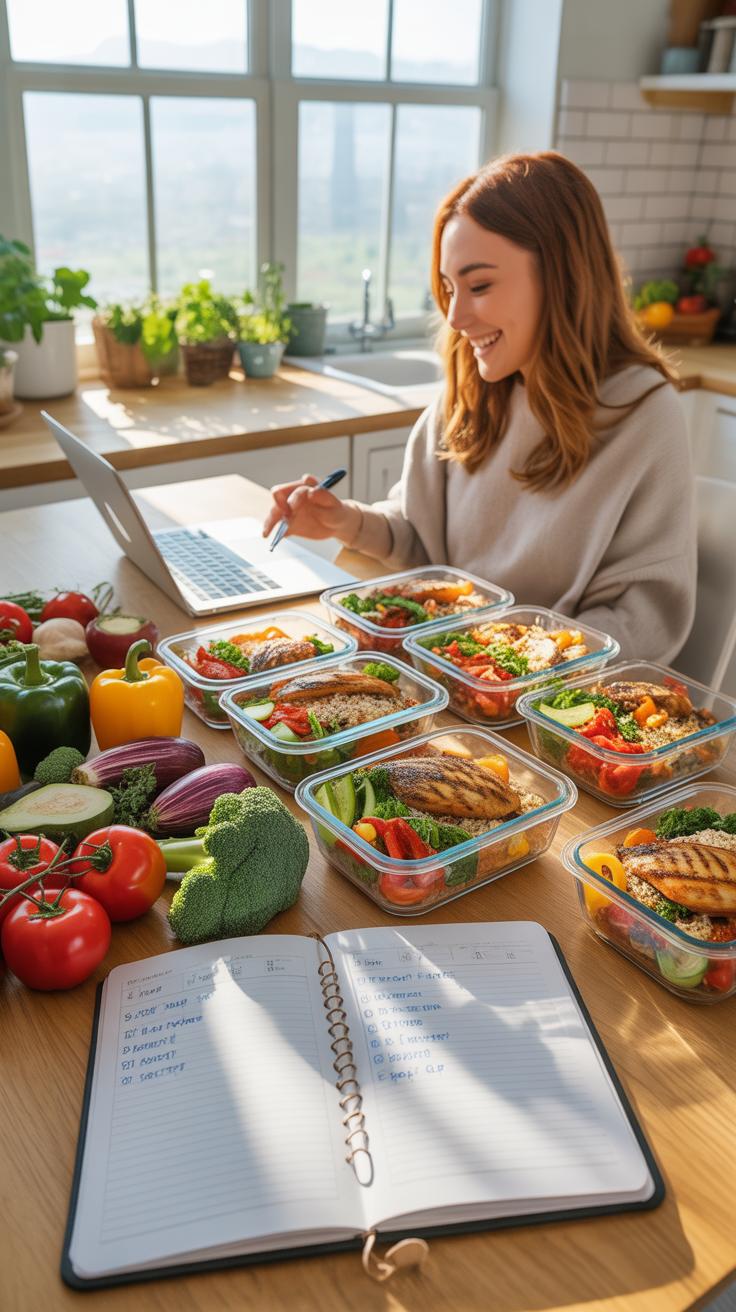
Assessing Your Weekly Schedule Before You Write A Single Meal Down
Look at your calendar before you look at recipes. Tactical meal planning requires knowing exactly when you have time to cook and when you do not. Identify late work nights, gym sessions, or social events that prevent kitchen time. Most failures happen because people plan complex meals on their busiest days. Sync your menu with your actual capacity to execute it.
Assess your inventory alongside your timeline. Check your fridge and pantry for items near their expiration date. Professional kitchen management relies on the first-in first-out method to reduce waste and cost. Use these existing ingredients to anchor your most immediate meals. Matching your food stock to your available time prevents unnecessary grocery store trips and ensures a high success rate.
Setting Realistic Meal Goals Based On Your Household Size And Dietary Needs
Determine the exact number of portions you need for the week. Count every person and every meal to avoid underfeeding or excessive waste. Large households require bulk preparation and streamlined recipes to maintain efficiency. Smaller households should focus on ingredients that work across multiple dishes. Precise portion control is the foundation of a functional budget and a lean kitchen operation.
Account for dietary restrictions and nutritional requirements with a systematic approach. Identify the primary protein, vegetable, and starch for every planned dinner. This structure ensures a balanced intake without complex calculations. Do not attempt new or difficult techniques for every meal. Stick to proven methods that your household already enjoys to maintain consistency. Reliable outputs matter more than variety when building a sustainable system.
Easy Meal Plans Starting With A Simple Weekly Framework

How To Build A Basic 7 Day Meal Structure Without Overcomplicating It
Success in meal planning depends on a repeatable grid system. Effective planners divide the week into a seven-day horizontal axis and a three-meal vertical axis. You must assign specific roles to each day based on your existing schedule. Match complex recipes to days with more free time. Use fast, high-protein options for busy workdays. A rigid framework prevents decision fatigue during the week.
Stability comes from theme-based scheduling. Assign a repeatable food category to specific nights to narrow your choices. This method reduces the mental load of starting from zero each Sunday. Professional kitchen managers use this same logic to control inventory and labor. Once you set the framework, you only choose the specific recipe that fits the theme. This keeps your shopping list predictable and short.
Planning what to eat is a way of remembering who we are and what we love. To build a weekly meal plan from scratch is to create a small, delicious map of the home we want to share.
Choosing Your Meal Categories: Breakfast, Lunch, Dinner, And Smart Snacking
Categorization streamlines the procurement process. You should distinguish between active meals and passive meals to save time. Active meals like dinner require heat and prep. Passive meals like breakfast or lunch should utilize bulk preparation or leftovers. Efficient planners treat lunch as a second version of the previous night’s dinner. This reduces the total number of unique dishes you must prepare each week.
Smart snacking requires the same strategic oversight as main courses. Do not leave snacks to chance or impulse buys. Treat snacks as bridge fuel to prevent overeating during primary meal times. Focus on high-density nutrients like nuts or Greek yogurt. These items have long shelf lives and stable pricing. Proper categorization ensures your kitchen functions as a system rather than a collection of random pantry items.
Using A Meal Planning Template To Organize Your Week With Confidence
What A Good Meal Planning Template Should Include And How To Fill It Out
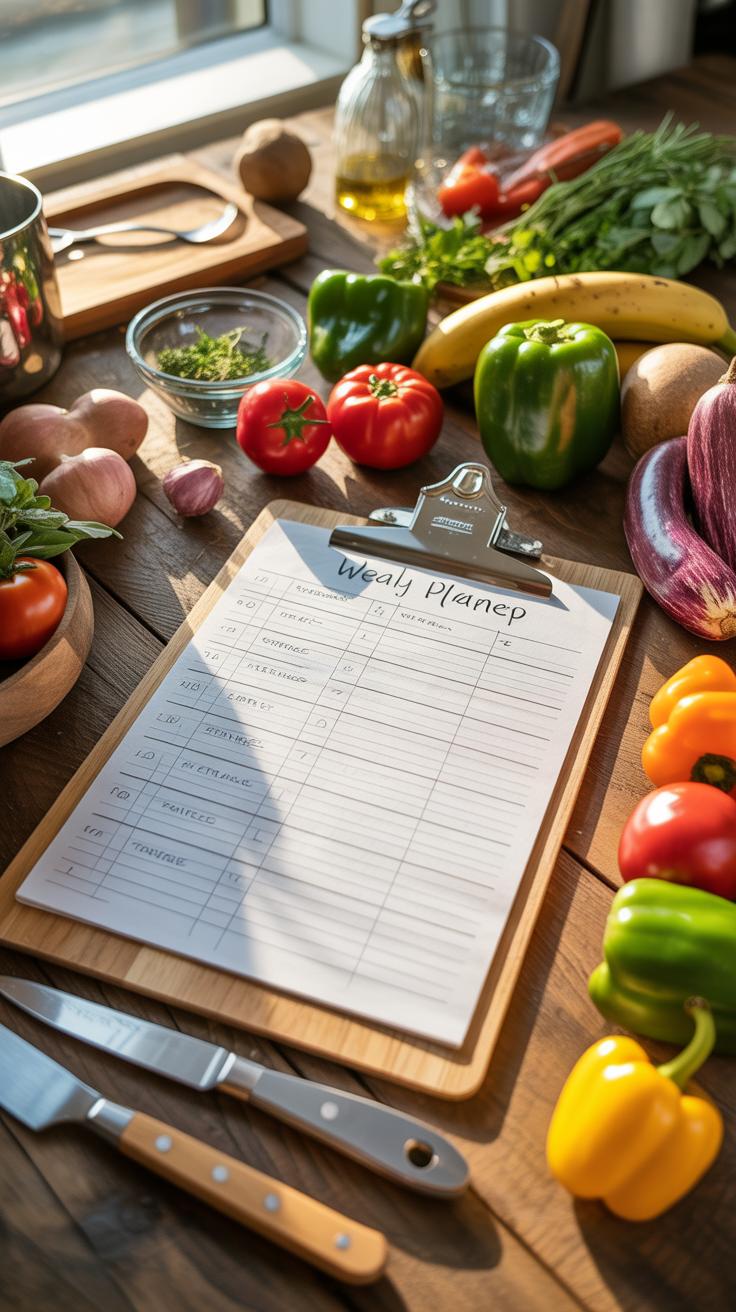
A functional meal planning template must prioritize utility over aesthetics. It requires dedicated slots for breakfast, lunch, dinner, and snacks for each day of the week. You also need a specific section for a categorized grocery list. This structure prevents you from forgetting essential items during your shopping trip. You fill it out by checking your inventory first to avoid buying duplicate ingredients.
Enter your static meals first to establish a baseline for the week. These are recurring dishes that require little thought or prep time. Use the remaining slots to trial new recipes or use up perishable items found in your pantry. Documenting the specific quantity of ingredients needed for each dish ensures your grocery list remains accurate. This tactical approach reduces food waste and keeps your kitchen operations efficient.
Printable Vs. Digital Templates: Choosing The Format That Fits Your Routine
Printable templates offer a physical touchpoint that remains visible in the kitchen. Tape your plan to the refrigerator to keep every household member informed about the daily menu. This method reduces the mental load of making decisions after work hours. Historically, paper systems allowed for quick edits without the distraction of a screen. Use a pen to check off tasks as you finish your meal prep.
Digital templates provide mobility and automated features for fast paced lifestyles. Apps and spreadsheets allow you to sync your meal plan with an integrated shopping list on your phone. This format is ideal for users who share planning duties with a partner or roommate. Digital tools often store past plans so you can reuse them later. Choose the format that matches your existing habits to ensure long term habit retention.
Simple Meal Planning How To Choose Recipes You Will Actually Cook
How To Build A Personal Recipe Bank Using Meals Your Family Already Loves
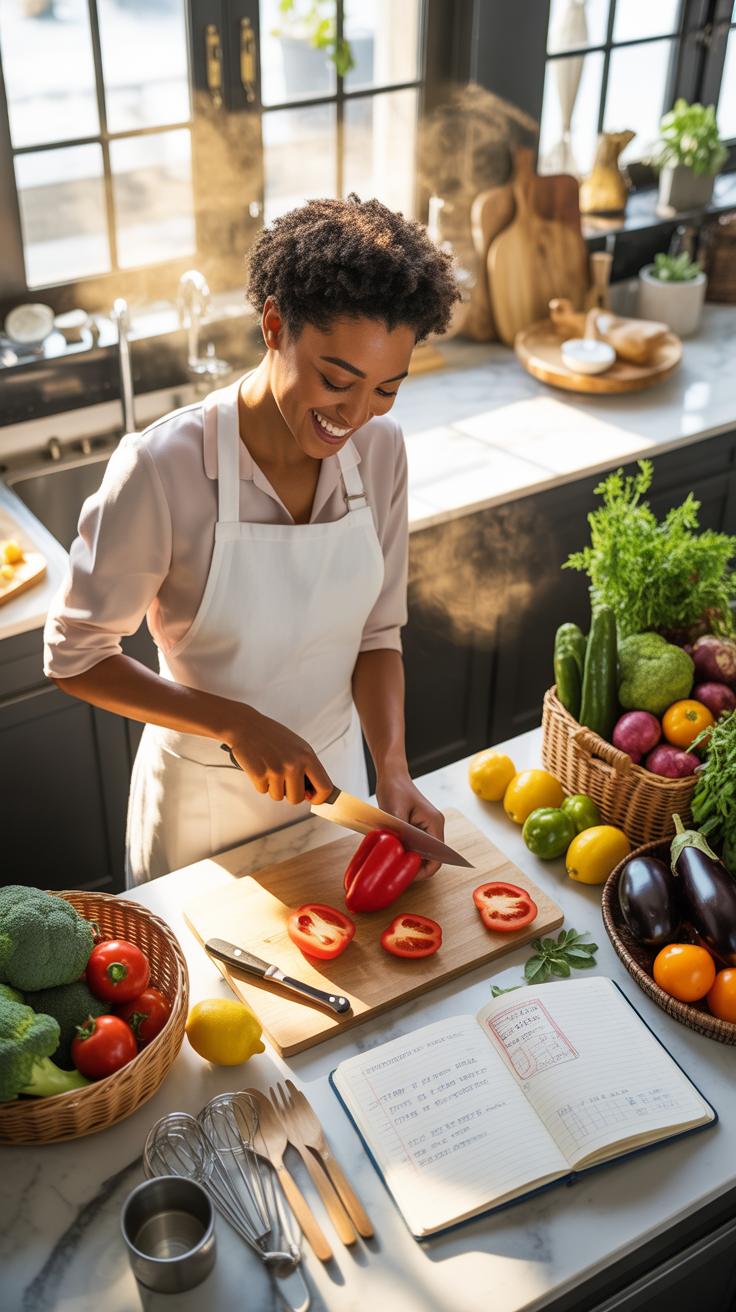
Start by auditing your current rotation. Identify ten meals your family eats without complaint. These are your foundational recipes. They require less mental effort because you already know the ingredients and techniques. Write these down in a digital note or a physical binder. This list prevents decision fatigue when life gets busy. It ensures you have high-confidence options available at any time.
Add new recipes only after testing them twice. A recipe bank must remain functional to stay useful. Remove any meal that takes too long or creates too much mess. Focus on recipes with overlapping ingredients to reduce shelf waste. A lean bank of twenty proven meals is more effective than a massive folder of unmade ideas. Consistency in your recipe bank drives long-term success with meal planning.
Balancing Nutrition And Variety Without Spending Hours Searching For New Ideas
Use a themed framework to automate variety. Assign a specific food category to each night of the week. This restricts your search parameters and speeds up the selection process. One night focuses on pasta while another focuses on lean protein and greens. This method ensures diverse nutrient intake without manual tracking. It forces you to rotate through different food groups naturally during the month.
Balance heavy meals with lighter options across the week. If Monday is calorie-dense, make Tuesday a high-fiber vegetable night. This tactical rotation manages energy levels and digestion. You do not need complex spreadsheets to stay healthy. Simply vary your cooking methods between roasting, sautéing, and steaming. This approach keeps textures interesting. It provides a wide range of vitamins and minerals through simple, repeatable systems.
Meal Planning Tips For Cutting Grocery Costs And Reducing Food Waste
How To Build Your Grocery List Directly From Your Weekly Meal Plan
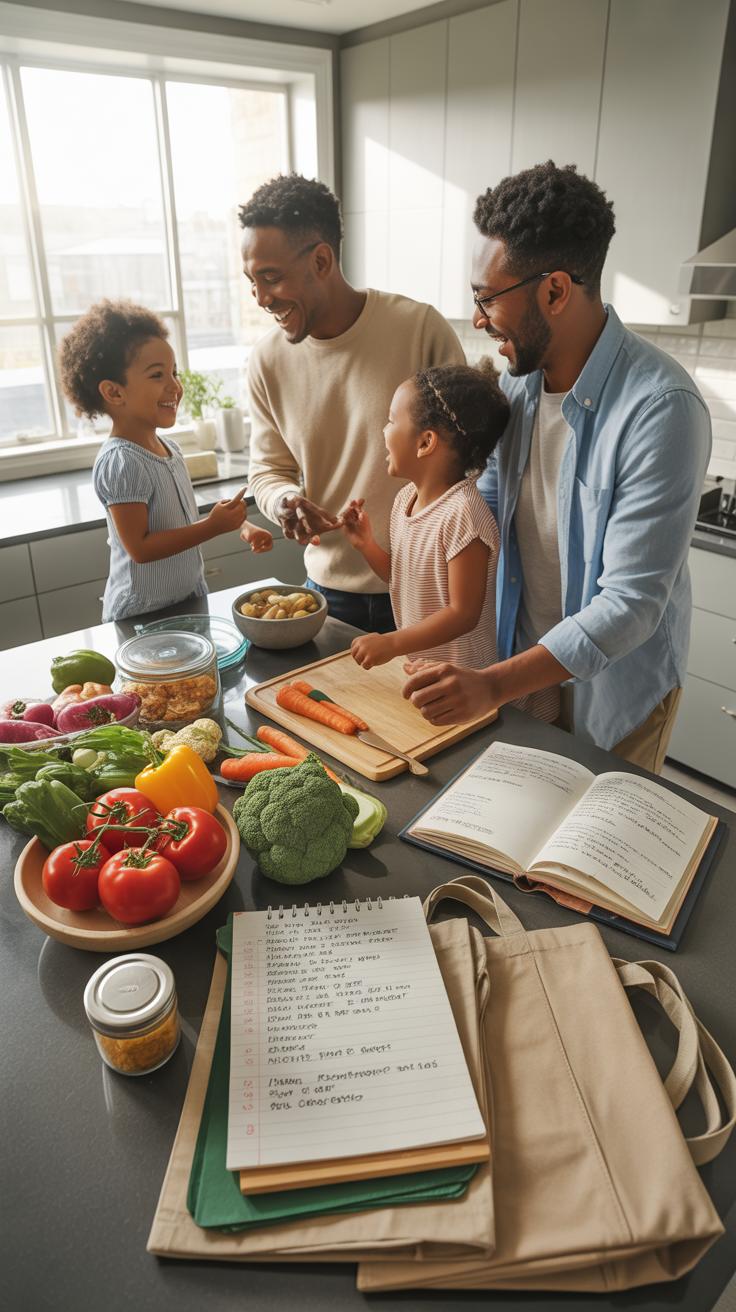
A precise grocery list prevents impulse buys and keeps your budget tight. Start by auditing your pantry and fridge to see what you already own. Cross-reference these items against your chosen recipes for the week. Only write down the specific ingredients and quantities you lack. This direct method ensures you buy exactly what you need to execute your plan.
- Audit Current Inventory: Search your pantry, fridge, and freezer before writing a single item down. Use existing staples like rice or canned beans as the foundation for your weekly meals. This prevents you from buying duplicates of items you already have in stock.
- Categorize by Department: Group your list by grocery store sections like produce, meat, and dairy. This tactical approach saves time and prevents you from wandering into aisles containing high-cost processed foods. Efficient navigation reduces the chance of making emotional or unplanned purchases while shopping.
- Specify Exact Quantities: Note the precise weight or volume required for each recipe on your list. Buying three onions instead of a full bag prevents excess food from rotting in your bin. Precise measurements ensure you have enough to cook every meal without creating unnecessary waste.
- Verify Seasonal Availability: Check which fruits and vegetables are currently in season before finalizing your list. Seasonal produce costs less because supply is high and transport distances are shorter. Standardize your plan around these items to maximize your nutritional intake for the lowest possible price.
- Check Sales Cycles: Review local store flyers to align your list with current discounts on proteins and staples. Grocery stores rotate sales on a predictable four to six week cycle. Strategic shoppers time their bulk purchases of shelf-stable goods to match these low price points.
Digital tools and paper planners both work if you remain disciplined. Take your list to the store and stick to it without exception. Do not let marketing displays or hunger dictate your choices. A finished list is a contract with your budget. Following it strictly eliminates the primary causes of overspending and ensures your meal plan succeeds.
Smart Strategies For Using Leftovers And Overlapping Ingredients Across Meals
Efficient meal planning relies on ingredient overlap to maximize every dollar spent. Select three or four core vegetables and one or two proteins that work in multiple dishes. For example, roast a large batch of chicken to use in salads, tacos, and soup. This strategy reduces the total number of items you must buy. It also simplifies your prep work.
Transform leftovers into new meals to prevent flavor fatigue and waste. Use extra grains from dinner as a base for a breakfast bowl or lunch stir fry. Store components separately to maintain better texture and freshness over several days. Fast cooling and airtight containers preserve food quality. These habits ensure you consume everything you buy and keep your trash bins empty.
Digital Meal Planning Ideas Modern Tools And Apps That Make It Easier

Top Digital Tools That Help You Plan, Track, And Adjust Your Weekly Meals
Digital platforms transform meal planning from a manual chore into a streamlined workflow. You should utilize dedicated databases like Plan to Eat or Paprika to store recipes. These tools scrape data from websites and eliminate distracting clutter. Using a digital system allows you to scale servings instantly. This ensures your ingredient counts stay accurate for any group size.
Modern apps also track nutritional data and inventory in real time. Systems like Cronometer or MyFitnessPal integrate with recipe builders to provide exact macro breakdowns. This data helps you hit specific health targets without manual math. Reliable software syncs across your phone and desktop. This ensures you can access your plan in the kitchen or while standing in the grocery aisle.
How To Sync Your Digital Meal Plan With Your Calendar And Shopping Apps
Integration is the bridge between planning and execution. You must export your meal schedule to a primary calendar like Google Calendar or Outlook using iCal links. This tactic blocks off time for cooking and alerts your household to the nightly menu. Automated syncing prevents scheduling conflicts. It ensures you never plan a complex meal on a night you work late.
Efficiency peaks when your plan connects directly to shopping apps. High end planning tools push your ingredient list to Instacart or Walmart Pickup. This removes the need for manual list writing. If you prefer in store shopping, use AnyList to categorize items by aisle. This reduces time spent wandering and prevents impulse buys. Digital synchronization turns a static plan into a functional logistics chain.
Home Meal Planner Habits Building A Routine That Sticks Week After Week
How To Pick A Consistent Planning Day And Make It A Non Negotiable Habit
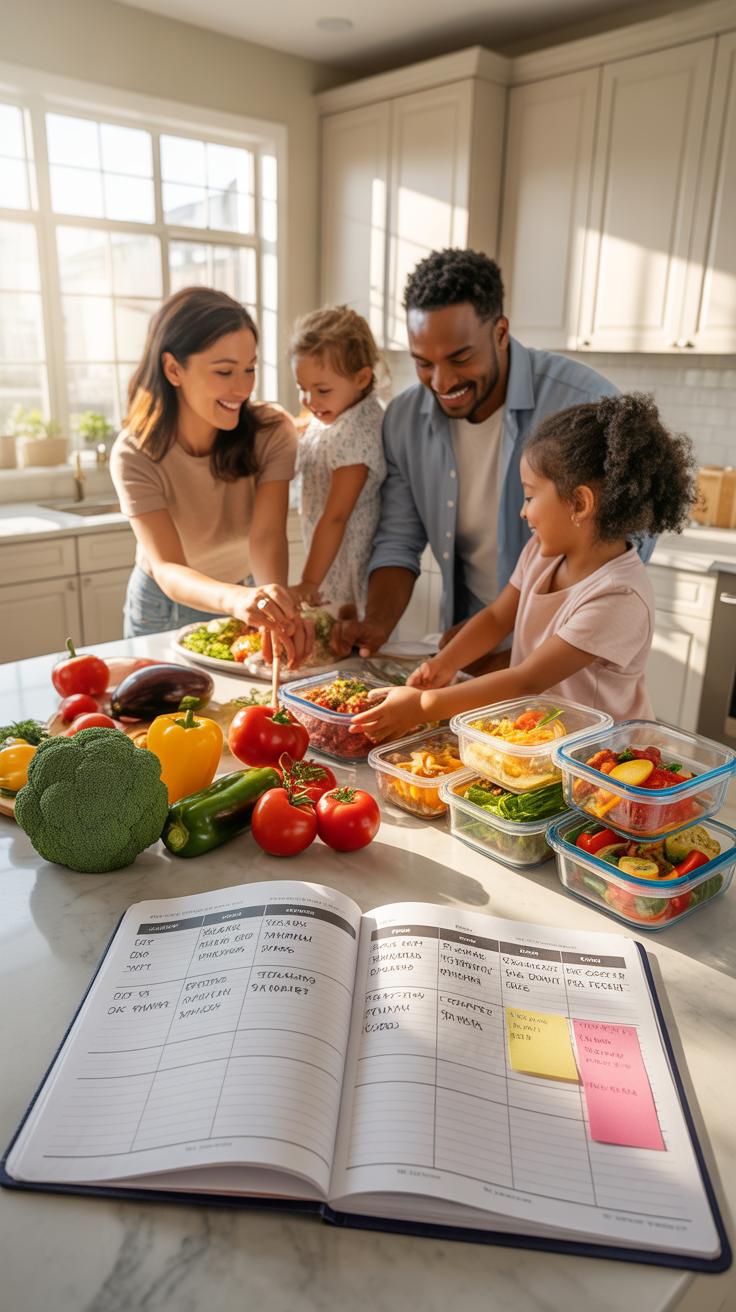
Success depends on scheduling your planning session before you shop. Choose a low-stress day like Friday or Saturday to audit your pantry and fridge. Most people fail because they wait until Sunday evening when energy levels are low. Secure twenty minutes on your calendar for this specific task. Treat this block like a professional meeting that you cannot cancel or skip.
Consistency creates a psychological trigger. When you plan on the same day each week, your brain automates the process. This reduction in decision fatigue preserves your willpower for the actual cooking. Link your planning session to an existing habit like your morning coffee. This method uses habit stacking to ensure you finish the plan. A static schedule eliminates the need for constant reminders.
How To Adjust Your Home Meal Planner When Life Gets Unpredictable
Dynamic schedules require a flexible meal structure. Keep two backup meals in your freezer at all times for emergencies. These should be heat-and-eat options that require zero active prep time. When a meeting runs late or a crisis occurs, swap your complex recipe for a backup meal. Do not force a difficult recipe when you lack the time or the mental focus.
Maintain a list of fifteen-minute meals for high-stress days. These serve as a middle ground between cooking from scratch and ordering expensive takeout. Move your planned meals to later in the week if your schedule shifts unexpectedly. Use a modular approach where ingredients for one dish can work for another. This flexibility prevents food waste and keeps your budget intact despite an evolving calendar.
Meal Prep Organization Menu Planning Preparing Food Efficiently In Advance
How To Batch Cook And Prep Ingredients To Support Your Entire Weekly Menu
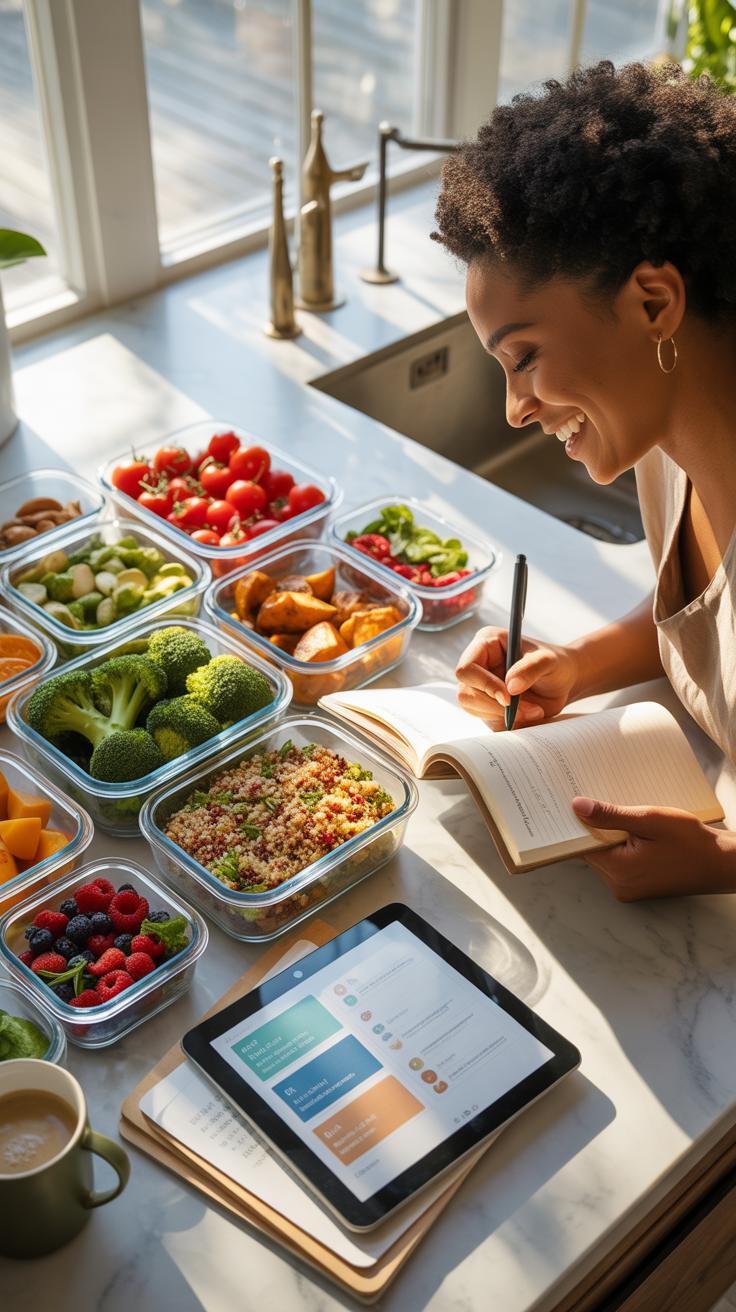
Efficient meal planning requires proactive ingredient processing to reduce daily cooking times. Successful planners use a technique called component prepping rather than assembly. You cook large quantities of versatile bases like grains, roasted vegetables, and proteins simultaneously using multiple heating elements. This method creates a modular inventory of food. You can combine these items into different dishes throughout the week without starting from zero every night.
Speed depends on the order of operations in the kitchen. Start with items that require the longest cook times like dry beans or tough meats. While these simmer, use a chef knife to chop all produce for the entire week. Group your vegetables by cooking method rather than by recipe. This approach maximizes oven space and minimizes cleanup. Treat your kitchen like a production line to ensure maximum output.
Smart Kitchen Storage Practices That Keep Prepped Food Fresh And Ready To Use
Storage strategy determines the actual shelf life of your prepped ingredients. Improper sealing or temperature management leads to premature spoilage and wasted money. You must match the container material to the specific food type for optimal preservation. Glass containers provide the best barrier against oxygen and odors for cooked proteins. High-quality seals prevent leaks and keep air out to maintain food texture.
- Glass Containers: Use tempered glass for baked meals and leftovers. Glass resists staining and does not leach chemicals when heated. It offers a clear view of inventory which reduces food waste in the back of the fridge.
- Airtight Silicone Bags: Replace single use plastics with reusable silicone for pre-cut vegetables and snacks. These bags allow you to squeeze out excess air before sealing. This practice slows down the oxidation process that turns produce brown and soft.
- Vacuum Sealing: Invest in a vacuum sealer for bulk meats and long term storage. Removing all oxygen extends the life of food by up to five times. This tool prevents freezer burn and keeps moisture locked inside the fibers of the meat.
- Square Stacking Systems: Choose square or rectangular containers over round shapes to maximize shelf space. These designs eliminate dead zones in your refrigerator corners. Efficient stacking allows for better cold air circulation around your food items.
- Labeling And Dating: Apply masking tape and permanent markers to every container before storage. Note the contents and the date you prepared the food. This system ensures you follow a first in first out inventory rotation to prevent eating expired items.
Temperature zones within your refrigerator affect how long your prepped items remain safe. Store raw meats on the lowest shelf to prevent cross contamination from drips. Keep prepared produce in high humidity drawers to maintain crispness. Avoid storing sensitive items like eggs or milk in the door because this area experiences constant temperature swings. Proper placement ensures every prepped component stays fresh until your final weekly meal.
Meal Prep Planning For Special Diets Families And Busy Schedules
How To Adapt Your Weekly Meal Plan For Dietary Restrictions Or Health Goals
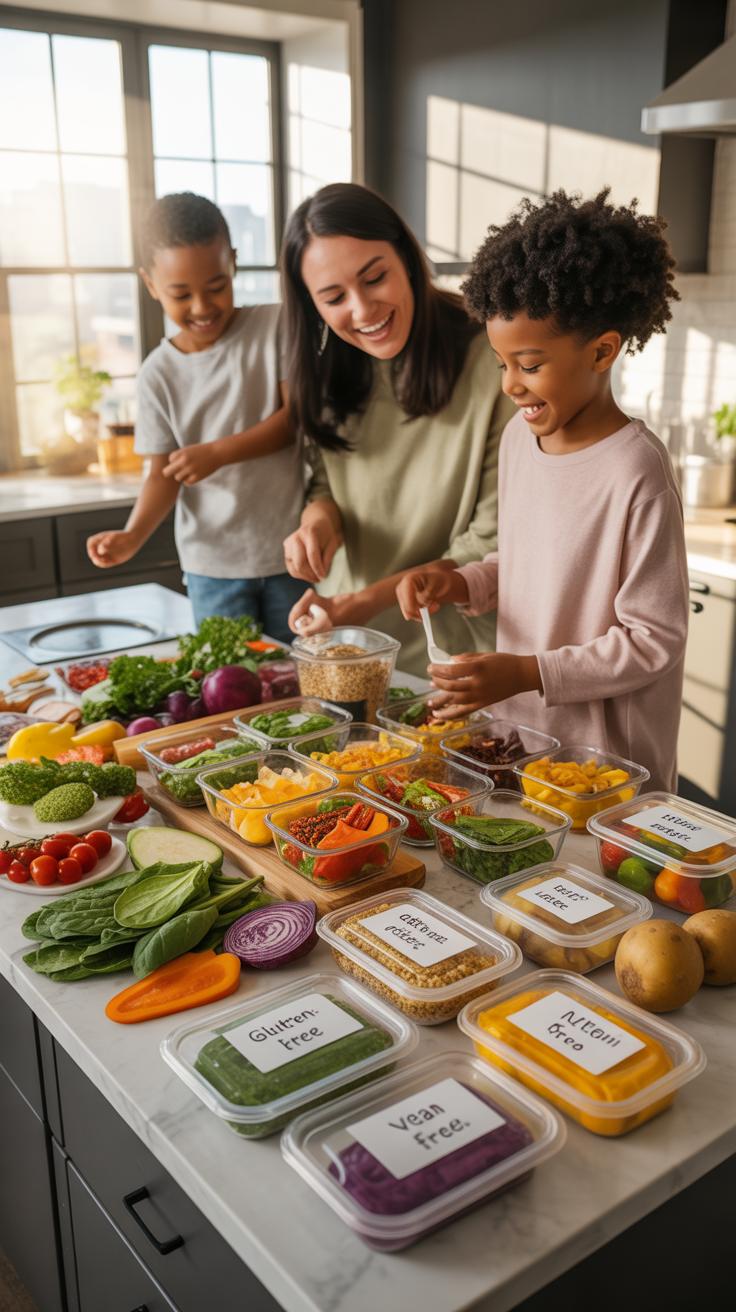
Successful meal planning for dietary restrictions requires a modular approach. You must separate core proteins from sauces and grains. This allows you to swap individual components without changing the entire menu. A gluten-free diner replaces wheat pasta with rice or legumes. A low-carb diner swaps potatoes for roasted cauliflower. This system maintains efficiency while meeting specific nutritional targets or medical requirements for every person.
Track your essential macronutrients by using standardized portion sizes. Use a kitchen scale to ensure accuracy during the prepping phase. Store restricted items in color-coded containers to prevent cross-contamination or accidental ingestion. This organization reduces cognitive load during busy weeknights. Focus on whole foods like lean meats and vegetables to minimize hidden allergens. Clear labeling ensures that every meal remains safe and aligned with your health goals.
Meal Planning For Families: How To Satisfy Multiple Tastes Without Cooking Separate Meals
Family meal planning fails when you cook multiple separate dishes. Use a base-meal strategy instead. Cook a large batch of a neutral protein like shredded chicken or ground beef. Serve the protein with a variety of toppings and sides. This allows children to choose plain options while adults add heat or complexity. You save time by preparing one main ingredient that fits different flavor profiles and preferences.
Implement a buffet-style serving method to increase efficiency. Place deconstructed components on the table so individuals build their own plates. This empowers picky eaters and accommodates different appetite levels. It also simplifies leftovers because you store ingredients separately. You avoid waste by not mixing foods that some family members might reject. This tactical approach ensures everyone eats well without doubling your total time spent in the kitchen.
Frequently Asked Questions

What is the easiest way for a beginner to start meal planning?
The simplest way to learn how to meal plan is to start small by scheduling just three days of dinners. Don’t try to account for every single snack or side dish immediately. Begin by auditing your pantry for base ingredients like pasta or rice, then choose recipes that share similar fresh produce. This incremental approach prevents burnout and helps you build a sustainable routine without feeling overwhelmed by a full week.
What are the essential steps to organize a weekly menu effectively?
To organize your menu, begin by checking your calendar for busy evenings that require quick fifteen-minute meals. Once you know your schedule, select your recipes and write a categorized grocery list to save time at the store. Learning how to meal plan efficiently involves choosing a specific “prep day” to chop vegetables or cook grains in bulk, which ensures your busy weeknights remain stress-free and your ingredients stay fresh.
Can meal planning actually help me save money on my monthly grocery bill?
Absolutely! Meal planning is one of the most effective ways to reduce food waste and stop impulsive spending. By sticking to a strict list based on your plan, you avoid buying unnecessary items that often go bad in the fridge. Focus on seasonal produce and versatile proteins that can be repurposed across multiple dishes. This strategic approach ensures every dollar spent serves a purpose, significantly lowering your overall food costs.