
Understanding The True Cost Of Eating Meal Prep Vs Eating Out

Average Cost Of Eating Out Vs. Cooking At Home Per Meal
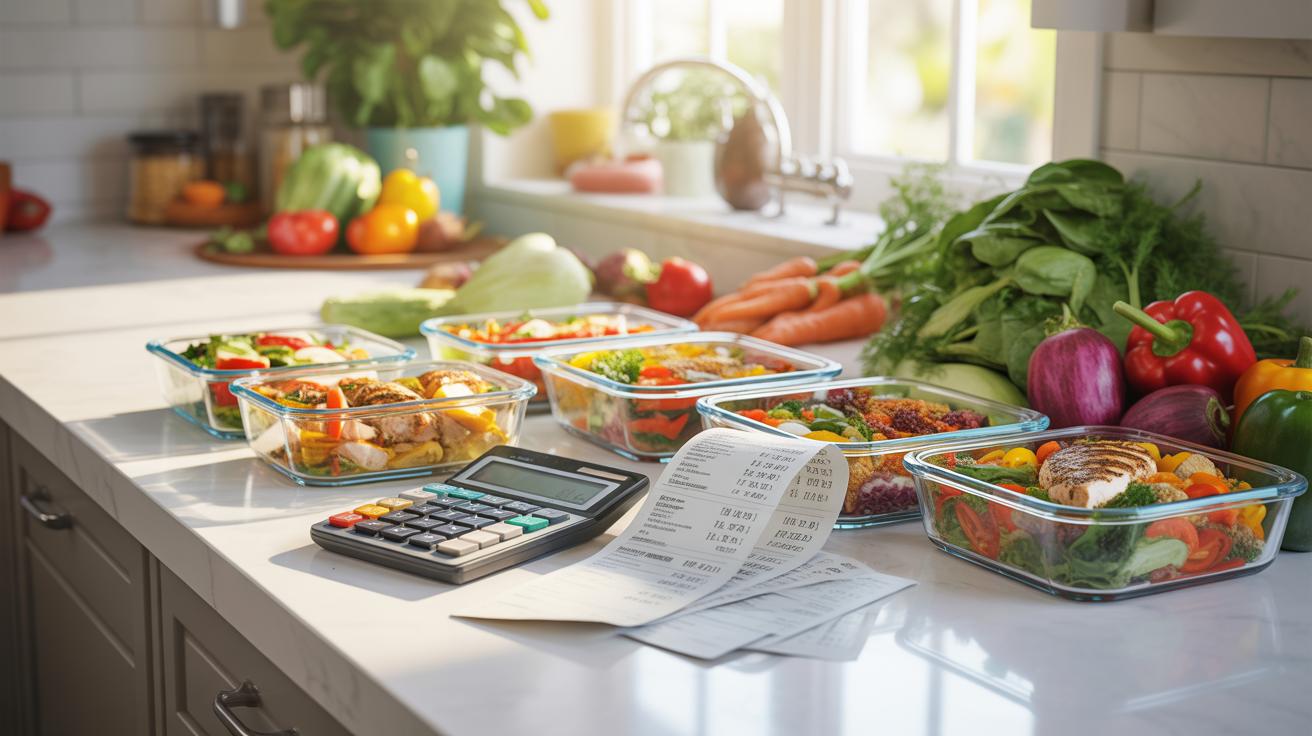
Eating out remains significantly more expensive than cooking at home. Statistics show that the average restaurant meal costs five times more than a home-cooked meal. High overhead costs like labor, rent, and marketing drive these prices up. Consumers pay for the service and environment, not just the raw ingredients. This creates a massive gap in your monthly budget.
Home-cooked meals rely on bulk purchasing and basic ingredients. You eliminate the markup associated with commercial food preparation. A typical meal prepared at home ranges from two to four dollars per serving. In contrast, even fast food meals now exceed ten dollars on average. This price difference compounds quickly over a standard work week. Reducing restaurant visits provides immediate financial relief.
Hidden Costs Of Convenience Foods That Add Up Each Week
Convenience foods carry hidden premiums that slash your purchasing power. Pre-cut vegetables and single-serve snacks often cost double the price of whole alternatives. Manufacturers charge for the labor of washing, slicing, and packaging. You lose money on every ounce of processed material. These small upcharges seem minor during a single trip but drain your bank account annually.

Packaging waste adds another layer of unnecessary expense. Individual containers and flashy wraps increase production costs passed to you. Buying frozen or processed entrees also sacrifices nutritional density for speed. You pay more for salt, preservatives, and fillers. Shift your strategy to purchasing whole foods in larger quantities. Mastering basic knife skills saves more money than any coupon or discount code.
What Is Budget Meal Prep And How Does It Work

Defining Budget Meal Prep: Planning, Portioning, And Saving
Budget meal prep is a financial strategy focused on reducing food waste and grocery costs. You plan every meal before you enter the store. This prevents impulse buys and ensures you only spend money on necessary items. You analyze your inventory first. Then you buy ingredients that work across multiple dishes. This systematic approach stops you from overspending on luxury items or convenience foods.
Portion control is the next tactical step in this process. You divide large cooked meals into individual containers immediately. This prevents you from eating more than you need in one sitting. It saves money by making the food last longer throughout the week. Proper portioning also eliminates the need for expensive daily takeout. You treat your kitchen like a production line to maximize your total investment.
How Batch Cooking Reduces Your Overall Weekly Food Spend
Batch cooking is the engine that drives down your weekly food costs. You prepare large quantities of basic proteins, grains, and vegetables at the same time. This method allows you to buy in bulk. Bulk purchases have a lower unit price than small packages. You save money on gas and time by visiting the store once. Strategic batching turns raw ingredients into ready-to-eat assets.
Energy efficiency also plays a role in lowering your bills. Running your oven once to cook four trays of food costs less than heating it every night. You minimize cleanup and water usage by using fewer dishes throughout the week. This focused execution reduces the temptation to order delivery when you are tired. Prepared meals in your fridge act as a financial shield against high priced restaurant food.
Cheap Meal Prep Staples That Keep Grocery Bills Low
The Most Affordable Pantry Ingredients For Cheap Meal Prep
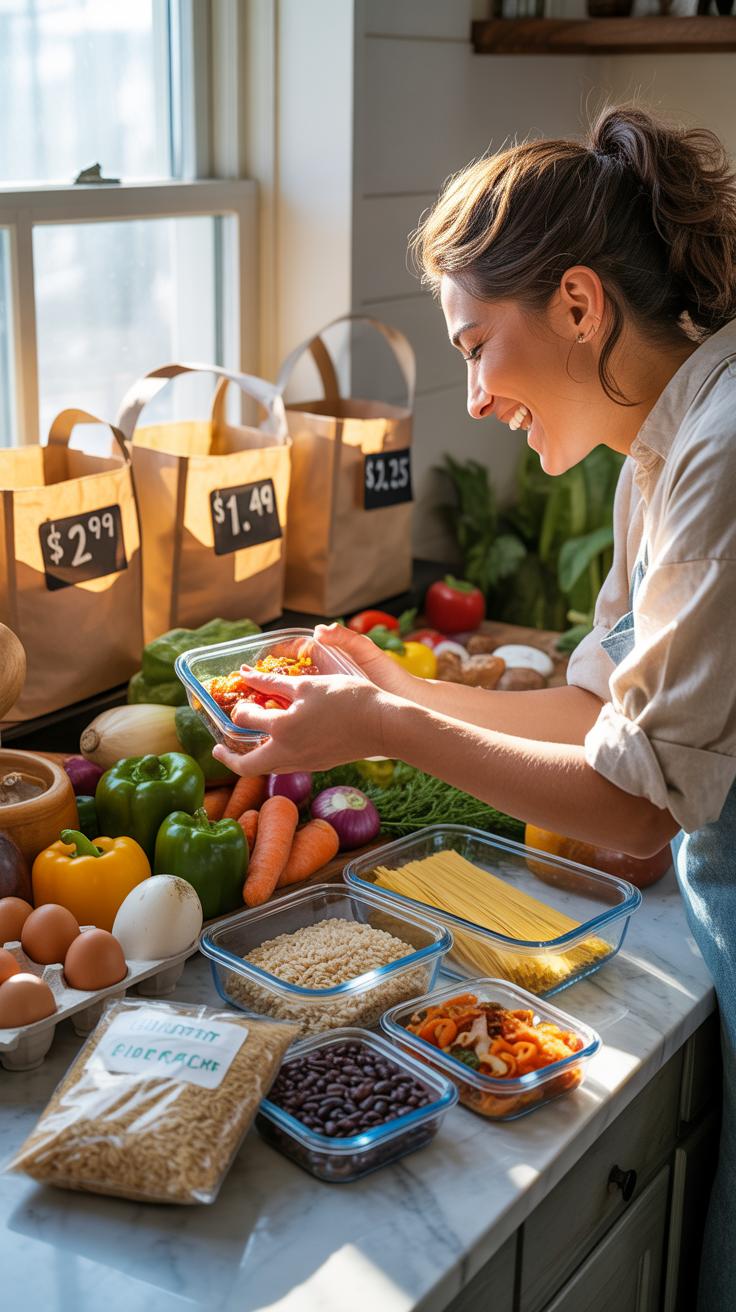
Tactical meal prep relies on high-volume ingredients with low unit costs. You must prioritize items that store well and function across multiple recipes. Purchasing these staples in bulk reduces the frequency of store visits and lowers the price per pound significantly. Focus on items that provide dense caloric value and essential nutrients without a premium price tag or unnecessary packaging.
- Dried Beans and Lentils: These provide massive amounts of protein and fiber for pennies per serving. Unlike canned versions, dried legumes lack added sodium and occupy less shelf space. They form the structural base for stews, salads, and meat alternatives in a low-cost meal plan.
- White or Brown Rice: Grain serves as the primary caloric filler for most affordable meal prep strategies. Buying twenty-pound bags lowers the cost per meal to nearly negligible levels. Use rice to stretch expensive proteins further across your weekly containers and ensure satiety.
- Oats: Old-fashioned or steel-cut oats offer a versatile breakfast foundation. They cost significantly less than boxed cereals or pre-packaged oatmeal sachets. You can use them for overnight oats, baked goods, or ground into flour to avoid the high markup of specialized gluten-free products.
- Root Vegetables: Potatoes, carrots, and onions stay fresh for weeks in a cool pantry. These vegetables provide essential bulk and flavor for a very low investment. Roasting a large tray of root vegetables is the fastest way to add volume to your weekly meal containers.
- Eggs: Large packs of eggs remain one of the most cost-effective protein sources available. They work for breakfast, lunch, or dinner preparations. Hard-boiling a dozen eggs at once provides a week of portable snacks or salad toppers with minimal active cooking time or expense.
Effective shopping requires ignoring brand names and focusing on the weight-to-price ratio. Generic pantry staples often contain the exact same ingredients as premium versions. Sticking to these core items allows you to allocate your remaining budget toward fresh produce or high-quality proteins. Managing these basics correctly ensures your baseline food cost remains stable even when other grocery prices fluctuate.
Why Whole Foods And Dry Goods Offer The Best Cost Per Serving
Processed foods carry a heavy markup because you pay for the manufacturing and packaging labor. When you buy whole ingredients like intact grains or raw vegetables, you keep that labor value for yourself. A head of lettuce costs much less than a pre-washed bag of salad. Over a year, choosing unprocessed options saves hundreds of dollars while delivering higher nutritional density per dollar spent.
Dry goods offer superior economic value because they do not require expensive refrigeration during transport or storage. They have a long shelf life, which eliminates the hidden cost of food waste from spoilage. You can stock up when prices are lowest without worrying about immediate expiration. This stability allows for better long-term budgeting and ensures you always have the components for a complete meal on hand.
Easy Bulk Meal Prep How Buying In Bulk Cuts Your Food Costs
How Easy Bulk Meal Prep Reduces Your Cost Per Portion
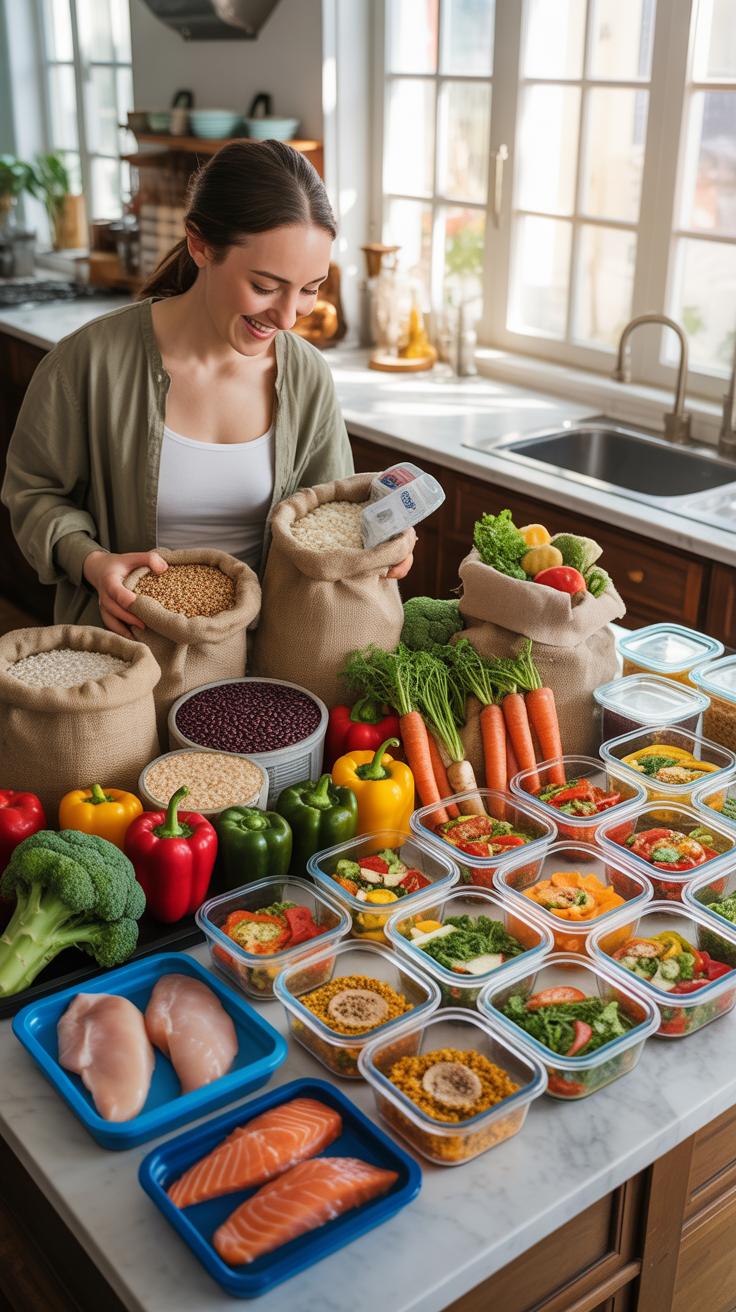
Buying ingredients in large quantities lowers the unit price of every item. Retailers charge a premium for small, convenient packages because of higher packaging costs and lower inventory turnover. When you prep meals in bulk, you bypass these markups. Grains, legumes, and frozen proteins become significantly cheaper when purchased in ten or twenty-pound increments. This strategy directly slashes the total cost of every meal you eat.
Batch cooking turns these raw bulk goods into ready meals. This process prevents food waste by utilizing all purchased items before they spoil. Standard grocery shopping often leads to half-used containers that go to waste. In contrast, bulk prepping ensures you use every ounce of what you buy. You control the portion sizes and the ingredient ratios. This systematic approach keeps your daily food spending predictable and consistently low.
Smart Bulk Shopping Strategies At Wholesale And Discount Stores
Wholesale clubs and discount grocers offer the best margins for meal preppers. These stores operate on high volume and low overhead, passing the savings to you. Focus your spending on shelf-stable staples like rice, oats, and pasta. These items do not expire quickly and serve as the base for most cheap meals. Check the unit price on the shelf tag to confirm you are getting the best possible deal per ounce.
Strategic shoppers also target frozen vegetables and bulk meats. Frozen produce offers the same nutrition as fresh but at a lower price point and with a longer shelf life. For meats, buy large sub-primal cuts or family packs. You can portion and freeze these yourself to avoid paying the butcher for labor. Combine these tactics to build a deep pantry. A stocked pantry allows you to skip expensive last-minute grocery runs.
Cheap Meal Prep For The Week For One Solo Budgeting Done Right

How To Build A Full Week Of Meals Solo For Under $50
Building a weekly menu for under fifty dollars requires a strict focus on low-cost staples. You must center your shopping list on bulk grains, legumes, and seasonal produce. Purchase large bags of rice, dried beans, or oats to lower the price per serving significantly. These items form the caloric base of your meals. Focus on high-protein sources like eggs or canned tuna to keep costs low.
Success in solo budgeting depends on component cooking. Instead of making five different recipes, prep three versatile bases. Roast a large tray of root vegetables and cook one large pot of grains. Use these across different meals by changing the spices or sauces. This strategy reduces the need for expensive, specialized ingredients. Buy generic brands and stick to the perimeter of the store to avoid high-priced processed foods.
Avoiding Food Waste When Cooking Cheap Meal Prep For One Person
Food waste destroys a solo budget faster than high grocery prices. Buy frozen vegetables to prevent spoilage and ensure you only use what you need. If you buy fresh greens, use them in the first two days or blend them into sauces. Plan your meals so that every fresh ingredient appears in at least two different dishes. This ensures you finish every item before it rots.
Proper storage keeps your investment safe. Use airtight containers to maintain freshness and prevent premature mold growth. Standardize your container sizes to make portioning easier and storage more efficient. If you cook more than you can eat in four days, freeze the extra portions immediately. This creates a personal “frozen meal” stock for future weeks. Label every container with the date to track freshness and prioritize older items.
Healthy Meal Prep On A Budget Nutrition Without Overspending
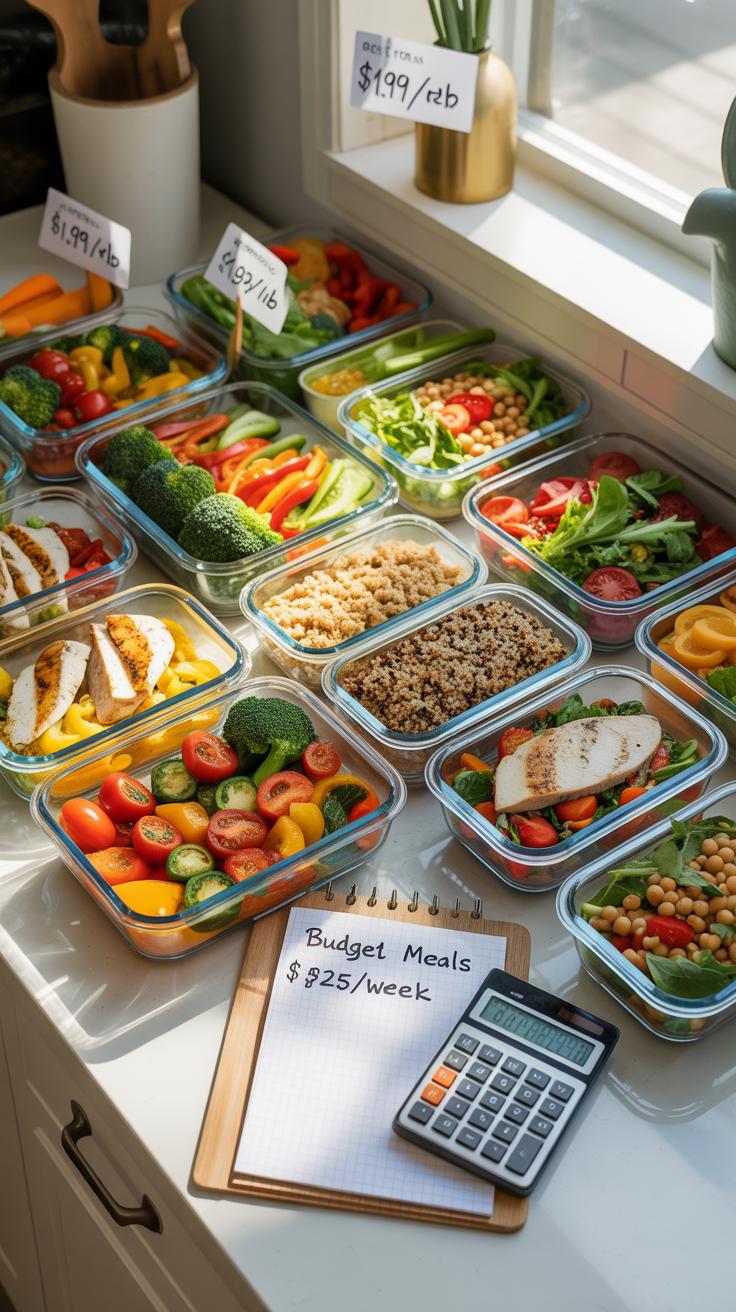
How A Healthy Meal Prep Budget Balances Nutrition And Low Cost
A healthy meal prep budget focuses on nutrient density per dollar. You achieve this by prioritizing whole foods over processed health products. Whole grains, legumes, and seasonal produce offer high fiber and essential vitamins at a fraction of the cost of pre-packaged diet meals. Strategic planning prevents impulse buys. You must align your grocery list with current inventory to avoid purchasing redundant items that increase total spending.
Cost efficiency improves when you buy core ingredients in large quantities. Bulk buying reduces the unit price of staples like brown rice and dry lentils. These items provide the caloric foundation for multiple meals. You save money by preparing these components at home instead of buying pre-cooked versions. This method ensures you control the sodium and sugar content. High nutritional value comes from simple ingredients prepared with intent.
Cooking at home is a way to honor the rhythms of life and the value of your hard-earned dollar. Feeding your family with intention is the greatest inheritance you can leave behind.
Affordable Protein And Vegetable Sources That Support A Balanced Diet
Protein is usually the most expensive part of a meal. You reduce costs by selecting versatile, low-cost options. Canned tuna, eggs, and chicken thighs provides high-quality protein without the premium price of beef or fresh seafood. Plant-based proteins like chickpeas and black beans offer additional savings. These sources are shelf-stable. They allow you to build a protein reserve that lasts for several weeks of meal prep.
Vegetable costs fluctuate based on the season and processing level. Frozen vegetables offer the same nutritional profile as fresh versions but cost significantly less. They do not spoil quickly. This reduces the financial loss from food waste. For fresh options, choose hardy greens like cabbage or carrots. These items stay fresh longer in the refrigerator. Using these durable vegetables ensures your prepped meals remain safe and edible throughout the work week.
Meal Prep Low Budget Strategies Practical Tips To Spend Less
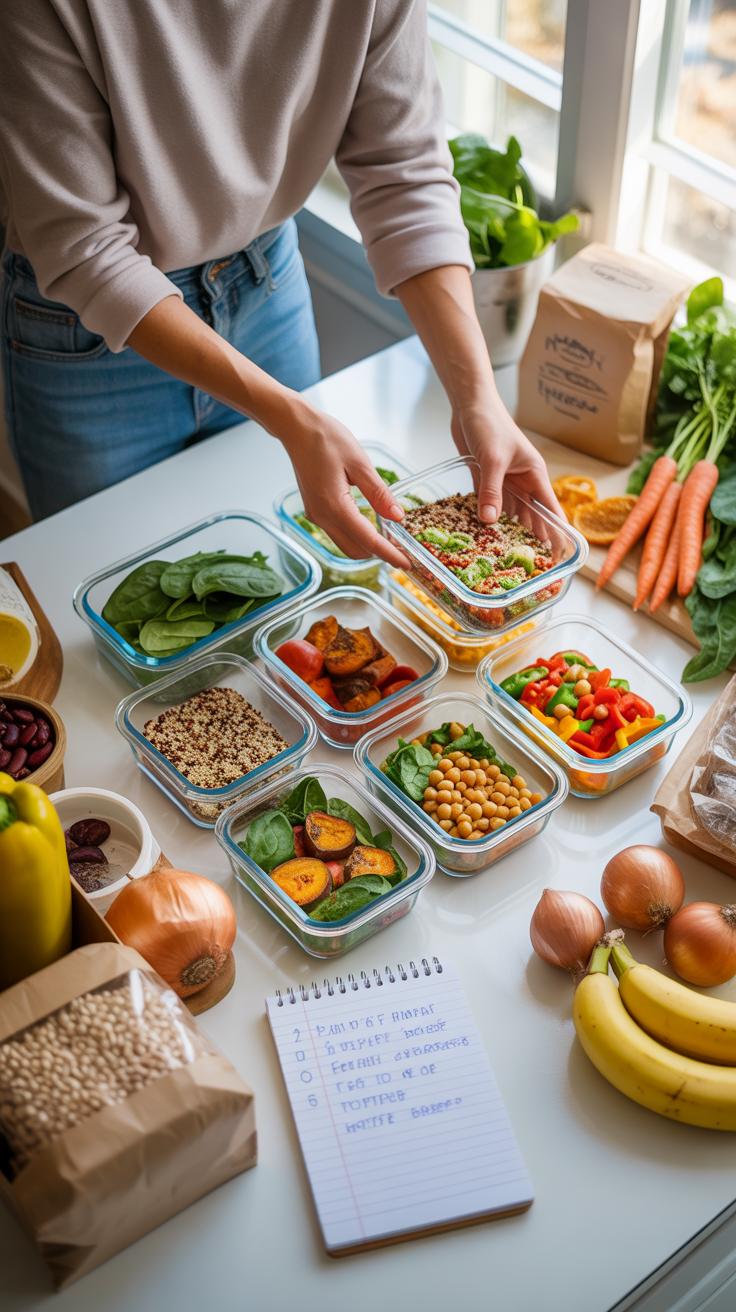
Weekly Meal Planning Habits That Support A Meal Prep Low Budget Lifestyle
Successful meal prep requires a rigid inventory of your current kitchen stock before you buy anything new. Look inside your pantry and freezer to find base ingredients like rice, pasta, or frozen vegetables. Build your entire weekly menu around these existing items to prevent waste. This habit stops you from buying duplicate items. It ensures you only spend money on the specific gaps in your current food supply.
Check local store circulars to identify loss leaders and seasonal discounts before drafting your recipes. Aligning your meals with what is on sale significantly lowers your total spend. Buy versatile proteins and vegetables that work across multiple dishes throughout the week. This strategy minimizes the number of unique ingredients you need to purchase. It forces a streamlined shopping list that focuses strictly on high volume and low cost essentials.
Top Money Saving Tips To Lower Your Grocery Bill Every Week
Grocery costs drop when you stop paying for convenience and marketing. Retailers charge a premium for pre-cut vegetables and shredded cheeses because they save you labor. You must perform this labor yourself to keep costs low. Focus your spending on the bottom shelves of the grocery store. Large brands pay for eye-level placement and pass those marketing costs on to you through higher shelf prices.
- Buy Generic Brands: Most store brands contain identical ingredients to national name brands but cost thirty percent less. Retailers save money on advertising and pass those savings to the consumer. Always compare unit prices to confirm the value.
- Purchase Bulk Staples: Buying dry goods like beans, lentils, and grains in large bags reduces the price per serving. These items have a long shelf life and provide a solid nutritional base for any meal. They are cheaper than canned versions.
- Shop Seasonal Produce: Fruits and vegetables cost less when they are in season and locally available. Off-season items require expensive long-distance shipping which raises the price. Check the produce section for items with the highest supply to find the best deals.
- Use Frozen Vegetables: Frozen produce offers the same nutritional value as fresh versions but at a lower price point. They do not spoil quickly which eliminates financial loss from food waste. You can use exactly what you need and store the rest.
- Limit Meat Consumption: Animal protein is typically the most expensive part of any grocery bill. Replace meat with plant-based proteins like eggs, tofu, or chickpeas for several meals each week. This tactical shift immediately slashes your total weekly spending without sacrificing protein.
Avoid the impulse to buy items just because they have a discount tag. Only purchase what your meal plan requires for the upcoming week. Check the unit price on the shelf tag to compare different package sizes accurately. Larger containers are not always the best deal once you calculate the price per ounce. Stick to your list and use cash to prevent overspending at the checkout counter.
Budget Meal Prep For The Week A Realistic Weekly Cost Breakdown
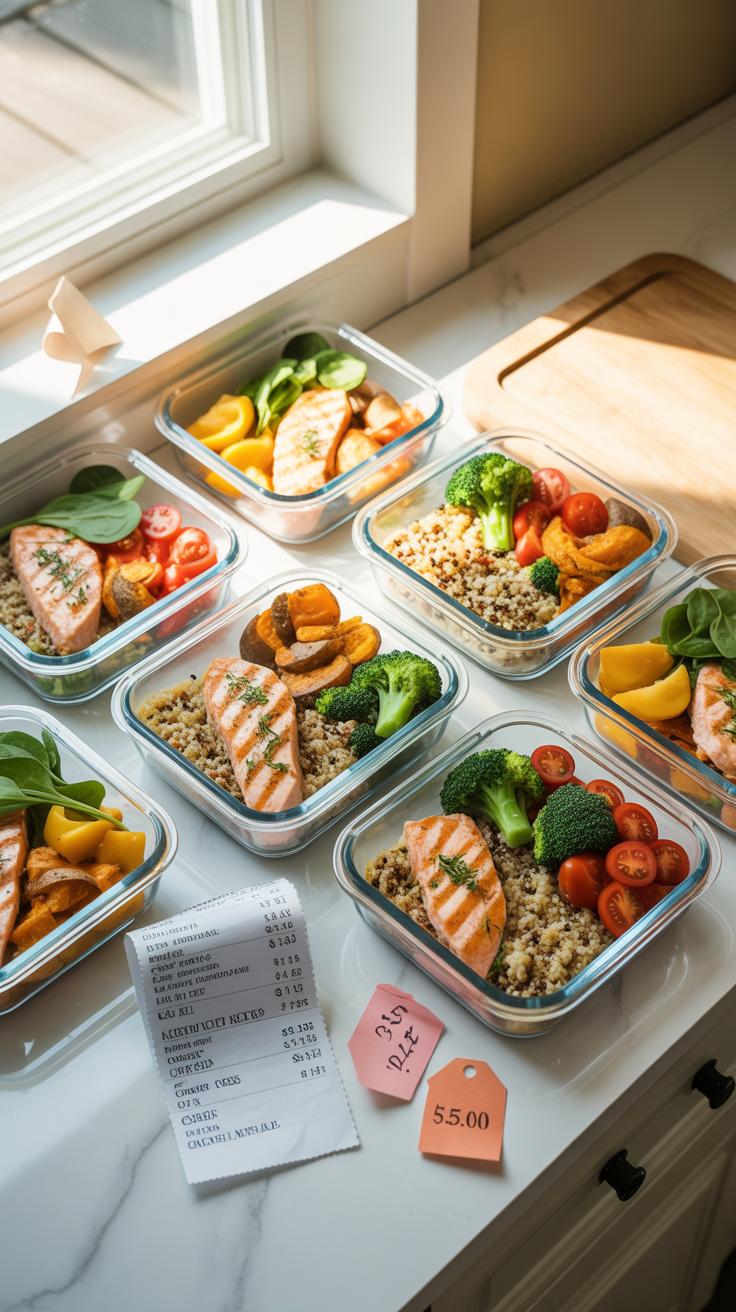
Sample Budget Meal Prep For The Week With Estimated Grocery Costs
A standard weekly budget meal prep for one person typically costs between forty and sixty dollars. This estimate assumes you buy staples like rice, beans, and frozen vegetables in bulk. You must prioritize high-volume proteins such as chicken thighs or ground turkey to keep costs low. Buying seasonal produce ensures you get the best price per pound. This approach replaces fifteen dollars daily convenience meals with four dollar home-cooked portions.
Smart shopping requires focusing on versatile ingredients that work across multiple recipes. A five pound bag of rice provides cereal-sized servings for pennies. Combining this with bulk legumes and eggs creates a complete nutritional profile without a high price tag. You save money by avoiding pre-cut fruits and individual snack packs. Efficient prep hinges on using every ounce of what you buy. This strategy eliminates waste and maximizes your grocery investment.
How To Adjust Your Weekly Prep Plan Based On Income And Household Size
Scaling your meal prep for a larger household requires a shift toward wholesale purchasing. Families should focus on larger protein packs to lower the price per pound significantly. You must calculate the cost per serving to ensure the plan stays under budget. Use a fixed percentage of your monthly income for groceries to prevent overspending. Larger volume prep reduces the unit cost of every meal you serve to your family members.
Higher income individuals often trade money for time by choosing semi-prepared ingredients. You can buy pre-washed greens or rotisserie chickens to speed up the process while still saving over restaurant prices. Lower income tiers must focus on scratch cooking and dry goods to achieve the lowest possible cost. Adjust your ingredient quality based on your available cash flow. Always maintain a consistent rotation of meals to prevent food boredom and expensive takeout urges.
Where To Find Affordable Food And Cheap Meals Without Sacrificing Quality

Best Places To Shop For Affordable Food On A Tight Meal Prep Budget
Discount grocers like Aldi and Lidl provide the most consistent savings for meal prep. These stores limit inventory to high-volume essentials. They cut labor costs by having customers bag their own groceries. This operational efficiency lowers your total bill at the register. You get the same raw ingredients for a fraction of the price found at traditional supermarkets. Warehouse clubs also offer value for dry goods.
Ethnic markets are tactical goldmines for fresh produce and spices. These shops often source directly from local or regional distributors. They bypass the expensive marketing and packaging of national chains. You will find lower prices on rice, beans, and fresh greens. These high-protein staples form the backbone of any cheap meal plan. Shopping here reduces your cost per meal while maintaining nutrient density.
How Seasonal Produce And Store Brands Help You Eat Well For Less
Buying produce in its peak season drops your costs immediately. Farmers produce a surplus during these times. High supply forces market prices down. Out-of-season fruit requires long-distance shipping and specialized storage. You pay for that logistics cost at the store. Stick to what grows now to save money. Frozen vegetables are a reliable backup. They offer the same nutrients at a fixed, low price year-round.
Store brands or private labels are identical to name brands in chemical and nutritional makeup. Federal regulations ensure food safety standards remain the same regardless of the label. Big brands spend millions on advertising and shelf placement fees. Store brands skip these costs and pass the savings to you. Switch your pantry staples to the generic version. You will see a twenty percent reduction in your grocery bill without losing quality.
Frequently Asked Questions

How much money can I actually save by starting to meal prep?
Generally, the average person saves between $150 and $300 per month by switching from takeout or pre-packaged meals to home-cooked options. When people wonder is meal prep cheaper, the answer lies in the price per serving. While a restaurant lunch costs $12 to $15, a prepared meal usually ranges from $2 to $4. These small daily savings compound quickly, significantly lowering your overall monthly grocery and dining expenditure.
What are the best strategies to ensure my meal prepping stays cost-effective?
To maximize savings, focus on buying versatile staples like grains, beans, and seasonal produce in bulk. Plan your menu around what is already in your pantry to avoid duplicate purchases. To prove is meal prep cheaper for your lifestyle, try incorporating “meatless Mondays” or using frozen vegetables, which offer the same nutritional value at a fraction of the cost. Proper storage in airtight containers also prevents expensive food waste from spoiling.
Is meal prepping possible on a very tight budget with limited kitchen tools?
Absolutely! You do not need expensive gadgets or high-end organic ingredients to see results. Focusing on affordable proteins like eggs, canned tuna, and lentils allows you to eat healthily without overspending. Even with just a basic pot and one sheet pan, you can roast vegetables and boil pasta for the week. Simple, repetitive meals are the most budget-friendly way to streamline your kitchen habits while keeping your wallet full and happy.