
What Are Green Smoothie Recipes Healthy Beginners Can Actually Enjoy
The Simple Definition Of A Green Smoothie And Why It Differs From A Juice
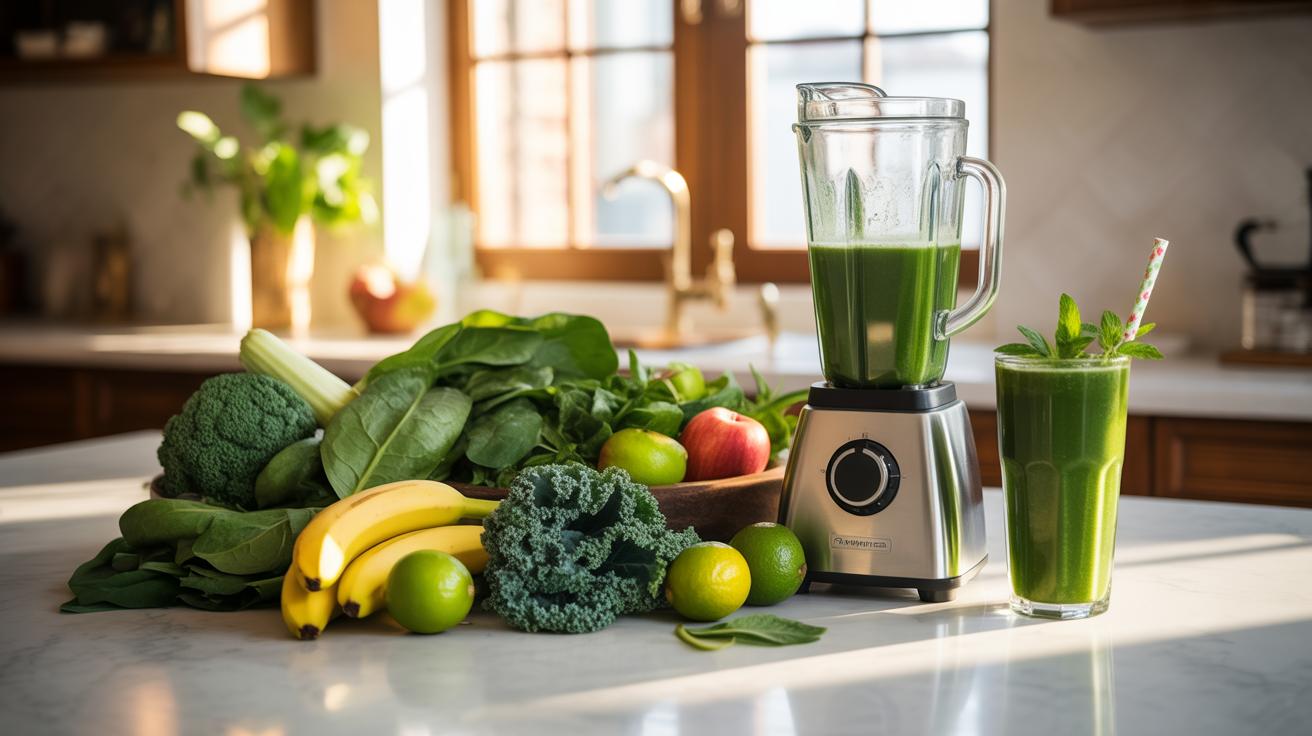
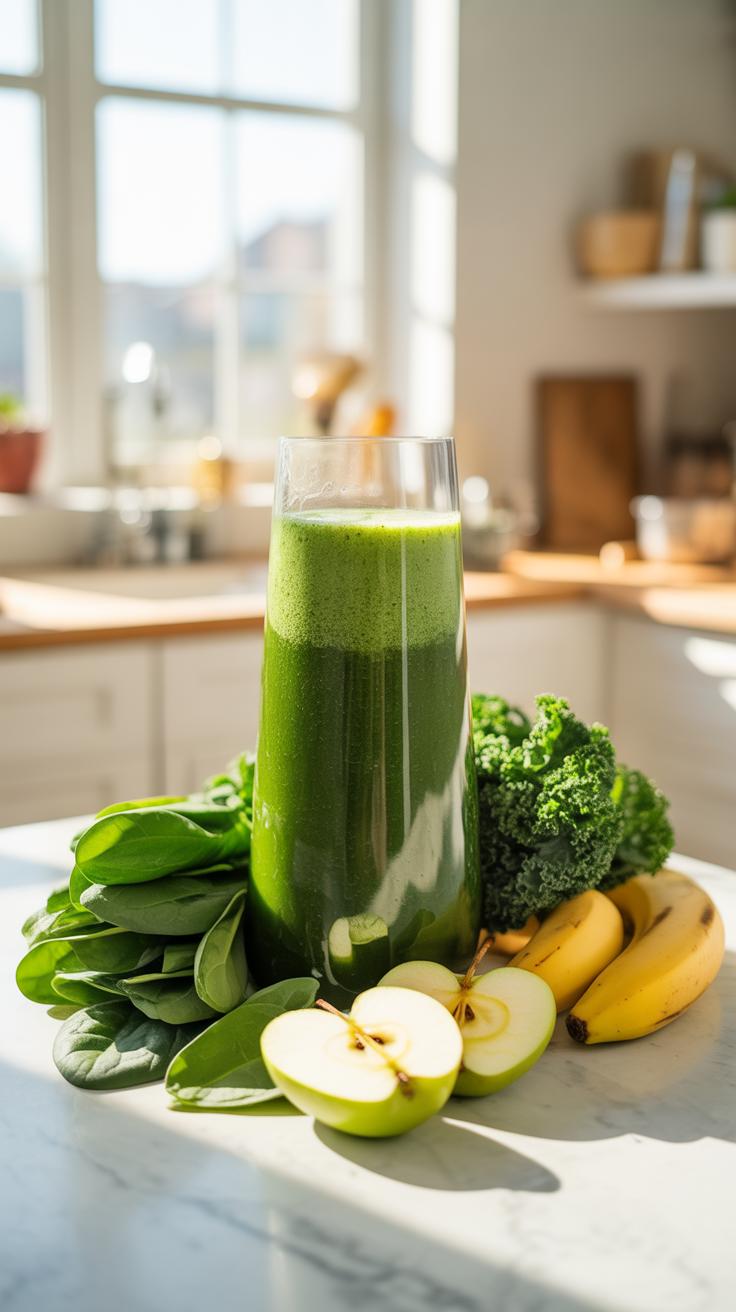
A green smoothie is a blended beverage containing leafy greens, fruits, and a liquid base. You process the entire plant including the fiber. Juice involves a mechanical process that removes the pulp and solids from the produce. Blending keeps the structure of the plant intact. This ensures you consume the fiber which regulates how your body processes the natural sugars.

Juices provide a rapid spike in nutrients but lack the satiating power of a smoothie. The fiber in a smoothie slows down digestion and improves gut health. You need a high speed blender to break down the tough cell walls of greens like kale or spinach. This process creates a thick drink that replaces a meal or a snack. It provides more sustained energy.
Why Green Smoothies Have Become A Staple In Modern Healthy Eating
Modern diets often lack the recommended daily intake of vegetables. Green smoothies offer a tactical solution for busy people to consume several servings of greens in one minute. They mask the bitter taste of vegetables using the natural sweetness of fruit. This makes high nutrient density accessible to everyone. You can prep the ingredients in advance to save time during your morning.
Portability and efficiency drive the popularity of these drinks. They fit into a fast lifestyle while providing essential vitamins and minerals. The rise of high performance blenders in the late twentieth century made smooth textures possible at home. People use them to improve digestion and increase their daily energy levels. It is a proven method for adding raw nutrition into a standard diet.
The Core Ingredients Behind Every Great Green Smoothie Recipe
Choosing The Right Leafy Greens: Spinach, Kale, And Swiss Chard Explained
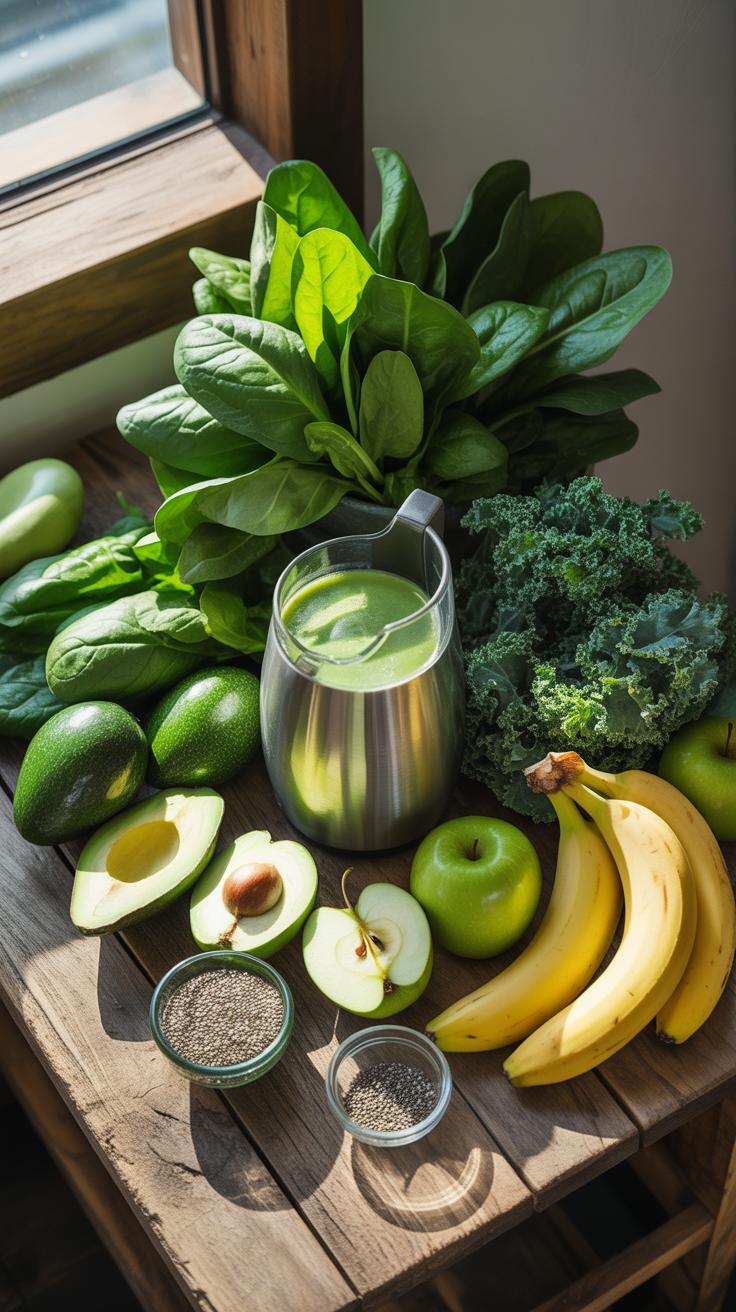
Spinach is the standard entry point for beginners. It contains high levels of mild flavored chlorophyll and iron. The soft cell walls of spinach break down easily in low powered blenders. This ensures a smooth texture without grit. It disappears into the drink when paired with fruit. You get all the micronutrients without a bitter vegetable aftertaste.
Kale and Swiss chard offer more complex nutritional profiles but require better blending techniques. Kale contains fibrous stalks that you must remove before processing. It provides significant amounts of Vitamin K and Manganese. Swiss chard adds a salty undertone due to its natural sodium content. Use these greens once your palate adapts to earthy flavors. They provide a thicker consistency than spinach leaves.
Essential Fruits And Liquids That Balance Flavor And Nutrition
Base ingredients must serve two purposes: texture and sugar regulation. Liquids like water or unsweetened almond milk provide the medium for the blades to move. Fruits like bananas and mangoes act as natural emulsifiers. They create a creamy mouthfeel that masks the fibrous nature of the greens. Choose frozen fruit to control the temperature and thickness of the final product.
- Bananas: These provide a thick and creamy base. They contain high levels of potassium and natural sugars that neutralize the bitterness of dark leafy greens like kale or chard effectively.
- Green Apples: These add tartness and crisp flavor. They contain pectin, which helps improve the texture of the drink. Use them to provide a refreshing bite without adding too much heavy sugar.
- Unsweetened Almond Milk: This liquid adds a nutty flavor and creamy consistency. It contains fewer calories than dairy milk and provides a smooth glide for the blender blades during the mixing process.
- Coconut Water: This choice is best for hydration and electrolytes. It has a thin consistency and a mild sweetness. It works well for light smoothies meant for consumption after heavy physical exercise.
- Frozen Pineapple: Use this fruit for a strong tropical flavor profile. It contains bromelain, an enzyme that aids digestion. The high fiber content helps maintain a consistent texture throughout the entire green smoothie.
Balance your liquid to solid ratio to avoid a watery drink. Start with one cup of liquid for every two cups of leafy greens. Add your frozen fruit last to keep the mixture cold. This sequence prevents the motor from overheating and preserves the raw enzymes in the plants. Always use unsweetened liquids to keep the glycemic load of the recipe low.
Your Complete Smoothie Guide Equipment And Blending Basics
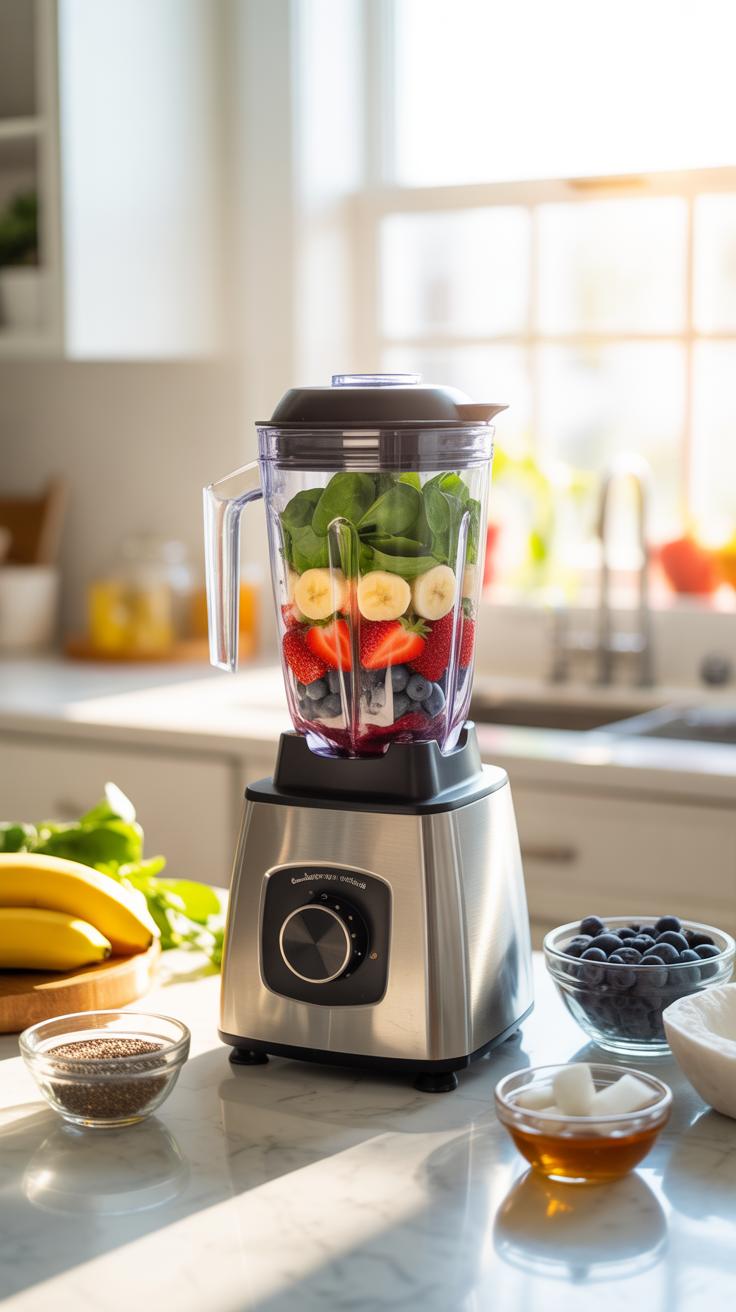
How To Choose The Right Blender For Smooth, Lump Free Results
High-speed blenders are the industry standard for green smoothies. These machines use motors with at least 1,000 watts of power to pulverize fibrous leafy greens. Lower wattage personal blenders often leave behind grit and small pieces of unblended kale or spinach. You need a fast blade tip speed to create a true emulsion between the solids and the liquid base.
Stainless steel blades provide the necessary durability for crushing ice and frozen fruit. Look for a blender with a variable speed dial to control the texture manually. Large pitchers made of BPA-free plastic or glass allow the ingredients to circulate in a vortex. This vortex pulls the greens down into the blades for a consistent finish without air pockets or lumps.
The Correct Order To Add Ingredients For The Best Blend Every Time
The placement of ingredients determines the efficiency of the motor and the final texture. Always pour the liquid base into the blender first. This creates a lubricant for the blades and prevents the motor from stalling. Follow the liquid with leafy greens like spinach or kale. Blending the greens and liquid together first ensures no large leaves remain in the drink.
Add soft ingredients next, such as yogurt or fresh fruit. Place frozen items and ice at the very top of the stack. This weight pushes the lighter ingredients down into the blades during operation. This sequence prevents the blender from cavitation. It also reduces the need to use a tamper tool or stop the machine to stir the contents manually.
5 Easy Green Smoothie Recipes For Total Beginners

The Classic Spinach And Banana Green Smoothie Recipe To Start With
Spinach is the standard entry point for green drinks. It has a high water content and thin cell walls. These features allow it to liquefy quickly in any standard blender. You will not find the gritty texture often associated with tougher greens. The neutral flavor profile ensures the fruit remains the dominant taste. This makes it an ideal choice for first-time drinkers.
Pair one cup of fresh spinach with one large ripe banana and one cup of almond milk. The banana provides the necessary creaminess and natural sugar. It acts as a thickener to replace heavy dairy products. Use frozen banana chunks to achieve a chilled texture without adding ice. This simple ratio creates a consistent result every time. High-speed blending ensures a smooth mouthfeel with no visible leaf chunks.
A Tropical Mango And Kale Blend That Hides The Taste Of Greens Completely
Kale contains more fiber and a stronger earthy flavor than spinach. Beginners often struggle with its bitter notes. You must remove the tough center ribs before blending to prevent a pulpy texture. Mango contains high levels of fructose and a thick pulp. These traits effectively mask the bitterness of the kale. The yellow pigment of the mango also helps maintain a vibrant green color.
Mix one cup of chopped kale with one cup of frozen mango pieces. Use coconut water as your liquid base to enhance the tropical profile. Coconut water provides electrolytes and keeps the calorie count low. The acidity in the mango cuts through the dense kale fibers during the blending process. This combination produces a thick drink that tastes like fruit juice but carries the nutrients of dark leafy greens.
Green Juices Vs Green Smoothies Understanding The Key Differences
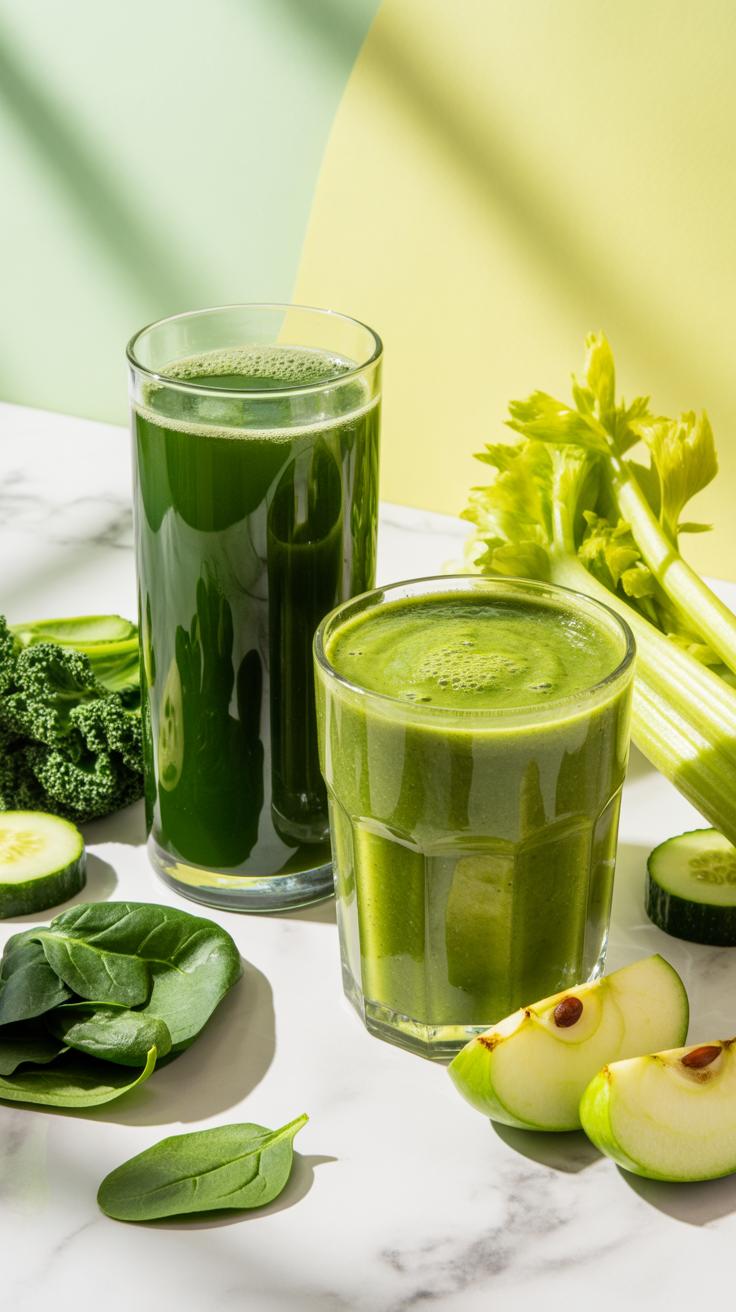
Green juices come from an extraction process. A mechanical juicer separates the liquid from the solid plant matter. This process removes the insoluble fiber entirely. You get a concentrated liquid full of vitamins and minerals. However, discarding the pulp means you lose the structural benefits of the plant. Fiber is essential for gut health and regulating your blood sugar levels.
The absence of fiber causes a rapid spike in your insulin levels. Without the bulk of the plant, the fruit sugars hit your bloodstream almost instantly. You lose the satiety that comes with eating whole foods. Smoothies keep the entire fruit and vegetable intact. This creates a slow release of energy. Choose smoothies when you need a meal replacement and juices for quick hydration.
Choose a green juice when you need an immediate nutrient hit without taxing your digestion. Juices require very little energy to process. This makes them ideal for individuals with sensitive digestive systems or those recovering from illness. The liquid bypasses complex breakdown stages in the stomach. Use this method if you want a supplement rather than a full meal to sustain your body.
Select a green smoothie when weight management is your primary goal. The fiber in a smoothie keeps you full for several hours. It prevents overeating by triggering hunger-suppressing hormones. Smoothies also allow you to add healthy fats and proteins that juices cannot hold. Use smoothies to stabilize your energy throughout the day. They provide a complete nutritional profile for active lifestyles.
Healthy Juice Recipes You Can Blend Into Your Green Smoothie Routine
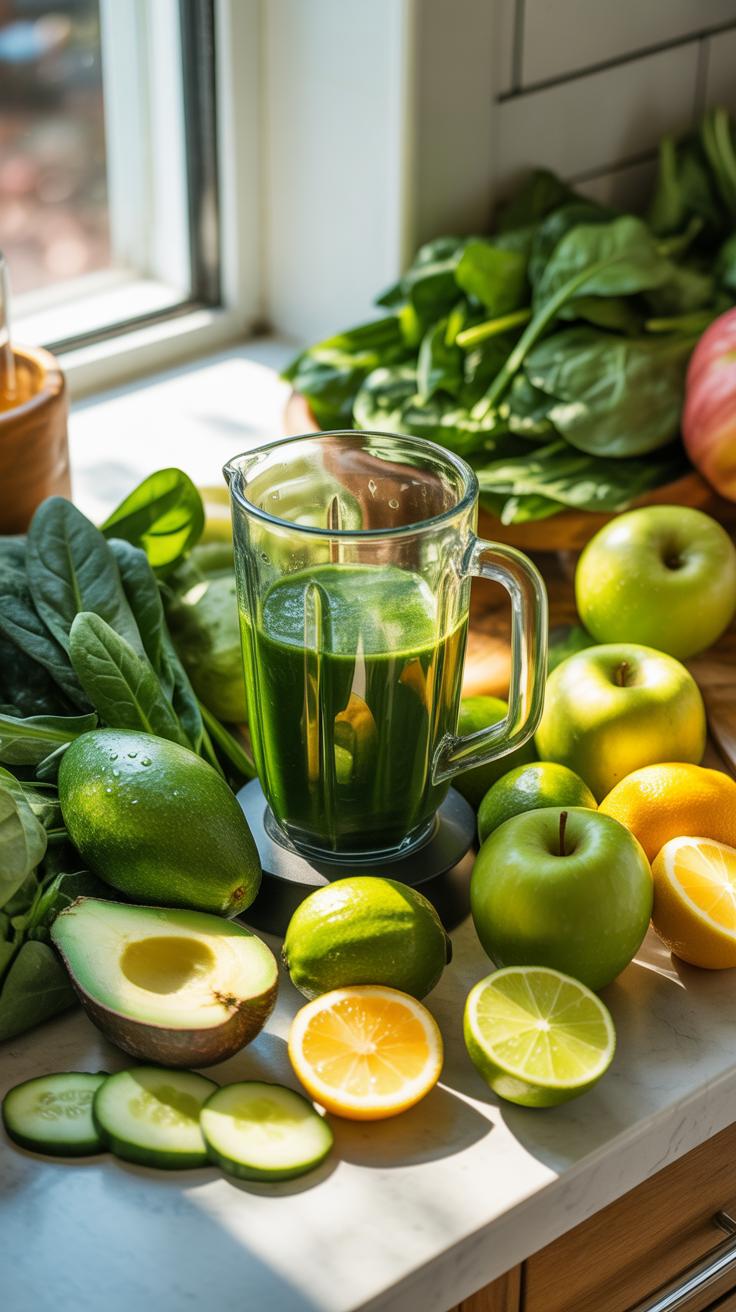
Using Fresh Pressed Juices As A Liquid Base To Elevate Smoothie Nutrition
Replace plain water or nut milk with fresh vegetable juice to maximize nutrient density. This tactic increases your intake of vitamins and minerals without adding bulk or fiber that slows digestion. Modern juicing techniques remove insoluble fiber while keeping soluble nutrients intact. Using juice as a base allows you to pack more greens into the blender. This strategy works well for athletes needing quick energy.
Select low sugar juices like spinach or kale extracts to avoid blood sugar spikes. High sugar fruit juices often mask the taste but compromise the health benefits of your green smoothie recipes. Stick to cold pressed options to preserve heat sensitive enzymes. Pour the juice into the blender first to ensure a smooth consistency. This method provides a concentrated shot of micronutrients in every single sip.
A Simple Cucumber Celery And Green Apple Juice Smoothie Hybrid Recipe
This hybrid recipe balances hydration with moderate natural sweetness and essential nutrients. Start by juicing two large cucumbers and four stalks of celery to create your liquid foundation. These ingredients provide high water content and natural electrolytes. Pour this juice into your blender. Add one chopped green apple and two cups of tightly packed kale. Blend the mixture on high speed until the texture is completely smooth.
The green apple provides pectin and fiber to thicken the drink. Cucumber and celery keep the flavor profile light and crisp. This combination works effectively for beginners who find thick smoothies difficult to drink. Do not add extra ice or water as it dilutes the flavor profile. Drink this immediately to prevent the ingredients from oxidizing. High speed blending ensures the apple skin incorporates perfectly into the liquid base.
Detox Smoothie Recipes That Support Your BodyS Natural Cleansing Process

What Makes A Smoothie A Detox Smoothie And Which Ingredients Help Most
A detox smoothie targets liver and kidney function to process waste efficiently. The primary goal involves increasing fiber intake to sweep the digestive tract. Ingredients like kale and spinach provide chlorophyll, which binds to heavy metals. High water content in celery and cucumber flushes the urinary system. You must avoid processed sugars that cause inflammation. Focus on whole foods that contain antioxidants.
These recipes rely on sulfur-rich vegetables like broccoli or cruciferous greens. Sulfur assists the liver in its phase two detoxification pathway. Adding lemon provides vitamin C to help neutralize free radicals. Fiber from seeds or skins of fruit ensures toxins leave the body through regular bowel movements. This process prevents the reabsorption of waste into the bloodstream. Use clean water or unsweetened tea.
A Lemon, Ginger, And Spinach Detox Smoothie Recipe With Proven Benefits
This recipe combines two cups of fresh spinach with one inch of peeled ginger root. Add the juice of half a lemon and one green apple for pectin fiber. Use one cup of filtered water as the liquid base. Ginger contains gingerol, which stimulates digestion and reduces gut inflammation. Lemon juice helps stimulate bile production. This combination moves waste through the digestive system quickly.
Blend the ingredients on high until the mixture is smooth and liquid. Drink this immediately to prevent the oxidation of fragile nutrients. The ginger provides a thermogenic effect that boosts metabolic rate. Spinach delivers a heavy dose of folate and iron for cellular repair. This drink contains no dairy or added sweeteners to ensure maximum efficacy. It serves as a tactical tool for internal cleansing and hydration.
Green Smoothie For Flat Stomach What The Nutritional Science Actually Says

How Fiber Rich Green Smoothies Support Digestion And Reduce Bloating
Soluble fiber from greens and fruits absorbs water in the gut. This process creates a gel that slows digestion and keeps blood sugar steady. Steady blood sugar prevents insulin spikes. High insulin levels cause the body to store fat around the midsection. Soluble fiber also feeds beneficial gut bacteria. These bacteria produce short chain fatty acids that reduce systemic inflammation and belly bloat.
Insoluble fiber adds bulk to your stool to prevent constipation. Trapped waste in the colon causes physical protrusion and discomfort. Raw spinach and kale provide the mechanical force needed to move food through the digestive tract. Efficient waste removal is the primary mechanism for achieving a flatter stomach quickly. Regularity eliminates the gas produced by slow moving food fermenting in the intestines.
Ingredients To Avoid In Your Green Smoothie If Bloating Is A Concern
Excessive sugar and certain fermentable carbohydrates trigger immediate gas production in the digestive tract. These ingredients draw excess water into the bowel through osmosis. This process causes the stomach to distend and creates physical discomfort. You must audit your liquid base and sweeteners to maintain a flat appearance. High fructose levels often lead to significant abdominal pressure and visible bloating.
- Dairy Milk: Lactose is a sugar that many adults cannot digest properly. Undigested lactose ferments in the colon and creates significant gas. This leads to immediate bloating and pressure in the abdominal cavity after consumption.
- Artificial Sweeteners: Polyols like xylitol and sorbitol are poorly absorbed in the small intestine. They travel to the large intestine where bacteria break them down rapidly. This metabolic process releases carbon dioxide and hydrogen gases that expand the stomach.
- High Fructose Fruits: Apples and pears contain high levels of fructose which can overwhelm the gut. When the body cannot process this sugar quickly it causes fermentation. This results in water retention and a bloated midsection shortly after your meal.
- Unsoaked Raw Cruciferous Veggies: Large amounts of raw broccoli or cauliflower contain complex sugars called raffinose. Humans lack the enzyme to break down raffinose in the small intestine. This ensures gas production when the vegetables reach the lower digestive tract.
- Fruit Juices: Bottled juices remove the fiber that slows down sugar absorption. Rapid sugar intake causes a spike in insulin and potential digestive distress. This lacks the structural benefits of whole fruits and contributes to water weight gain.
Small adjustments to your recipe prevent common digestive triggers from ruining your results. Focus on low glycemic fruits like berries to reach your goals. Avoid adding processed thickeners or protein powders with hidden sugar alcohols. Consistent ingredient selection ensures your smoothie supports a lean profile rather than causing distension. Keep your recipes simple to track how your body responds to different fiber sources.
How To Build Healthy Green Smoothies That Fit Your Nutritional Needs
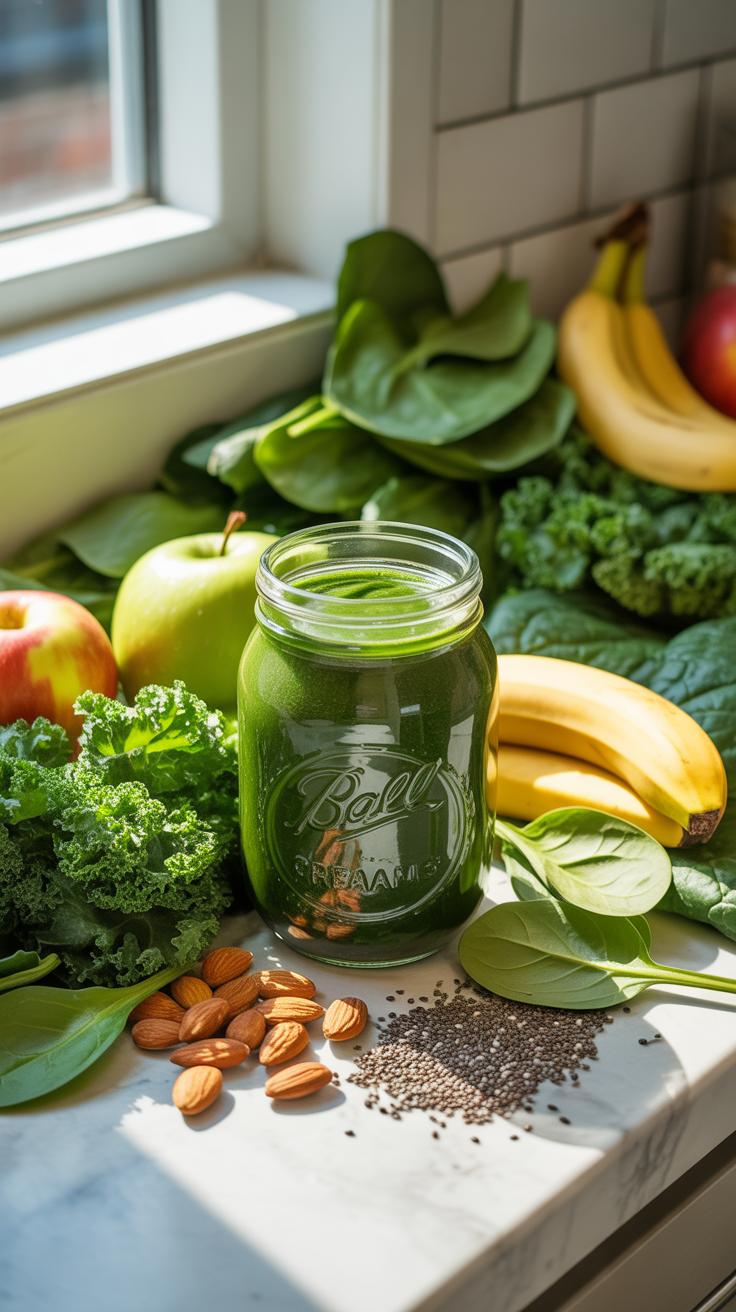
Customizing Your Smoothie For Protein Fiber Or Low Calorie Goals
Strategic smoothie construction focuses on macronutrient ratios to meet specific body requirements. To increase protein, add Greek yogurt, hemp seeds, or whey isolate. This supports muscle recovery and satiety. For higher fiber, prioritize chia seeds and raspberries. Fiber slows sugar absorption and improves gut health. Always measure high calorie fats like nut butters to maintain control over total energy intake.
Adjust your liquid base to hit low calorie targets. Use plain water or unsweetened almond milk instead of fruit juices. Juices add unnecessary liquid sugar and spike insulin levels. If weight loss is the goal, increase the ratio of leafy greens to high sugar fruits. Use cucumbers and celery to add volume without adding calories. This tactic keeps you full while maintaining a calorie deficit.
The simplest ingredients from the garden can nourish the soul just like a childhood memory. Start where you are and let each green sip be a gentle step back to nature.
How To Meal Prep And Store Green Smoothies Without Losing Nutritional Value
Effective meal prepping requires minimizing oxidation to preserve vitamins and minerals. Light and air degrade antioxidants quickly. Use airtight glass jars to store blended drinks. Fill the container to the very top to remove as much oxygen as possible. This prevents the green smoothie from turning brown and losing its nutritional potency. Keep the stored containers in the coldest part of your refrigerator.
Flash freezing pre-portioned solid ingredients is the most efficient long term strategy. Place kale, spinach, and fruit in silicone bags to stop enzymatic browning. This method locks in nutrients at their peak. Do not add liquids until you are ready to blend the drink. Frozen ingredients act as ice and create a better texture. Consume refrigerated smoothies within twenty four hours for the best nutrient profile.
Common Beginner Mistakes With Green Smoothie Recipes And How To Fix Them

Why Your Green Smoothie Tastes Bitter And How To Balance It Naturally
Bitterness comes from high alkaloid content in dark leafy greens like kale or dandelion. Beginners often pack too many mature leaves into the blender without a counterbalance. This results in a drink that is hard to swallow. Plants use these bitter compounds as a natural defense mechanism. You must understand the chemistry of taste to fix this flavor profile effectively.
Neutralize bitter notes by adding fats and acids. Use avocado or almond butter to coat the tongue and dampen sharp flavors. Add lemon or lime juice to brighten the mix. Use frozen pineapple or green apples for natural sweetness. Avoid refined sugars or artificial syrups. Stick to whole fruits that provide fiber. Fiber slows down sugar absorption and keeps the glycemic index low.
How Rotating Your Greens Each Week Prevents Nutrient Imbalance Over Time
Consuming the same green vegetable every day can lead to a buildup of specific alkaloids. All raw cruciferous vegetables contain small amounts of naturally occurring toxins. These protect the plant from being overconsumed by animals. In humans, eating the same leaf for months can stress the thyroid or kidneys. Variety is your best defense against this biological accumulation of plant chemicals.
Switch your base green every seven days to ensure a broad nutrient profile. Move from spinach to romaine then to kale. This rotation exposes your body to different vitamins and minerals. It also prevents your palate from becoming bored. Diverse fibers support a healthy gut microbiome. A rotating schedule keeps your system efficient. Treat your smoothie like a strategic tool for total body health.
Frequently Asked Questions

What are the best leafy greens for someone just starting out?
If you are new to making green smoothie recipes, start with baby spinach. It has a very mild, delicate flavor that is easily masked by fruits like bananas or mangoes. While kale and Swiss chard offer incredible nutrients, they can be slightly bitter for beginners. Stick with spinach for your first few blends to ensure a smooth, sweet introduction to the world of liquid greens.
How do I blend my smoothie to avoid a chunky or gritty texture?
To achieve a professional consistency, use the “two-step blend” method. First, pulse your leafy greens and liquid base together until completely liquefied. Once there are no visible flakes, add your frozen fruits and healthy fats. This technique ensures your green smoothie recipes are silky and crave-worthy, preventing frustrating chunks of unblended kale or spinach from getting stuck in your straw during your morning commute.
Is it expensive to make healthy green smoothies every day?
Not at all! You can keep costs low by purchasing large bags of spinach or kale and freezing them before they wilt. Buying frozen fruit in bulk is often cheaper and more nutritious than fresh out-of-season produce. Additionally, you do not need expensive “superfood” powders to see benefits; simple pantry staples like flax seeds or peanut butter provide excellent nutrition without breaking your monthly grocery budget.