

The Dos And DonTs Of Making Smoothies Most People Get Wrong
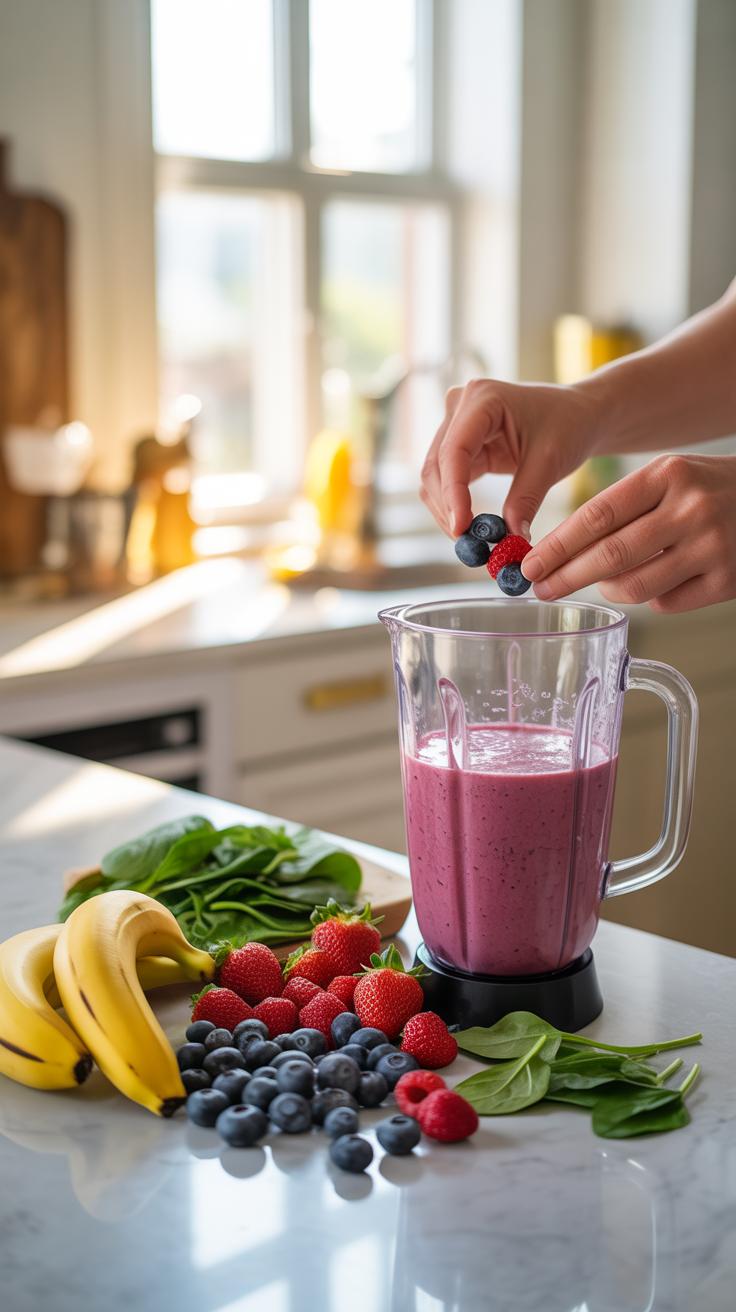
Why Following Basic Smoothie Rules Matters More Than You Think
Smoothie construction requires a tactical balance of macronutrients to regulate blood sugar. Professional nutritionists emphasize that liquid calories bypass the mechanical digestion process of chewing. This lack of physical breakdown can lead to rapid glucose spikes if you do not follow strict ratios. Ignoring these basic structural rules turns a health tool into a high-sugar dessert that causes insulin fatigue and mid-morning crashes.

Precision in ingredient selection dictates your metabolic response for the rest of the day. You must prioritize high-quality fats and fibers to slow down gastric emptying. A well-built drink sustains steady energy levels and prevents hunger pangs within two hours of consumption. Mastering these fundamentals ensures your morning routine helps your body maintain a stable state rather than causing unnecessary physiological stress.
The Most Common Blending Habits That Quietly Undermine Your Results
Most people treat the blender as a catch-all bin for random produce. They add too much fruit without calculating the total fructose load. This habit creates a drink that is biochemically similar to soda. Adding large quantities of honey, dates, or sweetened nut milks compounds the issue. You are effectively drinking a day’s worth of sugar in five minutes which overwhelms your liver.
Mechanical errors also ruin the nutritional profile and texture of your drink. Blending for too long at high speeds generates heat that can degrade sensitive enzymes and vitamins. Overfilling the container prevents proper circulation and leaves large chunks of unblended fiber. You need to layer ingredients correctly with liquids at the bottom and solids on top. This method protects the motor and ensures a smooth, digestible consistency every time.
Overloading On Smoothie Ingredients That Spike Your Sugar Levels
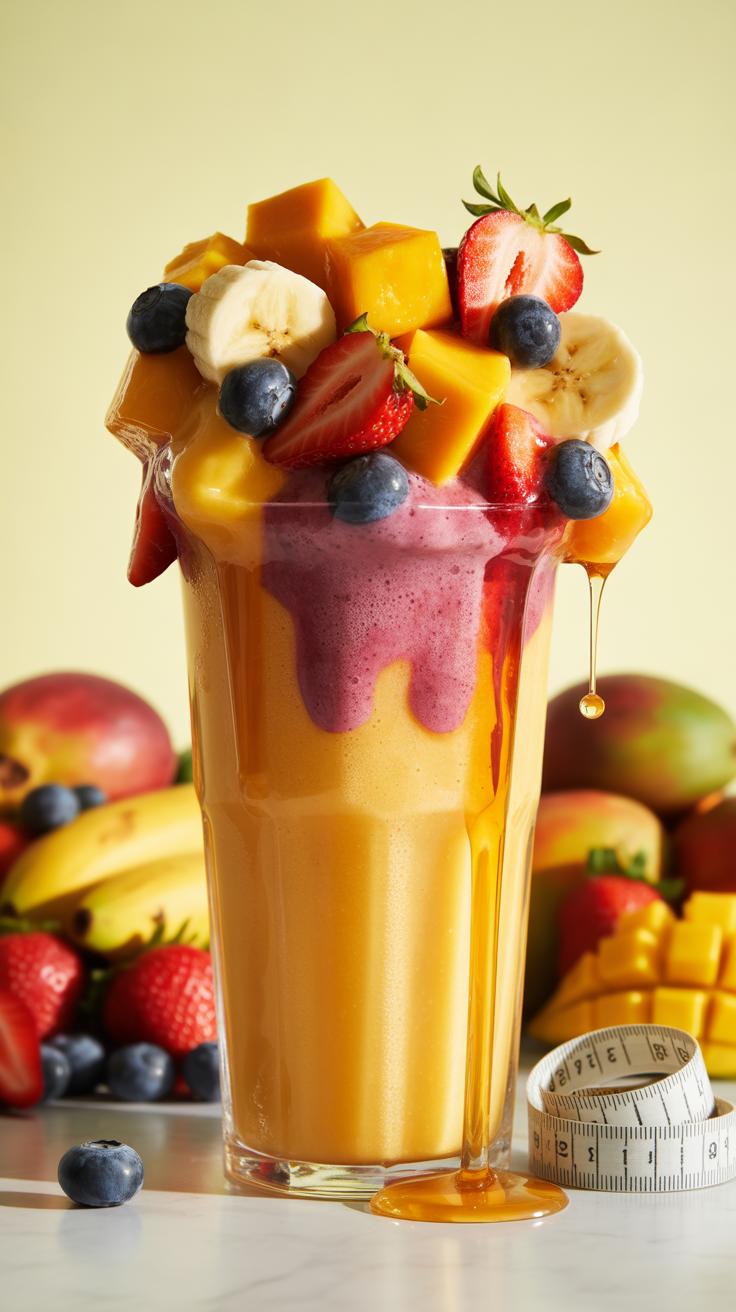
How Too Much Fruit Turns A Healthy Smoothie Into A Sugar Bomb
Most people treat fruit as a free pass. They fill a blender with bananas, mangoes, and pineapple without measuring. This creates a high dose of fructose. Your body processes liquid sugar faster than solid food. A large fruit smoothie can contain more sugar than a soda. You consume several servings of fruit in seconds. This triggers a massive insulin response.
The blender blades break down the structure of the fruit. This process makes the natural sugars more accessible to your bloodstream. High sugar intake leads to fat storage and energy crashes. You feel hungry again within an hour. Professional athletes use sugar for quick energy. Most office workers do not need this volume of carbohydrates. Limit fruit to one cup per serving to stay safe.
Balancing Natural Sugars With Fiber And Protein For A Steadier Blend
A healthy smoothie requires a precise ratio of macronutrients. You must add protein and healthy fats to slow digestion. These nutrients act as a metabolic brake. They prevent the sugar from entering your blood too quickly. Use Greek yogurt, hemp seeds, or a clean protein powder. These additions keep you full and improve your body composition. Fiber is your primary tool for metabolic health.
Leafy greens and chia seeds provide essential bulk. Fiber slows the absorption of glucose in the small intestine. This creates a steady release of energy instead of a peak and valley. Do not rely on fruit for flavor alone. Use spices like cinnamon to improve insulin sensitivity. Aim for a mix that is more vegetables than fruit. This tactical shift transforms your drink into a functional meal replacement.
Skipping Protein Turns Your Breakfast Smoothie Into An Empty Meal
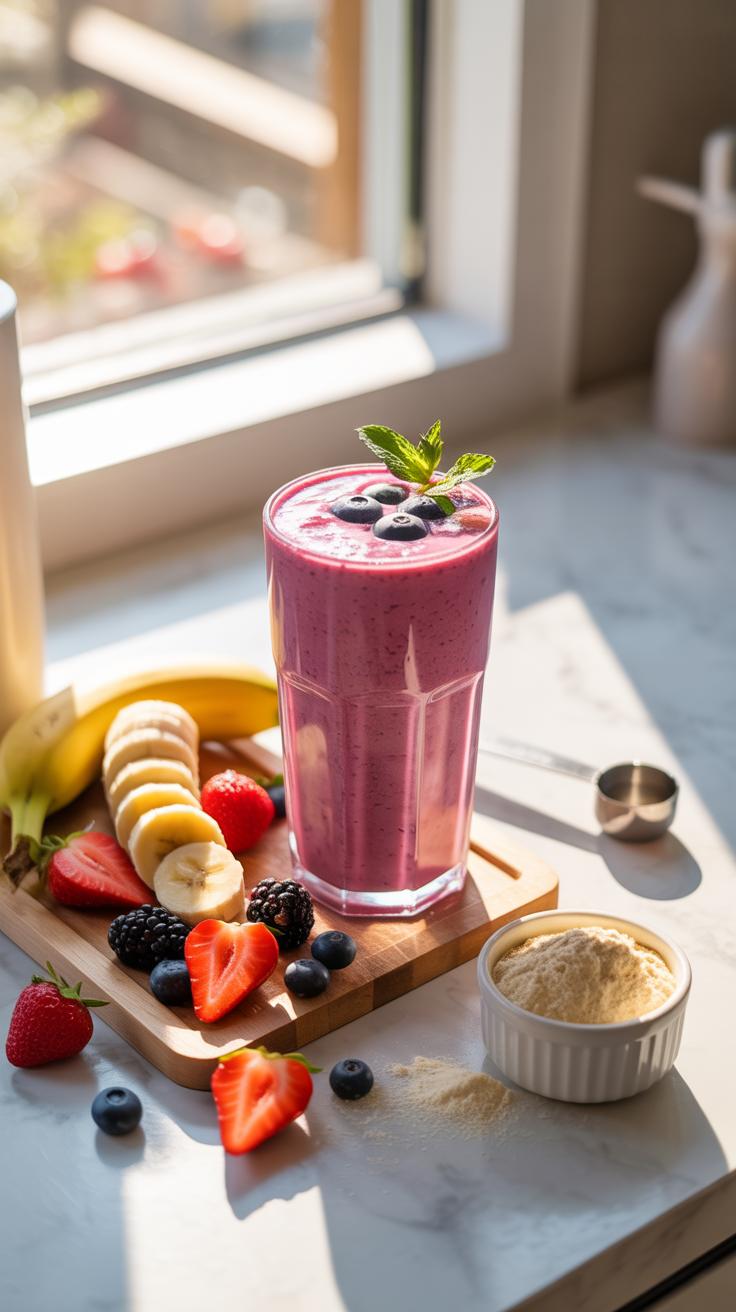
Why Protein Is The Anchor Of Any Truly Satisfying Morning Smoothie
Protein slows down the digestion of carbohydrates. Without it, your body processes fruit sugars too quickly. This causes a rapid spike in blood glucose followed by an inevitable crash. You feel hungry again within an hour. Protein provides the mechanical satiety needed to carry you through to lunch. It ensures your breakfast functions as a meal rather than a snack.
Your body requires amino acids to maintain muscle mass and support metabolic health. A fruit-only drink lacks these building blocks. Adding protein lowers the glycemic load of the entire beverage. This management of insulin response prevents mid-morning energy slumps. High-protein intake also triggers the release of fullness hormones like peptide YY. You stay focused and productive because your brain is fueled.
Best Protein Sources To Add To Your Breakfast Smoothie Without Overpowering The Flavor
Whey isolate offers the highest biological value and mixes instantly. It contains all essential amino acids for muscle repair. If you avoid dairy, choose a pea and rice blend. This combination mimics the complete amino acid profile of animal proteins. Unflavored powder works best for maintaining the original taste of your ingredients. It provides a clean base for your recipe.
Greek yogurt adds a creamy texture along with beneficial probiotics. Select plain versions to avoid hidden sugars found in flavored brands. Hemp seeds provide a nutty profile and healthy fats. Silk tofu is another tactical choice for a smooth consistency without a chalky aftertaste. These additions stabilize your blood sugar. They turn a liquid drink into a functional tool for your daily performance.
Choosing The Wrong Yogurt Flavors That Add Hidden Calories And Sugar
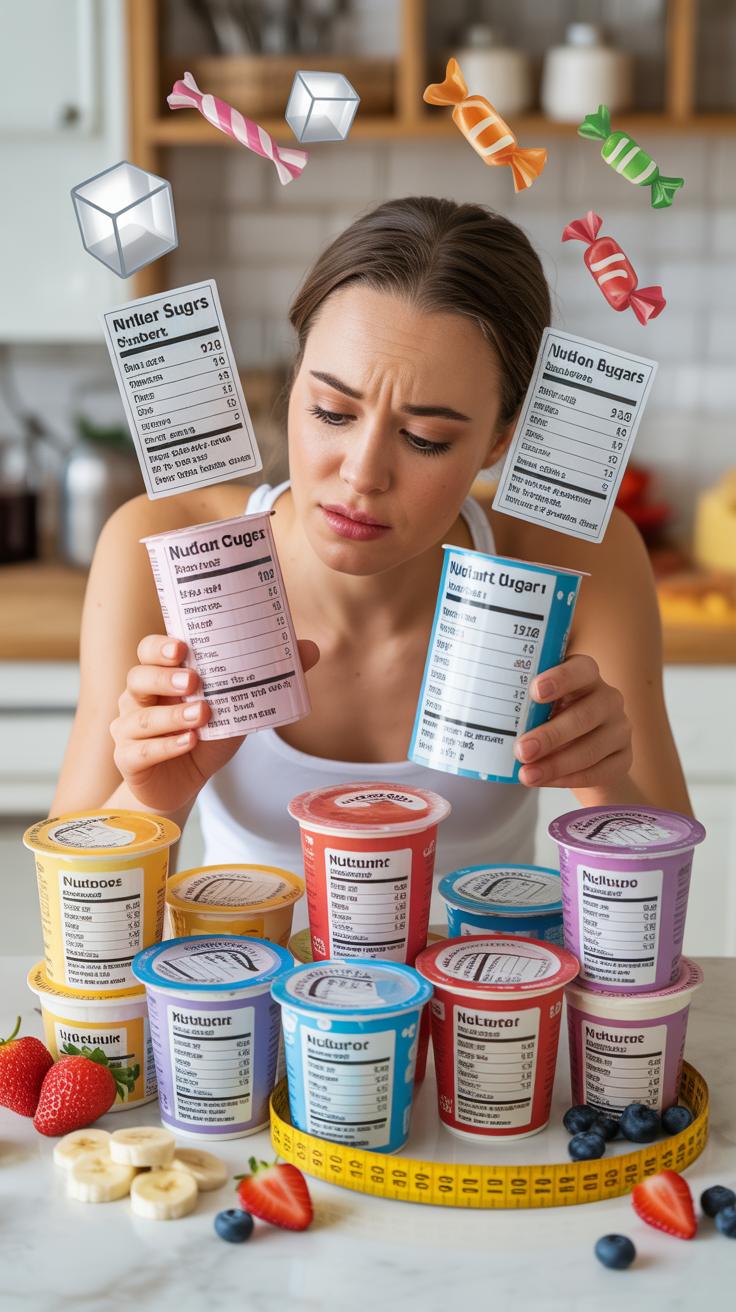
How Flavored Yogurts Can Secretly Derail And Otherwise Nutritious Smoothie
Flavored yogurts often contain as much sugar as a candy bar. Manufacturers use fruit purees and juice concentrates to enhance taste. These additives spike your insulin levels and stop fat burning. A single small container can hold over twenty grams of sugar. This turns a healthy drink into a high-calorie dessert. You lose the metabolic benefits of your morning meal.
Most people assume fruit-on-the-bottom options are healthy choices. These products rely on sugary syrups to preserve the fruit pieces. You are adding empty calories that provide no nutritional value. This sugar load leads to an energy crash later in the morning. High sugar intake also causes inflammation in the body. Stick to plain options to maintain control over your total daily sugar intake.
What To Look For On The Label When Picking A Yogurt For Your Smoothie
Check the ingredient list for added sugars first. Look for words like evaporated cane juice or high fructose corn syrup. Avoid any product that lists sugar in the first three ingredients. Real yogurt only needs milk and live active cultures. Specific strains like Lactobacillus acidophilus indicate a high-quality product. Choose Greek or Icelandic varieties to maximize the protein content in each serving.
Verify the protein-to-sugar ratio on the nutrition facts panel. A high-quality yogurt should have more grams of protein than grams of sugar. Plain Greek yogurt usually provides fifteen to twenty grams of protein. Lower protein counts suggest the manufacturer added fillers or thickeners like cornstarch. Zero fat versions often contain extra sugar to compensate for lost texture. Select full-fat or low-fat plain versions for better satiety.
Ignoring Portion Size Is One Of The Biggest Healthy Smoothie Mistakes

Why Even Wholesome Ingredients Can Lead To Calorie Overload In Large Portions
Liquid calories do not trigger the same fullness signals as solid food. You can blend two cups of kale, a whole avocado, and three servings of fruit into one jar. This volume exceeds what you would typically eat in one sitting. High density ingredients like nut butters and seeds pack significant energy. Consuming these in liquid form allows you to bypass natural satiety cues quickly.
Unregulated portions turn a snack into a massive meal. Most blenders use large pitchers that encourage overfilling. You might believe more nutrients always lead to better health. However, total caloric intake still dictates weight management and metabolic response. Excess energy from clean sources still stores as body fat if you do not burn it. Precise measurements prevent you from drinking a thousand calories before noon.
Simple Portion Guidelines To Keep Your Smoothie Nutritionally On Track
Standardize your smoothie components to avoid common measurement errors. Relying on visual estimates often leads to doubling your intended intake. Use specific tools like measuring spoons for fats and scales for fruit. A balanced profile requires strict limits on high calorie additions. This approach ensures your drink supports your goals instead of working against your daily energy requirements and insulin levels.
- Fruit Limits: Stick to one cup of fruit per serving. Berries offer a better nutrient to sugar ratio than tropical fruits like mangoes or bananas. This restriction keeps total fructose levels low and prevents insulin spikes.
- Healthy Fats: Limit nut butters or oils to one tablespoon per drink. These items are energy dense and provide significant calories in small amounts. Excess fat can easily double the total calorie count of your morning smoothie.
- Liquid Base: Use eight to twelve ounces of liquid to control volume. Water or unsweetened nut milks are better than juice. Keeping the liquid volume consistent helps you avoid the temptation to add more solids to reach a thickness.
- Protein Powder: Follow the serving size on the supplement label exactly. Usually one scoop provides twenty grams of protein which is sufficient for one meal. Adding multiple scoops wastes expensive product and adds unnecessary calories your body cannot process at once.
- Leafy Greens: Use two handfuls of greens like spinach or kale. These are low in calories and high in fiber which helps you feel full. Because they have low energy density you can use them to increase volume without adding fat.
Review your total ingredient list before you start the blender. Each component should have a predefined purpose and a set measurement. Do not add extra scoops just because the pitcher has room. If the finished product fills a large thirty ounce cup you have likely made too much. Divide the batch into two servings or reduce your starting ingredients to fit a standard glass.
Relying On Store Bought Blends Instead Of Building Low Calorie Smoothies At Home

What Pre Made Smoothies Often Contain That You Would Never Add Yourself
Commercial smoothie brands prioritize shelf life and flavor over your health goals. Most bottled options contain high amounts of added cane sugar or concentrated fruit juices to enhance taste. Manufacturers also use thickeners like carrageenan or xanthan gum to mimic a fresh texture. These additives increase the calorie count without providing real nutrition. You end up drinking processed sugar water instead of a meal.
Mass-produced blends often undergo pasteurization to kill bacteria and extend expiration dates. This heat process destroys heat-sensitive vitamins and beneficial enzymes found in raw plants. You pay a premium price for a dead product that lacks the biological activity of fresh produce. Store-bought labels frequently hide these deficiencies behind synthetic vitamin fortifications. Avoid these traps by recognizing that convenience usually comes at the cost of ingredient integrity.
How Blending Your Own Low Calorie Smoothies Gives You Full Control Over Nutrition
Making your own drinks allows you to manage every gram of macronutrients entering your body. You choose high-quality protein sources like whey isolate or pea protein without chemical fillers. Using water or unsweetened nut milk instead of juice slashes the sugar content instantly. You dictate the fiber levels by adding whole seeds or leafy greens. This direct control prevents the blood sugar spikes common with commercial products.
Home blending enables the use of frozen or fresh organic produce at its peak ripeness. You select the exact ratio of fats to carbohydrates to match your daily activity levels. Strategic additions like ginger or turmeric provide anti-inflammatory benefits that bottled brands often skip. You eliminate the need for preservatives and mystery natural flavors. Precise measurement ensures you meet your weight loss targets without guessing about hidden liquid calories.
Sabotaging Your Detox Smoothie By Adding The Wrong Liquid Base
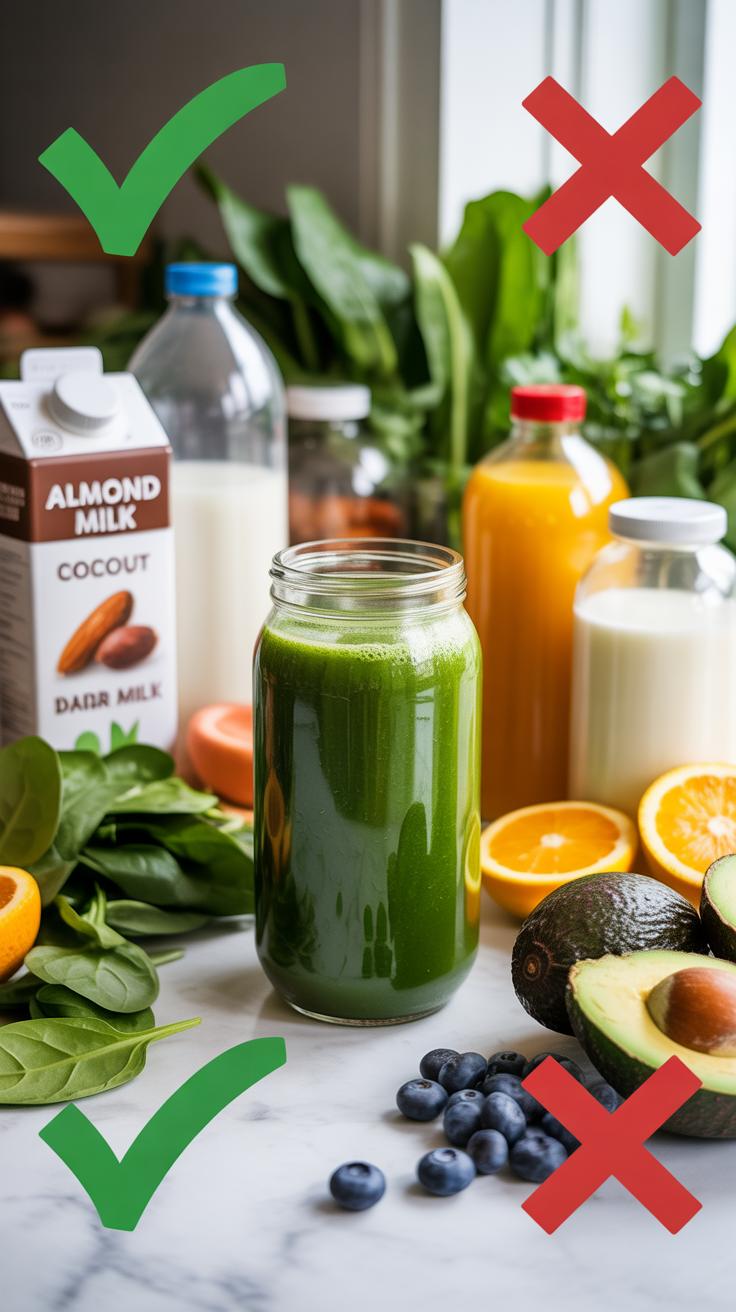
Why Juice, Sweetened Milk, And Soda Are Poor Liquid Bases For A Detox Smoothie
Fruit juice and sweetened milk destroy the glycemic balance of your drink. These liquids pack concentrated fructose and processed cane sugar without any fiber. Your body absorbs these sugars instantly. This spike triggers a massive insulin response and shuts down fat oxidation. You are essentially drinking a liquid dessert instead of a functional meal. High sugar intake causes inflammation.
Soda and flavored milk introduce synthetic additives and empty calories. These ingredients disrupt your gut microbiome and cause bloating. Phosphoric acid and artificial flavors force your liver to process chemicals rather than toxins. You cannot achieve a internal cleanse while flooding your system with industrial sweeteners. Choose a base that stabilizes your blood sugar. Avoid any liquid with added syrups or colors.
The Best Liquid Bases That Support Cleansing Without Adding Unwanted Sugar
Filtered water is the most effective base for cellular hydration. It adds zero calories and helps your kidneys flush metabolic waste. Water allows the natural flavors of your greens and fruits to shine. Unsweetened nut milks like almond or hemp provide healthy fats without the sugar load. These options keep your insulin levels low. Low insulin levels facilitate natural detoxification processes.
Coconut water offers essential electrolytes like potassium for muscle function. Ensure the brand contains no added sugars or preservatives. Green tea is another tactical choice due to its high antioxidant content. These catechins support liver health and metabolic rate. Using a tea base adds functional nutrients without increasing caloric density. Proper hydration starts with clean liquids. Always check labels for hidden sweeteners before pouring.
Missing Key Smoothie Hacks That Make Blending Faster And More Nutritious
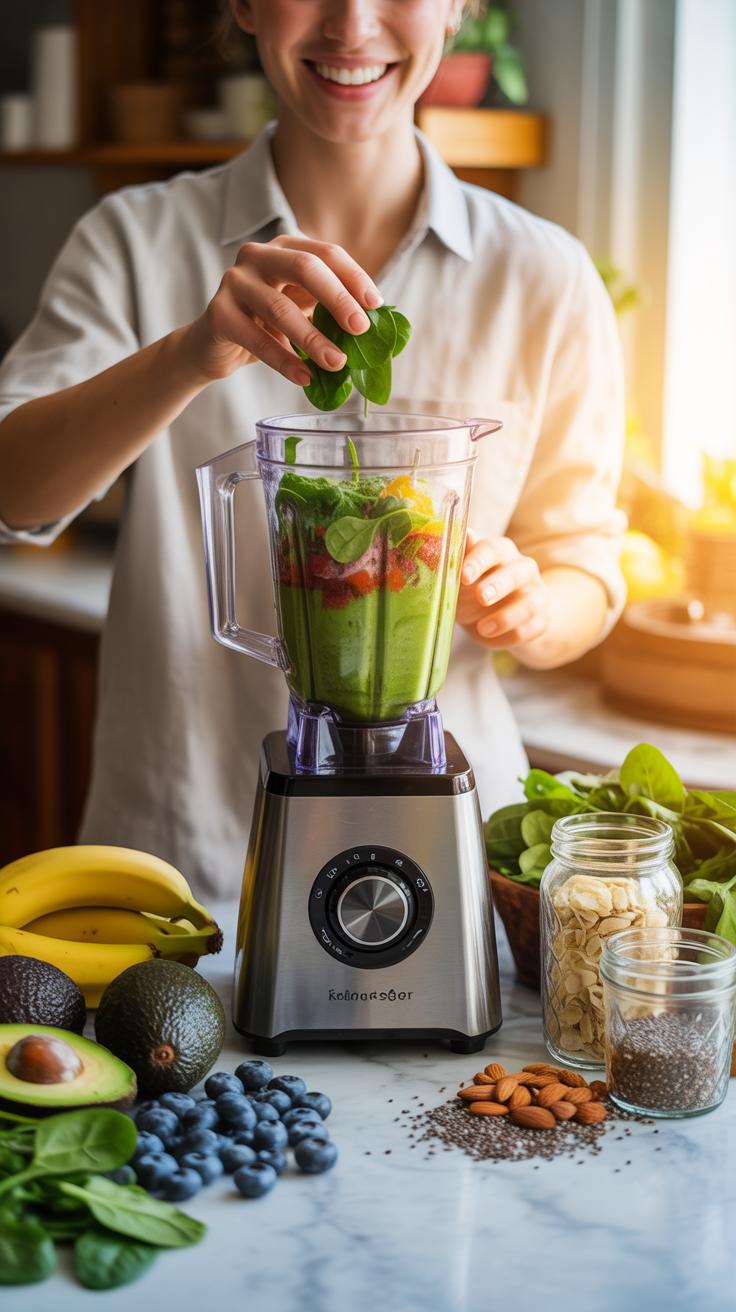
Time Saving Prep Techniques That Keep Your Morning Smoothie Routine Consistent
Pre-portioning ingredients is the only way to eliminate morning friction. Use silicone bags or glass jars to store measured portions of greens and fruits in the freezer. This step stops you from measuring ingredients while you are rushed. It also prevents fresh produce from spoiling before you can use it. Frozen ingredients act as ice and provide a better texture without thinning the flavor.
Organize your dry boosters in a single accessible station. Keep seeds, protein powders, and spices in one drawer near your blender. This setup reduces the time spent searching through cabinets. You should also clean your blender immediately after use by running it with soap and warm water. This prevents residue from drying and makes the routine sustainable for the long term.
Ingredient Layering And Blending Order Hacks That Improve Texture And Nutrient Absorption
The order of ingredients determines the efficiency of the blend and the quality of the emulsion. Most high-speed blenders require liquid at the bottom to create a vortex. This motion pulls solids down into the blades for a smooth finish. Proper layering prevents air pockets from forming around the blade. It also ensures that tough fibrous greens break down completely.
- Liquids First: Pour water or milk into the container before adding solids. This creates a base for the centrifugal force to move ingredients. Liquid at the bottom prevents the motor from overheating and reduces wear on the internal bearings over time.
- Dry Powders Second: Add protein powders or seeds directly into the liquid base. This technique prevents the powder from sticking to the lid or the sides of the container. It ensures every gram of supplement is fully integrated into the final drink for maximum intake.
- Leafy Greens Third: Place your spinach or kale on top of the liquid and powder layer. This allows the blades to shred the leaves early in the process. Pulped greens offer better surface area for digestion and release more chlorophyll into the mixture during the initial spin.
- Solid Fruits And Nuts Fourth: Add soft fruits and fats like peanut butter on top of the greens. These items add weight to the stack and push lighter ingredients toward the blades. Proper weight distribution helps the machine maintain a consistent speed without requiring a manual tamper.
- Frozen Items Last: Place frozen fruit or ice at the top of the stack. Gravity pushes the heavy frozen pieces into the vortex as the lighter ingredients below dissolve. Cold ingredients stay closer to the blades at the end of the cycle to maintain a thick temperature.
Healthy smoothie mistakes often stem from poor absorption of fat-soluble vitamins. Include a source of healthy fat like avocado or walnuts to ensure your body processes vitamins A, D, E, and K. Fiber from whole fruits slows down sugar spikes but requires thorough mechanical breakdown. Using the correct layering method ensures these nutrients are bioavailable and the texture remains palatable for every serving.
Overlooking Ingredients That Support Belly Fat Reduction In Your Daily Blend

Inflammation triggers cortisol production. High cortisol levels signal the body to store fat in the abdominal region. Chronic inflammation also interferes with leptin signaling. This prevents your brain from receiving fullness signals. Using anti-inflammatory ingredients like ginger or turmeric helps regulate these hormonal pathways. A stable internal environment allows the metabolism to function at its peak rate without constant stress interference.
Metabolic health relies on efficient cellular function. Spices and berries contain polyphenols that reduce oxidative stress within metabolic tissues. These compounds improve insulin sensitivity. Better insulin response ensures your body uses glucose for energy instead of storing it as adipose tissue. Adding these ingredients transforms a standard fruit drink into a functional tool. It targets the underlying biological triggers that cause stubborn midsection weight gain.
Cooking is like love; it should be entered into with abandon or not at all, so do not let small errors dull the magic of your morning ritual. Every ingredient is a chance to start your day with a masterpiece instead of a mistake.
Fiber is the most critical tool for blood sugar management. Soluble fiber slows the rate of gastric emptying and glucose absorption. This prevents the insulin spikes that drive fat storage in the liver and abdomen. Many people peel fruits or use juice bases and lose this benefit. High-fiber additions like chia seeds or ground flaxseed provide the bulk necessary to maintain steady metabolic activity throughout the morning hours.
Fiber also impacts your gut microbiome. Specific bacteria ferment fiber into short-chain fatty acids like butyrate. These acids improve fat oxidation and reduce calorie absorption. A fiber-deficient smoothie causes a rapid sugar crash. This crash triggers hunger and leads to overeating later in the day. Increasing fiber content ensures long-term satiety. It forces the body to utilize stored energy rather than seeking quick sugar fixes.
Drinking Your Healthy Smoothies Too Fast And Losing The Full Benefit

The Science Behind Why Slow Consumption Improves Digestion And Satiety
Digestion begins in your mouth, not your stomach. Salivary amylase is an enzyme that starts breaking down carbohydrates immediately. When you gulp a smoothie, you bypass this critical first step. The liquid hits your gut unprepared for the nutrient load. This oversight leads to bloating and gas. Your body needs time to signal that food is entering the system.
Satiety signals take about twenty minutes to reach your brain. Drinking a large smoothie in two minutes prevents your hormones from registering fullness. Ghrelin remains high while leptin stays low. You will feel hungry again shortly after finishing the drink. Slowing down ensures your brain receives the message that you have consumed calories. This prevents overeating later in the day.
Mindful Drinking Habits That Help Your Body Get The Most From Every Healthy Smoothie
Treat your smoothie like a solid meal. Use a spoon instead of a straw to slow your pace. This technique forces you to simulate chewing. Chewing triggers the release of digestive juices throughout your intestinal tract. It prepares your stomach to absorb vitamins and minerals efficiently. You gain more energy when your body processes the nutrients properly instead of rushing them through.
Temperature also dictates how fast your body absorbs nutrients. Ice-cold liquids can shock your system and slow down enzyme activity. Sip your drink at a moderate pace to allow it to warm slightly in your mouth. This habit reduces the stress on your digestive organs. Focus on the texture and flavor of the ingredients. Intentional consumption turns a quick snack into a functional tool for your health.
Frequently Asked Questions

Why does my breakfast smoothie still make me feel hungry an hour later?
One of the most common healthy smoothie mistakes beginners make is failing to include enough fiber and protein. When you blend only fruit, your blood sugar spikes and then crashes quickly. To stay full until lunch, ensure you are adding a satiety-boosting component like Greek yogurt, hemp seeds, or a scoop of protein powder to balance the natural sugars and provide sustained energy throughout your morning.
How can I fix the consistency of my smoothie if it is too watery?
If your drink feels thin or unappealing, you can improve the texture by swapping ice cubes for frozen fruit or vegetables. Using frozen bananas or cauliflower rice provides a thick, creamy base without diluting the flavor. Another way to avoid healthy smoothie mistakes is to add a tablespoon of chia seeds or nut butter, which helps emulsify the ingredients and creates a luxurious, cafe-style mouthfeel in every sip.
Is it possible to make nutritious smoothies without spending a lot on superfoods?
Absolutely! You do not need expensive powders or exotic berries to craft a high-quality blend. Focus on affordable staples like spinach, oats, and seasonal frozen fruits which are often cheaper and just as nutritious as fresh ones. By sticking to whole-food ingredients found at any local grocery store, you can easily avoid the trap of overspending while still enjoying a delicious, health-conscious breakfast every single day.