

What Are The Most Common Gut Health Symptoms You Should Never Ignore

How Bloating, Gas, And Irregular Bowel Movements Signal A Deeper Gut Imbalance
Bloating and gas are not just side effects of a heavy meal. These symptoms indicate that your small intestine is struggling to process food. Bacteria in the gut ferment undigested carbohydrates and release gasses like hydrogen and methane. Excessive pressure in the abdomen signals that your microbiome is out of balance. This imbalance disrupts normal digestion and leads to chronic physical discomfort.

Irregular bowel movements provide a direct look at your internal health. Consistency matters more than frequency alone. Constipation suggests your waste moves too slowly through the colon. Diarrhea indicates your system is flushing out irritants too fast. Both states prove that your gut bacteria cannot maintain a steady pace of waste removal. You must track these changes to identify a deeper dysbiosis.
Why Persistent Digestive Discomfort Is One Of The Earliest Health Signs Worth Investigating
Persistent digestive pain is an early warning system for your body. Minor cramps or sharp pains often stem from localized inflammation in the gut lining. When the mucosal barrier weakens, harmful bacteria trigger immune responses. This constant state of alert exhausts your internal resources. Ignoring these signals allows small issues to become chronic conditions. You should treat discomfort as a tactical data point.

The gut acts as a second brain because it contains a massive network of neurons. When you feel recurring pain, your enteric nervous system is sending a distress signal. High levels of bad bacteria disrupt the production of key neurotransmitters like serotonin. This disruption affects your mood and your physical well-being simultaneously. Resolving these symptoms early prevents systemic issues from spreading to other vital organs.
The Link Between An Unhealthy Gut And Chronic Fatigue

How A Disrupted Gut Microbiome Affects Your Energy Levels And Sleep Quality
Your gut bacteria produce most of the serotonin in your body. This chemical acts as a precursor to melatonin. If your gut flora is out of balance, your body cannot regulate sleep cycles effectively. You stay awake when you should sleep. This disruption ruins your natural circadian rhythm. Bad bacteria release toxins that keep your nervous system in a constant state of high alert.
Chronic inflammation starts in the gut and spreads to your brain. This systemic inflammation triggers pathways that cause persistent fatigue. Damaged gut linings allow metabolic byproducts to enter your bloodstream. Your immune system wastes massive amounts of energy fighting these invaders. You feel tired because your body redirects all resources toward internal defense. Fixing your gut solves the energy leak at its primary source.
Why Feeling Exhausted After Meals Could Be A Sign Of An Unhealthy Gut Bacteria Balance
Post-meal fatigue often stems from an overgrowth of bad bacteria in the small intestine. These microbes ferment carbohydrates before your body can absorb them. This process creates gas and releases harmful compounds into the blood. Your body reacts to these toxins by slowing down your metabolic rate. You experience a heavy brain fog that makes focus impossible. This is not a normal result of eating.
A compromised gut cannot extract essential vitamins and minerals from your food. You may eat plenty of calories but remain starved for micronutrients like B12 or magnesium. These specific nutrients drive your cellular energy production. Without them, your mitochondria cannot create ATP efficiently. You feel drained because your cells lack the fuel they need to function. Managing your gut health ensures you actually use the fuel you consume.
Intense Sugar Cravings And What They Reveal About Your Gut Bacteria

How Harmful Gut Bacteria Drive Sugar Cravings To Fuel Their Own Survival
Microbes in your digestive tract manipulate your eating behavior to ensure their own growth. Specific bacteria and yeasts like Candida thrive on simple sugars. These organisms release chemical messengers into your bloodstream that travel to your brain. These signals alter your reward circuits and taste receptors. You experience these signals as intense and urgent cravings for sweets. This biological hijacking forces you to consume the fuel they need.
The gut-brain axis acts as a two-way communication highway. Pathogenic bacteria produce toxins when they do not receive sugar. These toxins make you feel anxious or irritable. When you eat sugar, the bacteria release dopamine-inducing chemicals that make you feel better temporarily. This creates a feedback loop. Your gut bacteria are essentially farming you. They use neurochemicals to dictate your food choices and maintain their dominance in your microbiome.
The Connection Between A High Sugar Diet, Gut Imbalance, And Long Term Microbiome Damage
A high-sugar diet acts as fertilizer for the wrong microbes. Constant sugar intake causes rapid overgrowth of harmful bacteria while starving beneficial species. Good bacteria thrive on complex fibers, not refined sweets. When sugar dominates your intake, beneficial microbes die off. This shift is a primary sign of unhealthy gut function. It reduces your microbial diversity. Low diversity makes your immune system weak and your digestion slow.
Long-term sugar consumption damages the protective lining of your intestinal wall. This leads to increased intestinal permeability or leaky gut. Harmful debris leaks into your bloodstream and triggers systemic inflammation. Chronic inflammation further disrupts the bacterial balance. This cycle is hard to break without a total dietary shift. You must starve the harmful bacteria to restore order. Continuous sugar intake ensures your microbiome remains permanently skewed toward a state of disease.
Skin Conditions As Visible Health Signs Of An Unhealthy Gut

How Conditions Like Eczema And Acne Are Scientifically Linked To Gut Inflammation
Chronic gut inflammation triggers a systemic immune response. This internal stress often manifests on the surface of your body as skin irritation. When the intestinal lining becomes permeable, toxins and undigested food particles leak into the bloodstream. Science calls this metabolic endotoxemia. Your immune system views these particles as foreign invaders. It launches an attack that fuels inflammatory skin conditions like acne and painful eczema.
Gut bacteria regulate the balance of cytokines in your blood. These chemical messengers control how your body responds to injury or infection. An overgrowth of bad bacteria produces pro-inflammatory chemicals. These chemicals travel through your veins and settle in your skin tissues. This process breaks down collagen and disrupts cell turnover. You see the results as redness, swelling, and persistent breakouts that topical creams cannot fix.
All disease begins in the gut, so listen closely to your body’s quiet whispers before they become cries for help. Trust the wisdom of your ancestors and tend to your inner garden with gentle care.
Understanding The Gut Skin Axis And Why Your Complexion Reflects Your Microbiome
The gut skin axis describes the bidirectional communication channel between your digestive tract and your skin. Your microbiome produces short-chain fatty acids that protect the skin barrier. When your gut lacks diversity, you stop producing these protective compounds. This loss leaves your skin vulnerable to harmful UV rays and environmental pathogens. A dull or dry complexion usually indicates a lack of diverse beneficial microbes in your colon.
Your gut also influences sebum production and skin hydration levels. Probiotics in the gut communicate directly with skin cells to modulate antimicrobial peptides. These peptides act as your natural defense against infections. If your microbiome is out of balance, your skin loses its ability to heal quickly. Persistent rashes or flaky patches serve as a biological warning. They signal that your internal ecosystem is failing to support your external health.
Mood Swings And Anxiety As Overlooked Gut Health Symptoms

How The Gut Brain Axis Connects Your Digestive Health Directly To Your Mental State
The gut-brain axis is a physical and chemical connection between your central nervous system and your enteric nervous system. The vagus nerve acts as the primary highway for this communication. It sends constant signals from your digestive tract to your brain. When your gut bacteria balance shifts, these signals change. Bad bacteria can trigger systemic inflammation that reaches your brain and alters your mood.
A healthy gut barrier prevents toxic byproducts from entering your bloodstream. If your gut lining weakens, these toxins spark an immune response that creates brain fog and anxiety. This is not just a mental issue. It is a biological reaction to intestinal instability. Strategically managing your diet fixes the signal at the source. Stable gut health leads to stable neurological function and better emotional control.
Why Over 90% Of Serotonin Is Produced In The Gut And What Happens When It Is Disrupted
Serotonin regulates your mood, sleep, and appetite. While most people associate this neurotransmitter with the brain, the gut produces the vast majority of it. Specialized cells in your intestinal lining synthesize serotonin from amino acids. Healthy bacteria must be present to facilitate this process. If your microbiome is weak, your body cannot produce enough serotonin. This deficiency leads directly to irritability and depression.
Disrupted gut flora also impacts how your body processes other neurotransmitters like dopamine and GABA. These chemicals control your stress response and focus. When harmful bacteria dominate, they produce metabolites that interfere with these cooling signals. You feel more anxious and less capable of handling daily stress. Restoring your bacterial diversity is the most effective way to normalize these chemical levels and regain mental clarity.
What Is Leaky Gut And How Does It Develop From A Long Term Gut Imbalance
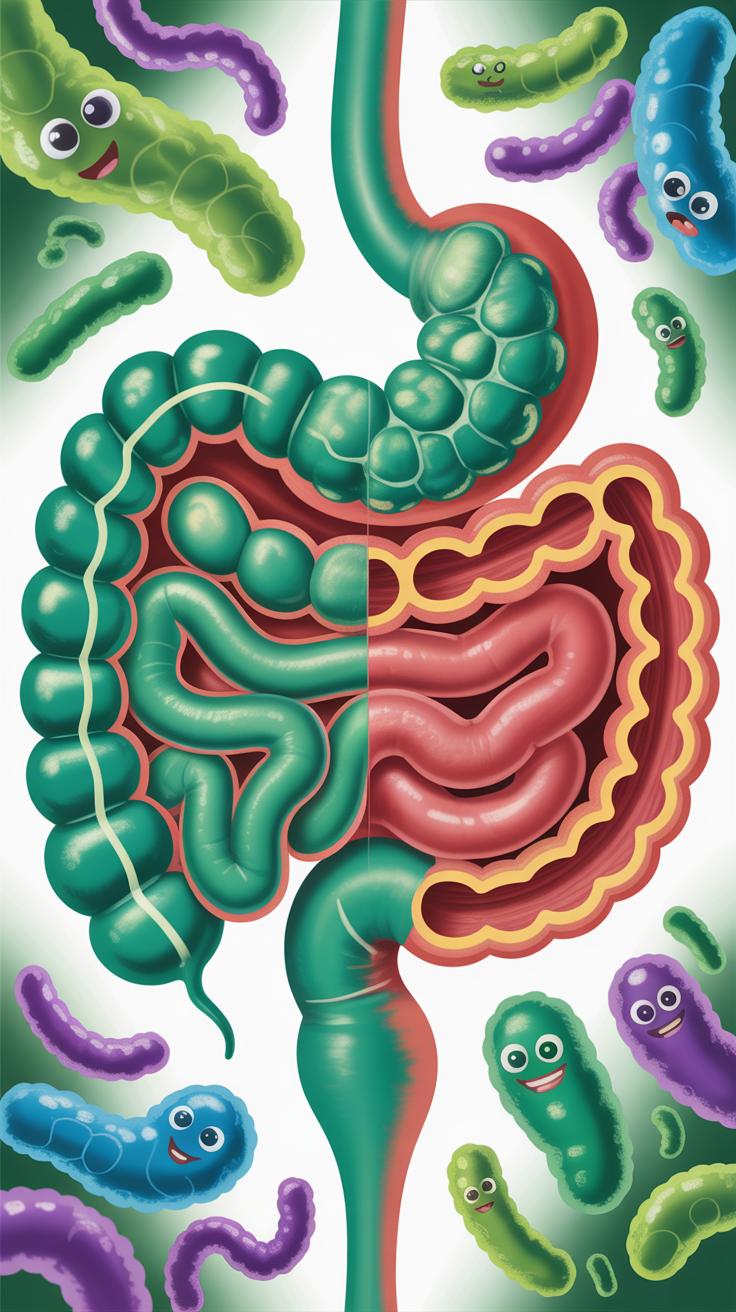
Intestinal permeability describes the mechanism where the gut wall controls what enters the bloodstream. A healthy gut uses tight junction proteins to act as a gatekeeper. These proteins keep out harmful bacteria and undigested food particles. Long term gut imbalance destroys these junctions. This damage allows toxins to leak directly into your systemic circulation. Your immune system then views these particles as foreign invaders.
Chronic inflammation starts when your body attacks these leaked particles. This immune response causes oxidative stress throughout your tissues. It moves beyond the digestive tract and affects your brain, skin, and joints. Modern research links this breakdown to poor diet and high stress levels. You must maintain a diverse bacterial profile to support the mucosal barrier. Failure to protect this lining leads to permanent cellular damage.
Your body provides clear signals when the intestinal barrier fails. Chronic digestive issues like gas and bloating serve as primary warnings. You might notice new sensitivities to foods you once tolerated well. These reactions happen because your immune system is in a state of high alert. Skin conditions like rashes or acne also indicate internal distress. These external signs reveal a deep systemic struggle with filtered waste.
Brain fog and low energy are tactical indicators of a compromised gut. Toxins in the blood stream impact your cognitive function and mood. You may feel tired even after resting because your body wastes energy fighting internal leaks. Joint pain often follows as systemic inflammation settles in your connective tissues. Pay attention to these diverse symptoms. They confirm your gut lining cannot keep waste out of your blood anymore.
Food Intolerances And Autoimmune Reactions As Signs Of An Unhealthy Gut

How A Weakened Gut Microbiome Lowers Your Tolerance To Common Foods Over Time
A healthy gut produces specific enzymes to break down food. When your microbiome loses diversity, you lose these tools. Beneficial bacteria normally fermentation fibers and neutralize compounds. Without them, your body views certain proteins and sugars as threats. This process creates immediate physical distress. You begin to react to foods you previously ate without any issues or discomfort.
Chronic inflammation from a poor gut environment damages the intestinal lining. This damage stops your body from processing nutrients correctly. Undigested food particles then enter the bloodstream through tiny gaps. Your immune system marks these particles as foreign invaders. You then experience bloat, gas, or pain every time you eat those specific items. This cycle indicates an urgent need to restore bacterial balance.
The Relationship Between Gut Dysbiosis Immune Overactivation And Autoimmune Conditions
Your gut houses seventy percent of your immune system. Bacteria constantly train your immune cells to distinguish between friends and enemies. Dysbiosis disrupts this education process. When the gut environment turns toxic, the immune system enters a state of high alert. It stops being precise and starts attacking everything in sight. This overactive state is a primary driver of systemic inflammation.
Over time, this immune confusion leads to autoimmunity. The body begins attacking its own healthy tissues because it cannot identify them correctly. Common triggers include “leaky gut” where toxins escape the digestive tract. These toxins force the immune system to stay active indefinitely. Fixing the gut is the only way to lower this high alert status. Restoring the barrier prevents the body from attacking itself.
What Does A Healthy Gut Actually Look Like And Feel Like Day To Day

The Key Signs Of A Healthy Gut Including Regular Digestion Stable Energy And Clear Skin
A healthy gut operates with quiet efficiency. You do not notice your digestion because it functions without pain or excessive gas. Regularity is the primary benchmark for success. Most healthy adults have one to three bowel movements daily. These should be easy to pass and well formed. This consistency indicates that your transit time and fiber intake are optimal for waste removal.
- Consistent Elimination: You experience daily bowel movements that occur without straining or urgency. This indicates that your smooth muscle contractions and hydration levels are sufficient to move waste through the colon effectively.
- Minimal Bloating: Your abdomen remains relatively flat and comfortable after meals. While small amounts of gas are normal byproducts of fermentation, frequent distension or sharp pains signal a breakdown in the digestive process.
- Sustained Energy: You avoid the common mid afternoon crash. A balanced microbiome helps regulate blood sugar and enables the steady absorption of B vitamins and magnesium. This provides your brain and muscles with a reliable fuel source.
- Healed Skin: Your skin appears clear and resilient. The gut skin axis dictates how systemic inflammation manifests on your face. A strong gut barrier prevents toxins from entering the bloodstream and triggering acne or inflammatory rashes.
- Mental Clarity: You maintain focus throughout the day without experiencing brain fog. The gut produces neurotransmitters like serotonin and dopamine. When the microbiome is balanced, these chemicals support stable moods and sharp cognitive function.
External appearance often reflects internal microbial health. Clear skin and bright eyes are tactical indicators of low systemic inflammation. Your body absorbs nutrients effectively when the gut lining is intact. This prevents the immune system from overreacting to food particles. High energy levels prove that your body is not wasting resources fighting internal irritation or processing undigested waste.
How A Diverse And Balanced Microbiome Supports Immunity And Whole Body Wellness
A diverse microbiome acts as a biological shield for your entire system. This community of bacteria trains your immune cells to distinguish between friends and enemies. Proper microbial balance prevents the overgrowth of harmful pathogens. It also strengthens the intestinal wall to stop leaks. This barrier function is your first line of defense against illness and chronic inflammation throughout the body.
Wellness depends on the metabolic output of your gut bacteria. These microbes produce short chain fatty acids like butyrate. This compound fuels the cells in your colon and reduces inflammation. A balanced gut also regulates your hormones and metabolism. You achieve whole body wellness when your internal pharmacy produces the right chemicals. This keeps every organ system functioning at peak tactical performance daily.
Proven Gut Healing Strategies Backed By Science
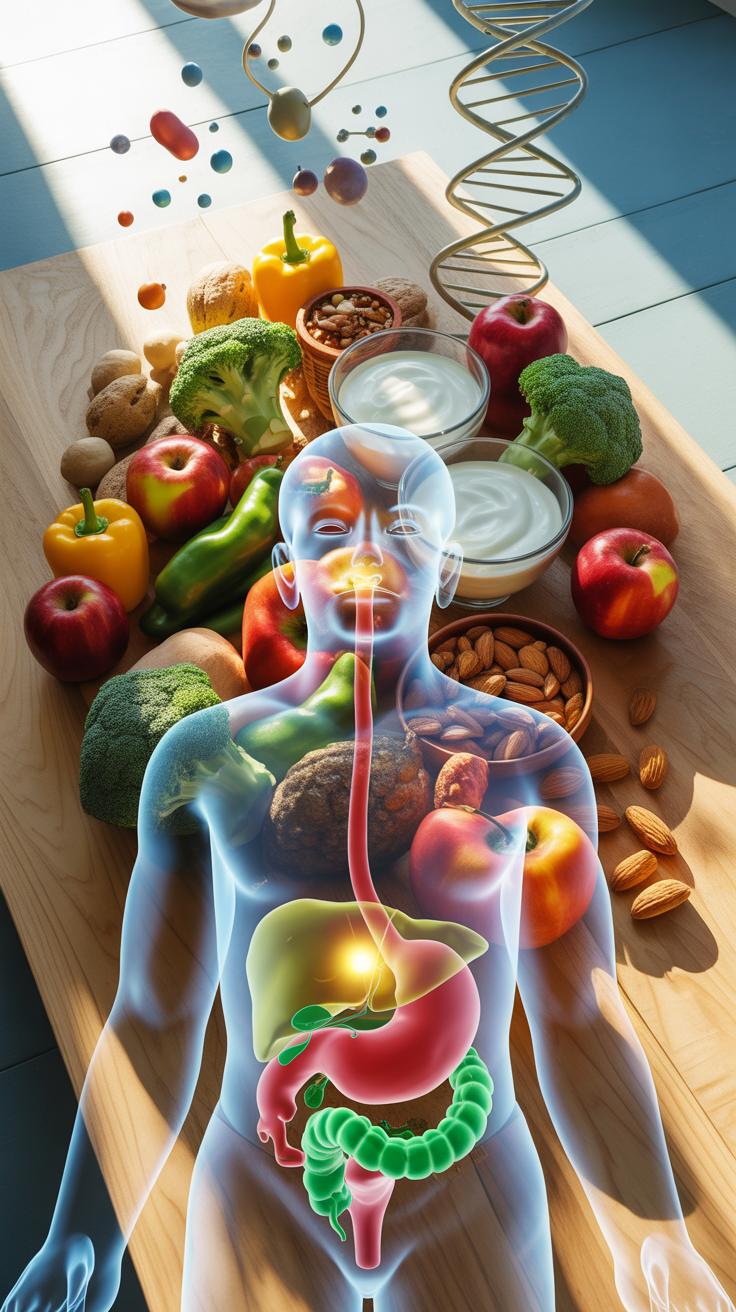
How Fermented Foods Prebiotics And Probiotics Support Gut Healing And Microbiome Restoration
Fermented foods like kimchi and kefir introduce live beneficial bacteria directly into the digestive tract. These organisms compete with pathogens for space and resources. This process lowers intestinal pH levels to prevent harmful overgrowth. Consistent consumption increases microbial diversity. Higher diversity correlates with a stronger immune system and better nutrient absorption. These foods provide a natural way to repopulate the gut environment effectively.
Prebiotics act as essential fuel for your existing beneficial bacteria. These non-digestible fibers bypass the small intestine to reach the colon. Once there, bacteria ferment them into short-chain fatty acids like butyrate. Butyrate heals the gut lining and reduces systemic inflammation. Probiotic supplements offer targeted strains for specific clinical issues. Combining these elements creates a symbiotic environment. This dual approach ensures both survival and growth of good microbes.
Lifestyle Changes Including Sleep Stress Management And Exercise That Strengthen Gut Health
Modern lifestyles often disrupt the delicate balance of the microbiome through high cortisol and poor recovery. Chronic stress increases intestinal permeability by weakening the tight junctions in the gut wall. This allows toxins to enter the bloodstream. Implementing physical movement and regulated rest periods fixes these structural issues. Exercise promotes the growth of species that produce protective metabolites. These habits form the foundation of long-term digestive resilience.
- Circadian Alignment: Maintaining a consistent sleep schedule regulates the internal clocks of gut microbes. Irregular rest disrupts the rhythmic production of digestive enzymes and stomach acid. This leads to poor breakdown of food and bacterial imbalances.
- Resistance Training: Lifting weights or performing bodyweight exercises increases the abundance of health-promoting bacteria. Physical activity improves blood flow to the digestive organs. This helps move waste through the system efficiently and prevents toxic buildup.
- Vagus Nerve Stimulation: Deep breathing and meditation activate the vagus nerve to trigger the rest and digest phase. This signal slows down your heart rate and redirects energy to digestion. It prevents the gut from shutting down during high-pressure situations.
- Hydration Protocols: Drinking adequate water maintains the mucosal lining of the intestines. This mucus layer acts as a physical barrier against harmful pathogens and sharp food particles. Dehydration leads to constipation and shifts the microbial profile toward harmful species.
- Stress Reduction: High cortisol levels directly kill beneficial bacteria and encourage the growth of inflammatory markers. Daily stress management techniques preserve the integrity of the gut barrier. Lowering mental tension results in immediate improvements to digestive comfort and efficiency.
Movement and sleep are not optional for a healthy gut. Regular aerobic exercise increases the production of short-chain fatty acids regardless of diet. These acids protect your colon from disease and inflammation. Quality sleep allows the body to repair the intestinal epithelial layer every night. Without these lifestyle pillars, even a perfect diet fails to produce results. Prioritize these habits to maintain a stable and diverse microbial ecosystem.
When To See A Doctor About Persistent Signs Of Unhealthy Gut Bacteria

Symptoms That Go Beyond Discomfort And May Require Professional Medical Evaluation
Occasional bloating is common but persistent symptoms signal deeper issues. You must track frequency and severity. Rapid weight loss without lifestyle changes indicates a failure in nutrient absorption. Frequent diarrhea or chronic constipation suggests your microbiome is significantly out of balance. These signs often point to gut inflammation. You cannot ignore blood in your stool or severe abdominal cramping. These are red flags for serious conditions.
Chronic fatigue often connects to a damaged gut lining. High levels of inflammation from gut issues can drain your energy daily. Persistent brain fog also results from a poor gut-brain connection. If dietary changes do not fix your skin rashes or joint pain you need a clinical assessment. Doctors check for autoimmune triggers and systemic infections. Do not wait for symptoms to disappear on their own. Early intervention prevents long term damage.
Diagnostic Tools Doctors Use To Assess Gut Microbiome Health And Detect Underlying Conditions
Clinical diagnosis relies on objective data rather than guesswork. Doctors use stool tests to measure bacteria levels and find pathogens. These tests identify specific imbalances in your gut flora. Breath tests help diagnose Small Intestinal Bacterial Overgrowth by measuring gas production levels. Blood tests check for markers of systemic inflammation and nutrient deficiencies. These tools provide a clear map of what is happening inside your digestive tract.
Advanced procedures like endoscopies and colonoscopies allow direct visualization of the gut wall. Doctors look for physical damge like polyps or inflammation in the tissue. They may take biopsies to test for Celiac disease or Inflammatory Bowel Disease. Modern medicine also uses genetic sequencing to profile your unique microbiome. This data helps create a targeted treatment plan. Accurate testing removes the risk of treating the wrong condition through self-diagnosis.
Frequently Asked Questions

How can I tell if my digestive issues are serious?
Many people overlook common symptoms like chronic bloating, gas, or irregular movements, but these are often clear signs of unhealthy gut bacteria. When your microbiome is out of balance, your body struggles to process food efficiently. Paying attention to persistent discomfort is essential, as these indicators suggest that your internal ecosystem needs support through better nutrition and lifestyle adjustments to restore your overall well-being and energy levels.
What are the first steps to take if I suspect an imbalanced gut?
If you notice signs of unhealthy gut function, start by keeping a detailed food and symptom journal. Gradually introduce diverse fiber sources and fermented foods like yogurt or kimchi to nourish beneficial microbes. Reducing highly processed sugars and managing daily stress are also vital practical steps. These small, consistent changes help shift your bacterial landscape, allowing your digestive system to heal naturally while improving your long-term metabolic health.
Can I improve my gut health without buying expensive supplements?
Absolutely! Improving your microbiome is highly accessible through simple dietary shifts. Focus on affordable whole foods like beans, lentils, oats, and seasonal vegetables, which act as natural prebiotics. Prioritizing quality sleep and staying hydrated are completely free ways to support your digestive tract. You don’t need luxury powders or high-end pills to see results; consistent, budget-friendly habits are often the most effective way to foster a thriving, resilient gut.