
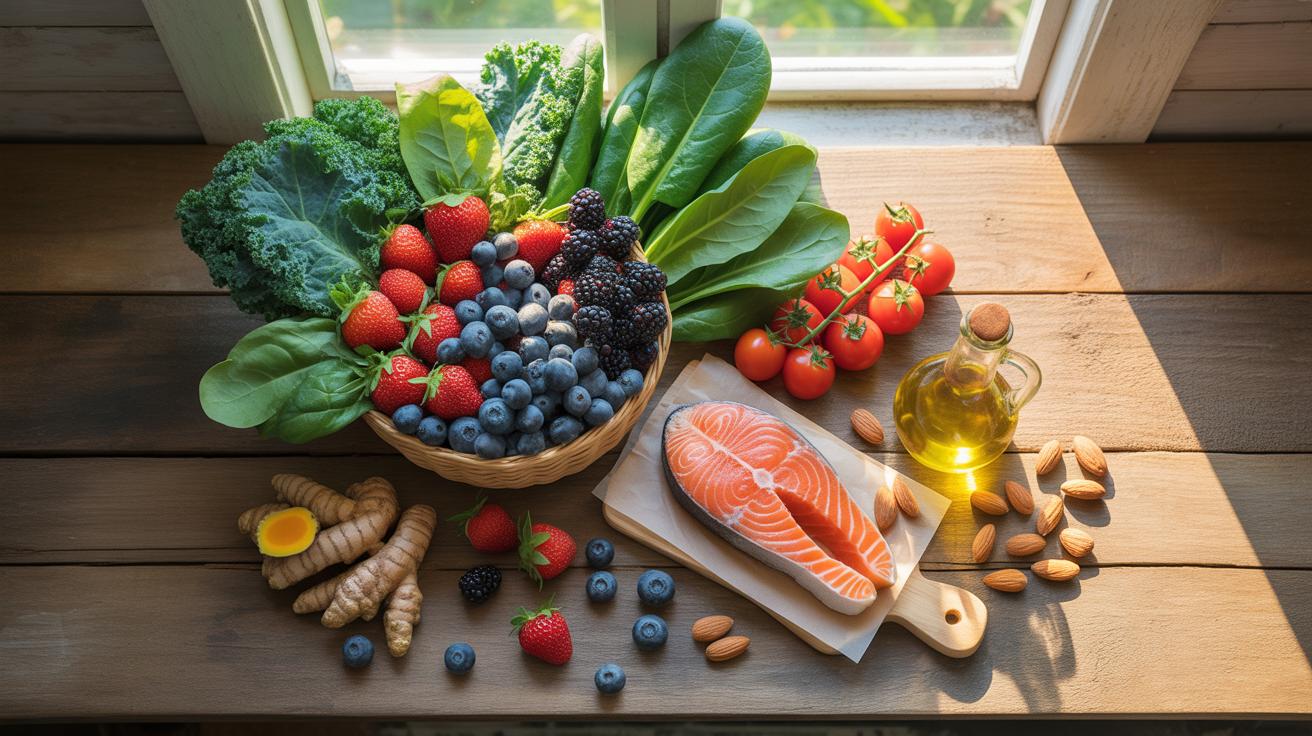
What Are Anti Inflammatory Foods And Why Do They Matter For Your Health
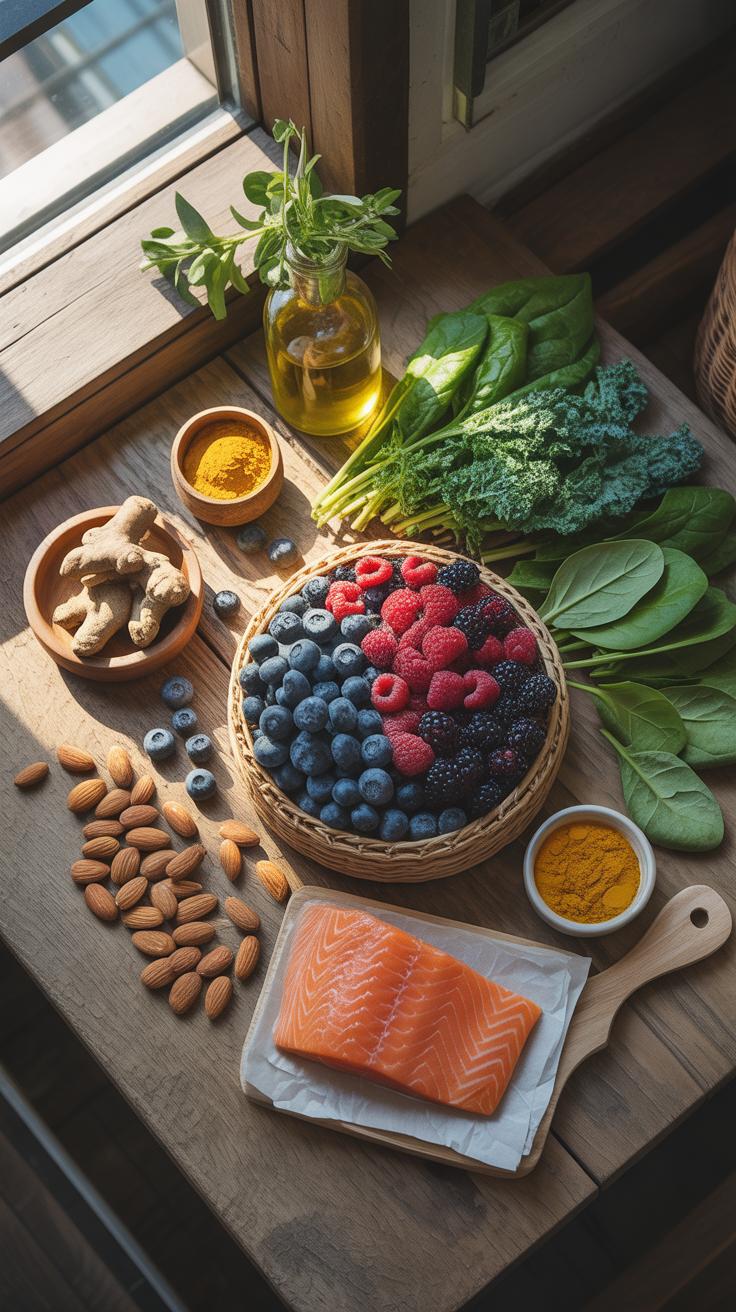
Understanding How Chronic Inflammation Affects The Body
Inflammation is a natural defense mechanism. Short term inflammation helps the body heal from injuries and fight infections. However, chronic inflammation occurs when the immune system stays active without a clear threat. This persistent state damages healthy tissues and cells over time. Doctors link this long term stress to serious conditions like heart disease, diabetes, and certain types of cancer.

Chronic inflammation acts like a silent fire inside the body. It often produces no visible symptoms until major damage occurs. Environmental toxins, high stress, and poor sleep contribute to this state. Modern lifestyles frequently trigger this internal stress response. Reducing systemic inflammation helps protect vital organs and improves overall metabolic function. Controlling this process is essential for maintaining long term physical health and longevity.
How Anti Inflammatory Food Works To Calm The Immune Response
Anti inflammatory foods contain specific bioactive compounds that stop the body from overreacting. These nutrients inhibit the production of pro inflammatory cytokines and enzymes. Phyto-chemicals, antioxidants, and omega-3 fatty acids work at the cellular level. They neutralize free radicals that cause oxidative stress. By eating these foods, you provide the tools your body needs to switch off its inflammatory signaling pathways.

These foods act as natural modulators for your immune system. They help regulate the gut microbiome, which controls a majority of your immune cells. A healthy gut prevents toxins from entering the bloodstream and triggering an immune response. Strategic dietary choices replace inflammatory fats with healthy ones. This shift lowers the concentration of C-reactive protein in the blood. Consistent consumption of these nutrients builds a strong defense against cellular damage.
Fatty Fish One Of The Most Powerful Inflammation Foods You Can Add To Your Diet
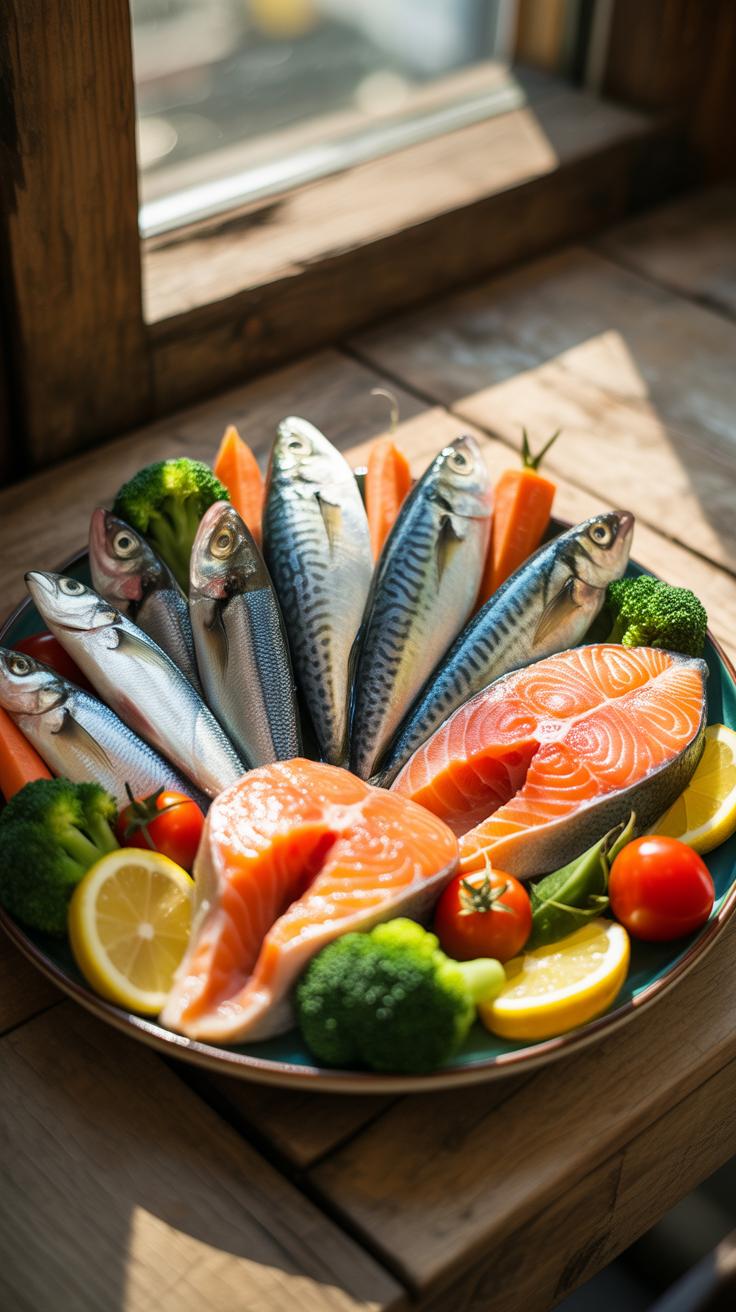
Why Omega 3 Fatty Acids In Salmon And Mackerel Reduce Inflammatory Markers
Fatty fish like salmon and mackerel contain high levels of eicosapentaenoic acid and docosahexaenoic acid. These omega-3 fatty acids interfere with the inflammatory process. They inhibit the production of substances that cause inflammation in the body. These substances include pro-inflammatory cytokines and enzymes like cyclooxygenase. Reducing these markers prevents chronic tissue damage and lowers the risk of developing several metabolic diseases.
Your body converts these fatty acids into signaling molecules called resolvins and protectins. These molecules actively switch off inflammatory responses. They help the body return to a stable state after an injury or infection. Regular consumption of these fats lowers C-reactive protein levels in the blood. This protein serves as a primary marker for systemic inflammation. Blocking these pathways at a cellular level provides a strong defense against chronic swelling.
How Often You Should Eat Fatty Fish For Maximum Anti Inflammation Benefits
Medical experts recommend eating fatty fish at least twice per week to achieve measurable results. This frequency provides a steady supply of essential fats to your cells. Each serving should be approximately three to four ounces. Consistent intake ensures that your cell membranes maintain a healthy balance of fatty acids. This balance is critical for managing your internal inflammatory environment and supporting overall cardiovascular health.
Varying your fish choices helps you avoid excessive mercury exposure while maximizing nutrient density. Focus on wild-caught salmon, herring, sardines, and anchovies. These smaller fish often contain higher omega-3 concentrations and fewer contaminants. If you cannot eat fish, high-quality fish oil supplements offer a viable alternative. However, whole food sources provide additional nutrients like vitamin D and selenium. These minerals further support your immune system and reduce oxidative stress.
Berries And Dark Fruits NatureS Sweetest Anti Inflammation Recipes Ingredient
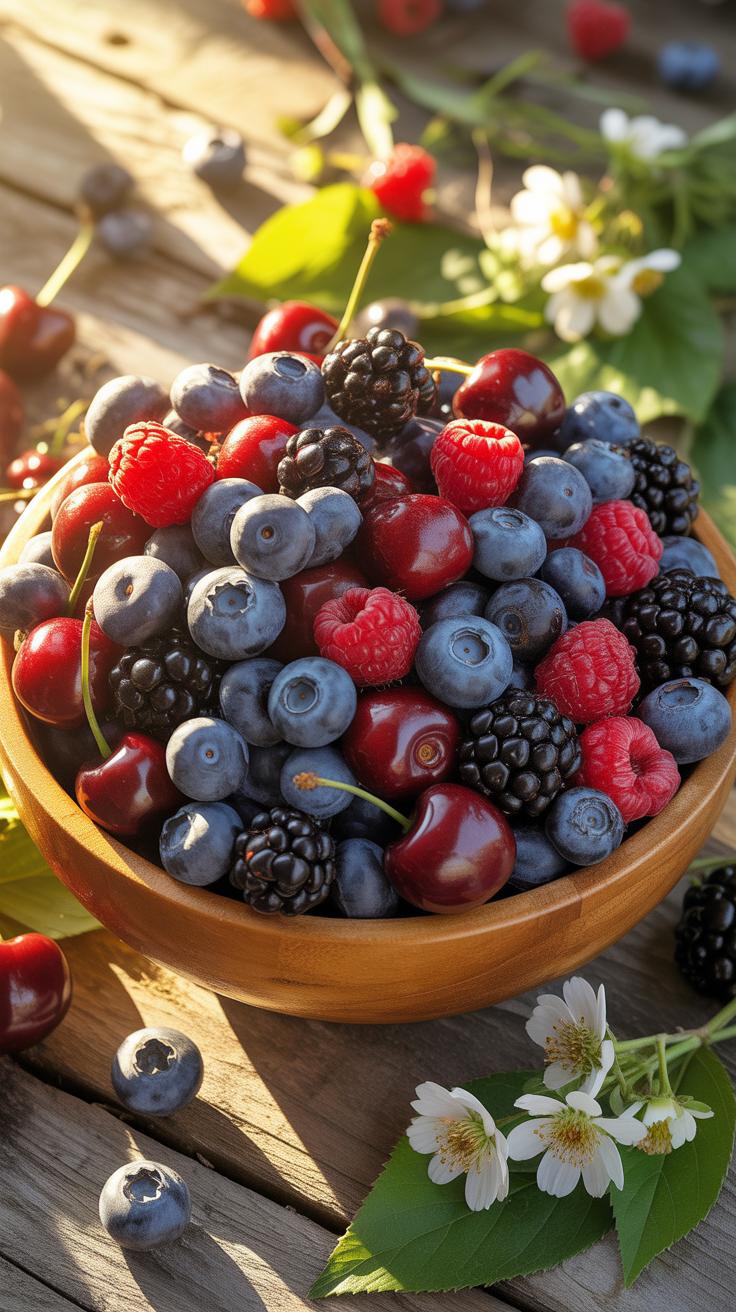
The Role Of Anthocyanins In Blueberries, Cherries, And Strawberries
Berries contain high levels of anthocyanins. These compounds give fruits their red, blue, and purple colors. They function as potent antioxidants in the human body. Anthocyanins reduce the production of pro-inflammatory molecules. They help block signals that cause chronic swelling in tissues. This process protects your cells from oxidative stress. Consuming these fruits daily provides a consistent defense against cellular damage.
Scientific studies show that anthocyanins improve immune system function. They increase the activity of natural killer cells. These cells target and eliminate damaged or infected cells. Regular intake helps lower specific blood markers of inflammation like C-reactive protein. Blueberries and tart cherries show the strongest results in clinical trials. They assist in muscle recovery and joint pain reduction. Stick to these fruits to maintain low systemic inflammation.
Simple Anti Inflammation Meal Ideas Using Berries You Can Prepare Daily
Add one cup of fresh berries to your morning meal. Mix blueberries or sliced strawberries into plain Greek yogurt or steel-cut oatmeal. Avoid flavored yogurts that contain processed sugars. Sugar triggers inflammation and cancels out the benefits of the fruit. This simple addition provides a high dose of fiber and antioxidants. It takes less than two minutes to prepare. This habit ensures a healthy start.
Use frozen berries for efficient meal prep. Blend frozen mixed berries with spinach and water for a quick nutrient boost. You can also toss blackberries into a green salad for lunch. Combine them with walnuts and olive oil to increase nutrient absorption. These healthy fats help your body process the fat-soluble vitamins found in the fruit. Consistent daily consumption is the most effective strategy for lasting results.
Leafy Greens Essential Anti Inflamatory Food Choices Backed By Science

Why Spinach, Kale, And Swiss Chard Are Among The Top Inflammation Foods To Eat
Spinach and kale contain massive amounts of antioxidants. These compounds neutralize free radicals before they damage your cells. Chronic inflammation starts when cellular damage goes unchecked. Eating these greens daily provides a steady supply of protective agents. They work immediately to lower oxidative stress levels. You get high density nutrition without excess calories or sugar.
Swiss chard offers unique phytonutrients called betalains. These pigments reduce inflammatory enzymes in the body. Most people do not eat enough bitter greens to see results. Consistently adding these items to your plate creates a baseline of defense. They support gut health which is the root of most systemic inflammation. Research shows regular consumption lowers markers like C-reactive protein.
Let food be thy medicine and medicine be thy food. Nature provides all we need to heal from within.
Key Nutrients In Leafy Greens That Actively Fight Inflammatory Pathways
Vitamin K is the primary driver in these plants. It regulates your inflammatory response by inhibiting specific metabolic markers. Most adults are deficient in this fat-soluble vitamin. Without it, the body cannot control calcium deposits in soft tissues. This leads to chronic swelling and arterial stiffness over time. Leafy greens provide the most bioavailable form of this essential nutrient.
Alpha-linolenic acid is an plant based omega-3 fatty acid found in kale. This fat blocks the production of pro-inflammatory cytokines. Chlorophyll also plays a tactical role by binding to toxins. Magnesium in spinach relaxes blood vessels and improves circulation. Better blood flow removes waste products from inflamed joints. These nutrients work together to shut down overactive immune responses quickly.
Turmeric And Ginger The Golden Spices Of Every Inflammation Diet Recipes Collection
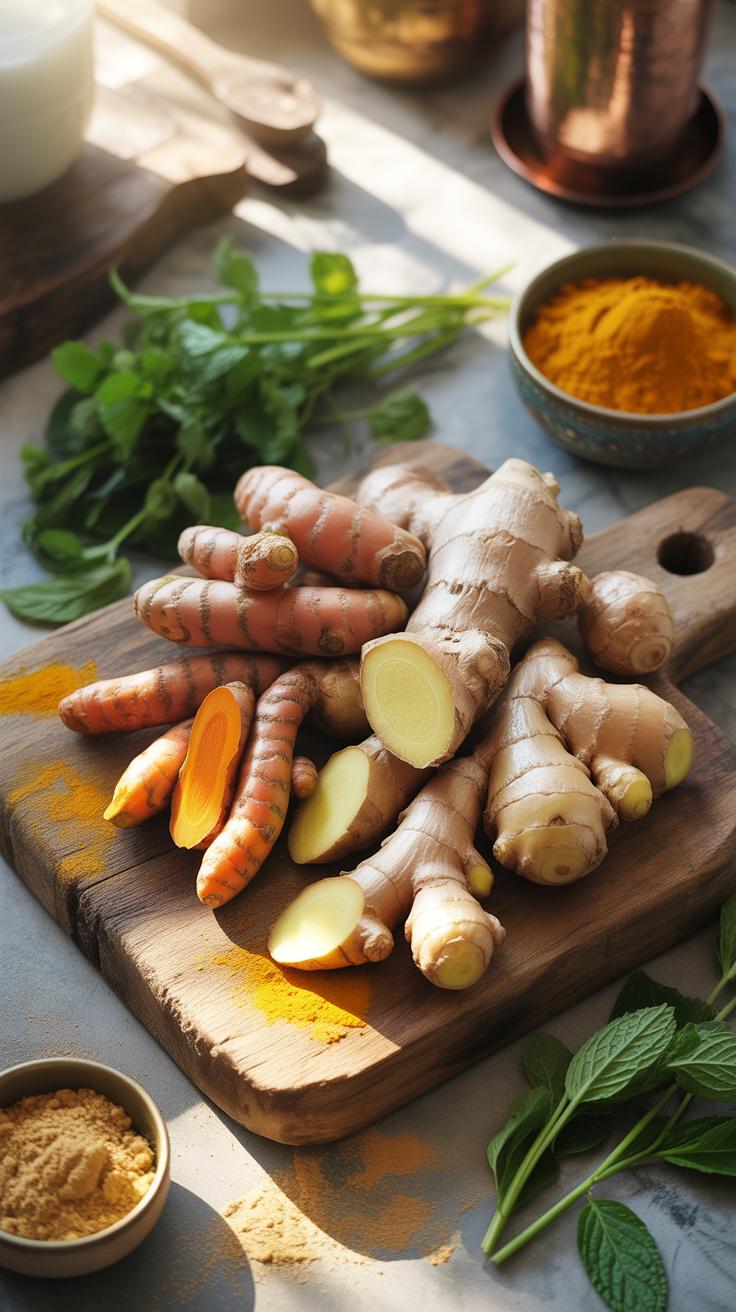
How Curcumin In Turmeric Inhibits Key Inflammatory Molecules Like NF KB
Curcumin is the primary bioactive compound in turmeric. It targets the NF-kB molecule. This protein complex acts as a main switch for inflammation in your body. It enters the nuclei of your cells and turns on genes related to chronic swelling. Curcumin blocks this path directly. It stops the signal before it can trigger systemic damage. This mechanism makes turmeric a powerful tool.
You must combine turmeric with black pepper. Pepper contains piperine. Without piperine, your body cannot absorb curcumin effectively. Modern studies show piperine increases absorption by two thousand percent. This ensures the spice moves from the gut to the bloodstream. Once there, it reduces markers like C-reactive protein. This chemical process is why turmeric is a staple in every strategic anti inflammatory diet.
Using Turmeric And Ginger Together In An Inflammation Soup For Daily Benefit
Pairing turmeric with ginger creates a potent biological synergy. Ginger contains gingerols and shogaols. These compounds block the chemical pathways of cyclooxygenase and lipoxygenase enzymes. These enzymes create prostaglandins that cause pain and heat. Combining these two roots in a daily soup maximizes their impact. The soup format allows the body to digest the nutrients quickly and eases the gastric system.
Heat and fats improve the bioavailability of these spices. Use a bone broth or coconut milk base for your soup. The lipids help transport the active compounds through the intestinal wall. Adding fresh ginger and grated turmeric at the end of the cooking process preserves the heat-sensitive antioxidants. Consistent daily intake is the only way to see results. Plan your meal prep to include these spices every single day.
Olive Oil Nuts And Seeds Healthy Fats That Support A True Anti Inflammation Lifestyle
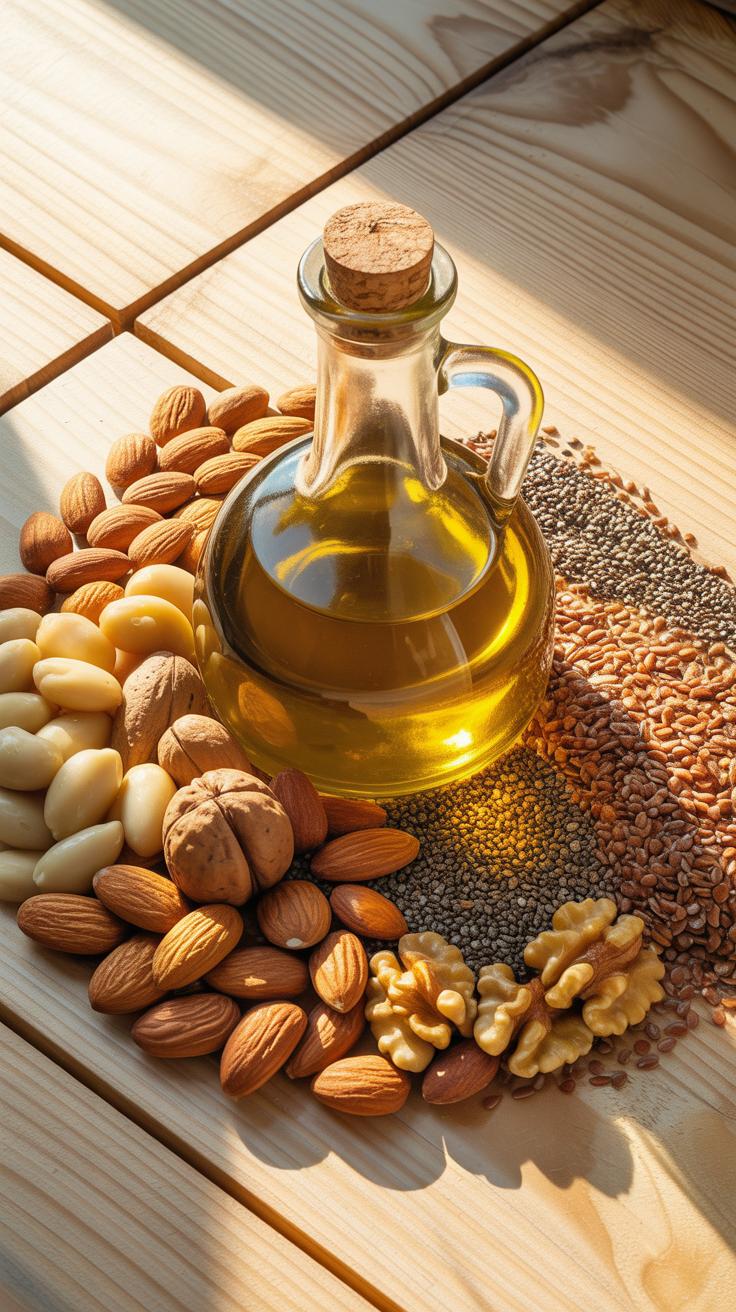
Why Extra Virgin Olive Oil Is A Cornerstone Of The Mediterranean Anti Inflammation Diet
Extra virgin olive oil contains oleocanthal. This phenolic compound works like liquid ibuprofen. It inhibits pro-inflammatory enzymes in the body. You must use cold-pressed oil to get these benefits. Heat destroys the vital chemical structures. High-quality oil reduces markers like C-reactive protein. It protects your blood vessels from oxidative stress. This keeps your cardiovascular system clear and functional over time.
Quality matters more than price. Look for dark glass bottles to prevent light damage. Check the harvest date on the label. Fresh oil has the highest polyphenol count. Use it as a raw finishing oil on vegetables or proteins. This ensures you absorb the maximum amount of vitamin E and K. These fat-soluble nutrients further suppress systemic inflammation. Consistency is the key to seeing results.
Best Nuts And Seeds To Include In Your Daily Anti Inflammation Recipes
Nuts and seeds provide essential fatty acids that the body cannot produce. Walnuts and flaxseeds contain high levels of alpha-linolenic acid. This plant-based omega-3 fatty acid fights cellular inflammation. These foods also offer fiber and magnesium. Most people lack these nutrients in a standard diet. Adding them to meals lowers the glycemic index. This prevents insulin spikes that trigger inflammatory responses.
- Walnuts: These nuts contain the highest concentration of omega-3 fatty acids among all common nut varieties. They specifically target neuroinflammation and support brain health. Eat them raw to preserve their fragile oils and prevent rancidity from high heat exposure.
- Chia Seeds: These seeds are fiber powerhouses that stabilize blood sugar levels quickly. They contain quercetin, an antioxidant that inhibits the production of inflammatory cytokines. Soak them in liquid to improve digestion and nutrient absorption during the metabolic process.
- Pumpkin Seeds: These provide a significant dose of zinc and magnesium. These minerals regulate the immune system and reduce chronic swelling in joints. They also contain phytosterols which help balance cholesterol levels and improve overall vascular health in the body.
- Flaxseeds: You must grind these seeds to access their anti-inflammatory lignans and fats. They are the best source of plant-based omega-3s for reducing systemic redness and irritation. Keep them in the refrigerator to stop the oils from oxidizing and losing potency.
- Almonds: These are rich in vitamin E and monounsaturated fats. This combination protects cells from oxidative damage caused by smog or poor diet. Regular consumption correlates with lower levels of interleukin-6, a known sign of inflammation in the human bloodstream.
Portion control is vital because these foods are calorie-dense. Aim for one ounce per day to get the benefits without gaining weight. Avoid roasted or salted versions sold in stores. High heat used in commercial roasting damages the healthy fats. Excess salt causes water retention and increases blood pressure. Buy them raw and store them in a cool, dark place to maintain their chemical integrity.
Inflammatory Foods To Avoid While Building Your Anti Inflammatory Food Plan

Processed Foods, Refined Sugars, And Trans Fats That Trigger Chronic Inflammation
Processed foods often contain high levels of refined sugar and artificial trans fats. These ingredients trigger the release of pro-inflammatory cytokines in the body. Chronic intake of high-fructose corn syrup leads to increased intestinal permeability. This condition allows toxins to enter the bloodstream and provoke an immune response. You must eliminate these items to lower your systemic inflammation markers immediately.
Refined carbohydrates like white bread and pastries cause rapid spikes in blood glucose and insulin. Frequent glucose fluctuations damage the lining of your blood vessels and promote oxidative stress. Vegetable oils high in omega-6 fatty acids can also disrupt your natural inflammatory balance when consumed in excess. Removing these processed oils reduces the production of inflammatory prostaglandins. Stick to whole ingredients to stabilize your internal chemistry.
How To Swap Inflammatory Foods For Healthier Alternatives In Everyday Meals
Transitioning to an anti-inflammatory diet requires replacing high-risk ingredients with nutrient-dense substitutes. You do not need to sacrifice volume or flavor during this process. Focus on replacing refined grains and industrial seed oils with fats and fibers that support gut health. Tactical swaps reduce the metabolic load on your liver and immune system. Use the following replacements to optimize your daily nutrition plan.
- Extra Virgin Olive Oil: Replace soybean or corn oil with cold-pressed olive oil. It contain oleocanthal which mimics the effect of anti-inflammatory drugs. High-quality olive oil provides monounsaturated fats that protect your heart and reduce arterial swelling effectively.
- Leafy Greens: Swap iceberg lettuce for spinach or kale in salads and sandwiches. Dark leafy greens are rich in antioxidants and polyphenols that neutralize free radicals. These vegetables provide essential fiber that feeds beneficial gut bacteria to lower overall body inflammation.
- Berries: Exchange sugary desserts for fresh blueberries or raspberries. Berries contain anthocyanins which are powerful compounds that reduce inflammation and boost immunity. They provide natural sweetness without causing the dangerous insulin spikes associated with processed white sugar or high-fructose corn syrup.
- Fatty Fish: Substitute red meat or processed deli meats with salmon or sardines. These fish are excellent sources of omega-3 fatty acids like EPA and DHA. Omega-3s actively inhibit the production of substances that cause joint pain and vascular inflammation.
- Whole Grains: Replace white rice and pasta with quinoa or buckwheat. These ancient grains have a lower glycemic index and contain more minerals than refined wheat. They provide sustained energy and prevent the inflammatory response triggered by sudden surges in blood sugar levels.
Consistent execution of these swaps builds a foundation for long-term health. Monitor your body for reduced joint stiffness and improved energy levels after making these changes. Avoid the temptation to use “low-fat” processed alternatives as they often contain hidden sugars. Prioritize single-ingredient foods to ensure you are not consuming hidden inflammatory triggers. Clean eating is a tactical requirement for managing chronic systemic inflammation.
How To Build A Sustainable Daily Routine Around Anti Inflammatory Food And Meal Planning

Structuring A Weekly Anti Inflammation Meal Ideas Plan For Consistent Results
Successful anti inflammatory eating requires a repeatable system. You must plan your meals around whole food sources. Focus on fatty fish, leafy greens, and berries as your base. Batch cooking proteins and grains on Sundays reduces decision fatigue mid-week. Use high-quality olive oil as your primary fat source. This structured approach prevents you from choosing processed convenience foods when you are tired.
Organize your kitchen to prioritize accessibility of healthy ingredients. Keep pre-cut vegetables and washed berries at eye level in the refrigerator. Use clear containers to track your supply of nuts and seeds. Consistency beats intensity in reducing systemic markers of inflammation. A rigid schedule helps maintain stable blood sugar levels. This stability prevents the inflammatory spikes associated with high glycemic index meal choices and sugary snacks.
Lifestyle Habits That Complement Your Inflammation Diet Recipes For Long Term Wellness
Diet alone cannot solve chronic inflammation if your lifestyle remains chaotic. Prioritize seven to nine hours of quality sleep every night. Sleep deprivation increases inflammatory cytokines in the bloodstream. Manage stress through physical activity or tactical breathing. High cortisol levels trigger inflammatory responses that negate the benefits of a clean diet. Move your body daily to improve circulation and promote natural cellular repair.
Hydration is a non-negotiable component of an anti inflammatory protocol. Drink filtered water throughout the day to flush toxins and support kidney function. Avoid excessive alcohol consumption as it damages the gut lining and triggers systemic swelling. Limit exposure to environmental toxins found in tobacco smoke and heavy pollutants. Pairing these habits with nutrient-dense foods creates a synergistic effect. This total strategy ensures long-term health and reduces disease risk.
Frequently Asked Questions

What are anti-inflammatory foods and how do they help my body?
Anti-inflammatory foods are nutrient-dense ingredients that help neutralize oxidative stress and reduce chronic inflammation within your body. By regularly consuming items like leafy greens, fatty fish, and berries, you can help lower your risk of chronic diseases and improve your overall energy levels. Incorporating these specific foods into your daily routine supports a healthy immune system and protects your cells from long-term damage caused by processed sugar and unhealthy fats.
How can I easily incorporate more anti-inflammatory foods into my daily meals?
A practical way to start is by swapping refined snacks for whole alternatives. You can easily add anti-inflammatory foods to your diet by stirring a teaspoon of turmeric into your morning oatmeal, tossing a handful of spinach into a fruit smoothie, or snacking on raw walnuts. Focus on adding a colorful variety of vegetables to every dinner plate to ensure you are getting a wide spectrum of health-boosting antioxidants and minerals.
Can I eat an anti-inflammatory diet if I am on a tight budget?
Absolutely! You do not need expensive “superfoods” to see results. Budget-friendly options like dried beans, lentils, frozen berries, and canned sardines are excellent anti-inflammatory foods that provide the same health benefits as their pricier counterparts. Buying seasonal produce and purchasing pantry staples like brown rice or oats in bulk can also help you maintain a nutrient-rich, healing diet without overspending on your weekly grocery bill.