
The Building Blocks Of Healthy Meals And Snacks For Kids
Why Nutrition Balance Matters In Every Snack You Serve
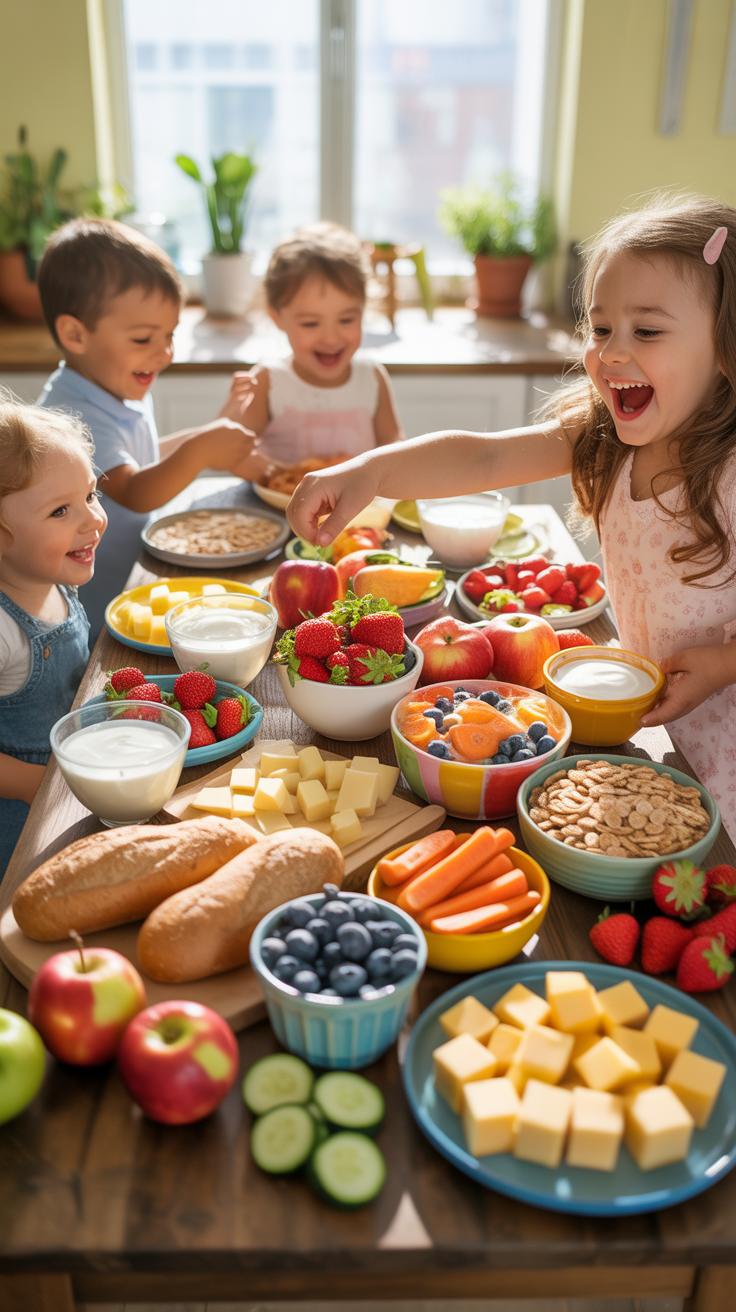
Balanced snacks stabilize blood sugar levels and prevent energy crashes. You must combine macronutrients to ensure satiety and sustained focus. A snack containing only simple carbohydrates digests too quickly. This leads to a spike in insulin and a subsequent drop in mood. Pairing carbohydrates with protein or healthy fats slows digestion. This strategy keeps kids full until the next scheduled meal time.
Nutrient density is the primary goal for developing bodies. Every bite should provide vitamins and minerals essential for bone growth and brain function. Avoid empty calories found in processed flour and refined sugar. These ingredients offer no long term physiological value. Focus on whole foods to support immune health and physical development. Consistent nutritional quality establishes lifelong eating habits and reduces the risk of chronic health issues.
How To Match Snack Portions To Your Child’S Age And Energy Needs
Portion sizes must align with a child’s stomach capacity and activity level. Toddlers require smaller, more frequent offerings than school aged children. Use the palm of the child’s hand as a visual guide for serving sizes. Overloading a plate leads to food waste or overeating. Adjust caloric intake based on daily movement. An active athlete needs more fuel than a child during a sedentary day.
Monitor hunger cues rather than forcing a clean plate. Children possess a natural ability to self regulate their energy needs. Your job is to provide the quality while they decide the quantity. Distinguish between emotional boredom and actual physical hunger. Serve snacks at consistent times to regulate the metabolic rate. Proper timing prevents grazing and ensures the child is hungry for dinner. This tactical approach optimizes nutrient absorption throughout the day.
The Real Benefits Of Choosing Homemade Snacks Over Store Bought
What Research Says About Processed Snacks And Childrens Health
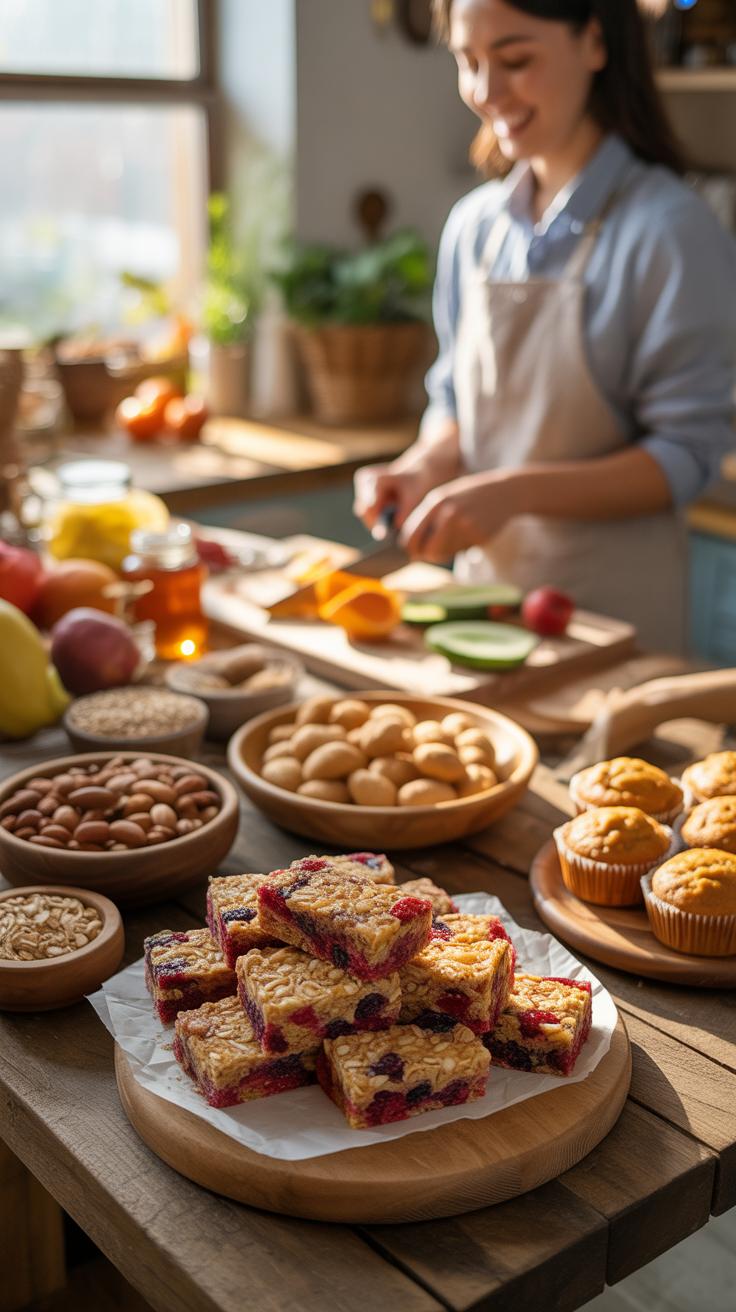
Ultra-processed snacks often contain high levels of added sodium and refined sugars. Research links these ingredients to childhood obesity and metabolic issues. Most store-bought options use synthetic dyes and artificial preservatives to extend shelf life. These additives provide zero nutritional value and can affect concentration levels. Choosing whole foods reduces the chemical load on a child’s developing body and supports long-term health.
Industrial food processing strips away natural fiber and essential micronutrients. Manufacturers often replace these lost nutrients with synthetic vitamins, but the body absorbs whole food nutrients more effectively. High glycemic index snacks cause rapid blood sugar spikes followed by energy crashes. This cycle triggers irritability and hunger. Scientific evidence proves that snacks rich in protein and fiber stabilize blood sugar and improve cognitive performance throughout the day.
Simple Pantry Staples To Always Have Ready For Homemade Snack Prep
Strategic snack preparation requires a foundation of versatile ingredients that do not spoil quickly. Keeping the right staples on hand eliminates the need for impulse buys at the grocery store. High-quality fats and complex carbohydrates provide the sustained energy kids need for physical activity. Focus your inventory on items that allow for quick assembly without requiring complex cooking techniques or specialized kitchen equipment.
- Raw Nuts And Seeds: Almonds, walnuts, and pumpkin seeds offer essential fatty acids and protein. Store them in airtight containers to prevent rancidity. These provide a crunch that mimics processed chips without the inflammatory seed oils and excessive salt found in commercial bags.
- Rolled Oats: This whole grain serves as the primary binder for energy bites and homemade granola bars. Oats contain beta-glucan fiber which supports heart health and keeps children full longer. They are inexpensive and have a shelf life of up to two years when kept dry.
- Nut Butters: Natural peanut or almond butter contains only nuts and salt. These spreads provide healthy fats that satisfy hunger quickly. Avoid brands with added palm oil or sugar. Use them as a dip for fruit or a protein boost in various snack recipes.
- Dried Legumes: Chickpeas and lentils are shelf-stable protein sources that transition well into snacks. Roasting chickpeas creates a portable, high-fiber alternative to crackers. They are nutrient-dense and provide significant amounts of iron and magnesium which are crucial for growth and bone development.
- Unsweetened Dried Fruits: Raisins, dates, and apricots provide natural sweetness without refined corn syrup. They act as an excellent source of potassium and quick energy. Ensure the ingredients list does not include sulfur dioxide or added sugars to keep the nutritional profile clean and safe.
Organize your pantry by grouping these staples into accessible bins for faster prep sessions. Spend one hour each week portioning these ingredients into reusable containers. Prepared snacks reduce the likelihood of choosing low-quality convenience foods during busy afternoons. Having these items ready allows parents to control every ingredient. This control ensures that healthy snacks for kids remain a consistent part of the family diet.
Smart Prep Strategies For Everyday Kids Snacks

How Batch Prepping On Weekends Saves You Time During The Week
Batch prepping eliminates the daily mental load of choosing healthy snacks for kids. You shift from reactive cooking to proactive assembly. Dedicating two hours on Sunday reduces your weekday kitchen time by sixty percent. This strategy ensures you always have high-protein options available when schedules get tight. You avoid the trap of reaching for processed convenience foods because the work is already done.
Prepping ahead allows for bulk purchasing and focused labor. You can wash, peel, and chop large quantities of produce in one session. This efficiency minimizes cleanup because you only dirty your tools and surfaces once. Portioning these items into individual containers creates a grab-and-go system. Your children can access these snacks independently. This autonomy saves you from constant interruptions throughout the busy work week.
Safe Storage Tips To Keep Pre Prepped Snacks Fresh And Ready
Proper storage prevents food waste and maintains nutritional integrity. Use airtight glass or BPA-free plastic containers to block oxygen. Oxygen causes rapid oxidation in cut fruits and vegetables. For leafy greens and berries, add a dry paper towel to the container. This towel absorbs excess moisture and stops premature molding. Keep your refrigerator temperature at or below forty degrees Fahrenheit for safety.
Organization determines if your prepped snacks actually get eaten. Group similar items together on a dedicated shelf at the eye level of your child. Label every container with the date of preparation. Use the first-in, first-out method to ensure older items disappear before newer batches. Hard-boiled eggs and cut melons require strict climate control. Rotating your stock twice weekly prevents spoilage and maintains a high flavor profile.
Best Afternoon Snacks For Kids That Are Ready In Minutes
Why After School Hunger Is Real And How To Plan Around It
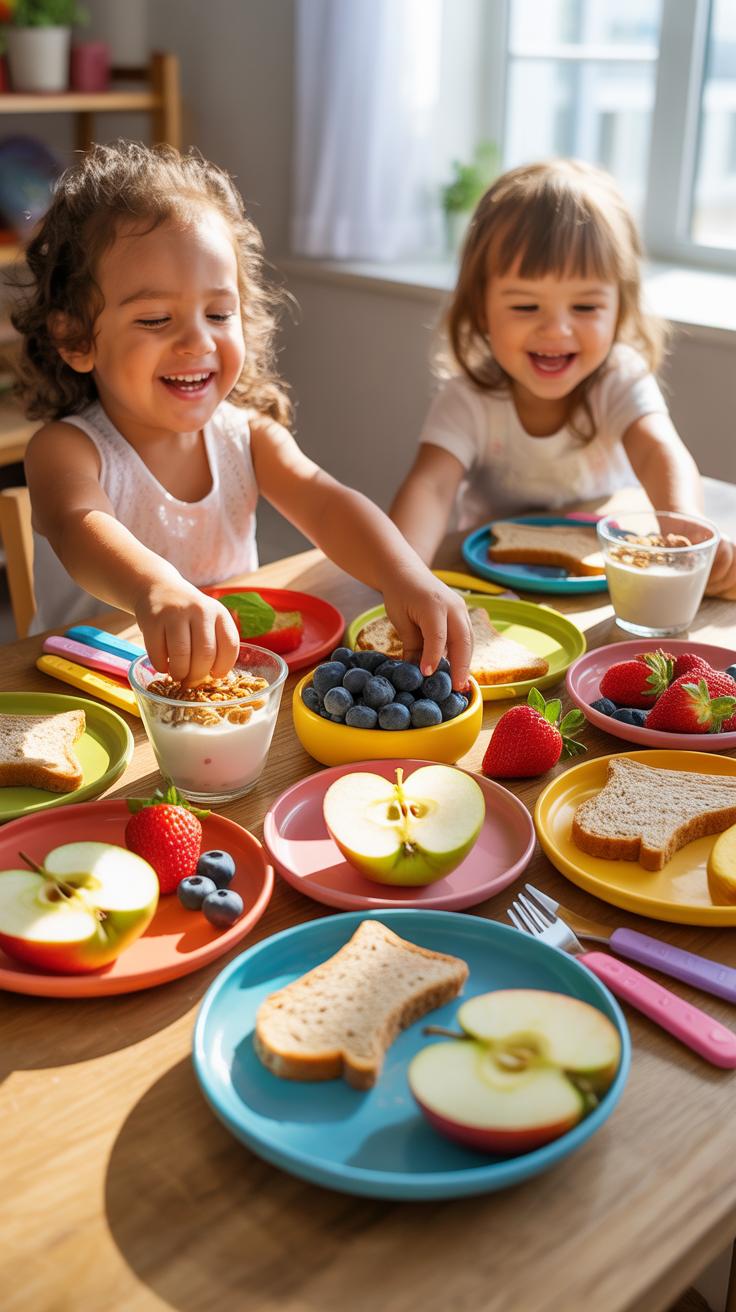
Blood sugar drops rapidly after a school day. Children exert significant physical and mental energy in the classroom. By mid-afternoon, their bodies require immediate fuel to stabilize glucose levels. This spike in hunger often leads to irritability or poor focus. Parents must anticipate this biological dip to prevent meltdowns. Strategic timing ensures kids remain calm and cooperative until the evening meal.
Prep snacks before the school day ends to save time. Reach for whole foods that require minimal assembly. Having a dedicated snack drawer in the fridge reduces decision fatigue for parents. Use clear containers so kids can see their options quickly. This system promotes independence and stops kids from grabbing processed junk food. Planning ahead turns a stressful transition into a controlled routine for the family.
Protein And Fiber Combos That Keep Kids Full Until Dinner
Protein and fiber work together to slow digestion. Fiber adds bulk to the stomach and promotes digestive health. Protein triggers hormones that signal fullness to the brain. Combined, these nutrients prevent the sugar crashes common with crackers or fruit juice alone. Serve Greek yogurt with berries or apple slices with nut butter. These pairings provide steady energy for homework or sports.
Focus on portable and durable ingredients for those on the go. Hard-boiled eggs and edamame stay fresh in a cooler bag. Hummus paired with raw carrots provides a crunch that satisfies oral sensory needs. Avoid snacks with added sugars that cause energy spikes and subsequent crashes. Strategic pairings ensure children eat less over time by staying satisfied longer. This approach protects the appetite for a nutritious dinner.
Packing Healthy Snacks For Toddlers On The Go Without The Hassle
Snack Safety Considerations For Toddlers Including Choking Hazards
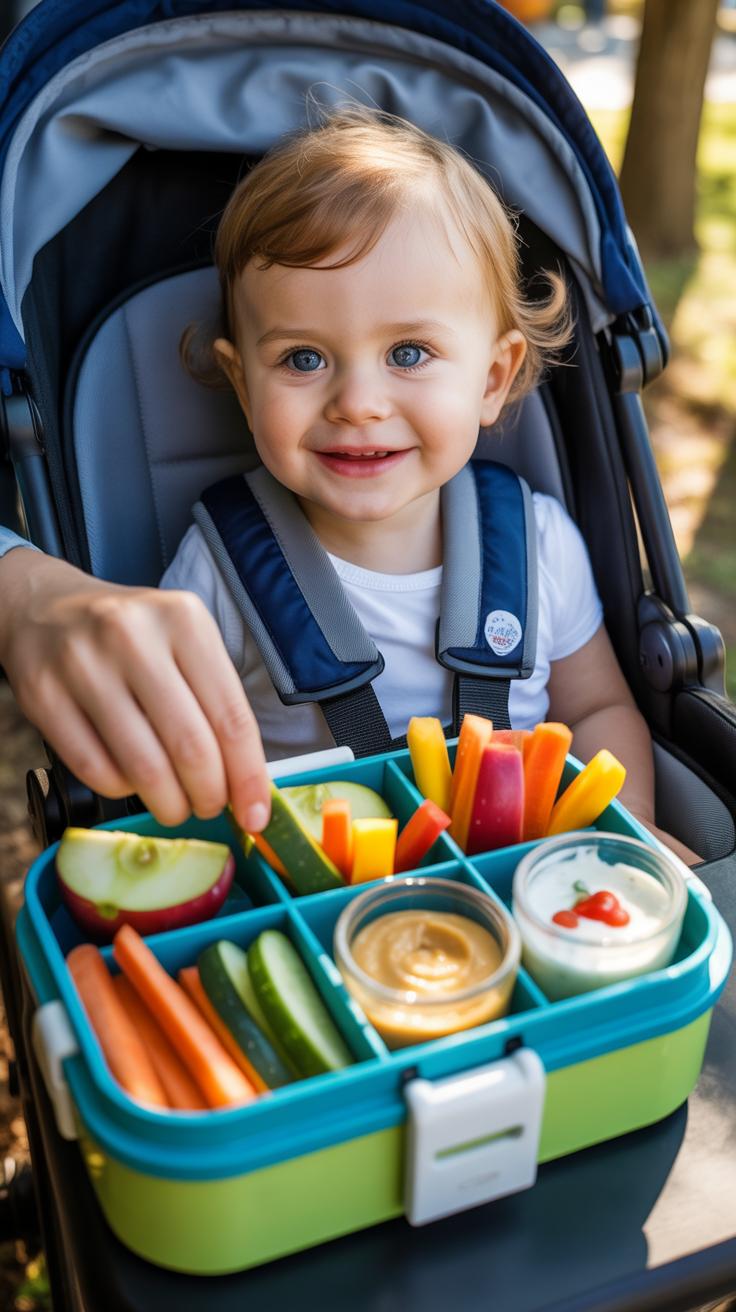
Safety dictates every choice when prepping healthy snacks for kids in this age group. Toddlers possess narrow airways and developing chewing skills. You must avoid hard, round, or sticky foods that can block the throat. Always cut grapes and cherry tomatoes lengthwise into thin quarters rather than rounds. Raw carrots and apples require steaming or grating to soften their rigid structure before serving.
Supervision is the most critical tactical element of toddler feeding. Never allow a child to eat while running, reclining, or riding in a moving vehicle. Sharp turns or sudden stops can cause immediate inhalation of food particles. Maintain a seated position and ensure the child remains upright during the entire snack period. This habit reduces the risk of aspiration and promotes focused eating.
Mess Free Portable Snack Ideas That Toddlers Actually Enjoy
Portability requires snacks that leave zero residues on car seats or clothing. Dry, puffed grains and low-sugar cereals offer easy handling for small fingers. These options provide necessary carbohydrates without the stickiness found in fruit leathers or gummies. Choose items that dissolve quickly in the mouth to help prevent gagging. This strategy keeps the environment clean and ensures the child stays fed during transit.
Squeeze pouches filled with vegetable purees provide a controlled delivery system for nutrients. These containers prevent spills and do not require utensils. Select pouches that blend leafy greens with root vegetables to balance sugar levels. Pre-portioning hard-boiled eggs or cubed cheese in airtight containers also works well for mobile nutrition. These proteins stay stable for short trips and offer high satiety to prevent mid-day meltdowns.
Healthy Recipes That Kids Like And Parents Feel Good About
How To Involve Kids In Snack Prep To Build Healthy Eating Habits
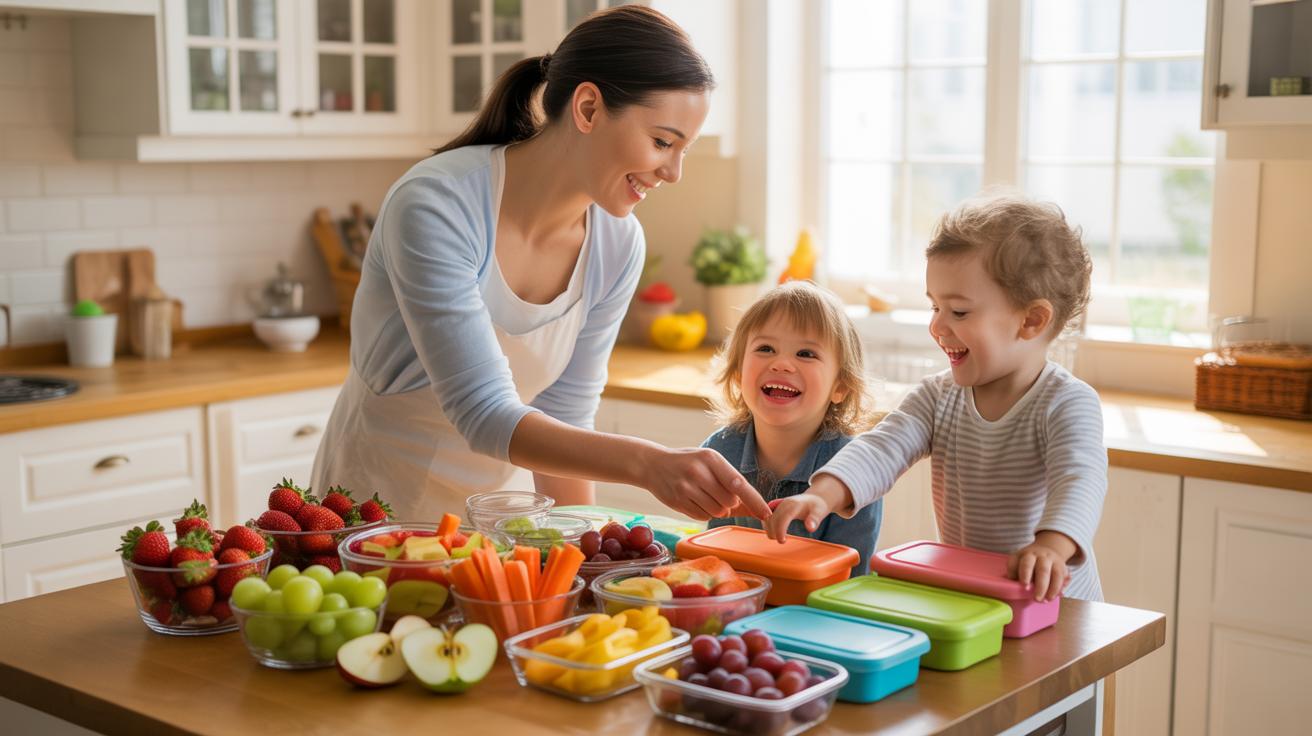
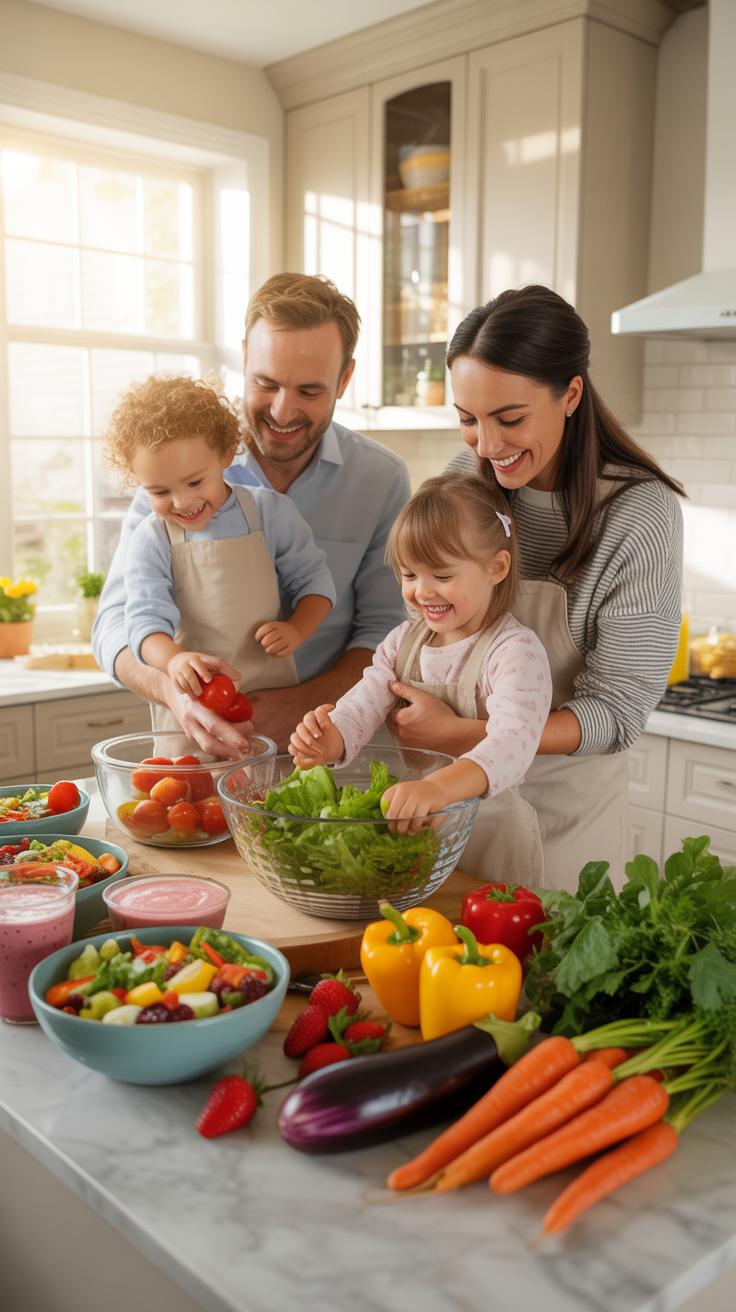
Involving children in food preparation increases their willingness to try new items. This tactical approach reduces mealtime power struggles and builds culinary confidence. Start by giving children specific Age-appropriate tasks like washing vegetables or stirring dips. When kids touch and smell ingredients during prep, they develop a sensory familiarity that lowers their natural fear of unfamiliar flavors. This process builds essential life skills early.
Exposure to raw ingredients helps children understand where their food comes from. Use the preparation time to explain the texture and color of produce. Assigning a child the role of taste tester gives them a sense of ownership over the final product. This strategy shifts the focus from eating a required snack to creating a shared meal. Consistent participation in the kitchen leads to better long-term dietary choices and habits.
Easy Dips And Spreads That Turn Simple Ingredients Into Fun Snacks
Dips serve as a delivery vehicle for nutrient-dense vegetables and whole grains. They improve the palatability of raw items that children might otherwise reject. Use Greek yogurt as a high-protein base for savory or sweet spreads. It provides a creamy texture without the high saturated fat found in traditional mayonnaise. Pureed chickpeas or white beans offer a stable fiber source and keep kids full between larger meals.
Nut and seed butters provide essential fats and proteins when paired with fruit slices. Ensure these spreads contain no added sugars or hydrogenated oils to maximize health benefits. Applying a spread to a vegetable creates a more satisfying snack through volume and protein density. This method allows parents to control ingredients while offering a customizable eating experience. Simple adjustments to flavor profiles keep the routine from becoming boring for the child.
Satisfying Healthy Crunchy Snacks Recipes Kids Will Ask For Again
Why Texture Plays A Key Role In Snacks Children Prefer
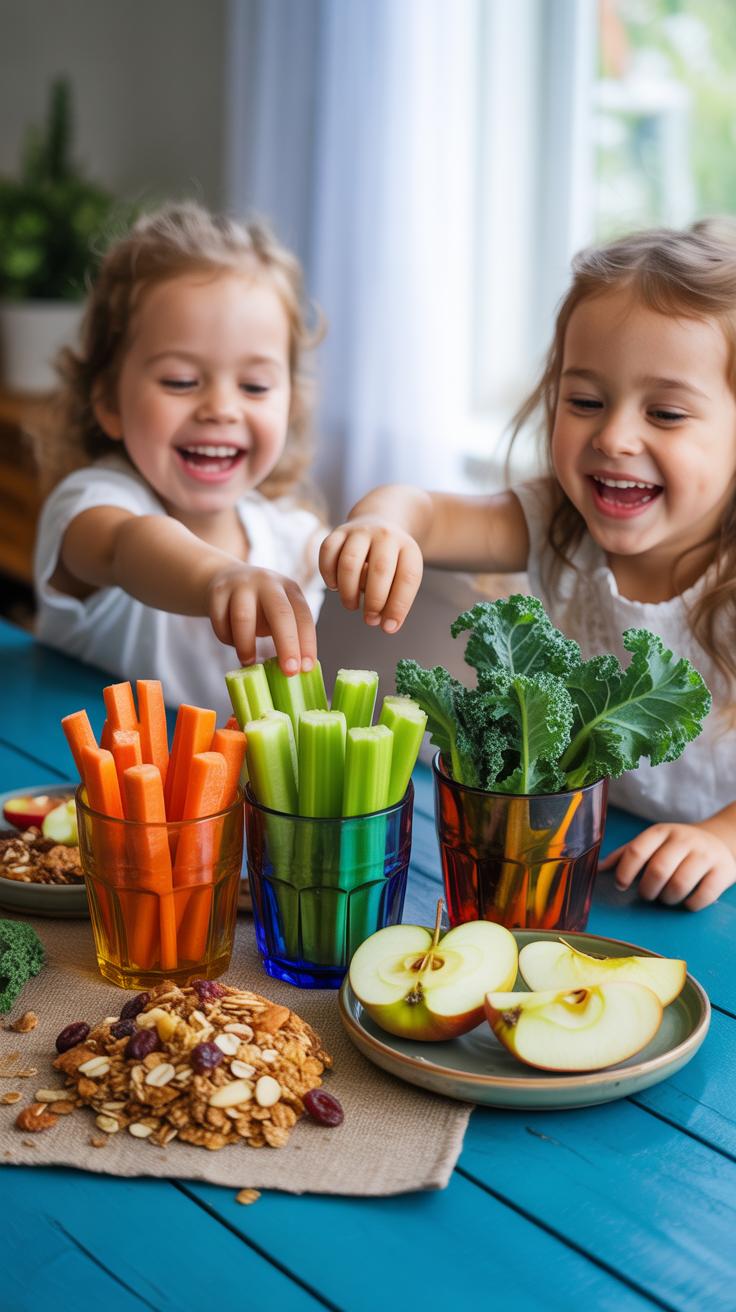
Crunchy textures signal freshness and caloric density to the developing brain. This sensory feedback provides an immediate reward during chewing. Children often prefer predictable textures because they represent safety in food choices. A loud crunch helps mask minor flavor variations that might otherwise cause pickiness. Science shows that auditory feedback from eating crunchy items increases enjoyment and keeps kids engaged with their meal.
Tactile variety prevents sensory boredom during snack time. Processing different physical properties like crispiness helps develop oral motor skills in younger children. Offering a loud crunch through whole foods replaces the need for processed chips. This strategy keeps kids satisfied longer because crunchy whole foods require more chewing. More chewing leads to better digestion and gives the brain time to register fullness.
The greatest legacy we can leave our children is happy memories and the gift of health. A little preparation today nourishes their bodies and their spirits for a lifetime.
Step By Step Baked Crunchy Snack Recipes Made With Wholesome Ingredients
Homemade crunchy snacks provide better nutrition than factory options by using stable fats and whole grains. You control the sodium and sugar levels while maintaining the desired snap. Traditional baking methods at low temperatures remove moisture to create the perfect texture. These recipes focus on fiber and protein to keep energy levels steady. Use parchment paper to prevent sticking and ensure even browning across the tray.
- Roasted Chickpeas: Drain and pat chickpeas completely dry before tossing with olive oil and sea salt. Bake at four hundred degrees for thirty minutes until they rattle when shaken. These provide a high protein crunch that rivals corn nuts without the dental risk or excess grease found in store brands.
- Cinnamon Apple Chips: Slice apples thin using a mandoline to ensure uniform drying and consistent texture. Lay them flat on a baking sheet and dust lightly with cinnamon. Bake at two hundred twenty five degrees for two hours to remove moisture. This method preserves natural vitamins while concentrated sugars provide sweetness.
- Baked Kale Crisps: Remove the center ribs from kale leaves and tear them into large bite sized pieces. Massage a small amount of olive oil into every fold to ensure crispness. Bake at three hundred degrees for fifteen minutes until the edges turn golden. This technique creates a delicate shatter that appeals to children.
- Cheesy Oat Crackers: Mix rolled oats with nutritional yeast and enough water to form a stiff dough. Roll the mixture thin between two sheets of parchment paper and score into squares. Bake at three hundred fifty degrees until the edges are firm. These crackers offer B vitamins and fiber with a savory flavor profile.
- Sweet Potato Rounds: Slice sweet potatoes into thin discs and coat them in a high smoke point oil like avocado oil. Arrange in a single layer to avoid steaming and ensure a crisp bake. Cook at four hundred degrees for twenty minutes. These rounds provide beta-carotene and a satisfying density that satisfies hunger quickly.
Storage is the final step to maintain the crunch you worked to create. Humidity ruins baked snacks by softening the cell walls of the food. Store these items in airtight glass jars once they cool completely to room temperature. If snacks lose their snap, put them back in the oven for five minutes to drive out moisture. This tactic saves money and reduces food waste in your household.
Practical Things To Eat For A Snack When Time Is Tight
No Cook Snack Options That Come Together In Under Five Minutes
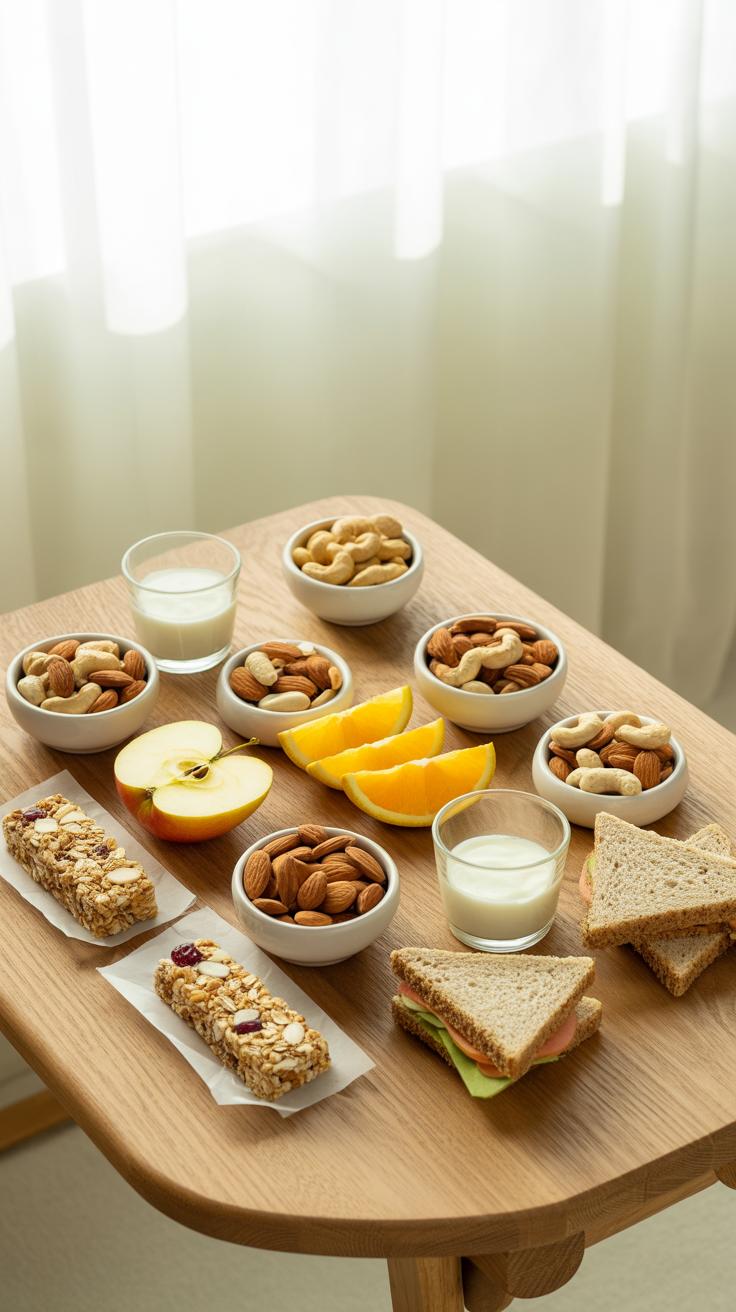
Efficiency matters when hunger hits. Speed depends on pairing a whole food with a protein source. Use pre-washed fruits like grapes or berries to eliminate prep work. Combine these with nuts or seeds for immediate satiety. High-fat options like avocado or olives provide sustained energy without cooking. Keep these items at eye level in the pantry to reduce the time spent searching for ingredients.
Strategic snacks rely on shelf-stable proteins. Canned tuna or chickpeas offer quick nutrition when fresh stocks run low. Use corn tortillas or rice cakes as a neutral base for spreads. Nut hammers like almond or peanut butter provide calorie density with zero effort. These combinations regulate blood sugar better than processed crackers. Choose foods that require only a rinse or a peel for maximum time savings.
How To Build A Snack Station At Home That Kids Can Access Independently
Autonomy reduces the daily workload for parents. Designate a specific shelf or bin in the pantry for healthy snacks for kids. Position this station at the child’s waist level. Physical accessibility dictates food choice. Clear containers allow children to see their options immediately. This layout mirrors modern retail design principles by placing the desired inventory in the primary line of sight for the consumer.
Logic must guide the inventory in the cold station. Use the bottom drawer of the refrigerator for pre-cut vegetables and low-fat dairy. Individual yogurt cups or cheese sticks work best here. Establish a one-from-each rule to ensure nutritional balance. This system teaches children how to build a meal. It eliminates the constant need for parental intervention. Maintenance requires a simple weekly restock to ensure the station remains fully functional.
Creative Fruits Snacks Ideas That Make Healthy Eating Exciting
How To Use Seasonal Fruits To Keep Snack Variety Fresh Year Round
Seasonal fruit selection reduces food costs and maximizes nutrient density. Produce harvested at peak maturity contains higher levels of vitamins and minerals. Focus on citrus and pome fruits like apples or pears during winter months. Shift to stone fruits and berries as temperatures rise in spring and summer. Using a seasonal calendar ensures kids consume a diverse range of plant compounds throughout the entire year.
Buying in season improves the texture and flavor of healthy snacks for kids. Out of season fruit travels long distances and often loses its structural integrity. This leads to mushy textures that children frequently reject. Strategize your grocery shopping around local harvest cycles to ensure optimal crunch and sweetness. High quality produce requires less preparation because the natural flavor profile is already at its peak performance level.
Fun Ways To Present Fruit Snacks That Appeal To Picky Eaters
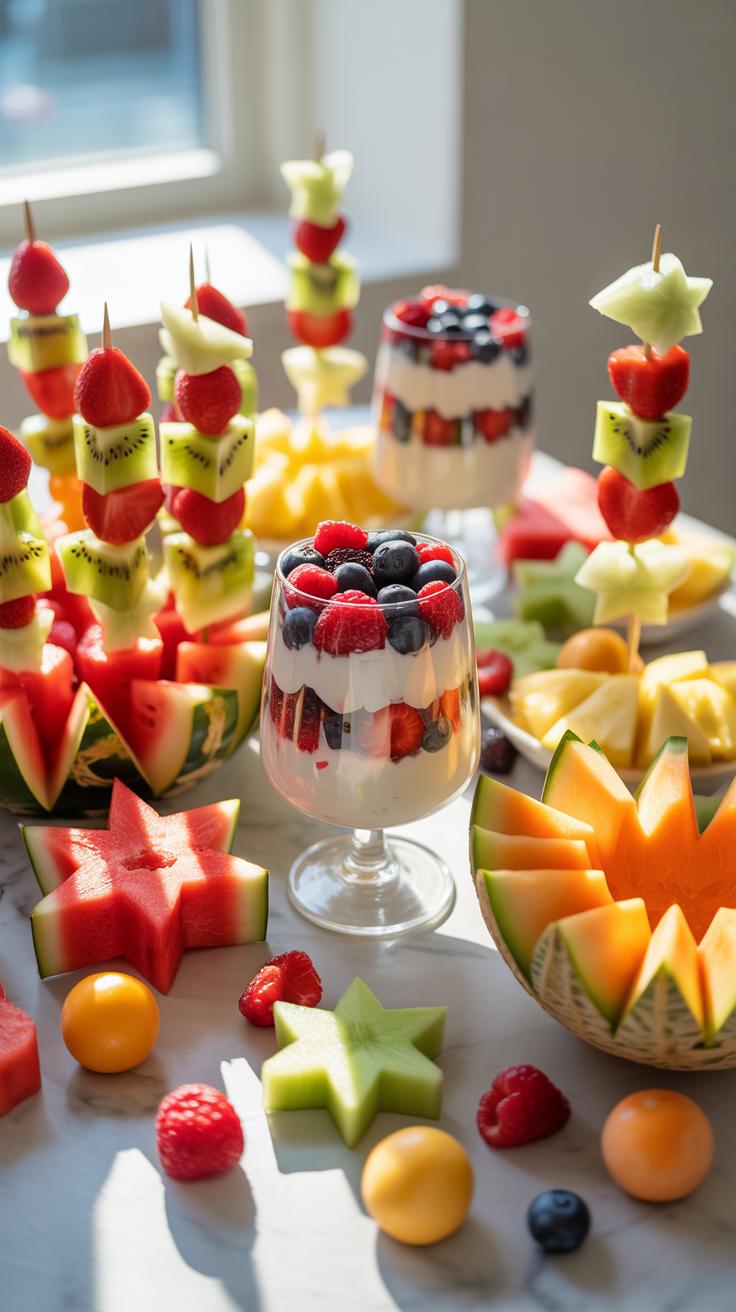
Presentation directly influences a child’s willingness to try new foods. Simple geometric cuts change the sensory experience of familiar fruits. Use small metal cutters to transform melon slices into stars or hearts. This removes the intimidating appearance of large fruit chunks. Arrange different colors in a linear fashion to trigger visual interest. Consistent sizing allows children to handle the food easily without making a mess.
Pairing fruit with functional dips increases satiety and stabilizes blood sugar. Serve sliced apples with almond butter or Greek yogurt to add protein and healthy fats. This combination slows down the absorption of fructose and provides lasting energy. Strategic placements of fruit on skewers or in small silicone cups create a sense of novelty. These tactile methods encourage kids to interact with their food in a positive and controlled manner.
Frequently Asked Questions

Why is meal prepping snacks so important for busy families?
Preparing snacks in advance is a lifesaver for managing afternoon hunger meltdowns and ensuring your children get proper nutrition. By having pre-portioned containers ready to go, you avoid the temptation of reaching for processed, sugary convenience foods. Having healthy snacks for kids readily available in the fridge or pantry empowers children to make better choices independently while saving you significant time and stress during your hectic weekday routine.
How can I keep prepped fruits and vegetables fresh for the whole week?
To keep healthy snacks for kids crisp and appetizing, storage is key. Harder vegetables like carrots and celery stay fresh when submerged in a jar of water. For sliced apples, a quick soak in salt water or lemon juice prevents browning. Always use airtight glass containers or reusable silicone bags to maintain texture. Planning your prep for just three to four days at a time ensures peak flavor and vitamin retention.
Can I provide nutritious snacks on a tight monthly grocery budget?
Absolutely! Nutritious eating doesn’t have to be expensive if you focus on versatile staples. Buying items like popcorn kernels, oats, and seasonal fruits in bulk is much cheaper than buying pre-packaged individual bags. You can easily create homemade granola bars or roasted chickpeas at a fraction of the retail cost. Focusing on whole foods and DIY preparation allows you to provide high-quality nourishment without breaking the bank.