
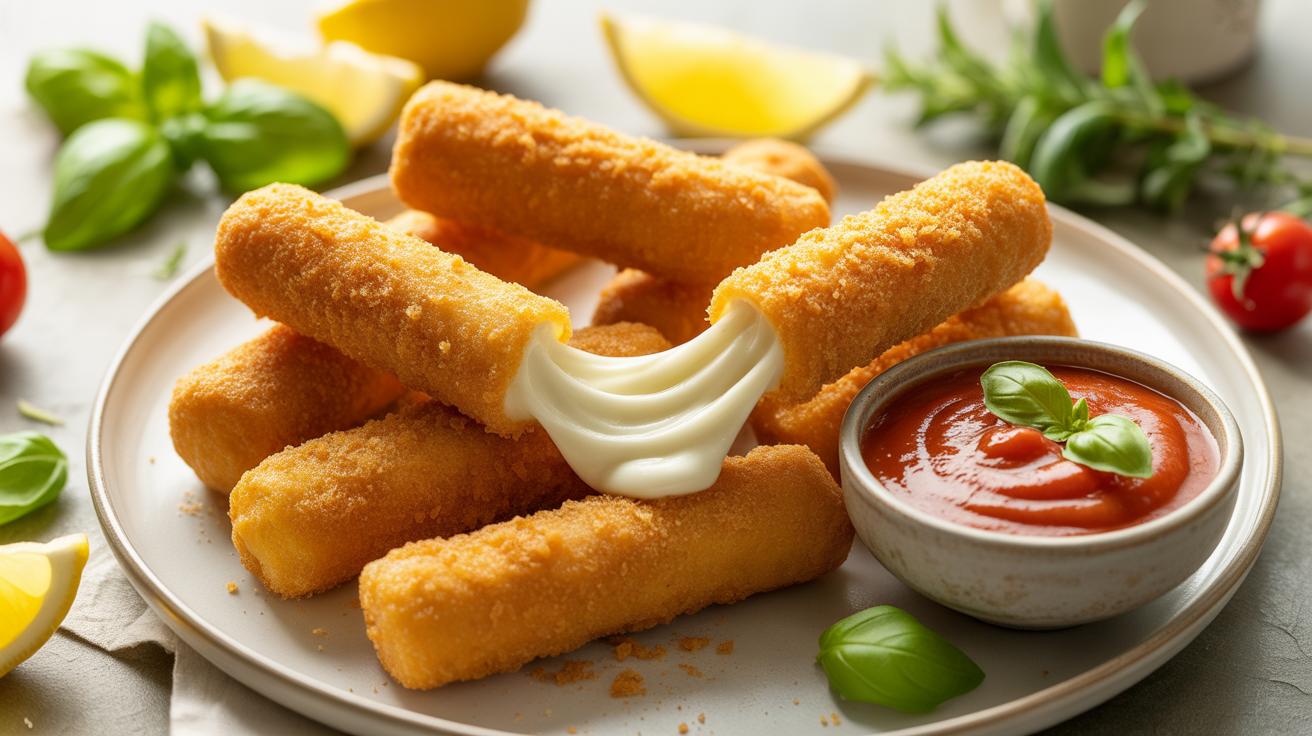
What Makes A Mozzarella Sticks Recipe Healthy
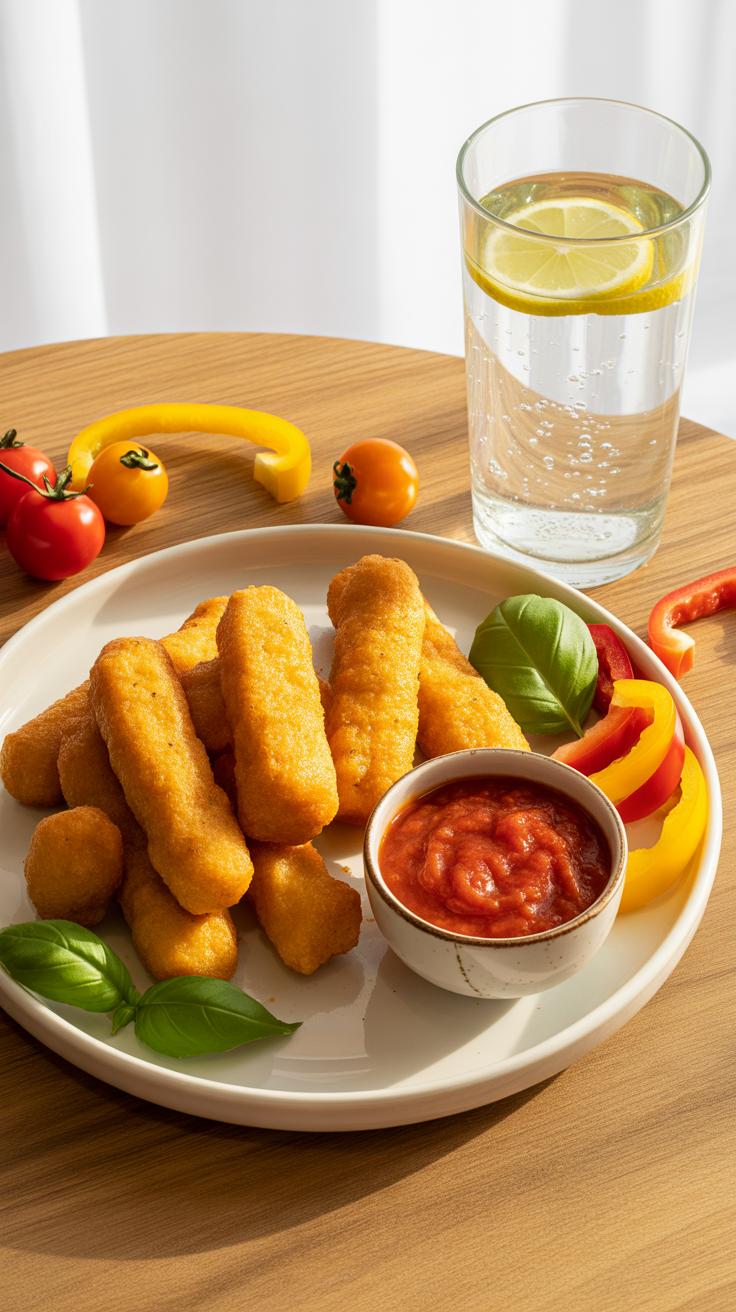
The Traditional Vs. Lightened Up Mozzarella Stick
Standard mozzarella sticks rely on heavy deep frying and refined breading. This process saturates the cheese in trans fats and empty calories. Traditional versions use full fat cheese which adds significant saturated fat. Most commercial options also contain high levels of sodium and preservatives. This combination creates a high calorie density product. You lose the nutritional benefits of the dairy through excessive processing.
A lightened version focuses on cooking methods and ingredient quality. Air frying or baking replaces the oil vat to reduce lipid content. Using part skim mozzarella provides protein with fewer calories. Whole grain or almond flour breading increases fiber and lowers the glycemic load. These changes maintain the flavor while improving the macronutrient profile. You control the sodium by making the coating from scratch.
How Small Swaps Lead To Big Nutritional Wins
Precision in ingredient selection drives the health profile of this snack. Swapping white flour for Panko or crushed oats changes how the body processes carbohydrates. Part skim mozzarella sticks offer the same calcium and protein as the full fat version. This reduction in fat density allows for a higher volume of food for the same caloric cost. Tactical swaps ensure the snack aligns with fitness goals.
The cooking technique represents the most critical change for health. Convection heat mimics the crunch of oil without the added grease. This jump in efficiency cuts total fat by over sixty percent in most cases. Using egg whites instead of whole eggs for the binder further strips away unnecessary cholesterol. These small adjustments aggregate into a product that supports muscle recovery rather than contributing to weight gain.
Choosing The Right Healthy Mozzarella Cheese For Your Sticks
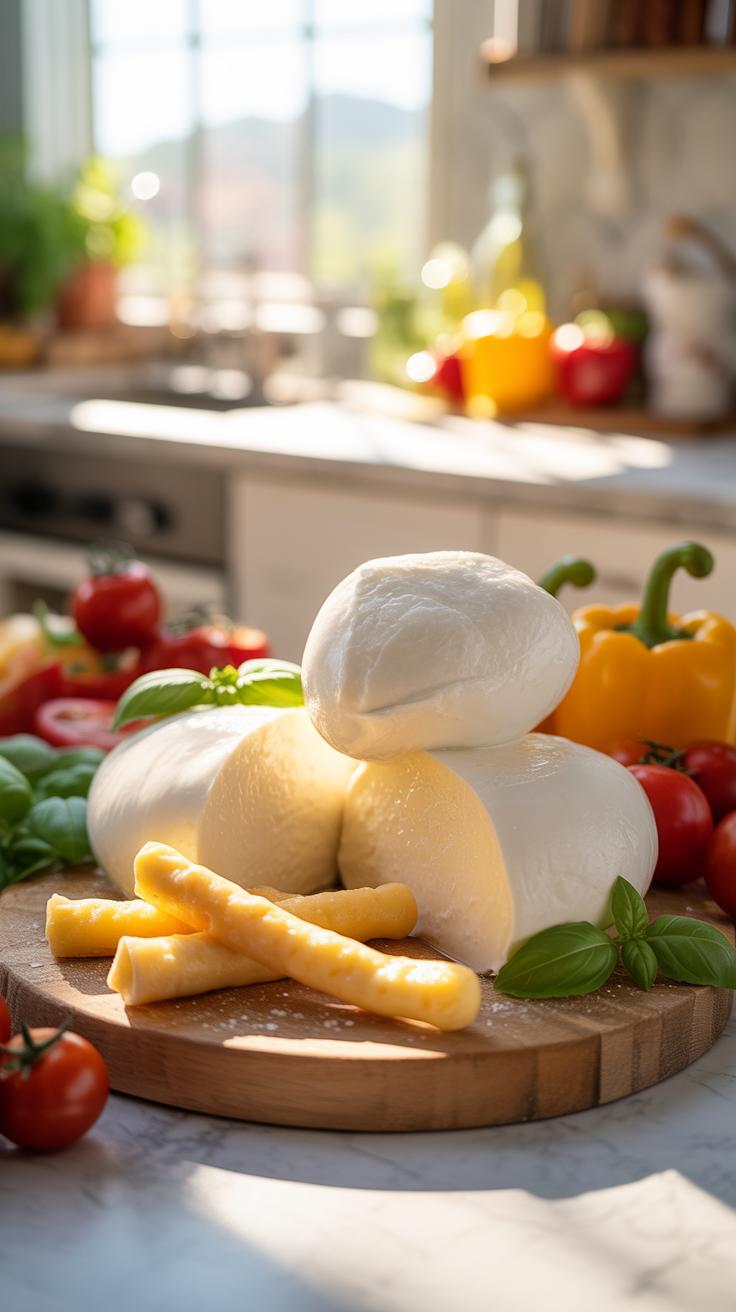
Part Skim Vs. Whole Milk Mozzarella: What The Nutrition Labels Say
Part-skim mozzarella is the strategic choice for fat reduction. Producers remove a portion of the cream from the milk before the curdling process begins. This step lowers the calorie count significantly per serving. Whole-milk versions contain more saturated fat which adds calories without increasing protein levels. To maximize the protein-to-calorie ratio, you must select part-skim varieties. Check labels for lower sodium counts to further improve the profile.
The moisture content in part-skim cheese affects how the sticks cook. Lower fat levels mean the cheese holds its shape better under high heat. Whole-milk cheese melts too quickly and often leaks through the breading. Using part-skim mozzarella provides a firm texture that mimics traditional fried appetizers. High-quality part-skim blocks offer the best structural integrity for baking or air frying. It is the standard for nutrition-focused cooking.
Why String Cheese Is The Most Practical Choice For Homemade Sticks
String cheese is the most efficient form factor for this recipe. Manufacturers pull and stretch the mozzarella to align the milk proteins. This mechanical process creates a fibrous texture that does not collapse easily. You get a pre-portioned unit that ensures consistent nutrition across every stick. Using sticks instead of bulk blocks eliminates prep time and ensures uniform cooking. This consistency prevents some sticks from burning while others remain cold.
Freezing these pre-shaped sticks is a mandatory tactic for success. The low moisture and high protein structure of string cheese handle freezing better than fresh mozzarella. Cold centers allow the outer coating to crisp while the core reaches a perfect melt. Fresh mozzarella contains too much water and will turn the breading into a soggy mess. Stick to standardized string cheese to control your macros and guarantee a repeatable result every time.
Building Your Healthy Mozzarella Sticks Recipe From The Ground Up
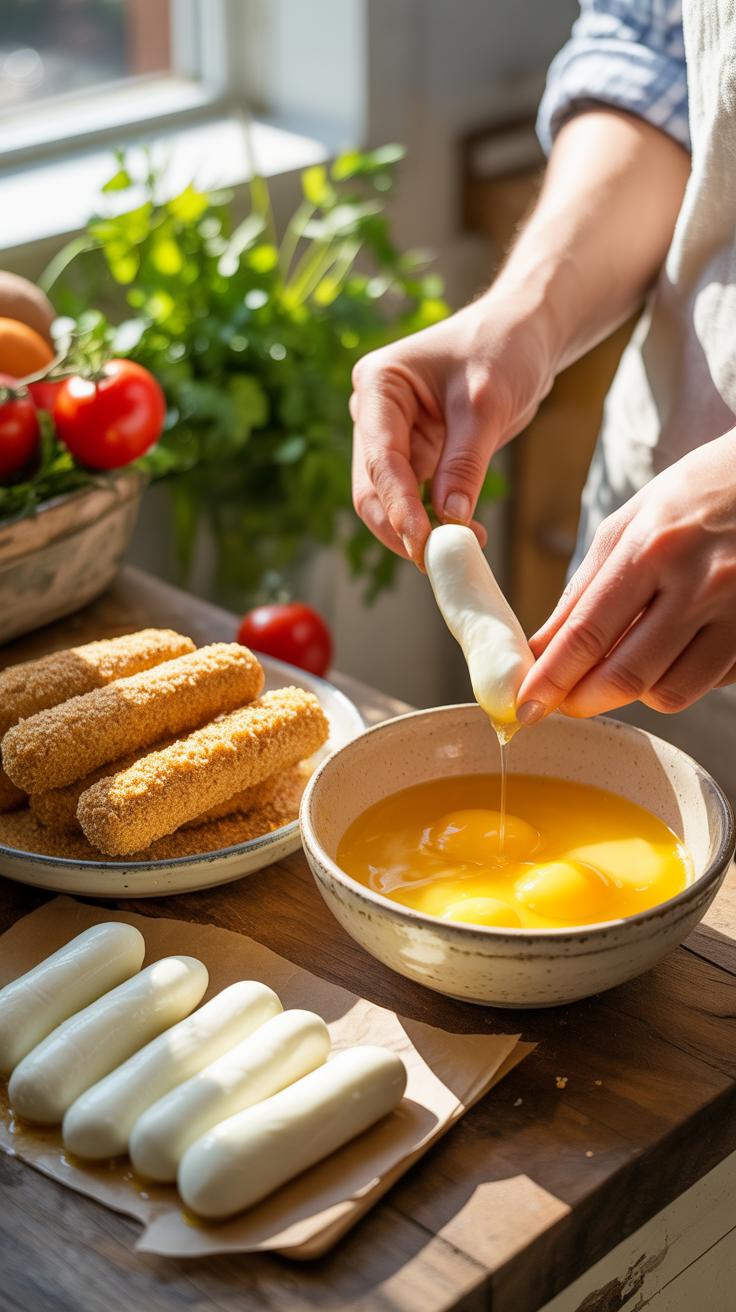
The Core Ingredients You Need For A Lighter Breading
Standard deep-fried sticks rely on refined white flour and heavy oils. To build a healthier version, you must swap these components for nutrient-dense alternatives. The goal is to maximize flavor and texture while minimizing empty calories and saturated fats. Using whole-food binders and seasonings ensures the coating stays firm during the cooking process without requiring a commercial fryer or excessive amounts of oil.
- Low-Moisture Part-Skim Mozzarella: This cheese provides the classic pull with fewer grams of fat and calories than whole-milk versions. Its lower water content prevents the sticks from leaking or becoming soggy when you apply heat during the baking or air frying stage.
- Whole Grain Flours: Using whole wheat or oat flour adds fiber and essential minerals to the initial dredging layer. These flours create a dry surface that helps the egg wash and breadcrumbs stick better to the cheese than standard refined white flour does.
- Egg Whites or Egg Substitute: Using only the whites reduces cholesterol and fat while maintaining high protein levels. The proteins in the whites act as a powerful biological glue that binds the outer breading to the cheese core during the high-heat cooking process.
- Dried Herbs and Spices: Garlic powder, onion powder, and dried oregano add intense flavor without adding sodium or calories. These seasonings penetrate the breading layers to provide a savory profile that mimics the taste of traditional Italian-style mozzarella sticks sold in restaurants.
- Avocado Oil Spray: This oil has a high smoke point which makes it safe for high-temperature cooking. A light misting provides the necessary fat to crisp the outer breading and distribute heat evenly across the surface without submerging the entire snack in a deep fryer.
Texture remains the biggest challenge when you remove the deep fryer from the equation. High protein binders and fiber-rich coatings provide the structural integrity needed to withstand high heat. You must freeze the cheese sticks before breading to ensure they do not melt before the crust turns golden brown. This cooling step is a non-negotiable part of the strategic preparation process.
Smarter Coating Options: Whole Wheat Breadcrumbs, Almond Flour, And More
Whole wheat breadcrumbs offer a simple one-to-one replacement for white crumbs. They contain more fiber which slows down digestion and keeps you full longer. Combining these with panko creates a crunchier exterior that mimics the mouthfeel of fried food. The larger flakes of panko provide more surface area for crisping. This combination ensures the final product is not tough or overly dense.
Almond flour provides a low-carb alternative for those avoiding grains entirely. It adds healthy monounsaturated fats and a nutty flavor profile to the crust. You can mix it with parmesan cheese to create a keto-friendly coating that browns quickly. High heat is essential when using nut flours to prevent the coating from becoming oily. Monitoring the temperature prevents the delicate fats in the nuts from burning too fast.
Step By Step Guide To Easy Healthy Mozzarella Sticks
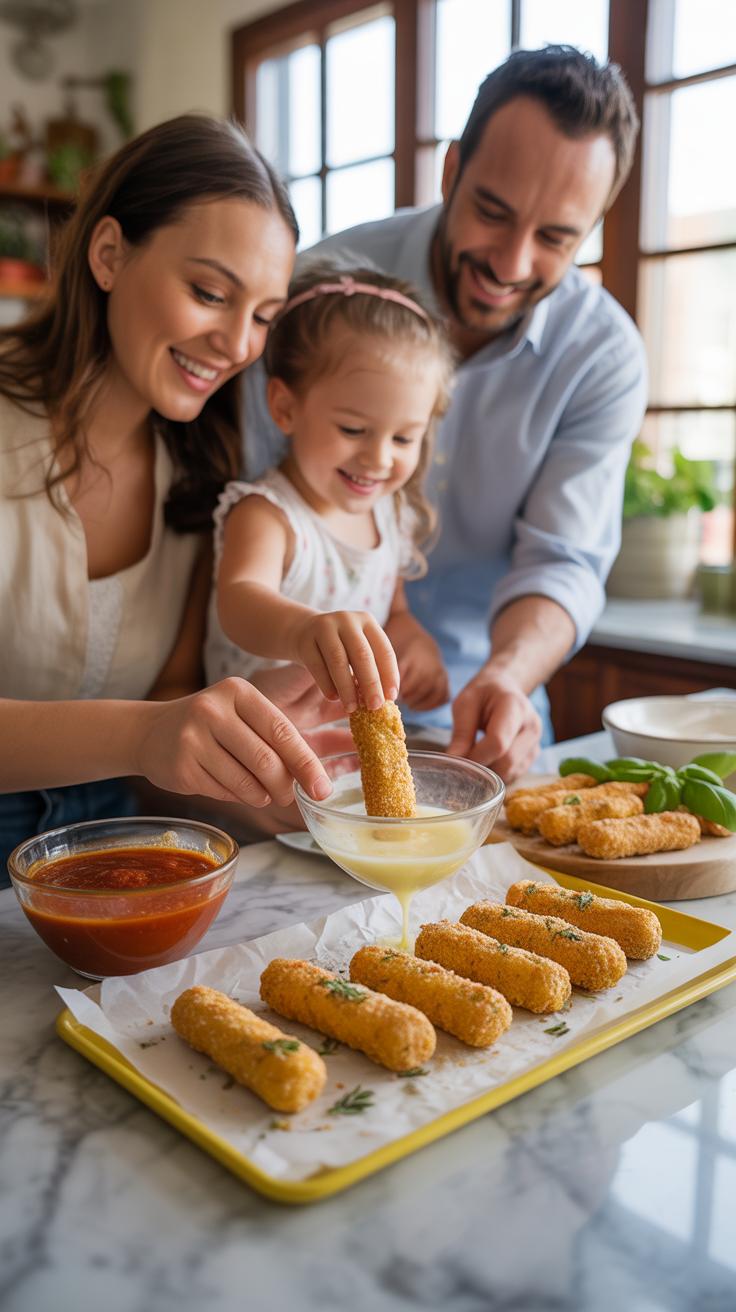
Prepping And Freezing: The Step Most Home Cooks Skip
Standard snack preparation fails because cheese melts faster than breading browns. You must freeze your string cheese for at least two hours before cooking. This delay ensures the core remains solid while the outer shell crisp up under high heat. Amateur cooks rush this process and end up with a leaked mess. Proper thermal management is the only way to succeed.
Strategic cooling creates a structural barrier between the dairy and the heating element. You need a hard-frozen center to withstand air fryer or convection oven temperatures. Place the sticks on a flat tray to prevent sticking or warping. Space them out so cold air hits every surface. This prep work saves the dish from total structural failure during the final cooking phase.
Breading Technique That Keeps The Coating Intact During Cooking
Effective breading requires a three-stage mechanical bond to stay anchored. Start with a light dusting of flour or cornstarch to absorb surface moisture. Dip the stick into an egg wash to create a sticky interface. Finally, press the cheese into whole-wheat panko or almond flour. Apply firm pressure with your hands to lock the crumbs into the egg layer.
Double coating is the tactical choice for air frying. Repeat the egg and breading steps to create a reinforced wall. This second layer prevents the cheese from bursting through weak spots in the crust. A thicker shell also provides a better crunch without using deep-fryer oil. Ensure every millimeter of cheese is covered. Exposed spots will lead to immediate structural collapse.
Air Fryer Mozzarella Sticks The Healthier Cooking Method Explained
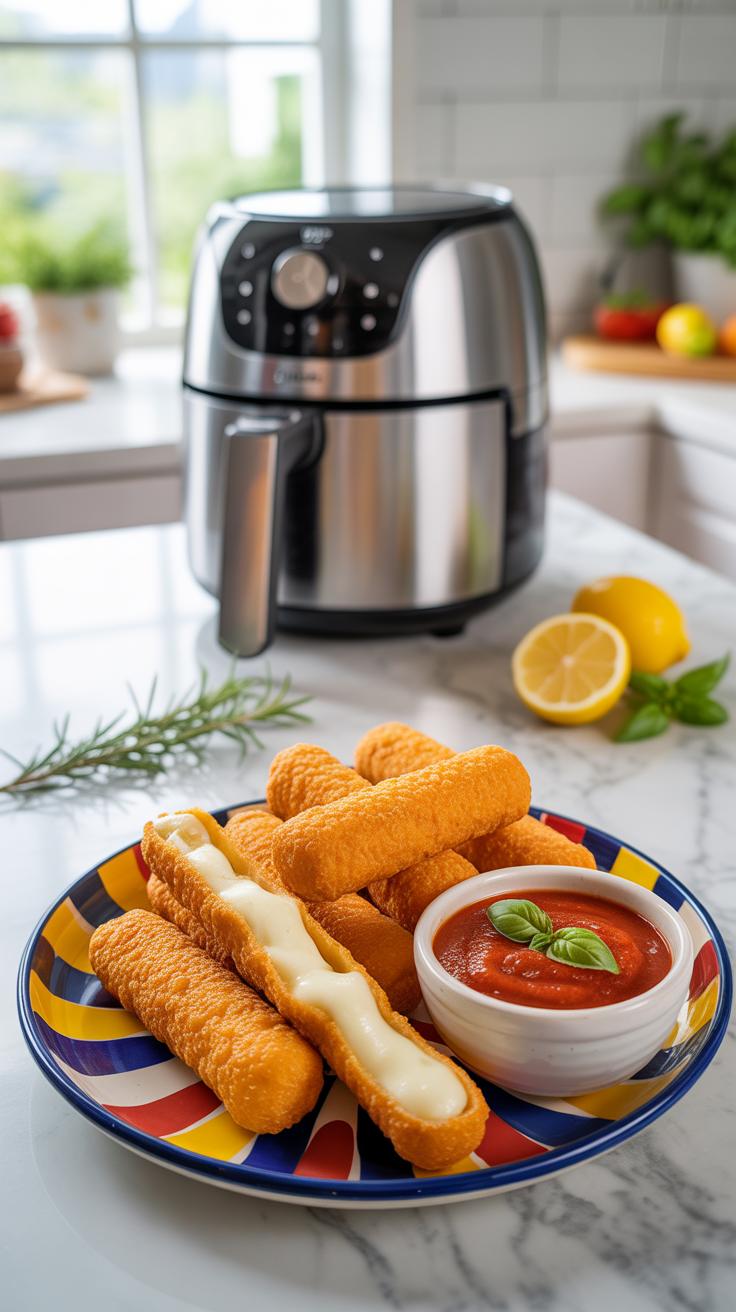
Why The Air Fryer Outperforms Deep Frying For A Lighter Result
Deep frying submerges cheese sticks in hot oil. This process adds significant saturated fat and calories to the final product. The breading acts like a sponge and absorbs the grease. Use an air fryer to eliminate this unnecessary fat intake. It moves hot air around the food to cook it quickly. This method mimics the texture of frying without the heavy oil immersion.
Air frying reduces the calorie count by nearly seventy percent compared to traditional frying. Rapid air technology ensures the cheese melts evenly while the outer layer hardens. You avoid the greasy film that typically coats fried snacks. This shift improves the nutritional profile of the meal instantly. It allows you to control the ingredients and salt levels. You get a cleaner taste and better texture.
Life is a balance of holding on and letting go, much like the perfect cheese pull that nourishes both the soul and the body. Real comfort is enjoying the flavors you love while honoring the health you deserve.
Getting The Perfect Crisp Without Excess Oil
Texture depends on heat circulation and surface prep. Mist the frozen sticks lightly with a high smoke point oil like avocado oil. This small amount of fat triggers the Maillard reaction. This chemical process creates the golden brown color and crunchy exterior you want. Set the machine to four hundred degrees for maximum impact. High heat seals the breading before the cheese leaks out.
Proper spacing in the basket is mandatory for a good crunch. Do not crowd the sticks or they will steam instead of crisp. Air must flow under and around every piece of food. Shake the basket halfway through the timer to ensure even browning. This tactical approach yields a firm shell and a gooey center. Use parchment liners to prevent sticking and simplify the cleanup process afterward.
How Long To Cook Mozzarella Sticks In Air Fryer For Best Results
Temperature And Timing: The Numbers That Actually Work
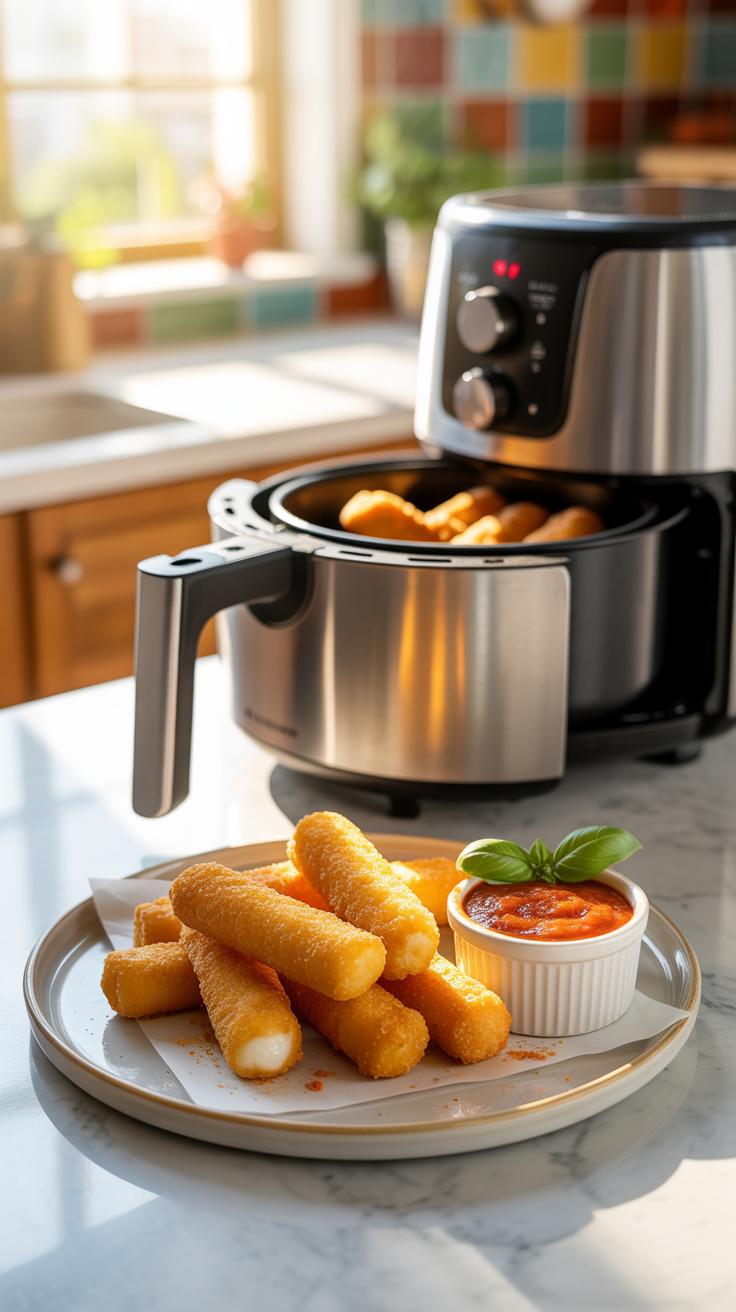
Set your air fryer to 390 or 400 degrees Fahrenheit. High heat creates the necessary thermal shock to crisp the outer coating before the cheese core reaches its melting point. Lower temperatures take too long and cause the cheese to soften and leak. Preheating the unit for five minutes is mandatory. A cold basket delays the searing process and ruins the structural integrity.
Cook the sticks for five to seven minutes. Shake the basket halfway through the cycle to ensure even air circulation around all surfaces. Smaller batches provide better results than a crowded tray. If the coating feels soft at the six minute mark, add one more minute. Monitoring the visual state of the breading is more reliable than following a generic timer setting.
Common Air Fryer Mistakes That Lead To Cheese Blowouts
Frozen sticks are essential for success. Room temperature cheese melts too fast and destroys the stick shape. If you use homemade sticks, freeze them for at least two hours before cooking. This delay in internal heating allows the exterior to harden into a protective shell. Failure to freeze always leads to a flat and messy blowout in the fryer basket.
Avoid overstuffing the air fryer basket. Air must flow freely around each stick to create a crisp layer. Touching sticks will fuse together and tear the breading when you pull them apart. This breach in the coating allows hot cheese to escape instantly. Use a light spray of oil to conduct heat. Do not use aerosol sprays that damage the nonstick coating.
Low Calorie Mozzarella Sticks Understanding The Real Numbers
Calorie Comparison: Homemade Healthy Version Vs. Restaurant And Frozen Brands
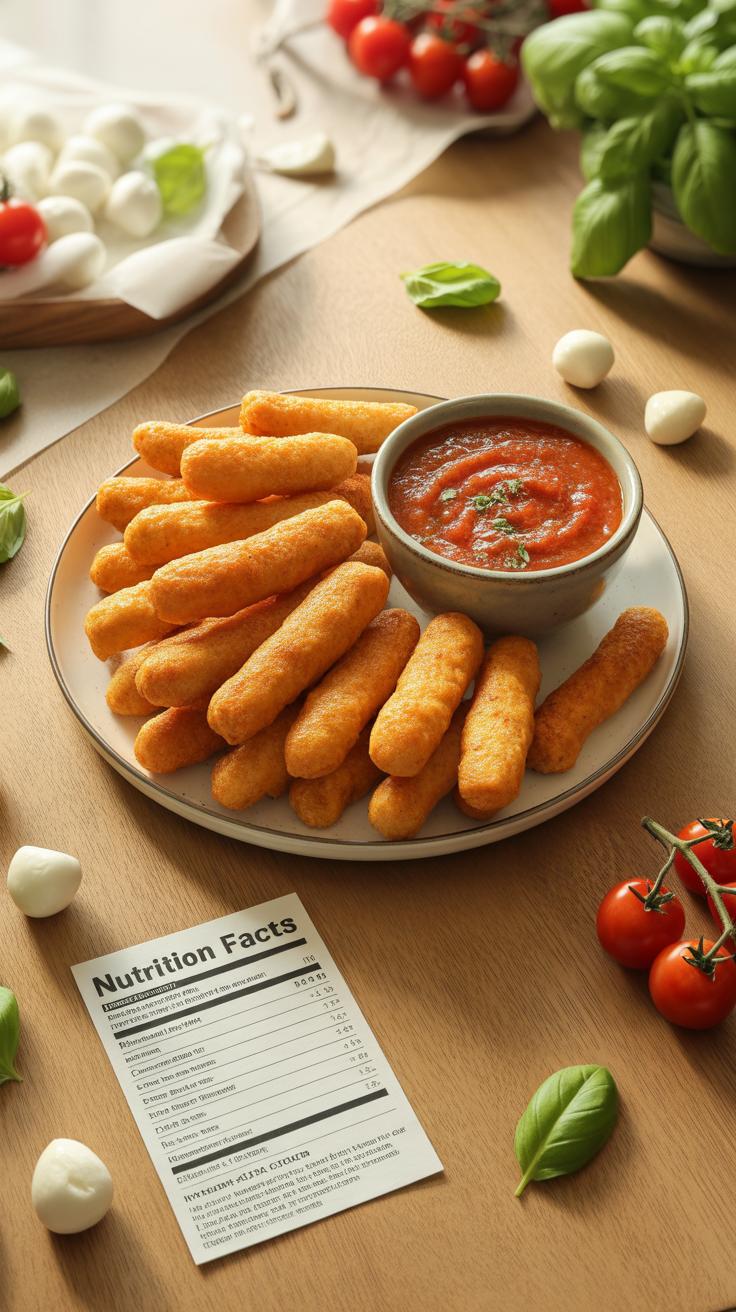
Standard restaurant mozzarella sticks contain roughly 100 calories per piece. Deep frying adds significant weight through oil absorption. Frozen retail brands often use heavy breading to maintain structure during shipping. These products frequently use hydrogenated oils and fillers. This pushes the caloric density higher while providing little nutritional value. You consume empty calories that do not satisfy hunger for long periods.
Homemade healthy versions cut these numbers by half or more. Using part-skim cheese and air frying reduces the fat content drastically. One lightened stick typically contains 40 to 60 calories. You control the breading thickness and the oil application. This tactical shift allows you to eat a larger volume for the same caloric cost. You eliminate unnecessary industrial fats and focus on pure ingredients.
Protein, Fat, And Carbs — Balancing The Macros In Your Snack
Commercial sticks prioritize cheap carbohydrates and fats over protein. Traditional breading is thick and made from refined white flour. This spikes the glycemic index and increases total carb counts per serving. The cheese used is often full-fat, which drives up the saturated fat profile. This combination creates a snack that lacks balance. It lacks the sustained energy required for a high-performance diet.
Healthy versions flip the macro ratio in your favor. Part-skim mozzarella offers high protein density with lower fat. Using whole wheat crumbs or almond flour adds fiber or healthy fats. This slows digestion and keeps blood sugar stable. You gain more muscle-building protein per bite. This balance makes the snack a functional part of a meal plan rather than a dietary setback.
Homemade Mozzarella Sticks Vs Store Bought Why DIY Wins For Health
What’S Actually Inside Packaged Frozen Mozzarella Sticks
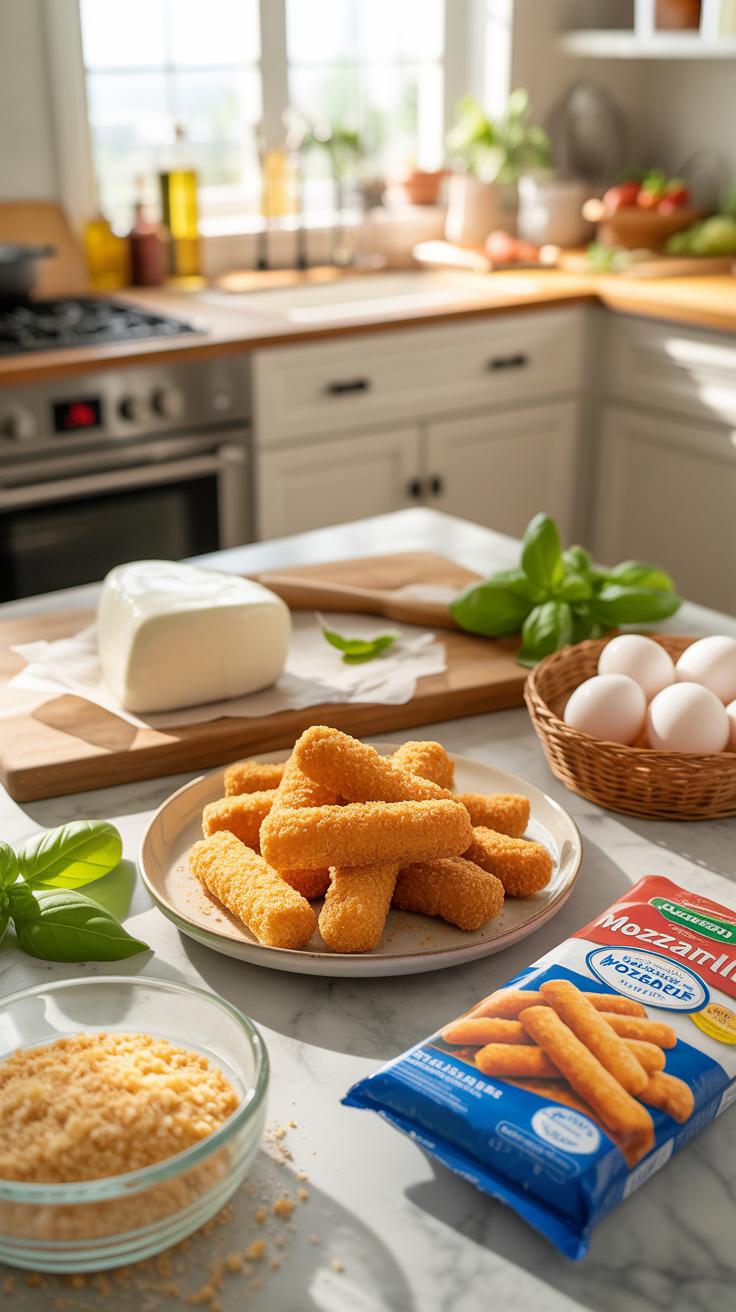
Commercial frozen mozzarella sticks prioritize shelf life and texture stability over nutritional value. Manufacturers often use low grade oils like soybean or canola oil for pre frying. These oils contain high levels of omega six fatty acids which may contribute to inflammation. The breading frequently contains bleached flour and dextrose to ensure even browning. These additives increase the glycemic load significantly compared to using simple whole grain or sourdough crumbs.
Processed cheese sticks also contain sodium aluminum phosphate and other emulsifiers to keep the cheese from separating. These chemicals ensure a consistent melt but offer zero health benefits. Most brands exceed five hundred milligrams of sodium per serving. This high salt content masks flavor and preserves the food for months in a freezer. You ingest chemical preservatives and hidden sugars that derail fat loss goals and spike insulin levels unnecessarily.
The Control You Gain When You Make Them At Home
Making your own snacks allows you to select high quality proteins and fats. You can choose grass fed mozzarella which contains more heart healthy fats than grain fed options. You select the binding agent personally. Using egg whites instead of whole eggs reduces fat while maintaining protein density. This swap creates a lighter coating that crisps perfectly without the need for deep frying in reclaimed vegetable oils.
Strategic breading choices further improve the nutritional profile of your meal. You can use almond flour or crushed oats to increase fiber content and lower net carbohydrates. Air frying your homemade sticks eliminates the secondary oil soak common in factory production. This method reduces total calories by nearly forty percent without sacrificing the crunch. You dictate every milligram of salt and every gram of fat in the final product.
Dipping Sauces That Keep Your Mozarella Stick Snack Light
Healthier Alternatives To Heavy Ranch And Full Fat Marinara
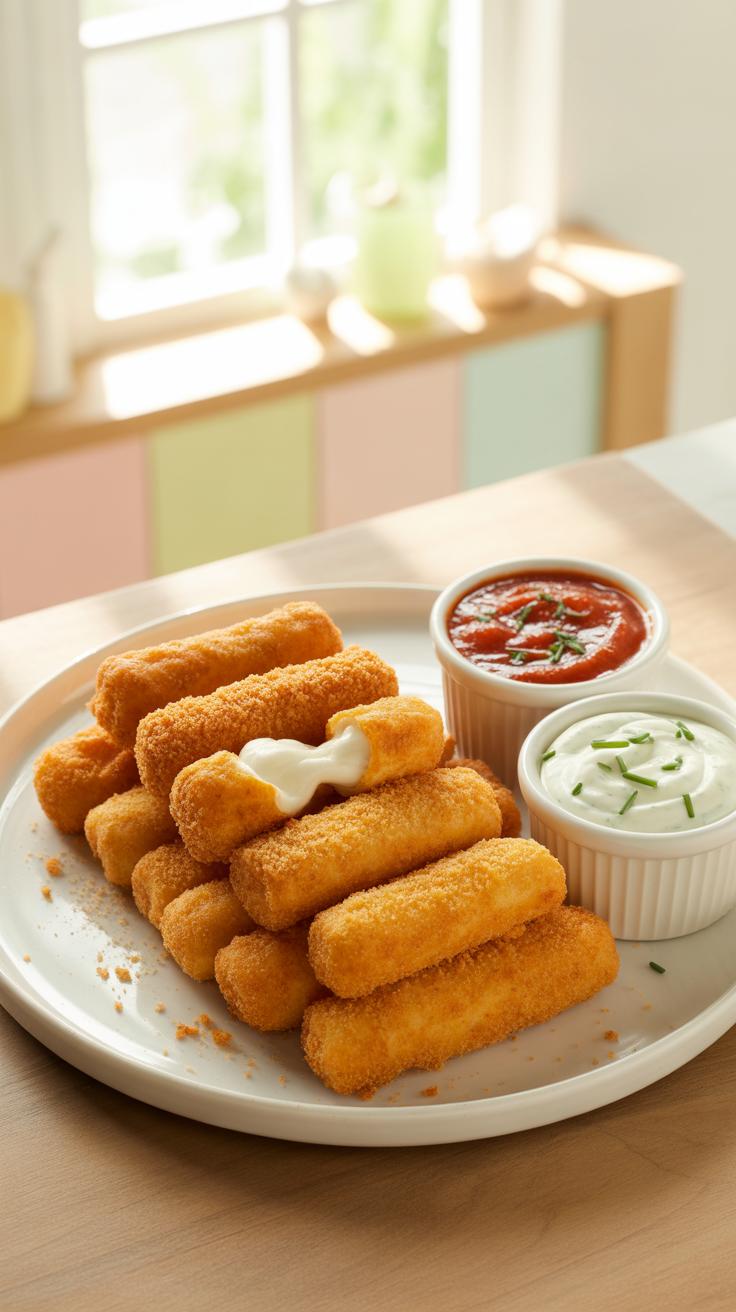
Traditional sauces often carry more calories than the cheese itself. High-fat ranch uses heavy cream and soybean oil bases. Commercial marinaras frequently contain added cane sugar to counteract acidic canned tomatoes. You must select sauces that prioritize high moisture content and natural vinegar bases. These options provide the necessary flavor contrast without the caloric density of processed fats.
- Low-Sugar Marinara: Choose brands that list tomatoes and herbs first with zero added sweeteners. Check the label for olive oil instead of canola oil. This keeps the glycemic impact low while providing lycopene.
- Greek Yogurt Ranch: Swap mayonnaise bases for non-fat Greek yogurt to increase protein intake. Use fresh dill, garlic powder, and onion powder to replicate the classic flavor profile. This reduces fat by nearly eighty percent.
- Balsamic Glaze: Use a high-quality balsamic reduction for a sharp and sweet contrast. This sauce relies on concentrated grape must rather than oil. A small amount provides intense flavor, ensuring you consume fewer total grams of sauce.
- Roasted Red Pepper Coulis: Blend roasted peppers with garlic and a splash of lemon juice. This vegetable-based sauce offers a vibrant color and smoky taste. It adds significant volume to your meal with almost no fat or carbohydrates.
- Spicy Arrabbiata: Incorporate crushed red pepper flakes into a standard tomato base. Capsicums can slightly increase metabolic rate and encourage slower eating habits. This choice delivers heat without the need for thickeners or chemical additives.
Smart dipping starts with reading nutrition labels for hidden corn syrups. Homemade sauces allow you to control salt levels and eliminate preservatives. Use fresh herbs like basil or oregano to enhance flavor without adding calories. Small adjustments in your sauce choice maintain the nutritional integrity of your meal. Focus on high-quality ingredients to stay full longer and avoid energy crashes.
How Sauce Choices Can Make Or Break Your Calorie Goals
Sauce serves as a hidden vehicle for excess calories and sodium. A single serving of full-fat dressing can add two hundred calories to your snack. This often doubles the total energy intake of a light mozzarella stick portion. Many diners ignore sauce measurements, leading to accidental overconsumption. You must treat the dip as a tracked component of your daily food intake.
Portion control is the final step in maintaining a healthy profile. Dip only the tip of the cheese stick into the sauce to manage flavor intensity. This technique prevents the breading from becoming soggy and limits total sauce volume. Opt for small ramekins to create a visual limit for your serving. Precise measurements ensure your snack remains a tactical part of your fitness plan.
Tips For Storing Reheating And Meal Prepping Healthy Mozzarella Sticks
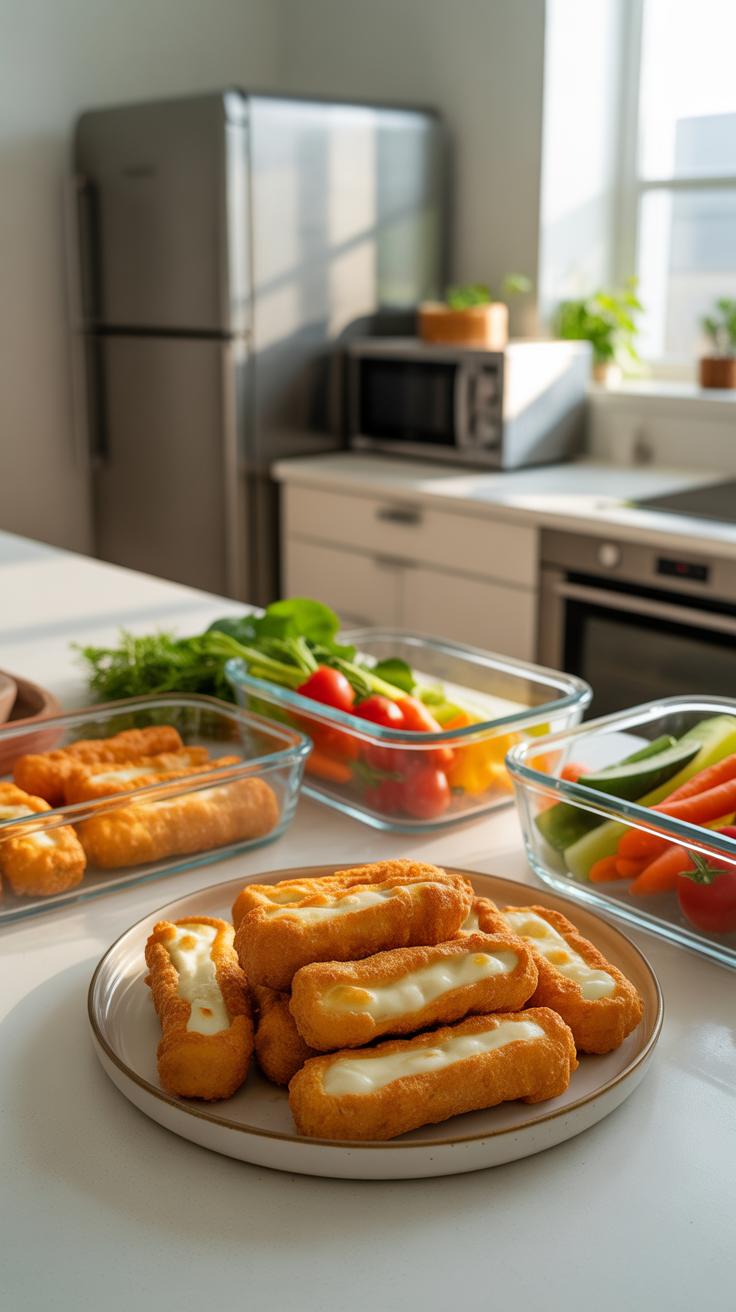
Flash freeze raw breaded cheese sticks on a flat parchment tray for two hours. This prevents the pieces from sticking together in the storage bag. Once frozen solid, transfer them to a vacuum-sealed bag or silicone container. Removing excess air prevents freezer burn and ice crystals. Ice crystals degrade the breading structure and cause watery cheese when you cook them later.
Label each container with the date and type of breading used. Homemade healthy versions lack the chemical stabilizers found in commercial brands. Use these frozen batches within three months for peak flavor and structural integrity. Take them directly from the freezer to the heat source. Do not thaw them first. Thawing makes the cheese soft and causes it to leak through the coating.
Use an air fryer at 375 degrees Fahrenheit for the best results. This rapid air technology restores the crunch to the whole wheat or almond flour coating. Place the sticks in a single layer with space between each one. Heat them for three to five minutes. This method mimics the original texture without adding new fats or oils to the snack.
Standard ovens work if you provide enough airflow. Place a wire rack over a baking sheet to allow heat to reach the bottom of the sticks. Set the oven to 400 degrees Fahrenheit and bake for eight minutes. Flip them halfway through the process to ensure even crisping. Avoid using a microwave for reheating. Microwaves make the breading soggy and cause the cheese to explode.
Frequently Asked Questions

What exactly makes these mozzarella sticks a healthier alternative to traditional versions?
Traditional versions are typically submerged in heavy oils and coated in refined flours, leading to high calorie and fat counts. These healthy mozzarella sticks utilize a different approach by using part-skim cheese sticks and whole wheat breadcrumbs or almond flour. By air-frying or baking them instead of deep-frying, you significantly reduce the saturated fat content while maintaining that satisfying, gooey cheese pull and crispy exterior everyone loves in a classic snack.
How do I ensure the cheese doesn’t leak out while cooking?
The secret to perfect healthy mozzarella sticks is freezing the cheese before any heat is applied. After coating your cheese sticks in their breading, place them in the freezer for at least one to two hours. This ensures the outside gets golden and crispy while the inside melts slowly. This prevents the “blowout” effect where the cheese escapes the breading, keeping your snack perfectly intact and delicious for serving.
Can I make this recipe using affordable supermarket staples?
Absolutely! You don’t need expensive specialty ingredients to enjoy this snack. You can use standard store-brand string cheese, which is essentially pre-portioned mozzarella. For the coating, simply toast and crush regular whole-grain bread or use basic cornflakes for an extra crunch. These accessible swaps make it easy to whip up a batch of nutritious snacks without breaking your weekly grocery budget or visiting high-end health food stores.