
What Makes Homemade Snacks Genuinely Healthier Than Store Bought Options
Understanding What Goes Into Packaged Snacks Vs. Your Own Kitchen Ingredients
Packaged snacks prioritize shelf life over biological value. Manufacturers use high-fructose corn syrup and hydrogenated oils to prevent spoilage and cut costs. These industrial additives maintain texture during long transit cycles. When you prepare easy homemade snacks, you use whole foods. Fresh ingredients do not contain synthetic stabilizers. You eliminate the chemical load found in ultra-processed goods. Whole food ingredients provide more densified nutrition per calorie.
Industrial food production requires flavor enhancers like monosodium glutamate and excessive sodium. These compounds trigger overconsumption by overstimulating taste receptors. Homemade versions rely on natural spices and herbs for flavor. You choose high-quality fats like olive oil instead of inflammatory seed oils. This shift reduces systemic inflammation and improves metabolic health. Transparent sourcing ensures you know every component of your diet. Control leads to better health outcomes.
How Controlling Portions And Ingredients At Home Supports Better Nutrition
Store-bought snacks often feature misleading serving sizes on their labels. These small portions trick consumers into eating more calories than intended. Preparing your own snacks allows for precise measurement of macronutrients. You decide the balance of proteins, fats, and carbohydrates. This control prevents the blood sugar spikes common with processed chips and crackers. Stable blood sugar levels help maintain consistent energy throughout your workday.
Making snacks at home removes the hidden sugars found in healthy-looking retail items. Many commercial granola bars contain as much sugar as candy bars. By using raw honey or fruit for sweetness, you lower your total glycemic load. You also increase fiber intake by using unrefined grains. High fiber promotes gut health and increases satiety. Tactical ingredient selection ensures your snacks serve a functional purpose for your body.
Essential Pantry Staples You Need To Start Making Easy Homemade Snacks
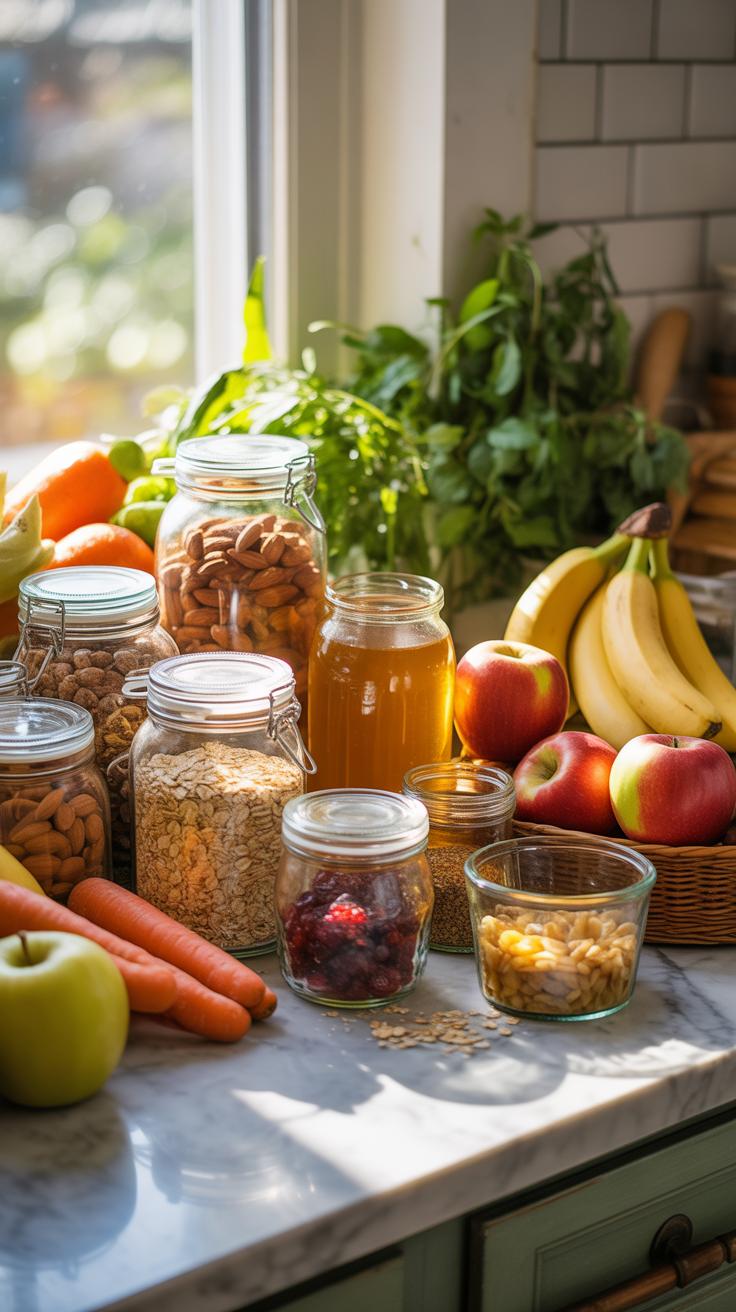
The Core Ingredients Every Home Snack Maker Should Keep Stocked
Preparing easy homemade snacks requires a foundation of versatile raw materials. High volume items form the base of most nutritious recipes. Keeping these items on hand prevents reliance on processed convenience foods. You must prioritize shelf stable goods that offer high nutrient density and long storage lives. This strategy ensures you can assemble snacks quickly without frequent trips to the grocery store.
- Whole Grains: Rolled oats and popcorn kernels serve as high fiber bases for bars and savory snacks. They store well in airtight containers for months. These grains provide complex carbohydrates that offer sustained energy levels compared to refined white flour products found in most commercial snack aisles.
- Raw Nuts and Seeds: Almonds, walnuts, and chia seeds provide essential fats and proteins. Buying them raw allows you to control the roasting process and salt content. These ingredients add necessary texture and satiety to homemade mixes while outlasting pre-packaged nut butter snack packs.
- Natural Sweeteners: Honey and pure maple syrup act as effective binders for granola bars and energy bites. They offer more micronutrients than white sugar or high fructose corn syrup. Using these liquids allows for better consistency in no bake recipes that require a sticky component to hold shape.
- Healthy Fats: Extra virgin olive oil and coconut oil are stable fats for roasting or baking. They withstand heat better than many vegetable oils and lack inflammatory seed oil blends. These fats improve the absorption of fat soluble vitamins found in accompanying fruits or vegetable based snacks.
- Dried Fruits: Raisins, dates, and cranberries provide natural sugar and fiber without the additives found in fruit leather. They act as a concentrated energy source for active individuals. Ensure these items have no added oils or sugars to maintain the health benefits of the original fruit.
Organization of these staples dictates your success rate in the kitchen. Clear glass jars allow you to monitor inventory levels at a glance. Labeling containers with purchase dates helps maintain snack freshness and nutritional potency. A well stocked pantry reduces the mental load of meal planning. This proactive approach turns snack preparation into a repeatable system rather than a daily chore.
Budget Friendly Shopping Tips To Make Snack Prep More Affordable Long Term
Buying in bulk remains the most effective way to lower the unit price of snack staples. Wholesale retailers and bins in local health stores offer significant savings on grains and nuts. You avoid paying for the marketing and packaging costs associated with individual servings. Focus on purchasing one or two bulk items per month to spread out the initial investment costs.
Generic store brands often provide the same quality as name brands for basic ingredients like oats or salt. Check the ingredient labels to confirm the contents are identical before purchasing. Seasonal shopping for produce also cuts costs significantly. You can dehydrate or freeze fruits purchased at peak harvest prices. This tactical approach ensures your homemade snacks remain cheaper and healthier than any store bought alternative.
Quick Recipes Snacks Five Minute Ideas That Beat The Vending Machine Every Time
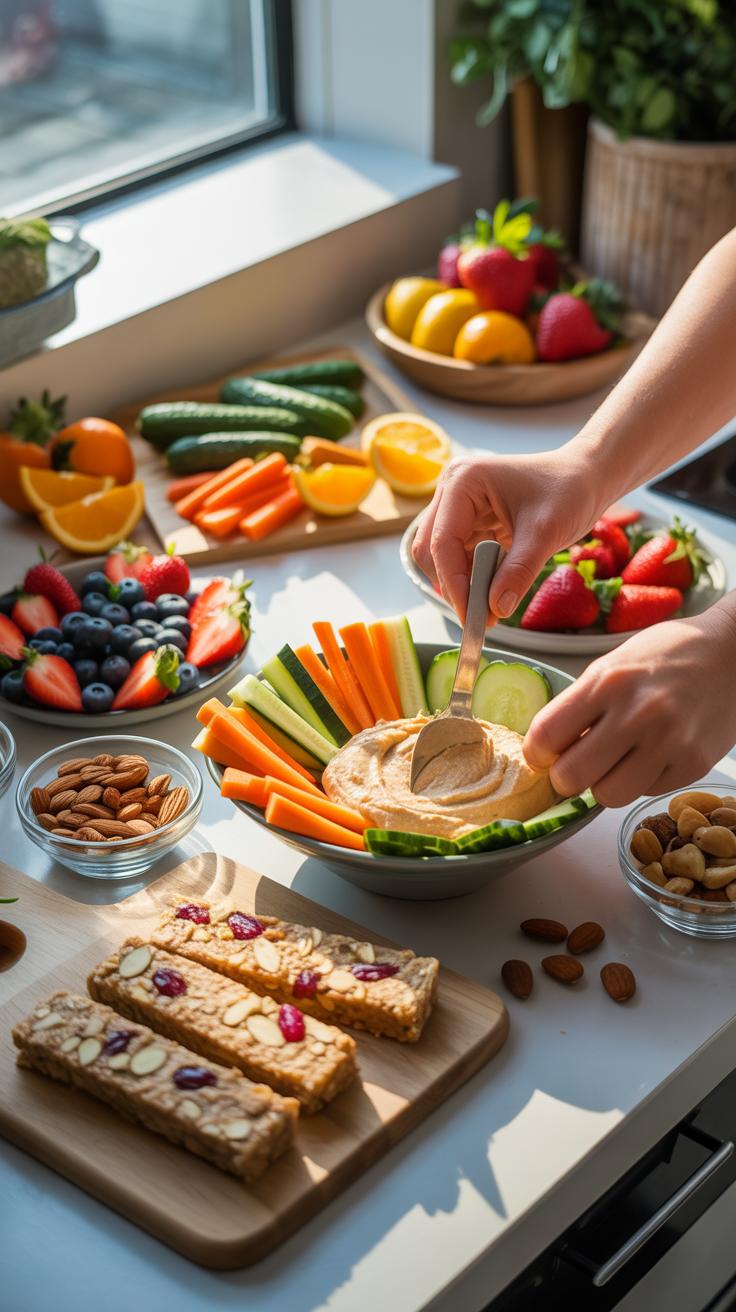
No Cook Snack Ideas Ready In Under Five Minutes For Busy Weekdays
Vending machines offer processed goods high in refined sugars and trans fats. You can bypass these options by pairing whole foods that require zero heat. Combine raw almonds with a piece of fruit for a balance of protein and fiber. This combination stabilizes blood glucose levels and prevents the mid-afternoon energy crash common with packaged sweets. Choose whole ingredients over items with complex labels.
Heavy processing depletes nutrients found in fresh produce. Spread nut butter on celery sticks or rice cakes to gain healthy fats and complex carbohydrates. This method provides immediate satiety without the chemical preservatives found in store-bought bars. You do not need culinary skills to assemble these items. Focus on raw assembly to save time. Keep ingredients accessible on your counter to ensure you make the right choice.
How To Batch Prep Quick Snacks On Sundays To Stay Ahead All Week
Efficiency relies on organization rather than effort. Spend sixty minutes on Sunday portioning bulk ingredients into individual glass containers. Hard-boil a dozen eggs to provide a ready source of high-quality protein for several days. Wash and trim raw vegetables like carrots and bell peppers immediately after purchase. Modern refrigeration keeps these items crisp for five days when stored in airtight vessels with a damp paper towel.
Standardizing your snack sizes prevents overeating and saves decision-making energy during the work week. Use a digital scale to weigh nuts or seeds to ensure consistent caloric intake. Prepare large batches of hummus or Greek yogurt dips to accompany your pre-cut vegetables. This system eliminates the need for daily preparation. Strategic planning creates a barrier against the convenience of unhealthy office snacks. Execute the plan to maintain dietary discipline.
Sweet Snacks Recipes Satisfying Your Sweet Tooth Without Refined Sugar Overload
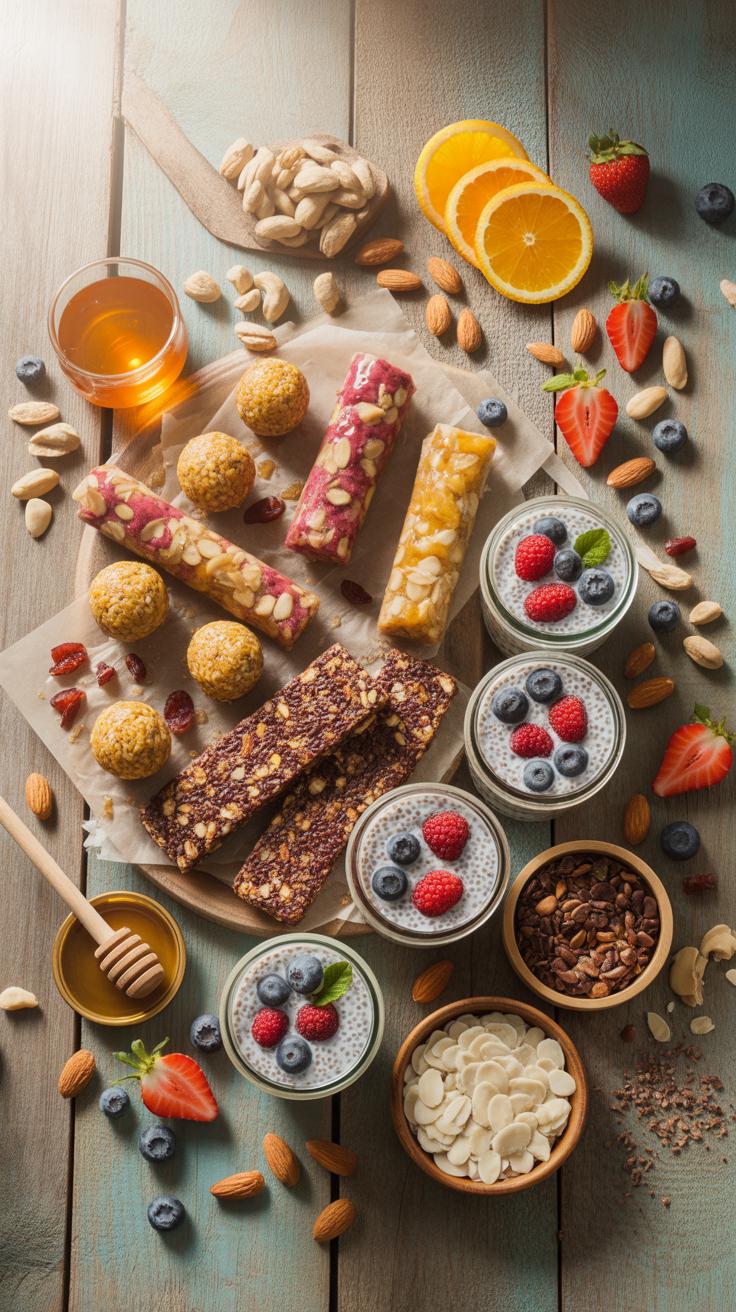
Natural Sweeteners Like Honey, Maple Syrup, And Dates Used In Wholesome Sweet Snacks
Refined white sugar lacks nutritional value and spikes blood glucose levels rapidly. Natural alternatives provide sweetness alongside fiber, minerals, and antioxidants. Dates offer a thick texture and high fiber content that slows sugar absorption. Raw honey contains enzymes and polyphenols. Pure maple syrup contains manganese and riboflavin. These options allow you to control the glycemic load of your snacks while maintaining a desirable flavor profile.
Using these sweeteners requires specific ratios to maintain proper food chemistry. Replace one cup of white sugar with three-quarters of a cup of honey or maple syrup. Reduce other liquids in the recipe to compensate for the moisture. Dates work best when blended into a paste for binders in raw bars. These natural sources provide a complex taste that store-bought corn syrup cannot replicate for homemade snacks.
Cooking is all about people. Food is maybe the only universal thing that really has the power to bring everyone together and keeping it simple at home is always better for the soul.
Simple Sweet Snack Recipes That Deliver Flavor Without Artificial Additives
Homemade energy balls require only three core components: a base, a binder, and a flavor. Use oats or nuts for the base to provide sustained energy. Use date paste or nut butter as the binder to hold the shape. Add cocoa powder or cinnamon for taste without adding chemicals. This method eliminates the need for the emulsifiers and preservatives found in commercial snack bars.
Apple slices with almond butter and hemp seeds create a balanced snack profile. The fruit provides natural fructose and fiber. The nut butter adds healthy fats and protein to keep you full. The seeds offer a crunch and omega-3 fatty acids. This combination prevents the energy crash associated with processed candies. Making these at home ensures you avoid the hydrogenated oils present in many shelf-stable nut butters.
Fun Foods To Make At Home Snack Recipes The Whole Family Will Enjoy Together
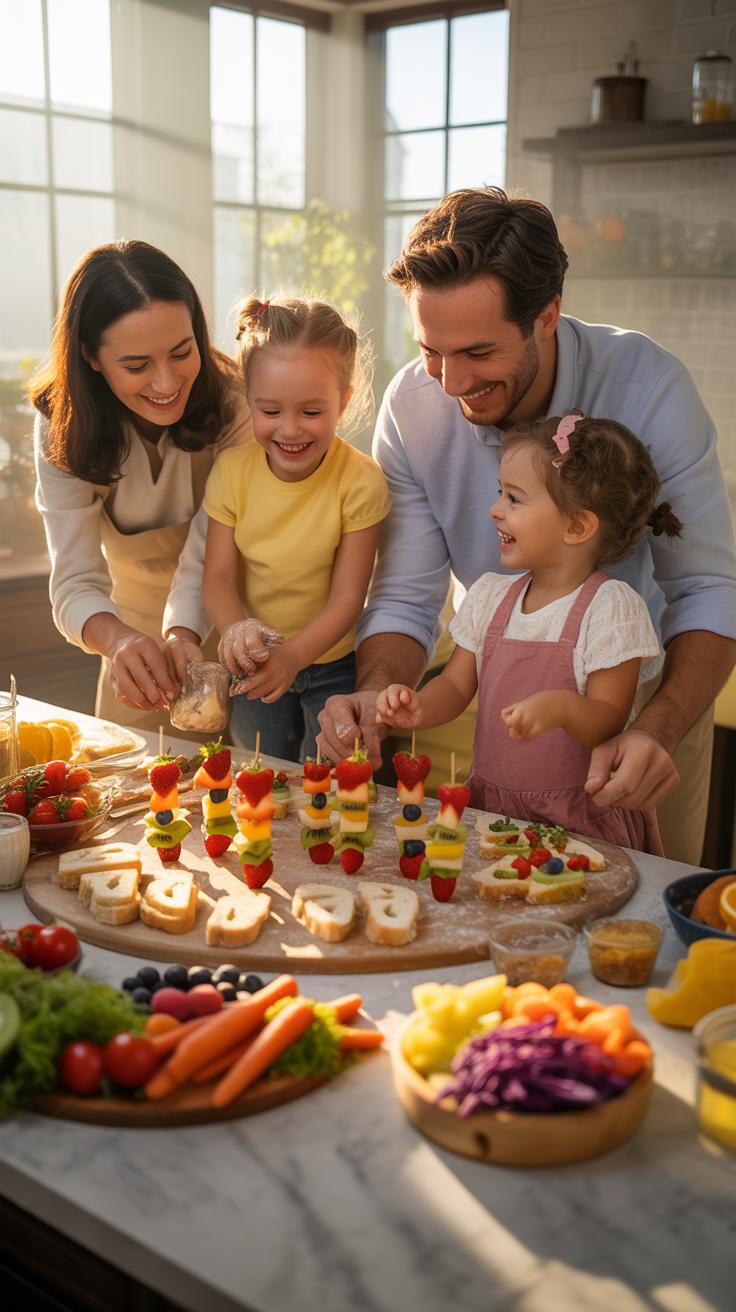
Kid Friendly Homemade Snack Ideas That Make Healthy Eating Feel Like A Treat
Kids consume less added sugar when they eat snacks prepared at home. High-protein dips like hummus or Greek yogurt replace processed cheese sauces found in store-bought kits. Sliced apples paired with natural nut butter provide fiber and healthy fats without corn syrup. Popcorn seasoned with nutritional yeast offers a savory flavor similar to commercial snacks but without the synthetic dyes or preservatives.
Control the ingredients to dictate the nutritional profile. Freezing blended fruit and yogurt creates popsicles that provide calcium and vitamins. Air-dried kale chips seasoned with sea salt offer a crunchy texture that mimics potato chips. These alternatives remove the excessive sodium typically found in packaged goods. Focused food preparation ensures children stay full longer. Tactical snack choices prevent blood sugar spikes and subsequent energy crashes in younger children.
How Cooking Snacks Together At Home Builds Healthy Food Habits In Children
Direct involvement in food preparation increases a child’s willingness to try new ingredients. Handling raw vegetables and measuring dry goods demystifies the cooking process. This hands-on experience builds a foundation for long-term food literacy. Children who cook at home develop a stronger understanding of portion sizes and nutrition labels. This practical knowledge serves as a defense against aggressive marketing of ultra-processed food products.
Shared cooking sessions establish consistent routines around eating. Families that prepare snacks together often eat more fruit and vegetables daily. This collaborative environment reduces the reliance on convenience foods that contain hidden trans fats and refined sugars. Teaching kids to use kitchen tools safely improves their motor skills and independence. These repeated actions turn healthy eating into a natural habit rather than a forced chore for the family.
Summer Food Recipes Snacks Light And Refreshing Bites Perfect For Warm Weather
Fresh Fruit Based Snack Recipes That Shine During The Summer Months
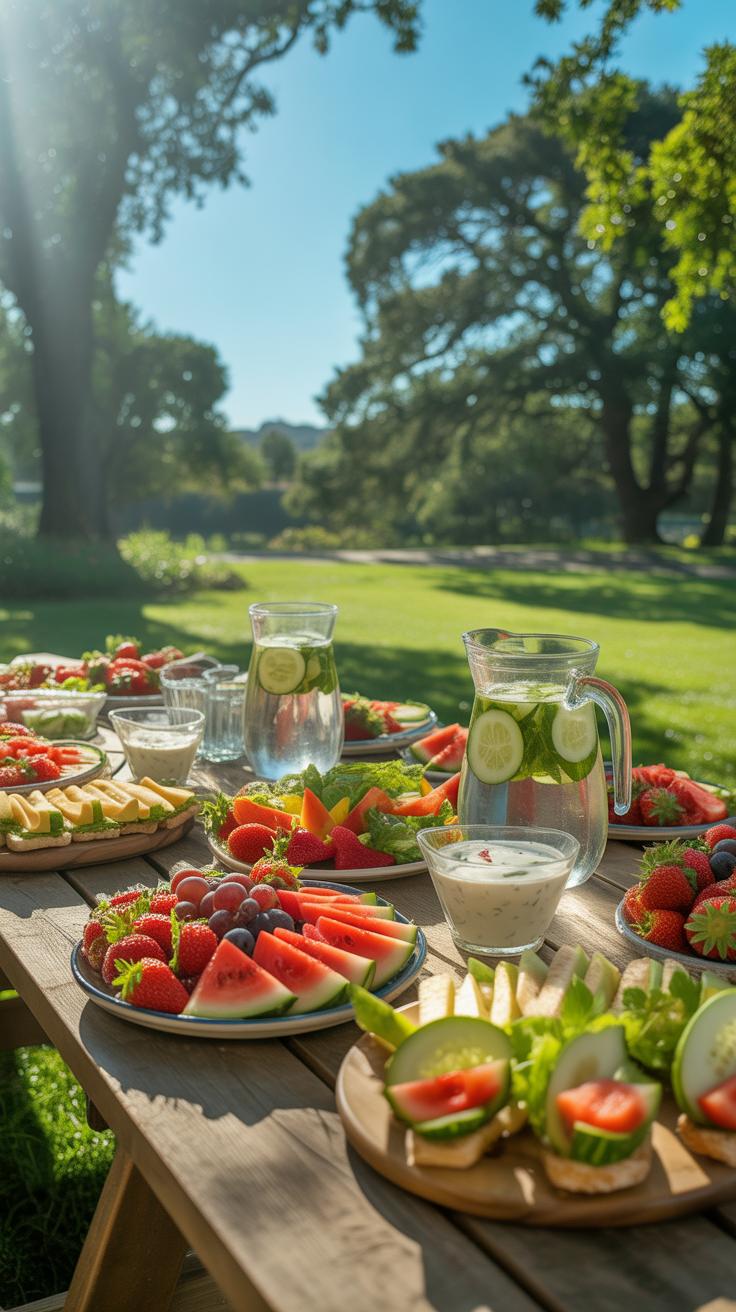
High temperatures decrease appetite but increase the body’s need for hydration. Fresh fruit provides water and natural glucose for quick energy. Opt for stone fruits like peaches or plums during their peak season in July and August. These fruits offer higher nutrient density when ripened on the tree. Slice them thin and pair with lime juice to prevent oxidation and enhance the flavor profile.
Watermelon serves as a primary hydration tool due to its 92 percent water content. Combine it with feta cheese and mint for a balanced snack. The salt in the cheese helps your body retain necessary electrolytes lost through sweat. This combination creates a stable snack that prevents blood sugar spikes. Use local produce to ensure maximum vitamin retention and superior texture compared to imported store fruit.
Good Summer Recipes For Frozen And Chilled Homemade Snacks That Cool You Down
Frozen snacks provide a thermogenic cooling effect during extreme heat. Blending frozen bananas creates a creamy base without added fats or dairy. This technique relies on the pectin in the fruit to provide a smooth mouthfeel. You can store these portions in the freezer for up to two weeks. This method eliminates the stabilizers and corn syrups found in commercial ice cream products.
Chilled yogurt bark offers a high-protein alternative to sugary snacks. Spread plain Greek yogurt on a baking sheet and freeze it until solid. This snack delivers probiotics which support gut health during summer travel. Break the frozen sheet into shards for easy portion control. This snack stays cold for several minutes after removal from the freezer. It provides a tactile cooling experience that regulates body temperature.
Low Ingredient Desserts And Snacks Delicious Results With Minimal Complexity
Three Ingredient Snack And Dessert Recipes Anyone Can Pull Off At Home
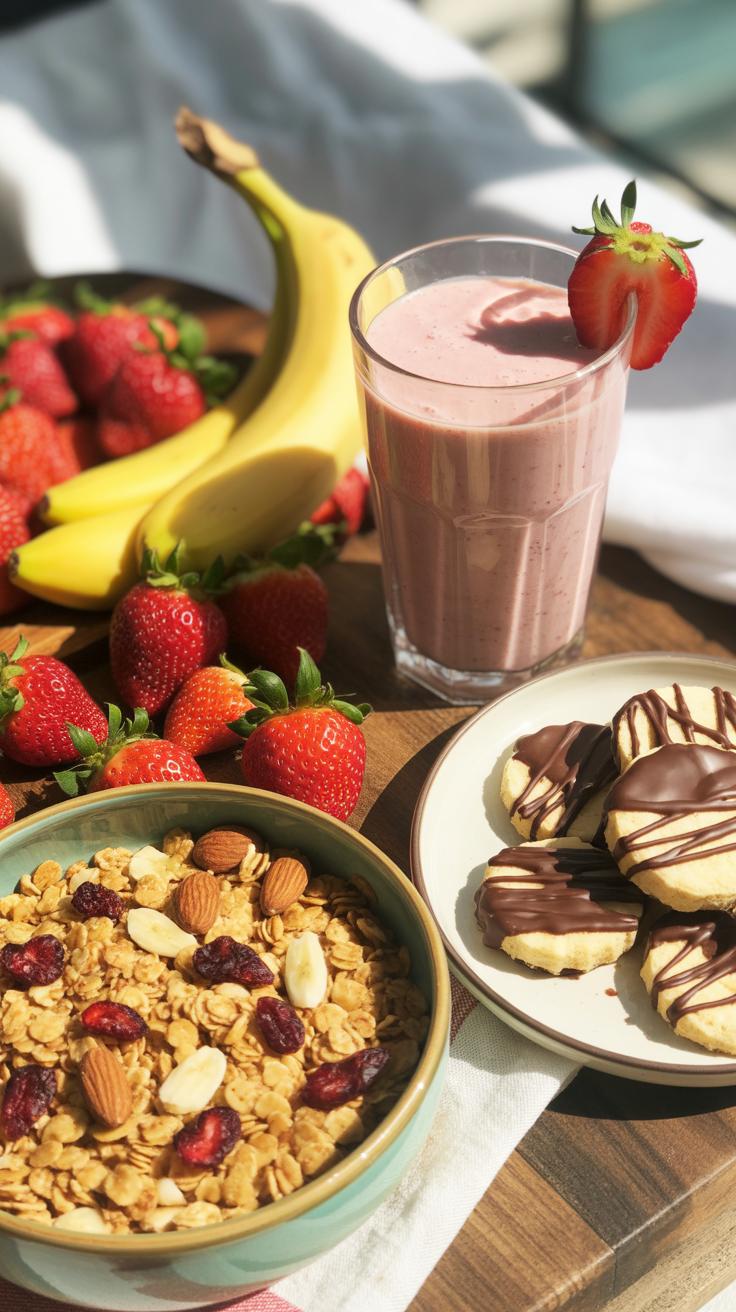
Combine frozen bananas and cocoa powder in a high-speed blender for instant chocolate ice cream. This dairy-free alternative requires no added sugar or stabilizers. The natural starch provide a creamy texture that mimics traditional custard. You only need a freezer and a motor to execute this. It works because fast processing prevents large ice crystals from forming in the fruit.
Mix rolled oats with mashed overripe bananas and dark chocolate chips to create fast energy bites. Bake these at 350 degrees for twelve minutes to set the structure. The banana acts as both the sweetener and the binder. This eliminates the need for flour, eggs, or refined white sugar. These recipes succeed because they rely on the chemical properties of whole food ingredients.
Why Fewer Ingredients Often Means Cleaner Nutrition And Better Taste
Ultra-processed snacks contain emulsifiers and gums to extend shelf life. These additives often mask the bland flavor of cheap fillers like corn starch or soy lecithin. When you limit a recipe to three items, you prioritize ingredient quality. High-fat nuts or fiber-rich dates provide the structural integrity that industrial chemicals usually handle. This shift results in a more nutrient-dense profile.
Short ingredient lists reduce the risk of hidden sugars and hydrogenated oils. You gain total control over the sodium and caloric density of every bite. Simple combinations also prevent palate fatigue caused by artificial flavor enhancers. Focus on raw materials like seeds, fruits, and cacao. This strategic approach to snacking ensures you fuel your body with recognizable fuel instead of synthetic compounds.
Healthy Sweets Recipes Guilt Free Homemade Treats Backed By Smart Ingredient Choices
How Whole Food Ingredients Like Oats, Nuts, And Dark Chocolate Elevate Sweet Snacks
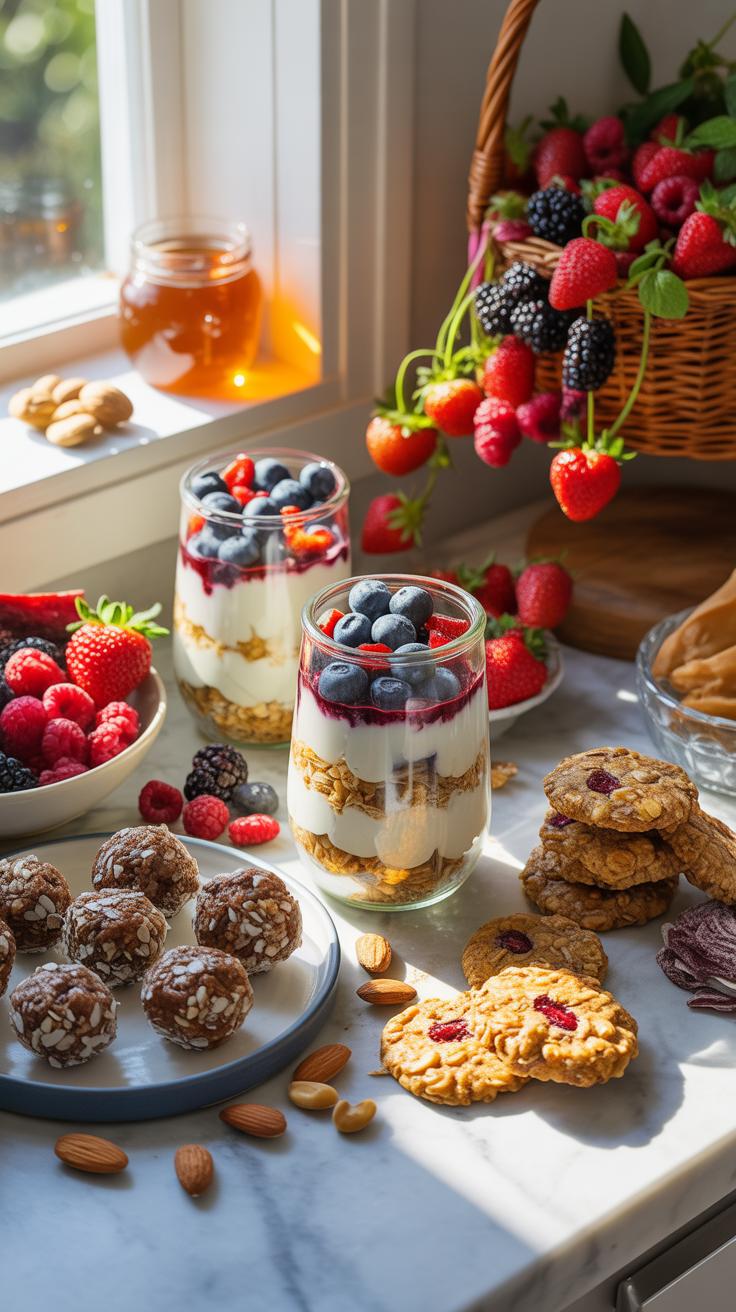
Whole food ingredients provide the structural and nutritional foundation for superior snacks. Rolled oats offer complex carbohydrates and beta-glucan fiber. This fiber slows glucose absorption into your bloodstream. Raw nuts contribute monounsaturated fats and plant-based protein. These components increase satiety and prevent the energy crashes common with processed sugar. Using these staples ensures your homemade treats function as fuel rather than empty calories.
Dark chocolate with high cocoa solids contains flavonoids and magnesium. These compounds support heart health and improve mood through chemical reactions in the brain. Unlike milk chocolate, dark varieties contain less added sugar and zero fillers. Choosing minimally processed ingredients allows you to control the nutrient density of every bite. This strategic selection replaces metabolic stress with sustained energy. You gain more biological value from every single gram.
Sweet Dishes Recipes That Deliver Real Nutritional Value Alongside Great Flavor
Effective recipes prioritize biological efficiency without sacrificing taste. Energy balls combine ground flaxseeds with nut butter to create a dense source of omega three fatty acids. Chia seed puddings utilize hydrophilic properties to create a thick texture high in calcium. These dishes use natural binders and fats to deliver a rich mouthfeel. You achieve a premium sensory experience while maintaining a strict and healthy profile.
Greek yogurt bark serves as a high protein alternative to traditional confectionery. Mixing plain yogurt with berries provides antioxidants and probiotics for gut health. Freezing this mixture creates a solid snack that mimics the snap of chocolate bars. This method eliminates the need for corn syrup or hydrogenated oils found in store brands. Focus on these simple combinations to maximize the nutritional output of your kitchen efforts.
Savory Easy Homemade Snacks That Rival Your Favorite Store Bought Chips And Crackers
Baked Homemade Chip And Cracker Recipes With Far Less Sodium And Preservatives
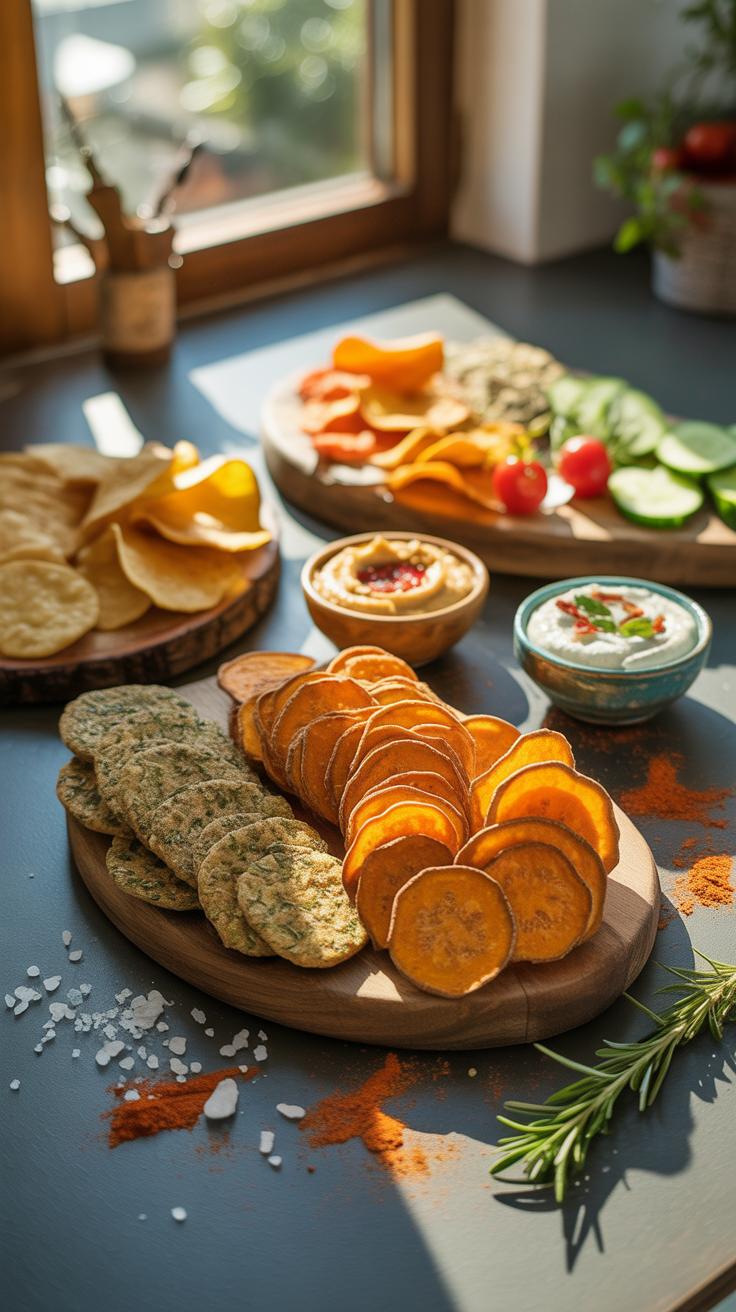
Store-bought chips rely on heavy sodium and chemical preservatives to stay shelf-stable for months. You can eliminate these additives by baking thin-sliced potatoes or kale at home. Use a mandoline for uniform slices to ensure even cooking. Brush lightly with avocado oil or olive oil. These fats handle high heat better than the cheap seed oils found in commercial processing plants.
Baking at four hundred degrees Fahrenheit creates a crisp texture without the heavy grease of deep frying. Control your salt intake by using high-quality sea salt or nutritional yeast for flavor. Homemade crackers use simple flour, water, and fat bases. This removes the need for high fructose corn syrup or bleaching agents. You get a cleaner product that satisfies the crunch reflex immediately.
Protein Packed Savory Snack Ideas To Keep You Fuller Between Meals
Protein is the most satiating macronutrient and stabilizes blood sugar levels. Most commercial savory snacks are high in refined carbohydrates which lead to energy crashes. You should focus on legumes and nuts to provide structural energy and muscle support. These ingredients offer a dense nutrient profile that processed corn chips cannot match. Prepare these in bulk to maintain a consistent nutrition plan throughout the week.
- Roasted Chickpeas: Rinse canned chickpeas and pat them completely dry before roasting. Toss them with olive oil and smoked paprika. Bake at four hundred degrees until they reach a crunchy consistency. They provide significant fiber and plant-based protein in every handful.
- Edamame With Sea Salt: Buy frozen shelled edamame for a fast preparation process. Steam or boil the beans for five minutes until tender. Sprinkle with coarse salt or chili flakes. This snack delivers complete proteins containing all nine essential amino acids your body requires.
- Beef Jerky: Slice lean beef rounds into thin strips across the grain. Marinate in soy sauce and garlic without adding liquid smoke or nitrates. Dry the meat in a low-temperature oven for several hours. This creates a portable snack that is almost pure protein.
- Spiced Toasted Walnuts: Place raw walnut halves in a dry skillet over medium heat. Toast them until they release a fragrant aroma. Add rosemary and a small amount of salt. Walnuts provide alpha-linolenic acid which supports heart health and brain function while keeping you full.
- Hard-Boiled Eggs: Boil large eggs for exactly nine minutes for a firm yolk. Cool them immediately in an ice bath to make peeling easier. Keep them in the refrigerator for a quick grab-and-go option. Each egg provides six grams of high-quality protein and healthy fats.
Pairing these proteins with healthy fats ensures long-term energy release. Avoid pre-packaged meat sticks that contain fillers like dextrose or mechanically separated poultry. Real food ingredients require more chewing and take longer to digest. This physiological process signals to your brain that you are full. Use these tactical substitutions to replace empty calories with functional fuel that improves your daily performance.
How To Store And Organize Your Homemade Snacks To Keep Them Fresh Longer
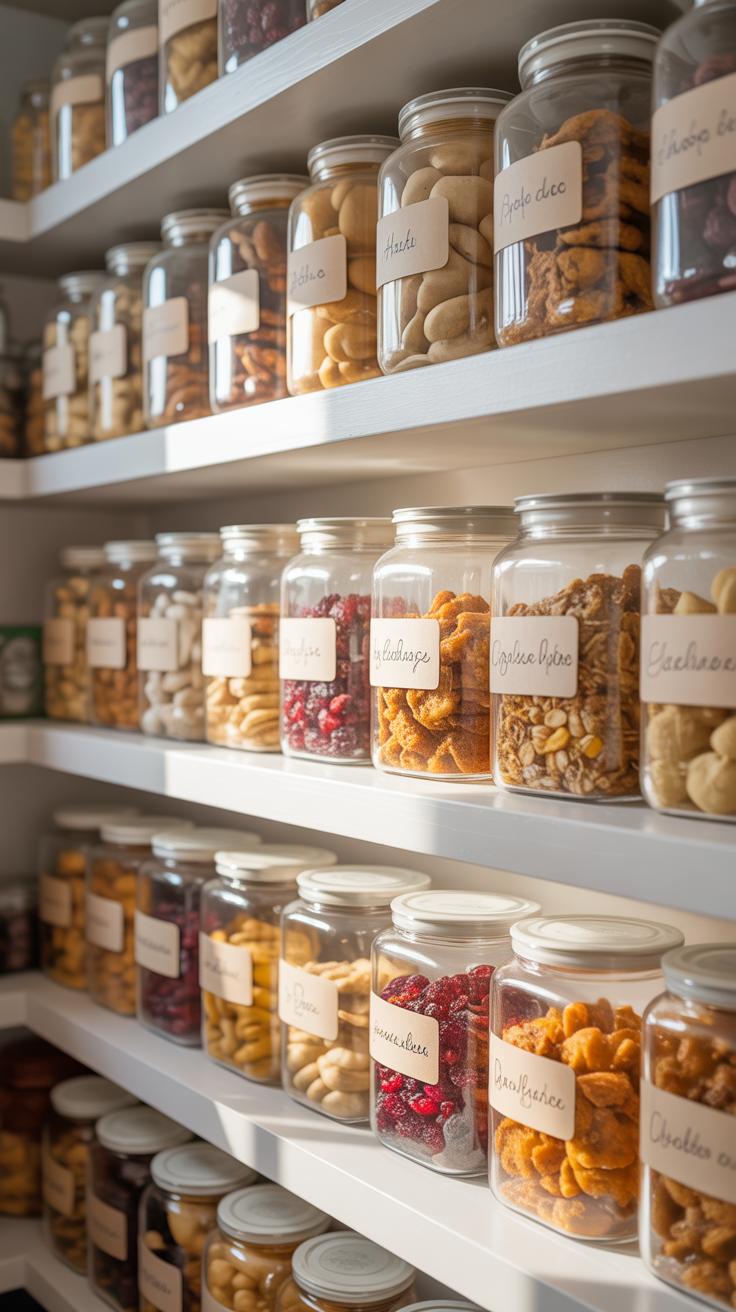
Best Storage Containers And Methods To Preserve Texture And Freshness At Home
Air and moisture destroy the nutritional value and texture of easy homemade snacks. Glass jars provide a non porous barrier that prevents chemical leaching and gas exchange. Use airtight silicone seals to stop fats from oxidizing and turning rancid. Cold storage slows down microbial growth in perishables like hummus or protein balls. Keep dry items in dark steady temperatures to prevent vitamin degradation from light.
Vacuum sealing removes oxygen to extend the shelf life of dehydrated fruits and nuts significantly. Use desiccants like silica packets for crackers to maintain crispness in humid environments. Label every container with the production date and precise contents. Transparent containers allow for quick visual inventory checks without opening the lid. Consistent temperature control prevents condensation inside the vessel which leads to rapid mold growth and spoilage.
Creating A Weekly Snack Rotation System So Nothing Goes To Waste
Implement the first in first out method to manage your inventory effectively. Place the oldest snacks at the front of the pantry or fridge shelf. This simple rule reduces food waste and ensures you consume items at peak potency. Dedicated snack zones prevent search fatigue and keep the kitchen organized. Grouping snacks by macronutrient content helps you make better tactical fueling choices throughout the work day.
Batch cook on a fixed schedule to maintain a steady supply of healthy options. Prepare only what your household can realistically consume within seven days. Freeze half of large batches immediately to preserve flavor and structure for the following week. Audit your storage bins every Sunday to identify what yields high engagement and what goes untouched. Use these objective data points to adjust your future preparation volume and variety.
Frequently Asked Questions

Why are homemade snacks considered healthier than options purchased at the grocery store?
When you prepare easy homemade snacks, you gain total control over every ingredient that enters your body. Store-bought versions are frequently loaded with hidden sugars, excessive sodium, and inflammatory seed oils to extend shelf life. By making your own at home, you can swap processed additives for nutrient-dense whole foods like nuts, seeds, and fresh fruits, ensuring your family consumes fuel that supports long-term wellness rather than just empty calories.
How can I start making snacks at home if I have a busy schedule?
The secret to mastering easy homemade snacks is batch prepping during the weekend. Focus on “no-bake” recipes like energy bites or roasted chickpeas that require minimal active kitchen time. Investing just thirty minutes on a Sunday to portion out nuts or slice fresh vegetables ensures you have grab-and-go options ready for the work week. This simple habit prevents the temptation of reaching for processed, unhealthy convenience foods when you are feeling tired.
Is it more expensive to make healthy snacks from scratch than to buy them?
Transitioning to DIY snacking is actually a fantastic way to save money on your monthly grocery bill. While pre-packaged “health bars” often carry a premium price tag, buying base components like oats, dried beans, and seasonal produce in bulk is highly cost-effective. You can create large quantities of delicious treats for a fraction of the retail cost, proving that eating well doesn’t have to strain your household budget or lifestyle.