
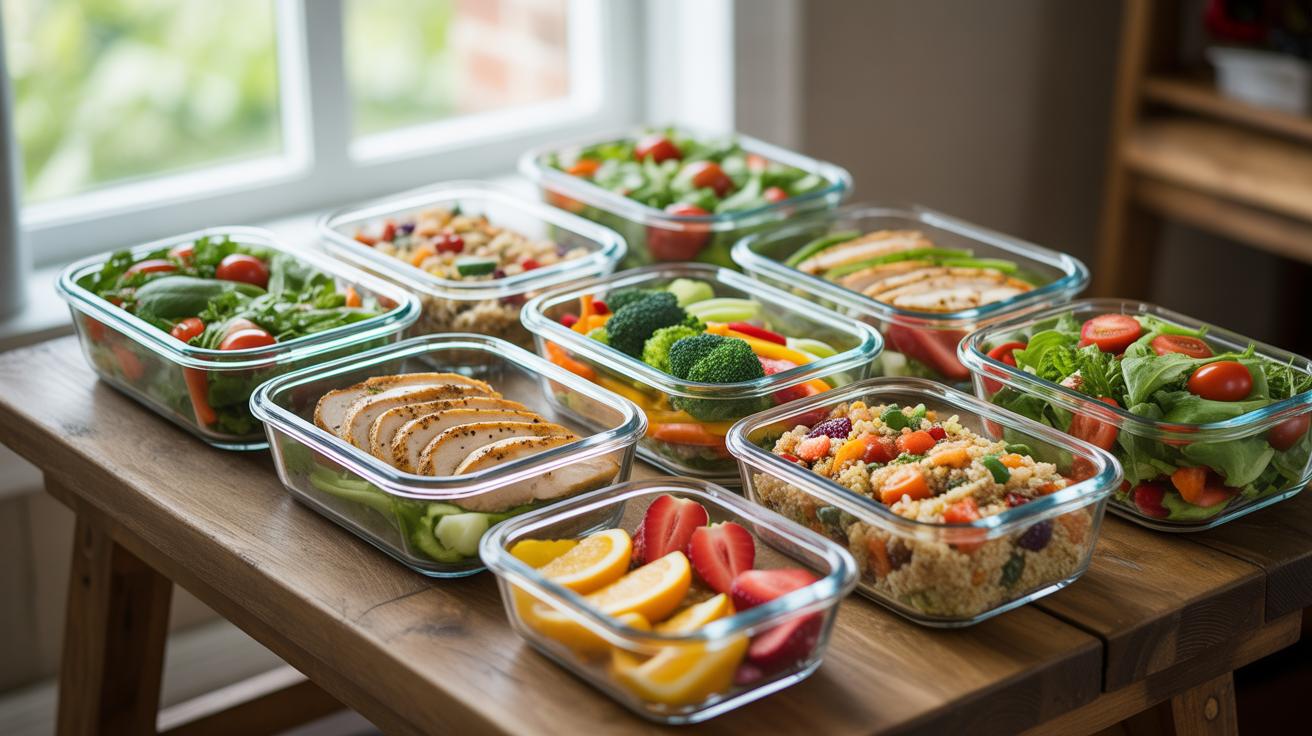
The Real Benefits Of Healthy Lunches For Work And Why Meal Prep Makes It Easier
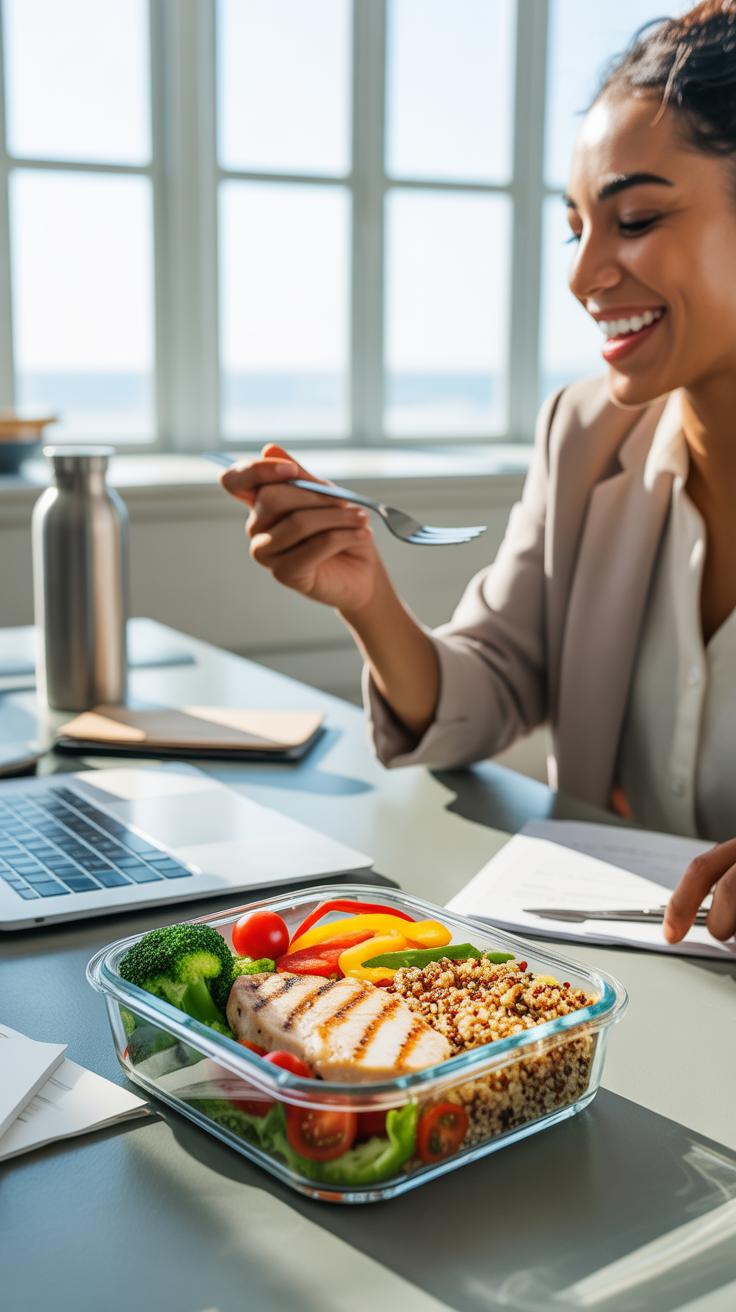
How Eating A Balanced Lunch Supports Energy And Focus At Work
The body processes macronutrients to provide immediate fuel for the brain. A lunch containing lean protein and complex carbohydrates prevents the mid-afternoon energy crash. This crash often happens after eating high-sugar or refined flour meals. Stable blood sugar levels allow you to maintain cognitive function during long meetings. You avoid the physical lethargy that destroys afternoon output and workplace efficiency.
Nutrient density directly affects your neurological performance. Omega-3 fatty acids and antioxidants found in whole foods support neurotransmitter function. This improves your memory and your ability to solve complex problems. Eating a balanced meal ensures your brain has a steady supply of glucose. You will stay sharp and alert until the end of the shift. Proper nutrition is a tactical tool for professional success.
Why Meal Prepping Your Lunches Saves Time Money And Daily Decision Fatigue
Meal prep eliminates the hourly cost of hunting for food. Purchasing ingredients in bulk reduces the price per serving significantly. Most workers spend five times more on takeout than on home-cooked meals. You reclaim thirty to sixty minutes every day that you would otherwise spend waiting in lines. This reclaimed time increases your overall productivity and allows for actual rest during your break.
Decision fatigue depletes your willpower as the day progresses. Making one choice on Sunday removes five difficult choices during the work week. You stop wasting mental energy on what to eat when you are already hungry and tired. This control ensures you stick to your nutritional goals without effort. Prepping ahead of time transforms healthy eating from a daily struggle into an automated habit.
How To Plan Your Meal Prep Ideas For The Week Lunch Like A Pro
Building A Weekly Lunch Meal Prep Schedule That Actually Works For Your Lifestyle
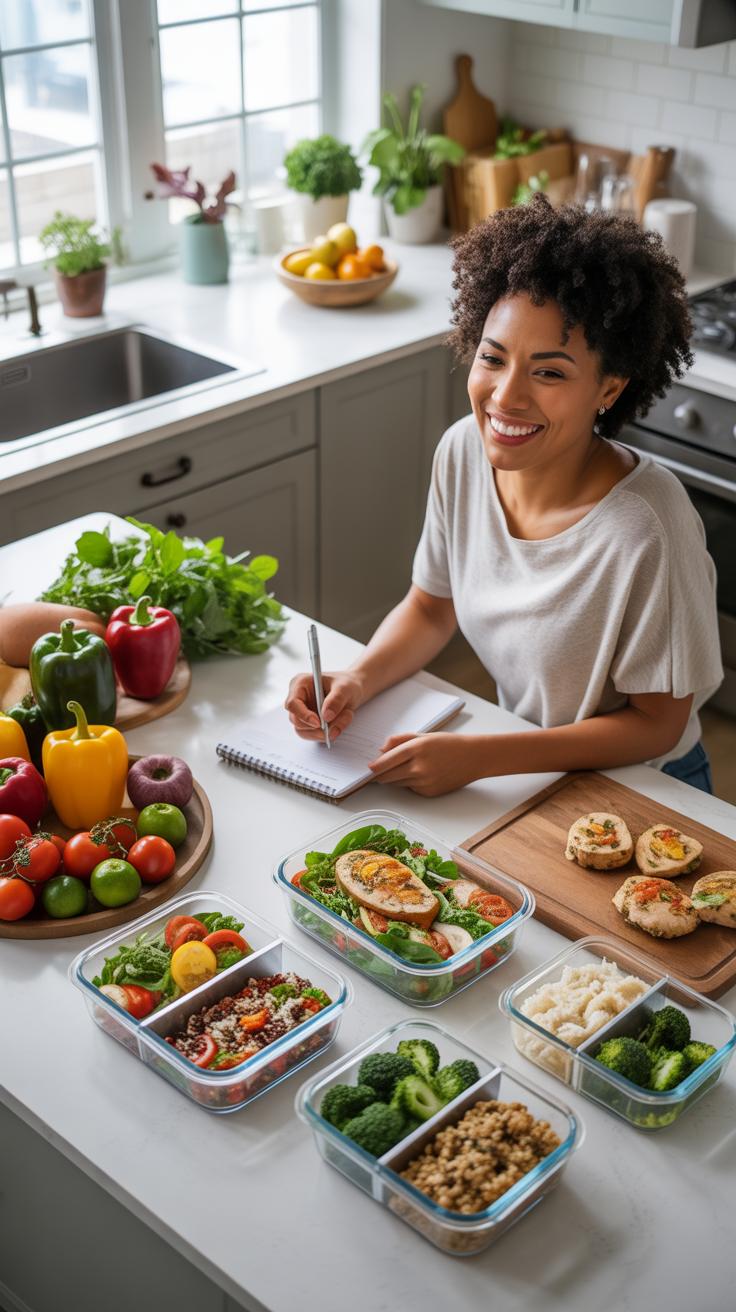
Effective meal prep requires a fixed time slot to prevent failure. Most professionals choose Sunday for bulk cooking and Wednesday for a mid-week refresh. Planning begins with a hard look at your calendar. Account for lunch meetings or travel days before you buy ingredients. This prevents food waste and ensures your prep matches your actual physical availability throughout the work week.
Standardize your shopping list to save time and money. Focus on three core proteins and four versatile vegetables. You must wash, chop, and portion these items immediately after purchase. This tactical execution removes the friction of daily cooking. Consistency builds the habit. Do not deviate from your chosen time block. Treat your meal prep like a non-negotiable business appointment to ensure long-term success.
Choosing The Right Containers And Storage Tools For Freshness And Portability
Container choice dictates the quality of your food by Friday. Borosilicate glass is the industry standard for durability and thermal shock resistance. It transitions safely from the freezer to the microwave or oven. Glass does not leach chemicals or retain odors from previous meals. High-quality lids must feature silicone gaskets and locking clips. This creates an airtight seal to maintain freshness and prevent leaks.
Invest in modular sets to maximize fridge space and ensure stackability. Vacuum-sealed containers extend the life of delicate greens and berries by several days. For cold meals, choose insulated bags with high-density foam. These maintain safe temperatures during your commute. Avoid cheap plastic that warps or stains. Proper tools protect your investment in healthy ingredients and ensure your lunch remains edible and safe for consumption.
Top Meal Prep Ideas Recipes That Are Nutritious Delicious And Office Friendly
Protein Packed Grain Bowl Recipes You Can Prep In Under An Hour On Sundays
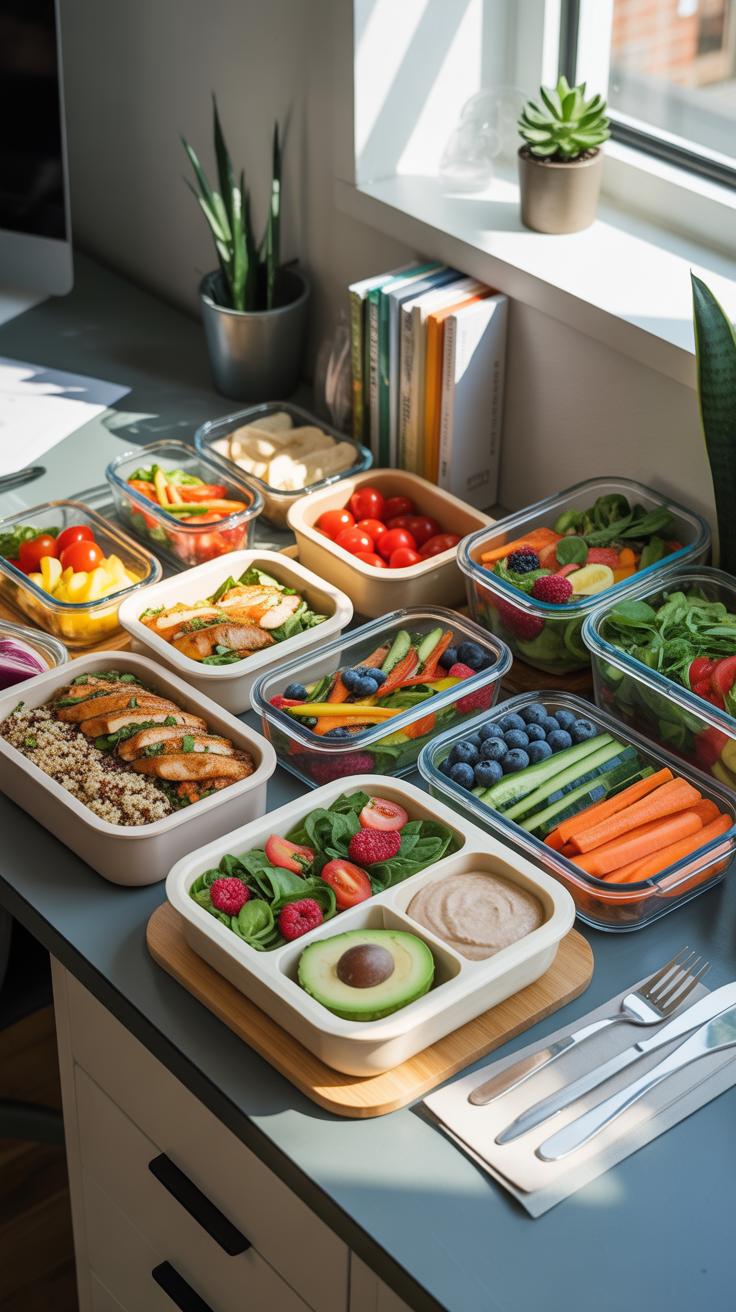
Efficiency in meal prep depends on batch processing. Start by boiling a large pot of quinoa or farro while roasting chicken breasts and chickpeas on a single sheet pan. While the oven runs, chop raw kale and cabbage to serve as a durable base. These ingredients maintain their structural integrity for five days when stored in airtight glass containers.
Assemble your bowls by layering the grains first to absorb any natural juices. Add the protein and hearty vegetables on top for better texture preservation. Keep dressings in separate small containers to prevent sogginess. This modular approach allows you to swap proteins or sauces mid-week to avoid palate fatigue. You save time by using one heat source for multiple ingredients.
Hearty Soup And Stew Recipes That Store Well And Reheat Perfectly At The Office
Soups provide the most consistent reheating results in office microwaves. Liquid-based meals distribute heat evenly and prevent the protein from becoming rubbery or dry. Focus on recipes using lentils, black beans, or root vegetables. These ingredients continue to soften and absorb flavors after the initial cooking process. Thick stews act as a complete meal without requiring additional sides.
Use heavy-bottomed pots to ensure even heat distribution during the Sunday prep phase. Once the stew cools, portion it into individual microwave-safe bowls immediately. Leave a small amount of space at the top of the container to allow for steam expansion during reheating. This tactic prevents messy spills in the communal kitchen. High-fiber legumes keep you full during long afternoon meetings.
Best Cold Packed Lunch Ideas For Work That Require Zero Reheating
Make Ahead Wraps, Sandwiches, And Pinwheels That Stay Fresh In Your Lunchbox
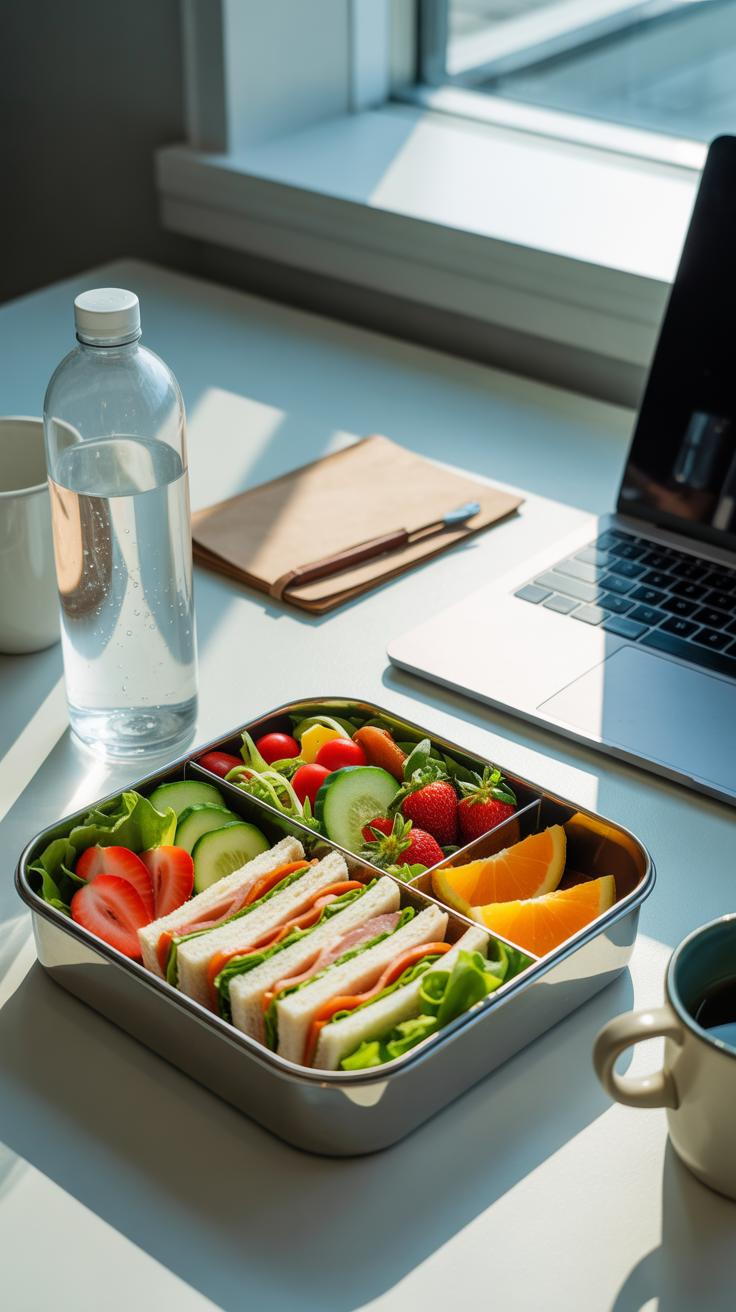
Structural integrity is the primary challenge for cold handheld meals. Moisture migration from fillings ruins bread and flour tortillas by midday. Use a barrier layer to prevent sogginess. Spread fats like butter, mayonnaise, or cream cheese directly onto the bread surface. These fats create a water-resistant seal. Place dry protein directly against this barrier. Keep high-moisture vegetables like tomatoes or sliced cucumbers in the center.
Wrap each item tightly in parchment paper or beeswax wrap before storage. Tight wrapping compresses the ingredients and prevents air from drying out the edges. If you use flour tortillas for pinwheels, chill the roll for two hours before slicing. This hardening process ensures clean cuts and holds the shape. Store these containers in the coldest part of your refrigerator until you leave for work.
Cold Pasta, Noodle, And Grain Salads That Taste Even Better The Next Day
Starch-based salads improve with time because the base absorbs the dressing flavor. Use short, textured pasta shapes like rotini or farfalle to trap vinaigrettes. Rinse cooked pasta under cold water immediately after boiling to stop the cooking process. This step removes excess surface starch and prevents clumping. Use hearty grains like farro, quinoa, or pearl barley for maximum shelf life. These grains maintain their firm texture even after three days.
Always dress grain salads at least twelve hours before consumption. The resting period allows the acid in the dressing to soften the outer hull of the grain. Add fresh herbs and leafy greens like spinach or kale only on the morning of delivery. This prevents wilting and keeps the meal visually appealing. Store the salad in glass containers to keep temperatures low and prevent odor transfer from other foods.
The Best Lunches To Meal Prep For A Full Five Day Work Week
A Simple Five Day Lunch Meal Prep Plan With Balanced Macros And Minimal Waste
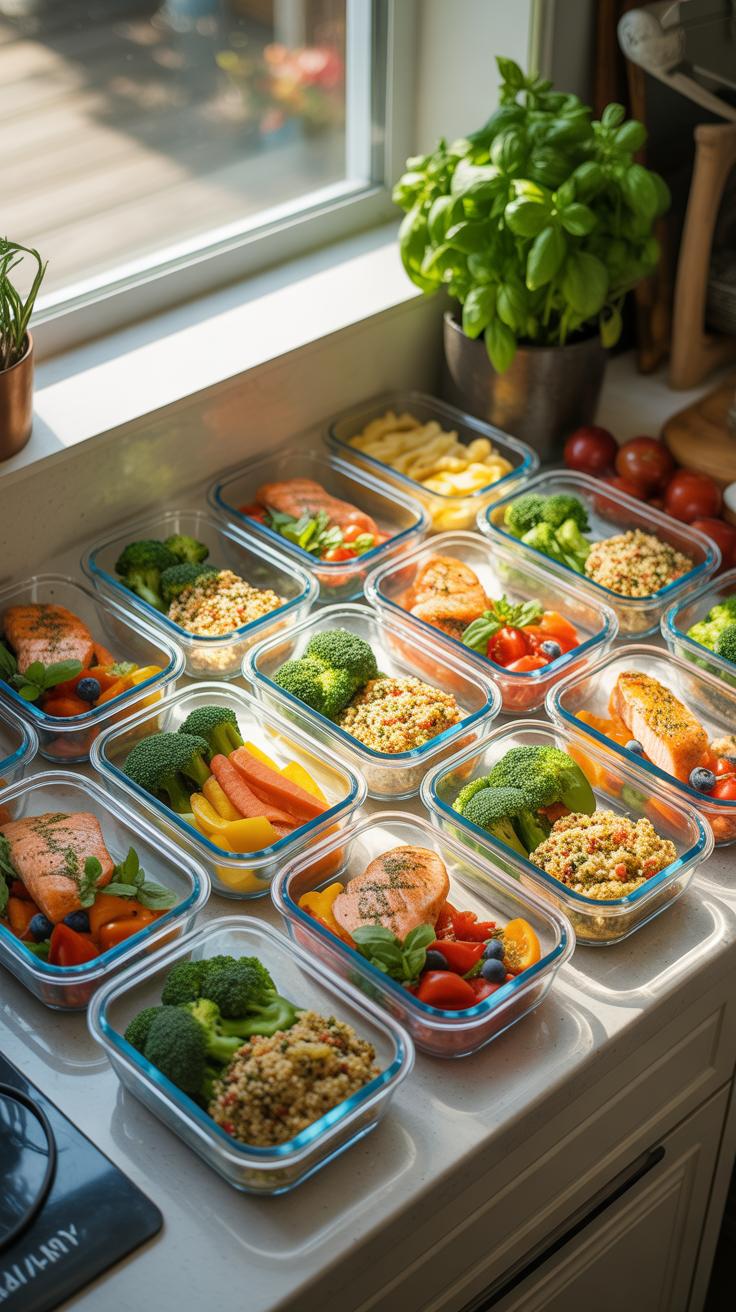
Efficient meal prep requires a single base protein and shared produce to eliminate food waste. You must calculate your macro targets before cooking to ensure each container meets your energy needs. High-volume vegetables provide satiety without excessive calories. Focus on ingredients that maintain structural integrity for five days in the refrigerator. This strategy saves time and ensures consistent nutrition throughout the busy work week.
- Roasted Chicken Breast: This lean protein serves as a versatile foundation for any meal. Season it with salt and pepper to allow for varied flavor profiles later. Cook large batches at once to ensure you have enough for five full servings.
- Quinoa or Brown Rice: Complex carbohydrates provide sustained energy during long afternoons. These grains hold up well in the fridge without becoming soggy or losing their texture. They absorb sauces effectively when reheated or eaten cold in salads.
- Steamed Broccoli: Fiber-rich vegetables fill the stomach and improve digestion. Broccoli retains its crunch and nutrients when cooked slightly underdone before storage. It pairs perfectly with almost any protein source and adds essential vitamins to your daily diet.
- Sweet Potato Cubes: Roasted tubers offer a slow-release energy source and essential minerals. Their natural sweetness balances savory proteins and hearty greens. They are durable enough to last until Friday without degrading in quality or taste.
- Leafy Green Base: Spinach or kale provides a low-calorie way to increase meal volume. Use these as a bed for your proteins and grains to add crunch and micronutrients. Keep them dry in the container to prevent wilting before consumption.
Standardize your portion sizes using food scales for maximum accuracy. Divide all prepared ingredients into five airtight containers immediately after cooling. Label each container with the date to track freshness and safety. This systematic approach removes daily decision fatigue and keeps you on track with your health goals. Prep on Sunday to dominate your schedule and maintain peak performance every single day.
How To Batch Cook Proteins, Vegetables, And Grains To Mix And Match All Week
Batch cooking is the most effective way to manage a five-day lunch schedule. You must cook each component separately to control moisture and texture. Roast your vegetables on large sheet pans at high heat for optimal flavor. Prepare large pots of grains using broth instead of water for extra nutrients. This modular system allows you to build different plates each morning based on your hunger.
Store each component in its own large container rather than pre-plating every meal. This method keeps ingredients fresh and prevents flavor transfer between disparate foods. You can combine different proteins and starches daily to avoid flavor boredom. Use various dry spices or low-calorie dressings at the moment of consumption. This tactic ensures you eat high-quality food that supports your work performance and physical health targets.
Easy Healthy Lunches That DonT Compromise On Flavor Or Nutrition
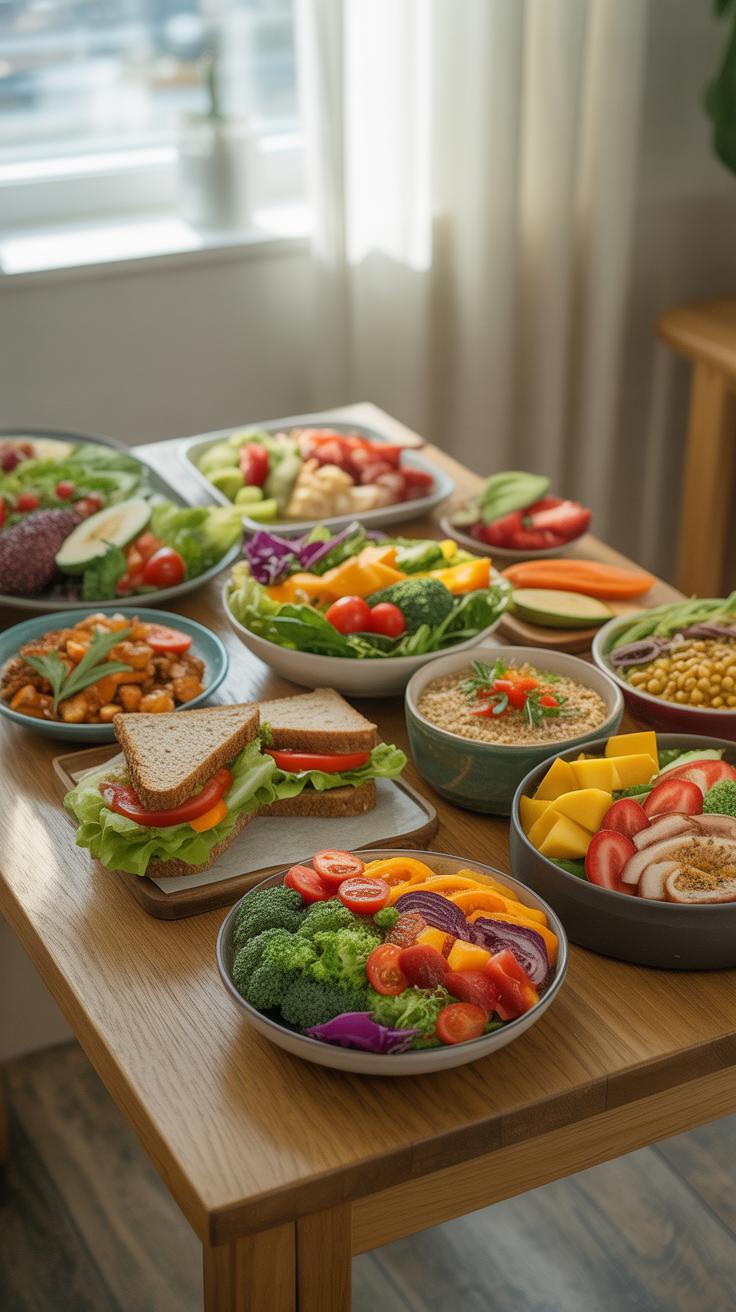
High Fiber Salad Jars With Lean Protein That Keep You Full Through The Afternoon
Strategic layering prevents moisture from ruining leaf texture. Place dressing at the bottom of the glass jar. Add dense vegetables like carrots and cucumbers next to act as a barrier. Place chickpeas or black beans over the vegetables to increase fiber content. This structure keeps the greens dry and crisp. Your salad remains fresh for four days when stored at safe refrigeration temperatures.
Lean proteins like grilled chicken or tuna provide the necessary amino acids for muscle maintenance. These proteins work with fiber to slow digestion and prevent blood sugar spikes. High fiber intake improves gut health and maintains energy levels during the work day. Use glass jars instead of plastic to avoid chemical leaching. This method ensures your meal prep stays edible and nutritious until Friday afternoon.
Simple Mediterranean Inspired Lunch Bowls Loaded With Whole Foods And Healthy Fats
The Mediterranean diet focuses on monounsaturated fats and unrefined carbohydrates. Start your bowl with a base of farro or quinoa for complex energy. Add roasted vegetables to provide essential vitamins and minerals. These whole foods offer high nutrient density with low caloric impact. Preparing large batches of grains on Sunday saves significant time during the busy work week. Efficiency is the goal here.
Incorporate healthy fats through olives and feta cheese. These fats increase the absorption of fat soluble vitamins found in your vegetables. Use lemon juice and olive oil as a simple dressing to avoid processed sugars found in store bought options. This combination supports cardiovascular health and provides steady fuel for your brain. Tactical meal prep requires high quality ingredients that do not degrade over five days.
Easy Meal Prep Work Lunch Strategies For Busy Professionals And Parents

30 Minute Sunday Prep Routines That Set You Up For Stress Free Work Lunches
Efficiency in meal prep requires a focus on versatile components rather than complex recipes. Spend thirty minutes roasting two types of vegetables and boiling a large pot of grains like quinoa or farro. These items serve as a base for multiple bowls throughout the week. Wash and dry your greens immediately so they stay crisp and ready for quick assembly.
Standardize your containers to eliminate the search for matching lids during busy mornings. Portion your prepared grains and vegetables into five individual glass containers for an easy grab and go system. Rotate your protein sources each day to prevent taste fatigue without increasing your total prep time. This structured approach removes the daily decision making process and guarantees you have a healthy meal.
Smart Grocery Shopping Tips To Keep Your Meal Prep Budget Friendly And Efficient
Successful grocery shopping focuses on high volume staples and seasonal produce. Purchase grains, beans, and nuts from bulk bins to reduce unit costs and packaging waste. Create a strict list based on your weekly menu to avoid impulse buys that bloat your budget. Check your pantry inventory before leaving the house to prevent buying duplicate ingredients you already own.
- Bulk Buying Staples: Purchase rice, oats, and lentils in large quantities. These items have a long shelf life and cost significantly less per pound than pre packaged versions. They form the core of most healthy work lunches.
- Store Brand Selection: Select private label or store brand goods for basic items like canned beans and frozen vegetables. These products often have the same nutritional profile as name brands but cost thirty percent less on average.
- Seasonal Produce Purchase: Buy fruits and vegetables that are currently in season for the best price and quality. Out of season produce requires expensive shipping and often lacks flavor. Frozen produce is a reliable and cheap alternative.
- Meat Substitutes: Incorporate plant based proteins like chickpeas or black beans into your rotation. These options cost a fraction of the price of beef or poultry. They provide necessary fiber and protein for a balanced workday meal.
- Unit Price Comparison: Look at the small unit price on the shelf tag rather than the total price. This tactic allows you to identify the true value of different package sizes. Larger bags are usually cheaper but not always.
Organize your shopping trip by the layout of the store to save time. Start in the produce section for fresh items and move to the inner aisles for dry goods last. This flow keeps your fragile items at the top of the cart and prevents damage. Stick to the perimeter of the store where the most nutrient dense whole foods are typically located.
Best Meal Prep Recipes Healthy Enough To Support Your Long Term Wellness Goals
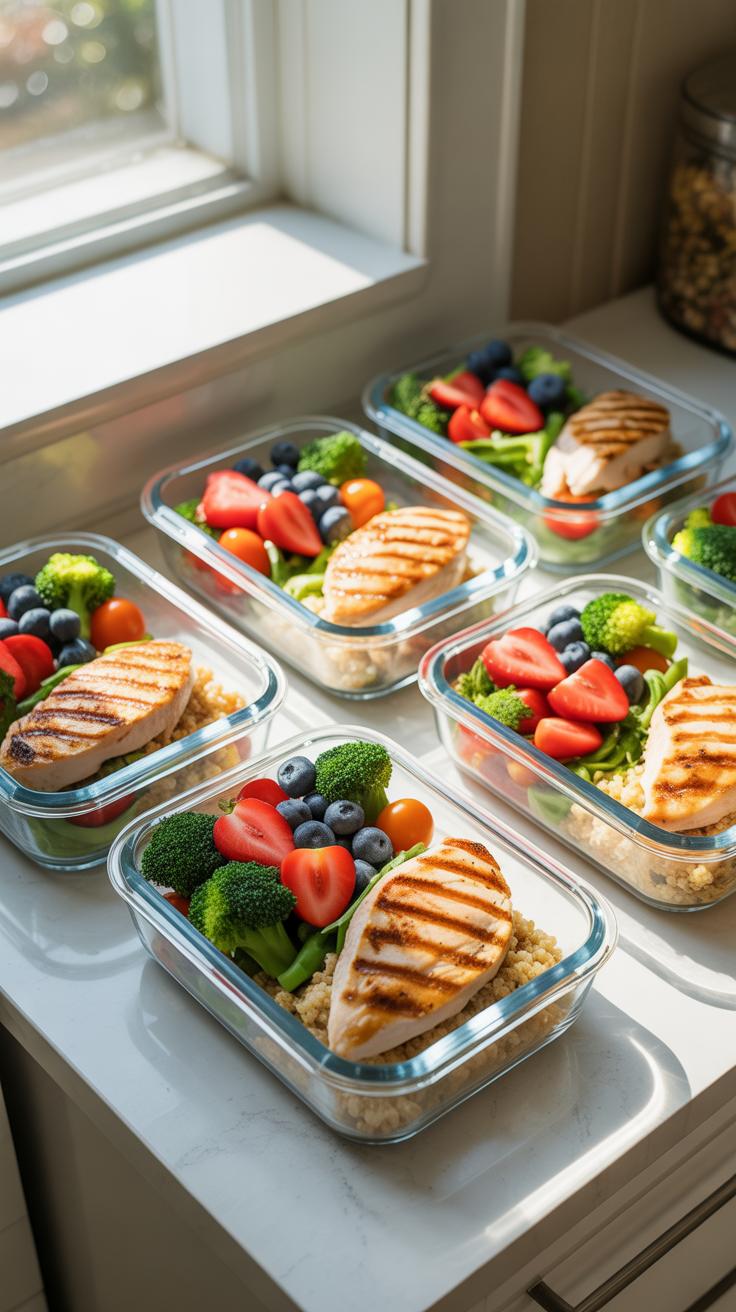
Nutrient Dense Lunch Recipes Featuring Leafy Greens Legumes And Lean Meats
Nutrient density measures the vitamins and minerals relative to total calories. Lean meats like chicken breast or turkey provide essential amino acids for muscle maintenance. Legumes such as lentils and chickpeas add fiber to regulate digestion and maintain energy. Dark leafy greens like kale and spinach offer high concentrations of folate and vitamin K. These ingredients form the foundation of effective longevity focused meal prep.
Combine these elements using a simple formula for consistent results. Roast the protein and legumes together to save time. Massage kale with olive oil so it lasts five days without wilting in the fridge. Use airtight glass containers to keep the greens crisp and prevent cross contamination. Proper storage preserves the micronutrients and prevents flavor degradation over the work week. This method ensures high quality fuel for peak performance.
Cooking is like love; it should be entered into with abandon or not at all. A little Sunday preparation is a gift of self-care you open all week long.
Low Sodium Low Sugar Meal Prep Lunches That Align With A Balanced Diet
High sodium and added sugars drive inflammation and energy crashes. Most prepared sauces contain hidden sugars that ruin health gains. You must build flavor using dry spices and citrus instead of bottled dressings. Lemon juice and apple cider vinegar provide acidity without extra salt. This approach controls blood pressure and prevents the afternoon slump common with processed office lunches.
Read labels on all canned goods used for meal prep. Rinse beans and canned vegetables to remove excess sodium before cooking. Replace brown sugar or honey in marinades with fresh garlic and ginger. Prepare your own vinaigrettes using extra virgin olive oil to control every ingredient. These small adjustments eliminate hundreds of milligrams of salt daily. Systematic ingredient control is the only way to ensure long term dietary compliance.
Easy Lunch Meal Preps For Special Diets Including Vegan Gluten Free And Dairy Free
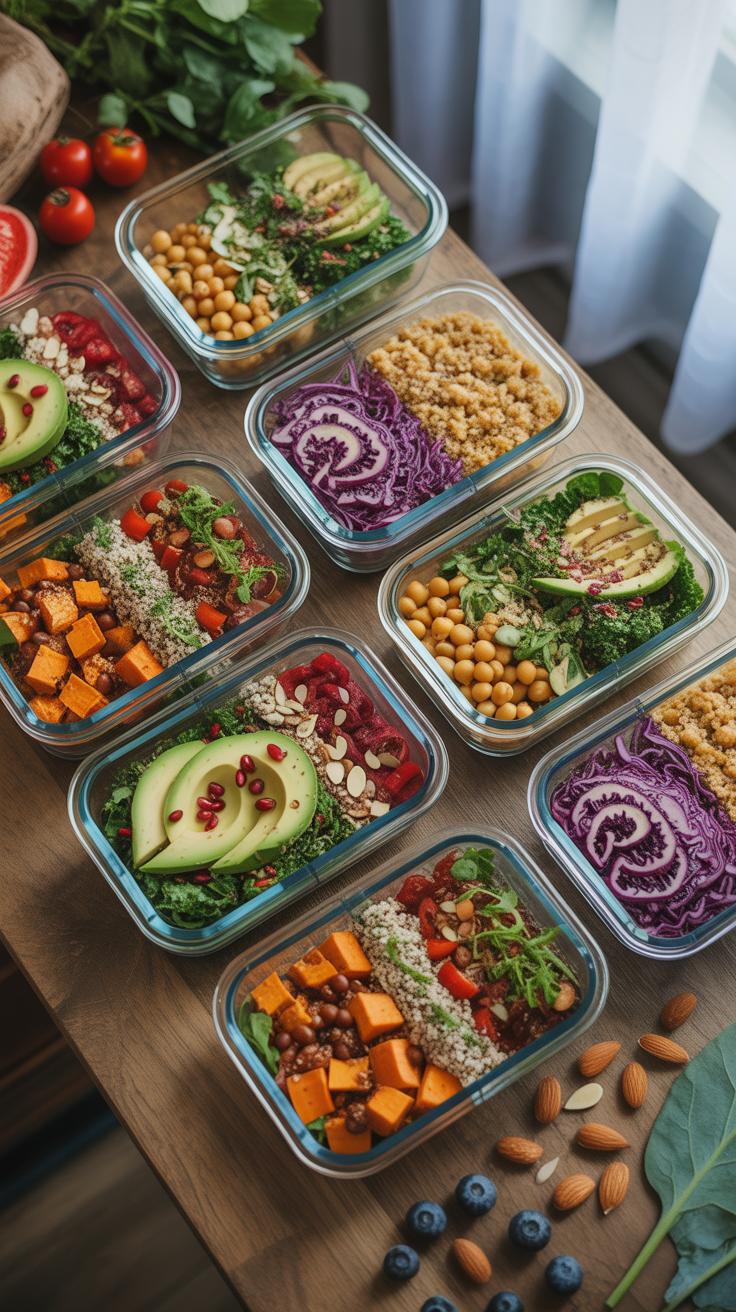
Plant Based Work Lunch Meal Prep Ideas That Are High In Protein And Satisfying
Vegan lunch prep fails when it lacks protein density. Most people rely too much on simple salads that digest quickly. Successful plant-based prep uses legumes, tempeh, and seitan as primary building blocks. These ingredients provide the structural bulk needed to stay full until dinner. You must season these proteins aggressively during the cooking phase. Use soy sauce, smoked paprika, or cumin to build depth.
High-fiber complex carbohydrates must support your protein choice. Use quinoa or farro instead of white rice to prevent blood sugar crashes. These grains hold up well in the refrigerator for five days without losing texture. Batch cook beans and grains on Sunday to create a modular system. This approach allows you to swap sauces daily to prevent palate fatigue. Texture variety prevents vegan meals from feeling repetitive.
Gluten Free And Dairy Free Lunch Prep Options That Are Safe, Tasty, And Versatile
Gluten-free and dairy-free meal prep requires strict cross-contamination control and ingredient scrutiny. Avoid processed gluten-free substitutes that turn mushy in microwave heat. Focus on naturally gluten-free whole foods like potatoes, rice, and lean animal proteins. Use healthy fats like avocado or olive oil to replace the mouthfeel of dairy. This strategy ensures your meals remain shelf-stable and delicious throughout the work week while meeting dietary needs.
Sheet pan roasting is the most efficient method for these restrictions. Roast chicken thighs with root vegetables and hearty greens in one session. This technique creates a cohesive flavor profile without needing thickeners or cream-based sauces. Use citrus juices and fresh herbs to provide acidity and brightness. Pack sauces separately to maintain the integrity of the roasted vegetables. These clean meals provide consistent energy without causing digestive distress.
Frequently Asked Questions

How do I start meal prepping for work if I have never done it before?
Starting out is easier than you think! Begin by choosing just two days a week to prepare. Focus on simple “assembly” meals like grain bowls or mason jar salads that don’t require complex cooking. Having a few go-to work lunch meal prep ideas will prevent overwhelm and help you build a consistent habit. Start with familiar ingredients to ensure you actually look forward to eating your healthy creations during your break.
How can I keep my prepped lunches fresh and crisp until Friday?
Proper storage is the secret to maintaining texture and flavor. Always place heavier, wet ingredients like dressing or proteins at the bottom of your containers, keeping delicate leafy greens at the very top. Use airtight glass containers to preserve freshness longer than plastic alternatives. When exploring new work lunch meal prep ideas, consider ingredients like cabbage, kale, or roasted root vegetables, as these hardy components hold up beautifully for several days.
Is it possible to meal prep healthy lunches on a tight budget?
Absolutely! You can save a significant amount of money by building your meals around affordable pantry staples like dried lentils, chickpeas, and brown rice. Buying seasonal produce and frozen vegetables further reduces costs without sacrificing nutrition. By focusing on these versatile bases, you can create a variety of nutritious meals for just a few dollars per serving, proving that eating well at the office doesn’t require a premium price tag.