
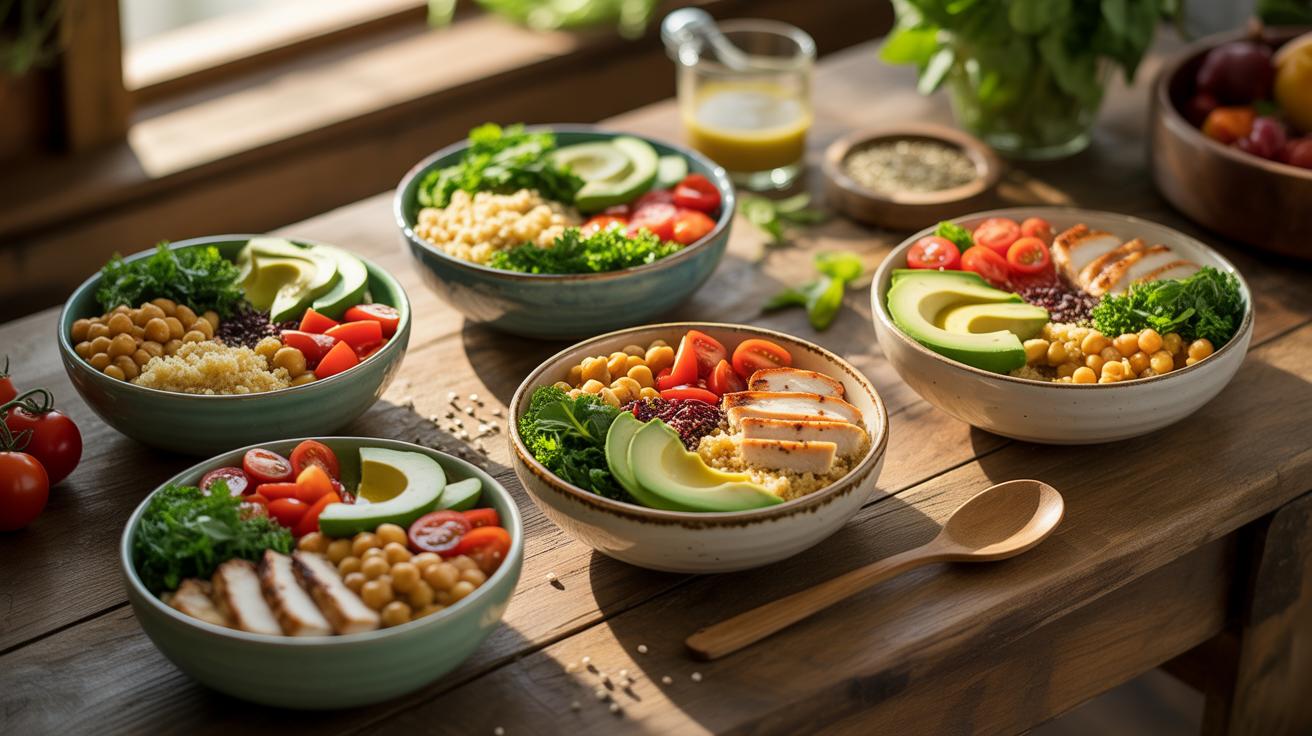
What Makes Healthy Bowls A Perfect Sunday Meal Prep Choice
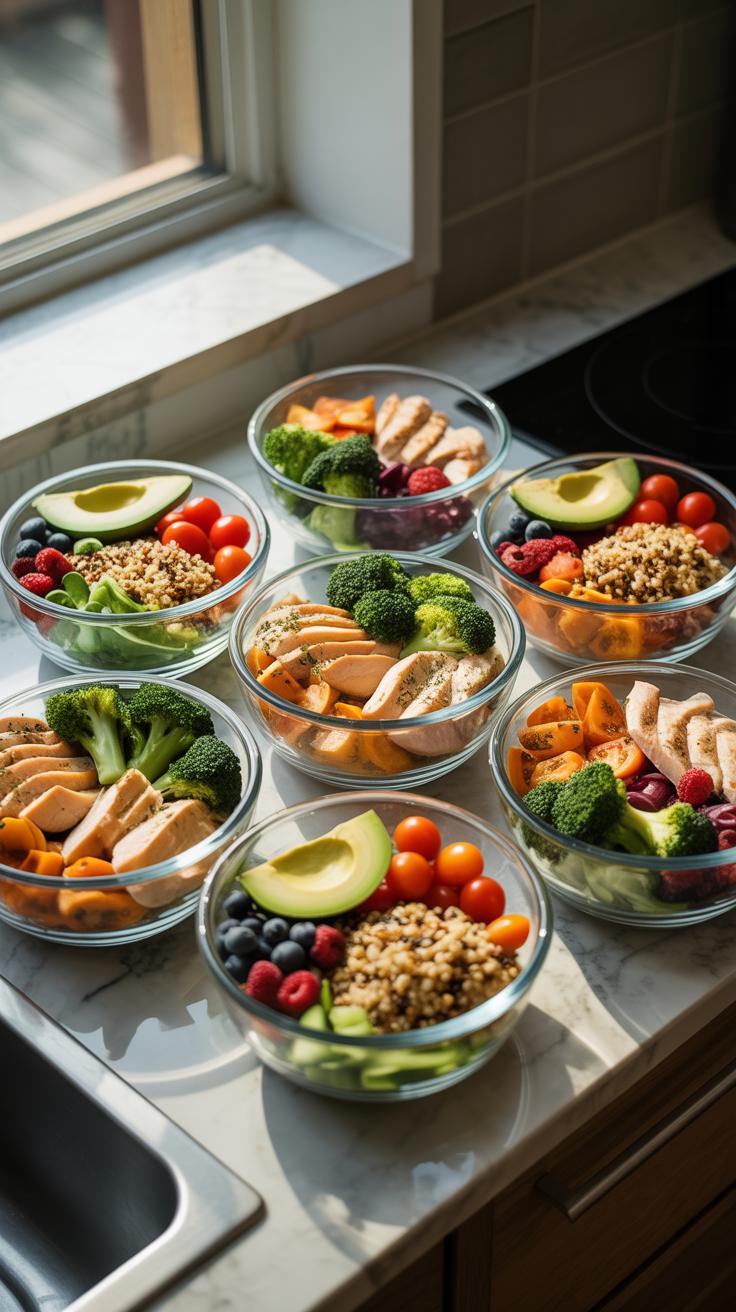
The Time Saving Logic Behind Batch Cooking Lunch Bowls On The Weekend
Batch cooking healthy lunch bowls on Sunday eliminates the daily mental load of meal selection. Preparing bulk portions of grains, proteins, and roasted vegetables takes ninety minutes but saves six hours of cumulative prep time during the work week. You use your kitchen equipment once instead of five times. This efficiency reduces cleaning cycles and lowers utility costs while ensuring you have high quality food ready immediately.
Sunday preparation creates a closed loop system for your nutrition. By pre-portioning meals into airtight glass containers, you bypass the friction of mid-week cooking fatigue. This tactical approach prevents the need for last minute takeout or skipped meals. It allows you to leverage your stove and oven at maximum capacity. You manage your inventory better and reduce food waste by using all purchased ingredients in one session.
How Balanced Bowl Components Keep You Full And Energized Through The Workday
A strategic bowl relies on the synergy of complex carbohydrates, lean proteins, and healthy fats. These components work together to provide a steady release of glucose into your bloodstream. This prevents the insulin spikes and subsequent crashes that often follow processed lunches. Fibrous greens and grains add physical volume to the meal. This volume triggers stretch receptors in your stomach to signal fullness to your brain.
Protein is the most satiating macronutrient and serves as the structural foundation for your lunch. Combining it with healthy fats like avocado or olive oil slows digestion further. This leads to sustained cognitive focus and physical energy until dinner. Healthy lunch bowls allow for precise control over sodium and refined sugar levels. You avoid the hidden additives found in commercial meals that cause lethargy and mid-afternoon productivity slumps.
Essential Ingredients To Stock Before Trying These Healthy Recipes
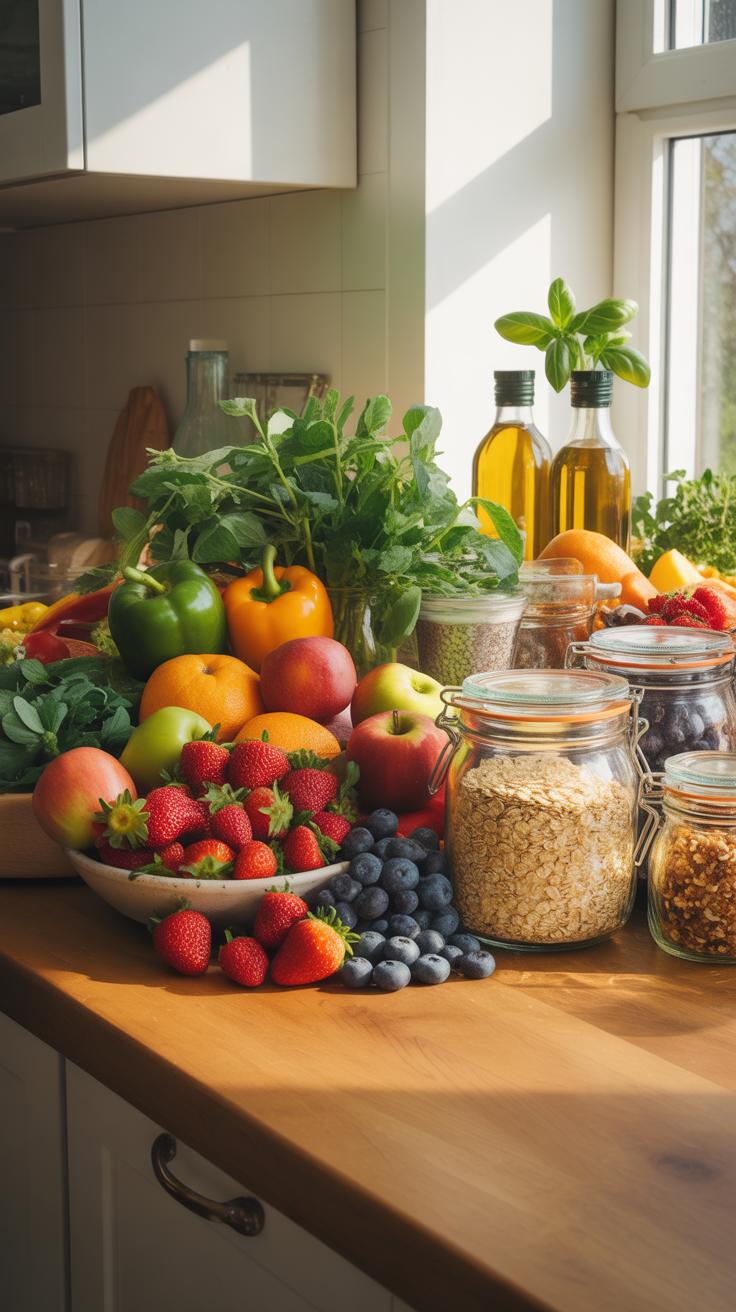
Pantry Staples And Fresh Produce That Form The Foundation Of Any Great Bowl Recipe
Successful meal prep starts with high-volume building blocks. You need a mix of shelf-stable grains and long-lasting vegetables. These items provide the structural base for your healthy lunch bowls. Without these staples, your meals will fail to satisfy your hunger. Focus on items that maintain their texture after four days in the refrigerator. Quality matters for consistency and food safety.
- Whole Grains: Brown rice, farro, and quinoa offer complex carbohydrates and fiber. These grains hold their shape when reheated and absorb sauces without becoming mushy. Stocking these allows you to build a reliable base for any flavor profile you choose throughout the week.
- Hearty Greens: Kale, cabbage, and spinach provide essential micronutrients and bulk. Cabbage and kale are particularly effective for meal prep because they do not wilt quickly. You can dress these greens early to soften their fibers without sacrificing the crunch or structural integrity.
- Legumes: Canned or dried chickpeas, black beans, and lentils add plant-based protein and fiber. These are cost-effective pantry staples that require minimal effort to prepare. Use them to increase the satiety of your bowls while keeping your grocery budget low and your fiber intake high.
- Healthy Fats: Extra virgin olive oil, tahini, and nuts are necessary for nutrient absorption and flavor. These ingredients form the basis of most dressings and toppings. Storing these in a cool, dark place ensures they remain fresh and prevent your meals from tasting dry or bland.
- Acid and Aromatics: Lemons, limes, garlic, and onions are critical for balancing flavors. Acidity cuts through heavy fats and brightness up prepped components. Keep these fresh items on hand to finish your bowls just before eating. This small step makes a significant difference in the final taste.
Strategic shopping reduces decision fatigue during Sunday prep. Purchase your base ingredients in bulk to save money and time. Wash and chop your vegetables immediately after purchase to ensure they are ready for the oven or steamer. This systematic approach guarantees you always have the components for a complete meal. Efficient pantries lead to consistent healthy eating habits every week.
Choosing The Right Proteins To Keep Your Healthy Bowls Recipes Satisfying All Week
Protein selection determines how full you feel after lunch. You must choose lean options that survive the cooling and reheating process. Chicken breast, turkey, and tofu are standard choices for a reason. These proteins take on marinades well and provide the amino acids necessary for muscle maintenance. Avoid fatty meats that congeal when cold if you plan to eat your bowls at room temperature.
Preparation method affects the longevity of your protein. Roasting or poaching keeps meat moist for several days. If you use plant-based proteins like tempeh or edamame, ensure they are seasoned aggressively to maintain interest. High-quality protein prevents mid-afternoon energy crashes. Aim for twenty to thirty grams per bowl to hit your nutritional targets. Consistent protein intake is the most effective way to manage your appetite.
How To Build Healthy Bowls Recipes With A Winning Base Every Time
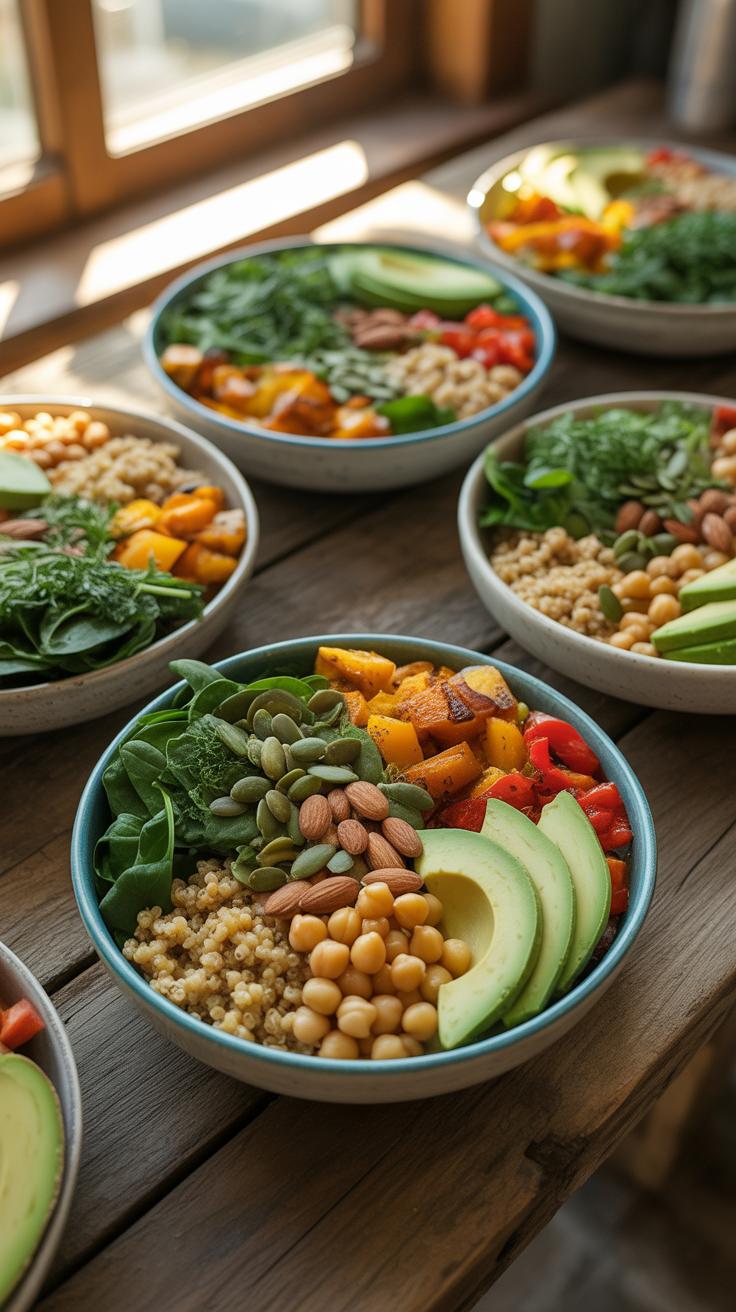
Grains Vs. Greens: Picking The Best Base Layer For Your Healthy Lunch Bowls
Storage life determines your choice of base for meal prep. Hearty grains like farro or barley hold their texture for five days in the refrigerator. They do not get soggy when you add dressing. Greens offer fewer calories but wilt faster. Use sturdy greens like kale or shredded cabbage if you prep on Sunday. They resist moisture better than spinach or soft butter lettuce.
Consider your energy needs for the afternoon. Grains provide steady glucose release to keep your brain sharp. This prevents the mid-afternoon energy crash common with low-carb meals. Greens maximize volume without adding heavy calories. Use a mix of both to balance satiety and weight goals. Place the greens on top of the grains if you plan to microwave the bowl later.
Why Whole Grains Like Brown Rice And Quinoa Are Nutritional Powerhouses For Lunch
Whole grains retain the bran and germ layers. These layers contain essential B vitamins and fiber. Fiber slows down digestion and keeps you full until dinner. Refined white grains strip these nutrients away during processing. Using brown rice or quinoa ensures your body gets magnesium and phosphorus. These minerals support bone health and daily energy production during your work day.
Quinoa acts as a complete protein source. It contains all nine essential amino acids your body cannot make on its own. This makes it a superior base for vegetarian or vegan lunch bowls. Brown rice offers a reliable gluten-free option with a neutral flavor profile. Both grains absorb sauces well without losing their structural integrity. This makes them the most efficient choice for batch cooking.
Asian Bowl Recipe Ideas That Are Easy To Prep And Packed With Flavor
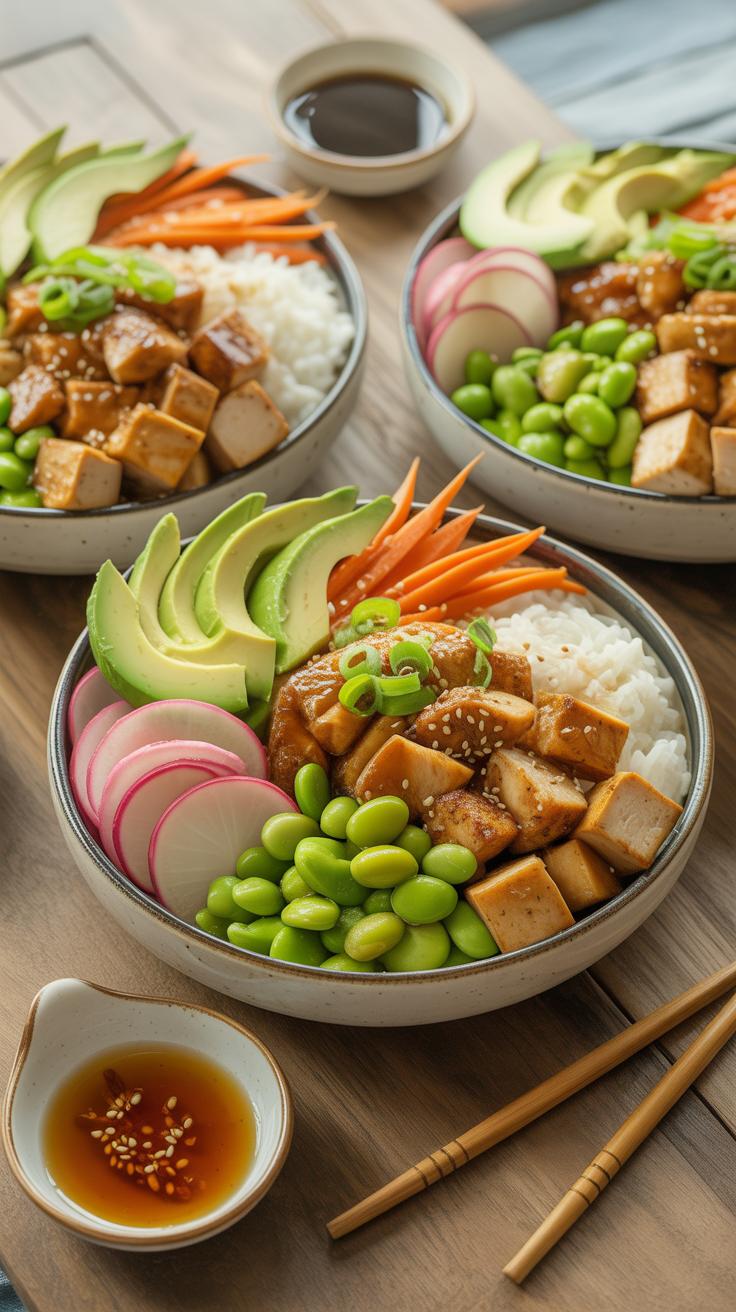
A Simple Teriyaki Chicken Rice Bowl That Comes Together In Under 30 Minutes
Efficiency defines this meal prep staple. Start by thinning chicken thighs or breasts into uniform strips to ensure fast cooking. Use a hot skillet with minimal oil to sear the meat. This method locks in juices while providing texture. While the protein cooks, prepare white or brown rice in a pressure cooker. This setup minimizes active labor time and keeps your kitchen workflow clean.
Strategic seasoning relies on a basic three ingredient sauce. Combine soy sauce, ginger, and a small amount of honey or mirin. Reduction happens fast in the pan during the final two minutes of cooking. This glaze coats the chicken without making the rice soggy later. Add steamed broccoli or snap peas to the container for fiber. Store the sauce separately if you prefer a crispier texture during weekday reheating.
How To Build A Nourishing Miso Glazed Salmon Bowl With Pickled Vegetables
Salmon provides essential omega three fatty acids and high protein density. Whisk white miso paste with rice vinegar to create a savory rub. Apply this mixture to the fillets before baking them at four hundred degrees. The high sugar content in miso caramelizes quickly under heat. Watch the timer to prevent burning. This technique delivers professional results with very little manual effort or specialized culinary tools.
Acid balance is the secret to a successful meal prep bowl. Use quick pickled cucumbers and radishes to cut through the fatty fish. Submerge sliced vegetables in a mix of vinegar, salt, and water for twenty minutes. This step adds crunch and prevents the dish from feeling heavy. Assemble the bowls with a base of quinoa or jasmine rice. These components stay fresh and flavorful for four days in the fridge.
Rice Bowl Recipes That Store Beautifully For Up To Four Days
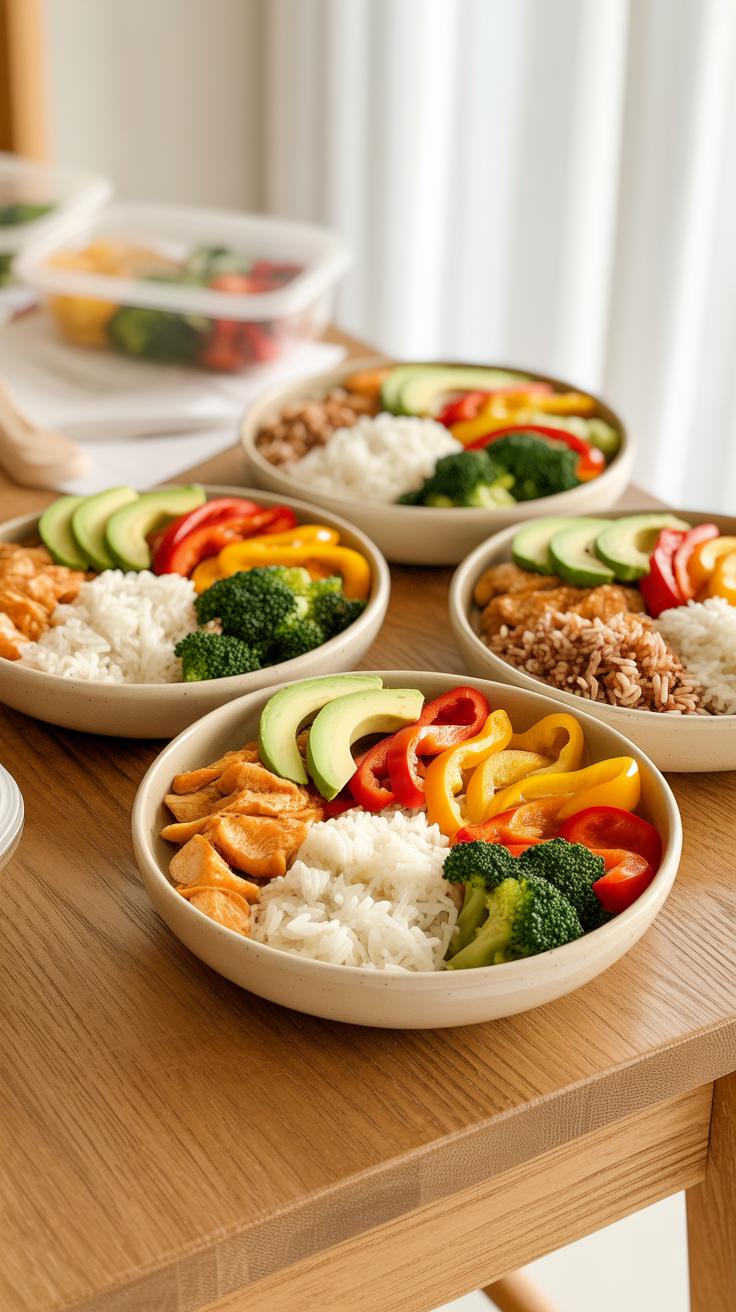
The Best Types Of Rice To Use In Meal Prepped Bowls And Why Texture Matters
Short-grain white rice fails in meal prep because it turns into a hard brick when cold. You must choose grains with high amylose content to maintain a soft bite after refrigeration. Long-grain varieties like Basmati or Jasmine provide the best results for four-day storage. These grains stay separate and fluffy. Brown rice offers more structural integrity because the outer bran layer prevents the kernel from collapsing.
Texture dictates the quality of your lunch. Moisture migration is your main enemy during storage. Parboiled rice is a strategic choice because the steam-pressure process gelatinizes the starch. This prevents the grain from drying out too fast. Always undercook your rice by two minutes if you plan to reheat it. This ensures the final texture remains firm rather than mushy. Residual steam in the container finishes the cooking process.
The greatest wealth is health, and there is no better gift to your future self than a Sunday afternoon spent nourishing your roots for the week ahead.
A Hearty Burrito Style Rice Bowl With Black Beans Roasted Corn And Avocado Crema
This bowl relies on high-fiber components that do not degrade in the fridge. Use a base of cilantro lime brown rice to provide a sturdy foundation. Mix in canned black beans that you have rinsed and dried thoroughly. Excess liquid from the beans will make the rice soggy by day three. Roast your corn until it chars to add a smoky flavor profile without adding extra moisture.
Fat is essential for satiety but presents a storage challenge. Traditional avocado slices oxidize and turn brown within hours. You must blend avocado with lime juice and Greek yogurt to create a stable crema. The acidity in the lime prevents browning while the yogurt adds protein. Store this dressing in a separate small container. Only add the crema to the bowl right before you eat to maintain the proper texture.
Plant Based Bowl Ideas For Clean Wholesome Weekday Lunches
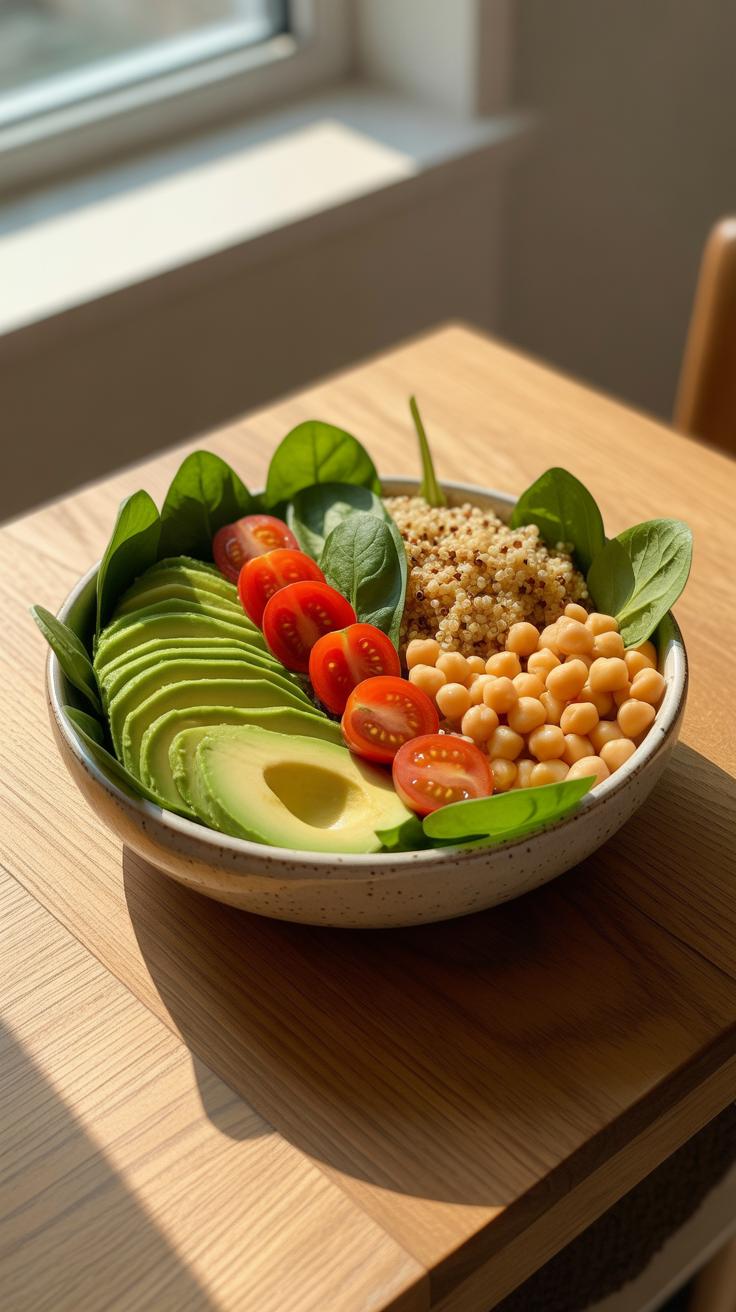
Building A Protein Rich Vegan Bowl With Chickpeas, Roasted Vegetables, And Tahini
Vegan meal prep requires a focus on density. Start with canned or boiled chickpeas to provide a base of complex carbohydrates and fiber. Roast dense vegetables like sweet potatoes and broccoli at high heat to improve flavor and texture. High heat removes excess moisture so the vegetables stay firm for several days in the fridge. This strategy prevents the grain bowl from becoming soggy by midweek.
Fat selection determines satiety. Tahini serves as a functional dressing because it contains healthy fats and sesame minerals. Whisk tahini with lemon juice and water to create a creamy coating without using processed oils. This dressing keeps the chickpeas moist during storage. Balance the bowl with raw greens added only before eating. This separation ensures the base ingredients maintain their structural integrity and nutritional profile until Friday.
Why Legumes And Seeds Make Plant Based Healthy Lunch Bowls Nutritionally Complete
Legumes are indispensable for plant-based nutrition plans. Lentils and beans provide essential amino acids that stabilize blood sugar levels throughout the afternoon. Most legumes also offer iron and magnesium which support energy production. Combining these with a whole grain base like quinoa or brown rice creates a complete protein profile. This combination ensures the body receives all necessary building blocks for muscle repair and cognitive function.
Seeds add essential fats and micronutrients often missing from standard diets. Hemp, chia, and pumpkin seeds provide omega-3 fatty acids and zinc. These small additions increase the caloric density of the bowl without significantly increasing volume. They also add texture to soft cooked grains and legumes. Integrating seeds ensures that the vegan lunch meets daily requirements for mineral intake. Use raw or toasted seeds to maximize nutritional absorption.
Bowl Recipes Healthy Enough To Support Your Fitness And Wellness Goals
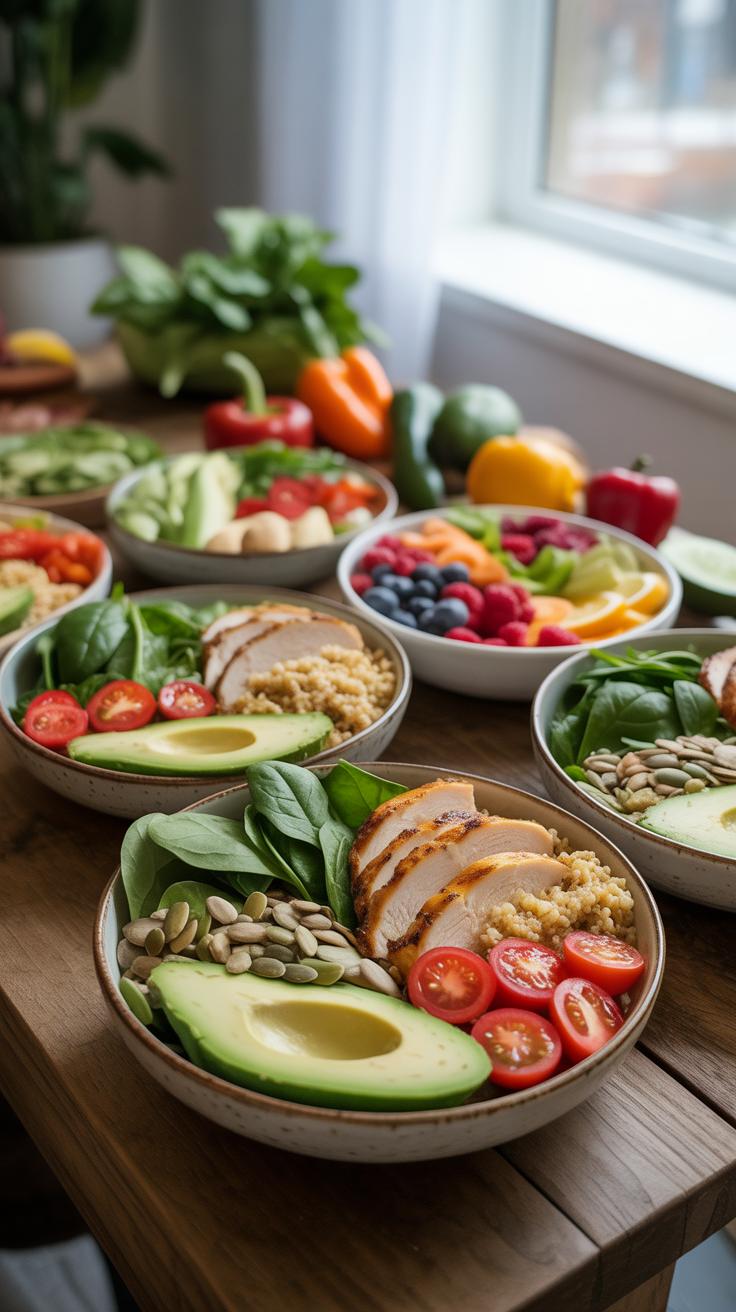
How To Dial In Your Macros When Assembling High Protein Or Low Carb Lunch Bowls
Precision assembly ensures your lunch supports your metabolic needs. Start by selecting a dense protein source like grilled chicken or tempeh to hit individual amino acid requirements. High-protein bowls require at least thirty grams of protein to trigger muscle protein synthesis. Low-carb versions replace traditional grains with riced cauliflower or shredded cabbage. These swaps drop the glycemic load while increasing fiber content for better digestion.
Strategic fat selection provides sustained energy without causing blood sugar spikes. Use monounsaturated fats from avocados or extra virgin olive oil to increase satiety. Measure every component by weight or volume to avoid calorie creep. For low-carb goals, keep net carbs under fifteen grams per serving. For high-protein goals, maintain a ratios of two parts protein to one part carbohydrate. This discipline keeps your nutrition on track during the work week.
Anti Inflammatory Toppings And Dressings That Upgrade Any Healthy Eats Bowl
Inflammation slows recovery and impacts cognitive function. Counteract this by adding ingredients rich in polyphenols and antioxidants to every bowl. Turmeric and ginger are essential for their bioactive compounds like curcumin and gingerol. These roots work best when paired with black pepper to increase absorption rates. Fermented foods like kimchi or unpasteurized sauerkraut provide probiotics that support gut health and reduce systemic inflammation.
Fatty acids are the primary tools for reducing cellular stress. Use walnuts or hemp seeds as crunchy toppers to provide omega three fatty acids. Dressings should rely on apple cider vinegar or lemon juice rather than processed seed oils. These acidic bases stabilize blood sugar levels after a meal. Avoid pre-made dressings that contain hidden sugars or additives. Simple, whole-food toppers turn a basic lunch into a functional recovery meal.
Smart Storage Tips To Keep Your Healthy Lunch Bowls Fresh All Week
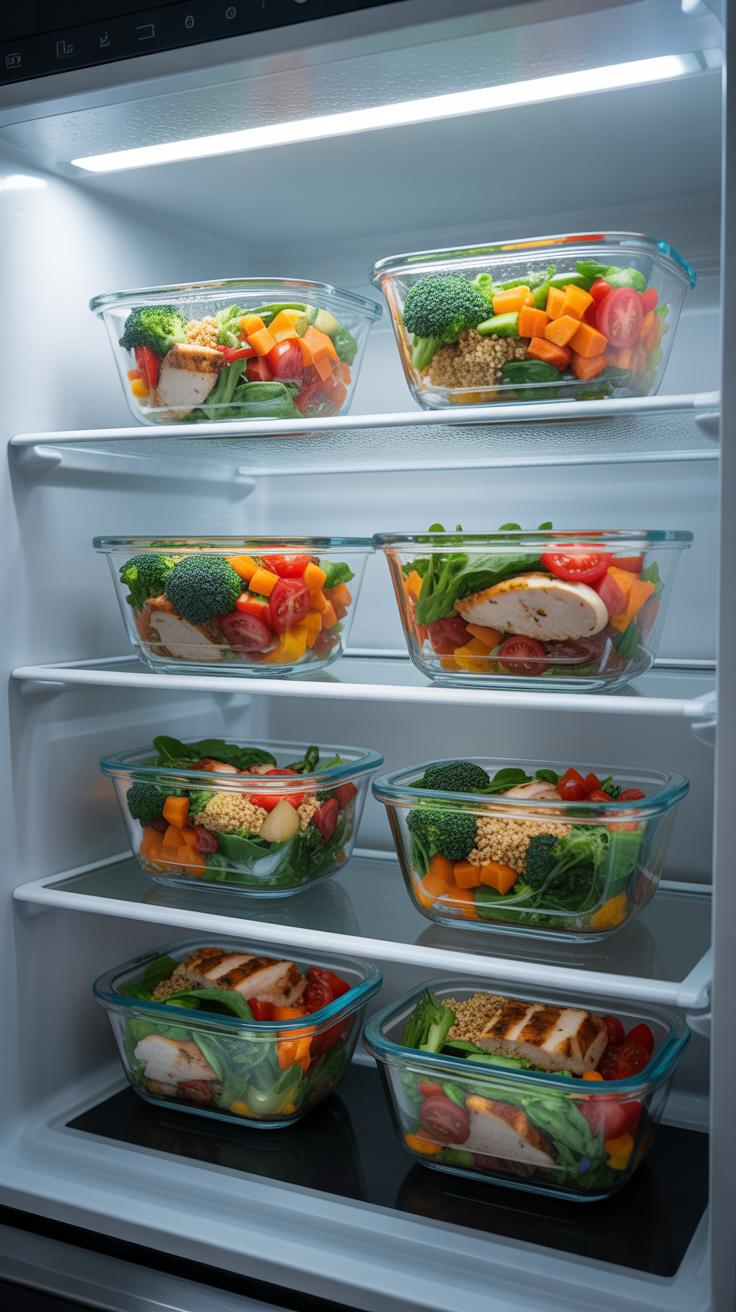
The Right Containers And Layering Techniques To Prevent Soggy Bowls
Container choice and layering order determine the shelf life of your meal. Glass containers outperform plastic because they do not leach chemicals or hold odors. High-quality seals prevent oxidation and spills. You must layer ingredients strategically to isolate moisture from delicate components. This architecture keeps greens crisp and grains firm for five days. Proper stacking ensures that the textures remain distinct until you mix the bowl.
- Glass Meal Prep Containers: Borosilicate glass resists thermal shock and maintains a neutral environment for food. These containers do not stain or retain flavors from previous meals. They are the industry standard for safe, long-term food storage in professional and home kitchens.
- Vertical Layering Method: Place heavy sauces and dressings at the bottom of the container. Follow with sturdy vegetables like carrots or radishes to act as a barrier. Add grains and proteins in the middle. Place leafy greens at the very top to avoid wilting from moisture contact.
- Vacuum Seal Lids: These lids remove excess air to slow down the process of oxidation. Reducing oxygen exposure prevents browning in sliced vegetables and maintains the nutritional integrity of the ingredients. Use these for bowls containing ingredients like cabbage or hearty kale that oxidize quickly.
- Silicone Divider Inserts: Use these to keep dry items like nuts or seeds away from damp ingredients. They fit inside standard containers to create a physical wall. This prevents moisture migration which often leads to mushy textures in complex healthy lunch bowls.
- Airtight Snap Locks: Four-hinge locking systems provide a leak-proof seal that plastic wrap cannot match. A tight seal keeps the internal humidity stable. This stability is critical for keeping grains from drying out while ensuring that the overall meal does not absorb refrigerator smells.
Select the right size container to minimize dead air space. Excess air causes food to spoil faster. Fill containers nearly to the top but leave enough room for a clean seal. If you use round containers, ensure they stack easily to maximize fridge space. Consistency in your container set makes your Sunday prep faster and more organized. High-quality materials are a one-time investment for better food quality.
Which Bowl Ingredients To Store Separately And Which To Combine Ahead Of Time
Mix grains and cooked proteins early to allow flavors to meld. Hearty beans and roasted root vegetables also benefit from sitting together. These dense foods do not lose their structure when exposed to light moisture. Storing them in the same container saves space and improves the taste profile after forty-eight hours. Only combine items that share similar shelf lives and moisture levels to maintain safety.
Keep high-moisture fruits and fats like avocado separate until the moment of consumption. Cut avocado oxidizes rapidly even in airtight environments. Store crunchy toppings like toasted seeds or crackers in a dry pantry container to prevent them from absorbing humidity. Add these elements just before eating to ensure the proper contrast in texture. Dressings should remain in individual jars or small cups to prevent the entire bowl from becoming soggy.
A Full Sunday Prep Plan To Have Five Healthy Bowls Ready By Evening
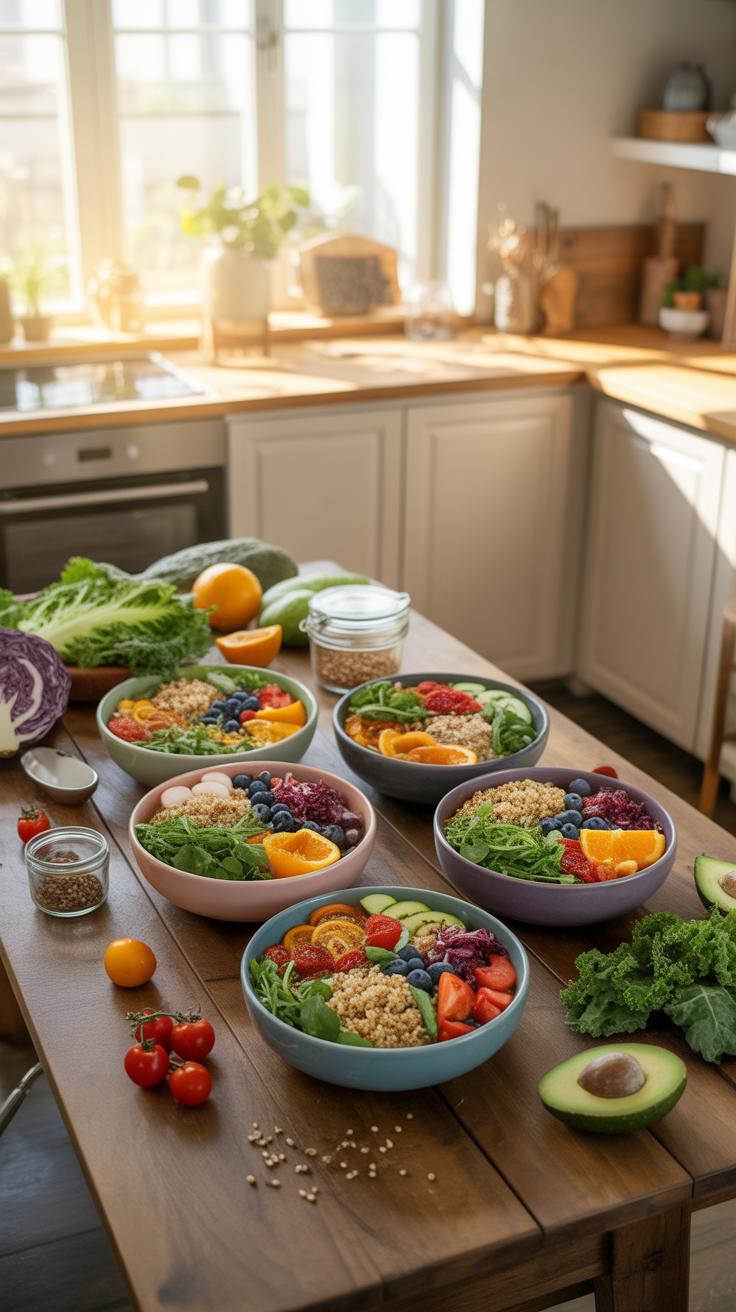
A Step By Step Sunday Kitchen Timeline For Prepping Multiple Bowl Recipes At Once
Efficiency starts with the oven. Preheat to four hundred degrees Fahrenheit immediately. Group your densest root vegetables on one sheet pan and cruciferous vegetables on another. Harder vegetables like sweet potatoes take forty minutes while broccoli takes twenty. Start the grains on the stove at the same time. Use a rice cooker or heavy pot to boil quinoa or farro without constant supervision.
While the heat does the work, handle the cold prep. Chop all raw greens, cucumbers, and peppers. Portion these into dry containers to prevent wilting. Prepare one base vinaigrette and divide it into two jars. Add different herbs or spices to each jar to create distinct flavor profiles. By the time the oven timer rings, your proteins are ready for a quick sear or bake.
How To Mix And Match Components Across The Week So Healthy Bowls Never Feel Repetitive
Avoid packing identical meals for the entire week. Store each component in its own large container rather than pre-assembling the bowls. This modular approach allows you to change the base and protein combinations every morning. You might pair quinoa with roasted chicken on Monday but switch to black beans and greens on Tuesday. Changing the combination prevents taste fatigue and keeps your nutrition varied.
The final layer defines the meal. Keep three distinct garnishes in your pantry like pumpkin seeds, feta cheese, or pickled onions. Adding a crunchy element or a sharp acid right before eating changes the texture of the bowl. Freshness matters for satisfaction. Use a heavy tahini dressing on Day 1 and a light citrus squeeze on Day 4. Small changes in toppings make old leftovers feel like new recipes.
Frequently Asked Questions

What exactly makes a lunch bowl “healthy” compared to a regular meal?
A balanced lunch bowl focuses on nutrient density by layering specific food groups. Instead of heavy sauces or refined carbs, these healthy lunch bowls prioritize a base of leafy greens or whole grains, a lean protein source, and plenty of colorful vegetables. This structural approach ensures you get a diverse range of vitamins and fiber, which helps maintain steady energy levels throughout the afternoon without the typical post-lunch energy crash.
How do I prevent my prepped lunch bowls from getting soggy by Wednesday?
The secret to keeping healthy lunch bowls fresh is all about the layering technique. Always place your dressing at the very bottom of the container, followed by hardy ingredients like chickpeas, cucumbers, or grains. Place your delicate leafy greens and proteins at the very top. By keeping the sauce away from the greens until you are ready to shake and eat, your ingredients stay crisp and vibrant for several days.
Can I make nutritious meal prep bowls on a tight grocery budget?
Absolutely! You can create satisfying meals without expensive superfoods by focusing on affordable staples like dried beans, lentils, and seasonal produce. Buying frozen vegetables or bulk grains like brown rice and quinoa significantly lowers the cost per serving. By planning your recipes around versatile, low-cost proteins and sale items, you can easily enjoy professional-quality meals at home while staying well within your weekly food budget.