
What Is A Plant Based Diet For Beginners And Why Protein Matters
Understanding The Core Principles Of A Plant Based Diet
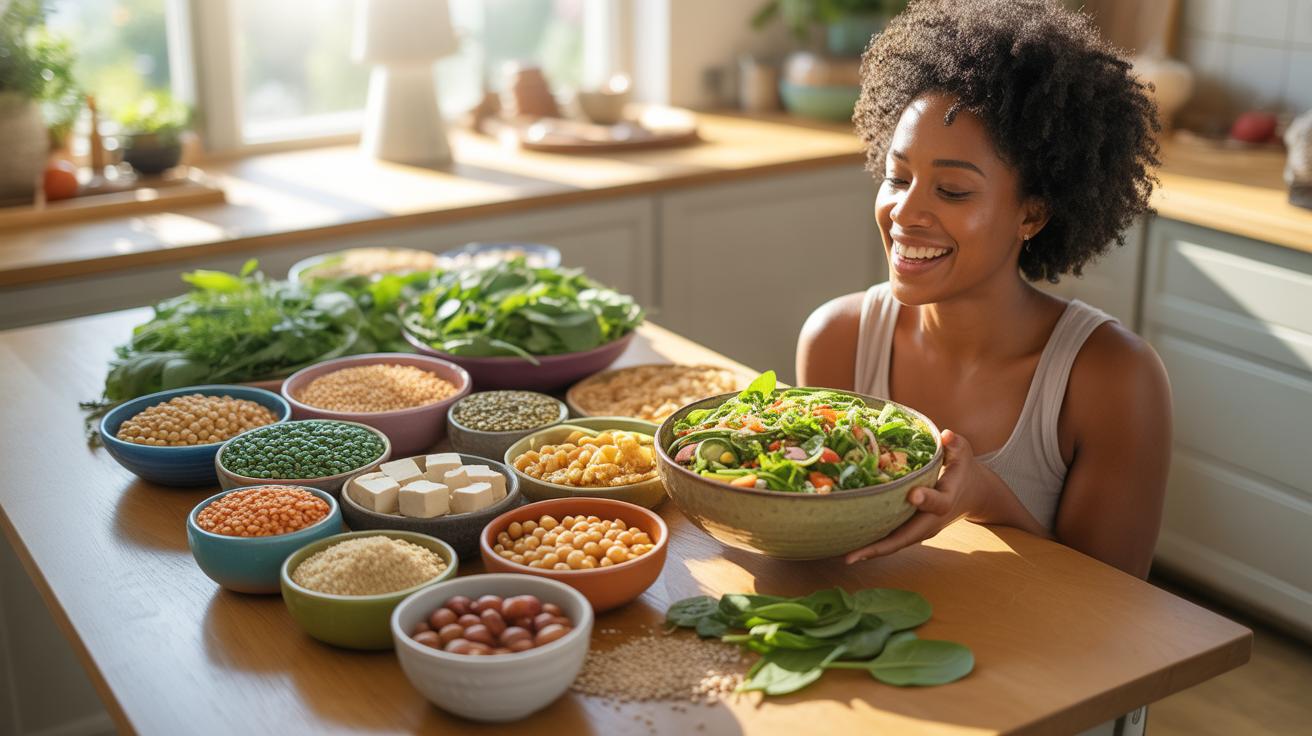
A plant based diet for beginners focuses on foods derived from plants. This includes vegetables, fruits, whole grains, legumes, nuts, and seeds. You do not have to be a strict vegan. Many people use this approach to reduce animal products without removing them entirely. The goal is to maximize nutrient density. You prioritize whole foods over processed items to improve your health.
This dietary shift requires a focus on food quality. You replace refined carbohydrates with complex ones. You swap saturated animal fats for unsaturated plant oils and fats. This transition helps lower your intake of cholesterol and processed additives. Success depends on diversity. Eating a wide variety of plants ensures you get all necessary vitamins and minerals. Consistency matters more than perfection during the first phase.
Why Protein Remains Essential Even When You Cut Out Meat
Protein provides the building blocks for every cell in your body. It repairs tissues and creates enzymes. When you stop eating meat, you must find new sources of these amino acids. Muscle mass maintenance depends on adequate protein intake. Without it, your metabolism slows down and your strength diminishes. You cannot ignore this macronutrient while transitioning to a plant based diet for beginners.
Satiety is another major factor in your success. Protein keeps you full longer than simple carbohydrates. This prevents the energy crashes common in poorly planned vegetarian diets. You must learn to combine different plant sources to get a complete amino acid profile. Legumes and grains work together to provide what your body needs. Proper planning ensures you maintain energy levels during your daily tasks and workouts.
Top Plant Based Protein Sources Every Plant Diet For Beginners Should Know
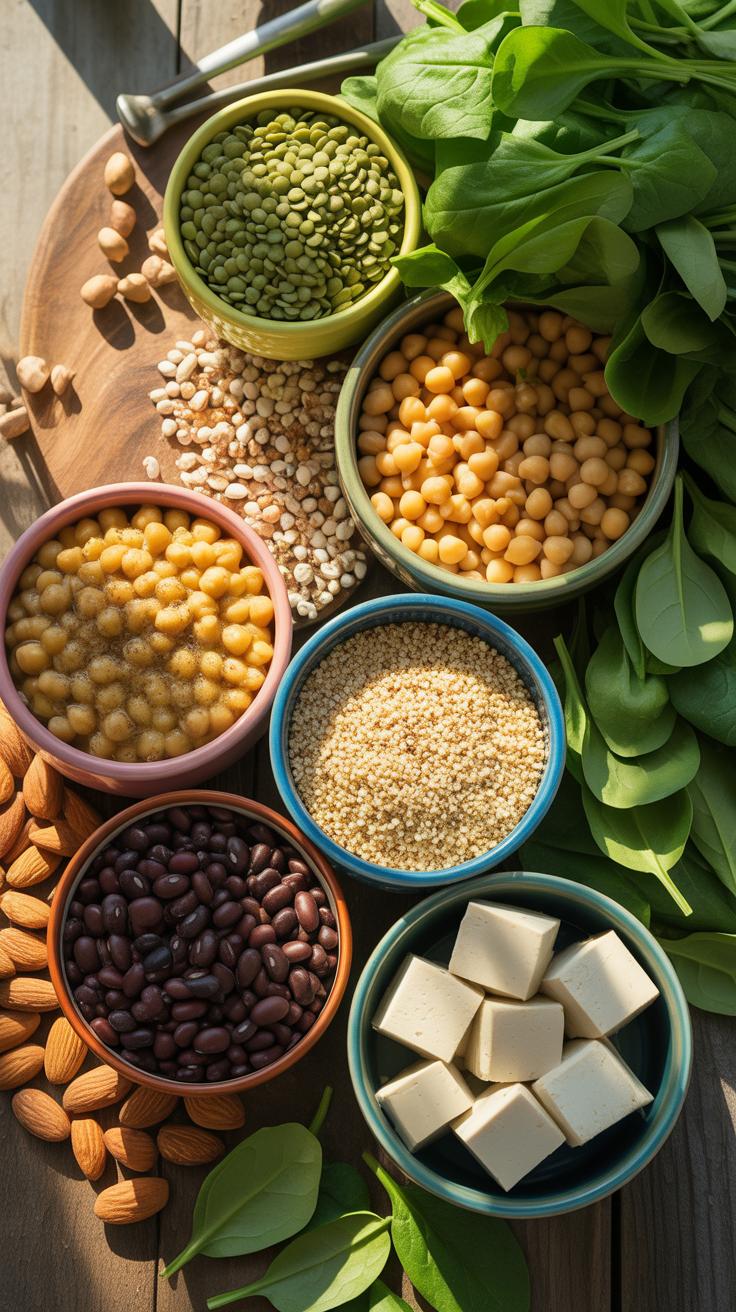
Legumes, Tofu, And Tempeh: The Protein Powerhouses Of A Plant Based Kitchen
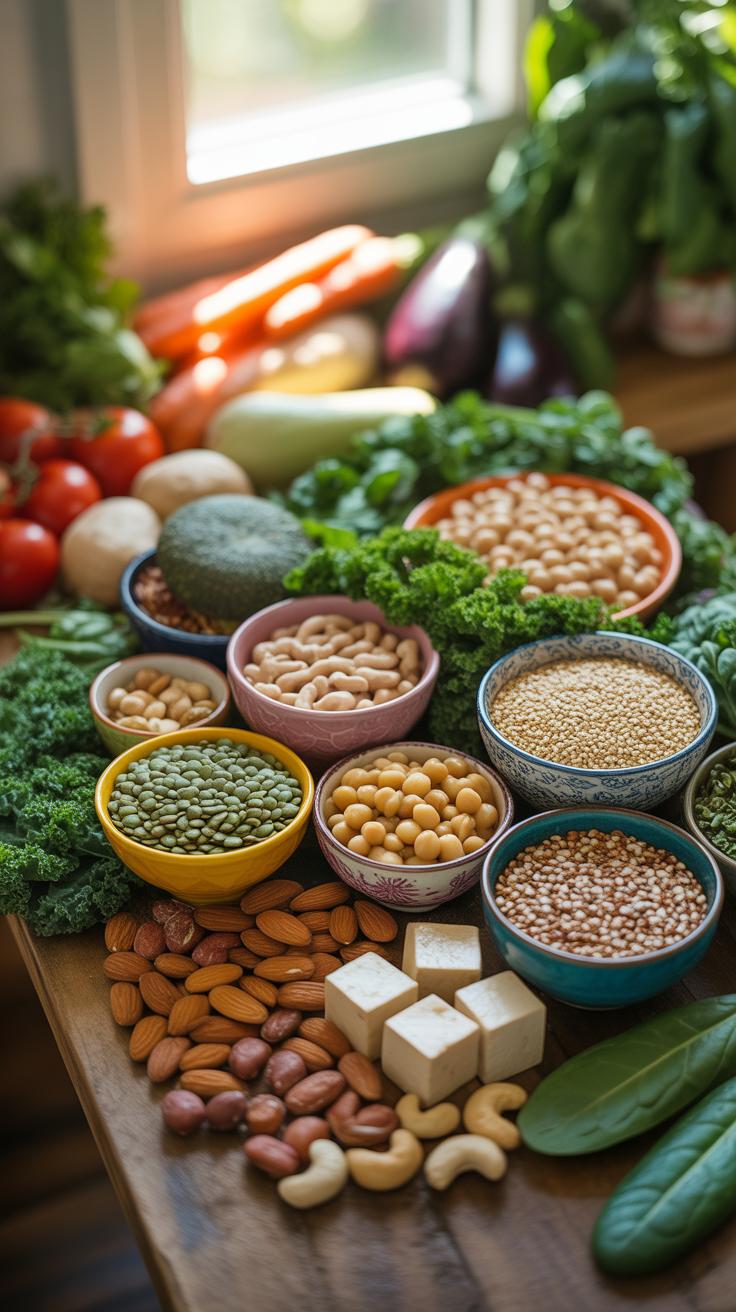
Legumes serve as the structural foundation for plant based nutrition. Lentils and beans provide high fiber and significant protein per serving. These crops grown for millennia offer a stable shelf life and low cost. You must pressure cook or soak dried beans to neutralize lectins and improve digestion. This step ensures your body absorbs nutrients quickly without causing unnecessary digestive strain or discomfort.
Soy products like tofu and tempeh offer complete amino acid profiles. Workers create tofu by coagulating soy milk into solid white blocks. Tempeh uses a natural fermentation process often involving the fungus Rhizopus oligosporus. This fermentation increases digestibility and adds a firm texture. These items adapt to any flavor profile. You should press tofu to remove excess water before cooking to ensure better texture and nutrient density.
Grains, Seeds, And Nuts That Quietly Boost Your Daily Protein Intake
Grains and seeds function as critical secondary protein sources. While often viewed as simple carbohydrates, many ancient grains contain high protein percentages. Quinoa and amaranth provide all nine essential amino acids that the human body cannot produce alone. You must integrate these regularly to fill nutritional gaps left by smaller meals. Combining these grains with legumes creates a robust profile for muscle maintenance and recovery.
- Quinoa: This ancient Andean seed acts as a complete protein source. It cooks faster than most grains and provides eight grams of protein per cup. Use it as a base for salads or bowls to increase mineral intake.
- Hemp Seeds: These small seeds contain high levels of omega fatty acids and protein. Two tablespoons offer roughly six grams of protein. Pour them over oatmeal or yogurt for a fast nutrient boost without changing the flavor.
- Chia Seeds: These seeds expand in liquid to create a gel consistency. They provide fiber and protein in every serving. Use them in puddings or as an egg substitute in baking to improve the structural integrity of your food.
- Pumpkin Seeds: These seeds contain more protein than many nut varieties. One ounce delivers approximately seven grams of protein. They also provide high levels of zinc and magnesium which support your immune system and overall metabolic health.
- Almonds: These nuts offer a reliable source of protein and healthy fats. They work best as a portable snack or a crunchy topping. Consuming a handful provides six grams of protein to help maintain energy levels between meals.
Nutrient density varies across different nut and seed varieties. You should prioritize raw or dry roasted options to avoid unnecessary oils and sodium. Portion control remains vital because these foods carry high caloric density. Measure your intake to balance protein gains with your total daily energy needs. Strategic snacking on these items prevents the protein deficits common in many poorly planned plant based diets.
How To Go Plant Based Without Creating Nutritional Gaps
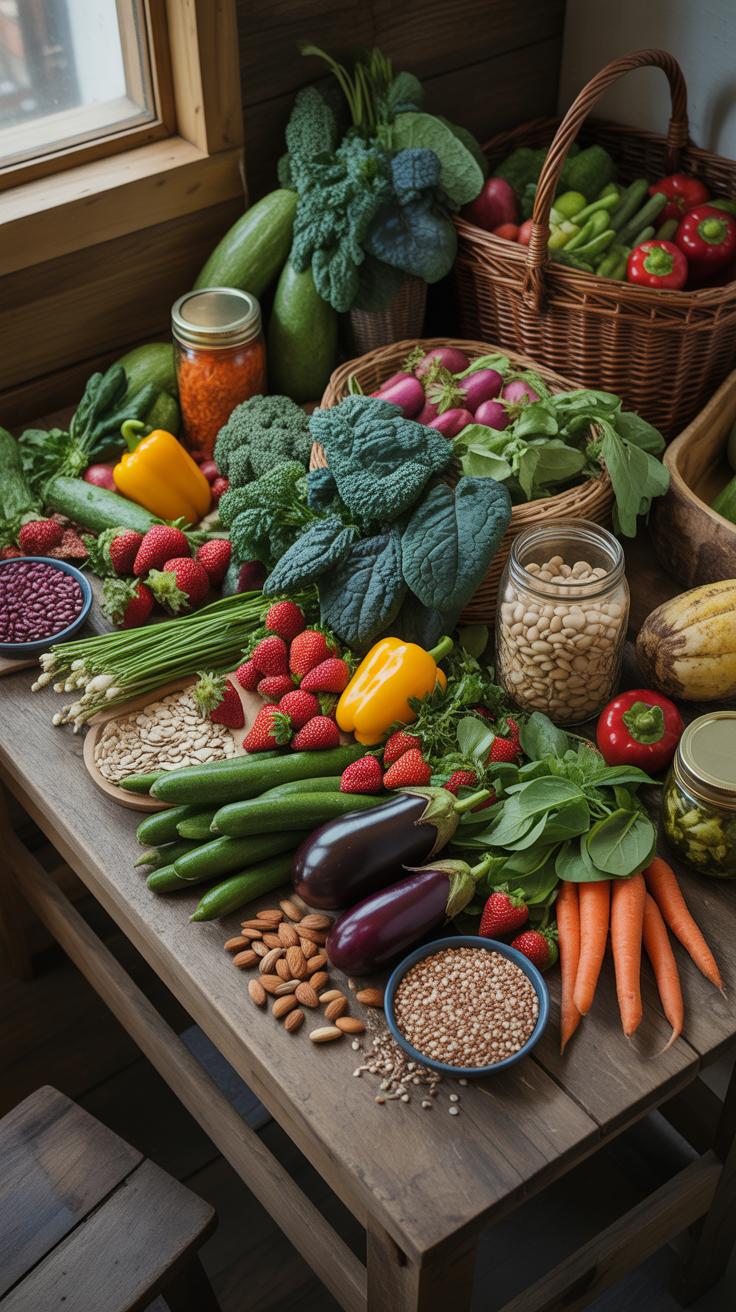
Identifying Nutrients Commonly Missed When Transitioning Away From Animal Products
Newcomers often fail to replace specific micronutrients found in meat and dairy. Vitamin B12 is the primary concern because plants do not produce it. You must secure this through fortified foods or supplements to avoid nerve damage. Iron and zinc also require attention. While plants contain these minerals, the body absorbs them less efficiently than those from animal sources. You must plan for these gaps immediately.
Omega-3 fatty acids and iodine are also frequently overlooked during the transition. Most people get iodine from dairy or seafood. Switching to plant milks without checking for fortification can lead to a deficiency. Similarly, the alpha-linolenic acid in seeds requires conversion by the body. Without a specific strategy to include these nutrients, energy levels and cognitive function will drop. You must monitor these levels to remain healthy.
Nature has always provided a bountiful harvest of lentils and beans to keep us strong and nourished. You do not need to choose between your health and your compassion when the earth offers such powerful, protein-rich traditions.
How To Use Whole Foods Strategically To Cover Your Nutritional Bases
Strategic eating focuses on nutrient density rather than just filling hunger. Use legumes and grains together to ensure a full profile of amino acids. Couple iron-rich plants like spinach or lentils with vitamin C sources like citrus or bell peppers. This chemical combination significantly increases your iron absorption rate. Avoid drinking tea or coffee during meals. The tannins in these drinks block mineral uptake.
Focus on calorie density to maintain energy. Plant foods are less calorie-dense than animal products. You must eat larger volumes of whole foods to meet your daily needs. Incorporate nuts and seeds for healthy fats and satiety. Use fermented foods like tempeh to support gut health and nutrient processing. If you only eat salad, you will fail. Targeted whole food selection keeps your metabolism and strength high during the shift.
How To Become Plant Based A Realistic Step By Step Transition Plan

Why A Gradual Transition Works Better Than Going Cold Turkey
Sudden dietary shifts often fail because they ignore human physiology and habit formation. Your gut microbiome needs time to adjust to increased fiber intake. Rapidly removing animal products can lead to digestive discomfort and low energy if you do not know how to replace calories. A slow transition allows your palate to adapt to new flavors. It prevents the burnout associated with restrictive eating patterns.
Success depends on mastering one skill at a time. You must learn to identify hidden animal ingredients and find reliable protein sources. Going cold turkey creates unnecessary stress and social friction. Small changes build confidence and technical cooking skills. This approach ensures your new diet lasts for years instead of weeks. Focus on adding plants before you start subtracting meat. This builds a sustainable foundation for long-term health.
Practical Weekly Milestones To Help You Build A Sustainable Plant Based Habit
Mastering a plant based diet for beginners requires a tactical schedule. You cannot overhaul your entire pantry in one day without risking failure. High-performance transitions focus on replacing specific meal slots or ingredients every seven days. This method builds a library of go-to recipes that satisfy your hunger and protein needs. Use these specific weekly milestones to transition without losing muscle mass or mental focus.
- Replace One Meal Daily: Start by making every breakfast plant-based for one full week. Use oatmeal with hemp seeds or tofu scrambles to maintain high protein levels. This creates a predictable routine that requires minimal decision-making during busy mornings.
- Audit Your Protein Sources: Identify three plant-based proteins you actually enjoy eating during week two. Focus on lentils, chickpeas, or tempeh rather than expensive processed mock meats. Learning to prepare these staples correctly ensures you never feel weak or unsatisfied during your transition.
- Swap Dairy For Plants: Research and test unsweetened soy or pea milk in your coffee and cooking. These options offer more protein than almond or coconut milk alternatives. Eliminating dairy often reduces inflammation and clarifies your digestion as you move toward a fully plant-based lifestyle.
- Master One-Pot Meals: Learn two scalable recipes like chili or lentil stew in week four. These dishes are easy to bulk-prep and provide consistent nutrition throughout the work week. Batch cooking reduces the temptation to grab non-compliant convenience foods when you are tired.
- Dine Out Strategically: Practice ordering plant-based options at your favorite local restaurants during the final week. Look for ethnic cuisines like Indian, Ethiopian, or Mediterranean that have naturally meat-free foundations. Navigating social situations with confidence is the final step in making your new diet permanent.
Evaluate your progress based on how you feel and your physical performance. Adjust your caloric intake if you notice a drop in energy levels. True sustainability comes from eating enough nutrient-dense food to fuel your daily activity. Once these milestones become second nature, the transition is complete. You now have the tactical knowledge to maintain a plant-based lifestyle without sacrificing your health or strength.
Plant Based Diet For Beginners Recipes That Are High In Protein
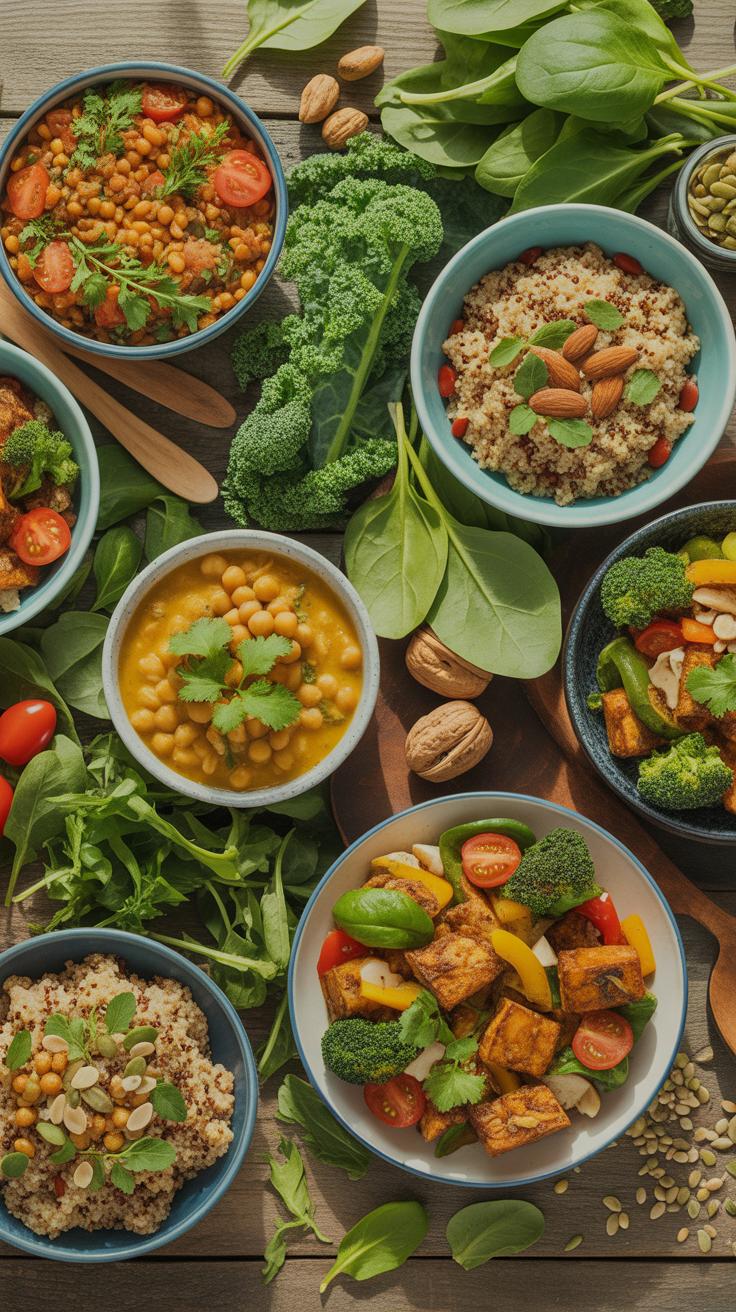
High Protein Breakfast And Lunch Ideas That Keep You Full And Energized
Beginners must focus on morning meals that prevent blood sugar crashes. Tofu scrambles provide a direct replacement for eggs and offer similar protein density. Move away from plain oatmeal by adding chia seeds and hemp hearts. These additions increase amino acid counts without adding volume. Use nutritional yeast for a savory flavor and extra B vitamins. This strategy ensures long lasting energy for your workday.
Lunch requires portability and high fiber content to maintain satiety. Chickpea salad sandwiches offer a solid texture and significant protein. Combine mashed chickpeas with tahini and lemon juice for healthy fats. Grain bowls using quinoa or farro provide a complete protein profile. Add steamed edamame or black beans to boost the total gram count. These meals prepare easily and stay fresh in a lunch box.
Simple Protein Rich Dinner Recipes Perfect For A Beginner Plant Based Diet
Dinner should center on legumes and soy products to hit daily targets. Red lentils cook quickly and create thick soups or stews. They break down easily and do not require soaking like larger beans. Combine lentils with spinach for added iron and minerals. Serve these over brown rice or whole wheat pasta. This combination creates a balanced meal that supports muscle recovery after a long day.
Tempeh stir-fry offers a firm texture that mimics meat effectively. Marinate tempeh in soy sauce and ginger before searing it in a pan. Add broccoli and bell peppers to increase the volume and fiber. Frozen vegetables work well for beginners who need to save time. Using high-protein pasta made from chickpeas or peas further increases the meal value. Focus on these dense ingredients to ensure you feel full.
Plant Based Diet Meal Plan For Beginners A Full Week Of Protein Rich Eating
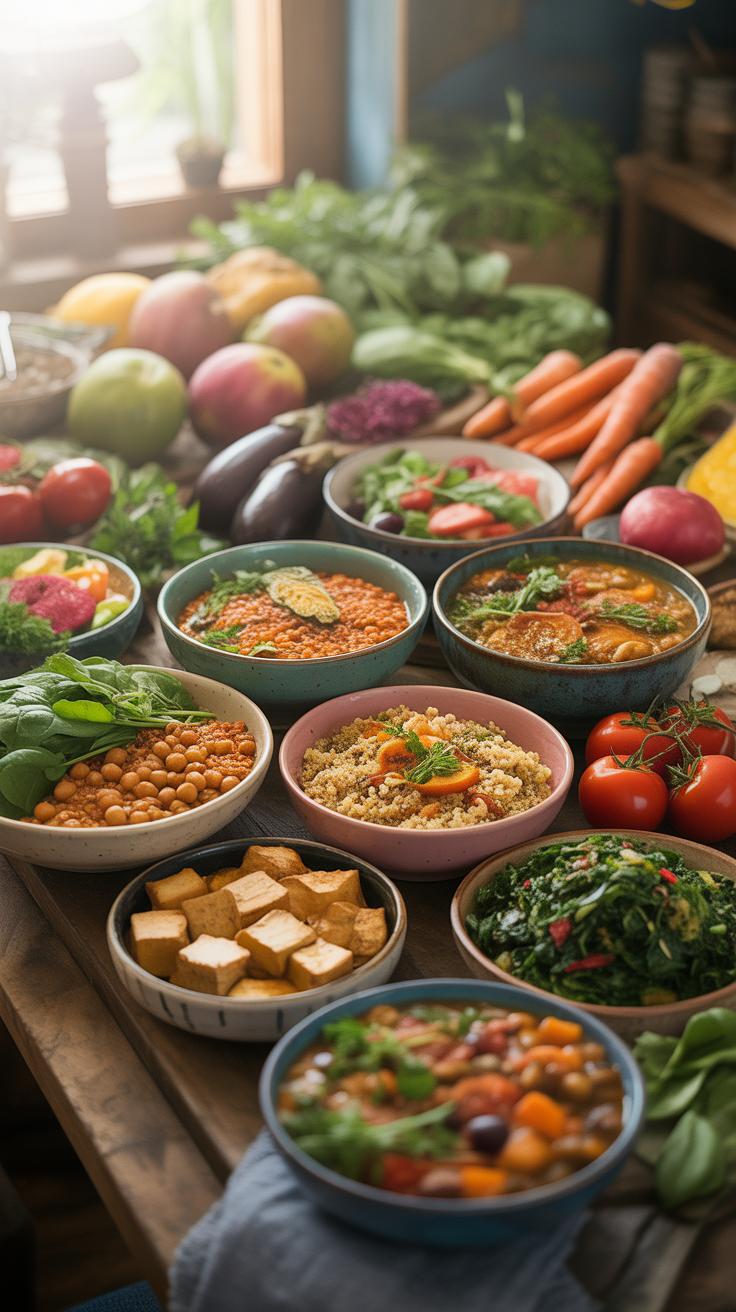
How To Structure A Balanced Weekly Meal Plan Around Plant Proteins
A successful plant based diet for beginners starts with protein as the anchor for every meal. Most people fail because they focus on what to remove instead of what to add. You must select a primary protein source for breakfast, lunch, and dinner to maintain satiety and muscle mass. Beans, lentils, and soy products provide the density required to replace animal meat effectively without losing energy.
Combine legumes with whole grains to ensure a complete amino acid profile throughout the day. This old strategy prevents nutritional gaps and stabilizes blood sugar. Plan your meals by rotating different protein bases each day to avoid palate fatigue. Use high protein snacks like pumpkin seeds or soy yogurt between your main meals. This tactical approach ensures you hit your daily macro targets while keeping your kitchen operations simple and efficient.
Meal Prepping On A Plant Based Diet To Save Time And Stay Consistent
Efficient meal prepping reduces the daily friction of cooking from scratch. Batch cook dry components like quinoa, black beans, and chickpeas in large quantities on Sundays. These ingredients act as building blocks for multiple different recipes throughout the week. Store these prepped items in clear containers to track your inventory easily. Having ready to eat proteins prevents poor decision making when your schedule gets busy or stressful.
Process your vegetables and sauces simultaneously to maximize kitchen uptime. Blitz large batches of tahini or peanut based dressings to add healthy fats and extra protein to any bowl. Wash and chop hardy greens like kale or cabbage so they are ready for quick sautés or salads. Consistent meal prep eliminates the guesswork found in a plant based diet for beginners. You stay on track because your food is already prepared and measured.
Beginner Plant Based Diet Mistakes That Lead To Low Protein Intake

The Most Common Protein Pitfalls New Plant Based Eaters Fall Into
Many beginners think removing meat translates directly to health. They replace chicken or beef with refined carbohydrates like white pasta or bread. These foods provide calories but lack essential amino acids. This reliance on filler foods creates a massive protein gap. You cannot sustain energy levels or muscle mass on starch alone. You must consciously select high quality plant proteins to fill the void.
Another major error involves overestimating the protein content in vegetables. While broccoli and spinach contain some protein per calorie, you cannot eat enough volume to meet daily requirements. Relying on leafy greens as a primary source is a mathematical failure. You must prioritize legumes, tofu, or tempeh as the foundation of your meals. Focus on dense sources that provide significant grams per serving size.
How To Audit Your Plate And Identify Where Protein Is Missing
Look at your plate and identify the core macro components. If the largest portion is a grain or a vegetable, your protein is likely insufficient. A balanced plant based plate requires a dedicated protein source that takes up one quarter of the space. Check if you are using fats or sugars to find satiation instead of amino acids. True fullness comes from protein and fiber working together.
Track your intake for three days to see the hard data. Compare your total protein grams against your body weight and activity level. Many people find they are short by thirty percent. Identify meals that rely on processed vegan snacks or simple salads. Replace those low value items with lentils or beans immediately. Constant hunger or mid afternoon fatigue usually signals a lack of adequate protein intake.
Plant Based Diets For Beginners Understanding Complete Vs Incomplete Proteins

What Makes A Protein Complete And Which Plant Foods Qualify
Proteins consist of twenty amino acids. Your body produces eleven of these naturally. You must get the remaining nine essential amino acids from food. A complete protein contains all nine in sufficient amounts. Animal products are usually complete. Most plant foods lack one or more specific amino acids. This makes them incomplete sources. Beginners must identify which plants bridge this nutritional gap effectively.
Specific plant foods provide all nine essential amino acids alone. Soy products like tofu, tempeh, and edamame are primary examples. Quinoa and buckwheat offer complete profiles as ancient grains. Hemp seeds and chia seeds also qualify. These foods provide the same protein quality as meat or eggs. Incorporating these items ensures your body receives the raw materials needed for muscle repair and hormone production.
How To Combine Complementary Plant Proteins Throughout The Day For Full Amino Acid Coverage
You do not need to eat all essential amino acids at every meal. Your body maintains a pool of amino acids for later use. This process relies on eating various plant sources over twenty four hours. Old nutritional theories required strict food combining on one plate. Modern science proves this unnecessary. You only need to consume a diverse range of plant proteins daily.
Pairing different food groups fills the gaps left by incomplete proteins. Grains often lack lysine but contain methionine. Legumes are high in lysine but lack methionine. Eating rice and beans at different times provides a full profile. This strategy allows for flexibility in your meal planning. Beginners should focus on rotating lentils, nuts, seeds, and whole grains to maximize nutrient density without stress.
Losing Weight On A Plant Based Diet While Maintaining Muscle And Protein Levels

Why A Plant Based Diet Can Support Healthy Weight Loss Without Muscle Loss
Plant based diets offer high volume for low calories. Whole plants like beans and leafy greens contain massive amounts of fiber. This fiber slows digestion and keeps you full longer. You eat more physical food while consuming fewer total calories. This creates the energy deficit necessary for weight loss. High nutrient density ensures your body functions well during this fat loss phase.
Muscle preservation requires consistent protein and resistance training. Plants provide the amino acids needed to maintain lean tissue. Legumes and soy products deliver dense protein without the saturated fats found in animal products. This allows you to hit protein targets while staying under your daily calorie limit. Choosing whole foods prevents the muscle wasting often seen in extreme low calorie diets.
How To Calibrate Protein Intake For Weight Loss Goals On A Plant Based Plan
Precision is the key to successful body recomposition. You must calculate your protein needs based on lean body mass. Aim for 1.6 to 2.2 grams of protein per kilogram of body weight. Beginners should prioritize soy, seitan, and lentils to reach these numbers. These sources provide the highest protein to calorie ratio. Track your intake to ensure you meet these daily quotas.
Timing your protein intake improves muscle synthesis. Distribute your plant protein across four to five meals throughout the day. This keeps your body in an anabolic state during a calorie deficit. Focus on leucine rich foods like soy and peas to trigger muscle repair. Combine these protein sources with a consistent weight lifting program. Proper calibration ensures you lose fat while keeping your strength.
Supplements And Smart Strategies To Fill Protein Gaps On A Plant Based Diet

When To Consider Plant Based Protein Powders And Which Types Are Worth It
Supplements serve one purpose: they fill gaps when whole foods fail to meet your daily targets. Most beginners struggle with volume. Eating enough lentils or beans to hit high protein goals often requires consuming too many carbohydrates or fiber. If your activity level is high, a concentrated source becomes necessary. Use powder to supplement gaps, not to replace real meals.
Choose powders based on amino acid profiles. Isolate powders from peas or soy offer high digestibility and complete protein structures. Avoid blends with excessive fillers or artificial sweeteners. Pea protein is high in lysine but low in methionine. Rice protein is the opposite. Mixing these two creates a balanced profile similar to whey. Focus on third-party tested brands to ensure pure ingredients.
Long Term Habits That Keep Your Protein Intake Optimal As A Plant Based Eater
Consistency requires a high-protein mindset during meal prep. Successful plant-based eaters do not treat protein as an afterthought. They build every meal around a primary protein source first. This strategy prevents the common mistake of eating mostly carbohydrates. Track your intake for two weeks using an app. This data reveals where you are falling short before it becomes a health issue.
Variety protects against nutrient deficiencies over time. Switch your sources between legumes, nuts, seeds, and soy products weekly. This Ensures you get a wide range of minerals and vitamins alongside your protein. Periodically audit your pantry to remove low-nutrient processed foods. High-protein habits flourish when the environment supports them. Stick to the basics of volume and density for the best long-term results.
Frequently Asked Questions

Can I really get enough protein on a plant-based diet as a beginner?
Absolutely! One of the biggest myths regarding a plant based diet for beginners is that plants lack protein. While meat is a concentrated source, variety is key for vegans. By incorporating a diverse range of legumes, whole grains, nuts, and seeds, you can easily meet your daily requirements. The secret is to eat enough calories and focus on protein-rich whole foods like lentils and chickpeas rather than relying solely on processed salads.
How do I calculate and track my protein intake when switching to plants?
To ensure you are hitting your goals, start by identifying high-protein swaps for your favorite meals. For example, replace ground beef with crumbled tempeh or red lentils. Using a simple tracking app for the first few weeks can help those navigating a plant based diet for beginners visualize their macronutrient intake. Aim for a protein source in every snack and meal, such as adding hemp seeds to your morning oats or edamame to your stir-fry.
Is it expensive to maintain a high-protein plant-based lifestyle?
Many people worry about the cost, but plant-based proteins are actually some of the most affordable foods in the grocery store. Dried beans, lentils, and oats are significantly cheaper per serving than animal proteins. To save money, buy these staples in bulk and choose seasonal frozen vegetables. You don’t need expensive “fake meats” or boutique supplements to thrive; simple pantry staples provide all the amino acids you need while keeping your grocery bill low.