

Understanding The Whole Foods Diet Healthy Diet Ideas To Build Your Foundation
What Counts As A Whole Food And What Does Not
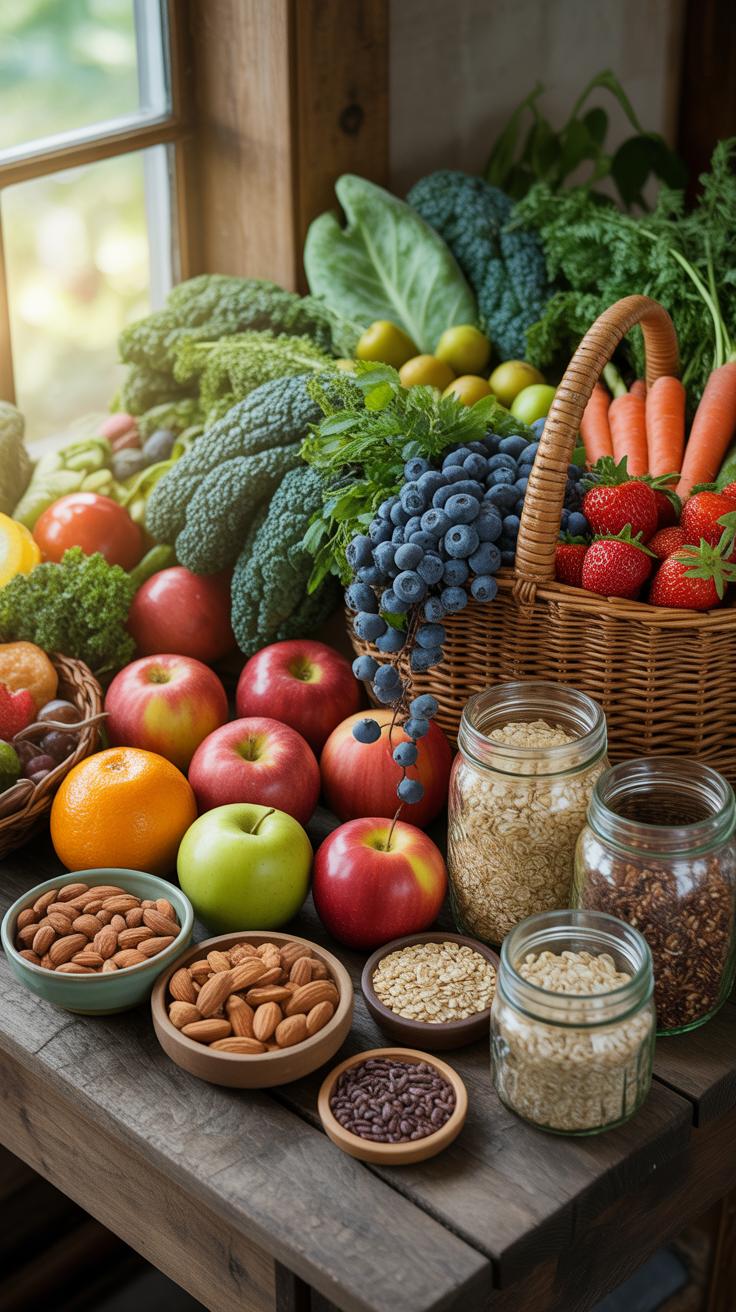
Whole foods exist in their natural state or undergo minimal changes before reaching your plate. These items retain their original fiber, vitamins, and minerals. You identify them by their lack of a long ingredient list. Examples include fresh vegetables, fruits, dry beans, and raw nuts. Processing removes the most valuable parts of the food. If a factory changed its structure, it is no longer whole.

Processed foods contain added sugars, synthetic fats, and chemical preservatives. These additives improve shelf life but damage your health. Avoid items sold in boxes or bags with long names you cannot pronounce. Refined grains like white bread lose their bran and germ during milling. This process strips away the nutrients. Focus on single-ingredient items to ensure you are eating actual food rather than food products.
How A Whole Foods Diet Differs From Other Popular Eating Patterns
Many popular diets focus on specific macronutrient ratios like high fat or low carb. Keto and Paleo restrict entire food groups to achieve weight loss. A whole foods diet does not focus on counting calories or tracking grams. It prioritizes the quality and source of the food over its chemical makeup. This approach simplifies eating by removing the need for complex math or restrictive tracking apps.

Unlike vegan or carnivore diets, a whole foods approach allows for flexibility with food groups. You can eat meat, plants, and grains as long as they are unrefined. This makes the pattern more sustainable for the long term. You avoid the hidden chemicals found in vegan meat substitutes or diet protein bars. Efficiency comes from choosing real fuel that your body recognizes and digests without any unnecessary inflammation.
Key Health Benefits Of Eating Whole Foods For Beginners

How Whole Foods Support Digestive Health And Energy Levels
Whole foods provide dietary fiber that processed products lack. Fiber adds bulk to stool and supports regular bowel movements. It prevents constipation and feeds beneficial gut bacteria. A healthy gut microbiome improves nutrient absorption. Most beginners notice better digestion within days of cutting out refined sugars and flours. Fiber also regulates how quickly glucose enters your blood. This prevents rapid insulin spikes.
Stable blood sugar levels lead to consistent energy throughout the day. Processed foods cause a quick energy surge followed by a crash. Whole grains and vegetables provide complex carbohydrates for sustained fuel. You avoid the afternoon slump by choosing slow-burning nutrients. High water content in fresh produce also aids metabolic function. Proper hydration combined with fiber keeps your energy high and your focus sharp for hours.
Deeply root yourself in the simple goodness of the earth, just as our ancestors did. Every whole food is a return to the kitchen of our childhood and a step toward a vibrant future.
The Role Of Whole Foods In Reducing The Risk Of Chronic Disease
A whole foods diet lowers the risk of type 2 diabetes and heart disease. Whole plants contain antioxidants and phytochemicals that fight systemic inflammation. Chronic inflammation causes tissue damage and arterial plaque buildup over time. By eating unrefined fats and lean proteins, you maintain healthy cholesterol levels. This dietary shift targets the root causes of metabolic syndrome. It protects your vascular system naturally.
Removing processed sodium helps manage blood pressure. Many packaged goods contain excessive salt that stresses the kidneys and heart. Whole foods like beans and greens provide potassium to balance sodium levels. Higher fiber intake also links to a lower risk of certain cancers. Phytochemicals found in colorful vegetables protect cells from DNA damage. Switching to whole foods creates a biological environment that resists common age-related illnesses.
Foods To Eat And Foods To Avoid Clean Meals Ideas For Getting Started
The Core Food Groups That Form The Basis Of Every Clean Whole Foods Meal
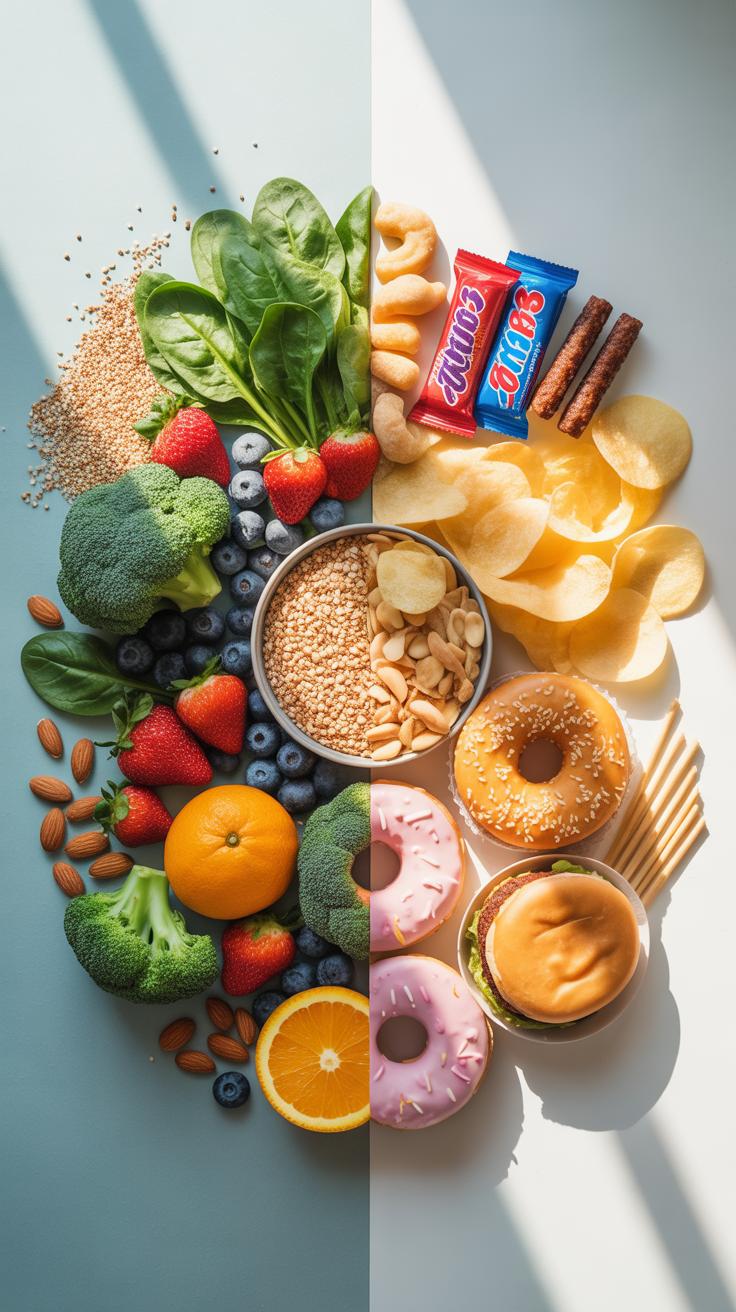
A whole foods diet centers on items that undergo zero or minimal mechanical processing. You must prioritize foods that exist in their natural state. These provide fiber, vitamins, and minerals without added chemical stabilizers. Base your meals on plants, high-quality proteins, and healthy fats. This approach ensures you get maximum nutrition from every calorie you consume daily.
- Vegetables and Fruits: These provide essential micronutrients and fiber. Focus on leafy greens, cruciferous vegetables, and seasonal fruits. Eat them raw or steamed to preserve enzymes and heat-sensitive vitamins. Aim for a wide variety of colors to ensure a broad spectrum of antioxidants.
- Whole Grains: Select grains that retain their bran and germ. Examples include brown rice, quinoa, farro, and oats. These supply complex carbohydrates for sustained energy. Avoid flours that have been stripped of fiber or enriched with synthetic nutrients to replace lost minerals.
- Lean Proteins: Source protein from eggs, wild-caught fish, and poultry. Legumes like lentils and chickpeas also serve as excellent plant-based protein sources. These building blocks support muscle repair and metabolic health. Choose grass-fed or organic options when possible to avoid antibiotic residues and hormones.
- Healthy Fats: Incorporate avocados, nuts, seeds, and cold-pressed oils like extra virgin olive oil. These fats support brain function and hormone production. Avoid processed seed oils that are high in inflammatory omega-6 fatty acids. Fats also help the body absorb fat-soluble vitamins from your vegetables.
- Legumes and Tubers: Beans, lentils, potatoes, and squash provide dense energy and satiety. These starchy whole foods are core pillars for active individuals. They offer high amounts of potassium and magnesium. Use these as your primary fuel source instead of refined white breads or pastas.
Tactical meal planning requires balancing these groups on every plate. Fill half your plate with vegetables to ensure volume and nutrient density. Split the remaining half between clean protein and complex carbohydrates. Add a thumb-sized portion of fat to aid nutrient absorption. This simple structure eliminates the need for calorie counting while maintaining a clean eating profile.
Ultra Processed Foods And Ingredients Beginners Should Phase Out First
Eliminate items containing long lists of unrecognizable ingredients. High-fructose corn syrup, hydrogenated oils, and artificial preservatives are the primary targets for removal. These additives extend shelf life but offer zero nutritional value. They trigger inflammation and disrupt glucose regulation in the body. Read every label to spot hidden sugars used to improve the taste of low-fat processed goods.
Refined grains like white bread and sugary cereals provide empty calories. These foods cause rapid insulin spikes followed by energy crashes. Remove chemically altered fats, especially trans fats found in margarines and commercial baked goods. Transitioning away from these items reduces your dependence on hyper-palatable triggers. Focus on replacing one processed snack at a time with a whole food alternative to sustain momentum.
Healthy Weight Loose Food Meal Plan How Whole Foods Help You Reach Your Goals

Why Whole Foods Naturally Support A Healthy Caloric Balance
Whole foods possess high nutrient density and high fiber content. Fiber slows down your digestion process. This physical change keeps you full for longer periods. You consume fewer calories without tracking every bite. Processed foods strip away fiber to increase shelf life. This removal causes blood sugar spikes. Whole foods prevent these spikes and stop the cycle of constant hunger and overeating.
Vegetables and fruits contain large amounts of water. This adds bulk to your meals without adding heavy calories. Your stomach signals fullness based on the volume of food consumed. High-volume foods trigger these stretch receptors early in the meal. You stop eating because your body feels physically satisfied. Transitioning to whole ingredients creates a natural calorie deficit. This happens without the metabolic stress of extreme restriction.
Practical Portion And Plate Strategies For Sustainable Weight Management
Visual cues determine how much you eat. Use the plate method to organize your meals. Fill half of your plate with non-starchy vegetables first. This ensures you prioritize high-fiber bulk. Dedicate one quarter to lean proteins and the final quarter to complex carbohydrates. Protein requires more energy to digest than fats or sugars. This thermic effect of food supports your daily energy expenditure.
Avoid drinking your calories. Liquid sugars bypass the body’s satiety signals entirely. Stick to water or tea to maintain your caloric balance. Prepare most meals at home to control added oils and salts. Restaurants use these ingredients to improve flavor but they drive up calorie counts. Focus on chewing your food thoroughly to allow brain signals to catch up. Simple mechanical changes produce large results over time.
Whole Foods Diet Meal Plan Your Healthy Food Plan For A Week Made Simple
A Sample 7 Day Whole Foods Meal Plan For Complete Beginners
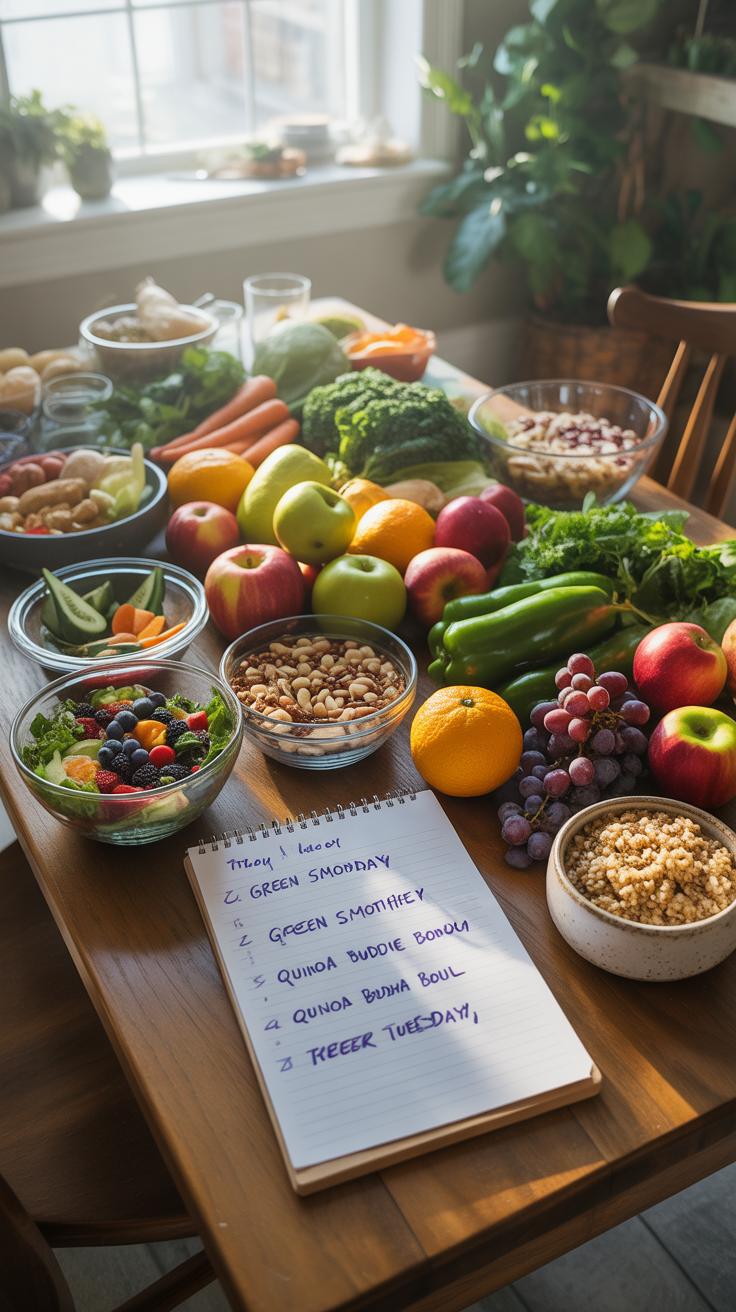
Beginners need a structured roadmap to eliminate processed items and sugar. This plan focuses on high-density nutrients and single-ingredient foods to stabilize blood sugar. You will eat three primary meals daily that prioritize lean proteins, complex carbohydrates, and fiber. This structure prevents hunger pangs and reduces the urge to reach for packaged snacks. Follow this schedule to reset your palate.
- Monday and Tuesday: Breakfast consists of rolled oats with walnuts and berries. For lunch, eat a large spinach salad with grilled chicken and olive oil. Dinner is baked salmon served alongside roasted sweet potatoes and steamed broccoli.
- Wednesday and Thursday: Start with scrambled eggs and sliced avocado for healthy fats. Lunch features a quinoa bowl topped with black beans, peppers, and onions. Prepare grass-fed beef stir-fry with a variety of colorful vegetables and brown rice for dinner.
- Friday: Eat overnight chia pudding made with unsweetened almond milk for breakfast. Lunch is a tuna salad using lemon juice instead of mayo on kale. Dinner involves roasted chicken thighs with seasonal root vegetables like carrots and parsnips.
- Saturday: Make a vegetable omelet with mushrooms and spinach for your morning meal. Lunch is leftover chicken and vegetable soup made from scratch. For dinner, grill white fish and serve it with a side of asparagus and wild rice.
- Sunday: Use this day for light fasting or simple meals like fruit and nut butter for breakfast. Lunch is a lentil stew packed with celery and onions. End the week with a turkey breast roast and a double portion of green beans.
Consistency builds the habit of eating real food rather than chemicals. This rotation ensures you receive a full spectrum of vitamins and minerals without complex recipes. Keep your kitchen stocked with these staples to avoid last-minute trips to fast food outlets. Preparation is the only way to guarantee success when you transition away from the standard modern diet.
How To Adjust Your Weekly Meal Plan To Fit Your Lifestyle And Budget
Adjusting your plan requires a tactical look at seasonal produce and bulk purchasing power. Buy grains like rice, beans, and oats in large quantities to lower your price per serving. Frozen vegetables offer the same nutritional profile as fresh versions but cost significantly less and stay viable longer. Stick to local crops to find the best prices at your grocery store.
Time management is the second pillar of a sustainable plan. Batch cook your proteins and starches on Sunday to save ten hours of labor during the work week. Use glass containers to store pre-chopped vegetables for quick assembly. If your schedule is unpredictable, choose recipes that take less than twenty minutes. Efficiency ensures you do not abandon your goals when life becomes busy.
Whole Food Meal Prep Ideas Spending Less Time In The Kitchen Every Week

The Batch Cooking Method That Makes Healthy Meals For The Week Effortless
Batch cooking creates a foundation for the entire week. You cook large quantities of base ingredients at once. Roast three pans of root vegetables simultaneously. Boil a massive pot of quinoa or brown rice. Sear three pounds of chicken or beef on Sunday. This strategy removes the need for daily decision making. You simply combine these pre-cooked components into different bowls throughout the week.
Efficiency relies on maximizing heat sources. Use the oven for proteins and hearty starches while the stovetop handles grains and legumes. Wash and chop all raw greens while your hot items cook. This synchronized workflow reduces active kitchen time to ninety minutes. You enter the week with a fridge full of versatile building blocks. You avoid the mental fatigue that leads to poor food choices.
Smart Storage And Labeling Techniques To Keep Prepped Whole Foods Fresh
Air and moisture are the enemies of fresh produce. Use airtight glass containers to prevent oxidation and chemical leaching from plastics. Store hearty grains and proteins in the back of the fridge where temperatures remain stable. Keep prepared leafy greens in containers lined with dry paper towels to absorb excess water. Proper isolation prevents cross-contamination and maintains the structural integrity of your whole food ingredients.
Clear labeling eliminates guesswork and reduces food waste. Write the contents and the preparation date on every container using masking tape. Consume highly perishable items like fish or berries within the first forty-eight hours. Save durable items like roasted squash or cooked beans for the end of the week. This chronological system ensures you eat food at its nutritional peak and prevents expensive ingredients from rotting.
Protein Whole Food Meals Meeting Your Protein Needs Without Processed Supplements
Best Plant Based And Animal Whole Food Protein Sources For Beginners
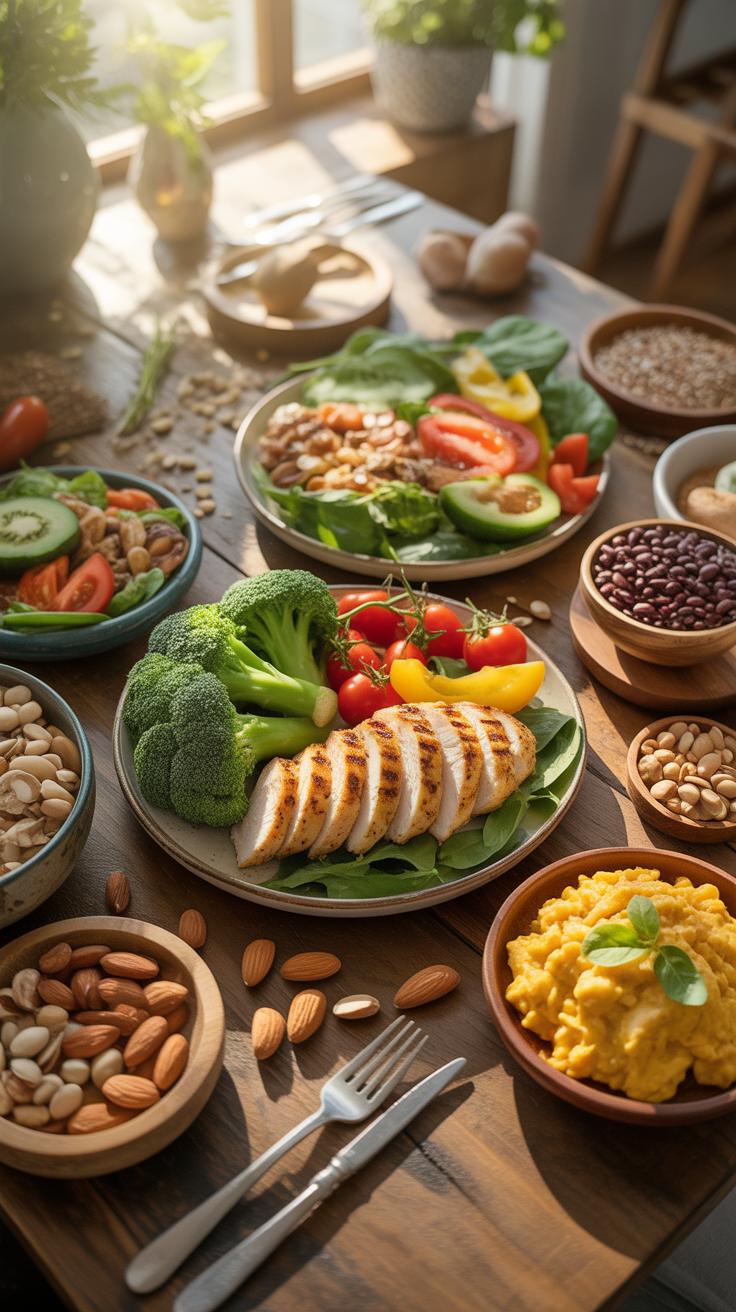
Beginners must prioritize high-quality protein to maintain muscle mass and metabolic health. Animal sources like wild-caught fish, pasture-raised eggs, and grass-fed beef offer complete amino acid profiles. These foods provide essential nutrients like vitamin B12 and heme iron that are hard to find elsewhere. Choose cuts with minimal processing to ensure you stay within the whole food framework. Avoid pre-marinated meats containing sugar or preservatives.
Plant-based options offer protein alongside fiber and antioxidants. Lentils, chickpeas, and black beans serve as sturdy foundations for meatless meals. Quinoa stands out as a rare plant source containing all nine essential amino acids. For concentrated doses, incorporate tempeh or edamame. These soy products are minimally processed compared to modern meat substitutes. Combine different plant sources throughout your day to ensure a full spectrum of amino acids for tissue repair.
How To Build A Balanced High Protein Whole Foods Plate At Every Meal
A successful whole food plate follows a simple spatial logic. Devote one quarter of your plate to a dense protein source. Fill half the remaining space with fibrous vegetables like broccoli, kale, or peppers. Use the final section for complex carbohydrates or healthy fats like avocado. This structure slows digestion and prevents the insulin spikes caused by refined meals. It ensures your body receives steady energy throughout the entire day.
Consistency determines your long-term success with this eating pattern. Eat protein at breakfast to suppress hunger hormones early. Instead of relying on whey shakes, use Greek yogurt or hard-boiled eggs for snacks. These whole options keep you full because they require more effort to digest. Always prioritize solid food over liquid nutrition to maximize satiety. Adjust your portions based on your activity levels but keep the fundamental protein ratio the same.
Healthy Meal Plan For Beginners Tips To Stay Consistent And Build Lasting Habits

Common Beginner Mistakes On A Whole Foods Diet And How To Avoid Them
Beginners often fail by attempting to overhaul their entire kitchen overnight. This sudden change creates decision fatigue and leads to burnout. You must avoid the trap of buying expensive specialty ingredients that you do not know how to cook. Focus on basic staples like potatoes, rice, and seasonal vegetables. Mastery of simple cooking techniques ensures you can produce edible meals without high stress levels.
Another frequent error is underestimating caloric density. Whole foods usually contain more fiber and water than processed snacks. You might not eat enough energy to sustain your daily activity. This caloric deficit triggers intense cravings for sugar and refined flour. Track your intake during the first week to ensure you meet your metabolic needs. Eat until you feel full to prevent late-night binging on prohibited items.
Simple Mindset Shifts That Help You Stick To Whole Foods Long Term
Stop viewing whole foods as a restrictive temporary fix. This mindset guarantees eventual failure once you reach a goal weight or date. Instead, view unprocessed ingredients as the default fuel for your body. Shift your focus from what you remove to what you add. Prioritize nutrient density to improve your physical performance and cognitive clarity. High-quality fuel leads to better output in every area of your life.
Do not aim for perfection in every meal. Stressing over a single non-compliant ingredient creates a binary success or failure mentality. If you eat processed food, resume your whole food plan at the next meal. Consistency beats intensity every time. Build a reliable environment by removing junk food from your home. Make the right choice the easiest choice. You win by managing your surroundings rather than relying on pure willpower.
Frequently Asked Questions

What exactly is a whole foods diet and how do I start?
Starting a whole foods diet for beginners involves choosing foods that are as close to their natural state as possible. This means focusing on unrefined ingredients like fresh fruits, vegetables, legumes, nuts, and whole grains while avoiding heavy processing and synthetic additives. To begin, simply try to fill your plate with single-ingredient items and gradually reduce your reliance on boxed or pre-packaged meals that contain long lists of artificial preservatives.
How can I successfully transition my pantry to a whole foods lifestyle?
Transitioning your kitchen is easier when you focus on sustainable swaps rather than an overnight overhaul. Start by replacing refined grains with options like quinoa or brown rice and switching vegetable oils for cold-pressed fats like olive or avocado oil. This practical approach to a whole foods diet for beginners ensures you always have nutritious staples on hand, making it much simpler to prepare wholesome, delicious meals without feeling overwhelmed by dietary changes.
Is it possible to follow a whole foods diet on a tight budget?
Absolutely! Eating whole foods is often more affordable than buying branded, processed convenience items. Focus on buying seasonal produce, which is typically cheaper and more nutritious, and purchase pantry staples like dried beans, lentils, and oats in bulk. Frozen vegetables are another excellent, cost-effective alternative to fresh ones, offering the same nutritional value while helping you minimize food waste and keep your grocery bills manageable during your health journey.