
Skipping Meal Planning Before You Even Start Prepping
Why Winging It Without A Meal Planning Strategy Always Backfires
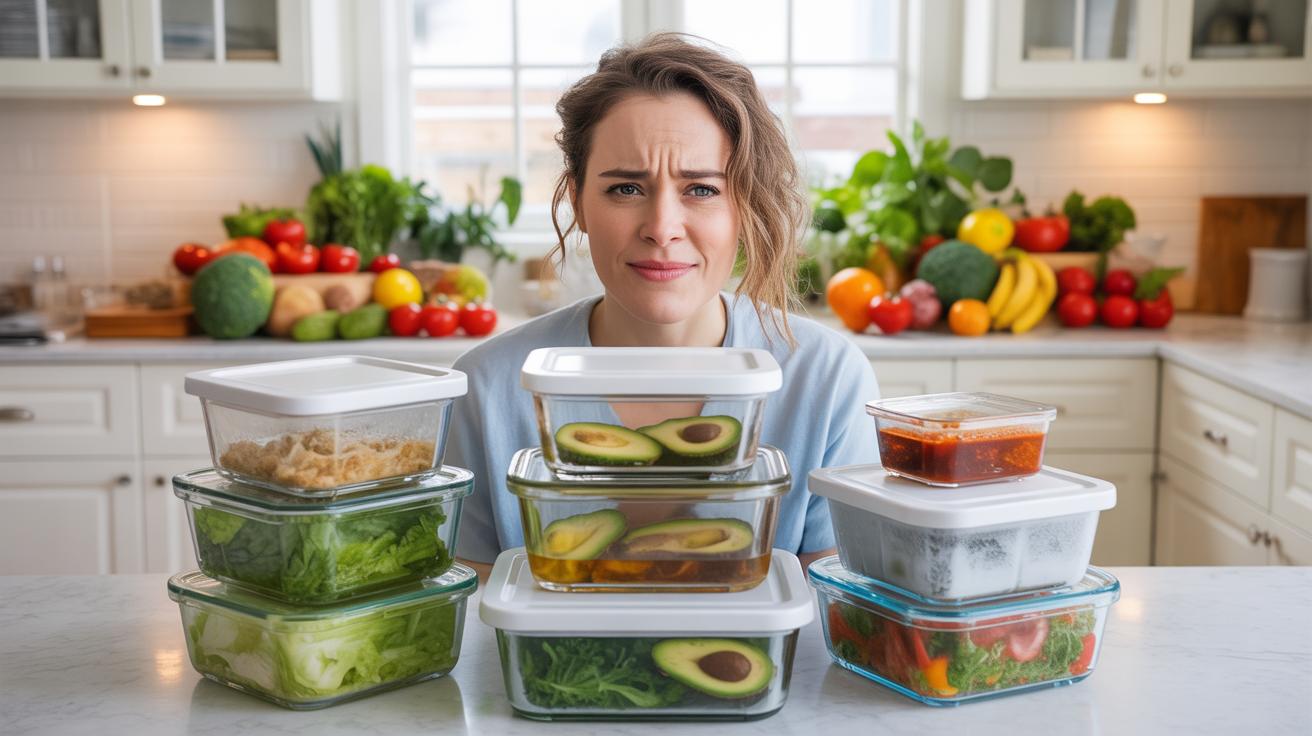
Winging it leads to impulsive decisions and wasted money. You enter the grocery store without a roadmap. This results in buying random ingredients that do not form complete meals. You end up with a fridge full of food but nothing to eat. This lack of structure forces you to order takeout when hunger hits. You lose control over your nutrition and your budget.
Research shows that unplanned shopping trips significantly increase food waste. You buy items that rot before you can use them. Without a plan, you also increase your mental load. You must decide what to cook every single night after a long workday. This decision fatigue ruins your consistency. Planning eliminates the need for daily willpower. It turns your kitchen into an efficient assembly line.
How To Build A Realistic Weekly Meal Plan That You Will Actually Follow
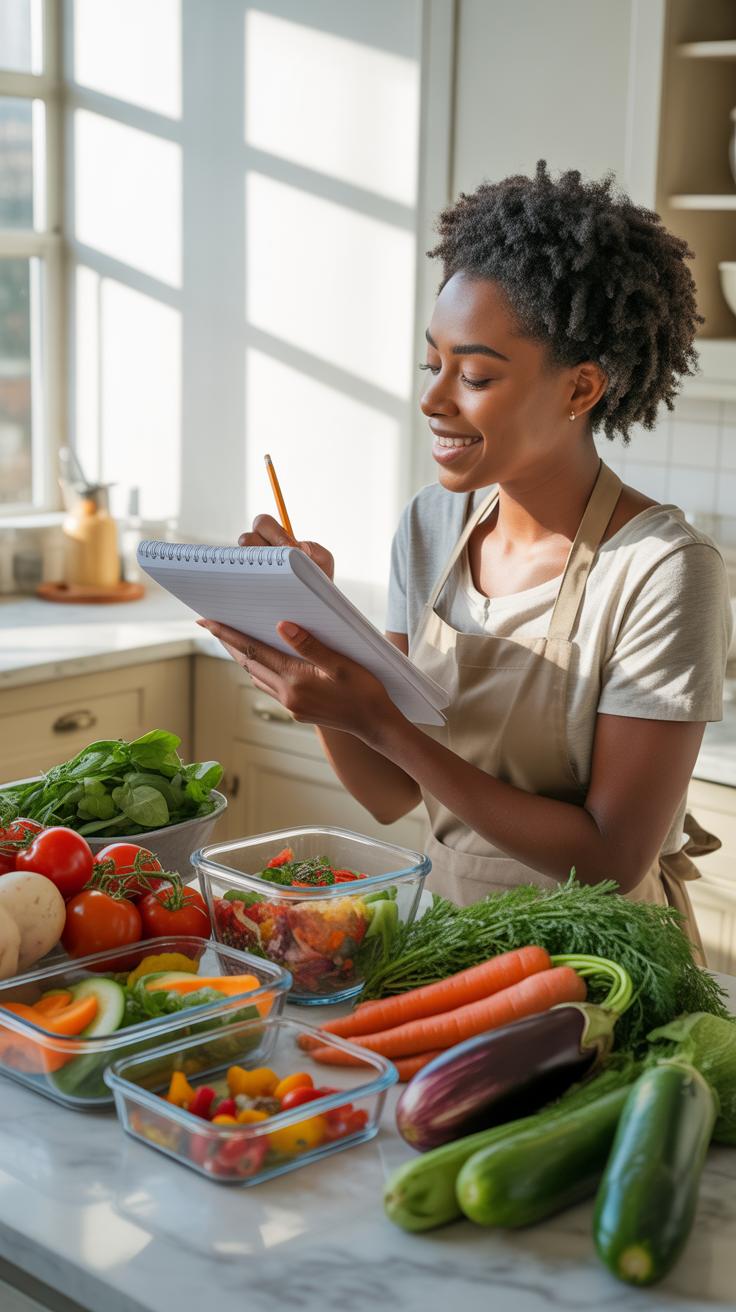
Start by auditing your existing pantry and freezer. Effective planners use what they already own to save money. Check your calendar for late meetings or social events. Match your meals to your actual schedule. Do not plan complex recipes for your busiest nights. Pick two or three core proteins and build different flavor profiles around them. This limits the variety of ingredients you must buy.

Create a consolidated shopping list based on your chosen recipes. Group items by their location in the store to save time. Be honest about your cooking skills and energy levels. Overambitious plans usually fail by Wednesday. Stick to familiar techniques and batch your cooking sequences. A realistic plan accounts for leftovers and simple snacks. Execution becomes easy when you remove all guesswork from the process.
Ignoring Balanced Meals And Over Relying On One Macronutrient
The Problem With Prepping Meals That Lack Protein, Carbs, Or Healthy Fats
Prepping meals with skewed macronutrient ratios halts physical progress. Many people prep only chicken and broccoli to cut calories. This strategy backfires quickly. Your brain requires glucose from carbohydrates for cognitive function. Without healthy fats, your body cannot absorb fat-soluble vitamins like A, D, E, and K. Insufficient protein leads to muscle wasting and increased hunger throughout the day.
Imbalanced meals cause blood sugar spikes and crashes. High-carb meals without fiber or protein trigger insulin surges. This leads to energy dips and sugar cravings an hour after eating. You will likely snack on unprocessed foods that ruin your calorie deficit. Chronic lack of dietary fat also disrupts hormone production. Every meal must contain all three macronutrients to stabilize your metabolism and maintain satiety.
Simple Formulas For Building Nutritionally Balanced Meals Every Time
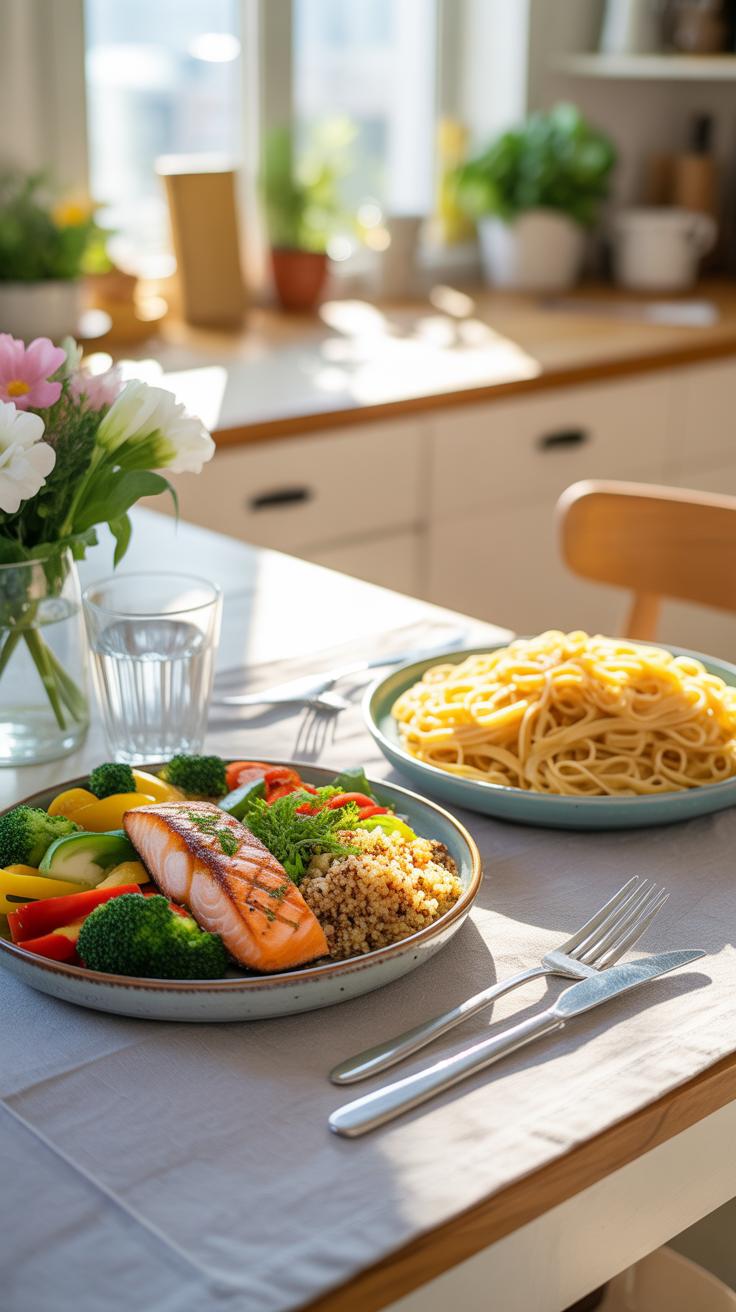
Nutritional balance requires a systematic approach to each container. Start with a lean protein source the size of your palm. Fill half the container with high-fiber vegetables to provide volume and micronutrients. Add a fist-sized portion of complex carbohydrates for sustained energy. Finish with a thumb-sized serving of healthy fats. This formula ensures your body receives steady fuel without unnecessary caloric surplus.
Consistency in your meal ratios prevents decision fatigue during the week. Use glass containers with dividers to visualize these portions easily. Weighing food on a digital scale provides the most accurate data for your goals. Avoid adding hidden calories through heavy sauces or oils. Stick to dry spices and vinegar for flavor. Correct ratios turn meal prep from a chore into a high-performance fueling strategy.
Batch Cooking The Wrong Foods That Dont Store Or Reheat Well
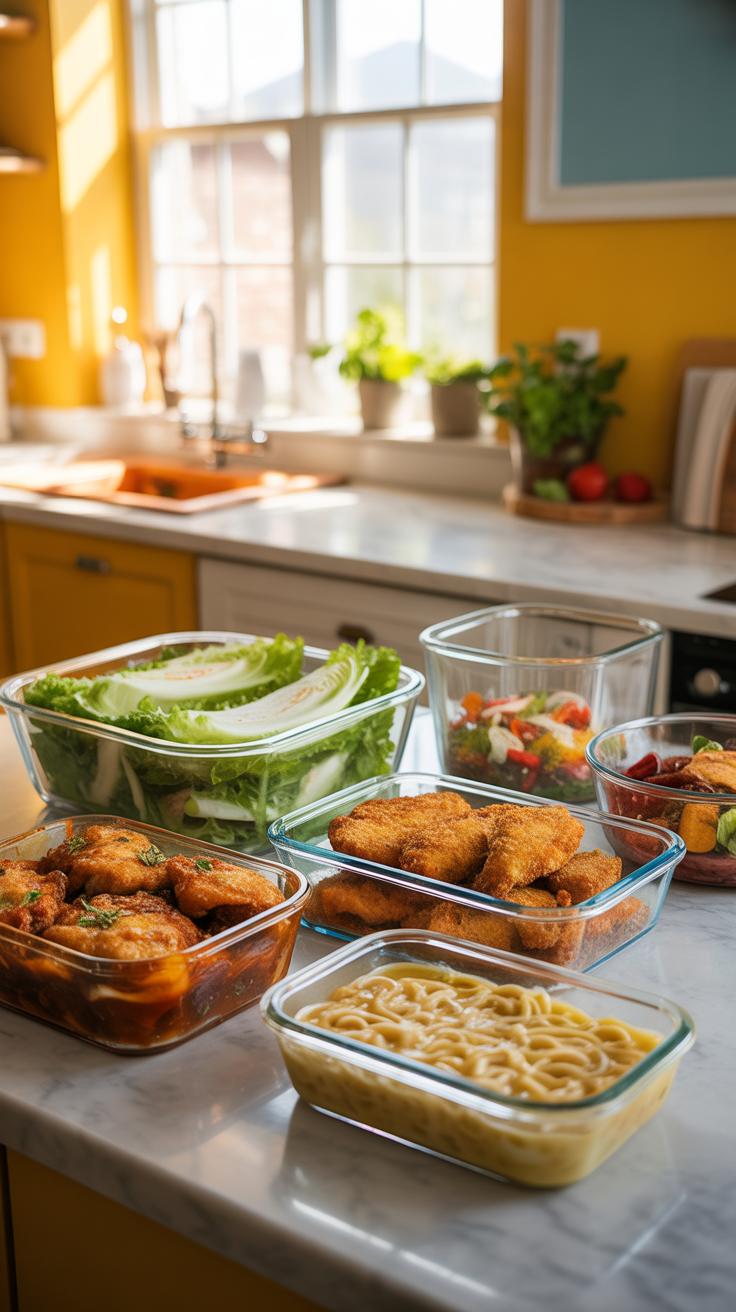
Common Foods That Lose Quality Texture Or Safety When Batch Cooked
Meal prep fails when you choose ingredients that cannot survive the cooling and reheating cycle. High moisture vegetables like cucumbers or dressed salads wilt almost immediately after storage. Fried foods lose their structural integrity and turn into a soggy mess when microwaved. Delicate proteins like scallops or thin fish fillets become rubbery and unpalatable when you heat them a second time.
Starchy components also present significant storage risks. Prepared pasta often absorbs excess moisture and turns into a soft glue in the fridge. Cream based sauces frequently break and separate into oil and solids when you apply heat again. These texture changes make your meals hard to eat. You end up wasting food and money because the final product lacks the quality of a fresh meal.
The Best Foods To Prioritize When Batch Cooking For The Whole Week
Success begins with selecting hardy ingredients that maintain their cell structure during refrigeration. Dense root vegetables and cruciferous plants like broccoli or carrots handle multiple heat cycles without turning to mush. These items retain their nutritional profile and bite for up to five days. You must build your containers around a base of durable proteins and complex carbohydrates for the best long term results.
- Slow Cooked Meats: Braised beef and pulled pork contain connective tissue that breaks down into gelatin. This process keeps the meat moist and tender during the reheating process in a microwave or oven later.
- Hearty Grains: Brown rice and quinoa maintain a firm texture even after several days in the refrigerator. These grains do not clump together or turn into a paste like white pasta often does when stored cold.
- Legumes and Beans: Chickpeas and black beans are structurally stable and hold their shape in stews or bowls. They provide a high fiber protein source that actually improves in flavor as spices meld together over forty eight hours.
- Cruciferous Vegetables: Roasted broccoli and cauliflower stay firm and do not release excessive water into your meal container. This prevents other components of your dish from becoming waterlogged or soggy during the middle of the week.
- Thick Stews: Chilis and vegetable soups are ideal for batch cooking because they act as a thermal mass. The liquid medium protects the ingredients from drying out and ensures an even temperature when you reheat the meal.
Focus on these stable ingredients to ensure your meals remain edible by Friday. You reduce waste by avoiding foods that degrade rapidly after cooking. Proper selection ensures your prepped meals taste consistent throughout the entire week. This strategic approach turns your kitchen time into a reliable asset for your fitness goals. Stop guessing and start using chemistry to keep your food fresh and high quality.
Using The Wrong Containers And Ruining Your Meal Prep For The Week
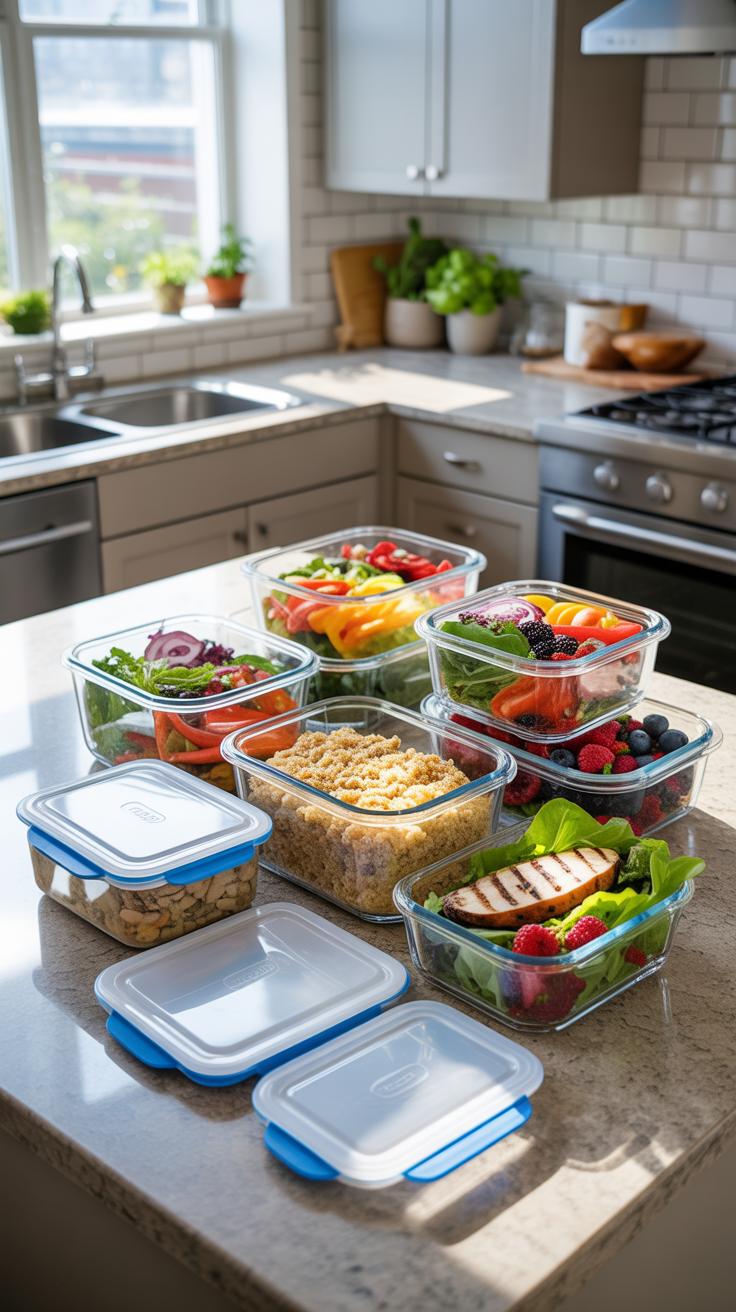
How Poor Container Choices Lead To Soggy, Spoiled, Or Unsafe Meals
Cheap plastic containers often fail to create an airtight seal. Oxygen enters the container and accelerates food spoilage. This allows bacteria to grow faster on your proteins and grains. Poor seals also cause moisture loss, which makes meat dry and unpalatable by day three. You waste money when you throw away spoiled food. Proper seals are essential for food safety and flavor retention.
Inconsistent material quality leads to texture failure. Standard plastic absorbs heat unevenly in the microwave. This creates hot spots that overcook parts of your meal while leaving others cold. Steam trapped in non-vented lids turns crisp vegetables into mush. Heat also causes chemical leaching in low-grade plastics. Bisphenol A and phthalates can migrate into hot food. Use high-quality materials to protect your health and your meal texture.
What To Look For In Meal Prep Containers To Keep Food Fresh Longer
Glass containers offer the best performance for long-term meal storage. Borosilicate glass resists thermal shock and allows you to move meals from the fridge to the oven. It does not stain or retain odors from previous meals. High-quality glass provides a non-porous surface that stays clean. This material lasts for years and does not warp under high heat. Glass ensures your food tastes exactly how you cooked it.
Look for lids with integrated silicone gaskets and locking hinges. These mechanical seals prevent leaks during transport and block oxygen entry. Modular shapes allow you to stack containers efficiently in the refrigerator. This maximizes your available space and keeps your prep organized. Check for labels that confirm the product is dishwasher and microwave safe. Reliable hardware is the foundation of a successful weekly meal prep strategy.
Overlooking Kitchen Hacks That Save Time And Prevent Prep Burnout
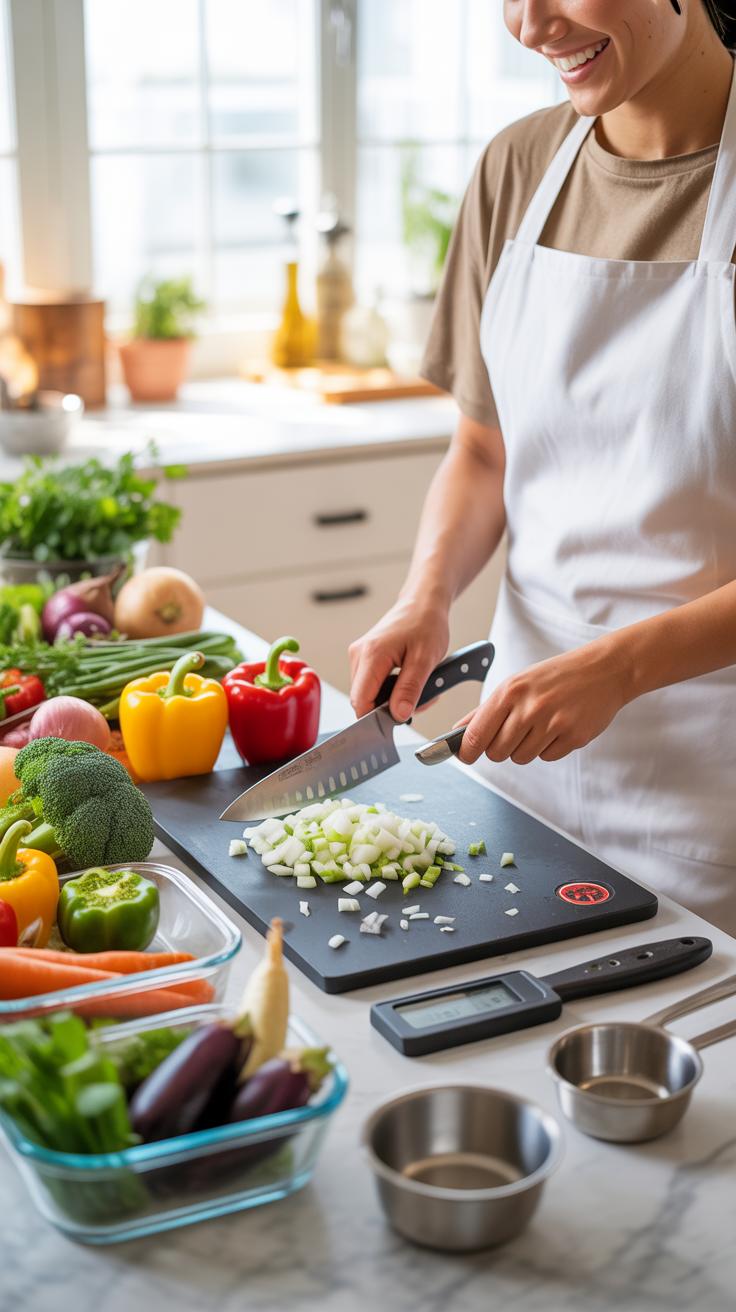
Why Inefficient Kitchen Workflows Make Meal Prep Feel Like A Chore
Meal prep failure starts with poor spatial organization. Most people move randomly between the fridge, sink, and stove. This wasted motion adds thirty minutes to your total time. You lose momentum when you search for tools mid task. Heat and sharp knives require a logical flow. If your workspace stays cluttered, your brain perceives the task as difficult and avoidable.
Cognitive load increases when you treat every ingredient as a separate project. Chopping one onion three times a week is less efficient than chopping three onions once. Inefficient workflows force you to clean the same dish multiple times. This repetition leads to burnout quickly. You stop prepping because the cleanup takes longer than the actual cooking. Fix your sequence to protect your schedule.
Proven Kitchen Hacks That Cut Your Prep Time In Half Without Cutting Corners
Efficiency in the kitchen depends on grouping tasks by action rather than by recipe. You must handle all dry goods at once and all wet goods at once. This prevents cross contamination and reduces sink trips. Professional kitchens use mise en place to ensure every component is ready before the heat starts. Use these specific tactics to eliminate friction during your weekend prep sessions.
- Uniform Knife Cuts: Size matters for even cooking times. Buy a sharp chef knife and learn the claw grip. Precise cuts ensure that every piece of chicken or broccoli finishes at the same moment. This prevents a mix of raw and burnt food in your glass storage containers.
- Sheet Pan Batching: Use large industrial baking sheets to roast multiple ingredients at once. Keep dense vegetables like carrots on one side and soft ones like peppers on the other. This allows you to remove one type earlier if needed. It minimizes active stove time and reduces heavy pot scrubbing.
- Mandoline Slicing: Use a mandoline for rapid, consistent vegetable slices. This tool processes radishes, cucumbers, and potatoes in seconds rather than minutes. It maintains thickness standards that hand slicing cannot match. Always use the safety guard to prevent injuries that would stop your prep entirely for the week.
- Standardized Containers: Invest in identical glass containers with locking lids. Round bowls waste shelf space while square or rectangular containers stack perfectly in the fridge. Visual consistency helps you track inventory at a glance. You will know exactly how many meals remain without moving a single item around.
- Double Batch Grains: Use a rice cooker or pressure cooker for large volumes of quinoa or rice. Grains stay fresh for five days when cooled quickly and sealed tight. Cooking a massive batch on Sunday covers five different lunch variations. This removes one of the most time consuming steps from your daily dinner routine.
Smart prep requires you to use the right tools for high volume tasks. You cannot approach meal prep like a casual weeknight dinner for two. It is a production line. Utilize vertical fridge space and high heat roasting to get in and out of the kitchen. Focus on these tactical changes to ensure you stay consistent for the long term.
Abandoning Clean Eating Principles When Choosing Prep Ingredients
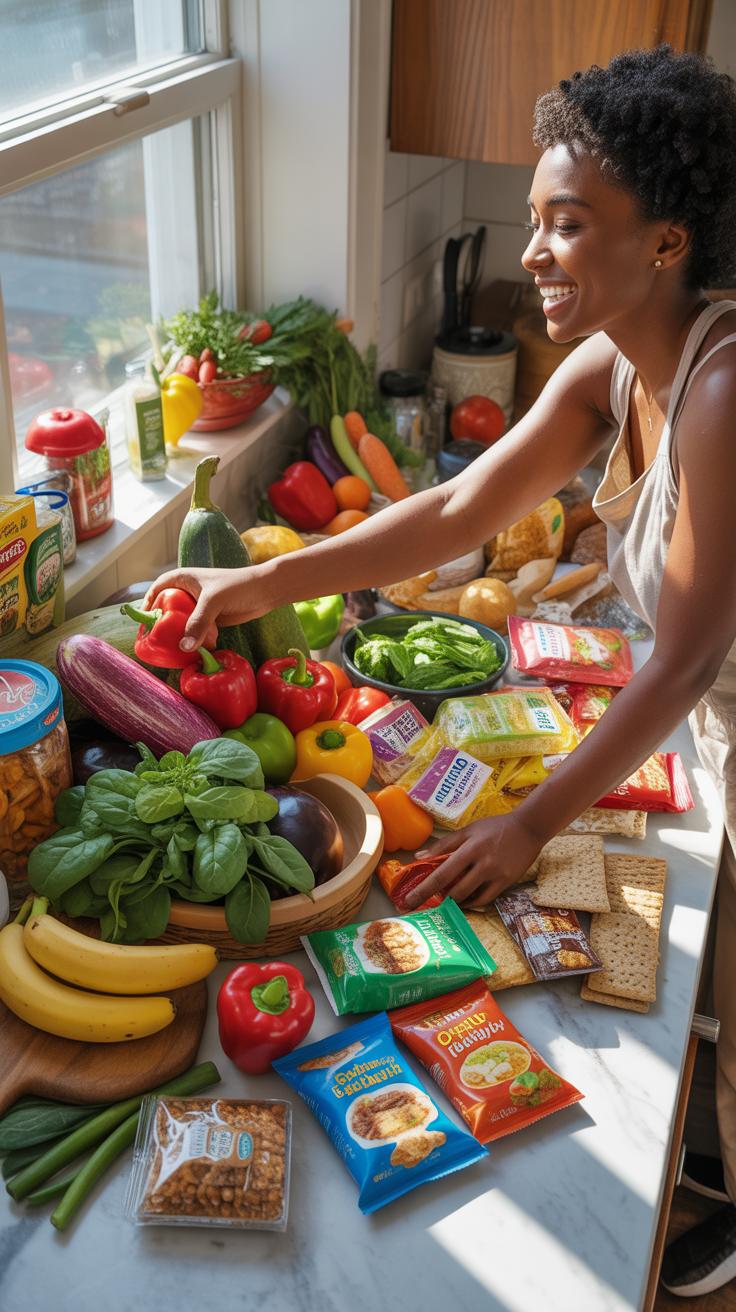
How Processed Shortcuts Undermine Your Clean Eating Goals Over Time
Pre-packaged sauces and refined grains save time during Sunday prep but destroy your metabolic health. These shortcuts often contain hidden stabilizers and high fructose corn syrup. Manufacturers use these additives to extend shelf life for bulk storage. Consuming these substances every day leads to systemic inflammation and weight plateaus. You lose the benefit of home cooking when you rely on industrial food tech.
Relying on processed meats like deli slices or pre-marinated chicken breast introduces excessive sodium levels. High salt intake causes water retention and masks your actual body composition progress. These products also lack the thermic effect of whole proteins. Your body burns fewer calories digesting processed junk compared to intact fibers and muscles. Efficiency in the kitchen should never come at the cost of your internal health markers.
Even the most seasoned cook may stumble on the path to perfection, but every soggy vegetable is simply a lesson in the art of nourishment. Remember that the warmth of a home-cooked meal is lost when we favor rigid routine over the joy of the process.
Whole Food Swaps That Keep Your Meal Prep Aligned With Clean Eating
Replace white rice and pasta with tubers or ancient grains like quinoa and farro. These options provide complex carbohydrates and essential minerals. They keep blood sugar stable throughout your work day. You avoid the energy crashes associated with refined flour. Using dry spices instead of bottled dressings eliminates soybean oil and chemical thickeners. This simple change improves your daily macronutrient ratio without increasing your cooking time.
Choose frozen vegetables over canned versions to maintain nutrient density and texture. Flash-freezing preserves vitamins that heat processing destroys in the canning factory. Use olive or avocado oils rather than inflammatory seed oils for roasting your proteins. These fats resist oxidation at high temperatures and support heart health. Consistency in ingredient quality determines the final success of your meal prep strategy. High-grade fuel produces high-grade physical performance every single week.
Following A Meal Prep Guide That DoesnT Match Your Lifestyle Or Goals

Why Copying Someone Else’S Meal Prep Guide Often Sets You Up To Fail
Generic meal prep guides ignore your specific metabolic needs and daily activity levels. A professional athlete requires different macronutrients than a sedentary office worker. If you follow a plan designed for a different body type, you will likely miss your caloric targets. This leads to hunger or unwanted weight gain. Success requires a plan that accounts for your unique physiology and energy expenditure.
Most online guides assume you have unlimited kitchen equipment and several hours to cook. They often feature complex recipes that require expensive specialty ingredients. If the guide demands more time than your schedule allows, you will quit by week two. These external plans fail because they do not account for your actual cooking skills or local grocery availability. Stop trying to fit into a template that ignores your reality.
How To Customize Any Meal Prep Guide To Fit Your Schedule And Dietary Needs
Start by auditing your available time before looking at recipes. Identify the specific days you can cook and the exact hours you have free. Modify the preparation methods to suit your equipment. If a guide calls for roasting but you only have a slow cooker, adjust the technique. Focus on one-pot meals or sheet pan recipes to reduce cleanup time and increase your efficiency.
Replace ingredients in any guide with items that fit your budget and taste. Swap expensive proteins for cheaper alternatives with similar nutritional profiles. Ensure the total calorie count aligns with your specific fitness goals. If you need 2000 calories but the guide provides 1500, increase the portion sizes of healthy fats and proteins. Your plan must be flexible enough to survive a busy work week or a missed grocery run.
Missing The Best Meal Prep Timing That Locks In Freshness And Flavor
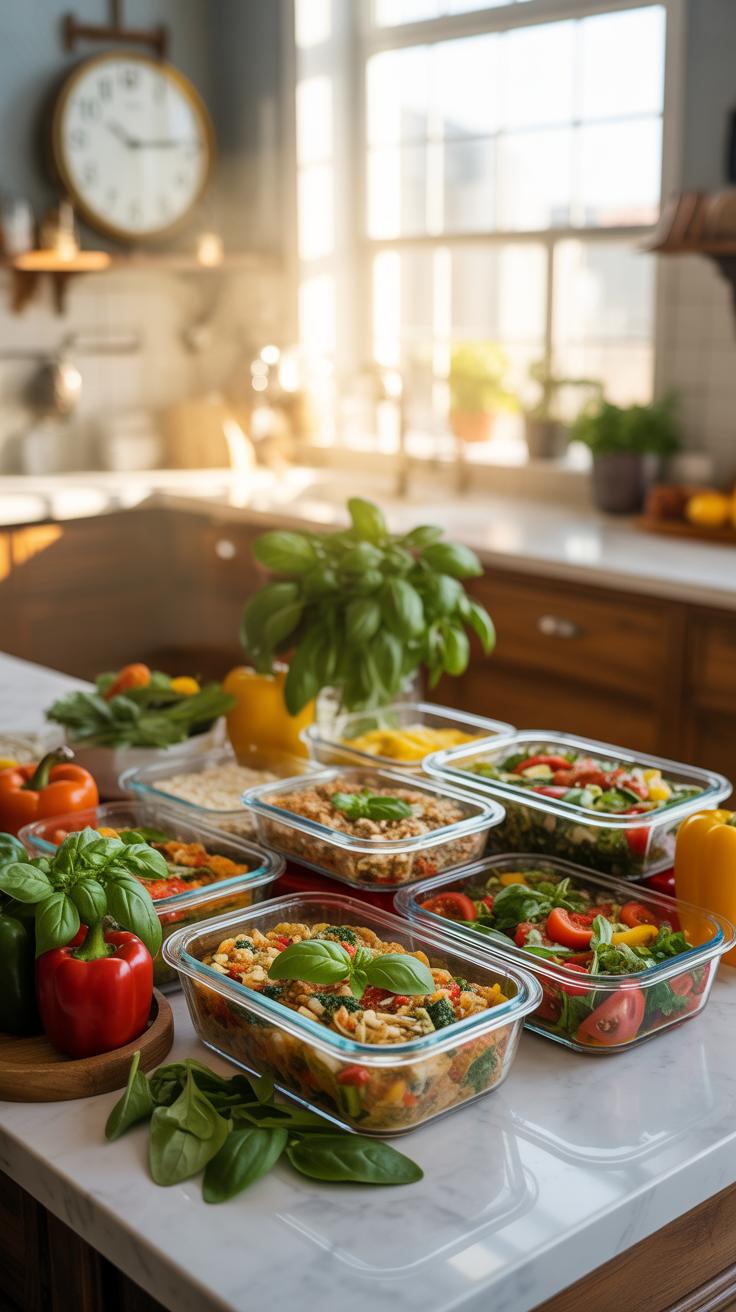
How Prepping Too Early Or Too Late In The Week Affects Food Quality And Safety
Food starts to degrade the moment you finish cooking it. Most cooked proteins and vegetables stay safe for only three to four days in the refrigerator. Prepping an entire week of meals on Sunday afternoon means your Thursday and Friday meals sit at the edge of safety limits. Bacteria grow even in cold temperatures. You will notice changes in smell and texture.
Texture loss happens because of moisture migration and enzyme activity. Prepping too early leads to soggy greens and dry meats by day four. Prepping too late creates a different problem. You force yourself to cook when you have no energy. This leads to rushed techniques and poor food storage. Rushed prep often results in undercooked centers or improper cooling. This increases your risk of foodborne illness.
Finding Your Best Meal Prep Day And Time Based On Your Weekly Routine
Success requires a split schedule to maintain food quality. Do not prep all seven days at once. Divide your cooking into two sessions per week. Sunday and Wednesday offer a stable rhythm for most people. This cycle ensures your food never sits for more than three days. It keeps flavors sharp and nutrients intact. You avoid the burnout of one five-hour cooking session.
Analyze your peak energy hours before choosing a start time. Most people fail because they prep too late Sunday night. Start your session mid-morning or early afternoon when your kitchen is clean and your mind is focused. Block out two hours for active cooking and one hour for cooling and cleanup. Use this data to build a rigid schedule. Consistency prevents the need for emergency takeout orders.
Ignoring Portion Control And Scaling Meal Prep Hacks The Wrong Way
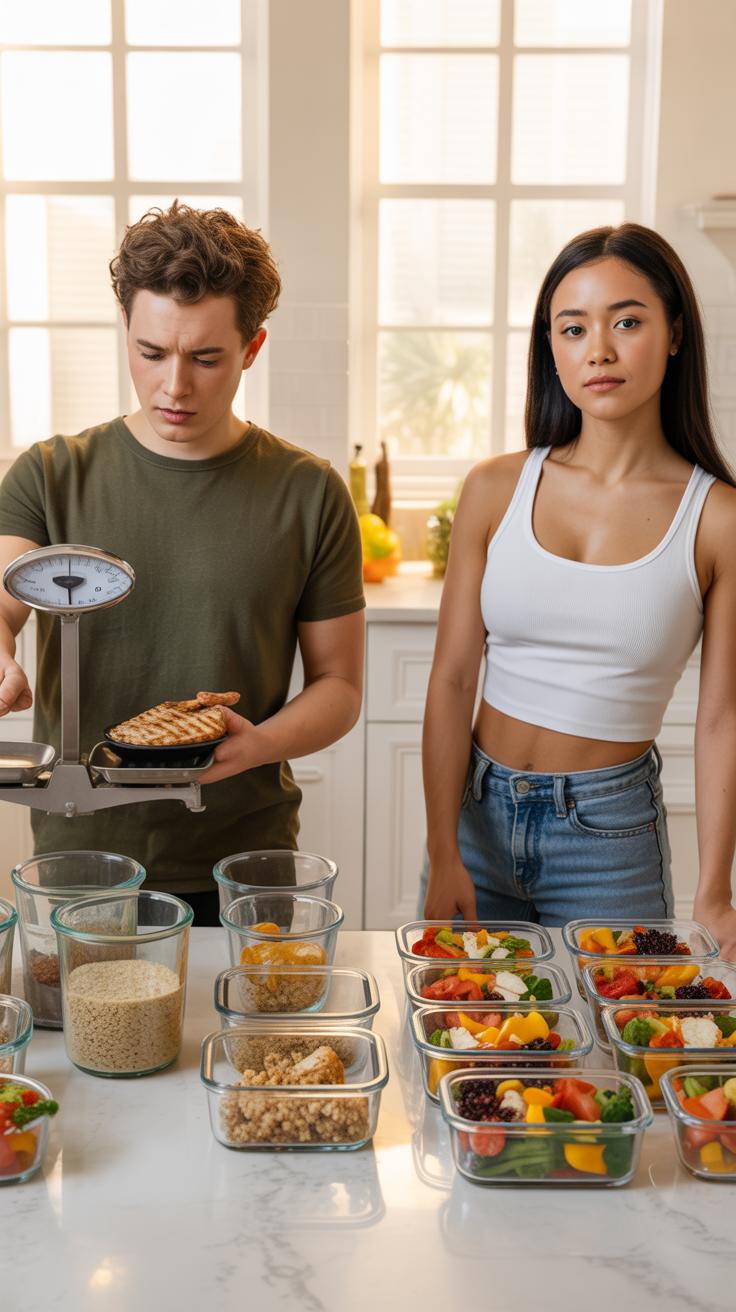
Why Eyeballing Portions During Meal Prep Quietly Derails Calorie And Macro Goals
Eyeballing food amounts leads to calorie creep. This error happens when you estimate servings instead of measuring them. Small deviations in high-density foods like oils or grains add up over a week. You might think you are eating a set amount of protein. In reality, you are likely consuming more or less than your plan requires. This lack of precision creates data gaps that stop progress.
Accuracy depends on weighing food in its raw or cooked state consistently. Most people underestimate their intake by twenty percent or more. This margin of error eliminates your caloric deficit or surplus. Without exact numbers, you cannot troubleshoot why your body composition is not changing. Trusting your sight is a strategic failure in meal prep. You must rely on objective tools to ensure your hard work produces results.
Practical Meal Prep Hacks For Accurate Portioning Without Obsessing Over Every Gram
Efficiency requires smart systems rather than constant weighing. Use standardized containers to automate your portioning process. Choose vessels that fit specific volumes for your base carbs and proteins. Fill these containers to a consistent level every time. This method removes the need to weigh every individual meal after the initial setup. You save time while maintaining tight control over your daily nutritional intake.
Another hack involves bulk weighing before you distribute the food. Weigh the entire batch of cooked protein once. Divide that total weight by the number of desired servings. Set your scale to zero with an empty container and add the target weight. This workflow is faster than measuring every ingredient separately. It keeps your macros precise without adding hours to your kitchen time. Focused systems prevent errors and keep your goals on track.
Frequently Asked Questions

Why does my food taste bad after only a few days of meal prepping?
One of the most common meal prep mistakes for beginners is ignoring food texture and moisture levels. High-moisture vegetables or creamy sauces can cause dishes to become soggy or spoil faster than expected. To keep your results fresh, always allow cooked food to cool completely before sealing your containers. This prevents steam from creating excess moisture, which often leads to unappealing textures and a shorter shelf life for your weekly meals.
How can I properly store prepped meals so they stay fresh all week?
To avoid major meal prep mistakes, invest in high-quality, airtight glass containers rather than cheap plastic. Glass prevents odors from lingering and provides a better seal to keep oxygen out. If you are prepping for a full seven days, keep the first three days of food in the refrigerator and freeze the remaining portions immediately. This simple rotation ensures your ingredients maintain their nutritional integrity and taste delicious until the very last bite.
Is meal prepping expensive if I am shopping for a small household?
Not at all! In fact, prepping is one of the best ways to save money, provided you avoid common meal prep mistakes like overbuying specialty ingredients. Stick to versatile staples like grains, beans, and seasonal produce that can be used across multiple recipes. Buying in bulk and focusing on “cook once, eat twice” strategies reduces waste and lowers your grocery bill, making a healthy lifestyle much more accessible and affordable for everyone.