
How To Meal Prep For The Week Without Feeling Overwhelmed
Setting Realistic Goals Before You Start Prepping
Most people fail because they attempt twenty new recipes in one afternoon. Effective meal prep requires constraint. You must identify your most difficult time of day. Focus your energy on that specific period. If mornings are chaotic, prep only breakfasts. Do not try to solve every nutritional problem in a single session. This strategy prevents burnout and keeps your kitchen manageable for the long term.
Acknowledge your actual skill level and available equipment. Professional kitchens use mise en place to maintain order. You should apply this same logic. Measure your available Tupperware and fridge space before you shop. If you only have two hours, choose meals that share base ingredients. Grains and roasted vegetables work well for this. Setting a hard time limit ensures the task does not consume your entire Sunday.
Building A Simple Weekly Meal Plan That Guides Your Prep
A successful plan relies on modular ingredients rather than complex individual dishes. Choose two proteins, two grains, and three vegetables. This foundation allows you to mix and match flavors throughout the week. You avoid the fatigue of eating the exact same meal five days in a row. Tactical planning reduces decision fatigue. It also ensures you buy exactly what you need at the grocery store.

Write your plan based on your calendar. Look for late shifts or evening commitments that require portable food. Match your heaviest meal prep to those specific days. Use a simple digital list or a physical notepad to track these requirements. Clear documentation eliminates guesswork once you start cooking. You will move faster when every action follows a predetermined roadmap. This discipline turns a chore into a high speed routine.
Sunday Weekly Meal Prep How To Structure Your Prep Day For Maximum Efficiency
The Ideal Sunday Prep Schedule From Morning To Afternoon
Efficiency starts before you touch a knife. Group your tasks by physical requirements. Reserve the morning for heavy procurement and washing. Do not start cooking until you clear your workspace of clutter. Sort your ingredients by cooking method rather than meal type. This shift ensures your tools stay busy. Aim to finish all chopping and portioning before noon.
The afternoon session focuses on heat management and assembly. Start with the longest cooking items first. Use this time to monitor high heat tasks while portioning cold items like salads or overnight oats. Batch your packing once all food reaches room temperature. This prevents condensation and food spoilage. Clean your station as you go to finish the day with a functional kitchen.
How To Use Your Oven, Stovetop And Fridge Simultaneously To Save Time
Target three heat zones at once to maximize output. Load the oven with dense proteins and tubers that require long lead times. Use the stovetop for quick grains or sautéed greens. While these machines work, use the fridge to chill prepared snacks or marinades. This multi-zone approach prevents bottlenecks at the stove. It turns a four-hour job into a ninety-minute sprint.
Stagger your start times to match your equipment capacity. Place trays into the oven at ten-minute intervals. This allows you to rotate pans without losing significant heat. Set timers for every station to avoid overcooking while you focus on the fridge. Match your cooling rack space to your oven output. Move finished items to the fridge only after they stop steaming to protect food safety.
Clean Meals Ideas That Are Nutritious Simple And Prep Friendly
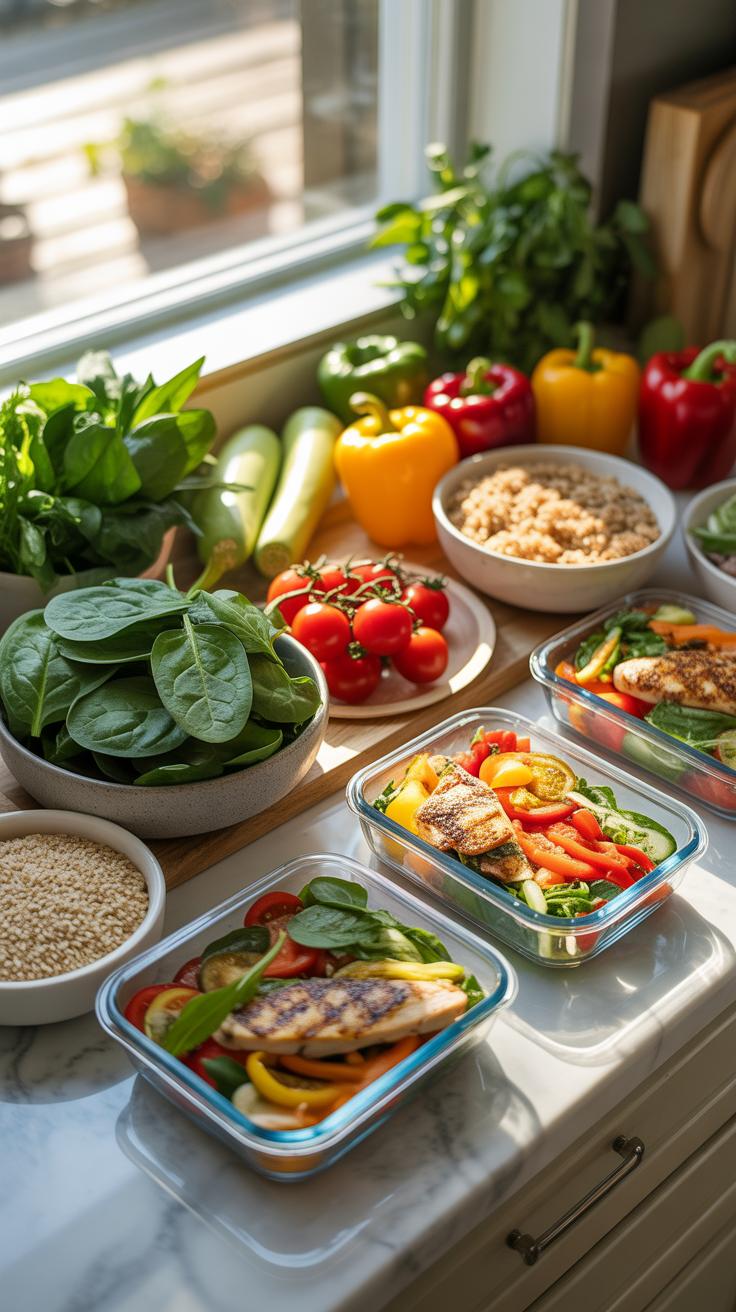
What Clean Eating Actually Means And Why It Works For Meal Prep
Clean eating focuses on whole foods in their most natural state. You eliminate processed sugars, refined grains, and artificial preservatives. This strategy relies on high-quality proteins, complex carbohydrates, and fiber-rich vegetables. It removes hidden chemicals that cause energy crashes. Stripping away additives ensures your body receives maximum fuel with minimum waste. You prioritize biological density over caloric volume to maintain steady metabolic function.
This approach works for meal prep because whole ingredients have predictable shelf lives. Raw vegetables and lean meats hold their texture better during the reheating process than processed snacks. You control the sodium and oil levels in every container. Preparing these foods in bulk reduces decision fatigue during the week. Systematic cooking prevents you from reaching for low-quality convenience meals when you are tired or hungry.
Best Clean Meal Combinations To Batch Cook On Sundays
Successful clean prep requires combining a stable protein with a complex starch and a fibrous vegetable. Roasted chicken breast paired with sweet potatoes and steamed broccoli serves as a gold standard. You can cook large quantities of these items on a single sheet pan. Ground turkey sautéed with peppers and brown rice offers another durable option. These ingredients resist spoilage and maintain their nutritional integrity for five days.
Hard-boiled eggs and overnight oats provide immediate breakfast solutions without cooking during the week. You should prepare dressings and sauces separately to prevent your greens from wilting. Mason jar salads keep ingredients crisp by layering the wet items at the bottom. Use airtight glass containers to maintain flavor and prevent moisture loss. This tactical selection of food groups ensures you stay full and focused without wasting time on complex recipes.
Healthy Lunch Prep Ideas For Work That Keep You Energized All Day
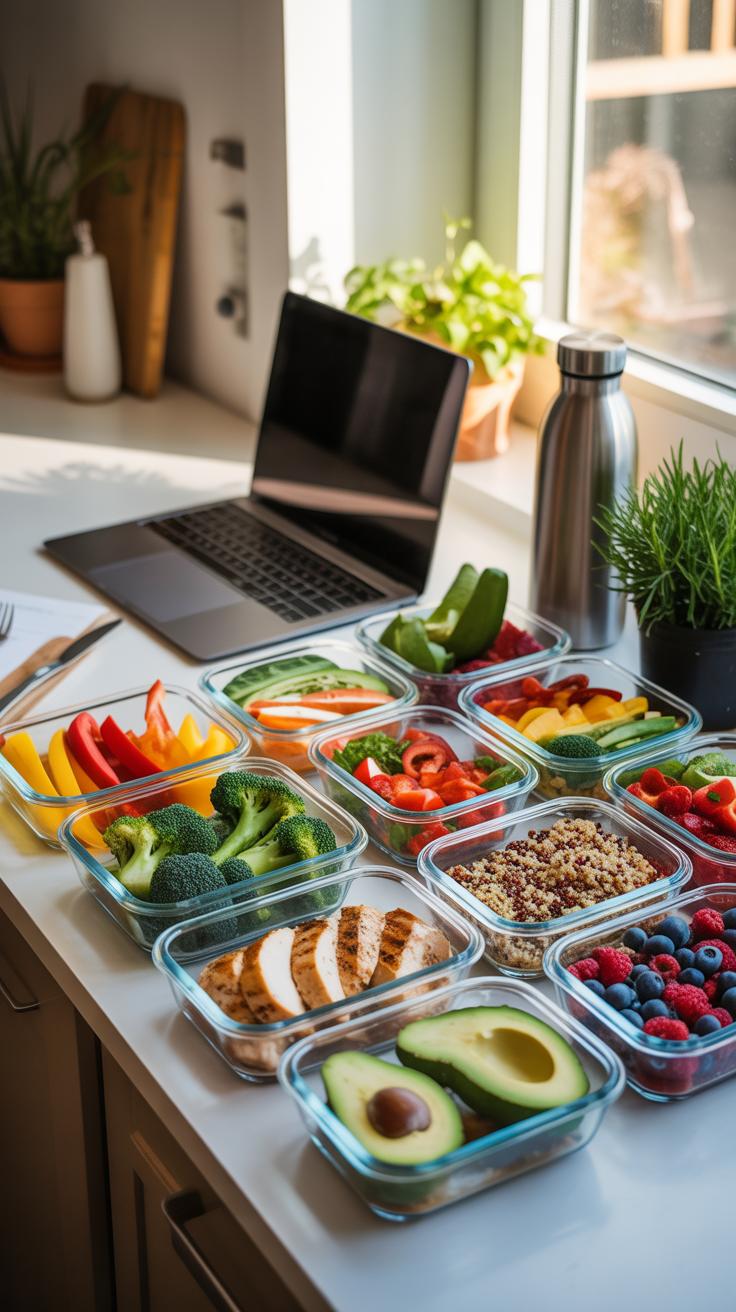
Why A Prepped Lunch Outperforms Takeout For Energy And Focus At Work
Commercial takeout meals often contain high levels of sodium and hidden sugars. These ingredients cause a rapid spike in blood glucose followed by a sharp crash. This physiological cycle destroys afternoon focus and leads to brain fog. Sunday meal prep allows you to control macronutrient ratios precisely. You ensure a steady supply of glucose to the brain by prioritizing complex carbohydrates and lean proteins instead of processed additives.
Restaurant portions usually exceed standard nutritional requirements. These large meals force the body to divert significant blood flow to the digestive system. This shift reduces oxygen delivery to the brain and causes physical lethargy. A prepped lunch utilizes controlled containers to maintain proper serving sizes. You save mental energy by eliminating daily decision fatigue. Consistent fueling through home-prepped meals stabilizes your metabolic rate and sustains high cognitive performance.
Five Filling And Portable Lunch Builds You Can Prep In Under An Hour
Effective lunch prep requires a modular approach to save time. Focus on ingredients that do not wilt or lose texture after three days in the refrigerator. Use durable glass containers to maintain food safety and prevent chemical leaching during reheating. These five builds focus on high protein density and fiber to keep you full until dinner without requiring complex cooking techniques or expensive equipment.
- Greek Quinoa Bowls: Combine cooked quinoa with chickpeas, cucumbers, and kalamata olives. This build provides complete plant based proteins and remains crisp for several days. Add feta cheese and a lemon vinaigrette just before eating to maintain maximum freshness and prevent sogginess.
- Adult Bento Boxes: Pack hard boiled eggs, sliced deli turkey, almonds, and raw vegetables. This cold assembly requires zero microwave time and offers a high protein hit. It mimics a charcuterie board while providing the necessary micronutrients to sustain physical energy during long shifts.
- Chicken Pesto Pasta: Toss whole wheat rotini with grilled chicken breast and jarred pesto. Whole wheat pasta offers a lower glycemic index than white varieties. The healthy fats from pine nuts and olive oil in the pesto provide long lasting satiety and improve nutrient absorption.
- Sheet Pan Harvest Bowls: Roast sweet potatoes, broccoli, and sausage on a single tray. Sweet potatoes provide a slow release of energy compared to white potatoes. This one pan method minimizes cleanup and allows you to portion out four identical meals in under forty minutes.
- Mason Jar Salad: Layer dressing at the bottom followed by hearty grains and tough greens like kale. This vertical stacking technique prevents the dressing from touching the delicate leaves until you shake the jar. It keeps the salad fresh and crunchy for the entire work week.
Portion control is the final step in securing your work week success. Measure your proteins using a kitchen scale to ensure you meet your daily requirements without overeating. Label each container with the date to track freshness and maintain food safety standards. Solid preparation removes the temptation of convenience foods and keeps your physical health on a predictable track. Strategic lunch prep is a professional tool for peak productivity.
Meal Prep Easy Lunch Options You Can Rotate All Week Without Getting Bored
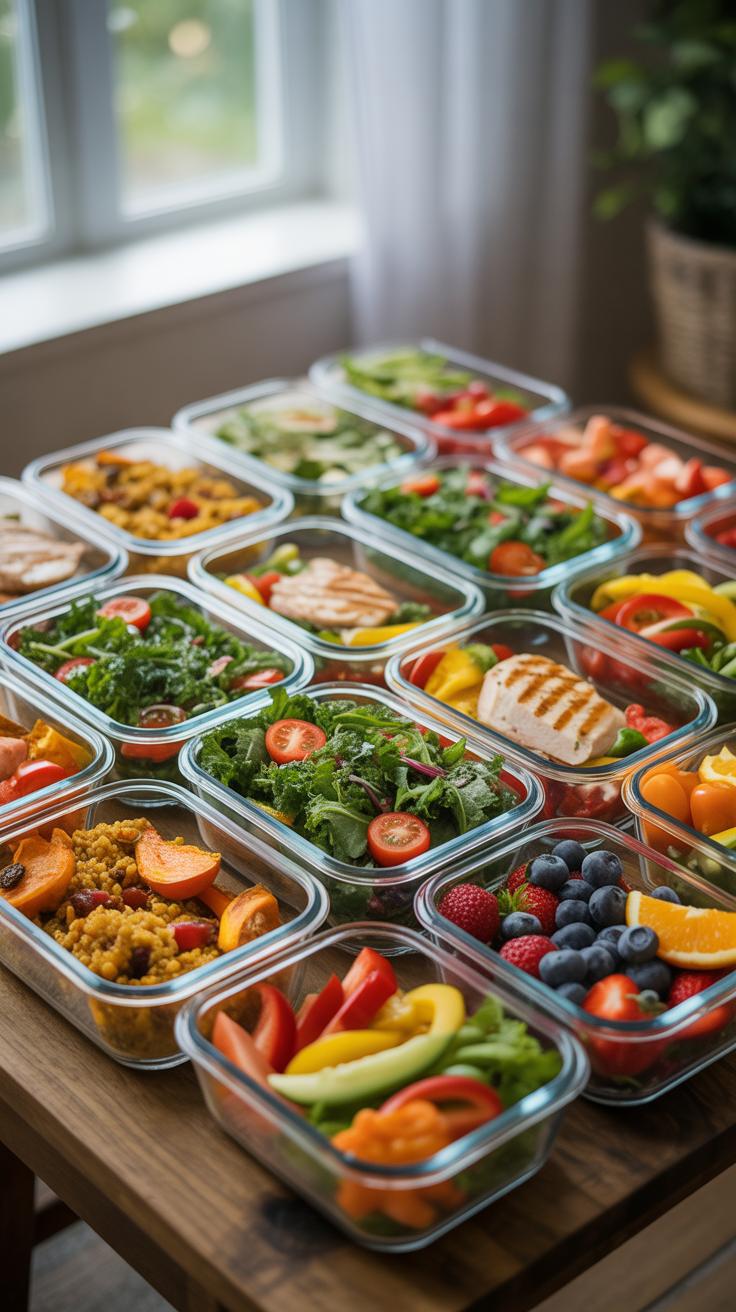
How To Use A Base Ingredient Strategy To Create Variety From One Prep Session
Smart meal prep relies on modular components rather than fixed recipes. You must cook large batches of neutral proteins and gains on Sunday. Prepare a versatile protein like shredded chicken or roasted chickpeas without heavy seasoning. Cook a sturdy grain like quinoa or farro in bulk. These plain bases allow you to change the flavor profile for every single meal during the week.
Separating your base ingredients prevents flavor fatigue. Use the same chicken for Mediterranean bowls on Monday and taco salads on Tuesday. This tactic saves time because you only use the stove once. You eliminate the need to cook five different dishes. Focus on high-quality staples that store well in airtight containers. This strategy maximizes your efficiency and keeps your daily lunch decisions very simple.
The smell of Sunday pot roast and the quiet rhythm of Chopping vegetables is a love letter to your future self. It is the gentle art of setting the table for a week where you are already nourished and cared for.
Sauces, Seasonings And Toppings That Transform Simple Prepped Lunches
Flavor rotation happens at the finish line. Do not season your bulk food during the initial cook. Instead, keep a library of high-impact condiments in your refrigerator. Use pesto, tahini, salsa, or soy-ginger dressings to define the meal’s identity. These liquids provide moisture to pre-cooked grains and proteins that often dry out after three days. A different glaze completely rebrands the meal effortlessly.
Texture is the second tool for variety. Add raw vegetables, toasted seeds, or pickled onions just before eating. These fresh additions provide a crunch that microwaved food lacks. They change the mouthfeel and make repetitive ingredients feel new. Keep these toppings in small, separate containers to maintain their physical integrity. Strategic garnishing is the most effective way to beat boredom without increasing your total active kitchen time.
Whole Food Meal Prep Ideas Built Around Minimally Processed Ingredients
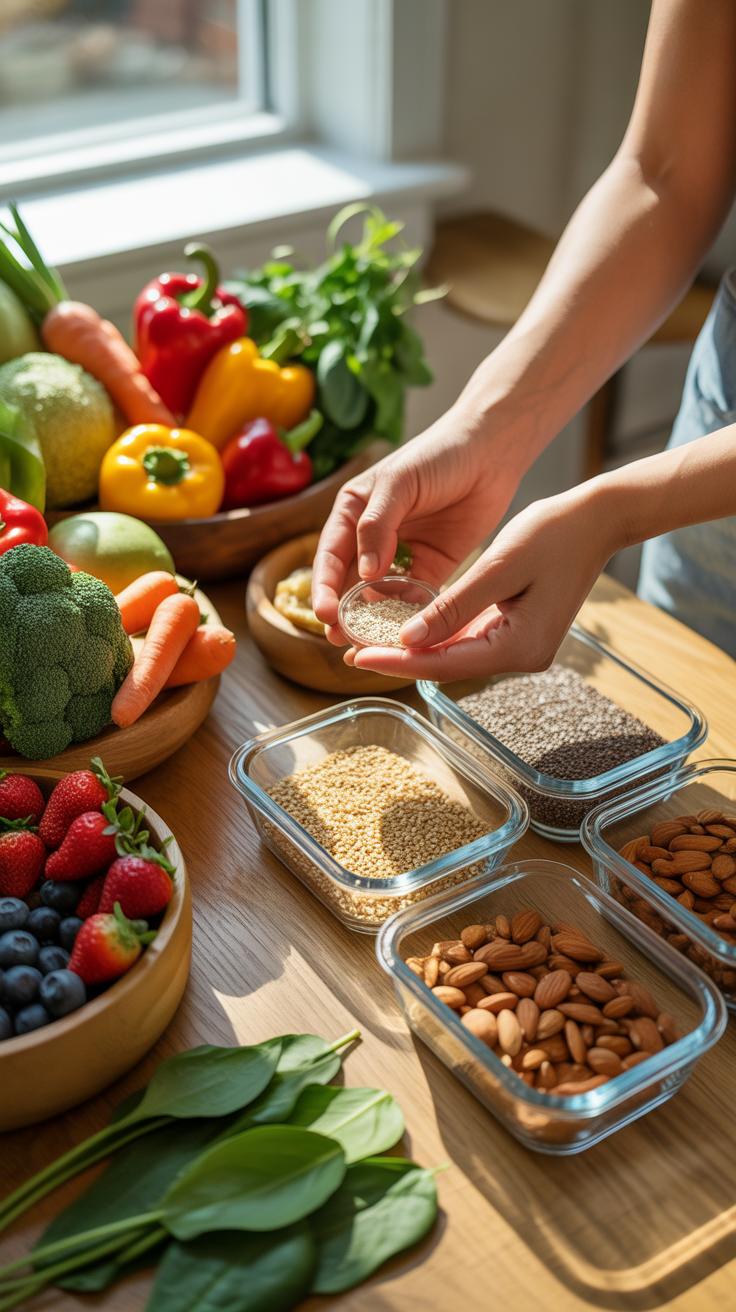
Understanding Whole Foods And Why They Store Better Through The Week
Whole foods are ingredients in their natural state. They do not contain added sugars or artificial chemicals. These foods have a firm cellular structure. This structure resists breaking down even after days in the fridge. Minimally processed items like dry grains and raw vegetables maintain their texture longer than pre-cooked convenience meals. You get more nutrients and better flavor.
Processing strips away the natural defenses of food. Pre-cut produce oxidizes and rots fast. Whole carrots and unwashed greens stay fresh for seven days. This durability makes them ideal for a sunday meal prep routine. You reduce waste and save money. Hardier ingredients handle reheating without turning into mush. Use these facts to build a reliable food inventory for the week.
Top Whole Food Staples To Always Have Prepped In Your Fridge
Success in sunday meal prep requires a foundation of versatile ingredients. Cleaned and cooked components allow you to assemble meals in minutes. Focus on high-density proteins and fibrous plants. These items withstand oxygen exposure and cold temperatures better than others. Keep these staples ready to ensure you do not reach for processed snacks when you are tired.
- Roasted Root Vegetables: Sweet potatoes and carrots provide complex carbohydrates. Roast them until firm. They hold their shape and stay delicious for five days when kept in airtight glass containers.
- Hard Boiled Eggs: Eggs are a complete protein source ready for immediate consumption. Boiled eggs stay fresh in their shells for a full week. They add substance to salads or act as a quick snack.
- Cooked Quinoa or Farro: Ancient grains provide fiber and minerals without the gluten issues of modern wheat. Boil a large pot on Sunday. These grains reheat perfectly and do not get soggy like pasta does.
- Washed and Dried Kale: Hardy leafy greens survive longer than delicate lettuce. Remove the stems and dry the leaves thoroughly. Store them with a dry paper towel to absorb moisture. This prevents wilting and rot.
- Slow Cooked Chicken Breast: Lean protein is essential for muscle maintenance. Poach or slow cook chicken in water or broth. Shred or slice it after it cools. It stays moist and ready for wraps or bowls.
Organize your fridge so these items stay visible. Use clear containers to track your supply levels. This visual strategy prevents you from forgetting what you prepared. It also makes packing lunches effortless. When you have these staples ready, you stop making bad food choices. Strategic preparation is the only way to maintain a whole food diet during a busy work week.
Easy Food Prep For The Week The Beginner Friendly Method That Builds A Lasting Routine
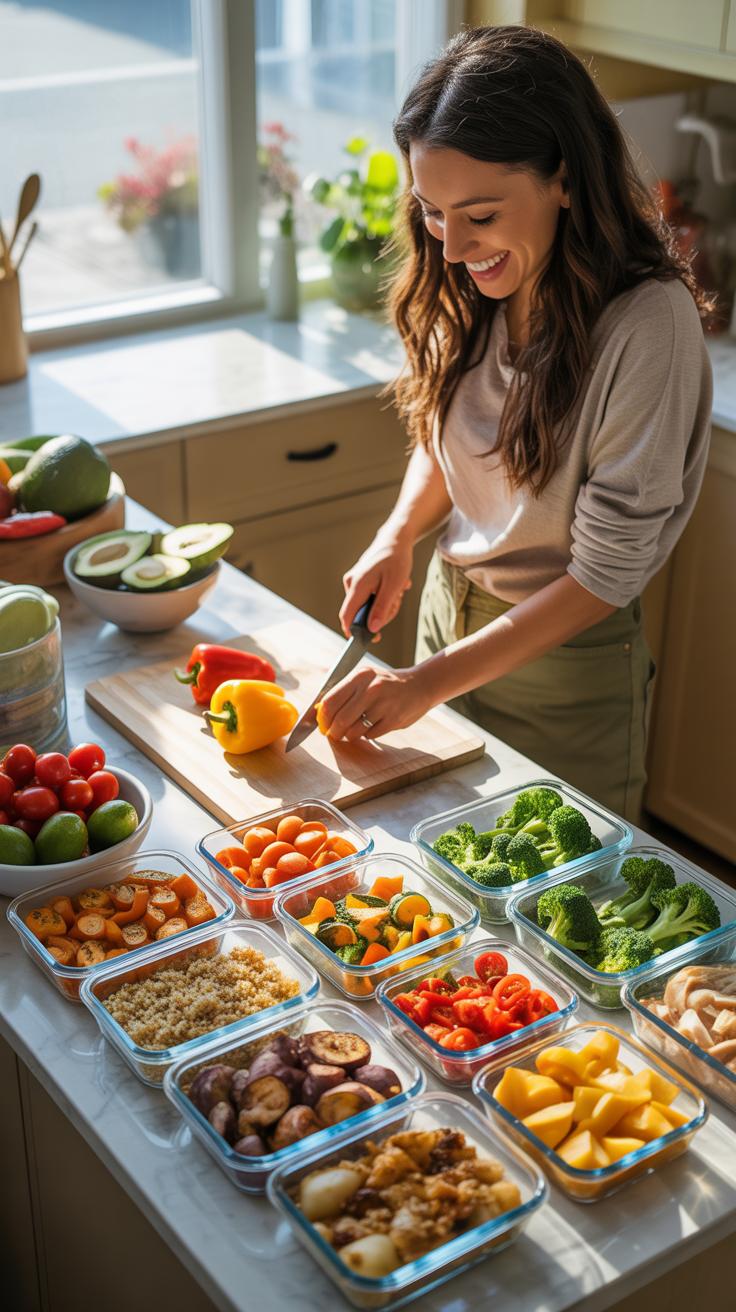
The Three Category Rule That Simplifies Every Prep Session You Do
Successful prep sessions rely on grouping food into proteins, starches, and roasted vegetables. Do not cook specific recipes. Cook components instead. Prepare three pounds of meat, two grains, and three types of vegetables. This method prevents flavor fatigue because you can mix different sauces daily. Use the oven for everything to maximize your time. Sheet pans allow you to cook multiple items at once.
Beginners fail because they choose complex meals. Complex meals require too much focus and cleanup. Use basic seasonings like salt, pepper, and garlic powder for all items. This neutrality lets you turn chicken into tacos or stir fry later. Maintain a clear inventory of what you cooked. Store each category in its own container. This logic reduces decision melt down when you are tired after work.
How To Grocery Shop Smarter To Support An Easy Weekly Food Prep Habit
Smart shopping starts with a tight list based on your three categories. Buy frozen vegetables to save time on washing and chopping. Frozen produce has the same nutrients as fresh produce. Stick to the perimeter of the store for whole foods. Avoid the middle aisles where processed snacks live. Buy meat in bulk to lower your cost per pound. This strategy keeps your budget low.
Time your shopping trip for Saturday morning. Shopping on the same day you cook leads to burnout. Use a digital list to keep track of pantry staples. Knowing you have rice and oil at home prevents double buying. Grab pre-washed greens to eliminate a prep step entirely. Efficiency in the store translates to speed in the kitchen. Stop browsing and start buying with a tactical plan.
Protein Meals Prep How To Cook High Protein Staples That Last All Week
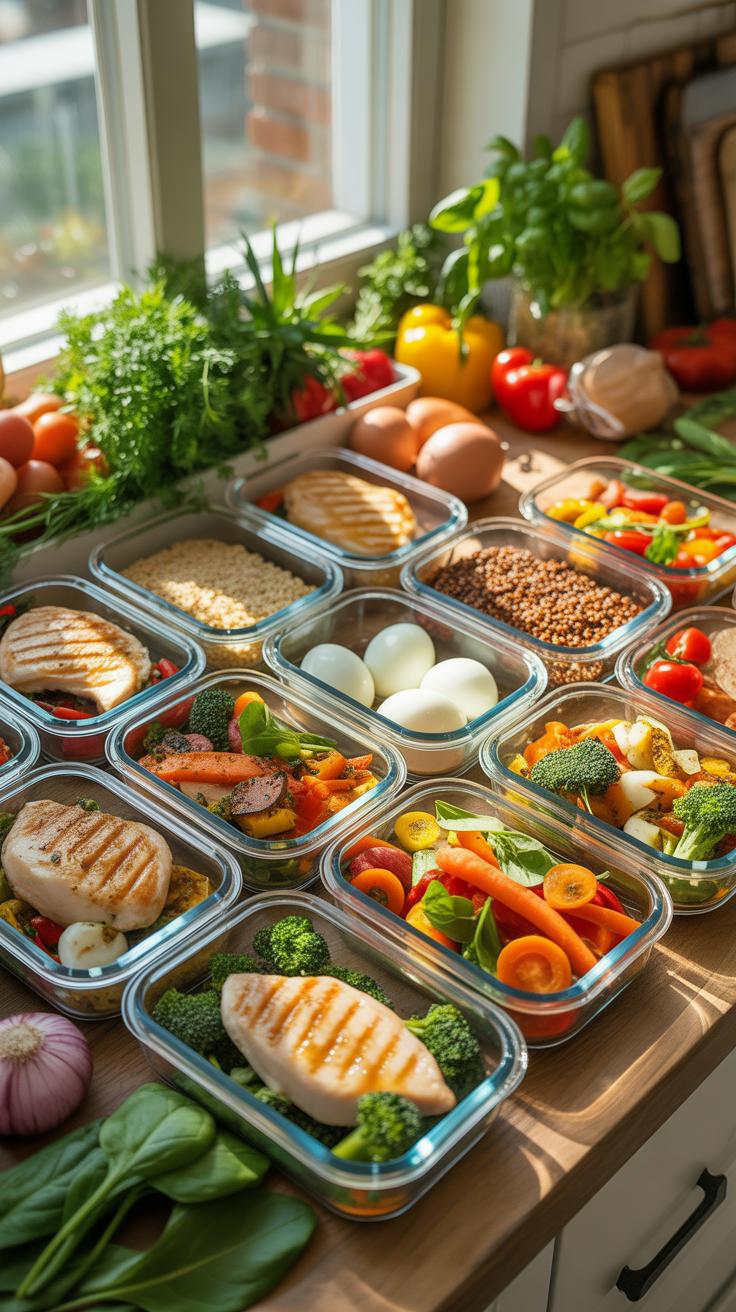
Why Protein Is The Anchor Of A Successful Weekly Meal Prep Routine
Protein dictates the structure of your weekly menu. It is the most expensive and time-consuming component of any meal. Cooking it in advance eliminates the largest barrier to healthy eating during busy workdays. A prepped protein allows you to assemble meals in under five minutes. You simply add a grain and a vegetable to your base to ensure nutritional balance.
Focusing on protein prevents decision fatigue. When you have cooked chicken or beef ready, you stop asking what to eat for dinner. This strategy stabilizes blood sugar and stops mid-week takeout orders. Proper protein prep ensures you meet your daily macronutrient targets without stress. It is the most efficient way to maintain a consistent diet. Use high heat and bulk methods to maximize your Sunday output.
The Best Protein Sources To Batch Cook On Sunday And How Long They Keep
Lean poultry and ground meats are the most reliable options for bulk cooking. Chicken breast and turkey stay safe and flavorful for four days when stored at forty degrees Fahrenheit. Hard-boiled eggs provide a portable option that lasts a full seven days in their shells. Lean beef and pork are durable choices that maintain texture during reheating. Avoid delicate seafood for long-term storage as it degrades quickly.
Storage temperature is critical for food safety and quality. Always use airtight glass containers to prevent moisture loss and cross-contamination. Label every container with the date to track freshness accurately. If you cook more than four days of meat, freeze half immediately. Proper cooling before sealing prevents bacterial growth. Stick to simple seasoning profiles so you can use the same protein in different cuisines throughout the week.
Frequently Asked Questions

How do I start a meal prep habit if I have never done it before?
Starting a sunday meal prep routine doesn’t require professional chef skills or expensive containers. Begin by choosing just one meal type to focus on, such as lunches for the work week. Use a few simple recipes you already know and love to avoid feeling overwhelmed. By keeping your initial sessions short and achievable, you will build the necessary confidence and consistency to gradually expand your prep into other daily meals.
What is the most efficient way to organize a weekend prep session?
Efficiency is the secret to a successful sunday meal prep. Start by cleaning your workspace and grouping your ingredients by cooking method. Utilize your oven, stovetop, and slow cooker simultaneously to maximize your time. While the proteins are roasting, chop your fresh vegetables and prepare various sauces. This multi-tasking approach ensures you finish your entire week of nutritious meals in just a few hours, leaving your kitchen clean and organized.
Can I meal prep effectively if I am on a very tight budget?
Absolutely! Preparing your food at home is one of the best ways to save money. Focus on purchasing pantry staples like grains, beans, and seasonal produce in bulk. You can lower costs significantly by incorporating meatless proteins and buying generic store brands. This strategy proves that a healthy lifestyle is accessible to everyone, allowing you to enjoy delicious, home-cooked food throughout the busy week without overspending on expensive takeout.