
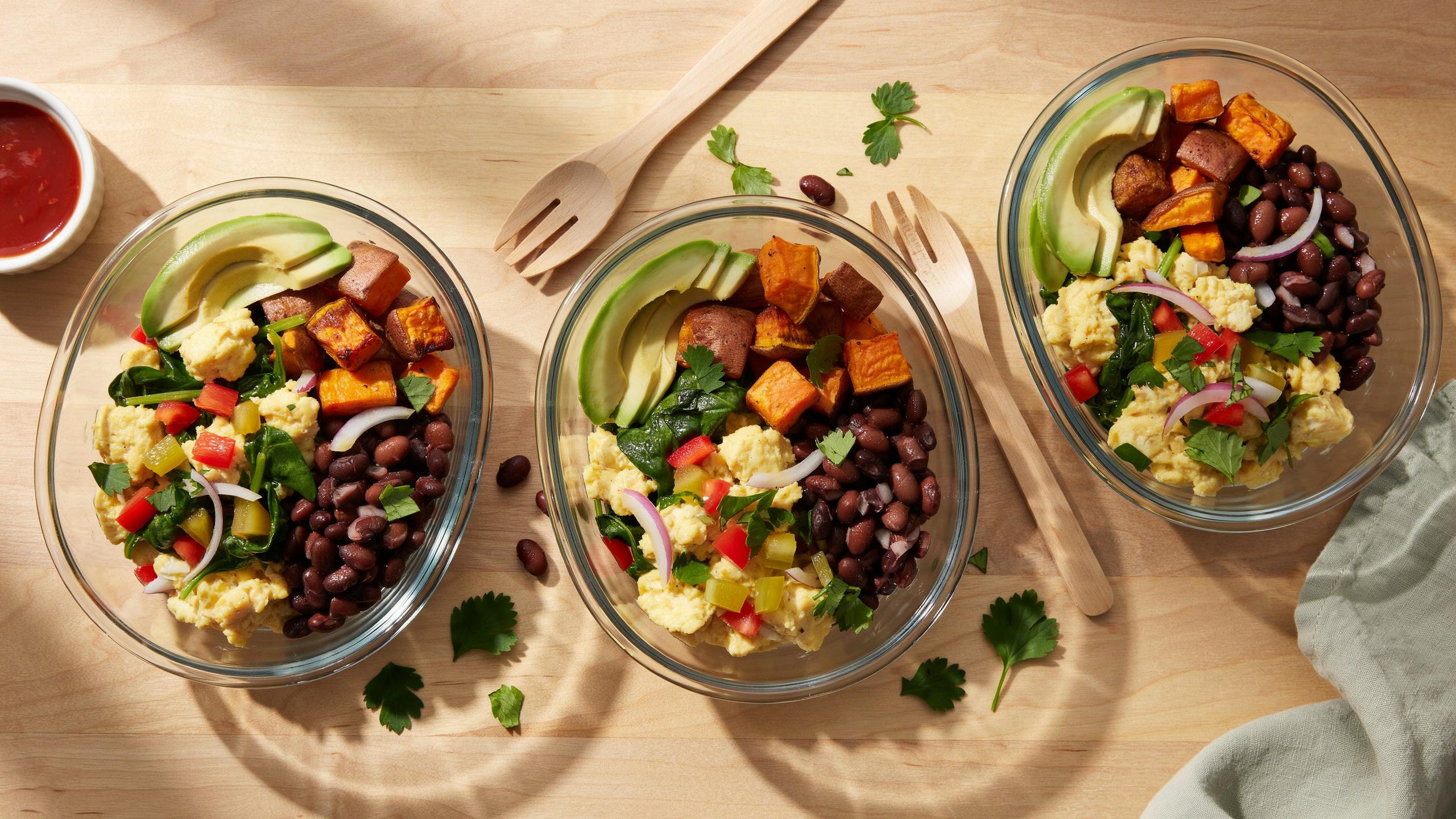
The Tofu Scramble Deception Why Your Healthy Breakfast Fails

Protein Claims That Don’t Hold Up
You want to believe your tofu scramble is solving a problem you don’t actually have. Here’s the mechanism: a standard tofu scramble bowl delivers 15 to 20 grams of protein per serving, which sounds substantial until you measure it against actual satiety. Most nutrition advice treats protein as a uniform input, but your body responds differently to protein density and amino acid timing. A tofu scramble lacks the structural integrity of eggs or dairy, meaning your digestive system processes it faster and leaves you hungry within two hours.

The real issue is that tofu scramble marketers conflate “plant-based” with “high-protein.” Firm tofu is roughly 8 grams of protein per 100 grams raw. When you add water-heavy vegetables, oil, and seasoning, that concentration dilutes significantly. A 300-gram bowl marketed as high-protein often contains closer to 12 grams of usable protein if measured accurately. You need 25 to 40 grams at breakfast to trigger sustained fullness. Filling the gap with carbohydrates creates a blood sugar spike that destroys the metabolic stability you were chasing.
Prep Methods That Sabotage Nutrition
Thermodynamics explains meal prep failure: heat exposure degrades amino acid bioavailability over time. When you batch-cook tofu scramble on Sunday for Wednesday consumption, oxidation damages the fragile amino acid chains, reducing how much protein your body can actually absorb. This isn’t theory. Cooked tofu stored in moisture-rich environments breaks down faster than you’d expect because the crumbly texture accelerates surface oxidation.
The hidden cost sits in your refrigerator. Most people prep tofu scramble in sealed containers, which trap steam and create a low-oxygen environment that breeds anaerobic bacteria and accelerates protein degradation. Your bowl looks fine on day four. It tastes fine. But the amino acid profile has shifted, and your body extracts less usable protein from it. The solution is aggressive portioning and cold-storage protocol: prep no more than two days ahead, store in breathable containers with parchment layer separation, and consume within 48 hours of refrigeration.
The 3 Phase Metabolic Reset Protocol
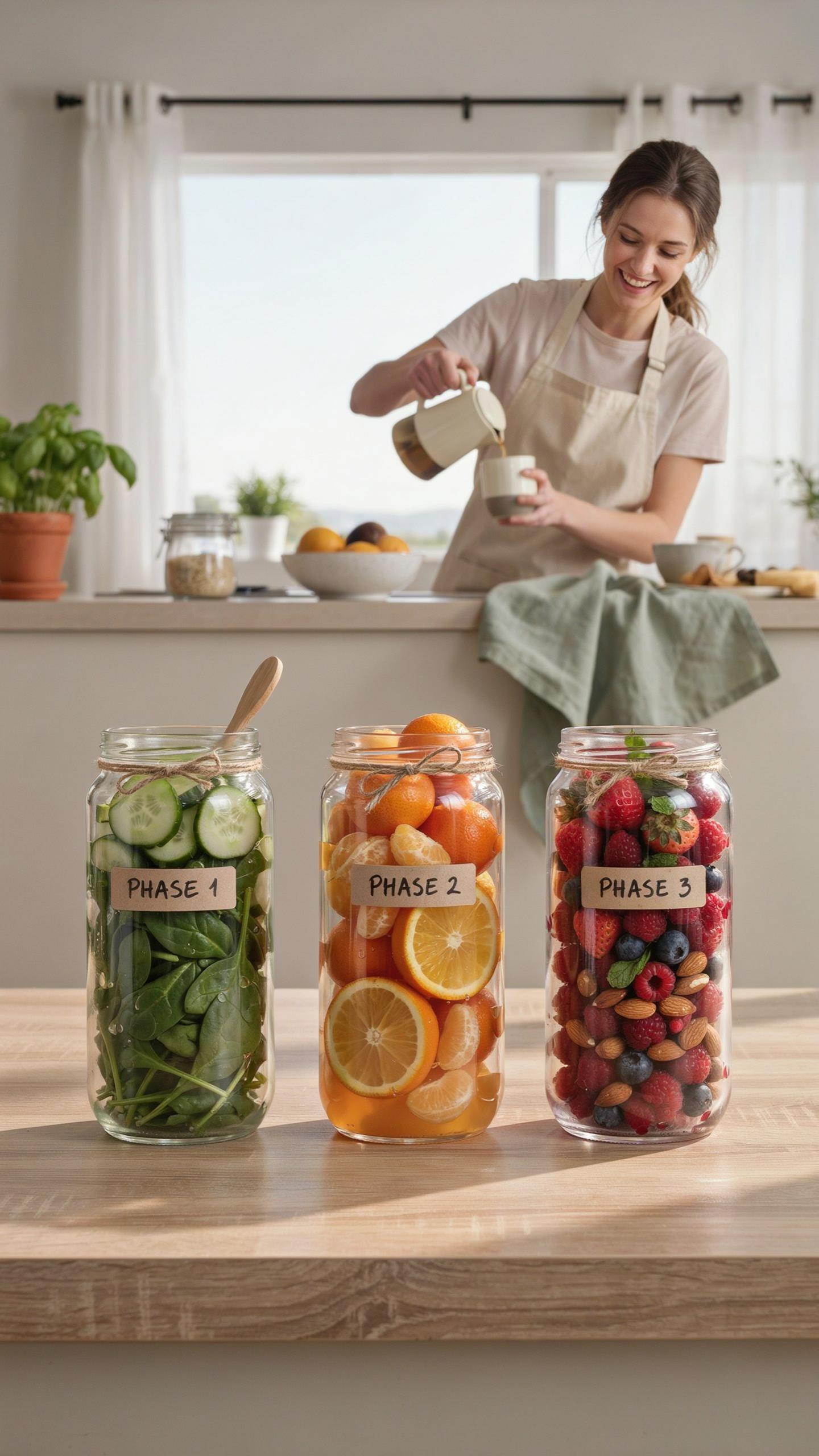
Stabilize Energy Through Macronutrient Rebalancing
You want this to work without thinking about it constantly. The mechanism is blood sugar stability, borrowed from endocrinology: your tofu scramble bowl functions as a glucose buffer. Protein slows carbohydrate absorption. Fat extends satiety duration. Tofu provides roughly 15-20 grams of protein per cup while remaining low in saturated fat, making it the anchor macronutrient that prevents the energy crash cycle most breakfast eaters experience.
Standard breakfast advice says “eat more carbs for energy.” That’s incomplete. Carbs alone spike insulin, which triggers the hunger rebound three hours later. A tofu scramble meal prep bowl inverts this: 25-30 grams protein, 15-20 grams fat from olive oil or seeds, 35-45 grams carbs from vegetables and whole grains. This ratio keeps blood glucose stable for 4-5 hours. Measure portions once during prep, then portion identically each day so the metabolic effect remains consistent.
Nutrient Density Over Volume
Most meal prep advice emphasizes quantity. That’s backwards. Tofu by itself contains incomplete amino acid profiles and minimal micronutrients. The real work happens in the vegetables and additions you layer into the bowl. Spinach provides iron and folate. Bell peppers deliver vitamin C for iron absorption. Nutritional yeast adds B vitamins, which tofu lacks sufficiently.
Build your bowl around nutrient synergy, not filler. Each component serves a specific absorption or metabolic function. Red onions contain quercetin, which supports inflammation management. Sesame seeds provide both magnesium and calcium. One strategically stacked bowl delivers more bioavailable nutrition than three bowls of generic chicken and rice. Prep your tofu scramble once weekly, but vary your vegetable base every three days to prevent nutrient gaps from repetition.
Beyond Convenience Engineering Your Tofu Scramble Vegan Breakfast Bowl
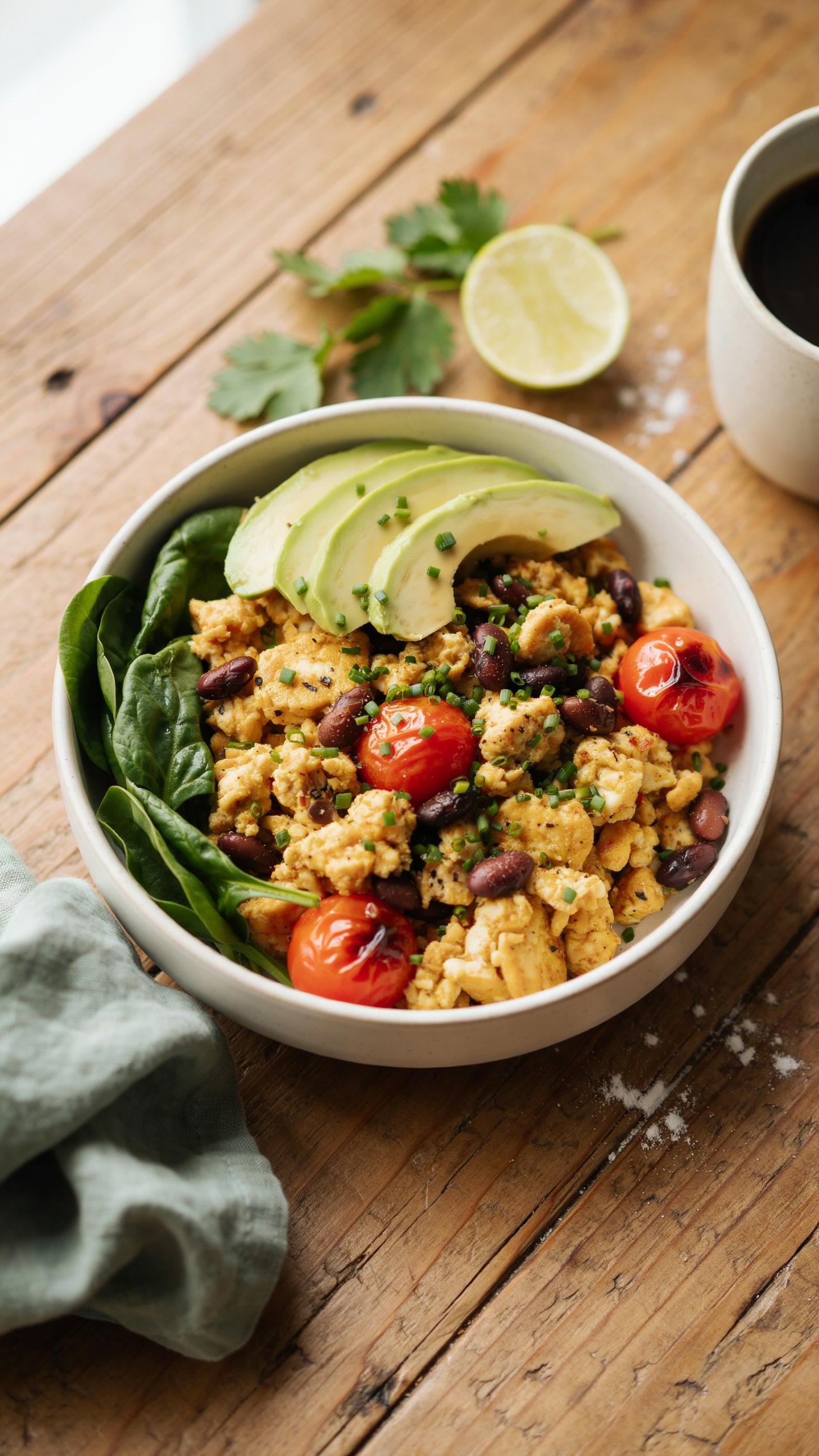
Pairing Proteins With Absorption Blockers
You want the protein number on the label to matter. That’s the real reason you’re reading this. Here’s what most meal preppers miss: protein absorption isn’t about quantity alone. It’s a bioavailability problem. Think of nutrient absorption like supply chain logistics. You can stock the warehouse, but if distribution fails, inventory sits unused. Tofu contains phytates and oxalates—compounds that bind minerals and reduce how much your body actually captures. Pairing tofu with vitamin C sources increases iron absorption by up to threefold. Fermented ingredients like miso or tempeh reduce anti-nutrients naturally, making the same protein more usable than raw or simply cooked tofu.
The mechanism is straightforward: cook tofu with acid-containing vegetables like tomatoes, bell peppers, or lemon juice, or layer in fermented components like sauerkraut or kimchi. Calcium-set tofu absorbs more readily than nigari-set varieties. Most meal prep guides ignore the source of your tofu entirely and wonder why the numbers don’t translate to actual performance. Your bowl’s protein quality hinges on what you pair it with, not just what sits in the center.
Moisture Control Through Temperature Sequencing
The common advice says prep everything, store it together, eat it later. That’s how your bowl becomes a soggy paste by day four. Temperature matters more than timing. Hot components introduce steam into the container. Cool components add condensation. Both destroy texture and accelerate spoilage. The fix: let each element reach room temperature before assembly. Cook your tofu scramble, spread it on a sheet to cool. Roast your vegetables separately and let them sit uncovered until they release no heat. Store grains cooled completely. Only then layer into containers.
Use glass containers with proper ventilation—plastic traps moisture and degrades faster. The tofu should go in first as a base, then add vegetables, then grains, then sauce in a separate compartment. This stacking order prevents the heaviest wet components from crushing softer textures below. Pack your bowl two hours before eating, not twenty hours. The five-day meal prep myth fails because people ignore the moisture gradient. Temperature sequencing keeps your bowl edible through day three.
The Bio Rhythmic Tofu Breakfast Timing For Peak Cognition
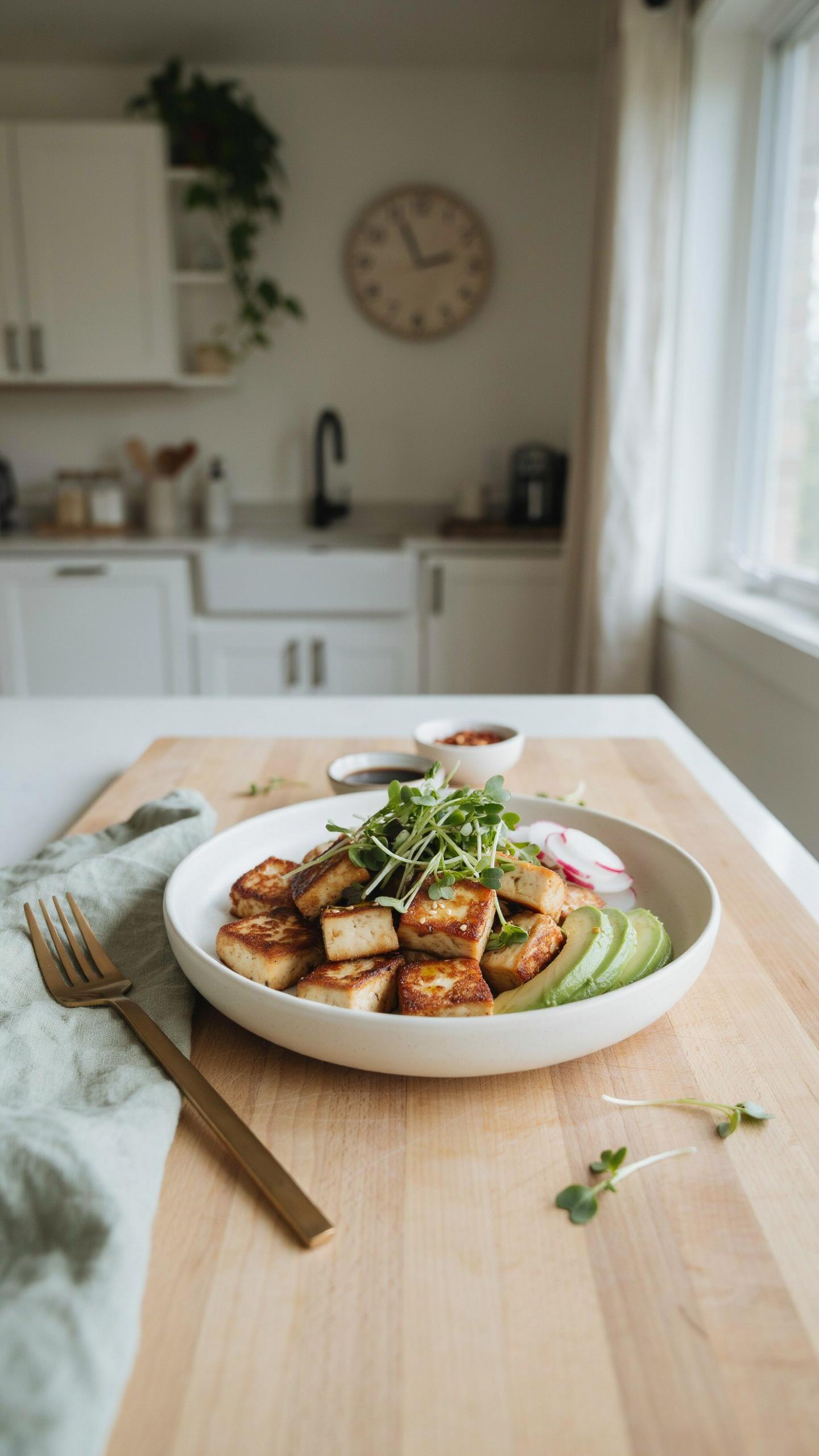
When Your Cortisol Peaks
You want to feel sharp at 9 AM because you’ve tied your self-worth to morning productivity. Here’s the mechanism: cortisol climbs highest between 6 and 8 AM in people on normal sleep schedules. A tofu scramble meal prep bowl eaten during this window leverages circadian biology, borrowing from chronobiology’s concept of phase alignment. Your body is primed to digest and utilize nutrients when hormonal conditions favor it.
The mistake people make is eating breakfast whenever they wake up, then wondering why they crash. Timing matters more than meal composition here. Eat your tofu scramble within 30 to 90 minutes of waking to sync nutrient absorption with peak cortisol availability. This isn’t optimization theater. It’s matching food intake to your body’s actual hormonal schedule.
Amino Acids Before The Dopamine Dip
Neurotransmitter synthesis depends on specific amino acids you either have or don’t have in circulation. Tofu contains all nine essential amino acids, but the ones that matter for cognition are tyrosine and phenylalanine. These precursors build dopamine, which controls attention and motivation. The common advice says protein is protein. That’s incomplete.
Your brain’s dopamine availability crashes by mid-morning if you don’t front-load amino acid intake early. A tofu scramble meal prep bowl with 20 to 25 grams of protein consumed at breakfast extends your dopamine availability into the afternoon. Add one gram of tyrosine per 100 pounds of body weight through the tofu itself, and you’ve extended your cognitive window by hours. Prep your bowls on Sunday so the mechanism activates Monday through Friday without friction.
The Adaptogenic Kitchen Framework For Your Healthy Tofu Scramble Dish
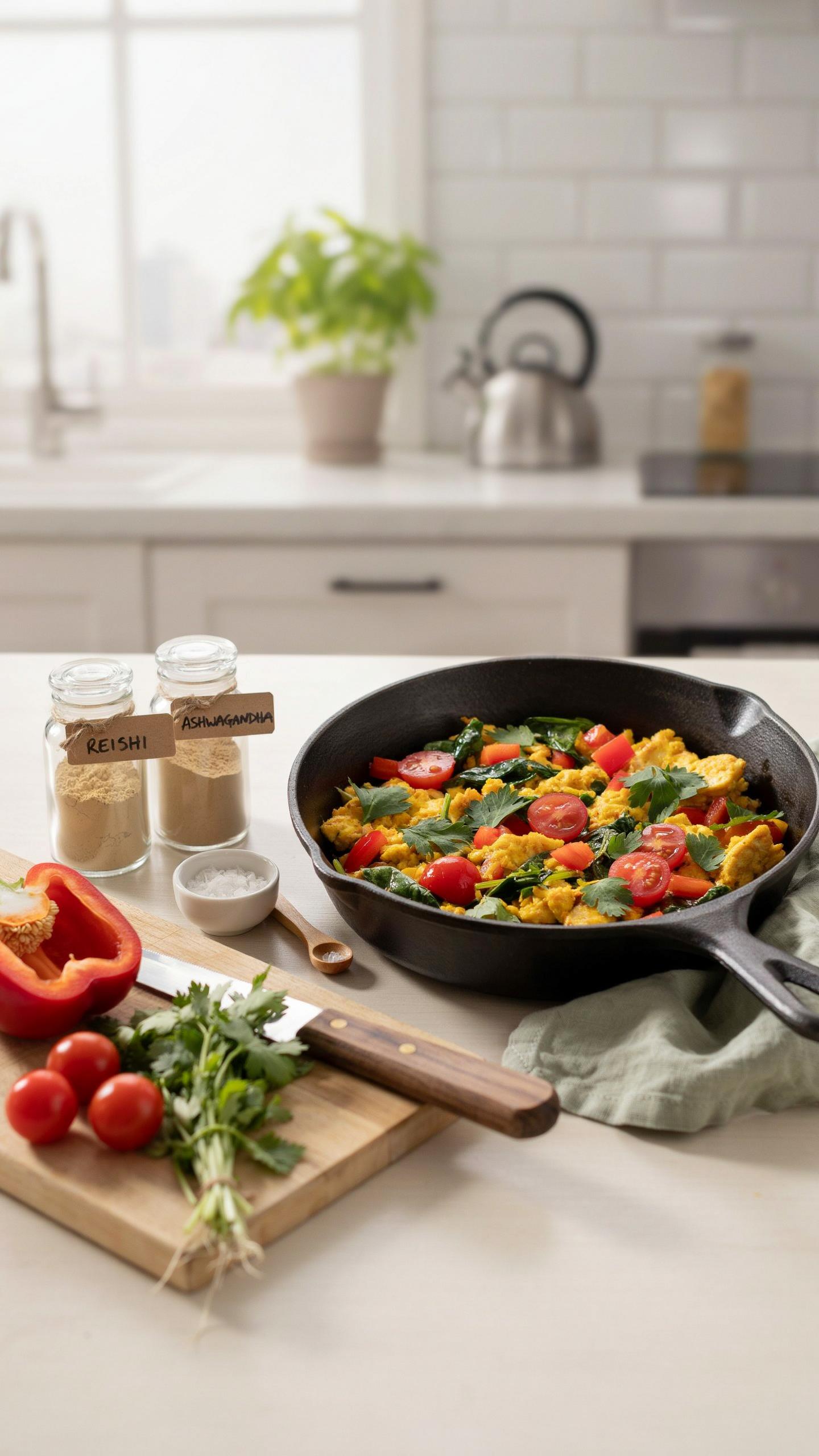
Adaptogens That Build Stress Resilience
You want adaptogens in your tofu scramble because you’re betting that breakfast can fix your cortisol problem. Here’s the mechanism: adaptogens work through pharmacology—they contain compounds that modulate your nervous system response, not magically balance it. Your tofu scramble bowl becomes a delivery vehicle for these compounds the same way a protein shake is a delivery vehicle for amino acids. The difference is timing and consistency matter more than most people admit.
The most practical adaptogens for tofu scramble meal prep bowls are those that survive cooking and don’t wreck the taste profile:
- Ashwagandha powder: Add 500mg to 1g per bowl after cooking. Pairs with warming spices like cumin. Research shows consistent use over weeks, not immediate effects, so meal prep consistency is the actual benefit.
- Reishi mushroom extract: Use 1 to 2 teaspoons of dried reishi powder mixed into scrambled tofu. Earthy flavor blends with nutritional yeast and miso. Works best consumed daily, which meal prep enforces.
- Rhodiola rosea powder: 300 to 600mg per serving, added cold after cooking to preserve active compounds. Slightly bitter, so combine with umami-rich ingredients like tamari or nutritional yeast to mask it.
- Cordyceps mushroom: 1 to 2 grams powdered form stirred into warm tofu while still hot. Supports energy without jitteriness. Neutral flavor makes it stackable with other ingredients without competing.
- Tulsi (Holy Basil): Fresh or dried, 1 to 2 teaspoons per bowl. Adds herbal note that works with lime juice and cilantro. Most affordable adaptogen option for meal prep at scale.
The real advantage of meal prepping with adaptogens is dose consistency. You eliminate the guessing game that kills long-term compliance. Store prepped bowls in glass containers, add adaptogen powders fresh each morning if you’re worried about potency loss, or mix them into the tofu during batch prep if you prioritize speed over theoretical compound degradation.
Spice Blends For Inflammation Response
Everyone talks about turmeric like it’s the universal anti-inflammatory hero. It’s not. The mechanism that actually matters is bioavailability—turmeric’s active compound curcumin has poor absorption in your gut without piperine, the alkaloid in black pepper. Your tofu scramble is the perfect vehicle to stack these together because you control every ingredient and proportion.
Build your base blend with black pepper and turmeric in a 1:8 ratio minimum. Add ginger powder for additional gingerol compounds that reduce inflammation through different pathways than curcumin. Mix in coriander seed powder, which contains compounds that modulate inflammatory response in the intestinal lining. Use cinnamon in small amounts to regulate blood sugar stability, which prevents inflammatory spikes from glucose fluctuations. Cumin adds a flavor anchor while providing minor antimicrobial benefits that support gut health. The synergy is what creates a functional advantage, not any single spice. Toast your spice blend dry before adding to tofu or oil to release volatile compounds that amplify the effect. Store prepped bowls in airtight containers and add fresh spice blends each time you eat if you’re concerned about potency degradation over the week, or mix them directly into your tofu scramble during batch prep for consistency over theoretical optimization.
Sweet Potato Spinach Tofu Scramble A Masterclass In Nutrient Synergy
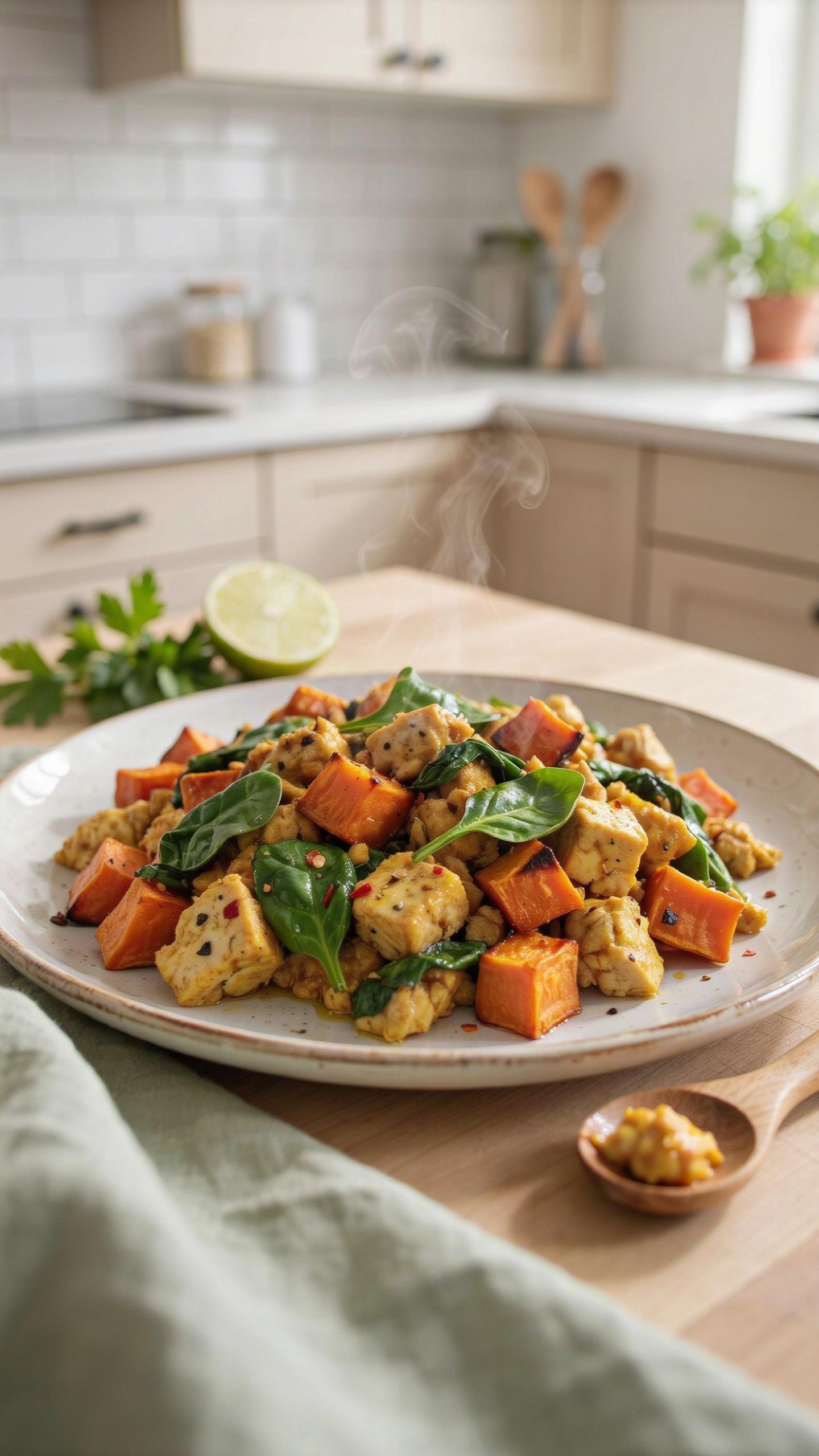
Why Sweet Potato And Spinach Matter
You want the breakfast that makes you feel like you’re winning at life without actually thinking about nutrition. Here’s the mechanism: sweet potato and spinach solve a real problem most protein bowls ignore. Sweet potato delivers resistant starch when cooled, which feeds your gut bacteria and stabilizes blood sugar for hours. Spinach provides oxalates that bind minerals, but only if you understand the timing. Together, they’re non-negotiable because they address absorption, not just calories. Most meal prep advice stops at “add vegetables.” This doesn’t.
The real win is what happens after digestion. Sweet potato’s natural sugars prime your digestive system to absorb the iron and calcium in spinach more efficiently than either ingredient alone. Tofu provides the complete amino acid profile that your body can only use if micronutrient absorption is already working. This isn’t synergy marketing speak. It’s basic biochemistry. Cook sweet potato first, let it cool slightly, then layer spinach on top to preserve its heat-sensitive compounds while still allowing enzyme activation in the tofu.
Cooking Method Changes Everything
Bioavailability is borrowed from nutrition science, and it means how much of what you eat your body actually absorbs. Your tofu scramble’s bioavailability rises or falls entirely on cooking method, not ingredient quality. Pan-scrambling tofu at medium heat for 8-10 minutes creates a texture that breaks down easier in your stomach, improving protein digestion. High heat destroys some amino acids. Low heat leaves compounds in a form your body can’t process. The sweet spot exists and most people miss it by scrambling too hot or too fast.
Steaming the sweet potato whole for 12-15 minutes preserves more micronutrients than boiling it. Sauté spinach separately for 2-3 minutes with a fat source to unlock fat-soluble vitamins like vitamin K. Then combine everything while the tofu is still warm but not smoking. This layering protocol matters more than ingredient freshness. The mechanism is simple: cook each component to its optimal temperature, then combine. Skip this and you’re eating texture without nutrition.
The Feedback Loop Method For Your Vegan Spinach Tofu Scramble
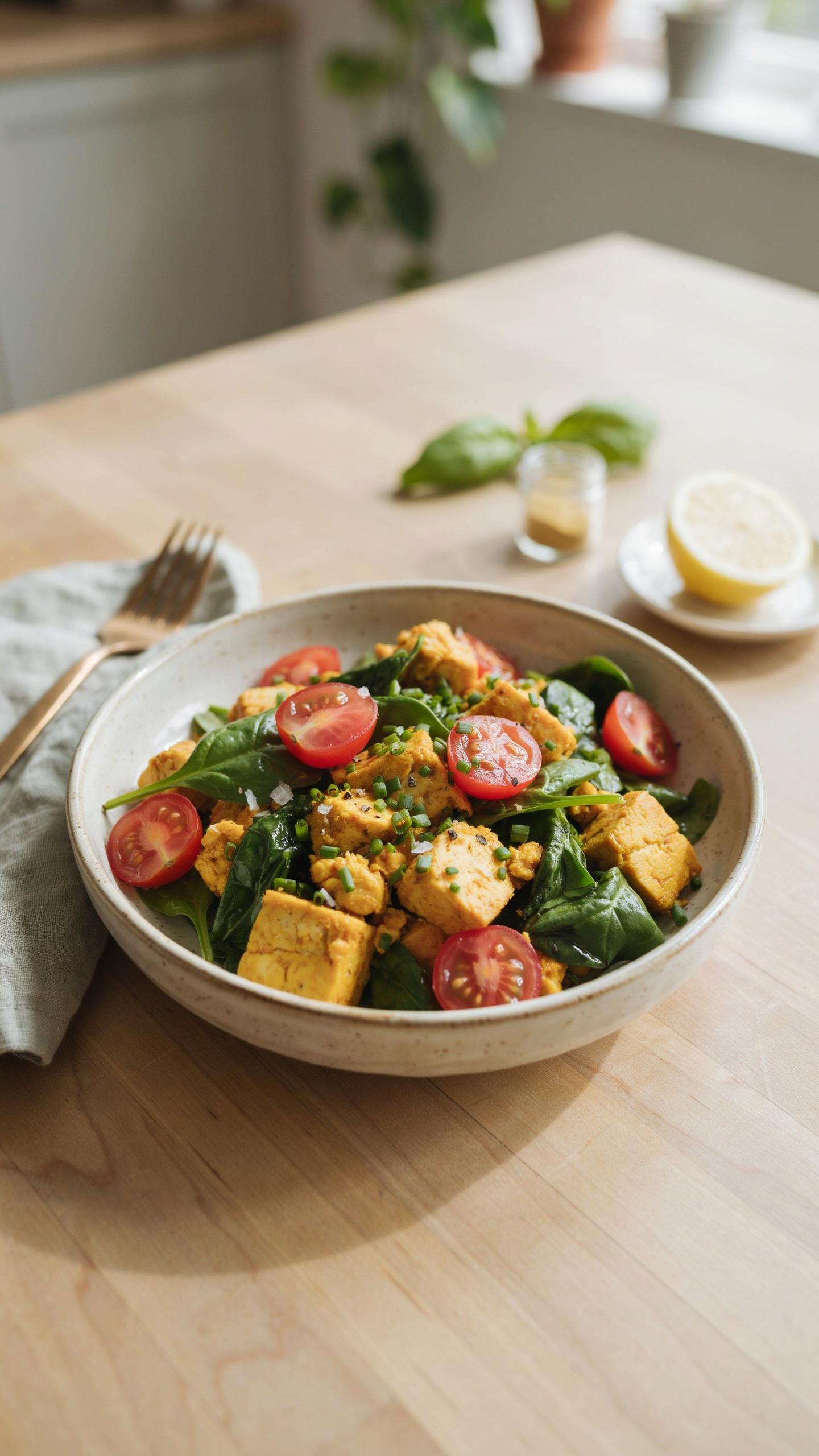
Track Output To Adjust Input
You want consistency without thinking about it every morning. That’s the real reason you’re reading this. Cybernetics, the study of feedback systems, teaches us one principle: output tells you whether your input was correct. Your tofu scramble’s texture, protein retention, and flavor stability are outputs. They reveal what your recipe needs to change.
Most people treat meal prep like a set-it-and-forget-it machine. They follow a recipe once, make it the same way for two weeks, then abandon it. The mechanism they miss is simple: each bowl you make generates data. Crumbly tofu means your heat was too high or your pressing time was too short. Watery scramble means excess moisture in your spinach or insufficient salt to bind. These aren’t failures. They’re signals telling you what to adjust.
Measure One Variable Per Batch
Change one thing at a time or you learn nothing. If you alter pressing time and add garlic and increase heat simultaneously, you won’t know which variable fixed the problem. Pick the output that bothers you most, isolate one input that controls it, then run the next five batches with that single variable shifted.
Document the result in three sentences: what you changed, what happened, what to do next. After four weeks of single-variable shifts, your tofu scramble locks into consistency. You’ve essentially reverse-engineered your own ideal recipe through observation instead of guessing. The protocol is one sentence: prepare the same recipe, change one measurable input, record the output, repeat.
Beyond Breakfast Repurposing Your Tofu Scramble Dinner
When Evening Protein Actually Matters
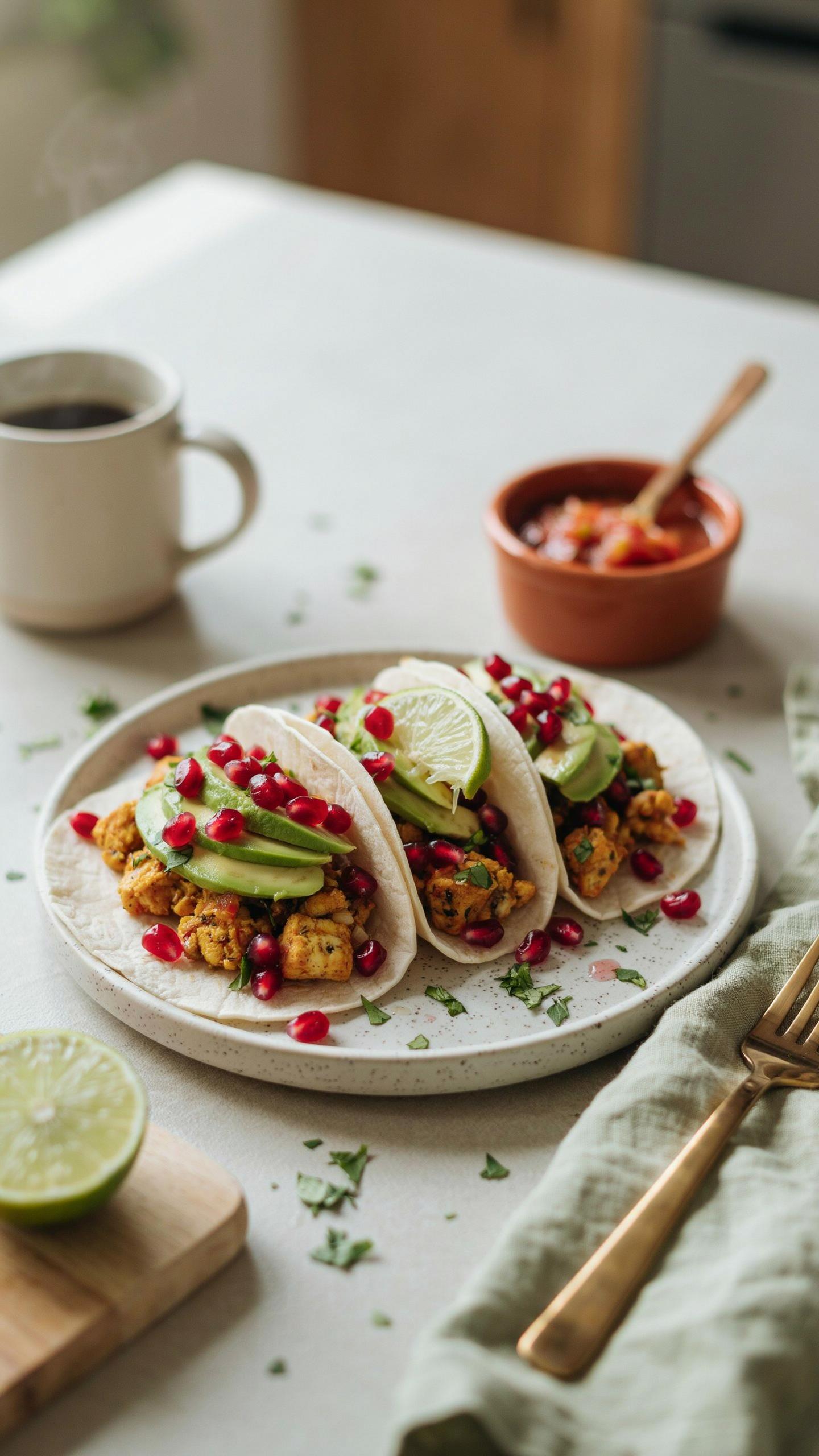
You want to believe dinner timing moves the needle on body composition. It doesn’t work that way. What matters is total daily protein and whether you’re in a caloric state that supports your goal. The real mechanism is metabolic demand: your body processes protein the same at night as it does at 7 a.m., but dinner tofu scramble bowls solve a practical problem most people ignore. Evening hunger crashes when protein drops. A tofu scramble bowl at dinner stabilizes blood sugar through the night and prevents the pre-sleep snack spiral that actually derails progress.
Portion your evening bowl with the same protein target as breakfast, but adjust carbs based on activity that day. If you trained hard, add rice or potatoes. If you sat around, dial carbs down and load greens instead. The portion size stays anchored to protein grams, not meal timing mythology. This isn’t about when you eat. It’s about preventing the decision fatigue that leads to eating more total calories when hunger spikes at 10 p.m.
Texture Swaps That Change Everything
Everyone gives the same tired advice: just throw your breakfast bowl into a wrap. That’s lazy and it misses why texture matters. Borrowing from food science, tofu has a satiety coefficient tied to how your mouth and stomach perceive density and fiber interaction. Change the texture, change how long you stay full and how satisfied you feel. A warm breakfast scramble becomes a cold salad base at dinner, or you crumble it into a grain bowl instead of chunks, or you press it firmer before cooking to get actual bite and chew resistance.
The shift isn’t about novelty. It’s about preventing sensory adaptation, which is real and tracked in nutrition research. Your body stops registering the same meal as satisfying after 4-5 repetitions in a row. Vary the texture weekly: soft curried version one day, firm pan-fried with crispy edges the next, then crumbled through a grain and greens situation. The same tofu scramble recipe becomes three different eating experiences that hit different parts of your satiation triggers.
The Minimum Viable Tofu Scramble Max Impact Zero Fluff
The Non Negotiable Base
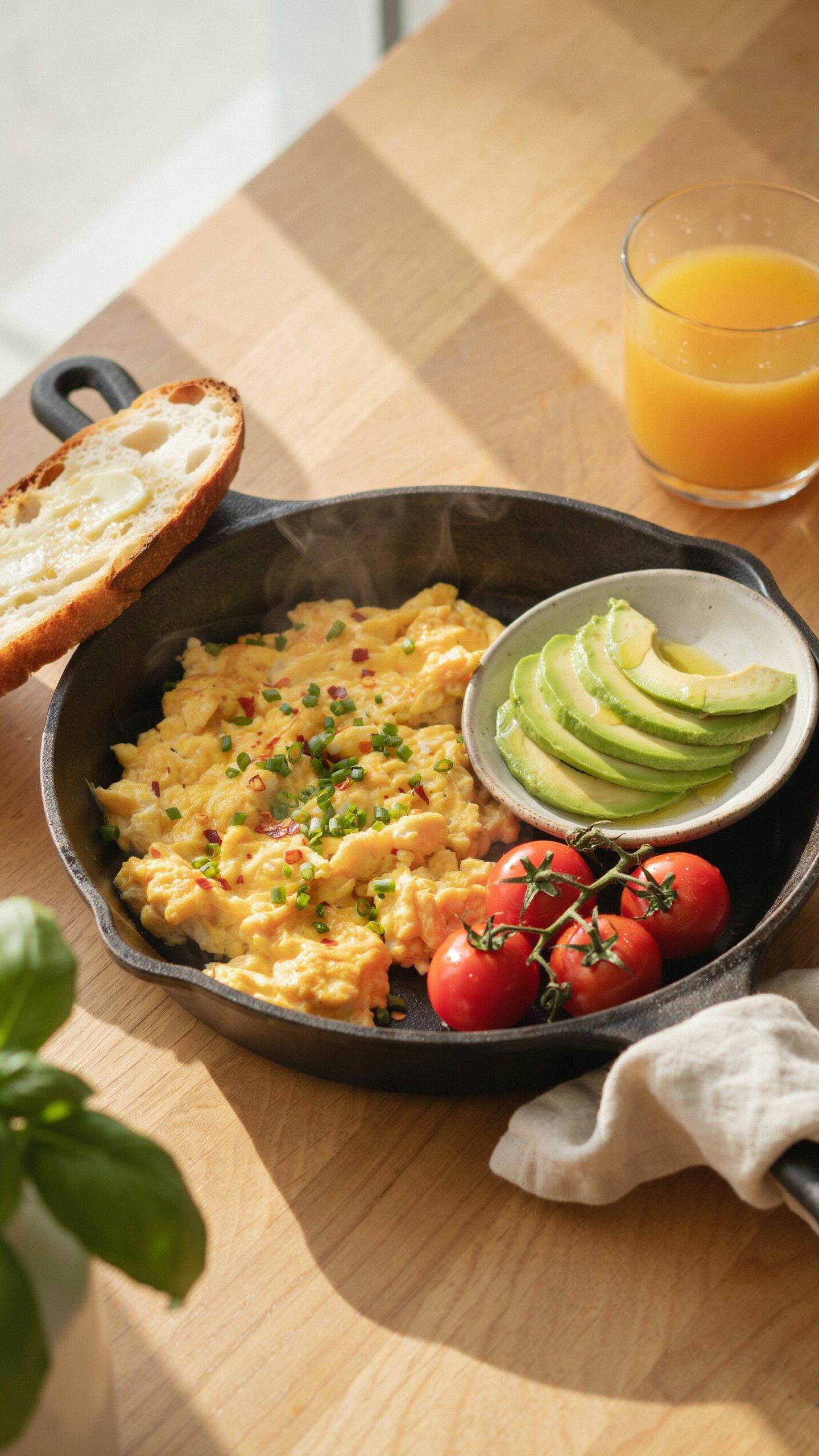
You want to skip the planning stage and just eat something that works. The real mechanism here borrows from systems design: constraint breeds efficiency. A tofu scramble meal prep bowl needs exactly five functional components operating together, not ten ingredients competing for space in your container.
- Firm or extra-firm tofu: Pressed and crumbled, it holds structure through five days of refrigeration. Silken tofu disintegrates by day three.
- Turmeric: One teaspoon per two blocks delivers both color and a flavor profile that reads as “cooked egg” without the actual egg.
- Nutritional yeast: Two tablespoons per batch adds B vitamins and umami depth that prevents the bowl from tasting like protein math.
- Olive oil or coconut oil: Two to three tablespoons for cooking and storage, prevents oxidation and maintains texture across multiple reheats.
- Sea salt and black pepper: Standard seasoning, but measure precisely. Under-salt makes tofu taste hollow. Over-salt makes containers sweat.
These five carry the entire load. Everything else is scaffolding. Mix them in this order: press and crumble tofu first, then bloom turmeric in oil for thirty seconds before adding tofu to the pan. Add yeast after cooking, not before. Salt at the end. This sequence prevents turmeric from burning and yeast from losing volatile compounds to heat.
Cook Once, Eat Five Times
Most meal prep advice tells you to “batch cook,” which is honest but useless. The real constraint is cooling speed and moisture management. Tofu scramble cools too slowly in deep containers and develops a condensation layer that spoils it faster.
Spread your cooked tofu scramble on a sheet pan for fifteen minutes after cooking, then portion into individual containers once it reaches room temperature. This prevents the hot core from generating steam that sits on the surface. Divide your batch into five portions of roughly one cup each. Layer each container with a paper towel between the tofu and the lid. Store at thirty-eight degrees or colder. The paper towel absorbs excess moisture that would otherwise pool and accelerate spoilage.
The real obstacle isnt the recipe its your internal resistance to demanding precision from your daily inputs

You don’t have a tofu scramble meal prep bowl problem. You have a commitment problem. Most people treat breakfast like an accident that happens to them, then wonder why their energy crashes by 10 AM. A high-protein tofu scramble bowl forces you to decide what you’re actually worth. Buy your ingredients today. Commit to Sunday prep. The bowl works because you stop treating your fuel like an afterthought.