
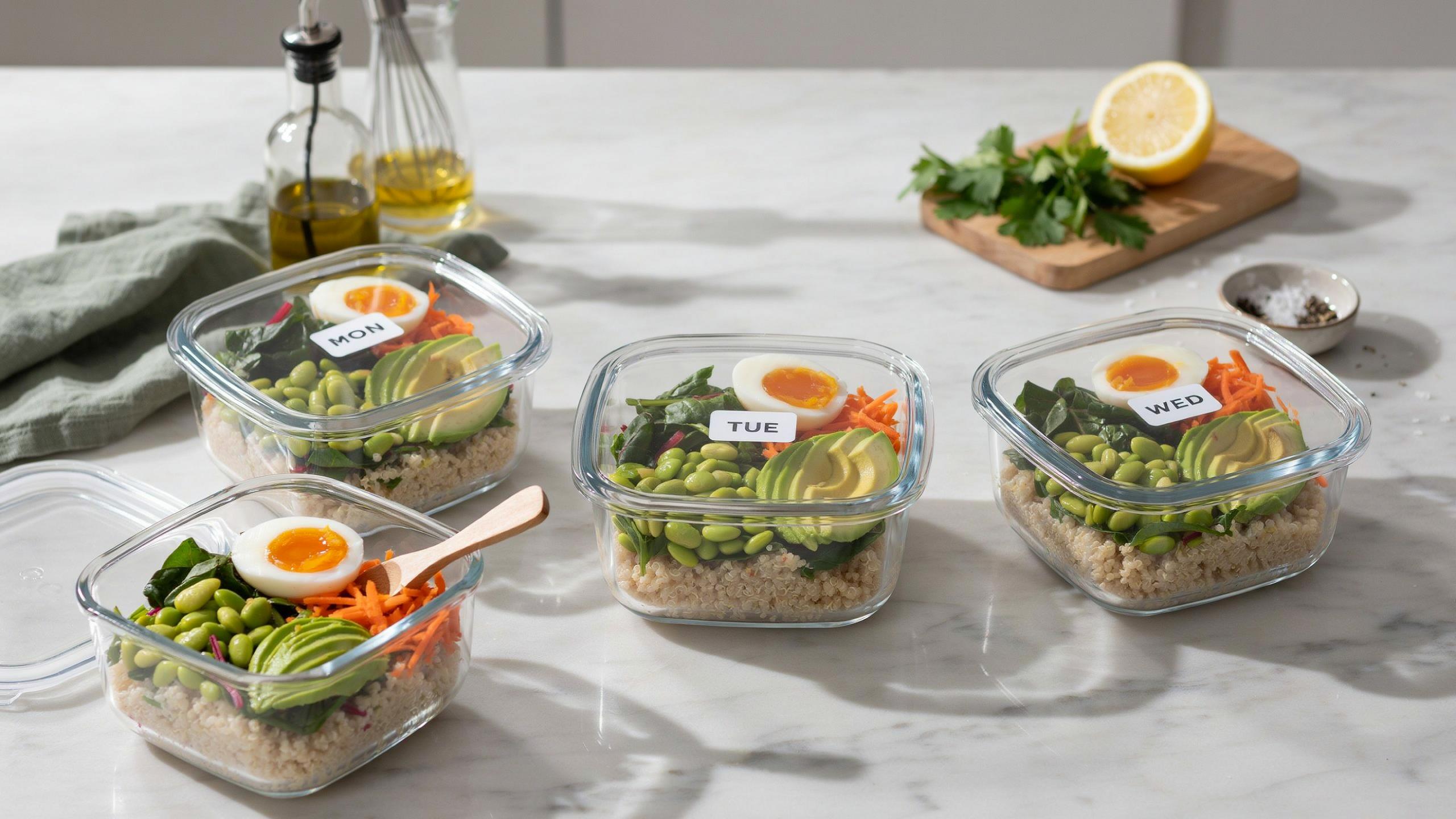
The Pre Computation Principle Why Soft Boiled Egg Meal Prep Isnt About Saving Time
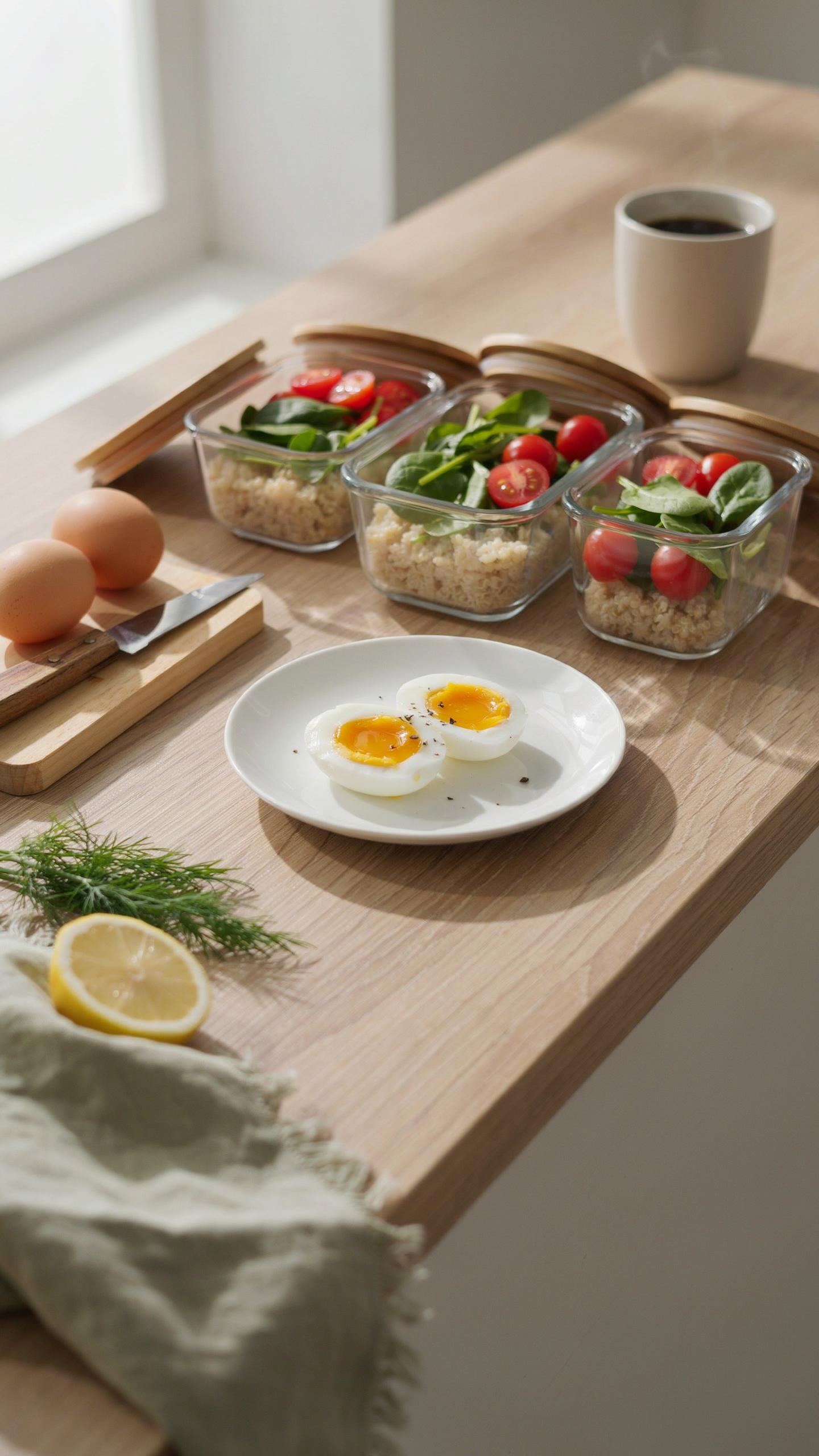
Decision Fatigue Is Your Real Enemy
You think meal prep saves time. It doesn’t. It saves decisions. Every morning you face the same question: what protein do I eat? Your brain treats this as a novel problem each time, even though the answer is identical. This is decision fatigue, borrowed from behavioral economics, and soft boiled egg meal prep is your buffer against it. The mechanism works like a circuit breaker: pre-compute your protein choice so your brain never has to fire that neuron again.

Most people frame meal prep as a convenience hack. Wrong. Convenience is the symptom. The real win is cognitive bandwidth reclamation. When you walk to your fridge and find four soft boiled eggs already waiting, your prefrontal cortex doesn’t activate. No deliberation. No willpower burn. You move forward into the day with mental resources intact that would otherwise vanish into a trivial choice. This is why soft boiled egg meal prep works for high protein bowls: it removes friction from the decision layer, not just the execution layer.
Reclaim Bandwidth For Things That Matter
Your attention is a zero sum game. Spend it choosing breakfast and you have less for work, relationships, or strategy. Soft boiled egg prep frontloads the choice into one session per week, leaving your daily cognition untouched. You batch process the decision once instead of fragmenting it across seven mornings. One decision uses less total mental energy than seven partial decisions disguised as spontaneous choices.

The protocol is simple: dedicate 20 minutes on Sunday to boil eight to twelve eggs, peel four to six, and store them in airtight containers. Leave the shells on two to three for midweek use. Stack them in your fridge where you see them first. This one act eliminates the question before it forms. Your brain stops treating protein selection as a decision and starts treating it as an automatic behavior. That freed bandwidth compounds across the week.
Soft Boiled Eggs The Bio Hackers Choice For Sustained Fuel
Why Soft Boiled Eggs Outperform Hard Boiled For Brain Work
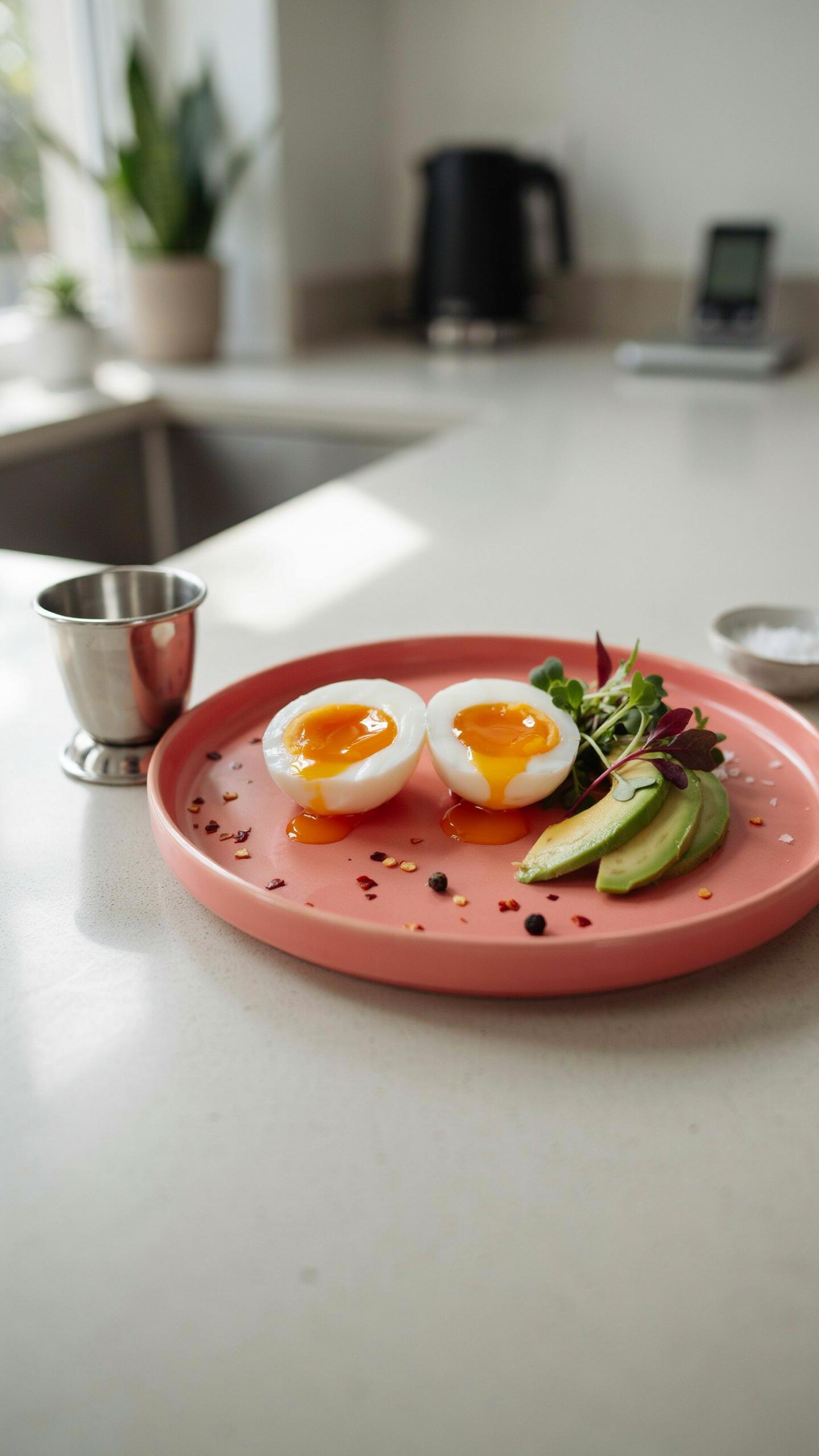
You want the cognitive edge without the crash. That’s the real reason you’re reading this. The mechanism is bioavailability. A soft boiled egg preserves the yolk’s lipid structure, keeping cholesterol and phospholipids intact. Hard boiling denatures these compounds through extended heat exposure, forcing your digestive system to work harder to extract what your brain actually needs. The difference compounds over a full day of meal prep consumption.
The yolk contains choline and lutein, both critical for focus and memory. Heat breaks phosphatidylcholine into less absorbable forms. When you soft boil at 63-65 degrees Celsius for six to seven minutes, you keep the protein denatured while the yolk stays biologically active. Your body absorbs these nutrients faster, meaning stable mental performance instead of the dip you get from poorly prepared protein sources.
Glucose Response Without The Spike
Blood sugar regulation borrows from endocrinology, specifically the concept of glycemic load. A soft boiled egg functions as a glycemic buffer because the fat and protein combination slows gastric emptying. This is the single mechanism preventing the insulin spike that destroys sustained energy. Hard boiled eggs deliver the same macro profile, but the yolk oxidation from prolonged heat exposure slightly accelerates digestion, narrowing your window of stable blood glucose.
The egg white coagulates around 60 degrees Celsius, but the yolk stays liquid and nutrient-dense. When you eat this combination, the fat in the yolk delays stomach emptying by 30 to 60 minutes compared to lean protein alone. Pair soft boiled eggs with resistant starch or fiber in your bowl, and you’ve engineered a four to five hour energy plateau. Skip this pairing, and you’re wasting the preparation work.
The One Touch Soft Boiled Egg Protocol
Timing For Perfect Yolks
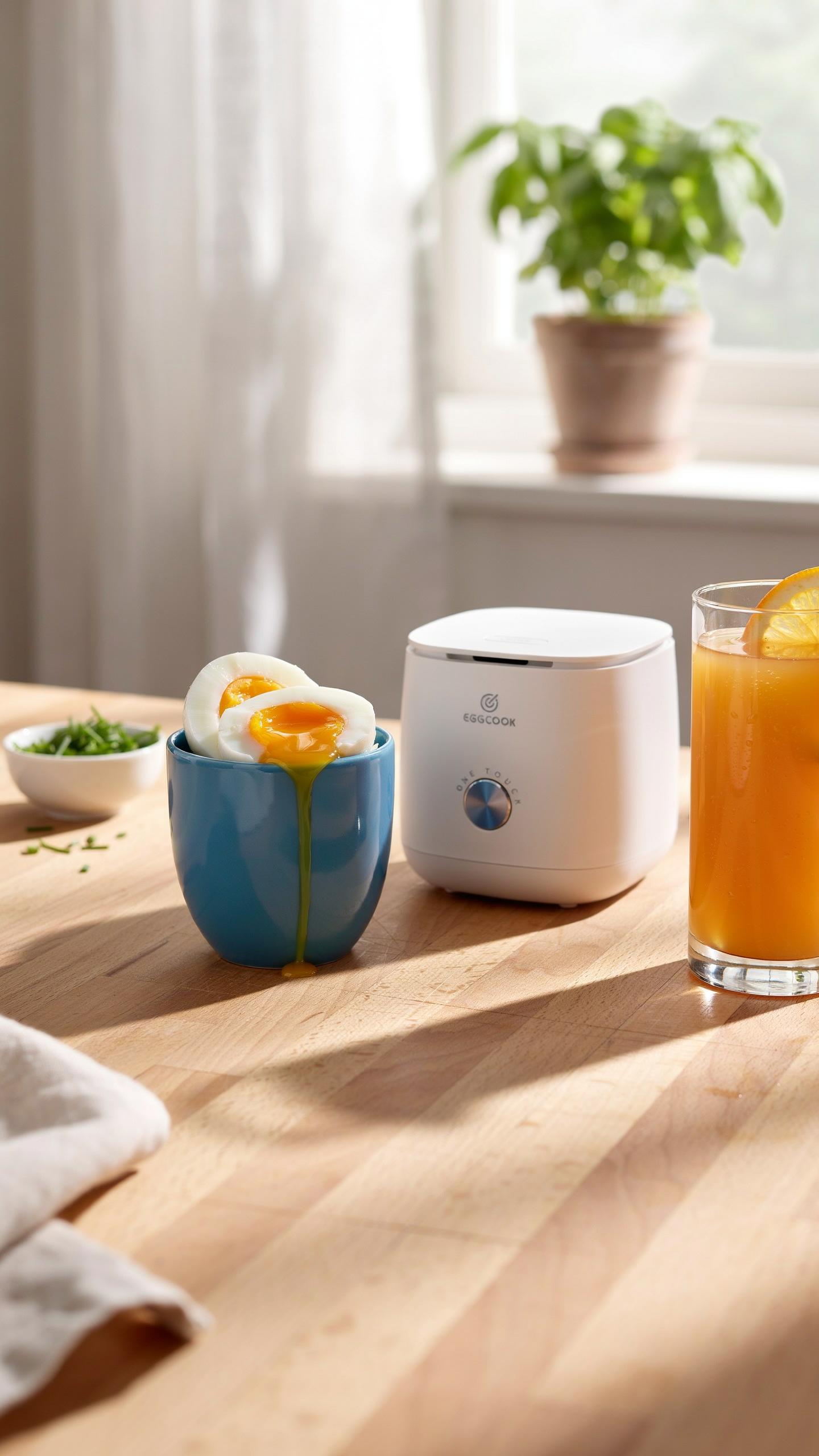
You want the Instagram version of meal prep without the actual work. Here’s the mechanism: egg proteins denature at specific temperatures, and yolk firmness follows a predictable curve. At 63°C, the yolk stays runny. At 65°C, you get that jammy middle. At 70°C, the yolk sets completely. Time controls temperature rise and fall. This is thermal kinetics, and it’s the only variable that matters.
Boil water, add room temperature eggs, then set a timer for six and a half minutes. Remove eggs immediately when time hits zero and transfer them into an ice bath. The ice stops carryover cooking dead. Six and a half minutes produces yolks that stay liquid in the center with a thin set ring around the edge. This is repeatable. Do it the same way every batch and you get the same result every time.
Cold Shock Peeling Method
Most people peel warm eggs and lose half the white to the shell. Wrong approach. Here’s why: the membrane between shell and white contracts and adheres tighter when warm. Cooling shrinks that membrane away from the egg body, creating separation. Physics solves the problem for you.
Crack the shell all over while the egg is still in the ice bath. Roll it gently under your palm to spider web the shell. Then hold it under cool running water and peel from the wider end where the air pocket sits. The water gets between membrane and white. Peel slowly. You strip the shell clean in thirty seconds and keep the white intact. Do this within five minutes of removing eggs from the ice bath, before they warm up again.
Beyond Breakfast Boiled Egg Meals For All Day Domination
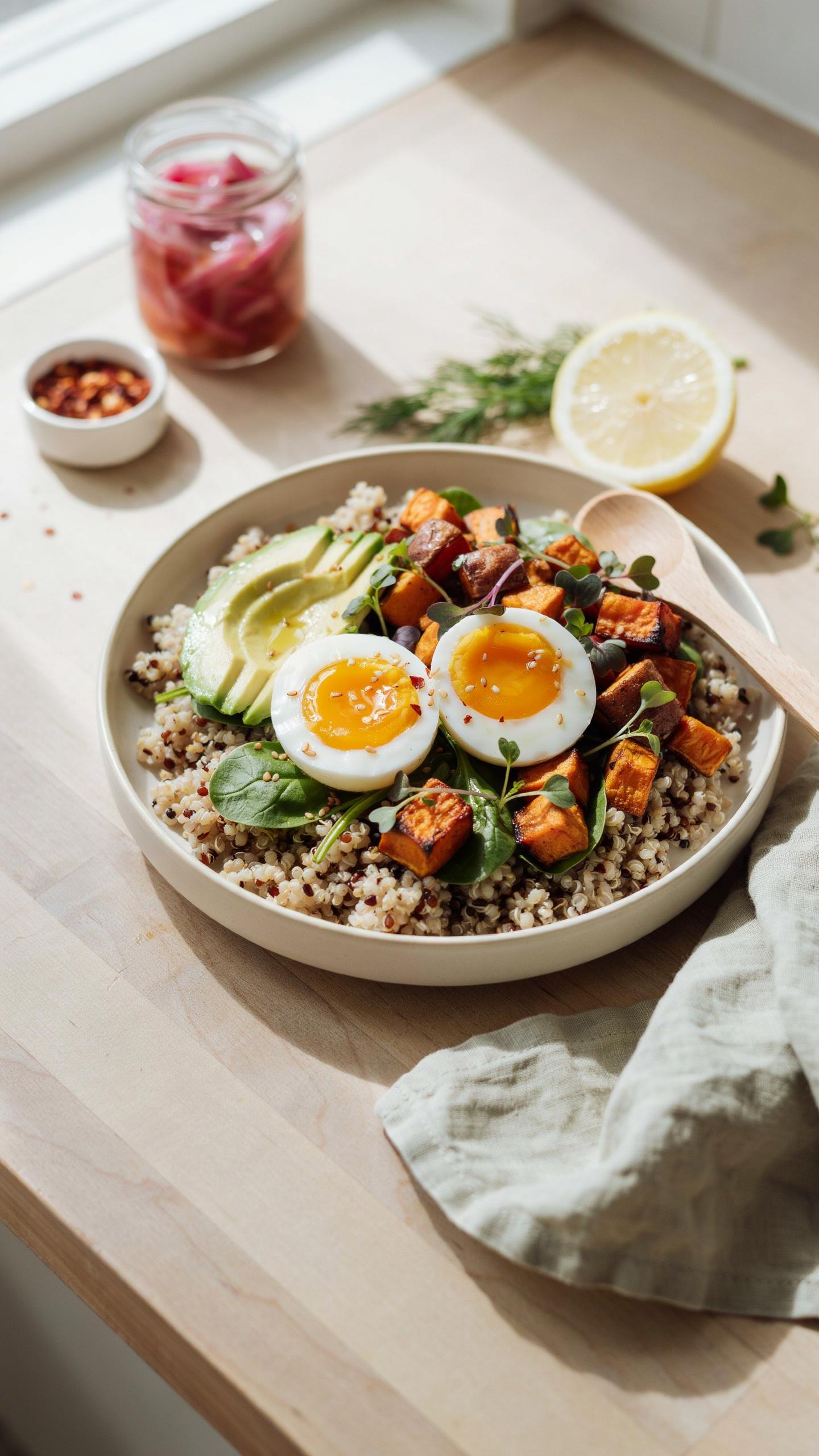
The Lunch Protein That Doesn’t Require Reheating
You want lunch to feel effortless so you don’t crack and hit the drive-thru instead. The mechanism is simple: soft boiled eggs stay intact at room temperature for hours, eliminating the reheating problem that kills most meal prep compliance. A soft boiled egg in your lunch container at 9 AM tastes identical at noon. No microwave. No soggy texture. No excuses.
Pair soft boiled eggs with raw or blanched vegetables and a grain or starch. The runny yolk acts as a built-in sauce, eliminating the need for bottled dressing that adds calories without satiety. Spinach, roasted beets, quinoa, and a soft boiled egg create a complete meal that requires zero assembly at the office. The protein holds you through the afternoon slump without the crash that follows high-carb lunches.
Dinner Leverage Through Texture Contrast
Most people think eggs belong at breakfast. That’s lazy categorization and it costs you a shortcut for dinner. Soft boiled eggs excel in dinner bowls because the yolk’s viscosity creates a sauce that ties disparate ingredients together, borrowing from the culinary principle of emulsification where fat and liquid combine to coat other elements. One egg yolk can bind roasted root vegetables, greens, and grains into a cohesive bite instead of separate components.
Add soft boiled eggs to dinner five minutes before eating. The yolk stays warm enough to thin slightly and coat your vegetables without heating the white past the point of firm tenderness. This timing beats prep day cooking for dinner because you control the final texture rather than accepting whatever the fridge delivered. Your last meal of the day becomes protein dense without feeling heavy.
The Minimum Effective Dose Egg Storage System

Container Selection For Longevity
You want the container that looks smart on your desk because you think it signals discipline. What actually matters is gas exchange and moisture control. Soft boiled eggs sweat. That condensation either evaporates or pools and accelerates bacterial growth. Airtight glass containers trap moisture and create a microclimate that spoils eggs faster than loose storage. Shallow, vented plastic clamshells designed for produce work better because they let moisture escape while blocking light and external contamination.
The mechanism is straightforward: oxygen exposure degrades the yolk’s lipids over time, but trapped moisture kills eggs before oxidation does. Use the same clamshells grocery stores use for berries. Stack them flat in your fridge. The vented design costs nothing and outperforms every minimalist storage solution because it solves the actual problem, not the Instagram one.
Optimal Refrigeration Temperature
Cybernetics teaches feedback loops: the system stabilizes when inputs match outputs. Your refrigerator’s internal temperature is the input. The egg’s shelf life is the output. Most home fridges hover between 35 and 38 degrees Fahrenheit, but soft boiled eggs stored at exactly 34 to 36 degrees last measurably longer because bacterial reproduction slows without the metabolic shock that freezing causes. The temperature sweet spot exists between those numbers because enzyme activity drops predictably at that range.
Set your fridge to the coldest setting that doesn’t freeze your vegetables. Check the temperature with an inexpensive thermometer. Soft boiled eggs prepared on Sunday keep until Thursday at 34 degrees, but spoil by Wednesday at 40 degrees. The four-degree difference controls whether you waste protein or use it. Measure your actual fridge temperature, then adjust the dial until it reads between 34 and 36.
Aesthetic As An Accountability Tool Boiled Eggs On Plate Fitness Meal
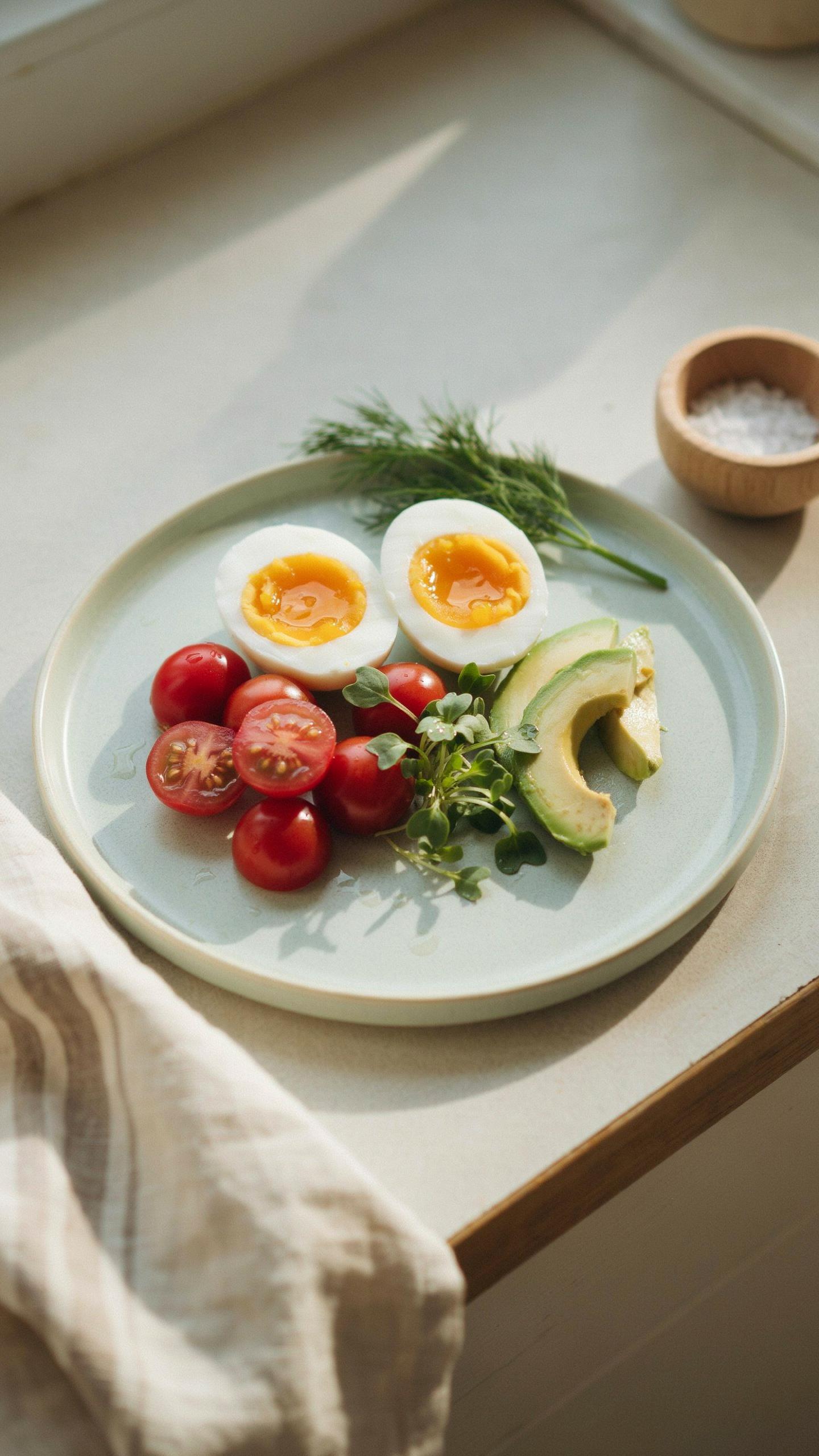
Visual Cues For Consistency
You want your meal prep to look intentional because it makes you feel like you’re not just eating. You’re executing. This is behavioral psychology applied to plates: your brain treats visual order as evidence of control. The mechanism is simple. A plated soft boiled egg with defined placement trains your nervous system to recognize the meal as deliberate, not improvised. Consistency in presentation compounds into consistency in execution.
The setup matters more than the food itself. Use the same plate. Place the soft boiled egg in the same position each time, usually at the top or center. Add the same garnish in the same spot. White plates work because they create contrast without noise. The egg becomes the focal point. Your eye knows what to expect. This removes decision fatigue from the equation and turns meal consumption into a ritual your body recognizes and prepares for.
Crafting A Boiled Eggs Healthy Breakfast Aesthetic
Most people think plating is about looking good on Instagram. Wrong. It’s about creating a visual trigger that your brain associates with fuel and discipline. The design principle of negative space applies here: the empty areas on your plate matter as much as the food. One soft boiled egg, cracked and halved to show the runny yolk, placed off-center on a white plate with nothing else demands attention. Your brain categorizes it as intentional, not rushed.
Texture and color contrast reinforce the signal. Soft boiled eggs provide glossy yolk against matte whites. Add a dark element, like black pepper or chives, and the plate becomes visually complete at a glance. Repeat this exact arrangement daily. Your prep becomes recognizable before you even taste it. The moment you see it, your body activates the metabolic and psychological machinery associated with that meal. The plate does the work before your fork does.
The Unsung Heroes Boiled Vegetables Healthy Meal Pairings
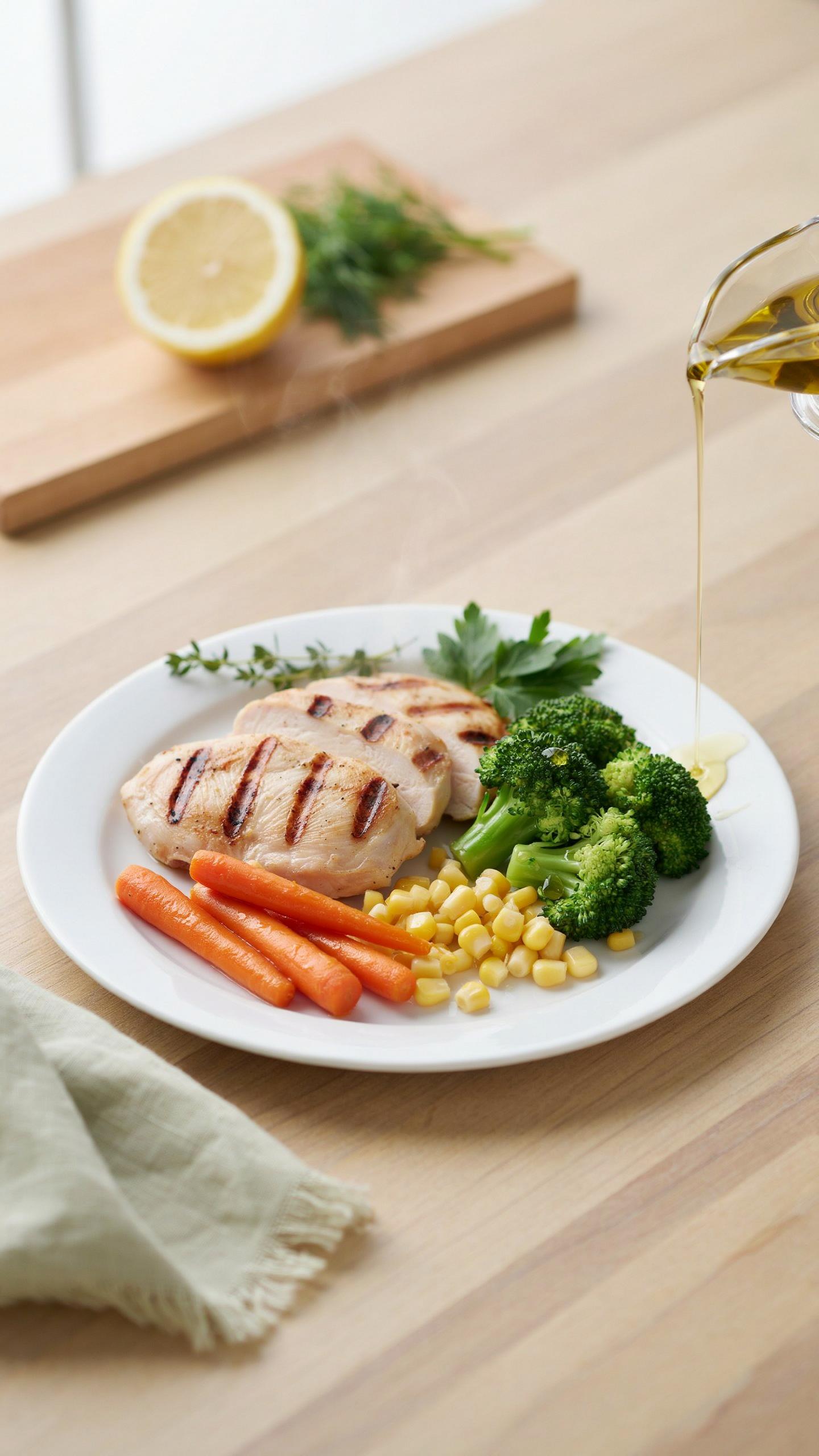
Why Fat Soluble Vitamins Matter Here
You want your soft boiled eggs to “do more” for you than just sit there looking expensive. Here’s the mechanism: biology calls this bioavailability, and it means your body absorbs fat-soluble vitamins (A, D, E, K) only when fat is present. The egg yolk provides that fat. Boiled vegetables provide the vitamins. Pair them, and you unlock what was already there. Pair them wrong, and you waste the nutrient density you paid for.
The mistake most people make is treating vegetables as a texture filler. They boil carrots, broccoli, and asparagus, then dump them cold into containers like they’re packing lunch for a five-year-old. The real move is choosing vegetables that retain their nutritional profile after boiling and complement the richness of a soft yolk without competing for dominance on the plate. Root vegetables, cruciferous greens, and legume-adjacent sides all work. The soft boiled egg isn’t the star here—it’s the delivery system.
Prep Once, Eat Six Days Straight
Batch prepping vegetables for soft boiled egg bowls requires two separate cooking windows, not one. The mistake is cooking everything together. Soft boiled eggs need precisely six to seven minutes of heat. Vegetables need longer. Cook eggs first in salted water, then shock them in ice. While they cool, start a second pot with harder vegetables like beets, Brussels sprouts, or carrots. These take twelve to eighteen minutes depending on size. Softer vegetables like green beans or broccoli go in later. Timing matters because overcooked vegetables leach water into your containers and turn mushy by day three.
Store eggs and vegetables separately until assembly. This protects the egg yolk texture and prevents vegetable moisture from degrading the egg white. Fill containers in reverse order: vegetables on the bottom, then any grains or starches, then the soft boiled egg on top. The yolk stays intact during transport and reheating. When you open the container, the runny yolk cascades down and ties everything together. This is the only mechanism that prevents a sad, broken meal.
Integrating Soft Boiled Eggs Into Your Life Architecture
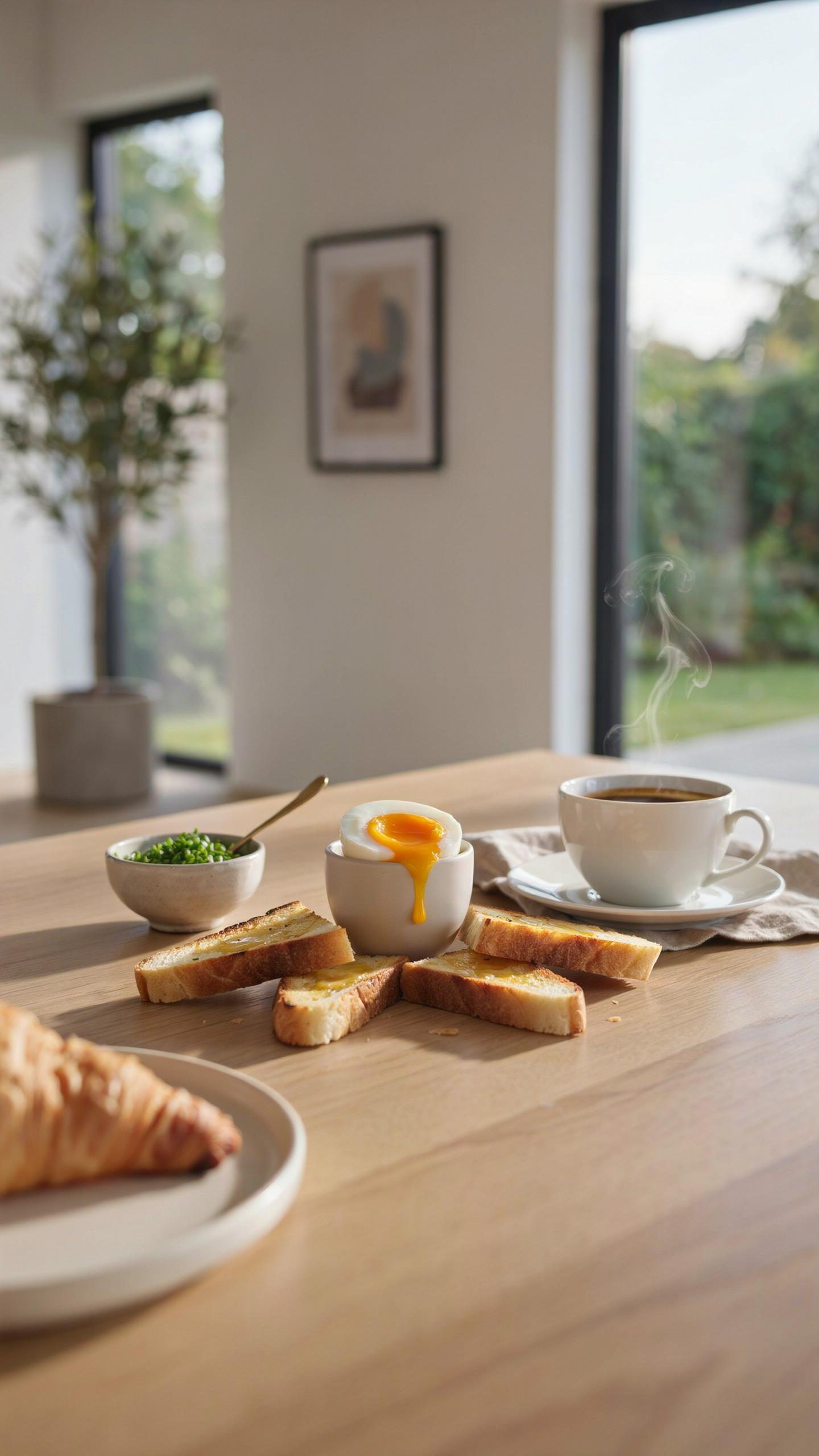
The Morning Anchor Habit
You want a system that feels effortless so you don’t have to think about protein. The mechanism is simple: soft boiled eggs work as a circuit breaker between sleep and decision fatigue. You prep them Sunday, grab one Tuesday morning, and your body gets eight grams of protein before your brain wakes up enough to derail your intake goals. This eliminates the negotiation phase where willpower fails.
The ritual compounds because consistency lives in repetition, not motivation. A soft boiled egg in your hand at 6:45 AM becomes a trigger for the next action, not a choice that requires energy. You eat the egg, your glucose stabilizes, and you stop hunting carbs by 10 AM. The prep work pays dividends across your entire day because you solved the first decision.
Your Weekly Prep Rhythm
Most people batch cook eggs and then waste them because they don’t know when to deploy them. Treat your week like a supply chain: Monday through Wednesday you eat the earliest batch because those eggs maintain their texture better. Thursday and Friday you use the second batch. This isn’t arbitrary. The white firms up slightly by day five while the yolk stays runny, so timing your consumption prevents the hard boil creep that kills the meal.
Your actual protocol: boil six eggs Sunday evening for Monday through Wednesday, then boil another six Wednesday evening for Thursday through Saturday. Store them in a dedicated container on the shelf, not buried behind condiments. Pull one thirty seconds before eating, peel under cold water for exactly fifteen seconds, and place it in your bowl with your grain and vegetable. This takes ninety seconds total and removes the barrier between intention and execution.
Advanced Egg Strategies Beyond The Basic Boiled Eggs Breakfast
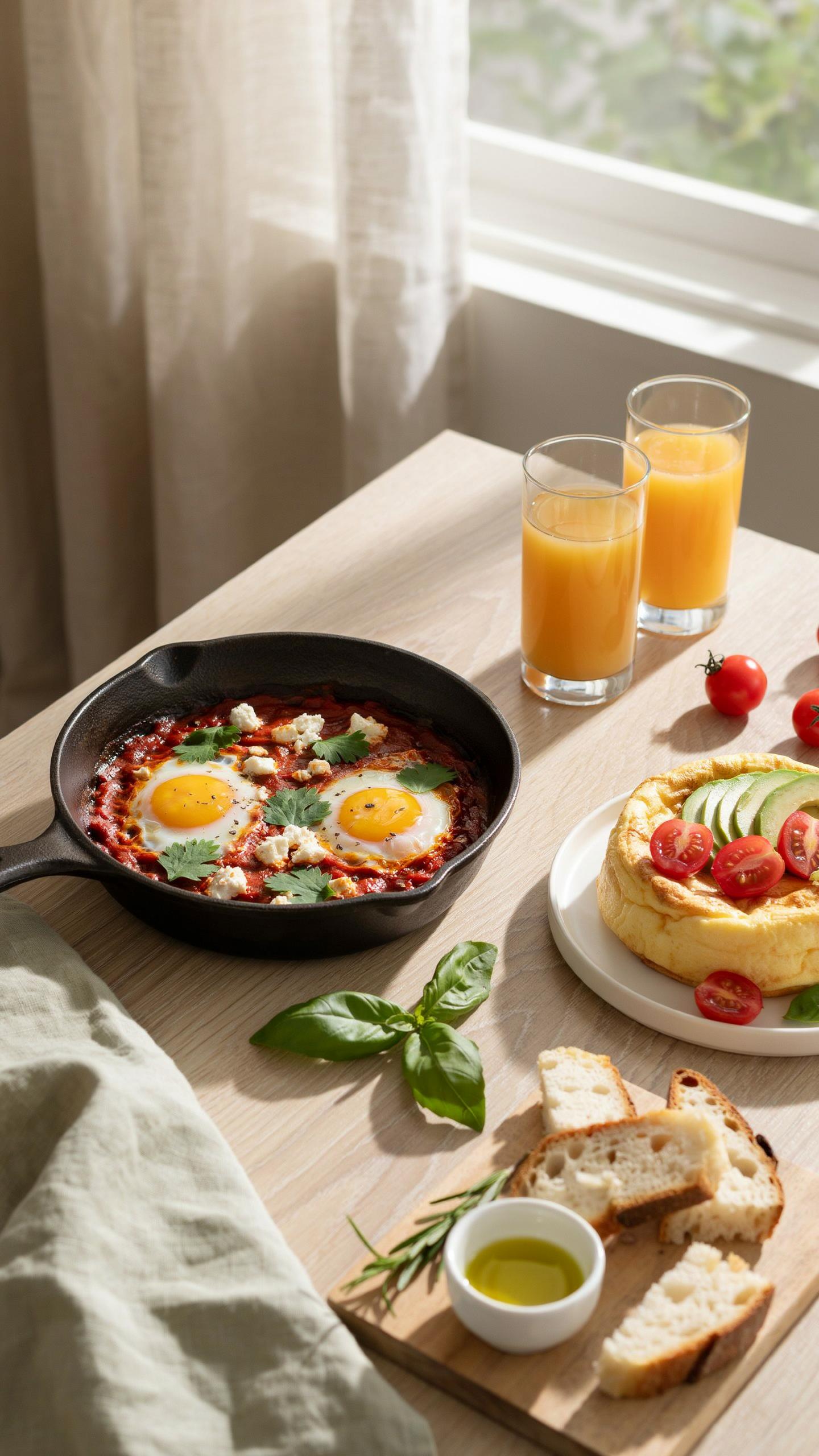
Spice Blends That Actually Work
You want people to notice your meal prep isn’t boring, which means you’re solving a real problem: monotony kills compliance faster than anything else. The mechanism is simple: capsaicin, sulfur compounds, and volatile oils trigger different taste receptors, which makes your brain register the same protein source as multiple meals. Your palate doesn’t adapt to variety the way it does to repetition.
- Za’atar and sumac: Middle Eastern blend that adds acid and herbaceous depth without heat. Sprinkle directly on warm eggs before packing to let flavors bond with moisture.
- Dukkah: Egyptian nut and spice blend with toasted sesame, hazelnut, and coriander. The texture contrast shifts how you perceive the egg’s softness on your tongue.
- Furikake: Japanese seasoning with nori, sesame, and umami compounds that amplify perceived protein richness without adding calories.
- Garam masala with black salt: Indian blend layered with black salt’s sulfurous mineral notes. Creates perceived complexity that tricks your brain into satisfaction with less volume.
- Smoked paprika, garlic powder, and dried thyme: Spanish approach that mimics roasted depth. Works across multiple bowl styles without clashing with your protein base.
The mistake most people make is adding spice after packing. Warm eggs absorb seasoning into the white’s porous structure within two minutes, creating integrated flavor rather than a dust you taste inconsistently. Store spice blends in small jars and apply them while eggs still hold residual heat from cooking water.
Condiment Combinations Nobody Talks About
Stop treating condiments as an afterthought. Miso paste doesn’t just add umami, it acts as a binder that holds your bowl’s moisture structure stable through temperature fluctuations during storage. This prevents the yolk from feeling rubbery or the white from drying out. Most people pair eggs with either acidic or creamy condiments, but this is incomplete.
The real leverage comes from layering two complementary condiments that hit different taste receptors simultaneously. Fish sauce plus lime juice creates a flavor intensity that makes two eggs feel like four. Tahini plus tamari gives you fat, salt, and depth that tricks satiety signals earlier than either alone. Korean gochujang mixed with mayo bridges heat and richness so your brain doesn’t crave additional carbs. The protocol is straightforward: apply the bolder, more volatile condiment first while eggs are still warm, then top with the stabilizing element just before packing. This prevents flavor degradation across your prep window.
Your true limitation isnt time its the failure to preoptimize your environment for inevitable success

You don’t need motivation to eat soft boiled eggs. You need eggs already cooling in your fridge. The system does the work. Buy a dozen eggs today, boil six this weekend, and watch what happens when friction disappears. You’ll eat protein consistently because you removed the decision. That’s the real game. Stop waiting for discipline to show up. Build the structure that makes the right choice the easy choice.