
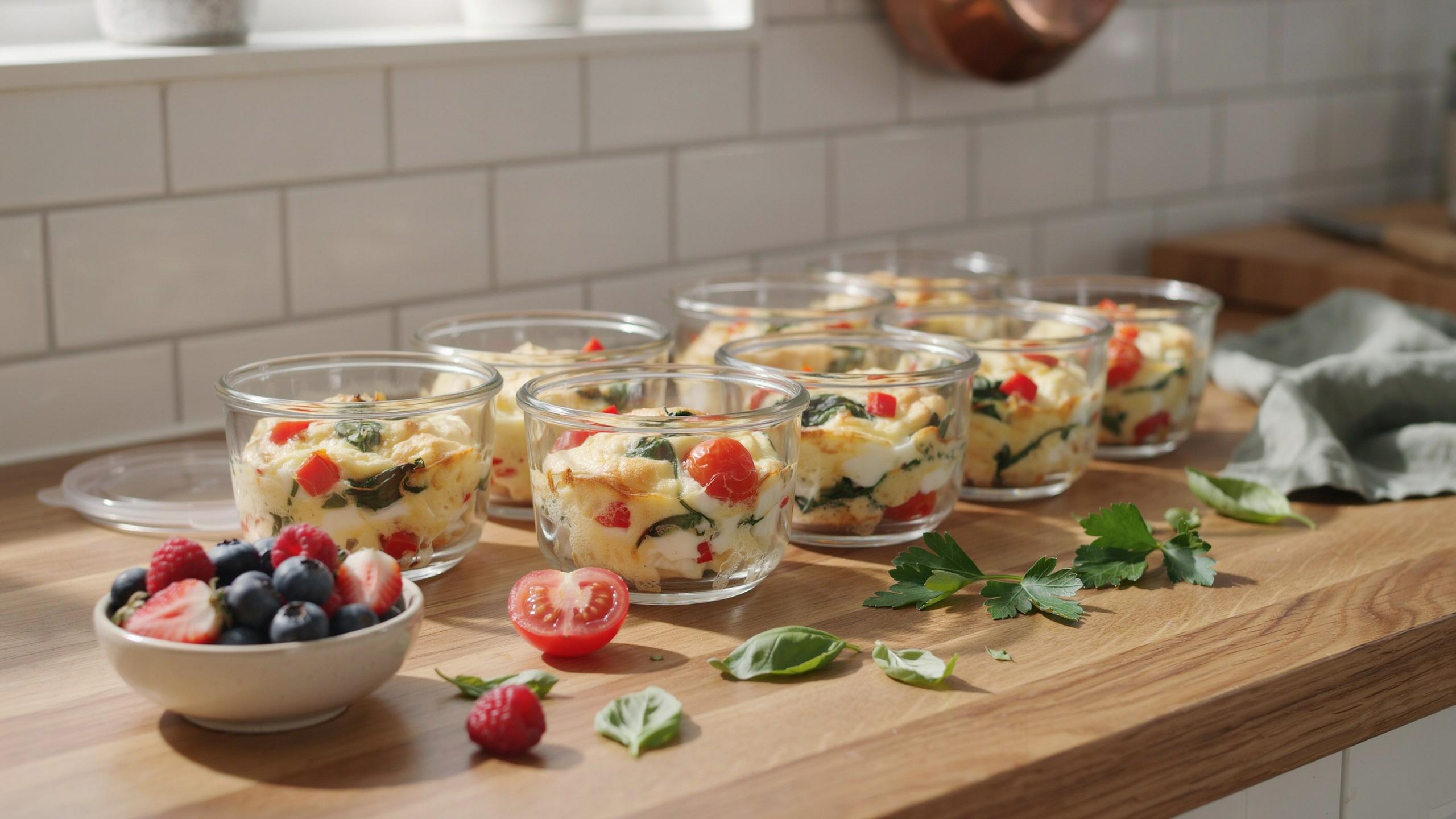
The Yolk Myth Why Youre Still Scared Of Fat
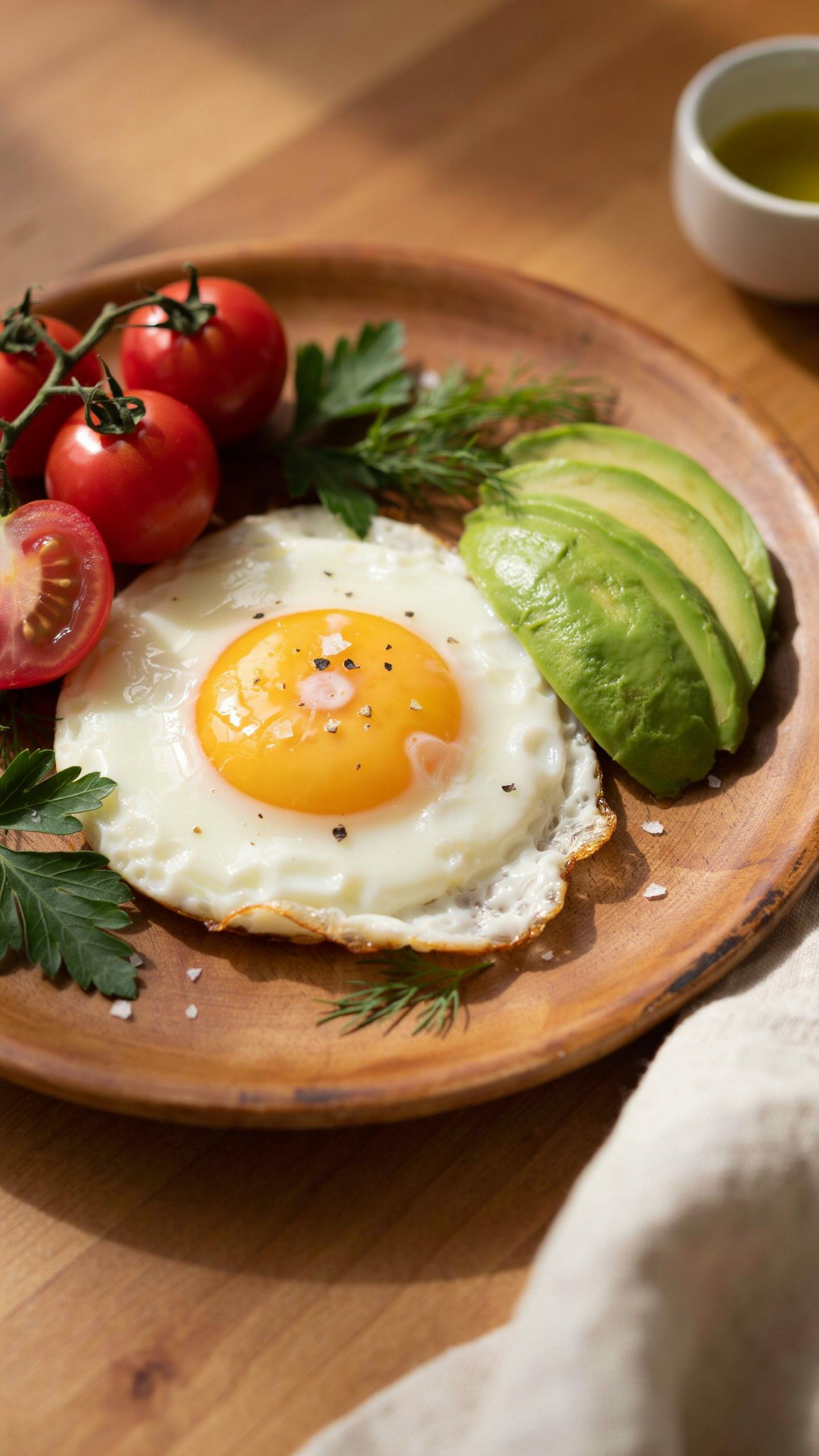
Fat Doesn’t Make You Fat
You want permission to eat the whole egg without feeling like you’re sabotaging yourself. Here’s the mechanism: dietary fat doesn’t convert to body fat the way the 1980s convinced you it does. Your body treats dietary fat as fuel or structural material, not as automatic storage. The saturated fat in egg yolks doesn’t spike insulin. It doesn’t trigger the metabolic cascade that turns excess calories into adipose tissue. Calories matter. Macronutrient ratios matter. But the fat itself is not the enemy you’ve been told it is.

The low-fat diet consensus came from epidemiological studies that were correlation, not causation. People eating low-fat diets in the 1990s were also eating more refined carbohydrates, moving less, and sleeping worse. Remove the fat, add the sugar, and you get weight gain. That’s not fat’s fault. Egg yolk fat contains choline, which supports fat mobilization during a caloric deficit. It contains lutein and zeaxanthin for eye health. It contains cholesterol your body uses to manufacture hormones. Eating egg whites only means you’re paying for convenience while discarding the nutrient density you paid for.
Whole Eggs Deliver What Egg Whites Miss
Nutrient density measures what you get per calorie spent. Egg whites are 90 percent water and 10 percent protein. One large egg white has 17 calories and 3.6 grams of protein. One large whole egg has 70 calories and 6.3 grams of protein. The white delivers 0.21 grams of protein per calorie. The whole egg delivers 0.09 grams of protein per calorie. But that math is incomplete because it ignores everything else the yolk contains that the white does not.

The yolk holds micronutrients the white cannot replicate. Choline at 147 milligrams per yolk supports cognitive function and fat metabolism. Selenium for thyroid health. Vitamin D for bone density and hormonal regulation. Lutein and zeaxanthin for retinal protection. If your goal is a lean body, you need hormonal stability, cognitive performance, and micronutrient sufficiency. Egg whites alone leave gaps. Egg white meal prep makes sense only if you’re competing at a bodybuilding level where your coach has specified a reason. For most people building muscle on a budget, whole eggs deliver superior return on the food dollar spent.
Egg White Recipes Beyond The Scramble
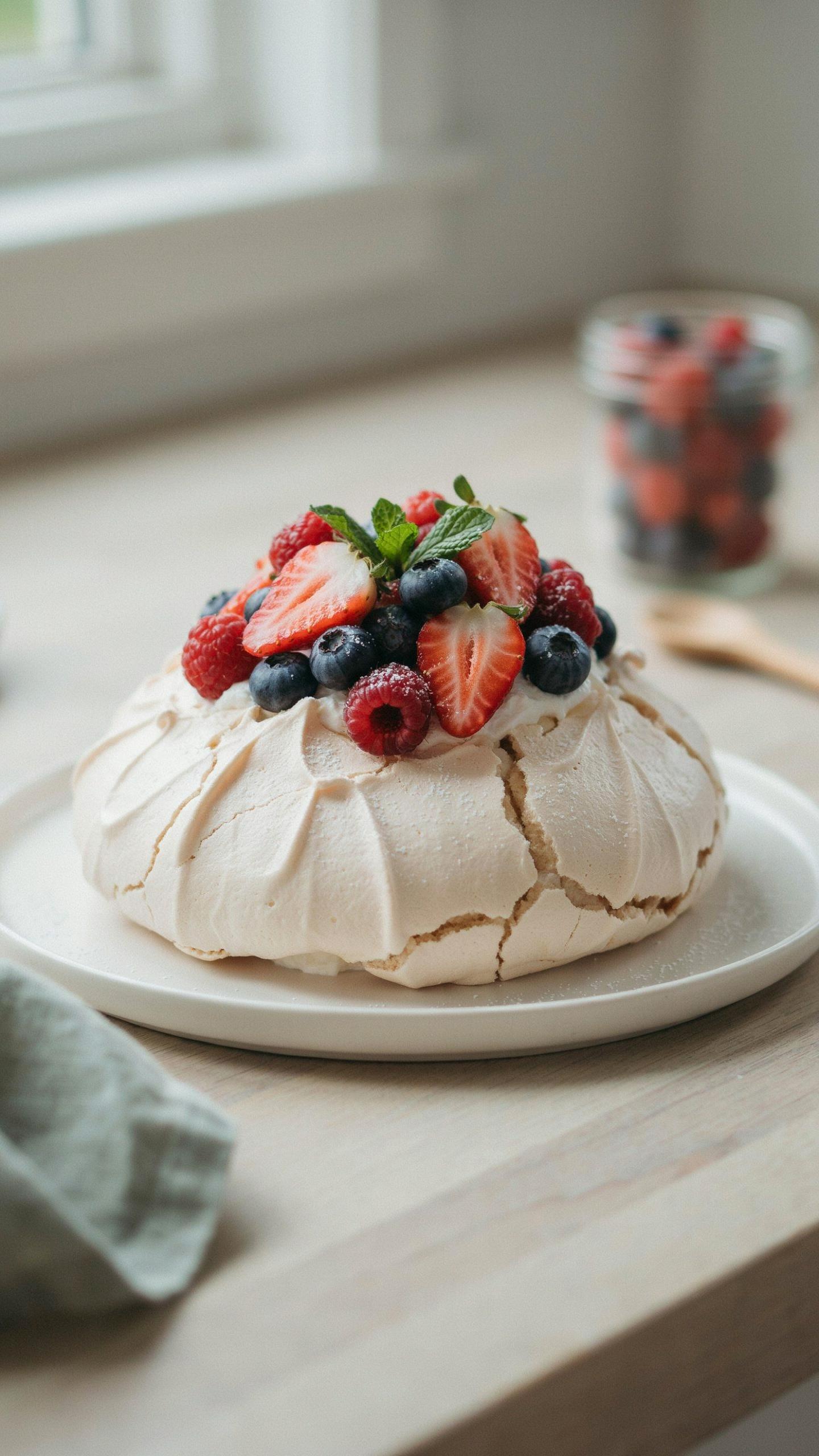
What Actually Works Beyond Scrambling
You want recipes that feel less like a punishment and more like a choice. The real mechanism here is texture contrast. Bland protein doesn’t fail because of flavor alone. It fails because your mouth expects variation and gets monotony instead. Scrambled eggs hit one note. Everything else you eat that day gets compared to that single, flat sensation. The brain registers it as deprivation, not discipline.
Baked egg white frittatas solve this by layering different cook times in one pan. The edges crisp while the center stays tender. Add vegetables with varying water content—spinach releases moisture and softens, bell peppers stay firm, onions caramelize and sweeten. You’re not adding complexity for its own sake. You’re adding the textural signals your body expects from a real meal. Prep five frittata wedges on Sunday. Reheat one in ninety seconds. No thinking required.
Acid And Salt Change Everything
Flavor pairing isn’t abstract theory. It’s applied chemistry. Salt dissolves into egg white protein and increases its ability to hold water during cooking, which changes how the protein actually tastes to you on the tongue. Acid—lemon juice, vinegar, or tomato—triggers taste receptors that make bland food register as intentional, not forgotten.
The mistake most people make is seasoning after cooking. By then, the salt sits on the surface and tastes harsh. Season during prep. Mix acid into your egg whites before you cook them, not after. A tablespoon of lemon juice per dozen eggs, two grams of salt per egg, then fold in herbs that have some bite: dill, chives, tarragon. These compounds have volatile oils that survive reheating. Basil doesn’t. Cook your base, pair it with acid and salt before storage, then your meal actually tastes intentional when you eat it cold or reheated.
The 15 Minute Macro Optimization Protocol
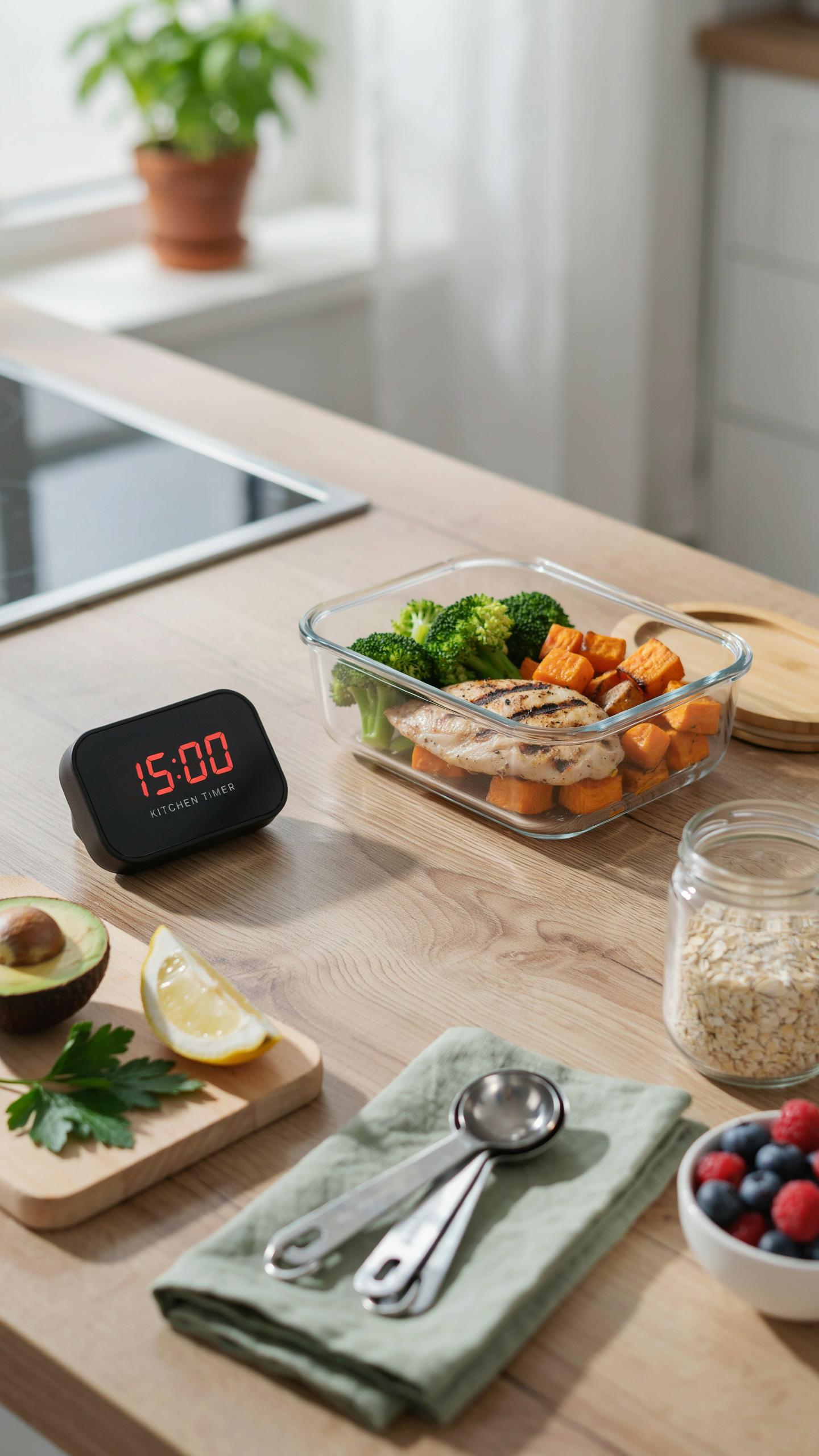
The Equipment Setup That Actually Saves Time
You want the setup to feel effortless so you’ll actually do it. Here’s the real mechanism: friction kills consistency, not willpower. Batch cooking operates on the same principle as assembly line production in manufacturing—you reduce setup costs by grouping identical tasks. One heat source. One pan. One temperature. Move the variable, not yourself.
- Non-stick skillet or griddle (12-inch minimum): Larger surface area cooks more egg whites simultaneously and prevents sticking without oil, saving cleanup time and calories.
- Stainless steel or glass mixing bowls: Separate bowls for whisking, storing prepped ingredients, and portioning finished egg whites keep workflow uncluttered and reduce cross-contamination.
- Measuring cups and kitchen scale: A scale removes guesswork on portion sizes. Accuracy on protein intake matters if macros are your actual goal, not decoration.
- Silicone or glass storage containers with lids: Five to seven containers let you batch seven days of breakfast without restocking mid-week. Glass doesn’t absorb odor.
- Wooden spoon or silicone spatula: Metal scratches non-stick. Wood and silicone don’t. Switch tools before you damage the pan you’re relying on.
These aren’t suggestions. They’re the structural requirements for moving from theory to the actual fifteen-minute window. Without them, you’re improvising each session, which adds five to ten minutes of friction and decision-making overhead.
Strategic Ingredient Prep For Diverse Meals
The mistake most people make is prepping egg whites in isolation, then deciding what to eat them with. That’s backward. You prep the variable ingredients first, then cook egg whites into them. This is how restaurants stay fast.
Start by prepping vegetables, cheese, seasonings, and proteins three days prior. Dice peppers, onions, and mushrooms into containers. Shred cheese. Measure salt and spices into small bowls. Cook bacon or sausage fully, then store cold. When it’s time to cook, you’re not hunting for ingredients mid-heat. Your egg whites hit a hot pan with everything already waiting. Temperature stays consistent. Cooking time stays fifteen minutes or under. The proteins set properly instead of overcooking while you’re still dicing an onion.
Egg White Breakfast Recipes Flavor Not Just Fuel
Salt Timing Changes Everything
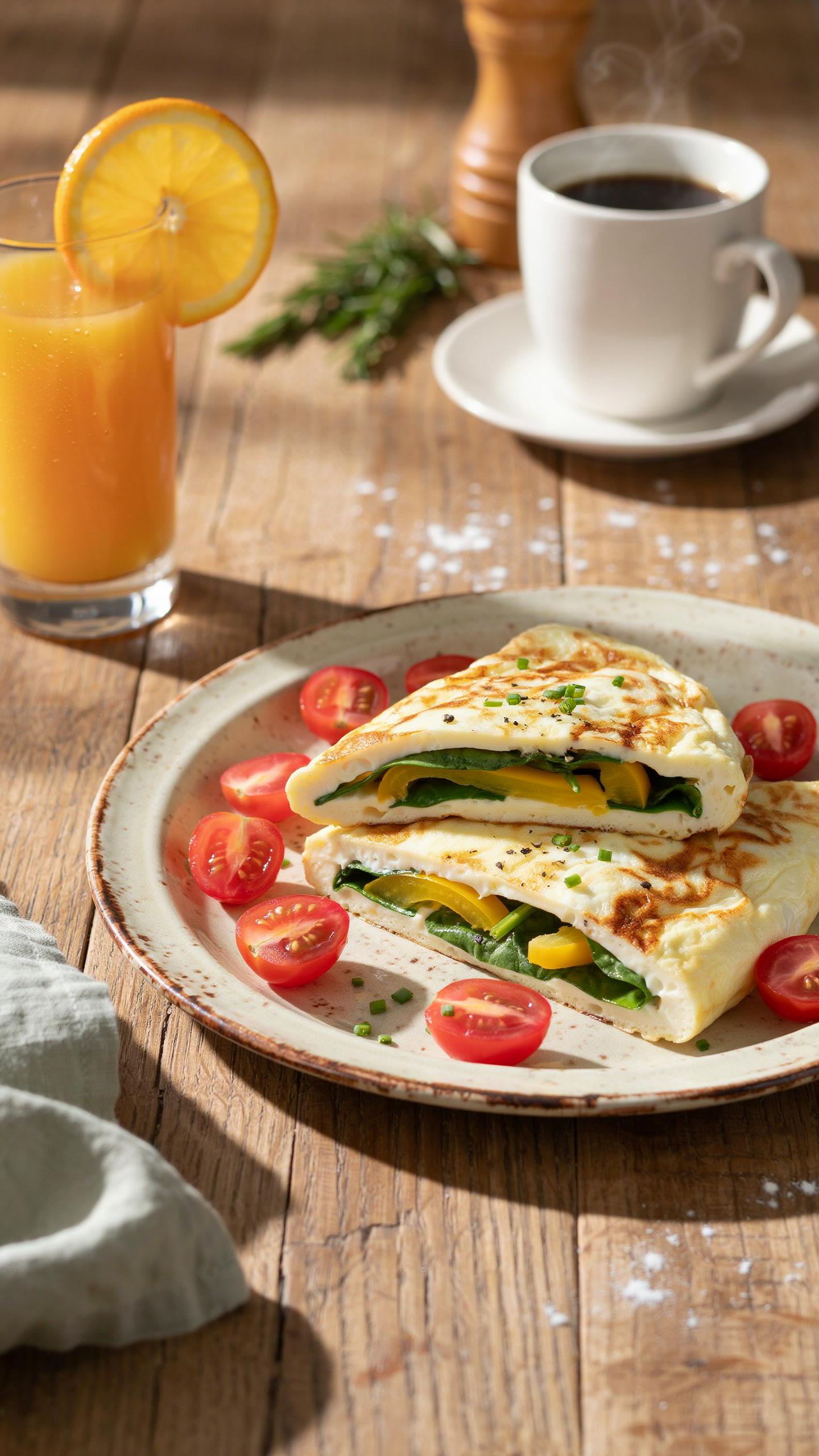
You want the meal to taste good so you’ll actually stick to it, not abandon the plan when boredom hits. Most people salt egg whites at the wrong time, which is why their preps taste flat. Timing matters because salt draws moisture out of the egg whites when added too early, then the proteins contract and trap that salt inside, making it taste harsh. Add salt right before cooking or just after the whites hit the pan. This lets salt season the surface without creating a chemical reaction that ruins texture and taste.
Temperature control is your second lever. High heat causes egg whites to cook so fast that seasoning doesn’t distribute evenly. Medium to medium-high heat gives salt and any other seasonings time to dissolve into the proteins as they set. Cook your batch in a wider pan rather than a deep skillet. This increases surface area, lets heat distribute more consistently, and makes seasoning penetration predictable instead of random.
Herbs And Spices For Real Anti Inflammatory Effect
Biology teaches us about lipid peroxidation, the process where fats oxidize and trigger inflammatory cascades in your body. Antioxidant compounds in herbs and spices inhibit this exact mechanism by donating electrons to free radicals before they damage cell membranes. Turmeric contains curcumin, which directly suppresses pro-inflammatory cytokines. Black pepper amplifies turmeric’s absorption by 2000 percent, so pair them. Oregano, thyme, and rosemary contain phenolic compounds that reduce oxidative stress at the cellular level, not just in theory.
Dried herbs work better than fresh for meal prep because they concentrate over time and don’t degrade in refrigeration like fresh herbs do. A quarter teaspoon of dried oregano delivers more antioxidant load than a tablespoon of fresh. Build your base seasoning blend: turmeric, black pepper, oregano, and garlic powder. Make a double batch of this blend and store it separately. Add one quarter teaspoon to each serving of egg whites during cooking, not before storage, to preserve potency through your meal prep week.
The Entropy Of Egg White Meal Prep
Testing Your System Before It Fails
You want certainty that your meal prep won’t crumble under real conditions, so you’re looking for a shortcut to skip the failure stage. There isn’t one. Cybernetics calls this a feedback loop: you run the system, measure what breaks, adjust the input, and repeat. Most people skip this entirely and wonder why their prepped eggs taste like rubber by Wednesday. The mechanism is simple. Cook one batch using your exact storage method and container. Taste it daily for five days. Document texture, flavor drift, and separation. This one iteration reveals whether your container breathes too much, your cooking time is off, or your fridge temperature is inconsistent.
The second loop tests your actual workflow. Prep once during your normal week. Track how long each step takes. Note where you lose focus or cut corners. The time you record now is the real time, not the fantasy time. Most people discover their prep takes forty minutes instead of twenty because they’re washing, drying, portioning, and labeling. This feedback reshapes your decision about batch size and frequency. You either commit to the forty minutes weekly or you reduce portions and prep twice. There’s no third option where willpower compensates for poor system design.
Oxidation And Container Selection
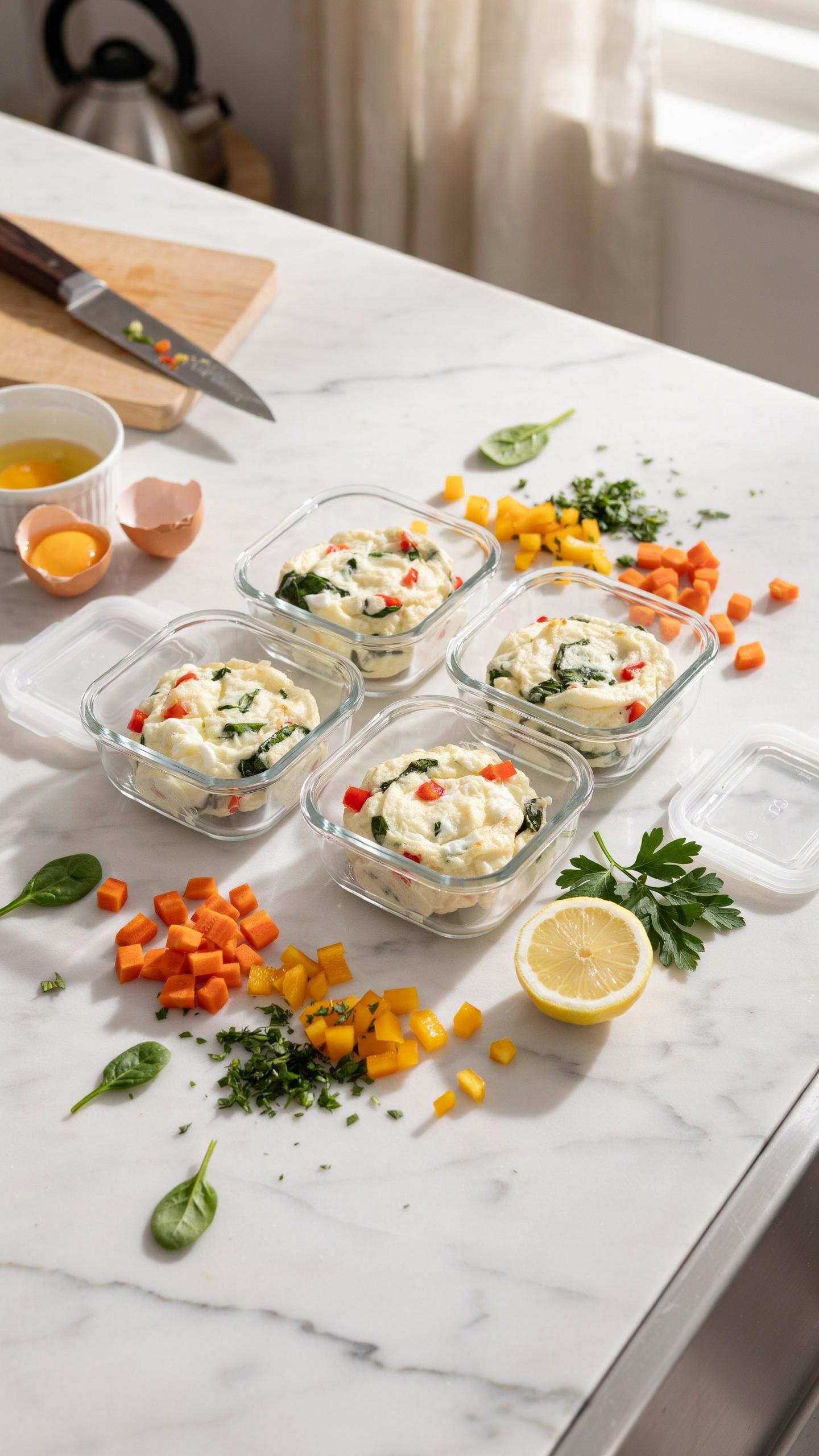
Stored egg whites degrade through oxidation and bacterial colonization, not time alone. The enemy isn’t the calendar, it’s exposure to oxygen and temperature fluctuation. Glass containers with airtight seals minimize both. Plastic containers off-gas and allow micro-permeation of oxygen over days, which accelerates the breakdown of proteins and introduces oxidative rancidity. The claim that plastic works fine for a week is incomplete. It works if you open the container once daily and your fridge stays at 37 degrees Fahrenheit consistently. Most people’s fridges drift between 38 and 42 degrees, especially near the door, which halves your storage window.
Fill containers to the top and eliminate air pockets. Oxygen trapped at the surface of the eggs accelerates protein denaturation and off-flavor development. Use wide, shallow containers instead of tall ones. This reduces the oxygen-to-surface-area ratio and makes portion removal cleaner. Date every container with the prep date, not the expiration date. You need to know exactly what’s in there and when it went in. Check your prepped eggs on day three and day five visually before eating. If you see discoloration, cloudiness, or smell ammonia, discard the batch. These signals indicate bacterial growth or advanced protein breakdown. Store prepped egg whites on a middle shelf, never the door, where temperature fluctuation is highest.
Healthy Egg White Breakfast Muffins The Underrated Power Up
The Tin Architecture That Actually Works
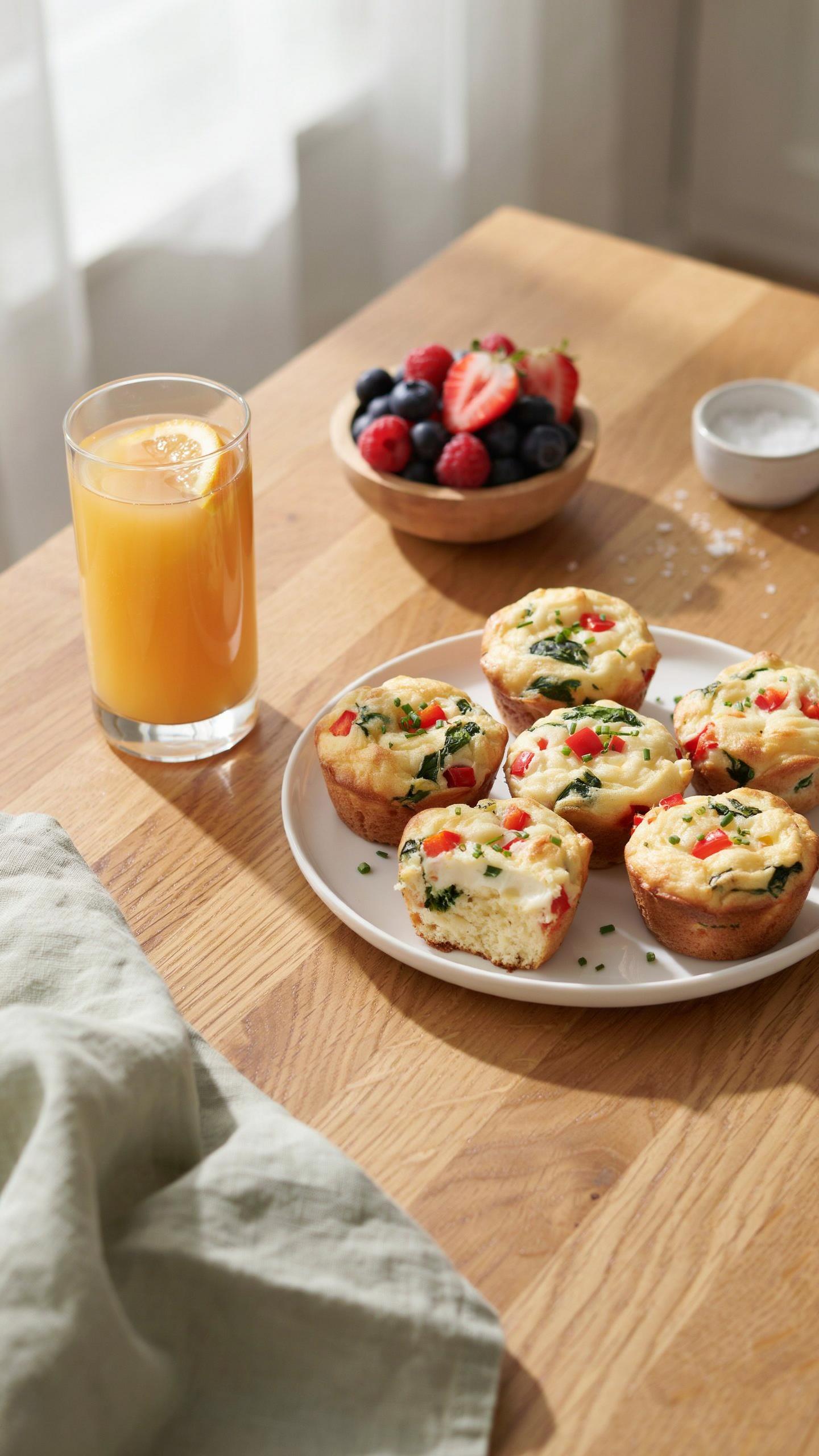
You want the muffin route because it feels like meal prep without the repetition tax, but the real win is portion control masquerading as convenience. Think of the muffin tin as a constraint, borrowed from industrial production: fixed compartments force standardization. A standard 12-cup tin creates uniform portions at 2-3 ounces of egg white mix each, removing the math from your morning. Silicone tins prevent sticking better than metal, though metal conducts heat faster for crisper edges. The choice depends on whether you prioritize consistency or texture.
Fill each cup to three quarters full, not to the rim. Egg whites expand slightly during cooking, and overfilling creates overflow that bakes onto your oven floor. Bake at 350 degrees for 18-22 minutes until the tops set firm but the centers retain moisture. Cool for five minutes in the tin before turning them out. This method yields six breakfasts in one 25-minute session, and the muffins store for five days refrigerated.
Density Layers That Deliver Satiety
Everyone adds spinach and cheese, then wonders why they’re hungry by 10 AM. The issue is texture contrast, not ingredient count. Pair a soft structural element with something that requires chewing. Cottage cheese or ricotta adds body without heaviness; diced peppers or mushrooms provide mandatory chewing friction. Combine two textures per muffin, not five.
Ground turkey or crumbled sausage creates the protein-to-satiety ratio that actually holds you. Cook the meat separately, drain it completely, then fold it into the egg white base cold. Add a quarter-teaspoon of salt, black pepper, and dried herbs per cup. Bake, cool, and seal in an airtight container. One muffin plus a piece of fruit equals a complete breakfast that sustains focus for hours.
Meal Prep Ideas With Egg Whites Beyond Breakfast
Lunch And Dinner Protein Scaffolding
You want egg whites at lunch and dinner because you’re afraid of hitting protein targets without bloating yourself or spending actual money. Here’s the mechanism: egg whites function as a neutral protein scaffold in systems thinking—they absorb surrounding flavors and textures without competing for dominance, allowing you to build complete meals around them instead of around carbs or fats. This inverts the typical plate construction.
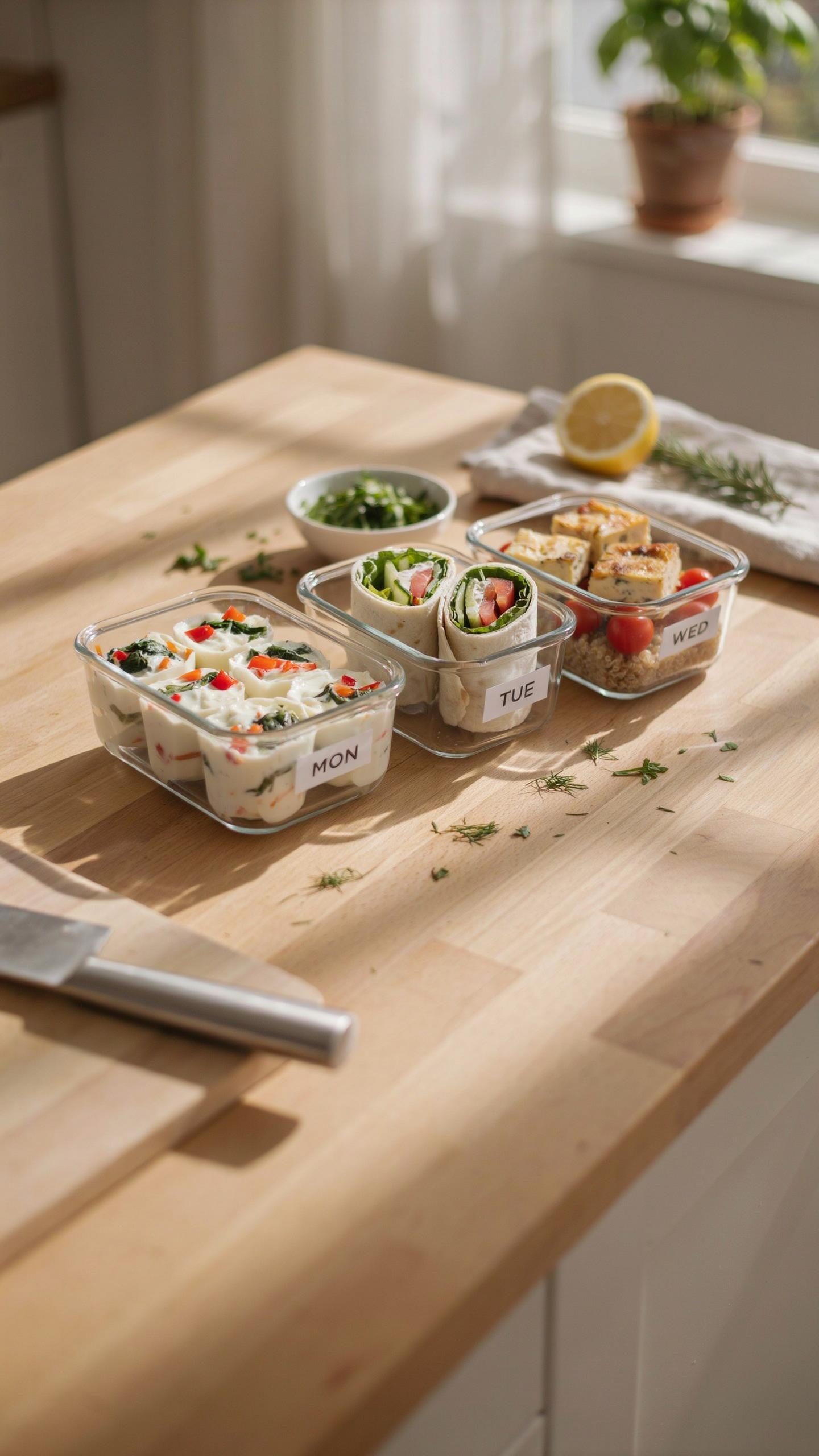
Egg white frittatas work for lunch because they hold their structure through temperature swings and don’t separate when packed. Mix them with roasted vegetables, cheese, and seasonings the night before. For dinner, poached or baked egg whites pair directly with grain bowls or stir-fries without the textural conflict that whole eggs create. The whites stay firm, the yolk adds nothing to your macros, so removing it is pure math.
Protein Density Without The Filler
Most egg white snack advice misses the point: you’re not looking for a “snack food,” you’re solving the gap between meals where your protein intake collapses. Egg white-based snacks work because they’re shelf-stable when prepped correctly and require no additional digestion labor compared to whole foods. Baked egg white cups with added protein powder solve this in under two minutes of prep per batch.
Hard-boil egg whites separately, season aggressively, and pair them with one carb source—crackers, fruit, or a small piece of bread. The ratio forces intentionality: you can’t mindlessly overconsume because the snack has structural limits. Freeze portioned egg white batter in silicone molds, then thaw in the refrigerator overnight for grab-ready protein that stays edible for four days without decay or taste degradation.
Egg White Muffins Healthy Avoiding The Health Halo Trap
Where The Calories Actually Hide
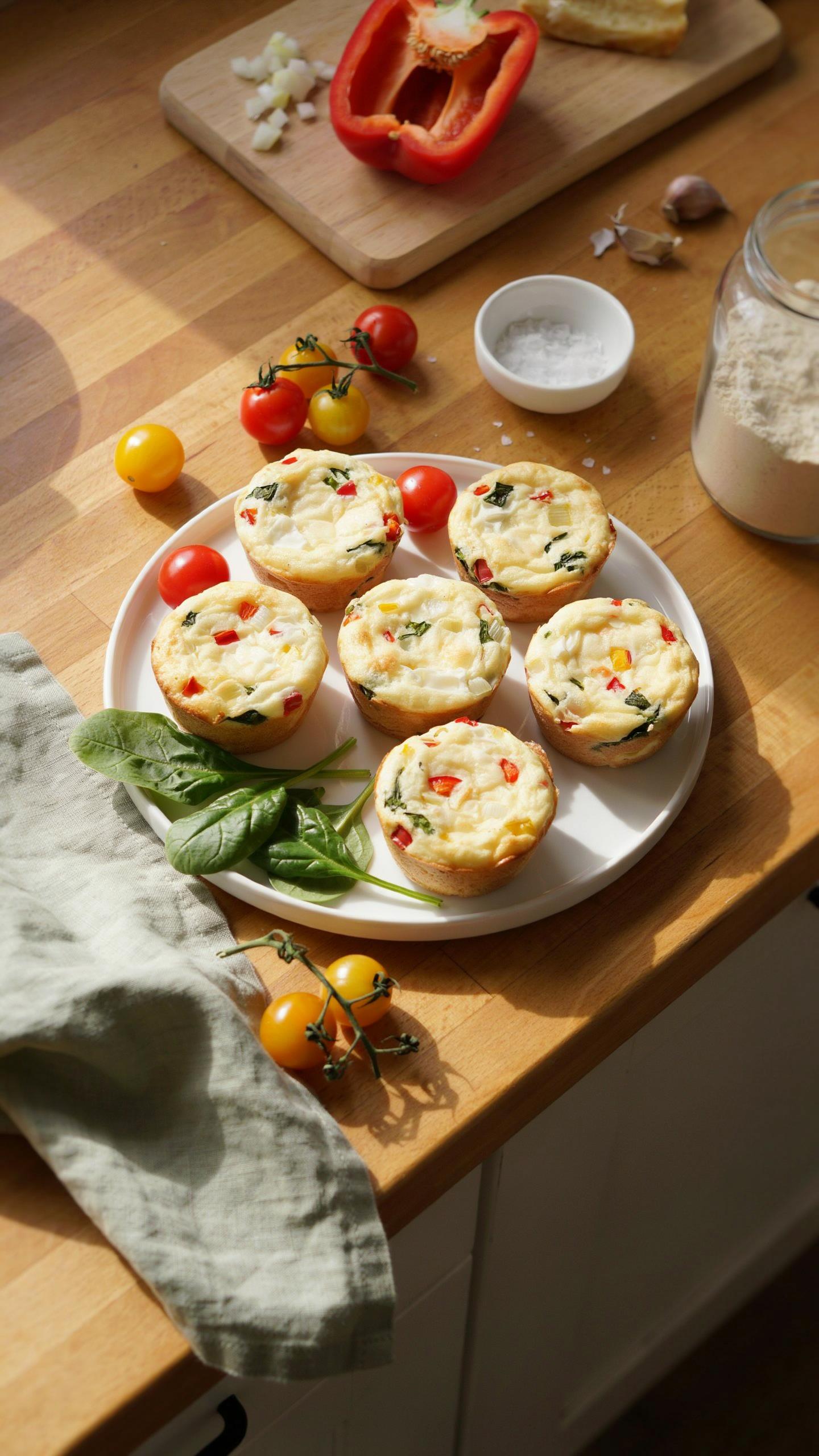
You want the muffin to taste good without guilt, which is why you’re reading this. The mechanism is simple: recipes labeled “healthy” swap one problem ingredient for another without touching portion size or fat density. A standard muffin contains 300-400 calories. Swapping sugar for honey and using whole wheat flour drops maybe 20-30 calories while keeping the muffin the same physical size. You ate the same amount. The calories didn’t disappear.
Egg white muffins get worse because people add oil, butter, or cream cheese to compensate for moisture loss when they remove yolks. One tablespoon of oil is 120 calories. Most recipes use two to three. You now have a 240-360 calorie addition on top of your base muffin, disguised under labels like “Greek yogurt” or “almond flour.” The recipe didn’t get healthier. It got harder to track.
Strategic Ingredient Architecture
The real lever is swapping by weight, not by substitution name. Protein powder doesn’t replace flour one-to-one because its density differs. Use it to displace the fat sources, not the carbs. Replace one tablespoon of oil with one tablespoon of Greek yogurt: you cut roughly 100 calories and gain 3 grams of protein. Do this twice in a recipe and you’ve created genuine caloric space without sacrificing structure.
Egg whites alone create a structural problem. They lack the fat yolks provide, so muffins either crumble or require added fat to bind. The solution isn’t more ingredients. It’s less total muffin per serving. Make the same batter but portion into 8 muffins instead of 6. Each muffin weighs less, holds together with only egg whites, and lands at 200-240 calories with 20+ grams of protein. The math works only if you’re willing to eat a smaller muffin.
The Advanced Egg White Toolkit Gear Techniques
The Tools That Actually Matter
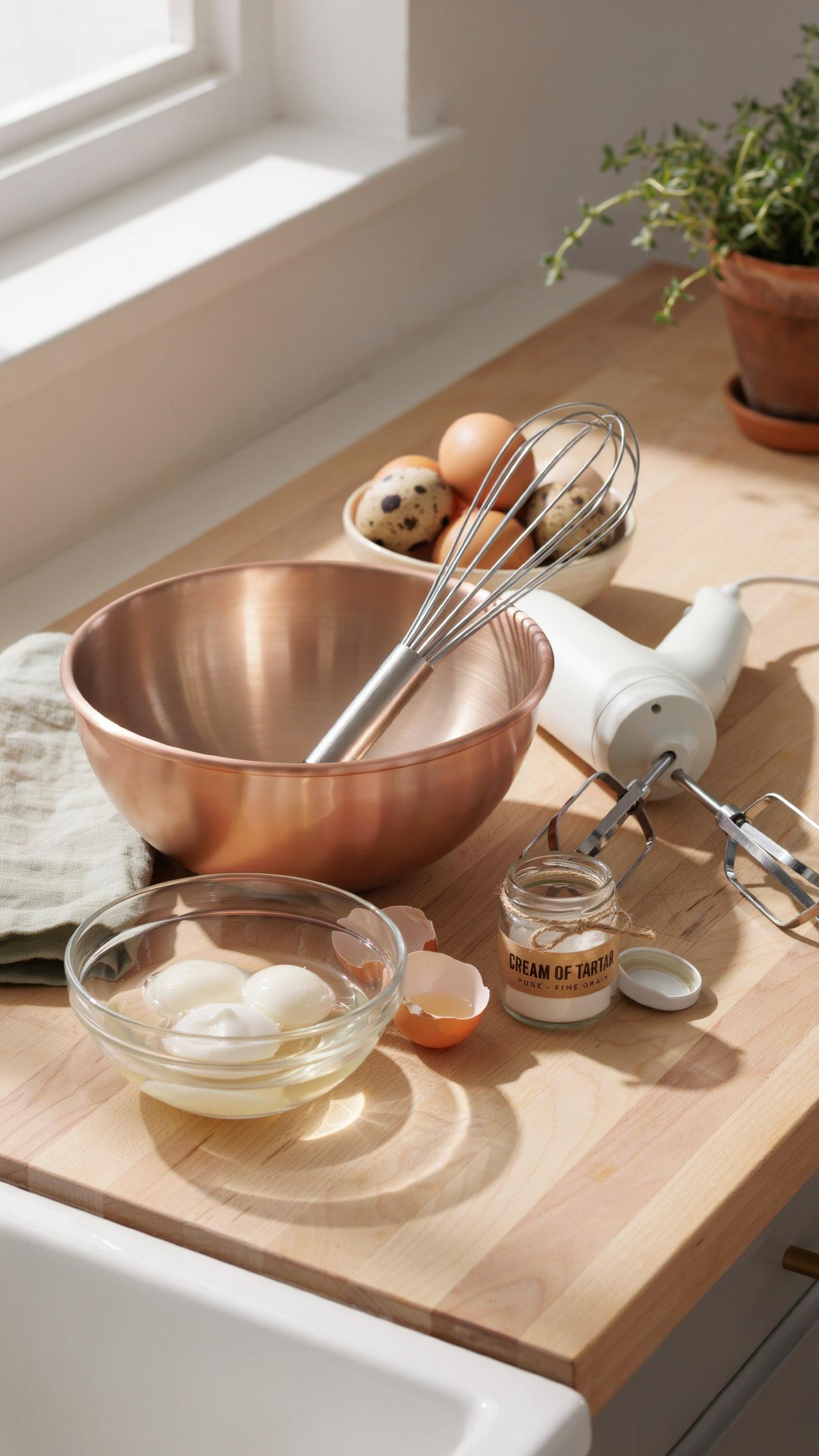
You want this section because you’re hoping the right equipment will solve consistency problems you suspect are operator error. They’re not. But the right tools do eliminate variables, and that’s where precision lives. Kitchen gear functions like industrial engineering—you’re reducing friction points in your process.
- Separating funnel or egg separator: Splits yolks from whites cleanly without shell fragments or yolk contamination that breaks emulsion during cooking.
- Stainless steel mixing bowls: Non-reactive surfaces prevent oxidation of egg proteins and maintain temperature stability between prep and cooking stages.
- Digital scale: Measures protein density by weight, not volume—critical because packed egg whites occupy less space than loose ones, skewing portion math.
- Non-stick skillet or cast iron: Non-stick handles high-volume batches without oil; cast iron distributes heat evenly for uniform cooking texture across all portions.
- Silicone spatula: Doesn’t scrape coating off non-stick surfaces and won’t tear delicate cooked egg white structure during flipping or portion separation.
- Glass storage containers with measured markings: Lets you track exact portions at a glance and prevents the guessing that leads to inconsistent macros throughout the week.
Most people buy equipment and think ownership solves the problem. The real mechanic is standardization. When your tools remove guesswork, your hands repeat the same motion every time, which means every batch tastes identical and hits the same macro target.
Layering Heat For Texture Control
Everyone talks about cooking temperature, but ignores timing as the actual variable. Temperature and duration aren’t interchangeable—they’re a ratio. High heat for short time creates a different texture than medium heat for longer time, even at the same final internal temp.
Start with medium heat and a dry pan. This allows water in the egg white to evaporate gradually rather than flash-steam and create rubbery, separated curds. After 90 seconds, increase heat to medium-high for the final minute to set edges without overcooking centers. The two-stage approach locks in moisture while achieving slight browning that adds flavor. This method produces uniform, tender egg whites that store well for four days without texture degradation.
The real obstacle isnt the recipe its your addiction to complexity disguised as discipline

You don’t need a 47-step meal prep system. You need to boil eggs, separate whites, and eat them. That’s it. The paralysis comes from wanting the process to feel hard enough to deserve the results. Egg white meal prep works because it’s stupid simple, not despite it. Buy a dozen eggs today, boil them tonight, and eat three whites tomorrow morning. Stop waiting for the perfect plan. Simplicity isn’t lazy; it’s the only strategy that survives contact with real life.