

Why Choose A Pancake Recipe Without Protein Powder
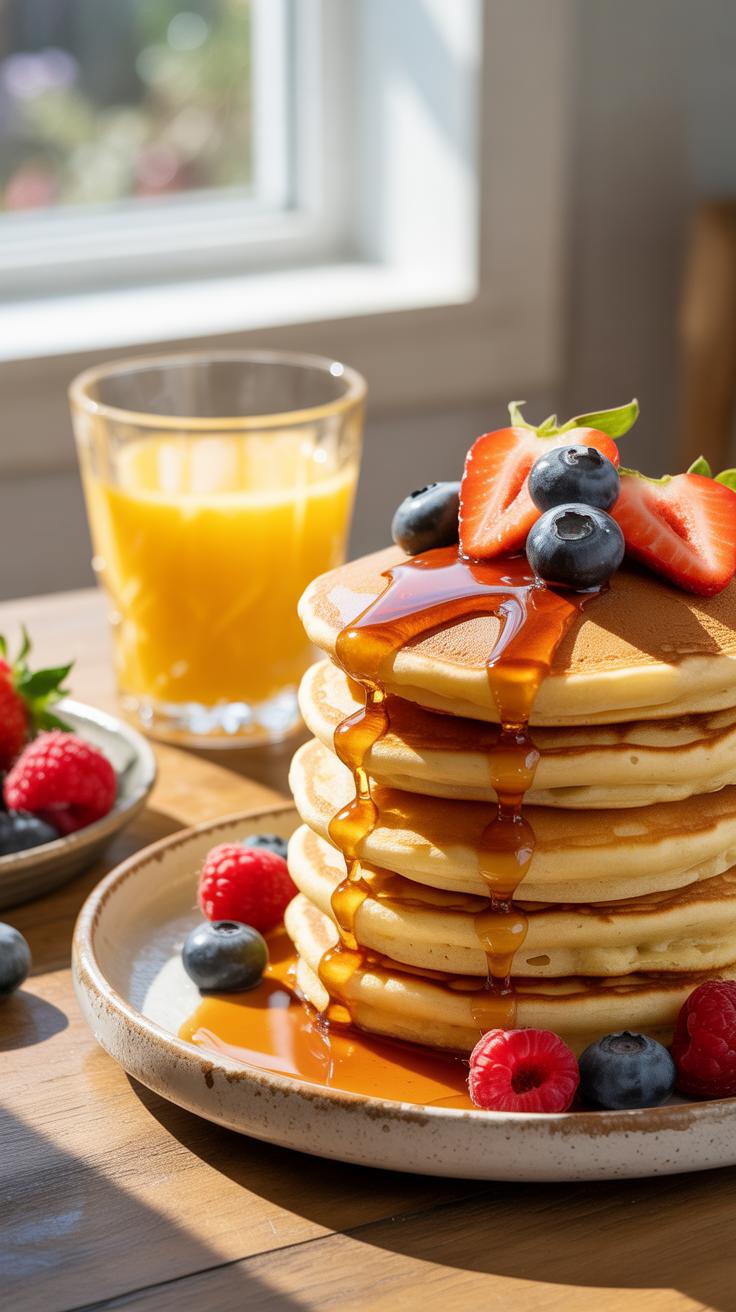
The Real Downside Of Relying On Protein Powders In Baking
Protein powders often contain gums and thickeners that ruin pancake texture. These additives react poorly to heat and moisture. Whey protein specifically dries out batter and creates a rubbery consistency. You lose the light and fluffy quality of a traditional pancake. Most powders also include artificial sweeteners like sucralose or stevia. These chemicals leave a metallic aftertaste that masks the natural flavors of your breakfast.
Commercial supplements vary wildly in quality and purity. Many brands use processed fillers to lower production costs. These ingredients provide low nutritional value compared to organic sources. Reliance on powder limits your control over the macronutrients in your meal. You essentially trade food quality for convenience. Using whole foods ensures a cleaner ingredient profile. You avoid unnecessary chemicals while maintaining a superior mouthfeel and better overall structural integrity.
How Whole Food Protein Sources Outperform Powdered Supplements In Pancakes
Whole foods like eggs and cottage cheese provide high bioavailability. Your body absorbs nutrients from these sources more efficiently than from processed isolates. Egg whites offer a natural leavening agent that helps pancakes rise. Greek yogurt adds moisture and a pleasant tang that powder cannot replicate. These ingredients provide essential vitamins and minerals alongside bioavailable protein. You get a nutritionally dense meal that keeps you full for longer.
Baking with whole foods improves the glycemic response of the meal. Simple powders can cause rapid insulin spikes. Ingredients like oats or nut butters provide fiber and healthy fats. These components slow down digestion and provide steady energy. You avoid the mid morning crash associated with highly processed supplements. Utilizing kitchen staples is also more cost effective. You save money by using versatile ingredients that serve multiple purposes in your diet.
The Best Whole Food Ingredients For Pancakes Without Protein Powder

Eggs, Cottage Cheese, And Greek Yogurt: Nature’S Protein Powerhouses
Eggs provide the structural foundation for flourless or low-flour pancakes. One large egg delivers six grams of highly bioavailable protein and essential fats. The yolk contains lecithin which acts as a natural emulsifier. This creates a cohesive batter that stays together during the flip. Always use whole eggs to ensure the pancakes maintain moisture and do not become rubbery or dry.
Cottage cheese and Greek yogurt serve as the primary protein drivers in powder-free recipes. Blending cottage cheese removes its lumpy texture while adding significant casein protein. This slow-digesting protein keeps you full for hours. Greek yogurt adds a tangy flavor and a thick consistency. The acidity in yogurt reacts with baking soda to create lift. This results in a fluffy texture without requiring heavy refined grains.
Top High Protein Ingredient Swaps To Boost Every Batch
Standard recipes rely on white flour which lacks dense nutrition. You can replace empty carbohydrates with functional whole foods to increase the amino acid profile. These swaps change the density and moisture content of the final product. You must balance wet and dry ratios when using these alternatives. This ensures the pancake remains firm enough to cook evenly on a hot dry griddle.
- Oat Flour: Processed rolled oats provide more fiber and protein than traditional wheat flour. This swap adds a nutty flavor and creates a dense filling texture. Use a blender to turn dry oats into a fine powder for the best consistency.
- Almond Flour: Ground almonds offer a low-carbohydrate base with high healthy fat content. This meal increases the calorie density and protein count per serving. It creates a tender crumb but requires extra egg to prevent the pancake from crumbling during cooking.
- Egg Whites: Adding extra liquid egg whites increases the total protein without adding significant fat or volume. This technique lightens the batter and makes the pancakes airy. It is the most efficient way to boost the protein-to-calorie ratio in any standard breakfast recipe.
- Quinoa Flour: This ancient grain contains all nine essential amino acids making it a complete protein source. It provides a distinct earthy taste and a sturdy structure. It performs similarly to wheat flour but offers a superior nutritional profile for muscle recovery.
- Ricotta Cheese: This dairy addition provides a creamy texture and high-quality whey protein. It works best in lemon-flavored recipes to create a souffle-style pancake. While lower in protein than cottage cheese it offers a smoother mouthfeel for those who dislike curd textures.
Strategic ingredient selection eliminates the need for processed supplements. Most kitchen staples contain enough protein to hit your daily targets. Focus on moisture control when mixing these dense ingredients. High-protein batters often require lower heat and longer cook times. This prevents the outside from burning before the center sets. Monitor the surface bubbles to time your flips perfectly for the best results.
High Protein Pancakes No Powder Understanding The Macros
How Much Protein Can You Realistically Get Per Serving Without Powder?
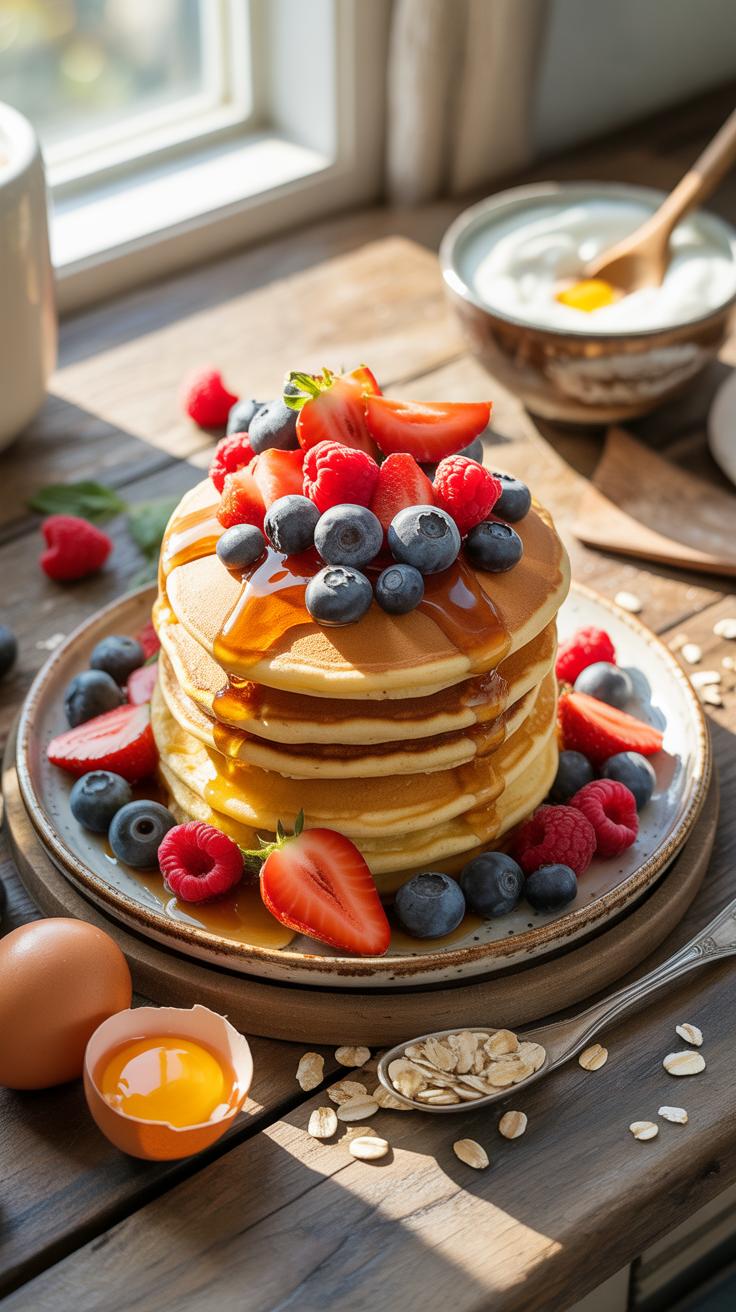
You can achieve fifteen to twenty grams of protein per serving using whole foods. Most standard pancakes rely on wheat flour and sugar which provide minimal protein. Replacing these with eggs, cottage cheese, or Greek yogurt changes the chemical structure and the macro profile. These ingredients offer high-quality complete proteins. This means they contain all nine essential amino acids your body needs for muscle repair.
A single large egg provides six grams of protein while a half cup of cottage cheese adds twelve grams. When you combine these with oats or almond flour, the numbers climb quickly. These whole food sources digest slower than processed powders. This sustains your energy levels and keeps your hunger suppressed for longer periods. Tactical ingredient selection allows you to match the protein content of processed supplements easily.
Balancing Carbohydrates, Fats, And Protein For A Nutritionally Complete Breakfast
A balanced macro ratio is essential for metabolic health and steady blood sugar. Aim for a ratio of thirty percent protein, forty percent carbohydrates, and thirty percent healthy fats. Whole grains like oats provide complex carbohydrates for brain fuel. Healthy fats come from egg yolks or nut butters added to the batter. This combination prevents the insulin spikes often caused by traditional refined flour pancakes.
Precision in your macro balance affects your physical performance throughout the day. High protein intake alone is not enough for a functional breakfast. Your body requires fats to absorb fat soluble vitamins and carbohydrates to spare protein for muscle recovery. Using cottage cheese or Greek yogurt provides calcium and probiotics alongside the protein. This creates a dense nutrient profile that supports both your digestive system and your muscles.
Protein Pancake Recipe Without Flour Grain Free Alternatives That Actually Work
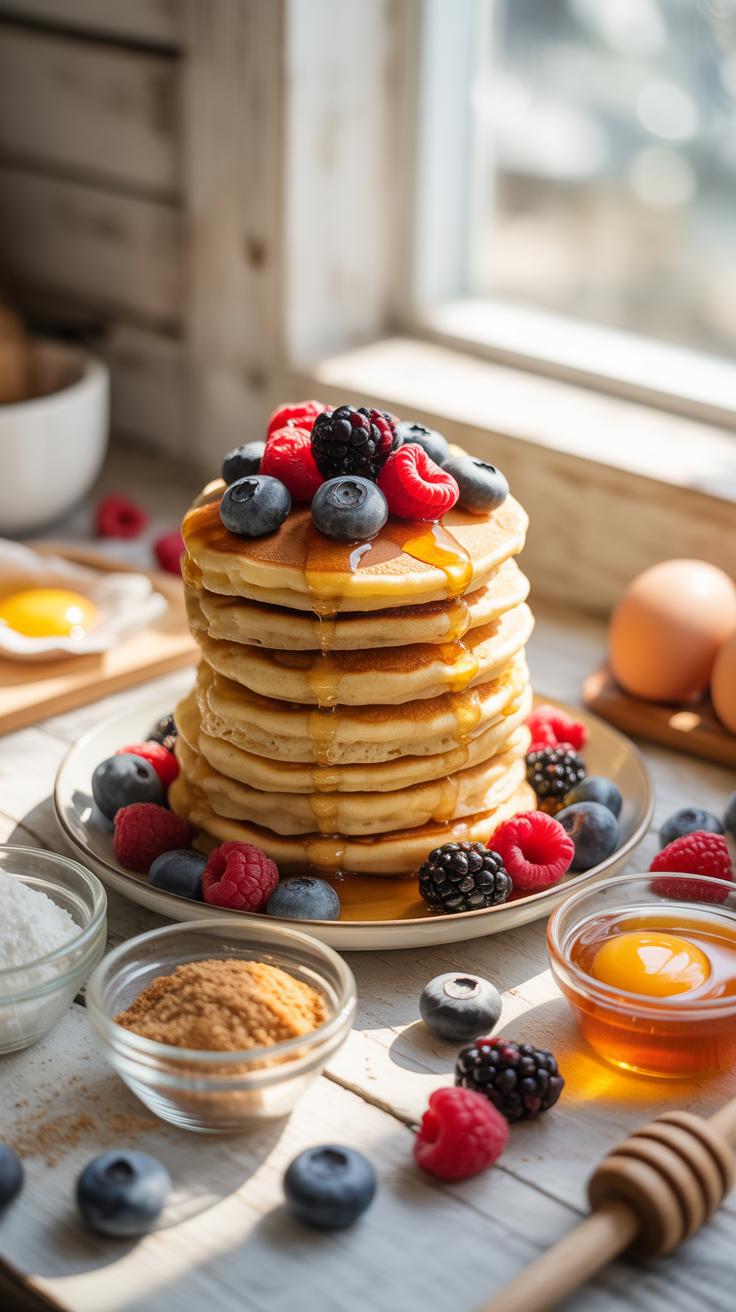
Oat Flour, Almond Flour, And Chickpea Flour As High Protein Flour Substitutes
Oat flour provides a dense texture and high fiber content. Grind rolled oats in a blender to create a fine powder. This substitute contains more protein per gram than standard all-purpose wheat flour. It absorbs liquid quickly and creates a sturdy structure for your pancakes. Use a one-to-one ratio when replacing traditional flour. This ensures the batter remains thick enough to flip.
Almond and chickpea flours offer even higher protein levels and eliminate grains entirely. Almond flour adds healthy fats and a moist crumb. Chickpea flour acts as a powerful binder due to its high starch and protein concentration. This flour has a distinct nutty taste that pairs well with savory or sweet toppings. Both options significantly increase the amino acid profile of your meal without using processed protein powders.
How To Adjust Batter Consistency When Going Flourless Or Grain Free
Grain-free batters behave differently than wheat-based mixtures. Almond flour lacks gluten and requires extra binding agents to stay together. Use large eggs or flax seeds to provide necessary structure. Let the batter rest for ten minutes before cooking. This allows the dry ingredients to hydrate fully. If the mixture remains too runny, add a tablespoon of ground flax or more nut flour.
Liquid ratios must change when you remove traditional flour. Chickpea flour absorbs more water than almond flour. Monitor the viscosity closely as you mix. The ideal batter should drop slowly from a spoon rather than pour like water. If the batter is too thick, add a splash of milk or water. Small adjustments prevent the pancakes from becoming dry or crumbling on the hot griddle surface.
Protein Pancakes Without Gluten Making Every Bite Safe And Satisfying
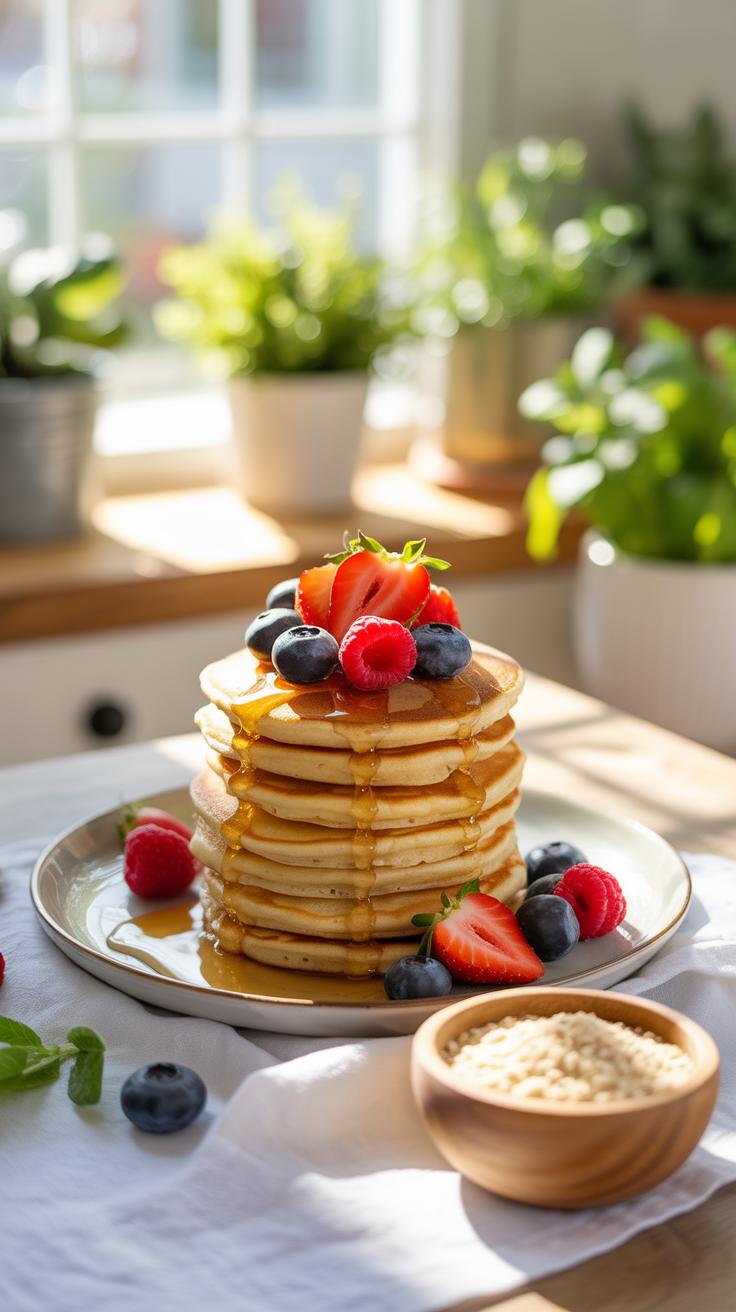
Which Naturally Gluten Free Ingredients Deliver The Best Protein And Texture?
Oats stand as the most efficient substitute for wheat in high protein recipes. Ground rolled oats or oat flour provide a sturdy structure that mimics traditional pancakes. This grain offers about six grams of protein per half cup. You must ensure the oats have a certified gluten-free label to avoid cross-contamination. Combine them with eggs to create a binding force that prevents crumbling.
Cottage cheese and Greek yogurt act as vital texture modifiers in gluten-free batter. These dairy components replace the elasticity lost when you remove gluten. They add significant moisture and high-quality casein and whey proteins. Blending these ingredients into the oat base creates a smooth consistency. This method results in a dense, filling pancake that stays together on the griddle without using expensive boxed mixes.
True strength is built from the simple, wholesome ingredients found in a mother’s pantry. Nourish your body with the honest power of real food to fuel your greatest dreams.
Avoiding Hidden Gluten Sources When Building Your Protein Pancake Recipe
Cross-contamination is the primary risk when sourcing ingredients for your protein pancake base. Many facilities process oats, nuts, and seeds on the same equipment as wheat. Even small amounts of gluten can ruin the nutritional profile and safety of your meal. Always check labels for certification marks on almond flour and flax seeds. These fat-heavy ingredients provide extra protein but require strict sourcing to remain safe for consumption.
Baking powder and liquid flavorings often contain hidden gluten as stabilizing agents or carriers. Check that your leavening agents use cornstarch rather than wheat starch. Pure vanilla extract is usually safe, but cheaper imitation versions sometimes use grain-based alcohols derived from wheat. Stick to whole, single-ingredient foods like eggs, milk, and plain yogurt. These staples provide the highest protein density without the chemical additives found in processed gluten-free flour blends.
Extra Fluffy Protein Pancakes Techniques That Make The Difference
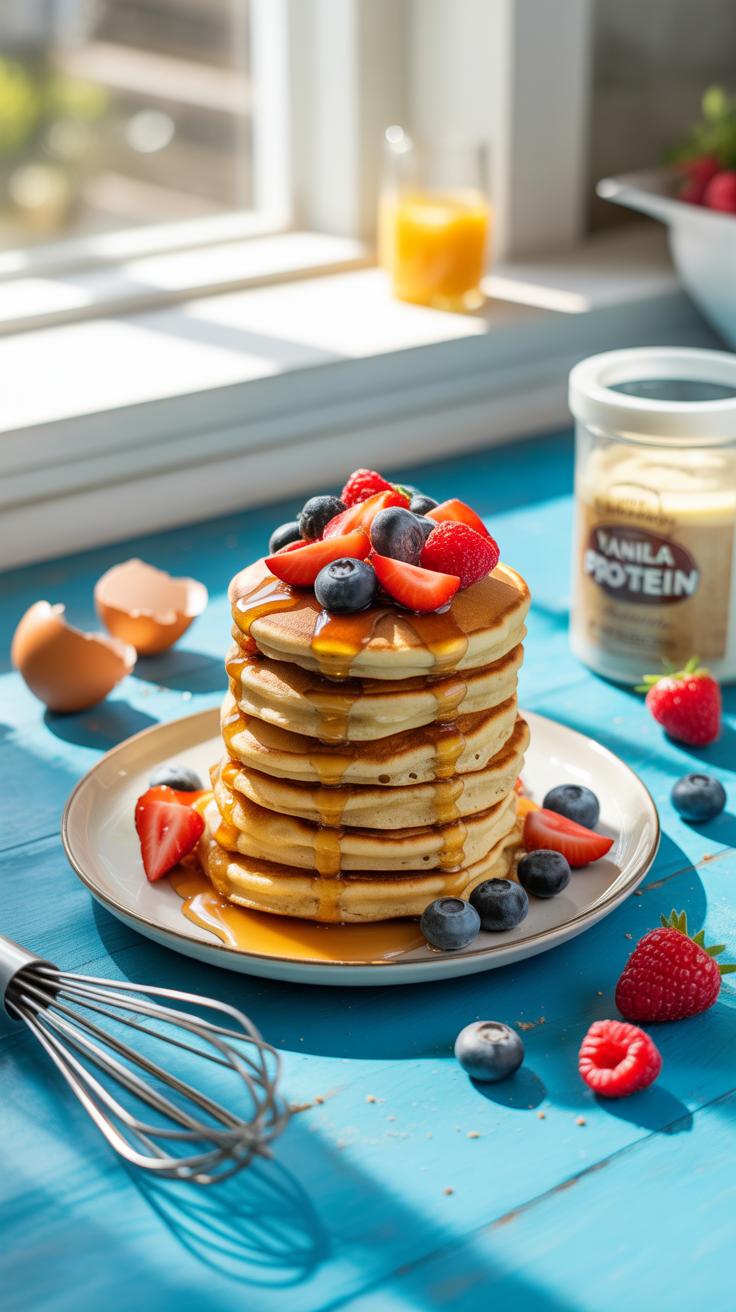
The Science Behind Fluffy Pancakes: Why Resting Batter And Egg Whites Matter
Resting batter allows starch granules in flour to swell and gluten to relax. This process ensures the texture remains tender rather than chewy. In protein-heavy recipes using cottage cheese or Greek yogurt, moisture must distribute evenly through the dry ingredients. A ten-minute rest prevents flat, dense cakes. It also lets the leavening agents activate fully before hitting the hot pan surface.
Egg whites provide structural integrity without the weight of protein powder. When you whip whites to soft peaks, you trap air bubbles in a protein grid. Folding these into your thick batter creates a foam-like internal structure. Heat then causes these air pockets to expand, resulting in a vertical rise. This mechanical leavening works alongside chemical agents like baking powder for maximum height and softness.
Step By Step Cooking Tips For Achieving A Light, Airy Stack Every Time
Precise heat management and mechanical handling dictate the final quality of your pancake stack. You must control the temperature to ensure the middle cooks without burning the edges. Using the right tools prevents the air you worked to incorporate from escaping during the cooking process. Follow these tactical steps to maintain the structural height of your protein cakes during every flip.
- Whip Whites Separately: Beat egg whites until they form soft peaks before adding them to the wet mixture. This step introduces vital air bubbles that protein powder recipes usually lack. It creates a light, sponge-like crumb inside the cooked pancake for better mouthfeel.
- Fold Gently: Use a wide spatula to fold whipped whites into the heavy batter. Do not stir or whisk during this stage. Excessive force collapses the trapped air bubbles. Aim for a marbled look rather than a perfectly smooth, flat liquid to preserve the lift.
- Control Surface Heat: Set your griddle to medium-low heat to allow even heat penetration. High protein batters containing dairy like cottage cheese burn faster than traditional wheat versions. Lower temperatures give the batter enough time to rise and set before the sugars caramelize or scorch.
- Flip Only Once: Wait for the edges to set and bubbles to form and pop on the surface. Slide a thin spatula completely under the cake before flipping it over gently. Multiple flips deflate the internal air pockets and lead to a tough, rubbery texture.
- Use A Lid: Place a lid over the pan for the first sixty seconds of cooking. This traps steam and helps the thick batter cook through efficiently while maintaining moisture. The steam assists the leavening agents in pushing the batter upward for a taller finish.
Properly greasing the pan is the final step for consistent results. Use a thin layer of clarified butter or neutral oil with a high smoke point. Avoid using too much fat, which fries the edges and creates a greasy skin. A dry, non-stick surface with minimal oil allows the batter to grip and climb the sides of the pan for better volume.
Protein Pancakes Without Protein Powder Three Tried And True Recipes

Classic Cottage Cheese And Egg Protein Pancakes For Everyday Mornings
Cottage cheese provides a high-protein base without using processed powders. This recipe relies on the moisture and casein content of the cheese to create a dense texture. Combine equal parts cottage cheese, eggs, and oats in a blender. The eggs act as a binder while providing essential amino acids. This combination ensures a complete protein profile necessary for muscle repair and satiety.
Blending the batter is necessary to eliminate the curd texture of the cheese. Use a non-stick pan over medium heat to prevent sticking. Flip the pancakes only when bubbles stay open on the surface. This method creates a thin pancake similar to a crepe but with much higher protein density. It is a functional breakfast for those who need sustained energy levels throughout the day.
Greek Yogurt And Oat Flour Pancakes For A Fiber Rich High Protein Twist
Greek yogurt offers a concentrated source of protein and a tangy flavor profile. Its thick consistency replaces the need for oil or butter in the batter. Mix the yogurt with oat flour to add complex carbohydrates and dietary fiber. This pairing slows digestion and prevents blood sugar spikes. It results in a soft and fluffy pancake that remains structurally sound during the cooking process.
Heat your griddle before pouring the batter to ensure an even cook. Use a small amount of leavening agent like baking powder to help the thick batter rise. The lactic acid in the yogurt reacts with the leavening agent for a lighter result. This recipe serves as a tactical meal for weight management. It provides high volume and high protein for relatively low caloric expenditure.
Meal Prepping And Storing High Protein Pancakes No Powder For The Week
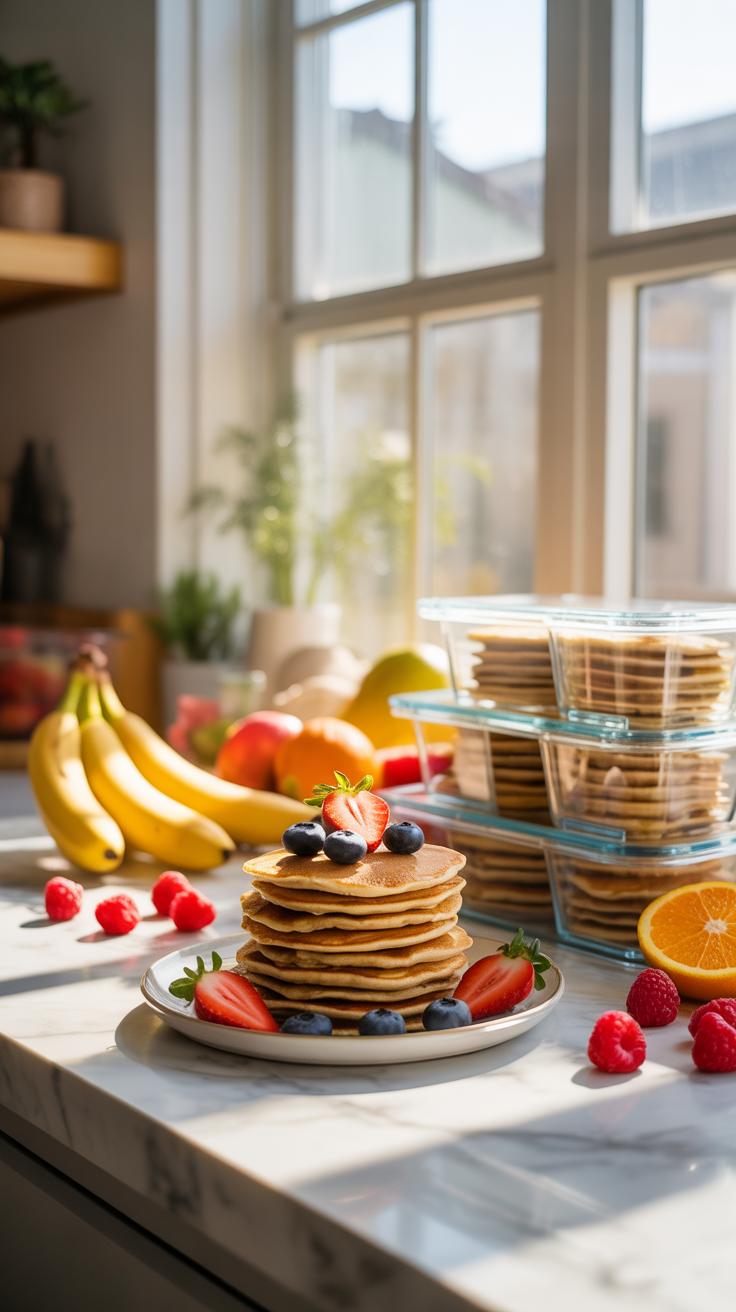
How To Batch Cook And Refrigerate Protein Pancakes Without Losing Texture
Batch cooking requires managing moisture levels to prevent rubbery results. Use a cast iron griddle for even heat distribution. This creates a solid outer crust that protects the inner crumb during storage. Cook your pancakes fully but avoid charring. High heat denatures egg proteins too quickly and causes toughness. Aim for a medium heat setting to maintain a soft and flexible texture.
Cool every pancake on a wire rack before stacking. Steam trapped between warm pancakes creates moisture. This leads to soggy edges and bacterial growth in the fridge. Once cold, wrap the stack in parchment paper and seal it in an airtight glass container. These pancakes remain fresh for up to four days. Avoid plastic bags as they trap excess humidity and ruin the surface tension.
Freezing Reheating And Topping Ideas To Keep Your Mornings Exciting
Freezing requires flash techniques to stop sticking. Place individual pancakes on a flat sheet in the freezer for two hours. Once they are hard, transfer them into a heavy duty freezer bag. This prevents the pancakes from merging into a single solid block. Use this method for cottage cheese or Greek yogurt bases. Proper freezing preserves the nutritional profile and texture for months.
Reheating requires dry heat to restore the original mouthfeel. Use a toaster or a dry pan on low heat. Microwave use is efficient but makes the crust soft and chewy. Apply toppings like nut butters or hemp seeds for extra nitrogen and fat. These additions slow down digestion and provide stable energy. Fresh berries add fiber without excess liquid. Keep your toppings separate until the moment you eat.
Frequently Asked Questions

Can you actually get enough protein in pancakes without using supplements?
You absolutely can achieve a high protein count using whole-food ingredients instead of processed tubs. By utilizing staples like Greek yogurt, cottage cheese, eggs, and oats, you can create delicious protein pancakes without protein powder that keep you full for hours. These natural sources provide a superior texture and a complete amino acid profile, offering a nutritious start to your morning without any artificial aftertaste or gritty consistency.
How do I keep my pancakes fluffy when using dense ingredients like cottage cheese?
The secret to light and airy protein pancakes without protein powder is all in the blending process. Simply pulse your wet ingredients—like cottage cheese and eggs—in a blender until completely smooth before folding in your dry ingredients. This removes the curds and incorporates air into the batter. For an extra lift, let the batter rest for five minutes to allow the leavening agents to activate before hitting the hot griddle.
Is it more affordable to make high-protein breakfasts using whole foods?
Choosing whole-food ingredients is significantly more budget-friendly than purchasing expensive tubs of specialized supplements. Most people already have eggs, oats, and yogurt in their pantry or fridge, making these pancakes a cost-effective meal prep option. By skipping the branded powders, you save money while avoiding hidden fillers. You get a boost of high-quality nutrition and satisfying flavor using simple, accessible grocery store staples that fit any household budget.