
What Are Mini Pancakes A Quick Guide To This Small Pancake Recipe
Defining Mini Pancakes: Size, Shape, And Texture
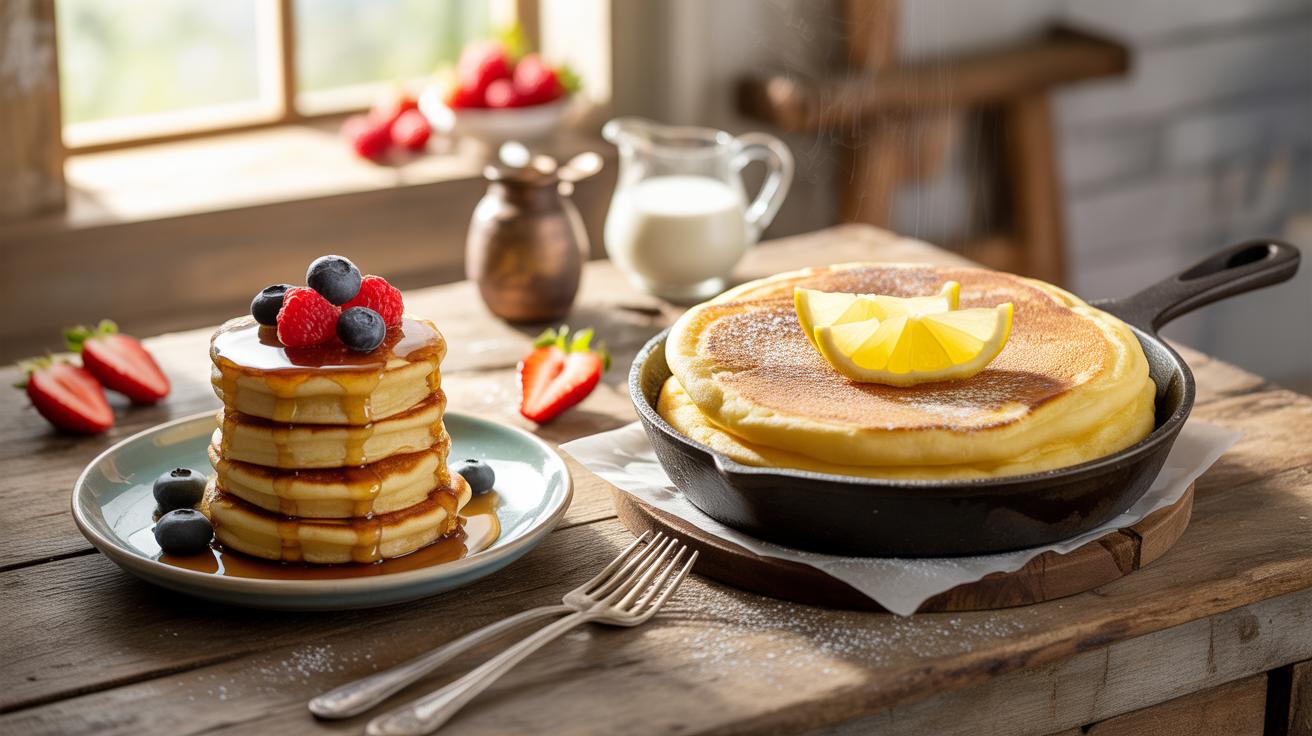
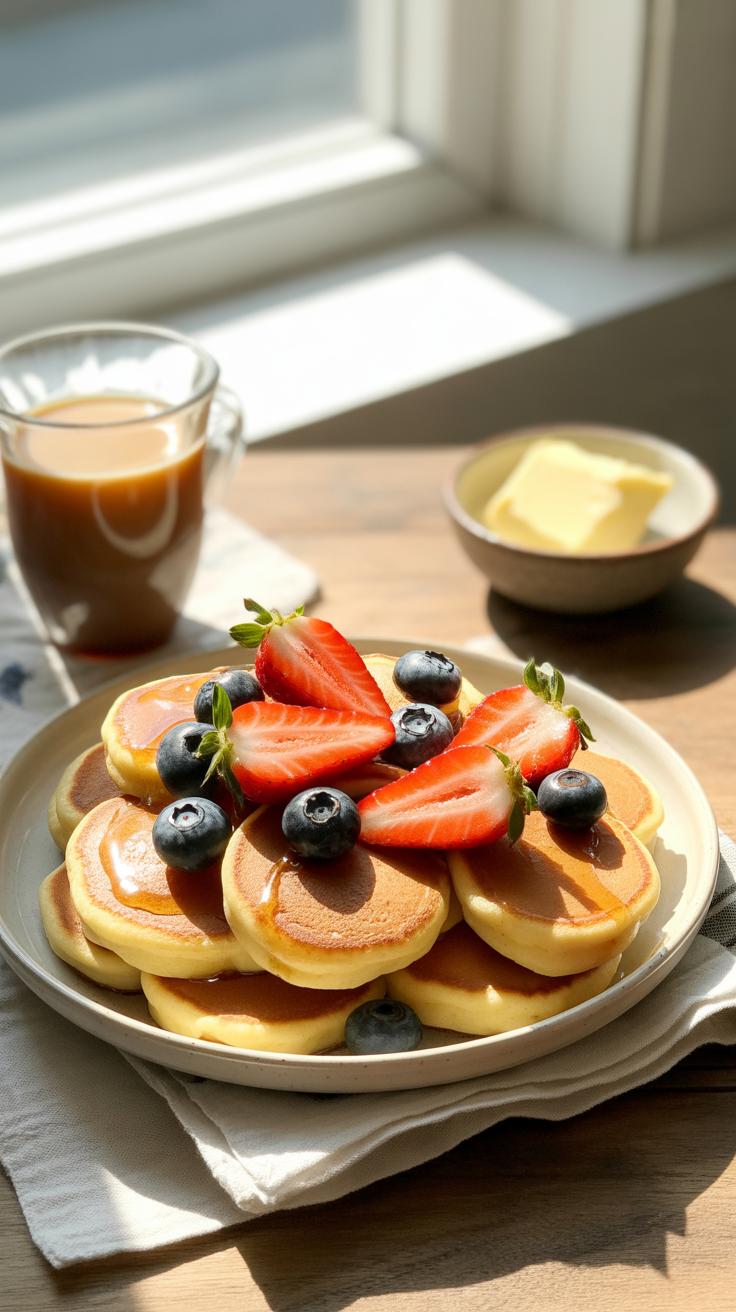
Mini pancakes measure approximately one to two inches in diameter. These small discs use a standard leavened batter but rely on precise portioning. Chefs call them silver dollar pancakes in the United States or poffertjes in the Netherlands. Each unit must be uniform to ensure even cooking. The goal is a bite-sized shape that stays soft in the center with a golden exterior.
The texture depends on the ratio of leavening agents like baking powder. Good mini pancakes have a fluffy interior despite their small surface area. You achieve this by dropping small amounts of batter onto a hot greased surface. They cook faster than large versions due to their size. High heat creates a crisp edge while the inside remains airy. This balance defines the quality of the dish.
How Mini Pancakes Differ From Standard Pancakes
Standard pancakes require a large surface area and flip once they bubble. Mini pancakes demand faster reflexes and tighter temperature control. You cannot pour them haphazardly or they will merge into one mass. Precision is the main requirement here. You often use a squeeze bottle or a small spoon for accuracy. This method ensures each mini pancake maintains a perfect circular shape during the cooking process.
The serving logic also differs between the two sizes. You stack standard pancakes but you often serve mini pancakes in bowls like cereal. They have a higher ratio of crispy edge to soft center compared to large pancakes. This changes the eating experience because you get more texture in every bite. Smaller pancakes also retain heat differently. They cool down quickly so you must serve them immediately after they leave the griddle.
What Are German Pancakes Origins And Key Characteristics
The History And Origin Of German Pancakes
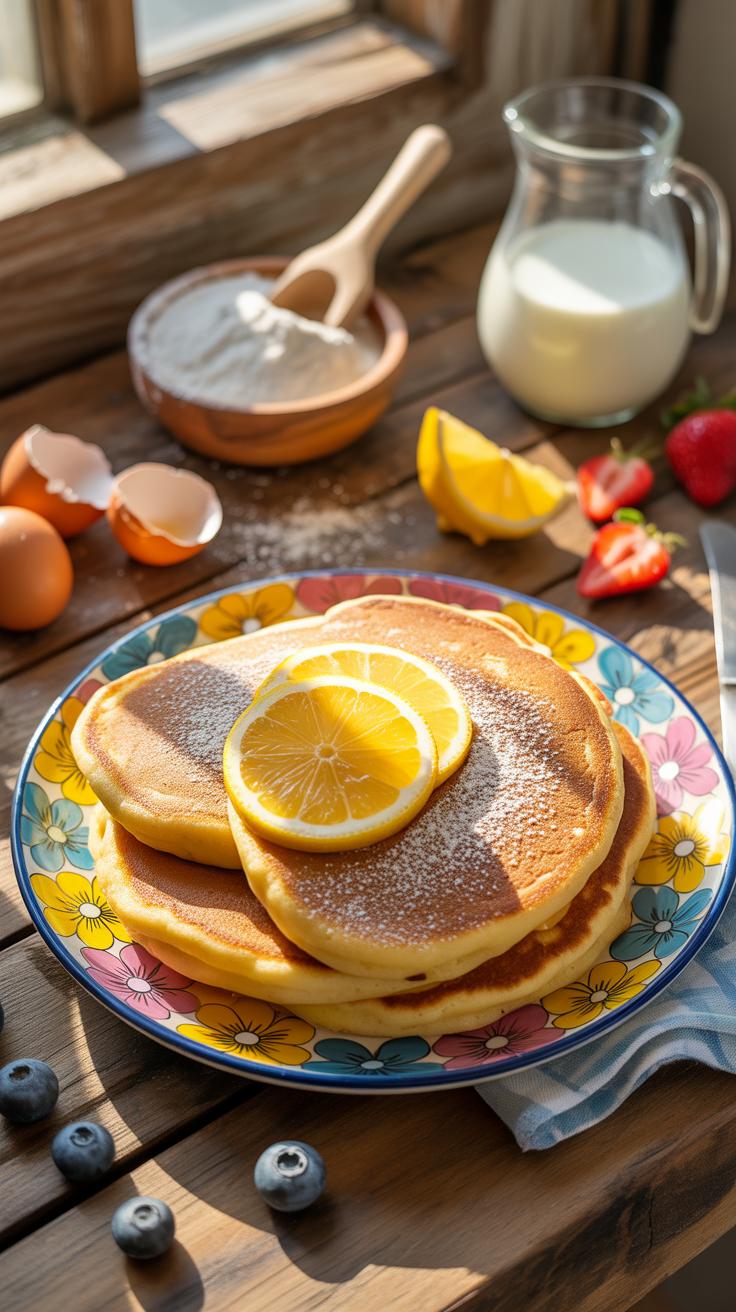
German pancakes do not actually come from Germany. They originated in the United States during the early 1900s. A family-run restaurant called Manca’s Cafe in Seattle created this dish. Owner Victor Manca adapted a classic German recipe for Pfannkuchen into a smaller format. The name Dutch Baby came from one of his daughters who incorrectly used the word Dutch instead of Deutsch.
The dish gained national fame after the restaurant trademarked the name. It represents a hybrid between a traditional German pancake and a Yorkshire pudding from England. While a mini pancakes recipe relies on small separate circles, this dish focuses on one large shared base. It became a staple of American brunch culture throughout the 20th century. Most modern versions still follow Manca’s fundamental baking methods.
What Makes German Pancakes Unique In Taste And Texture
The texture of a German pancake differs from any other breakfast item. It uses a high ratio of eggs to flour which creates a thin batter. This batter reacts to high heat in a cast iron skillet. The edges rise several inches above the pan while the center stays flat. This process depends on steam rather than chemical leaveners like baking powder or soda.
The flavor profile is rich and eggy rather than bready. The surface becomes crisp and golden while the interior remains soft and custard-like. You melt butter in the hot pan before adding the batter to ensure a deep crust. This creates a savory base that accepts sweet toppings like lemon and sugar. It offers a denser eating experience compared to the airy bite of a mini pancakes recipe.
Breaking Down The Mini Pancakes Recipe Ingredients You Need
Core Ingredients For Easy Homemade Mini Pancakes
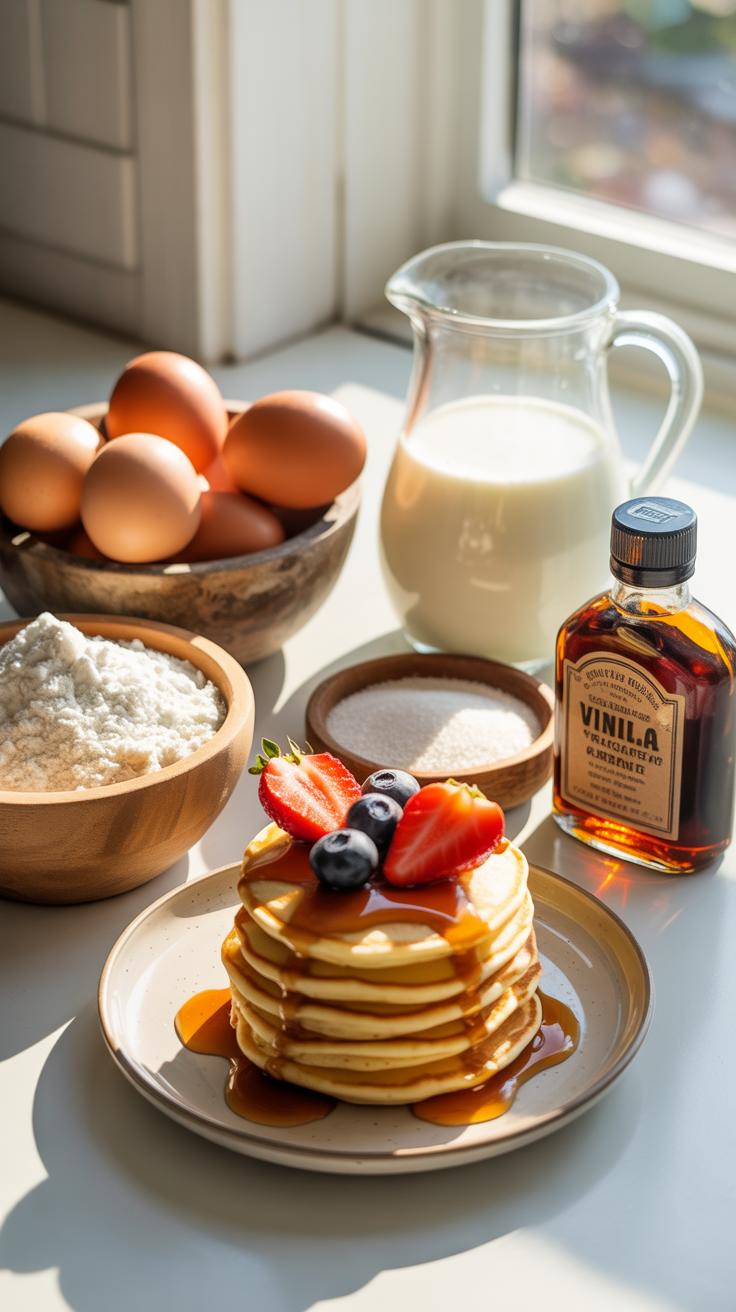
Standard mini pancakes require a baseline of pantry staples to achieve the correct bite-sized structure. You must use all-purpose flour to ensure the batter holds its shape during the piping process. Using bread flour creates too much gluten while cake flour lacks the necessary strength. You also need a chemical leavening agent to provide immediate lift when the batter hits the hot griddle surface.
- All-Purpose Flour: This provides the structural foundation for the pancake. It contains a moderate protein content that allows the mini rounds to hold their shape without becoming tough or chewy after cooking.
- Baking Powder: This is your primary leavening agent. It reacts twice to create air bubbles. The first reaction happens when mixed with liquids and the second occurs when exposed to heat on the pan.
- Whole Milk: Milk provides the liquid base and essential fats. The sugars and proteins in milk contribute to the Maillard reaction. This ensures the mini pancakes develop an even golden brown color across their surface.
- Granulated Sugar: Sugar does more than add sweetness to the batter. It assists in the browning process through caramelization. It also keeps the crumb tender by interfering with the development of long gluten strands.
- Melted Butter: Fats are necessary for a rich mouthfeel and moisture retention. Butter adds flavor and prevents the pancakes from sticking to the cooking surface. It ensures a soft texture that does not dry out.
Precision in measurement determines the success of the batter consistency. Your liquid to dry ratio must stay balanced to allow for easy dispensing through a squeeze bottle or piping bag. If the batter is too thin it will run and merge into one large sheet. If it is too thick the mini pancakes will stay raw in the center while burning.
How Each Ingredient Affects The Final Result
Chemistry dictates the texture of your mini pancakes. Baking powder creates carbon dioxide bubbles that expand during the cooking process. Without this reaction the pancakes remain flat and dense like a crepe. The interaction between flour and liquid develops the gluten network needed to trap these gas bubbles. Over-mixing ruins this process by making the network too tight and producing a rubbery texture.
Temperature control of ingredients impacts the final batter stability. Using cold milk or eggs can seize melted butter and create lumps in your mixture. Room temperature ingredients blend more efficiently and create a smoother emulsion. This smoothness is critical when using a small nozzle for dispensing the batter. Fat content from egg yolks and butter coats the flour particles to ensure the finished product remains soft and tender.
German Pancake Ingredients What Sets Them Apart
The Role Of Eggs And Milk In A German Pancake Batter
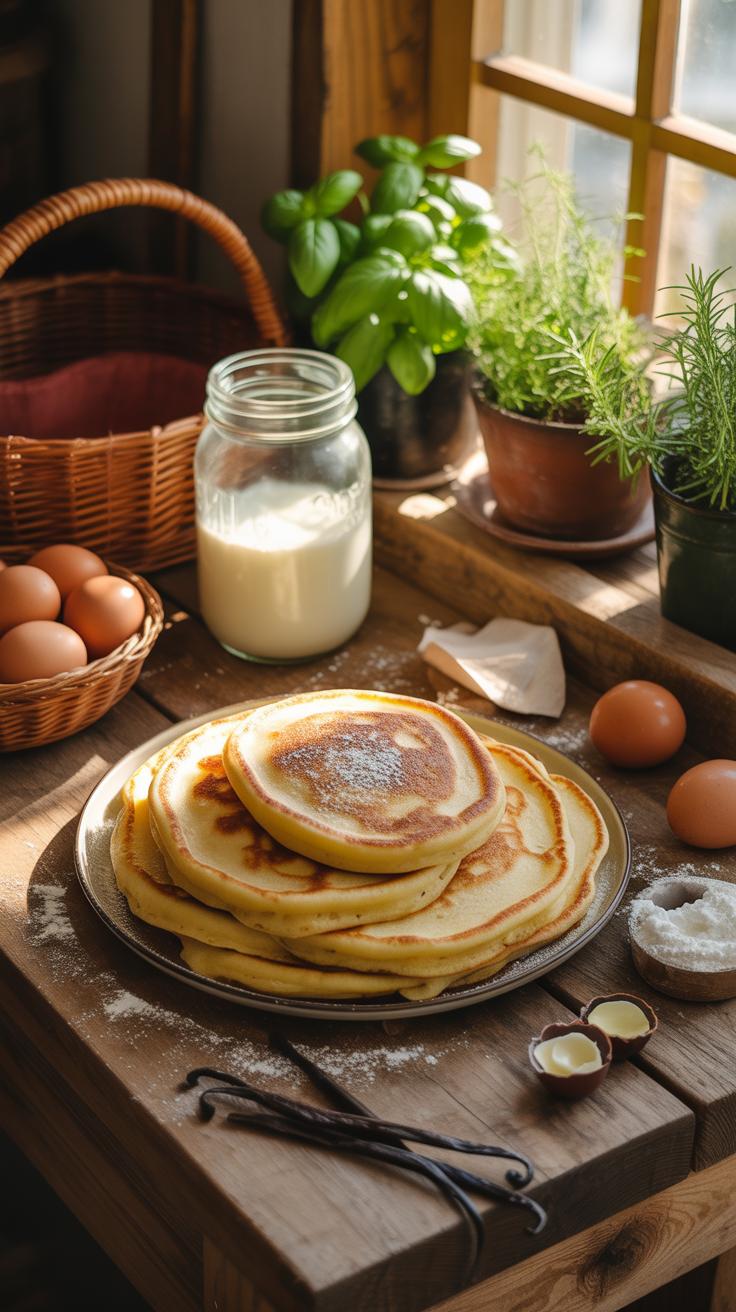
German pancakes rely on a high ratio of eggs and milk to flour. This creates a thin liquid batter similar to a crepe. The eggs serve as the primary structural binder and the main source of moisture. During the baking process, the proteins in the eggs set quickly. This helps the pancake hold its famous tall and hollow shape after it rises.
The milk provides the necessary liquid to hydrate the flour proteins. It also contributes natural sugars that help the crust brown through the Maillard reaction. Using whole milk adds fat which creates a tender interior texture. This combination differs from a standard mini pancakes recipe which uses more flour for a cake-like crumb. The result is a custard-like center and a crisp exterior.
Why German Pancakes Use No Leavening Agent Like Baking Powder
Steam provides the lift for German pancakes instead of chemical leaveners like baking powder or baking soda. The high oven temperature turns the water in the milk and eggs into vapor instantly. This steam gets trapped inside the gluten and egg structure. The pressure forces the sides of the batter up the walls of the hot pan. This creates the signature puffy rim.
A chemical leavener would create small uniform bubbles throughout the batter. This would result in a dense and flat pancake rather than a hollow one. Manufacturers designed baking powder to work in heavy batters. German pancake batter stays light and liquid to ensure the steam can expand freely. Skipping these agents allows the pancake to reach maximum height. This technique relies on physics rather than chemistry.
How To Make Easy Mini Pancakes Step By Step On The Stovetop
Mixing And Preparing Your Easy Mini Pancake Recipe Batter
Sift your dry ingredients to eliminate clumps. Combine flour, sugar, baking powder, and a pinch of salt. Whisking ensures the leavening agent distributes evenly. This prevents uneven rising during the cooking phase. Use a separate bowl for wet ingredients including milk, egg, and melted butter. Proper aeration in this stage creates the structure needed for small, bite-sized pancakes that maintain their shape.
Do not overmix the batter. Stop stirring once the dry streaks disappear. Small lumps are acceptable and necessary. Overworking the flour develops gluten, which results in tough and rubbery pancakes. If the batter is too thick, add a teaspoon of milk. If it is too thin, the silver dollars will spread and lose their circular form. Let the batter rest for five minutes.
Cooking Tips For Perfectly Sized And Evenly Browned Pancake Bites
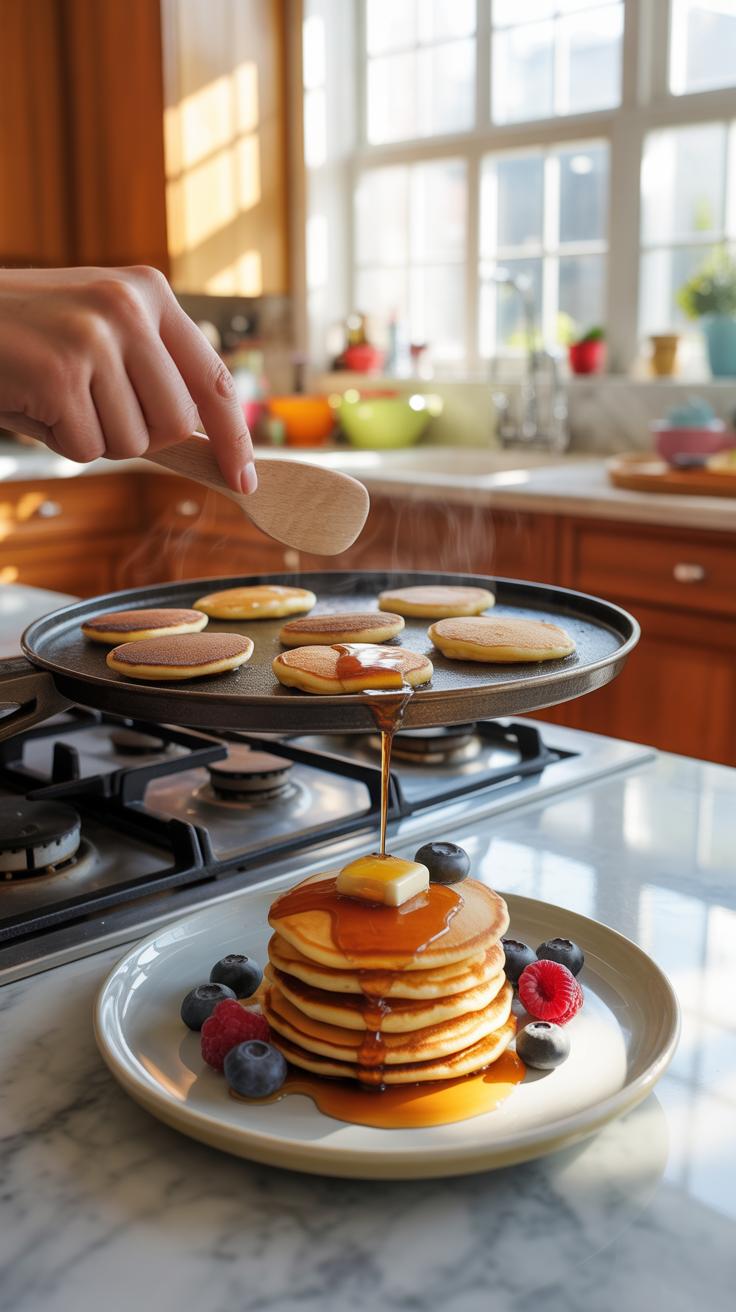
Consistency is the primary goal for mini pancakes. Use a non-stick griddle or a large flat saucepan. Precise portion control is mandatory for uniform cooking times. A squeeze bottle or a small tablespoon works best. This ensures every piece finishes at the same moment. Maintain medium-low heat to avoid burning the exterior while leaving the interior raw or undercooked.
- Heat Management: Preheat the pan thoroughly before adding batter. A drop of water should sizzle and evaporate instantly. Consistent heat prevents the first batch from sticking or pale coloring. Adjust the flame if the butter starts to smoke or brown too quickly.
- Portion Control: Use a piping bag or squeeze bottle for speed. Dispense exactly one tablespoon of batter per pancake. Space them at least one inch apart to prevent merging. Small portions cook much faster than standard cakes, requiring your full attention throughout the process.
- Flipping Timing: Watch for bubbles on the surface. When the edges look set and bubbles pop without filling back in, flip them. Use a thin offset spatula for precision. You only need to cook the second side for about thirty to sixty seconds until golden.
- Fat Choice: Apply a thin layer of neutral oil or clarified butter. Regular butter contains milk solids that burn at high temperatures. Wipe the pan with a paper towel between batches. This removes burnt bits and ensures a clean, professional finish on every single pancake.
- Batch Storage: Keep finished pancakes warm in an oven at two hundred degrees. Place them on a wire rack over a baking sheet. Do not stack them immediately or they will steam and become soggy. Proper airflow preserves the crisp exterior texture until you serve.
Focus on the visual cues of the batter. The first side takes roughly two minutes. The second side takes half that time. Small pancakes lose heat quickly due to their high surface area to volume ratio. Serve them immediately on warmed plates. This tactical approach ensures a professional result that outperforms standard breakfast preparations. Speed and precision are your two most important tools.
How To Make German Pancakes Oven Baked And Impressive
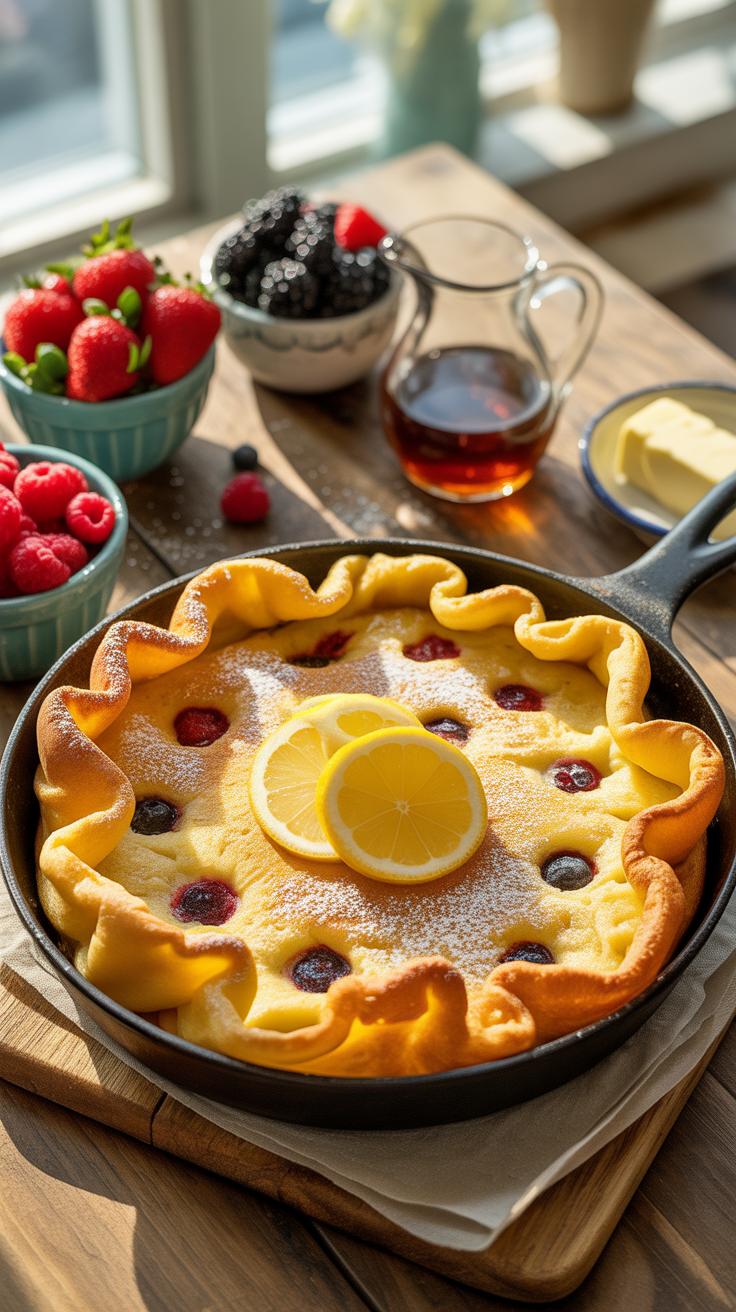
Preparing The Batter And Preheating Your Cast Iron Skillet
Place a ten inch cast iron skillet into the oven. Preheat the oven to four hundred twenty five degrees Fahrenheit. High heat represents the core mechanic of this dish. You must get the metal hot enough to melt butter instantly. A cold pan will ruin the rise. While the oven heats, combine eggs, milk, flour, and salt. Use a high speed blender for sixty seconds.
Mixing the batter in a blender incorporates air. This air creates the steam needed for the pancake to climb the walls of the pan. Traditional recipes call for equal parts liquid and dry ingredients. Ensure your milk and eggs reach room temperature before blending. Cold ingredients stall the thermal reaction. Once the oven reaches temperature, drop two tablespoons of butter into the hot skillet.
Baking Time, Temperature, And What To Expect As It Puffs
Pour the blended batter directly into the center of the melted butter. Do not stir the mixture. Return the skillet to the center rack immediately. Bake for fifteen to twenty minutes. Watch through the oven glass but do not open the door. Opening the door releases critical heat and causes the center to collapse. Sharp temperature drops kill the steam pressure.
The edges of the pancake will climb several inches above the skillet rim. The center remains thin and custardy while the sides turn dark golden brown. This dramatic shape defines the German pancake. It differs from the flat profile of a mini pancakes recipe. Remove the pan once the edges look crisp. Serve immediately while the structure is at peak height. The center will naturally fall soon.
Mini Pancake Recipe For Kids Why Little Ones Love Pancake Bites

Why The Small Size Makes Mini Pancakes Ideal For Children
Miniature pancakes provide a functional advantage for children due to their manageable surface area. Kids have limited dexterity and struggle with standard cutlery. Small discs allow them to eat without the need for constant adult assistance or cutting. This ease of consumption increases the speed of the meal. It also reduces mess because the pieces fit entirely within a child-sized mouth.
The small scale also allows for precise portion control. Parents can serve specific numbers of bites to match a child’s hunger level. This flexibility prevents food waste compared to large German pancakes that require slicing. The uniform thickness ensures even cooking and a consistent texture. Kids prefer this predictability in their food. These bites cool down faster than thick stacks. This means kids can eat immediately.
Fun Topping And Serving Ideas To Make Breakfast Exciting For Kids
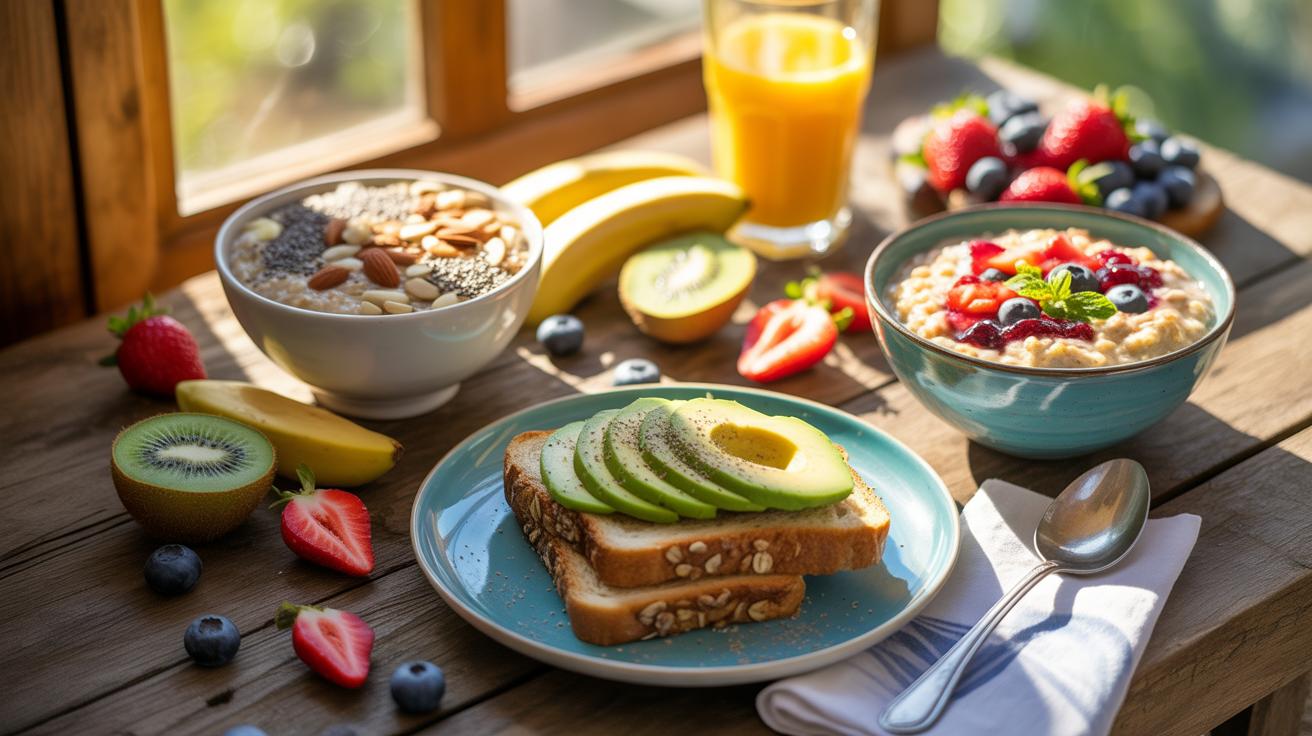
Effective topping strategies focus on grip and nutrition. Use Greek yogurt as a high-protein dip for the pancake bites. It acts as a healthy glue for fruit or seeds. Avoid thin syrups that cause sticky messes on clothing and furniture. Fresh berries provide natural sugars and fiber without the energy crash of refined syrup. Tactical placement of toppings builds interest and keeps children at the table.
Serve these bites in bowls rather than on flat plates. A bowl keeps the small pieces contained and makes them easier to scoop with a spoon. This method mimics cereal and speeds up the morning routine. You can also alternate pancakes with fruit on toothpicks or dull plastic skewers. This presentation turns breakfast into a handheld snack. It encourages independent eating and simplifies clean up tasks for the parents.
Serving Suggestions Topping Homemade Mini Pancakes Vs German Pancakes
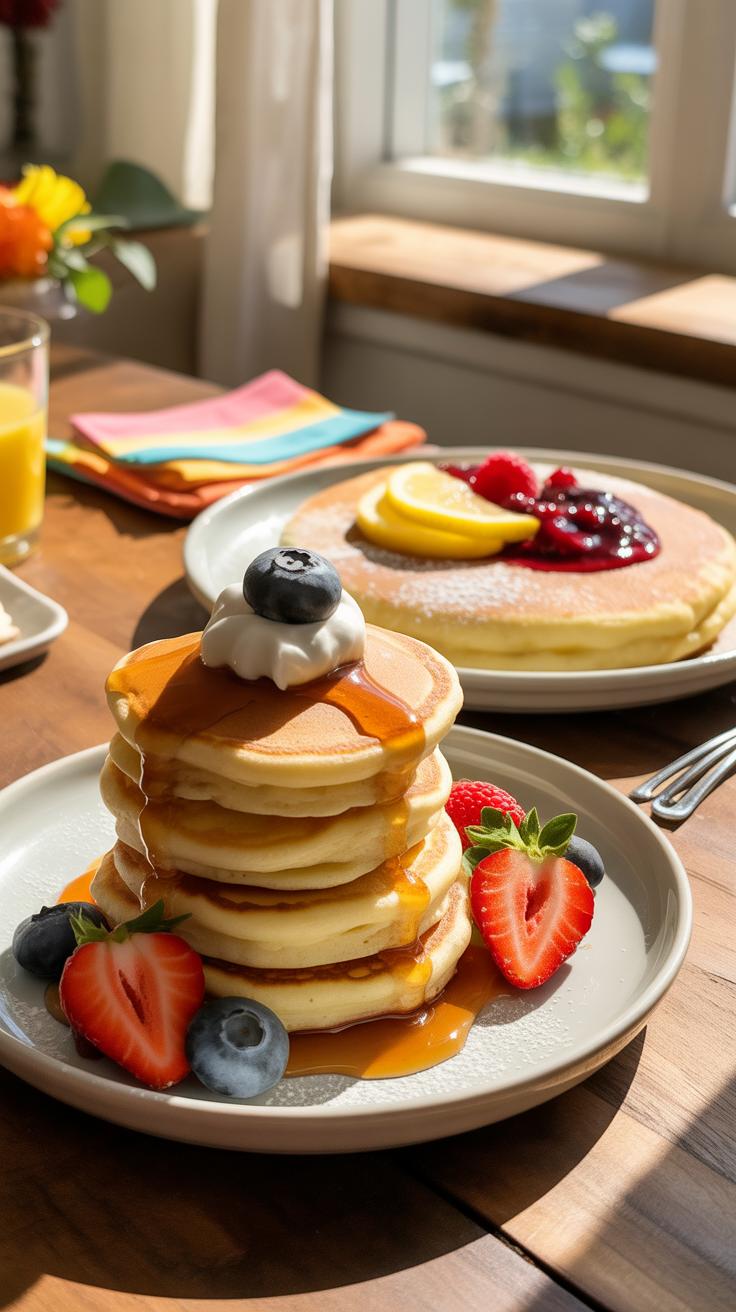
Classic And Creative Toppings For Homemade Mini Pancakes
Standard mini pancakes require toppings that adhere to small surface areas. Pure maple syrup remains the primary choice for moisture and flavor. High sugar content creates a glaze that prevents the small cakes from drying out. Spread softened butter on the cakes while they are hot to ensure even distribution. This method creates a rich base for further additions like fresh berries or sliced bananas.
Alternative toppings like nut butters and chocolate hazelnut spreads provide structural stability. These thick spreads act as an adhesive for nuts or seeds. Savory versions use whipped cream cheese or smoked salmon for high protein meals. Avoid heavy liquids that drown the small cakes quickly. Focus on small fruit pieces that match the scale of the pancake to ensure a balanced bite every time.
Traditional German Pancake Toppings: Lemon, Powdered Sugar, And More
Traditional German pancakes rely on simple ingredients to enhance the custard base. Squeezing fresh lemon juice over the hot surface is the standard technique. This acidity cuts through the heavy egg and butter content of the batter. Dust a heavy layer of powdered sugar immediately after the juice. The heat from the pan melts the sugar into a thin glaze that coats the tall sides.
European traditions often include fruit preserves or cooked apples. These toppings complement the airy texture without deflating the structure. Some regions use savory options like melted Gruyere cheese or sautéed mushrooms. Add these ingredients during the final minutes of baking for the best results. Stick to classic citrus and sugar if you want the most authentic flavor profile. This combination highlights the distinct bake of the dish.
Nutrition Comparison Easy Mini Pancakes Vs German Pancakes
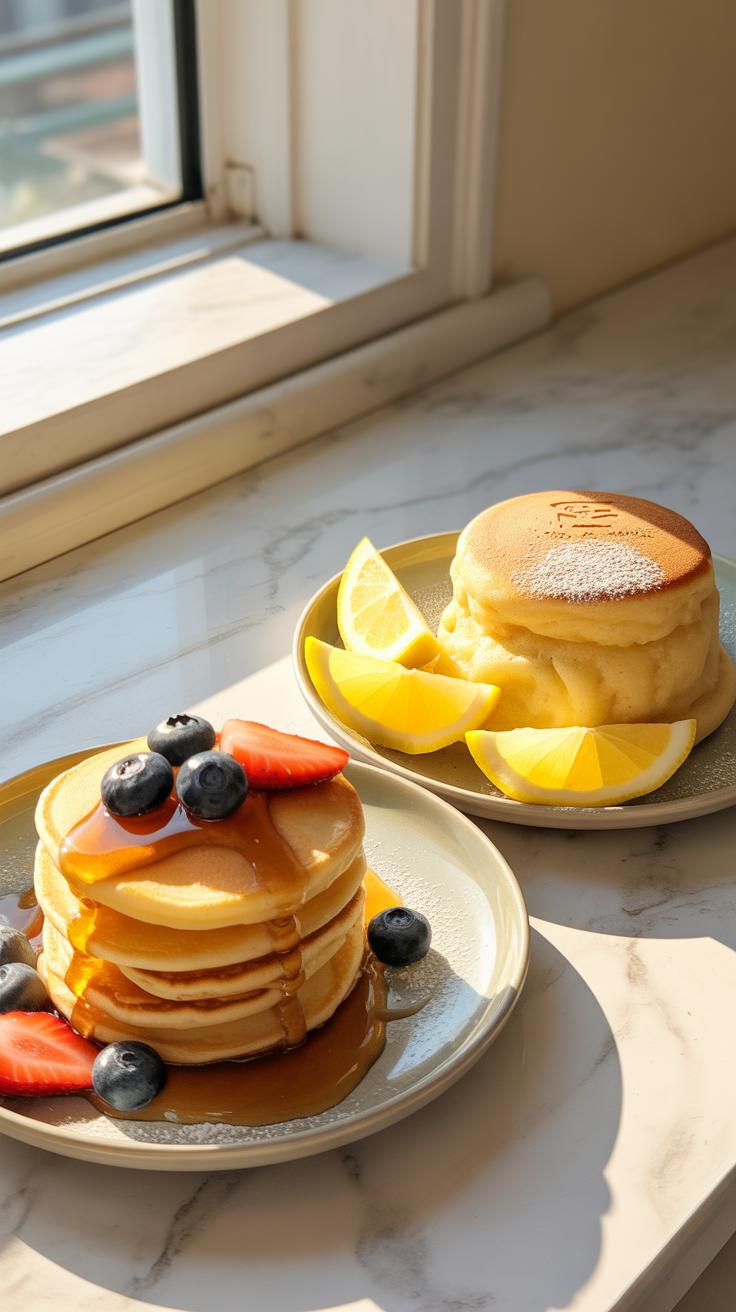
Calorie And Macronutrient Breakdown Of A Typical Mini Pancakes Recipe Serving
A standard mini pancakes recipe relies heavily on refined flour and sugar. One serving of about ten small silver dollar pancakes contains roughly 300 to 400 calories. Most of these calories come from carbohydrates. These cakes prioritize texture and volume over protein content. You get a quick boost of energy from the simple sugars and starches found in the processed white wheat flour.
Fat content stays moderate unless you add excessive butter to the skillet. Most recipes use milk and a single egg to bind the dry ingredients. This results in about 5 to 8 grams of protein per serving. Sodium levels can spike if you use pre-made mixes or too much baking powder for lift. Watch the syrup because it doubles the sugar impact instantly.
Whether you choose a tiny stack of silver dollars or a towering Dutch baby, the magic of breakfast is found in the joy of sharing the table.
— Julia Child
How German Pancakes Compare Nutritionally Due To Their Egg Heavy Batter
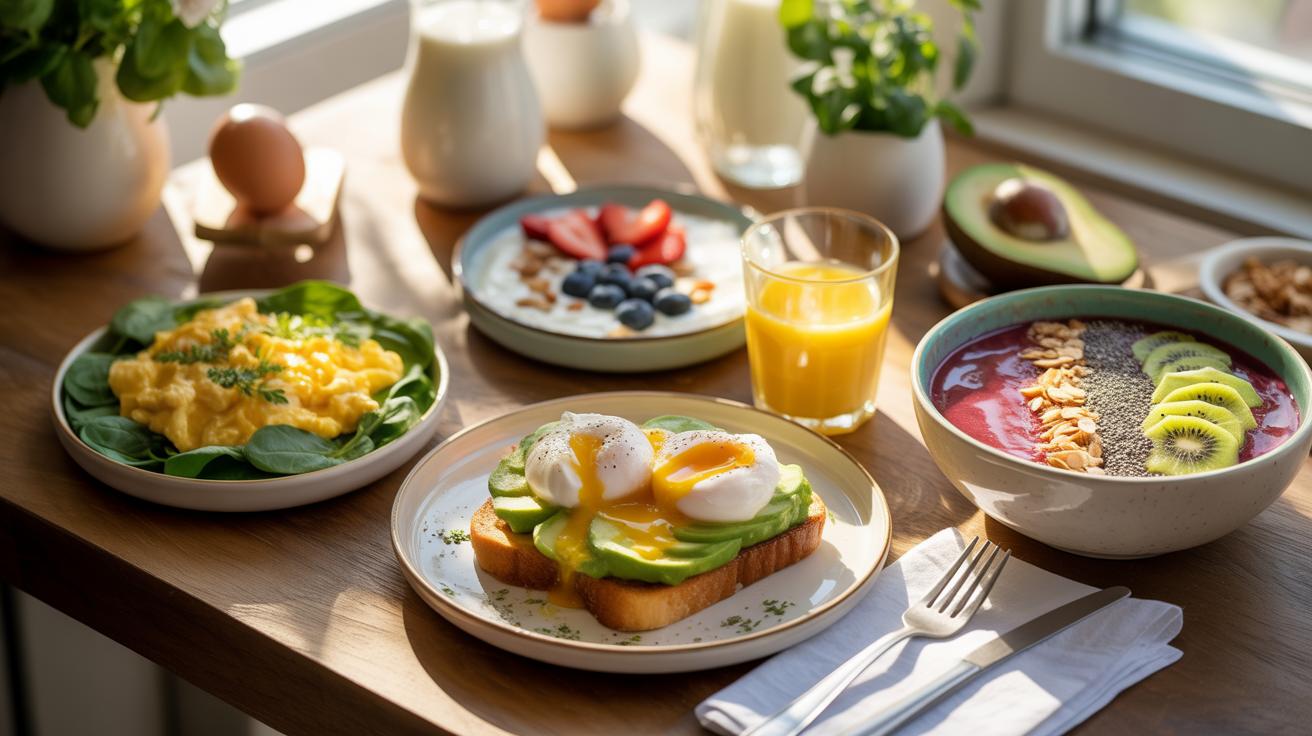
German pancakes use a distinct ratio of eggs to flour that shifts the nutritional profile toward protein. A standard recipe for one Dutch Baby uses four to six eggs. This creates a dense source of high quality protein and healthy fats. You consume more vitamins like B12 and riboflavin compared to the flour-based mini version. These pancakes provide more sustained energy through fat.
The carbohydrate count remains lower in German pancakes because the batter uses less flour for its structure. Air and steam create the rise instead of chemical leaveners. While the calorie count per pan is high, the satiety level is superior. You eat less because the protein signals fullness to your brain faster. Use this option if you need a meal that prevents mid-morning energy crashes.
Which Should You Make Choosing Between A Mini Pancake Recipe And German Pancakes

When To Choose Easy Mini Pancakes: Crowd Feeding, Meal Prep, And Kids
Select a mini pancake recipe when you must feed many people quickly. These small discs cook faster than full-sized cakes. Use a large griddle to produce dozens of units in minutes. This speed makes them ideal for large families or parties. You can serve them in bowls like cereal or on skewers. They offer high utility for guests who want to graze or eat standing up.
Efficiency is the main reason to choose this method for meal prep. These pancakes freeze better than almost any other breakfast item. Pack them into small bags for quick reheating in the toaster or microwave. They do not get soggy if you cool them on a wire rack first. Kids prefer them because they are easy to hold and eat without a fork. This saves time on cleanup and prep.
When German Pancakes Win: Effortless Elegance For Weekend Brunches
Choose German pancakes, also known as Dutch Babies, when you want a hands-off cooking process. This dish originated in the United States around the early 1900s. It uses a thin, egg-heavy batter similar to Yorkshire pudding or popovers. You pour the batter into a hot cast iron skillet and bake it. This eliminates the need to stand over a stove flipping individual cakes. It saves labor during busy mornings.
The German pancake excels at presentation because it rises high above the rim of the pan. It creates a natural bowl shape for fruit, lemon juice, or powdered sugar. Use this recipe for slow weekend brunches where visual impact matters. It serves two to four people from a single pan. This makes it more efficient for small groups than cooking batches of mini pancakes. It delivers a rich, custardy texture.
Frequently Asked Questions

What is the main difference between mini pancakes and German pancakes?
The primary difference lies in the texture and cooking method. Mini pancakes, often called silver dollar pancakes, are small, fluffy discs cooked on a flat griddle and leavened with baking powder. In contrast, a German pancake (or Dutch Baby) is a large, egg-rich batter baked in a cast-iron skillet. While use of a mini pancakes recipe yields bite-sized snacks, the German version puffs up into a dramatic, custard-like centerpiece.
What is the secret to making perfectly round mini pancakes at home?
For a consistent shape, use a squeeze bottle or a small cookie scoop to portion your batter. This ensures every piece in your mini pancakes recipe is uniform in size. Preheating your griddle to medium-low is essential; if the pan is too hot, the edges will brown before the center sets. Aim for about two tablespoons of batter per pancake, and flip only once small bubbles appear and stay open on the surface.
Are these pancake styles budget-friendly for a large family brunch?
Both styles are incredibly affordable as they rely on pantry staples like flour, eggs, milk, and sugar. German pancakes are slightly more convenient for crowds because you bake one large tray rather than flipping individual portions. However, mini pancakes are excellent for stretching ingredients, as a single batch of batter produces dozens of servings. They are an accessible, high-reward treat that makes a simple weekend breakfast feel like a gourmet celebration.