

What Makes A High Protein Pancake Different From A Regular One
The Role Of Protein In Pancake Batter Structure
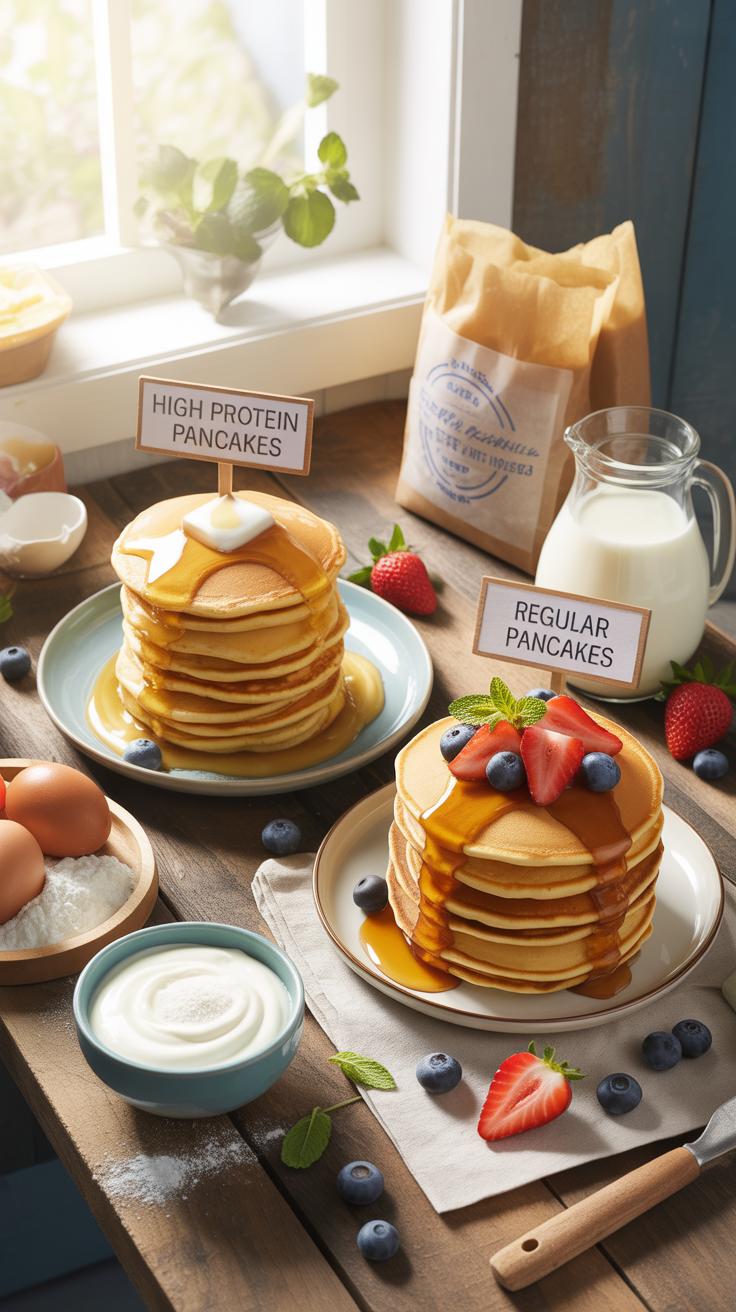
Regular pancake batter relies on wheat gluten for structure. When you add protein powders, you change the chemistry of the mix. Whey protein acts as a drying agent and absorbs moisture rapidly. This creates a thicker batter that sets quickly on the heat. You must balance these powders with enough liquid to prevent a rubbery or tough final product.
Egg whites and Greek yogurt provide structural integrity without the heavy carb load of flour. These ingredients trap air during the mixing process. This aeration helps the batter rise despite the lack of traditional leavening agents. High protein batters require careful handling to maintain this air. Over-mixing will collapse the bubbles and result in a flat, dense disc instead of a pancake.
How Protein Content Affects Taste Texture And Satiety
Protein powders alter the flavor profile through sweeteners and stabilizers. Isolate powders often have a metallic or chalky aftertaste compared to traditional flour. To fix this, you must use fats like butter or oil to carry the flavor. Texture changes from light and airy to dense and chewy. Achieving a soft crumb requires precise ratios of wet to dry ingredients.

The main benefit of this shift is metabolic efficiency. Protein takes longer to digest than simple carbohydrates. This slow digestion prevents the insulin spikes associated with standard pancakes. You feel full for several hours instead of crashing after sixty minutes. High protein versions turn a sugary breakfast into a functional meal that supports muscle recovery and long term energy levels.
Choosing The Right Ingredients For The Best Protein Pancakes
Best Protein Powder Types To Use In Pancake Batter
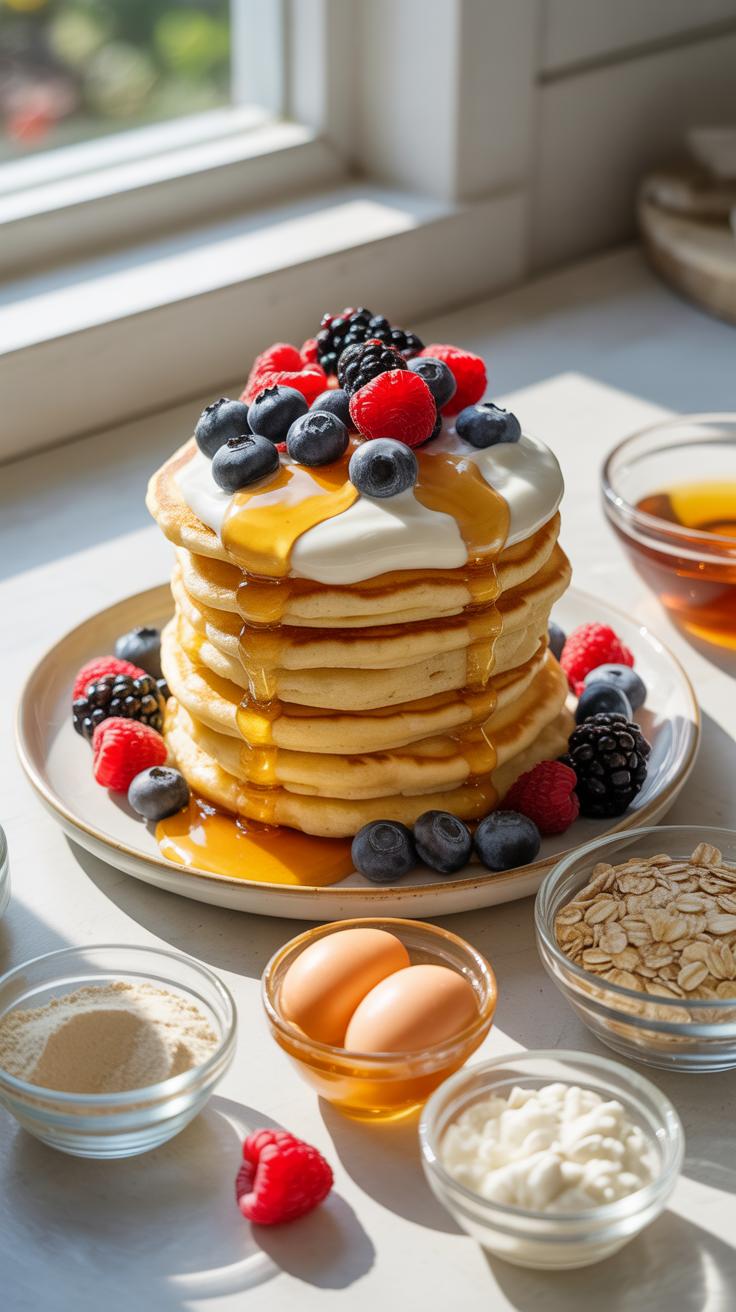
Whey protein isolate is the standard for fast absorption but often fails in baking. Pure whey dries out when heated. It creates a rubbery texture that ruins the pancake. You must use a whey and casein blend for the best results. Casein absorbs more liquid and stays stable under heat. This combination ensures the batter retains moisture and mimics the structure of traditional wheat flour.
Plant based proteins offer a different structural advantage. Pea and brown rice proteins are naturally thicker and more absorbent than animal proteins. They provide a dense crumb that holds up well during flipping. However, these powders require more liquid to prevent a chalky mouthfeel. Always match your protein choice to your goals for moisture. Selecting the wrong powder type will result in a flat and dry final product.
Key Supporting Ingredients That Boost Flavor Without Sacrificing Nutrition
Proper leavening and moisture control determine the final rise. You cannot rely on protein powder alone to create volume. Functional fats and natural acids react with leavening agents to produce carbon dioxide. This process creates the air pockets necessary for a light texture. Using these specific ingredients allows you to reduce sugar while maintaining a high quality flavor profile and a soft bite.
- Greek Yogurt: This ingredient adds moisture and thickness without excessive calories. The acidity reacts with baking soda to create a significant rise. It provides a tangy flavor that balances the sweetness of the protein powder. Use non-fat versions to keep the macronutrient profile lean and high in protein.
- Baking Powder: You must use fresh baking powder for maximum lift. This chemical leavener creates air bubbles as soon as the batter hits the hot griddle. It compensates for the heavy weight of protein powders. Without it, your pancakes will be dense and thin. Always measure this ingredient accurately.
- Egg Whites: Pure egg whites provide structural integrity without the fat found in yolks. They act as a binder that prevents the pancake from falling apart during the flip. Whipping them slightly before adding them to the batter introduces extra air. This technique is essential for achieving a restaurant style height.
- Cinnamon: This spice provides a perception of sweetness without adding any sugar or carbohydrates. It masks the industrial aftertaste often found in cheaper protein supplements. Cinnamon also helps stabilize blood sugar levels after a meal. It is a cost effective way to improve the overall taste of your breakfast.
- Oat Flour: Blending rolled oats into a fine powder provides a complex carbohydrate source. It offers more fiber and a better texture than white flour or almond flour. Oat flour holds moisture effectively and prevents the protein from becoming tough. It creates a hearty soul for the pancake that keeps you full.
Final texture depends on the ratio of dry to wet components. You must achieve a thick consistency that pours slowly. If the batter is too thin, the pancakes will spread and lose their fluffiness. Allow the batter to sit for five minutes before cooking. This wait time lets the leavening agents activate and the fibers hydrate. Proper preparation ensures every bite is soft, flavorful, and nutritionally dense.
The Complete Fluffy Protein Pancakes Recipe YouLl Actually Want To Make Again
Full Ingredient List With Measurements And Substitution Options
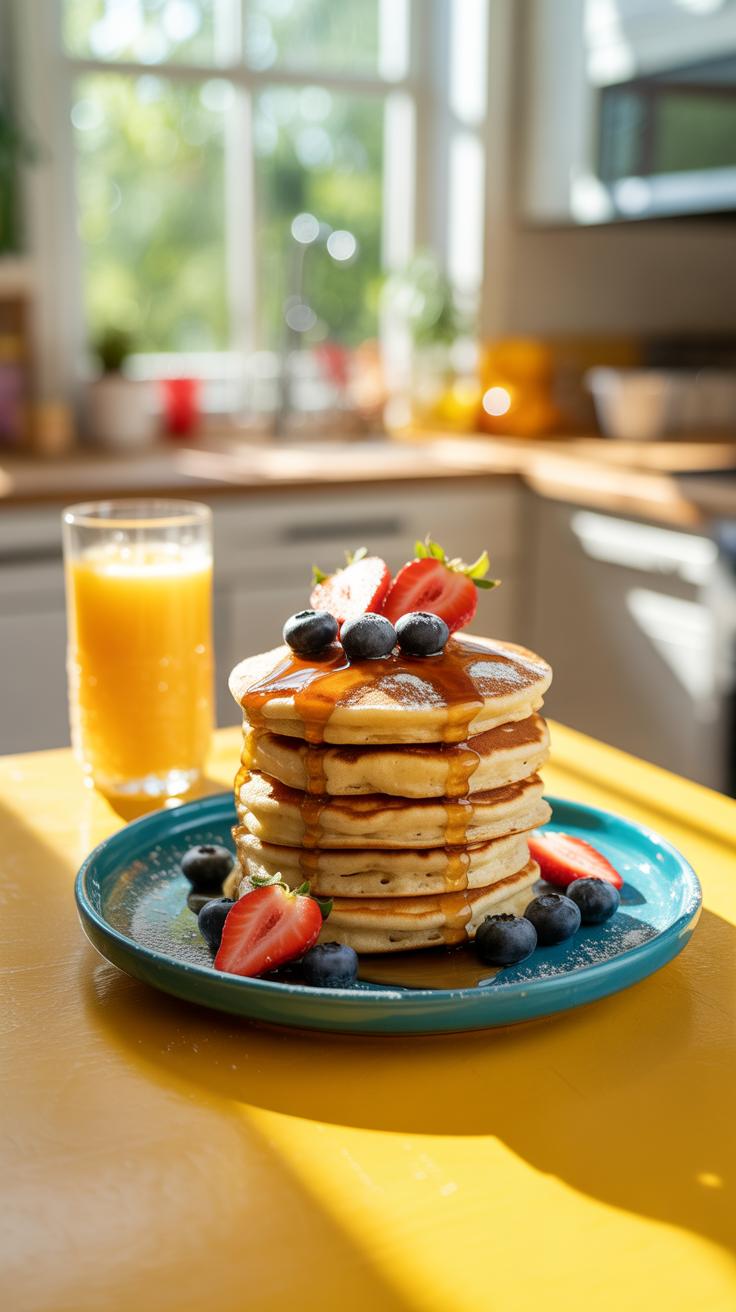
Assemble one cup of oat flour and one scoop of whey protein isolate. Use five grams of baking powder for lift. Add one large egg and half a cup of Greek yogurt for moisture. These ingredients provide the structural foundation. Real food sources ensure the texture remains edible. Avoid casein protein because it absorbs too much liquid. This makes the final product dry and dense.
Substitute oat flour with almond flour if you need a lower carbohydrate count. Use egg whites to reduce fat content while maintaining protein levels. Plant based protein powders work but require more liquid. Add ten milliliters of water or milk to balance the thickness. Stick to Greek yogurt for the best chemical reaction with baking powder. This interaction creates the air pockets necessary for a light stack.
Step By Step Mixing And Cooking Instructions For Perfect Results
Combine dry ingredients in a large bowl first. Whisk them to remove clumps and distribute the leavening agent. Add wet ingredients and stir until just combined. Do not overmix the batter. Excessive stirring develops gluten or toughens protein fibers. Let the mixture rest for five minutes. This time allows the flour to hydrate. It results in a thicker batter that holds its shape.
Heat a nonstick griddle to medium heat. Use a light coating of oil or butter. Pour thirty milliliters of batter for each pancake. Wait for bubbles to form on the surface before flipping. Cook the second side for ninety seconds. Use a flat spatula for a clean lift. Maintain consistent heat to prevent burning the exterior while the center remains raw. Serve immediately for the best texture.
The Science Behind Fluffy Protein Pancakes Getting The Texture Right
Why Overmixing Ruins Fluffiness And How To Avoid It
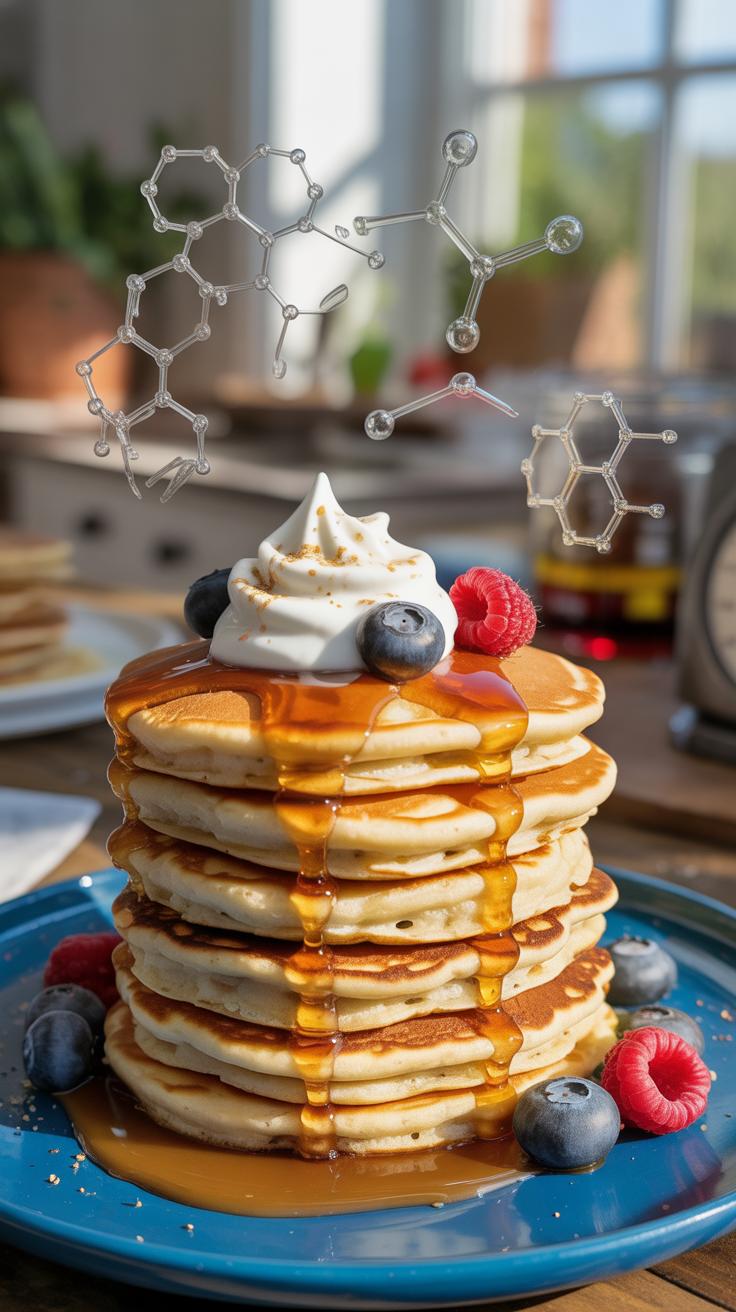
Mixing pancake batter triggers gluten development. Gluten is a protein found in wheat flour that creates a rubbery network. When you stir too much, this network becomes strong and tight. This process traps the air bubbles too firmly and prevents the batter from rising. Overmixed batter results in a flat, chewy pancake. You want a tender crumb instead of a bread-like texture.
Stop mixing as soon as the dry and wet ingredients meet. Small lumps in the batter are acceptable and necessary. These pockets of flour break down during the cooking process and help maintain a light structure. Use a folding motion with a spatula rather than a whisk. This technique preserves the air pockets you need for height. Treat the batter gently to ensure a soft final product.
Real nourishing food should taste like a warm memory from your mother’s kitchen. You deserve protein pancakes that actually taste good and fuel your soul as much as your body.
The Function Of Leavening Agents Like Baking Powder In A Light Batter
Baking powder is a chemical leavener that contains an acid and a base. When it touches liquid, it creates carbon dioxide gas immediately. Heat from the griddle causes a second release of gas. These bubbles expand inside the batter as it sets. This expansion is what creates the lift in your pancakes. Without this reaction, your protein pancakes will stay dense and heavy.
Check the expiration date on your baking powder before starting. Old leavening agents lose their potency and fail to produce enough gas. Protein powders often make batter heavy, so you may need more leavener than a standard recipe calls for. Use fresh baking powder to counteract the weight of the protein. Proper measurement ensures the chemical reaction is strong enough to lift the thick batter effectively.
How To Make Fluffy Protein Powder Pancakes Without A Rubbery Texture
Why Protein Powder Can Make Pancakes Dense And How To Counter It
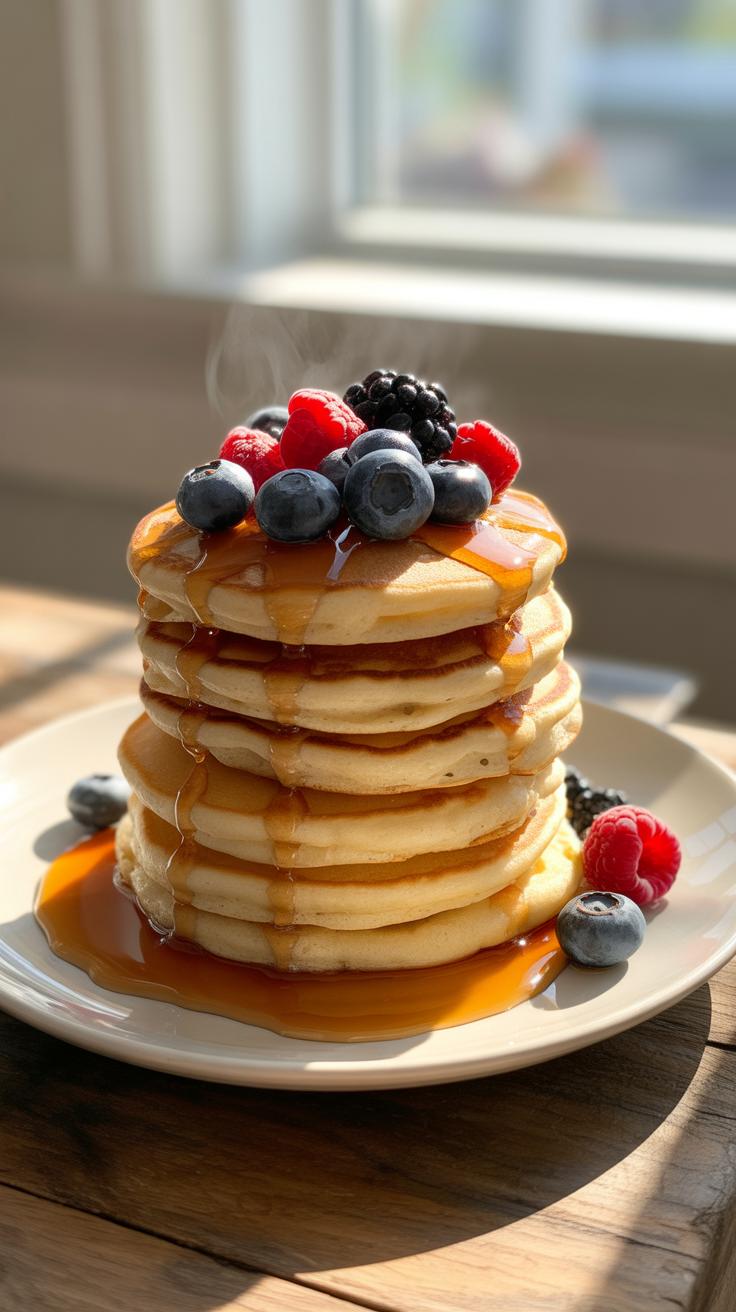
Protein powder acts as a drying agent in batter. Whey protein concentrate and isolate bind with moisture quickly. This process creates a structural mesh that turns tough when exposed to high heat. You must treat protein like a supplemental flour rather than a direct replacement. Over-mixing the batter activates gluten in the regular flour while the protein powder absorbs the liquid. This combination results in a rubbery disc.
To counter denseness, add the protein powder at the very end of the mixing process. Use a gentle folding technique instead of a whisk to maintain air pockets. Incorporate acidic ingredients like buttermilk or lemon juice to react with baking soda. This reaction creates carbon dioxide bubbles. These bubbles provide the necessary lift that protein powder usually suppresses. Control your heat to ensure the middle cooks without over-drying the exterior.
The Ideal Protein To Flour Ratio For A Soft, Tender Bite
Successful fluffy protein pancakes recipe results depend on the specific ratio of powder to starch. Never replace more than fifty percent of your flour with protein powder. A safe starting point for beginners is a one-to-three ratio of protein to flour. This balance ensures there is enough gluten and starch to hold structure. The starch protects the protein from becoming a chewy mass. It maintains the soft crumb of a traditional pancake.
Always weigh your ingredients with a digital scale for accuracy. Volume measurements vary based on how tightly you pack the powder. If the batter looks too thick, add one tablespoon of almond milk at a time until it reaches the correct consistency. Use oat flour or almond flour to increase the protein count naturally without the chemical behavior of processed powders. This strategic blending produces a pancake that feeds muscle while satisfying your palate.
Pro Tips For Making Extra Fluffy Protein Pancakes Every Single Time
Pan Temperature, Rest Time, And Other Cooking Techniques That Matter
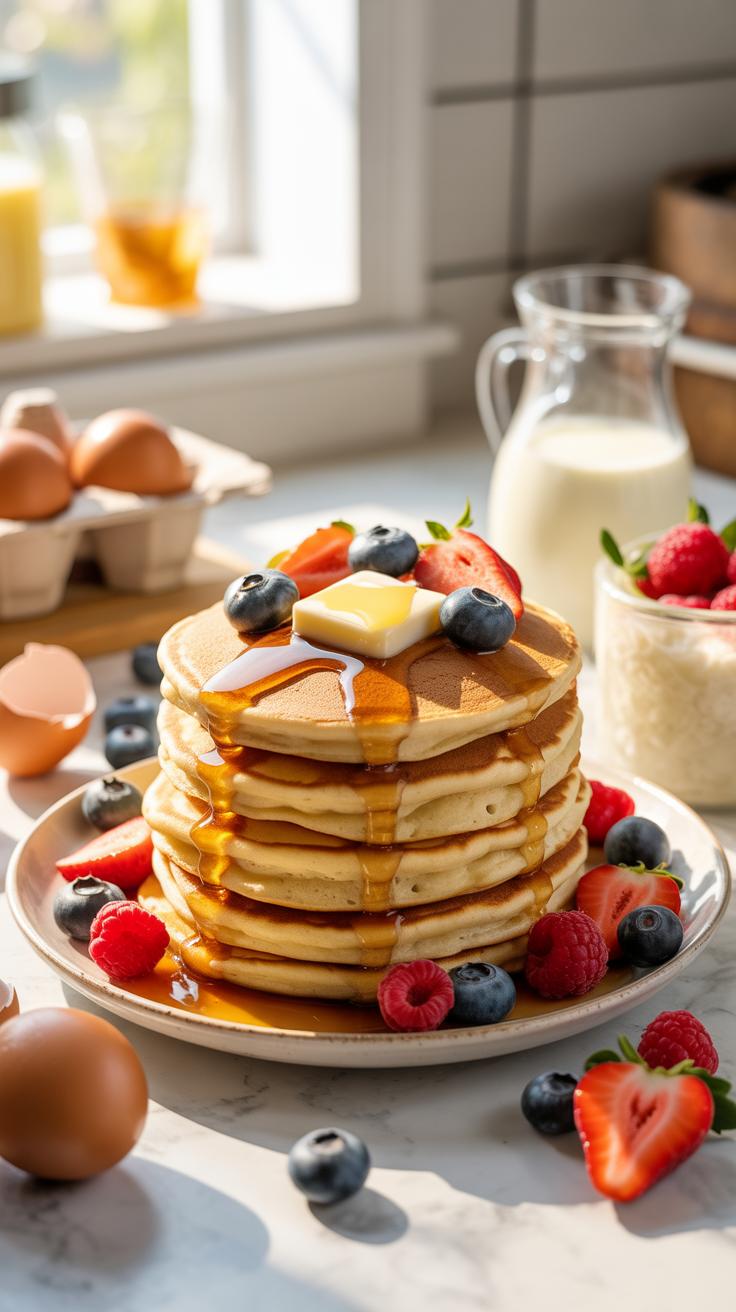
Heat management dictates texture. Preheating a heavy griddle ensures even heat distribution across the surface. Aim for medium-low heat to allow the center to cook before the exterior burns. Protein powder burns faster than wheat flour. Use a drop of water to test the surface. If it dances, the temperature is right. Maintain steady heat to prevent tough, rubbery edges on the cakes.
Batter resting is a non negotiable step for height. Let the mixture sit for ten minutes before cooking. This period allows the leavening agents to react and the flour to hydrate fully. Moisture absorption creates a thicker consistency that holds air better during the flip. You avoid thin, flat discs by respecting this chemical pause. Do not overmix after the rest or you will deflate the bubbles.
Simple Tweaks That Dramatically Improve Rise And Softness
Air incorporation is the primary driver of fluffiness in protein based batters. Standard protein powders are dense and lack the gluten structure found in traditional flour. You must manually introduce air and stabilize the structure using specific additives or mechanical methods. These tactical shifts change the crumb from dense and grainy to light and airy. Focus on the structural integrity of the batter.
- Separate Egg Whites: Whip egg whites to stiff peaks before folding them into the main batter. This mechanical aeration provides a structural lift that chemical leaveners cannot achieve alone. It creates a mousse-like texture that remains tall during the frying process.
- Use Casein Blends: Whey protein often dries out and flattens under high heat. Casein protein or a whey-casein blend absorbs more liquid and creates a thicker batter. This thickness prevents the pancake from spreading too thin on the griddle surface.
- Fresh Leavening Agents: Check the expiration date on your baking powder. Protein batters are heavy and require maximum chemical lift to rise. Using old powder results in flat cakes. Double the standard amount if your protein powder is particularly dense or high in fiber.
- Acidic Activation: Add lemon juice or apple cider vinegar to your liquid base. The acid reacts instantly with baking soda to produce carbon dioxide bubbles. This reaction happens fast so get the batter on the heat immediately after mixing to trap the air.
- Greek Yogurt Base: Replace some liquid with plain Greek yogurt for better moisture retention. The thick consistency of yogurt supports the air bubbles created by the leavened reaction. It also adds natural acidity which helps tenderize the protein strands for a softer bite.
Avoid overworking the batter at all costs. Mixing develops gluten and collapses the air pockets you worked to create. Stir until the dry ingredients are just moistened. Small lumps are acceptable and will disappear during the cooking process. Use a silicone spatula for gentle folding rather than a whisk for the final combine. Proper handling preserves the volume necessary for a light, professional finish.
How To Make Protein Pancakes For Different Dietary Needs
Dairy Free And Gluten Free Adaptations That Still Deliver On Taste
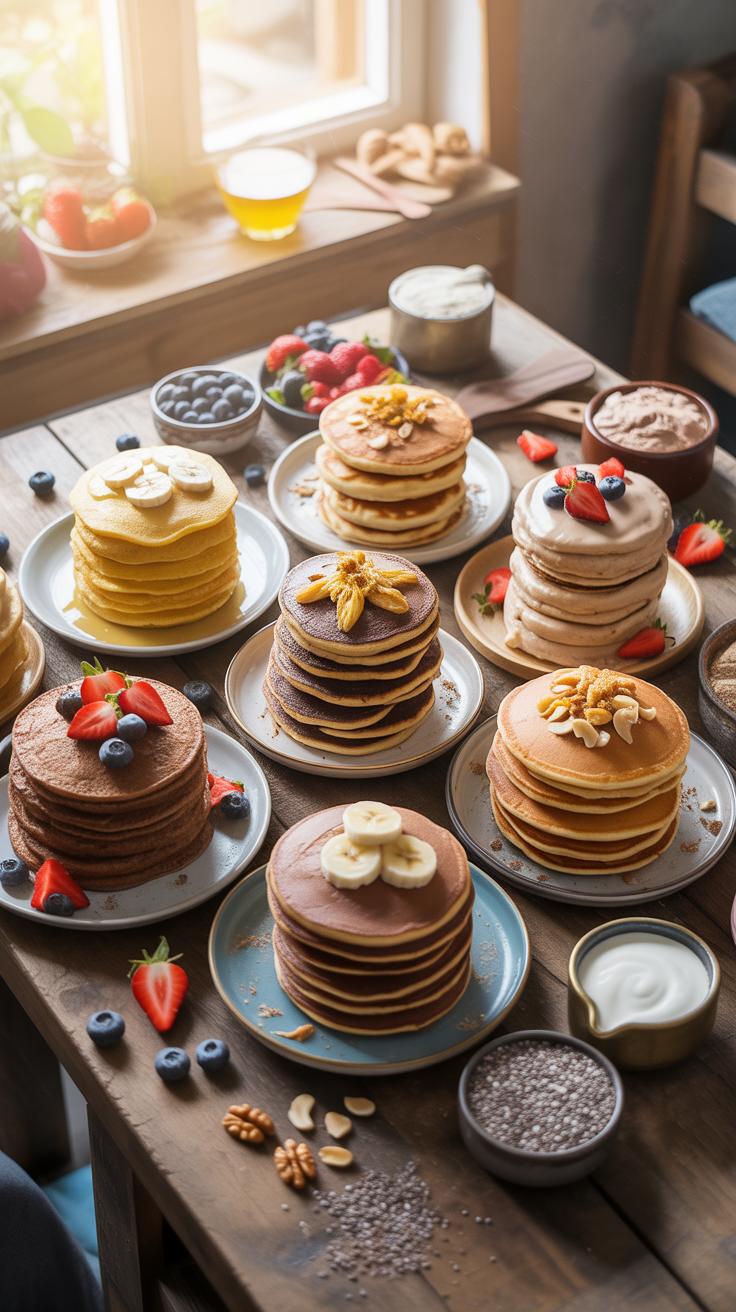
Standard fluffy protein pancakes recipe methods require specific structural swaps for dietary restrictions. Replace dairy milk with unsweetened almond or soy milk to maintain the liquid ratio. Substitute butter with refined coconut oil to ensure a neutral flavor profile. High quality gluten free flour blends containing xanthan gum provide the necessary elasticity. These changes preserve the structural integrity of the cake during the cooking process.
Whey protein concentrate lacks the fiber needed for gluten free baking. Switch to a blended protein powder or add one tablespoon of psyllium husk to the batter. This addition mimics gluten by trapping air bubbles. Use room temperature ingredients to prevent the coconut oil from seizing. This tactic ensures a smooth batter and a consistent rise on the griddle. Focus on density to achieve the desired height.
Vegan Protein Pancake Options Using Plant Based Ingredients
Vegan protein pancakes require a reliable binder to replace egg proteins. Create a flax egg by mixing ground flaxseed with water. Let it sit for five minutes until it thickens. Use pea protein or brown rice protein instead of whey. Plant proteins absorb more liquid than animal based powders. Increase the milk ratio slightly to prevent the batter from becoming too thick or chalky.
Avoid using too much leavening agent as it creates a metallic aftertaste. Mix apple cider vinegar with plant milk to create a vegan buttermilk. This reaction triggers the baking soda and creates immediate lift. Cook these pancakes over medium low heat. Plant based batters take longer to set in the center. Give the carbohydrates time to caramelize without burning the exterior. This method ensures a fully cooked interior.
Exploring More Protein Pancake Recipes Fun Variations To Keep Breakfast Exciting
Flavor Variations Like Banana, Blueberry, And Chocolate Chip
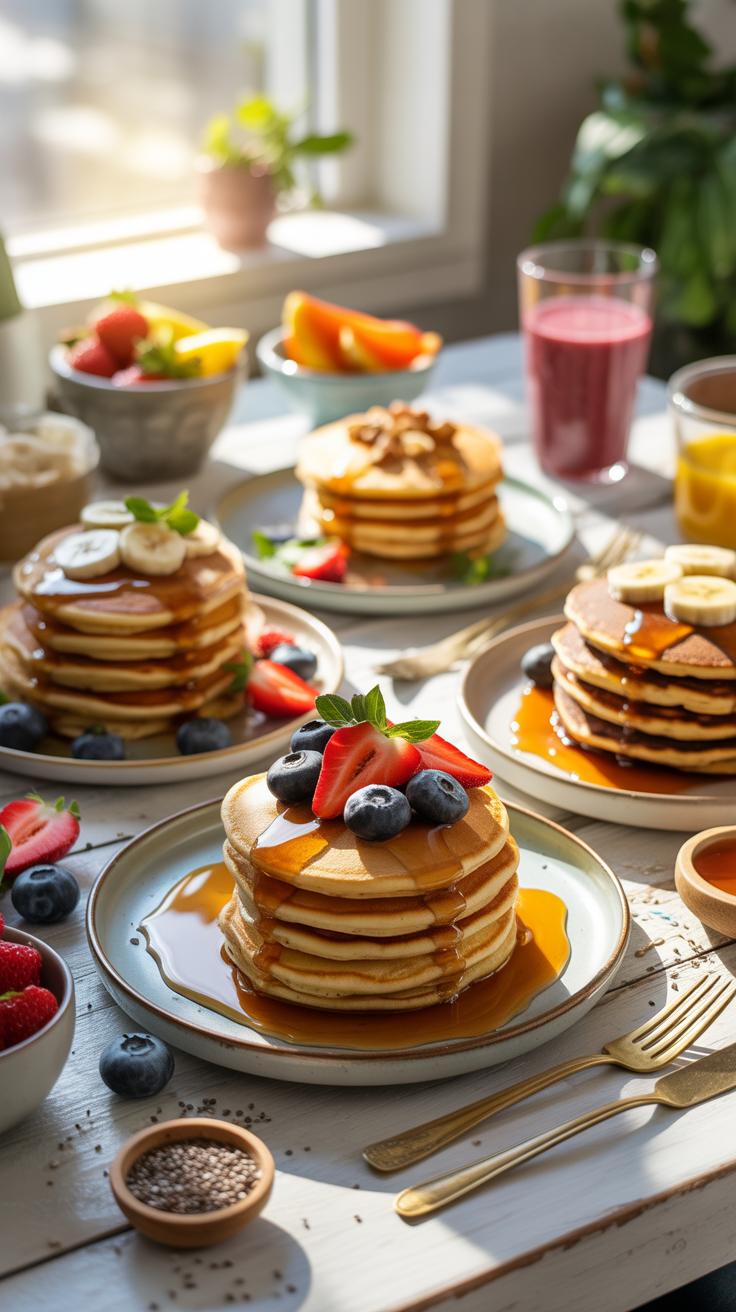
Add mashed banana to the wet ingredients to increase moisture and natural sugar. This fruit acts as a binder and improves the internal texture of the cake. High starch content in bananas provides a slow release of energy. Ensure the fruit is overripe to maximize sweetness without adding refined sugars. This modification helps maintain the fluffiness of the batter during the cooking process.
Incorporate fresh blueberries or dark chocolate chips directly into the batter after mixing. Fold these items in gently to avoid breaking the air bubbles created by the leavening agents. Cocoa solids in chocolate chips provide antioxidants while blueberries offer vitamin C. These additions change the glycemic load of the meal slightly. Use a low heat setting to prevent the sugar in the fruit or chocolate from burning.
Savory Protein Pancake Ideas For Those Who Skip THE Sweet Stuff
Remove vanilla extract and sweeteners from your base batter to create a neutral foundation. Substitute these with sea salt, cracked black pepper, or garlic powder for a savory profile. This shift increases the versatility of the meal beyond traditional breakfast hours. Savory versions function well as a high protein bread replacement. These modifications do not affect the rising action of the baking powder or soda.
Integrate chopped spinach or scallions into the batter for added micronutrients and fiber. Small amounts of shredded hard cheese like parmesan improve the structural integrity of the pancake through protein denaturation. Serve these pancakes with sliced avocado or a poached egg to increase healthy fat content. This approach focuses on sustained satiety and glycemic control. The high protein density remains the core functional benefit of this preparation method.
Nutritional Breakdown Of Healthy High Protein Pancakes And Why They Support Your Goals
Macronutrient Profile: How Much Protein, Carbs, And Fat To Expect Per Serving
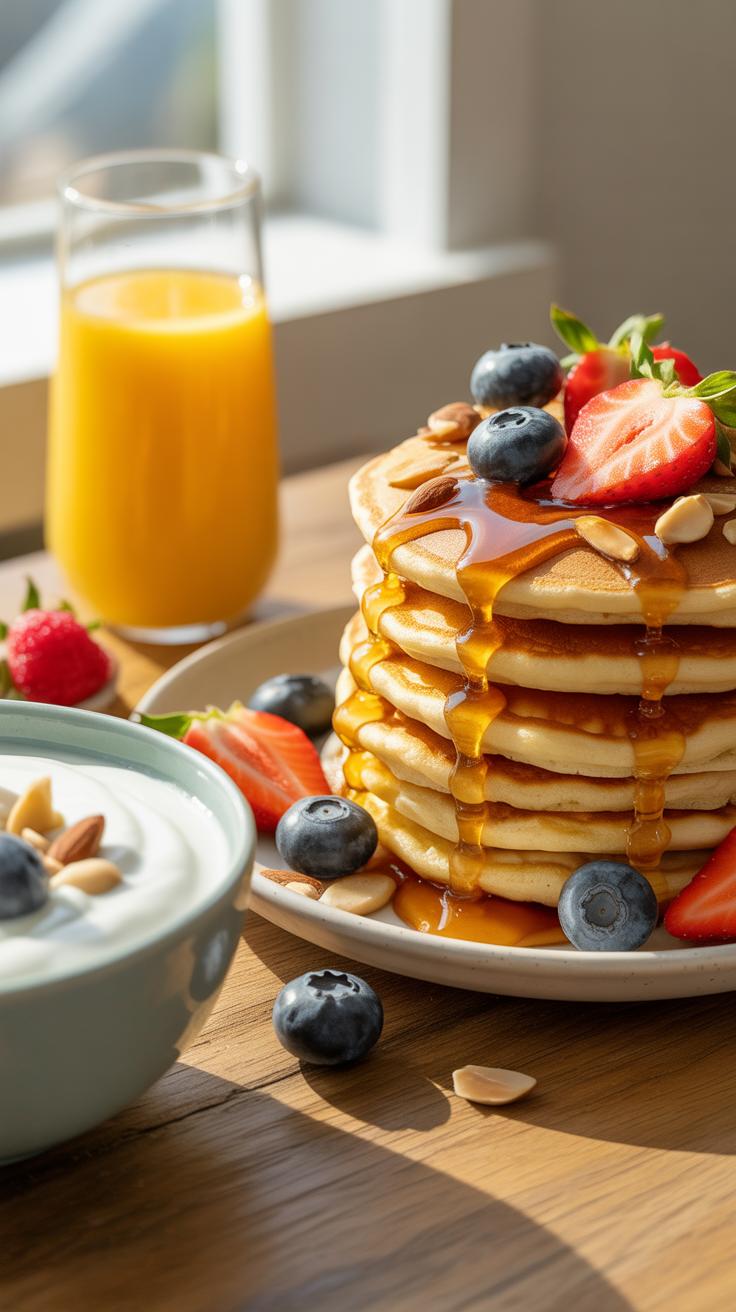
A standard serving of these pancakes delivers thirty grams of protein. This number comes from a combination of whey isolate and egg whites. Most recipes keep carbohydrates under twenty-five grams by using oat flour or almond flour instead of refined white flour. Total fats usually stay below eight grams per serving. These numbers provide a balanced metabolic fuel source for active individuals.
Precision in measurement ensures these macros stay consistent. Using cottage cheese or Greek yogurt adds volume without spiking the calorie count. This specific balance prevents the typical blood sugar crash associated with traditional breakfast foods. You get sustained energy levels because the fiber from the oats slows down digestion. This profile matches the requirements for a high-performance diet designed for lean muscle maintenance.
How High Protein Breakfasts Support Muscle Recovery And Weight Management
Starting your day with thirty grams of protein triggers muscle protein synthesis. This process repairs muscle fibers damaged during exercise. Leucine is an amino acid found in whey and eggs that drives this recovery. Consuming these nutrients early stops the body from breaking down its own muscle tissue for energy. It provides the raw materials needed for physical repair immediately.
High protein meals increase satiety by regulating hunger hormones like ghrelin. You feel full for longer periods compared to eating a high-carb breakfast. This reduces the urge to snack on low-quality foods later in the morning. Better appetite control leads to a consistent caloric deficit for weight loss. Protein also has a higher thermic effect. Your body burns more energy just to process and digest it overall.
Frequently Asked Questions

Why do protein pancakes usually turn out dry or rubbery?
Traditional protein pancakes often fail because many protein powders act like a sponge, absorbing moisture and creating a grainy texture. To achieve a delicious result, you need a balanced ratio of wet ingredients like Greek yogurt or mashed banana to counteract the dry powder. Using a quality fluffy protein pancakes recipe ensures your breakfast stays light and airy rather than dense, giving you a restaurant-quality meal that supports your fitness goals.
How do I get my protein pancakes to be thick and airy?
The secret to a perfect stack is all in the leavening and the batter consistency. Avoid overmixing the batter, which develops gluten and makes them tough. Let the batter rest for five minutes before cooking to allow the baking powder to activate properly. When using a fluffy protein pancakes recipe, cook them on medium-low heat and wait for bubbles to form on the surface before flipping to ensure they rise beautifully.
Can I make high-protein pancakes without using expensive supplements?
Absolutely! You do not need pricey tubs of powder to enjoy a protein-packed breakfast. You can create a nutritious base using accessible pantry staples like oats, cottage cheese, or egg whites. Blending cottage cheese into your batter provides a massive protein boost and an incredibly creamy texture. This budget-friendly approach is a fantastic alternative for those who prefer whole-food ingredients while still enjoying a satisfying and healthy morning meal.