
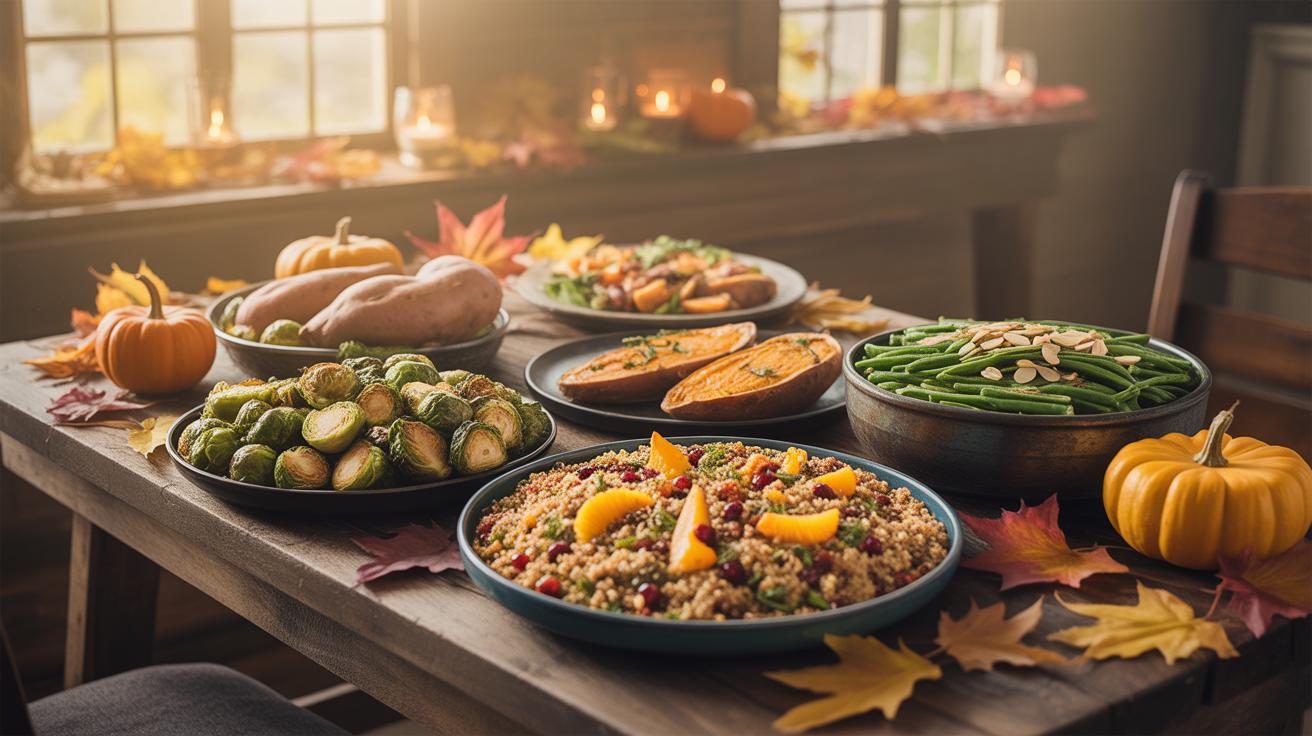
Why Choosing Healthier Thanksgiving Sides Makes A Real Difference At The Table

The Nutritional Impact Of Traditional Vs. Lighter Holiday Side Dishes
Standard holiday sides rely on heavy cream, refined sugar, and saturated fats. These ingredients cause rapid blood sugar spikes and energy crashes. Traditional green bean casseroles and candied yams often exceed individual daily limits for sodium and added sugar in one serving. High caloric density in these dishes reduces the nutritional value of the meal. Lighter versions prioritize fiber and micronutrients instead.
Strategic side dish selection manages the glycemic load of the entire meal. Replacing heavy starches with fibrous vegetables improves digestion and satiety. This prevents the physical discomfort often linked to holiday overeating. Lighter dishes provide essential vitamins like A, C, and K without excess calories. Choosing nutrient dense sides ensures guests feel energized rather than lethargic. This tactical shift improves the overall health profile of the event.
How Swapping Ingredients In Classic Recipes Adds Nutrition Without Sacrificing Flavor
Smart ingredient swaps maintain traditional textures while increasing health benefits. Use Greek yogurt instead of sour cream to add protein and probiotics to mashed potatoes. Replace white sugar with maple syrup or fruit purees to lower the glycemic index. These changes do not ruin the dining experience. They provide the same creamy mouthfeel and sweetness with better fuel for the body. Flavor profiles remain strong.
Focus on dry roasting techniques to intensify natural sugars without adding butter. Use fresh herbs and citrus juices to provide acidity and brightness. This removes the need for excessive salt. Switch from canned produce to fresh or frozen options to avoid preservatives. Tactical substitutions allow you to serve familiar favorites with improved macros. You gain control over what goes into every dish. This strategy ensures a high quality meal.
Meal Prep Strategies For Easy Healthy Thanksgiving Side Dishes All Week Long
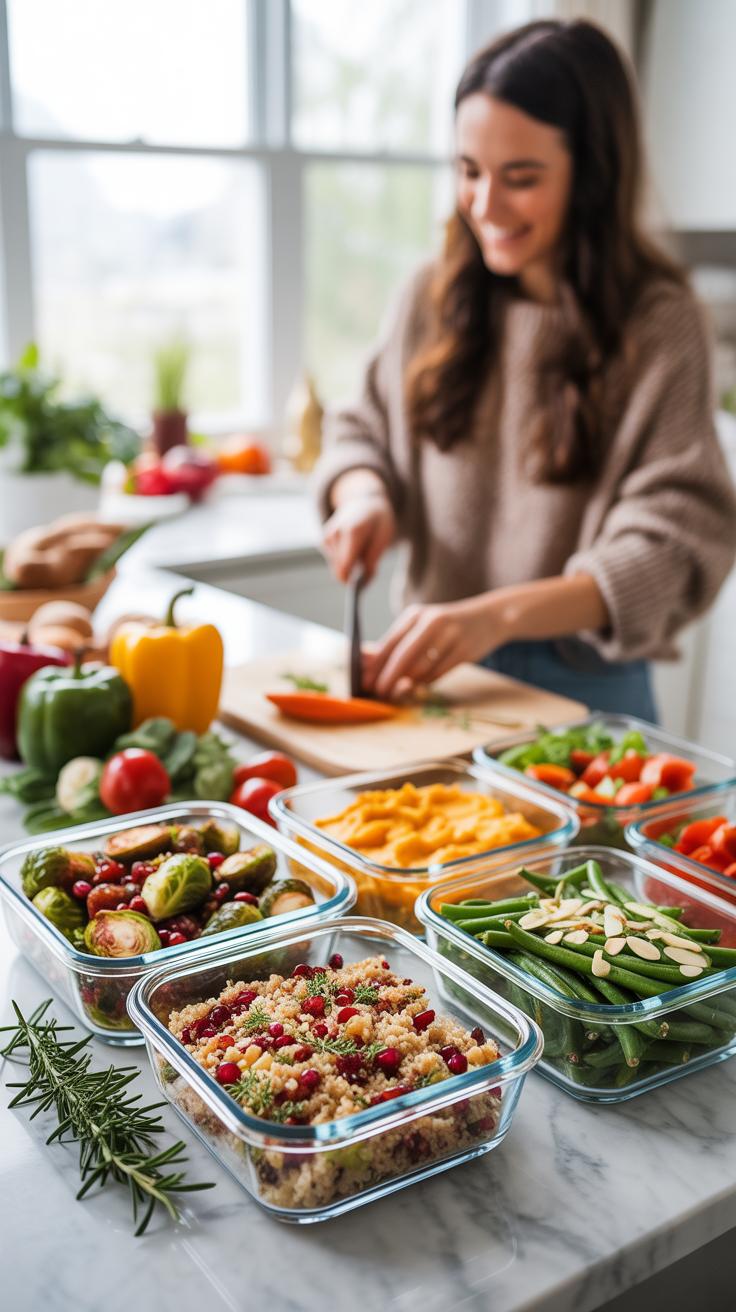
How To Build A Thanksgiving Prep Schedule That Keeps Sides Fresh And Flavorful
Divide your tasks by the shelf life of your ingredients. Start three days early with hearty vegetables like squash and carrots. Peel and chop these items to save time on the holiday. Store dry produce in airtight containers to prevent oxidation. This strategy ensures you only focus on active cooking when guests arrive. Efficiency requires separating prep from final execution to maintain food quality.
Focus on dressing and sauce preparation forty-eight hours before the meal. Vinaigrettes for salads and bases for vegetable glazes gain depth when stored in the refrigerator. Wash and dry your greens early but keep them separate from wet ingredients. High moisture levels lead to wilting and mushy textures. Consistent temperature control and proper sequencing prevent last-minute stress. Clear schedules produce better results than chaotic cooking.
Essential Kitchen Tools And Storage Tips For Prepping Sides Days In Advance
Invest in the right gear to maintain your healthy thanksgiving sides throughout the week. Glass storage containers offer the best chemical resistance and visibility. Precise cutting tools reduce cellular damage to vegetables, which keeps them crisp for longer periods. Vacuum sealers or high-quality silicone bags remove air to stop spoilage. These tools are the foundation of a professional and clean kitchen workflow.
- Mandoline Slicer: This tool creates uniform thickness for root vegetables like sweet potatoes or parsnips. Consistent size ensures even roasting and professional presentation. Always use the safety guard to prevent injuries during high-speed preparation.
- Glass Herb Keepers: Fresh herbs like sage and rosemary provide flavor without adding sodium. These specialized containers maintain high humidity and airflow to keep delicate leaves from turning brown or losing their essential oils.
- Stackable Glass Containers: Glass does not leach chemicals or absorb odors from strong ingredients like garlic or onions. The stackable design maximizes vertical space in crowded refrigerators during the busy days leading up to the main meal.
- Digital Food Scale: Accuracy matters when balancing flavors in low-calorie recipes. Measuring ingredients by weight instead of volume ensures consistency across different batches of dressings or grain-based sides like quinoa and farro salads.
- Bentonite Clay Produce Bags: These bags absorb ethylene gas which speeds up the ripening process. Use them for leafy greens and cruciferous vegetables to extend their lifespan by several days without losing vital nutrients or crunchy textures.
Proper labeling remains the most overlooked step in professional meal preparation. Use painter’s tape and permanent markers to record contents and prep dates on every lid. This prevents confusion when working quickly in a hectic environment. Arrange your refrigerator using the first-in-first-out method. Organize your prepped components by their cooking time to streamline the final assembly. Sharp organization leads to superior flavor.
Roasted Vegetable Recipes That Belong On Every Thanksgiving Table
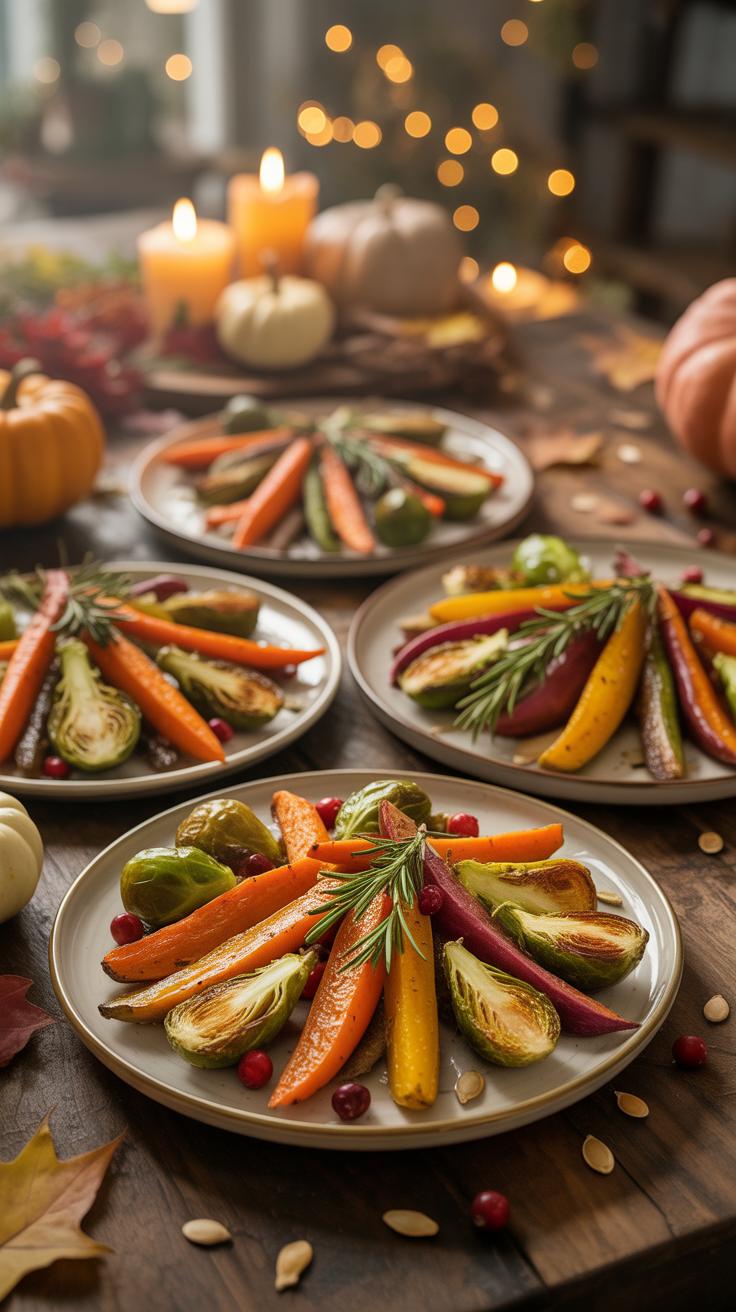
Why Roasting Unlocks Natural Sweetness And Nutrients In Seasonal Fall Vegetables
Roasting uses dry heat to spark the Maillard reaction. This chemical process browns the surface of vegetables and develops complex flavors. High temperatures break down long-chain starch molecules into simple sugars. This process makes root vegetables like carrots and parsnips taste sweeter without added cane sugar. You get better flavor profiles by using heat instead of fatty sauces or heavy glazes.
Dry heat also preserves water-soluble vitamins better than boiling. Submerging vegetables in water leaches out nutrients like Vitamin C and B-complex vitamins. Roasting keeps these nutrients inside the plant structure. Using a small amount of healthy oil helps the body absorb fat-soluble vitamins like A, D, E, and K. This method provides maximum nutritional density for every serving on your Thanksgiving plate.
Best Vegetable Pairings And Seasoning Combinations For Oven Roasted Holiday Sides
Effective vegetable pairings require matching densities and cook times for even results. Combine Brussels sprouts with halved shallots to balance bitterness with savory notes. Pair squash with red onions to provide a sharp contrast to the starch. You must cut all pieces to a uniform size. Small pieces cook faster and develop more surface area for browning. This ensures every vegetable reaches the same texture.
Choose hardy herbs that withstand high oven temperatures without burning. Rosemary, thyme, and sage provide classic holiday aromas and antioxidant benefits. Toss vegetables in oil and dry spices before they hit the pan. This coating creates a barrier that prevents moisture loss while flavoring the interior. Avoid adding fresh garlic until the final ten minutes of cooking. Early addition causes garlic to burn and turn bitter.
Heart Healthy Thanksgiving Side Dishes That Support Your Wellbeing
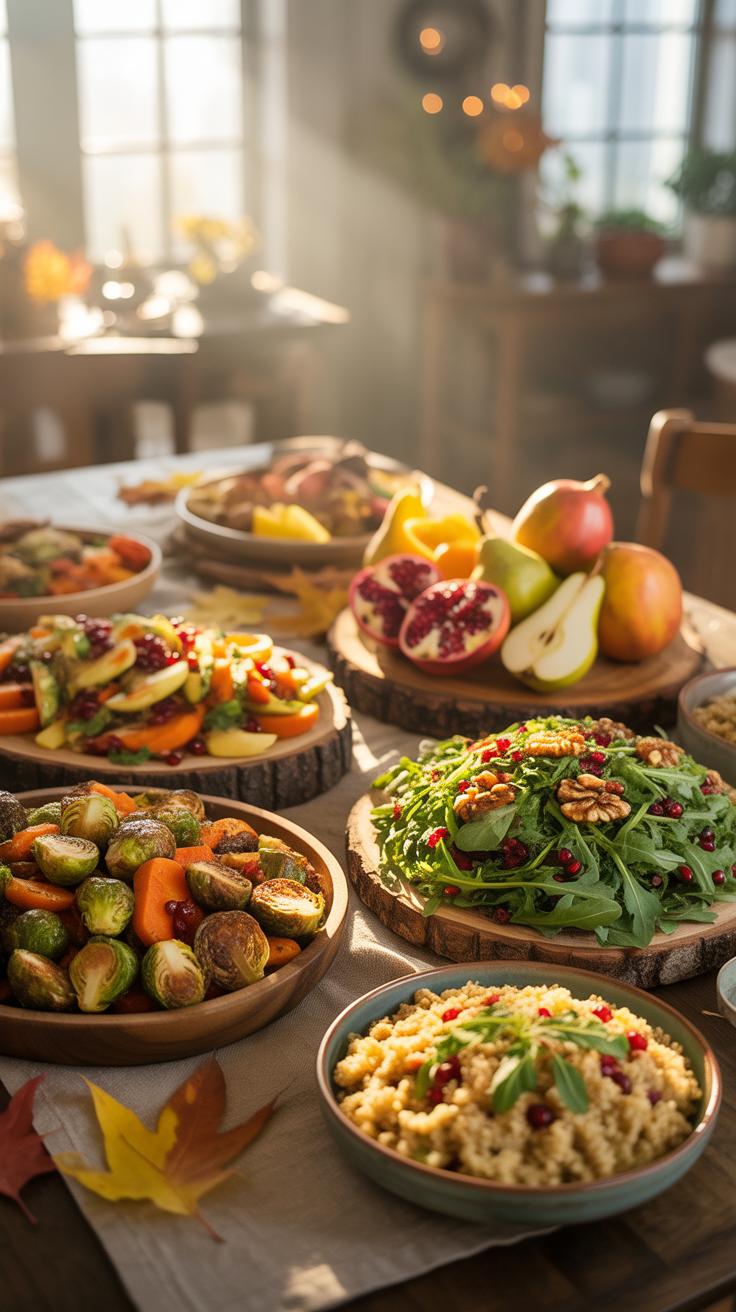
Ingredients To Prioritize For Cardiovascular Friendly Holiday Cooking
Focus on fiber and unsaturated fats to protect the heart. Select dark leafy greens like kale or spinach over iceberg lettuce. These provide nitrates that improve blood flow. Use walnuts and pecans for crunch instead of fried toppings. Seeds and nuts offer omega three fatty acids which lower bad cholesterol. Choose whole grains like farro or wild rice to keep blood sugar stable tonight.
Swap butter for high quality olive oil. Olive oil contains polyphenols that reduce inflammation in the body. Use beans or legumes to bulk up stuffing recipes. They add plant protein and soluble fiber without adding cholesterol. Replace cream with pureed cauliflower or silken tofu for a smooth texture. These swaps maintain the density of the dish while stripping away the heavy animal fats.
How To Reduce Sodium And Saturated Fat In Beloved Thanksgiving Side Dish Classics
Cut salt intake by using fresh herbs and citrus. Parsley, thyme, and rosemary provide intense flavor without raising blood pressure. Use lemon juice or apple cider vinegar to brighten heavy dishes. Most traditional recipes rely on salt for taste because they lack acidity. Adding acid allows you to reduce the total salt content by half. This tactic protects your heart during the big meal.
Eliminate saturated fat by ditching canned soups and heavy creams. Make a basic roux with olive oil and flour for a lighter sauce base. Roast your vegetables instead of boiling them to lock in natural sugars. High heat caramelizes the produce and removes the need for sugar or butter glazes. Use plain Greek yogurt as a substitute for sour cream. It provides a tangy profile with more protein.
Healthy Thanksgiving Recipes Side Dishes Centered Around Whole Grains And Legumes
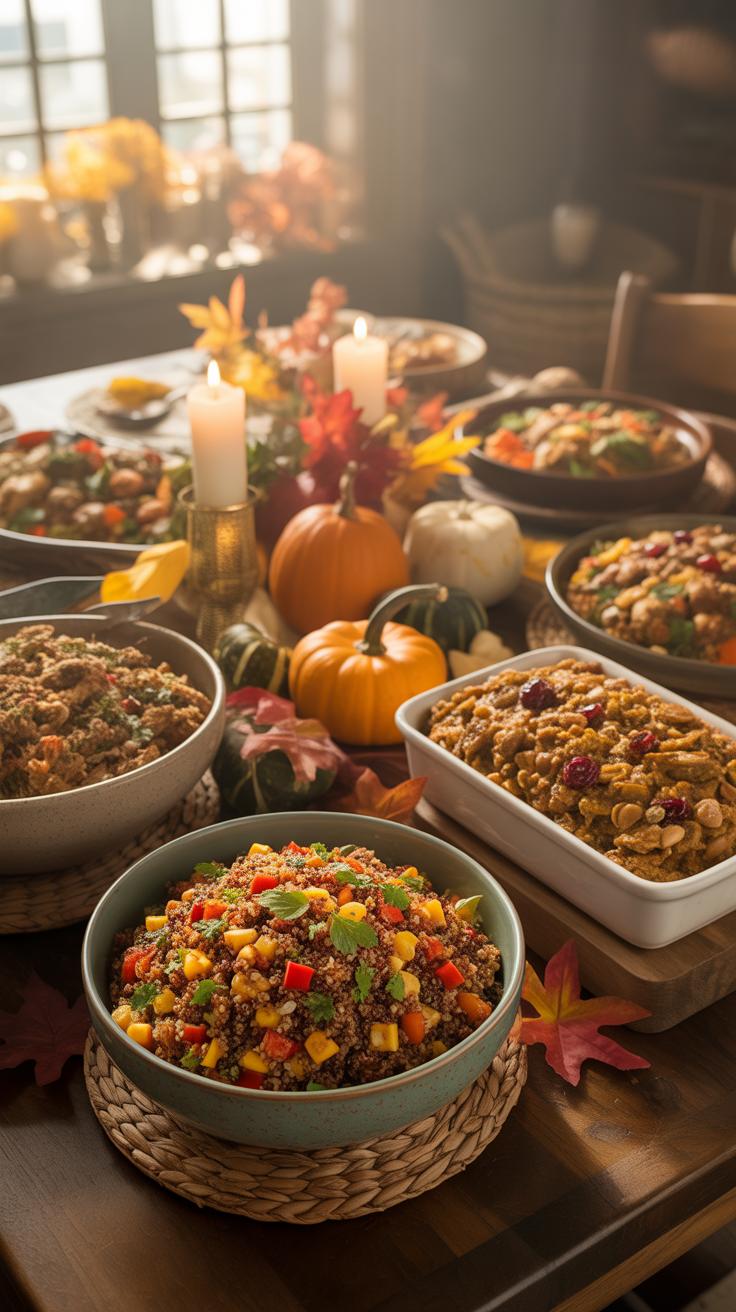
Why Whole Grains Like Farro, Wild Rice, And Quinoa Shine At The Thanksgiving Table
Whole grains offer a dense nutritional profile compared to white bread stuffing. Farro provides a chewy texture and nutty flavor that holds up well under gravy. Wild rice brings a firm bite and deep earthy notes to the plate. Quinoa works as a gluten-free base that absorbs seasonings quickly. These grains provide steady energy because they contain fiber. This prevents the blood sugar spikes common with typical holiday desserts.
You can prepare these grains several days before the meal. They maintain their structure during reheating and do not get soggy in the refrigerator. Use low-sodium vegetable stock instead of water to increase the depth of flavor. Add fresh herbs like sage and rosemary during the simmering process. These ingredients mimic traditional stuffing flavors without the heavy refined carbohydrates. This strategic swap improves the nutrient density of the entire holiday spread.
Protein Packed Legume Based Sides That Complement Your Turkey Spread Beautifully
Legumes serve as an excellent plant-based protein source for your guests. Lentils and chickpeas add significant bulk and satiety to salads or warm sides. Roasted chickpeas provide a crunch that replaces traditional croutons. French green lentils hold their shape when cooked and pair perfectly with roasted root vegetables. These ingredients are affordable and store well in pantry conditions. They offer iron and folate which are often missing from standard vegetable sides.
Incorporate beans to balance the heavy fats found in butter-laden dishes. White beans pureed with garlic and olive oil create a healthy alternative to mashed potatoes. This dish offers more fiber and a lower glycemic index. You can season these legumes with lemon juice to cut through the richness of the turkey. Mixing legumes into grain salads increases the total amino acid profile of the meal. This approach ensures every guest stays full and energized throughout the evening.
Turkey Sides Healthy Enough To Impress Guests With Dietary Preferences
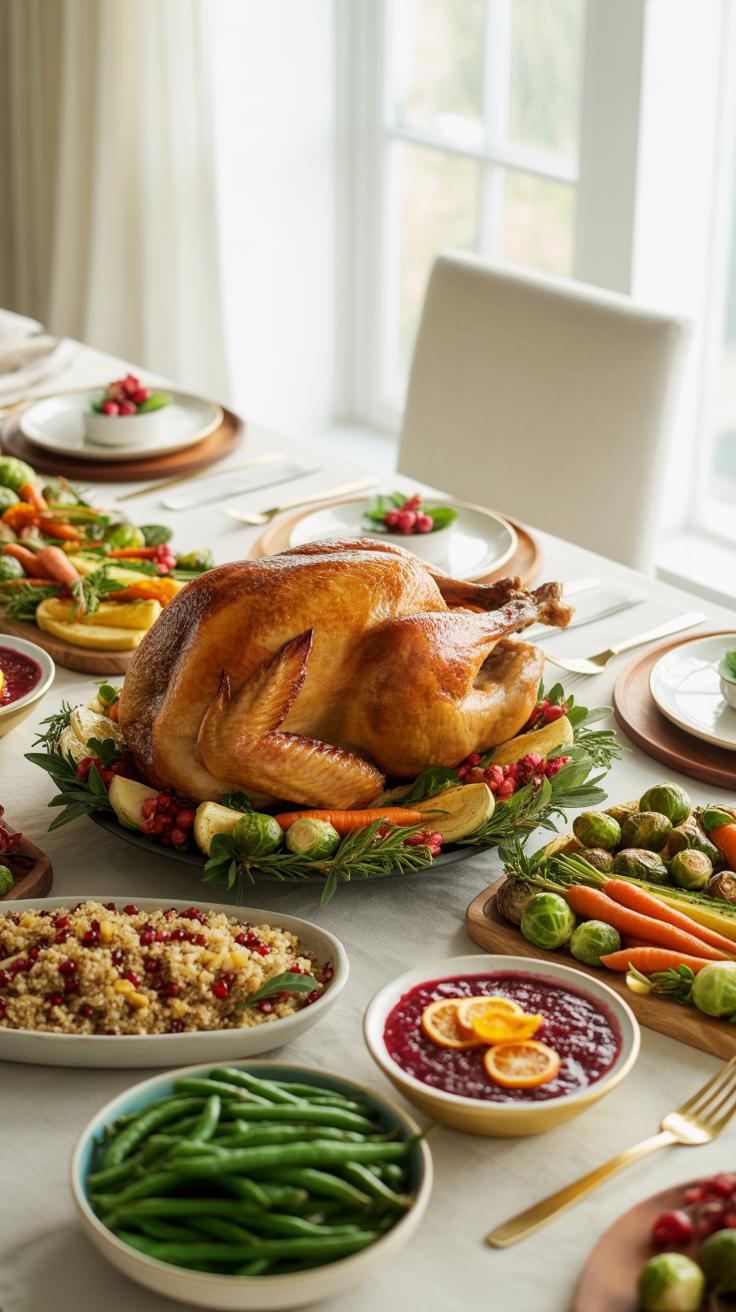
How To Create Thanksgiving Sides That Work For Gluten Free And Dairy Free Guests
Stop using wheat flour as a thickener for holiday sauces and gravies. Shift to cornstarch or arrowroot powder to provide a stable texture for gluten-free guests. These alternatives work better at high temperatures and prevent the grainy mouthfeel common in poorly executed grain-free recipes. Always verify that your spice blends do not contain hidden starches or fillers that compromise the dish.
Replace butter and heavy cream with high-fat plant alternatives to maintain flavor density. Refined coconut oil or extra virgin olive oil provides the necessary lipids for roasting vegetables. For creamy textures, use cashew cream or full-fat coconut milk. These fats mimic the richness of dairy without the digestive issues. This strategy ensures every guest eats the same dish, reducing your cooking workload.
Proper preparation is the greatest act of love you can bring to the holiday table. Nourishing your family with wholesome ingredients honors the traditions of the past while protecting the health of our future.
Plant Based Side Dishes That Pair Perfectly With Roasted Turkey On The Holiday Table
Focus on high-fiber root vegetables and cruciferous plants to balance the heavy protein of the turkey. Roasting carrots or Brussels sprouts at high heat triggers the Maillard reaction. This process browns the natural sugars and creates a savory depth. Use acidic finishers like lemon juice or balsamic vinegar to cut through the fat of the bird. This enhances the overall flavor profile.
Strategic seasoning determines the success of plant-based sides. Use fresh rosemary, thyme, and sage to mirror the aromatics used in the turkey preparation. This creates a cohesive meal experience across the entire plate. Legumes and grains like quinoa or toasted walnuts add necessary texture and crunch. These elements provide satiety for vegan guests while remaining light enough for those eating the traditional main course.
Light Thanksgiving Sides Featuring Seasonal Produce At Peak Freshness
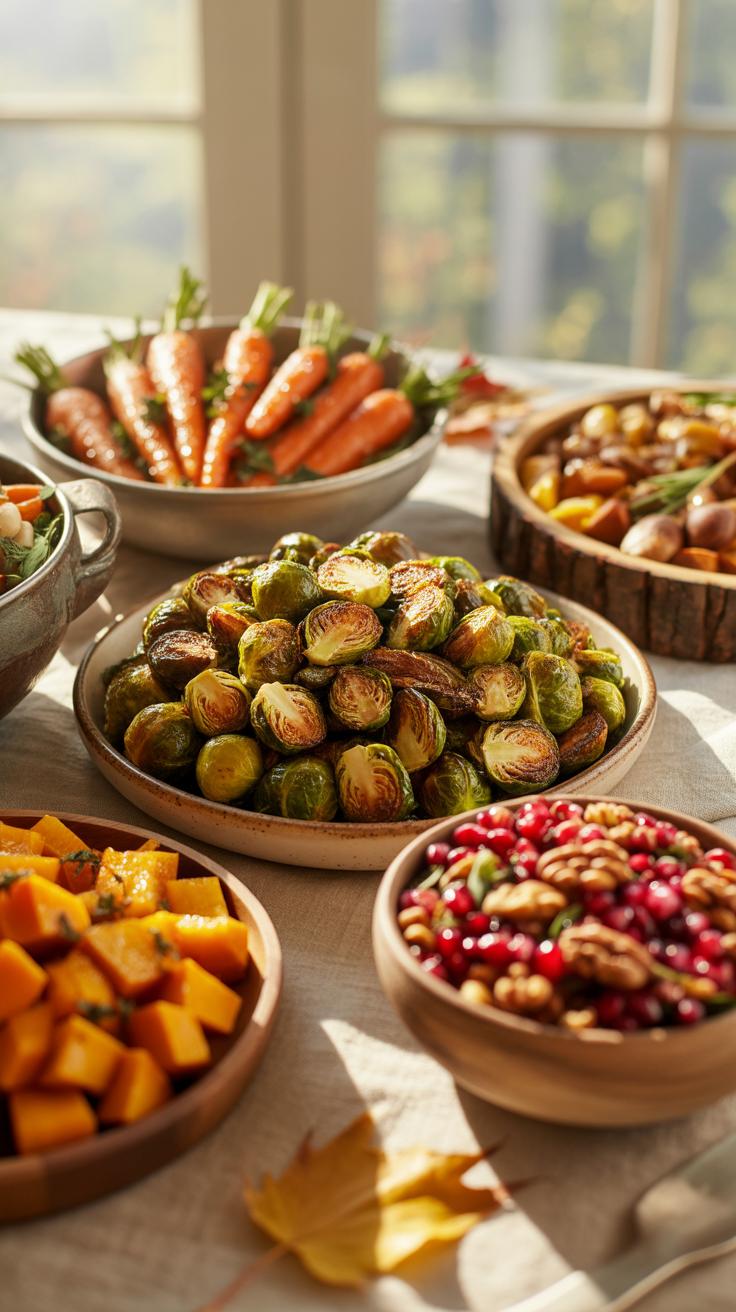
Which Fall Vegetables Are At Their Nutritional Peak During The Thanksgiving Season
Cooler temperatures trigger starch-to-sugar conversion in root vegetables and brassicas. Carrots, parsnips, and beets reach maximum nutrient density after the first frost. These vegetables provide high fiber and essential minerals. Harvesting during this window ensures the best texture for roasting. Proper timing reduces the need for added sweeteners because the natural sugars are fully developed.
Cruciferous vegetables like Brussels sprouts and kale thrive in late autumn. These plants produce antioxidants to protect against cold stress. This chemical process increases the levels of vitamins C and K. Using these greens at their peak provides a crunchy texture for salads or slaws. Selecting seasonal produce reduces transit time and preserves heat-sensitive vitamins often lost during long shipping cycles.
Simple Herb And Citrus Dressings That Elevate Light Vegetable Sides Without Heavy Sauces
Heavy cream sauces and flour-based gravies mask the flavor of fresh vegetables. Acid-based dressings use citrus juice or vinegar to brighten the dish. These liquids break down tough plant fibers and make nutrients more bioavailable. Essential oils from fresh herbs add depth without adding calories or sodium. Using fat-soluble vitamins requires a small amount of healthy oil for absorption.
- Lemon and Thyme Vinaigrette: Combine fresh lemon juice with extra virgin olive oil and minced thyme. The citric acid prevents browning in sliced apples or root vegetables. This dressing adds a sharp contrast to earthy roasted squash while keeping the fat content low and the flavor profile clean.
- Orange and Ginger Emulsion: Whisk fresh orange juice with grated ginger and rice vinegar. Ginger aids digestion after large meals and provides a spicy heat. This combination works well with glazed carrots or steamed beets. It replaces heavy honey glazes with a natural, low-glycemic alternative.
- Apple Cider Vinegar and Sage: Mix raw cider vinegar with rubbed sage and a small amount of Dijon mustard. The mustard acts as a natural emulsifier to bind the oil and acid. Sage matches the traditional flavors of Thanksgiving stuffing but applies them to light vegetable sides.
- Lime and Cilantro Infusion: Use lime juice and chopped cilantro for a non-traditional take on Thanksgiving greens. This dressing pairs with shaved cabbage or raw kale salads. The high vitamin C content in the lime helps the body absorb iron from the dark leafy greens used in the base.
- Champagne Vinegar and Rosemary: Blend champagne vinegar with crushed rosemary for a sophisticated flavor. This light acid does not overpower delicate greens or blanched green beans. It provides a crisp finish that cuts through the richness of other buttery dishes served during the holiday meal.
Prepare these dressings twenty-four hours in advance to allow herb oils to infuse the liquid. Store them in airtight glass jars to maintain freshness and prevent oxidation. Apply the dressing just before serving to keep the vegetables crisp and vibrant. Using these methods eliminates the need for processed thickeners. You achieve a professional result with three or four basic pantry ingredients.
Healthy Sides For Thanksgiving That Store Reheat And Travel Well
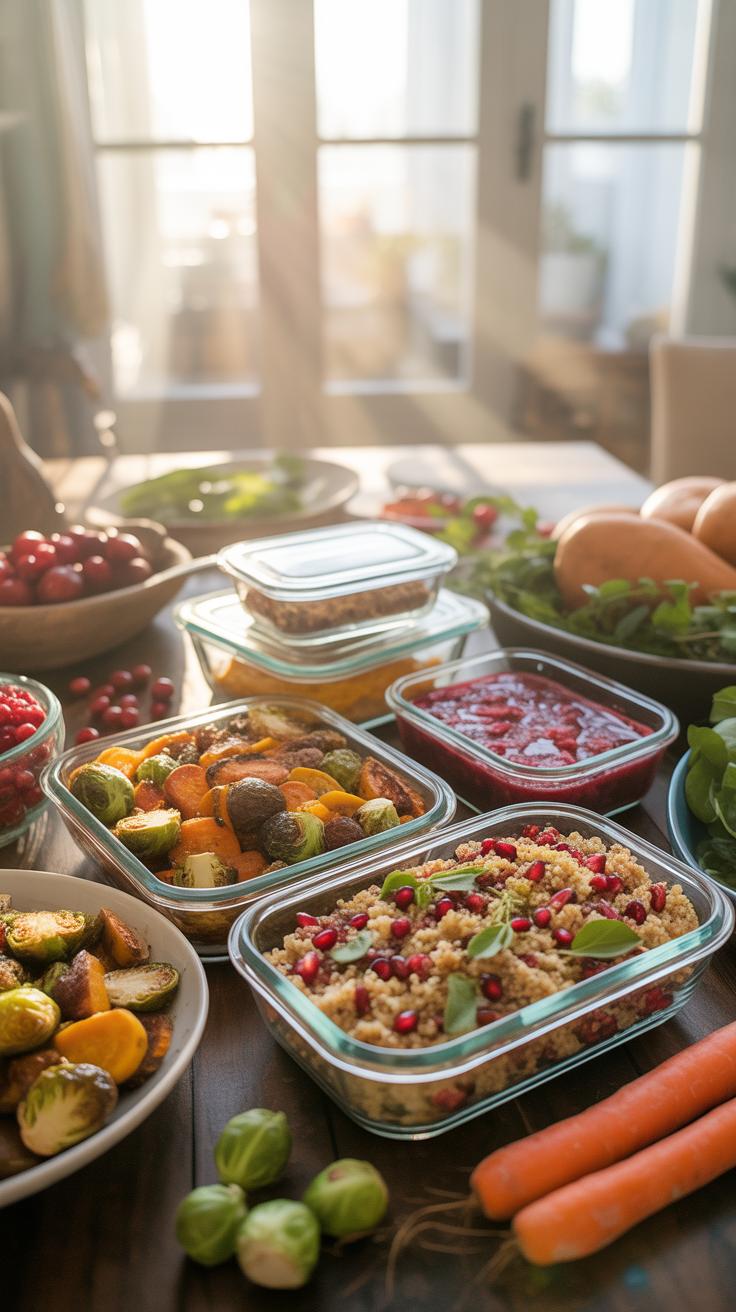
Which Healthy Thanksgiving Sides Hold Up Best When Made One To Three Days Ahead
Root vegetables and cruciferous plants offer the best structural integrity for early preparation. Roasted carrots, parsnips, and beets maintain their bite and fiber content when stored in airtight glass containers. Dense squash varieties like butternut or acorn handle refrigeration without becoming mushy. These vegetables contain complex carbohydrates that resist breaking down over a seventy two hour window. This makes them ideal candidates for three day prep.
Cranberry sauces and vinegar based slaws improve with time. The acid acts as a natural preservative while flavors meld in the cold. Pureed cauliflower or root vegetable mashes also store efficiently. They do not lose their creamy consistency if you use high quality fats or starchy thickeners. Avoid prepping leafy green salads or delicate herbs early. These items oxidize and wilt quickly regardless of storage quality or temperature control.
Safe Reheating Methods That Preserve Texture Nutrients And Flavor In Prepped Sides
The oven is your primary tool for restoring texture to roasted vegetables. Spread prepped sides in a single layer on a sheet pan. Heat at three hundred fifty degrees Fahrenheit to evaporate excess moisture accumulated during refrigeration. This method revives the crisp exterior without overcooking the interior of the vegetable. Use a light spray of avocado oil to help heat transfer and restore the original finish of the dish.
Stovetop reheating works best for mashes and purees. Use a heavy bottomed pot over low heat to prevent scorching. Add a splash of broth or water to replenish moisture lost to evaporation. This steam helps heat the center of the dish evenly while maintaining the smooth texture. High heat destroys micronutrients and ruins mouthfeel. Constant stirring ensures the temperature remains consistent throughout the entire batch before you serve it.
Frequently Asked Questions

What are the best healthy thanksgiving sides for beginners to try?
If you are new to nutritious holiday cooking, start with simple roasted root vegetables or a crisp kale and apple salad. These options are foolproof and naturally vibrant. Focusing on whole ingredients like sweet potatoes, Brussels sprouts, and cranberries allows you to create healthy thanksgiving sides that are packed with vitamins without requiring advanced culinary skills or complicated techniques. They are a great way to introduce lighter options to your traditional table.
How can I meal prep my healthy sides ahead of time to save stress?
Successful meal prep starts two to three days early by chopping hardy vegetables and whisking together homemade dressings. You can blanch green beans or par-boil potatoes in advance so they are ready for a quick final roast on the big day. Prepping your healthy thanksgiving sides this way keeps your kitchen organized and ensures that you can focus on the main course while still serving fresh, nutrient-dense dishes to your guests.
Is it possible to make healthy holiday side dishes on a tight budget?
Absolutely! Eating well during the holidays doesn’t have to be expensive. Focus on seasonal staples like carrots, squash, and cabbage, which are highly affordable and versatile. Buying in bulk and using dried herbs or pantry staples like olive oil and garlic can transform humble ingredients into elegant dishes. By prioritizing whole, seasonal produce, you can create delicious recipes that are both budget-friendly and supportive of your wellness goals during the festive season.