
The Illusion Of Easy Why Most Meal Prep Fails
You’re Avoiding The Real Problem
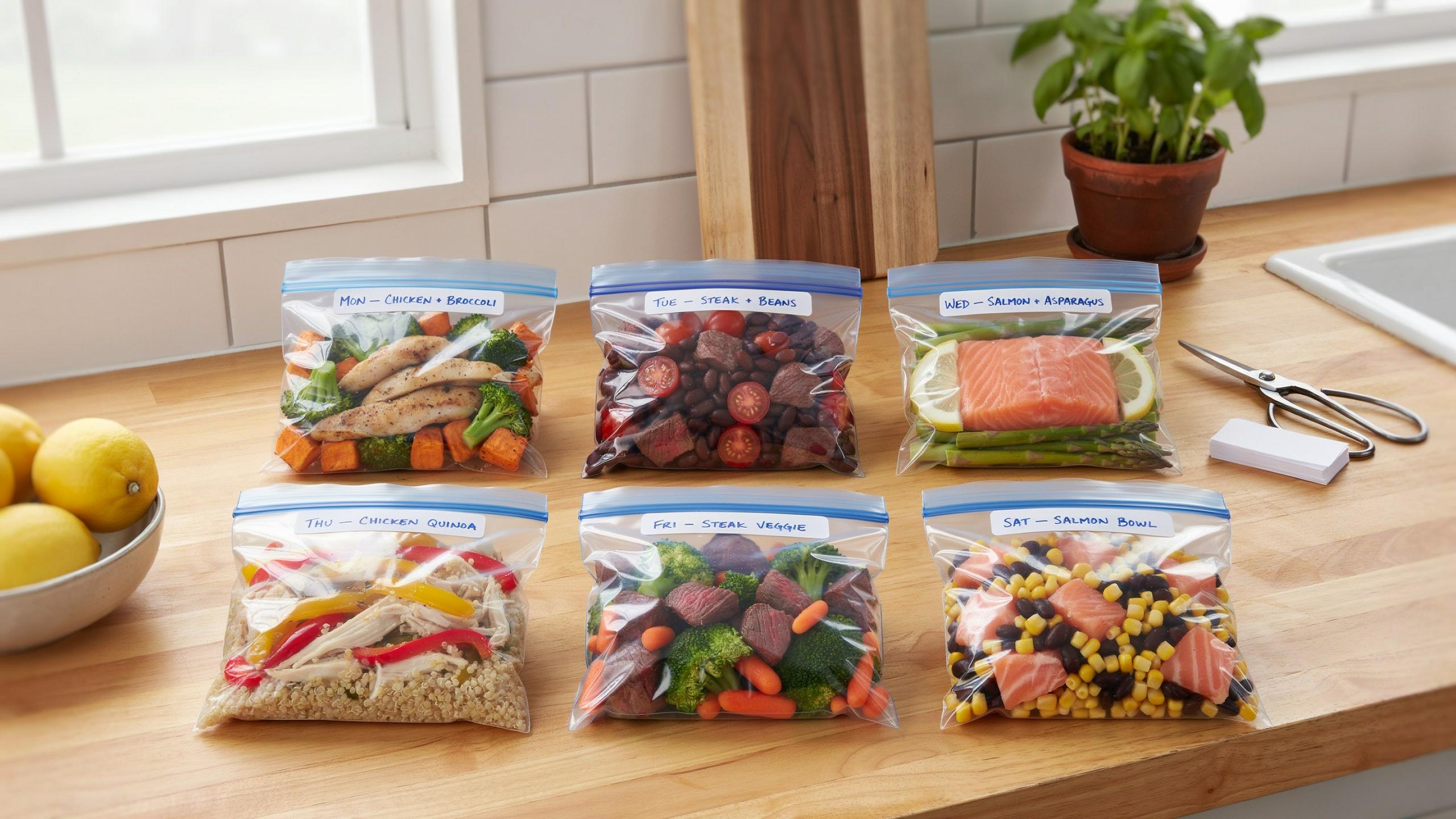
You want meal prep freezer bags to feel like you’ve solved the problem. You haven’t. The mechanism is simple: effort without structure creates the illusion of progress, then collapses under friction. Most people cook food, throw it into bags without portioning strategy, freeze it, then eat sporadically because there’s no system. The bag became a storage container, not a tool. You built a freezer full of unmeasured portions that don’t align with your actual protein targets.

The friction compounds. You thaw a bag, it’s too much or too little, so you grab something else. The bags pile up. You feel guilty. Guilt kills consistency harder than anything else. The real failure isn’t the food. It’s the absence of a decision framework before the bags go into the freezer. Most advice skips this entirely and jumps straight to “here’s how to pack them.” That’s backwards.
What Convenience Costs When You Don’t Decide First
Buying pre-portioned frozen meals avoids the upfront work, but you trade control for dependency. You pay 3x the per-serving cost and accept someone else’s protein-to-carb ratio. Economics calls this the principal-agent problem. The frozen meal company’s incentive isn’t your results. It’s their margins. Meal prep freezer bags invert this, but only if you’ve decided your portions first.
The hidden cost of convenience-without-control is invisible decision fatigue. Every time you open your freezer, an unmeasured bag creates a micro-negotiation with yourself. Do I eat this now? Is it enough? Should I add something? That friction multiplies across weeks. Control means you bag exactly 35 grams of protein per meal, label it, and remove the negotiation entirely. The system pays for itself in restored mental bandwidth alone.
Precision Fueling Your Body As A High Performance Machine
The Math That Actually Matters
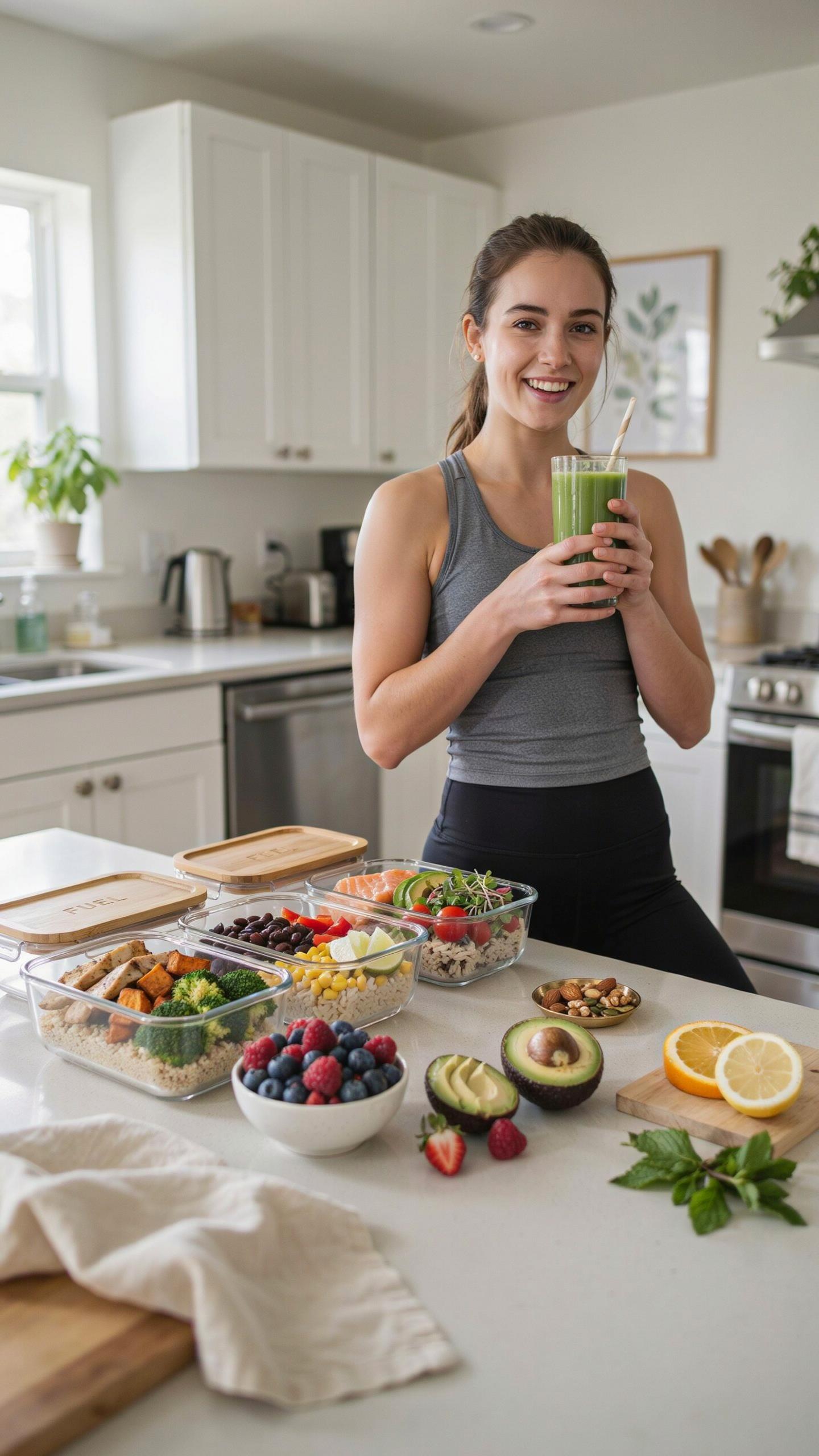
You want to believe you can eat intuitively and still build muscle. You can’t. The mechanism here is biological specificity: your body responds to exact macronutrient ratios, not intentions. Meal prep freezer bags force the numbers into reality by making every portion identical and measurable. No guessing. No “close enough.” You either hit your targets or you don’t, and freezer bags eliminate the gap between plan and execution by removing the calculation step from every meal.
When you portion protein, carbs, and fat into individual bags before freezing, you’ve already solved the hardest part of nutrition: the decision about quantity. Most people think tracking means counting calories during the day. That’s backwards. It means deciding portion sizes once, during prep, then letting the bags enforce compliance. The alternative is making that decision sixteen times per week while hungry and tired. Freezer bags are commitment devices disguised as storage.
The Decision You Stop Making
Decision fatigue is an economics term describing the degradation of choice quality after repeated decisions. Every meal without a preset portion requires you to decide how much protein to eat, how many carbs to include, what ratio feels right today. That’s cognitive load that compounds across weeks. Freezer bags eliminate this by removing choice from the execution phase entirely. Your brain has already decided. Your only job is to thaw and eat.
The practical outcome is consistency in adherence. People follow nutrition plans when the barrier to compliance is zero. Frozen bags sitting in your freezer require no willpower, no calculation, no motivation. You reach in, grab a bag, heat it, and eat. This is why people sustain meal prep protocols for months while ad-hoc tracking fails within weeks. The friction isn’t nutritional knowledge. It’s decision friction, and freezer bags are the friction-removal tool that actually works.
The Scarcity Economics Protocol Optimizing Your Food Budget

Where Bulk Pricing Breaks Even
You want to feel smart about money without actually changing your behavior. That’s the real motive here. Economics calls this “unit cost optimization,” and freezer bags are your inventory management tool. When you buy protein in bulk, you’re not getting a deal until you portion it correctly. Most people buy chicken breast at lower per-pound rates, then waste 15-20% through oxidation, freezer burn, or spoilage before using it. The mechanism is simple: bulk purchasing only works if your storage method prevents degradation.
Freezer bags with proper sealing eliminate air exposure, the primary culprit in freezer burn. Vacuum-sealed portions in individual bags let you thaw exactly what you need, eliminating the wasteful thaw-refreeze cycle that ruins protein structure. Buy a five-pound pack of ground beef at two dollars per pound instead of eight dollars per pound prepackaged. Portion it into half-pound bags immediately. Your cost per meal drops 60-70% because you captured the bulk discount and eliminated waste through portion control and air removal.
Rotating Stock Before Loss Happens
The common advice is “label and date your bags.” That’s incomplete. The real problem is you can’t see what’s inside frozen bags stacked in darkness. Most people forget what they have and buy duplicate proteins, creating waste they never account for. Stack bags vertically like files, not horizontally like cards. Write the date and protein type on the spine-facing edge so you read it without unpacking. This forces FIFO rotation: first in, first out. You use older portions before newer ones, eliminating the six-month-old chicken breast hidden in the back.
Track what you freeze using a phone note or spreadsheet that updates when you remove a bag. Add one line per session: “Ground turkey, 2 lbs, frozen March 15.” When you thaw something, delete that line. This takes 30 seconds and prevents the blind buying that destroys budgets. Freezer bags maintain protein quality for three to four months with proper sealing. Rotation ensures you hit that window consistently, forcing usage discipline and eliminating the psychological loss of forgotten inventory.
Engineered For Longevity Best Bags For Freezer Meals
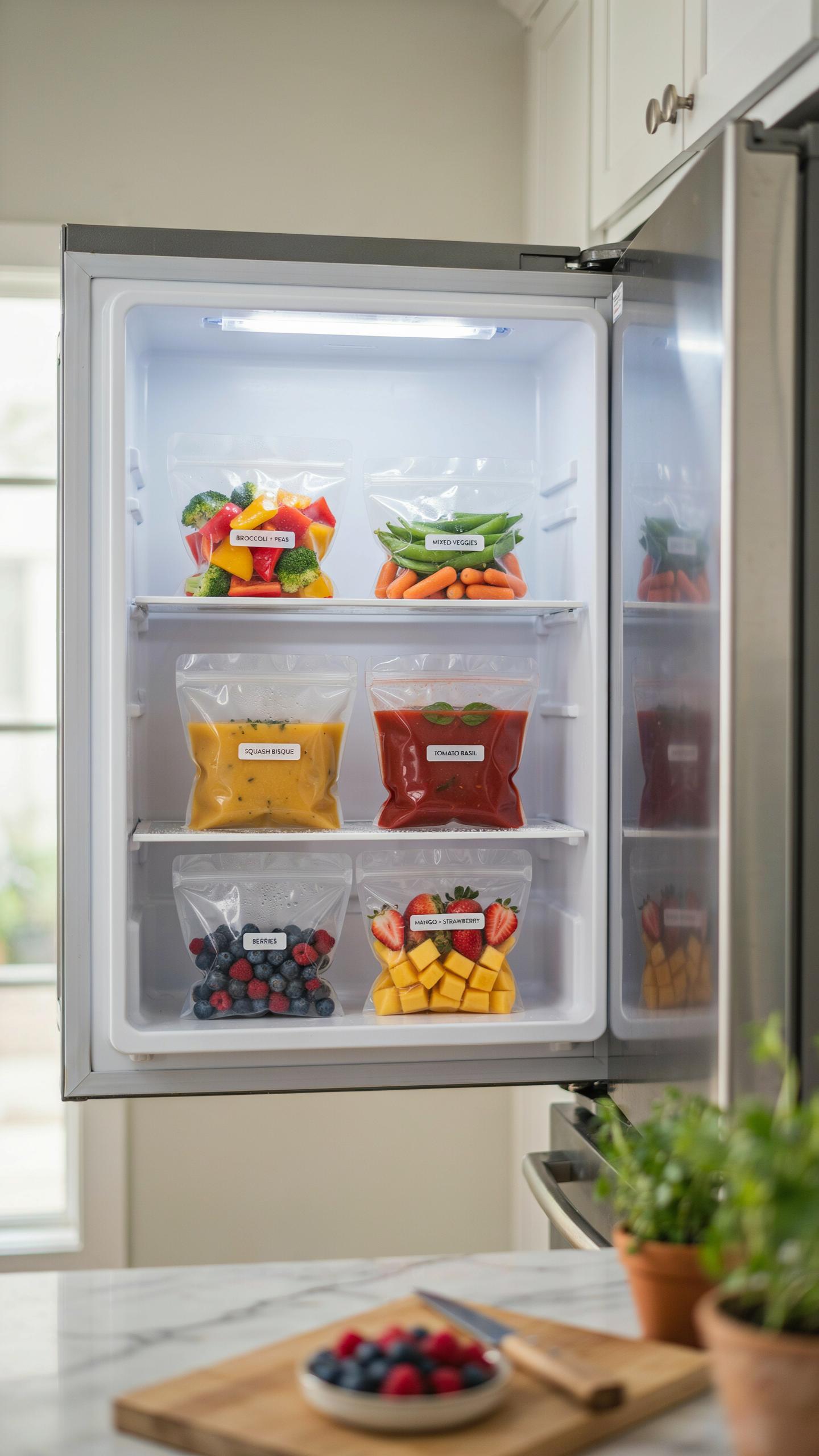
Polymer Grade Matters More Than Brand
You care about this section because you want to believe spending more on premium bags guarantees better results. That’s not the mechanism. What actually determines longevity is polymer composition. Freezer bags use low-density polyethylene (LDPE) or linear low-density polyethylene (LLDPE). LLDPE has branched molecular chains that create better seal integrity and puncture resistance than standard LDPE. The polymer’s crystalline structure determines how it responds to temperature cycling. Most bags fail not from the freezer itself but from repeated thawing and refreezing, which stresses the polymer chains. Budget bags use thinner LDPE that degrades faster under this mechanical stress.
Thickness measured in mils (thousandths of an inch) reveals the real difference. Commercial-grade freezer bags run 2.5 to 3 mils thick. Standard retail bags run 1.5 to 2 mils. A bag’s durability depends on polymer grade and thickness working together, not on marketing promises. Thicker LLDPE bags withstand freeze-thaw cycles three times longer than thin LDPE alternatives because the molecular structure resists brittleness in cold temperatures. Buy bags made from LLDPE rated for freezer storage with minimum 2.5 mil thickness. Ignore brand names and check the material specification on the box.
Seal Integrity Is Your Real Food Barrier
Most people think the seal matters only for preventing freezer burn. That’s incomplete. The seal is your hermetic barrier against oxidation and microbial infiltration. A weak seal allows oxygen exchange and water vapor migration. Both destroy protein structure and accelerate rancidity. The ziplock mechanism works through interlocking ridges that mate when pressed together. Incomplete contact at any point creates a micro-channel for air exchange.
Proper sealing follows a mechanical protocol, not intuition. Remove as much air as possible before sealing, then press the closure from one end to the opposite, using steady pressure to lock every ridge. Do not press randomly across the seal. One motion, one direction, full compression. Verify the seal by attempting to pull the bag open with two fingers. Legitimate resistance confirms full ridge engagement. Bags fail at the seal first because rushed compression leaves micro-gaps. Dedicate five seconds per bag to this step. That time spent prevents protein oxidation that ruins weeks of prep work.
Assembly Line Efficiency Freezer Meal Prep Sessions
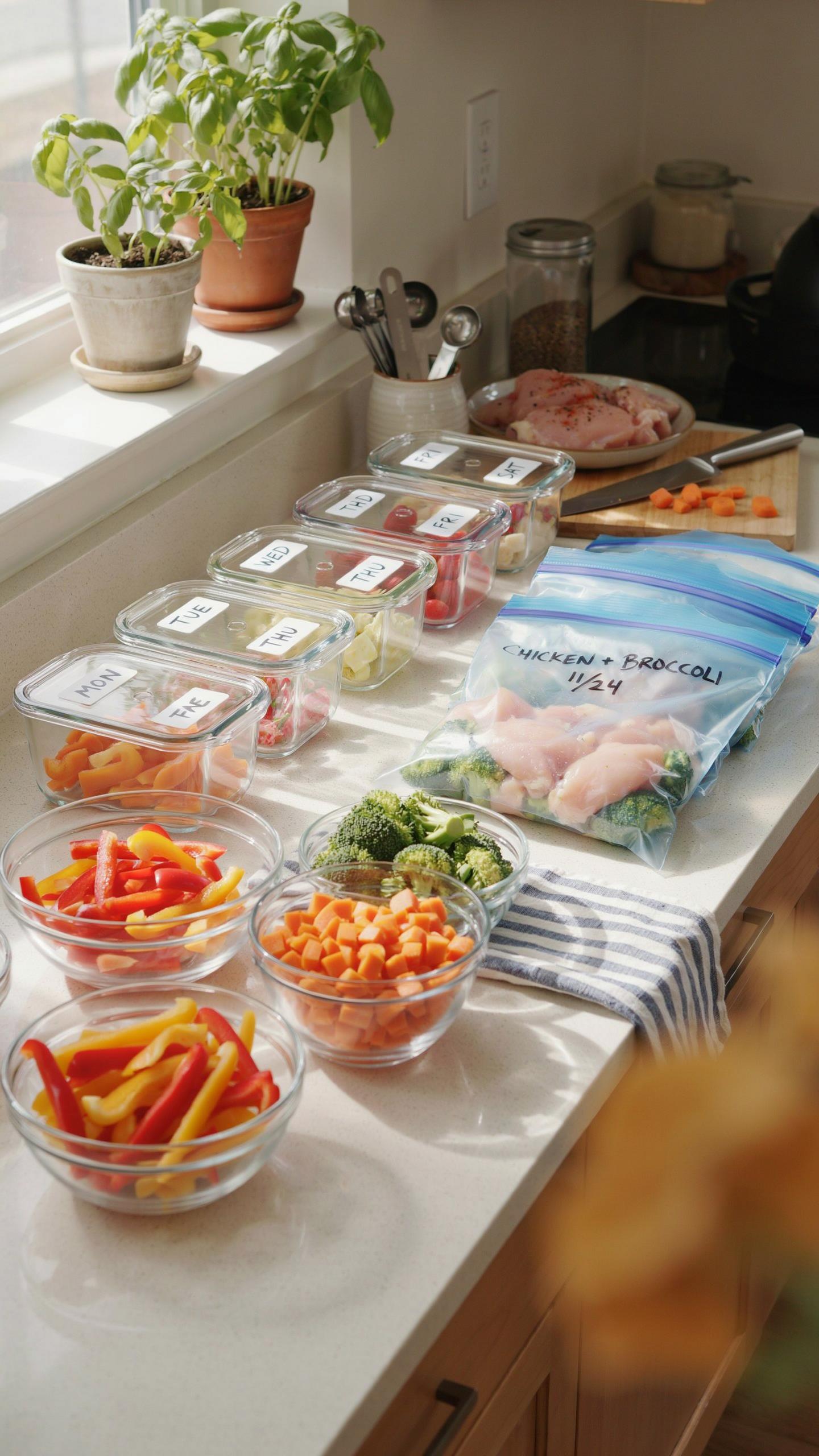
Group Similar Tasks Together
You want to feel productive without actually working smarter, so you prep randomly and waste three hours. Here’s the mechanism: task switching costs time and mental energy. Manufacturing calls this “batching.” You cut prep time by 40 percent when you do all your chopping, then all your cooking, then all your portioning instead of bouncing between them.
Set up stations. Chop all vegetables at once on one cutting board. Cook all protein in the same pan or oven batch. Portion everything into freezer bags on a single flat surface. This eliminates setup and cleanup repetition. You move once through the process, not repeatedly.
Prepare Everything Before Cooking Starts
Mise en place is French kitchen discipline: prepare and arrange all ingredients before heat touches anything. Apply this to freezer meal prep. Gather every container, bag, label, scale, and ingredient on your counter before you start cooking. Pull frozen chicken from the freezer the night before. Measure out all spices and seasonings. Weigh portions of rice or pasta before cooking.
This prevents you from stopping mid-prep to hunt for a bag or realize you’re short on protein. The moment you open a freezer bag mid-session to search for your marker, you’ve broken the flow. Stage your entire operation first, cook second, pack third. Freezer bags stay sealed and organized because nothing derails your sequence.
The Dump Bag Delusion Beyond Lazy Dinners To Freeze
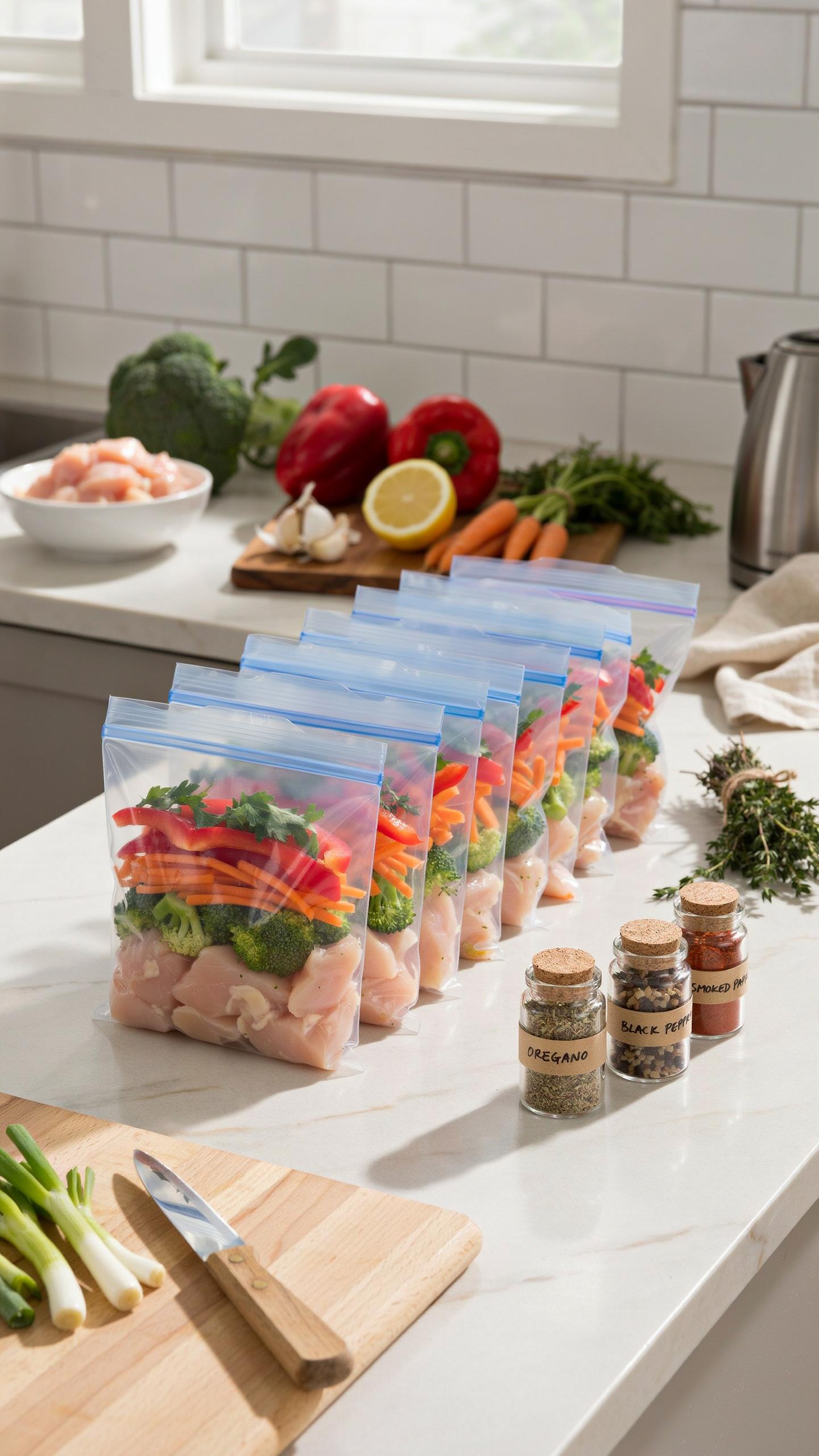
Stack Your Proteins, Not Your Problems
You want to believe freezer bags work because they let you avoid thinking about dinner. They don’t. The real mechanism is thermal conductivity—how fast heat moves through food during freezing and thawing. Dense proteins freeze slower than vegetables, so layering matters. Put your protein on the bottom where it contacts the bag’s coldest surface first. Stack vegetables on top. This isn’t organization theater. It determines whether your chicken stays tender or turns grainy from ice crystal formation.
Most people dump everything in one layer and wonder why texture suffers. Layering creates a sequence where denser items freeze from outside in while lighter items finish around them. You control the pace of ice crystal growth by controlling exposure order. Proteins benefit because they freeze faster when they hit cold first, forming smaller crystals that rupture fewer cell walls. This is basic thermodynamic sequencing. Execute it or accept mediocre results.
Acids Age Better Than You Think
Acidic marinades don’t just season frozen protein—they prevent oxidative breakdown during storage. Lemon juice, vinegar, and tomato-based sauces create an environment where lipid degradation slows measurably. The common advice says “freeze everything the same way.” Wrong. Acidic profiles actually improve over two to three weeks in the freezer because the acid continues penetrating deeper into the protein structure while frozen, intensifying flavor contact. Neutral or sweet profiles plateau immediately.
Build your bag around acid-forward bases: lime and cilantro with chicken, vinegar with beef, tomato with ground turkey. Don’t just add these on top. Mix them into the protein first so saturation begins before freezing. When you thaw and reheat, the flavor is already embedded, not sitting on the surface waiting to cook off. This is why your restaurant-quality frozen meals taste flat—you’re missing the acid-first principle. Layer acid contact into your prep protocol from the start.
Good Meals To Freeze Not All Proteins Are Created Equal
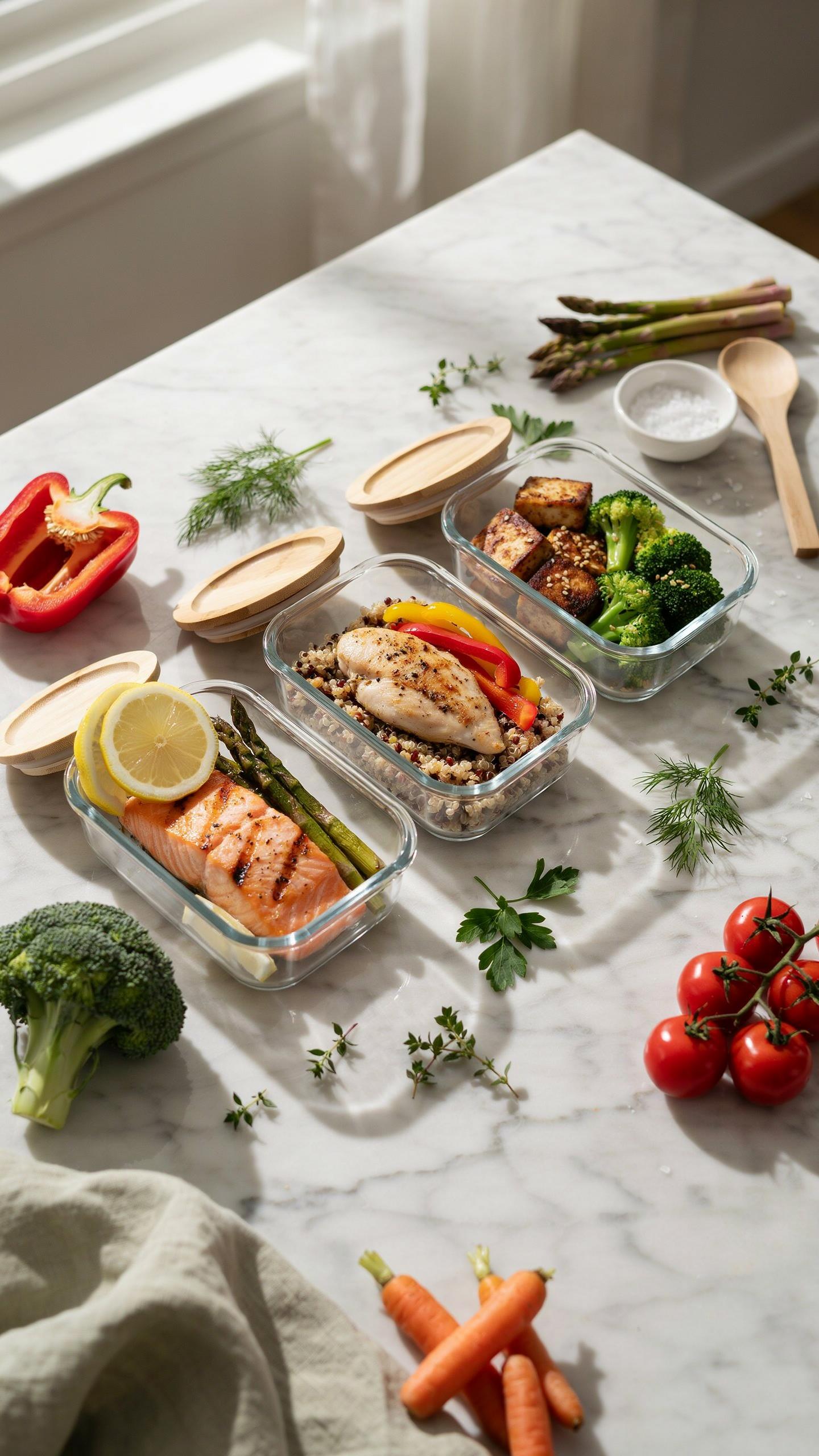
How Freezing Changes Protein Structure
You want to believe freezing just pauses time on your food. It doesn’t. From a biochemistry standpoint, freezing is a preservation mechanism that halts microbial growth and slows enzymatic degradation, but the protein itself undergoes structural change. Ice crystal formation punctures cell walls. Water separates from muscle tissue. When thawed, that protein loses moisture and density.
The real damage happens during thaw cycles, not the freeze itself. Proteins denature when exposed to temperature fluctuation. Each freeze-thaw swing degrades texture and binding capacity. If you’re portioning chicken breast, ground beef, or fish into freezer bags, you’re trading some structural integrity for convenience. Accept this trade-off by choosing proteins that tolerate it.
Proteins Built For The Freezer
Leaner ground meats freeze and thaw better than whole cuts because their structure is already fragmented. Ground beef, ground turkey, and ground chicken survive the process with minimal quality loss. Whole cuts like chicken breasts or steak don’t. Collagen-rich proteins like beef chuck, pork shoulder, and bone broth actually improve through freezing because ice crystal formation breaks down connective tissue, which later becomes gelatin during reheating.
Fish is the exception that proves the rule. Most fish proteins are too delicate for standard freezing. They oxidize rapidly and develop off-flavors within weeks. If you freeze fish, use vacuum-sealed bags or commercial freezer containers, minimize air exposure, and consume within three weeks. Canned fish like tuna or salmon skips this problem entirely because the canning process already denatures the protein structure, making it stable indefinitely.
The Combat Logistics Framework For Meal Prep For Freezer Meals
Treating Your Freezer Like Supply Lines
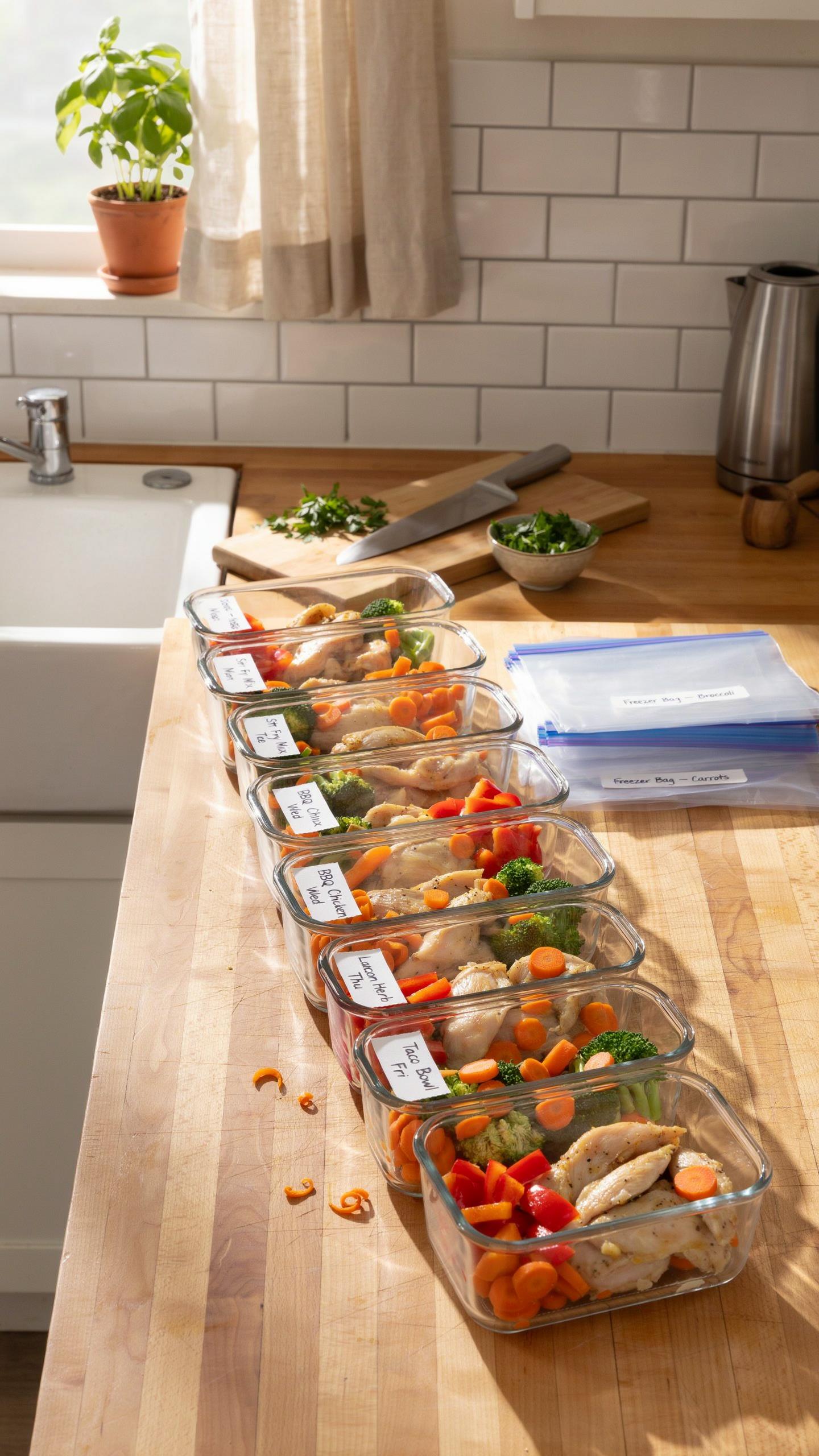
You want to feel in control of your nutrition without actually thinking about it every day. The real mechanism here is supply chain management, borrowed directly from military logistics. In that field, “supply line integrity” means every unit knows what’s available, where it sits, and when it depletes. Your freezer operates the same way: bags represent inventory units, and you need visibility into stock depth and expiration velocity to avoid waste or running empty when you need protein.
Most people treat their freezer like a black hole. They bag meals, stack them, and forget what’s inside until something gets freezer burn. Military supply chains fail the same way when commanders lose tracking discipline. You need one constant: a written inventory log that lives on your fridge. List each bag type, quantity, and the date you froze it. This takes ninety seconds per week and eliminates the guessing game that kills meal prep systems.
The Rotation Protocol That Actually Works
Strategic rotation means you consume older meals first, not based on what sounds good. This isn’t preference management, it’s preventing waste and maintaining consistent protein intake. The protocol is simple: bags frozen earliest move to the front of the stack. New bags go to the back. You thaw from the front. This ensures nothing sits frozen longer than 2 to 3 months, where quality degrades and protein oxidation accelerates.
Your resupply cycle should trigger before stock hits zero. When your inventory log shows three weeks of meals remaining, you cook the next batch. This prevents the panic decision to buy convenience food when you discover you’re out on Tuesday morning. Resupply on a fixed day each week, regardless of how many bags remain. Consistency beats responsiveness every time in nutrition logistics.
Defrosting Protocol The Critical Re Activation Phase

Refrigerator Thawing And Bacterial Control
You care about this section because food poisoning derails your entire week, and you need certainty that your meal prep investment stays safe. The mechanism is straightforward: bacteria multiply in the danger zone between 40°F and 140°F. Slow thawing in the refrigerator keeps your protein bags below 40°F the entire time, which stops bacterial growth cold. This takes 24 hours for a standard portion but costs nothing and removes all guesswork.
Cold water thawing accelerates the process to 2-4 hours if you plan ahead. Seal the bag inside another bag to prevent water contact, then submerge it in cold water and change the water every 30 minutes. Never thaw at room temperature. Never use hot water. Both methods invite bacterial multiplication that no cooking step can fully reverse. Refrigerator thawing remains the safest default because it requires zero active management once the bag moves from freezer to fridge.
Texture Preservation After Thawing
The common advice is to microwave your bags, and that advice produces rubbery protein and separated sauces. Ice crystal formation during freezing ruptures cell walls in muscle tissue, so thawing speed determines texture loss. Slow thawing allows water to reabsorb into muscle fibers gradually. Fast thawing expels that water as liquid, leaving you with dense, dried-out chicken. Refrigerator thawing wins again because it gives cells time to recapture moisture before heat hits them.
Reheating protocol matters equally. Transfer thawed contents to a pan or container and warm gently over low-to-medium heat or in a 325°F oven rather than microwave radiation. Gentle heat allows fats and proteins to warm evenly without expelling remaining moisture. Microwaves create heat pockets that overcook edges while centers stay cold. Slow reheating of thawed protein maintains the texture and flavor you locked in during initial cooking. This single step separates meal prep that tastes fresh from meal prep that tastes frozen.
Beyond The Bag Integrating Freezer Meals Into A Holistic System
Freezer Meals Aren’t Your Whole Strategy
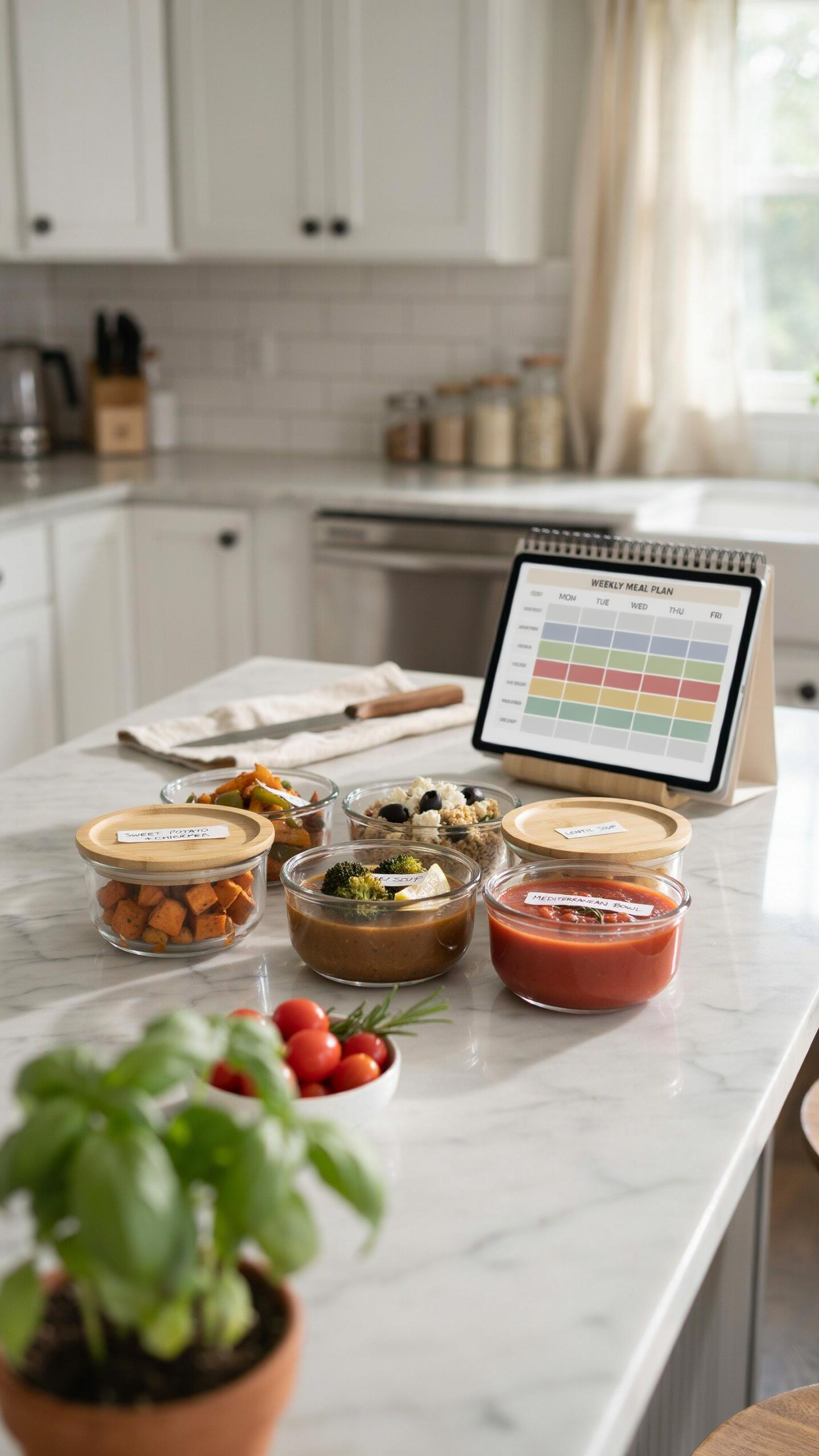
You want to believe freezer bags solve nutrition so you never have to think about food again. They don’t. Freezer bags are a buffer against decision fatigue, not a replacement for understanding your actual intake. The mechanism is simple: prepared meals reduce friction, but they’re one variable in a larger system. You still need tracking, accountability, and real-time adjustment. The bag holds the food. You hold the responsibility.
Most people treat freezer meals as a set-and-forget solution, then wonder why results plateau. Your body doesn’t care that you prepped. It cares about total calories, protein hit, and consistency over time. Freezer bags remove the excuse to skip meals, but they don’t automate the thinking. You need a system that treats these bags as inputs to measure against, not outputs that end the conversation.
Recalibrate When Your Goals Shift
Energy expenditure is borrowed from physics: a calorie is a unit of energy your body burns or stores. Your freezer bag macros become stale the moment your training volume changes, your bodyweight shifts, or your activity level drops. Common advice says “prep once, eat all week.” This ignores the fact that your needs are not static. That 40g protein bag was correct six weeks ago. Now it’s guesswork.
Track your weight and performance weekly. If weight stalls for two weeks without intention, your caloric density is too high relative to current output. Rebuild three to four bags with adjusted portions. If strength drops while eating the same meals, you’re underfueling relative to workload. Add a higher-protein variant to rotation. The freezer bag system only works if you treat macros as variables, not constants. Measure, adjust, rebuild.
Your biggest obstacle isnt time or recipes its the illusion that randomness is sustainable
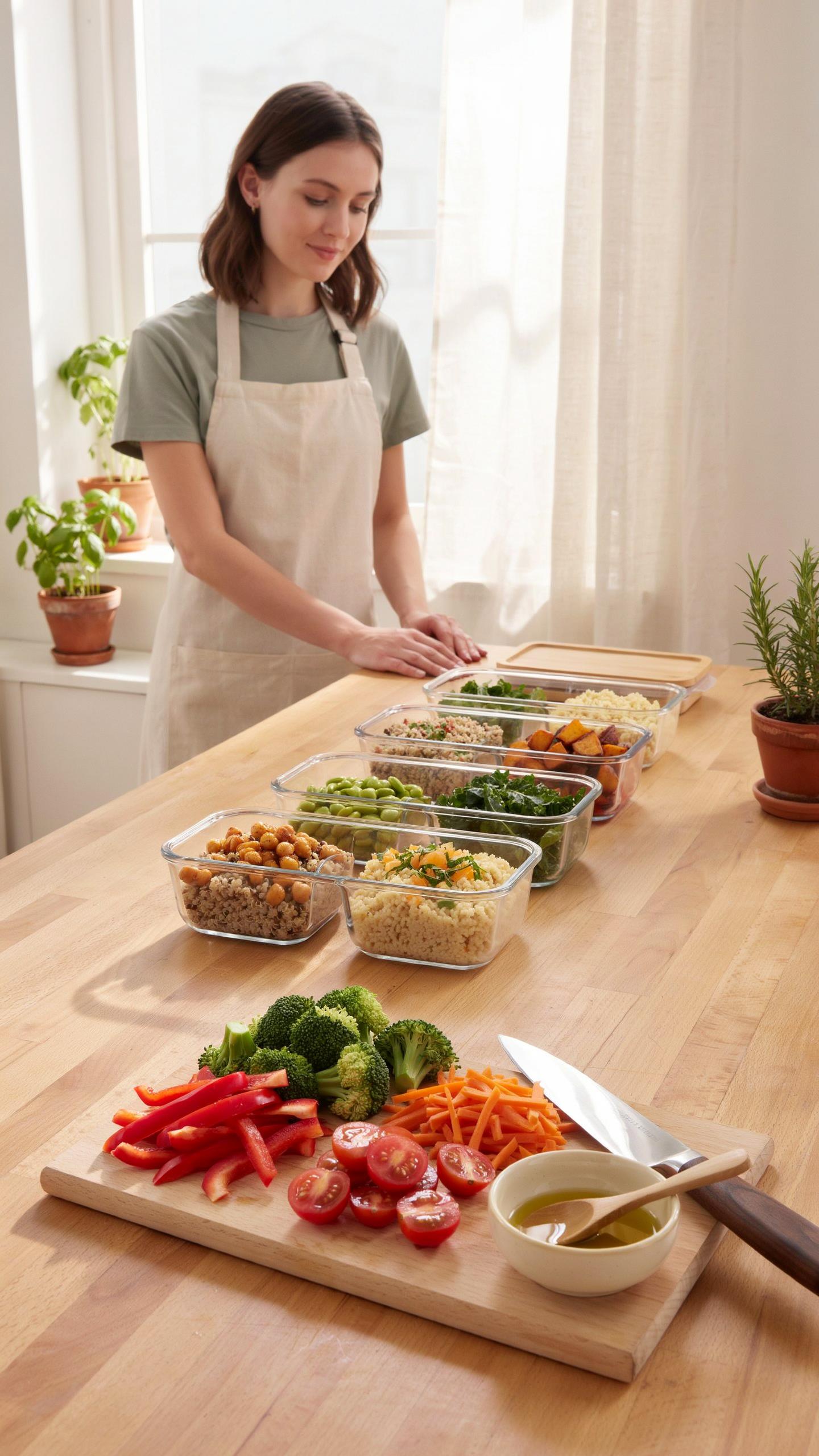
Most people fail at nutrition because they treat eating like a daily decision. Meal prep freezer bags remove the decision. You batch cook once. You portion once. Then for two weeks, your protein intake stays consistent while your willpower stays intact. Pick a protein today. Cook it Sunday. Freeze it in portions. The system works because you stopped relying on motivation to work. Systems beat willpower every single time.