
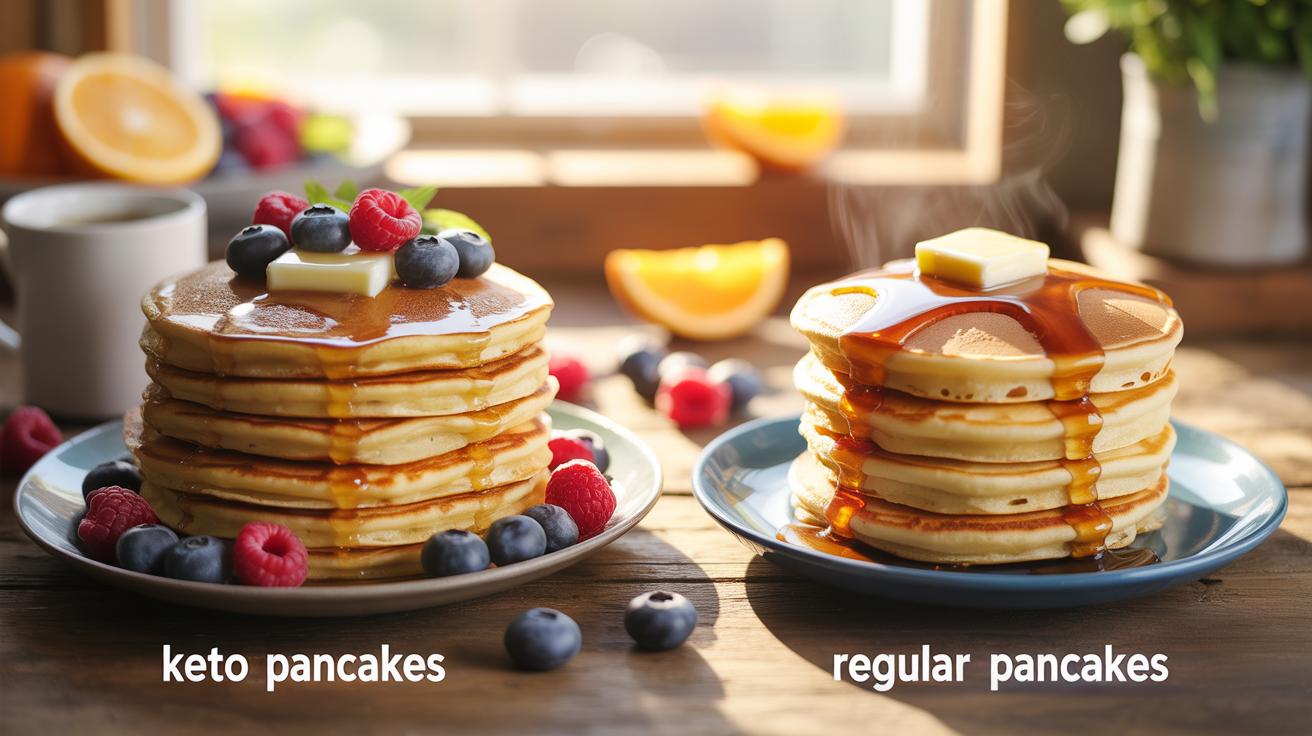
What Makes Keto Pancakes Different From Regular Pancakes

The Core Philosophy Behind Each Style Of Pancake
Regular pancakes rely on high-carb grains to provide mass and structure. This traditional method focuses on cheap energy from glucose. Wheat flour provides the bulk while sugar adds flavor and browning. These recipes prioritize a fast rise and a soft crumb. Most diners expect a light and airy texture. This style serves people who prioritize taste and low costs over blood sugar stability.

Keto pancakes focus on healthy fats and protein instead of carbs. This style aims to keep the body in ketosis. Makers use dense ingredients to mimic the experience of eating grain. These recipes must avoid spikes in insulin. Every ingredient serves a functional purpose for metabolic health. You trade fluffy air for high nutrient density. This strategy targets fat loss and steady energy throughout the day.
How Flour Substitutes Change The Entire Recipe Foundation
Wheat flour contains gluten which creates a strong elastic bond. This bond traps gas from baking powder to make pancakes rise. Keto substitutes like almond or coconut flour lack this protein. They cannot hold gas the same way. This means keto pancakes are usually thinner and more delicate. You must add binders like eggs or xanthan gum to hold the batter together during cooking.

Almond flour adds fat and a grainy texture to the mix. Coconut flour absorbs much more liquid than wheat. These traits force you to change your liquid ratios completely. You cannot simply swap flours at one-to-one rates. Keto batters often require more eggs to provide structure and moisture. This shift creates a more filling meal. You get more calories and protein per bite than traditional versions.
Nutritional Breakdown Keto Pancakes Vs Regular Pancakes
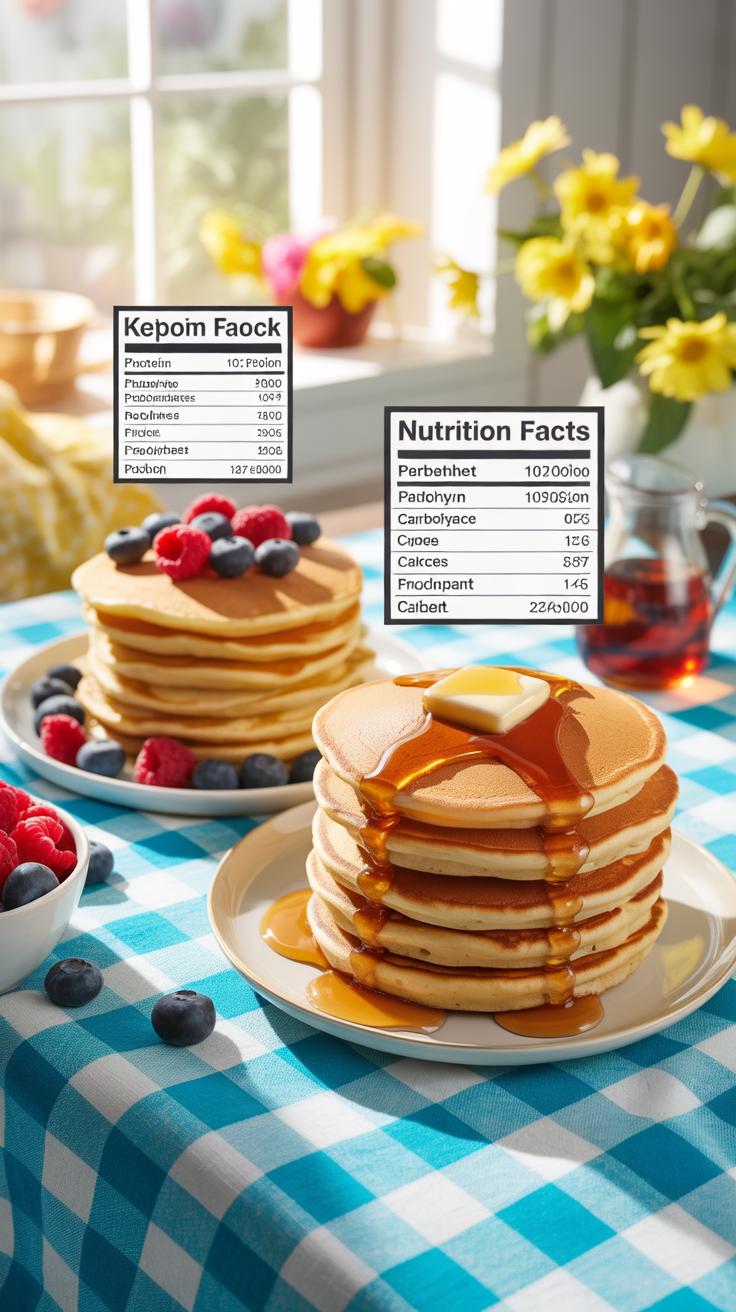
Carbohydrates, Fats, And Protein Side By Side
Standard pancakes rely on wheat flour and sugar for structure. This creates a profile heavy on refined carbohydrates and low in essential fats. A single serving often contains over sixty grams of net carbs. This macronutrient ratio prioritizes quick energy over sustained satiety. You gain bulk volume but lose nutritional density. Most classic recipes provide minimal protein unless you add expensive powders or extra eggs.
Keto pancakes replace grain flour with almond or coconut meal. This swap shifts the profile toward high fats and moderate protein. Net carbs typically drop below five grams per serving. You get high caloric density from healthy fats instead of empty starch. This structure supports muscle maintenance and keeps the body in a fat-burning state. It is a tactical choice for those tracking metabolic efficiency instead of just calories.
How Regular Pancakes Affect Blood Sugar Compared To Keto Pancakes
Regular pancakes cause an immediate spike in blood glucose levels. The body breaks down white flour and syrup into simple sugars rapidly. This triggers a massive insulin release to manage the surge. High insulin levels stop fat burning and lead to a mid-morning energy crash. You feel hungry again shortly after eating because your blood sugar drops just as fast as it rose.
Keto pancakes maintain stable glucose levels by eliminating high-glycemic ingredients. The fiber in nut flours slows digestion and prevents insulin spikes. This lack of a sugar surge ensures steady energy throughout the day. You avoid the brain fog associated with traditional breakfast carbohydrates. Choosing keto ingredients provides a predictable metabolic response. This stability allows the body to access stored fat for fuel without hormonal interference.
Keto Pancake Recipe With Ingredients What You Actually Need
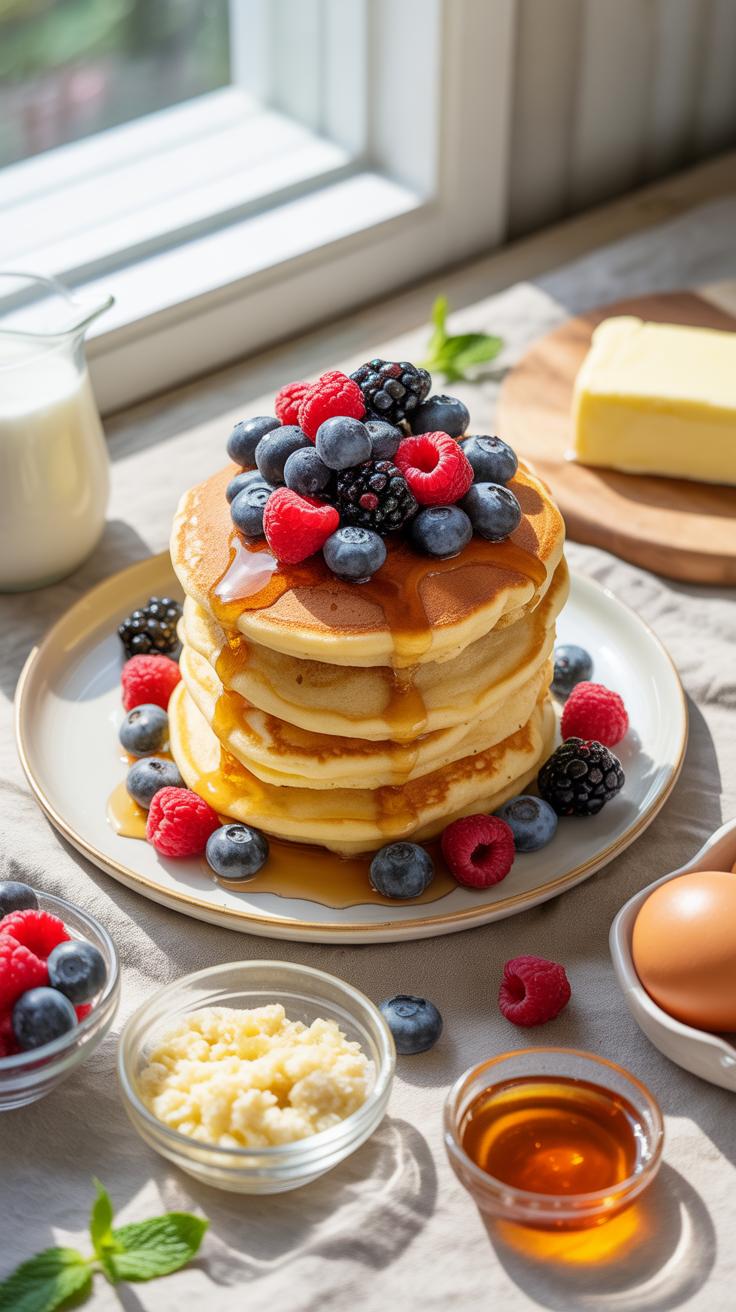
Common Keto Friendly Ingredients And What Role Each One Plays
Keto baking replaces wheat flour with low-carb alternatives to keep blood sugar stable. You must select ingredients that mimic the structural properties of gluten without the high carbohydrate count. Fats and proteins provide the primary foundation for these recipes. Using the right binders ensures the pancake stays together during the flip. These specific components determine the final density and nutritional macro profile.
- Almond Flour: This ingredient provides the bulk and texture of the pancake. It contains high amounts of healthy fats and fiber. Manufacturers produce it by grinding blanched almonds into a fine meal. It lacks gluten so you need extra binders to prevent crumbling.
- Coconut Flour: This flour absorbs significantly more liquid than nut-based flours. You only need a small amount to achieve the desired thickness. It creates a soft and cake-like crumb. Chefs often combine it with almond flour to balance the moisture levels in the final batter.
- Psyllium Husk: This soluble fiber acts as a powerful thickening agent and binder in grain-free baking. It helps replicate the chewy texture usually provided by gluten. Adding it improves the structural integrity of the pancake. Too much will make the batter overly gummy or dense.
- Erythritol: This sugar alcohol serves as the primary sweetener in low-carb recipes. It has a zero glycemic index and does not spike insulin levels. It dissolves well in wet batter but can provide a cooling sensation. Use the powdered version to ensure a smooth and even texture.
- Xanthan Gum: This stabilizer prevents the ingredients from separating during the cooking process. It provides the elasticity that keto flours naturally lack. You only require a tiny pinch to see a significant difference. It ensures the pancake remains flexible and does not break apart easily.
Leavening agents like baking powder are essential for creating air bubbles within the heavy nut flours. Without them, your pancakes will remain flat and dense like crepes. Eggs serve a dual purpose by providing moisture and acting as a structural glue. Most recipes require more eggs than traditional versions to compensate for the weight of the almond meal. Proper ratios ensure the right balance.
Why Almond Flour And Cream Cheese Are Keto Pancake Staples
Almond flour is the gold standard for low-carb pancakes because of its neutral flavor and high fat content. It mimics the mouthfeel of traditional flour better than any other substitute. From a nutritional standpoint, it keeps the net carb count extremely low. This ingredient allows you to maintain a ketogenic state while enjoying a familiar breakfast texture. It is a reliable base.
Cream cheese functions as a critical fat source and moisture stabilizer in these recipes. It breaks down the gritty texture often found in nut-based batters. When blended with eggs, it creates a rich and silky consistency that cooks evenly on a griddle. This combination provides the necessary protein and fat to keep you full. No other dairy product replicates this specific structural performance.
Easy Keto Pancakes 3 Ingredients The Simplest Version Possible
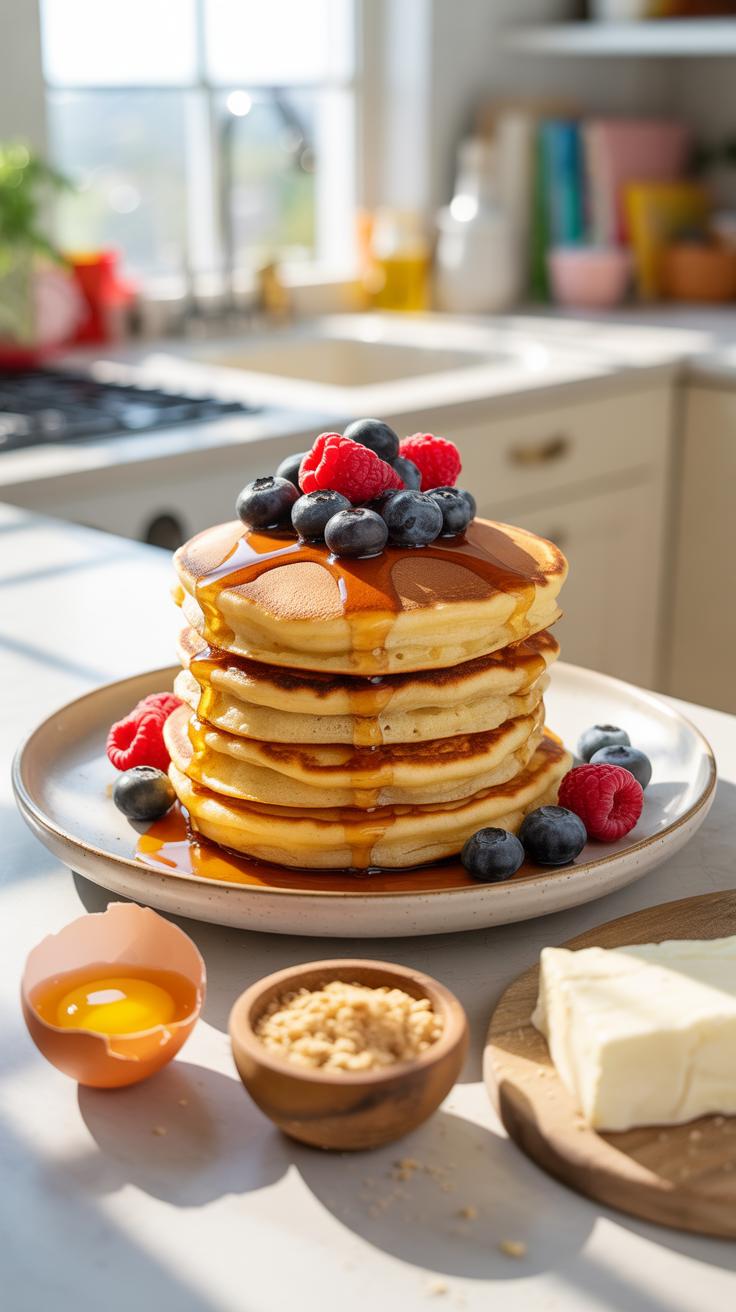
The Classic 3 Ingredient Keto Pancake Formula That Actually Works
The standard three ingredient keto pancake relies on cream cheese, eggs, and almond flour. This combination replaces the structural integrity of gluten without adding significant carbohydrates. You must maintain a precise ratio to avoid a rubbery texture. Use two ounces of cream cheese for every two large eggs. Add one half cup of almond flour to provide the necessary bulk and mouthfeel for a dense meal.
The chemistry of this recipe depends on the fat content of the dairy. High fat cream cheese acts as a binder and moisture source. The protein in the eggs provides the rise. You do not need baking powder if you blend the batter at high speeds to incorporate air. This formula creates a thin crepe style pancake that holds up well under heavy syrups or butter toppings.
Tips For Getting The Right Texture With Minimal Ingredients
Temperature control determines your success with minimal ingredient recipes. You must bring the cream cheese and eggs to room temperature before mixing. Cold cream cheese creates small clumps that do not dissolve during cooking. These clumps burn on the griddle and ruin the flavor profile. Use a high speed blender to ensure the batter is completely smooth before it hits the hot pan.
Cooking requires lower heat than traditional wheat pancakes. Keto batters contain high fats and sugars from the almond meal that scorch quickly. Use a nonstick surface with a small amount of butter. Flip the pancake only when bubbles form and stay open on the surface. Moving the batter too early causes it to tear because it lacks the elastic gluten found in regular flour.
Quick Keto Pancake Recipe Ready In Under 15 Minutes

Step By Step Method For A Fast Keto Pancake Morning
Morning efficiency depends on preparation and tool selection. You need a high-speed blender or a manual whisk to emulsify the heavy fats with the protein source. Preheating your pan is the most critical step to prevent sticking. Use a non-stick surface or a well-seasoned cast iron skillet. Small batches ensure the structural integrity remains intact during the flip.
- Blender Consolidation: Throw eggs, almond flour, cream cheese, and baking powder into a blender. High-speed blending introduces air into the batter. This mechanical aeration replaces the chemical lift found in traditional wheat recipes. You save five minutes by avoiding manual mixing and bowl cleanup.
- Measured Pouring: Use a quarter-cup measure to pour batter onto the hot surface. Consistent sizing ensures uniform cooking times across the entire batch. Keto batters are denser than grain-based versions. Small circles prevent the center from staying raw while the edges burn.
- Heat Management: Maintain medium-low heat throughout the cooking process. Nut flours contain natural oils that burn faster than wheat starch. Watch for small bubbles on the surface. Flip only when the bottom feels firm to the spatula to avoid a complete structural collapse.
- Fat Lubrication: Apply butter or avocado oil between every single batch. Keto pancakes lack the gluten network that holds traditional cakes together. Constant lubrication prevents the batter from bonding to the metal. This step is mandatory for a clean release and a gold exterior.
- Flash Cooling: Move finished pancakes to a wire rack immediately. Stacking them on a flat plate creates steam. Steam softens the exterior and ruins the texture you worked to build. A rack allows air to circulate and firms up the almond or coconut flour base.
Timing is everything when you remove the grains. Most keto recipes fail because the cook rushes the heat. Low and slow cooking allows the egg proteins to set without scorching the delicate nut oils. This method produces a reliable breakfast in twelve minutes total. Keep your tools simple and your heat controlled for the best morning results.
Why Speed Does Not Have To Mean Sacrificing Flavor Or Quality
Quick cooking relies on high-quality ingredients to carry the flavor profile. Traditional pancakes get their taste from syrup and sugar additives. Keto versions utilize the natural fats in almond flour and eggs to provide a rich mouthfeel. You do not need long rest times for the batter because there is no gluten to relax. Immediate cooking preserves the leavening power of the baking powder.
Quality remains high when you focus on the cooking surface and temperature control. Fast recipes often fail due to corner-cutting with cheap fats or uneven pans. Use grass-fed butter to enhance the fat-soluble flavor compounds during the short sear. Rapid heat transfer seals the moisture inside the cake before it can evaporate. This strategy creates a tender crumb that rivals any slow-prepared traditional stack.
Taste And Texture Honestly Compared Do Keto Pancakes Measure Up
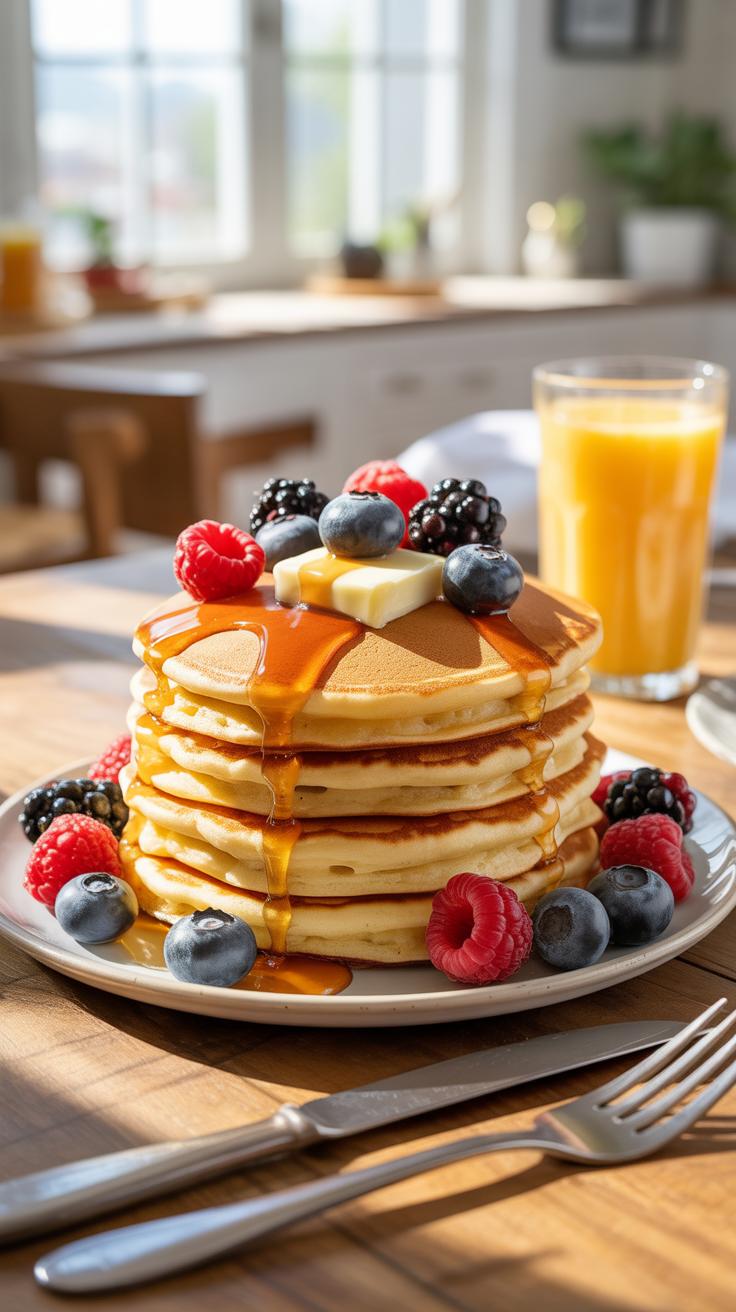
What To Expect From Almond Flour Vs All Purpose Flour On The Palate
Almond flour pancakes taste like roasted nuts and eggs. They do not have the neutral profile of wheat. All-purpose flour creates a bland base that carries syrups well. Keto flours add a distinct graininess to the mouthfeel. You will notice a heavier and denser bite compared to the airy finish of a standard diner pancake.
Standard pancakes rely on gluten for structural elasticity. Keto recipes use fats and proteins to hold the shape. This results in a softer center that can feel moist or curd-like if undercooked. You cannot recreate the chewy snap of a wheat pancake without gluten. Expect a fragile texture that requires careful flipping. The flavor stays rich but lacks the classic malted finish.
How Cooking Technique Affects Fluffiness In Both Pancake Styles
Wheat pancakes rise through a chemical reaction between baking powder and liquid. Trapped CO2 bubbles expand against strong gluten walls. This creates a tall and springy height. Keto versions depend on whipped egg whites or high quantities of leavening agents. Since nut flours are heavy, the lift is harder to maintain. You must cook keto batters immediately to prevent the bubbles from collapsing.
Heat management determines the final texture for both styles. Traditional pancakes tolerate high heat for a golden crust. Keto batters contain high fat and nut proteins that burn quickly. You must use low and slow heat to set the middle without charring the exterior. Steaming the pan with a lid can help keto pancakes firm up. This technique mimics the internal expansion found in high-carb recipes.
Keto Pancake Topping Ideas That Keep Carbs In Check
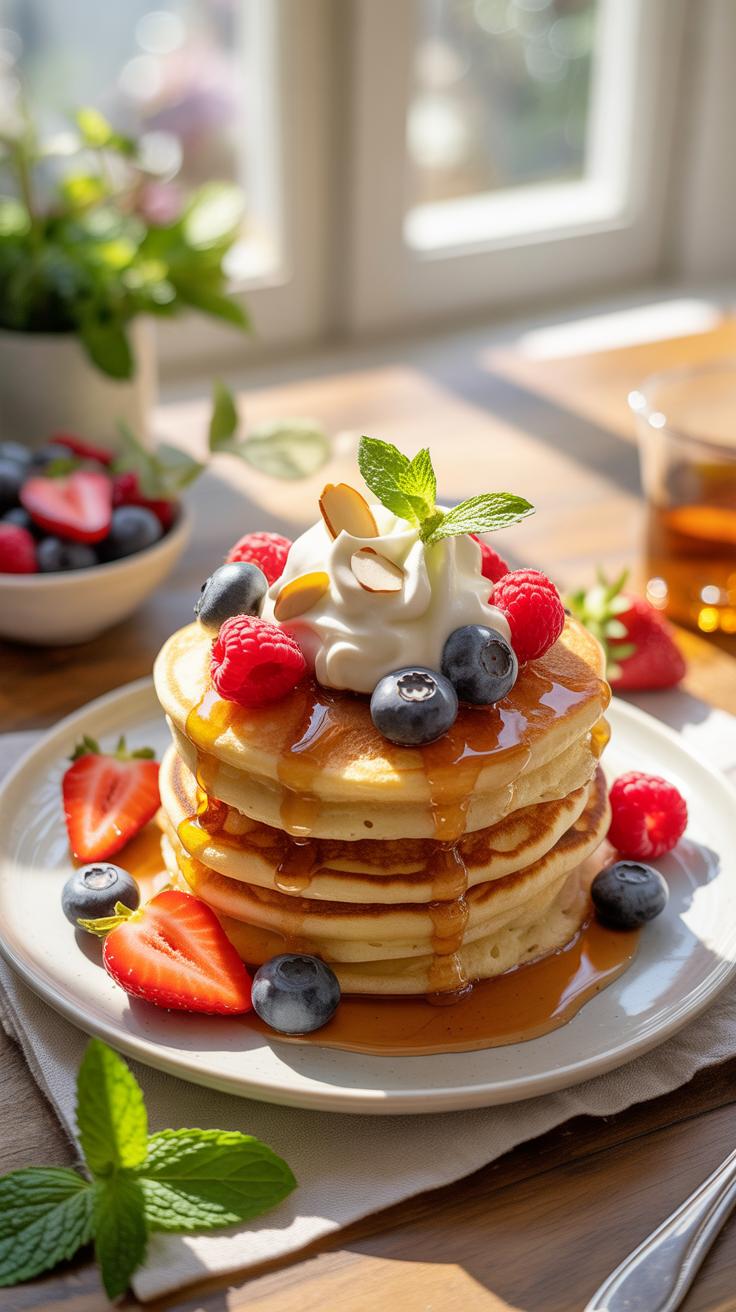
Low Carb Toppings That Add Flavor Without Undoing Your Macros
Standard pancake toppings rely on high sugar content. Keto alternatives focus on high fat and fiber to maintain ketosis. Heavy cream whipped without sugar provides essential fats. Fresh berries like raspberries and blackberries offer sweetness with a low glycemic load. Almond butter or peanut butter adds protein and healthy fats. These choices keep blood sugar stable and prevent insulin spikes after breakfast.
Strategic topping selection ensures your meal remains high in fats. Use butter liberally to increase the fat to protein ratio. Cinnamon adds flavor without adding any measurable carbohydrates. Savory options like bacon or avocado provide a different flavor profile while respecting keto limits. Always check nutrition labels for hidden sugars in nut butters. Prioritize whole food toppings over processed sugar free syrups for better nutrition.
How Traditional Toppings Like Maple Syrup Compare To Keto Alternatives
Traditional maple syrup contains roughly 13 grams of sugar per tablespoon. One serving can instantly exceed your daily carb limit. Honey and agave nectar are equally problematic for keto diets. These sweeteners cause rapid blood glucose elevation. High sugar intake stops fat burning and triggers hunger. You must avoid these items to maintain fat adaptation. They provide empty calories and zero functional benefits.
Keto syrups use sugar alcohols like erythritol or monk fruit extracts. These sweeteners have a glycemic index of zero. They provide the familiar taste of syrup without the metabolic damage. Some brands use liquid chicory root for texture and fiber. Always verify the source of the sweetener to avoid maltitol. Maltitol can raise blood sugar levels despite being labeled as sugar free. Stick to clean sweeteners.
Keto Pancakes Easy Common Mistakes And How To Avoid Them
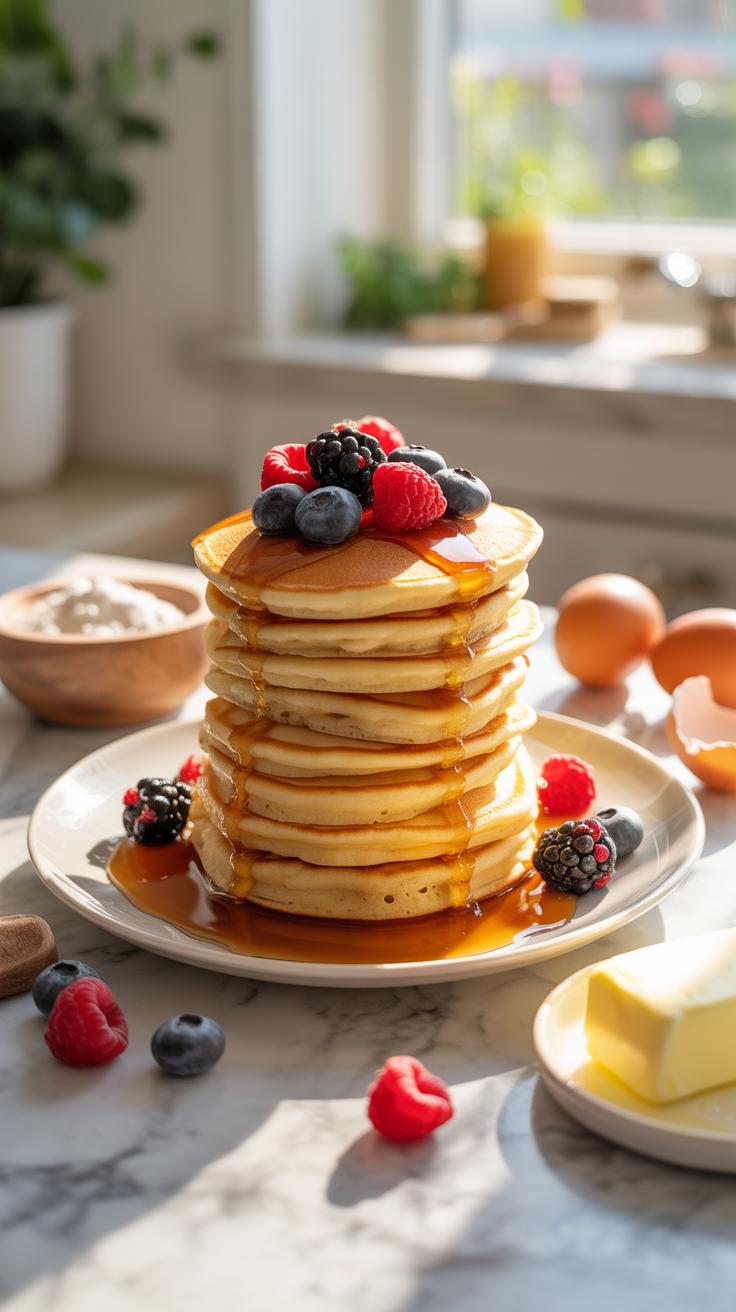
Why Keto Pancake Batter Behaves Differently And What That Means For You
Keto batters lack gluten found in wheat flour. Gluten provides the structural web that traps carbon dioxide bubbles. Almond and coconut flours rely on different physics. Almond flour is heavy and dense with high fat content. Coconut flour is highly hygroscopic and absorbs massive amounts of liquid. These properties change how the batter reacts to heat. You cannot expect the same rise as wheat.
Traditional pancakes use starch for structural integrity. Keto recipes use eggs and binders to achieve a similar result. The proteins in eggs must solidify before the pancake stable enough to flip. This process takes longer at lower temperatures. High heat burns the exterior while the interior remains liquid. Success requires patient heat management. Understanding these chemical differences keeps you from ruining your breakfast.
Whether it is a stack of fluffy classics or a mindful keto alternative, the heart of a pancake breakfast lies in the warmth of the memories we create around the table. Traditions may evolve into healthier choices, but the love baked into every golden bite remains exactly the same.
Fixing The Most Frequent Texture And Binding Problems In Keto Batters
Graininess and crumbly results happen when moisture levels are wrong. Almond flour creates a gritty texture if you do not grind it fine enough. Coconut flour causes dryness if the liquid ratio stays too low. Most bakers underuse eggs in keto recipes. Eggs provide the necessary structure that starch usually handles. If your pancakes fall apart during flipping, you likely have a binding deficit.
Add xanthan gum or psyllium husk to stabilize the batter. These ingredients act like synthetic gluten to hold the flour particles together. Let the batter rest for five minutes before cooking. Resting allows the fibers to hydrate fully. This step ensures a uniform consistency across the entire batch. Consistent heat and proper binders prevent the common mushy center issue found in beginner keto recipes.
Quick Low Carb Pancake Recipe Variations Worth Trying
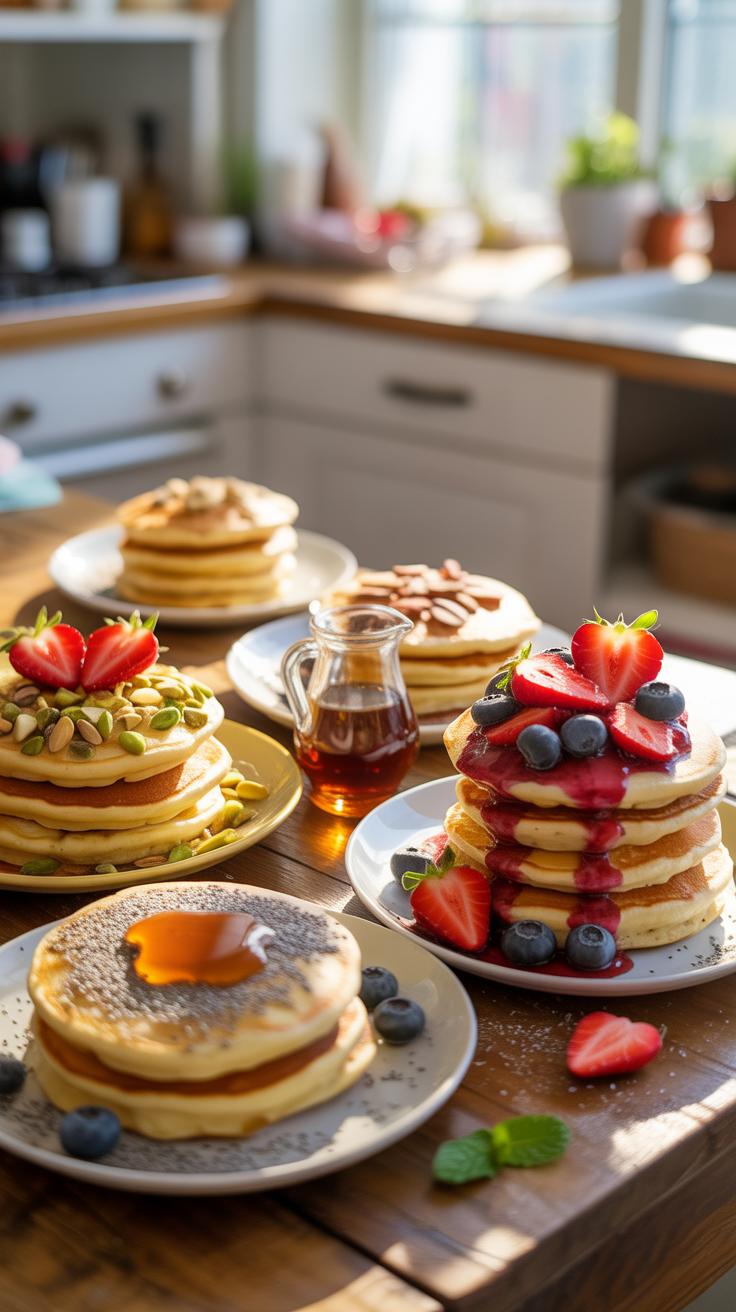
Coconut Flour, Cream Cheese, And Egg Based Variations Explained
Coconut flour serves as a high fiber alternative to almond flour. It absorbs significantly more liquid than traditional flours. This high absorption rate requires a higher ratio of eggs and moisture to prevent a dry texture. You must let the batter rest for several minutes. This wait time allows the fiber to hydrate fully. The result is a light and airy pancake.
Cream cheese variations prioritize fat content over bulk. Mixing room temperature cream cheese with eggs creates a thin batter. This mixture cooks into a soft and flexible pancake similar to a crepe. It eliminates the grittiness often found in nut based recipes. These pancakes rely on protein coagulation for structure. They lack the lift of flour based options but provide a superior fat macro profile.
How To Customize Low Carb Pancakes For Different Dietary Needs
Nut allergies require a shift away from almond flour. You can substitute sunflower seed flour or pumpkin seed flour at a one to one ratio. These alternatives maintain the low glycemic index while changing the flavor profile. Always check for freshness because seed flours can turn rancid quickly. Adjusting the sweetener type is also vital for specific metabolic goals. Liquid stevia provides sweetness without adding bulk.
Dairy free diets need fat swaps for butter and cream cheese. Use coconut cream or avocado oil to maintain the necessary fat content. These swaps alter the flavor but keep the macros intact. Collagen peptides add protein without changing the batter thickness. This addition improves the structural integrity of egg based recipes. Precise measurements ensure the texture remains consistent across all ingredient substitutions. You must monitor heat levels closely.
Which Pancake Is Right For Your Health Goals And Lifestyle
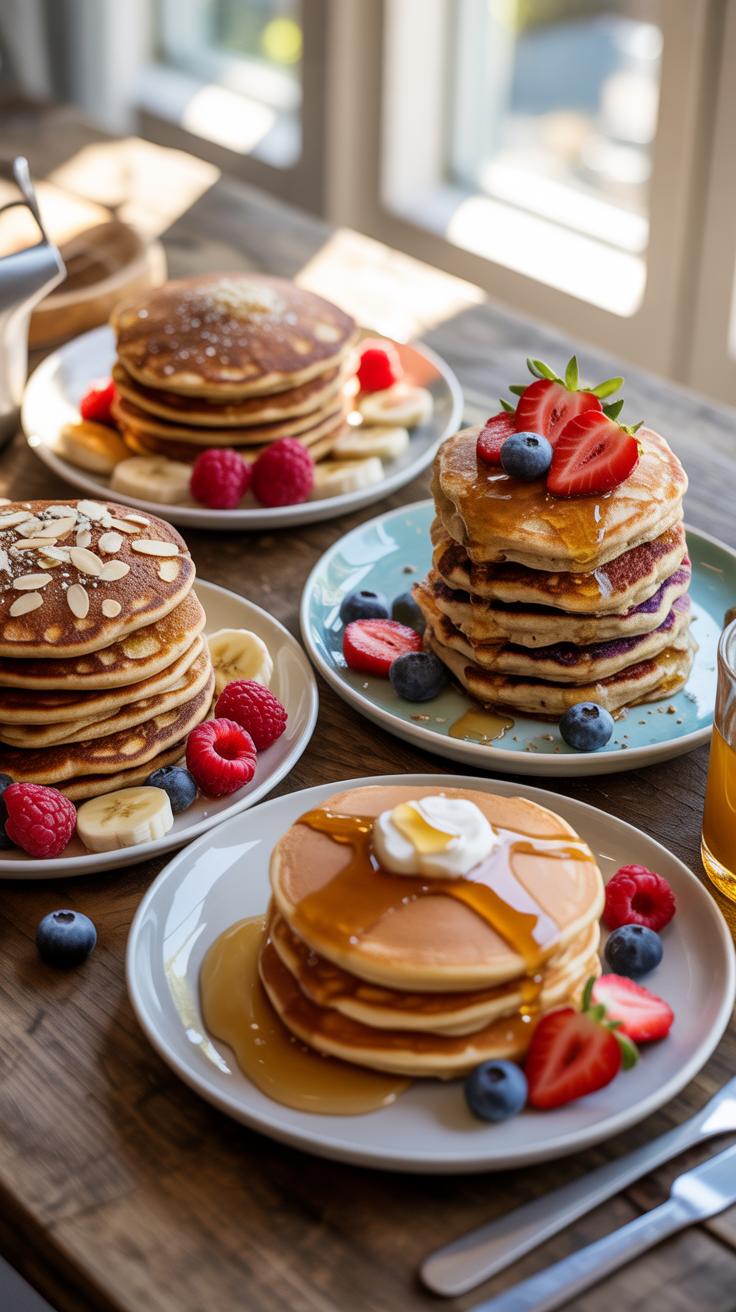
When Regular Pancakes Still Make Sense In A Balanced Diet
Standard wheat pancakes serve high-performance athletes who need rapid glucose replenishment. These individuals utilize fast-acting carbohydrates to fuel intense physical training session or restore glycogen levels after long endurance workouts. For these people, the quick sugar spikes do not cause long-term metabolic damage. They burn through the energy before it converts to stored body fat during their high-intensity movements.
Traditional recipes provide a cheap and accessible source of calories for those without insulin resistance. Some people maintain metabolic flexibility and can process processed flour without gaining weight. If your primary goal is muscle gain and you lack blood sugar issues, the classic version works fine. It remains a staple in mass-building diets where total calorie intake matters more than specific macronutrient ratios or ketosis states.
Who Benefits Most From Switching To A Keto Pancakes Easy Routine
Sedentary individuals and those managing type 2 diabetes benefit most from almond or coconut flour alternatives. These recipes replace high-glycemic starches with fats and fiber. This switch prevents the insulin spikes that lead to energy crashes and mid-morning hunger. By removing wheat flour, you stabilize your blood sugar levels. This strategy helps you maintain focus throughout the day without the typical brain fog.
People following a ketogenic lifestyle use these pancakes to satisfy cravings while staying in fat-burning mode. You can maintain a state of ketosis while enjoying a familiar breakfast texture. This makes your diet sustainable over long periods. Transitioning to low-carb versions reduces chronic inflammation caused by refined grains. It is a tactical move for anyone prioritizing fat loss and steady hormonal health over quick energy bursts.
Frequently Asked Questions

What are the main nutritional differences between keto and regular pancakes?
Traditional pancakes rely on wheat flour and sugar, making them high in carbohydrates and quick-burning energy. In contrast, this keto pancakes recipe comparison highlights the shift toward healthy fats and fiber. By using almond or coconut flour instead of grains, keto versions provide sustained energy and keep you full longer without the typical sugar crash, making them a superior choice for those monitoring blood glucose or following a ketogenic lifestyle.
How can I get keto pancakes to have the same fluffy texture as traditional ones?
Achieving that classic rise without gluten requires a few tricks. In our keto pancakes recipe comparison, we found that adding a pinch of xantham gum or using extra baking powder helps mimic the structure of wheat. Additionally, letting your batter rest for five minutes allows the nut flours to hydrate fully. Be sure to cook them over medium-low heat to ensure the inside sets perfectly without burning the delicate exterior.
Is making keto pancakes more expensive than making a regular boxed mix?
Initially, purchasing specialty ingredients like erythritol or blanched almond flour requires a higher upfront investment compared to a cheap bag of all-purpose flour. However, because keto ingredients are significantly more nutrient-dense and filling, you typically eat fewer servings to feel satisfied. When you consider the long-term health benefits and reduced hunger cravings, the cost per serving becomes much more manageable for most home cooks looking for quality nutrition.