
What Are Nutrition Labels And Why They Matter
The History And Purpose Of Nutrition Labels On Packaged Foods
Congress passed the Nutrition Labeling and Education Act in 1990. This law gave the FDA authority to require nutrition labels on most food products. Before this, food companies rarely shared detailed nutrient data. The government wanted to stop false health claims and provide standard data. The goal was to give every consumer the same set of facts for comparison.

The modern Nutrition Facts panel debuted in 1994. It used a specific black and white grid designed for maximum clarity. This layout helps you see calories and serving sizes immediately. Regulators updated the design in 2016 to reflect newer scientific research. This update forced brands to show added sugars and more realistic serving sizes. These labels protect public health through mandatory transparency.
Why Understanding Nutrition Labels Is Essential For Everyday Health Decisions
Nutrition labels remove the guesswork from grocery shopping. Most food marketing uses misleading words like natural or healthy on the front of the box. These terms have little legal weight. The label on the back provides the raw data you need to verify these claims. Reading the label ensures you know exactly what enters your body before you buy the product.

Standardized labels allow you to compare two different brands instantly. You can check which product has less sodium or more fiber in seconds. This data helps you manage chronic conditions like diabetes or high blood pressure effectively. Knowledge of the label prevents overconsumption of hidden calories. It turns a complex chore into a fast, data-driven decision. Precise tracking leads to better long-term health outcomes.
How To Read A Nutrition Label From Top To Bottom
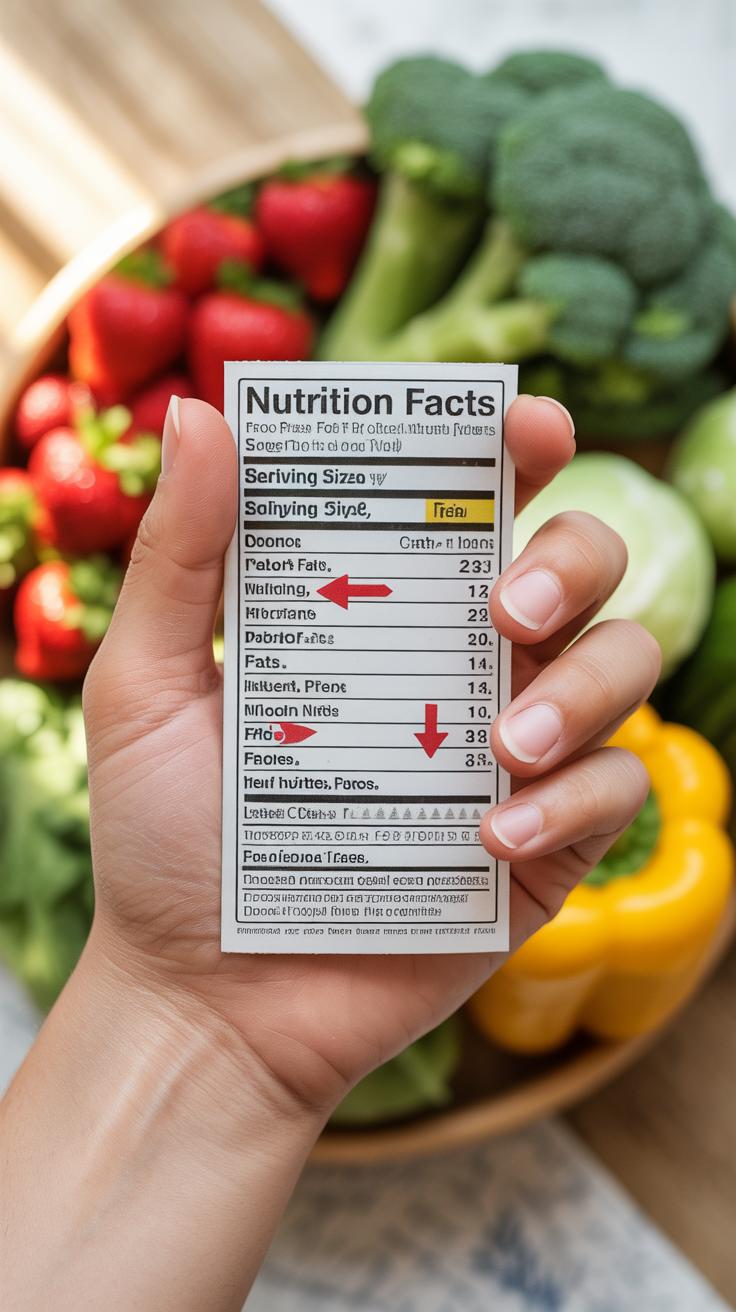
Breaking Down The Serving Size And Servings Per Container Section
The serving size sits at the very top of the label. It reflects the amount people typically eat or drink. It is not a recommendation for how much you should consume. All nutrient amounts shown on the label apply only to this specific portion size. You must compare this number to what you actually put on your plate to get accurate data.
The servings per container line tells you how many units exist in the entire package. Many small packages contain more than one serving. If you eat the whole bag, you must multiply every nutrient value by the total number of servings. Ignoring this step leads to massive errors in calorie tracking. Check these two numbers before reading any other part of the nutrition label.
Understanding Calories And How They Fit Into Your Daily Intake
Calories measure the energy you get from a serving of food. The label shows this number in large bold font for quick identification. This value helps you manage your weight by balancing intake against activity levels. Most general nutrition advice uses a two thousand calorie daily diet as a baseline. Individual needs vary based on age, sex, height, weight, and physical activity levels.
Nutrient density matters as much as the total calorie count. Empty calories provide energy without essential vitamins or minerals. You should use the calorie count to compare similar food products. High calorie counts do not always mean a food is bad if it provides high protein or fiber. Focus on the source of the calories to ensure your body gets the right fuel for daily tasks.
Nutritional Label Reading Guide For Macronutrients
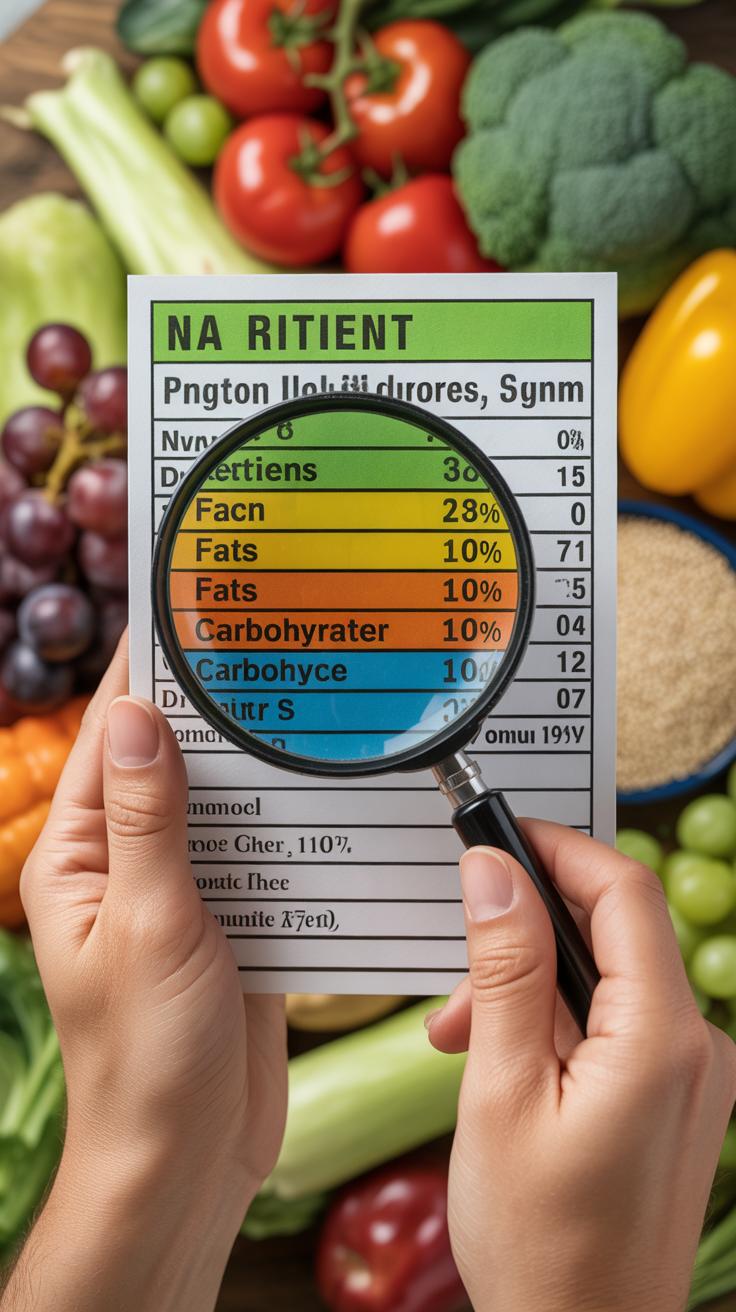
How To Interpret Total Fat, Saturated Fat, And Trans Fat On A Label
Total fat represents all lipid types per serving. You must look at the Daily Value percentage to gauge impact. A five percent value is low while twenty percent is high. This number includes healthy unsaturated fats and harmful fats. Do not focus on the total number alone. Check the specific fat breakdown to understand the actual quality of the product fuel.
Saturated fat and trans fat require strict scrutiny. Manufacturers must list trans fats since the FDA banned partially hydrogenated oils. These artificial fats raise bad cholesterol and damage heart health. Saturated fat should remain below ten percent of your daily calories. High levels of these fats often hide in processed snacks and meats. Prioritize products with zero trans fat and low saturated fat amounts.
Reading Carbohydrates, Dietary Fiber, And Total Sugars The Right Way
Total carbohydrates include starches, fiber, and sugars. High carbohydrate counts are not always bad if fiber levels are high. Fiber slows down sugar absorption in your blood. Look for at least three grams of fiber per serving. This helps maintain steady energy levels and prevents insulin spikes. Always compare the fiber count against the total carb count to find nutrient dense foods.
Total sugars include natural and added sugars. The label now separates added sugars for clarity. Natural sugars come from fruit or dairy. Added sugars come from processing and contribute empty calories. Always choose products with minimal added sugars. High sugar intake leads to weight gain and metabolic issues. Use the percent Daily Value to keep your daily added sugar intake under fifty grams.
How To Read Nutrition Labels For Sodium And Protein Content
Why Sodium Levels On Nutrition Labels Deserve Your Closest Attention
Sodium acts as a primary preservative and flavor enhancer in processed foods. Manufacturers use it to extend shelf life and hide the taste of low-quality ingredients. Most people consume twice the daily recommended limit of 2,300 milligrams. Excess sodium pulls water into your blood vessels. This increases blood volume and pushes your blood pressure higher over time. High blood pressure damages your arteries and stresses your heart.
You must look at the Percent Daily Value for sodium on every label. A product with 20 percent or more of the daily value is high in sodium. Five percent or less is low. Compare similar items to find the version with the least salt. Manufacturers often add sodium to bread, deli meats, and canned goods. Reading the label is the only way to track your total daily intake accurately.
How Protein Values On Labels Help You Meet Your Daily Nutritional Needs
Protein builds and repairs every tissue in your body. It also keeps you full for longer periods by slowing digestion. The grams of protein listed on a label show how much fuel you get per serving. Use this number to ensure you hit your target for each meal. Most active adults need at least twenty to thirty grams of protein per meal to maintain muscle mass and metabolic health.
Avoid relying on marketing claims like high protein on the front of the box. Check the actual number of grams on the back. Sometimes the serving size is very small, which makes the protein count look better than it is. Calculate the protein-to-calorie ratio to verify food quality. High-quality protein sources provide more grams of protein with fewer total calories. This strategy helps you lose fat while preserving muscle.
Decoding The Percent Daily Value On Nutrition Labels
What The Percent Daily Value Actually Means And How It Is Calculated
The Percent Daily Value tells you how much a nutrient in a serving of food contributes to a total daily diet. The FDA bases these percentages on a standard 2,000 calorie intake. This number serves as a general reference for nutrition advice. It helps you determine if a food is high or low in specific nutrients regardless of the package size.
Regulators calculate these figures by dividing the amount of a nutrient per serving by its Daily Reference Value. These reference values come from established dietary guidelines regarding health and chronic disease prevention. These percentages apply to the serving size listed at the top of the label. You must adjust the math if you consume more or less than that specific serving amount.
Using The 5 Percent And 20 Percent Rule As A Quick Nutrition Guide
The 5/20 rule provides a fast way to evaluate any food product without doing complex math. A value of 5 percent or less means the food is low in that specific nutrient. A value of 20 percent or more means the food is high in that nutrient. Use this threshold to compare different brands and make healthier choices at the grocery store.
Aim for high percentages in beneficial nutrients like fiber, vitamin D, calcium, iron, and potassium. Seek low percentages for nutrients you want to limit, such as saturated fat, sodium, and added sugars. This strategy allows you to balance your total intake throughout the day. If one meal is high in sodium, choose lower sodium options for your remaining meals to stay on track.
Vitamins And Minerals Listed Under Food Label Nutrition Info
Key Vitamins And Minerals The FDA Requires On Modern Nutrition Labels
Modern nutrition labels focus on specific micronutrients that the general population lacks. The FDA updated these requirements in 2016 to reflect current health risks. Manufacturers must list the actual amount in milligrams or micrograms plus the percent Daily Value. This allows you to see exactly what you get per serving. These four nutrients are mandatory because low intake links to chronic disease.
- Vitamin D: This nutrient is essential for bone health and immune function. The FDA added it to labels because many Americans do not get enough through sunlight or diet. Deficiencies can lead to weak bones and increased fracture risks.
- Calcium: You need this mineral for strong bones and teeth. It also helps your muscles move and your nerves carry messages. Labels show this to help people prevent osteoporosis. It is critical for individuals of all ages.
- Iron: This mineral is vital for making hemoglobin which carries oxygen in your blood. Fatigue and weakness often result from low iron levels. Women and children are particularly at risk for deficiency. The label helps you track daily intake.
- Potassium: This electrolyte helps maintain proper blood pressure and heart function. Most people consume too much sodium and too little potassium. The FDA mandates its inclusion to help reduce the risk of high blood pressure and strokes.
Other vitamins like Vitamin A and C are now voluntary. Companies only list them if they add them to the product or want to highlight them. Focus on the mandatory four to meet your basic biological needs. Always check the milligrams to compare different brands accurately. This data provides a clear picture of the nutritional density of your food choices.
How To Use Micronutrient Data On Labels To Support A Balanced Diet
Use the Percent Daily Value to gauge nutrient density quickly. A value of 5 percent or less means the food is low in that nutrient. A value of 20 percent or more means the food is high in it. Target high percentages for vitamins and minerals while keeping sodium and sugar low. This strategy ensures you get the most nutritional value out of every calorie consumed.
Compare different brands of similar foods to find the best profile. Some cereals or breads have more iron and fiber than others. Look for products that provide at least 10 percent of your daily needs for several nutrients. This tactical approach prevents nutritional gaps throughout the day. Reliable labeling data removes the guesswork from healthy eating. Use these facts to build a diet that supports long-term health.
Healthy Food Nutrition Label Comparisons While Grocery Shopping
Guidance On How To Compare Two Products Side By Side Using Their Nutrition Labels
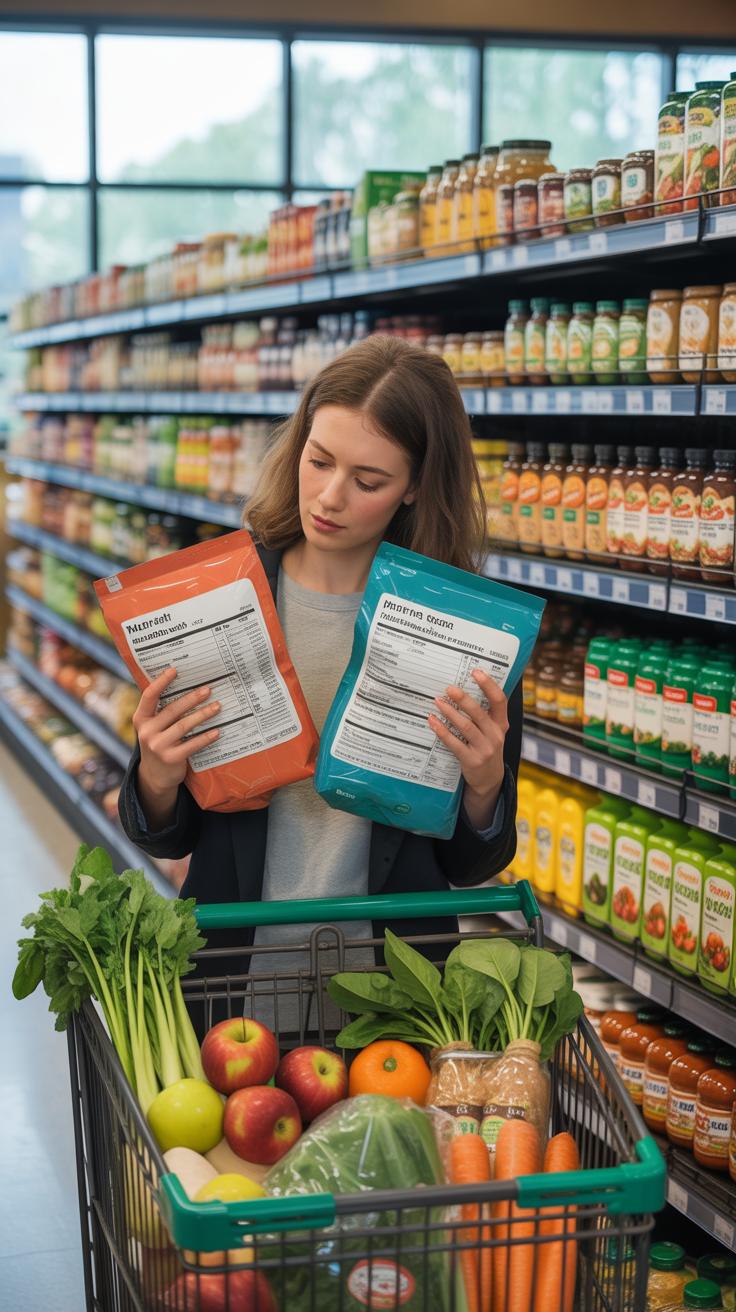
Ignore the front of the box. Look at the serving size first to ensure a fair comparison. Manufacturers often manipulate serving sizes to make calorie counts appear lower than they are. If one brand lists a half cup and the other lists a full cup, you must double the first item’s data. Standardize the units before you look at any other numbers.
Focus on density rather than total weight. Compare the grams of added sugar and fiber relative to the total carbohydrates. Choose the product with higher fiber and lower added sugar per serving. Check the sodium content against the daily value percentage. Effective strategists prioritize these three metrics to identify the superior fuel source. High fiber and low sodium indicate a less processed and high quality product.
Nutrition is not a math problem, but a way to honor the simple, wholesome ingredients our grandmothers once knew by heart. Real food doesn’t need a complicated label to tell you it’s good for your soul.
Common Marketing Claims On Packages And What The Label Actually Shows
Marketing claims like natural or light have no strict legal definition for health. Federal regulations allow these terms but they do not guarantee nutritional quality. A product labeled low fat often contains high amounts of sugar to maintain flavor. Always verify the claim by looking at the actual grams on the back. The back label is the only source of truth for your health.
The term no sugar added does not mean sugar free. This claim only indicates that the manufacturer did not add sucrose during processing. The product might still contain high levels of concentrated fruit juice or natural sugars. These impact your blood glucose levels exactly like white sugar. Read the ingredient list to find hidden sweeteners. Look for words ending in ose to find the real truth behind the claims.
How To Read A Food Label Nutrition Section For Special Diets
Reading Nutrition Labels When Managing Diabetes, Heart Health, Or Weight Loss
Diabetics must prioritize the Total Carbohydrate line over the Sugar line. This figure includes starch and fiber which impact blood glucose levels. Check the Serving Size first to calculate the exact carb load. High fiber counts can mitigate glucose spikes. Always ignore front-of-pack marketing like No Sugar Added. These products often contain sugar alcohols or malto-dextrin which still raise blood sugar.
Heart health requires strict monitoring of Sodium and Saturated Fat. Aim for less than 140 milligrams of sodium per serving to meet low sodium standards. Avoid any product listing Trans Fat above zero grams. Weight loss success depends on Calorie Density relative to Serving Size. Compare the weight in grams to total calories. High-volume foods with low calorie counts help maintain a caloric deficit without hunger.
Practical Tips For Using Nutrition Labels On A Vegan Or Gluten Free Diet
Identify animal derivatives and gluten sources by scanning the Ingredients List below the nutrition grid. Manufacturers must disclose major allergens like wheat under the Food Allergen Labeling and Consumer Protection Act. Vegan diets require checking for hidden additives like gelatin or casein. Gluten-free shoppers should look for barley malt or rye. Cross-contamination warnings provide essential safety data for those with Celiac disease or severe allergies.
- Certified Gluten-Free Symbols: Look for independent third-party seals on the packaging. These labels guarantee the food contains less than 20 parts per million of gluten. This standard is stricter than unregulated marketing claims found on some generic processed food boxes.
- Hidden Animal Products: Check for ingredients like whey, lard, and honey. Many processed snacks use bone char-processed sugar or insect-derived dyes. You must read the entire ingredient deck to ensure the product aligns with a strict vegan lifestyle and ethical standards.
- Whole Grain Sources: Confirm the first ingredient is a whole grain like brown rice or quinoa. Gluten-free processed foods often rely on refined starches. These starches lack fiber and have a high glycemic index. Choose items that list a recognizable whole food first.
- Protein Quality: Analyze the Amino Acid profile if the label provides it. Vegan diets need diverse protein sources to ensure a complete profile. Check if the product uses soy, pea, or rice protein. Ensure the protein-to-calorie ratio supports your specific daily nutritional requirements.
- Enriched Nutrients: Look for added Vitamin B12 and Iron in vegan products. Plants do not naturally provide B12. Many manufacturers fortify cereals and plant milks to prevent deficiencies. Verify the Percent Daily Value to see how much each serving contributes to your total intake.
Avoid products with long lists of chemical stabilizers and thickeners. Vegan and gluten-free processed foods often use gums to mimic the texture of meat or wheat. These additives can cause digestive distress in sensitive individuals. Prioritize whole foods with single-word ingredient lists. Use the Nutrition Facts panel to verify that meat alternatives are not excessively high in sodium or saturated fats from coconut oil.
Common Mistakes People Make When Reading Nutrition Labels
Overlooking Serving Sizes And How It Leads To Calorie Miscalculations
Most shoppers look at the calorie count first. They ignore the serving size listed at the very top. Manufacturers often list small serving sizes to make the product look healthy. A single bag of chips may contain three servings. If you eat the entire bag, you must triple every number on the label. This mistake leads to massive overconsumption of energy and sodium.
Check the servings per container before you calculate anything else. This number tells you exactly how much food the label describes. Since 2016, FDA rules require manufacturers to use realistic serving sizes based on what people actually eat. However, many packages still contain multiple servings. You must do the math to find the total impact on your daily diet. Ignoring this step ruins your tracking.
Misreading Added Sugars And Confusing Them With Total Sugar Content
Total Sugars includes naturally occurring sugars and added sugars. Natural sugars come from fruit or milk. Added sugars are put in during processing. High total sugar numbers are not always a signal to avoid a food. For example, plain yogurt has high total sugar from lactose. It has zero grams of added sugar. You must look at the indented line below the total sugar count.
The Added Sugars line is a critical tool for your health. It shows exactly how much cane sugar or corn syrup the company added. You should limit these specific grams to prevent metabolic issues. Focus on the percent Daily Value for added sugars. Keep this number low throughout the day. Distinguishing between these two lines prevents you from accidentally cutting out nutrient-dense foods like whole fruit.
Frequently Asked Questions

What are the most important parts of a nutrition label for a beginner to check?
When learning how to read nutrition labels, the best place to start is the serving size and total calories. Many people overlook these, but they are the foundation of the entire label. By checking the serving size first, you can accurately calculate how many carbohydrates, fats, and proteins you are actually consuming, ensuring you don’t accidentally double your intake of hidden sugars or sodium while tracking your daily goals.
How do I know if a food is actually healthy based on its label?
To determine if a food is healthy, use the 5/20 rule. If a nutrient has a Daily Value of 5% or less, it is considered low; if it is 20% or more, it is high. Focus on finding foods high in fiber, vitamin D, and potassium, while minimizing added sugars and saturated fats. Mastering this simple technique is the most practical way to understand how to read nutrition labels quickly during a busy grocery trip.
Can reading nutrition labels help me save money on my grocery bill?
Absolutely! Understanding labels allows you to compare store-brand items against premium name brands to see if the nutritional profiles are identical. Often, affordable generic options provide the same levels of protein and vitamins without the extra cost of marketing. By prioritizing nutrient density over fancy packaging, you can stock a healthy pantry on a budget, making whole foods and essential staples much more accessible for your family every single week.