

What Is A 90 Day Meal Plan For Weight Loss And Why Does It Work
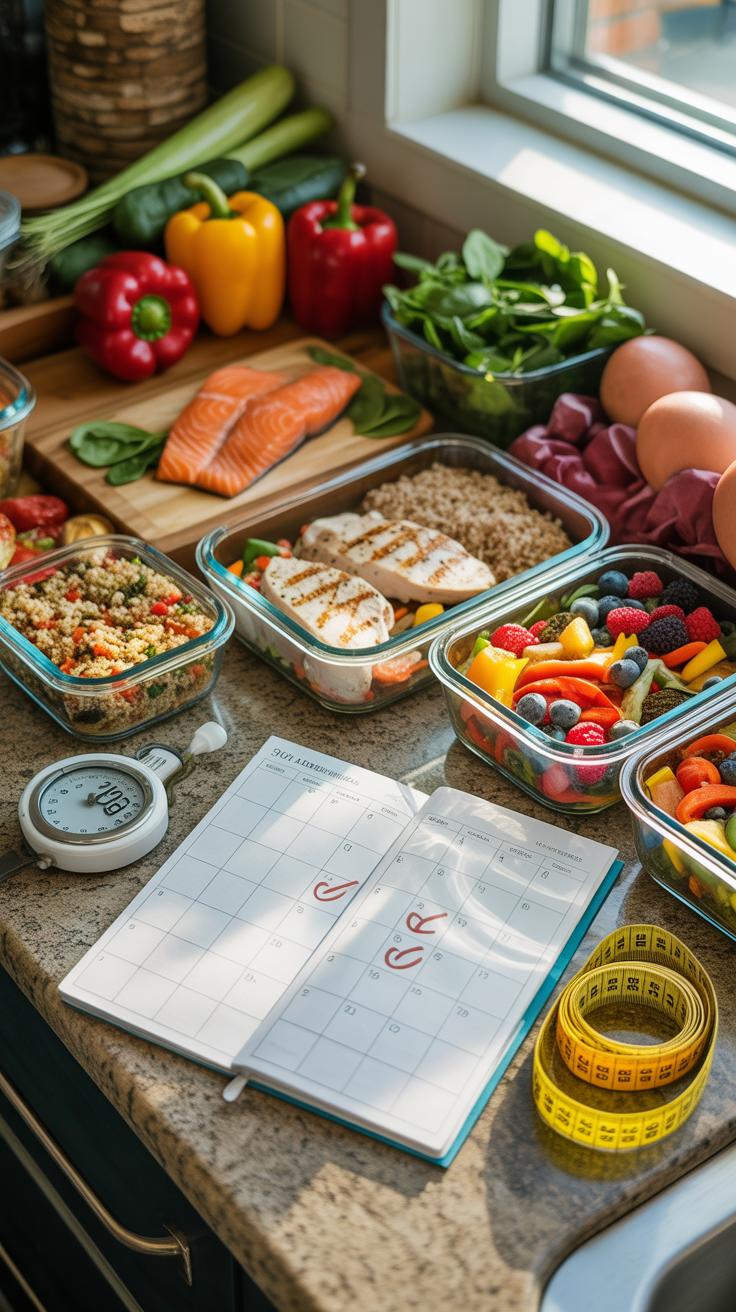
The Science Behind A Structured 90 Day Challenge For Sustainable Fat Loss
A 90 day meal plan for weight loss leverages the physiological principle of energy balance. You must consume fewer calories than your body burns to induce lipolysis. This duration allows for a controlled caloric deficit that preserves lean muscle tissue while targeting adipose stores. Precise macronutrient ratios provide the fuel necessary to maintain metabolic rate and prevent the hormonal crashes common in shorter diets.
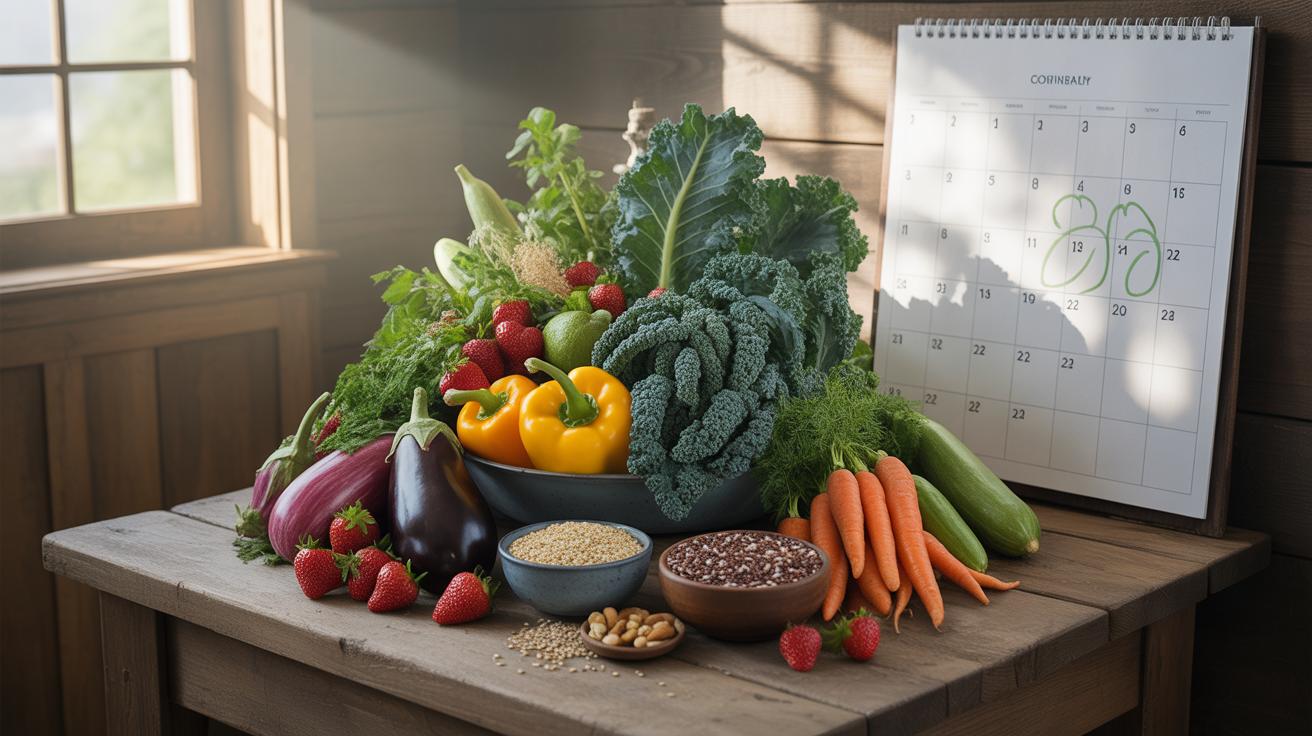
Strategic planning eliminates decision fatigue which often leads to caloric surplus. By mapping three months of nutrition, you stabilize blood glucose levels and insulin sensitivity. This timeframe is sufficient to observe true biological changes rather than just fluctuations in water weight. Continuous adherence to a structured protocol forces the body to adapt its metabolic pathways for efficient energy utilization and long term weight management.
How A 90 Day Timeframe Builds Lasting Healthy Habits Over Short Term Diets
Short term diets fail because they rely on temporary willpower rather than behavioral rewiring. Research suggests that complex habits take approximately 66 days to become automatic. A 90 day window exceeds this threshold to ensure new eating patterns stick. You transition from conscious effort to subconscious routine. This period allows you to navigate social cues and emotional triggers without abandoning your nutritional goals.
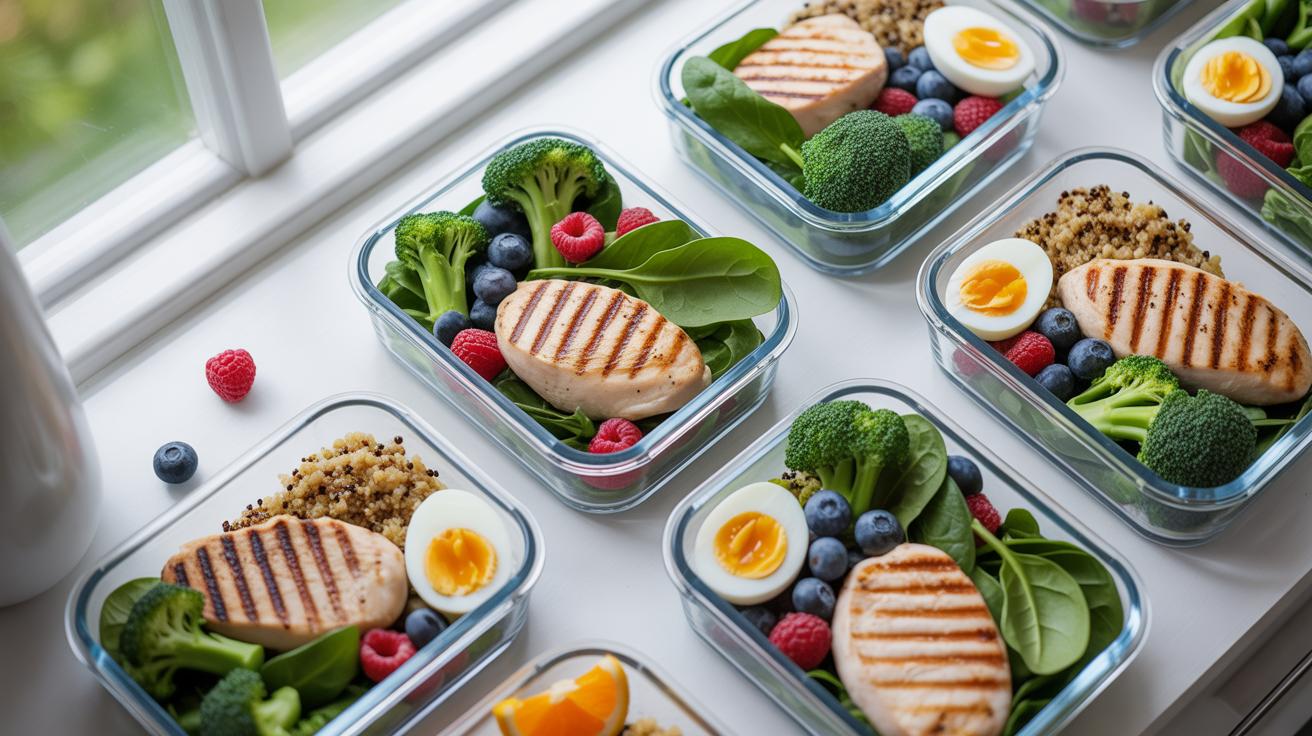
Consistency over twelve weeks modifies your palate and hunger signaling. Rapid weight loss schemes often trigger compensatory hunger that leads to weight regain. A 90 day approach stabilizes the hormone leptin which controls satiety. By the end of the third month, your body accepts the new caloric baseline as the norm. You emerge with a sustainable lifestyle framework that prevents the typical cycle of yo-yo dieting.
Setting Realistic Goals Before Starting Your 90 Day Transformation

How To Calculate A Healthy And Realistic Weight Loss Target Over 90 Days
Safe weight loss happens at a rate of one to two pounds per week. This range prevents excessive muscle loss and down-regulation of your metabolism. Over a 90 day period, aim for a total reduction of 12 to 24 pounds. Targets exceeding this range often lead to rapid weight regain and hormonal imbalances. Use your current body weight to set a realistic baseline.
Calculate your daily caloric needs using the Mifflin-St Jeor equation. Subtract 500 calories from your maintenance level to lose one pound weekly. This deficit ensures your body burns stored fat for energy without triggering a starvation response. Precise math removes guesswork from your 90 day meal plan for weight loss. Consistency with these numbers determines your final success after three months of effort.
Tracking Progress Beyond The Scale: Measurements, Energy Levels, And Consistency
The scale is a blunt tool that ignores body composition changes. Muscle is denser than fat and takes up less space. Use a tape measure to track inches lost at the waist, hips, and chest every two weeks. These physical changes prove your fat loss even when the weight remains stagnant. Documenting these metrics provides a clear map of your actual physiological progress.
Monitor your daily energy levels and sleep quality throughout the plan. High energy indicates your caloric deficit is manageable and sustainable. Record how many days you hit your macro targets without straying. Consistency is the most accurate predictor of long-term results. If you maintain 80 percent adherence over 90 days, you will see significant changes in your health and performance.
Understanding Your Calorie Diet How Many Calories Do You Actually Need

What Is A 1200 Calorie Meal Plan Easy Enough To Follow Without Feeling Deprived?
A 1200 calorie meal plan succeeds only when you prioritize nutrient density over processed fillers. You must focus on high volume foods like leafy greens and cruciferous vegetables to physically fill your stomach. Lean proteins such as chicken breast or white fish provide satiety through thermic effect. Success requires three meals of 350 calories and two small snacks to stabilize blood sugar levels throughout the full day.
Avoid liquid calories entirely because they do not trigger fullness signals in the brain. Use spices and vinegars instead of oils and heavy sauces to keep caloric density low. Prepare your meals in advance to eliminate impulsive eating during hunger spikes. Tracking every gram of food ensures you stay within the strict limits. Consistency over the first two weeks dictates your long term metabolic adaptation and fat loss speed.
Adjusting Your Daily Calorie Intake Based On Activity Level, Age, And Body Composition
Your Basal Metabolic Rate serves as the floor for your caloric needs. Younger individuals and those with higher muscle mass burn more energy at rest than older or sedentary people. You must calculate your Total Daily Energy Expenditure by factoring in your specific movement levels. Adjusting your intake based on these variables prevents metabolic slowdown. A deficit that is too aggressive will eventually stall your progress.
Physical activity requires immediate fuel adjustments to preserve lean muscle tissue. Increase your protein intake if you engage in regular resistance training during the 90 day cycle. Monitor your weight and energy levels weekly to refine your target numbers. Age naturally lowers caloric requirements due to hormonal shifts and muscle loss. Accurate adjustments ensure you lose body fat while maintaining the strength necessary for a functional life and metabolism.
How To Build Your Daily Meal Plan Macros Portions And Timing

Balancing Protein, Carbohydrates, And Healthy Fats In Your Day Meal Plan
Weight loss requires a precise macronutrient balance to preserve lean muscle while burning stored fat. Prioritize protein to signal satiety and prevent muscle wasting. Aim for one gram of protein per pound of target body weight. This stabilizes blood sugar and limits insulin spikes. High protein intake also increases your metabolic rate through the thermic effect of food during digestion.
Carbohydrates and fats provide the energy necessary for daily movement. Focus on complex carbohydrates like oats and sweet potatoes for sustained energy release. Avoid refined sugars that cause energy crashes. Integrate healthy fats from avocado or olive oil to support hormone production and nutrient absorption. Control these portions strictly because fats contain double the calories per gram compared to protein or carbohydrates.
Meal Timing Strategies: Should You Eat Three Meals A Day Or Practice Intermittent Fasting?
The timing of your meals dictates your metabolic efficiency and hunger levels. Three meals a day provide a steady stream of nutrients for those with high activity levels. This traditional approach prevents extreme hunger that leads to binge eating. Consistent meal times train your body to expect fuel at specific intervals. This regularity helps manage cortisol levels and supports a steady fat loss rate.
Intermittent fasting offers an alternative by restricting your eating window to eight hours or less. This strategy forces your body to use stored glycogen and body fat for energy during the fasting period. It simplifies meal prep by reducing the number of daily cooking sessions. Success depends on total calorie intake rather than just the window. Choose the method that fits your schedule to ensure long-term adherence.
Week By Week Breakdown Navigating Each Challenge Week Of Your 90 Day Plan

Weeks 1–4: Establishing Your Routine And Overcoming Early Adjustment Challenges
The first month centers on metabolic adaptation and behavior modification. Your body must shift from processing high-sugar processed foods to nutrient-dense whole foods. Expect physiological resistance during the first ten days as glycogen stores deplete. You must prioritize protein intake and hydration to minimize the impact of these energy fluctuations. Proper meal prep prevents poor decision-making when hunger signals peak during this transition.
Efficiency is the primary goal during these initial weeks. You must master the logistics of bulk cooking and portion control immediately. Use standardized containers to remove guesswork from serving sizes. Focus on repeatable recipes to reduce cognitive load while your brain adapts to new habits. Consistent timing of meals stabilizes blood glucose levels and reduces cravings for late-night snacks. Success here builds the foundation for the entire plan.
Weeks 5–12: Building Momentum, Refining Portions, And Staying Consistent
The secondary phase requires strategic adjustments to prevent weight loss plateaus. Your basal metabolic rate may drop as you lose mass. You must recalculate your caloric needs and refine your macronutrient ratios every four weeks. Increase fiber intake to maintain satiety as your body attempts to trigger hunger hormones. This period tests your discipline once the initial excitement of the 90 day meal plan for weight loss fades.
Long-term success depends on environmental control and mental toughness. You will face social pressures and scheduling conflicts that threaten your consistency. Prepare emergency shelf-stable meals to avoid relying on fast food when plans change. Monitor your progress through measurements rather than just the scale. Adjusting your physical activity alongside your meal plan ensures continued fat loss. Stay focused on the objective data to guide your weekly meal adjustments.
Healthy Meal Prep Strategies To Make Your Daily Meal Plan Stress Free

Essential Weekly Meal Prep Steps To Save Time And Stay On Track All Week
Successful weight loss depends on systems rather than willpower. You must dedicate one day to high volume food preparation to avoid poor decisions during busy weekdays. Start by washing and chopping all fibrous vegetables immediately after purchase. Divide your proteins into measured portions to ensure you hit specific macro targets without guessing. Consistent preparation reduces the mental load of dieting.
- Batch Cook Proteins: Roast chicken breasts or lean beef in large quantities using basic seasoning. Pre cooking your primary protein source ensures you have the base for every meal ready in minutes. Store these in airtight containers to maintain freshness for up to four days.
- Pre Portion Carbohydrates: Cook large batches of complex carbs like quinoa or brown rice. Use a kitchen scale to divide these into specific servings based on your daily calorie requirements. This prevents overconsumption of calorie dense starches during dinner.
- Assemble Salad Jars: Place dressing at the bottom of glass jars followed by hearty vegetables and greens on top. This technique keeps ingredients crisp and prevents wilting for several days. It provides a grab and go lunch option that requires zero assembly during work hours.
- Flash Freeze Fruit: Spread berries or sliced bananas on a baking sheet before moving them to freezer bags. This prevents the fruit from clumping into a solid block. Frozen fruit works perfectly for measured smoothies or quick additions to morning oatmeal bowls.
- Standardize Snacks: Divide nuts or Greek yogurt into individual containers according to your 90 day meal plan for weight loss. Having pre weighed snacks stops mindless grazing directly from large packages. Tactical snacking keeps blood sugar stable and prevents binge eating later in the day.
Efficiency improves when you use professional kitchen tactics like mise en place. This means having every ingredient peeled and ready before you turn on the stove. Clean your workspace as you go to prevent fatigue during the process. Set a timer to keep your prep session under two hours. Once your containers are packed and labeled, your nutritional success for the week is guaranteed.
Smart Grocery Shopping How To Stock A Weight Loss Friendly Kitchen On A Budget
Smart shopping requires a strict inventory of your pantry before you leave the house. Buy staples like beans, oats, and grains in bulk to lower the cost per serving. Stick to the perimeter of the store where the whole foods live and avoid the processed center aisles. Generic brands offer the same nutritional value as name brands for a fraction of the price.
Fresh produce is often expensive so buy frozen vegetables to save money without losing nutrients. Canned proteins like tuna or sardines provide high quality nutrition at a very low cost. Purchase seasonal fruits to ensure better flavor and lower prices. Always shop with a pre written list based on your meal plan to eliminate impulse buys. Discipline in the grocery store dictates your success in the kitchen.
Sample Meals And Recipes From Grilled Chicken Salad To Balanced Breakfasts

Why A Grilled Chicken Salad Is A Nutritional Powerhouse For A Weight Loss Meal Plan
Grilled chicken salad serves as a tactical anchor for any 90 day meal plan for weight loss. Lean chicken breast provides high bioavailability protein which triggers thermogenesis during digestion. This process burns calories simply by breaking down the meat. Greens provide high volume with low caloric density. This combination allows for significant physical satiety without exceeding daily energy limits.
Vegetables in the salad provide essential fiber to stabilize blood glucose levels. Stable insulin prevents the mid-afternoon energy crashes that lead to unplanned snacking. Using an acidic dressing like lemon or vinegar replaces high calorie fats while improving mineral absorption. This meal is easy to prep in bulk. It remains stable in the refrigerator for several days without losing its nutritional profile.
Easy High Protein Breakfast And Dinner Ideas To Complement Your 90 Day Eating Plan
Breakfast must prioritize protein to suppress the hunger hormone ghrelin for the remainder of the day. Starting with high protein intake prevents muscle catabolism during a caloric deficit. Dinner should focus on lean proteins and cruciferous vegetables to support overnight recovery and metabolic health. These meals work together to maintain a steady state of fat oxidation throughout the entire 90 day cycle.
- Greek Yogurt with Chia Seeds: Use plain non-fat Greek yogurt as a base to secure thirty grams of protein. Add two tablespoons of chia seeds for ten grams of fiber. This combination slows digestion and keeps blood sugar levels flat for four hours or more.
- Spinach and Egg White Omelet: Combine one whole egg with four whites to manage fat intake while maximizing protein. Fold in two cups of fresh spinach for magnesium and iron. This meal delivers high volume for under two hundred calories per serving.
- Baked Salmon and Asparagus: Roast four ounces of salmon to get essential omega-3 fatty acids for heart health. Pair it with one bunch of asparagus for a natural diuretic effect. This dinner supports hormone production while keeping net carbohydrates extremely low.
- Turkey Chili with Black Beans: Simmer lean ground turkey with tomatoes and beans for a high-fiber evening meal. The beans provide complex carbohydrates that prevent late-night cravings. This recipe is ideal for batch cooking and tastes better when reheated the next day.
- Tempeh Stir-Fry with Broccoli: Use fermented soy as a plant-based protein source that supports gut health. Toss it with large amounts of broccoli and ginger in a non-stick pan. This meal provides a dense nutrient profile without the saturated fats found in red meats.
Effective dinner planning requires a focus on micronutrients and fiber to aid digestion before sleep. Avoid heavy sauces or processed sugars that interfere with sleep quality. Quality rest is vital for the hormonal balance needed to lose weight consistently over three months. Prepare these meals ahead of time to remove decision fatigue and ensure total compliance with the fat loss strategy.
Building Healthy Habits That Support Your 90 Day Meal Plan Beyond The Kitchen

How Sleep, Hydration, And Stress Management Directly Impact Weight Loss Results
Sleep regulation controls hunger hormones like ghrelin and leptin. Lack of rest spikes your appetite and leads to poor food choices. High cortisol from chronic stress forces the body to store fat around the midsection. You must manage your nervous system to keep your metabolism functioning. A body under constant pressure resists burning stored energy. Prioritizing recovery ensures your hormonal profile remains optimal for fat loss throughout this program.
Hydration is a tactical tool for appetite control and metabolic efficiency. Water facilitates the chemical reactions required to break down fat cells. Drinking 16 ounces before meals helps you maintain a caloric deficit by increasing satiety. Dehydration often mimics hunger signals in the brain which leads to unnecessary snacking. Consistent fluid intake keeps your energy levels high. This prevents the fatigue that often causes people to quit their meal plans prematurely.
Preparation is the gift of time you give your future self, much like the slow, careful kitchens of our childhood. Each nourishing meal tucked away is a steady step toward the vibrant health you deserve over these coming ninety days.
— Alice Waters
Pairing Your Meal Plan With A Sustainable Exercise Routine For Faster Results
Diet drives fat loss but exercise preserves lean muscle mass. Resistance training is your primary tool for maintaining a high metabolic rate. Lifting weights forces the body to burn more calories even at rest. Building muscle creates a more efficient engine for processing nutrients. You do not need hours of cardio to see results. Focus on three heavy lifting sessions per week to transform your body composition during these 90 days.
Sustainable movement builds the consistency required for long term success. Low intensity steady state cardio like walking increases your daily energy expenditure without spiking hunger. High intensity training can lead to burnout if you do not recover properly. Match your activity level to your current caloric intake to avoid extreme fatigue. Track your progress with performance goals rather than just the scale. This keeps you motivated when weight loss plateaus occur.
How To Stay On Track And Avoid Common Pitfalls During Your 90 Day Transformation

Common Reasons People Quit A 90 Day Challenge And How To Overcome Them
Most people quit because they set unrealistic expectations for rapid fat loss. Drastic calorie deficits cause metabolic adaptation and extreme hunger within the first three weeks. This leads to a binge cycle that breaks the routine. You must view the 90 day meal plan for weight loss as a series of small wins. Tactical planning prevents emotional decisions when physical exhaustion begins to peak.
Lack of preparation is the second primary cause of failure. You will face days where your schedule collapses and hunger rises. Without pre-measured meals, you will revert to convenient processed foods. Successful individuals build an environment that enforces their goals. They shop in bulk and cook on set days to remove decision fatigue. This structure keeps you compliant when your motivation eventually fades.
How To Handle Plateaus, Social Eating, And Cravings Without Derailing Your Progress
Weight loss plateaus occur when your body adjusts to a lower caloric intake. You cannot fix a plateau by eating less of the same food forever. You must increase your physical activity or adjust your macronutrient ratios to trigger new progress. Tracking your data allows you to identify these stalls early. Do not panic and quit. Instead, look at your weekly averages to confirm a real stall exists.
Social events and specific cravings often destroy fat loss momentum. You must learn to eat before arriving at parties to maintain control. Choose high protein options and limit liquid calories when dining out. For cravings, use the delayed gratification method. Tell yourself you can have the food tomorrow if you still want it. Most cravings disappear within twenty minutes of focused distraction or drinking water.
Frequently Asked Questions

How do I stay consistent with a weight loss plan for three months?
Staying consistent requires a balance of discipline and flexibility. Starting a 90 day meal plan for weight loss serves as a roadmap, helping you avoid impulsive food choices when life gets busy. Focus on preparing versatile proteins and grains in bulk each Sunday. By taking the guesswork out of your daily nutrition, you create sustainable habits that transform your lifestyle long after the initial twelve weeks have passed.
What is the most efficient way to prep meals for the entire week?
Efficiency is all about “batch cooking” and smart organization. Spend one afternoon washing vegetables, roasting lean meats, and portioning snacks into airtight containers. To succeed with your 90 day meal plan for weight loss, use a mix of “buffet style” prep—where ingredients are kept separate—and fully assembled grab-and-go containers. This variety prevents palate fatigue while ensuring you always have a healthy, calorie-controlled option ready in the refrigerator.
Can I follow a long-term healthy eating plan on a tight budget?
Absolutely! Healthy eating does not require expensive “superfoods” or gourmet ingredients. Focus your shopping list on affordable staples like dried lentils, brown rice, oats, and frozen vegetables, which retain their nutritional value at a fraction of the cost. Buying seasonal produce and choosing generic brands for pantry essentials allows you to maintain a nutritious diet without overspending. Planning your meals ahead is the best way to reduce expensive food waste.