

Why Healthy Eating Restaurant Choices Matter More Than You Think
How Frequent Dining Out Affects Your Overall Diet Quality
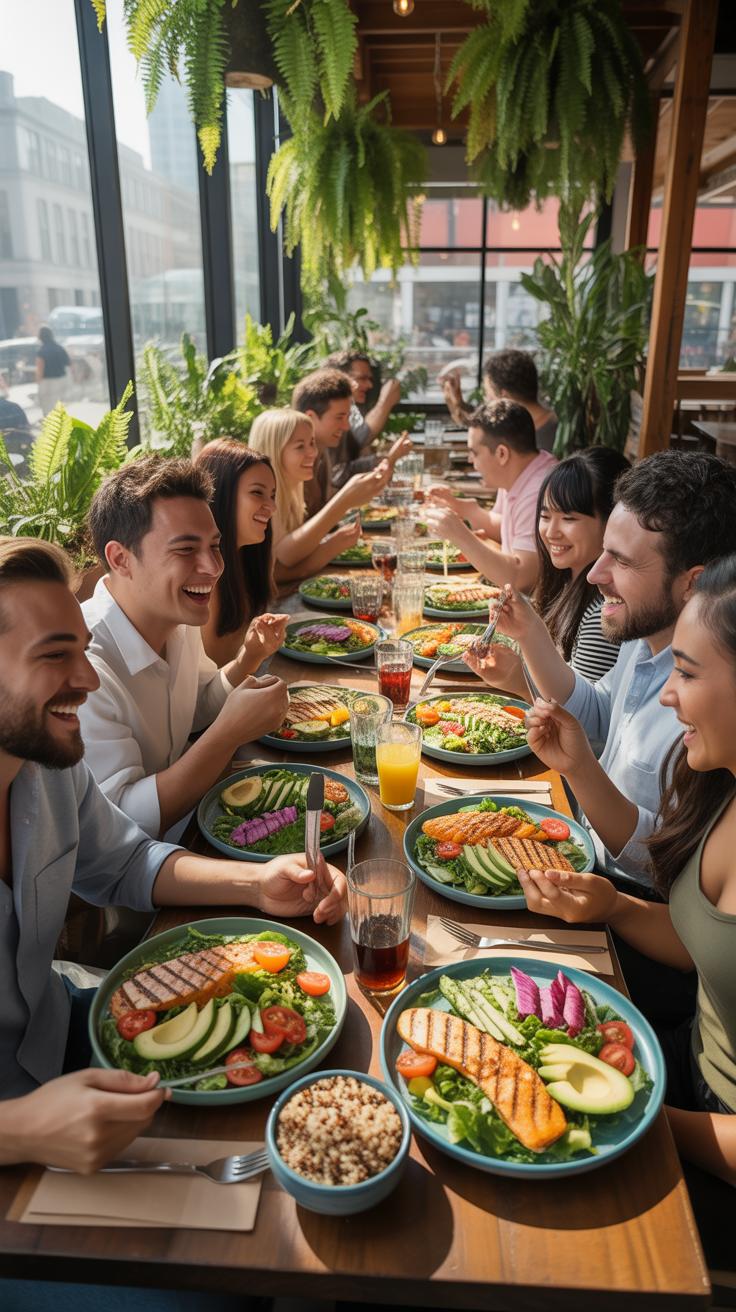
Modern eating habits involve frequent visits to restaurants and fast food outlets. Data shows that meals away from home significantly lower your overall diet quality. These meals often lack essential vitamins, minerals, and fiber found in home-cooked food. Most diners consume more saturated fat and sodium when eating out. This shift in nutrition creates a long-term deficit that impacts your metabolic health and daily energy levels.

Frequent dining out shifts your taste preferences toward processed ingredients. Professional kitchens prioritize hyper-palatability to ensure repeat customers. This often leads to overconsumption and a reduced appetite for simple, whole foods. When you eat out more than three times a week, these choices become your primary nutritional foundation. You must view setiap menu selection as a strategic decision rather than a one-time indulgence to maintain your goals.
The Hidden Calorie Problem: Why Restaurant Meals Are Often More Than They Appear
Restaurant meals contain significantly more calories than counterparts prepared at home. Chefs use heavy oils, butter, and sugar to enhance flavor and texture. These additions do not appear on the menu description. Most diners underestimate the calorie count of their order by twenty percent or more. Large portion sizes further distort your perception of a standard serving. This caloric density makes it difficult to maintain a healthy weight.

Hidden calories often come from preparation techniques like pan-searing or basting. Liquid calories in dressings, sauces, and marinades add up quickly without providing satiety. Many establishments use high-fructose corn syrup and refined seed oils to keep costs low. These ingredients trigger inflammation and disrupt your hunger signals. Understanding these invisible additions is the first step toward making better choices. You cannot manage what you do not account for during your meal.
How To Plan Ahead For Healthy Dining Out Options Before You Even Arrive

Researching The Menu Online Before You Go
Digital menus allow you to audit ingredients before you sit down. Most chain restaurants provide full nutritional data on their websites. You must verify protein counts and calorie totals while you have a clear head. Do not wait until you are at the table to choose. Hunger and social pressure will force you to make poor decisions if you ignore the data.
Check for preparation methods like steaming or grilling rather than frying. Modern restaurants often use icons to mark gluten-free or low-calorie items. Look for these markers to save time during your search. If a menu lacks detail, call the kitchen during off-peak hours to ask about cooking oils. Knowing the facts helps you avoid hidden fats and sugars that ruin your diet.
Setting A Nutrition Intention Before You Leave The House
Decide exactly what you will eat before you walk through the door. Mental fatigue at the end of the day makes you pick comfort food over fuel. Commit to a specific protein and vegetable combination while you are still at home. This strategy removes the need for willpower when you see the menu. You act on a plan instead of a feeling.
Visualizing your plate prevents impulsive orders when the server asks for your choice. Stick to your pre-selected meal regardless of what others at the table order. Social eating often leads to overconsumption because people mirror the habits of their peers. Establishing a firm intention creates a mental barrier against these bad habits. Execute your plan with precision to maintain control over your total daily caloric intake.
How To Eat Healthy When Dining Out Navigating The Menu With Confidence
Spotting The Healthier Sections Of Any Restaurant Menu
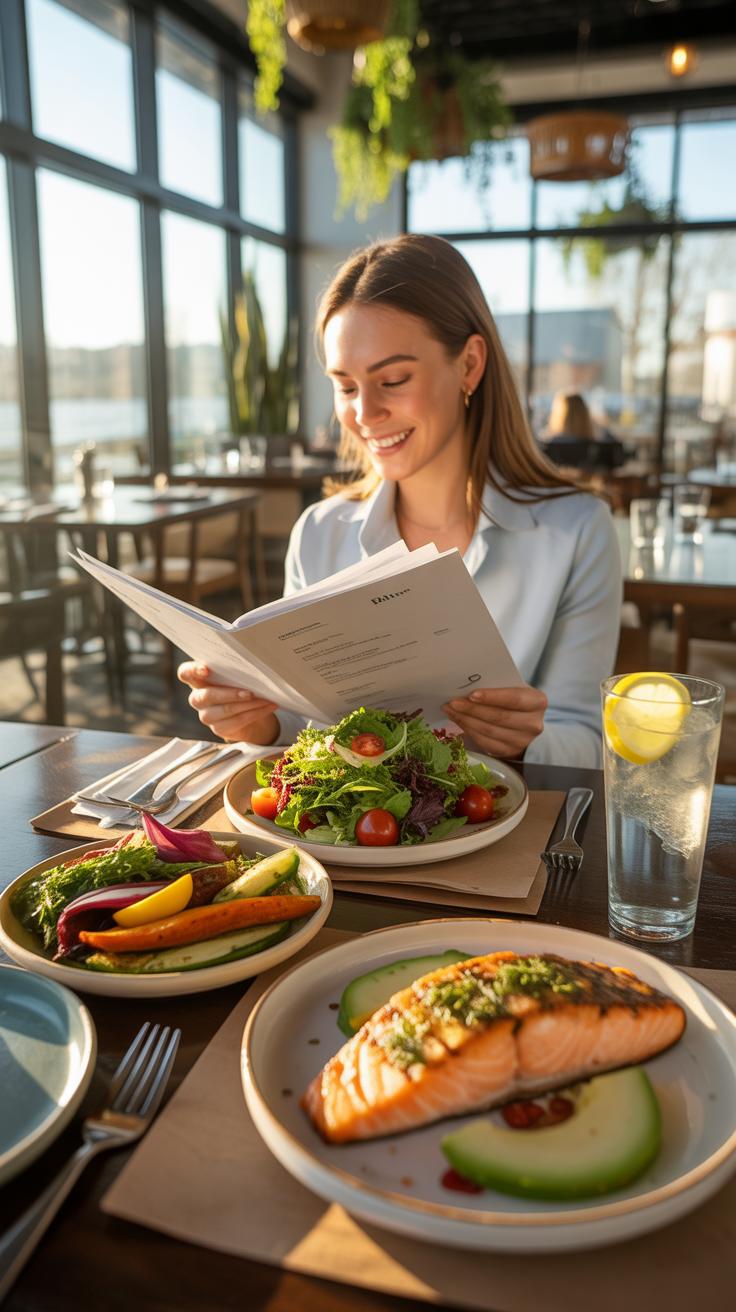
Modern restaurant menus use specific layouts to drive profit. High-margin items like pasta and fried appetizers sit in the center. Look for sections labeled “From the Grill” or “Small Plates.” These areas offer better protein quality and portion control. Avoid the “Chef’s Specials” because they usually contain heavy sauces and butter. Better choices hide in the sides or appetizer sections of the physical menu.
Choose your meal based on the source of the protein rather than the marketing name. Find sections that list specific cuts of meat or fish. Look for “Al La Carte” options to build a plate. This gives you control over every component of the meal. Targeted scanning saves time and prevents impulse orders. Focus on the vegetable and lean protein sections to maintain your nutritional goals.
Cooking is an observation of love, and you can honor your body by choosing simple, real ingredients even when someone else is at the stove. Focus on the quality of the company and the freshness of the plate to keep your spirit and your health in harmony.
Understanding Cooking Method Descriptions And What They Mean For Your Meal
Cooking methods determine the calorie density of your plate. Terms like roasted, poached, steamed, and grilled indicate low fat addition. These methods use dry heat or water to cook the food. They preserve the natural nutrients without adding unnecessary oils. Chefs use these techniques to highlight the quality of the ingredients. Select these options to keep your total caloric intake low and manageable.
Avoid terms that signal heavy fat content or deep frying. Words like crispy, breaded, creamy, and sautéed mean the food absorbed liquid fat. Sautéed items often sit in pools of butter or oil during preparation. Bisque and Alfredo indicate high-fat dairy bases. These methods significantly increase the energy density of a meal. Stick to simple preparation styles to ensure your meal remains healthy and effective.
How To Eat Healthy When Eating Out Smart Ordering Strategies That Actually Work
How To Customize Your Order Without Feeling Awkward
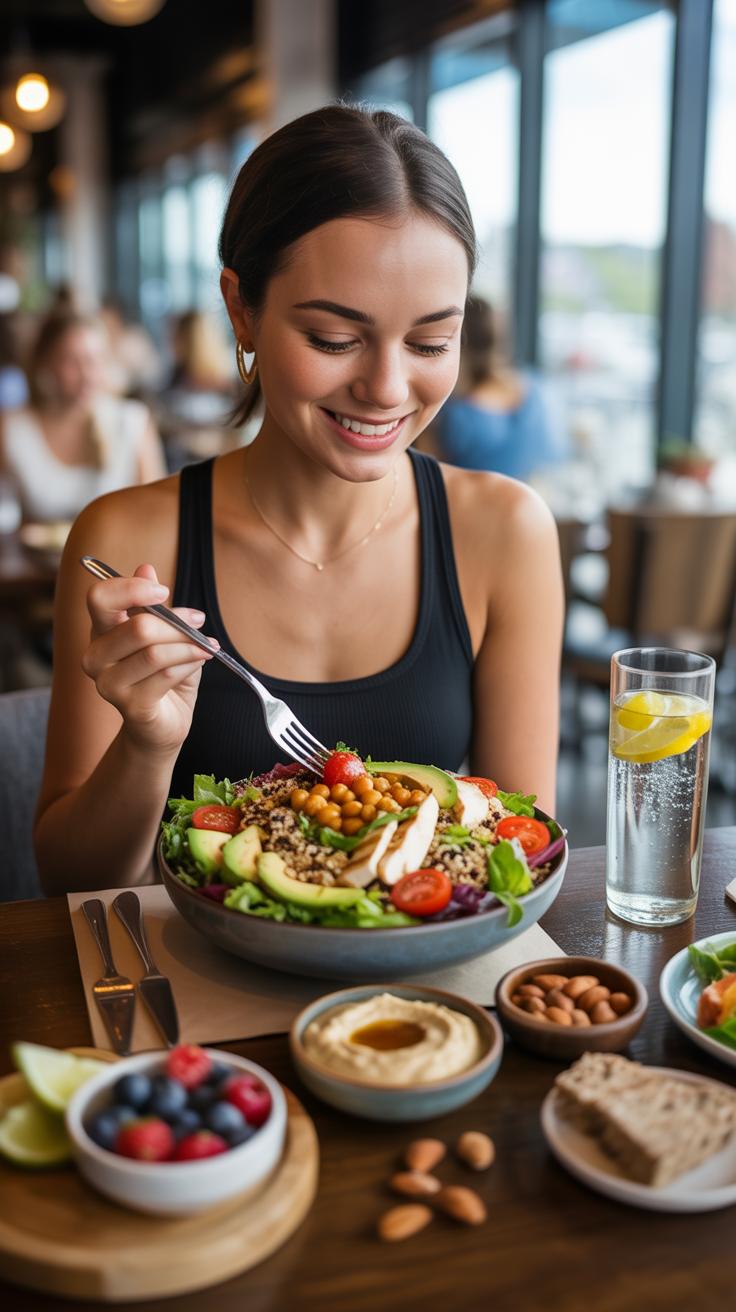
Treat the menu as a list of ingredients rather than a set of rules. Most professional kitchens operate on a core set of components and can easily swap items. Ask your server for specific modifications like dry-grilling or steaming. Frame your requests as simple preferences to save time. This removes the friction of complex explanations. Servers prefer clear directions over vague health goals.
Focus on the cooking method and the sides. Standard restaurant plates often rely on heavy oils or butter for flavor. Request these on the side or ask for a replacement. Use acidic components like lemon or vinegar to add flavor without calories. You pay for the meal so you control the preparation. Direct communication ensures the kitchen meets your nutritional needs without compromising your fitness progress.
Practical Tips For Ordering Healthy At Any Type Of Restaurant
Navigating different cuisines requires a tactical approach to menu terminology. Every restaurant category has hidden traps and safe harbors. You must identify high-protein options that use minimal fat in the cooking process. Avoid items described as breaded or creamy. Speed up your decision by scanning for keywords like roasted or poached. This strategy works across fast food and fine dining establishments.
- Scan Preparation Terms: Look for words like grilled, steamed, or blackened. These methods use less added fat than frying or sautéing. Avoid terms like crispy or smothered which indicate high caloric density from oils and heavy dairy.
- Control Your Portions: Ask the server to pack half of the meal before it reaches the table. Restaurant portions are often double the standard serving size. This tactic prevents overeating and provides a managed meal for the following day.
- Modify The Sides: Replace fries or chips with double steamed vegetables or a side salad. Most restaurants allow this swap at no extra cost. This change increases fiber intake and significantly reduces the total caloric load of the meal.
- Decline The Bread: Instruct the server not to bring the bread basket to the table. Removing the visual cue eliminates mindless snacking while you wait for your main course. This simple boundary keeps your appetite focused on the nutrient-dense meal.
- Dressings On Side: Request all sauces and dressings in separate containers. This allows you to control the exact amount used. Dipping your fork in the sauce provides flavor without soaking the entire dish in unnecessary sugar and vegetable oils.
Liquid calories often derail an otherwise healthy meal. Stick to water or unsweetened tea to keep your blood sugar stable. If you choose to drink alcohol, select clear spirits with club soda. Avoid sugary mixers and heavy beers. Staying hydrated also helps you distinguish between actual hunger and thirst. Consistency in beverage choice is the easiest way to maintain a caloric deficit when dining out.
Identifying Healthy Food At Restaurants Across Different Cuisine Types
Best And Worst Choices At Common Restaurant Cuisine Styles
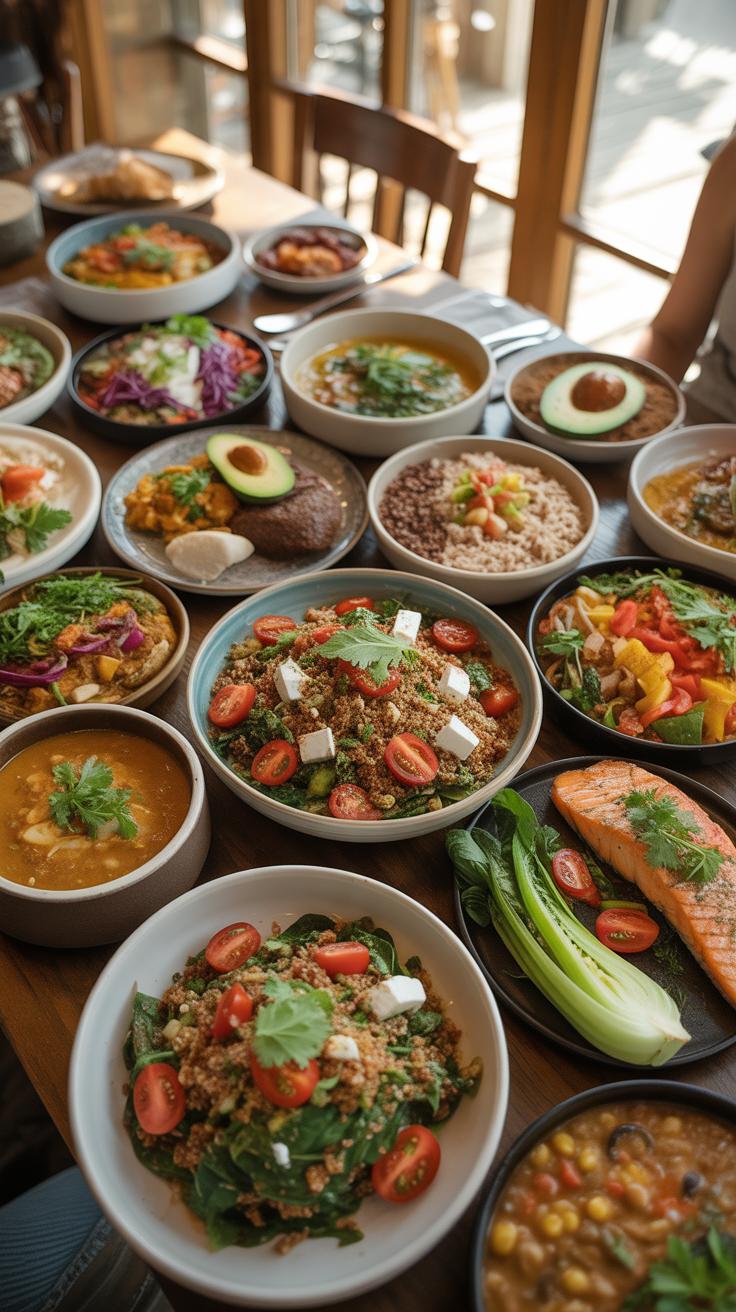
Japanese cuisine offers lean proteins like sashimi and broth-based soups. Avoid tempura and rolls laden with spicy mayo or cream cheese. Italian menus often hide calories in heavy cream sauces and breaded cutlets. Opt for grilled fish or lean meats with red sauce instead. Chinese options stay healthy when you choose steamed vegetables and stir-fry dishes. Skip the deep-fried meats covered in thick sugary glazes.
Mexican food becomes high in fat when you add excess cheese and sour cream. Choose corn tortillas over flour and prioritize grilled meats or beans. Indian menus feature fiber-rich lentils and chickpeas. Opt for tandoori preparations rather than butter-based curries or fried appetizers. Mediterranean dining provides the best results with olive oil and roasted proteins. Avoid processed meats and heavy pita baskets to keep your calorie count low.
How Portion Sizes Vary By Cuisine And How To Manage Them
American and Italian restaurants often serve three times the recommended serving size. High-carb dishes like pasta and rice arrive in large bowls that encourage overeating. Fast-casual chains use oversized plates to make large portions look normal. You must recognize these visual tricks to maintain your goals. Control your intake by asking for a container immediately. Move half of the food away before you take your first bite.
Asian and Mediterranean styles sometimes offer smaller individual plates but include high-sodium extras. Tapas and small plates can lead to calorie creep if you order too many items. Track your total consumption rather than individual dishes. Ask servers to skip the bread or chip baskets to avoid mindless snacking. Pay attention to the protein-to-carb ratio on your plate. Fill half your space with vegetables to manage total volume effectively.
How To Eat Healthier At Restaurants By Managing Sides Drinks And Extras
Why Sides And Beverages Are Where Most Extra Calories Hide
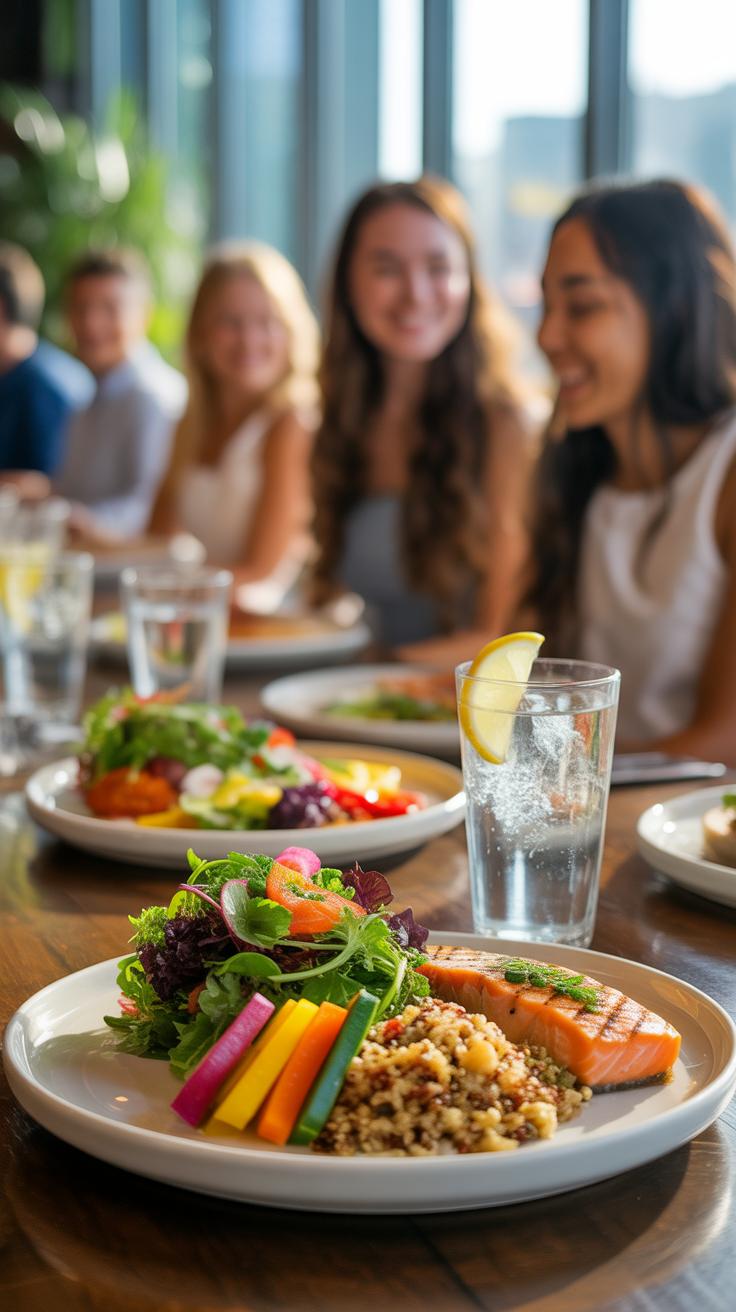
Main dishes often provide the bulk of your protein. However, sides and beverages contribute the most empty calories. Commercial kitchens use heavy fats to improve the flavor of cheap starches. Fries, chips, and bread baskets add significant carbohydrates and sodium without providing satiety. These additions can easily double the caloric density of your meal without you noticing the extra volume.
Liquid calories pose a unique threat to your progress. Sugary sodas and alcoholic drinks contain high amounts of fructose and ethanol. The body does not register these calories the same way it registers solid food. You will likely eat the same amount of food regardless of your drink choice. This leads to an immediate caloric surplus. Eliminating these variables is the fastest way to control your intake.
Simple Swaps For Sides, Sauces, And Drinks That Make A Big Difference
Strategic substitutions allow you to maintain volume while dropping total energy intake. You must view every component of the plate as a choice rather than a requirement. Swapping fried items for steamed or raw alternatives significantly reduces trans fats and industrial seed oils. This transition focuses your meal on nutrient density. Small changes in liquid and condiment choices provide the highest return on investment for your health.
- Steamed Vegetables over Fries: Replace deep fried potatoes with broccoli, asparagus, or seasonal greens. This swap removes hundreds of calories from refined oils and adds essential fiber. Fiber slows digestion and keeps you full for longer after the meal ends.
- Sparkling Water over Soda: Choose carbonated water with lime instead of soft drinks or sweet tea. You total zero calories while maintaining the sensory experience of a cold beverage. This avoids the insulin spike associated with liquid sugar and high fructose corn syrup.
- Oil and Vinegar over Creamy Dressing: Use simple vinegar and olive oil for salads instead of ranch or caesar. Creamy dressings rely on mayo and sugar bases which add hidden fats. Controlling the pour yourself ensures you only use what is necessary for flavor.
- Salsa or Mustard over Mayonnaise: Opt for spicy or vinegar based condiments to add flavor without the fat content of mayo. Mustard contains almost zero calories and provides a sharp flavor profile. Salsa adds bulk and vitamins while keeping the caloric load very low.
- Black Coffee over Dessert Drinks: Drink plain coffee or tea at the end of the meal. Specialty coffee drinks often contain as much sugar as a standard dessert. Plain options provide antioxidants and caffeine which may slightly assist in the thermic effect of food.
Manage your environment by asking the server to remove temptation from the table. If you do not want the bread basket, ask them not to bring it. Most restaurants provide these items by default to fill you up on cheap ingredients. Making these specific requests puts you in charge of the menu. Focus on high quality inputs to ensure your body functions at its peak performance.
Clean Eating At Restaurants How To Stay Aligned With Whole Food Principles While Dining Out

What Clean Eating Actually Means In A Restaurant Setting
Clean eating in a restaurant means choosing foods that exist in their natural state. You must avoid synthetic additives, heavy preservatives, and industrial seed oils. Chefs often use these ingredients to cut costs or enhance flavor. Tactical dining requires you to look past marketing terms like organic or natural. Focus on the ingredient list instead. Real food has simple origins you can easily recognize.
Restaurant kitchens prioritize consistency and speed. This often leads to the use of pre-made sauces and refined sugars. To stay aligned with clean eating, you must choose dishes with the fewest steps from farm to plate. Grilled meats and steamed vegetables represent the baseline for this strategy. Highly prepared items usually contain hidden thickeners or artificial coloring. Stick to basic preparation methods to ensure ingredient purity.
How To Identify Minimally Processed Dishes On A Standard Menu
Spotting minimally processed dishes requires a critical eye for cooking techniques. Look for verbs like roasted, poached, or seared. These methods rely on heat and basic seasoning rather than heavy breading or deep frying. Avoid any menu item described as crispy, battered, or glazed. These words signal the presence of refined flours and liquid sugars. Simple preparations allow you to verify the quality of the raw protein.
Examine the side dish options to gauge the processing level of the meal. Whole grains like quinoa or brown rice are superior to white pasta or mashed potatoes. Fresh greens or fruit usually indicate a kitchen that handles raw ingredients. Ask the server if the kitchen makes their stocks and dressings in house. If they use commercial jugs, those items contain stabilizers. Prioritize components that require minimal modification before serving.
Building A Long Term Mindset For Eating Healthy At Restaurants Without Guilt

Why An All Or Nothing Approach To Dining Out Backfires
Rigid diets fail because they ignore human behavior. Most people view a single high-calorie meal as a total failure. This mindset triggers a spiral of poor choices for the rest of the day or week. You cannot sustain a perfect record in a social world. Perfectionism creates stress, which raises cortisol levels and impairs metabolic health. Treat one meal as a single data point in your month.
Strict restriction leads to binge eating later. When you ban certain foods entirely, you increase their psychological power over you. This cycle ruins your relationship with food and stops long-term progress. Success requires a flexible strategy. Focus on your total weekly intake rather than one plate. Consistency beats perfection every time. Elite performers manage setbacks quickly. They do not let one dinner derail their entire fitness plan.
How To Enjoy Restaurant Meals Regularly While Still Meeting Your Health Goals
Integrate restaurant visits into your caloric budget. Plan your day around a social dinner by eating high-protein, low-calorie meals earlier. This creates a buffer for higher-fat restaurant ingredients. Choose restaurants with transparent menus or customizable options. Focus on lean proteins and fiber-rich vegetables as your base. These choices keep you full and prevent overeating. Balance is a mathematical reality, not a vague feeling. Use logic to navigate menus.
Control your environment to reduce temptation. Drink two large glasses of water before the food arrives. Order your own meal first to avoid being influenced by the group. Request dressings and sauces on the side to manage hidden fats. These small tactical moves build a sustainable habit. You can eat out often if you master these refined skills. Discipline allows for freedom. Make the restaurant work for your goals, not against them.
Frequently Asked Questions

Is it actually possible to stay on track while dining out?
Many people worry that dining out automatically means overindulging, but learning how to eat healthy at restaurants is entirely possible with a bit of mindfulness. By focusing on lean proteins, steamed vegetables, and whole grains, you can enjoy a delicious social meal without derailing your progress. The key is to view the menu as a set of options rather than a strict trap, allowing you to prioritize nourishment.
What are the best strategies for ordering healthy meals from a standard menu?
To master how to eat healthy at restaurants, start by reviewing the menu online before you arrive to avoid impulsive decisions. Look for preparation keywords like “grilled,” “roasted,” or “poached” while avoiding anything “crispy” or “creamy.” Don’t be afraid to ask for substitutions, such as swapping fries for a side salad or requesting that dressings and heavy sauces be served on the side to control your calorie intake.
Can I eat nutritiously at restaurants if I am on a tight budget?
Healthy eating doesn’t have to be expensive. Many affordable casual spots offer customizable bowls or salads where you can load up on fiber-rich beans and greens. Choosing water instead of sugary sodas or cocktails saves money and calories instantly. Additionally, consider ordering a healthy appetizer as your main course or splitting a large entree with a friend to keep both your wallet and your fitness goals in perfect balance.