
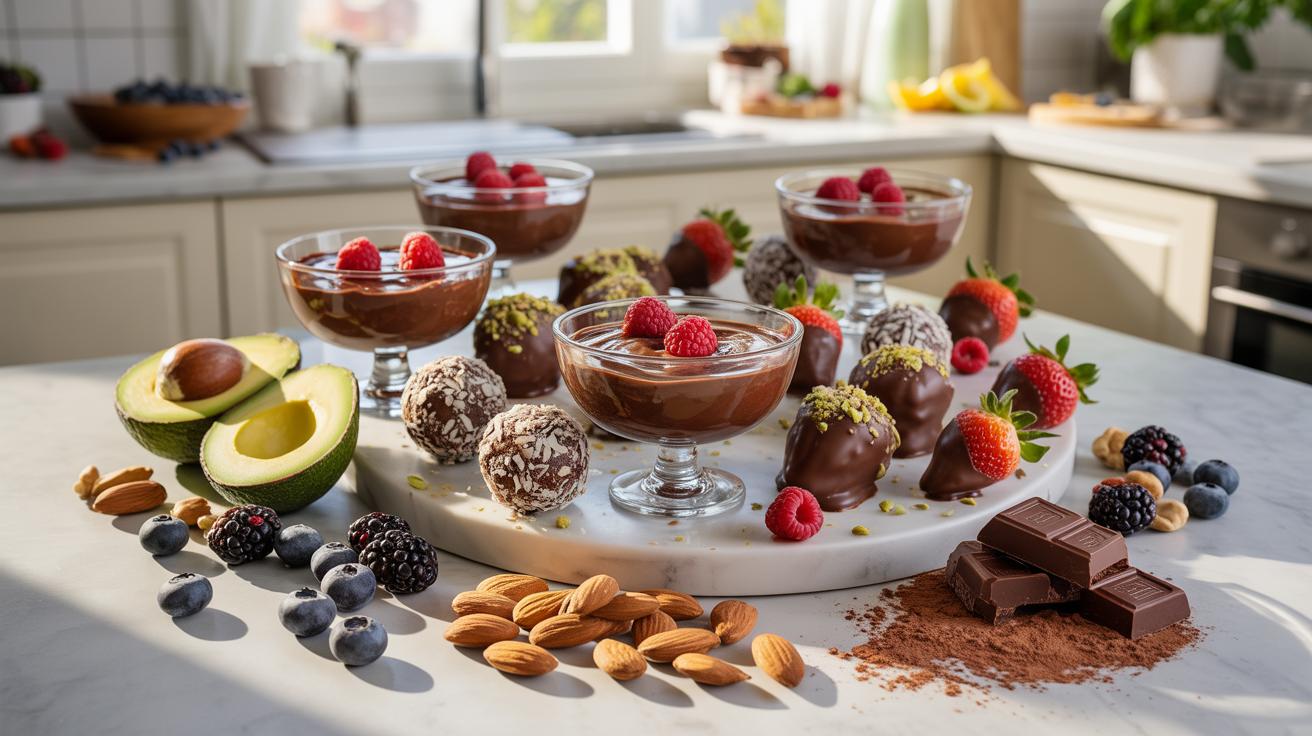
Why Healthy Sweets Recipes Are Changing The Way We Think About Chocolate

The Rise Of Mindful Eating And Better Dessert Choices
Modern consumers now prioritize nutrient density over empty calories. The shift toward mindful eating forces a reevaluation of traditional confectionery. People want the cognitive benefits of cocoa without the systemic inflammation caused by processed sugars. This movement treats food as fuel rather than just a reward. Strategic eating habits now include high-quality fats and antioxidants found in raw cacao products.

Chocolate consumption has evolved from a guilty indulgence into a functional food category. Research confirms that dark chocolate with high cocoa solids improves heart health and blood flow. This data drives the demand for recipes that exclude corn syrup and artificial additives. Smart eaters choose treats that stabilize blood sugar instead of causing energy crashes. These choices reflect a global trend toward preventative health through diet.
How Swapping Ingredients Can Transform Your Favorite Treats
Ingredient substitution is the core of healthy chocolate recipes. Chefs replace refined white sugar with low-glycemic alternatives like stevia, monk fruit, or dates. These swaps prevent insulin spikes while maintaining the necessary bulk and texture. High-fiber binders like avocado or nut butters replace industrial seed oils and butter. This strategy increases the vitamin profile and healthy fat content of every single bite.

Texture and mouthfeel remain critical for a satisfying dessert experience. Using coconut milk or almond flour provides the richness found in traditional ganache and cakes. These plant-based components offer essential minerals like magnesium and potassium. Eliminating chemical emulsifiers and soy lecithin results in a cleaner product. Proper substitution techniques allow you to enjoy deep chocolate flavors while supporting your long-term fitness and wellness goals.
Understanding No Sugar Chocolate Desserts And Their Real Benefits

What Happens To Your Body When You Cut Refined Sugar From Desserts
Removing refined sugar stops the rapid spike in blood glucose levels. This prevents the pancreas from overproducing insulin to manage the surge. Stable blood sugar levels eliminate the subsequent energy crash common after eating traditional sweets. Your body stops relying on simple carbohydrates for quick fuel. This shift helps reduce systemic inflammation and lowers the risk of developing metabolic resistance over time.
Cutting processed sugar also recalibrates your taste buds. High doses of sucrose dull your ability to taste subtle flavors. Without these intense sweeteners, you can detect the complex earthy notes in high-quality cacao. You will find that smaller amounts of natural sweetness satisfy your cravings more effectively. This change leads to better appetite control and a natural reduction in daily caloric intake from empty sources.
Natural Sweetener Alternatives That Work Well In Chocolate Recipes
Standard table sugar provides sweetness but lacks nutritional value and fiber. Effective alternatives must provide bulk and stability without ruining the chocolate texture. Dates offer a fibrous base that binds raw cacao powder together perfectly. They contain potassium and magnesium which support heart health. Using whole fruit ensures you ingest fiber alongside the sugar. This slows down the absorption of glucose into your bloodstream.
Stevia and monk fruit serve as powerful zero calorie options for chocolate lovers. These plant based extracts do not impact blood sugar levels at all. Erythritol provides a similar crystalline structure to sugar for baking purposes. It does not cause the same digestive distress as other sugar alcohols. Choosing these options allows you to create dense ganaches and bars that maintain a low glycemic index for diabetic safety.
How To Make The Perfect Healthy Chocolate Avocado Dessert At Home
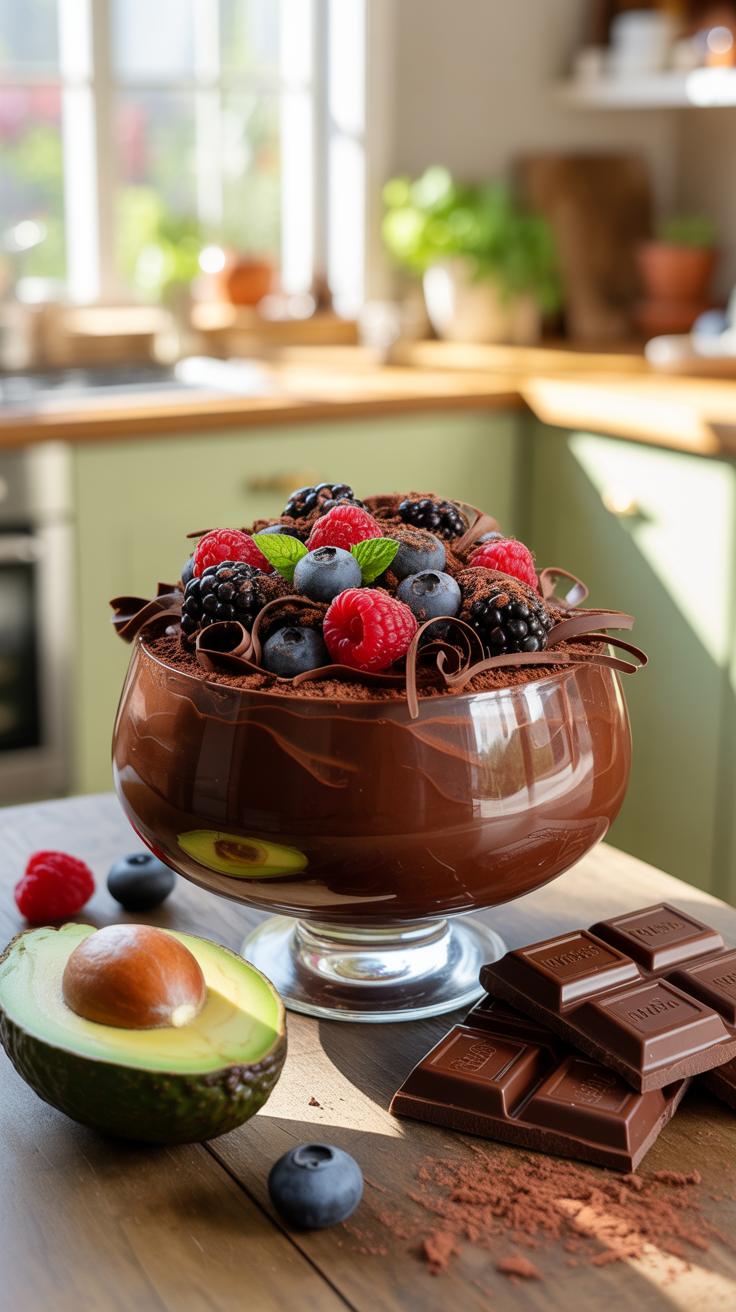
Why Avocado Creates A Naturally Creamy Chocolate Mousse Base
Avocados provide a high fat content that mimics the texture of heavy cream or butter. This fruit contains monounsaturated fats which remain stable at room temperature. These fats coat the palate and deliver a rich mouthfeel without using dairy or processed oils. The flesh lacks a strong acidic profile. This neutrality allows the cocoa powder to dominate the flavor while the fruit builds the structure.
Modern culinary science utilizes the emulsification properties of the avocado. When blended at high speeds, the cellular structure breaks down into a smooth paste. This paste holds air bubbles and creates a light mousse consistency. You achieve a dense nutrient profile including potassium and fiber. This method replaces empty calories with functional fats. It transforms a standard dessert into a high performance fuel source for the body.
Step By Step Guide To A Simple Chocolate Avocado Mousse
Select two ripe avocados. Ensure they are soft to the touch but free of brown spots. Scoop the green flesh into a high speed blender or food processor. Add half a cup of raw cacao powder and one third cup of pure maple syrup. Pour in a splash of vanilla extract and a pinch of sea salt. This base forms the foundation for a clean and efficient dessert.
- Mechanical Blending: Use a food processor instead of a hand whisk. High speed blades break down the fibrous pectins and fats into a completely smooth emulsion. This prevents a gritty texture.
- Flavor Neutralization: Balance the natural earthiness of the fruit with high quality cacao. Cacao contains more flavonoids than processed cocoa. It masks the vegetal notes of the avocado effectively and provides a deep color.
- Sweetener Integration: Use liquid sweeteners like maple syrup or agave nectar. Liquid sugars incorporate faster than granulated crystals. This ensures the mousse stays silky and avoids a sandy mouthfeel during the final cooling process.
- Temperature Control: Chill the finished mousse in the refrigerator for at least two hours. Cold temperatures firm up the monounsaturated fats. This setting phase is critical for achieving the proper spoonable thickness required for a traditional mousse.
- Ingredient Ratios: Adjust the cacao levels to reach your desired bitterness. Start with small amounts and taste as you go. Overloading the blender with powder can make the mixture too thick to process without adding extra liquid.
Process the mixture until no green streaks remain visible. Scrape the sides of the bowl frequently to ensure total integration. If the blade stalls, add one tablespoon of almond milk to thin the consistency. Transfer the dark cream into glass jars for storage. Proper chilling is the final tactical step. This allows the flavors to meld and the fats to solidify into a professional grade dessert texture.
Exploring Avocado Dessert Recipes Healthy Enough For Everyday Enjoyment
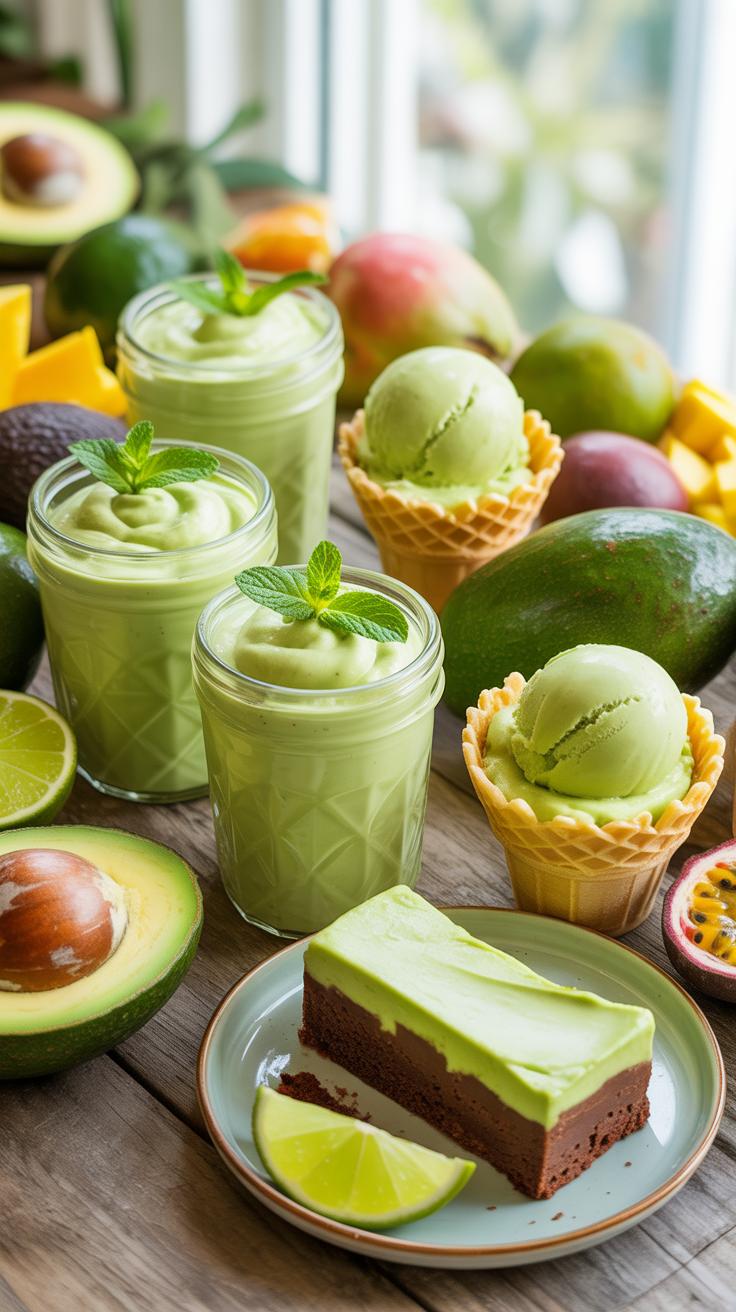
The Nutritional Profile Of Avocado And Why It Belongs In Desserts
Avocados provide a dense source of monounsaturated fats. These fats create a creamy texture that mimics heavy cream or butter. This fruit contains high levels of potassium and fiber which aid heart health and digestion. Unlike dairy fats, avocado fats remain stable at room temperature. They offer a neutral base that carries the flavor of dark cacao without adding excessive calories.
Using avocado in sweets reduces the need for processed thickeners. The flesh contains vitamins E and K along with folate. These nutrients support skin health and brain function. When you blend avocado into chocolate mixes, the green color disappears. The result is a smooth consistency that rivals traditional puddings. This substitution lowers the glycemic load of your snacks while increasing satiety and nutrient density.
Three Wholesome Avocado Based Chocolate Desserts Worth Trying
Chocolate avocado mousse is the primary choice for quick nutrition. You blend ripe avocado with raw cacao powder and a natural sweetener like maple syrup. This dish provides a high dose of antioxidants and healthy fats in seconds. It serves as a direct replacement for store bought pudding. The texture is thick and satisfying. You get the chocolate hit without the processed additives.
Avocado fudgesicles offer a chilled alternative for consistent energy. You combine avocado with coconut milk and cocoa then freeze the mixture in molds. This method preserves the raw nutrients of the ingredients. Avocado also works in baked brownies to replace oil or butter. The moisture from the fruit prevents the brownies from drying out. These recipes turn calorie dense treats into functional food options.
Vegan Avocado Dessert Ideas That Satisfy Every Chocolate Craving

What Makes Avocado Desserts Naturally Vegan And Dairy Free
Avocados provide a high fat content that mimics the texture of heavy cream and butter. This fruit contains monounsaturated fats which create a smooth mouthfeel without using animal products. When you blend ripe avocado with cocoa powder, the fruit loses its specific taste. It absorbs the flavor of the chocolate instead. This chemical reaction allows for rich puddings and mousses that remain entirely plant based.
Manufacturers often use stabilizers and gums in traditional dairy free products to achieve thickness. Avocado offers a natural alternative that requires no synthetic additives. The high water and fiber content in the fruit helps bind the ingredients together. This results in a stable emulsion that holds its shape at room temperature. You get a dense and satisfying dessert that meets strict vegan standards while providing heart healthy fats.
Vegan Chocolate Avocado Tart With A Nut Based Crust
A nut based crust provides the structural integrity needed for a rich avocado filling. Use walnuts or almonds combined with dates to create a firm base. This method avoids refined flours and processed sugars found in standard pastry shells. Press the mixture into a tart pan and chill it before adding the filling. This ensures the crust stays crisp and does not absorb moisture from the avocado.
The filling requires ripe avocados mashed with melted dark chocolate and a liquid sweetener like maple syrup. Puree the mixture until no green streaks remain. Pour this ganache into the prepared nut crust and refrigerate for at least four hours. The cold temperature sets the healthy fats into a sliceable consistency. This tart offers a high density of nutrients and a deep chocolate flavor that satisfies intense cravings immediately.
Healthy Dessert Recipes Low Calorie Options That Do Not Sacrifice Flavor
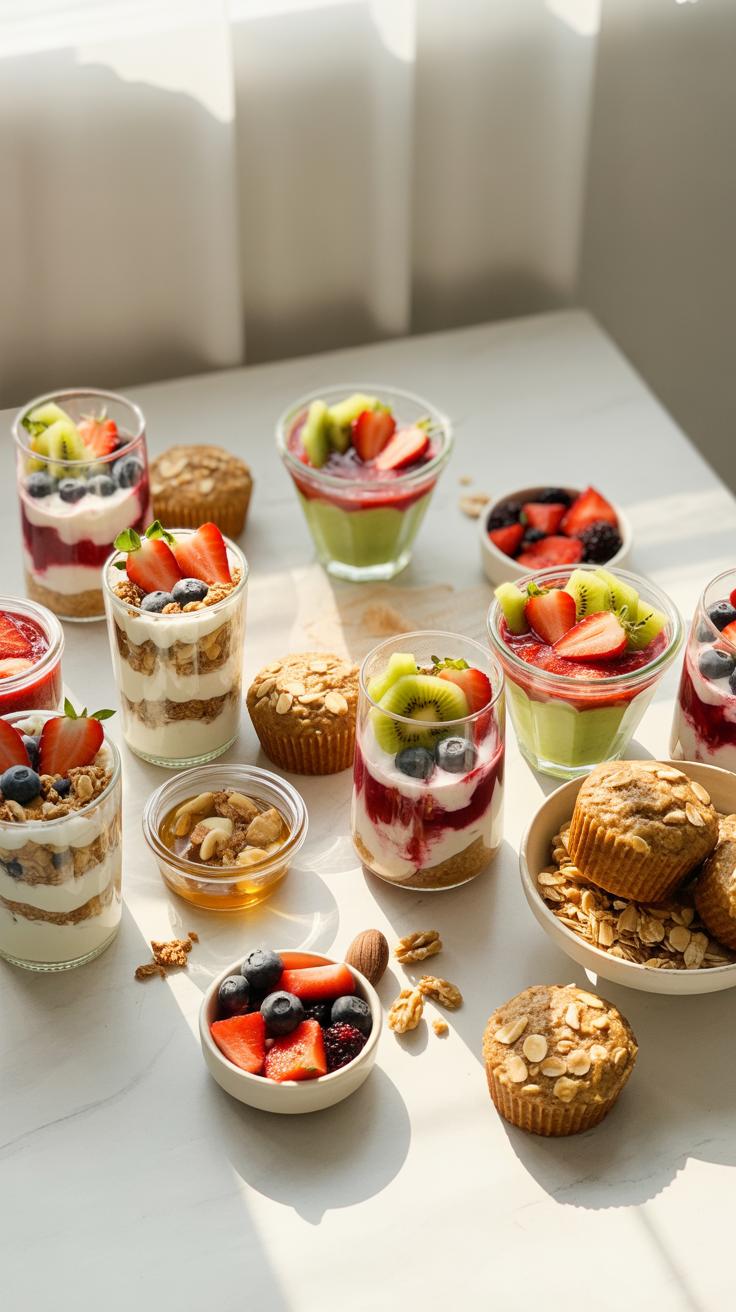
How Calorie Conscious Baking Still Delivers Rich Chocolate Flavor
High quality cocoa powder provides intense chocolate taste without the fat found in solid bars. This powder contains flavonoids and minerals but very few calories. You must use Dutch-processed cocoa for a smoother profile or raw cacao for more antioxidants. These dry solids carry the flavor profile. Relying on them allows you to reduce heavy fats while maintaining a deep and satisfying chocolate essence in every bite.
Texture plays a critical role in how the brain perceives flavor. Low calorie baking often fails because the result is too dry. You must use moisture-rich binders like pureed fruits or vegetables to mimic the mouthfeel of butter. These ingredients provide bulk and hydration. They support the cocoa solids without adding the caloric density of traditional fats. This method ensures the dessert stays moist while keeping the ingredient list clean.
Key Ingredient Swaps That Reduce Calories Without Losing Taste
Smart swaps eliminate empty calories while preserving the structural integrity of your dessert. You must replace heavy oils and refined sugars with functional alternatives. These substitutes provide sweetness and moisture with a lower glycemic impact. Strategic choices allow you to enjoy chocolate treats frequently. Focus on ingredients that offer nutritional value alongside their flavor properties. This approach transforms desserts into fuel rather than just indulgence.
- Unsweetened Applesauce: Replace butter or oil with a one-to-one ratio of applesauce in moist cakes. It provides natural pectin and moisture which keeps the crumb tender. This swap significantly lowers the saturated fat content of your recipe while adding subtle natural sweetness.
- Greek Yogurt: Use plain non-fat Greek yogurt to replace sour cream or heavy fats. The high protein content adds structural support to the bake. It also provides a slight tang that balances the bitterness of dark chocolate. This creates a dense and fudgy texture.
- Erythritol or Stevia: Switch white sugar for plant-based sweeteners to remove calories and stabilize blood sugar. These options do not feed bacteria in the mouth or cause insulin spikes. They dissolve well in batters. Use brands designed for a one-to-one volume replacement for the best results.
- Avocado Puree: Substitute mashed avocado for butter in brownies or truffles. The monounsaturated fats provide a creamy mouthfeel similar to dairy fat. The green color disappears when mixed with dark cocoa powder. This adds fiber and heart-healthy fats to your dessert without sacrificing the richness.
- Black Beans: Use rinsed and pureed black beans in place of flour for flourless chocolate recipes. They provide a massive boost in fiber and protein. The beans create a dense and moist texture that mimics traditional fudge. This eliminates gluten and reduces the overall carbohydrate load.
Precision in measurement ensures these swaps succeed in the oven. Do not guess the ratios when removing fats or sugars. Changes in moisture levels affect how the chocolate proteins set during the baking process. Test your recipes in small batches to find the right balance for your palate. Successful healthy chocolate recipes rely on these tactical adjustments to provide a superior nutritional profile without losing the classic dessert experience.
The Role Of Healthy Sweets In A Balanced And Sustainable Diet
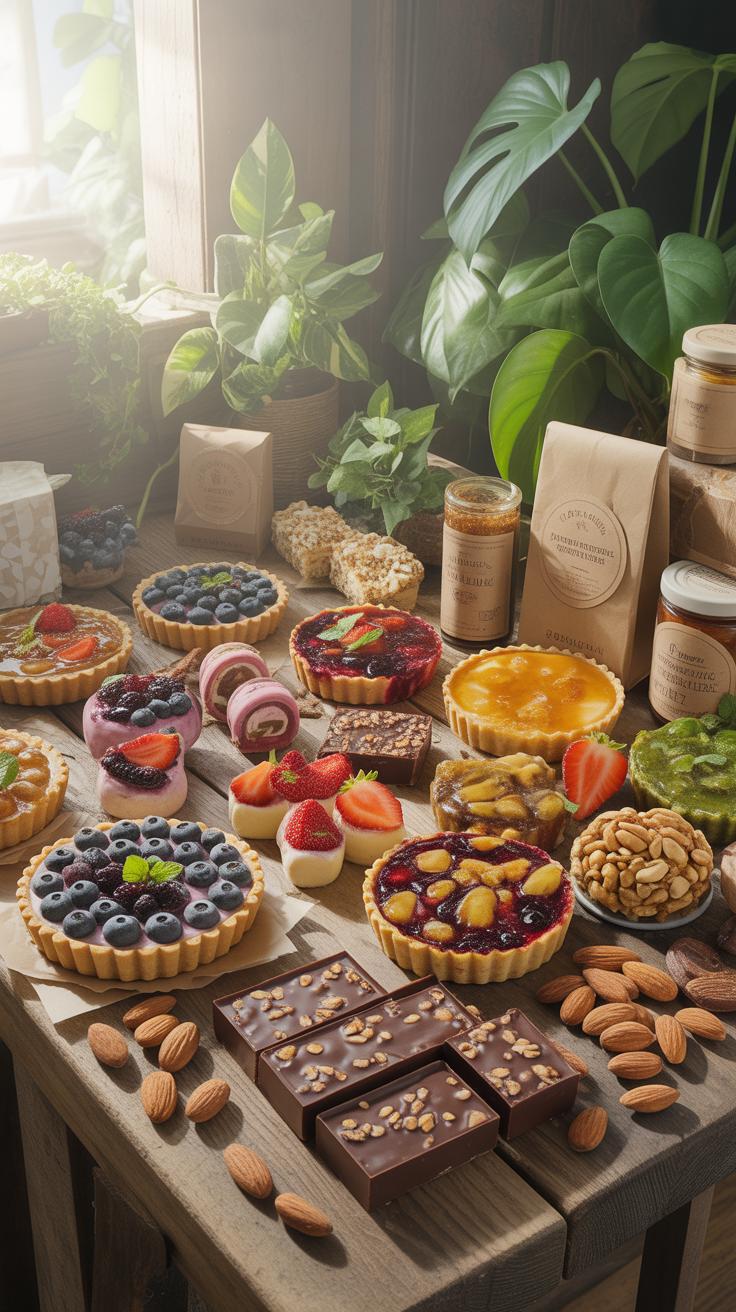
Why Completely Eliminating Sweets Often Backfires For Most People
Eliminating sweets creates a psychological phenomenon called the restriction effect. This mindset triggers intense cravings for high-calorie foods. When you ban chocolate, your brain focuses on it more. This leads to binge eating once your willpower fails. Restrictive diets often collapse because they ignore basic human biology. High cortisol levels from stress increase your desire for sugar. Fighting this biological urge is unsustainable for most people.
Strategic inclusion of healthy chocolate recipes prevents this crash. You satisfy the brain without spiking your blood sugar. Magnesium and antioxidants in dark cacao provide real nutritional value. This approach ends the cycle of guilt that follows a slip-up. People who allow small treats stay on track longer. Consistency beats perfection every single time in nutrition. Focus on better choices rather than total avoidance to succeed.
How To Build A Healthy Relationship With Chocolate Treats Long Term
Shift your focus to high-quality ingredients to change your habits. Choose dark chocolate with at least seventy percent cacao content. This reduces added sugar while providing beneficial flavonoids. Learn to savor smaller portions by eating slowly. Processed sugars hide in cheap chocolate and drive addiction loops. Using natural sweeteners like dates or maple syrup provides fiber and minerals. This stabilizes your energy levels through the day.
Treat healthy chocolate as a functional tool rather than a reward. Use it to curb hunger between meals or fuel a workout. This removes the emotional weight of eating sweets. You no longer view food as good or bad. Instead, you see it as fuel or maintenance. Establish a routine where chocolate has a clear place. This structure prevents mindless snacking and keeps your caloric intake under control for life.
Healthy Recipes With Cacao Powder Unlocking The Power Of Raw Chocolate
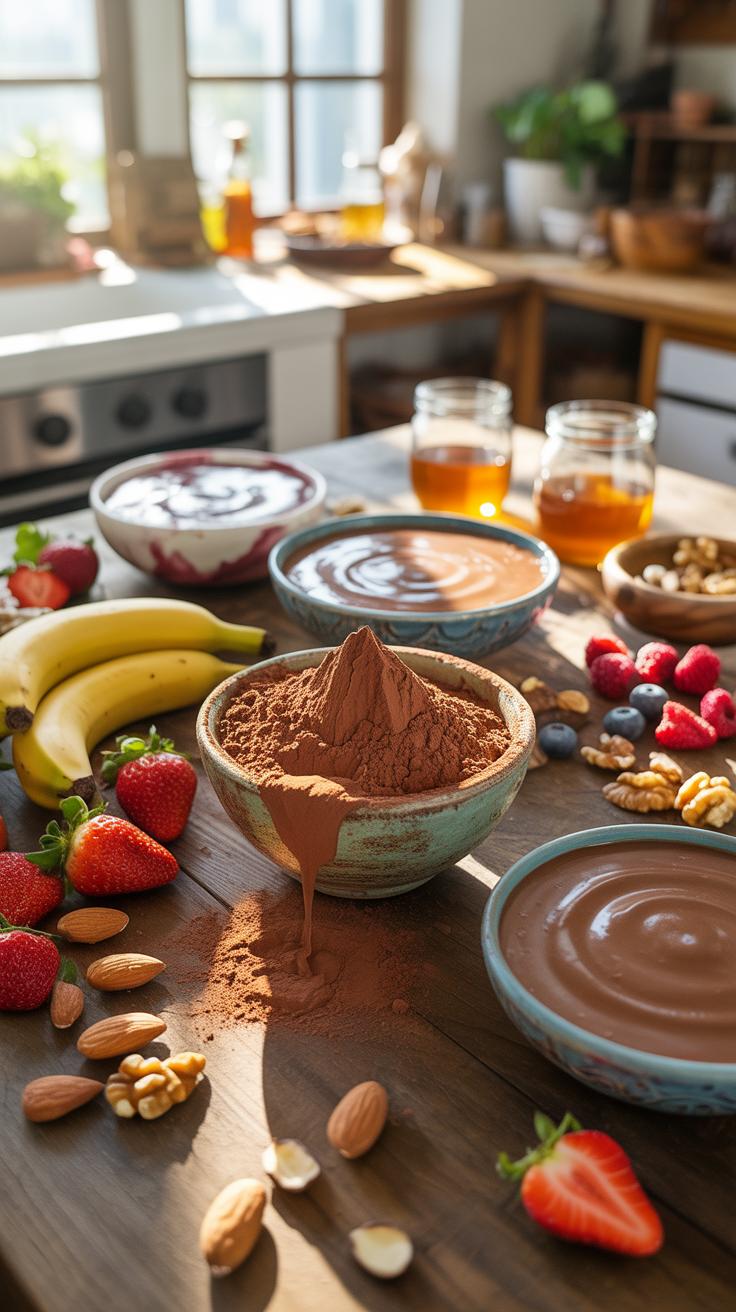
The Difference Between Cacao Powder And Cocoa Powder In Baking
Cacao powder comes from cold-pressing unroasted cocoa beans. This process keeps the living enzymes intact and preserves high antioxidant levels. Cocoa powder undergoes high-heat roasting during processing. This heat destroys many beneficial polyphenols and alters the chemical structure of the bean. You gain more nutrients by choosing raw cacao. It provides a deeper and more bitter flavor profile than standard Dutch-processed cocoa.
Baking with raw cacao requires specific adjustments to ensure proper rising. Cacao is naturally acidic and reacts with baking soda to create lift. Dutch-processed cocoa is alkalized and neutral. If you swap cacao for cocoa, you must check your leavening agents. Use cacao for a rich and intense dark chocolate taste. It provides magnesium and iron that processed powders lacks. Choose high-quality organic cacao for the best results.
Chocolate is a gift from nature that should be savored with a joyful heart and a clear conscience. Treat yourself to the wholesome sweetness your soul remembers.
Nutritious Cacao Powder Recipes From Energy Balls To Smoothie Bowls
Cacao powder integrates easily into raw and snacks. Energy balls combine cacao with dates and nuts for a fast fuel source. The fiber in the fruit slows sugar absorption while the cacao provides a steady energy boost. You do not need heat to cook these items. This preserves the raw nutrients and makes preparation fast. Mix cacao with almond butter to create a dense and satisfying protein snack.
Smoothie bowls offer another tactical way to consume raw cacao daily. Blend frozen bananas with a heavy tablespoon of cacao for a thick base. Add hemp seeds or chia seeds to increase the protein content. This meal provides a high dose of flavonoids which help blood flow and heart health. Avoid adding refined sugars to these bowls. Use natural sweeteners like raw honey or maple syrup to maintain the health profile.
Sweet Treats Easy To Make Healthy With Simple Pantry Staples
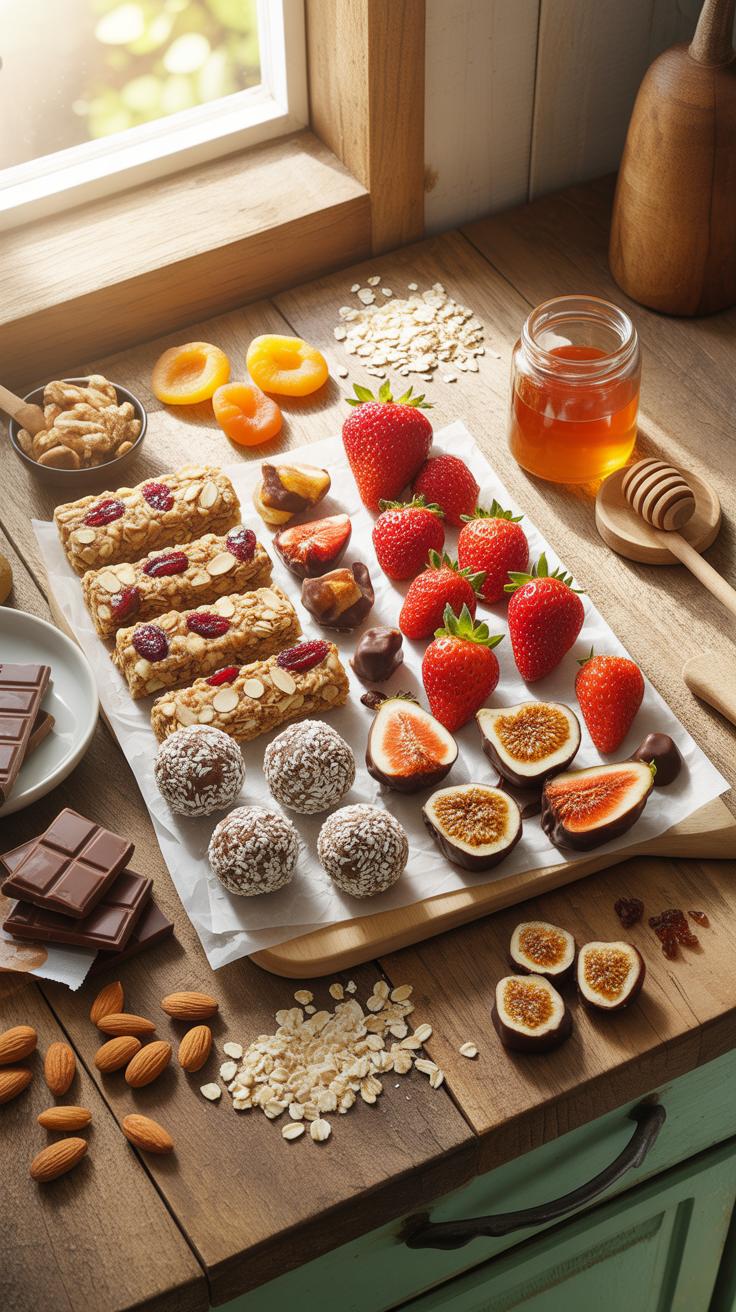
Must Have Pantry Ingredients For Quick And Healthy Chocolate Snacks
Raw cacao powder serves as the primary base for healthy chocolate recipes. Unlike processed cocoa, raw cacao retains high levels of magnesium and antioxidants. You must stock natural binders to replace refined sugars and flour. Use almond flour or coconut flour for structure. Use raw honey, pure maple syrup, or Medjool dates for sweetness. These ingredients maintain a low glycemic index and provide essential minerals.
Nut and seed butters provide the fat source needed for texture and satiety. Use natural peanut butter, almond butter, or tahini without added oils or sugars. Sea salt enhances the flavor profile of cacao without adding calories. Keep coconut oil in your pantry to help chocolate sets firmly when chilled. These staples allow you to assemble high-protein snacks without using a stove or conventional baking methods.
No Bake Chocolate Treats You Can Prepare In Under 20 Minutes
No-bake recipes rely on cold temperature synthesis rather than heat. You can create dark chocolate bark by melting coconut oil with cacao powder and a liquid sweetener. Pour the mixture onto parchment paper and freeze it. This method preserves the heat-sensitive nutrients found in raw cacao. You get a firm texture that mimics commercial bars but without the chemical emulsifiers or milk solids.
Energy bites offer a portable option using oats and nut butters as a base. Mix these with cacao and roll them into small spheres. Store them in the refrigerator to maintain their shape. You can also make chocolate avocado mousse by blending ripe fruit with cacao powder. This provides a creamy texture high in monounsaturated fats. These snacks take minimal time and provide immediate physical energy.
Building Your Weekly Healthy Chocolate Recipes Routine For Better Wellness
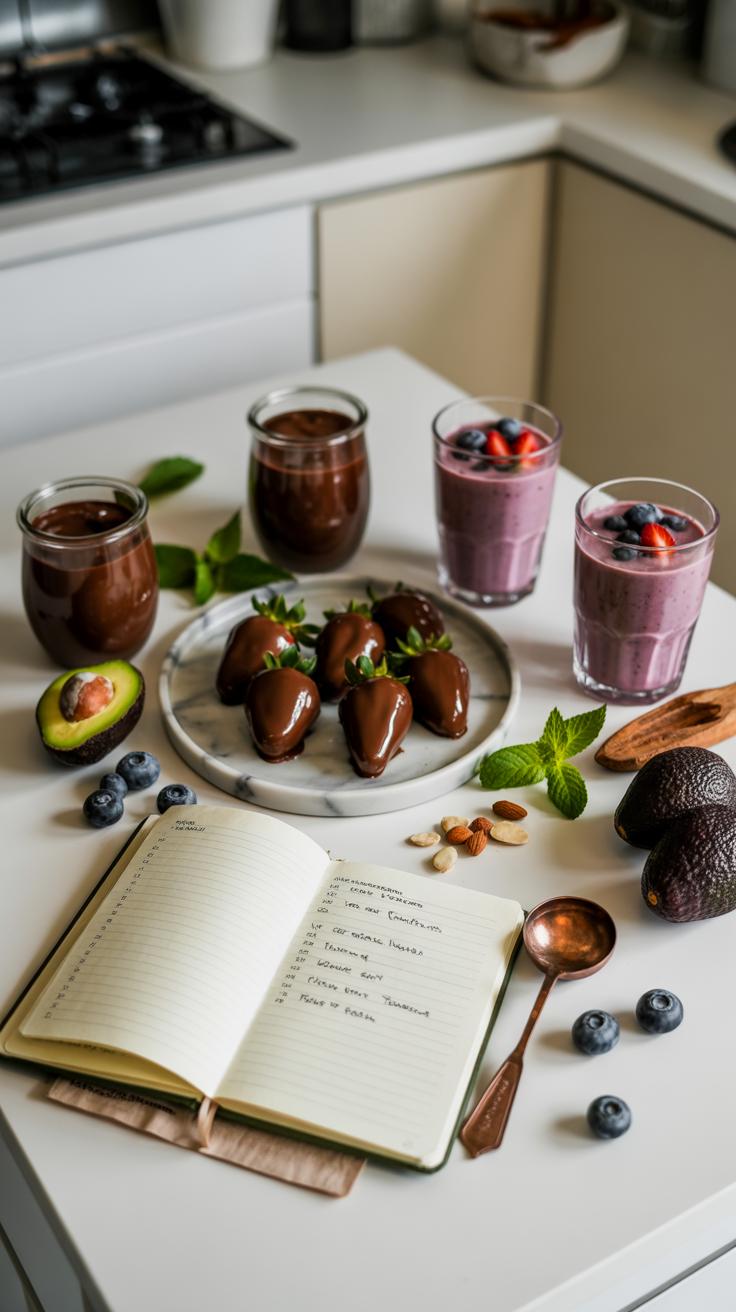
How To Meal Prep Healthy Chocolate Snacks And Desserts In Advance
Batch processing saves time and ensures nutritional compliance. Efficiency starts with inventory management of raw materials like raw cacao powder and stevia. Preparing dark chocolate truffles or chia seed puddings on Sunday prevents poor snacking choices during the work week. Use silicone molds for portion control and easy removal. Proper storage in airtight containers maintains the flash point and texture of natural fats.
Organize your workstation for maximum output. Combine dry ingredients for multiple batches of protein brownies into pre-measured jars. This technique reduces cleanup time and minimizes measurement errors. Freeze liquid-based treats like avocado mousse in individual servings to prevent oxidation. Rapid freezing preserves the integrity of the antioxidants found in high-grade cocoa beans. This disciplined approach eliminates the friction between craving and consumption.
Staying Consistent With Healthy Eating While Still Enjoying Chocolate
Consistency relies on systemic integration rather than willpower. View dark chocolate as a functional tool for metabolic health. High flavonoid content improves blood flow and cognitive function. Schedule your chocolate consumption around high-activity periods to utilize the quick energy provided by natural sugars or fats. This tactical timing aligns your cravings with your endocrine system for better glucose management and sustained energy levels.
Avoid the binge cycle by maintaining high-quality standards. Cheap commercial chocolate contains soy lecithin and refined sugars that trigger overeating. Stick to recipes using at least seventy percent cacao to satisfy the palate faster with less volume. Track your intake to ensure it fits within your daily caloric and macronutrient targets. Treating healthy chocolate as a regulated part of your diet removes the psychological burden of guilt.
Frequently Asked Questions

Can chocolate actually be part of a healthy diet?
Absolutely! When you choose high-quality dark chocolate or raw cacao, you are consuming powerful antioxidants and minerals like magnesium. The secret to success lies in moderation and smart ingredient swaps. By focusing on healthy chocolate recipes that utilize natural sweeteners and wholesome fats, you can satisfy your sweet tooth while nourishing your body. Incorporating these nutrient-dense treats allows you to enjoy your favorite flavors without any of the traditional guilt.
How can I make my own healthy chocolate treats at home?
Creating your own healthy chocolate recipes is simpler than you might think. Start by using unsweetened cocoa powder or cacao nibs as your base to control the sugar content. Instead of refined flour and butter, experiment with binders like mashed avocado, sweet potato, or almond flour. Sweeten your mixtures with small amounts of maple syrup or fiber-rich dates to create a delicious, fudgy texture that remains completely wholesome and satisfying.
Is healthy baking expensive compared to using traditional ingredients?
While specialty superfoods can be pricey, you can easily make nutritious treats on a budget. Many affordable staples, such as oats, bananas, and peanut butter, serve as excellent bases for nutritious desserts. You don’t need expensive “diet” products to succeed; simply buying cocoa powder in bulk and opting for seasonal fruits to add natural sweetness will keep your kitchen stocked with everything needed for delicious, cost-effective, and healthy chocolate recipes.