

Clean Eating 101 The Philosophy Of Whole Foods
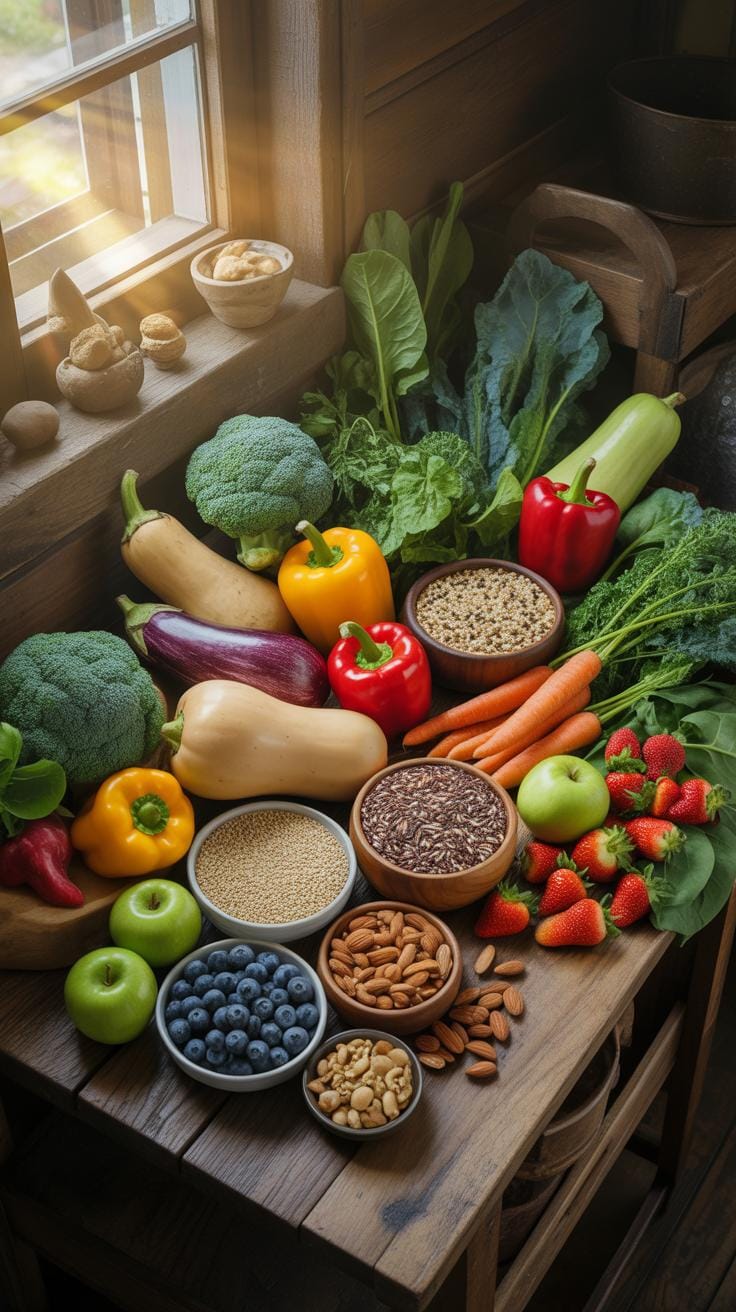
Unprocessed Foods
Clean Eating 101 starts with a simple rule. You choose foods that look like their original form. This strategy removes the need to read complex labels. Most processed items lose their minerals and vitamins during manufacturing. This Guide To Clean Eating focuses on nutrient density instead of calorie counting. High quality fuel improves metabolic function and energy levels. You prioritize single ingredient items to avoid hidden additives.

Eating Clean For Beginners means shopping the perimeter of the grocery store. This is where stores keep fresh produce, meat, and eggs. These items follow strict Clean Eating Guidelines naturally. You eliminate refined sugars and synthetic fillers by avoiding boxed goods. This tactical shift simplifies Healthy Eating Habits for the long term. Focus on fiber and protein to stay full. Real food provides the best results for your body.
Food Source Knowledge
Understanding the origin of your food is vital for success. You must know how your meat was raised and where your vegetables grew. Clean Eating involves selecting local and seasonal crops whenever possible. This ensures peak freshness and maximum nutritional value. A solid Clean Eating Meal Plan relies on these high quality basics. Traceability reduces exposure to pesticides and hormones. Use these Eat Clean Ideas to pick better ingredients.

Commit to Clean Eating For A Month to see the impact of ingredient quality. Knowledge of soil health and farming practices helps you make better choices. Industrial farming often depletes nutrients from the earth. You should seek out farmers who use sustainable methods. This approach defines the standard for Clean Eating. Better sources lead to better health outcomes without extra effort. Consistency in sourcing builds a strong foundation for your wellness goals.
Guide To Clean Eating Shopping The Perimeter
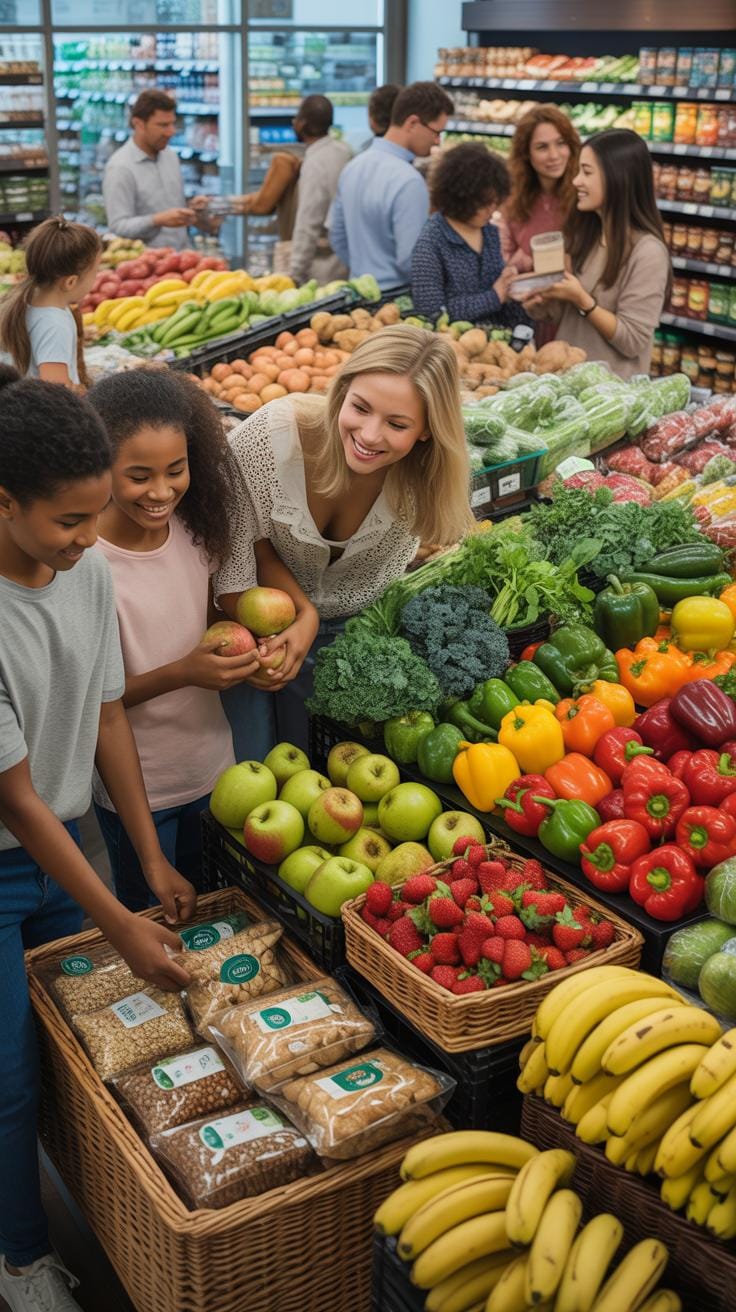
Perimeter Shopping
Standard grocery store layouts place essential, single-ingredient foods around the outer edges. This Guide To Clean Eating prioritizes the produce, meat, and dairy sections found on the perimeter. These areas house the fresh inventory required for a Clean Eating Meal Plan. Most processed goods sit in the center aisles. You avoid additives and hidden sugars by staying on the outside. This strategy simplifies Eating Clean For Beginners.
Focus your energy on the refrigerated and open-air sections to maintain Healthy Eating Habits. These zones contain foods with short shelf lives because they lack heavy preservatives. Successful Clean Eating 101 starts with recognizing that real food rots. When you follow Clean Eating Guidelines, your cart should stay filled with items that require refrigeration. This tactical shift ensures you consume nutrients instead of chemicals and stabilizers.
Produce Priorities
Prioritizing fresh produce is the fastest way to master Clean Eating. The fruit and vegetable section provides the bulk of your Eat Clean Ideas without the need for labels. Dense greens, root vegetables, and seasonal fruits form the foundation of Clean Eating For A Month. Choosing whole plants over bagged snacks eliminates sodium and synthetic flavorings. You get more volume for fewer calories while improving your overall health.
Raw produce offers the highest nutritional density for any Clean Eating routine. Buy vegetables in their natural state rather than pre-cut or pre-seasoned varieties. This habit prevents the ingestion of anti-browning agents and industrial seed oils. You control every ingredient when you prep fresh food at home. Mastering this section is the most effective tactic in any comprehensive Guide To Clean Eating for long-term physical success.
Eating Clean For Beginners Stocking Your Kitchen
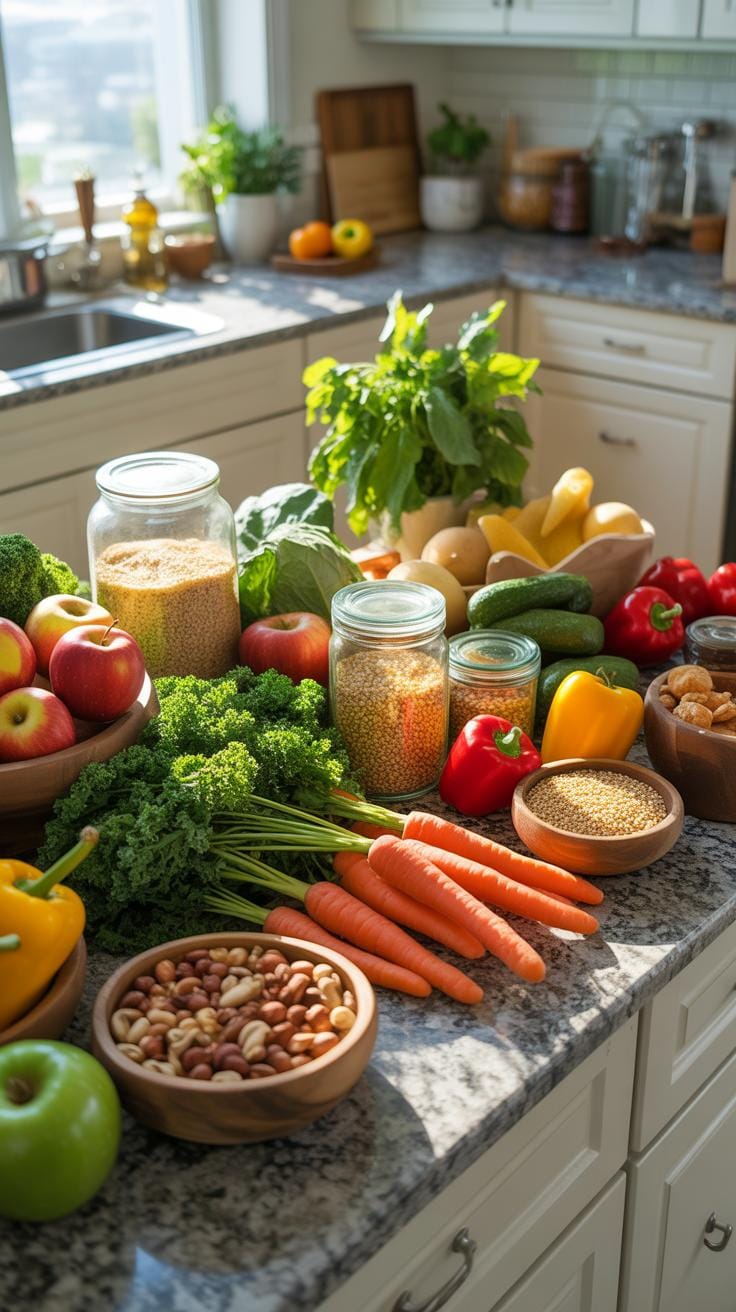
Pantry Staples
Practical Eating Clean For Beginners starts with a pantry full of single-ingredient items. You cannot fail if your shelves hold only raw materials. Focus on fats like olive oil and proteins like canned wild sardines or dry lentils. These items form the base of every Clean Eating Meal Plan without hidden sugars. You control every gram of sodium and fat when you cook from basic raw foundations.
Follow these strict Clean Eating Guidelines to maintain a compliant kitchen. Remove all boxed mixes and processed snacks immediately. Stocking vinegar, spices, and dried herbs provides flavor without chemical additives. This strategy makes Eating Clean For Month one a simple transition. You spend less time reading fine print and more time prepping real food. Healthy Eating Habits grow when you eliminate the temptation of processed convenience items.
Bulk Bins
Utilizing bulk bins is a strategic move for any Guide To Clean Eating. Buying grains and legumes in bulk reveals the true state of the food. You see the texture and quality before purchasing. This approach supports Clean Eating 101 by focusing on whole oats, quinoa, and brown rice. These items are much cheaper than packaged versions. You avoid the marketing traps found in the middle aisles.
Smart Eat Clean Ideas often revolve around batch cooking these bulk staples. Prepare a large pot of black beans or farro on Sunday. Use these bases throughout the week to maintain consistent Clean Eating. This habit removes the stress of daily meal prep. Buying from bins reduces waste and ensures your inventory stays fresh. It is the most efficient way to build a sustainable and affordable kitchen stock.
Clean Eating Guidelines For Sourcing Protein
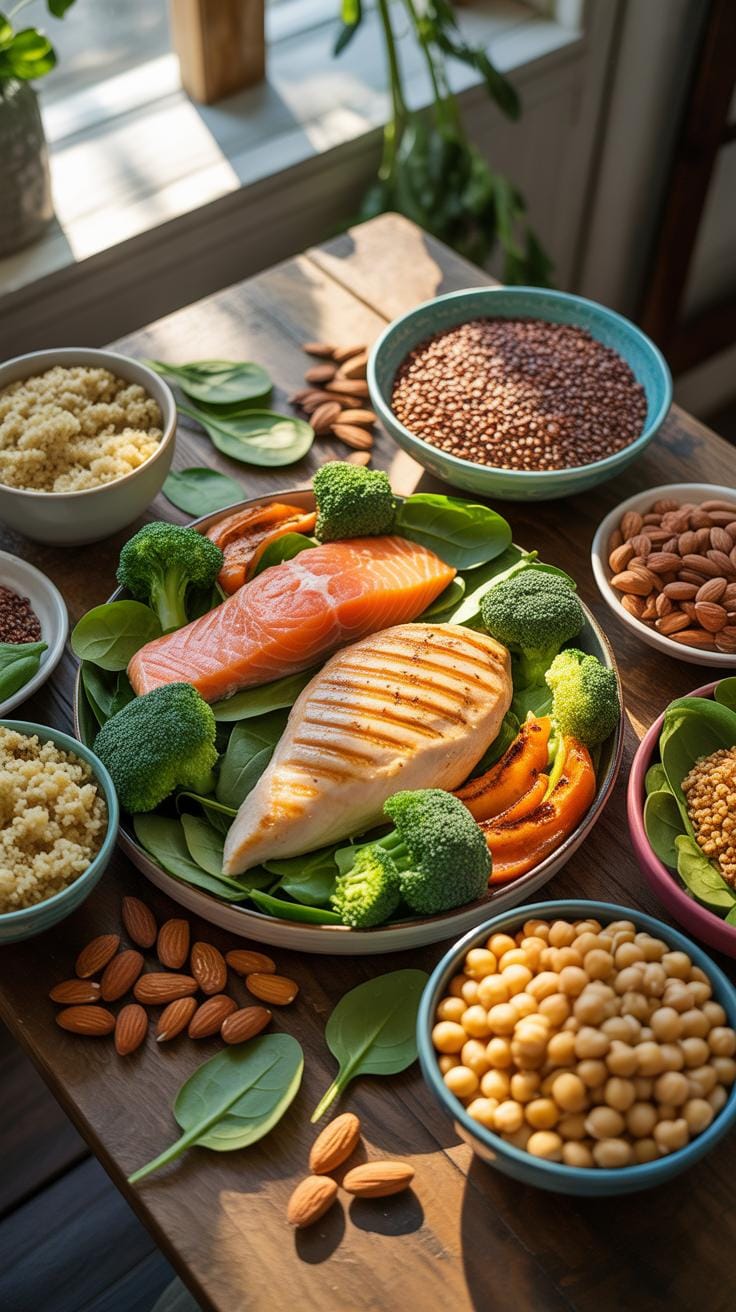
Protein Quality
High quality protein requires strict sourcing standards to ensure maximum nutrient density. For animal products, focus on grass-fed beef and wild-caught fish to avoid synthetic hormones or corn-based fillers. Following Clean Eating 101 means choosing eggs from pasture-raised hens and organic poultry. These sources provide higher omega-3 fatty acid profiles. Accurate sourcing is the most critical step in a successful Clean Eating Meal Plan for long-term health.
Plant proteins must remain in their whole form to qualify for a Guide To Clean Eating. Select dry lentils, chickpeas, and raw nuts instead of processed soy isolates or meat substitutes. These whole plants offer fiber and minerals without hidden sodium or stabilizers. Implementing these Healthy Eating Habits ensures your body receives clean fuel. Beginners should focus on one whole protein source per meal when starting Eating Clean For Beginners.
Lean Protein Benefits
Minimally altered proteins protect your metabolic health by removing hidden additives and preservatives. Traditional curing and heavy processing often introduce nitrates and excess salt which disrupt hydration. Sticking to Clean Eating Guidelines means selecting fresh cuts of meat that require basic cooking methods. This approach simplifies your kitchen routine and supports Clean Eating For A Month by reducing systemic inflammation caused by processed food chemicals.
Clean Eating relies on the biological bioavailability of the food you consume. Fresh protein sources contain the full spectrum of essential amino acids without the interference of artificial flavorings or textures. Use these Eat Clean Ideas to replace deli meats with roasted chicken breast or boiled eggs. Establishing these patterns early builds a sustainable foundation for Clean Eating. Tactical sourcing eliminates the need to decipher complex ingredient lists on packaged goods.
Simplify Your Routine With A Clean Eating Meal Plan

Prep Strategies
Successful clean eating for beginners starts with a high volume of single ingredient foods prepared in advance. You must cook grains, proteins, and vegetables in large batches on a specific day. This approach prevents you from choosing processed convenience foods when you are tired or short on time. Executing a clean eating meal plan requires a set schedule rather than relying on daily willpower.
A guide to clean eating relies on high quality storage containers and clear mental inventory. Divide your bulk ingredients into ready to go portions for the work week. This tactic ensures you maintain healthy eating habits even during your busiest hours. By prepping raw components like chopped greens and roasted tubers, you create a versatile system for quick assembly and consistent nutrition.
Sample Meal Structure
Establishing a repeatable daily framework removes the stress of decision fatigue. You need a reliable clean eating 101 template that balances macro nutrients at every sitting. Focus on filling half your plate with fibrous vegetables, one quarter with lean protein, and one quarter with complex carbohydrates. This rigid structure helps you follow clean eating guidelines without needing a calculator or complex recipes.
- Lean Protein Base: Select high quality meats, eggs, or legumes to provide essential amino acids. Preparing these items in bulk ensures you always have a foundation for your lunch or dinner. Protein promotes satiety and prevents the mid afternoon energy crashes common with high sugar diets.
- Fibrous Vegetables: Fill the majority of your plate with leafy greens, broccoli, or peppers to maximize micronutrient intake. These foods add volume to your meals without adding excessive calories. Raw or steamed vegetables maintain the integrity of their fiber and natural enzymes for better digestion.
- Complex Carbohydrates: Use whole foods like sweet potatoes or brown rice to provide steady fuel for your brain and muscles. Avoid refined white flours that lack the outer bran layer. These slow burning energy sources keep your blood sugar stable throughout the entire day.
- Healthy Fats: Incorporate avocados, raw nuts, or cold pressed oils to support hormone production and nutrient absorption. Do not fear fats if they come from whole plant or animal sources. A small serving of healthy fat makes your meals more satisfying and improves overall food flavor.
- Hydration Strategy: Drink plain water or herbal tea as your primary fluids to avoid liquid sugars and chemicals. Proper hydration is a core part of eating clean for a month. It helps your body process fiber and ensures your metabolism functions at its peak efficiency.
Rotate your ingredients weekly to keep these eat clean ideas fresh and enjoyable. Use different spices and herbs to change the flavor profiles of your base proteins and grains. Committing to this simple structure makes clean eating for a month a manageable and realistic goal. Consistency in your meal architecture is the fastest way to see tangible health improvements and physical results.
Commit To Better Health With Clean Eating For A Month

Habit Formation
A Clean Eating For A Month commitment bridges the gap between intent and action. You need thirty days to automate your Healthy Eating Habits and override old patterns. Start by removing all processed snacks from your kitchen immediately. Replace them with whole foods like nuts, fruits, and vegetables. Consistency in your Clean Eating 101 journey prevents decision fatigue and strengthens your discipline for long term success.
Execution requires a structured Clean Eating Meal Plan to eliminate daily guesswork. Prepare your meals in advance to avoid impulsive hunger driven choices. This Guide To Clean Eating emphasizes the importance of routine over willpower. Focus on small daily wins rather than perfection. Following basic Clean Eating Guidelines daily ensures your body adapts to nutrient dense fuel. This deliberate practice turns effort into a permanent lifestyle transformation.
If it came from a plant, eat it; if it was made in a plant, don’t. Real food doesn’t have ingredients, real food is ingredients.
Taste Bud Reset
Industrial food processing relies on excess salt, sugar, and fat to trigger dopamine responses. This blunts your natural sense of taste over time. Taking part in Eating Clean For Beginners allows your receptors to recover from overstimulation. Expect the first week to be difficult as your brain seeks chemical rewards. Eventually, natural sugars in fruit will taste significantly sweeter and more satisfying.
Use various Eat Clean Ideas to flavor your food without using bottled sauces. Fresh herbs, vinegars, and spices provide intense flavor without inflammatory additives. Clean Eating restores your ability to enjoy the subtle complexity of raw ingredients. You will find that processed goods eventually taste metallic or overly sweet. This physiological shift is the most effective defense against future cravings and ensures you maintain your progress.
Practical Eat Clean Ideas For Dining Out

Restaurant Navigation
Mastering Clean Eating 101 in a restaurant starts with selecting the right venue. Avoid fast food chains that rely on pre-packaged ingredients. Choose establishments that prioritize scratch cooking and seasonal harvests. Scan the menu for high-protein items like wild-caught fish or grass-fed beef. High-quality proteins form the foundation of any Clean Eating Meal Plan even when you are away from your own kitchen.
Prioritize the side dish section to find nutrient-dense options. Look for steamed greens, roasted tubers, or fresh salads without heavy dressings. This strategy aligns with standard Clean Eating Guidelines by maximizing fiber intake. Use these Eat Clean Ideas to maintain progress during your journey of Eating Clean For Beginners. Focus on the raw ingredients listed in the descriptions rather than the marketing names of the dishes.
Dish Modifications
Requesting simple preparations is essential for following a Guide To Clean Eating. Ask the server to swap vegetable oils for butter or olive oil. Instruct the kitchen to grill your protein without sugary glazes or thick sauces. These small changes help you maintain Healthy Eating Habits without feeling restricted. Most reputable chefs prefer preparing fresh ingredients simply and will accommodate your requests for basic salt and pepper seasoning.
Effective Clean Eating involves removing hidden sugars and processed fats from your plate. Ask for all dressings and condiments on the side to control your intake. This tactic is vital when Clean Eating For A Month because it prevents accidental calorie spikes from refined oils. Focus on whole foods and avoid bread baskets or fried appetizers. Stick to these tactical changes to ensure your Clean Eating goals remain intact while socializing.
Essential Healthy Eating Habits Beyond The Plate

Hydration
Water is the foundation of any Clean Eating Meal Plan. Your body requires consistent fluid intake to process fiber and flush waste. Eliminate liquid calories like soda or energy drinks. These processed beverages violate Clean Eating 101 principles by adding sugar and chemicals. Thirst often mimics hunger signals. Drink water first to avoid unnecessary snacking throughout the day. This simple shift supports your Guide To Clean Eating and stabilizes energy levels.
Proper hydration improves cognitive function and physical performance. Carry a reusable bottle to ensure you drink throughout the day. This is a core part of Healthy Eating Habits that most people ignore. When you start Eating Clean For Beginners, you must increase water intake to handle higher vegetable consumption. Stick to plain water or herbal tea without sweeteners. This tactic keeps your Clean Eating Guidelines manageable and effective over time.
Mindful Consumption
Mindful eating is a tactical tool for long-term weight management. You must focus on your food without distractions like TV or phones. This habit helps you recognize fullness cues before you overeat. Most people fail at Clean Eating because they rush meals. Savoring each bite ensures you get the most from your Eat Clean Ideas. Strategic chewing also aids digestion and nutrient absorption for better overall health.
Set a dedicated time for every meal to build a reliable routine. This consistency is vital when following Clean Eating For a Month or longer. Mindful choices prevent emotional eating and help you stick to your Clean Eating plan. Practice deep breathing before eating to calm your nervous system. By treating every meal as a focused task, you master the mental side of maintaining your new lifestyle.
The Lasting Impact Of Consistent Clean Eating

Energy Levels
Standard processed foods cause blood sugar spikes and crashes. Clean Eating 101 teaches you to fuel with complex carbohydrates and lean proteins instead. This practice stabilizes glucose levels. You stop relying on caffeine to survive the afternoon. High quality fuel provides a steady stream of power to your brain and muscles. You will notice improved focus and less irritability throughout your demanding workday.
Following Clean Eating Guidelines ensures your body receives essential micronutrients for ATP production. ATP is the primary energy currency of your cells. When you swap chemicals for whole foods, your metabolism functions with higher efficiency. This transition is a core part of any Guide To Clean Eating. Sustained vitality becomes your new baseline. You gain the stamina required to maintain healthy eating habits long term.
Long Term Wellness Tips
Moving beyond Eating Clean For Beginners requires a shift from temporary dieting to permanent systems. You must automate your food choices to reduce decision fatigue. Consistency over thirty days cements these behaviors into your routine. Following a structured Clean Eating For A Month challenge provides the data you need to see what works for your specific biology and schedule.
- Batch Cooking: Prepare large quantities of proteins and roasted vegetables every Sunday. This tactic removes the temptation to order takeout when you are tired. Having ready to eat whole foods in your refrigerator ensures you stick to your Clean Eating Meal Plan without extra daily effort.
- Hydration First: Drink 500 milliliters of water immediately upon waking and before every meal. Thirst often masks itself as hunger or fatigue. Proper hydration supports every metabolic process and keeps your digestion moving. It is the simplest tool for success in any Guide To Clean Eating.
- Smart Swaps: Replace refined grains with tubers or ancient seeds like quinoa. Use avocado or nuts for healthy fats instead of processed oils. These Eat Clean Ideas allow you to enjoy satisfying meals while avoiding inflammatory additives. Focus on adding high density nutrition rather than just removing calories.
- Grocery Perimeter: Shop only the outer edges of the store where the fresh produce and meats sit. Ignore the middle aisles containing boxed goods and preservatives. This physical boundary simplifies your shopping experience. It forces you to prioritize ingredients that do not require a label or a chemistry degree.
- Simplified Tracking: Focus on how you feel and your performance levels rather than counting every single calorie. Notice improvements in your sleep quality and skin clarity. These biometric markers provide better motivation than a scale. Documenting these changes helps you maintain Clean Eating as a permanent lifestyle choice.
Maintaining these results depends on your ability to plan ahead. Use a Clean Eating Meal Plan to map out your week. This strategic approach prevents impulsive decisions at the grocery store. When you treat your body like high performance machinery, your output improves significantly. Healthy Eating Habits are the foundation of professional excellence and long term physical resilience. Stay disciplined to see the full benefits.
Frequently Asked Questions

What does it mean to eat clean if I’m not checking ingredient lists?
Eating clean without reading labels simply means focusing on whole, single-ingredient foods that don’t come in a box or bag. When you fill your cart with fresh produce, raw nuts, and pasture-raised meats, there is no fine print to decipher. One of the best eat clean tips for beginners is to prioritize items that look exactly as they did in nature, effectively removing the stress of hidden additives and preservatives.
How can I build a balanced meal using only whole foods?
To create a satisfying meal without a label in sight, follow a simple template: fill half your plate with colorful vegetables, one quarter with high-quality protein, and the rest with healthy fats or complex carbohydrates like potatoes. This intuitive approach ensures you receive a spectrum of nutrients naturally. These practical eat clean tips help you shift your focus from restrictive counting toward nourishing your body with high-vibe, unprocessed fuel every single day.
Is it possible to avoid processed foods while shopping on a tight budget?
Absolutely. Shifting away from branded, packaged health foods can actually save you a significant amount of money. You can keep your costs low by purchasing seasonal produce, buying bulk dry grains like quinoa or brown rice, and opting for less expensive cuts of bone-in meat. Creating a menu based on simple, earth-grown staples allows you to nourish your family with high-quality ingredients while maintaining a very sustainable and friendly grocery budget.