
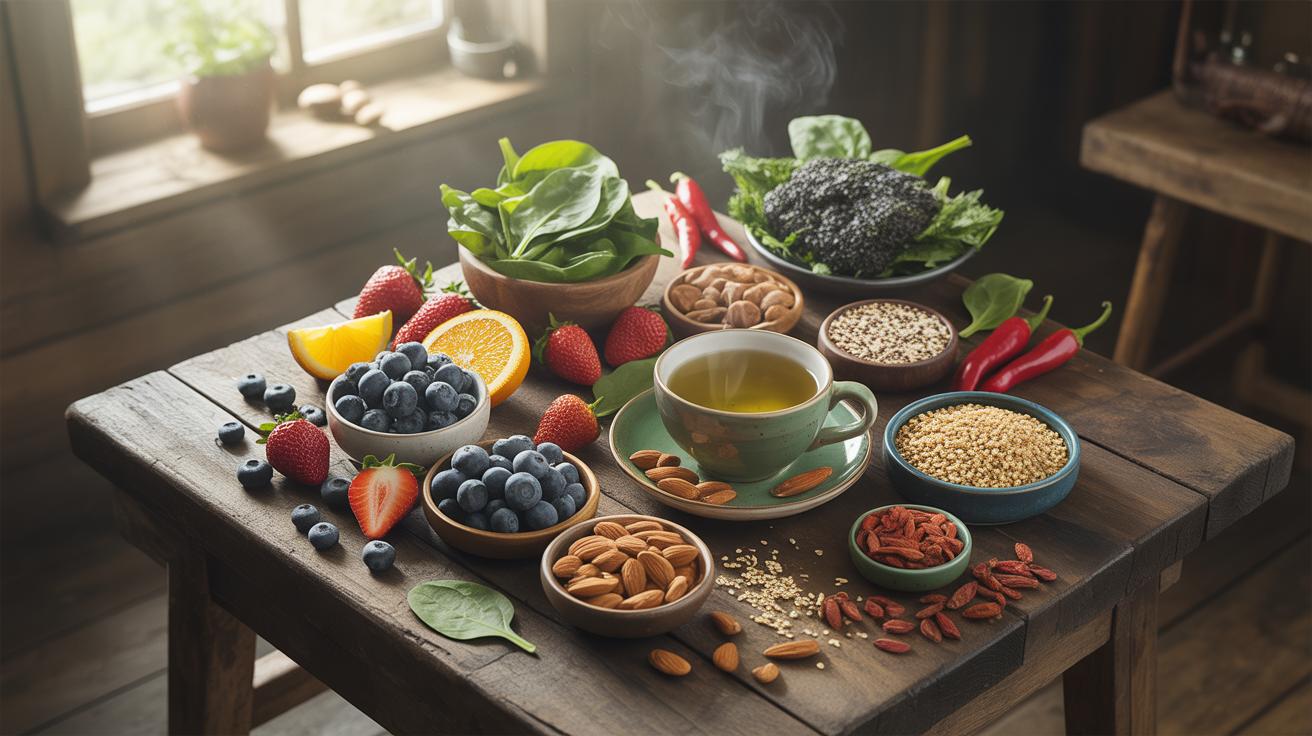
What Does Metabolism Actually Mean And Why Do Foods That Boost Metabolism Matter

Understanding Your Basal Metabolic Rate And How It Affects Daily Calorie Burn
Basal Metabolic Rate represents the minimum energy your body requires to function at rest. This energy powers vital organs like your heart, lungs, and brain. It accounts for nearly seventy percent of your total daily energy expenditure. Your age, weight, and muscle mass determine this baseline number. Higher muscle mass increases this rate because muscle tissue requires more energy for maintenance than fat.

Monitoring your baseline helps you understand how many calories you burn without any physical activity. This figure serves as the foundation for any weight management strategy. You cannot control genetic factors like age, but you can influence your metabolic rate through strength training. Increasing your lean muscle mass forces your body to consume more fuel even while you are sleeping or sitting still.
How The Thermic Effect Of Food Plays A Role In How Quickly You Burn Calories
The Thermic Effect of Food identifies the energy used to digest and process nutrients. Your body must work to break down everything you eat and drink. This process consumes energy and generates heat within your system. Not all nutrients require the same amount of effort. Protein is the most difficult to process and yields the highest metabolic boost during digestion.

Choosing specific foods can temporarily increase your caloric expenditure through this process. Digesting protein can burn up to thirty percent of its own calories. Carbohydrates and fats require much less energy to process. By prioritizing foods with a high thermic effect, you optimize your internal fat-burning furnace. This tactical approach to eating ensures your body works harder every time you consume a meal.
Protein Rich Metabolism Boosting Foods That Increase Calorie Burn After Every Meal
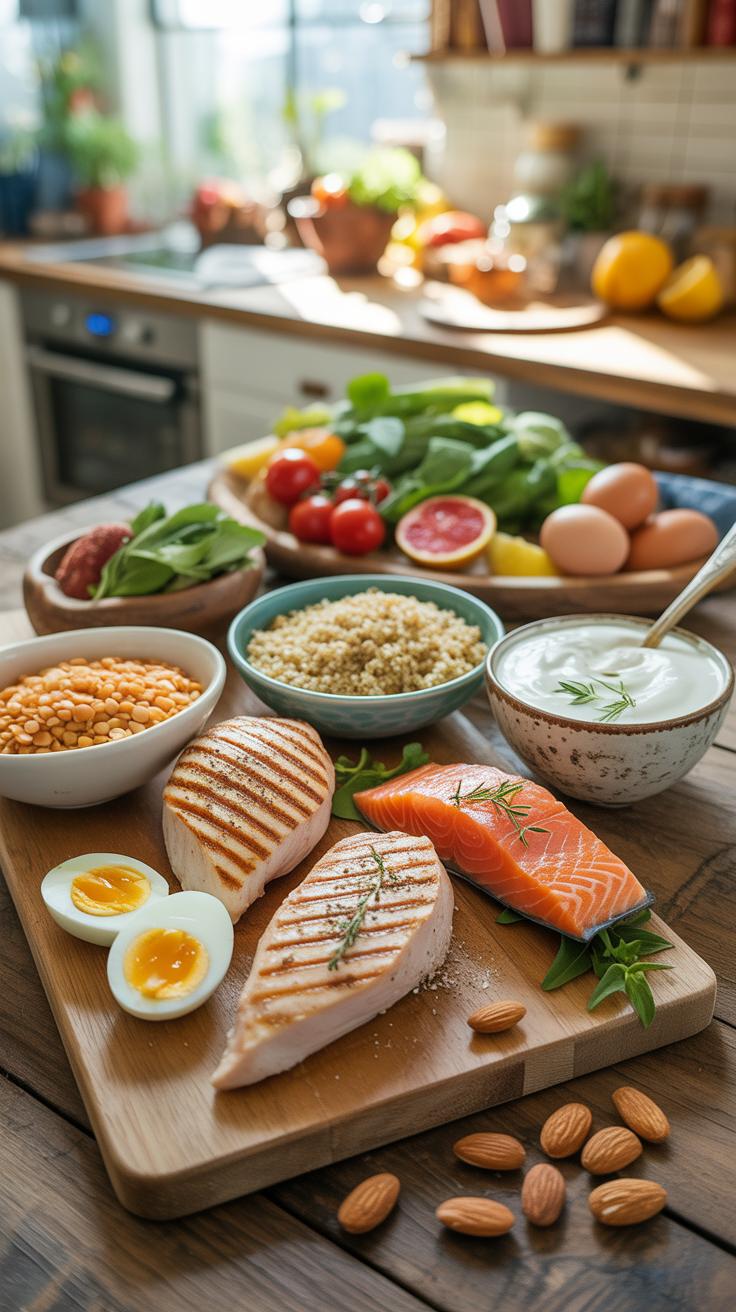
Why Lean Meats Like Chicken And Turkey Are Among The Best Foods For Metabolism
Lean meats like chicken breast and turkey provide high amounts of protein with very little fat. Your body uses more energy to digest protein than it does for fats or carbohydrates. This process is the thermic effect of food. Protein requires the most energy to break down. Choosing lean poultry ensures you maximize this calorie burn without adding excess calories from animal fats.
Eating chicken and turkey helps maintain muscle mass during weight loss. Muscle tissue burns more calories than fat tissue even when you are resting. By providing the body with essential amino acids, these meats support muscle repair and growth. High protein intake also increases satiety. This means you feel full for longer periods and avoid snacking on low quality foods that slow your metabolism.
How Eggs, Legumes, And Greek Yogurt Support Muscle Retention And A Faster Metabolic Rate
Eggs and Greek yogurt offer high bioavailability of protein for quick absorption. Eggs contain choline which supports lipid metabolism in the liver. Greek yogurt provides probiotics and calcium. Research suggests that calcium and protein working together can increase the rate at which your body burns fat. These foods serve as foundations for a metabolic diet because they stabilize blood sugar and prevent insulin spikes.
Legumes like lentils and beans add fiber to the high protein mix. Fiber requires extra effort from your digestive tract to process. This double impact of fiber and protein keeps your metabolic rate elevated for hours after eating. Legumes also contain iron. Iron is necessary for transporting oxygen to your muscles. When your muscles have enough oxygen they can burn fuel and fat more efficiently.
Spicy Food To Boost Metabolism The Science Behind Chili Peppers And Capsaicin

How Capsaicin In Chili Peppers Temporarily Raises Your Body’S Core Thermogenic Activity
Capsaicin is the active chemical compound in chili peppers. It binds to heat receptors in your mouth and digestive tract. This action triggers a process called thermogenesis. Your body temperature rises as a direct result. To cool back down, your heart rate increases and circulation speeds up. This physical response burns extra calories for a short period after you consume the spicy food.
Consuming capsaicin can also increase fat oxidation during rest. It forces the body to use stored fat for fuel instead of glucose. This metabolic spike is temporary but measurable in clinical settings. Regular intake may help with long-term weight management by suppressing appetite. Strategic use of hot peppers provides a tactical advantage for those trying to increase daily energy expenditure without extra exercise.
Other Spices Like Ginger And Black Pepper That Contribute To A Faster Metabolic Response
Ginger contains compounds called gingerols and shogaols. These elements stimulate digestive enzymes and increase the thermic effect of food. When you eat ginger, your body works harder to process nutrients. This increased workload burns more energy than eating plain meals. It also helps stabilize blood sugar layers. Stable blood sugar prevents insulin spikes that typically signal the body to store fat instead of burning it.
Black pepper contains piperine which offers unique metabolic benefits. Piperine interferes with the genes that control the formation of new fat cells. It also increases the bioavailability of other nutrients. This means your body absorbs and uses minerals more efficiently. Combining black pepper with other spices creates a synergistic effect. This combination maximizes the metabolic rate. Use these spices daily to maintain a consistent and elevated fat burning state.
Green Tea And Coffee Proven Beverages That Boost Metabolism Through Natural Compounds

The Role Of EGCG In Green Tea And Its Documented Effect On Fat Oxidation
Green tea contains high levels of epigallocatechin gallate, known as EGCG. This specific polyphenol inhibits the enzyme that breaks down norepinephrine. Higher levels of this hormone signal the nervous system to break down fat cells. This process releases stored energy into the bloodstream. EGCG works most effectively when paired with the small amount of natural caffeine found in the tea leaves.
Research shows that EGCG increases the rate at which your body burns calories during rest and exercise. This chemical compound specifically enhances fat oxidation. It forces the body to use lipid stores for fuel rather than carbohydrates. Regular consumption maintains a steady state of thermogenesis. This biological heat production directly raises the daily basal metabolic rate. You get more metabolic efficiency without adding significant calories.
How Caffeine In Coffee Stimulates The Central Nervous System To Temporarily Increase Metabolic Rate
Caffeine acts as a powerful stimulant for the central nervous system. Once consumed, it blocks adenosine receptors in the brain. This action prevents feelings of tiredness and increases the release of neurotransmitters like dopamine. These chemicals trigger a fight or flight response. Your body responds by increasing its heart rate and metabolic output. This spike happens quickly and lasts for several hours.
The caffeine in coffee also increases your resting metabolic rate by three to eleven percent. It achieves this by stimulating the mobilization of fats from fat tissues. The body then burns these fats for heat through a process called thermogenesis. Black coffee provides these benefits without adding sugar or fats that slow down the process. Tactical use of coffee provides a reliable way to enhance daily energy expenditure.
Whole Grains As Best Foods For Metabolism Why Complex Carbs Work Harder For You
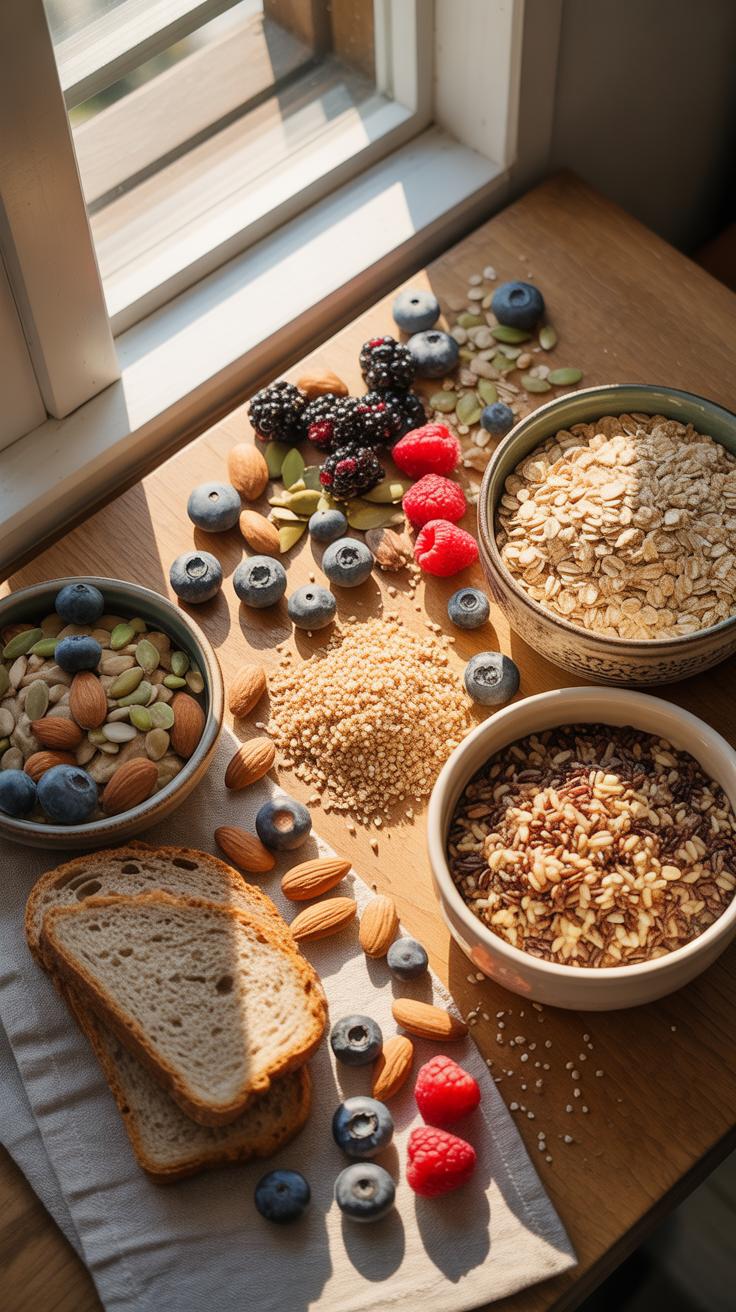
How Oats, Brown Rice, And Quinoa Require More Energy To Digest Than Refined Carbohydrates
Whole grains force your body to work harder during digestion. Oats and brown rice contain intact structures that your enzymes cannot break down quickly. This process creates a high thermic effect of food. You burn more calories simply by processing these complex shells. Refined grains like white bread lack this structure. They turn into sugar almost instantly and offer zero metabolic challenge.
Quinoa and barley act as metabolic weightlifters for your gut. Your internal systems must grind through tough plant fibers and proteins. This mechanical work raises your core body temperature slightly. It consumes significant energy compared to processed flours. Choosing these grains ensures your body spends energy throughout the day. It prevents the metabolic slowdown typically caused by easy to digest simple sugars and starches.
The kitchen of my childhood was a sanctuary where simple, warming spices and fresh greens did more than just feed the soul; they ignited the body’s natural fire. True health begins when we return to these wholesome ingredients that keep our inner energy dancing.
The Connection Between Dietary Fiber In Whole Grains And Sustained Metabolic Efficiency
Dietary fiber in whole grains keeps your metabolic rate steady for hours. Soluble fiber creates a gel like substance in your stomach. This slows the absorption of sugar into your bloodstream. It prevents the insulin spikes that signal your body to store fat. By keeping insulin levels low and stable, your body stays in a fat burning state. Fiber provides a consistent energy fuel source.
High fiber intake also improves your gut microbiome health. Healthy gut bacteria produce short chain fatty acids when they break down grain fibers. These acids help regulate your fat metabolism and improve insulin sensitivity. This biochemical process ensures your cells use energy efficiently rather than storing it. A clean, high fiber diet removes the waste that slows your chemical reactions. Focus on fiber to maintain a peak engine.
Foods For Metabolism Boost How Iron And Selenium Rich Foods Keep Your Thyroid Functioning Well
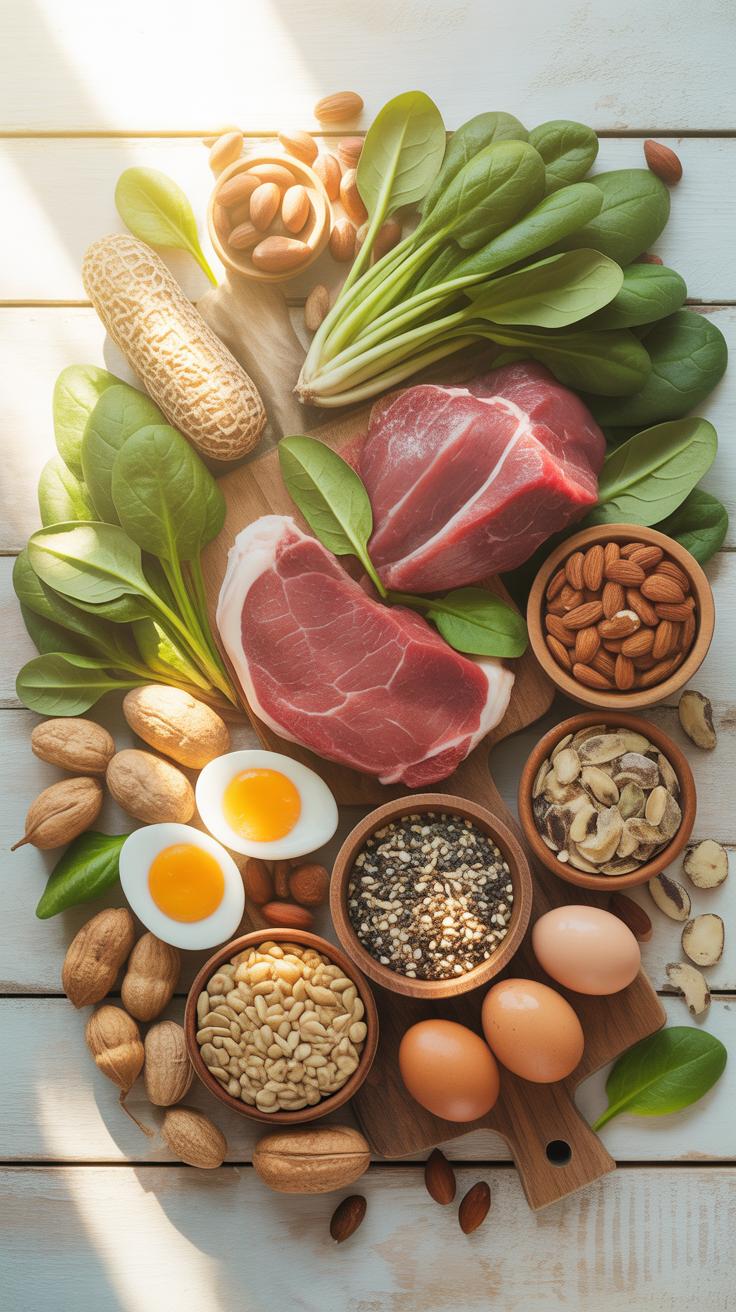
Why Iron Found In Spinach, Lentils, And Red Meat Is Essential For Oxygen Transport And Energy Production
Iron serves as the primary building block for hemoglobin in red blood cells. These cells transport oxygen to every muscle and organ in your body. Without sufficient iron, your cells receive less oxygen. This deficiency causes a direct drop in energy production. Your metabolic rate slows down because your body lacks the fuel needed to burn calories at an optimal pace.
Consuming iron from spinach, lentils, and red meat ensures your muscles work efficiently during physical activity. Red meat provides heme iron which the body absorbs quickly. Plant sources like lentils offer non-heme iron that supports long-term health. Maintaining high iron levels prevents anemia and fatigue. This allows your metabolism to stay active. Consistent oxygen delivery is the foundation of a high metabolic rate.
How Selenium In Brazil Nuts And Seafood Supports Thyroid Hormone Conversion And Metabolic Health
The thyroid gland contains the highest concentration of selenium in the human body. This mineral acts as a catalyst for converting the inactive thyroid hormone T4 into the active version T3. Active T3 hormones control your basal metabolic rate. If your selenium levels are low, this conversion process stalls. A slow conversion leads to a sluggish metabolism regardless of your caloric intake.
Brazil nuts and seafood provide the necessary selenium to protect the thyroid from oxidative stress. This protection ensures the gland functions without interruption. Proper thyroid health helps your body regulate temperature and process nutrients effectively. Just one or two Brazil nuts a day can meet your total requirement. Consistent selenium intake maintains the hormonal balance required for a fast and efficient metabolism every day.
Food That Boosts Metabolism Through Healthy Fats Avocados Nuts And Fatty Fish
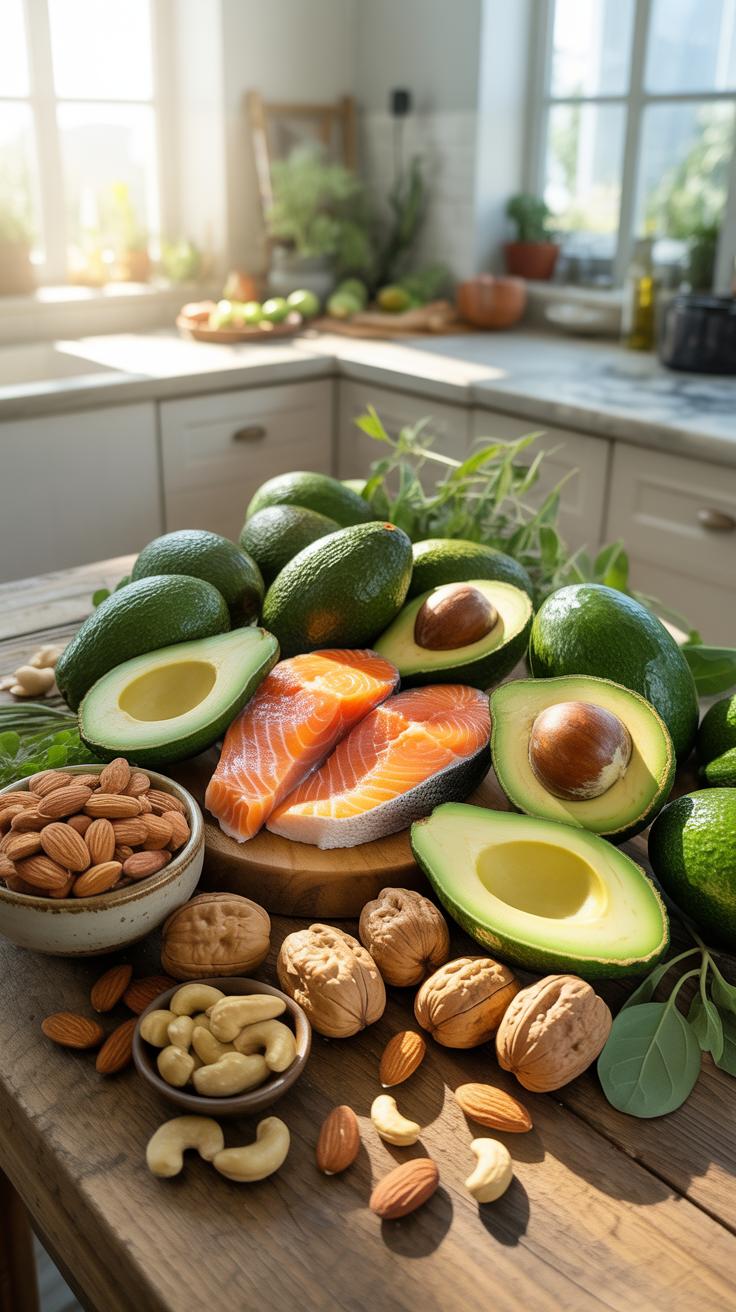
How Omega 3 Fatty Acids In Salmon And Mackerel Help Reduce Inflammation And Support Metabolic Function
Salmon and mackerel provide high levels of omega-3 fatty acids. These essential fats lower systemic inflammation. Inflammation interferes with hormonal signals that control your weight. High levels of EPA and DHA improve insulin sensitivity. This helps your cells use glucose for energy instead of storing it as fat. Effective insulin management is a critical pillar of a high-functioning metabolism.
Fatty fish also increases levels of leptin in the body. Leptin is a hormone that tells your brain when you have enough energy stored. This signal helps prevent overeating and maintains your basal metabolic rate. Regular consumption of these fats protects lean muscle mass during weight loss phases. Muscle tissue burns more calories at rest than fat tissue. This provides a direct metabolic advantage.
The Metabolic Benefits Of Monounsaturated Fats Found In Avocados And Almonds
Avocados and almonds contain large amounts of monounsaturated fatty acids. These fats provide a steady supply of energy without causing insulin spikes. They promote satiety and keep you full for longer periods. This prevents the frequent snacking that stalls fat oxidation. Monounsaturated fats also protect the mitochondria in your cells. Healthy mitochondria are necessary for turning food into usable energy efficiently.
Almonds and avocados deliver high amounts of fiber alongside healthy fats. Fiber requires more energy for your body to break down. This increases the thermic effect of food during digestion. Magnesium found in these foods also supports hundreds of biochemical reactions. Many of these reactions involve energy production and protein synthesis. Combining healthy fats with fiber creates a stable environment for your metabolism to thrive daily.
Food For Fast Metabolism The Impact Of Staying Hydrated With Water And Mineral Rich Drinks

Research Behind Cold Water Consumption And Its Short Term Effect On Resting Energy Expenditure
Drinking cold water forces your body to work harder. Your internal system must maintain a stable core temperature. When you consume cold fluids, your body burns calories to warm that water up to ninety-eight degrees. Researchers call this process water-induced thermogenesis. This effect starts within ten minutes of consumption. It peaks about thirty to forty minutes after you finish drinking.
Studies show that drinking half a liter of water increases resting metabolism by nearly thirty percent. This boost lasts for over an hour. Using cold water specifically maximizes this caloric burn. It is a simple tactical way to increase daily energy expenditure without extra exercise. Proper hydration also ensures that your kidneys and liver function at peak capacity. Efficient organs process fat more effectively.
How Electrolyte Rich Beverages Like Coconut Water Support Cellular Energy And Hydration Balance
Metabolism happens at the cellular level. Cells require a precise balance of sodium and potassium to move nutrients and waste. Coconut water provides these essential electrolytes naturally. Plain water hydrates you, but minerals drive the electrical signals that power your muscles and brain. Dehydration slows down chemical reactions in your cells. This causes your metabolic rate to drop to conserve energy.
Replenishing minerals through natural drinks keeps your metabolic machinery running fast. Magnesium and potassium in these beverages help convert blood sugar into energy. This prevents the sluggishness often associated with fluid loss. Maintain your mineral balance to keep your mitochondria working correctly. Efficient mitochondria burn more fuel throughout the day. Strategic hydration is a core requirement for any high-performance metabolic state.
Foods For Fast Metabolism Cruciferous Vegetables And Their Role In Hormonal And Digestive Balance
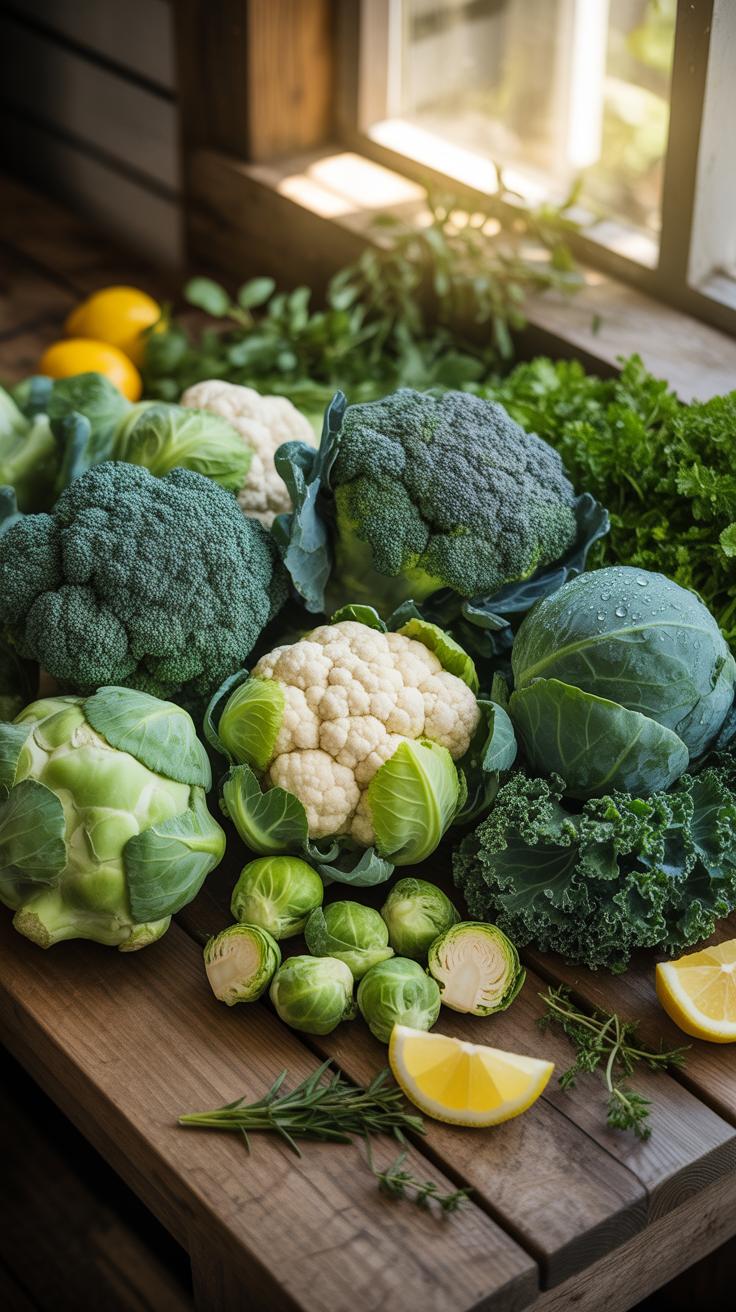
Why Broccoli, Cauliflower, And Brussels Sprouts Are Among The Most Nutrient Dense Metabolism Supporting Vegetables
Broccoli, cauliflower, and Brussels sprouts provide high levels of fiber with very few calories. This combination forces your body to work harder during digestion. Scientists call this the thermic effect of food. Your system burns more energy breaking down these tough plant fibers than it does for simple sugars. This process keeps your metabolic rate elevated for hours after you finish your meal.
These vegetables contain high concentrations of vitamin C and calcium. Vitamin C helps the body synthesize carnitine. This molecule transports fat cells into the mitochondria to produce energy. Calcium also plays a role in how your body stores and uses fat. Eating these vegetables ensures your cells have the necessary tools to process energy efficiently. They provide a high return on your metabolic investment every day.
How Indole 3 Carbinol In Cruciferous Vegetables May Help Balance Estrogen Levels And Support Metabolism
Cruciferous vegetables contain a specific compound called Indole-3-Carbinol. This chemical helps your liver metabolize estrogen efficiently. High levels of estrogen can lead to fat storage and a slower metabolic rate. By promoting a healthy hormone balance, Indole-3-Carbinol prevents the body from holding onto excess weight. This compound targets the root cause of hormonal weight gain by optimizing your internal chemical environment.
Maintaining hormonal balance is critical for a fast metabolism. Excess estrogen often blocks your thyroid from working correctly. Your thyroid controls your metabolic speed. When you eat more Indole-3-Carbinol, you lower the burden on your endocrine system. This allows your thyroid to function at its peak level. You gain better weight control and increased energy levels by simply changing your vegetable intake during your weekly meals.
How To Build A Daily Meal Plan Around The Best Foods For Metabolism For Long Term Results

Practical Tips For Incorporating Metabolism Boosting Foods Into Breakfast Lunch And Dinner
Strategic meal planning maximizes the thermic effect of food. You must prioritize high protein sources and fibrous plants at every meal. This approach forces your body to expend more energy during digestion. Start your day with lean proteins to stabilize blood sugar. Integrate thermogenic spices and green tea to maintain an elevated metabolic rate. Consistency in food selection ensures your basal metabolic rate remains high throughout the day.
- Lean Proteins: Include eggs, chicken, or Greek yogurt in every meal. Protein has the highest thermic effect of all macronutrients. It requires the most energy for your body to break down and process effectively.
- Capsaicin Sources: Add chili peppers or hot sauce to your lunch and dinner. Capsaicin increases core body temperature through thermogenesis. This chemical compound forces your body to burn more calories for heat production immediately after consumption.
- High Fiber Legumes: Use lentils and beans as your primary carbohydrate sources. Fiber requires significant physical effort for the digestive tract to move and process. These foods also provide sustained energy without causing the insulin spikes that stall fat burning.
- Cold Water Fish: Eat salmon or mackerel twice per week. The omega 3 fatty acids found in these fish help regulate leptin levels. Proper hormonal balance prevents your metabolism from slowing down during periods of caloric restriction or intense training.
- Green Tea: Replace your afternoon coffee with unsweetened green tea. It contains catechins and caffeine that work together to increase fat oxidation. Drinking this regularly provides a measurable boost to your daily energy expenditure without adding liquid calories.
Timing your nutrient intake supports your metabolic health. Consume the majority of your complex carbohydrates around your most active hours. This ensures your body uses the glucose for fuel instead of storing it as fat. Avoid heavy meals late at night when your core temperature naturally drops. Focus on whole foods and eliminate processed items. High quality fuel drives a high performance metabolism over years of life.
Common Dietary Mistakes That Slow Your Metabolism And How To Avoid Them With Smarter Food Choices
Extreme calorie restriction is the fastest way to crash your metabolic rate. When you eat too little, your body enters a survival state called adaptive thermogenesis. This process lowers your heart rate and slows down your digestion to conserve energy. You must eat enough to support your lean muscle mass. Muscle tissue burns more calories at rest than fat tissue does.
- Hidden Liquid Sugars: Stop consuming sodas, sweetened coffees, and commercial fruit juices. These liquids cause massive insulin spikes. High insulin levels signal your body to store fat and stop using stored energy for fuel. Switch to plain water or herbal tea.
- Ultra Processed Grains: Avoid white bread and sugary cereals that lack natural fiber. These refined carbohydrates digest too quickly and provide no thermic benefit. Choose whole grains like steel cut oats or quinoa to keep your digestive system working harder for longer periods.
- Inadequate Protein Intake: Never skip protein during your first meal of the day. A low protein breakfast leads to muscle loss over time. Less muscle means a lower resting metabolic rate. Ensure every meal contains at least twenty to thirty grams of high quality protein.
- Sedentary Eating Habits: Avoid eating while distracted or working at your desk. Poor mindfulness leads to overconsumption of low nutrient foods. Focus on the act of eating to improve digestion and hormonal signaling. Proper chewing and pacing assist the metabolic breakdown of nutrients.
- Excessive Alcohol Consumption: Limit alcohol because it takes priority in metabolic processing. Your body stops burning fat and carbohydrates to clear the ethanol from your system. This pause in fat oxidation leads to increased storage in the abdominal area and slows your progress.
Dehydration significantly reduces the efficiency of your cellular metabolism. Your chemical reactions require water to convert stored fat into usable energy. Even mild dehydration can decrease your resting energy expenditure by several percentage points. Drink water consistently throughout the day to keep your internal systems running at peak capacity. Smart food choices fail if the underlying biological environment is not properly hydrated for chemical processing.
Frequently Asked Questions

What are the best foods for beginners to start with to increase their metabolic rate?
If you are new to nutrition, start by incorporating high-protein options like eggs, lean meats, and lentils into your meals. Protein requires more energy to digest, which helps kickstart your calorie burning. Additionally, drinking green tea and adding chili peppers to your dishes are simple, effective ways to include foods that boost metabolism naturally without needing to overhaul your entire diet or purchase specialized supplements.
How can I easily incorporate these metabolism-boosting ingredients into my daily meal prep?
The best way to use foods that boost metabolism is through consistent, small additions. Try swapping your morning coffee for green tea or adding a teaspoon of cayenne pepper to your roasted vegetables. You can also prepare overnight oats with chia seeds and berries for a fiber-rich breakfast. Focus on adding one or two of these ingredients to every meal to ensure your body stays energized and efficient throughout the day.
Can I improve my metabolism on a budget without buying expensive superfoods?
Absolutely! You do not need pricey supplements or exotic ingredients to see results. Budget-friendly staples like dried beans, whole grains, and plain black coffee are incredibly effective. Even pantry basics like apple cider vinegar, ginger, and garlic offer significant thermogenic benefits. Buying frozen protein in bulk and sticking to seasonal produce ensures you can support your body’s metabolic health while keeping your grocery bill manageable and affordable.