
Beyond Snacks The Performance Imperative Of Protein Snack Boxes
Food As Fuel, Not Reward
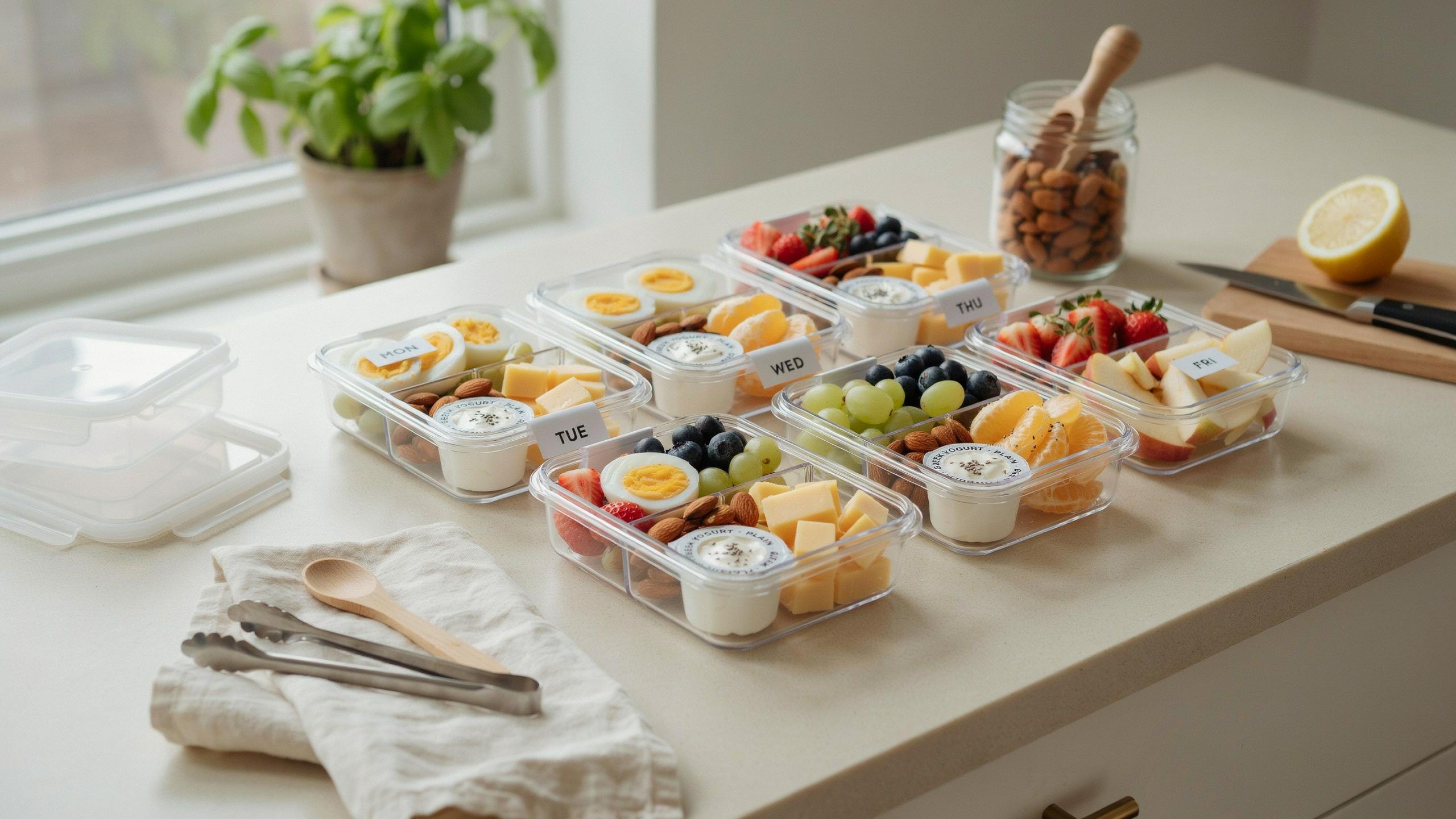
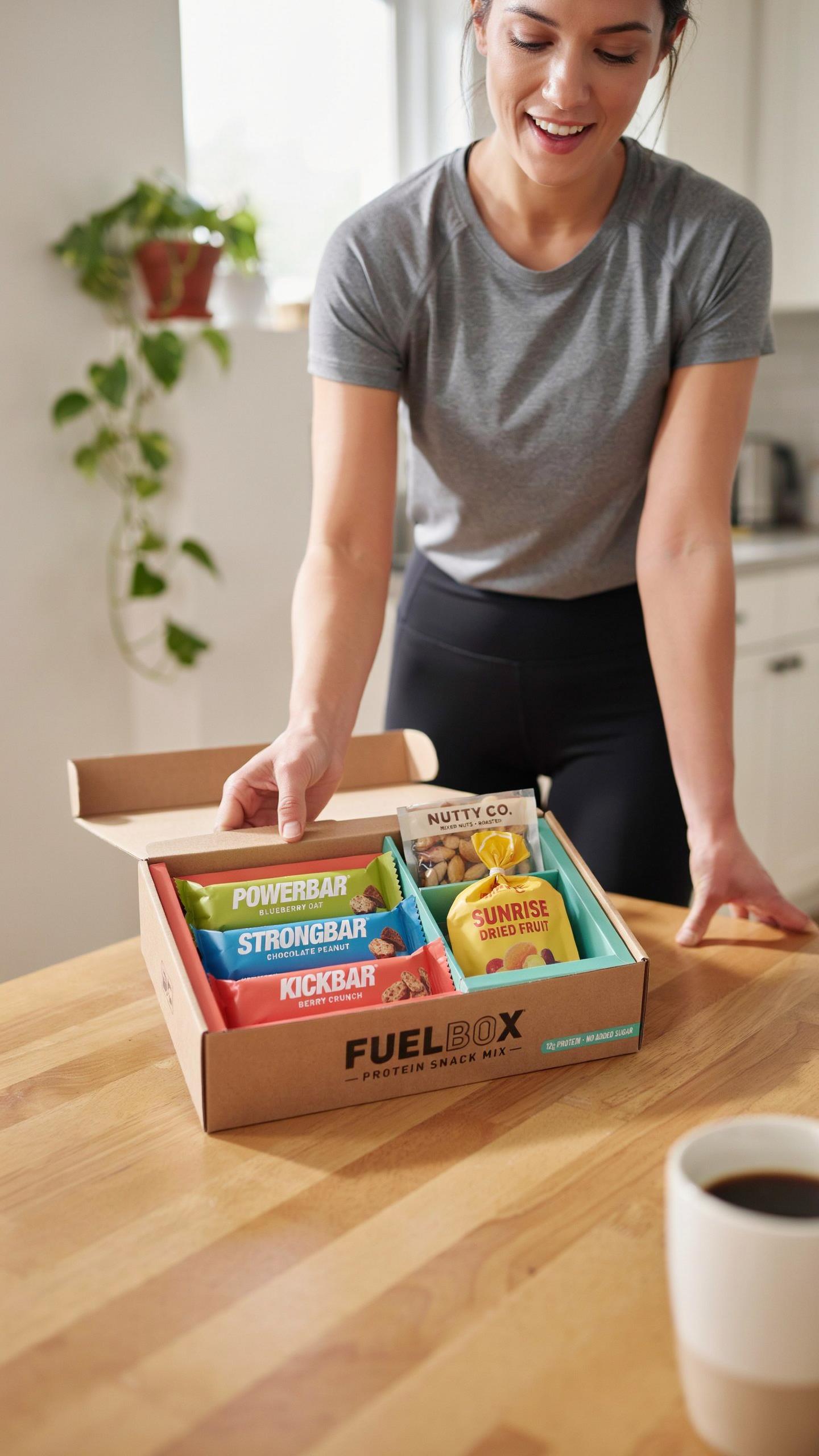
You’re reading this because you want an edge. You want to know if meal prepping protein snack boxes actually moves the needle, or if it’s just another wellness trend you’ll abandon in three weeks. Here’s the mechanism: your brain treats food as either a dopamine hit or a fuel source depending on how you frame it before eating. Most students default to the first frame because it’s easier and feels good immediately. Protein snack boxes force the second frame by design. When you open a prepared box with hard boiled eggs, cheese, and almonds instead than reaching for processed snacks, you’ve already made the decision. The box becomes the decision, not your willpower.

Comfort eating happens because it’s frictionless and because you’ve trained your body to seek energy fast. A high protein snack box removes friction in the opposite direction. You’ve already decided what you’re eating. You’ve already decided it’s fuel, not entertainment. This is why meal prep works where motivation fails. You’re not relying on discipline at 3 PM when focus drops. You’re relying on a prior decision made when your thinking was clear. That’s the entire mechanism. Protein snack boxes work because they externalize the choice before the craving arrives.
Sustained Output Requires Protein Density
Biology calls this “satiety,” but the real term is energy stability. Blood sugar spikes from carbs alone drop fast, creating a crash that kills focus and saps willpower. Protein slows glucose absorption, which means your energy stays flat instead of spiking and cratering. A school day demands sustained mental output. That demands sustained blood glucose. Most snack advice ignores this because it’s harder to monetize than “eat what you crave in moderation.” Protein snack boxes solve a mechanical problem: maintaining cognitive performance for six to eight consecutive hours without energy collapse.

The numbers matter here. Protein takes longer to digest than carbs or fat, which extends satiety. Each snack box should contain between 15 to 25 grams of protein per serving to actually move the needle on sustained focus. Without that density, you’re just eating smaller versions of the same crash cycle. Build your boxes around protein first, then add fats and minimal carbs to prevent boredom. Protein snack boxes work because they stabilize the system that sustains performance, not because they taste good or feel healthy.
The Cognitive Cost Of Complacency Why Generic Meal Prep Snacks Fail You
Blood Sugar Stability Determines Your Actual Output
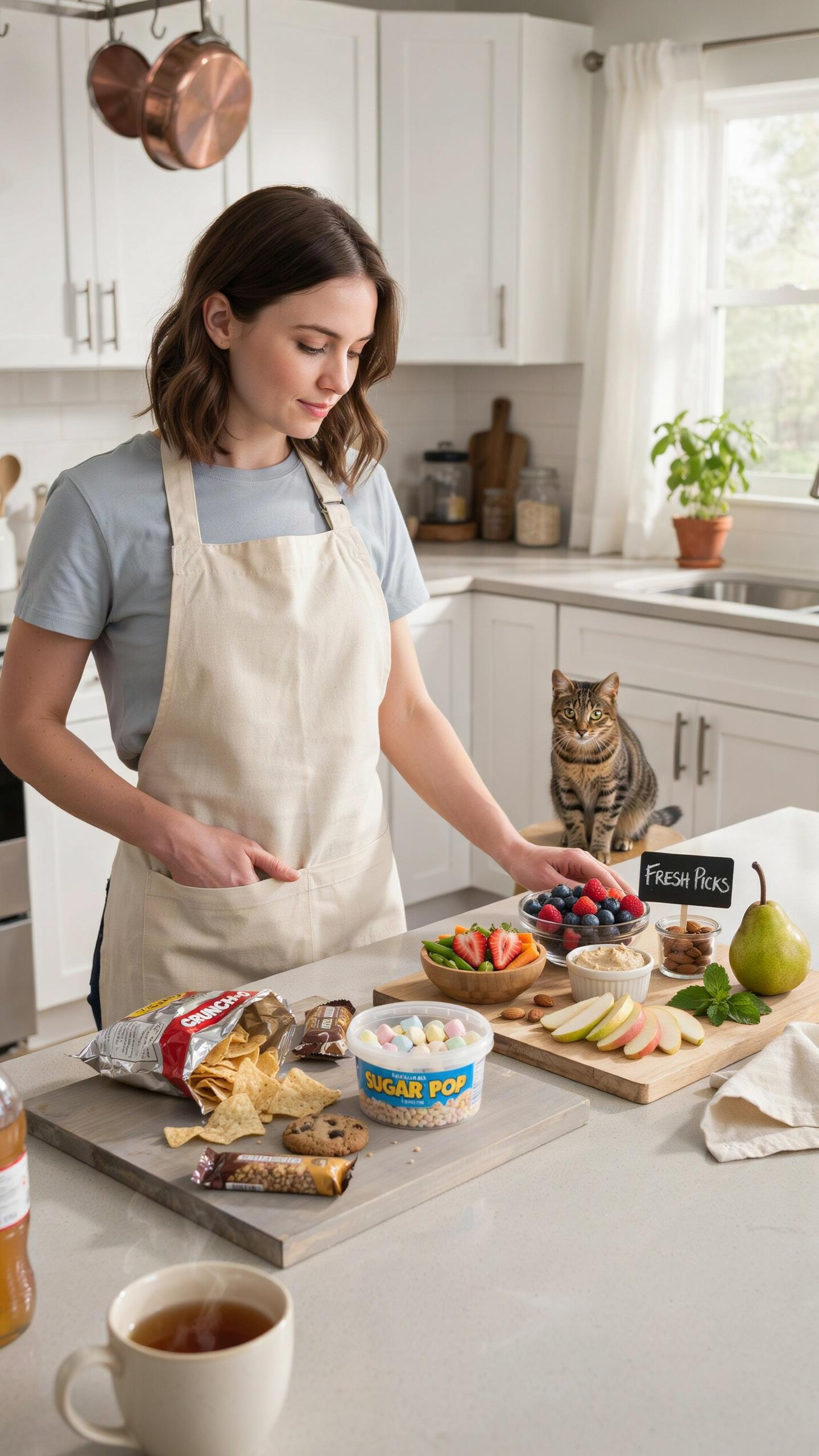
You care about this because you want proof that your effort matters, but you’re getting proof that it doesn’t. This is a glucose regulation problem, borrowed straight from endocrinology. Your blood sugar spikes and crashes throughout the day, and most people mistake the crash for hunger instead of what it actually is: a metabolic nosedive that kills focus, mood, and decision-making for 20-40 minutes. A snack box built on carbs alone sends you up, then drops you hard.
Protein stabilizes glucose absorption. When you pair carbohydrates with adequate protein in a snack, you slow gastric emptying and prevent the insulin spike that causes the rebound crash. A generic “healthy snack” of crackers and fruit causes a sharp rise and fall. A high-protein snack box with Greek yogurt, almonds, and berries creates a gradual, sustained elevation that keeps your blood glucose in a workable range for 2-3 hours. The mechanism is real, measurable, and the difference between a productive school day and one where you’re fighting fog by 10 a.m.
The Calorie Illusion That Wastes Your Prep Time
Empty-calorie advice is everywhere, and it’s incomplete. A 150-calorie granola bar doesn’t equal a 150-calorie serving of turkey jerky and almonds, even though the calorie math looks identical on paper. Your body processes them differently. The granola bar is mostly simple carbs and sugar alcohol, which your body burns through in 45 minutes. The protein and fat combination stays in your system longer and triggers satiety signals that actually prevent you from overeating at lunch.
When you prep snack boxes with low protein and high refined carbs, you’re creating a cycle where students eat the snack, feel satisfied for 30 minutes, then hunt for more food by period three. You’re not solving hunger. You’re manufacturing it on a schedule. High-protein meal prep boxes work because they extend satiety and reduce overall daily calorie intake without requiring willpower. Build your boxes with protein targets first, then add complementary carbs and fats.
The Apex Predator Protocol Engineering Your High Protein Snack Boxes
Pick Your Protein Anchors First
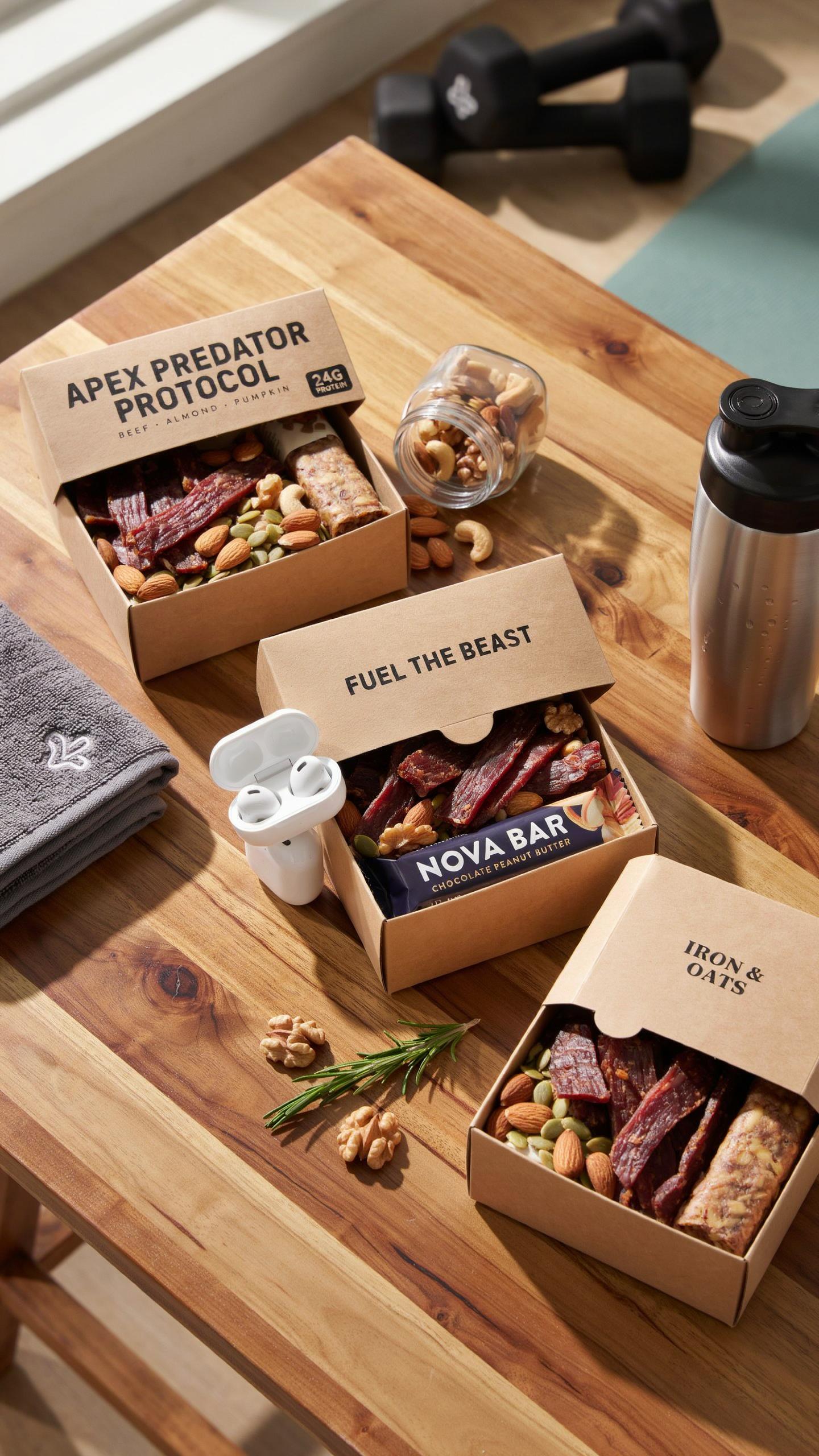
You want to look like you have your life together at lunch. That’s the real reason you’re reading this. The mechanism is simple: protein stabilizes blood sugar, which keeps your brain firing and your energy flat instead of crashing. This is basic biochemistry, not motivation. Start with one protein source per box, commit to it for a week, then rotate.
- Greek yogurt: 15-20g protein per serving, pairs with granola or berries, shelf-stable for 3-4 days if kept cold, no prep required.
- Hard boiled eggs: 6g protein per egg, zero cooking during prep week, lasts 5 days refrigerated, portable without containers.
- Rotisserie chicken: 26g protein per 3.5 ounce serving, shreds easily for storage, reheats or eats cold, costs less than deli meat.
- String cheese or cheese cubes: 7g protein per stick, needs no refrigeration for 2-3 hours, pairs with nuts or fruit.
- Canned tuna or salmon: 20-25g protein per can, shelf-stable for months, mixes with mayo or eats plain, minimal prep.
Rotation prevents taste fatigue and keeps you compliant. Pick the protein anchor on Sunday. Everything else in the box builds around it.
Macros That Fuel Cognition, Not Crash It
The common advice says “balance your macros equally.” Wrong. Your brain doesn’t need balanced macros, it needs stable glucose and consistent energy. Think of macros like electrical load management: protein is your base load, fat slows glucose absorption, carbs are your spike. Load protein first, then fat, then time your carbs around when you actually need them.
Protein takes priority because it requires more energy to digest, slowing stomach emptying and preventing the blood sugar crash that kills focus. Fat extends satiety and keeps hormones stable. Carbs provide the actual fuel, but timing matters. Add carbs 30-60 minutes before peak mental work or physical activity. Nuts, seeds, cheese, and whole grain crackers all do this job without triggering the energy dip that refined carbs create. Pack your box with protein first, then add one fat source, then one carb source only if your school day demands it.
The Caloric Calculus Of Cognition Protein Boxes Ideas For Sustained Focus
What You’re Really Avoiding
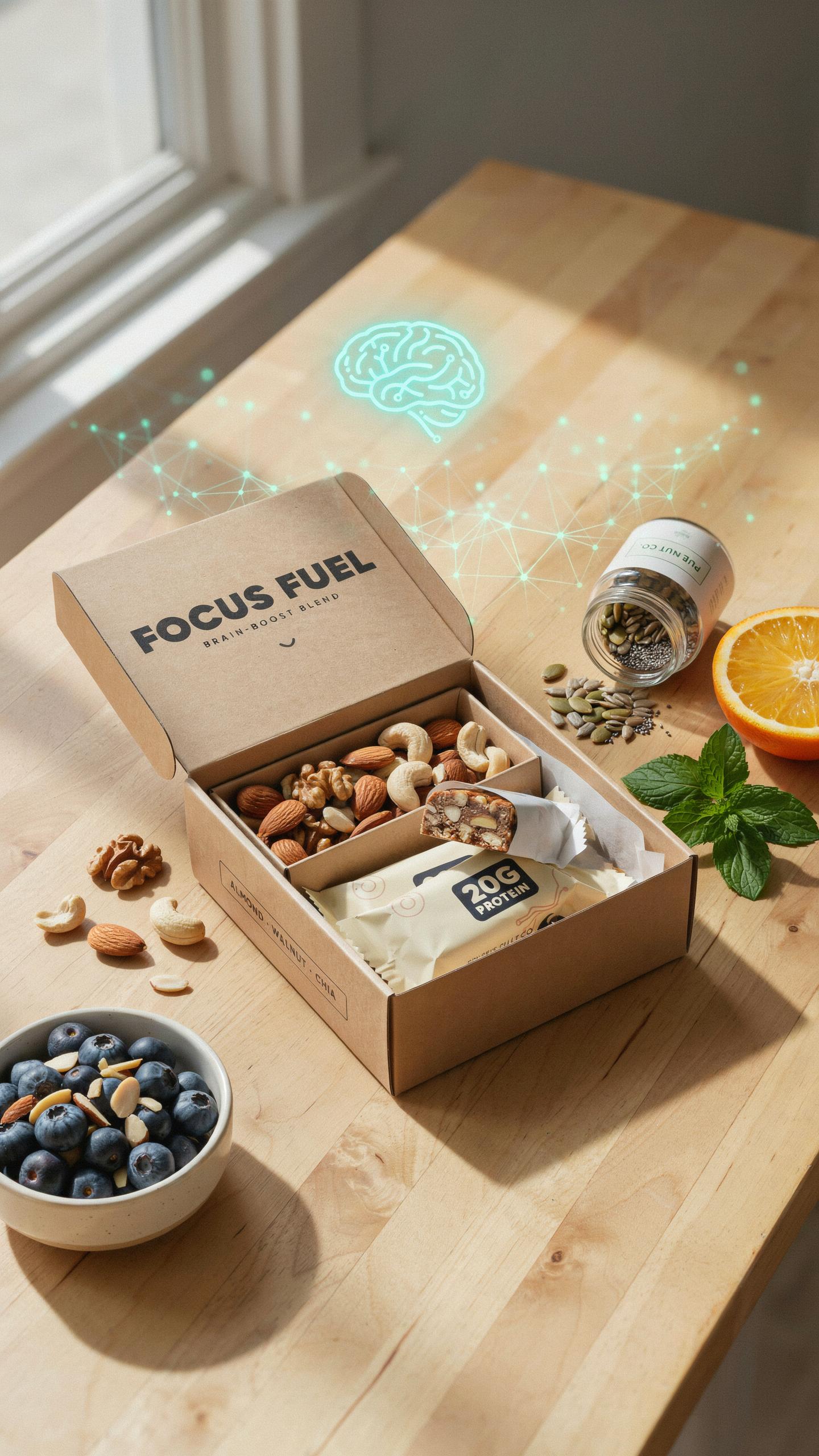
You want to believe focus is a character trait. It’s not. You’re hoping a snack box fixes your attention span without forcing you to engineer your blood sugar. Economics calls this “opportunity cost”—the real price of your choice. Every hour you eat carbs without protein, you’re paying in mental lag. A protein box reverses this. You’re not eating for fullness. You’re eating to maintain stable glucose and steady neurotransmitter production. Stable blood sugar means stable dopamine output. That’s the mechanism that separates kids who crush school from kids who crash by third period.
Protein slows carbohydrate absorption. This isn’t preference or flavor. It’s biochemistry. When you pack hard cheese, nuts, and deli meat alongside any carb source, you’ve engineered a time-release system for glucose. Your pancreas doesn’t spike. Your brain doesn’t crash ninety minutes later. Schools measure test performance. Test performance correlates directly with blood sugar stability. A protein box isn’t a snack. It’s a cognitive operating system running on the fuel it actually needs.
Energy In, Output Out
Cybernetics teaches systems theory through feedback loops. In your body, the loop runs like this: fuel goes in, neural efficiency goes up or down, energy and focus respond immediately. A protein box is your control mechanism. Most students eat whatever’s in the vending machine—pure carbs, no protein. Their blood sugar spikes. Their brain floods with serotonin. They feel calm and tired. This is the feedback loop nobody wants to admit. Then they crash, and “focus” disappears because the system just ran out of stable fuel.
Protein creates a different feedback loop. You eat 20 grams of protein with your snack. Your amino acids enter your bloodstream steadily. Your dopamine and norepinephrine production stays consistent. Your glucose doesn’t swing. Your output stays high. You notice it in real time: more questions answered correctly, better retention of what you read, less fidgeting, fewer bathroom breaks to reset your energy. This loop reinforces itself. Better fuel creates better output, which proves the system works, which makes you prep the box again next week. The protocol is simple: pair every carbohydrate with at least 15 grams of protein, and time your snack thirty to sixty minutes before peak cognitive demand.
Efficiency Hacking Easy Protein Snacks For Work That Save Time Not Just Money
The Constraint That Forces Speed
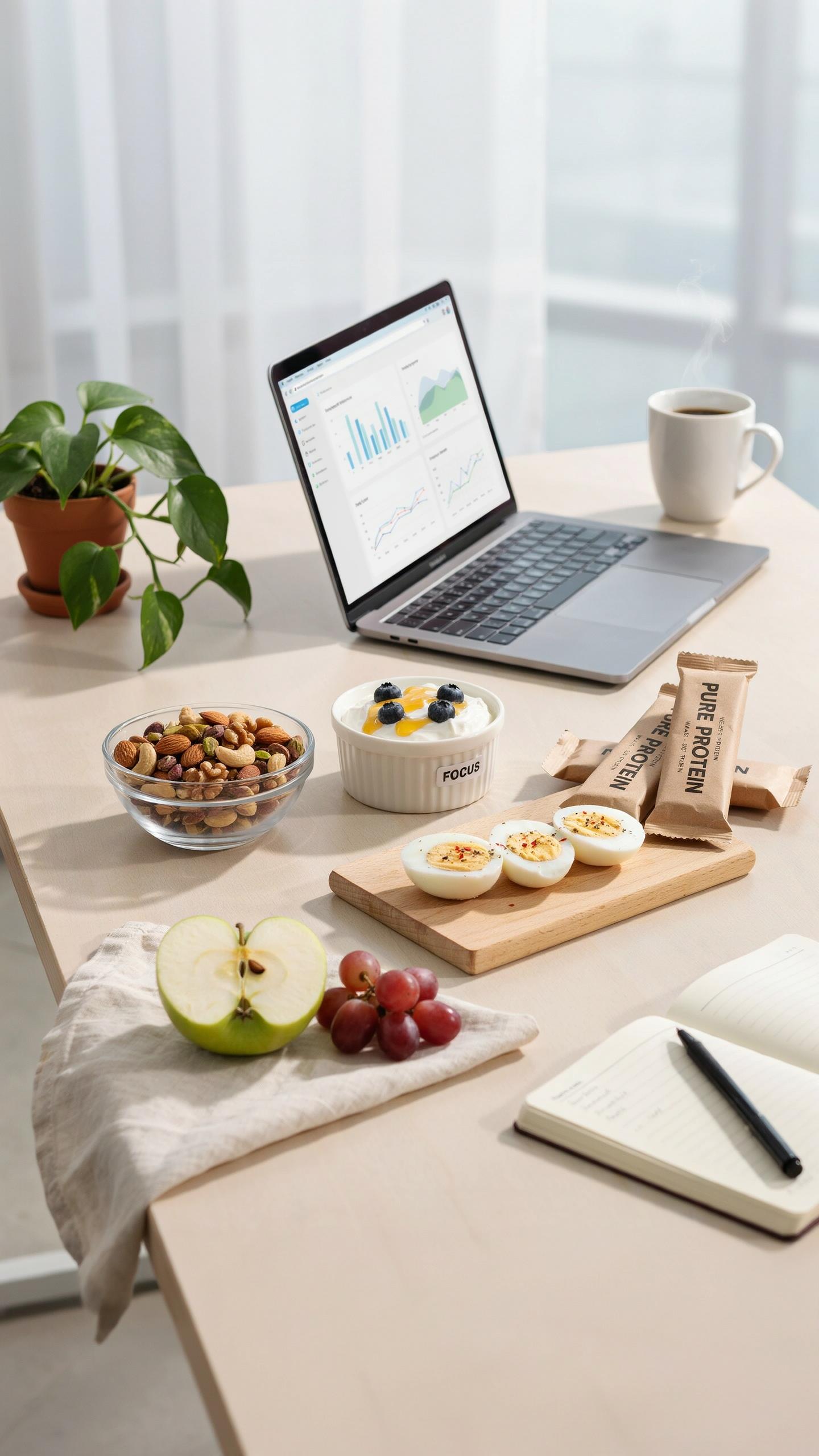
You’re hoping meal prep saves you from decision fatigue during the week. Here’s what actually matters: batch preparation works because it exploits a principle from manufacturing called setup cost reduction. When you switch contexts, you lose momentum. Prep all your protein bases at once, then all your assembly work, then all your packaging. One context per session. The time you save isn’t from cooking faster—it’s from eliminating the mental overhead of starting and stopping.
Most people treat snack prep like cooking. They make one box, clean up, make another. This is backwards. You’re resetting your workspace, re-reading labels, re-finding tools. Consolidate everything into a single production run. Buy proteins in bulk on one day. Portion them on another. Assemble boxes on a third. This isn’t more work. It’s less work masked as more steps.
Systematize The Assembly Line
The real bottleneck in weekly snack prep isn’t what you’re cooking—it’s transitions. Lay out your entire week’s components before touching anything. This removes the friction that kills consistency. Line up your containers, proteins, and add-ins in sequence. Work left to right. Fill one component across all boxes, then move to the next. You’ll process twenty boxes faster than making five the traditional way because your hands follow a pattern instead of your brain making decisions.
Timing matters here. Grilled chicken, hard-boiled eggs, and Greek yogurt take different prep windows. Start with proteins that have the longest cook time first, then move to assembly while they cool. This creates a workflow where you’re never waiting. The moment one component finishes, your hands move to the next task. Prep on Sunday for Monday through Thursday. Repeat Wednesday night for Friday through the following Tuesday. This prevents spoilage and keeps snacks fresh.
Beyond The Lunchroom Protein Snack Boxes For Adults In Any Environment

Work Schedules Don’t Stop For Meals
You want to know if you can actually maintain this system when your day isn’t structured like a school calendar. The real mechanism here is constraint-based design from operations management: you build redundancy into your prep so no single schedule disruption collapses the whole system. Adults face unpredictable hours, meetings that run long, commutes that shift. A static snack box fails immediately. You need boxes designed for variable timing, not fixed lunch periods.
The difference between failing and sustaining is buffer capacity. Prep three days of boxes instead of one. Rotate them through your week so you always have fresh options available regardless of when hunger hits. Non-perishable protein sources like hard cheese, jerky, and roasted nuts become your anchor items. Refrigerated options like Greek yogurt or cottage cheese fill the gaps when you know your schedule. This isn’t flexibility in name only; it’s systematic redundancy that works under actual conditions.
Staying Consistent When Routine Disappears
Consistency outside controlled environments fails because most people tie their habits to location or time, not to the actual decision point. You don’t need to eat at noon; you need to eat protein when your next obligation starts within two hours. Travel, shift work, and variable schedules all test the same weakness: treating the snack box as a scheduled event rather than an accessible tool.
The protocol that works is proximity-based triggering. Keep a prepared box in your car, your desk, your gym bag, your backpack. Not metaphorically. Physically there, ready to grab. You execute consistency by removing the decision step entirely. When the box sits visible and accessible, you eat from it. When you have to remember it exists or prepare it on demand, you fail. The mechanism is simple environmental design, not willpower.
The No Excuses Arsenal Essential Gear For Healthy Snack Packs For Adults
Containers That Actually Keep Food Safe
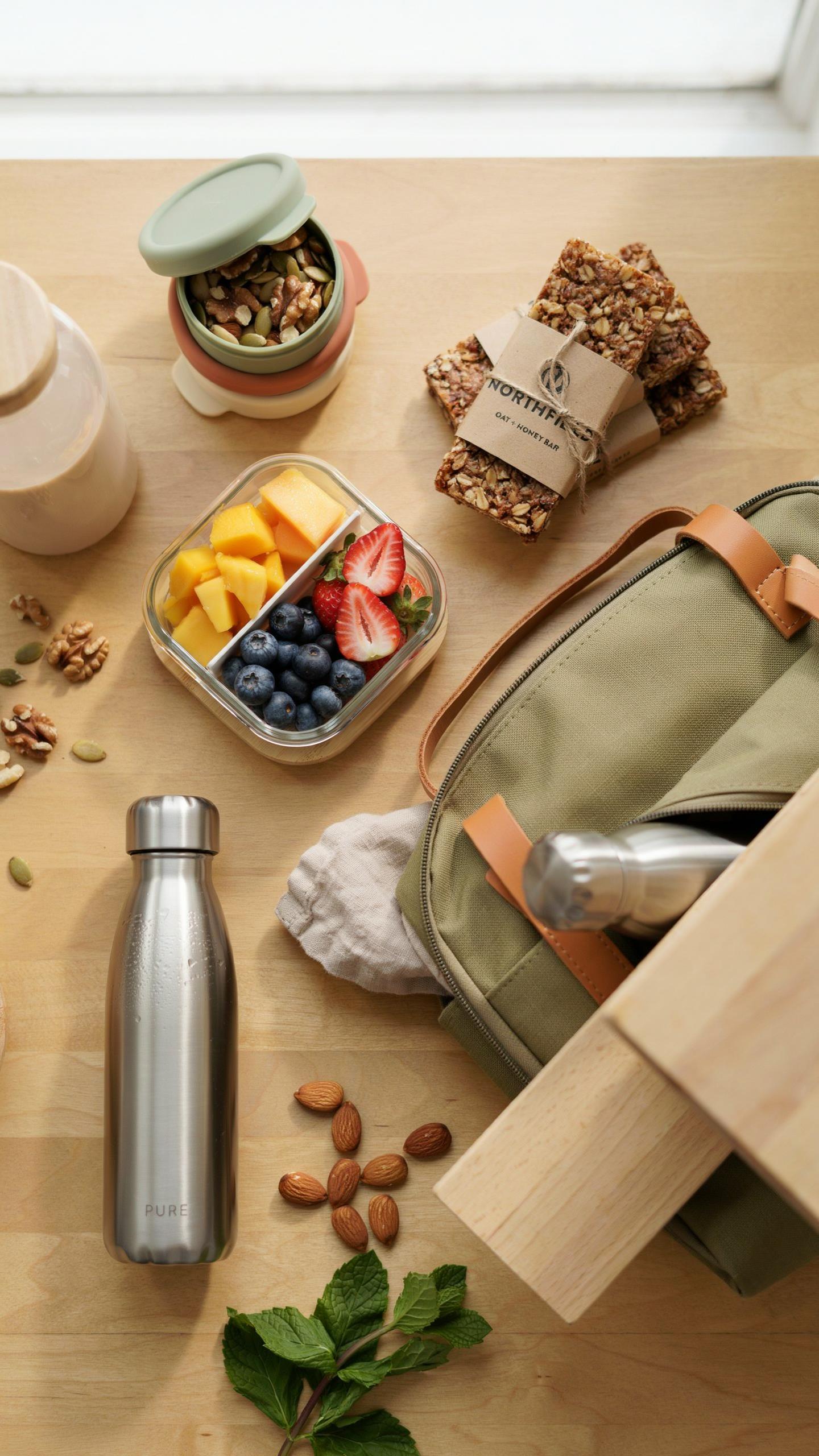
You want the right container because it signals you’re serious about this, not because Instagram told you so. Here’s the mechanism: oxygen exposure degrades protein and accelerates bacterial growth. Airtight polypropylene containers with locking seals slow this process. Glass containers work but weigh more and break. Hard plastic compartmentalized boxes prevent flavor bleed and let you stack proteins separately from nuts or fruit, keeping texture intact across three days.
Skip the “meal prep container sets” sold with motivational quotes printed on them. Buy individual containers based on portion size and the foods you’re actually eating. A six-ounce container for Greek yogurt, an eight-ounce for mixed nuts, a ten-ounce for grilled chicken and veggies. Label them with masking tape and a marker. Temperature matters too: store immediately after packing, keep at forty degrees Fahrenheit or below. Condensation buildup signals a seal issue; replace the container.
The Three Tools That Move The Needle
Most prep setups accumulate dead weight. You need exactly three things: a quality food scale that reads to point-one ounce, one sharp eight-inch chef’s knife, and a vacuum sealer. The scale eliminates guesswork on protein portions—twenty-eight grams of almonds looks different than twenty-eight grams of peanuts. The knife lets you portion raw chicken breast or turkey into consistent sizes before cooking, which saves time and ensures even heat. A vacuum sealer removes air without crushing delicate items like cheese cubes or hard-boiled eggs.
Everything else is friction. Spiralizers, multiple cutting boards, food processors for one task each—these create cleanup debt that kills your system. Cook proteins in bulk using a sheet pan in your oven or a single skillet on your stovetop. Portion immediately while hot into containers, then refrigerate. This workflow takes forty-five minutes total and produces five days of snack boxes. Do this once per week, same day, same time.
Strategic Replenishment Mastering Protein Snack Box Ideas For Longevity
Rotate Ingredients Before Boredom Kills Compliance
You’re worried that eating the same box gets boring and you’ll quit. That’s not the real problem. The real problem is sensory adaptation, the same mechanism your nervous system uses to tune out repeated stimuli. Your brain stops registering flavor, texture, and satisfaction after 10-14 days of identical foods, which tanks adherence faster than willpower ever could. Rotation isn’t luxury—it’s structural necessity.
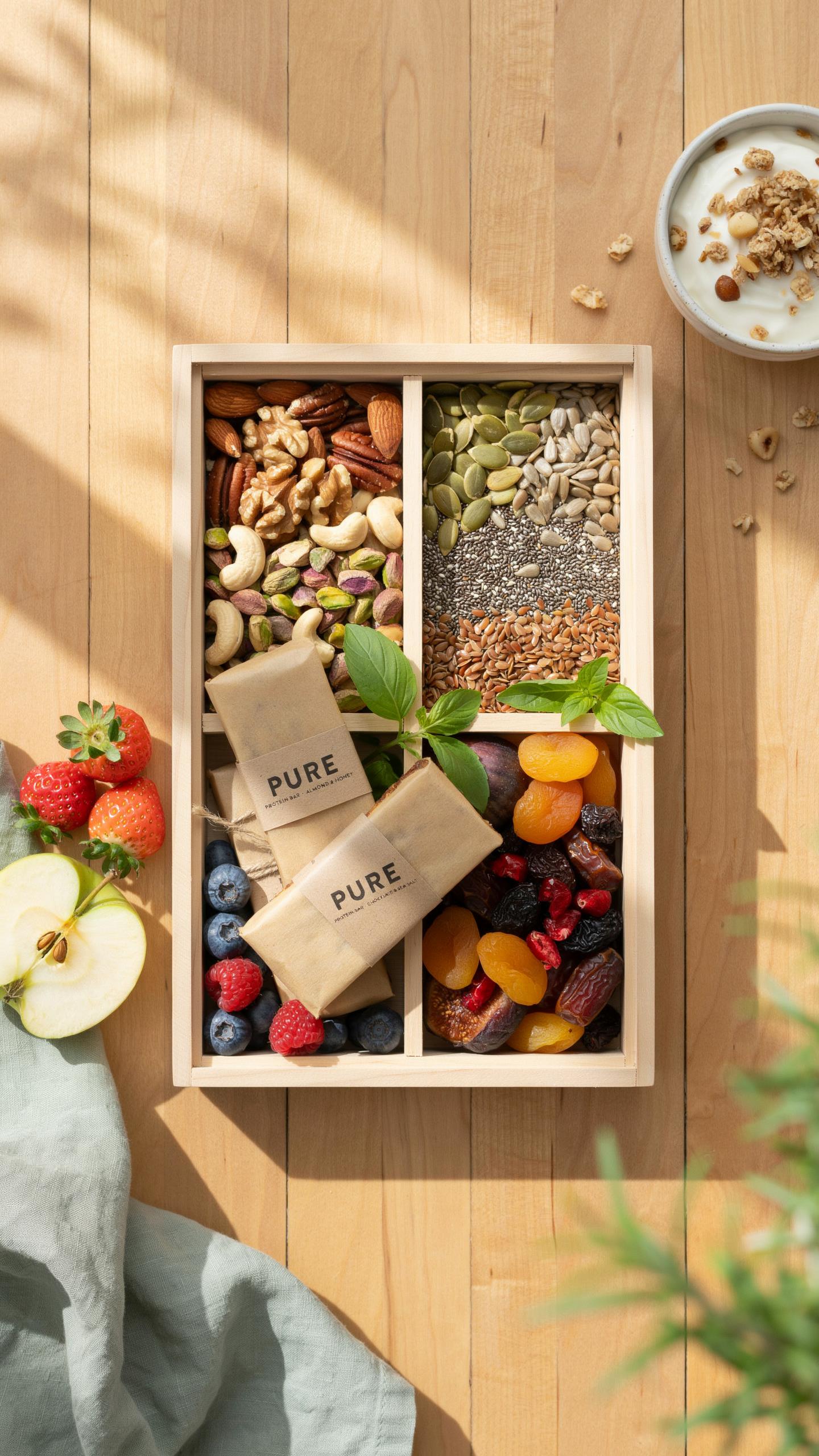
Change protein sources every two weeks minimum. Swap Greek yogurt for cottage cheese, then hard cheese, then jerky. Alternate nuts: almonds one week, cashews the next, mixed seeds after. This forces your palate to stay engaged without adding complexity to prep. The goal isn’t variety for its own sake. It’s preventing the neurological shutdown that makes you reach for garbage when your carefully built system stops triggering dopamine response.
Align Prep Cycles With Seasonal Protein Peaks
Seasonal eating isn’t romantic nostalgia. It’s economics and nutrition stacked on top of each other. Spring and summer bring cheaper eggs from peak production, reduced prices on fresh dairy, and abundant berries for carb pairing. Fall and winter shift protein value toward shelf-stable options like nuts, seeds, and canned fish where costs stabilize or drop as demand shifts. You’re not choosing seasonally for the story—you’re choosing because certain proteins deliver better micronutrient density when they’re in season.
Spring through early fall, build boxes around fresh dairy, eggs, and seasonal produce pairs. Late fall through winter, pivot toward nut butters, seeds, canned salmon, and preserved fruits that store without degradation. This isn’t about eating “local” or “natural.” It’s about matching your prep calendar to when your protein sources offer the best nutritional return per dollar spent. Time your major prep sessions to coincide with price dips at your grocery store, not random Sundays.
The Unfair Advantage How Protein Snack Boxes Become Your Secret Weapon
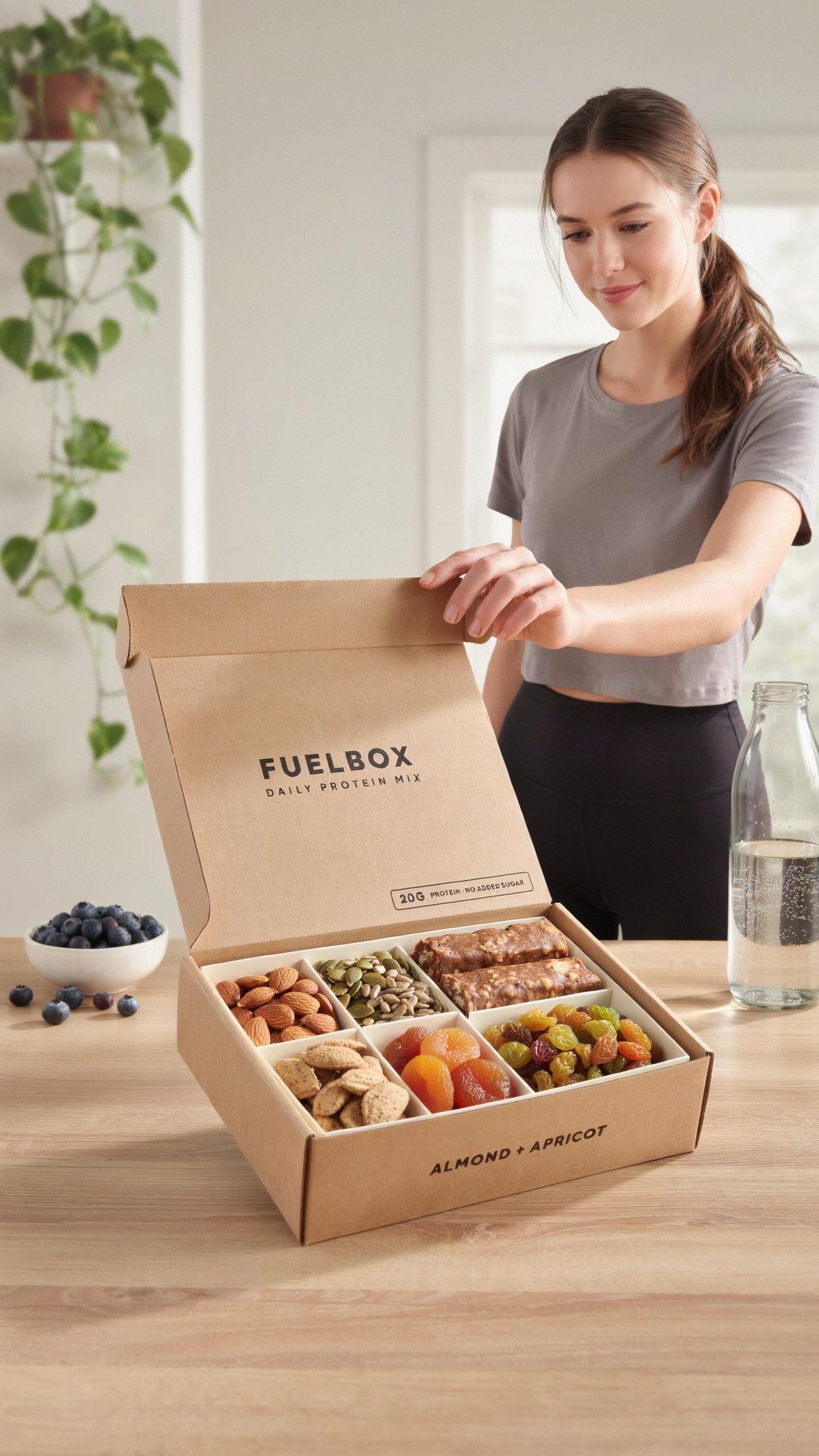
Sustained Energy Creates Competitive Separation
You want this because you’re tired of watching other students operate at full capacity while you hit the wall at 2 PM. Here’s the mechanism: protein stabilizes blood glucose. When you eat refined carbs alone, your blood sugar spikes and crashes. Protein slows digestion, extending the glucose release over hours. This is basic biochemistry, not motivation.
A prepped protein snack box forces you into a system that prevents the crash entirely. You’re not relying on willpower to avoid the vending machine or the crash that follows. You eat on a schedule. Your energy stays flat and usable instead of spiking and evaporating. That consistency is what separates people who finish assignments sharp from people who finish them fried.
The Architecture Of Intentional Readiness
People get this wrong: they think preparation is about discipline. It’s actually about removing friction from the right choice. When your snack box is already assembled, the cost of eating well drops to zero. You don’t think. You don’t decide. You reach into your bag and eat.
This psychological advantage compounds. Each time you execute the plan without friction, you reinforce the behavior pattern. After three weeks of consistent eating from your prepped box, you stop seeing it as a choice. You stop depleting decision-making energy on what to eat. That mental energy transfers directly to coursework, studying, and actual thinking. Your prep schedule becomes the architecture that holds your performance in place.
The real enemy isnt hunger its the impulse to prioritize comfort over consistent strategic advantage

Most students won’t meal prep protein boxes because it requires one hour of friction today to gain five hours of advantage tomorrow. You’ll lose to the vending machine not because you lack willpower, but because you never built the system. Spend Sunday prepping four boxes. Stack them in your fridge. Watch your focus sharpen and your body change while your classmates crash. The difference between average and exceptional students isn’t intelligence. It’s whether they eat.