
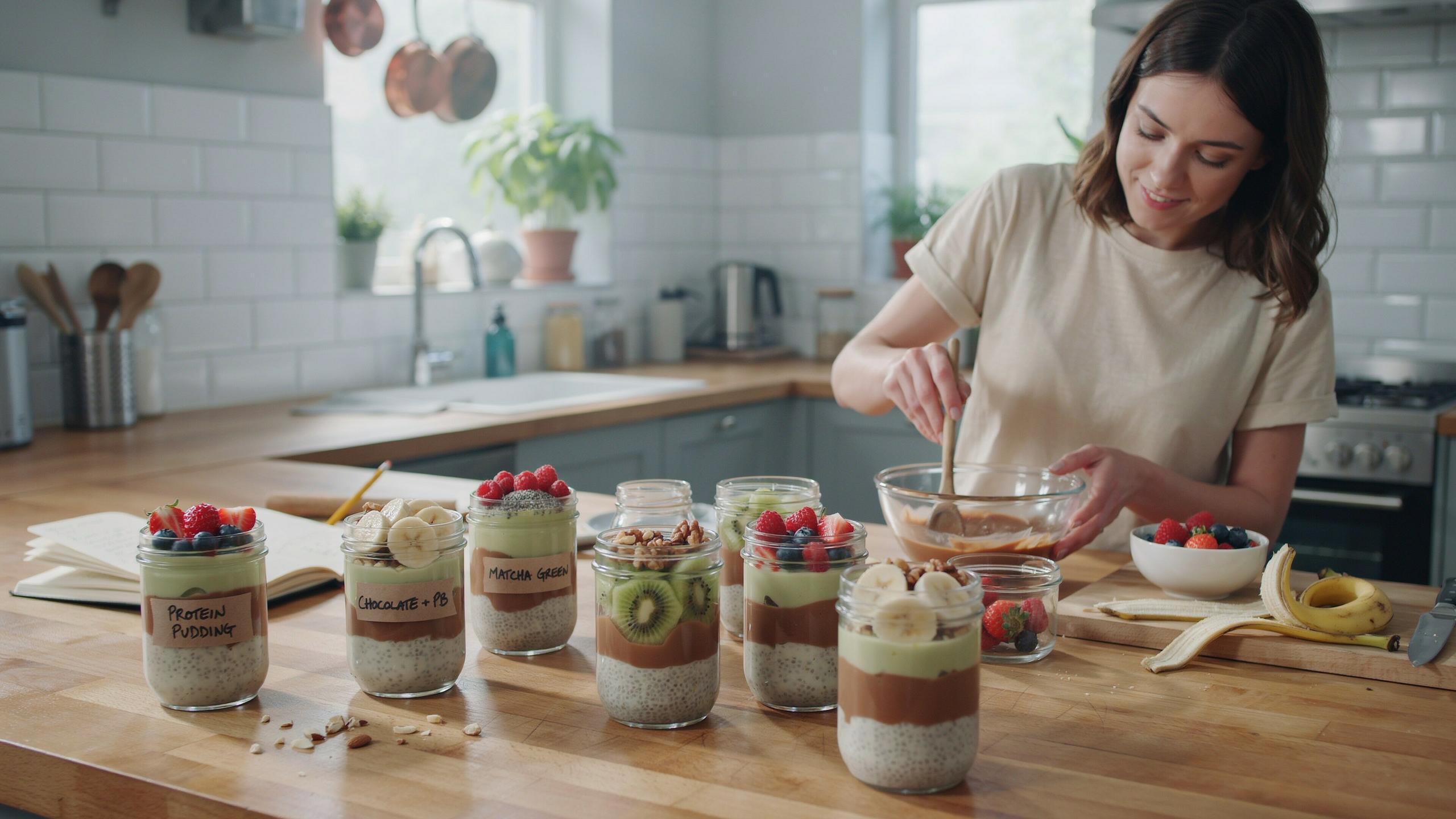
The Set It And Forget It Fallacy Of Protein Pudding

Why Static Meal Prep Fails In Practice
You want to believe that prepping five days of pudding on Sunday solves the problem forever. It doesn’t, and the mechanism is simple: your hunger and satiety signals shift based on activity, sleep, stress, and what you ate the day before. Static portions ignore this.

Most meal prep advice treats your body like a machine with fixed inputs. But your appetite isn’t a constant. A pudding portion that satisfies you Monday after eight hours of sleep fails Wednesday after poor sleep and a stressful meeting. You either eat it anyway out of commitment to the prep, or you abandon the system entirely because it feels rigid. The real move is building flexibility into your prep structure, not fighting it.
Metabolic Individuality Changes Your Protein Needs
Biology teaches us about homeostasis: your body’s drive to maintain internal stability despite external change. Your protein pudding needs are not homeostatic. They shift.

Two people of identical weight and activity level digest dairy-based pudding at different rates. One person feels full for four hours on twelve grams of protein; another needs eighteen. Fiber content in your pudding, the fat ratio, and your gut microbiome all influence how long satiety actually lasts. Prep based on generic macros, and you’re guessing. The fix: prep three different protein ratios in the same base recipe, then track which one keeps you full without overeating. After two weeks, you know your number. Then lock it in.
Deconstructing The High Protein Pudding Myth
What Your Body Actually Needs
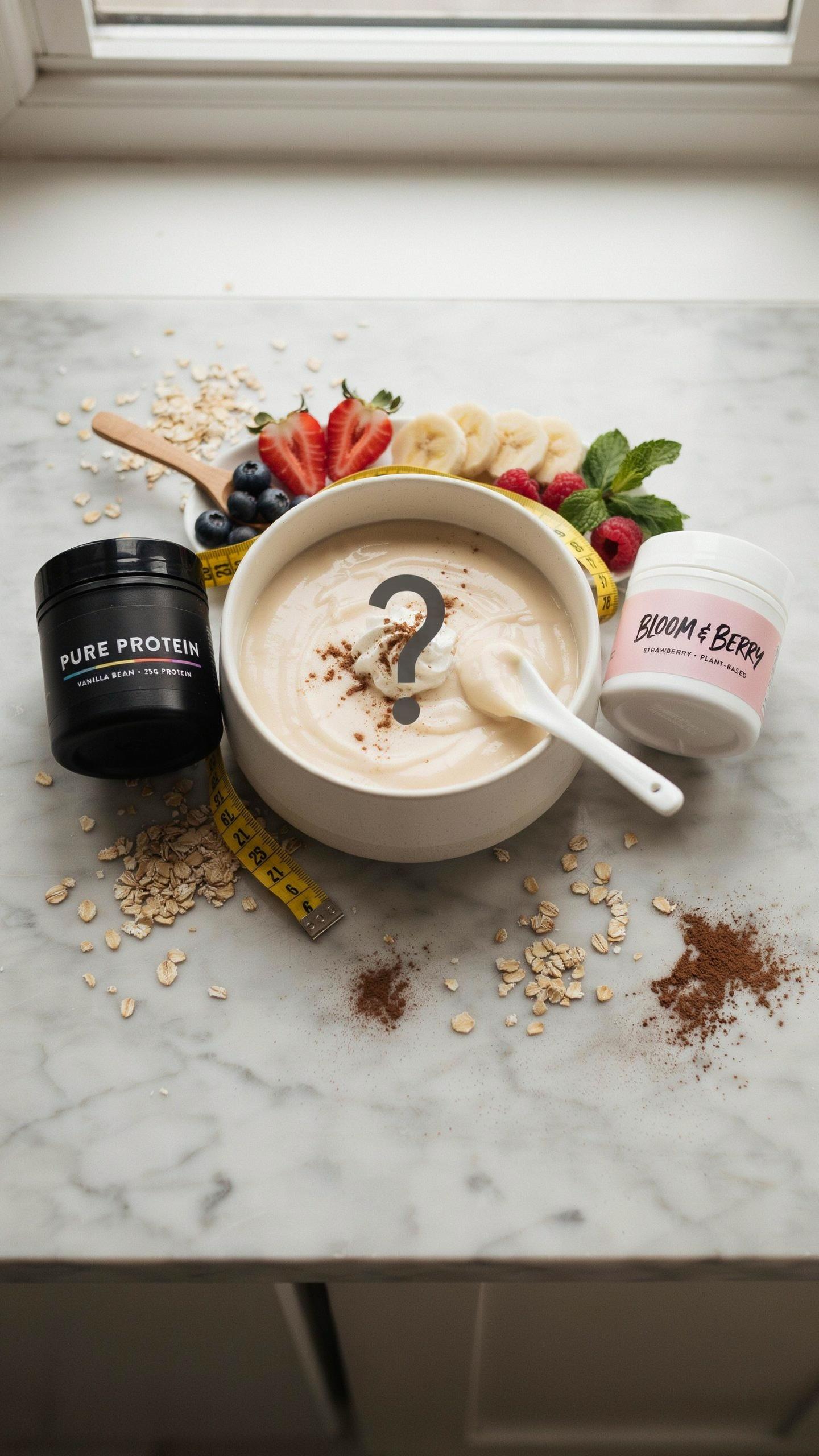
You want the pudding to solve your protein problem so you don’t have to think about real nutrition. The mechanism is simple: your body needs amino acids, not pudding. A functional pudding delivers 15-25 grams of protein per serving through milk-based or plant protein isolates. Most people conflate “high protein” with “enough protein.” You need roughly 0.7-1 gram per pound of bodyweight daily, spread across meals. A single pudding snack isn’t your protein strategy. It’s one component in a daily intake that matters.
The marketing machine sells pudding as a shortcut. It isn’t. Pudding works because it combines protein powder with a binding base (usually milk or Greek yogurt) that makes the texture palatable and stores easily. The real constraint isn’t finding protein. It’s consistency and total daily intake. A 20-gram pudding counts toward your target only if you’re actually tracking and hitting that target across all meals. Most people eat one pudding and assume they’ve handled protein for the day.
The Ingredient Trap Nobody Names
The common advice says “check the label,” which is useless because it doesn’t tell you what to look for. Here’s what matters: added sugars hide in pudding because starch thickeners require sweetening to taste edible. A typical instant pudding mix contains 12-15 grams of sugar per serving before you add milk. Greek yogurt-based puddings cut this to 5-8 grams. Protein powder itself is neutral on sugar if you use unsweetened isolate. The trap is flavored isolates and powders with added sweeteners. They stack on top of everything else.
Artificial sweeteners solve the sugar problem but create a different one: they’re not superior just because they’re artificial. Sucralose, aspartame, and stevia all have different sweetness profiles and aftertaste. The mechanism is straightforward: your palate adapts to whatever you feed it regularly. If you use stevia every day, sugar starts tasting overwhelming. Choose one sweetener system and stick with it across your entire batch. Switching flavors or sweeteners mid-week destabilizes your meal prep workflow and makes portion consistency impossible.
The GLP 1 Sweet Treats Protocol Hormonal Leverage
Ingredients That Signal Fullness To Your Brain
You want to feel like you’re eating dessert while actually controlling your appetite. That’s the real reason you’re reading this. The mechanism comes from biology: satiety hormones like GLP-1 and peptide YY respond to specific macronutrient ratios, not calories. High protein pudding snacks trigger these signals before your brain registers fullness through volume alone.
Casein protein powder is your leverage point here. It digests slowly, creating sustained amino acid release that keeps satiety hormones elevated for hours. Pair it with soluble fiber like inulin or psyllium husk, which slows gastric emptying and amplifies GLP-1 secretion. Add a moderate amount of fat from coconut milk or almond butter to further delay stomach emptying. Sweeteners matter less than people think. Stevia and erythritol don’t trigger the same insulin response as sugar, so they won’t spike and crash your appetite signaling.
Meal Timing That Actually Controls Hunger
The common advice says eat protein whenever you want. That’s incomplete. Pudding snacks work best consumed two to three hours before your largest meal or during your deepest hunger window, typically mid-afternoon or late morning. The timing compounds the effect: you’re deploying satiety hormones at the exact moment your next meal impulse would hit.
Satiety hormones peak 15 to 20 minutes after consumption, then decline over two to three hours. Consume your pudding snack at the front edge of that window before hunger resurfaces. This creates a predictable metabolic rhythm where you’re never fighting acute hunger, just managing mild appetite. Prep 4 to 5 servings on Sunday, portion them into opaque containers, and eat one on schedule. The protocol removes decision fatigue and ensures you hit your satiety target consistently.
Your Protein Pudding Recipe Beyond Basic Blending
What Actually Absorbs In Your Gut
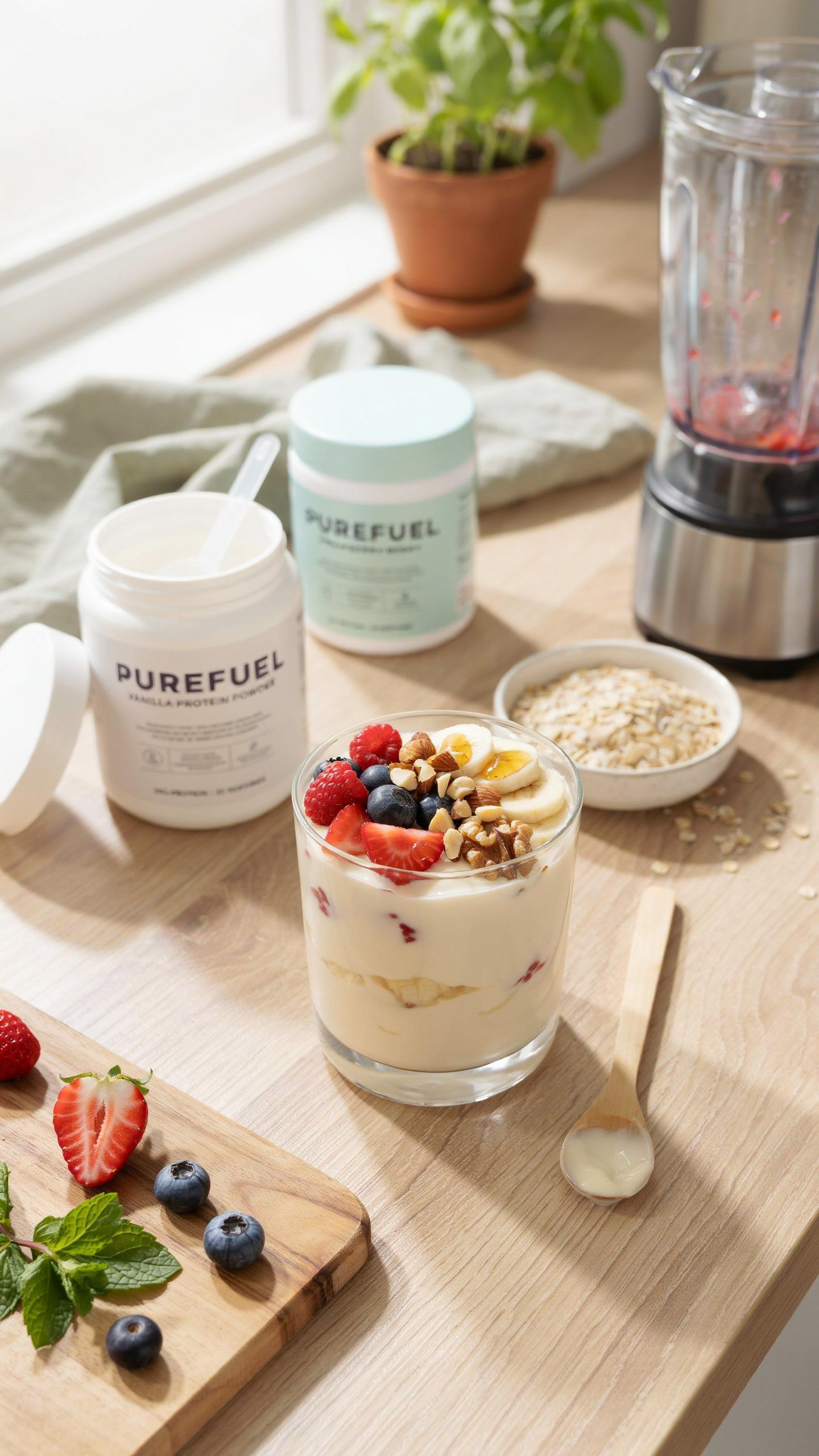
You want to believe that dumping protein powder into pudding makes a nutritionally complete snack. It doesn’t work that way. Absorption is a biology problem, not a mixing problem. Your digestive system doesn’t recognize isolated nutrients the same way it recognizes whole food matrices. Fat-soluble vitamins need dietary fat present to cross the intestinal barrier. Minerals compete for absorption channels, so timing and pairing matter more than total quantity.
The mechanism: mix your protein base with a fat source first, then add your carbohydrate. Whole milk, Greek yogurt, or nut butter aren’t optional toppings—they’re absorption accelerators. Cocoa powder contains polyphenols that actually enhance mineral bioavailability. A pudding made with just protein powder and water sits in your stomach as a dense, poorly absorbed mass. Add 5 grams of fat and appropriate carbs, and your body extracts what you paid for.
Taste That Doesn’t Sabotage Compliance
Most people chase flavor through added sugar or artificial sweeteners, then blame the pudding when they can’t stick to it. That’s backwards. The real problem is that sweet-only profiles get boring fast, and artificial sweeteners trigger cravings in some people—documented, not theoretical. You need umami and texture contrast to make a snack you’ll actually eat four days in a row without abandonment.
Build flavor through layering, not intensity. Cocoa powder plus sea salt creates complexity that sugar alone never does. Add espresso powder to chocolate versions. Mix vanilla pudding with almond extract and a pinch of cardamom. Texture matters as much as taste: swirl in almond butter, top with nuts, or fold in freeze-dried berries before storage. The goal is a snack your brain registers as different enough to eat repeatedly without psychological fatigue setting in.
The Adaptive Prepping System For High Protein Desserts
Do Less, Change More
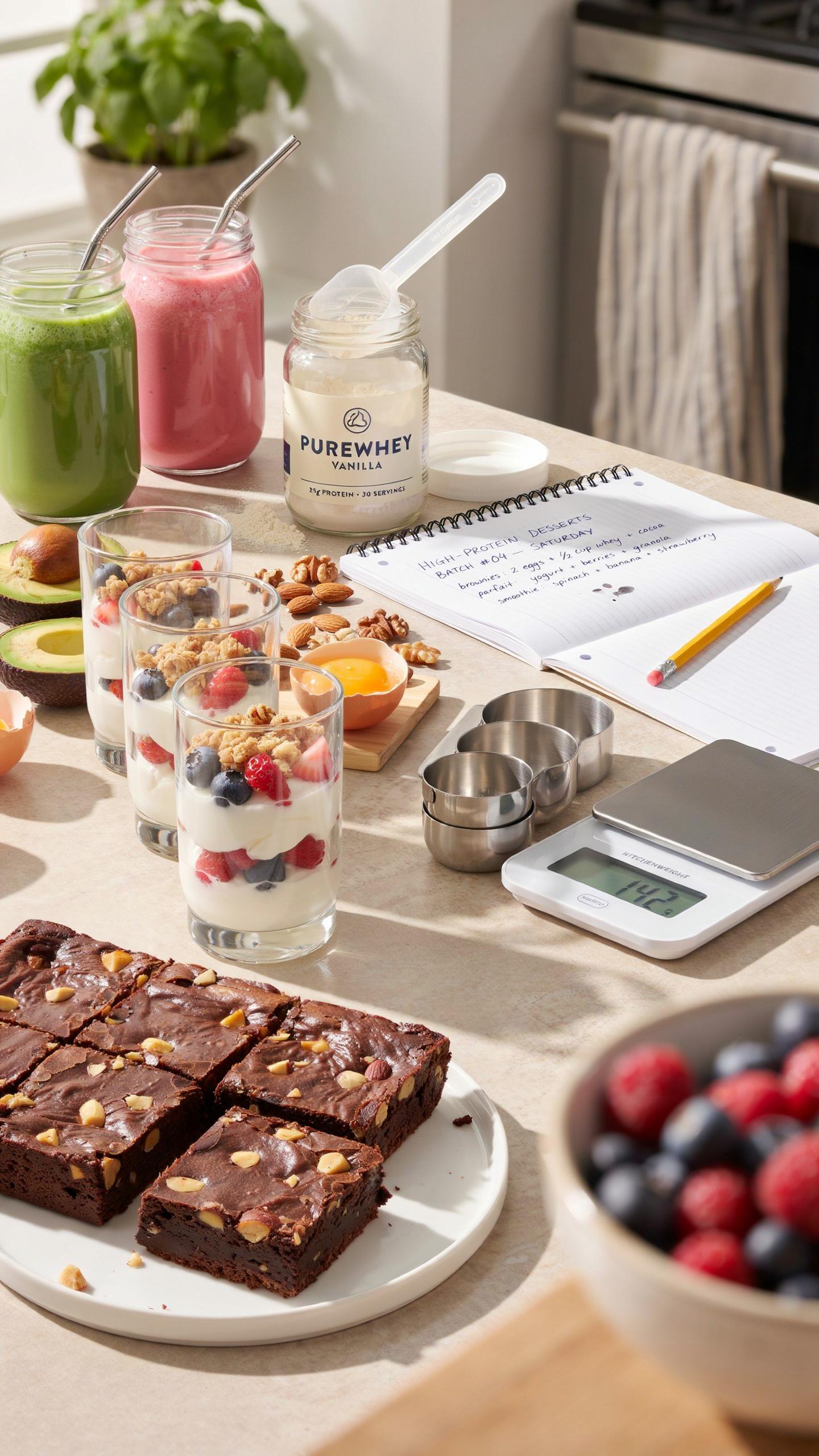
You want a system that doesn’t collapse when life gets messy. That’s the real ask here. Most prep advice assumes you’ll execute a rigid plan forever, which is why people abandon it. The mechanism is simple: build a base recipe, then rotate one variable at a time. Your pudding stays the same (protein powder, milk, thickener). You change the flavor extract, topping, or texture modifier. This prevents decision fatigue and keeps you from rebatching the exact same thing for three months until you hate it.
Start with a single base ratio: one scoop protein powder, half cup whole milk or Greek yogurt, one tablespoon cocoa powder or vanilla extract, pinch of salt. Make ten servings in bulk. Store in individual containers. The next week, swap the extract or add a different topping. You’re not redesigning the wheel each time. You’re testing one input against a stable output. This approach survives because it demands almost nothing and delivers variety without extra labor.
Measuring What Actually Matters
Cybernetics teaches us that systems need feedback loops to stay on course, and your pudding prep is no different. Most people track volume or servings made. That’s not feedback. Track three metrics instead: how often you actually eat what you prepped, how long it stays palatable in your fridge, and whether the protein content hits your daily target per serving. Skip the rest.
Create a simple three-column log: date prepped, when you finished it, whether you ate it all before spoilage. After four batches, a pattern emerges. If batch one lasted twelve days but batch two lasted eight, something changed in your base recipe or storage method. If you prepped ten servings and finished eight, your portion size is off. Use this data to adjust, not to feel productive. The adjustment itself is the system working.
Unlocking High Protein Banana Pudding Potential
Why Banana Does More Than Sweeten
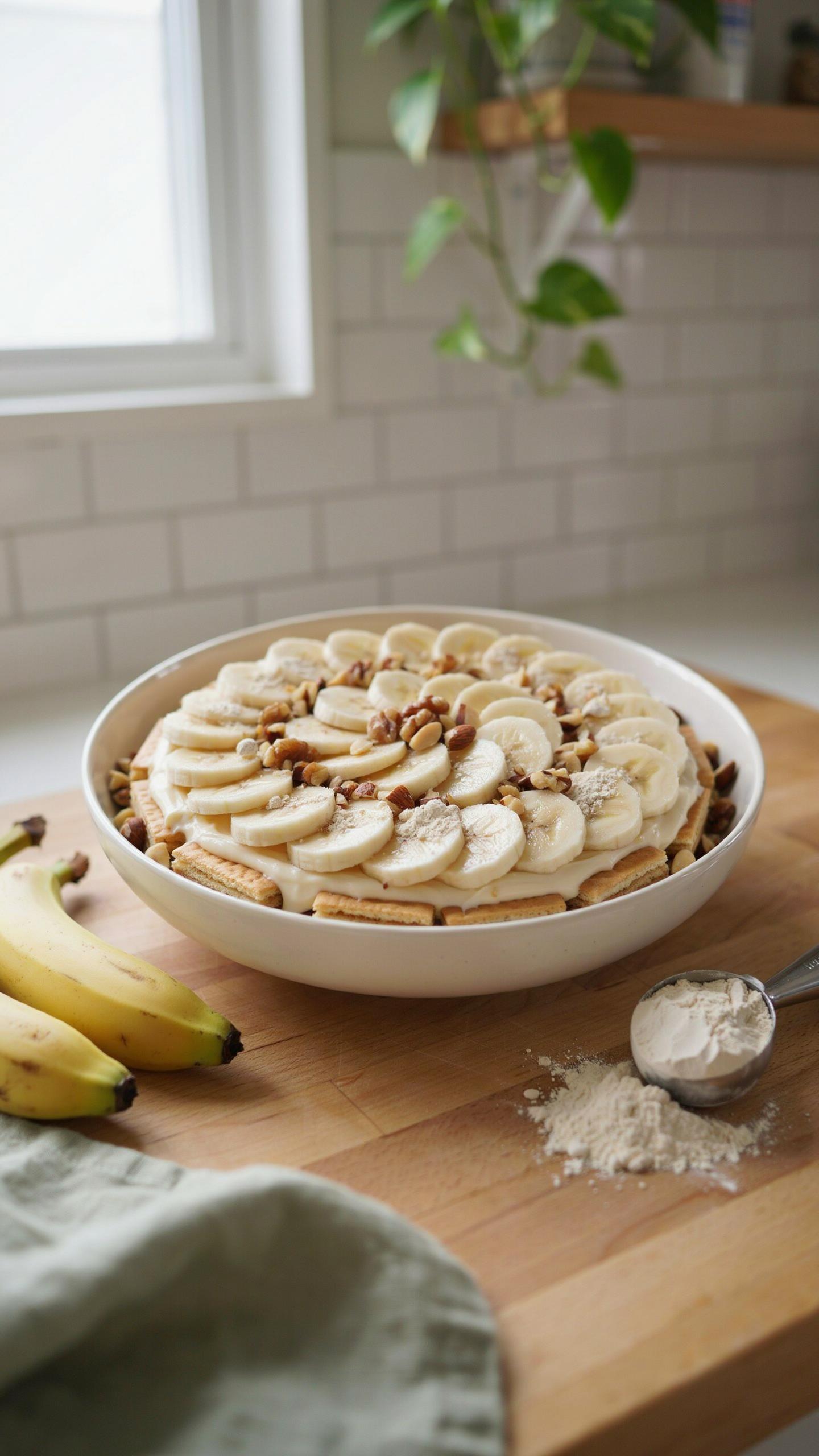
You want banana pudding to feel like a legitimate meal prep option, not just dessert masquerading as nutrition. Here’s the mechanism: bananas contain resistant starch when slightly underripe, which functions like soluble fiber in your digestive system, slowing glucose absorption and extending satiety. This isn’t marketing. The starch structure changes as bananas ripen, which means timing matters. A yellow banana with green tips delivers more resistant starch than a fully brown one.
Beyond starch, bananas provide potassium, which regulates fluid balance and supports muscle protein synthesis alongside your whey or casein base. They also contain pectin, a prebiotic that feeds beneficial gut bacteria. This matters because your gut bacteria influence protein digestion efficiency and nutrient absorption. Most people think banana in pudding is just flavor and texture. It’s actually a delivery mechanism for digestive function that makes the rest of the protein work harder.
The Actual Fructose Problem
The common advice says “just use bananas, they’re natural.” That’s incomplete. Bananas contain roughly 12 grams of sugar per medium fruit, split between glucose, fructose, and sucrose. Your liver metabolizes fructose differently than glucose. High fructose intake triggers de novo lipogenesis, the metabolic pathway that converts excess sugar directly into fat storage. This happens regardless of total calories, which is why the source of carbohydrates matters.
The solution isn’t to avoid banana. It’s to limit banana quantity and balance it with fat and protein that slow gastric emptying. Mix one half banana per pudding serving instead of a full one. Layer it with Greek yogurt, cottage cheese, or casein powder. Add a tablespoon of almond butter or coconut oil. These fats physically reduce how fast your body absorbs the banana’s sugars, preventing the fructose spike that triggers fat storage. You get the resistant starch benefit without the metabolic downside.
Beyond Convenience Healthy Protein Snacks As Performance Fuel

When Energy Timing Actually Matters
You want to believe protein snacks work magic on demand, that timing doesn’t matter because you’re already eating enough protein. It does matter, and here’s the mechanism: your central nervous system depletes glucose fastest during intense work or cognitive load. A high protein pudding consumed 30-60 minutes before that work stabilizes blood glucose and prevents the energy crash that kills output. Post-workout, the window isn’t a myth—muscle protein synthesis peaks within two hours after training, and amino acids delivered then get incorporated into repair faster than they would at random times.
The real utility isn’t convenience. It’s that pudding format forces portion control and preparation consistency you’ll actually maintain. A prepared pudding sits in your fridge as a decision already made, removing the option to grab carbs alone when fatigued. Most people fail at timing not because they don’t understand it, but because they don’t remove friction from execution. Bulk-prepped puddings eliminate that friction. You reach for what’s available, which means the timing works automatically.
Nutrient Density Beats Meal Timing Dogma
Nutrient timing borrowed from sports physiology assumes your body runs like a machine with discrete fuel cycles. It doesn’t. What actually drives performance is total daily protein intake hitting your threshold, combined with stable blood glucose throughout work blocks. A high protein pudding snack works because it contains protein, fiber, and usually some carbohydrate—not because you consumed it at the perfect minute. The specificity that coaches preach about post-workout windows matters only if you’re training intensely daily and tracking total volume.
Practical execution means this: prep puddings with at least 15 to 20 grams of protein per serving using casein or whey isolate, add fiber from cocoa powder or chia seeds, and include a carbohydrate source if you’re consuming it around training. Consume one serving when you anticipate a work block lasting two or more hours, whether that’s pre-training, pre-deep work, or post-training depending on your schedule. The mechanism that matters is consistent amino acid availability and stable energy, not hitting a fictional window.
Protein Powder Recipes Quality Over Quantity
Isolate Versus Concentrate: What Actually Matters
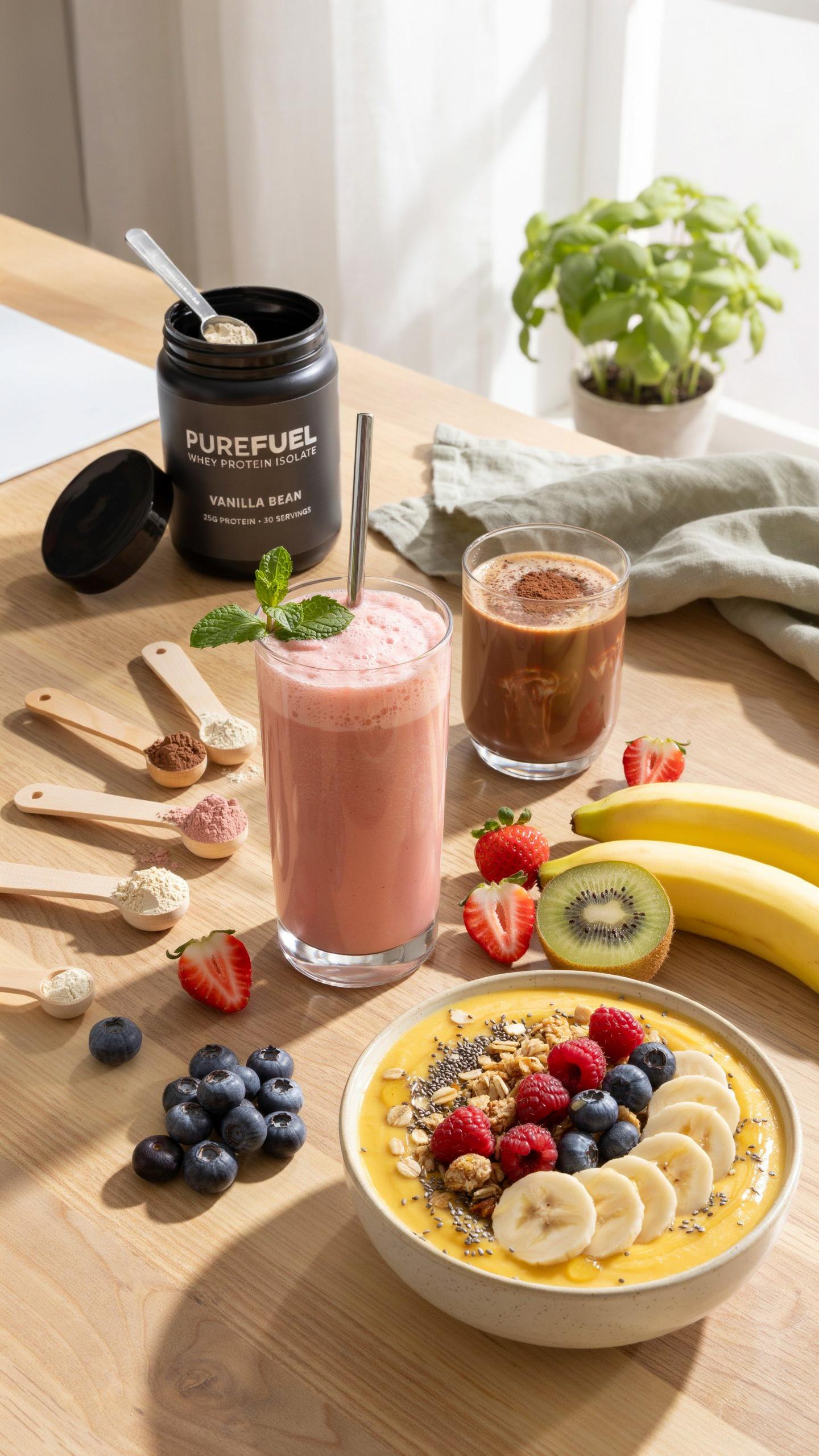
You want to believe the powder type fixes your results. It doesn’t. The real mechanic here borrows from chemistry: bioavailability is your constraint. Whey isolate strips away lactose and fat through microfiltration, leaving 90 percent protein by weight. Whey concentrate retains 70 to 80 percent protein plus carbs and fats. Neither is superior for pudding texture or satiety. The difference emerges only if lactose bothers you or your macros demand precision.
Concentrate costs less and tastes richer because of retained milk solids. Isolate mixes cleaner into pudding and prevents grittiness in bulk batches sitting three days in the fridge. Pick concentrate for flavor and cost if digestion isn’t a problem. Pick isolate if you prep five servings at once and texture degradation matters. The choice is tactical, not moral.
Filler Ingredients To Strip Out
Most pudding recipes hide weak formulations behind stabilizers and thickeners that add zero protein. Xanthan gum, modified corn starch, and carrageenan do pack the pudding but they’re substitutes for actual structure. The real anchor is casein or gelatin, both of which add protein while setting the texture. Everything else is filler dressed up as necessity.
Avoid these:
- Corn syrup solids: Add sweetness and volume without protein. They thin your macros and spike blood sugar unnecessarily.
- Maltodextrin: Bulk carbs that masquerade as texture agents. They dissolve, don’t thicken, and bloat your carb count.
- Soy lecithin (excessive amounts): Used to emulsify at quantities above 1 percent. Creates a waxy mouthfeel and adds no nutritional value.
- Artificial flavoring with gum base: Thickeners that don’t contribute to satiety. You pay for texture, not substance.
- Inulin in high doses: Marketed as fiber but causes digestive distress in bulk meal prep amounts over three days.
Read ingredient panels for protein content first, then count the stabilizers. If the powder lists five items before reaching five grams of protein per serving, swap it. Your pudding works because protein sets the structure, not because you paid for chemistry experiments.
The Dynamic Adaptation Matrix For High Protein Pudding
What Actually Gets Measured
You want to feel like you’re optimizing, so you track calories and hit your protein target. Here’s the real mechanism: most people measure outputs instead of inputs. Borrowing from systems engineering, feedback is only useful if you’re tracking the variable that controls the outcome. With pudding, that variable isn’t total grams of protein. It’s satiety duration and whether you’re actually eating less at your next meal.
Track three metrics only. First, hunger level two hours after consumption on a one-to-ten scale. Second, how many puddings you actually prep versus how many spoil or get abandoned. Third, whether your protein intake that day hit target without forcing extra meals. Everything else is noise that delays decision-making.
Recipe Calibration Through Testing
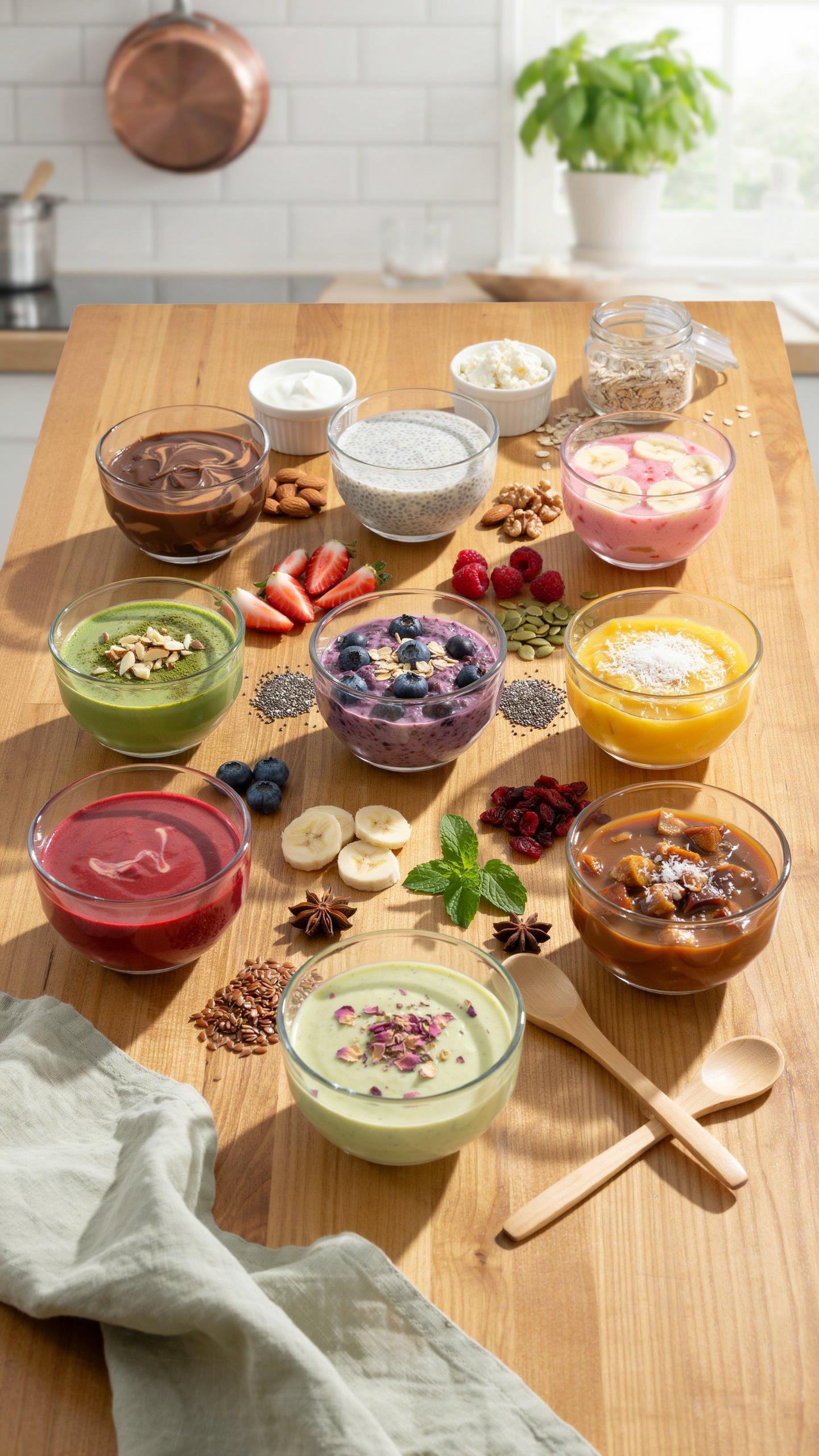
Most people tweak recipes once, declare victory, then wonder why they stop eating them. You need real-time adjustment built into your prep workflow. Change one variable per week: pudding base, protein powder brand, thickening agent ratio, or sweetener type. Document satiety scores for each version. Keep the winner. Discard the rest.
The mechanism works because human taste preferences and digestion responses shift week to week based on what else you’re eating, your training volume, and sleep quality. A pudding that works for four weeks may tank on week five. Measure immediately after eating and twenty minutes later. If satiety drops below seven out of ten on the second measure, that recipe dies. Prep the previous week’s winner instead while testing a new variable.
Healthy Protein Dessert Recipes The Long Game

Consistency Beats Perfection Every Time
You want this to work because you’re tired of failing at diet attempts. The real mechanism is habit stacking, not willpower. You don’t build sustainable eating patterns by following rules you resent. High protein pudding snacks work long-term because they collapse the gap between craving satisfaction and nutritional obligation. You’re not choosing between pleasure and health anymore. You’re choosing pudding that delivers both, which means you actually repeat the behavior.
Most people frame meal prep as a chore they endure for results. That’s backwards. The snacks that stick are the ones you want to eat again tomorrow. High protein pudding hits this mark because it satisfies the dessert impulse without the blood sugar crash that kills momentum. Your consistency compounds when the behavior itself feels rewarding, not punitive. That’s the difference between a diet you quit and a pattern you keep.
Nutrient Timing Over Rigid Rules
Forget the diet dogma about when you can eat dessert. The actual framework comes from sports physiology: nutrient timing matters more than moral timing. Your muscles absorb amino acids when they need them, not when the nutrition label says it’s acceptable. High protein pudding snacks work at different times for different reasons, which means your framework needs flexibility, not gatekeeping.
The mistake most people make is locking into one meal prep approach, then abandoning it when life shifts. Instead, build a system where pudding snacks serve multiple purposes: post-workout recovery option, afternoon hunger break, late-night craving management. The same recipe works differently depending on when you eat it. Your body doesn’t know if pudding is a snack or dessert. It knows you consumed protein when you needed it. Prep pudding in five or six-serving batches, store in glass containers with sealed lids, and grab portions based on your actual appetite, not a preset schedule.
The real obstacle isnt the pudding its your static mindset in a dynamic world

Most people treat meal prep like a chore they tolerate instead of a system they own. You batch cook pudding once, hate it, quit. The real play is treating it like an experiment. Make three batches this week with different proteins and flavors. Pick the one that actually tastes good to you, not what some fitness bro recommended. Your body isn’t generic, so your prep shouldn’t be either. The person who finds their pudding ritual wins, not the person who follows someone else’s formula.