
What Makes High Protein Salads An Ideal Lunch Option
How Protein Supports Satiety And Sustained Energy Throughout The Day
Protein takes longer for your body to break down than carbohydrates. This slow digestion rate prevents rapid spikes and drops in blood glucose levels. Stable blood sugar keeps your energy levels consistent after the meal. You avoid the common mid-afternoon energy crash that slows down productivity. High protein intake also triggers hormones like cholecystokinin which signal to your brain that you are full.
Satiety is the primary defense against unplanned snacking and overeating later in the afternoon. When you eat enough protein at lunch, you feel satisfied for several hours. This biological response reduces the mental load of managing cravings while you work. Lean meats or plant proteins provide the necessary amino acids to maintain muscle mass. Choosing protein as the focus of your lunch ensures you meet daily metabolic requirements efficiently.
Why Salads Are A Practical And Nutrient Dense Vehicle For Protein
Salads allow you to combine high-volume fiber with concentrated protein sources in one bowl. Fiber from leafy greens slows digestion even further and adds essential micronutrients to your diet. This combination maximizes the nutritional value of every bite you take. You can easily adjust the portions of greens and proteins to meet specific daily calorie goals. Few other meal formats offer this level of metabolic flexibility and nutrient density.
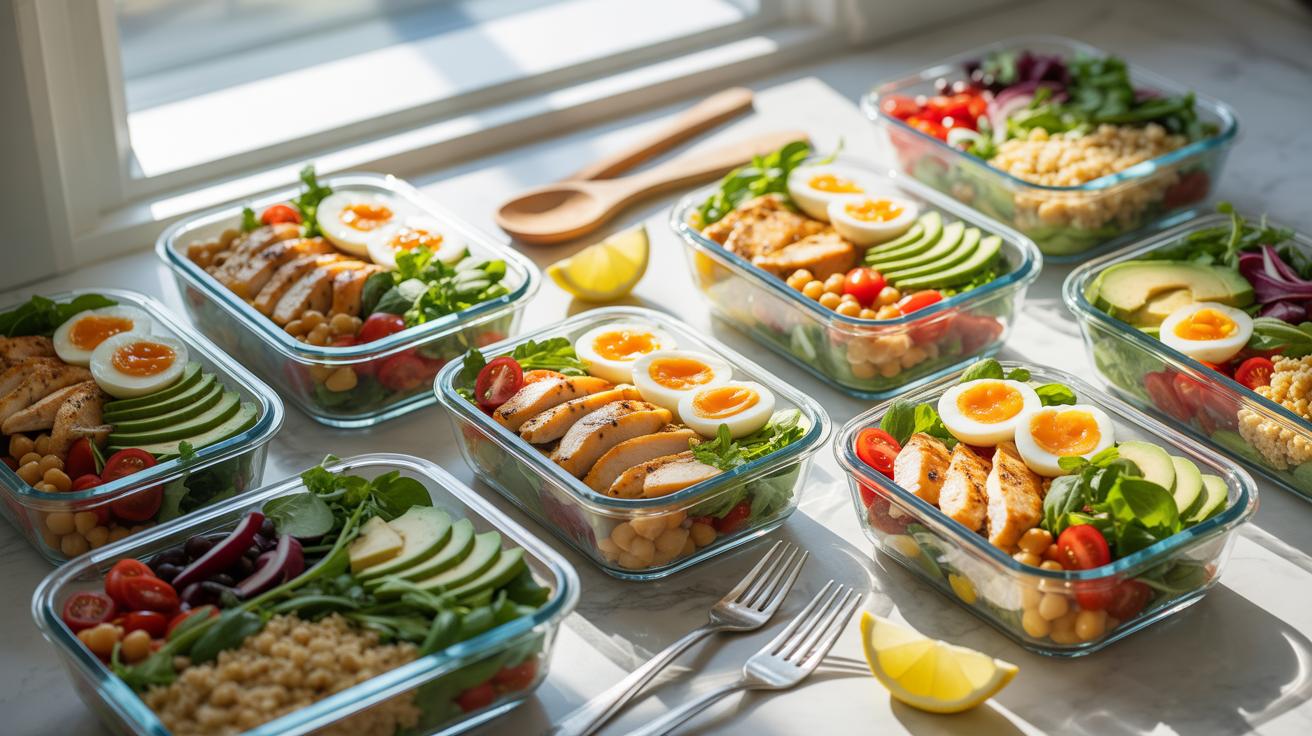
The cold nature of most salads makes them a superior choice for meal prep and office environments. You do not need a microwave to enjoy a high protein salad, which saves time during a busy workday. Many protein sources like grilled chicken or chickpeas maintain their texture and flavor when served cold. Prepping these ingredients in bulk on Sunday reduces your morning stress. A well-constructed salad stays fresh in a sealed container for several days.
Healthy Salad Recipes Meal Prep Strategies To Save Time And Stay On Track

How To Batch Prep Salad Ingredients Without Sacrificing Freshness
Efficient meal prep requires separating ingredients based on water content. Process hearty vegetables like carrots, bell peppers, and radishes in one session. Store these sturdy items in airtight containers. Do not wash greens until the day of consumption if possible. If you must wash them early, use a salad spinner to remove every drop of moisture. Wet greens rot quickly and ruin the entire meal.
Prepare protein sources separately to maintain texture and safety. Roast chicken, boil eggs, or bake tofu at the start of the week. Let these proteins cool completely before sealing them in containers. Trapped heat creates steam, which leads to soggy vegetables and premature spoilage. Slice proteins only when you are ready to pack the daily containers. This strategy keeps edges from drying out and preserves the flavor.
Smart Storage Tips To Keep Your Prepped Salads Crisp All Week
Vertical layering is the most effective way to prevent wilting during storage. Use glass jars or tall containers to keep wet and dry components isolated. Place heavy dressings at the very bottom of the vessel. Follow with moisture-resistant ingredients like chickpeas or cucumbers. This barrier protects delicate leaves from touching liquids. Stack grains and proteins in the middle layers to keep the structure stable.
- Bottom Layering: Place heavy dressings and vinegars at the base of the container. This prevents the liquid from touching the greens and causing them to turn soft. It also allows the sturdier vegetables to marinate slightly without losing their structural integrity.
- Paper Towel Method: Place a dry paper towel at the top of the container before sealing the lid. This towel absorbs excess humidity that naturally releases from vegetables over time. Reducing moisture levels inside the container significantly extends the life of leafy greens.
- Airtight Glass Containers: Use glass instead of plastic to maintain a consistent temperature. Glass does not leach chemicals or odors into your food. It provides a superior seal that keeps air out and helps ingredients stay crisp for up to five days.
- Oxygen Control: Fill containers as much as possible to leave very little head space for air. Less oxygen inside the jar slows down the oxidation process of cut vegetables. This keeps your salad looking fresh and prevents the edges of your produce from browning.
- Separate Toppings: Store nuts, seeds, and croutons in a small separate bag or container until eating. These items absorb moisture from the air and other vegetables if stored together. Keeping them dry ensures you get the necessary crunch in every high protein bite.
Avoid mixing prepped ingredients into a shared bowl until you serve the meal. Constant exposure to air and different moisture levels degrades the quality of every component. Store your stacked containers in the coldest part of the refrigerator. This is usually the back of the middle shelf. Proper temperature control combined with smart layering ensures your high protein salad stays edible and appetizing for the entire work week.
Salad Recipes Healthy Clean Eating Choosing Whole Food Protein Sources
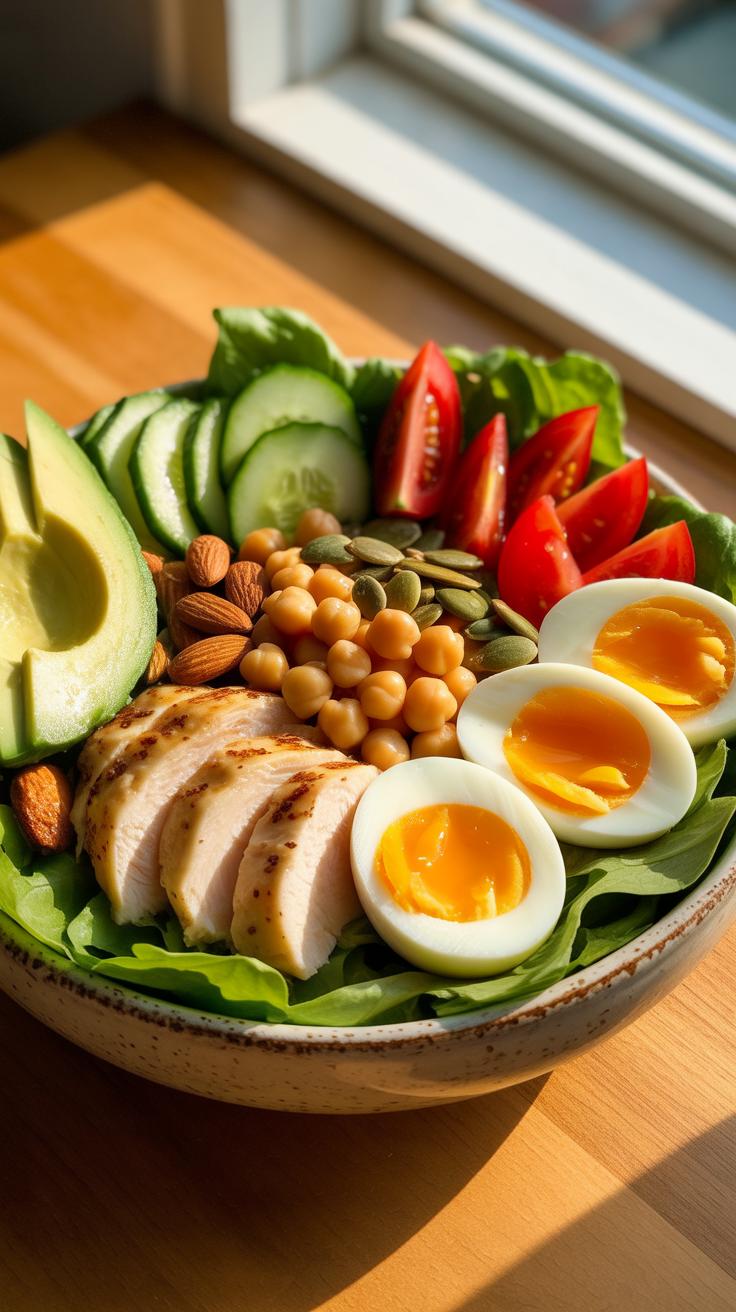
Animal Based Clean Proteins That Pair Perfectly With Salad Greens
Lean poultry and wild caught fish provide max protein with minimal saturated fat. Choose grilled chicken breast or turkey for a neutral base that absorbs dressings well. These proteins contain all essential amino acids required for muscle repair. Hard boiled eggs offer a fast and cheap way to add protein and healthy fats. Always source pasture raised eggs to ensure higher nutrient density in your meal.
Avoid processed deli meats containing nitrates and excess sodium. Select cold water fish like salmon or sardines for high omega three fatty acids. These fats reduce inflammation and improve heart health. Sear your fish or meat with simple herbs and olive oil. Proper preparation ensures the protein stays moist without adding hidden sugars or chemicals. Keep cooking methods simple to maintain the clean eating standard.
Happiness is the harvest of a quiet life, and it begins with simple, nourishing meals prepared with love. To eat is a necessity, but to eat intelligently is an art.
How To Build A Clean Eating Salad That Delivers On Both Taste And Nutrition
Start with dark leafy greens like kale or spinach to increase fiber and micronutrients. Add your measured protein source immediately to ensure satiety. Use a mix of textures to keep the meal interesting. Raw vegetables provide crunch and bulk without high calories. Limit dried fruits and nuts to control the caloric density of the bowl. Balance is the key to a sustainable and effective meal plan.
Craft a dressing using healthy oils and acids. Extra virgin olive oil and lemon juice create a clean profile. Most store bought dressings contain soy oil and corn syrup which spike blood sugar. Use vinegar or citrus to brighten flavors instead of heavy creams. Season your salad with sea salt and cracked pepper for simple flavor. A well constructed salad provides energy without the mid afternoon crash typical of heavy lunches.
Protein Salad Recipes Classic High Protein Combinations Worth Making
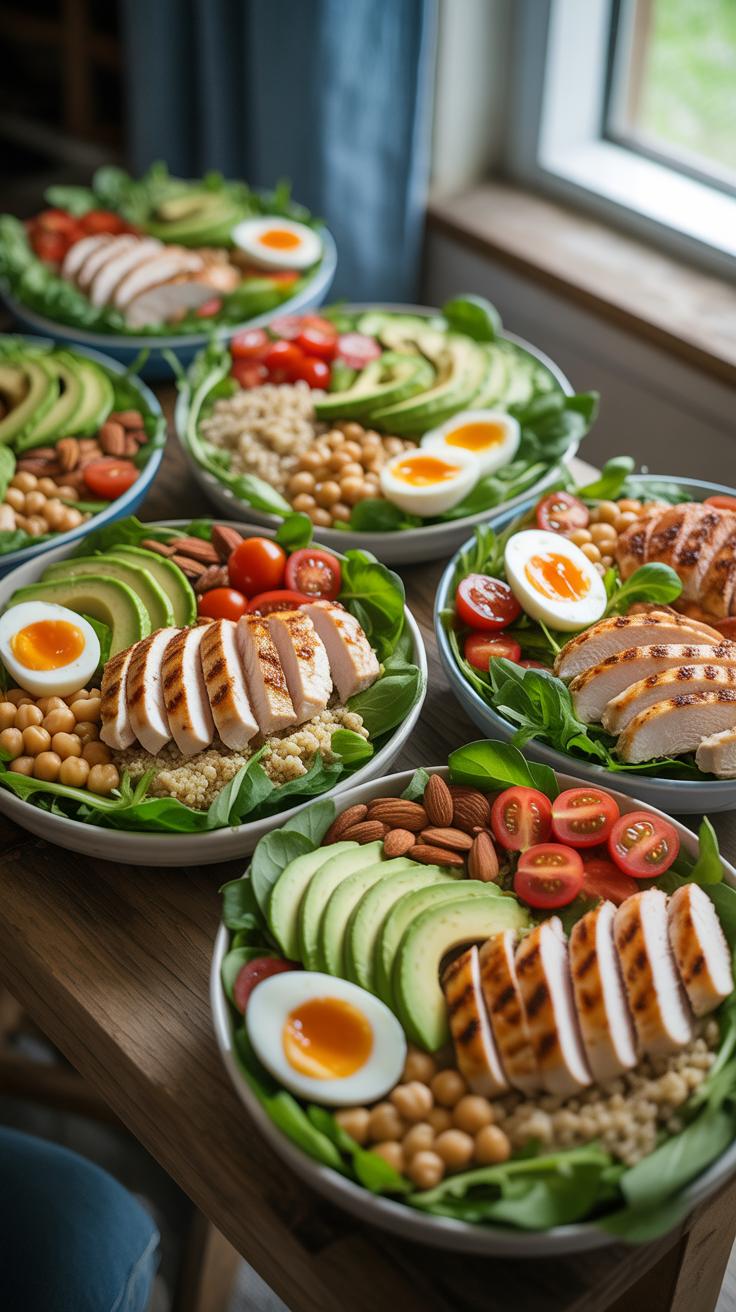
The Grilled Chicken And Chickpea Salad: A Timeless High Protein Formula
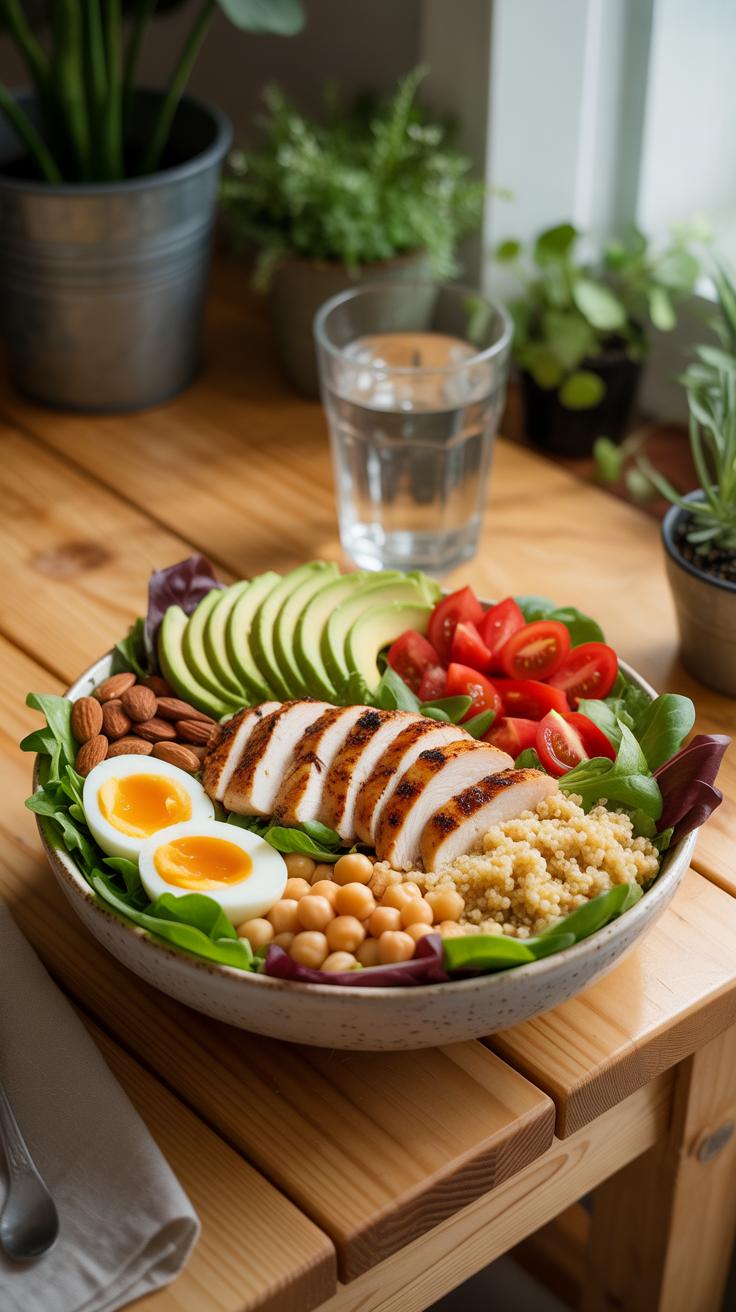
Grilled chicken breast remains the standard for lean animal protein. It contains high amounts of leucine for muscle synthesis. Combining chicken with chickpeas adds dietary fiber and plant-based protein. This mixture creates a complete amino acid profile. Use skinless breast meat to keep fat content low. Season the meat with dry rubs to avoid adding unnecessary sugar or liquid calories.
Chickpeas provide a dense texture that holds up during storage. They do not get soggy like leaf greens. This makes the combination ideal for Sunday meal prep. Store the dressing separately to maintain the integrity of the legume skins. Use a lemon-based vinaigrette to help break down the connective tissues in the chicken. This ensures the meat stays tender for several days in the fridge.
Tuna And White Bean Salad: A Simple Protein Packed Lunch Classic
Canned tuna is a shelf-stable source of high-quality protein and omega-3 fatty acids. Use tuna canned in water to minimize caloric density. Combine it with Cannellini or Great Northern beans. These beans provide a creamy texture and significant iron content. This pairing offers a high protein-to-weight ratio. It is a cost-effective strategy for meeting daily macronutrient targets without cooking raw meat.
Texture management is vital for this recipe. Rinse the beans thoroughly to remove excess sodium and metallic taste from the canning liquid. Use red onion and celery to provide a necessary crunch. These additions improve the sensory experience without adding significant calories. Avoid heavy mayonnaise dressings. Use olive oil and vinegar instead. This keeps the meal heart-healthy and prevents the protein from feeling too heavy.
Vegan Salads With Protein Plant Based Bowls That Actually Fill You Up
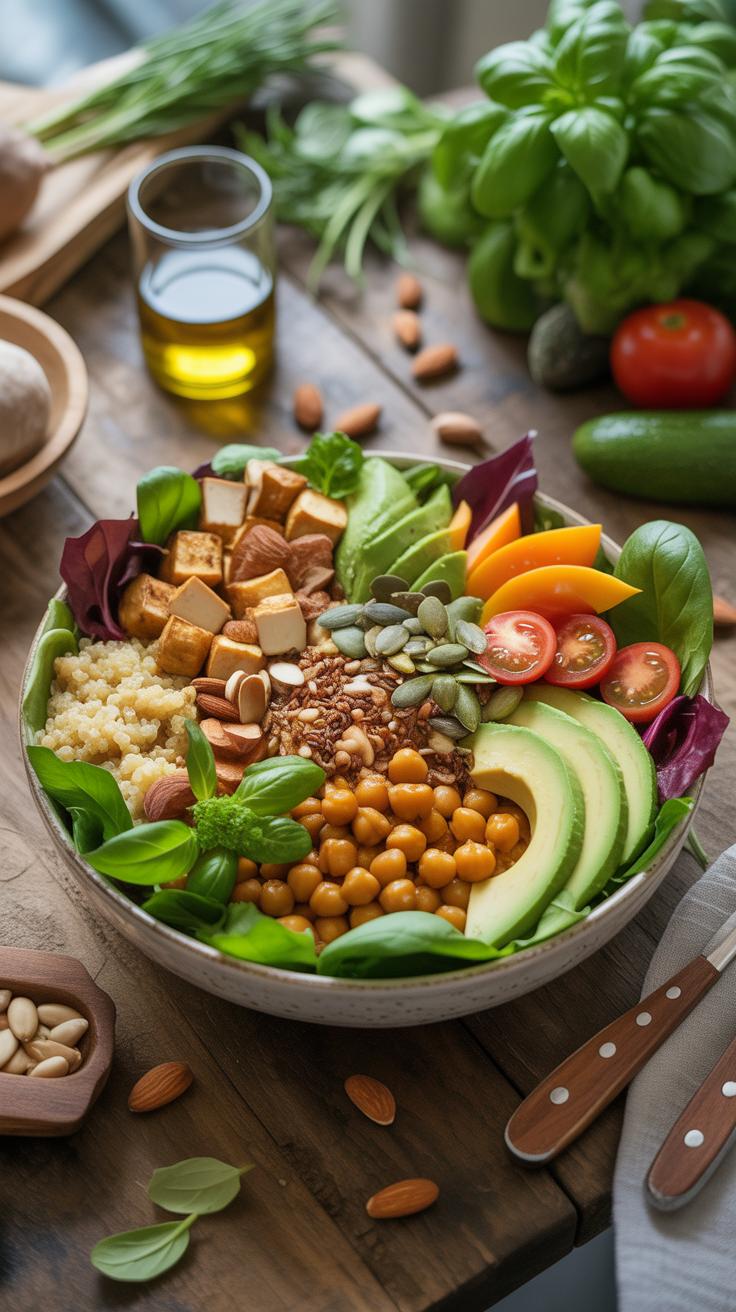
Top Plant Based Protein Sources To Add To Any Vegan Salad
Standard greens lack the caloric density needed for satiety. You must integrate specific legumes and seeds to reach high protein targets. Use cooked pulses or fermented soy to provide volume and texture. These ingredients offer fiber alongside protein to stabilize blood sugar. Successful vegan meal prep requires selecting shelf-stable or batch-cooked bases that maintain their structural integrity throughout the work week.
- Tempeh: This fermented soy product contains roughly 20 grams of protein per cup. Its firm texture holds up well when marinated and baked. It provides a nutty flavor and dense chew that mimics meat.
- Lentils: French green or black beluga lentils keep their shape after cooking. They provide 18 grams of protein per cooked cup. Use these instead of red lentils to avoid a mushy salad texture.
- Hemp Hearts: These small seeds offer 10 grams of protein per three tablespoons. They contain all nine essential amino acids. Sprinkle them over any salad for a quick boost without changing the flavor profile noticeably.
- Chickpeas: Also known as garbanzo beans, they offer nearly 15 grams of protein per cup. Roast them for a crunchy crouton substitute or use them boiled for creaminess. They are versatile and very inexpensive.
- Edamame: These young soybeans provide 18 grams of protein per cup. Buy them shelled and frozen to save time. They add a bright green color and a sweet, mild taste to Asian-inspired salad bowls.
Strategic sourcing prevents the common mistake of eating only leaves. Diversify your protein types to ensure a broad micronutrient profile. Combine soft beans with crunchy seeds to improve the eating experience. High-density proteins also increase the weight of the meal. This weight triggers stretch receptors in the stomach to signal fullness. This satisfies hunger longer than a simple vegetable mix.
How To Build A Balanced Vegan Salad With Complete Protein Combinations
Most plant proteins lack one or more essential amino acids. You must pair specific food groups to create a complete amino acid profile. Combine grains like quinoa or farro with legumes like black beans or chickpeas. This synergy ensures your body receives the building blocks necessary for muscle repair. Proper pairing transforms a side dish into a functional, muscle-sparing recovery meal for athletes.
Focus on the ratio of calories to protein when selecting your dressing. Avoid oily vinaigrettes that add fat without nutrition. Use tahini or peanut butter bases to add extra grams of plant-based protein. These fats also help the body absorb fat-soluble vitamins like A, D, E, and K found in the greens. A balanced bowl requires a grain, a legume, and a seed to maximize nutritional output.
High Protein Side Salad Pairing Smaller Salads With Your Main Meal
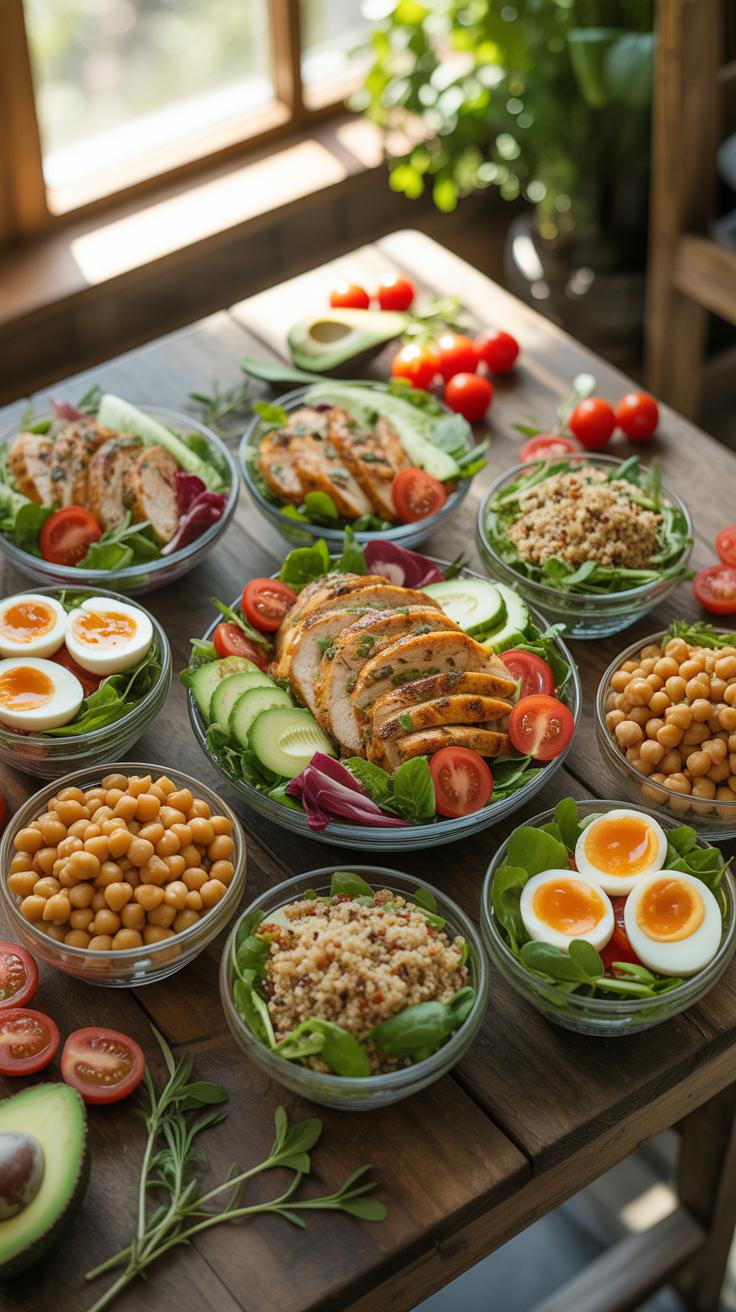
How A High Protein Side Salad Can Round Out A Balanced Lunch Plate
A high protein side salad fixes nutritional gaps in a standard meal. Most lunch portions lack enough amino acids to maintain muscle mass or manage hunger. Adding a small salad focused on dense plant or animal proteins boosts the total protein count without adding heavy carbohydrates. This strategy ensures you hit your daily targets without feeling sluggish after eating a large main dish.
Smart pairing requires matching textures and flavors to your primary entree. Use a crisp side salad to contrast a soft main dish like soup or stew. This addition increases fiber intake which slows down digestion. Slower digestion leads to stable blood sugar levels throughout the afternoon. You gain more energy and better focus by simply adding a small portion of protein rich greens to your plate.
Simple High Protein Side Salad Recipes Ready In Under 10 Minutes
Efficiency is the priority for mid day meal prep. You can build a high protein side by combining canned beans or pre cooked seeds with basic greens. Rinse white beans or chickpeas to remove excess sodium before tossing them with spinach. Use a simple vinegar and oil dressing to keep the fat content low. This process takes less than five minutes and adds significant nutritional value.
Tuna and hemp hearts offer immediate protein boosts for minimal effort. Open a pouch of water packed tuna and flake it over mixed greens for an instant lunch upgrade. Sprinkle two tablespoons of hemp hearts over the top for extra healthy fats and complete proteins. These ingredients require zero cooking time. They provide a high density of nutrients that keep your metabolism active while you finish your work day.
Healthy Couscous Salad Ideas And Yummy Couscous Salad Recipes For Protein Rich Lunches
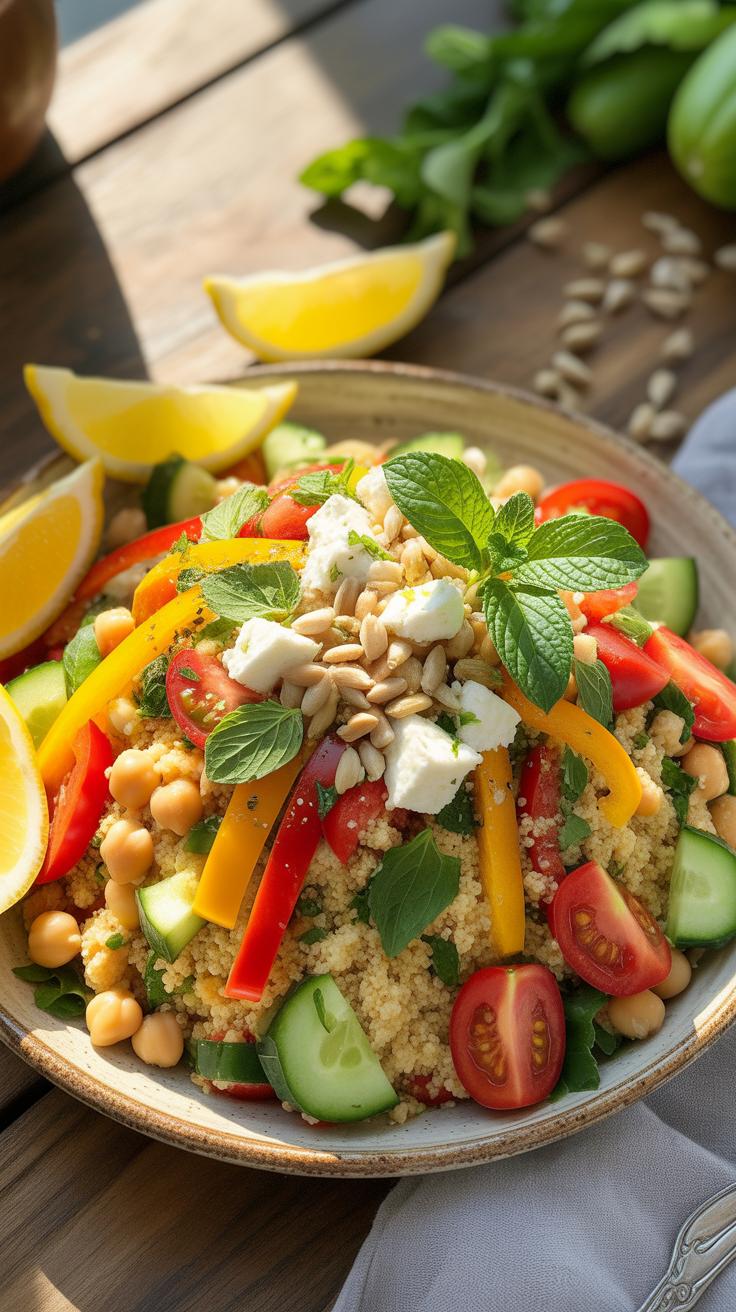
Why Couscous Is A Smart Grain Base For A Protein Packed Salad
Couscous offers a strategic advantage for meal prep due to its rapid rehydration process. Unlike brown rice or quinoa, semolina-based pearl couscous or fine grain varieties require only boiled water and five minutes of rest. This efficiency saves time during high-volume kitchen sessions. It provides a neutral flavor profile that absorbs dressings without becoming soggy. It keeps your high protein salad fresh.
The nutritional profile of couscous supports muscle maintenance and satiety. One cup of cooked couscous contains approximately six grams of protein. While it is a carbohydrate source, it works as a functional binder for denser proteins like chickpeas or grilled poultry. It provides the essential macro-nutrients needed to fuel physical activity and brain function. Use whole wheat versions to increase fiber content and nutrient density.
A Yummy Couscous Salad Recipe With Roasted Vegetables And Feta
Combine roasted red peppers, zucchini, and red onions with cooked Israeli couscous. The vegetable roasting process caramelizes natural sugars to enhance the flavor without added syrups. Toss the mixture with lemon juice, olive oil, and fresh parsley. This combination provides a stable shelf life for four days in the refrigerator. Use airtight containers to maintain the texture of the grain and prevent moisture loss.
Add seventy-five grams of crumbled feta cheese to increase the protein and fat content. Feta provides a salty profile that eliminates the need for excessive seasoning. For a higher protein yield, add grilled chicken breast or canned tuna. This creates a balanced ratio of complex carbohydrates, lean protein, and healthy fats. This meal design ensures consistent energy levels throughout the afternoon and prevents a blood sugar crash.
Salad Ideas To Keep Your High Protein Lunch Prep Creative And Exciting
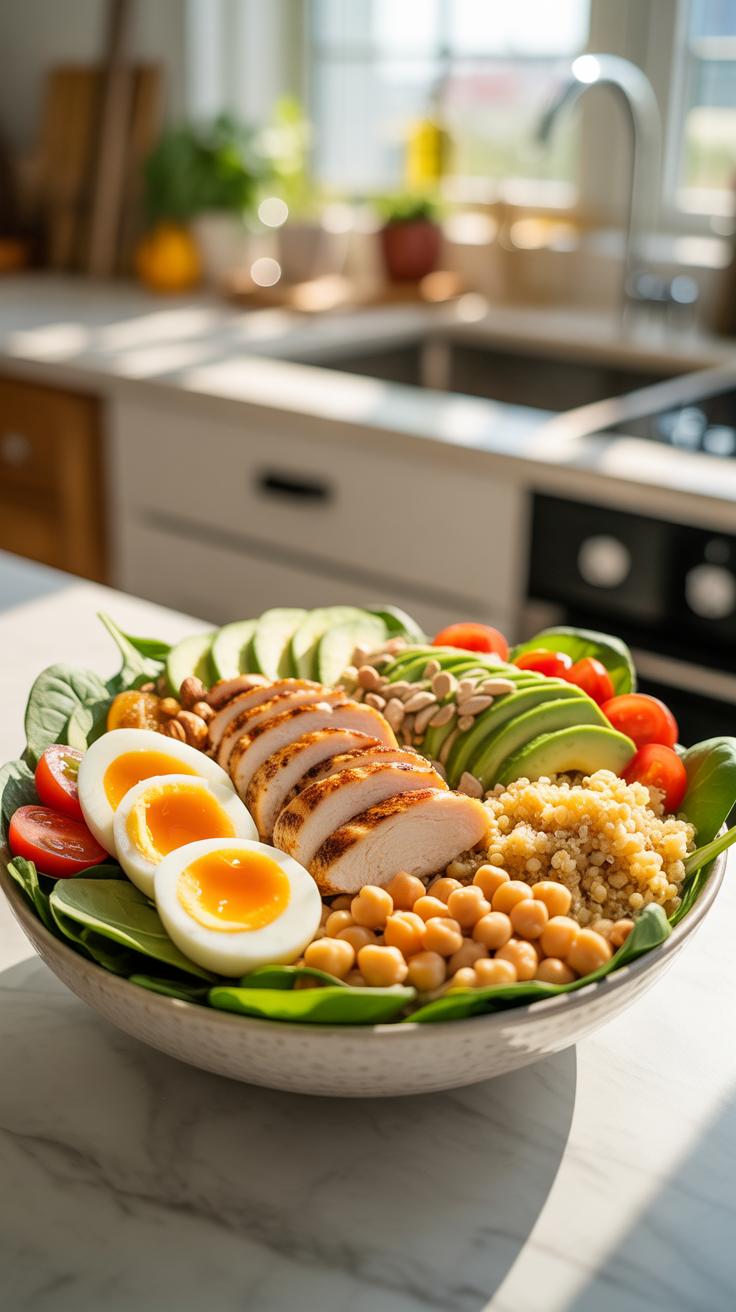
Seasonal Salad Ideas That Rotate Fresh Ingredients Into Your Weekly Prep
Seasonal rotation prevents palate fatigue and improves nutrient profile variety. Spring brings peas and asparagus which pair with lemon herb chicken. Summer offers tomatoes and cucumbers to mix with steak or grilled shrimp. Fall demands roasted squash and kale to support heavier proteins like pork or turkey. Winter relies on root vegetables and citrus to brighten fermented or smoked fish bases.
Strategic ingredient selection lowers meal costs and ensures peak ripeness. Fresh produce maintains structural integrity longer in a meal prep container than out of season items. Use heartier greens like chicory or endive during colder months to withstand bold dressings. High protein counts remain stable while flavor profiles shift with the harvest. This approach keeps your lunch routine sustainable for the long term.
How To Customize Your High Protein Salad To Match Your Dietary Goals
Specific health targets require precise adjustments to macronutrient ratios. To increase calorie burn, emphasize high fiber cruciferous vegetables like broccoli or cauliflower with lean white meats. For muscle growth, integrate energy dense fats like avocado alongside double portions of salmon or beef. Athletes should add complex carbohydrates like quinoa or farro to replenish glycogen stores. Every addition must serve a specific functional purpose.
Monitor sodium and sugar levels in store bought dressings to maintain nutritional integrity. Acidic components like vinegar or citrus juice provide flavor without adding hidden calories. Scale your protein portions based on body weight and activity levels. Use a digital scale for accuracy during the assembly phase. Consistency in measurement ensures you reach your objective. Adjust ingredients weekly based on performance data and hunger cues.
Frequently Asked Questions

What defines a high protein salad, and can it really keep me full until dinner?
A high protein salad is more than just a bowl of greens; it is a nutritionally dense meal featuring at least 20 grams of protein from sources like chicken, tofu, or chickpeas. By combining lean proteins with fiber-rich vegetables and healthy fats, these salads stabilize your blood sugar levels. This powerful combination slows digestion, effectively curbing mid-afternoon cravings and providing the sustained energy needed to power through a busy workday without feeling hungry.
How can I meal prep high protein salads without the ingredients getting soggy?
Successful meal prep relies on the “layering method” to maintain freshness. Always place your dressing at the very bottom of the container, followed by hardy ingredients like beans, cucumbers, or grains. Place your delicate leafy greens and primary protein at the top, furthest from the moisture. When you are ready to enjoy your high protein salad, simply shake the container or flip it into a bowl to distribute the dressing perfectly for a crisp texture.
Is it possible to make protein-rich salads on a tight grocery budget?
Absolutely! You can easily create a satisfying meal by utilizing affordable plant-based staples like lentils, canned black beans, and hard-boiled eggs. Buying grains like quinoa or farro in bulk also significantly lowers the cost per serving. By focusing on seasonal produce and budget-friendly proteins, you can enjoy a nutritious, high-quality lunch every day of the week without overspending on expensive specialty health food items or pre-packaged gourmet ingredients.