
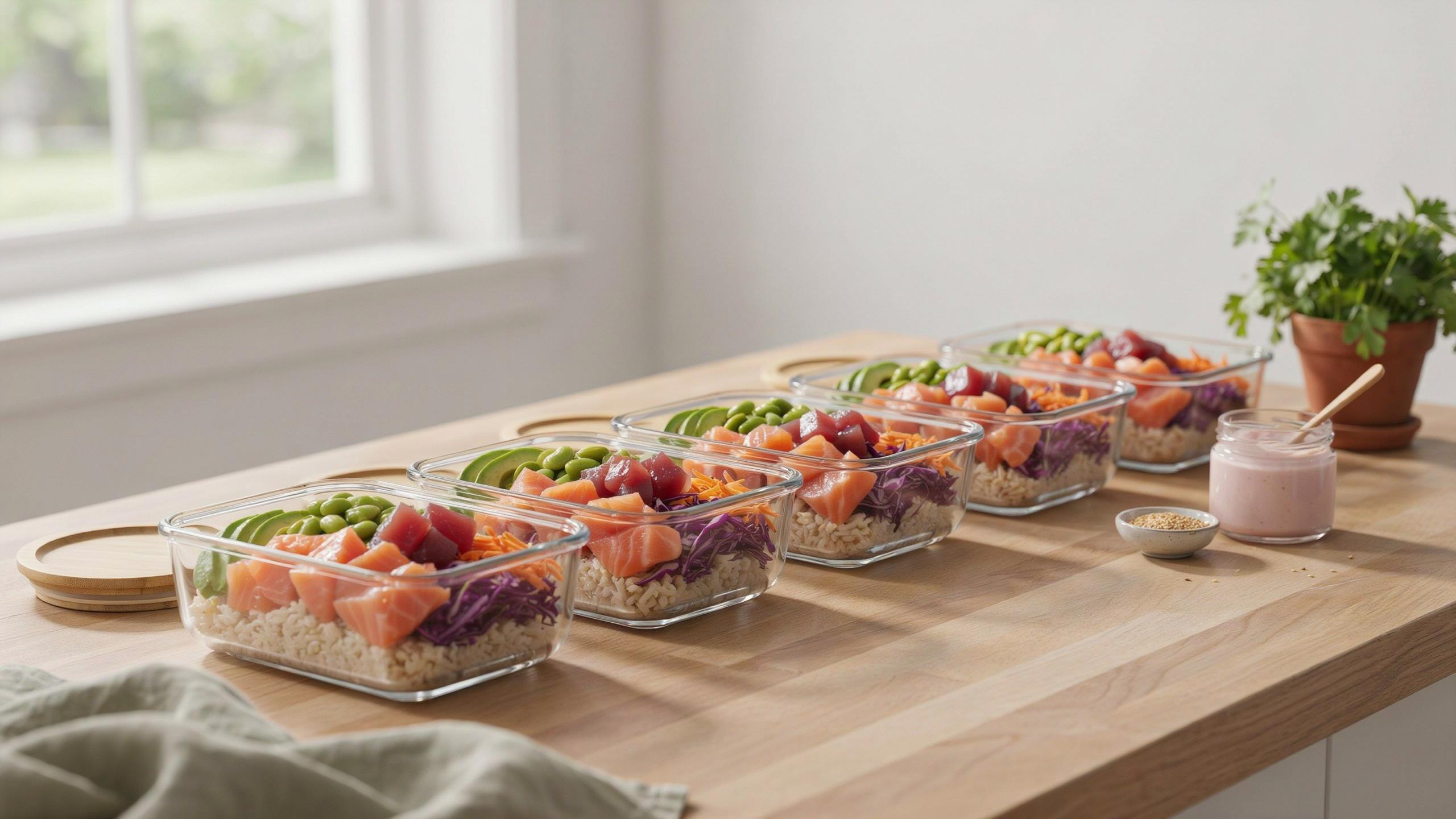
The Culinary Component Protocol
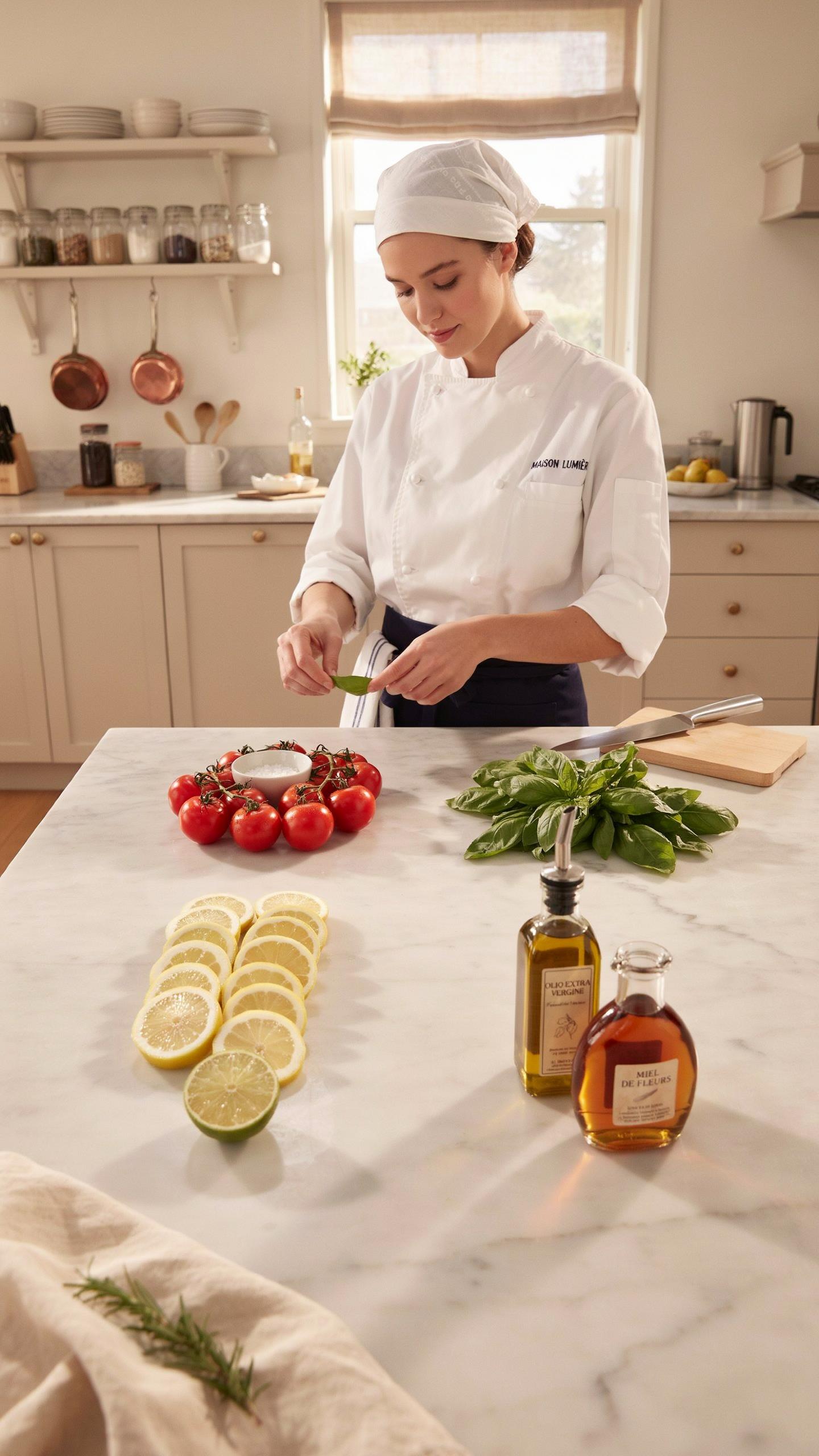
Batch Cook Core Protein Sources
You want to feel like you have your life together, and protein prep is how you prove it to yourself. The real mechanism is thermal efficiency: cooking protein in volume generates residual heat that reduces total energy spent per unit of food. Ahi tuna and salmon cook fast—sear them in 90-second bursts per side at high heat. Shrimp takes three to four minutes total. Do this once, cool immediately in an ice bath, and you’ve eliminated daily cooking friction.
Store cooked proteins in airtight containers on the bottom shelf of your refrigerator. Ahi tuna stays safe for three days. Salmon lasts four days. Shrimp extends to five days if you keep the temperature at 40 degrees Fahrenheit or below. The cold halts bacterial growth—not eliminates it, but slows reproduction to a rate your body handles. Portion proteins into your bowls first, before vegetables, to lock in that structural advantage.
Prepare Diverse Vegetable Elements
Conventional meal prep advice says to chop vegetables the day before. That’s incomplete thinking. Vegetables release moisture and oxidize when cut. Prep them three to four hours before assembly, not 24 hours before. This timing window keeps them firm without spoiling the enzymatic reactions that preserve their nutrient density.
Use raw cucumber, avocado, seaweed salad, edamame, and pickled ginger as your rotating base. Cook nothing here—the contrast between warm protein and cold, crisp vegetables is the texture mechanism that makes the bowl actually edible after day three. Store each vegetable type in separate containers with paper towels to absorb excess moisture. Combine them into individual bowls during final assembly, not beforehand. Temperature and texture consistency are why people actually eat what they prep instead of abandoning it halfway through the week.
Deconstructing The Healthy Protein Bowls Myth
Where The Sugar Actually Hides
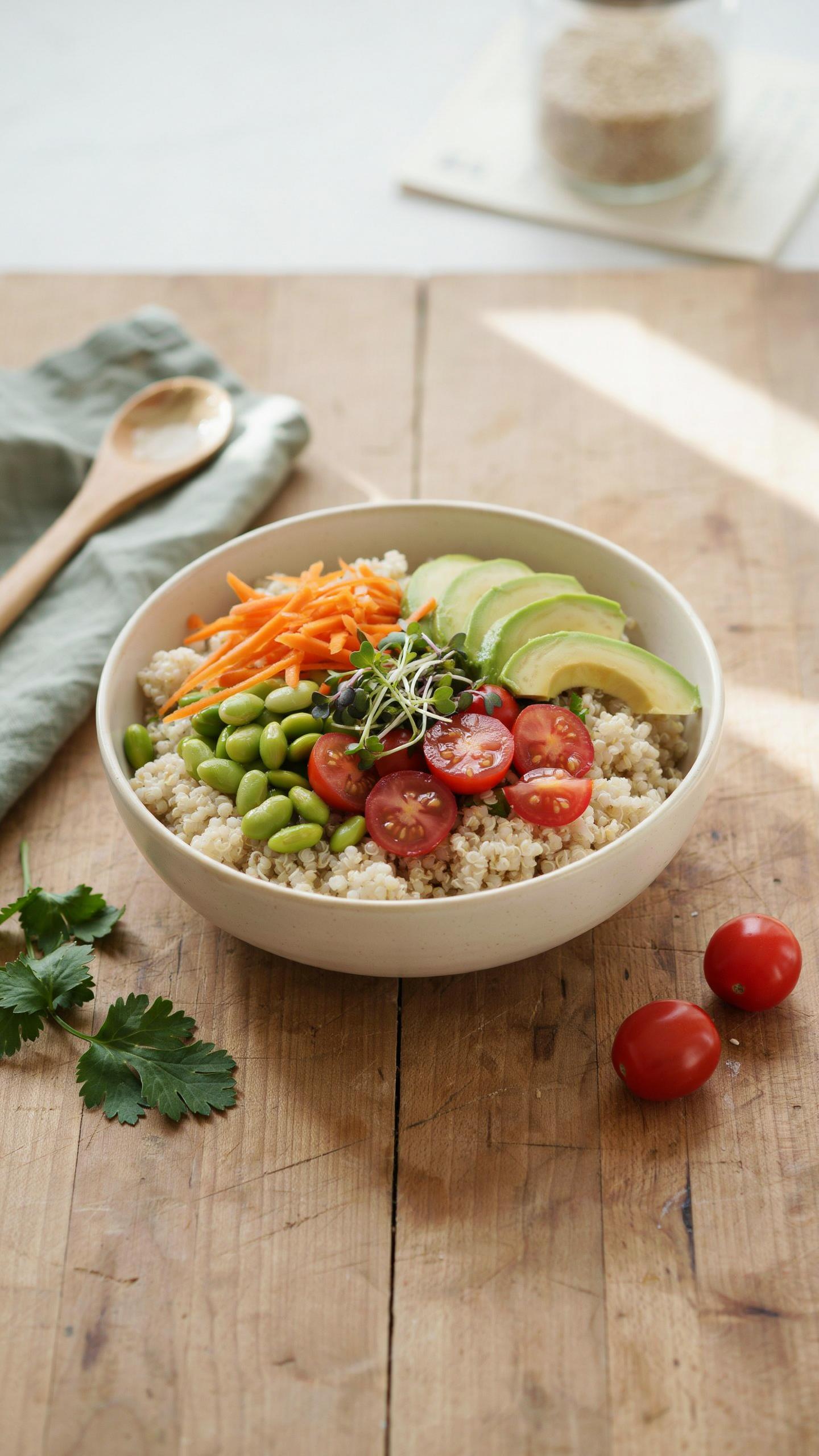
You want to believe your poke bowl is clean because it has fish and vegetables. That belief costs you the metabolic clarity to see what’s actually happening. Most commercial poke marinades operate on a simple principle borrowed from food chemistry: osmotic pressure draws moisture out of fish, so recipes load sodium and sugar to retain it. That sugar mask feels invisible because it lives in soy sauce, mirin, and sriracha mayo, not a visible topping.
The average poke bowl at a restaurant contains 8 to 15 grams of added sugar before you touch the rice or dressing. Your homemade version stops this only if you read labels on every single component and measure portions. Most people don’t. They assume “Asian flavoring” means clean, when it actually means concentrated sweeteners designed to override palate fatigue. Check your soy sauce bottle right now. Most conventional varieties contain added sugars that manufacturers don’t highlight on signage.
Real Ingredients, Not Marketing Language
Calls for whole, unprocessed ingredients sound nice and change nothing without a specific substitution framework. You need to replace, not add. Swap conventional soy sauce for low-sodium tamari or coconut aminos to cut hidden sugars by 60 to 80 percent. Buy sushi-grade fish directly from suppliers who sell to restaurants, not grocery store packs that hide oxidation under excessive ice. Pre-made poke sauce bottles destroy the meal’s metabolic profile. Mix your own base from sesame oil, lime juice, and minimal seasoning instead.
The rice decision matters more than most people admit. White sushi rice spikes blood glucose fast and offers minimal satiety per calorie. Substitute brown rice or cauliflower rice depending on your carb tolerance. Skip the fried wonton strips and tempura additions that restaurants use to justify premium pricing. Your protein bowl’s actual macronutrient profile depends entirely on these three swaps: your base liquid, your rice selection, and your fat source. Execute them consistently during meal prep, or stop calling your bowl a high protein strategy.
The Anti Recipe DIY Protein Bowls For Muscle Gain
Macros Over Dogma
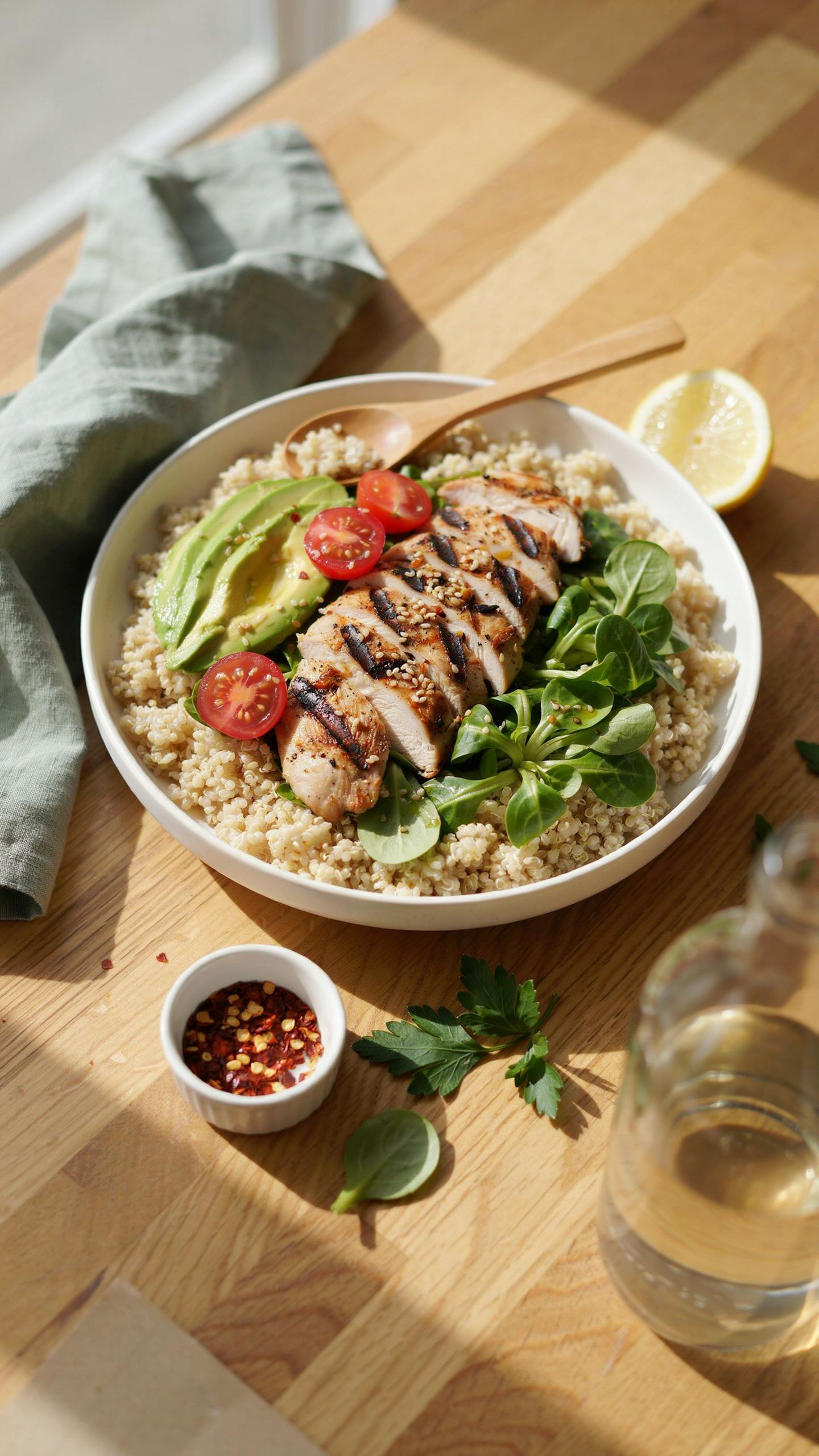
You want someone to tell you the exact formula because uncertainty feels like failure. The mechanism is simpler than you think: muscle protein synthesis responds to total protein intake, not meal timing or frequency. Aim for 0.8 to 1 gram of protein per pound of bodyweight daily. In a poke bowl, this means 30 to 50 grams of protein per serving depending on your split. The rest—carbs and fat—shifts based on your training volume and energy needs. Don’t memorize ratios. Measure protein first, then fill the remaining calories with carbs and fat until you hit your daily target.
The common advice treats macros like a locked recipe. It’s not. A 200-pound lifter needs roughly 160 to 200 grams of protein daily. One poke bowl with six ounces of ahi tuna delivers 42 grams. Another with sashimi-grade salmon yields similar numbers. The carb side—sushi rice, sweet potato, or quinoa—scales with your training intensity. Fat comes naturally from the fish and any added avocado or sesame oil. Track intake for two weeks to find your personal sweet spot. Adjust only when progress stalls.
Flavor Combinations That Stick
Taste determines compliance. Most people abandon meal prep because bowls taste identical by Wednesday. The principle here comes from flavor chemistry: contrast drives engagement. Pair umami-rich fish with bright acid, then add crunch and heat. Ahi with ponzu, sesame seeds, and pickled ginger hits all four sensory anchors. Salmon with spicy mayo, cucumber, and crispy shallots works the same way. The protein stays constant. The base rice stays the same. The flavor pattern rotates.
Build three to four flavor templates. Template one uses ponzu, ginger, and nori. Template two combines spicy mayo, jalapeño, and lime. Template three layers miso, avocado, and sriracha. Prep the base proteins and rice once per week. Store sauces and toppings separately. On assembly day, mix and match so no two bowls taste identical. This takes 15 extra minutes but eliminates the mental resistance that kills meal prep adherence.
Power Bowl Ideas Efficiency Engineering For Your Kitchen
The One Vessel Prep Method
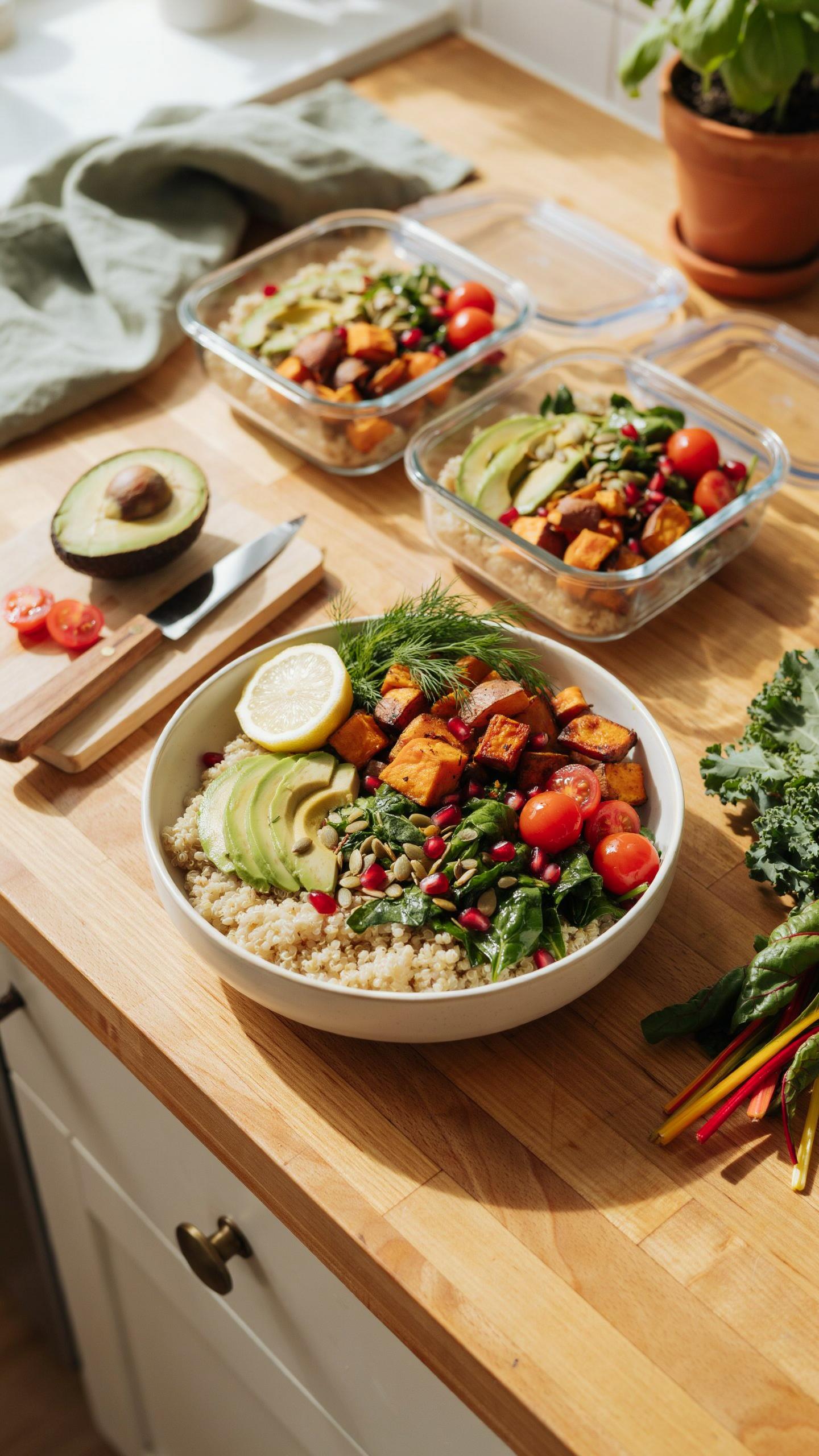
You want to feel like you’ve got your life together without actually spending Sunday afternoon elbow-deep in a sink full of bowls. That’s the real constraint here, and it’s why most people quit meal prep after two weeks. The mechanism is simple: every extra pan or cutting surface you use multiplies your friction at cleanup time, which means you’ll skip next week.
Poke bowl prep benefits from the assembly line principle used in manufacturing—minimize handoffs between stations. Cook your rice in one pot, let it cool in that same pot while you prep protein and vegetables on a single cutting board. Your raw fish goes from package to marinade vessel to bowl in sequence without touching another surface. Clean as you go, not after.
The Assembly Line Layout
Your counter space arrangement determines your prep speed more than your skill does. Position your protein source at the start, then move through marinade, rice, toppings, and storage containers in a left-to-right flow. This is physical choreography, not decoration. Your dominant hand should never travel backward or cross its own path twice.
Most home kitchens waste 60 percent of prep time on repetitive reaching. Set up your bowl station so your marinade container, prepared proteins, and cooked rice sit within arm’s reach in the order you’ll use them. Your trash and compost go at the end of the line, not in the middle. One efficient pass beats three chaotic loops every time.
The Cybernetic Feedback Loop Of Homemade Protein Bowls
Measuring What Changes Your Ingredient Mix
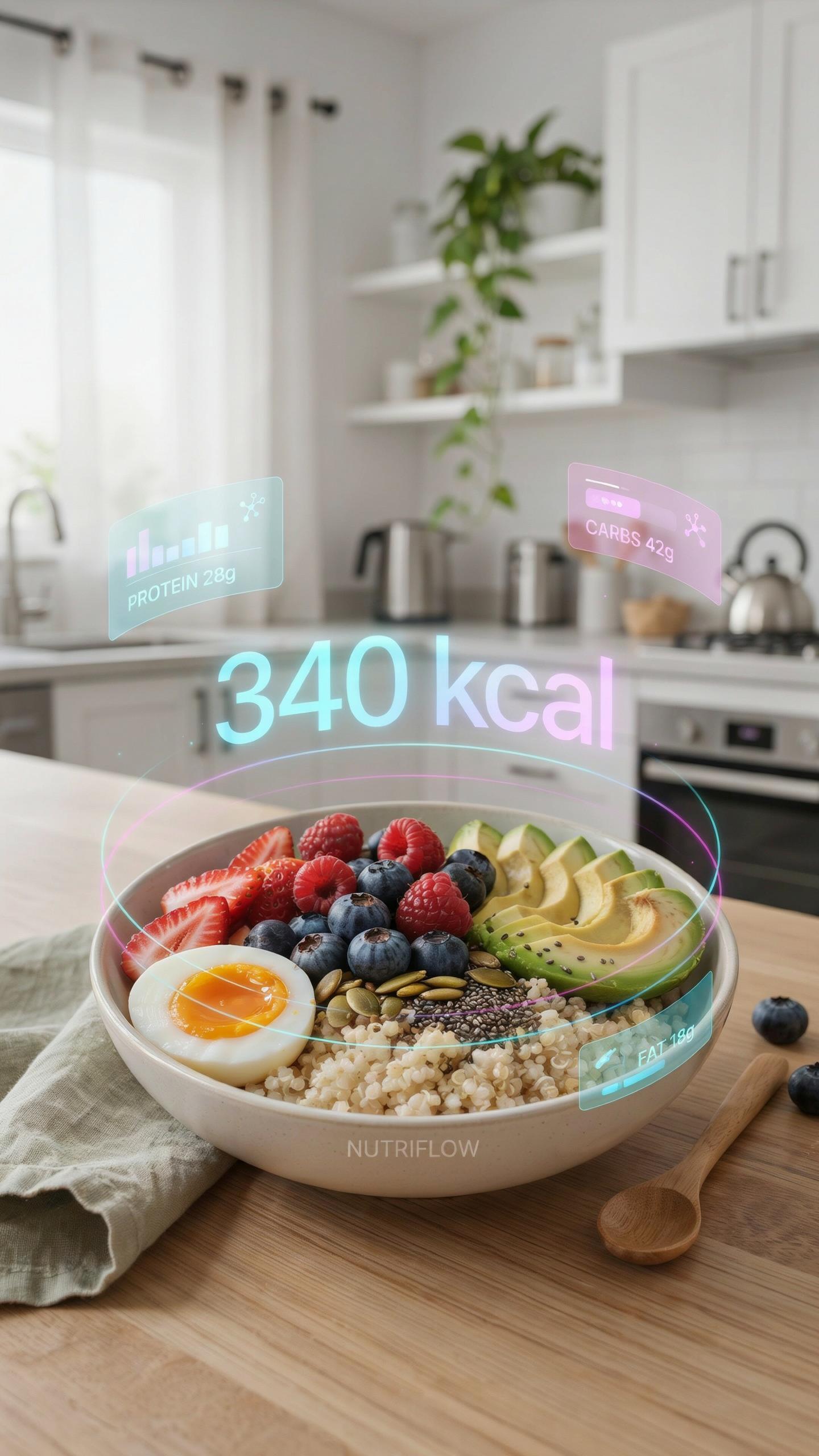
You want consistency without thinking about it. That’s the real sell here. Cybernetics is the study of systems that self-correct through feedback, and your poke bowl prep operates on the same principle: measure, observe, adjust, repeat. Most people skip the measurement phase entirely and wonder why their macros drift or their bowls taste different each week.
Start with a baseline. Weigh your raw ahi tuna before marinating, record your marinade ratio by volume, track the final cooked weight of your rice. You need three data points: protein grams per serving, total carbs in your grain base, and fat content from your oil and toppings. Without these anchors, you’re guessing. Write them down or use a notes app. This becomes your control reference.
Taste And Nutrition Correcting Themselves
The mistake people make is separating flavor work from macro work. They’re not separate. When your bowl tastes flat after four days, it’s not because you need more salt in the marinade. It’s because your soy-to-citrus ratio shifted or your nori lost crispness. Fix the taste by adjusting acid first (add lime juice or rice vinegar), then salt, then heat. These moves also control sodium intake and affect how your body processes protein.
Track what changed between a bowl you ate on day two versus day five. Did you use less ginger? More fish? Different soy brand? Document one variable change per week so you isolate the cause. Your protein target stays fixed. Your carb intake stays consistent. But marinade intensity, vegetable freshness, and rice moisture should flex based on what you notice when you eat. This is the protocol: observe, identify one variable, adjust it, measure the result.
Beyond The Bowl Reimagining Dinner Bowls
The Protein Foundation Stays Constant
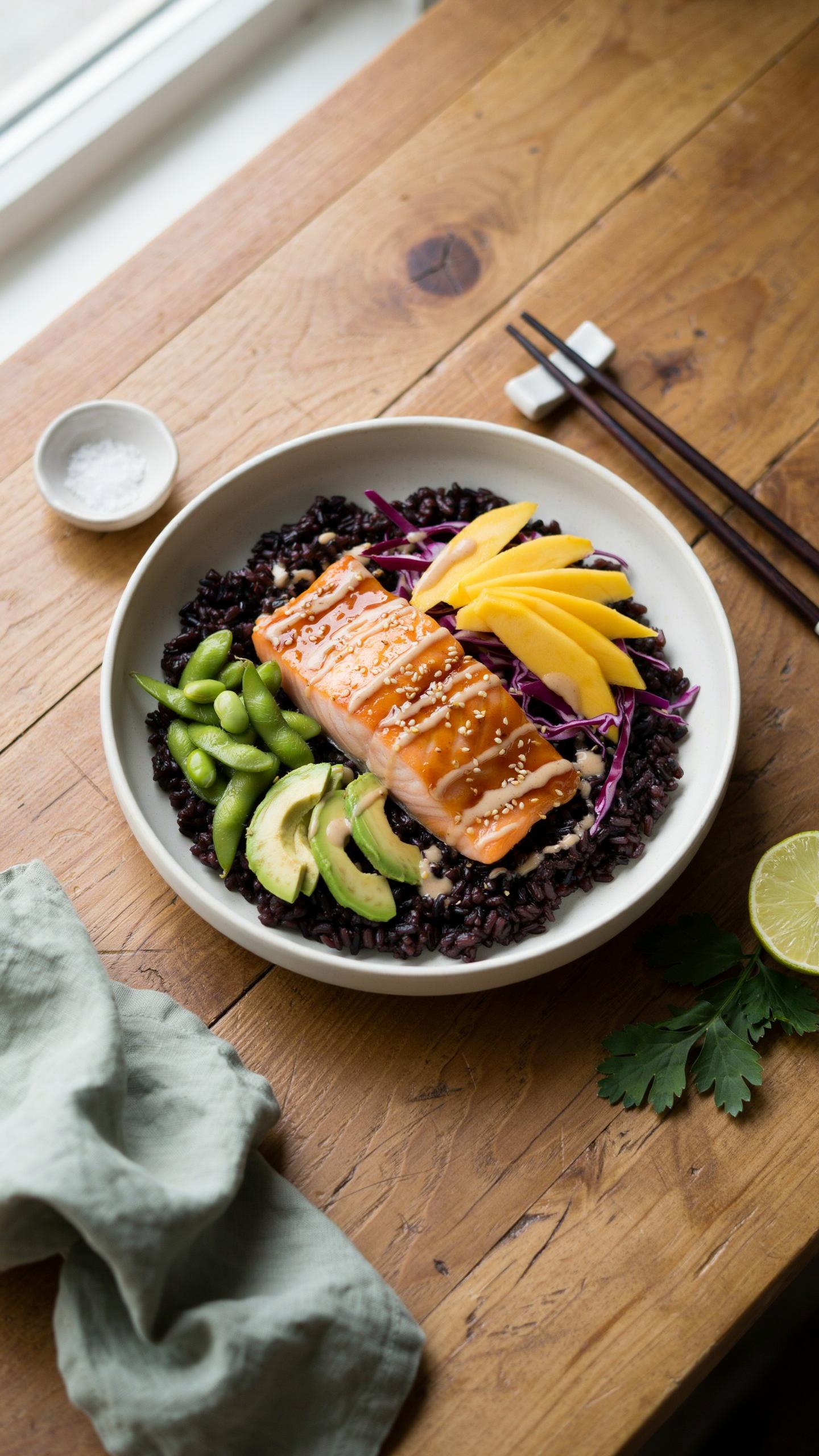
You want permission to eat the same thing five different ways without admitting you’re eating the same thing. Here’s the mechanism: cubed raw fish, cooked shrimp, or seared tuna functions as the variable protein anchor in a system where everything else shifts. Like a bass line in music, it holds structure while melodies change above it. Your cubed ahi tuna on Monday becomes a bed under crispy wonton strips and sriracha mayo on Tuesday, then a sushi hand roll on Wednesday with nori wrapping and less rice. The protein mass stays identical. The perception of novelty comes from rotation of toppings, textures, and temperature states. This removes decision fatigue while maintaining the caloric and amino acid consistency your body needs.
The math is straightforward: if your base prep yields 40 grams of protein per 150 grams of fish, that figure doesn’t change regardless of how you plate it or what you pair it with. What changes is how your brain processes the meal, which affects compliance. You’ll actually eat all seven portions because day four doesn’t feel like a repeat of day one. The protein target stays locked in place while everything around it becomes tactical variation.
Leftover Reconversion Into New Forms
Most meal prep guides tell you to eat leftovers as-is or they go to waste. That’s incomplete. Leftover poke components become raw material for five different meal formats, not just the same bowl reheated. Cubed fish that’s three days old gets shredded and mixed into a seared rice cake with soy glaze. Cooked shrimp converts into a cold pasta with citrus and sesame oil. Rice becomes fried rice with eggs and vegetables in thirty seconds. Nori sheets wrap around leftover protein and greens for a portable sandwich. Seaweed salad goes into grain bowls or becomes a side for tacos.
The conversion works because you’re not trying to preserve the original dish. You’re treating components as inputs for new compositions. A container of mixed greens and edamame from Friday’s prep becomes Saturday’s salad base with grilled chicken. Sunday leftover rice gets crisped in a hot pan with soy sauce and becomes fried rice within minutes. This system eliminates waste and extends your prep’s usable life from five days to seven or eight without touching your freezer. The protein remains bioavailable. Nothing spoils before you use it.
The Unspoken Truth About Protein Bowls Healthy
Nutrient Density Trumps Calorie Counting
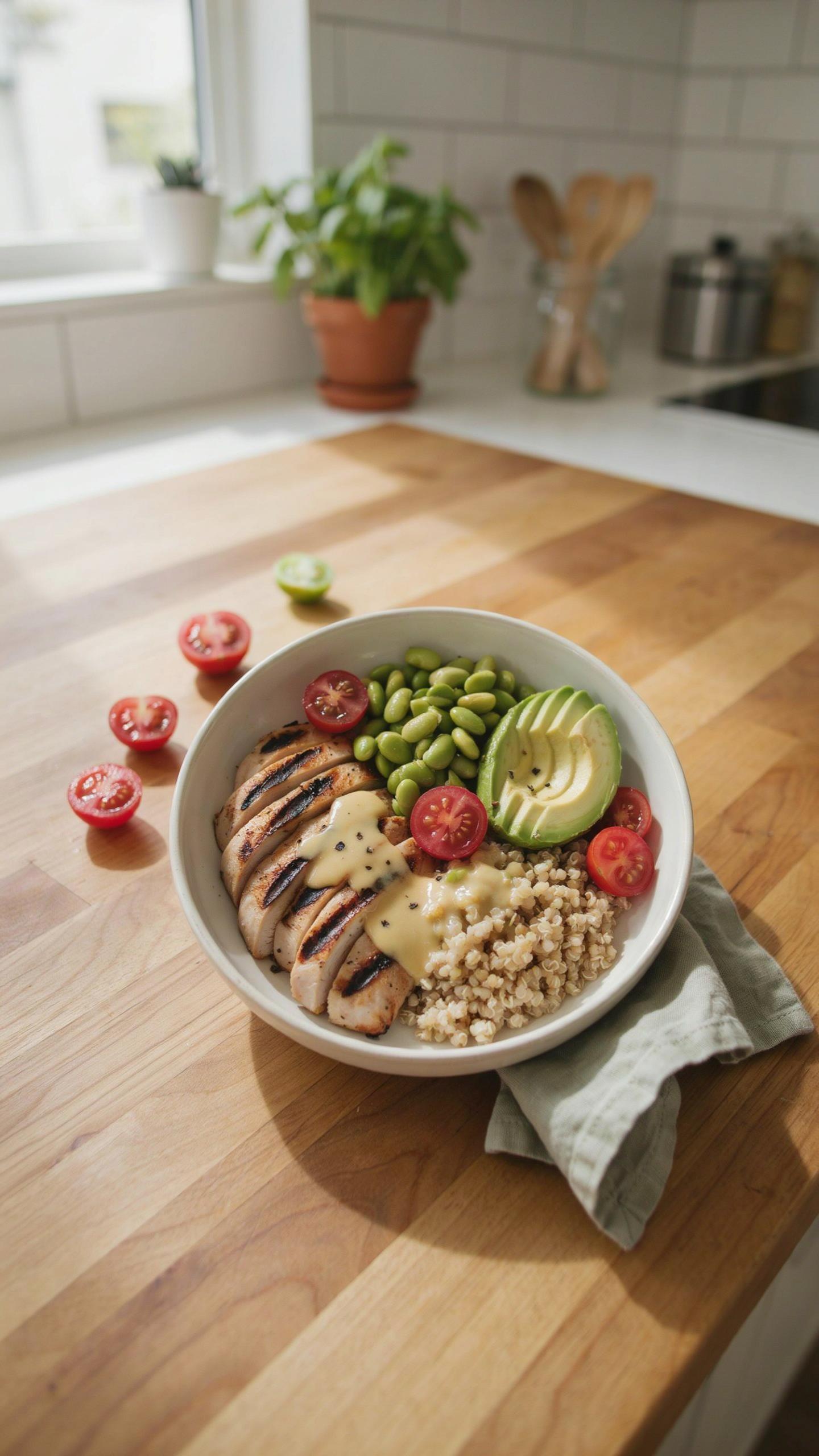
You want the bowl to work because you’re tired of guessing whether you’re eating enough. Here’s what nutrition science actually shows: calorie counting misses the real mechanism. Your body tracks micronutrient status and macronutrient ratios, not total calories. A poke bowl with 600 calories of raw fish, seaweed, and vegetables triggers different metabolic signals than 600 calories of rice and sauce. The density of nutrients per calorie determines whether your body registers satisfaction or hunger two hours later.
Most meal prep advice treats calories as interchangeable units. It’s wrong. A high protein poke bowl works because fish delivers selenium, omega-3s, and B12 alongside protein. Seaweed adds iodine and minerals. Vegetables contribute fiber and phytonutrients. These aren’t bonus features, they’re the actual driver of whether the meal sustains energy or leaves you depleted. Your prep strategy should prioritize nutrient concentration, not portion math. Build bowls where protein, micronutrients, and fiber cluster together in one meal, not spread across the day.
When Fullness Lies To You
Satiety signals operate like a thermostat, except the setting drifts based on what you’ve been eating. Your gut sends hormones like GLP-1 and PYY to your brain when it detects protein, fiber, and certain nutrients. But habituation is real. If you eat the same bowl texture and composition every day, your body stops registering the signal as strongly. The bowl that filled you on day three leaves you hunting snacks by day twelve.
The fix isn’t to add more bulk to the bowl. It’s to vary the components while keeping the macro framework intact. Swap raw fish for cooked sashimi-grade tuna on one day, then marinated salmon the next. Change the base between sushi rice and cauliflower rice. Rotate between wakame, nori, and sea beans. Your taste receptors stay engaged, your gut hormones stay responsive, and satiety persists throughout the week. This is why rigid meal prep fails. You stop signaling fullness because your system adapts to the sameness. Variation within structure keeps the appetite suppression mechanism active.
The Minimalists Guide To Protein Bowls
What You Actually Need To Buy
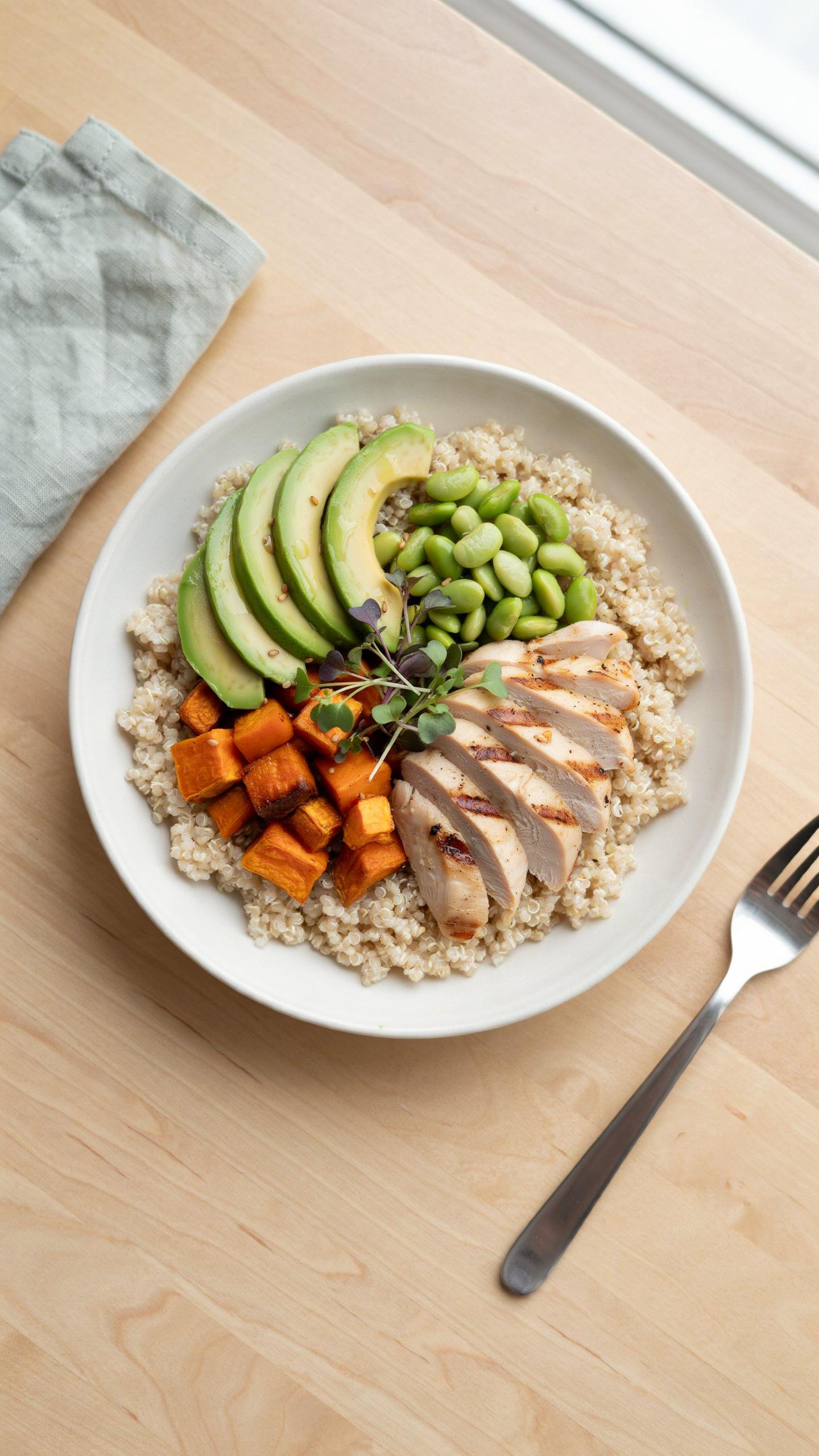
You want permission to skip the gadgets. That’s the real reason you’re reading this. Here’s the mechanism: meal prep fails when you buy equipment that demands more friction than the task itself requires. You need three things. A sharp knife cuts raw fish clean without crushing cellular structure, which matters for texture and water retention. A cutting board prevents cross contamination and gives you a stable surface. A set of glass containers with lids controls portion size and keeps rice from drying out. That’s it. Everything else is theater.
The common advice is to load up on specialty tools. Skip that. A $15 knife from any kitchen supply store works identically to a $200 one for poke prep. Your containers don’t need to be fancy, but they do need to seal. Cheap plastic leaches flavor into rice after day three. Glass costs five dollars more per container and lasts five years. Do the math.
Where To Buy And When
The supply chain concept applies here: minimize your touches and your inventory variance. Most people shop randomly across three stores and waste time hunting specialty items. Instead, identify one seafood counter that rotates sushi-grade ahi twice weekly, then one grocery store for everything else.
- Sushi-grade ahi tuna: Buy on Tuesday or Friday mornings when fresh shipments arrive. Ask the fishmonger the exact catch date. Tuna older than 48 hours degrades texture regardless of how cold it is.
- Soy sauce and mirin: Buy the bottles once, then refill from the bulk section if your store has it. Kikkoman or San-J work identically at the base level. Skip premium brands until you taste a difference you actually notice.
- Sesame oil: Buy a small bottle only. Oxidizes fast. A four-ounce bottle lasts six weeks of daily use. One trip per month beats buying a larger size that goes rancid.
- Short grain rice: Buy the largest available bag. Rice stores indefinitely in airtight containers. One purchase per quarter beats weekly trips. Calrose and sushi rice are functionally identical for meal prep.
- Vegetables: Buy what’s in season. Out-of-season cucumbers cost more and taste like water. Carrots, radishes, and green onions store two weeks in the crisper. Buy those on one trip.
Shop one day per week, always the same day. Your brain recognizes the pattern and stops overthinking. The fishmonger learns your face and alerts you to the best tuna before it hits the case. Efficiency builds on repetition, not perfection.
Your struggle isnt with food its with systems Master the system and the food follows
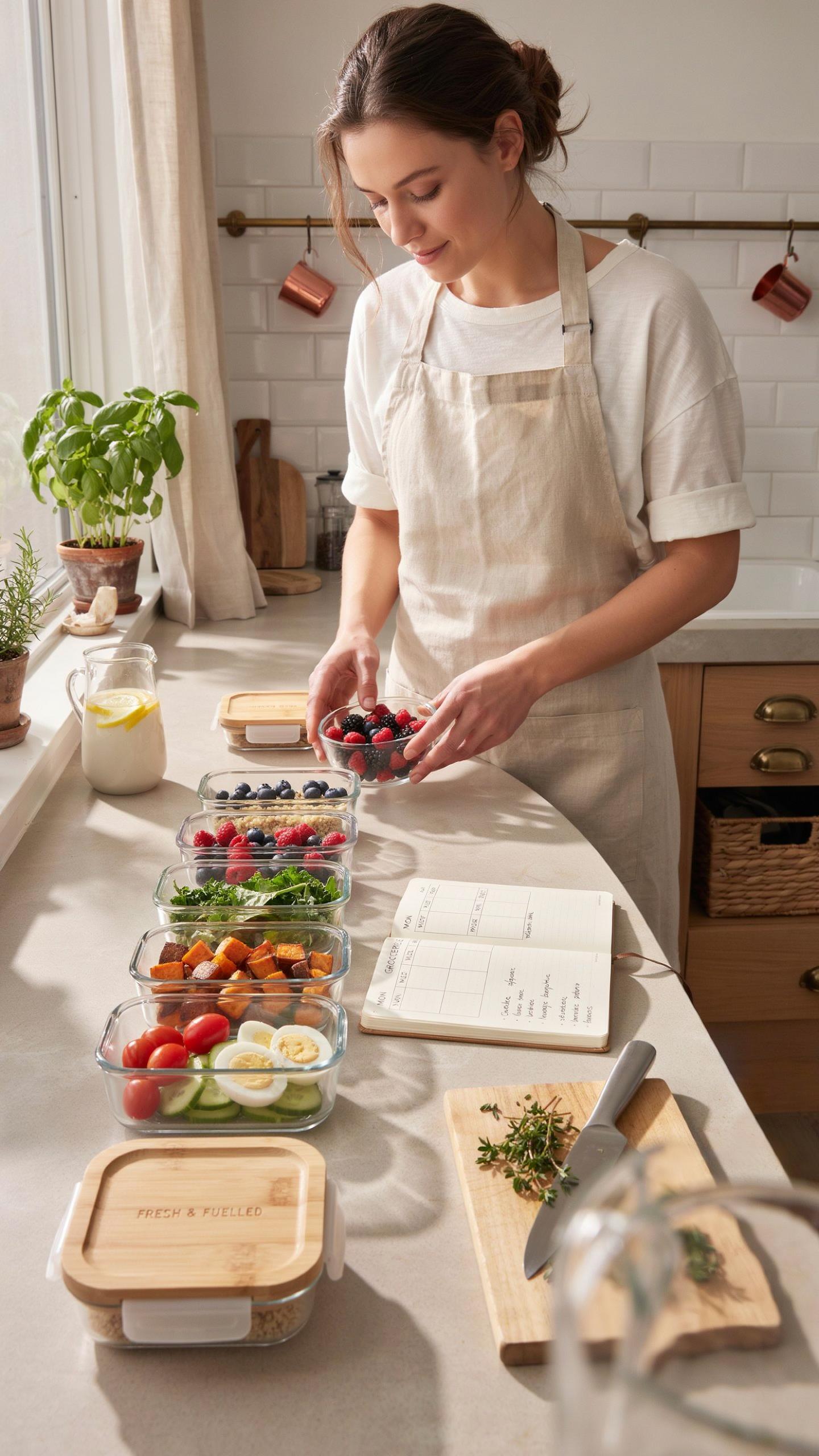
Most people fail at meal prep because they treat it like a chore instead of a process. You don’t need willpower. You need a Sunday ritual. Buy your fish, prep your bowls, stack them in your fridge. The decision happens once, not seven times. Your protein intake solves itself when you remove the friction. Stop negotiating with yourself daily. Build the container and you become the person who actually eats high protein all week.