
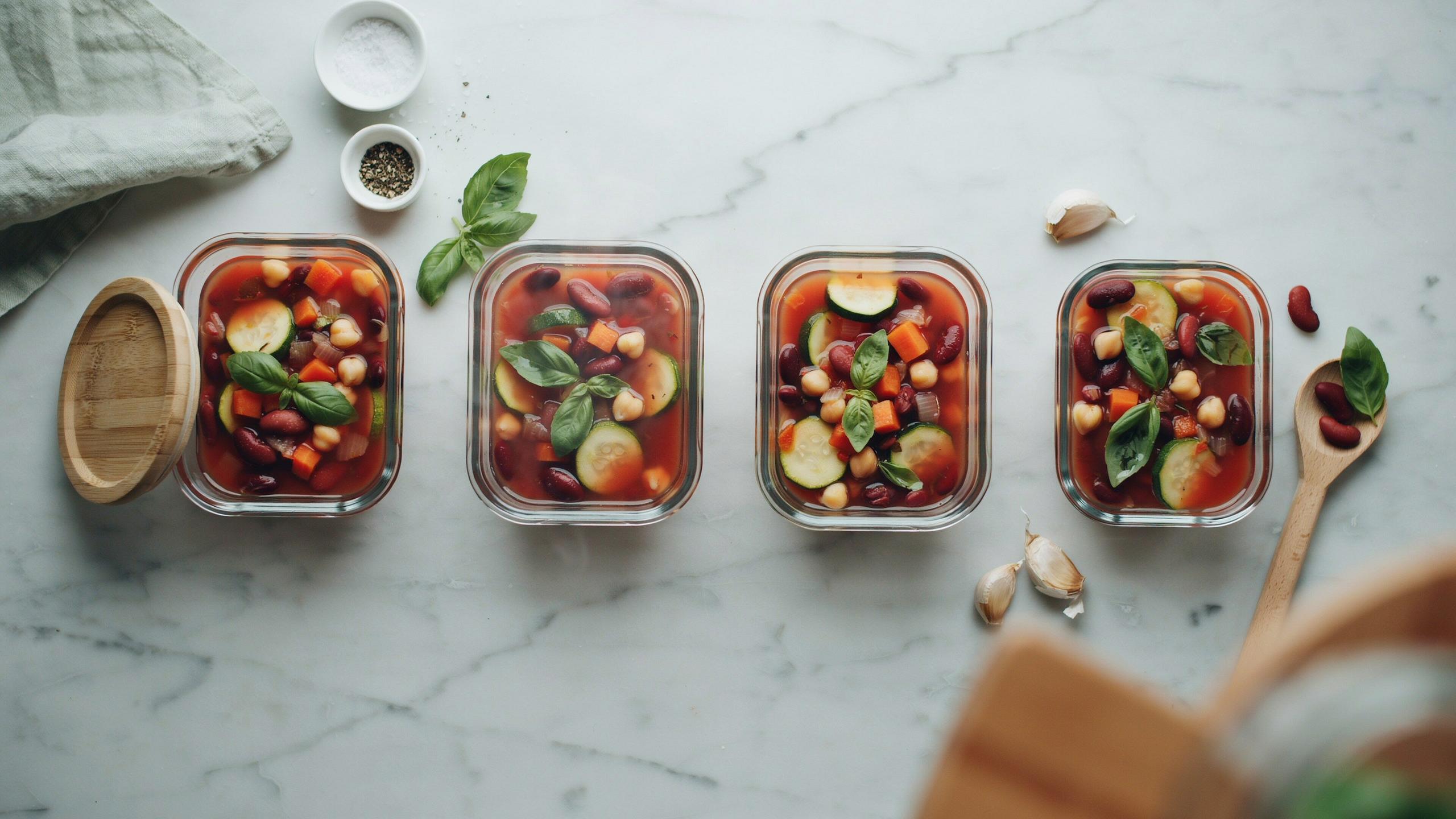
The High Protein Minestrone Fallacy Why More Isnt Always Better
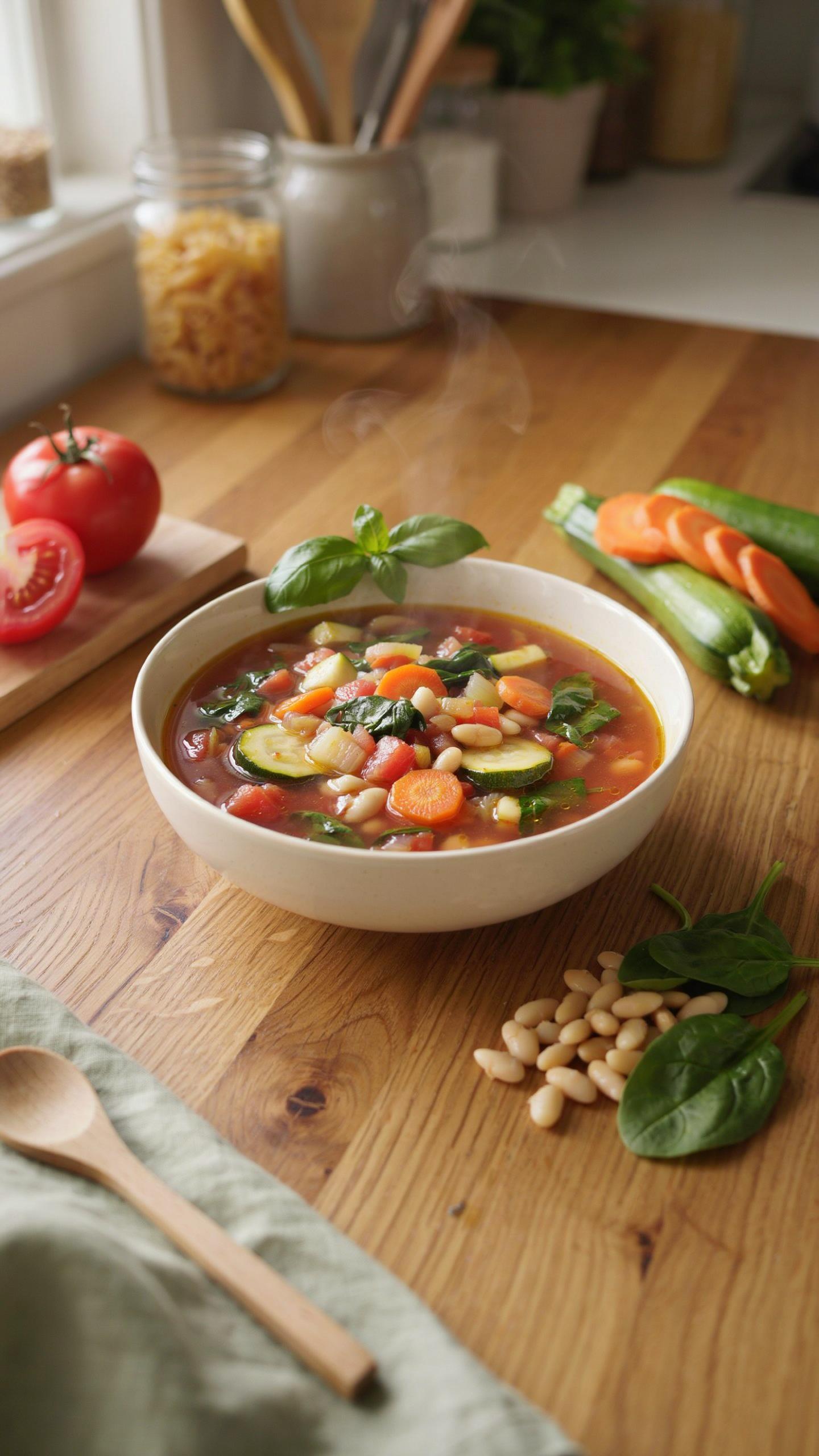
Complexity: A Silent Killer Of Consistency
You want to believe that a more intricate recipe proves you’re serious about nutrition. The mechanism is borrowed from systems design: every added variable increases failure points exponentially. Add too many vegetables, proteins, timing rules, or cooking steps to your minestrone prep, and you hit a ceiling where execution breaks down. You skip weeks. You revert to takeout. Consistency dies before nutrition starts.

Most meal prep advice ignores this. It stacks features instead of eliminating friction. A high protein minestrone works only if you can repeat it without thinking. That means fewer ingredients, not more. That means a protocol you can execute half-asleep on Sunday, not a production line. Strip the recipe down first. Optimize protein second.
The Myth Of Perfect Meal Prep
Everyone hunts for the recipe that handles everything at once: maximum protein, minimal prep time, zero waste, perfect macros, restaurant-quality taste. This recipe does not exist, and chasing it guarantees failure. The real choice is simpler: decide which variable matters most to you, then accept the trade-off. High protein minestrone meal prep demands you pick one anchor.

If speed is your anchor, accept that some nutritional optimization gets left behind. If protein content is your anchor, accept that preparation takes longer or costs more. If cost is your anchor, accept that hitting 30 grams of protein per serving requires deliberate ingredient stacking, not convenience. The moment you try to win on all three fronts simultaneously, you build something too fragile to sustain. Choose your constraint and design backward from it.
The Minimum Viable Minestrone Protocol
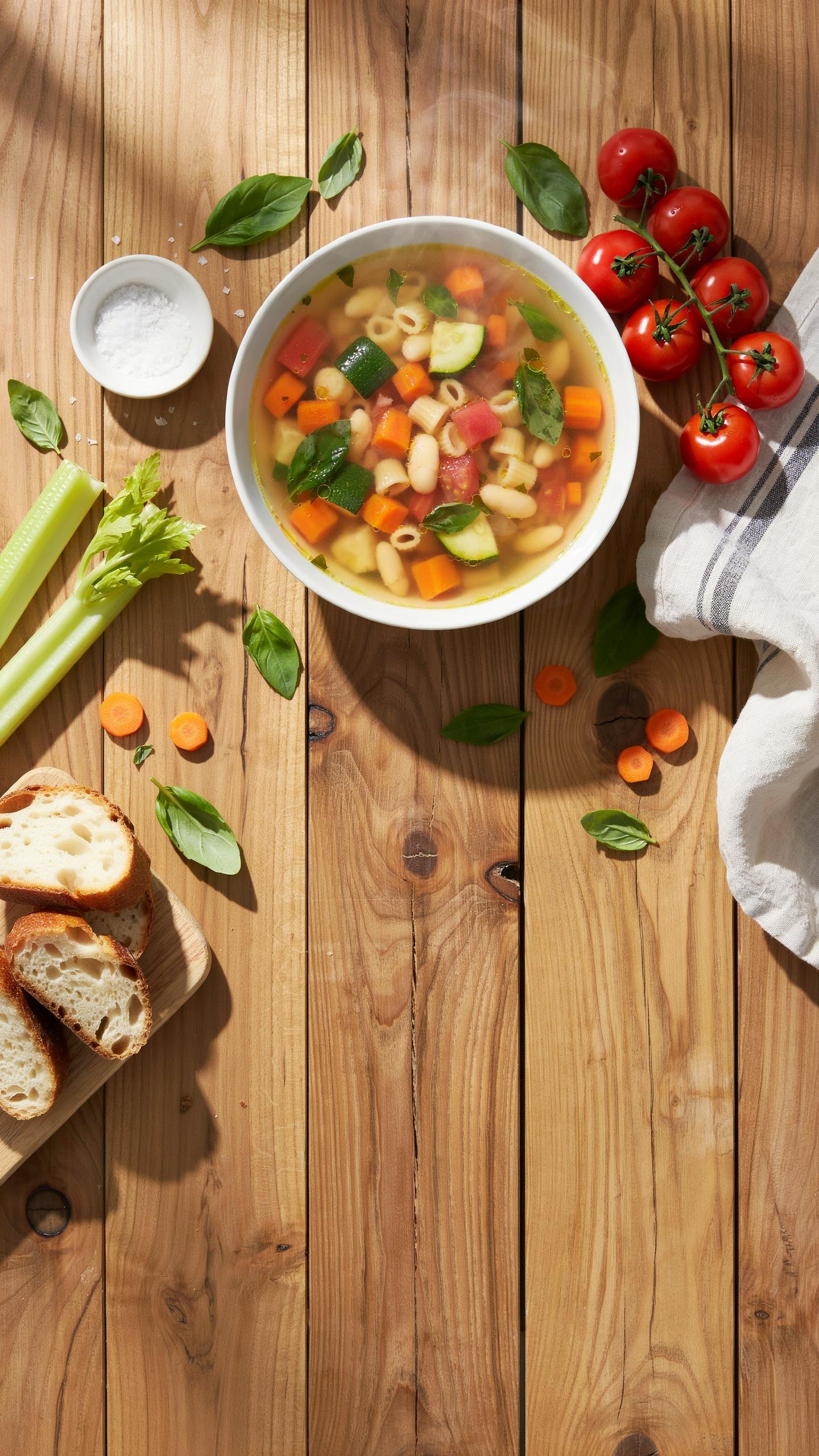
Protein Sources You Actually Need
You want to feel like you’re eating something wholesome while hitting your macro targets without thinking about it. The mechanism is simple: minestrone works because it’s a vehicle for protein, not a soup where protein happens to exist. Most recipes treat protein as optional garnish. That’s backwards.
- White beans or cannellini beans: Deliver 15g protein per cooked cup, hold texture through five days of storage, and cost under two dollars per pound dried.
- Ground beef or Italian sausage: Brown it first, drain fat, then add to base. Provides 22g protein per 100g and adds umami that carries the entire pot.
- Chicken breast: Pre-cook, dice, and add on day three or four to avoid overcooking from prolonged simmering. Hits 31g protein per 100g.
- Lentils (green or brown): Hold structure better than red lentils. Nine grams protein per half cup cooked, and they won’t turn to mush in a five-day cycle.
- Parmesan rind: Not a complete protein source, but adds 8g protein per ounce while infusing the broth. Drop it in during cooking, remove before storage.
The mistake most people make is adding all proteins at once, then wondering why chicken turned to paste by Wednesday. Stagger timing based on how each protein responds to heat and time. Ground meat goes in first. Beans get added with vegetables. Fresh chicken gets portioned separately and stirred in at meal time.
Flavor Density Without Recipe Complexity
The common advice here is “use a recipe.” That’s lazy. What actually works is borrowing from fermentation logic: you’re building umami depth through concentrated ingredient placement, not cooking technique. You want maximum flavor per ounce of added ingredient.
Use tomato paste, not crushed tomatoes. Tomato paste is concentrated flavor—about three tablespoons equals a 28-ounce can in terms of actual tomato solids. Add it at the start, let it caramelize slightly in the oil. This single step eliminates the need for hours of simmering. Minestrone doesn’t need four hours. It needs twenty minutes at a rolling boil after your base hits temperature.
Salt your broth aggressively during the first five minutes, not at the end. Early salting lets vegetables season from the inside out. Italian seasoning is fine, but fresh bay leaf, one tablespoon of balsamic vinegar, and a pinch of red pepper flakes do more work per ingredient added. The broth should taste slightly too salty when hot—it’ll balance as it cools and sits. Freeze minestrone in five individual containers immediately after cooking, then thaw one container the night before you eat it.
Beyond Just Protein Soups The Micronutrient Imperative
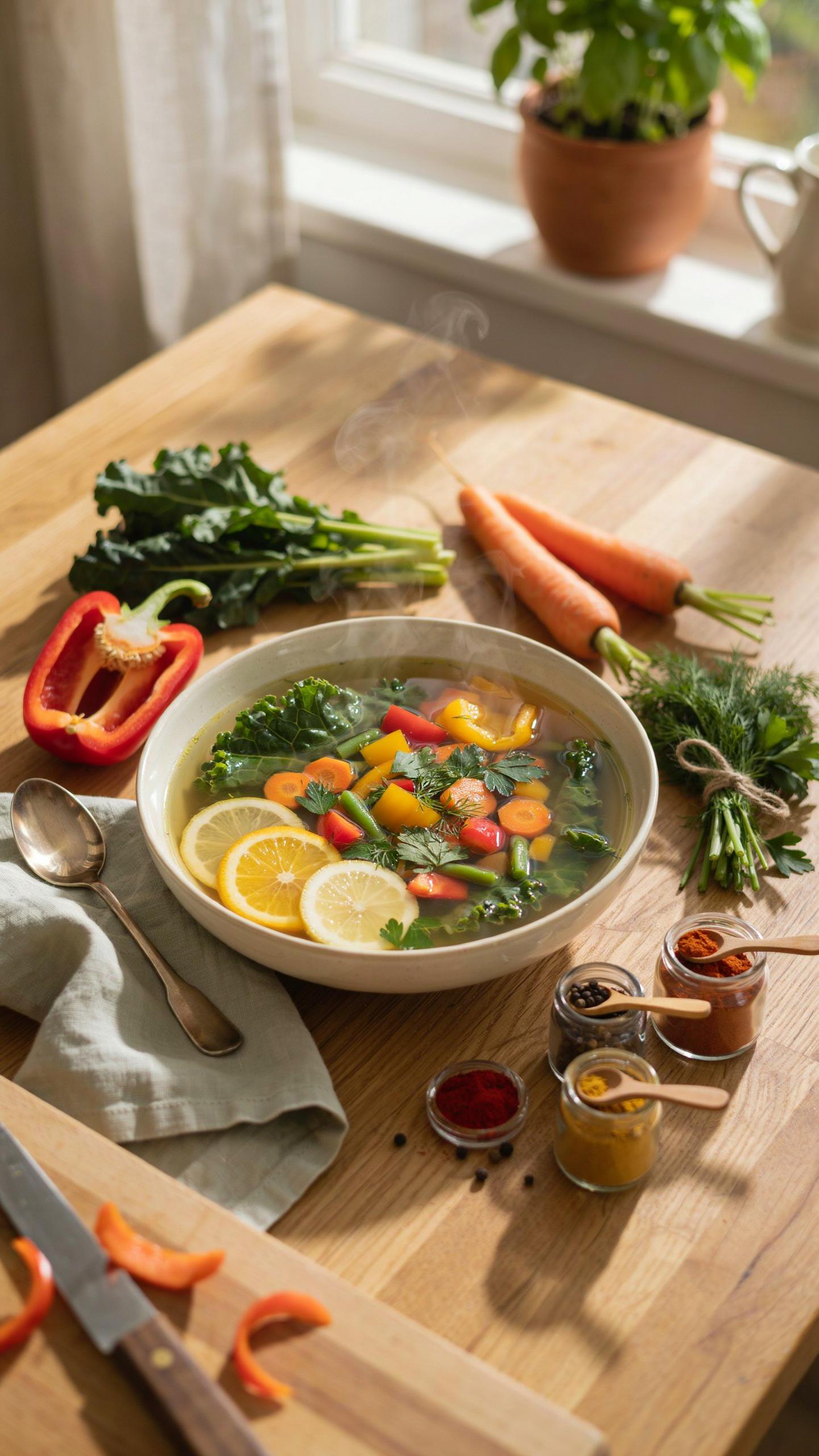
The Real Cost Of Vegetable Neglect
You want to hit your protein macro and call it a day. The mechanism here borrows from nutritional biochemistry: micronutrients act as cofactors. Without them, your body cannot process the protein you’re consuming. Spinach delivers magnesium for muscle protein synthesis. Carrots provide beta-carotene for immune function. Tomatoes supply lycopene, which reduces inflammation from intense training. One minestrone batch using only beans and broth starves your cells of the mineral and vitamin density required to actually use that protein you’re paying for.
The practical move is ruthless vegetable selection based on nutrient load, not just flavor. Root vegetables like beets and parsnips provide folate and manganese. Leafy greens offer iron and calcium. Cruciferous vegetables like kale contain sulforaphane, a compound that supports detoxification pathways. Rotate between seasonal options to ensure you’re not repeating the same micronutrient profile week to week. Your minestrone should look like it has five or more vegetable types, not three.
Seasonings As Therapeutic Agents
Most people think herbs and spices exist to make food taste better. They’re wrong. Turmeric contains curcumin, a potent anti-inflammatory compound with clinical evidence supporting its efficacy. Black pepper contains piperine, which increases curcumin absorption by up to 2000 percent. Ginger activates digestive enzymes that enhance nutrient extraction from your meal. These aren’t flavor padding, they’re bioactive compounds that amplify the nutritional value of everything else in the pot.
The protocol is specific: add one anti-inflammatory herb or spice per batch. Turmeric and black pepper together in one batch. Ginger and cayenne in another. Garlic and oregano in a third. This rotation prevents sensory adaptation while ensuring you’re systematically introducing different phytochemical profiles throughout your week. Store dried herbs in airtight containers away from light and heat, as UV exposure and temperature degrade their bioactive compounds within weeks.
The Minestrone Efficiency Hack Batch Cooking Mastery
Cook In Two Sessions, Not One
You want this to feel effortless so you actually stick to it. Here’s the mechanism everyone skips: your attention span crashes halfway through a four-hour cook session, and that’s when mistakes multiply. Treat this like a manufacturing floor using batch processing from operations management. You’re not cooking one pot continuously. You’re running two separate, optimized production runs of ninety minutes each, forty-eight hours apart.
The first session preps your base: sauté aromatics and beans, build stock, toast your pasta. The second session, two days later, handles vegetables and final assembly. This stagger prevents vegetable degradation, keeps your kitchen from turning into a steam cave, and breaks the cognitive load into manageable chunks. You cook when your decision-making is sharp, not when you’re burned out.
Glass Over Plastic For Real Longevity
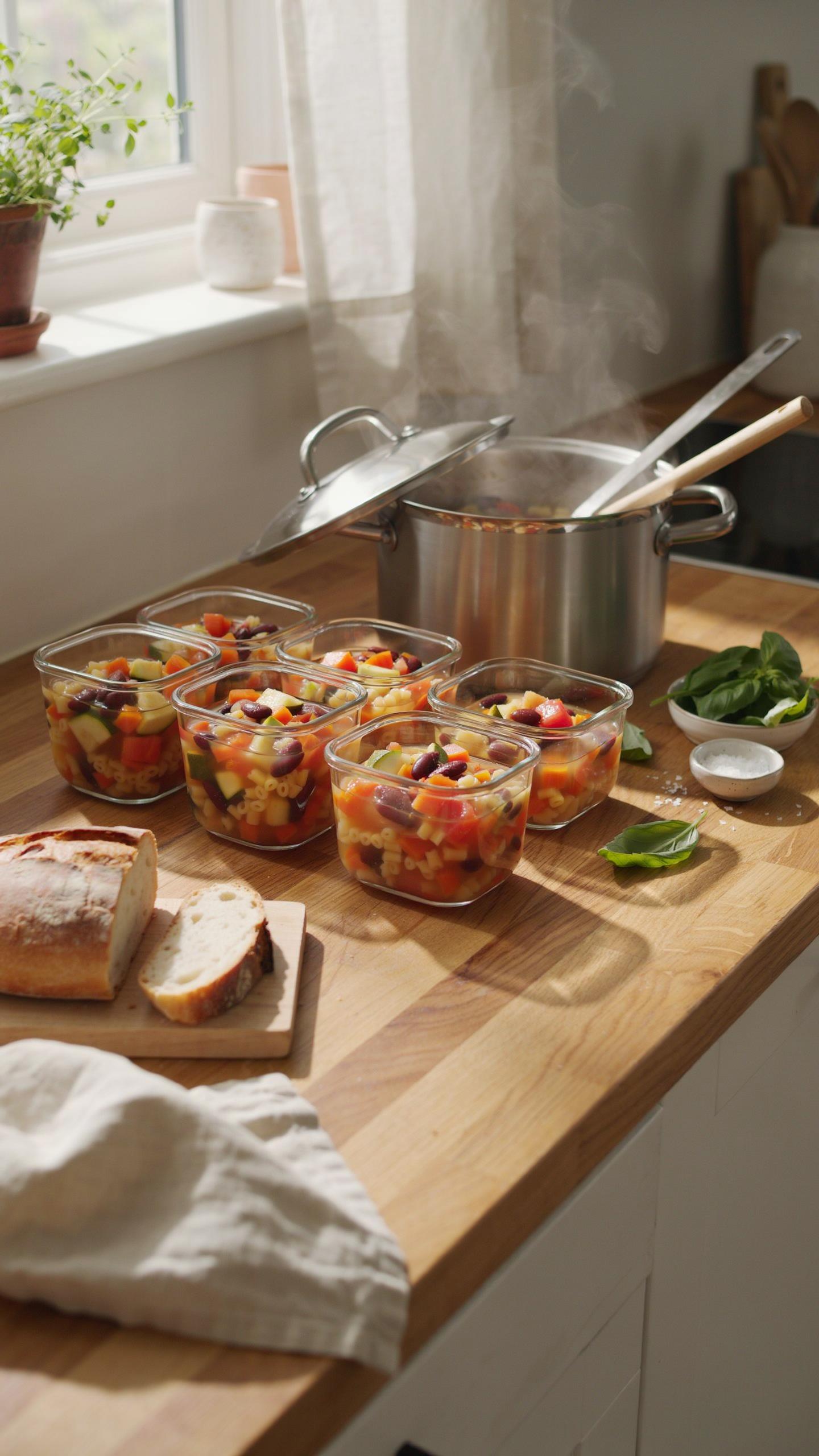
Plastic containers leak flavor and absorb oil residue no matter what marketing tells you. Glass containers with airtight seals keep minestrone stable for seven to eight days because glass is inert and creates an actual moisture barrier. Temperature cycling from fridge to microwave doesn’t degrade it. Pasta absorbs liquid over time, so use glass divided containers if you’re separating broth from solids to extend shelf life an extra two to three days if needed.
Label everything with the cook date using a dry-erase marker on the glass itself. Minestrone tastes consistent from day two through day seven if you keep oxygen out. Once day eight hits, beans start developing off-flavors and pasta texture collapses into mush. Set a hard rule: whatever’s left on day eight goes to compost or stock base, not your lunch bowl.
High Protein Vegan Minestrone Debunking The Deficiency Myth
Plant Based Protein In Soup
You’re worried people will think your lunch is weak. That’s the real concern here, not nutrition. The mechanism that actually matters is this: legumes in minestrone don’t deliver complete proteins on their own, but the combination of beans, pasta, and vegetables creates what nutritionists call complementary proteins. One food covers what another lacks. Chickpeas lack methionine. Pasta carries it. Eat them together in one bowl and your body treats it as a complete amino acid profile.
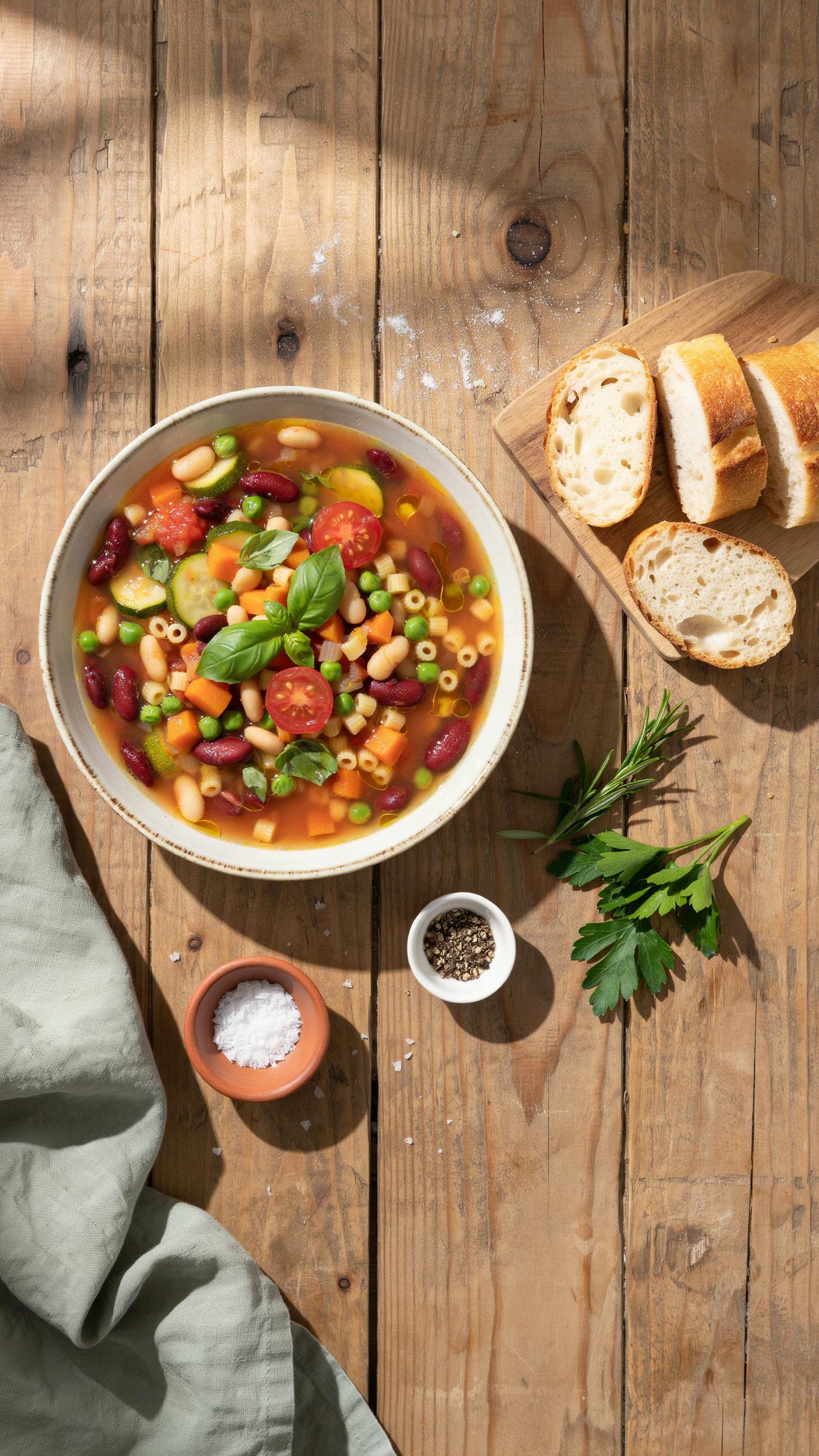
Most vegan minestrone recipes treat legumes as an afterthought, adding a half-can of beans to look virtuous. That’s the mistake. You need legumes as the foundation. White beans, lentils, and chickpeas should comprise roughly 30 to 40 percent of the total volume before broth goes in. This isn’t philosophy. It’s load-bearing architecture. A standard prep batch of six servings needs two full cans of beans minimum to hit 15 to 20 grams of protein per bowl.
Nutrient Bioavailability Through Heat And Acid
Absorption isn’t about what’s in the food. It’s about what your digestive system can actually extract and use. Cooking minestrone for 45 to 60 minutes breaks down cell walls in legumes and vegetables, making proteins and minerals more accessible. Heat is a tool from food science, not an enemy. The longer cooking time isn’t about flavor alone. It’s about bioavailability.
Add acidic ingredients like tomato paste or a squeeze of lemon juice at the end to further enhance mineral absorption, particularly iron from the beans. Tomato paste contributes lycopene and citric acid. Both improve how your body processes the nutrients already present. This is why finishing your minestrone with fresh lemon or red wine vinegar isn’t garnish. It’s a absorption multiplier. Store your prepared batches with the acid component separate and add it fresh during reheating to preserve both flavor and nutrient integrity.
Your Minestrone Operating System A Cybernetic Approach
Energy Feedback Loops Beat Guessing
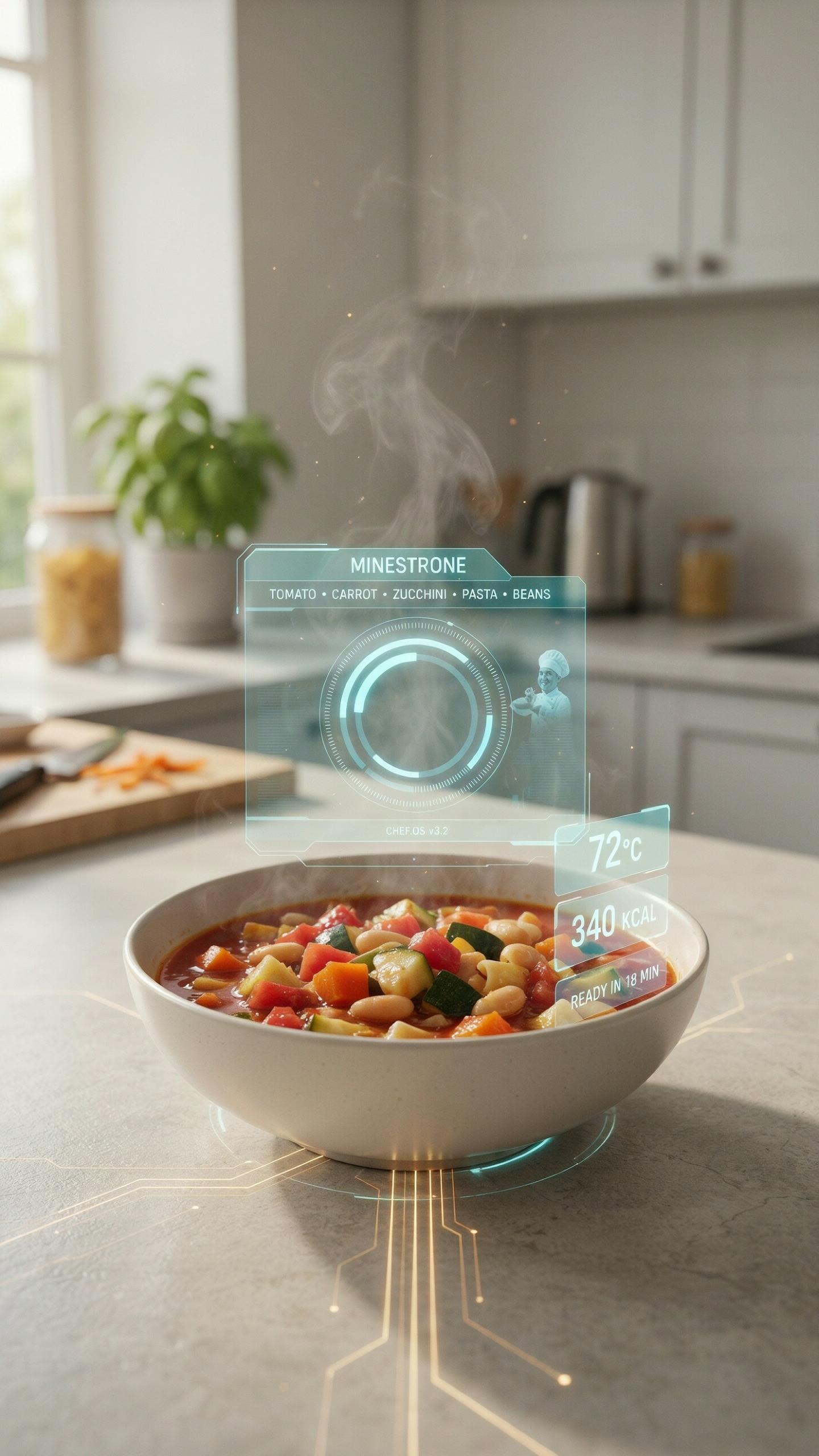
You want a system that works without you thinking about it. That’s the real goal. Cybernetics, the study of feedback and control in systems, reveals why static recipes fail: they ignore the signal your body sends back. Your minestrone needs to function like a thermostat, not a fixed formula. The mechanism is simple: track one metric (afternoon energy crash, hunger at three PM, sleep quality) and adjust protein or vegetable ratios based on what actually happens, not what the recipe claims will happen.
Most meal prep advice treats recipes as gospel. They’re not. Your minestrone should shift based on observable output. If you hit two PM and crash hard, your fat-to-protein ratio is wrong for your metabolism. If you stay satiated until dinner, keep it. This isn’t intuition or guessing. You’re collecting data through lived experience and recalibrating. Measure your energy state for one week with your current recipe. Write it down. Then increase white bean content by half a cup and track again. Repeat this cycle every two weeks. You now own a system that improves because it listens.
Incremental Tightening Over Perfection
Perfection is the enemy of a system that compounds. The common mistake is optimizing every variable at once: protein type, sodium, vegetable ratios, cooking time, storage method. You’ll either quit or create a fragile system that breaks when one element changes. Instead, tighten one constraint per rotation. Week one: nail the protein ratio to hit your daily target. Week two: adjust sodium to reduce bloat. Week three: test vegetable combinations for digestive comfort. This creates a system that evolves rather than one that demands perfection from day one.
Small improvements stack because they’re sustainable. Your minestrone doesn’t need to be optimal in month one. It needs to be slightly better in month two, then measurably better in month three. Track one adjustment per prep cycle, measure the result, then lock it in or scrap it. After six weeks, your system will outperform someone’s “perfect” recipe because theirs stopped improving and yours didn’t. Document each change you make, not for motivation, but for pattern recognition. When you notice energy improvement coincides with adding lentils to your minestrone, you’ve found a variable that works. Standardize it.
Homemade Soup Vs The Store Bought Lie
What’s Actually In That Can
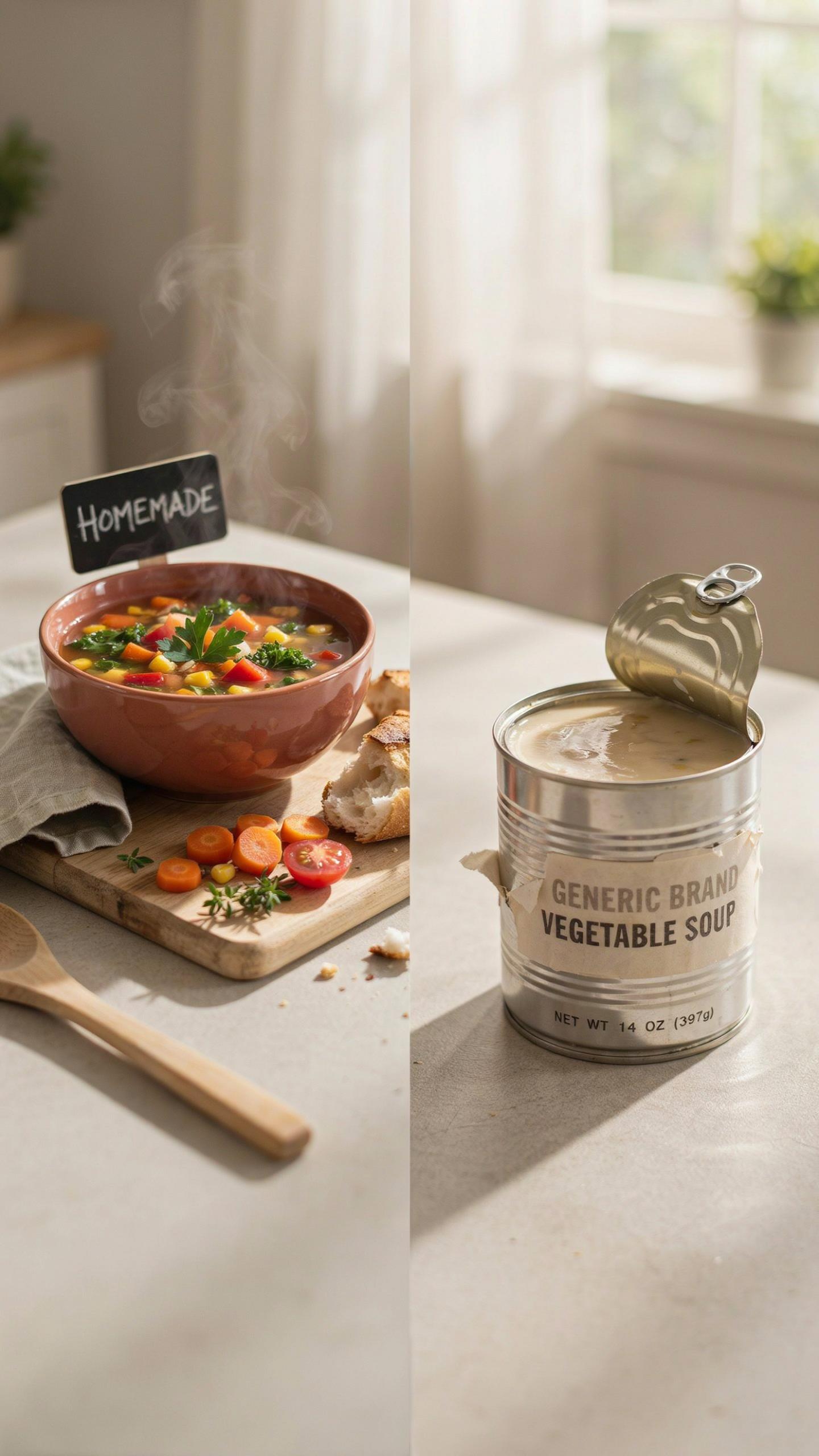
You want to believe the label matches reality because buying a can feels efficient. The mechanism that breaks down here is simple: regulatory loopholes let manufacturers hide what they’re really selling. The FDA allows “natural flavors” and “spice blends” as catch-all categories. A can labeled high protein minestrone might contain corn syrup, modified food starch, sodium phosphate, and soy lecithin—none of which appear as individual ingredients on the front. You’re paying for water, filler, and shelf stability, not protein density or actual vegetable content.
The protein claim on canned soups often comes from added soy protein isolate or whey powder, not from legumes and vegetables as the branding implies. Sodium levels hit 800 to 1200 milligrams per serving in most brands. The vegetable content shrinks proportionally with shelf life requirements. You eat texture first, then taste the preservatives secondarily. Make it yourself and you control the protein source, the sodium ratio, and whether vegetables are actually recognizable.
The Math Doesn’t Favor Convenience
Convenience costs money, and nobody states the actual numbers plainly. A can of name-brand high-protein minestrone runs 2.50 to 4 dollars for roughly 250 calories and 10 to 15 grams of protein. Buying ingredients in bulk and making your own costs under one dollar per serving for the same macros, with better quality inputs. The time investment is 90 minutes for eight servings, which breaks down to 11 minutes per meal. You front-load the work once instead of paying the premium every single week.
Store-bought soup relies on you accepting the premium as the cost of not thinking about lunch. Homemade meal prep removes that psychological permission slip. You buy dried beans and lentils in bulk, grab seasonal vegetables on sale, and simmer everything in broth you control. The soup tastes noticeably different because you’re not paying for preservatives to mask age. Calculate cost per macronutrient and homemade always wins. Make the first batch on Sunday and you’ve already decided what you’re eating for five days straight.
Healthy Soup Recipes Beyond The Diet Mentality
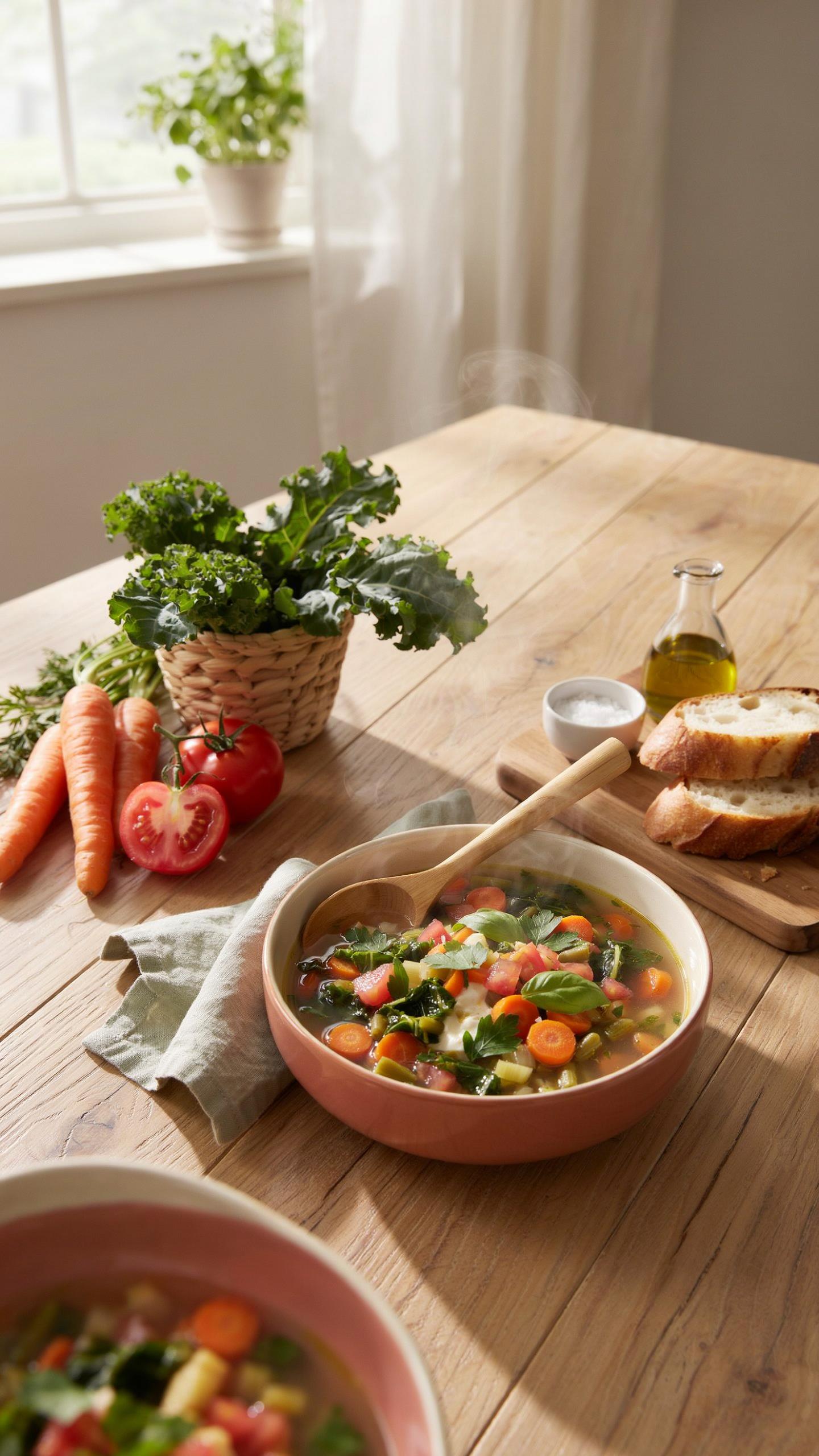
Fueling Performance, Not Just Weight Loss
You’re reading this because you want permission to eat well without feeling like you’re on a diet. The mechanism is simple: your body doesn’t care about your intention. It responds to what you actually consume. High protein minestrone meal prep works like a leverage system in mechanics—apply force at the right point and small effort produces large results. Protein intake directly determines muscle retention, satiety hormones, and metabolic rate. When you build minestrone around legumes and lean proteins, you’re not restricting calories. You’re engineering a nutritional density that makes your body perform better and keeps you fuller longer with less total food.
The common advice treats soup as “light” or “low-calorie,” which is wrong. A properly built high protein minestrone becomes a performance meal. Each component serves a function. Cannellini beans deliver sustained energy and fiber. Ground turkey or white beans drive protein content. Vegetable volume adds micronutrients without triggering overeating behavior. You’re not trying to eat less. You’re trying to eat strategically so your body stops demanding more.
Sustainable Eating Habits, Long Term Impact
Sustainable doesn’t mean “forever,” it means “you’ll actually repeat it without resistance.” Most meal prep fails because people choose foods they tolerate, not foods they want to eat again. High protein minestrone works because it genuinely tastes better as you build it right—the tomato base concentrates flavor over a few hours, and protein-rich additions create texture variety that keeps eating interesting. The repetition becomes automatic rather than forced, which is how habits actually stick.
The real impact appears in week three and beyond. Your energy stabilizes. Cravings flatten because your blood sugar isn’t spiking and crashing. You stop thinking about your next meal because satiety actually works. You don’t need willpower when the meal itself prevents hunger. The mechanism isn’t motivation or discipline. It’s biology. Make the minestrone once, portion it into five containers, and let the nutrient composition do the work for you.
The Minestrone Mindset Discipline Over Desire
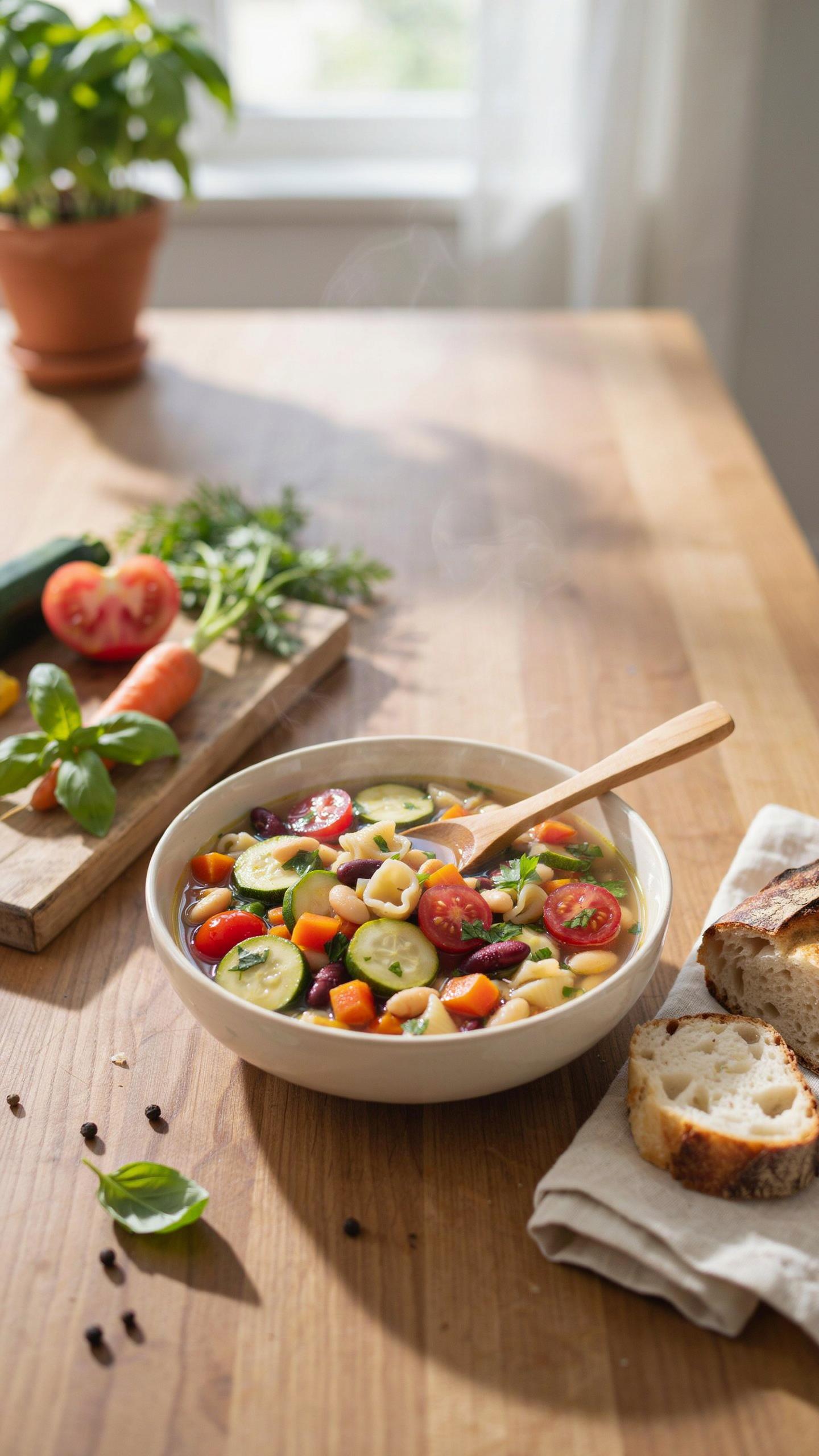
When Prep Becomes Non Negotiable
You want this to feel natural so you don’t have to white-knuckle through it. That’s the real ask here, and it won’t happen by accident. The mechanism is simple: a ritual only sticks when it’s anchored to an existing behavior, not floating in willpower space. You don’t build discipline by deciding to be disciplined. You build it by removing the decision entirely.
Sunday meal prep isn’t separate from your week. It’s threaded into it. Pick the same day and time every week. Same kitchen setup. Same containers on the counter before you start. Same playlist or silence. The minestrone goes into the same spot in the fridge. Your brain stops treating it like a task and starts treating it like brushing your teeth. No negotiation required because there’s nothing to negotiate about.
Small Wins That Compound Into Behavior Change
Compounding is an economics term, but it applies directly to prep: each completed batch builds momentum on the last one. You finish Sunday, eat Monday, repeat Wednesday. By week four, you’re not thinking about whether to prep. You’re thinking about what variations to add. The resistance that killed 80 percent of people trying this collapses by week three because the friction disappears.
Start with one week. One Sunday. Five containers of minestrone. That’s the protocol. Don’t commit to “forever” or “this year.” Commit to one batch. After week four completes, you’ll notice you’re faster, you know your portions, and you’re not scrambling for lunch. That’s when the system becomes automatic. Make Sunday prep the first domino that tips the rest of your nutrition into place.
Your hunger isnt for complex recipes its for the discipline to do the simple things consistently
Most people fail at meal prep because they chase complexity instead of consistency. High protein minestrone works because it’s boring enough to repeat and effective enough to matter. Stop overthinking the recipe. Buy your ingredients today, make a double batch this weekend, and eat the same lunch four days straight. You don’t need perfection. You need the next decision already made for you. Boring beats brilliant every single time.