
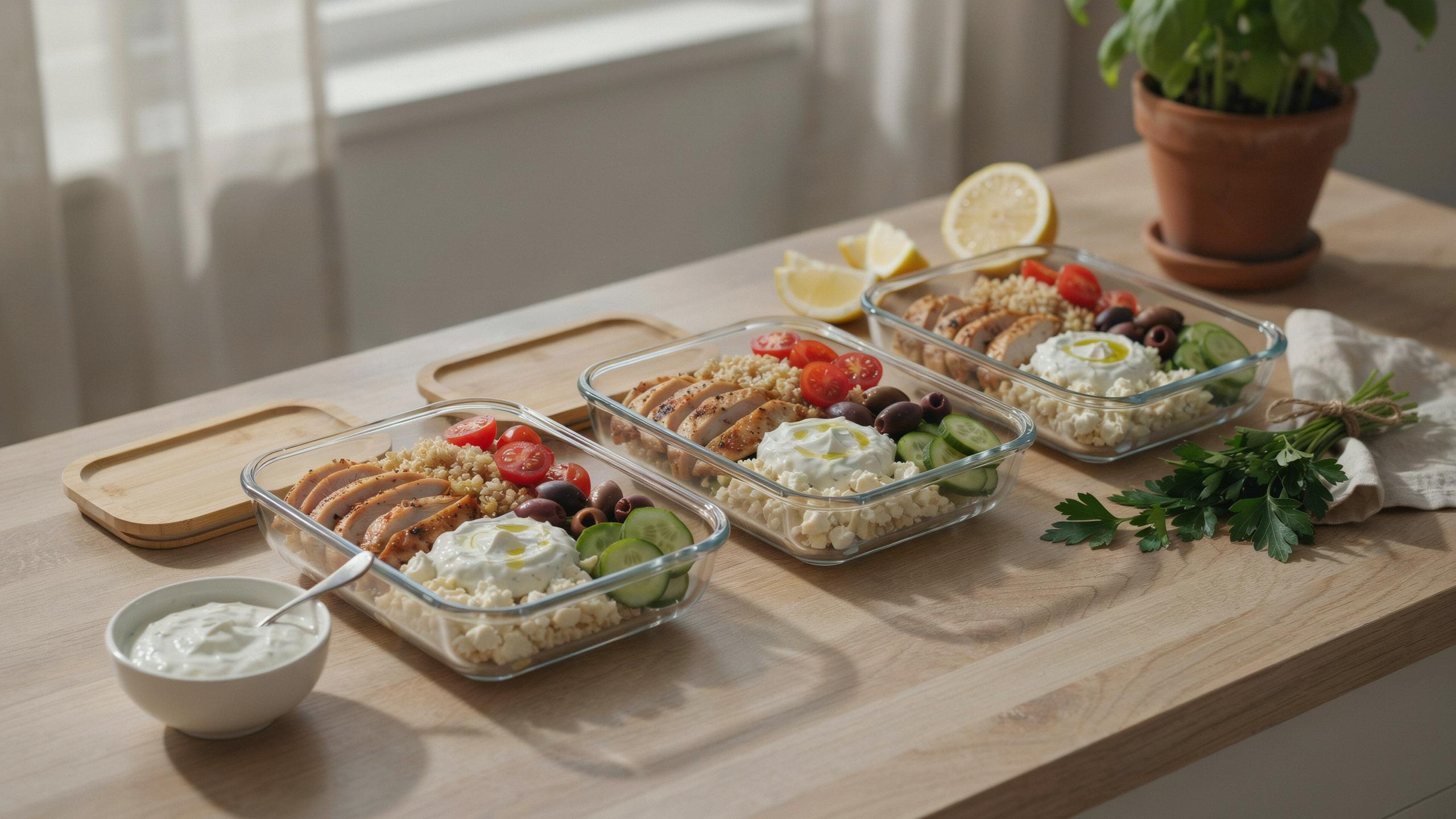
The High Protein Mediterranean Bowl Fallacy Why More Isnt Always Better
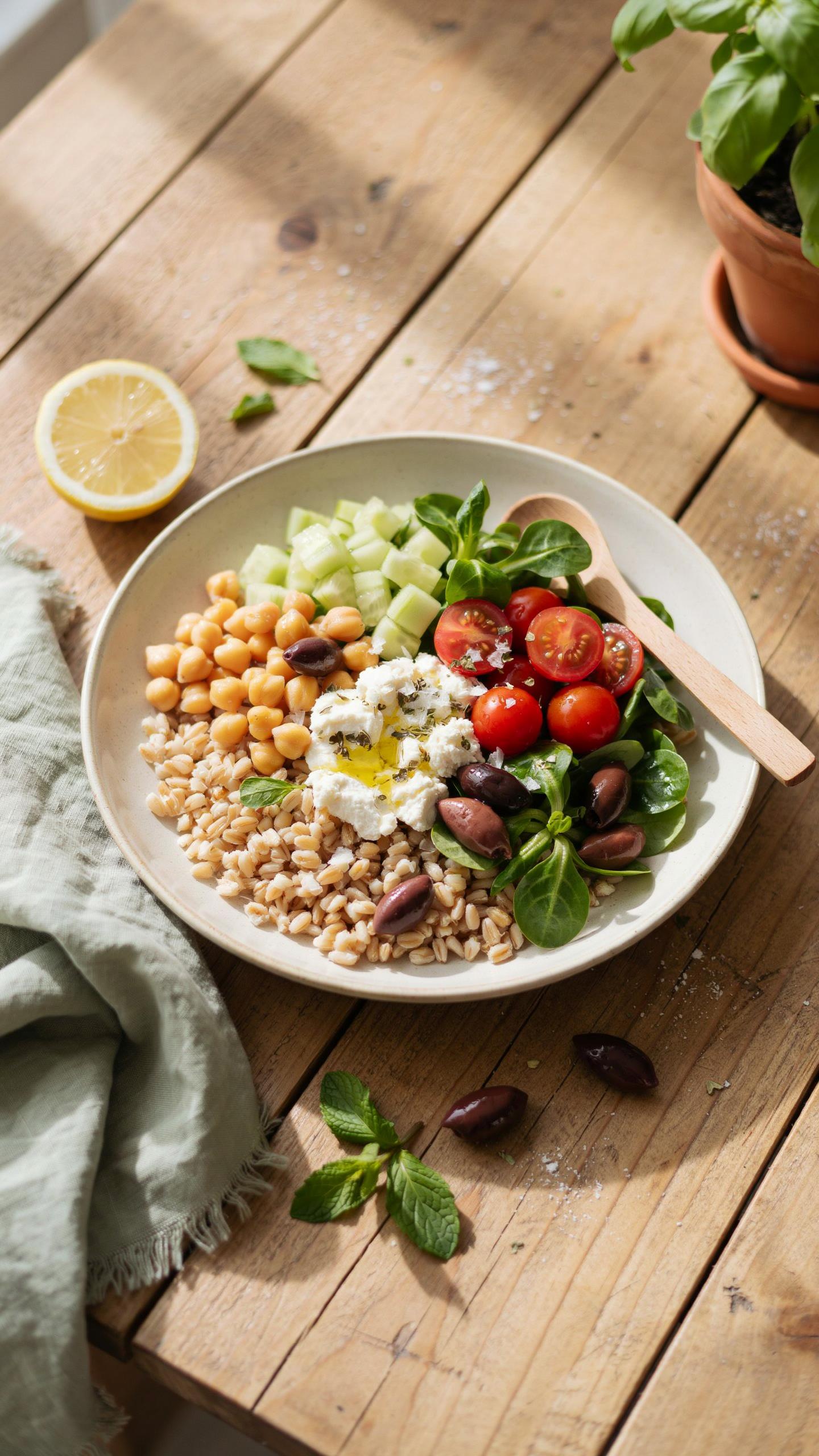
Protein Source Selection Over Raw Grams
You think the answer is hitting a number. It isn’t. The mechanism that actually drives results is amino acid bioavailability, which is economics applied to your digestive system: you’re paying attention to the wrong currency. Most people optimize for total protein grams while ignoring that different sources deliver different returns on that investment.
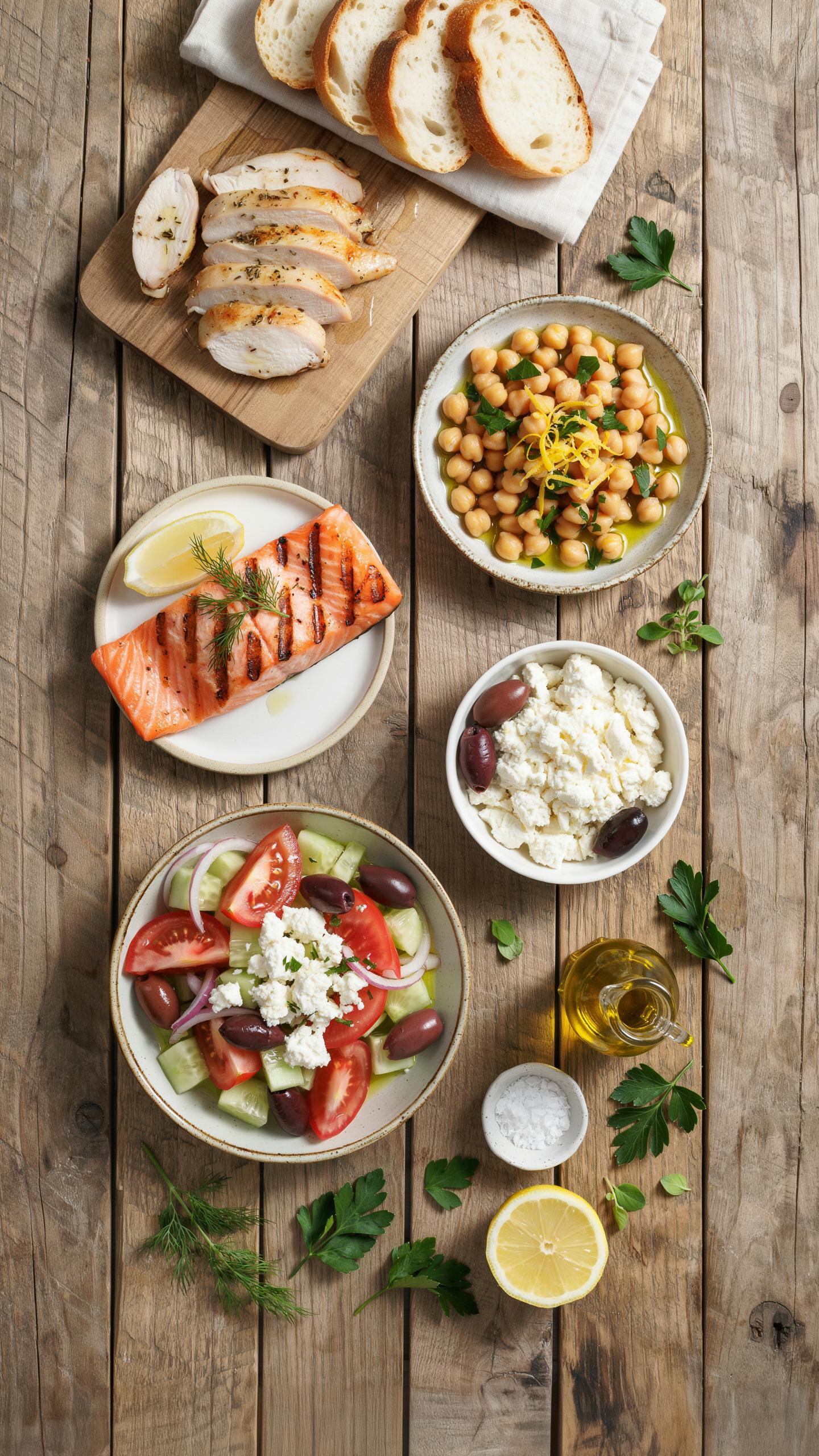
A 150-gram chicken breast and 150 grams of feta cheese both hit your protein target. But feta has roughly 21 grams of protein per 100 grams while chicken has 31. You’d need 226 grams of feta to match the chicken’s protein load, yet feta delivers it alongside significantly more fat and sodium. The real Mediterranean diet didn’t maximize protein per gram. It maximized protein per meal using specific sources that work together. Opt for grilled fish, legumes, and Greek yogurt as your primary proteins, then use feta, olives, and nuts for satiety and flavor, not as protein anchors.
Building Density Without Empty Calories
The common advice here is backward: people add volume to feel full, then wonder why they’re still hungry two hours later. Satiety doesn’t come from bowl size. It comes from nutrient density, which biology calls the energy return on food volume. A bowl packed with iceberg lettuce and low-calorie vegetables doesn’t hold you until dinner. One built around legumes, whole grains, and quality fats does.
The Mediterranean bowl that works requires intentional stacking. Chickpeas or lentils form the base because they deliver fiber and resistant starch that stabilize blood sugar. Add a grain like farro or quinoa for additional protein and sustained energy release. Include a fat source, whether tahini dressing or olive oil, because fat slows gastric emptying and extends satiety. Combine these three components systematically when prepping, then layer vegetables around them. This protocol prevents the false fullness that collapses by mid-afternoon.
The Minimum Viable Prep Protocol For Mediterranean Meal Prep
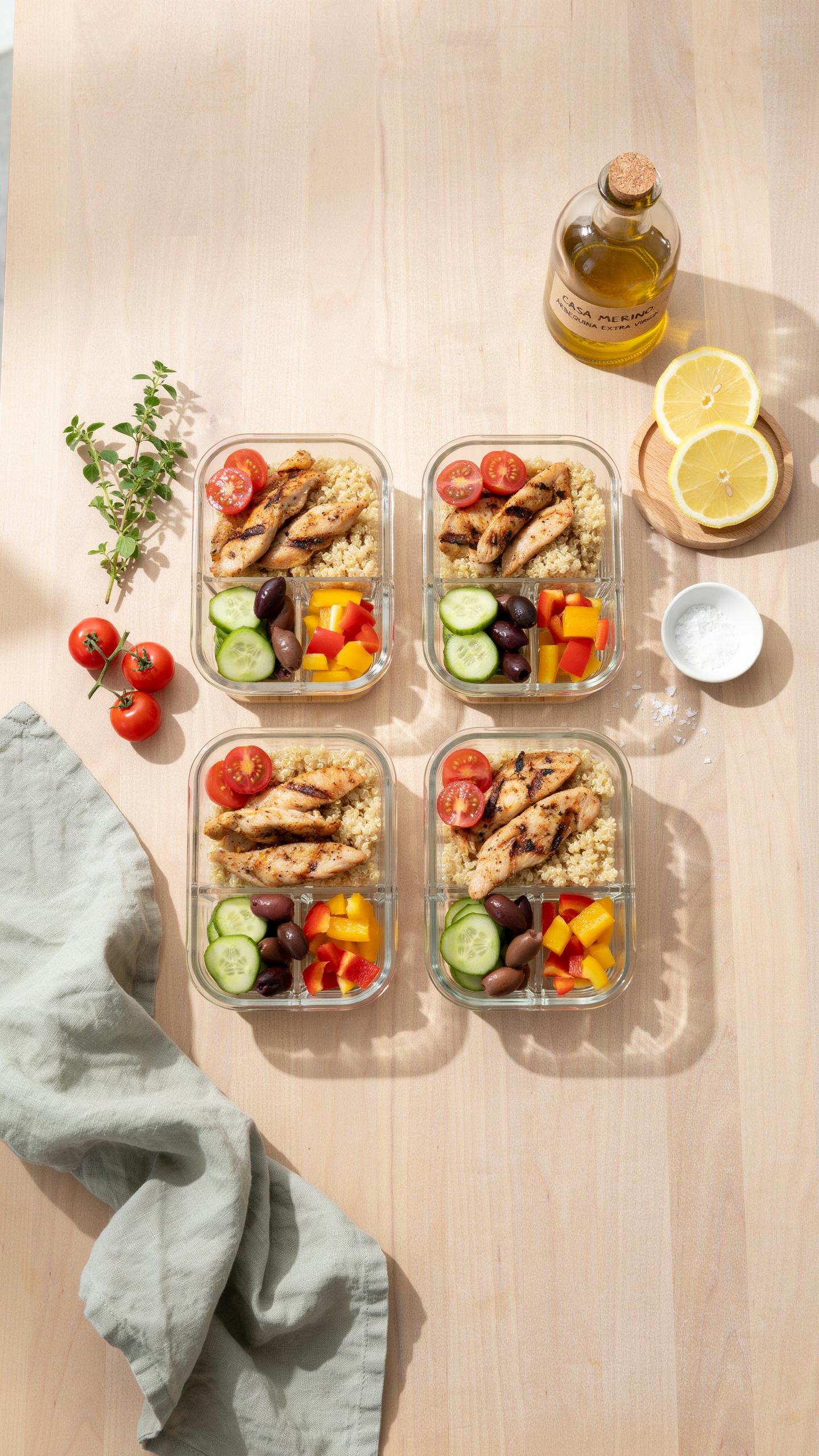
The Four Components You Actually Need
You want meal prep to feel effortless so you’ll actually do it, not because effortlessness is virtuous. The mechanism here is constraint. Borrowing from industrial design’s principle of reduction, you need to identify which elements deliver protein density and satiety with the fewest moving parts. Strip everything else.
- Protein source: Grilled chicken breast, canned tuna, or roasted chickpeas. Pick one. Cook it once, use it four times.
- Grain or base: Brown rice, farro, or quinoa. Cook a batch Sunday. It stabilizes blood sugar and holds the bowl together structurally.
- Vegetable that survives: Cucumbers, cherry tomatoes, red onion, or roasted zucchini. Raw or cooked, they don’t wilt into mush by Thursday.
- Fat and seasoning: Olive oil, feta cheese, or tahini. This is where flavor lives. Don’t skip it thinking you’re being healthy.
- Fresh element: Lemon juice or fresh herbs added at assembly. This prevents the bowl from tasting like cardboard on day four.
Four components. That’s the minimum viable unit. Anything more creates decision fatigue and prep time that bleeds into your week. The goal is assembly, not cooking. You’re not running a restaurant. You’re solving a logistics problem.
Batch Cook Once, Eat Four Days
Everyone talks about “meal prepping” like it’s a hobby. It’s not. It’s a time transfer mechanism. You move cooking time from Monday through Friday into one three hour window on Sunday, then compress assembly to eight minutes per bowl.
Cook your protein in bulk. If you’re using chicken, poach six breasts or grill them all at once. Chickpeas cook faster, about forty minutes from dry or straight from the can if you’re pressed. Grain goes in a rice cooker or pot, no attention required after the initial water ratio. Vegetables get chopped raw or roasted whole if they need softening. Everything goes into separate containers. On assembly day, you grab one scoop of each, add lemon, and you’re done. The compounding effect: five minutes of prep saves you twenty minutes daily across four days.
Deconstructing The Authentic Mediterranean Protein Bowl Beyond The Hype
Where Your Protein Actually Comes From
You want to feel like you’re eating “Mediterranean” without admitting you’re just copying whatever went viral on Instagram. The real mechanism here is specificity. The Mediterranean isn’t one region with one cuisine—it’s a coastline spanning Greece, Southern Italy, Spain, Lebanon, and North Africa, each with distinct protein sources and preparation methods. Treating it as a monolith wastes your meal prep time and leaves you with mediocre results.
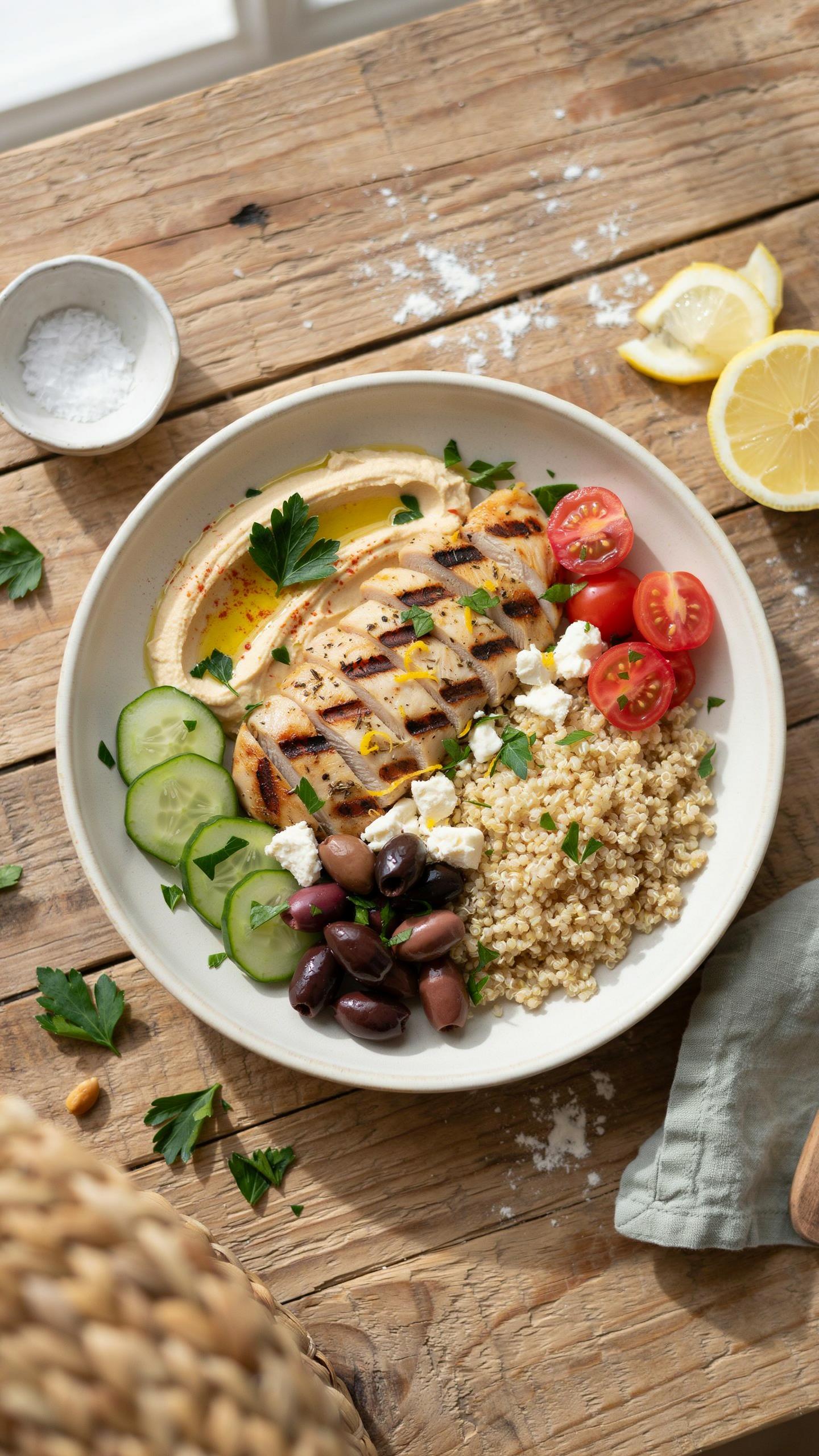
Greek bowls center on feta and lamb. Italian ones emphasize seafood and white beans. Lebanese prep relies on chickpeas and za’atar seasoning. Choose one region and build from there instead of mixing random Mediterranean ingredients into a bowl that represents nowhere. This focus sharpens your shopping list, your cooking strategy, and your actual results.
How Heat Transforms Protein And Nutrients
Biology teaches us about bioavailability—how much of a nutrient your body can actually absorb. Cooking method is the bioavailability lever for Mediterranean proteins. Raw feta stays inert; slow-roasted chicken thighs at low heat preserve amino acid chains better than boiling does. Beans cooked in broth with fat absorb flavor while retaining their protein structure. Grilling fish at high heat creates a crust that seals moisture while developing new flavor compounds through the Maillard reaction.
The common advice says “just cook your protein.” Wrong. The method determines whether you get 60% or 90% nutrient absorption. Slow roasting at 275°F, gentle poaching, and high-heat searing each serve different proteins. Match your cooking method to your protein source, then portion it out for the week. This single protocol decision separates meal prep that sustains you from meal prep that leaves you hungry two hours later.
The Bio Rhythmic Eating Strategy For High Protein Mediterranean Bowls
Protein Timing Across Your Day
You want to believe meal timing doesn’t matter because it lets you eat whenever. Here’s the mechanism nobody states plainly: chronobiology is the study of how biological systems respond to time, and your muscle protein synthesis window operates on a circadian schedule that shifts based on your last protein intake. Your body doesn’t absorb and utilize protein at the same rate at 7am versus 7pm. Skipping protein at lunch doesn’t get recovered at dinner no matter how much you eat then.
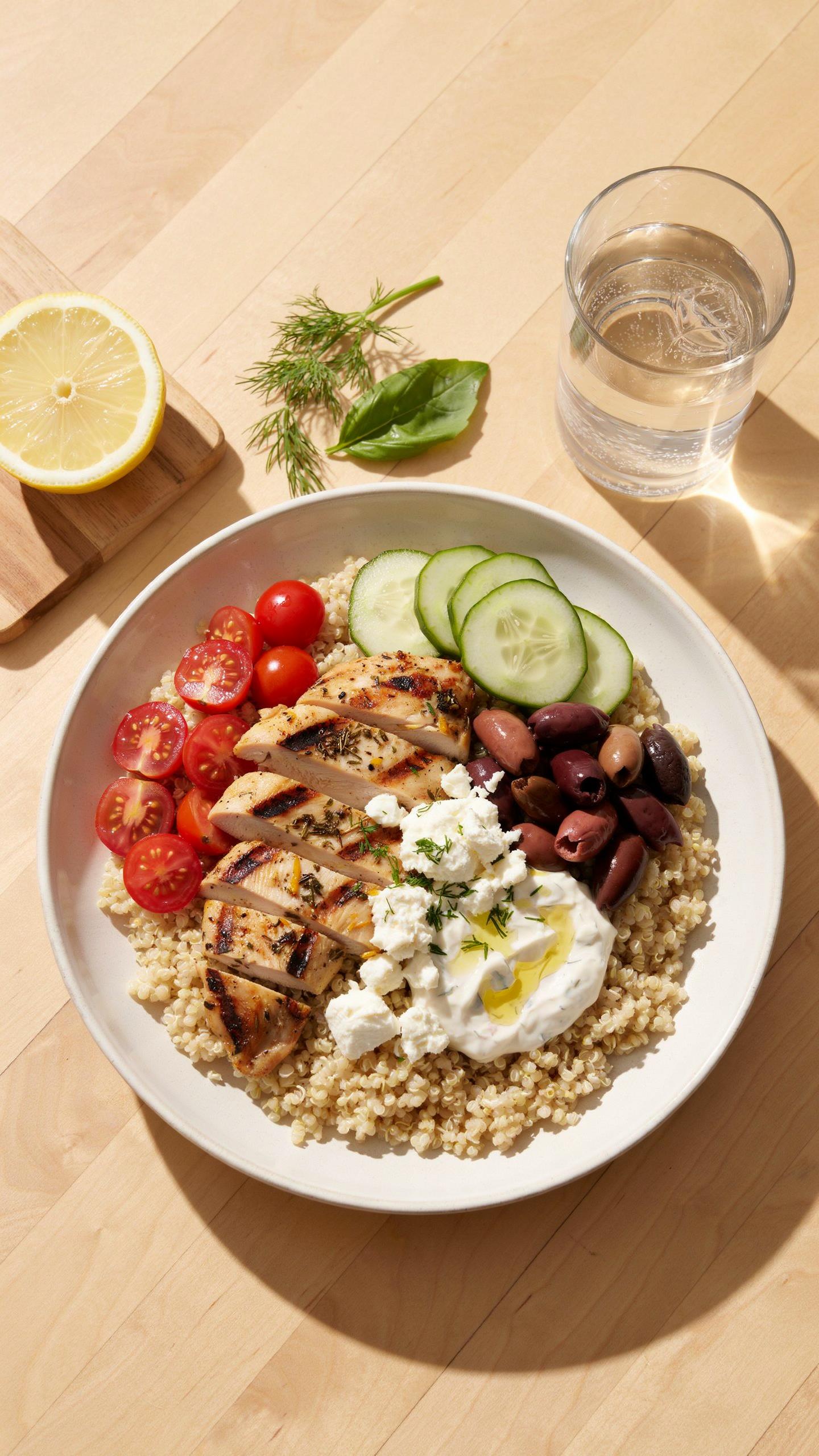
Spacing protein across lunch hours matters more than total daily amount because muscle cells respond to frequent signaling. A 40-gram protein Mediterranean bowl at noon hits different than a 120-gram dinner bowl. The afternoon window between 12pm and 3pm is when your body most efficiently mobilizes amino acids into muscle tissue after a morning of fasting. Eat your high-protein Mediterranean bowl during this window, not as an afterthought at 8pm. Protein consumed at lunch stays metabolically active while your body is still moving and burning through energy reserves.
Nutrient Stacking For Actual Absorption
The common advice is wrong: protein absorption doesn’t depend mainly on how much you eat. Biochemistry reveals the real variable is cofactor availability, which means the micronutrients that enable protein breakdown and amino acid transport matter as much as the protein itself. Your Mediterranean bowl’s olive oil, citrus, and vegetables aren’t garnish. They’re absorption tools. Fat-soluble compounds in extra virgin olive oil increase the bioavailability of fat-soluble amino acids. Vitamin C from lemon and tomatoes enhances iron absorption from your legumes and fish, which carries oxygen to muscle tissue.
The sequence of consumption matters physically inside your digestive system. Eating protein first, before fiber, slows gastric emptying and creates optimal conditions for enzyme activity. Your Mediterranean bowl structure should mirror this: place your protein source at the bottom, then add leafy greens and vegetables, then drizzle olive oil last. The order changes how your stomach acid interacts with each component and how long nutrients stay in contact with your intestinal lining where absorption happens.
Transforming Your Mediterranean Power Bowls From Duty To Desire
Acid Dissolves Oxidation Before It Starts
You want your prep to taste fresh on day four because eating the same bowl twice ruins the whole point. The mechanism is oxidation, borrowed from chemistry: exposure to oxygen breaks down fats, proteins, and flavor compounds over time. Acid stops this. Lemon juice and vinegar lower pH, which slows enzymatic breakdown and microbial growth simultaneously. This isn’t seasoning. This is preservation.
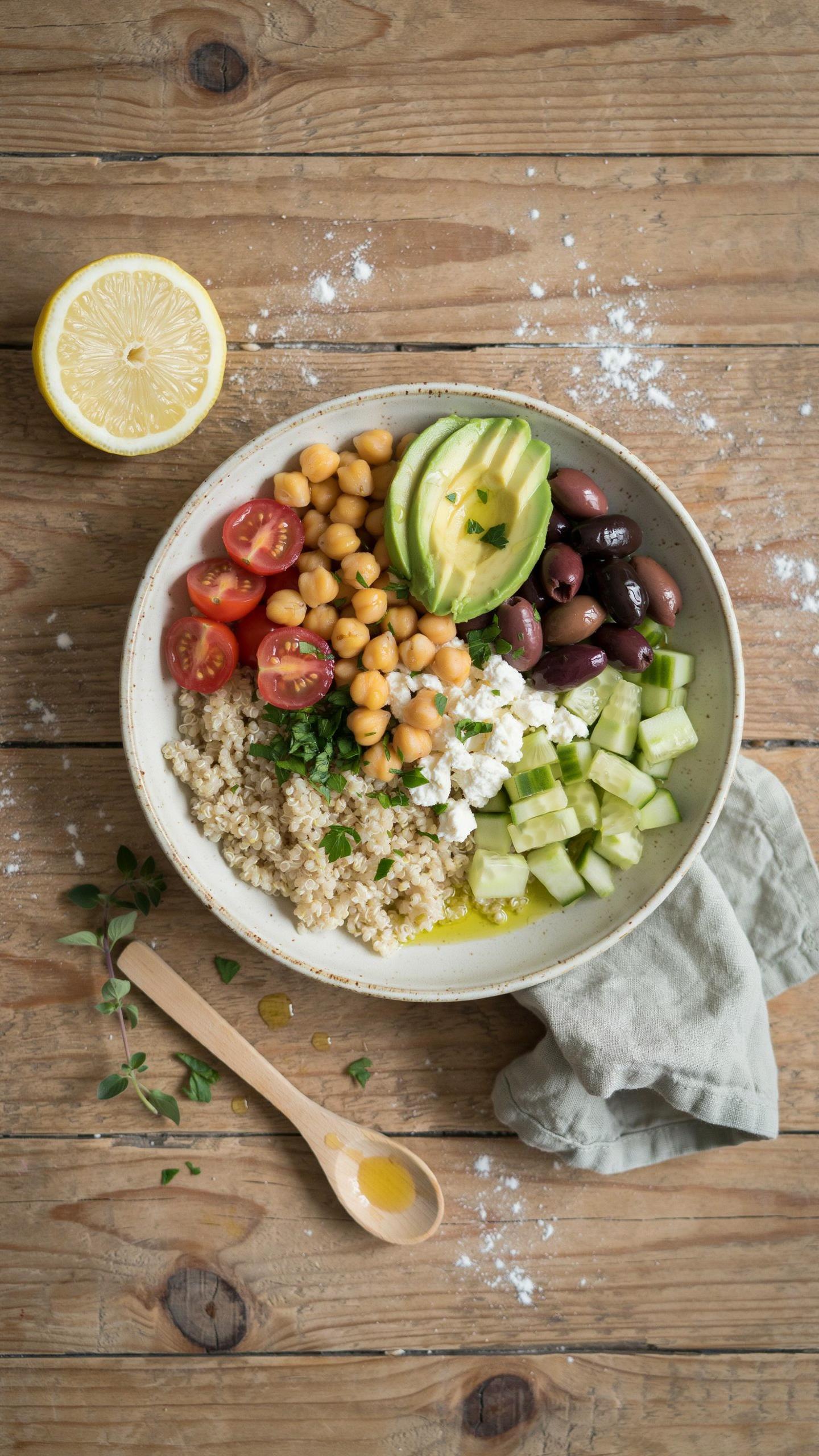
Apply acid immediately after assembly, not minutes before eating. Dress your grains and proteins with a lemon-vinegar base right into the container. The acid penetrates and protects rather than sitting on top. A 2:1 ratio of lemon to olive oil works. Let the acid do its job before you add crisp vegetables if you’re prepping five days ahead. The bowl stays edible and tastes intentional, not tired.
The Crunch That Doesn’t Disappear
Textural collapse kills meal prep bowls. Most advice says to pack wet and dry separately, which is incomplete. The real problem is that soft vegetables release water, and that water migrates everywhere, turning everything into paste by Wednesday. You need textural contrast that survives moisture.
Toast your nuts and seeds dry in a pan for two minutes before adding to the bowl. This removes surface moisture and creates a hydrophobic layer that resists absorption. Pair them with raw vegetables that have low water content: cucumber, bell peppers, radishes. Skip the tomato for prep longevity. Add crunch components in the last layer before sealing, closer to the lid where moisture rises slower. The textural separation remains intact because you engineered it into the structure, not just the timing.
Unlocking Flow State Meal Prep The Single Task Focus Method
Set Up Your Station First
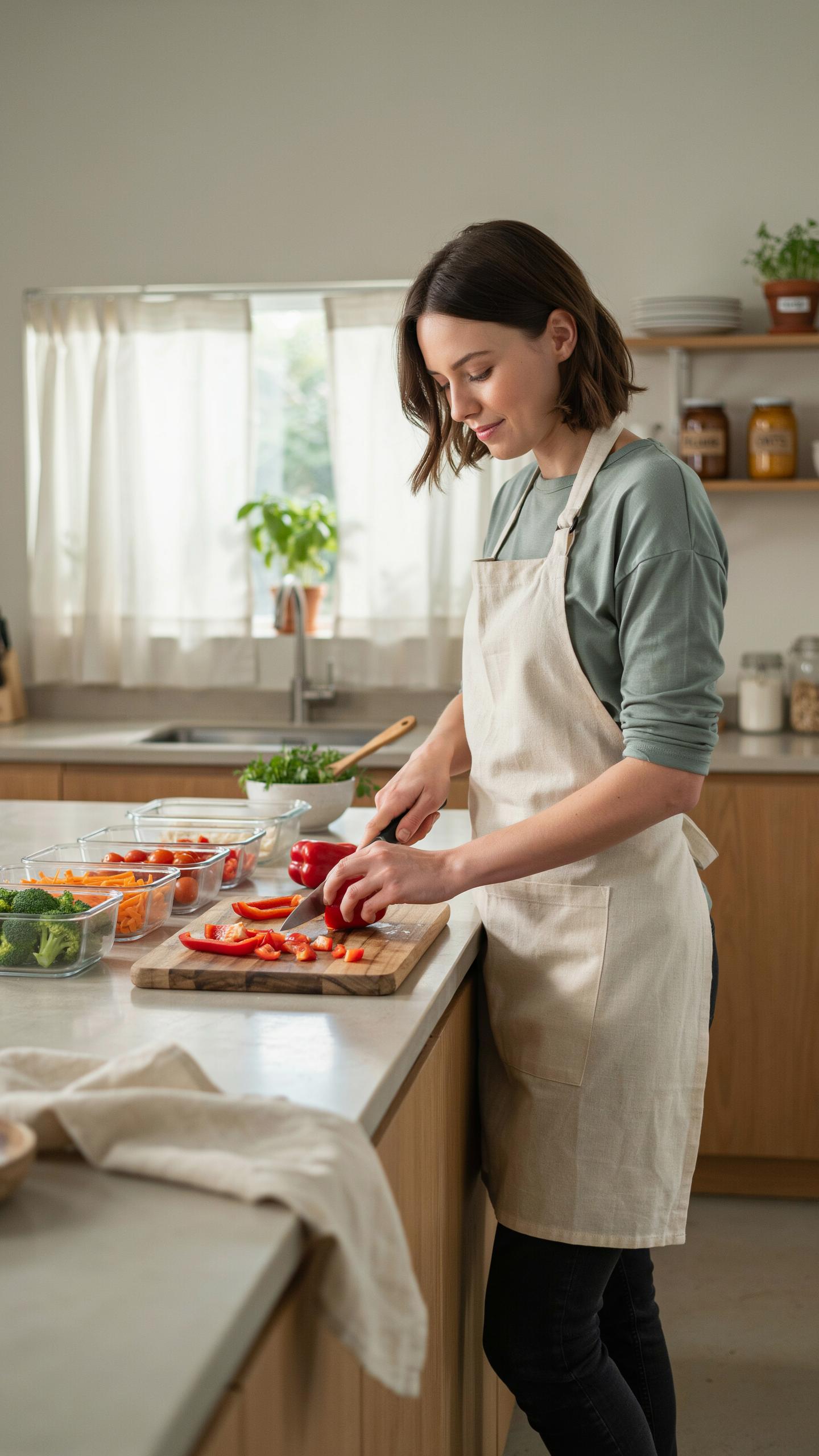
You want to feel productive without actually being productive. That’s the real draw here. The mechanism is simple: context switching kills prep speed. Your brain pays a switching cost every time you hunt for a tool, check your phone, or move between tasks. Mediterranean bowl prep demands repetition across five to seven ingredients. One interruption multiplies across every bowl you build.
Set your workspace before you touch food. Arrange proteins, grains, vegetables, and containers in a line. Keep water, cutting boards, and knives within arm’s reach. Phone goes in another room. This isn’t motivation theater. It’s removing the friction that makes your brain quit early or rush through quality. Your hands work faster when your mind isn’t fragmenting.
Batch The Same Motion, Not The Same Ingredient
Most meal prep advice tells you to chop all vegetables at once. That’s backward. Apply the batch processing principle from manufacturing: one motion repeated builds speed and reduces error. Chop all cucumber into half moons. Every single one. Then move to tomatoes. Then olives. Your muscle memory accelerates with repetition on one task.
This matters because your hands learn the angle, pressure, and rhythm for one cut. Switching between vegetable types resets that learning. Mediterranean bowls stack three to four fresh vegetables. If you switch cuts constantly, you waste cognitive load and create inconsistency. Batch by motion, not ingredient type, and your hands move on autopilot by bowl five.
The Economic Leverage Of Mediterranean Diet Recipes High Protein
When Bulk Purchasing Actually Works
You want to feel smart about saving money, but you’re probably buying ingredients at the wrong frequency and watching them rot. Economics calls this “scale efficiency”—the principle that per-unit cost drops as volume rises. For high protein mediterranean bowl meal prep, this doesn’t mean buying a year’s supply of chickpeas. It means timing your purchases around what actually depletes fastest in your rotation.
The real mechanism: buy proteins and pantry staples monthly, fresh vegetables weekly. Frozen fish fillets, canned beans, and shelf-stable olive oil have genuine economies of scale. Cherry tomatoes and leafy greens don’t. You’ll spend less per bowl when you buy chicken breast in three-pound packs instead of single portions, but only if you prep it within three days. Most people invert this and waste both money and food by purchasing based on bulk discounts rather than consumption velocity.
Strategic Meal Planning Kills Waste
The common advice says “plan your meals to reduce waste,” which is technically true and completely useless without the mechanism. Waste reduction isn’t about good intentions—it’s about designing prep sequences that force consumption. When you build your weekly bowl lineup backward from expiration dates, you don’t accidentally throw out food. You eliminate the decision gap where spoilage happens.
Map your prep schedule so ingredients with the shortest shelf life enter your bowls first. Spinach and arugula go into Tuesday and Wednesday’s bowls. Heartier greens like kale appear in Thursday and Friday bowls. Canned and frozen components fill the gaps at week’s end. This isn’t meal planning—it’s consumption architecture. Execute this protocol consistently and your actual food cost per bowl drops fifteen to twenty percent without changing your ingredient list.
Beyond The Recipe Cultivating A Sustainable Mediterranean Lifestyle
Training And Recovery Win Before Nutrition Does
You want to believe the bowl fixes everything. It doesn’t. In biology, energy systems operate in hierarchy: sleep and exercise set your metabolic ceiling, then diet fills it. Without recovery, high protein intake becomes expensive tissue damage you can’t repair. Your body needs 7-9 hours of sleep to synthesize muscle protein and regulate hunger hormones like leptin and ghrelin. The bowl alone won’t overcome a sleep deficit.
Exercise creates the demand that makes protein meaningful. Mediterranean populations didn’t live longer because of chickpeas alone. They moved constantly, maintained muscle through daily activity, and slept in rhythm with daylight. When you prep these bowls without concurrent strength training or consistent movement, you’re optimizing nothing. Add three resistance sessions weekly and non-negotiable sleep first. The bowl becomes a tool that actually works after that.
Consistency Beats Perfection Every Single Time
The standard advice here is garbage: find your “why” and visualize success. That’s motivational filler. Real adherence works through two mechanisms: reducing friction and building identity. A Mediterranean bowl meal prep system removes daily decisions. You cook once, you eat the same lunch five days. No willpower required. Your brain stops calculating. You become the person who eats this, not someone trying to eat this.
Identity shift happens through repetition, not inspiration. Cook the same four bowl rotations for eight weeks straight. Your taste preferences literally rewire. The olive oil and lemon become what “lunch” means to you, not a temporary health experiment. This is why generic meal prep fails. It treats eating like a temporary intervention. Mediterranean cultures treat it like infrastructure. Build it into your schedule the way you schedule sleep, not as a motivational side quest.
The real obstacle isnt finding the perfect bowl its overcoming your own internal resistance to consistent action

You already know what goes in a high protein mediterranean bowl. The gap between knowing and doing kills more bodies than ignorance ever will. Stop researching recipes and start prepping one bowl today. Pick a protein, add your vegetables, drizzle olive oil, and eat it tomorrow. The consistency compounds faster than the complexity. Your future self doesn’t care about the perfect bowl, only that you actually made one.