
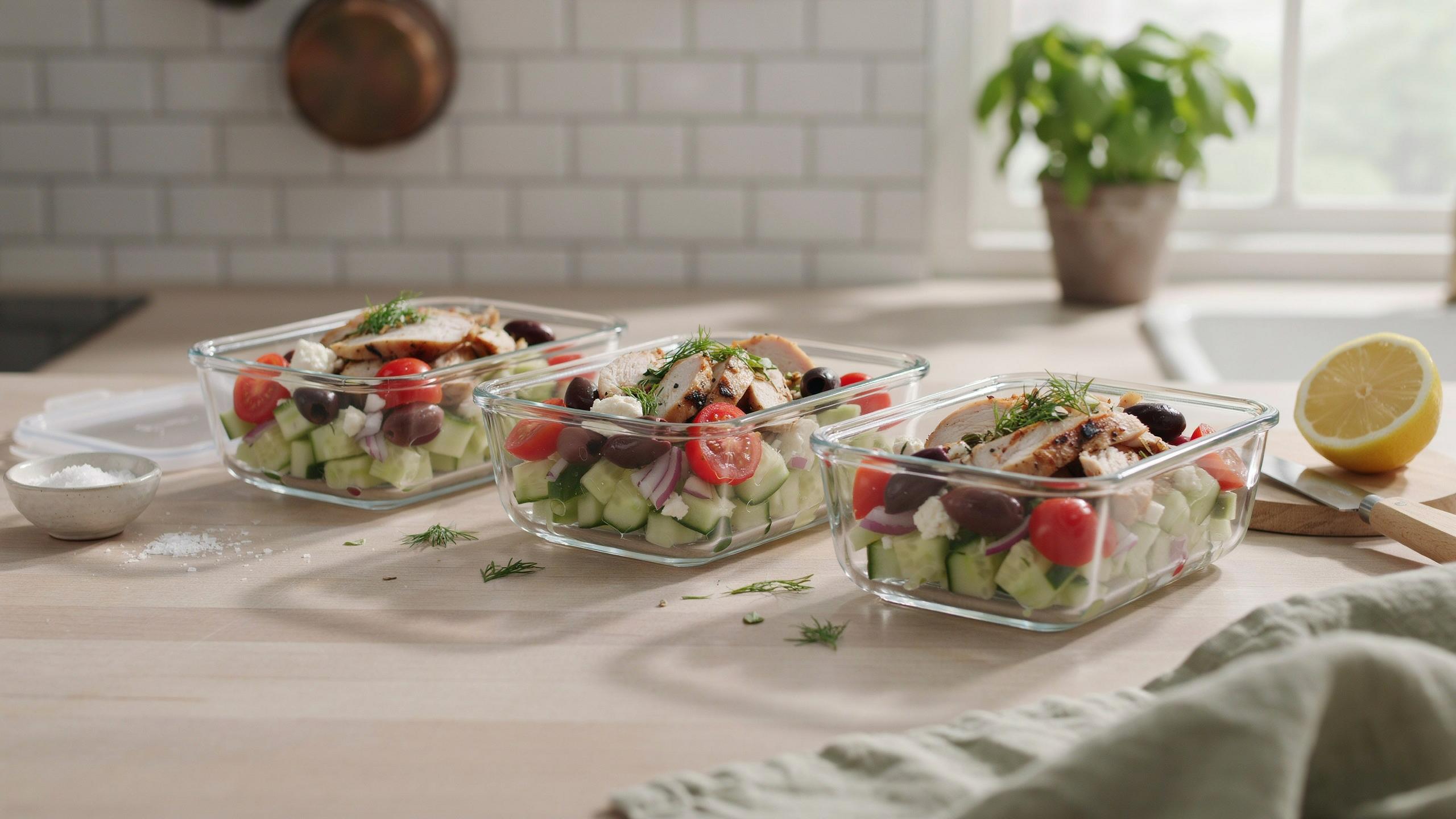
The Performance Plate Protocol Beyond Basic High Protein Greek Salad Meal Prep
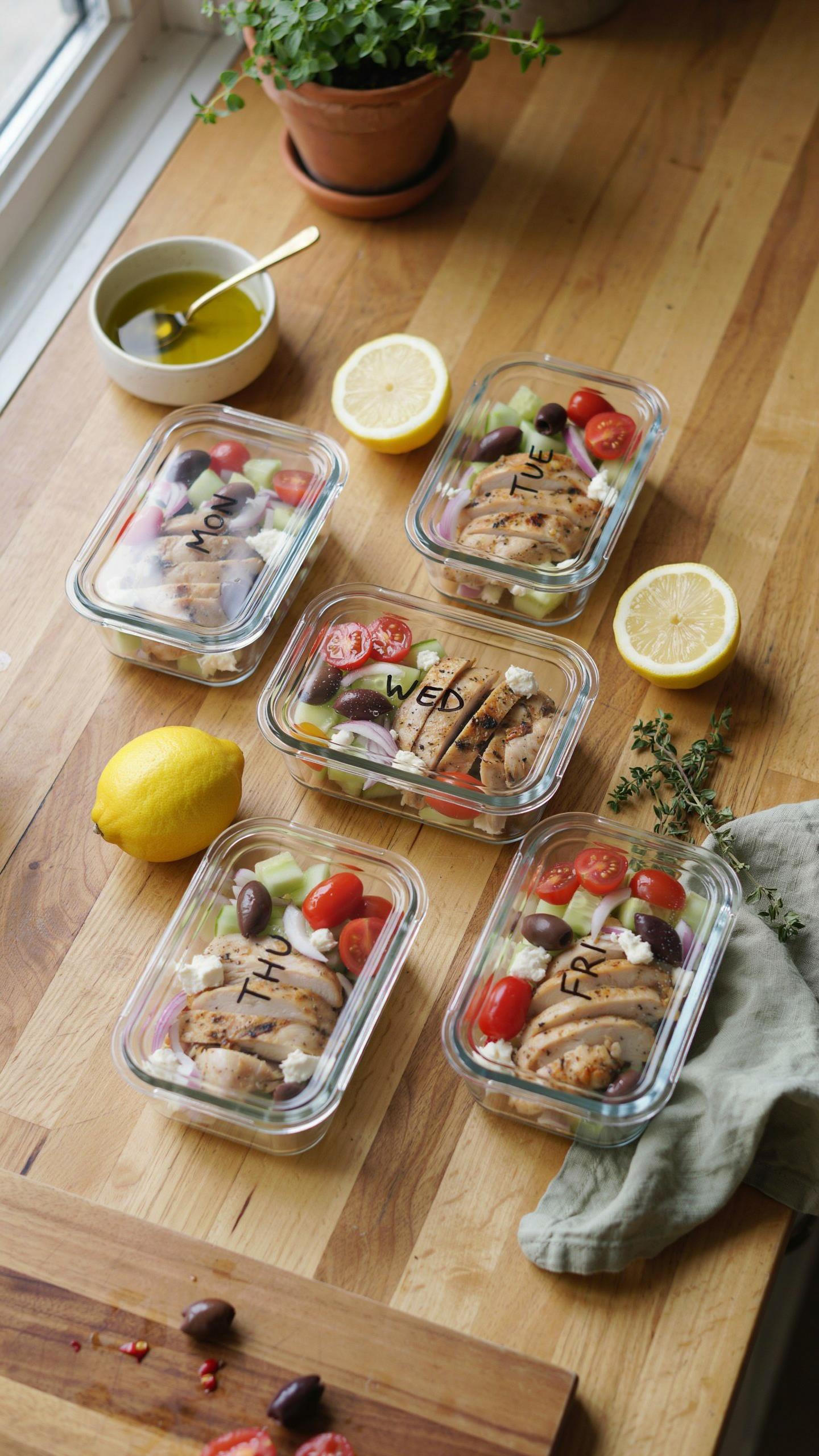
Why Your Prep Collapses By Wednesday
You’re hoping meal prep removes decision fatigue so you can coast on willpower. It doesn’t work that way. The real mechanism is monotony depletion, borrowed from behavioral economics: your brain treats identical stimuli as less rewarding over time, which triggers cravings for anything different. By Wednesday, a salad you prepped on Sunday tastes like punishment, not fuel, so you abandon it for whatever’s convenient.
The collapse isn’t about discipline. It’s about palatability decay. A Greek salad with the same vinaigrette, same protein ratio, same texture mix loses its signal to your brain that eating is an event worth showing up for. You need structural variation within the framework, not a single formula repeated five times. This means rotating your acid component, changing your protein texture weekly, and manipulating your vegetable cuts so the same ingredients feel different on your tongue each day.
The Energy Crash Nobody Names
Conventional meal prep advice says “hit your macros and you’re done.” That’s incomplete. The real cost of energy crashes comes from glycemic load stacking, which biology terms the difference between available glucose and insulin demand. A Greek salad with feta, olives, and chickpeas creates a specific blood sugar curve, but repetition flattens your nutrient novelty factor, meaning your body adapts and stops the satiety response.
The mechanism that kills your week: static protein pairing dulls your digestive signaling. If you use the same chicken breast preparation all five days, your gut adapts to that stimulus and stops firing the hormonal cascade that sustains afternoon energy. Rotate between grilled chicken, hard-boiled eggs, and canned tuna within the same week. Your body treats each protein differently, maintains sustained insulin sensitivity, and delivers stable energy through Friday. Prep three salad bases instead of one.
Deconstructing The High Protein Greek Salad Macro Mastery Not Just Flavor
Protein Sources Beyond The Obvious Choice
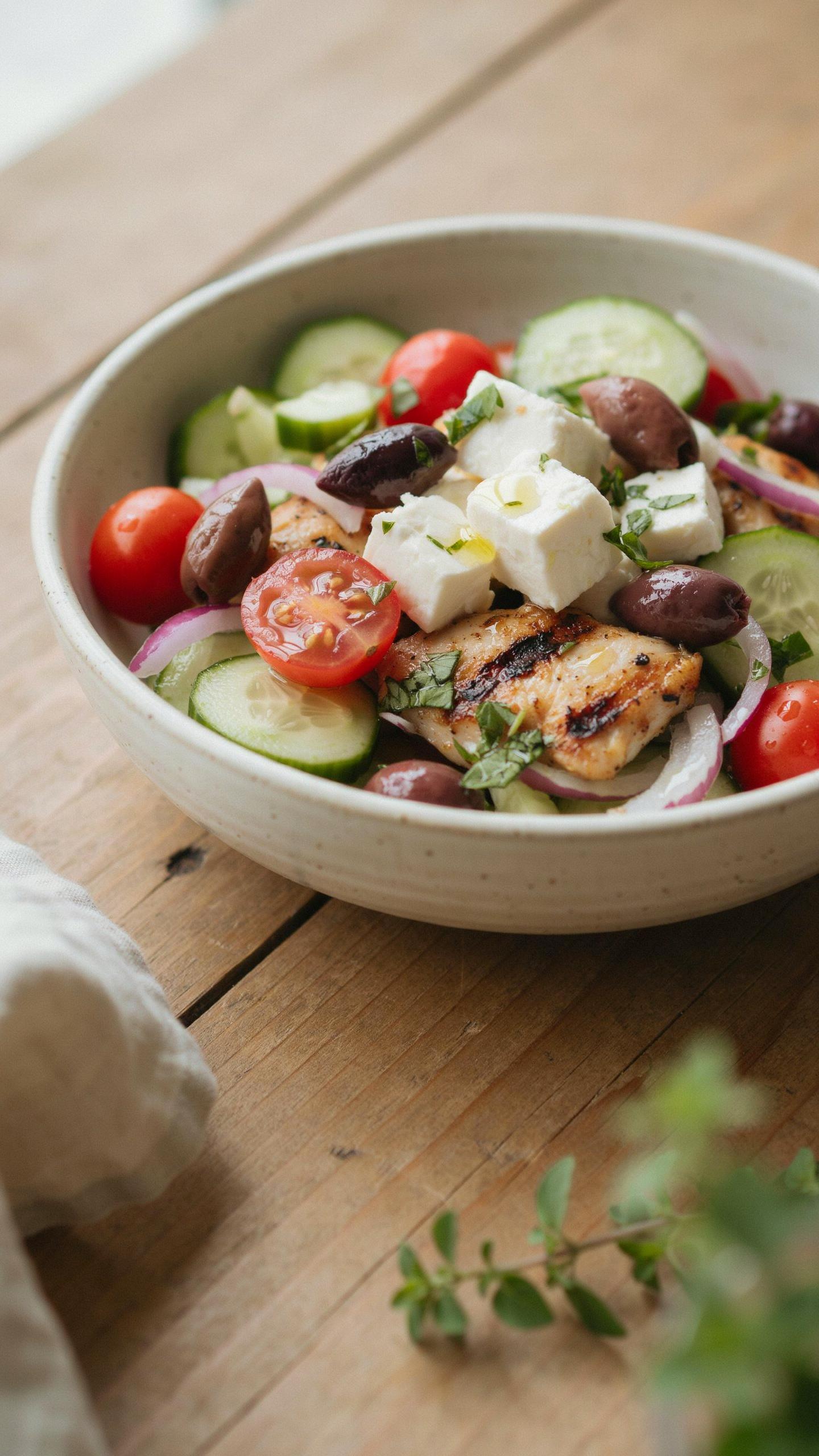
You want to look lean without sacrificing muscle, which means you’re terrified of picking the wrong protein and wasting prep time. The mechanism is simple: protein synthesis requires amino acid variety, and rotation prevents both nutritional gaps and decision fatigue that kills consistency. Chicken dominates Greek salad prep because it’s cheap and neutral, but that monotony is exactly why most people quit their meal prep by week three. Feta cheese delivers complete proteins with fat that slows digestion. Canned white beans add resistant starch alongside protein. Grilled shrimp cooks in minutes and shifts the flavor profile entirely. Each source hits different amino acid ratios and keeps your palate engaged enough to sustain the habit.
The real play is cycling through protein sources on a four-week rotation rather than alternating daily. Monday through Wednesday: grilled chicken breast and feta. Thursday and Friday: white beans and hard-boiled eggs. Following week: shrimp and feta. The week after: chickpeas and grilled chicken thighs for higher fat content. This removes decision-making friction while guaranteeing you hit all essential amino acids across the month. You prep once per week, so the labor stays identical. Only the protein changes. This consistency compounds faster than perfection ever will.
Fat And Fiber: The Satiety Architecture
Biology calls it nutrient density, but meal prep calls it actually staying full until dinner. Common advice says add olive oil for health, which is technically true but incomplete. The mechanism is this: fat slows gastric emptying while fiber creates volume without calories. Pairing them is what prevents the 2 PM hunger that destroys your adherence. Olive oil coats each ingredient and extends satiety. Kalamata olives add both fat and salt, which triggers fullness signals faster than bland food. Cucumbers provide volume. Tomatoes add fiber. Together they form a structure that keeps blood sugar stable and hunger suppressed for four to five hours.
Build your salad with this order: base greens, then add tomatoes and cucumbers for fiber volume, then distribute olives and cheese for fat density, then protein source. Dress with two tablespoons of olive oil mixed with lemon juice and oregano. This ratio delivers roughly twelve grams of fat and six grams of fiber per salad. The fat-to-fiber pairing is what extends fullness, not the individual ingredients. Measure once, repeat the same proportions every prep day, and you’ve eliminated both hunger and decision-making in a single protocol.
The Cold Prep Imperative Mastering High Protein Cold Meal Prep
Why Your Lettuce Gets Soggy Before Wednesday
You want meal prep to work so you stop buying lunch. The real problem isn’t laziness—it’s osmosis. Water moves from high concentration to low concentration across cell membranes, and when you mix wet lettuce with salty feta and briny olives, you’ve created a gradient that pulls moisture into the greens. The salad deteriorates not because time passes, but because you’ve arranged the ingredients in the wrong order inside the container.
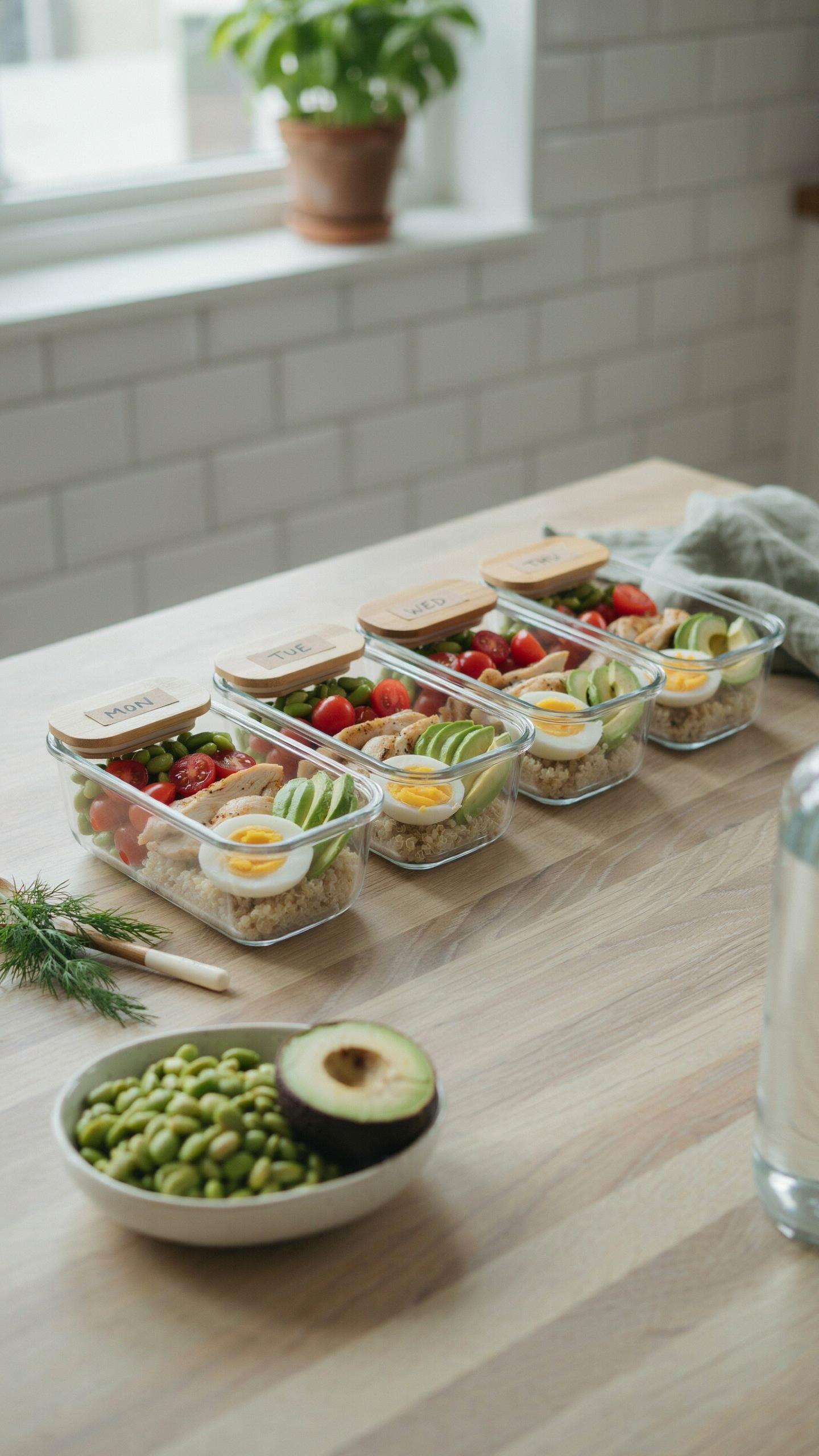
Store the dressing separately from everything else. Pack components in this sequence from bottom to top: dressing in a sealed compartment or container, then sturdy vegetables like cucumbers and tomatoes, then feta and protein, then lettuce last. This delays the osmotic exchange. Consume within three days for optimal texture. The mechanism is physical, not mystical—respect the chemistry and the salad stays intact.
The Flavor Fade That Nobody Names
Biology offers a concept called enzymatic degradation, and it’s exactly what flattens your Greek salad’s taste over five days in the fridge. Oxidation breaks down the volatiles in herbs and fresh aromatics. Cold doesn’t stop this—it slows it. Meanwhile, salt continues to migrate through ingredients, unevenly intensifying some bites and dulling others as flavors redistribute in ways you didn’t design.
The fix: add fresh lemon juice and oregano on the day you eat, not the day you prep. Feta, olives, and proteins hold their flavor profile for three to four days without drift. Acid is the only reliable preservative for fresh herbs and citrus notes. Don’t dress the full five days’ worth upfront. Dress two days’ worth, store the remainder undressed, and refresh acid and herbs when you open the container.
Tzatziki Chicken Your Flavor Multiplier In High Protein Greek Salad
Yogurt As A Protein Synergist
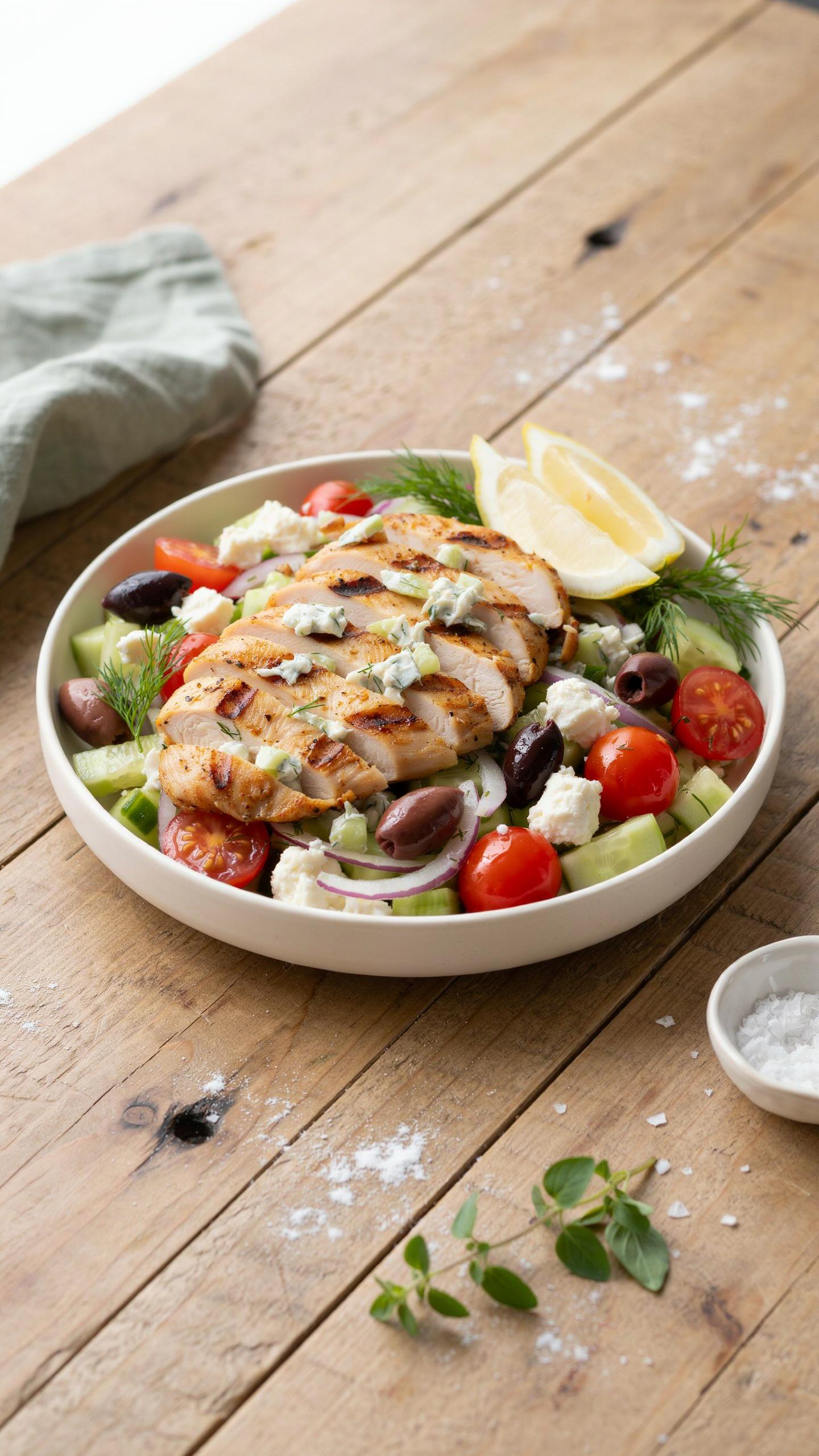
You want to believe that protein is protein, that 30 grams hits the same no matter the source. It doesn’t. The mechanism here is bioavailability, and Greek yogurt shifts it. Yogurt’s probiotics and lactic acid increase the efficiency of amino acid absorption in your gut. When you pair chicken with yogurt-based tzatziki, you’re not just adding flavor. You’re creating an acidic environment that breaks down protein faster and more completely than chicken alone ever would.
The casein protein in Greek yogurt also slows gastric emptying, meaning the chicken stays in your digestive tract longer. This extended transit time allows your body to extract more amino acids per serving. A 7-ounce container of plain Greek yogurt delivers 20 grams of protein with minimal calories. When you make tzatziki from this base, you’re building a delivery mechanism that maximizes what your body actually retains from the meal. Mix two parts Greek yogurt with one part lemon juice, minced garlic, and cucumber. This ratio keeps the sauce protein-dense while staying pourable.
Dill And Garlic: The Nutrient Density Play
Forget the generic “herbs are healthy” narrative. This is biochemistry. Dill contains compounds that reduce inflammation markers in muscle tissue, which accelerates recovery from whatever physical work you do during the day. Garlic delivers allicin, a sulfur compound that enhances nutrient absorption and supports iron bioavailability from the salad’s spinach or other greens. These aren’t minor additions. They’re active ingredients in the meal’s actual function.
When you layer dill and fresh garlic into tzatziki, you’re concentrating the micronutrient density of the entire plate without adding calories. Fresh garlic loses some potency when stored, so mince it directly into the yogurt mixture no more than two hours before eating. Dried dill works, but fresh dill retains more volatile oils and delivers stronger anti-inflammatory signals to your system. The formula is simple: one tablespoon fresh dill, two cloves minced garlic, per cup of Greek yogurt base. Herbs become a force multiplier only when they’re fresh and measured.
The Salad Topped With Chicken Fallacy Engineering A Balanced Chicken Bowl Recipe
Pick Your Fights, Not Your Vegetables
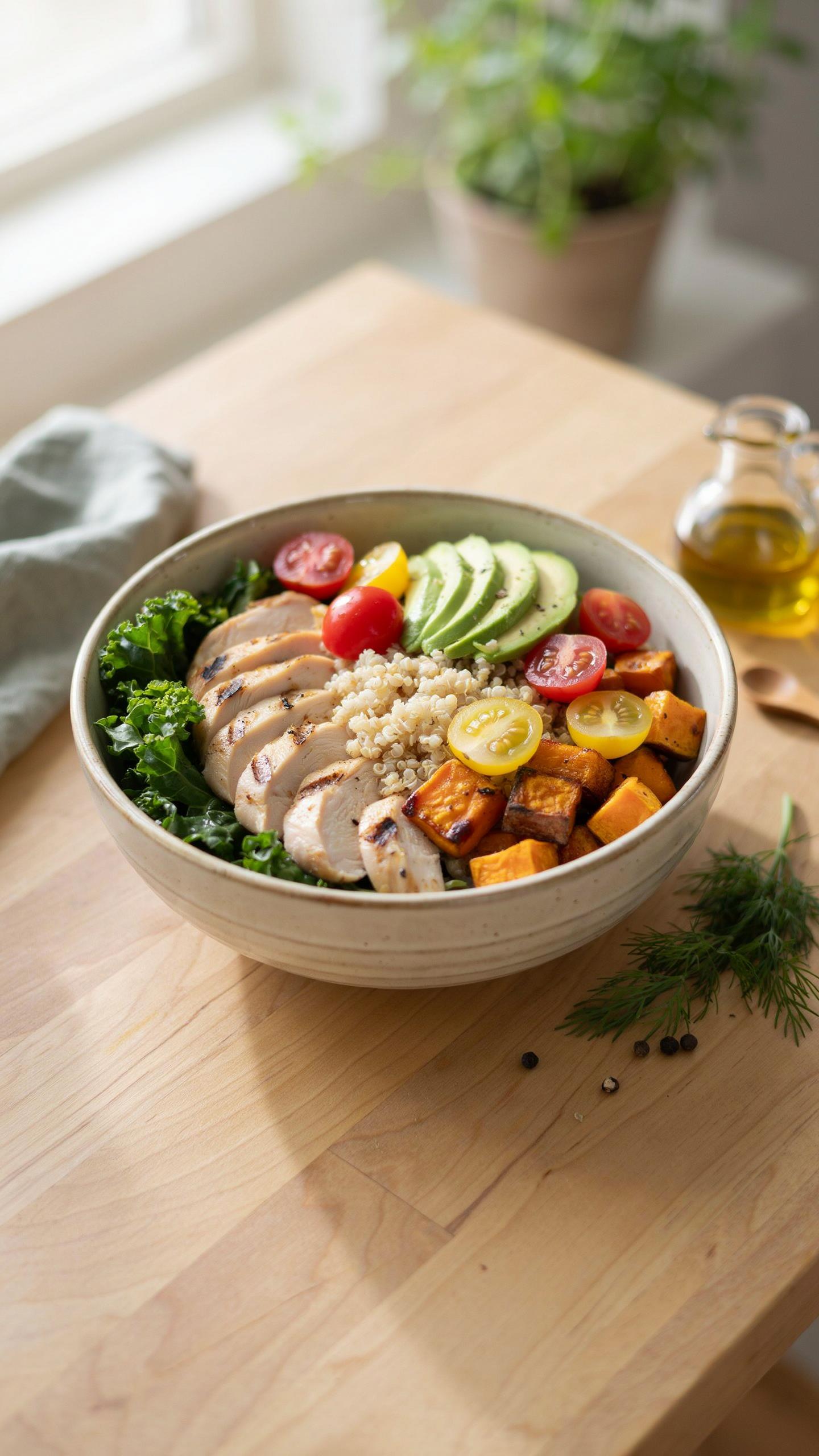
You want to look disciplined at lunch. That’s the real reason you’re reading this. The mechanism that kills most salad meal prep is ingredient bloat. Economics calls this the Pareto Principle: 80 percent of your protein satiety comes from 20 percent of your ingredients. Stop treating the salad like a vehicle for every vegetable in your pantry. Feta, olives, chicken, and one seasonal vegetable do the work. Everything else is noise that extends prep time and spoils faster.
The math is straightforward. Protein density, shelf life, and ease of storage should drive your choices. Chicken breast stays stable for five days. Cherry tomatoes wilt in three. Cucumbers last longer but add negligible nutrition to your protein goal. Build around what holds its integrity through Friday. Your salad doesn’t need variety to be effective. It needs calories, protein, and the discipline to stop adding items.
Assembly Line, Not Recipe
The common advice here is garbage: “mix everything in a jar and it’s done.” Wrong. You’re creating prep friction by combining wet and dry ingredients hours before eating. Engineering demands modularity. Keep components separate in your container until you eat. This is how restaurants scale. This is how meal prep actually works at volume.
Your system should be: cooked protein in one section, cheese and olives in another, vegetables in a third, dressing in a sealed compartment. When you eat, you combine. This prevents sogginess, cuts total active prep time by 20 minutes per week, and lets you swap one vegetable without redoing the entire batch. The friction point in meal prep isn’t cooking the chicken. It’s deciding to eat something that’s already degraded into mush by Wednesday.
Beyond Lunch Greek Salad As A Healthy Dinner Recipes Salad Strategy
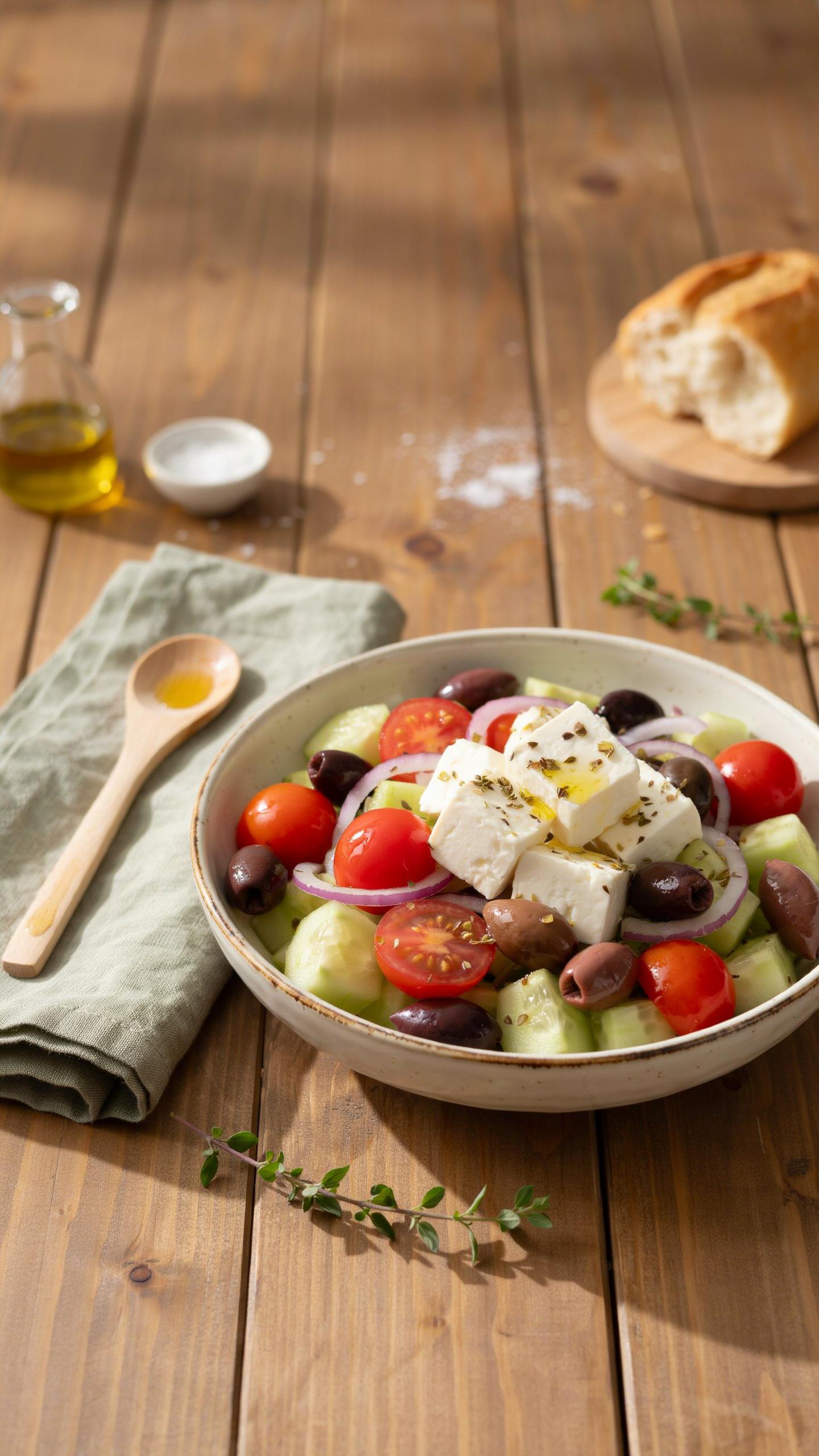
Shift Protein Sources By Meal
You want dinner to feel different from lunch, even though you’re eating from the same prep base. That’s the real problem nobody admits: meal fatigue kills consistency faster than willpower ever could. In economics, this is called preference satiation. Your Greek salad has a protein ceiling at lunch. Dinner demands a different protein anchor to reset the psychological experience.
- Grilled chicken thighs instead of breasts: Thighs stay moist after two reheats and deliver 26g protein per 100g with richer flavor than breast meat.
- Feta swapped for grilled shrimp: Shrimp cooks in 90 seconds, adds 20g protein per 3.5 ounces, and pairs with lemon-oregano dressing without tasting like lunch.
- Chickpeas replaced with white beans and tuna: Canned tuna adds 25g protein per can and transforms the salad’s texture profile completely from the lunch version.
- Ground lamb instead of diced feta: Lamb seasoned with oregano and garlic creates an entirely different eating experience while delivering 25g protein per 3.5 ounces cooked.
- Grilled halloumi cubes as a hot element: Unlike cold feta, warm halloumi melts slightly and adds 25g protein per 3.5 ounces with textural contrast.
The mechanism is simple: your brain registers protein source as a primary signal for meal identity. Switch the protein, keep everything else, and dinner registers as novel despite using the same chopped vegetables from prep day.
Cook Once, Deploy Twice
Batch cooking for two meals isn’t about saving time. It’s about removing decision friction at the moment you’re tired and hungry. Most advice tells you to “prep more vegetables.” That’s incomplete and misses the actual bottleneck.
The real efficiency lives in cooking your protein once in a format that works warm for dinner and cold for lunch without quality loss. Grill your chicken thighs as a full batch on Sunday. Portion half into lunch containers cold. Portion the other half into dinner containers and reheat them at 350 degrees for eight minutes before serving. Grilled shrimp reverses this: cook the full batch, portion half for cold lunch, keep half refrigerated to quickly pan-sear for dinner with fresh lemon juice. When your cooked protein survives both temperatures without becoming dry or rubbery, your second meal requires zero additional cooking on weeknight service.
The Weekly Reset Your Greek Salad Meal Prep Workflow
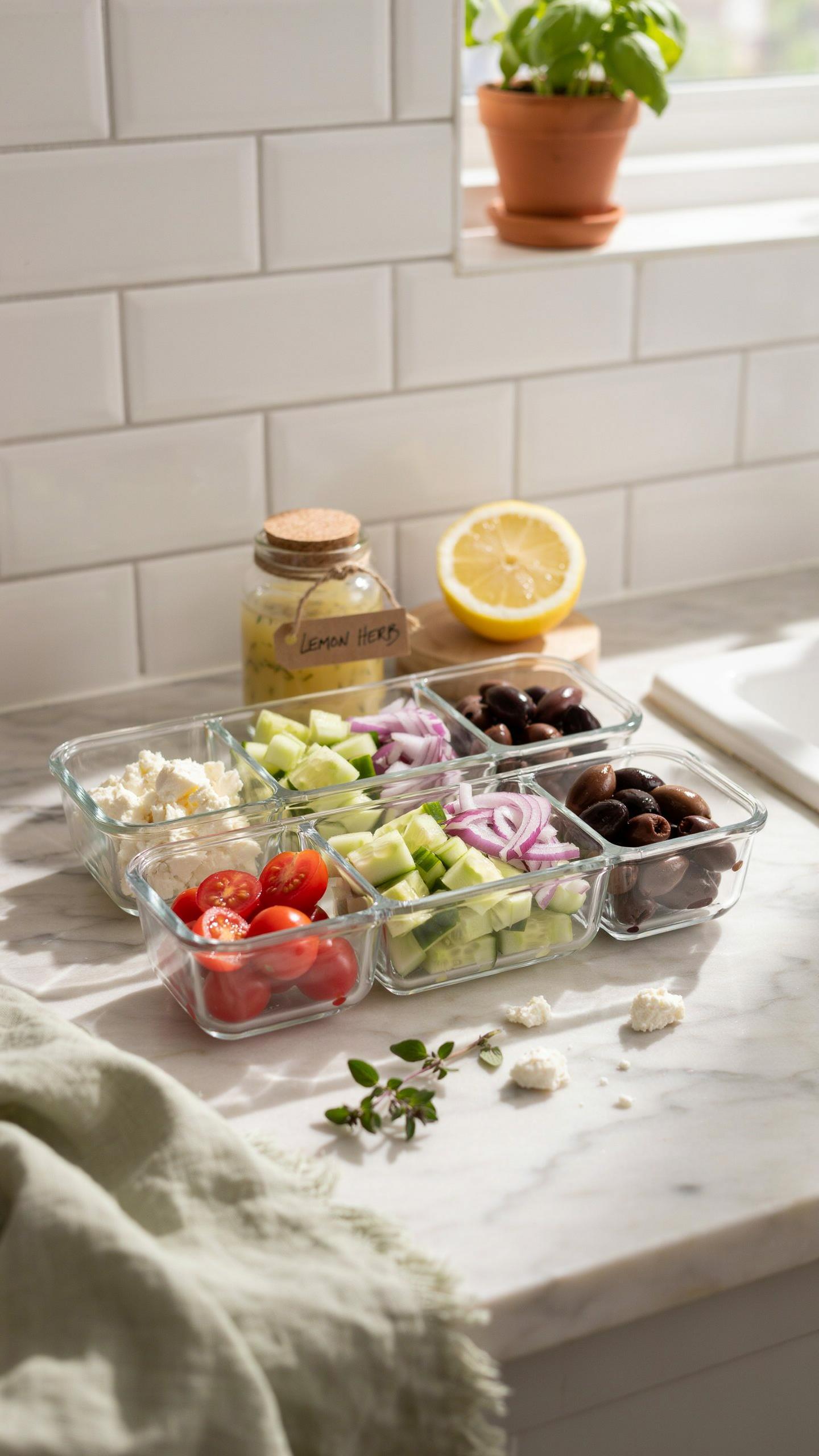
How To Prep Without Wasting Motion
You want this to feel effortless so you actually stick to it. The real mechanism is constraint. Most people chop everything separately, which multiplies your knife time and creates decision paralysis mid-week. Instead, batch your cuts by texture and storage requirement. Tomatoes and cucumbers go in one container since they shed water at similar rates. Feta and olives go dry in another. Lettuce lives separate until assembly day.
The workflow compounds over weeks. Your hands memorize the knife angles. Your eye knows when a cucumber is quarter-cut to the right thickness. Consistency means you cut faster each Sunday, which compounds into reclaimed hours over a month. You’re not optimizing one salad. You’re installing a system that removes friction from the highest-friction step.
Where To Buy Without Overpaying
Most people treat ingredient sourcing as a shopping list problem. It’s actually a logistics problem. Buy tomatoes and cucumbers from one vendor, feta from another, olives from a third because each category has different peak seasons and wholesale efficiency. A farmer’s market vendor selling year-round tomatoes paid premium prices. The grocer’s produce section bought bulk in season. The difference per salad compounds to dollars saved weekly.
Check your local warehouse supplier’s pricing on feta by the pound, not the retail tub. Mediterranean olives often cost half the price at ethnic markets compared to mainstream chains. Buy on the day before your prep session, not days earlier. Freshness preservation starts the moment you purchase, and you’re fighting against degradation the longer ingredients sit in your fridge before cutting.
The Salad Ideas Chicken Trap How To Innovate Without Overcomplicating
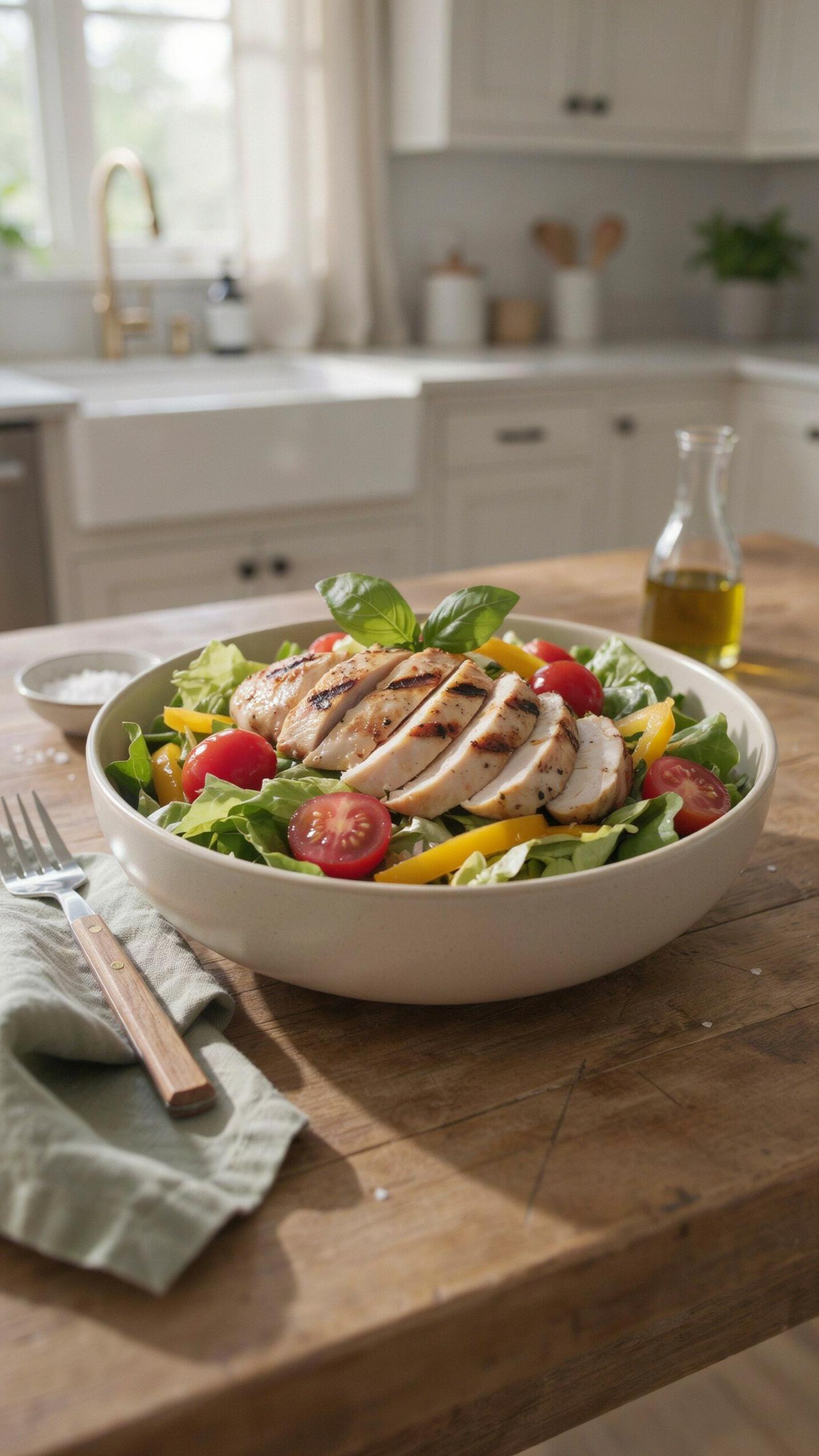
Build A Versatile Base First
You want to feel creative because sticking to the same formula feels boring, and boring feels like failure. The real mechanism is this: constraints breed innovation, not the opposite. You need a stable flavor foundation before you layer anything else on top. Greek salad has four non-negotiable elements that work together: feta, olives, tomato, and cucumber. These create a flavor profile so balanced that everything else you add either enhances it or dilutes it. Start by nailing the ratios of these four. Feta should taste sharp enough to register. Olives need to be brined well enough to cut through the acidity. Tomato and cucumber provide structure and moisture without competing for attention.
The common advice is to “experiment with different dressings and toppings.” That’s backward. A weak base collapses under variation. Once you’ve locked in your 1:1:1:1 base ratio adjusted for your protein weight, you’ve created a platform that accepts change without falling apart. Your dressing stays lemon juice, olive oil, oregano, garlic. Nothing else. This isn’t laziness. This is the only way to know which micro-variations actually work and which ones just mask a failing structure.
Protein Shifts Without Recipe Abandonment
Changing protein doesn’t require changing everything else. Use grilled chicken breast one week, canned tuna the next, then cottage cheese or chickpeas. The base absorbs these swaps because the base is strong. Each protein brings different amino acid ratios but the same caloric density per ounce. A 150-gram chicken breast hits roughly 45 grams protein. A 150-gram cottage cheese hits roughly 27 grams protein at different calories, so you adjust the portion. The feta, olives, tomato, and cucumber don’t shift. Your prep time stays identical.
The trap most people fall into is treating each protein as a reason to rebuild the salad. They don’t. Treat your base as infrastructure and protein as the variable you swap. On Monday you meal prep with chicken. On Thursday you meal prep the same salad with canned white beans because you’re out of chicken. The only number that changes is the total macronutrient output and the portion size. Everything else stays locked. This keeps your shopping consistent, your prep efficient, and your compliance on track without requiring a new recipe every rotation.
Your true obstacle isnt the salad its your undisciplined approach to selfmanagement Master your plate master your week
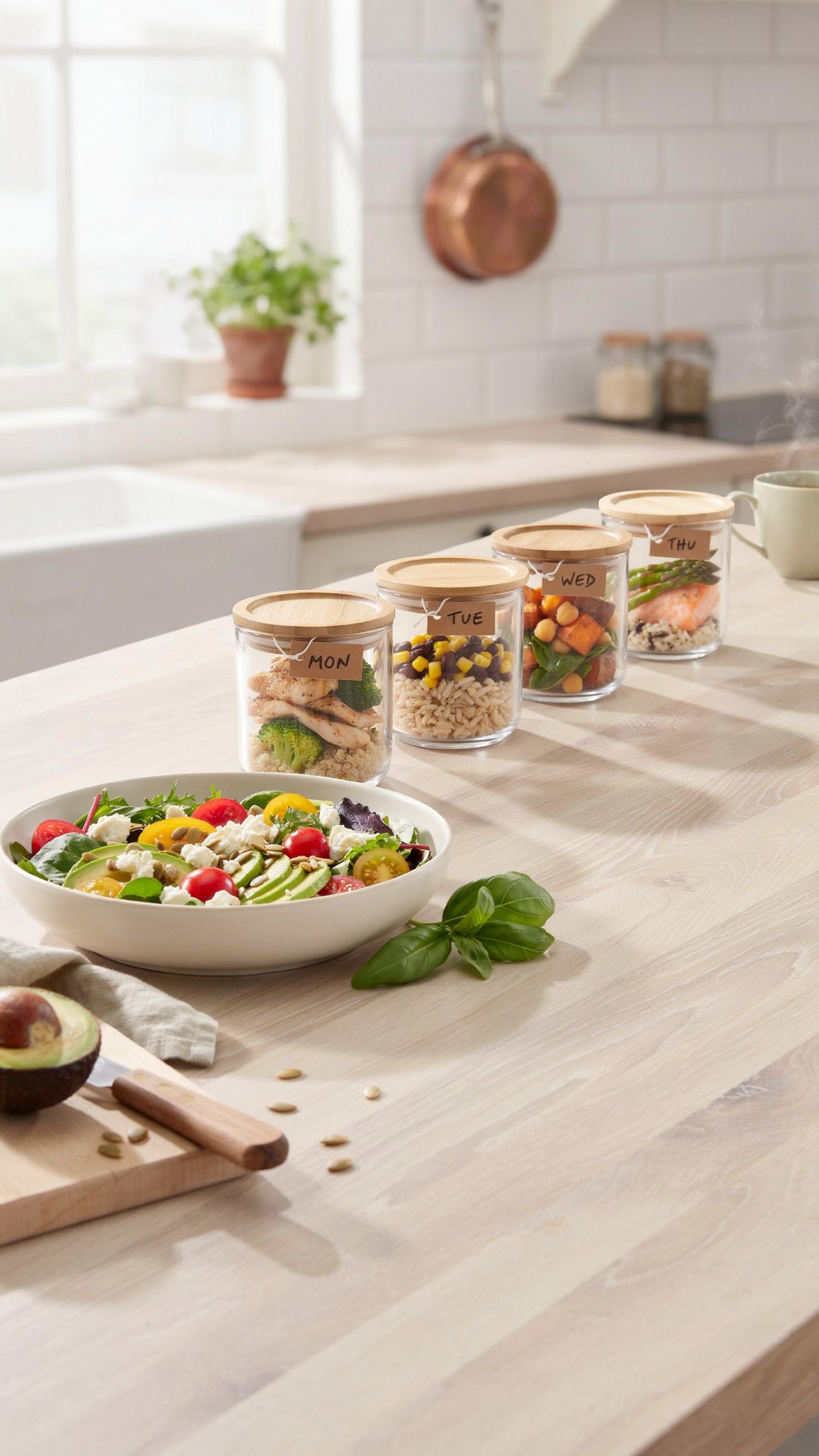
Most people fail at high protein greek salad meal prep because they treat it like a task instead of a system. You don’t need motivation. You need a Sunday ritual that removes decision-making from your week. Buy the containers today. Chop the vegetables tonight. Your body doesn’t care about your excuses. It responds to what you actually do, not what you plan to do. Consistency beats perfection every single time.