
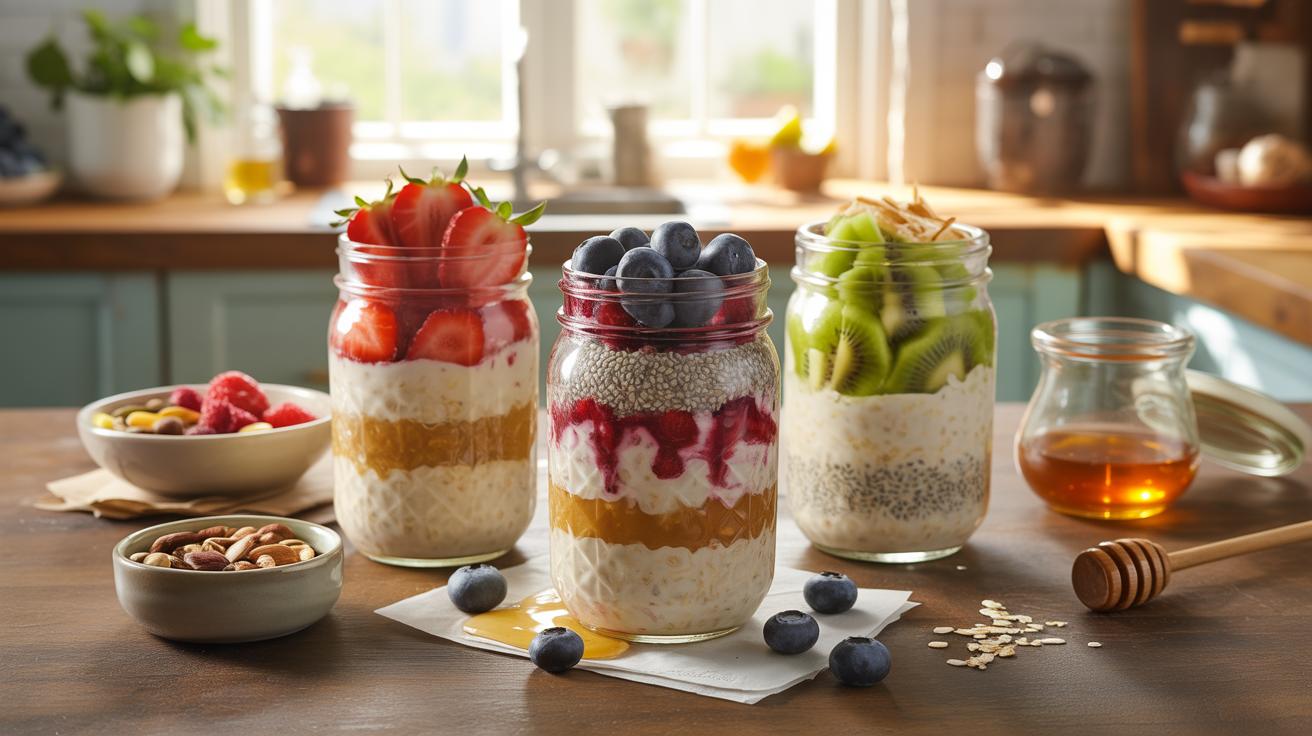
What Are Overnight Oats Understanding The Best Overnight Oats Recipe Method
The Science Behind Cold Oat Soaking: How It Works And Why It Is Nutritious
Overnight oats rely on acidulation and hydration rather than heat. When you soak raw oats in liquid for several hours, the starches soften and the natural enzymes begin to break down. This process mimics cooking by making the grain chewable. It also reduces phytic acid, an anti-nutrient that blocks mineral absorption. You get a creamier texture without the high heat that destroys some heat-sensitive vitamins.
The hydration process improves digestion by pre-digesting the complex carbohydrates. Cold soaking preserves resistant starch, which serves as a prebiotic for your gut microbiome. This type of starch does not spike your blood sugar as quickly as cooked starch does. You maintain steady energy levels throughout the morning. This method is tactical for people who need high nutritional density with zero morning prep time or cooking cleanup.
Rolled Oats Vs. Instant Oats: Choosing The Right Base For Your Recipe
Old-fashioned rolled oats are the gold standard for this method. Manufacturers steam and flatten these groats, which allows them to absorb liquid while maintaining a firm structure. They provide a satisfying chew and do not turn into mush overnight. This structural integrity is vital if you prepare your meals several days in advance. You get the best balance of texture and nutrient density with this specific cut.

Instant oats are a poor choice for overnight recipes. These oats undergo heavy processing and pre-cooking, which thins the flake significantly. When soaked, they lose all structure and become a gummy paste. Steel-cut oats are at the other extreme and remain too hard after a standard soak. Stick to rolled oats for consistent results. They absorb the right amount of liquid to create a thick and manageable breakfast.
Core Ingredients For Classic Oats Recipes You Can Prep The Night Before
Essential Pantry Staples: Milk, Yogurt, Chia Seeds, And Natural Sweeteners
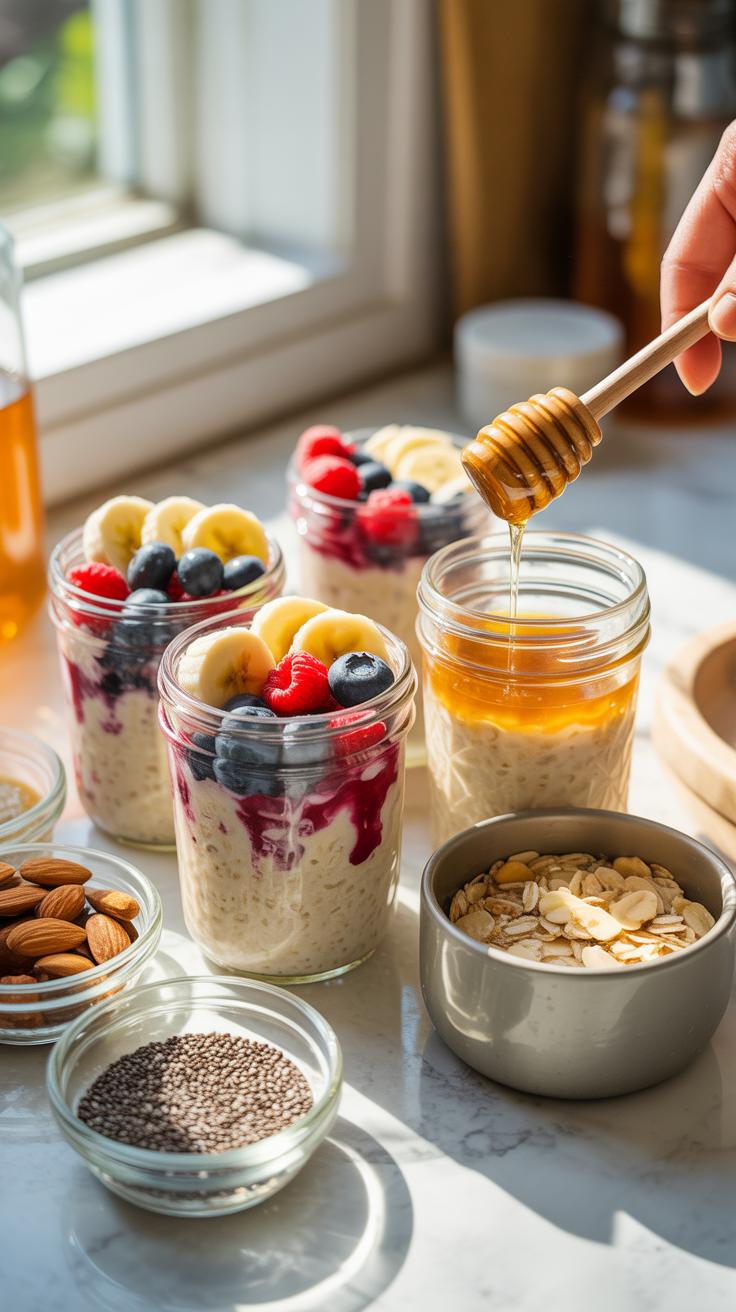
Success in meal prepping oats depends on the ratio of dry to liquid elements. You must use rolled oats because they absorb moisture without becoming mushy like instant varieties. Adding high protein yogurt or fiber rich seeds creates the thick texture most people want. These staples provide the structural foundation. You cannot skip these basics if you want a reliable meal tomorrow morning.
- Old Fashioned Rolled Oats: These provide the best structural integrity for long soaking periods. They retain a firm bite and do not turn into paste. Avoid steel cut oats unless you plan to soak them for over twenty four hours.
- Chia Seeds: These act as a natural thickening agent by absorbing up to ten times their weight in liquid. They create a gel like consistency that binds the ingredients together. They also add omega three fatty acids and extra fiber.
- Greek Yogurt: This ingredient adds a tangy flavor and significant protein content. It creates a creamy mouthfeel that milk alone cannot achieve. It also introduces probiotics into your breakfast. Use plain versions to control the total sugar levels in your recipe.
- Maple Syrup or Honey: These natural sweeteners mix better into cold liquids than granulated sugars. They provide a quick energy source without the gritty texture of raw sugar. Use them sparingly to maintain the health benefits of your breakfast.
- Sea Salt: A small pinch of salt enhances all other flavors in the jar. It balances the sweetness and brings out the nuttiness of the oats. Most beginners forget this step but it is vital for a professional taste.
Liquid selection determines the final calorie count and micronutrient profile. Always leave at least one inch of space at the top of your container. This allows room for the oats to expand as they hydrate. Seal your jars tightly to prevent odors from the fridge from seeping in. Consistency improves after eight hours of refrigeration. Your prep work ensures a fast exit in the morning.
Dairy Vs. Plant Based Liquids: How Your Choice Affects Taste And Nutrition
Choose your liquid based on your specific dietary goals and taste preferences. Dairy milk provides the highest natural protein and calcium levels per serving. It creates a rich flavor profile that complements fruit toppings. However, it has a shorter shelf life once mixed with raw oats. You must keep dairy versions strictly refrigerated to avoid spoilage. Use skim or whole milk depending on your daily fat requirements.
Plant based milks offer different functional benefits and diverse flavor notes. Almond milk is low in calories but provides less protein than soy or dairy. Oat milk offers a double hit of grain flavor and a naturally creamy texture. Coconut milk increases the saturated fat content but adds a tropical taste. Always select unsweetened versions to avoid hidden sugars. Your choice directly dictates the final viscosity and nutritional value of the meal.
Top Oat Recipes Healthy Enough To Transform Your Breakfast Routine
Berry And Banana Overnight Oats: A Naturally Sweetened Antioxidant Rich Bowl
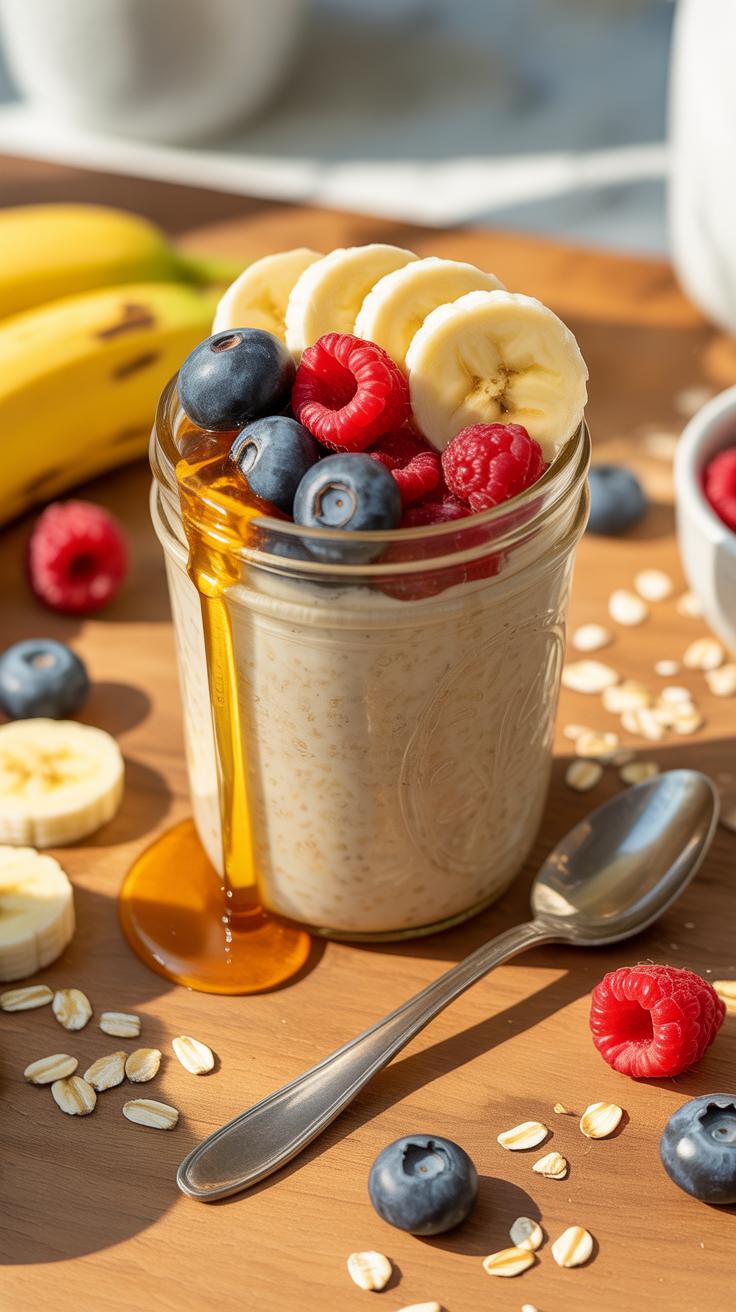
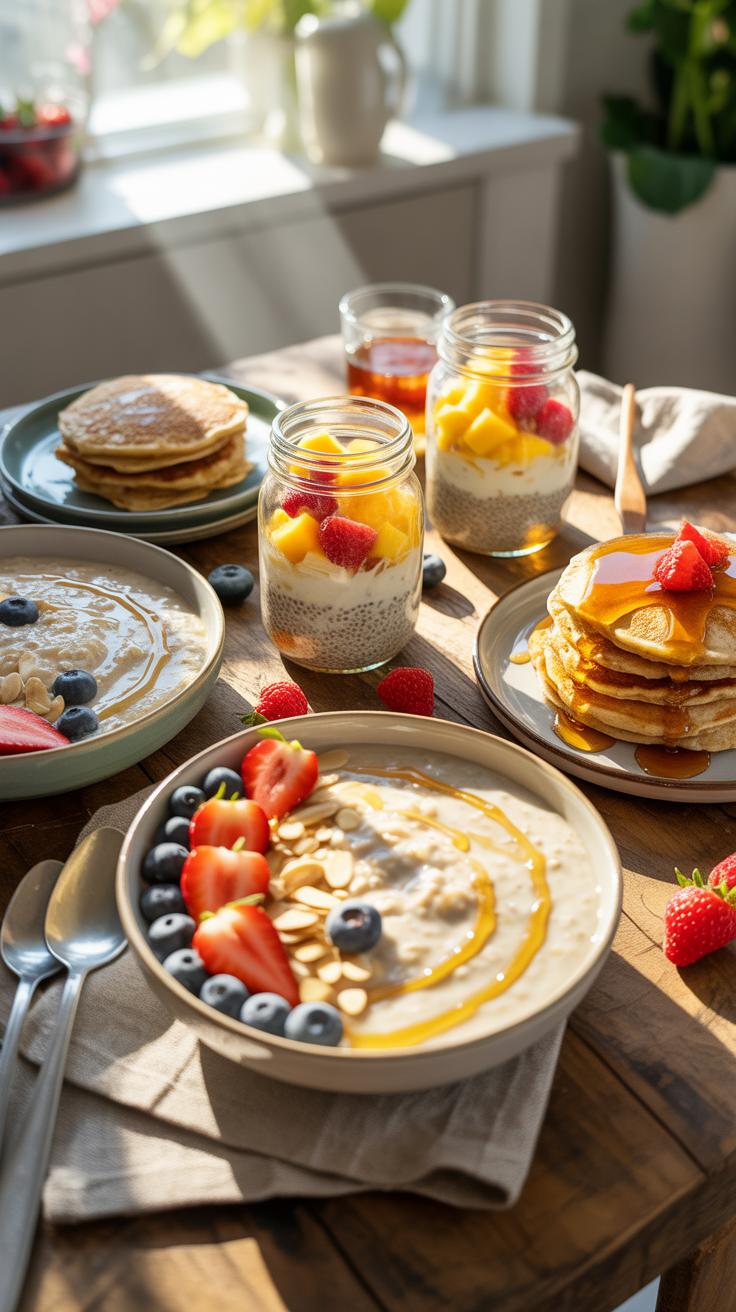
Berry and banana combinations provide high levels of soluble fiber and vitamin C. Use mashed ripe bananas as a primary sweetener to eliminate refined sugar. Blueberries or raspberries add polyphenols that reduce oxidative stress in the body. Combine rolled oats with almond milk and fruit in a glass jar. Let the mixture sit for six hours to allow the starches to soften fully.
This recipe supports steady blood glucose levels throughout the morning. The potassium in bananas maintains electrolyte balance while the fiber in berries promotes satiety. Add chia seeds to increase the omega-3 fatty acid profile of the bowl. These seeds absorb liquid and create a thick pudding consistency. Consistency is vital for meal prep. Prepare three days of servings at once to save time.
Peanut Butter And Dark Chocolate Oats: Indulgent Yet Nutrient Dense Morning Fuel
Peanut butter provides healthy fats and plant protein that slow down digestion. Use natural peanut butter with no added oils for the best nutritional profile. Dark chocolate with at least seventy percent cocoa solids offers magnesium and iron. This pairing mimics a dessert but functions as high performance fuel. Mix the dry oats with cocoa powder before adding liquid to prevent clumping.
The combination of protein and complex carbohydrates prevents the mid morning energy crash. Cocoa contains flavonoids that improve blood flow to the brain. Stir in Greek yogurt to increase the protein count further without adding excess calories. Cold soaking the oats preserves the integrity of the B vitamins found in the grain. Store the finished jars in the refrigerator at forty degrees Fahrenheit.
The Ideal Overnight Oats Recipe Healthy Variations For Every Dietary Need
Gluten Free Overnight Oats: What To Look For When Selecting Certified Oats
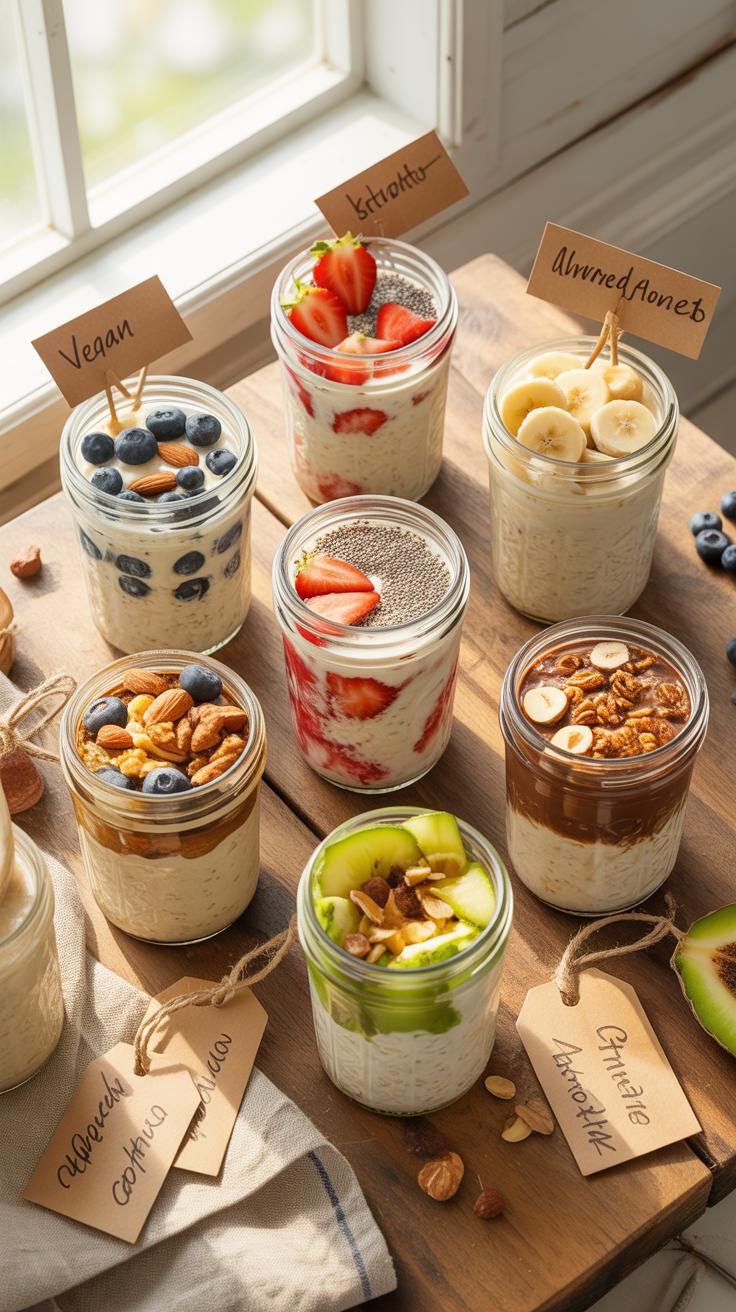
Oats do not contain gluten naturally. However, cross-contact happens often in fields and processing plants. Farmers grow oats near wheat, barley, and rye. This creates a high risk for people with celiac disease. You must verify the label for a certified gluten-free seal. Dedicated facilities process these oats to ensure they meet safety standards. Buying bulk oats without this certification is a mistake for sensitive diets.
The texture of gluten-free oats remains consistent with standard oats. Rolled oats work best for overnight recipes because they absorb liquid correctly. Steel-cut oats stay too hard when soaked cold. Quick oats often turn into mush. Select thick-cut certified oats to maintain a firm bite. This choice ensures the structure holds up after twelve hours in the refrigerator. Verify the purity protocol on the packaging for the highest safety level.
Vegan And Dairy Free Overnight Oats: Swaps That Keep Taste And Creaminess Intact
Plant-based milks replace dairy easily in overnight oats recipes. Almond milk offers a light profile but lacks fat. Oat milk provides the best consistency because it mirrors the starch profile of the grain. Cashew milk adds a buttery texture that rivals heavy cream. Use a one-to-one ratio when swapping these liquids. Always select unsweetened versions to control the sugar content of your final meal.
Coconut yogurt adds necessary thickness without using animal products. It provides healthy fats that help you feel full. Chia seeds also assist in creating a creamy gel-like texture. These seeds absorb ten times their weight in liquid. Mixing them into the base prevents the oats from becoming watery. You can also use nut butters for extra protein and density. These strategic additions ensure the vegan version satisfies your hunger.
How To Make Overnight Oats With Quick Oats Healthy And Perfectly Textured
Quick Oats Vs. Rolled Oats In Overnight Recipes Texture Absorption And Shelf Life
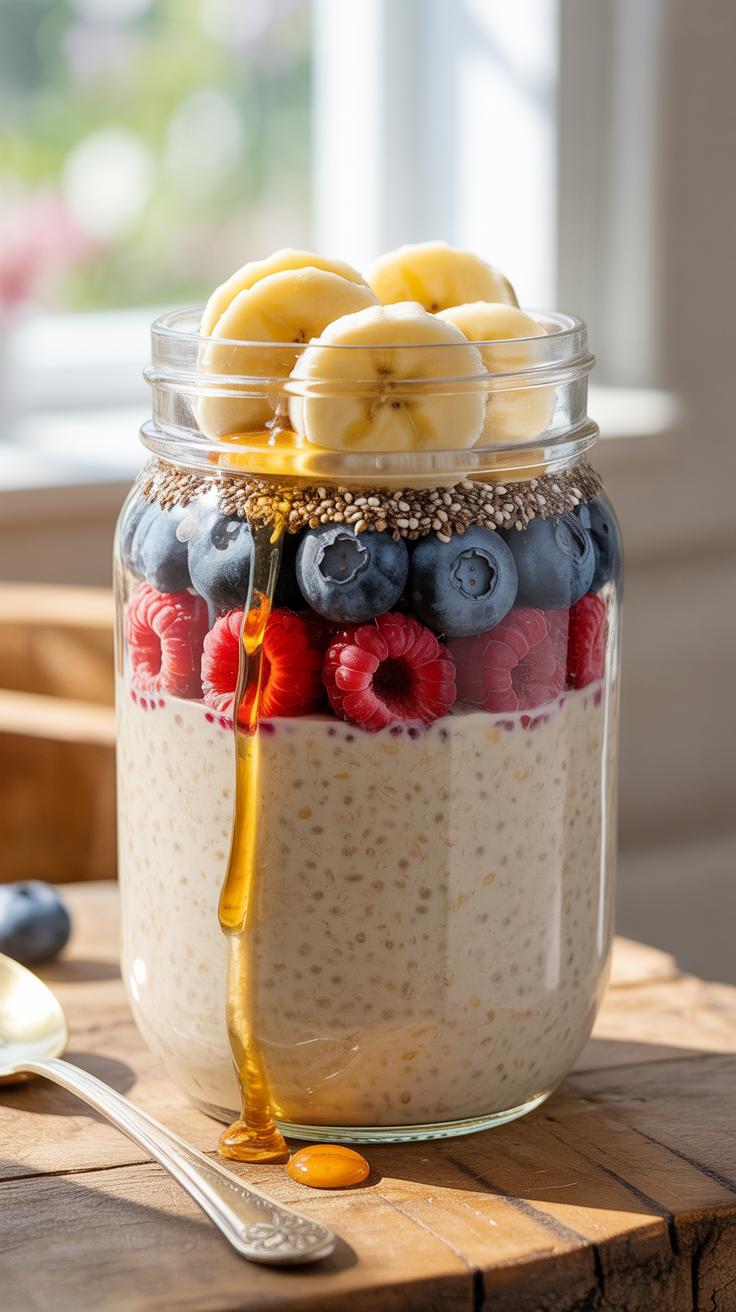
Quick oats are steamed longer and rolled thinner than standard rolled oats during processing. This increased surface area means they absorb liquid almost instantly. While rolled oats require at least six hours to soften, quick oats achieve a hydrated state in under two hours. This speed comes at a cost to the final structural integrity. The thinner flakes break down faster under enzymatic activity during the soaking process.
Using quick oats results in a softer and more uniform texture compared to the chewy bite of rolled oats. This makes them ideal for drinkers who prefer a smooth consistency similar to traditional porridge. However, they lack the structural shelf life of thicker grains. A quick oat mixture becomes unpleasantly mushy after twenty-four hours in the refrigerator. Use these for immediate morning consumption rather than long-term meal prep batches.
Prepare your breakfast with love tonight so your morning feels like a gift from a simpler time. These recipes aren’t just meals, they are an invitation to slow down and nourish your soul before the day begins.
Getting The Oat To Liquid Ratio Right For A Creamy Non Soggy Consistency
Precision in the liquid-to-dry ratio determines the success of your overnight oats recipes. A standard one-to-one ratio by volume works for rolled oats but fails with quick oats. Because quick oats are more compact and processed, they require slightly less liquid to avoid a watery finish. Aim for a ratio of three parts oats to two parts liquid. This adjustment prevents the mixture from turning into an over-hydrated soup.
Texture Control depends on the inclusion of secondary water-absorbing ingredients like chia seeds or protein powder. These additives compete with the oats for moisture. If you add one tablespoon of chia seeds, increase your liquid by two tablespoons to maintain creaminess. Always stir the mixture twice before sealing the container. The first stir begins the hydration. The second stir, ten minutes later, breaks up clumps for a consistent mouthfeel.
Protein Overnight Oats High Protein Recipes To Keep You Fueled All Morning
Adding Greek Yogurt, Protein Powder, And Hemp Seeds To Boost Your Protein Intake
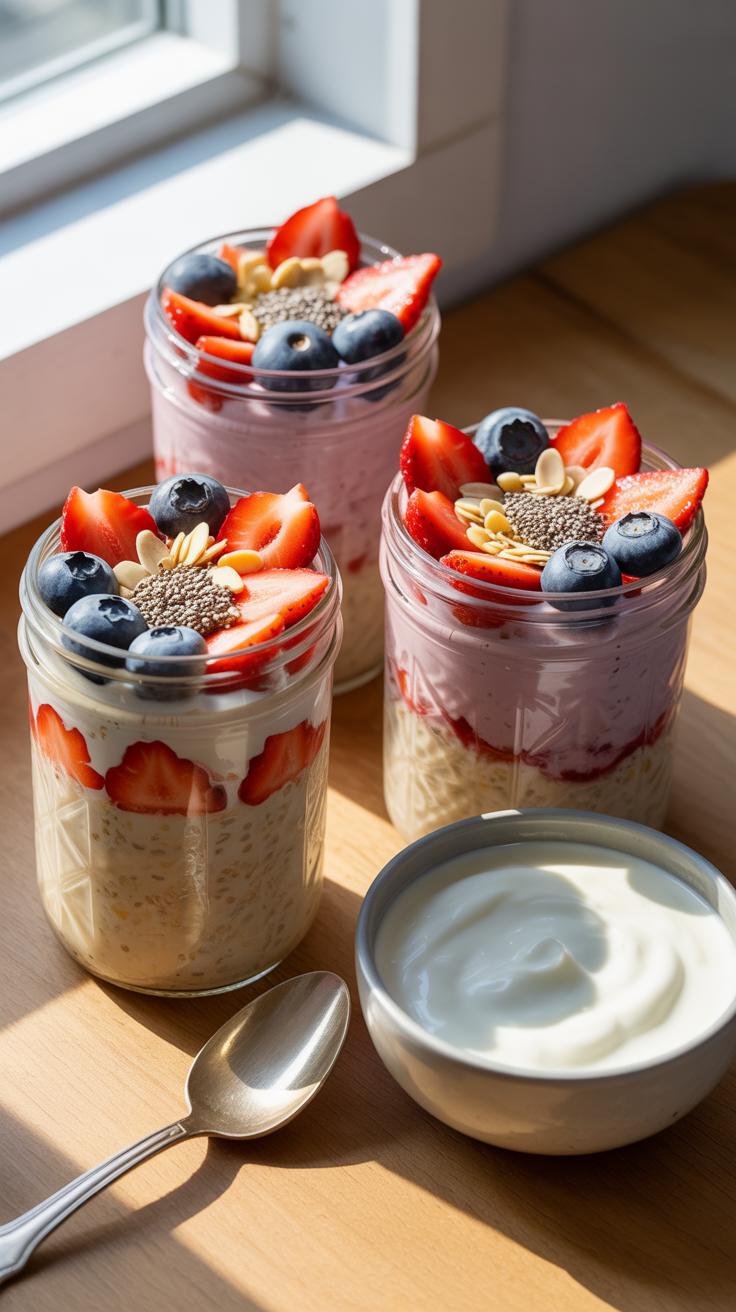
Standard oats contain moderate protein but lack the density required for long-term satiety. Adding plain Greek yogurt provides immediate texture and high concentrations of casein and whey. This addition thickens the mixture while lowering the overall glycemic index. Use non-fat or low-fat versions to control caloric density. Ensure you stir the yogurt thoroughly into the liquid base to prevent clumping during the overnight soak.
Protein powder offers a concentrated source of amino acids for muscle maintenance. Select high-quality whey or plant-based isolates to avoid excessive fillers and sugars. Hemp seeds provide a mechanical crunch and essential fatty acids. Two tablespoons of hemp seeds add six grams of complete protein. These ingredients transform a basic carbohydrate meal into a balanced nutritional profile. They keep blood sugar stable and prevent mid-morning energy crashes.
Post Workout Protein Overnight Oats: Balancing Macronutrients For Recovery And Energy
Post-workout recovery requires a specific ratio of carbohydrates to protein. This ratio facilitates muscle repair and restores depleted glycogen stores. Use a two-to-one ratio of complex carbohydrates to lean protein. Oats provide the necessary fiber and slow-release energy for the recovery phase. This timing is critical for athletes who need to optimize their metabolic window. Proper fueling reduces muscle soreness and improves future performance.
Hydration is a vital component of the soaking process. Use dairy milk or soy milk instead of water to increase the total amino acid count. These liquids provide electrolytes that aid in cellular rehydration after intense physical activity. Prepare the oats the night before to ensure the starches break down properly. This makes the nutrients easier for your digestive system to absorb. Consistent macronutrient timing supports a faster metabolism and better body composition.
Healthy Overnight Breakfast Ideas Beyond The Basic Jar Creative Flavor Combinations
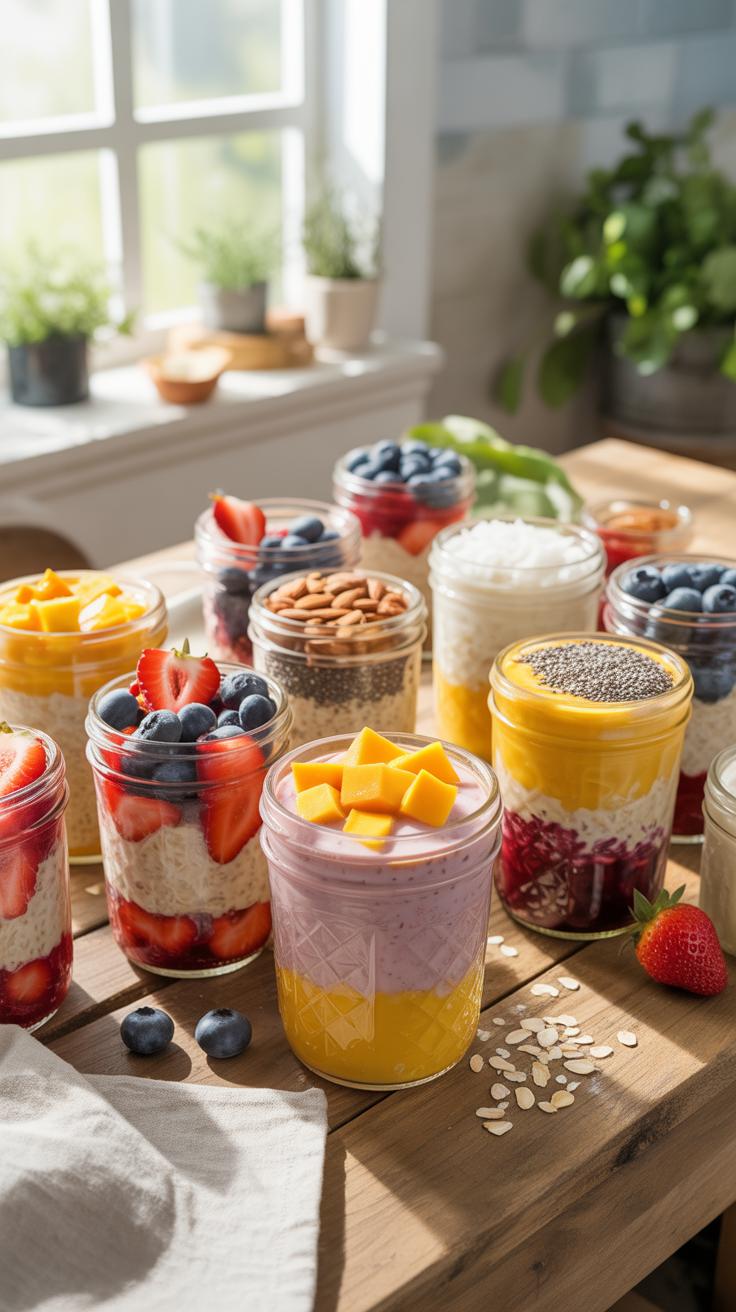
Seasonal Fruit Toppings And Spices That Elevate Your Overnight Oats Every Morning
Seasonal ingredients maximize nutrient density and natural sweetness. You must match the spice profile to the fruit to balance the glycemic load. Using thermogenic spices like cinnamon or ginger increases metabolic rate. Fresh fruit adds essential fiber and enzymes that processed sweeteners lack. Focus on high-quality produce to ensure the best flavor profile without adding refined sugars or artificial syrups.
- Apple and Cinnamon: Thinly sliced Granny Smith apples provide tartness and fiber. Pair them with Ceylon cinnamon and a pinch of nutmeg to mimic a traditional pie profile while maintaining a low sugar content for stable energy.
- Pear and Cardamom: Ripe pears offer a soft texture that complements chewy raw oats. Ground cardamom provides an earthy, floral heat that enhances the natural sugars in the pear without requiring additional maple syrup or honey.
- Mixed Berry and Lemon: Blueberries and raspberries add powerful antioxidants and bright color. A teaspoon of fresh lemon zest cuts through the creaminess of the oat base and helps preserve the fruit color during the soaking process.
- Pumpkin and Clove: Canned pumpkin puree adds vitamin A and a smooth consistency to the oat mixture. Clove and ginger provide a sharp bite that balances the starchiness of the oats and creates a filling, heart-healthy meal.
- Peach and Ginger: Fresh summer peaches contribute high levels of potassium and vitamin C. Adding grated fresh ginger provides a digestive aid and a spicy kick that contrasts well with the sweetness of the stone fruit.
Timing is critical when adding these toppings. Harder fruits like apples can soak overnight to soften in the liquid base. Soft berries or delicate stone fruits perform better when added right before consumption. This strategy prevents mushy textures and maintains the structural integrity of the fruit. Always use dry spices during the initial mixing phase to allow the flavors to bloom fully in the oats.
Savory Overnight Oats: An Unexpected But Nutritious Spin On A Classic Breakfast
Savory oats utilize the same preparation method but swap fruit for protein and vegetables. Use water or vegetable broth instead of milk to establish a neutral base. This shift targets different taste receptors and reduces the overall sugar intake of your morning meal. Complex carbohydrates in oats provide a steady release of glucose. This keeps you full longer than traditional sugary breakfast options.
Top your savory base with soft-boiled eggs for increased protein density. Add sautéed spinach, mushrooms, or avocado for healthy fats and minerals. Salt, pepper, and nutritional yeast replace cinnamon and sugar to provide a rich umami flavor profile. This approach turns a traditionally sweet dish into a functional meal. It works well for individuals who prefer a hearty start or need to manage blood sugar levels precisely.
Meal Prep Tips For Healthy Food Dishes Storing And Scaling Overnight Oats For The Week

How Long Do Overnight Oats Last In The Fridge? Safe Storage Guidelines Explained
Overnight oats remain safe for consumption for up to five days when refrigerated at 40 degrees Fahrenheit or lower. Use airtight glass containers like Mason jars to prevent oxidation. These vessels create a tight seal that keeps moisture in and contaminants out. Raw oats absorb liquid over time. The texture is firm at twelve hours but becomes significantly softer after day three.
Texture changes dictate the practical shelf life more than spoilage does. Oats mixed with dairy milk or yogurt may develop a sour scent if left past the five-day mark. If you use fruit, add it the morning you eat to prevent mushiness. Check for mold or off-odors before consuming older batches. Stick to a four-day window for the best balance of flavor and safety.
Batch Prepping Five Jars At Once: A Practical Weekly Meal Prep Strategy For Busy People
Efficiency requires a standardized assembly line approach. Line up five glass jars on your counter to minimize movement. Add dry ingredients like rolled oats, chia seeds, and salt to every jar first. This method ensures consistent ratios across your entire week. Use a half-cup measuring tool for the oats and a tablespoon for the seeds. Precise measurements prevent the oats from becoming too dry or watery.
Pour the liquid base into all jars after the dry goods are set. Seal each lid tightly and shake vigorously to distribute the contents. Shaking prevents clumps from forming at the bottom of the jar. Label each lid with the preparation date using a washable marker. Transfer the jars to the back of the refrigerator immediately. Cold temperatures maintain the structural integrity of the grain throughout the week.
Frequently Asked Questions

What are overnight oats and why are they so popular for breakfast?
Overnight oats are a no-cook method of making oatmeal by soaking raw oats in liquid overnight. Instead of boiling them on the stove, the oats absorb the milk or yogurt, resulting in a creamy, pudding-like consistency. Many people love overnight oats recipes because they save time during busy mornings, offer a nutrient-dense start to the day, and are incredibly customizable for any palate or dietary preference.
How long do I need to soak my oats before they are ready to eat?
For the best texture, you should let your overnight oats recipes soak in the refrigerator for at least six hours, though eight hours is ideal. This duration ensures the oats are fully softened and easy to digest. If you are in a rush, a minimum of four hours can work, but the consistency may be slightly chewier. They stay fresh and delicious in the fridge for up to five days.
Can I make healthy overnight oats on a tight budget?
Absolutely! One of the best things about this breakfast is its affordability. You can keep costs low by purchasing rolled oats in bulk and using tap water or inexpensive cow’s milk as your base. For flavor, skip the expensive “superfood” powders and stick to budget-friendly staples like cinnamon, peanut butter, or seasonal fruits. These simple ingredients allow you to create nutritious, filling meals without overspending on your weekly grocery bill.