
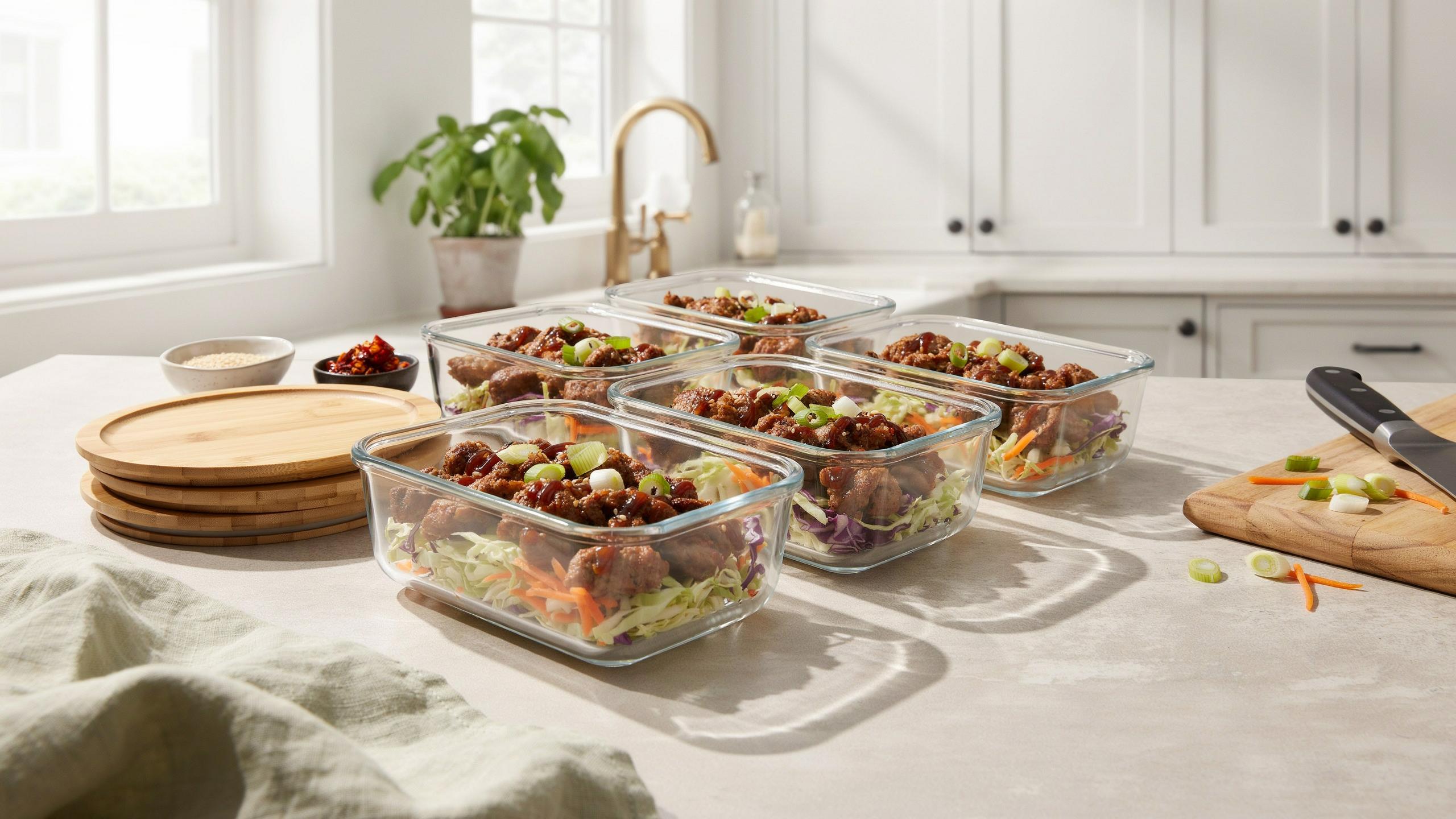
The Myth Of Easy Egg Roll Bowl Meal Prep
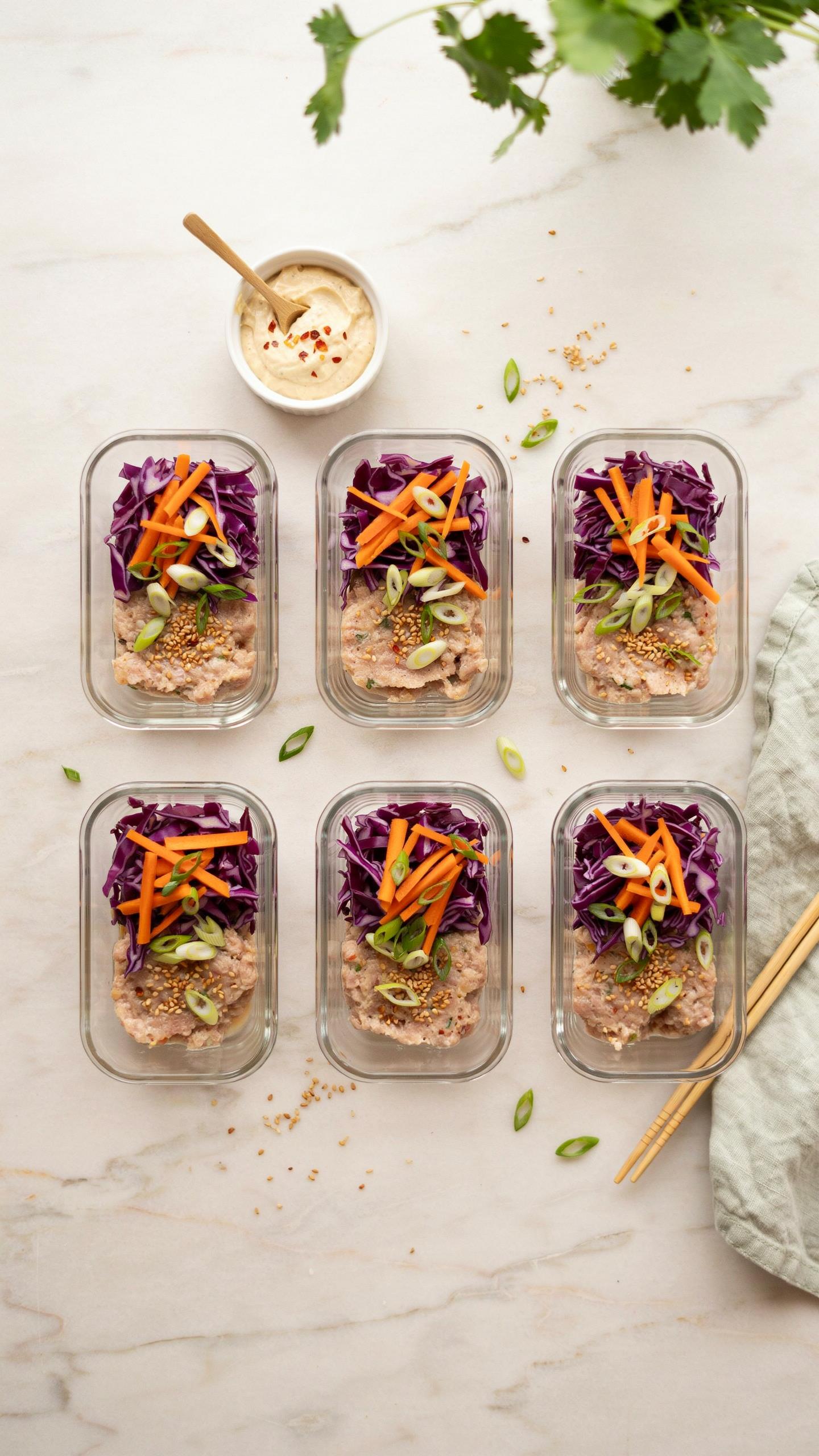
Why Most Recipes Simplify To Your Detriment
You want to believe egg roll bowl meal prep is simple because that means you can do it without thinking, and thinking is where most people fail. The real problem: every recipe you find strips away the variables that actually determine whether your protein stays edible by day four and whether you’ll actually eat it instead of ordering out. They skip the breakdown because it doesn’t fit into a snappy headline.
The mechanism is thermodynamics applied to food storage. When you brown ground meat, you’re not just cooking it. You’re reducing moisture content and creating a surface that oxidizes over time. Most recipes tell you to dump everything together raw or barely cooked, which accelerates bacterial growth and turns your containers into a science experiment by Wednesday. Cook the protein separately, cool it fully before combining, and store it at the right temperature, and you add days to shelf life. Skip this step and you’re gambling.
Beyond The Surface Hidden Time Sinks
Most recipes quote a twenty-minute prep time. What they don’t mention is the work that happens after the cutting board but before the actual cooking. Mise en place is real, and it’s where people lose their afternoon without realizing it. You’re mincing garlic, measuring oil, chopping cabbage into consistent sizes so it cooks evenly, draining wet vegetables so they don’t steam instead of sear.

The second hidden sink is cooling time. Hot food goes into the fridge and releases steam, which condenses on the lid and turns your meal prep into a humid mess that spoils faster. Most people skip this. You need to let cooked egg roll bowls sit at room temperature for at least thirty minutes before containerizing them, or better yet, use a blast chiller if volume justifies it. That’s the real protocol: cook, cool on sheet trays, pack cold into dry containers, then refrigerate. Everything else is just moving food around.
Deconstructing The High Protein Imperative In Your Egg Roll Bowl
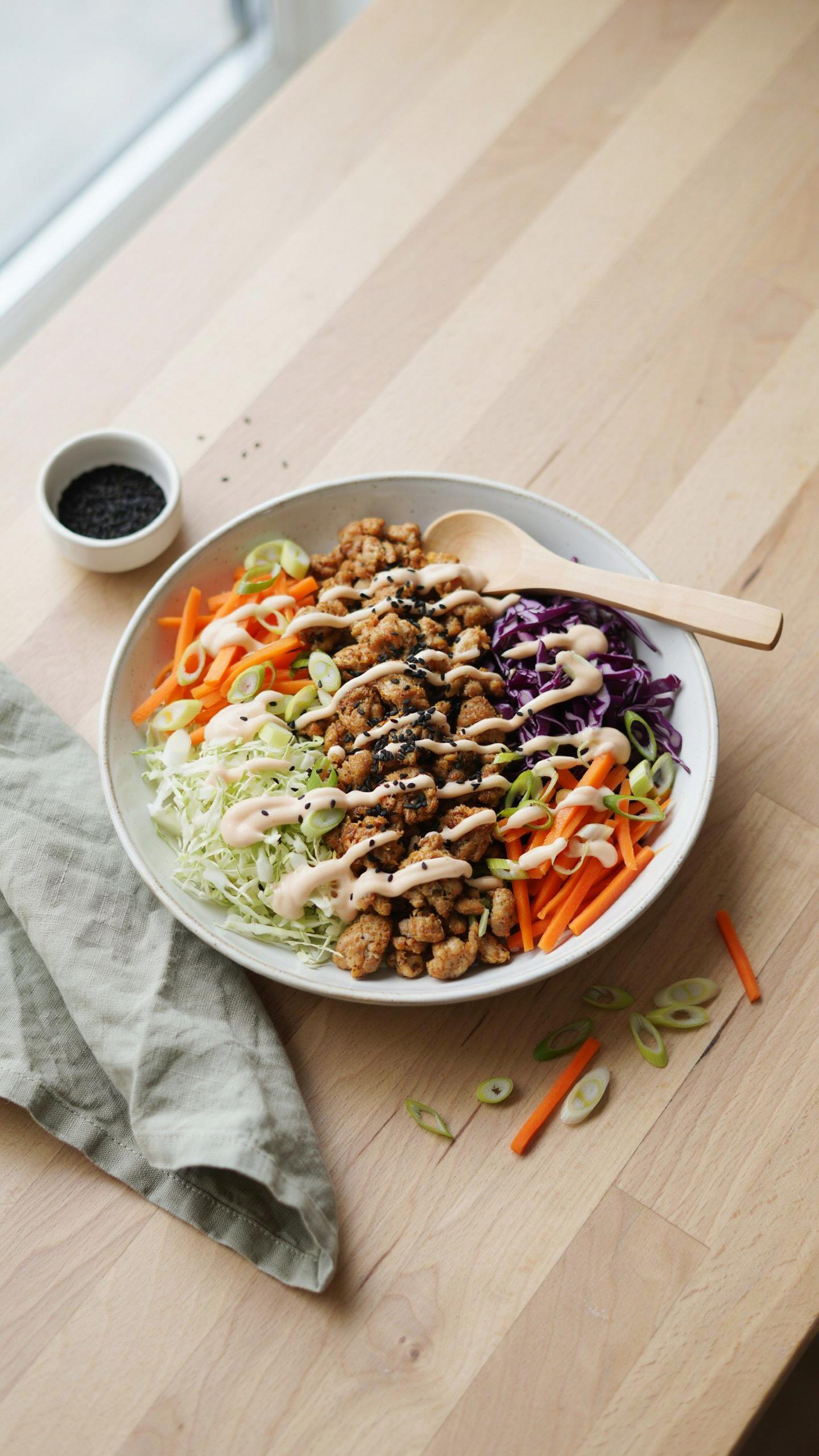
Which Protein Actually Matters Here
You want the number on the label to be big so you feel like you’re doing something right. But protein quality determines whether your body uses it or stores it as fat. Ground pork, ground beef, and shrimp all deliver protein, but they differ in amino acid profile and how fast your digestive system breaks them down. The mechanism from biochemistry is bioavailability—the percentage of ingested protein your body can actually absorb and utilize. Ground beef scores higher than pork on this metric because of its leucine content, which triggers muscle protein synthesis directly. Pick your protein source based on what your body can convert, not what marketing emphasizes.
Ground pork works fine for egg roll bowls if cost matters to you, but it contains less leucine than beef or chicken. Ground beef or ground turkey will push more actual protein into your system per ounce consumed. The practical move: buy whichever source costs least per gram of protein at your store, verify the amino acid profile on the label, then stick with it for four weeks. Consistency in protein source lets your body adapt to digestion efficiency.
The Absorption Trap Nobody Mentions
Everyone says eat more protein. Nobody says fiber intake determines whether that protein gets used or passes through you. Your egg roll bowl’s cabbage base creates the conditions for optimal protein breakdown. The fats in ground meat slow gastric emptying, extending the window for your small intestine to absorb amino acids. This is intestinal transit time, borrowed from gastroenterology—a measurable variable that separates effective protein consumption from wasted calories.
Raw egg roll bowls with uncooked cabbage actually accelerate gut transit because raw fiber moves faster. Cook the cabbage for three to five minutes before storing it. This softens cell walls, making protein and micronutrients easier for your digestive system to access. Add a fat source like sesame oil or cook the meat in its own fat, then pair it with the cooked cabbage. Your body absorbs more total protein this way, not because you added more grams, but because you optimized the mechanical conditions for absorption to occur.
The Culinary Physics Of Flavor Beyond Basic Egg Roll In A Bowl
Why Searing Changes Everything
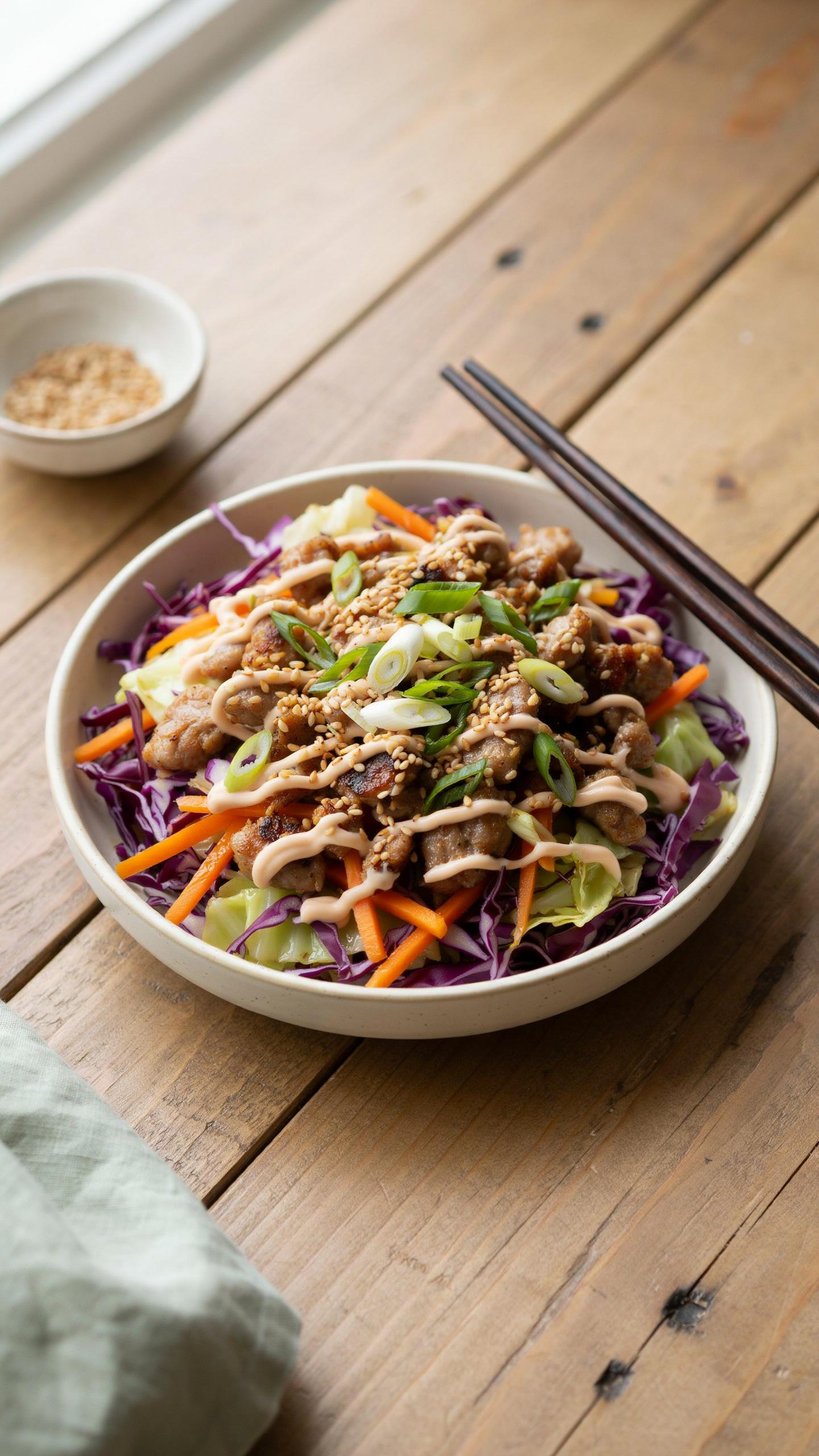
You want your meal prep to taste like restaurant food, not reheated sadness. That gap exists because most recipes skip the mechanism that makes food taste like food: the Maillard reaction. Thermodynamics is the physics of energy transfer and heat distribution. When you sear ground pork or beef at high temperature, you’re forcing a chemical reaction between amino acids and reducing sugars that creates hundreds of new flavor compounds that don’t exist in raw meat. Low heat won’t trigger this. You need 300 degrees Fahrenheit minimum, which means a screaming hot pan and dry meat.
Pat your protein completely dry before the pan touches heat. Moisture on the surface converts to steam, which blocks the meat from reaching the temperatures needed for browning. High heat, cast iron or stainless steel, two minutes per side maximum. The goal is a brown crust on the exterior while the inside stays moist. This takes thirty seconds longer than most people allocate, but the flavor difference justifies the space in your meal prep protocol.
How Sauce Actually Clings To Food
The common advice is to “coat everything evenly.” That’s incomplete. Sauce adhesion works through two separate mechanisms: mechanical grip and emulsion stability. Mechanical grip happens when sauce fills the textured surface created by searing. An emulsion is a suspension of fat droplets in water that stays combined. Your egg roll bowl sauce needs both cabbage texture to grip onto and a stable emulsion to not separate during storage and reheating.
Build your sauce with soy sauce, sesame oil, and rice vinegar, then add a small amount of cornstarch slurry. The cornstarch thickens the liquid and creates a gel that adheres to the meat and vegetables instead of pooling at the bottom of your container. Add the sauce to hot ingredients, not cold ones. Heat helps the emulsion form tighter molecular bonds. Store at room temperature for one hour before refrigerating, allowing the sauce to fully coat and set.
Coleslaw Mix The Unsung Hero Of High Volume Low Calorie Meals
Why Coleslaw Carries More Weight Than You Think
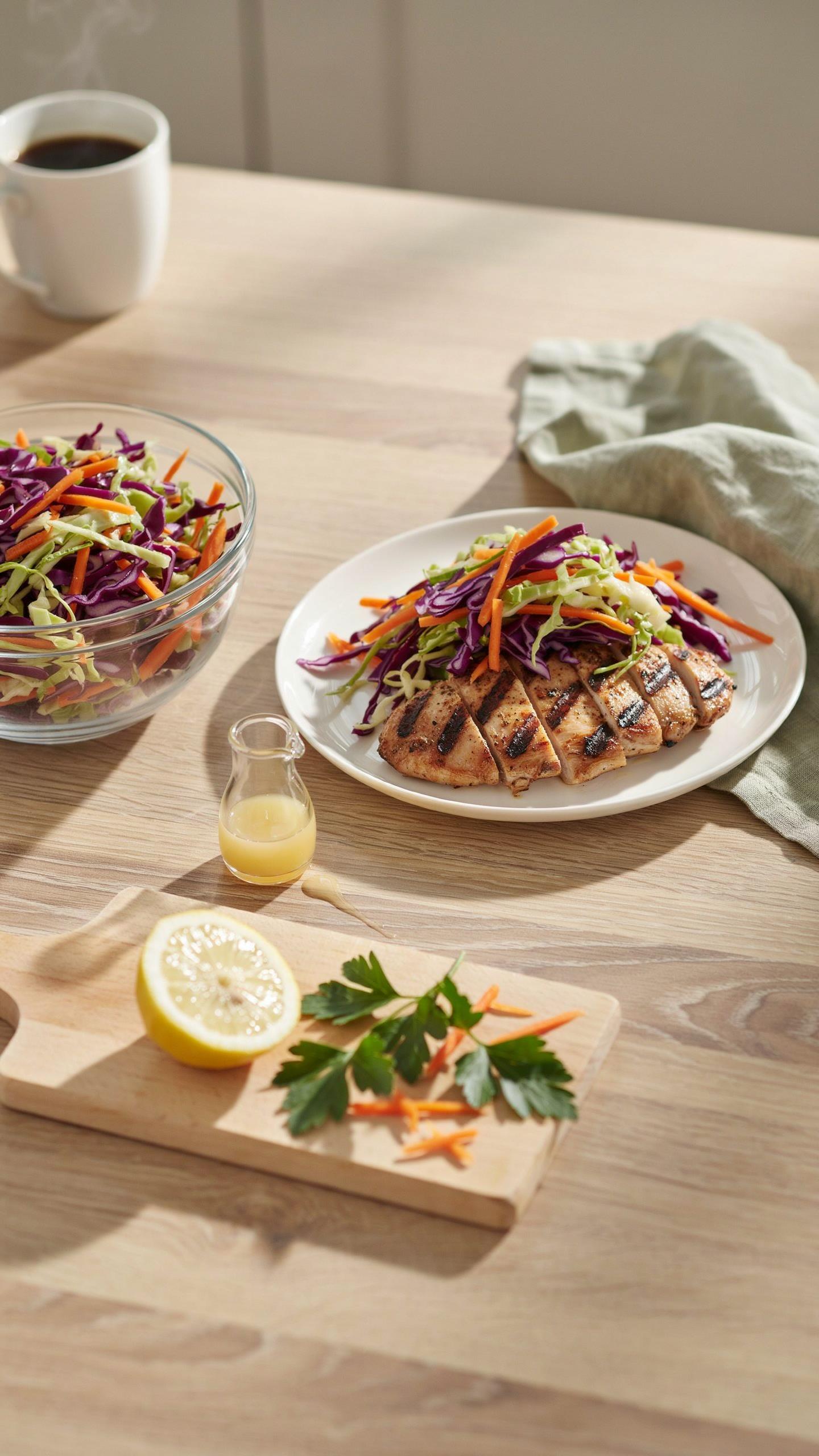
You want the meal to feel substantial without blowing your calorie budget, and coleslaw is the mechanism that makes this possible. Borrowing from nutritional biology, coleslaw operates on the principle of nutrient density—delivering micronutrients and fiber per calorie consumed. Raw cabbage, carrots, and leafy greens provide volume that signals fullness to your brain without the caloric load of rice or noodles. A two-cup serving of coleslaw adds roughly 50-80 calories while contributing fiber, vitamin C, and potassium. The crunch factor matters too: textural resistance during chewing extends meal duration, which research ties to earlier satiation signals. This is why egg roll bowls built on a coleslaw base outperform grain-heavy versions for sustained fullness.
Pre-made coleslaw mixes ship with dressing included, which changes the equation. Most commercial versions add sugar and mayo that inflate the calorie density beyond raw vegetables alone. You’re paying for convenience at the cost of macronutrient control. If you’re tracking protein intake for a high-protein dinner strategy, the added carbs from sweetened dressing compete for your daily carbohydrate allowance unnecessarily. The trade-off is real: buying undressed coleslaw mix or shredded cabbage directly costs slightly more but gives you ingredient precision without compromise.
Building Your Own Blend For Consistency
Custom coleslaw blending removes the guesswork that kills meal prep systems. When you build your own, you control the ratio of cabbage to carrot, ensuring the same macros across every batch. Buy shredded cabbage and shredded carrot separately from the produce section or use a box grater on whole vegetables if your kitchen setup allows it. Store both in separate containers for three to four days before combining with your dressing. This separation prevents moisture transfer that makes pre-mixed bowls soggy by day three or four.
The dressing formula is the anchor point for consistency. A simple blend of rice vinegar, sesame oil, and a minimal amount of soy sauce delivers flavor without the sugar load of store-bought options. Mix dressing into the coleslaw no earlier than two hours before eating, or keep it separate and combine at meal time. This small protocol step preserves crunch across your entire meal prep week and prevents the vegetable breakdown that turns your bowl into mush by Wednesday.
The 3 Tiered Egg Roll Bowl Meal Prep Protocol
Where To Source Your Proteins And Vegetables
You want to believe that organic, local sourcing moves the needle on meal prep results. It doesn’t. What moves the needle is cost per usable gram of protein and how long vegetables maintain texture after cooking. Ground meat sourcing follows inventory economics: buy what your store discounts before expiration, not what marketing tells you matters.
- Ground pork: 80/20 blend offers best fat ratio for flavor retention during reheating. Buy in 5-pound packages when on sale, freeze in 1-pound portions immediately.
- Coleslaw mix: Pre-shredded cabbage oxidizes slower than hand-cut. Skip organic premium brands. Standard grocery store bags cost 60% less and perform identically through day four.
- Carrots: Buy pre-shredded to eliminate prep time tax. Whole carrots dry out faster in storage containers than shredded versions do.
- Green onions: Purchase fresh but freeze immediately after chopping. This halts enzyme breakdown that causes flavor collapse by day three.
- Garlic and ginger: Buy minced in jars, not fresh. Fresh oxidizes and turns bitter. Jarred versions hold stable flavor for the full prep cycle.
Component sourcing isn’t about quality purity. It’s about which forms preserve their functional properties longest inside a sealed container. The real win is buying ingredients that have already been processed for storage, then storing them again.
Cook Components Separately, Store Them Cold
Most people batch cook an entire egg roll bowl at once, then watch texture collapse by day three. Wrong approach. Restaurants use mise en place because heat degrades different ingredients at different rates. The proteins need heat. The vegetables need time away from heat.
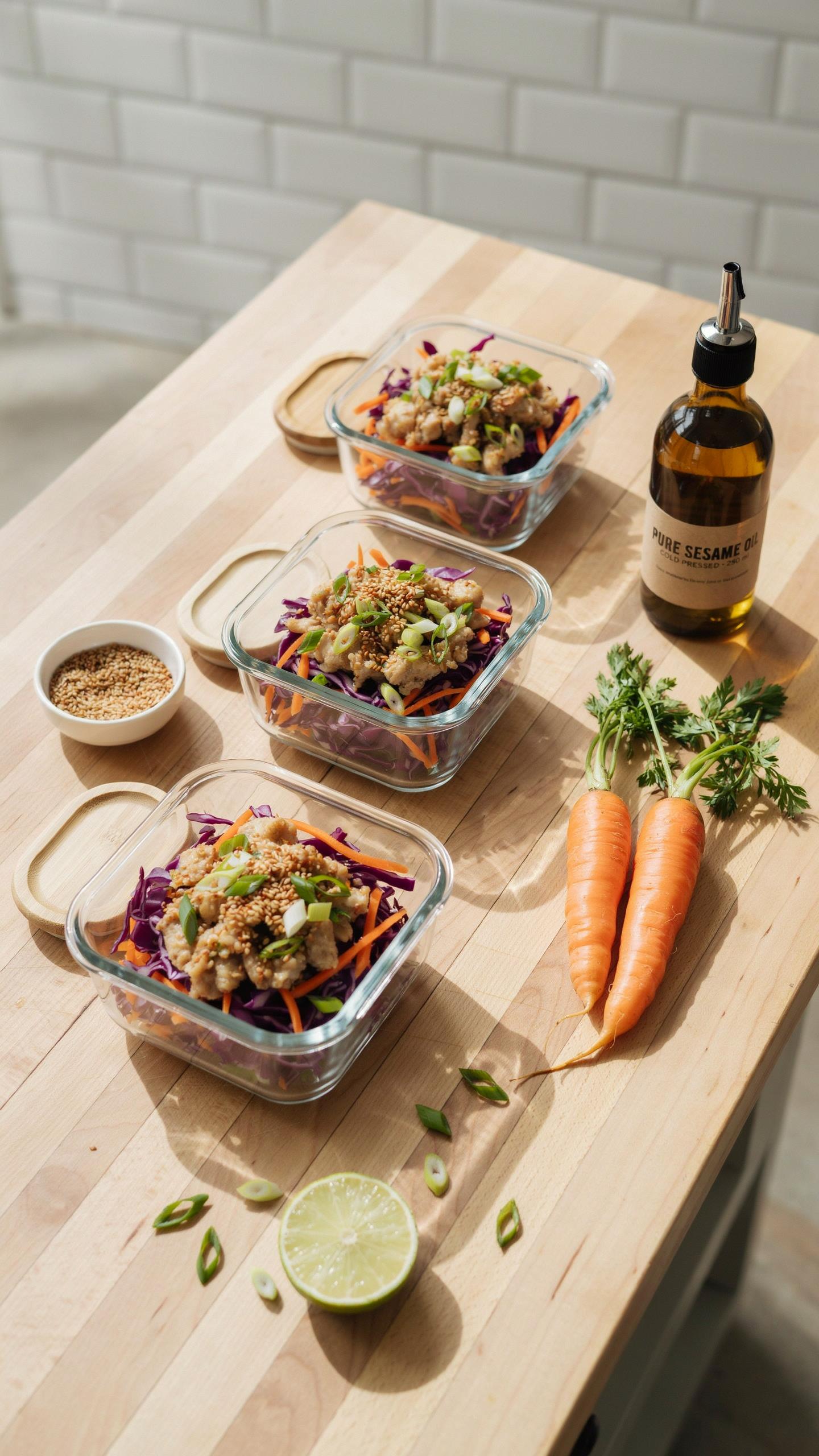
Cook ground pork to 160 internal temperature in bulk, cool it completely on sheet trays before portioning. Store it in airtight containers. Cook your coleslaw mix with garlic oil for exactly three minutes at high heat, then shock it in ice water to stop carryover cooking. This halts enzyme activity that softens vegetables over time. Separate storage means you reheat only the protein, keeping vegetables crisp. Stack containers vertically in your fridge to maximize visibility and prevent forgotten containers from expiring unused.
Keto Egg Roll Recipe Easy Avoiding The Low Carb Traps
Where Hidden Carbs Actually Hide
You want to believe your egg roll bowl is truly keto because admitting otherwise means your meal prep failed. Here’s the mechanism: carbs don’t announce themselves. They hide in ingredients you assume are safe because they sound neutral or come from sources you trust. Soy sauce contains added sugar by default. Store-bought coleslaw mixes use dextrose as an anti-caking agent. Even quality cabbage varies in net carbs based on storage time and harvest season. The trap isn’t ignorance, it’s assumption.
The real work happens during ingredient selection, not cooking. Buy raw cabbage and shred it yourself instead of pre-packaged mixes. Use coconut aminos or tamari in place of standard soy sauce, cutting hidden sugars entirely. Check labels on ground meat for fillers and binders, which add carbohydrate content. Many people skip this step because it feels tedious, but the difference between 3g net carbs and 12g net carbs per serving compounds across your week of meal prep.
Building Flavor Without Sugar Based Sauces
Most keto advice says “just use soy sauce alternatives,” which is incomplete. The real problem is that traditional egg roll bowl flavor comes from the sauce, and most sauces carry carb load because sugar is the cheapest way to create depth and coating. You need to replace the sauce’s function, not just swap one bottle for another. That function is umami delivery plus textural contrast. Use fish sauce, garlic, ginger, and sesame oil as your flavor base instead of relying on any bottled sauce.
Fish sauce carries zero carbs and delivers intense umami that soy sauce achieves through its sugar content. Toast your garlic and ginger in the fat before adding other ingredients to intensify flavor without volume. Mix sesame oil into ground meat during the final minute of cooking so it coats everything evenly. This approach requires slightly more active technique but produces an egg roll bowl with 1-2g net carbs per serving instead of 8-10g when you use conventional sauces.
The Economics Of Your Egg Roll Bowl Time Money And Macros
Why Complexity Kills Your Meal Prep
You want to feel like you’re doing something sophisticated. That’s the real reason most people overcomplicate egg roll bowls. Economics has a term for this: opportunity cost. The time you spend chopping five extra vegetables or making a from-scratch sauce is time you don’t spend cooking four more bowls. One elaborate batch feeds you twice. Four simple batches feed you eight times. The math doesn’t care about your ego.
The mechanism is straightforward: complexity scales with ingredients and technique, not with results. A bowl with cabbage, ground meat, and soy sauce delivers the same protein outcome as one with water chestnuts, bamboo shoots, and a homemade ginger paste. You’re trading time for negligible nutritional gain. Strip the recipe to its foundation. Cook faster. Repeat more often. That’s how you actually sustain high protein dinners.
Ground Meat Quality Changes The Math
Cheap ground meat forces you to drain grease and remove waste before eating. Quality ground meat cooks leaner and requires less post-cooking cleanup. Economics calls this a supply-side efficiency gain. You’re not just buying protein; you’re buying prep time back.
The real decision point: a five dollar pound of 85/15 ground beef versus an eight dollar pound of 93/7. Over ten batches, that’s thirty dollars more. But you save roughly forty-five minutes in grease management and lose zero nutritional density. The better ingredient actually saves you money when you factor in labor. Fillers cost you twice: once at purchase, once during prep. Buy once, optimize once.
Beyond The Bowl Repurposing Egg Rolls Components

What To Do With Leftover Cooked Protein
You’re reading this because throwing food away feels like throwing money away, and you’re right. The real mechanism most people miss: cooked ground pork or ground chicken from your egg roll bowl batch doesn’t degrade in quality the way raw protein does. It’s already had its proteins denatured and rendered shelf-stable through heat. Use that advantage.
Shred the leftover protein and build three distinct dishes: lettuce wraps for lunch texture contrast, fried rice as a vehicle for seasoning variety, or straight protein addition to scrambled eggs for breakfast. Each application requires zero additional cooking time. The protein is already safe and ready. Rotate these applications across your week to avoid palate fatigue while maintaining your prep efficiency.
Vegetable Strategy For Zero Waste
Most meal prep advice says “just freeze leftovers” which is incomplete guidance. Here’s the mechanism: coleslaw cabbage loses texture under prolonged storage due to cell breakdown from ice crystal formation, but it transforms into different value through secondary applications. Treat it like an inventory system where each state has a different purpose.
Raw leftover cabbage works for stir frying into new dishes, adding to soups for texture, or layering into grain bowls. Cooked cabbage from your batch goes into egg scrambles or gets blended into ground meat applications for moisture retention. Store separately by state of doneness. This eliminates waste by design, not luck, because you’ve predetermined where each component goes before degradation happens.
The Unspoken Advantage Of A Refined Egg Roll In A Bowl Meal Prep
Decision Fatigue Dies Here
You want meal prep to feel effortless so you stop sabotaging yourself with takeout. Here’s the mechanism: every food choice you make depletes your decision-making capacity for the day. Egg roll bowl meal prep eliminates that drain by removing the “what’s for dinner” question entirely. You’ve already decided. The container sits in your fridge. No negotiation happens at 6 PM when willpower bottoms out.
Most people treat meal prep as a storage problem. It’s actually a decision-removal system. When you build the same bowl structure every week, you stop treating Sunday cooking as a creative task. You execute a protocol. Your brain conserves energy for actual work. The refined version means your ingredient list doesn’t shift, your ratios stay consistent, and your hand doesn’t hesitate in the kitchen. That consistency is what turns preparation into automation.
Repetition Builds The Neural Pathway
Systems thinking from operations management tells us that standardized processes reduce error and increase output. Apply this to meal prep: your egg roll bowl becomes a production line, not a one-off creation. The first time you make it, you waste mental cycles. By week four, your hands know the vegetable cuts, the cooking sequence, the container fills. Speed increases. Quality stabilizes.
The second advantage most people miss is that repetition rewires how your body signals hunger. When you eat the same protein and vegetable combination consistently, your satiety hormones calibrate to that specific macronutrient profile. You stop overeating because the signal arrives faster and cleaner. Your body recognizes the bowl and responds accordingly. This is why refined egg roll bowl meal prep works for sustained discipline: you’re not fighting your own biology. You’ve aligned it with your system.
Your real obstacle isnt the recipe its the weak systems that prevent consistent execution
You already know egg roll bowl meal prep works. The problem is you’re treating it like a one-time event instead of a repeatable system. Pick one day next week, block two hours, and buy everything on Sunday. That’s it. No motivation required, no willpower needed, just a slot on your calendar that doesn’t move. The difference between people who stick with high protein dinners and people who quit is this: they decided the system mattered more than the meal.