
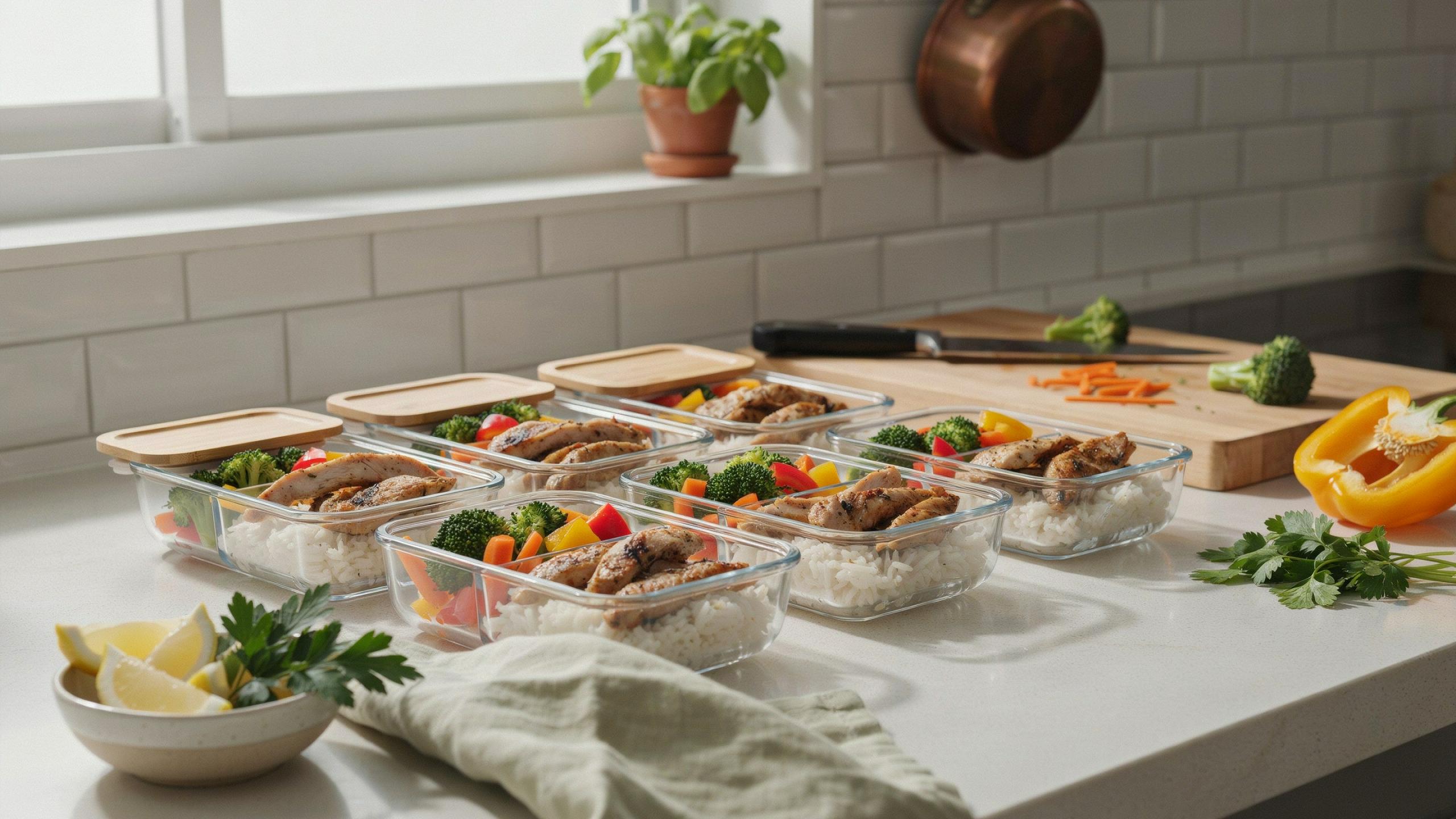
The Inconvenient Truth Of Easy Chicken And Rice

Convenience Breeds Complacency, Not Success
You’re drawn to chicken and rice meal prep because it feels like a shortcut to discipline, but that’s exactly why it fails for most people. Here’s the mechanism: when something is too easy to start, you treat it like it requires no maintenance. You skip the planning phase. You assume consistency will happen on its own. It won’t.

The real work isn’t in the cooking. It’s in the decision-making architecture you build before you touch a single ingredient. People confuse “simple to execute” with “simple to maintain.” Chicken and rice is mechanically straightforward, but that simplicity creates a trap. You need a system that accounts for boredom, schedule shifts, and the psychological weight of eating the same thing. Without that, you’ll abandon it in three weeks.
The Myth Of Easy And Its Hidden Costs
This is where the conventional advice breaks down: every article about chicken and rice meal prep treats ease as the benefit. They’re wrong. Ease is the problem disguised as a solution. The hidden cost isn’t time or money. It’s decision fatigue compounded by monotony.

When you commit to chicken and rice without addressing flavor variation, texture rotation, and strategic seasoning protocols, you’re not building a sustainable habit. You’re building resentment toward the meal itself. The cost compounds over weeks as your brain categorizes it as punishment food instead of fuel. Your real task is engineering enough controlled variation within the simple framework that your system survives past month two. That’s where most people fail, and no one mentions it.
Your Meal Prep For The Week Chicken And Rice Is Sabotaging You

The Flavor Fatigue Trap
You think consistency means eating the same meal five times a week without flinching, but what you’re really afraid of is that you’ll quit before you see results. Here’s the mechanism: your taste receptors adapt to repeated stimuli. In neuroscience, this is called habituation. Your chicken and rice container stops triggering dopamine release around day three. Your brain registers it as punishment, not fuel. The meal didn’t change. Your nervous system disengaged from it.
Most meal prep advice tells you to “just push through” or add hot sauce. Both miss the point. You don’t need willpower. You need planned variation that takes five minutes to execute. Cook the chicken in three different ways across the week: one batch with lemon and garlic, one with soy sauce and ginger, one with paprika and cumin. The rice stays the same. The protein shifts. Your brain stays engaged because the stimulus changed, even though you’re still eating chicken and rice.
Intentional Imperfection Beats Perfect Monotony
Building a meal prep system that works means accepting that flawless execution kills adherence faster than mediocre consistency. You don’t need four containers that look magazine-ready. You need four containers you’ll actually finish. The mechanism is simple: perfectionism creates decision fatigue. You spend mental energy worrying about portion sizes or whether the rice texture is exactly right instead of just eating.
Set one non-negotiable standard: the protein hits your target grams. Let everything else breathe. Some containers get extra rice. Some get less. Some get a side of roasted vegetables, others don’t. This isn’t laziness. It’s removing the friction between your prep work and your actual consumption. When you remove the pressure to be perfect, you remove the reason your brain gives you to skip the meal and order takeout instead. Build your weekly prep around what you’ll actually eat on Tuesday at 1 PM, not what looks best in a photo.
Beyond The Meal Prep Bowls The Nutrient Density Protocol
Micronutrients Per Calorie, Not Just Macros
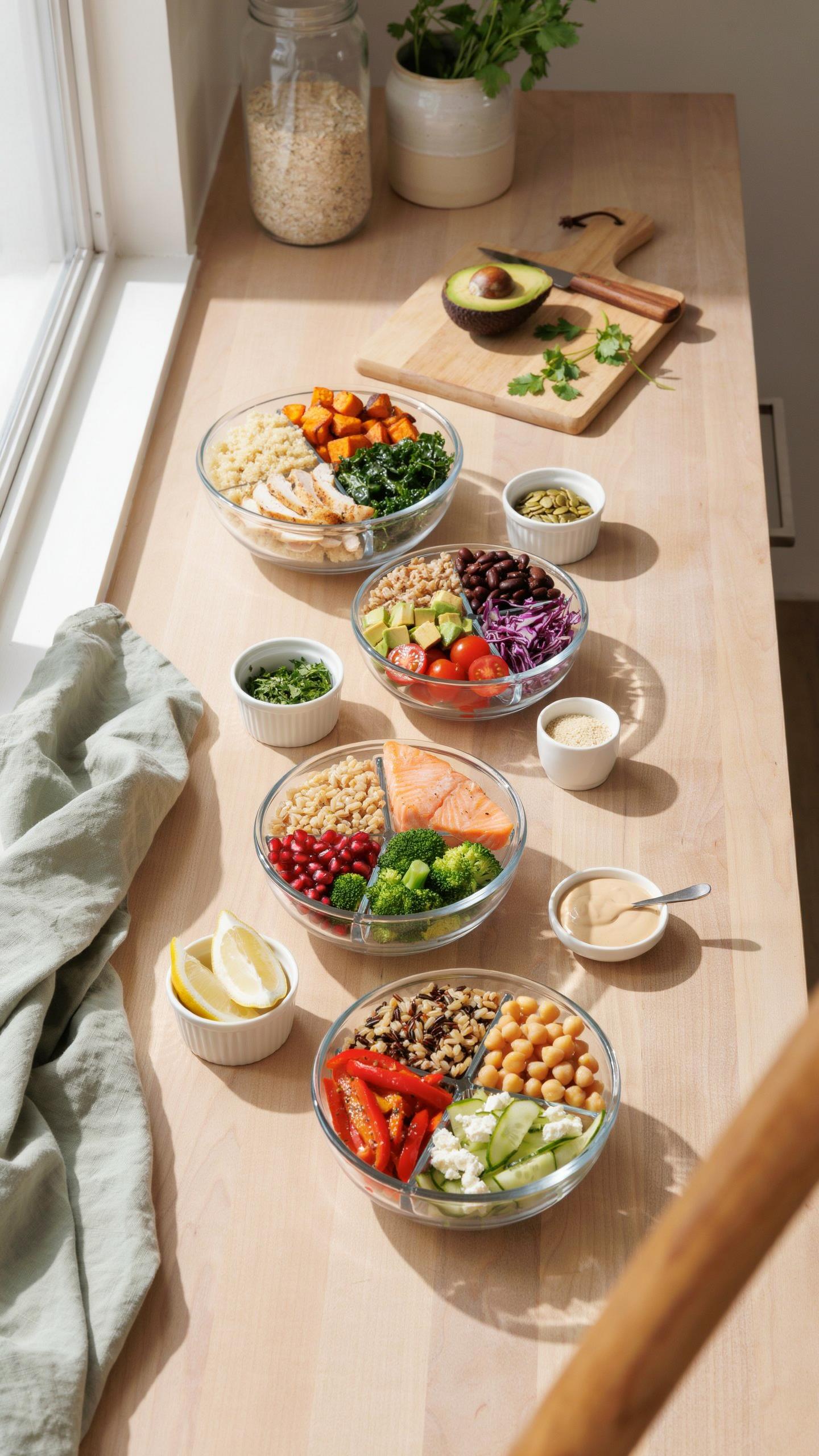
You want to feel full and energized without obsessing over every meal. The real mechanism is this: standard meal prep advice treats protein, carbs, and fat as the only variables worth tracking, but micronutrient density is what actually determines satiety, energy stability, and whether your body recovers properly. Borrowing from nutritional biochemistry, think of micronutrients as the enzymatic cofactors that unlock macronutrient utility. Without them, your protein and carbs become less bioavailable. Most meal preppers ignore this because it’s harder to measure than grams of chicken.
The fix is straightforward. Add vegetables and quality salt to your chicken and rice base, not as garnish but as structural components. Leafy greens, bell peppers, and broccoli contain minerals and phytonutrients that improve insulin response and reduce the crash that comes from plain white rice. Sea salt adds electrolytes that prevent the fatigue people mistake for hunger. Your meals stay the same calorie count, but your body actually absorbs and uses the food better. The satiety shift happens within three to four days of consistent preparation.
Sustained Energy Starts With Ingredient Selection
The consensus says chicken and white rice work fine, and technically they’re not wrong, but “fine” means you’ll fight cravings by Wednesday. Rice quality determines your energy pattern. Brown rice has more fiber and B vitamins than white rice, which slows glucose absorption and extends satiety. Chicken thighs outperform chicken breast for sustained energy because they contain more fat and minerals, particularly iron and zinc, which stabilize blood sugar and reduce the crash cycle. Most preppers choose chicken breast because it’s lean and feels healthier. That’s a marketing-driven choice, not a physiology-driven one.
Pair brown rice or a rice blend with thighs, then add a fat source deliberately. Olive oil or ghee mixed into your prep increases fat-soluble vitamin absorption and extends the time between meals where hunger becomes a distraction. Cook your chicken in bone broth instead of water to extract collagen and minerals. Your prep time stays identical, but the nutrient profile shifts enough to eliminate the energy dips that derail consistency. Mix your oil into the rice while it’s still warm so it distributes evenly, then portion into containers while cooled.
Chicken And Brown Rice Meal Prep The Unsexy Advantage
Fiber As A Metabolic Lever
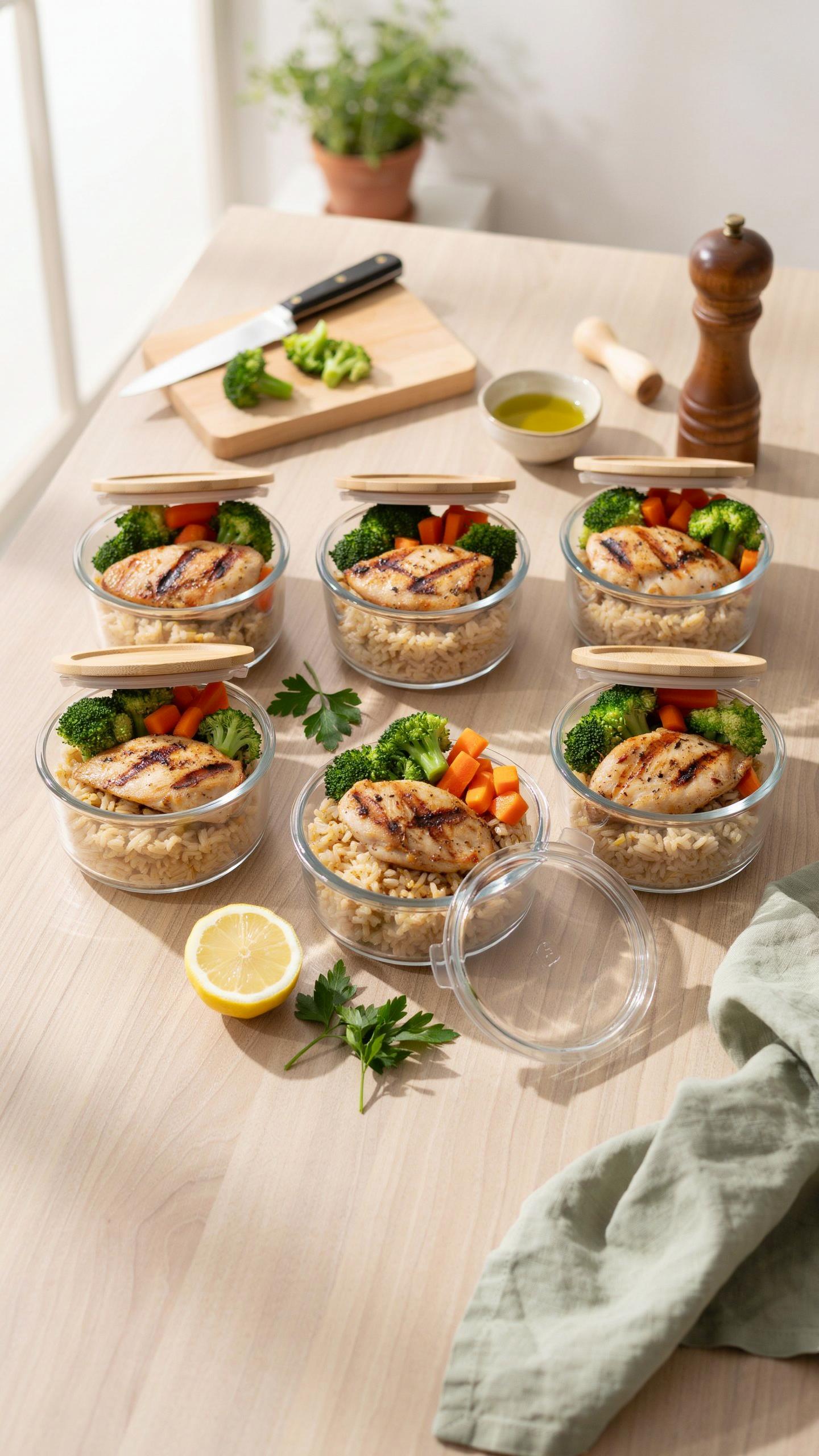
You want brown rice in your meal prep because it makes you feel disciplined, but that’s not why it actually matters. In thermodynamics, leverage means using a small force to move a large load. Fiber is your lever: it slows glucose absorption, which means your pancreas doesn’t spike insulin, which means your body stays in a state where it burns fat instead of storing it. White rice spikes you fast. Brown rice doesn’t. The mechanism is the fiber content, not the color.
Most nutrition advice stops at “fiber is good for digestion.” That’s incomplete. Fiber slows gastric emptying, which extends satiety and prevents the hunger crash that kills meal prep compliance at day four. When you eat brown rice with chicken, the fiber creates a flatter blood sugar curve. Your energy stays stable. You don’t hunt for snacks at 3 PM. Cook brown rice with a 1:2.5 ratio of rice to water, simmer for 45 minutes covered, and let it cool before portioning to preserve the resistant starch that forms during cooling.
Glycemic Control For Consistent Focus And Mood
The real win of chicken and brown rice isn’t the calories you cut. It’s the cognitive consistency you gain. When blood sugar crashes, your prefrontal cortex goes offline and your amygdala runs the show. That’s why you make impulsive decisions at night, why focus disappears by afternoon. Stable glucose keeps your decision-making intact for the entire week.
Brown rice has a glycemic index around 68. White rice sits at 89. That gap isn’t big enough to matter in a single meal, but across five days of three meals per day, you’re looking at 15 meals where your blood sugar either stays flat or spikes. Consistency compounds. Your mood doesn’t crash at day three. Your work output doesn’t tank by Friday. Prep brown rice every Sunday so the resistant starch develops fully, then portion immediately into containers and refrigerate. Don’t reheat and cool repeatedly.
The Stamina Engine Method For Chicken Lunch
How The Military Optimizes Caloric Load
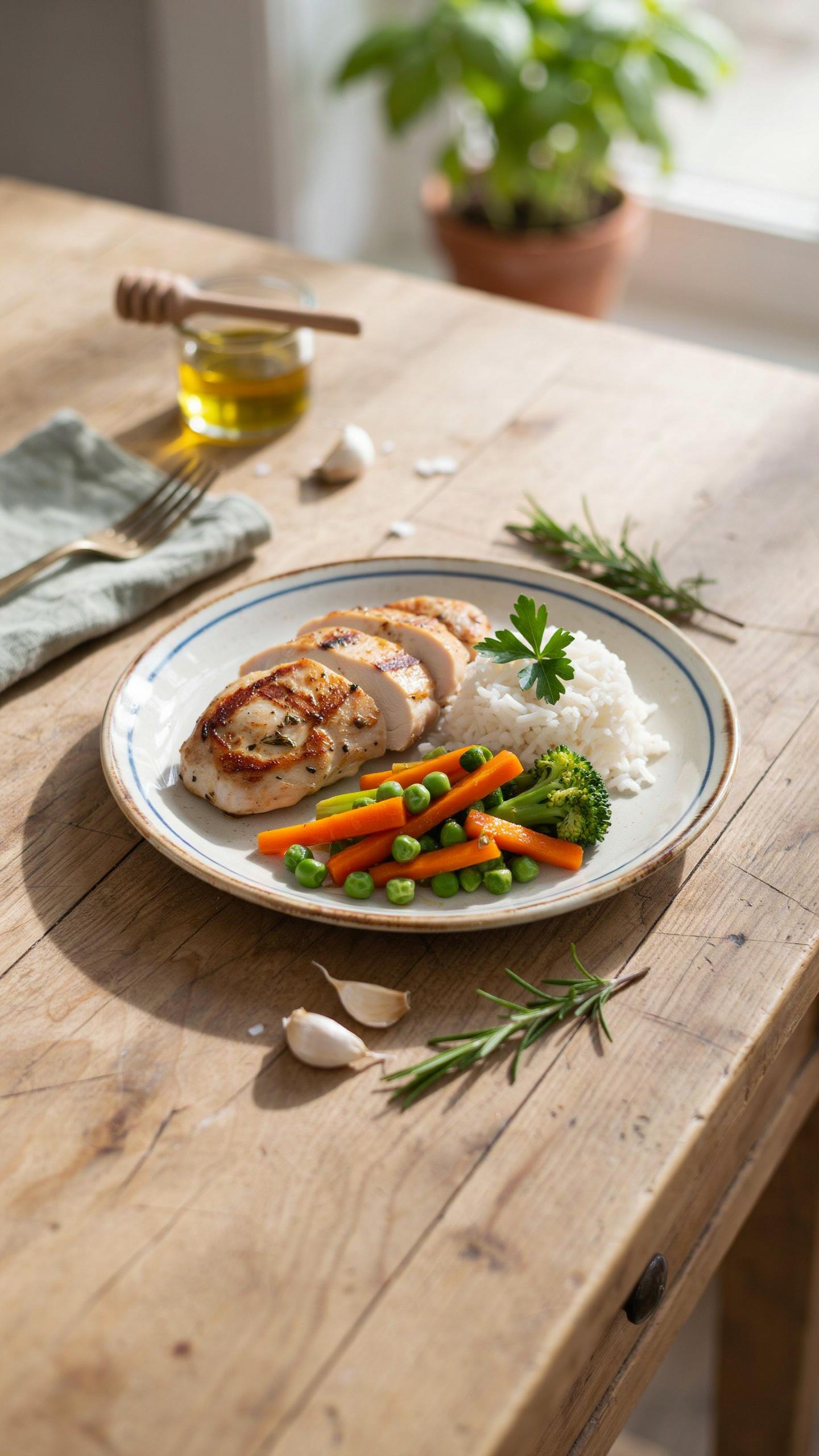
You want to feel full, productive, and in control all afternoon without the crash. That’s not about willpower, it’s about caloric density paired with saturation timing. Military logistics borrowed from economics a principle called “supply optimization”: moving the most resources through a system with the least waste. Your lunch is that system. Chicken and rice create a predictable caloric load because the macronutrient ratio stays constant across every meal you prep.
A 200-gram chicken breast paired with 150 grams of cooked rice delivers roughly 50 grams of protein and 55 grams of carbohydrates. This ratio doesn’t vary week to week. You know the exact energy input before you eat. This eliminates guessing and metabolic surprises that kill afternoon focus. The mechanism is simple: protein triggers satiety hormones, rice provides sustained glucose release without the spike-and-crash of refined carbs. Cook portions to weight, not volume. A food scale removes the variability that makes meal prep unreliable.
How Your Body Handles Fuel Delivery
The common advice here is dead wrong: people believe meal prep works because they “stay consistent” or “eat healthier.” That’s not the mechanism. Your digestive system doesn’t care about your consistency. What matters is the physiological delivery schedule of nutrients into your bloodstream. Chicken and rice create a predictable absorption curve because the fiber content, protein density, and starch composition stay identical in every container.
When you eat the same meal at the same time daily, your body adapts its enzyme production and hormone secretion to that schedule. Your pancreas learns when insulin is needed. Your stomach learns when to produce hydrochloric acid. This isn’t motivation or discipline, it’s adaptation. You remove the cognitive load of deciding what to eat by removing the decision entirely. Prepare five identical containers Sunday evening. Eat at noon every day Monday through Friday.
Why Your Meat Rice And Veggies Meal Prep Fails
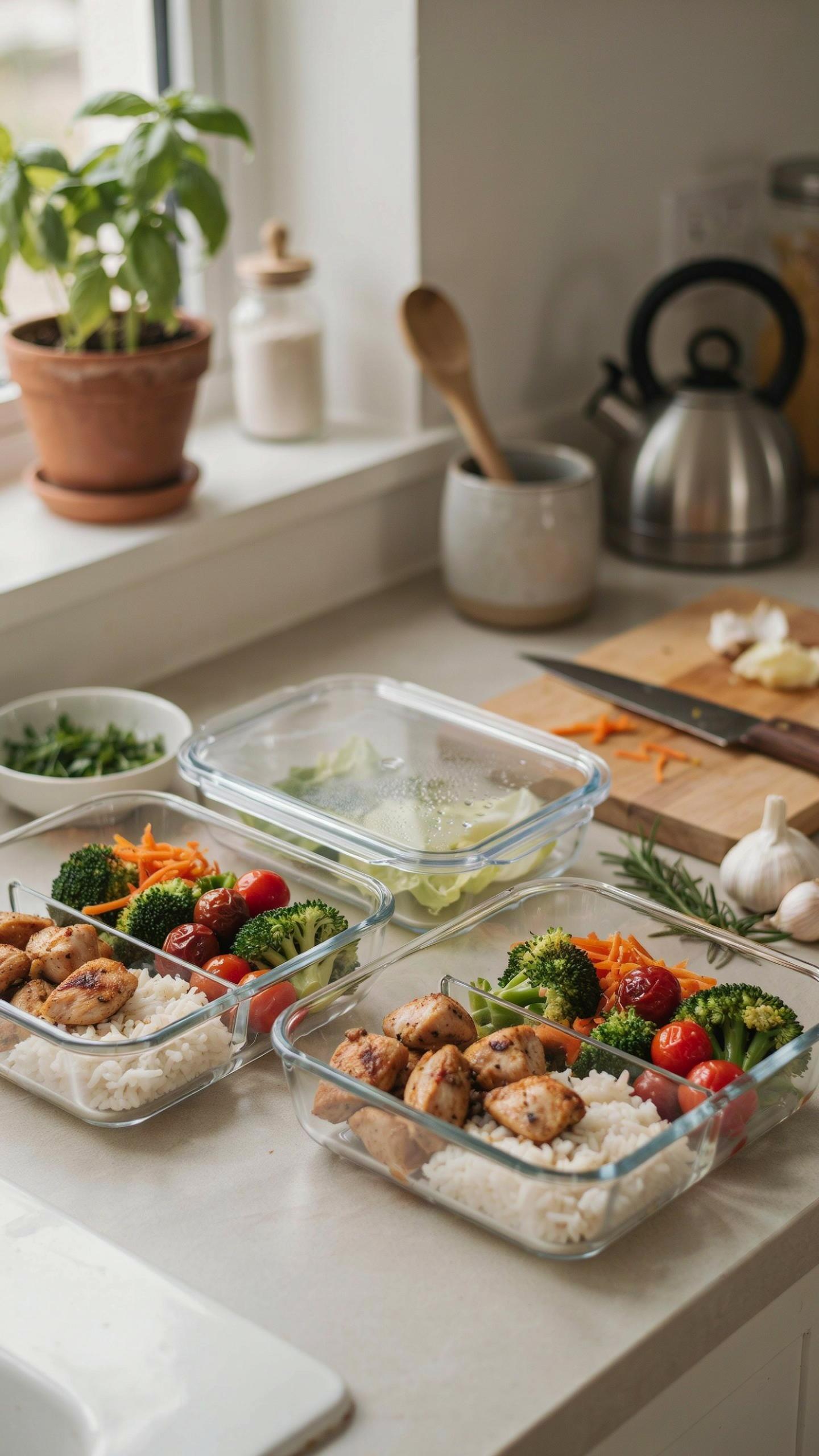
Treating Everyone’s Nutrition The Same
You think meal prep fails because you lack discipline. The real reason is you’re eating someone else’s macros. Biology doesn’t operate on consensus. Your caloric needs, protein tolerance, digestion speed, and micronutrient absorption differ from the guy next to you by a measurable margin. A one-size-fits-all chicken and rice formula ignores this completely.
The standard advice says “just eat more protein.” That’s incomplete. Your actual requirement depends on your training intensity, age, body composition, and recovery capacity. Prepping 150 grams of protein daily works for a 200-pound athlete in a surplus. It creates lethargy in a desk worker eating at maintenance. You quit because the template doesn’t match your physiology, not because you lack willpower.
When Food Becomes Punishment
Repetition kills adherence faster than hunger does. Your brain equates the same meal five days in a row with deprivation, even if calories and macros are perfect. This isn’t weakness. This is how sensory adaptation works in mammals. The food stops triggering reward pathways in your nucleus accumbens. You unconsciously seek novelty, which means you break protocol.
The fix isn’t willpower. It’s variation within structure. Rotate your protein source every two days: chicken thighs one prep day, ground turkey the next. Change your rice to farro or bulgur. Swap vegetables by season. You maintain the same macro target and prep efficiency while resetting your palate. Your adherence compounds because you’re not fighting your own neurobiology.
The Strategic Batching System For Chicken Meal Prep
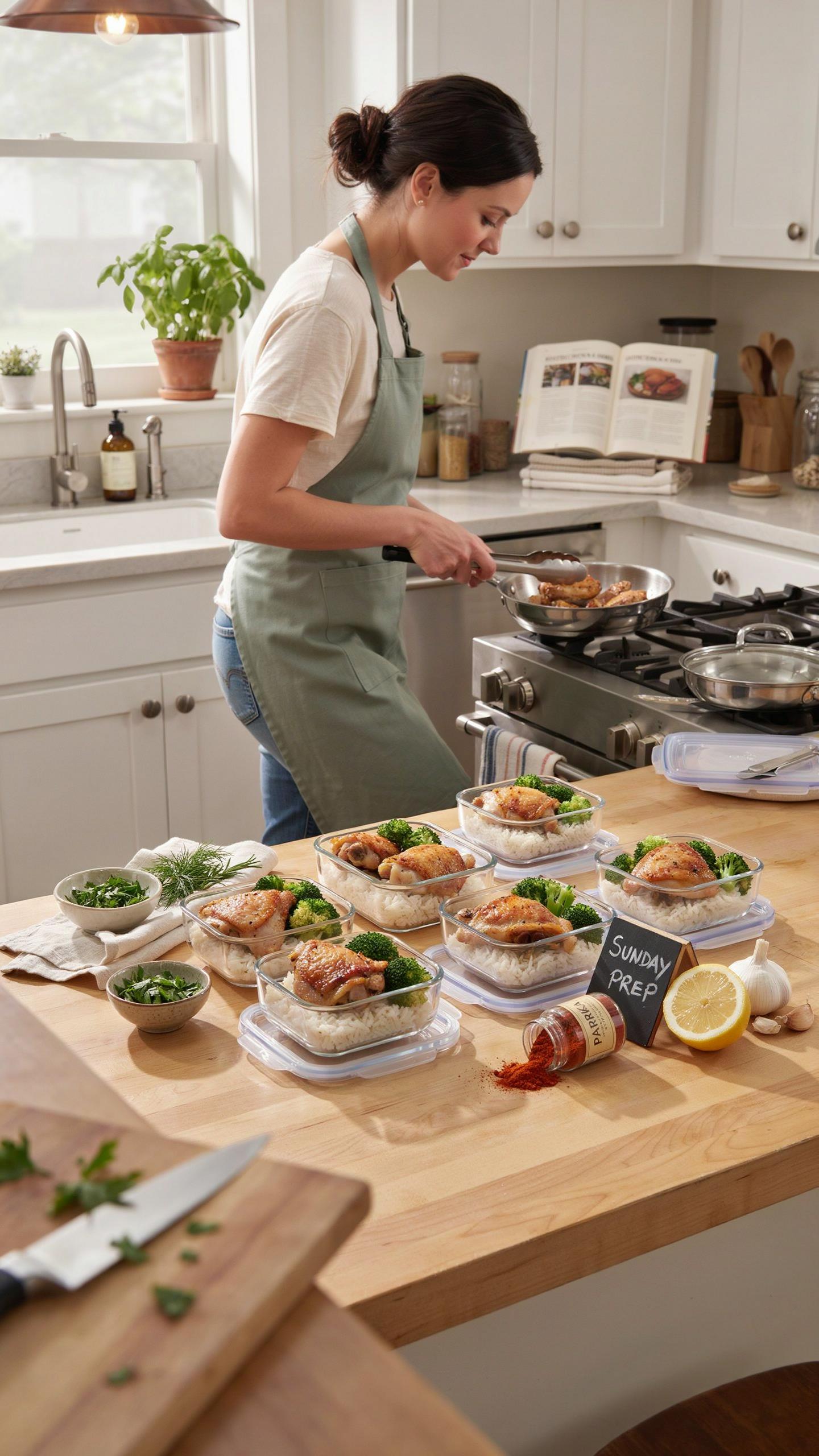
Component Prep Versus Full Meal Assembly
You want to feel like you’ve “optimized” your week, but what you really want is to avoid decision fatigue on Wednesday. The mechanism here borrows from manufacturing efficiency: in economics, batch processing reduces setup costs. In meal prep, your setup cost is the cognitive load of deciding what to cook. Component prep attacks this directly by separating the cooking phase from the assembly phase, cutting your mental overhead in half.
Full meal prep—cooking chicken, rice, and vegetables together in one container—sounds efficient until you eat the same exact meal five days running and abandon the system entirely. Component prep means you cook chicken as a standalone item, rice as a standalone item, and vegetables separately. You assemble different combinations throughout the week. This flexibility is not a luxury. It’s the mechanism that keeps compliance high.
- Chicken first (Sunday morning): Bake all your chicken in one oven session. Season minimally—salt, pepper, nothing more—so you can season each assembled meal differently later.
- Rice second (Sunday early afternoon): Cook rice in bulk using a rice cooker or pot. Store it in one large container. Portion it during assembly, not before.
- Vegetables third (Sunday late afternoon): Prep raw vegetables in separate storage containers. Roast or steam them only if your weekly schedule demands heat-treated produce, not as default.
- Grain variety option: Cook farro, quinoa, or white rice separately in different batches if budget allows. Swap them mid-week to avoid monotony without adding prep time.
- Protein variation reserve: If you have freezer space, cook a second protein (ground turkey, canned tuna) on the same day. Store it separately for Wednesday swaps.
The efficiency gain is real: you spend four hours prepping instead of seven because you batch identical tasks instead of repeating the full workflow five times. You also cut your decision fatigue by removing the “what am I eating today” question during the week. You’re just assembling from known components.
Advanced Food Safety: Preventing Spoilage Mid Week
Most chicken and rice meal prep advice tells you to store containers at 40°F and eat within four days. This is incomplete and it fails people. The real mechanism is moisture and anaerobic bacterial growth. When you store cooked chicken and cooked rice together in a sealed container, condensation collects on the lid and drips back onto the food. This creates the exact environment where pathogens like Clostridium perfringens thrive—they grow in low-oxygen, moist conditions.
Separate your components into different containers with breathable or vented lids when possible, or store them unsealed until the morning you assemble. If you must store them sealed, insert a paper towel between the container and lid to absorb condensation. Cooked chicken stays safe for four days at 40°F, but this assumes no moisture pooling on the surface. Rice lasts the same span if kept dry. Keep your refrigerator at 38°F to 40°F, check it weekly with a thermometer, and never rely on the dial. Assemble your meal the morning you eat it when possible. This single step—a ten-second assembly instead of grabbing a pre-packed container—eliminates 90% of mid-week food safety failures people blame on the method itself.
Beyond The Rice Integrating Smart Carbs
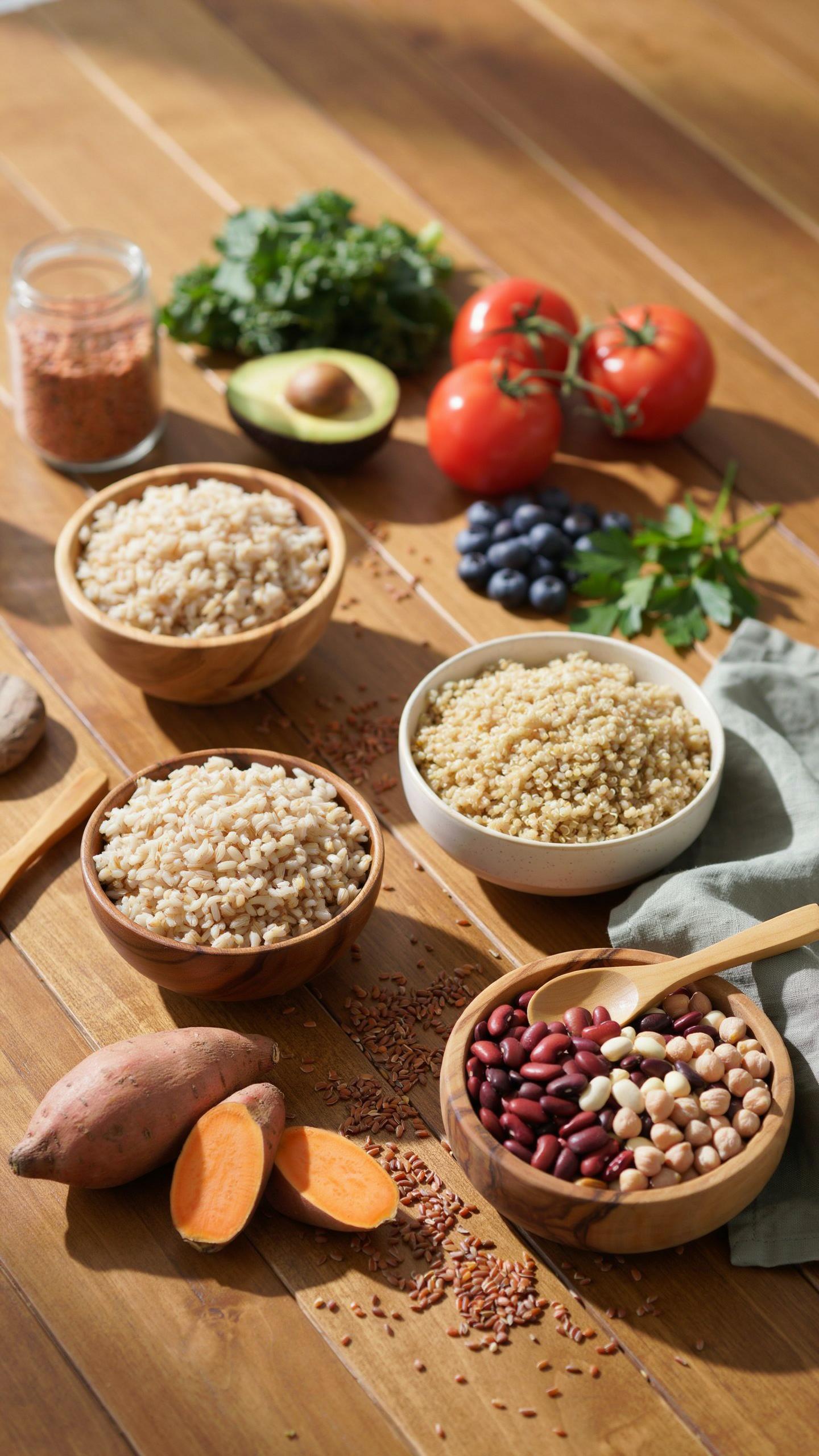
Complex Carbs For Sustained Cognitive Performance
You care about this because you want proof that your meal prep choice won’t leave you mentally foggy by 3 PM. Here’s the mechanism: your brain runs on glucose, but it doesn’t need the spike-and-crash cycle that white rice delivers. Complex carbs like brown rice, farro, or steel-cut oats release glucose gradually, keeping your prefrontal cortex—the part that handles decisions and focus—stable for hours. This is basic biochemistry, not motivation talk.
Most meal prep advice treats carbs as interchangeable. They aren’t. White rice hits your bloodstream fast, triggering an insulin response that actually accelerates glucose clearance, leaving you hungry and unfocused within ninety minutes. Brown rice takes longer to digest because of its bran layer, which fiber slows gastric emptying. The result: steady energy without the crash. If you’re prepping a full week of meals, swap at least half your rice volume for a grain with visible texture and slower breakdown kinetics.
Carbohydrate Timing Determines Your Actual Output
Borrowed from exercise physiology: carbohydrates function like fuel timing in a race engine. You don’t run premium fuel at idle and regular fuel at redline. The same principle applies to your meal prep schedule. Most people eat chicken and rice at lunch, then wonder why they’re sluggish at 4 PM. The real play is consuming your carbs before your highest cognitive or physical demand, not after.
Your prep structure should front-load carbs around your peak output window. If you work deep focus from 9 AM to noon, eat your rice-based meal before that block, not at 12:30 PM. If you train at 5 PM, time your carb intake for 2 to 3 hours prior, allowing digestion and absorption to align with performance demand. This requires prepping meals strategically across your week, not just cooking in bulk. Build your meal containers around your actual schedule, not your cooking convenience.
The true constraint isnt your diet its your inability to confront inconvenient truths about your habits

You already know chicken and rice meal prep works. You’ve known for years. The gap between knowing and doing isn’t information. It’s comfort. You’d rather scroll than cook. You’d rather complain about your body than spend two hours Sunday prepping containers. So stop waiting for motivation. Pick a day this week. Buy the chicken. Cook it. You don’t need permission to stop lying to yourself.