
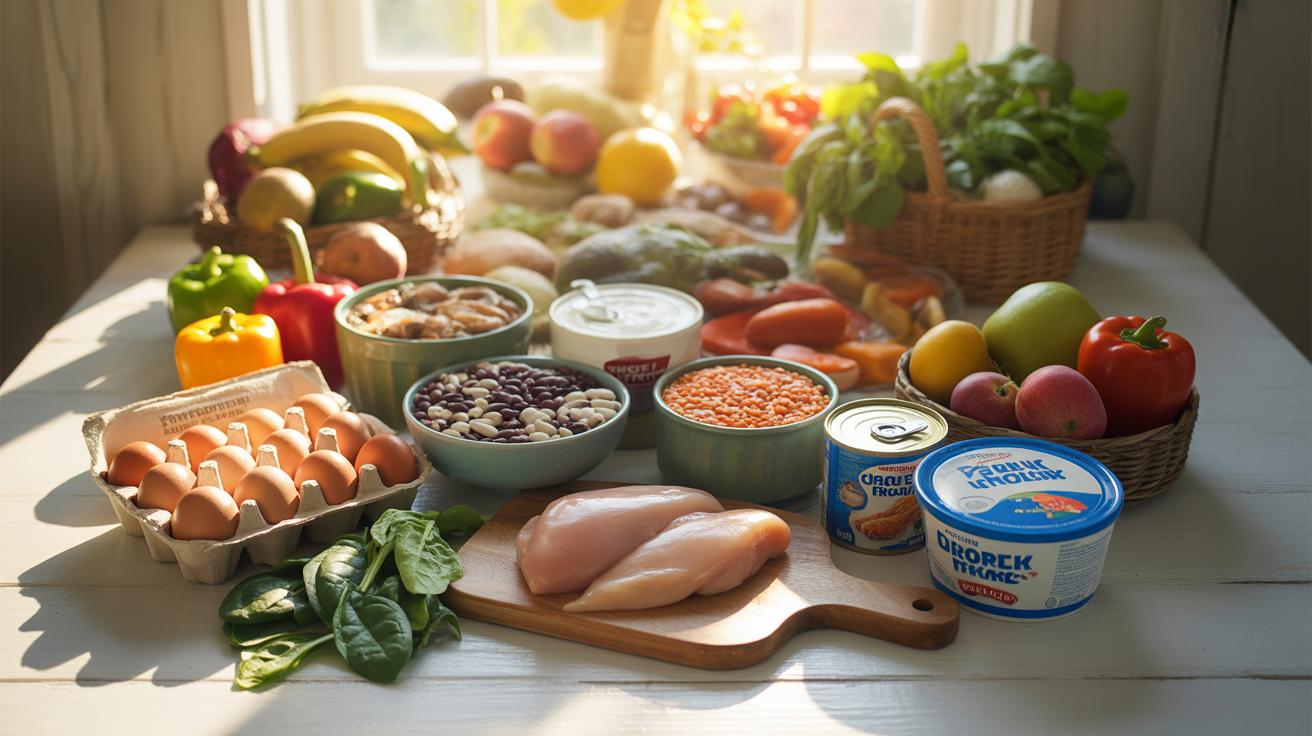
Why Cheap Protein Sources Are The Secret Weapon For Budget Friendly Muscle Building

The Real Cost Of Protein Why Expensive Doesnt Always Mean Better
Marketing drives the price of protein higher than the raw material justifies. Brands charge premiums for fancy packaging and celebrity endorsements. These additions do nothing to repair muscle fibers or trigger synthesis. You pay for the label instead of the amino acids. High prices often reflect retail markups rather than superior quality. Research shows that basic sources provide the same building blocks as luxury alternatives.
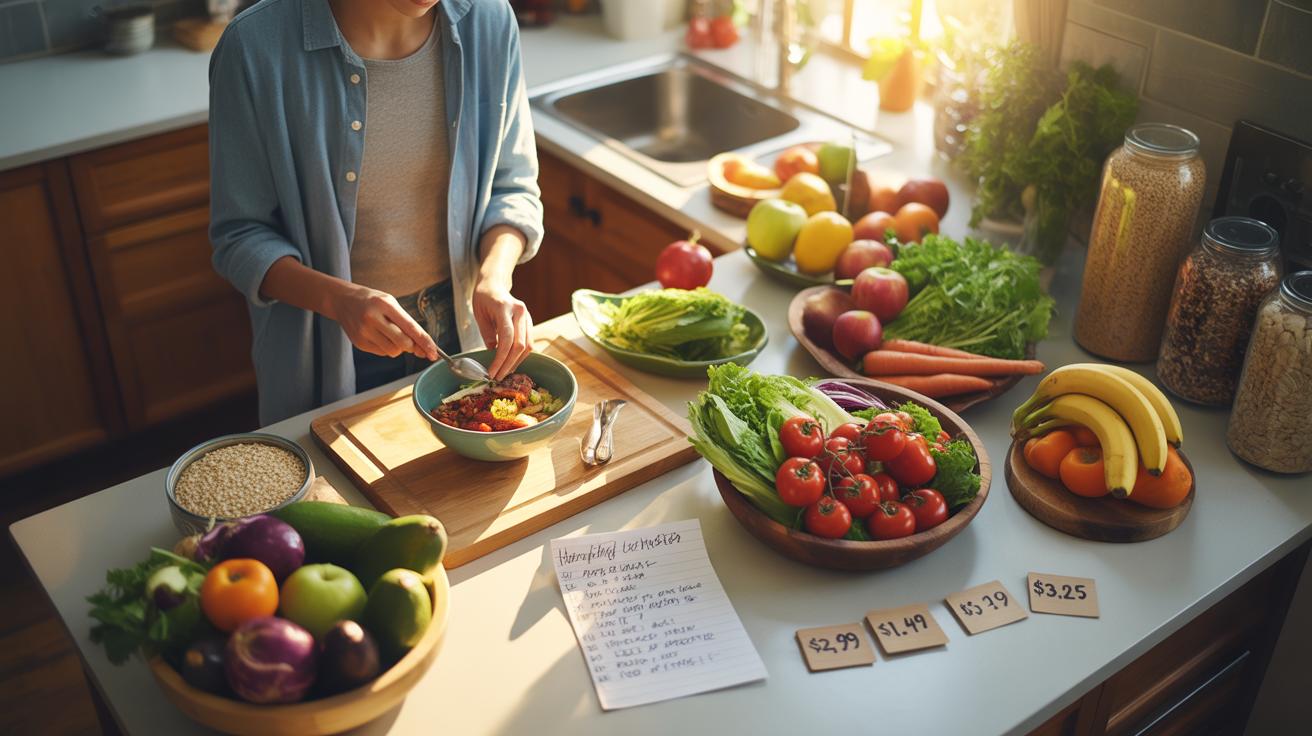
Focus on biological value and cost per gram. Whole foods like eggs and canned tuna offer high bioavailability at a fraction of the price of premium powders. Traditional agriculture produces these staples at scale which keeps costs low for the consumer. Smart lifters bypass the supplement aisle to find better value in the bulk section. Controlling your food cost allows for greater consistency in your daily diet.
How Much Protein Do You Actually Need To Build Muscle
Consistency matters more than massive doses. Scientific consensus suggests that 0.7 to 1 gram of protein per pound of body weight is optimal for muscle growth. Consuming more than this amount does not accelerate the process. Most people overestimate their requirements which leads to wasted money. You should calculate your specific needs based on lean body mass to avoid buying more food than necessary.
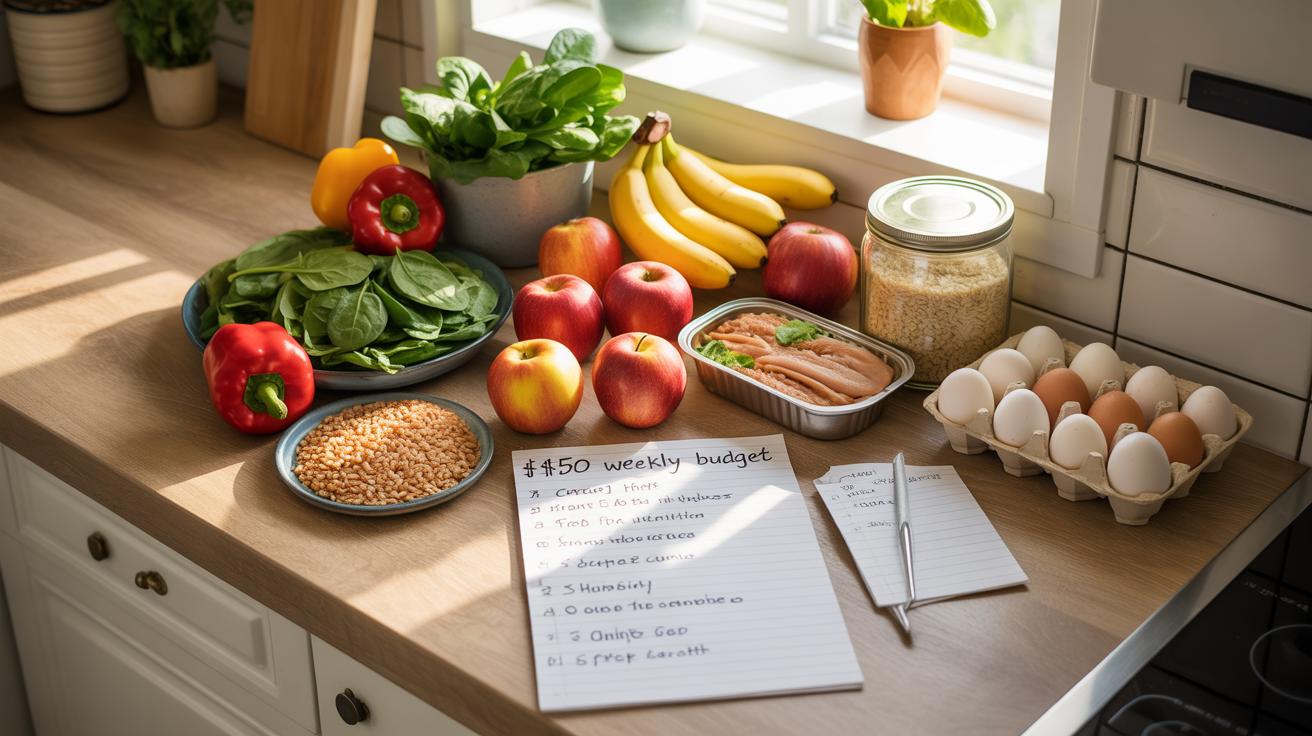
Distribute your intake across four to five meals to stay in an anabolic state. Your body can only process a certain amount of protein for muscle repair at one time. Excess protein is burned for energy or stored as fat. Efficiency is the goal for any budget-conscious athlete. Focus on meeting your daily target through affordable staples. Tracking your intake ensures you hit your numbers without spending a single extra dollar.
Eggs One Of The Most Protein Rich Foods You Can Buy For Under A Dollar
The Nutritional Profile Of Eggs And Why They Are A Muscle Building Staple
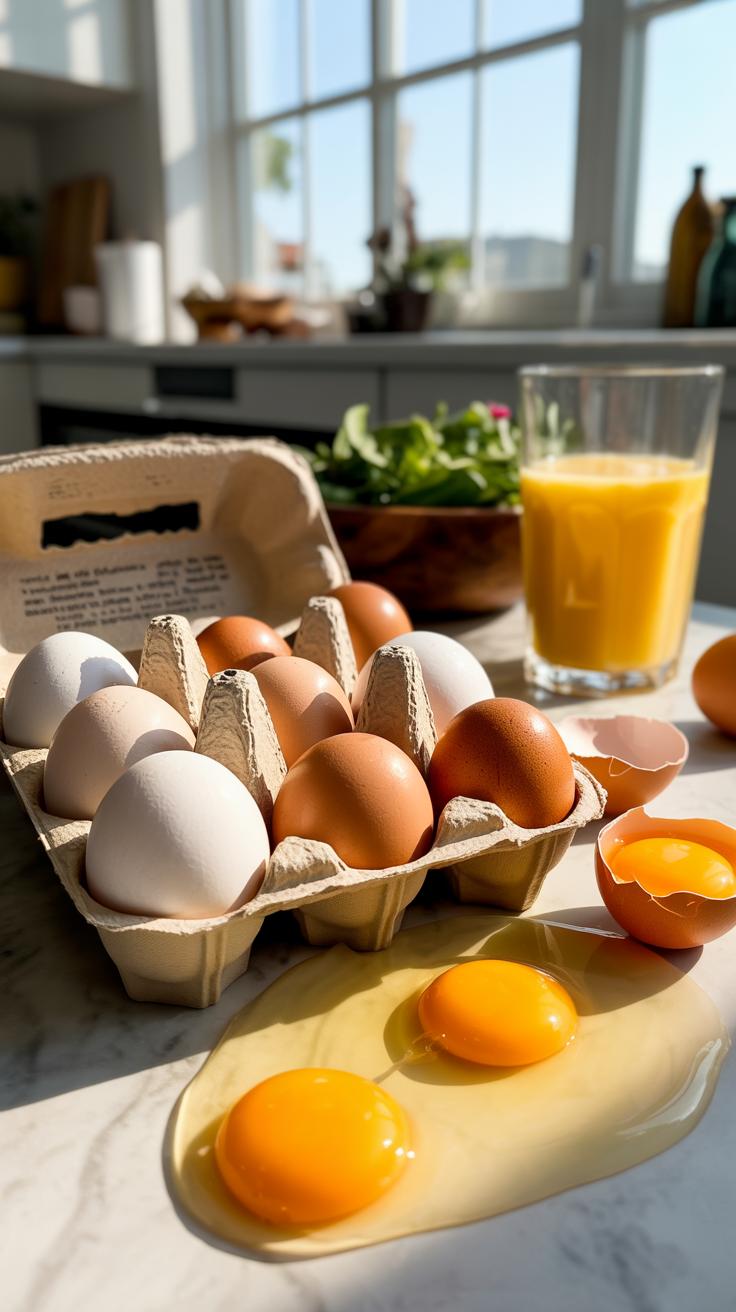
Eggs provide the highest biological value of any whole food protein source. One large egg contains roughly six grams of high quality protein and five grams of fat. The amino acid profile is complete and supports rapid muscle tissue repair. Most nutrients reside in the yolk including vitamins A, D, and E. You get maximum nutritional density for a very low financial investment.
Athletes have used eggs as a primary fuel source since the early days of physical culture. They offer a reliable way to hit daily protein targets without consuming excessive calories. The leucine content in eggs triggers muscle protein synthesis effectively. Reliable data shows that the body absorbs egg protein efficiently. This makes them a mandatory asset for any budget conscious lifter seeking size.
Simple Ways To Cook And Incorporate Eggs Into Your Daily Diet
Hard boiling eggs is the most efficient preparation method for busy people. You can cook a dozen at once and store them in the fridge for several days. This creates a portable high protein snack that requires zero additional prep time. Eat them whole to get the healthy fats and calories needed for growth. They serve as a fast solution for hitting macros.
Scrambling eggs with cheaper vegetables like spinach or onions increases volume without adding significant cost. You can also add raw eggs to hot oatmeal to boost the protein content of your breakfast. The heat from the oats cooks the egg into a creamy texture. This tactic hides the flavor while doubling the nutrient density of the meal. Focus on consistency to see real physical results.
Canned Tuna And Sardines High Protein Cheap Options From The Pantry Shelf
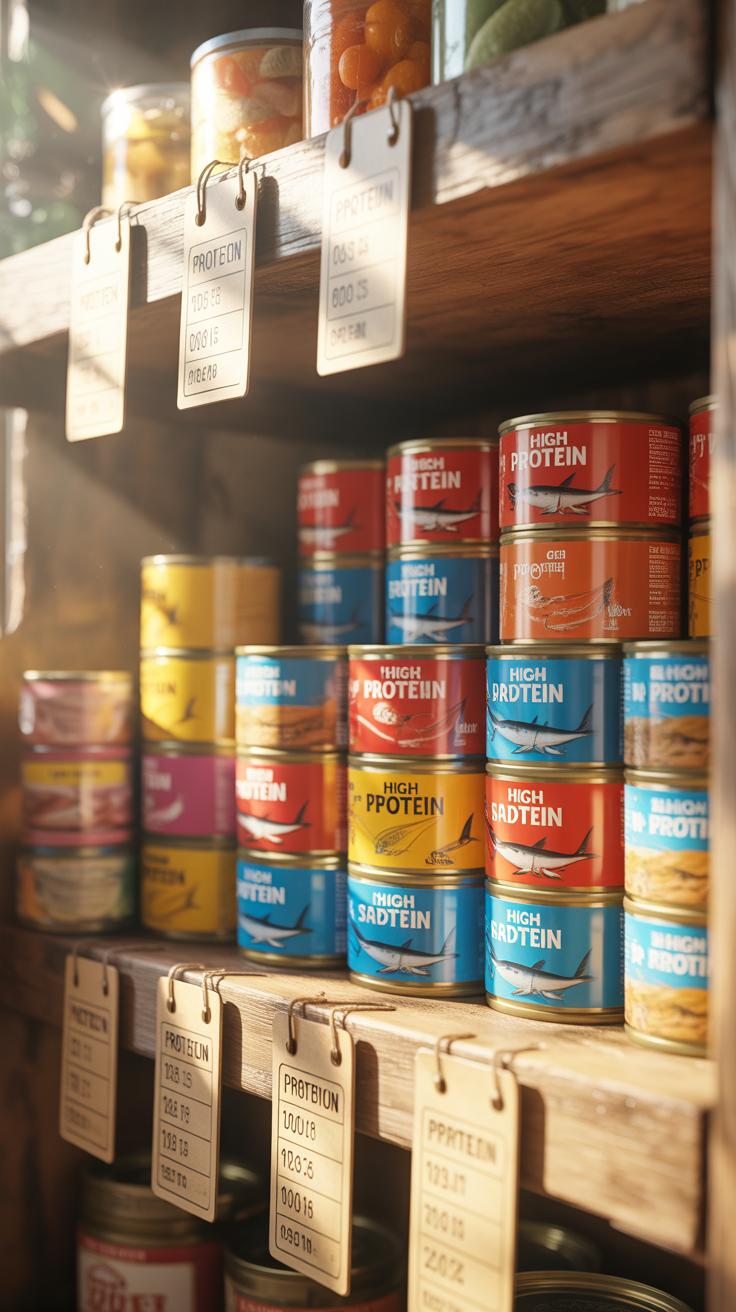
Why Canned Fish Delivers An Impressive Protein To Cost Ratio
Canned fish provides a massive amount of protein for a small price. Manufacturers process these fish at high speeds and scale. This keeps costs down for the consumer. One can often contains over 20 grams of protein. This rivals the nutrition of a fresh chicken breast or steak. You save money by avoiding the high costs of refrigerated logistics and short shelf lives.
Shelf stability adds further value to this source. You can buy these cans in bulk when they go on sale. They do not require electricity for storage or immediate cooking. This eliminates waste and saves time on meal prep. You get a dense protein hit for roughly one dollar per serving. Few other animal sources offer this level of convenience while maintaining a low price point.
Sardines Vs. Tuna: Which Canned Fish Gives You More Nutritional Value
Canned tuna offers the highest protein density per calorie. It is almost pure lean muscle. This makes it ideal for bodybuilders on a strict calorie budget. Light tuna is generally cheaper than albacore and contains less mercury. However, you must limit intake to avoid heavy metal buildup. It is a tactical tool for hitting daily protein targets without adding unwanted fat or spending much money.
Sardines offer a superior overall nutrient profile for a slightly higher cost. You eat the whole fish, including the skin and soft bones. This provides calcium and vitamin D that tuna lacks. Sardines also contain high levels of omega-3 fatty acids. These fats reduce inflammation from heavy lifting. Choose sardines if you want a complete nutritional package. Choose tuna if you need the absolute lowest cost per gram of protein.
Legumes And Lentils Plant Based Protein Sources That Cost Almost Nothing
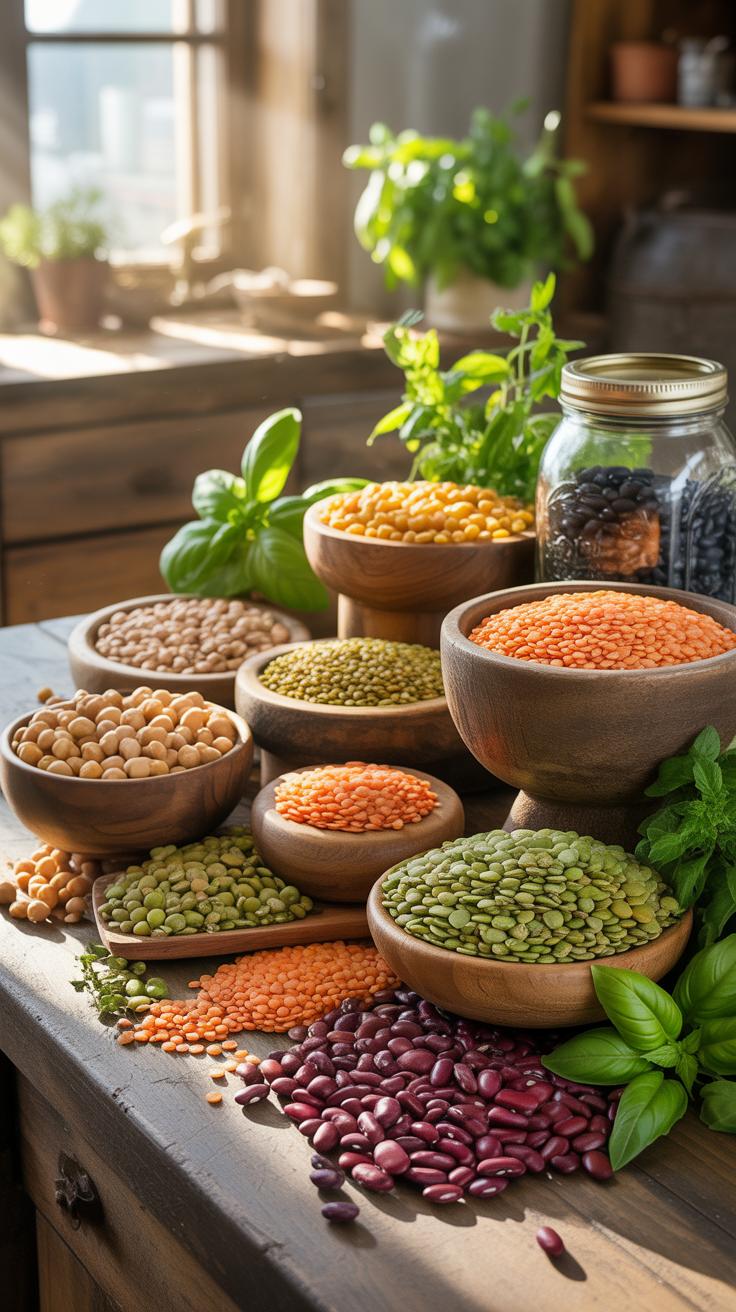
How Lentils, Chickpeas, And Black Beans Stack Up As Protein Sources
Dry lentils and beans provide the lowest cost per gram of protein on the market. One cup of cooked lentils delivers eighteen grams of protein for pennies. Black beans and chickpeas offer roughly fifteen grams per cup. These legumes also contain high fiber. Fiber slows digestion and keeps insulin levels stable. This metabolic profile supports lean muscle growth while preventing fat gain during a caloric surplus.
Legumes serve as a dense source of complex carbohydrates alongside their protein content. This dual-purpose nutrition eliminates the need for extra side dishes. You reduce your total grocery bill by using them as a primary base. Buying these items in bulk bags lowers the unit price further. Proper preparation requires soaking to neutralize anti-nutrients. This step ensures your body absorbs the minerals and amino acids effectively for muscle repair.
Combining Plant Proteins To Create Complete Amino Acid Profiles
Most legumes lack specific essential amino acids like methionine. They are incomplete proteins when eaten alone. You must pair them with grains to fix this. Rice, corn, and wheat contain the missing sulfurous amino acids. When you mix beans and rice, you create a complete protein profile. This combination rivals the quality of animal meat. Your body needs all nine essential amino acids to build new muscle tissue effectively.
You do not need to eat these combinations in every single meal. Your body maintains an amino acid pool for several hours. Consuming a variety of plant sources throughout the day satisfies physiological requirements. Focus on pairing lentils with bread or chickpeas with rice. This tactical approach ensures high protein synthesis at a fraction of the cost of steak. It is a proven strategy used by cultures worldwide for centuries.
Chicken Thighs And Turkey High Protein Foods That Stretch Every Dollar
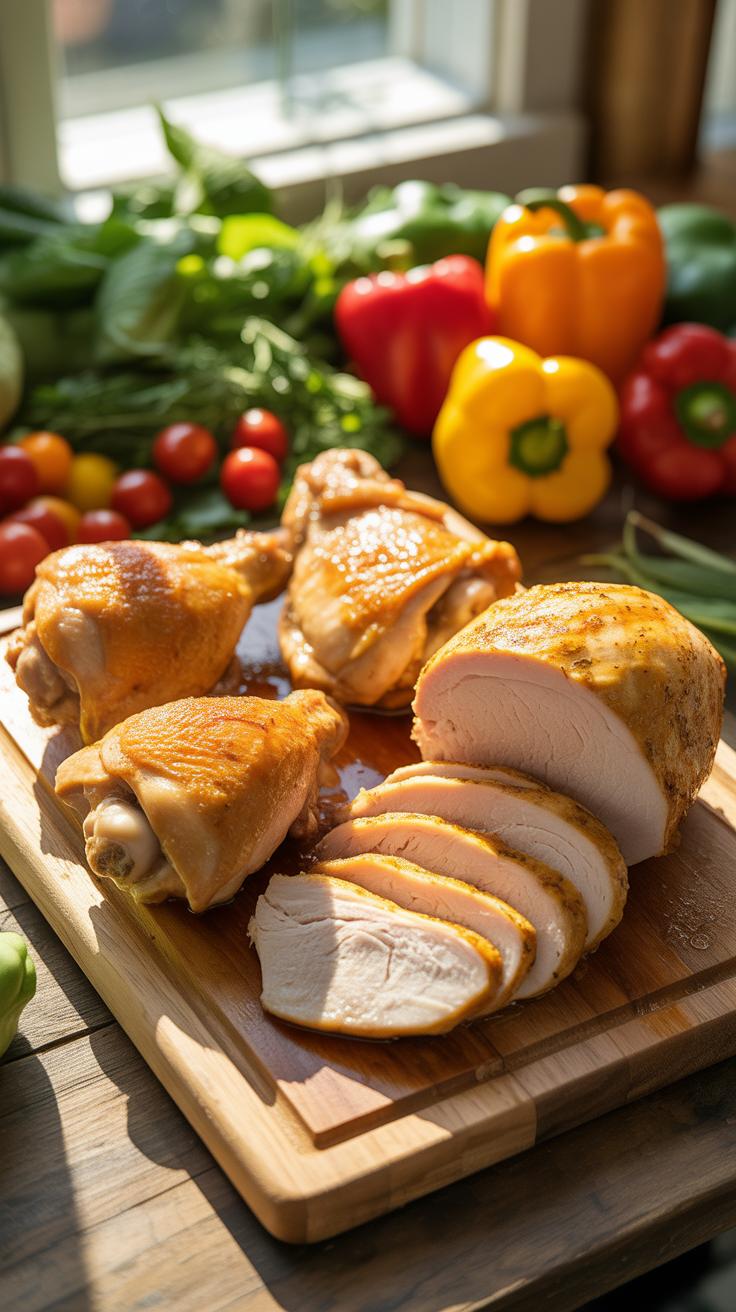
Why Chicken Thighs Outperform Chicken Breasts On A Cost Per Gram Of Protein Basis
Chicken thighs consistently retail at a lower price point than breasts. Grocery stores charge a premium for white meat due to consumer demand and lower fat content. Thighs contain more moisture and fat, making them harder to overcook. This reduces food waste for inexperienced cooks. You get a similar protein profile for a fraction of the cost. Smart buyers track price per pound to maximize value.
Bone-in and skin-on thighs offer the highest savings. Removing the bone yourself takes seconds and saves significant money. You can use the discarded bones to make bone broth for extra nutrients. This approach lowers your total food budget while maintaining high protein intake. Thighs also provide more iron and zinc than breasts. Choosing dark meat is a tactical move for muscle growth on a budget.
Strong bodies are built from the simple goodness of eggs and milk, just as my mother used to serve. You do not need a fortune to grow powerful; you only need the discipline to honor the basics of the earth.
— Arnold Schwarzenegger
Ground Turkey As An Affordable High Protein Meat For Meal Prepping
Ground turkey serves as a versatile alternative to expensive lean ground beef. It absorbs flavors well and works in many different recipes. Buying in bulk or family packs reduces the cost per serving. High-protein meal prepping requires large quantities of meat. Turkey provides a clean profile with low saturated fat. It cooks quickly and stays fresh in the fridge for several days after preparation.
Check the lean-to-fat ratio on the packaging to ensure quality. The 85 or 93 percent lean options offer the best balance for muscle building. Many retailers frequently put ground turkey on sale to move inventory. Stocking up during these sales allows you to freeze meat for long-term use. This strategy keeps your cost per meal low. Consistent protein intake becomes sustainable when you choose affordable, high-volume options like turkey.
Cottage Cheese And Greek Yogurt Dairy Based High Protein Cheap Foods Worth Adding
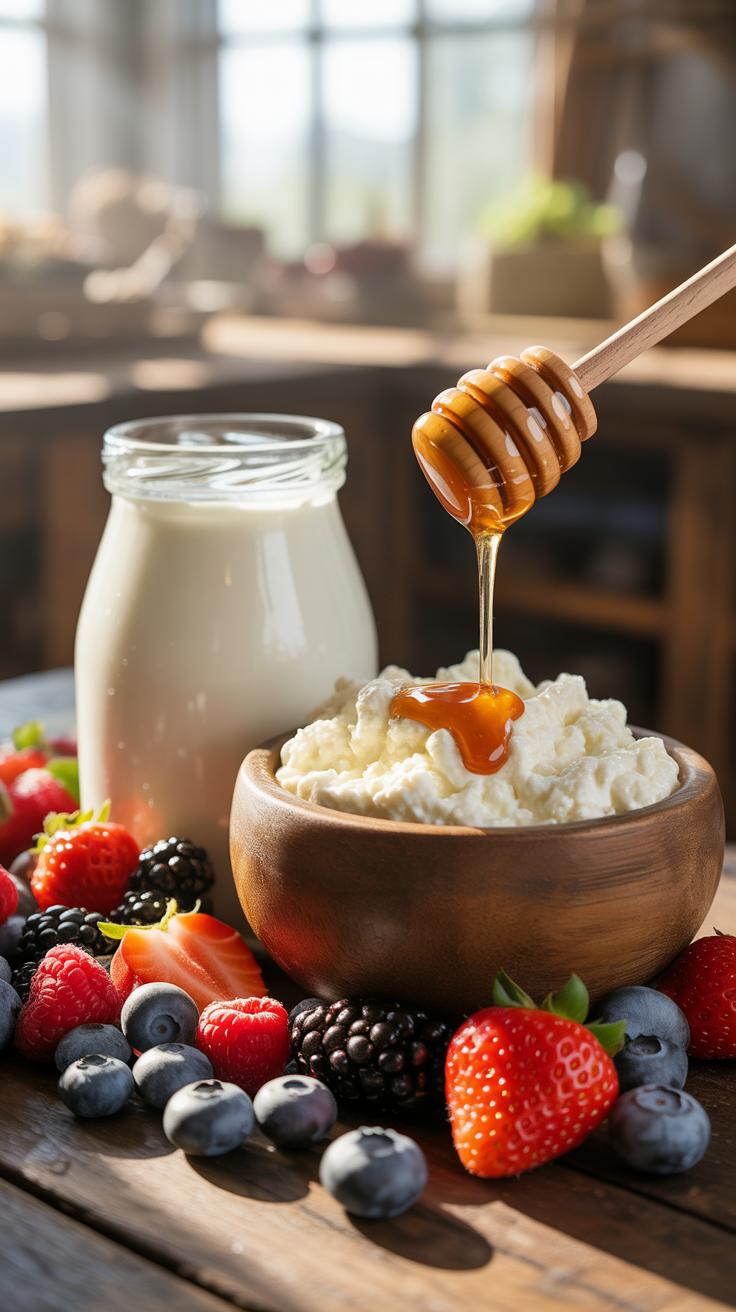
The Casein And Whey Content In Cottage Cheese That Supports Overnight Muscle Recovery
Cottage cheese provides a unique blend of two primary milk proteins. It contains approximately eighty percent casein and twenty percent whey. Casein is a slow-digesting protein that forms a gel in the stomach. This slows down the absorption of amino acids. This process provides your muscles with a steady supply of nutrients for several hours. This makes it an ideal food choice before you go to sleep.
The whey protein in cottage cheese offers immediate muscle support. It absorbs quickly to start the repair process after a workout. The high concentration of leucine triggers muscle protein synthesis effectively. Cottage cheese is also rich in calcium and phosphorus. These minerals support bone health and muscle contractions. Buy large tubs at discount grocers to keep your costs low. This dairy source delivers high quality nutrition for minimal spending.
How To Choose The Best Greek Yogurt For Protein Content Without Overspending
Greek yogurt contains double the protein of regular yogurt due to the straining process. Manufacturers remove the liquid whey to create a thicker product. This leaves behind a concentrated source of protein. You should always choose the plain version over flavored options. Flavored yogurts contain high amounts of added sugar and cost more per ounce. Plain yogurt allows you to control the taste and the total calorie count.
Compare the protein to price ratio by checking the unit price on the shelf tag. Store brands often provide the same nutritional profile as name brands for half the cost. Look for containers that list live and active cultures. These probiotics aid digestion and help your body absorb nutrients better. Buy the thirty-two ounce tubs instead of individual cups. This strategy reduces waste and ensures you have a reliable protein source throughout the week.
Tofu And Edamame Cheap Protein Options From The Plant Kingdom That Actually Work
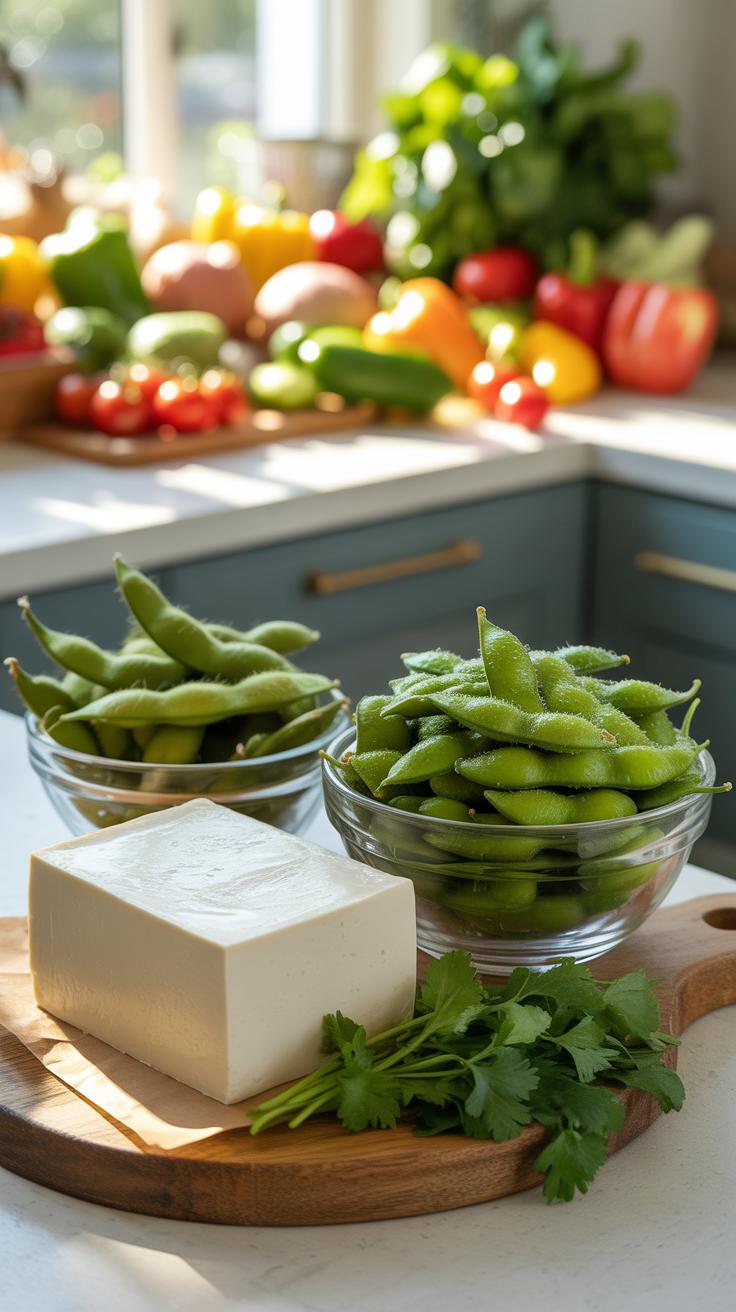
Is Soy Protein Effective For Muscle Building? What The Research Says
Soy protein provides all nine essential amino acids required for muscle tissue repair. Research suggests that soy matches whey protein in its ability to stimulate muscle protein synthesis when consumed in sufficient quantities. It contains high levels of leucine, which triggers the body to build new muscle. Many athletes use soy to hit daily protein targets without the high saturated fat found in red meat.
The old claim that soy lowers testosterone is false. Meta-analyses of clinical studies show that soy isoflavones do not affect male hormone levels or muscle gains. Soy is a dense protein source that digests quickly and supports recovery after heavy lifting sessions. It remains one of the most cost-effective ways to get high-quality protein. You get the same results as animal products for a lower price.
Budget Friendly Ways To Cook With Tofu And Edamame Every Week
Buy extra-firm tofu in bulk to save the most money. Drain the water and press the block to improve the texture before cooking. Slicing tofu into small cubes increases the surface area for seasoning. Pan-fry the cubes in a small amount of oil until the edges turn crisp. This method creates a satisfying meal that mimics the texture of meat without the high cost.
Frozen edamame is a superior convenience food for a low price. Purchase large bags in the frozen section and steam them for five minutes. You can add these beans to rice bowls or eat them as a high-protein snack between meals. Mixing edamame with other cheap grains like rice or quinoa creates a dense nutritional profile. Consistent use of these plant proteins will significantly lower your weekly grocery bill.
Smart Grocery Shopping Strategies To Stay Protein On A Budget All Year Long

How To Read Nutrition Labels To Compare Protein Cost Per Serving At The Store
Price tags only show the cost of the weight. They do not show the cost of the actual protein content. You must look at the nutrition facts panel first. Find the grams of protein per serving. Multiply that number by the total servings in the container. This math gives you the total grams of protein you are buying with your money.
Divide the total price by the total grams of protein. This calculation reveals the true cost per gram. A large bag of rice is cheap but has very little protein. A carton of eggs has a higher price but a better protein ratio. Use your phone calculator to run these numbers. Select items with the lowest cost per gram of protein to save money.
Top Tips For Buying Storing And Meal Prepping Cheap Protein Sources In Bulk
Bulk buying reduces the unit price of animal and plant proteins. Warehouse clubs and local butchers offer lower rates for large volume purchases. You must verify the price per pound against standard grocery sale cycles. High protein foods like chicken breast or lean ground beef often go on sale in family packs. These larger portions require immediate processing or storage to prevent waste.
- Vacuum Sealing: Remove all air from freezer bags to prevent ice crystals and freezer burn. This method keeps meat fresh for months longer than standard plastic wrap. It allows you to buy massive quantities when prices hit their seasonal lows.
- Batch Cooking: Prepare several pounds of protein at once using ovens or slow cookers. Shredded chicken or boiled eggs stay good in the fridge for five days. This strategy prevents you from buying expensive convenience meals during busy work weeks.
- Proper Rotation: Use the first in first out method in your freezer and pantry. Label every package with the date of purchase and the weight. This system ensures you eat older stock before it goes bad and ruins your financial investment.
- Dry Goods Storage: Store lentils and beans in airtight glass or plastic containers in a cool dark place. These plant proteins last for years without losing nutritional value. Buying dry versions instead of canned versions saves you roughly fifty percent on every serving.
- Flash Freezing: Spread individual pieces of meat on a baking sheet before putting them in a large bag. This prevents the protein from freezing into one solid block. You can then pull out exactly what you need for one meal without thawing the rest.
Smart storage turns a bulk purchase into a long term asset. Invest in a dedicated chest freezer if your primary fridge lacks space. This appliance pays for itself by allowing you to hoard protein during deep discount events. Always weigh your portions after cooking. Use a digital scale to ensure you meet your daily muscle building targets without overeating your expensive inventory.
Building A High Protein Cheap Meal Plan Using Only Budget Friendly Ingredients
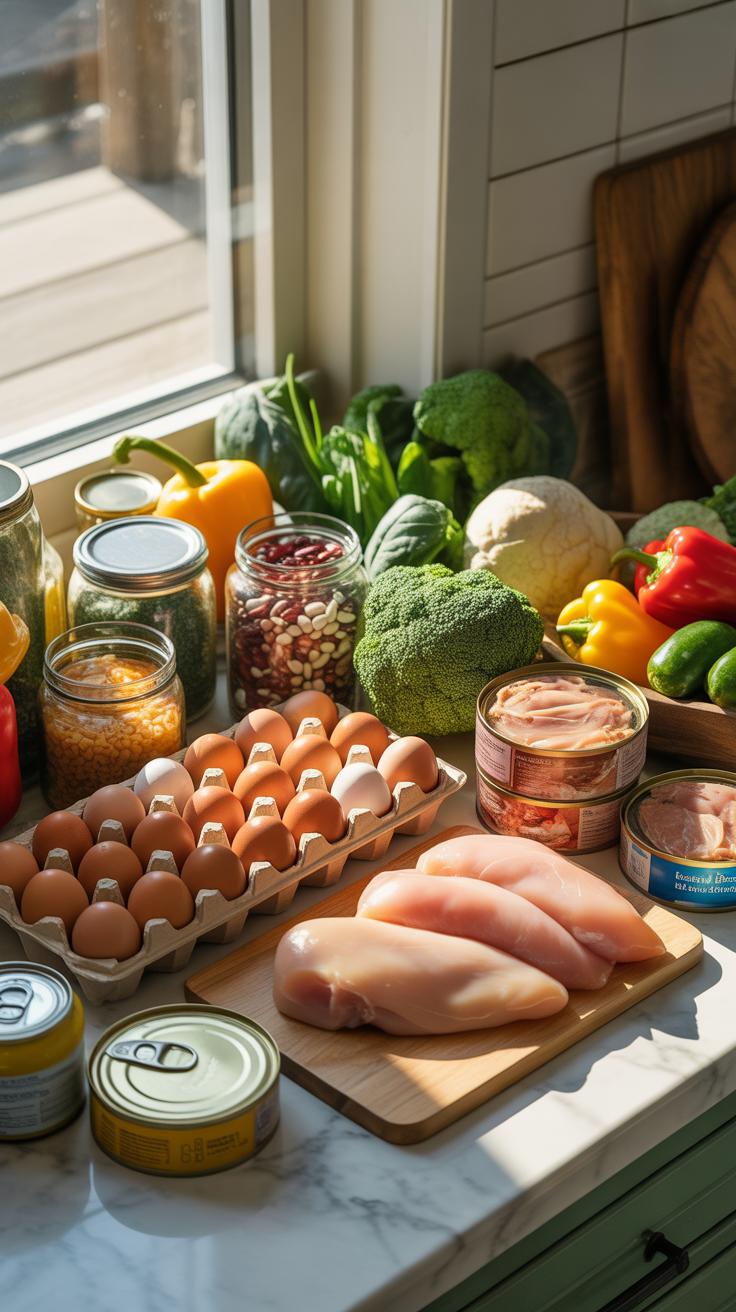
A Sample Full Day Meal Plan Built Around Affordable Protein Rich Foods
Structured eating eliminates waste and ensures you hit daily targets. This sample plan focuses on high-volume staples found at any discount grocer. It prioritizes shelf-stable grains and bulk-purchased proteins like eggs and canned fish. You must prepare these meals in advance to avoid the cost of convenience. These specific food combinations provide a complete amino acid profile for muscle repair and growth.
- Oatmeal with Peanuts: Combine bulk-bought rolled oats with two tablespoons of peanut butter and a splash of milk. This breakfast provides fiber and healthy fats alongside moderate protein. It costs pennies per serving and keeps you full until lunch.
- Lentil and Rice Bowl: Mix boiled brown lentils with white rice and dry spices. This combination creates a complete protein source by pairing legumes with grains. It is the most cost-effective way to get thirty grams of protein per meal.
- Tuna and White Bean Salad: Drain canned tuna and mix it with canned cannellini beans and vinegar. Tuna offers high-quality lean protein while beans add volume and extra grams of protein. This meal requires no cooking and works well for mobile workers.
- Scrambled Eggs and Toast: Use three large eggs and two slices of whole-wheat bread for a high-leucine dinner. Eggs possess the highest biological value of any whole food protein. Buy the eighteen-count cartons to reduce the cost per individual egg significantly.
- Greek Yogurt or Cottage Cheese: Consume a cup of plain non-fat Greek yogurt before bed to provide slow-digesting casein protein. Store brands offer the exact same macronutrient profile as expensive name brands. This promotes muscle protein synthesis throughout the night while you sleep.
Consistency trumps variety when the budget is tight. Buy these ingredients in the largest quantities available to lower the price per ounce. Focus on dry beans rather than canned versions to save an additional fifty percent on costs. This plan delivers over one hundred grams of protein daily for less than the cost of one fast-food meal. Stick to the list to stay under budget.
How To Track Your Protein Intake Without Expensive Apps Or Equipment
You do not need a paid subscription to track your nutrients effectively. Use a simple notebook or a free spreadsheet to log your daily intake. Memorize the protein content of your core staples to speed up the process. A large egg always has six grams and a standard can of tuna has twenty-five grams. Use these anchor numbers to calculate your totals quickly.
Standardized portion sizes make tracking effortless without a digital scale. Use common household items like measuring cups or your own palm to estimate weight. One cup of cooked lentils or beans contains roughly fifteen to eighteen grams of protein. If you eat the same meals every day you only need to calculate the math once. This manual method keeps you accountable and saves money for more food.
Frequently Asked Questions

What are the best cheap protein sources for someone just starting a fitness journey?
If you are new to bodybuilding, the best cheap protein sources are often found in the pantry. Eggs, canned tuna, and peanut butter provide high-quality amino acids without a high price tag. Additionally, Greek yogurt and cottage cheese are excellent dairy options that satisfy hunger while supporting muscle repair. Starting with these versatile staples allows you to hit your daily macro goals consistently without overspending on expensive supplements or premium cuts of meat.
How can I prepare inexpensive protein meals to ensure they taste good?
Making budget-friendly meals delicious is all about using spices and smart cooking methods. When working with cheap protein sources like dry lentils or beans, soaking them overnight and simmering them with aromatics like garlic and onion enhances the flavor profile significantly. You can also transform bulk chicken thighs or canned salmon into flavorful stir-fries or patties using soy sauce, ginger, and lemon, ensuring your muscle-building diet remains both affordable and enjoyable.
Is it possible to build significant muscle on a very tight grocery budget?
Absolutely. You do not need expensive organic steaks to see gains. By focusing your shopping list on bulk items like large bags of rice, dried legumes, and wholesale eggs, you can thrive on a limited budget. Buying frozen poultry and plant-based proteins such as tofu are also effective ways to secure cheap protein sources. Consistency in your caloric intake and protein frequency matters far more for muscle growth than the price of your ingredients.