
Why Healthy Eating On A Budget Is More Achievable Than You Think
The Truth About The Cost Of Healthy Eating
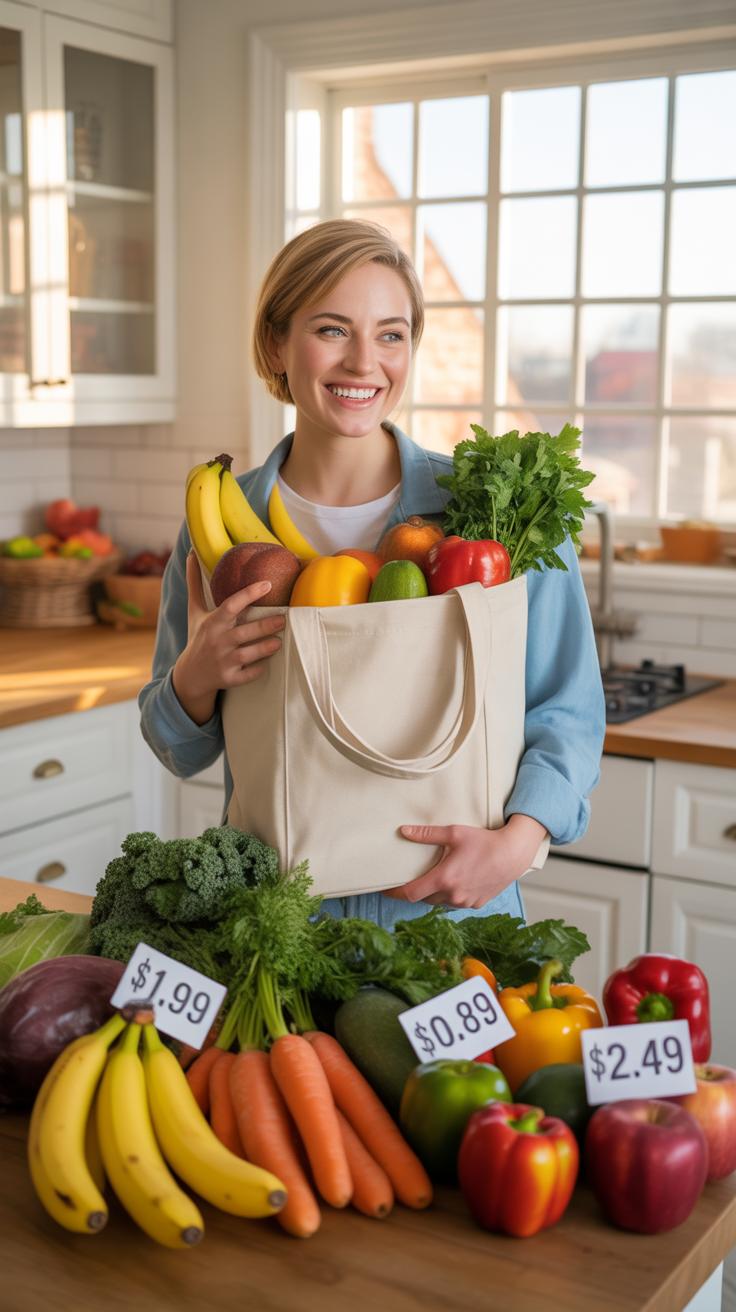
Processed foods appear cheaper due to low shelf prices. This is a math trap. Cereal and frozen meals lack nutrient density. You feel hungry again quickly and spend more money to get full. Whole foods offer more volume and calories for every dollar spent. Buying bulk grains and legumes yields more meals than pre-packaged goods. You pay for convenience when you buy processed food products.
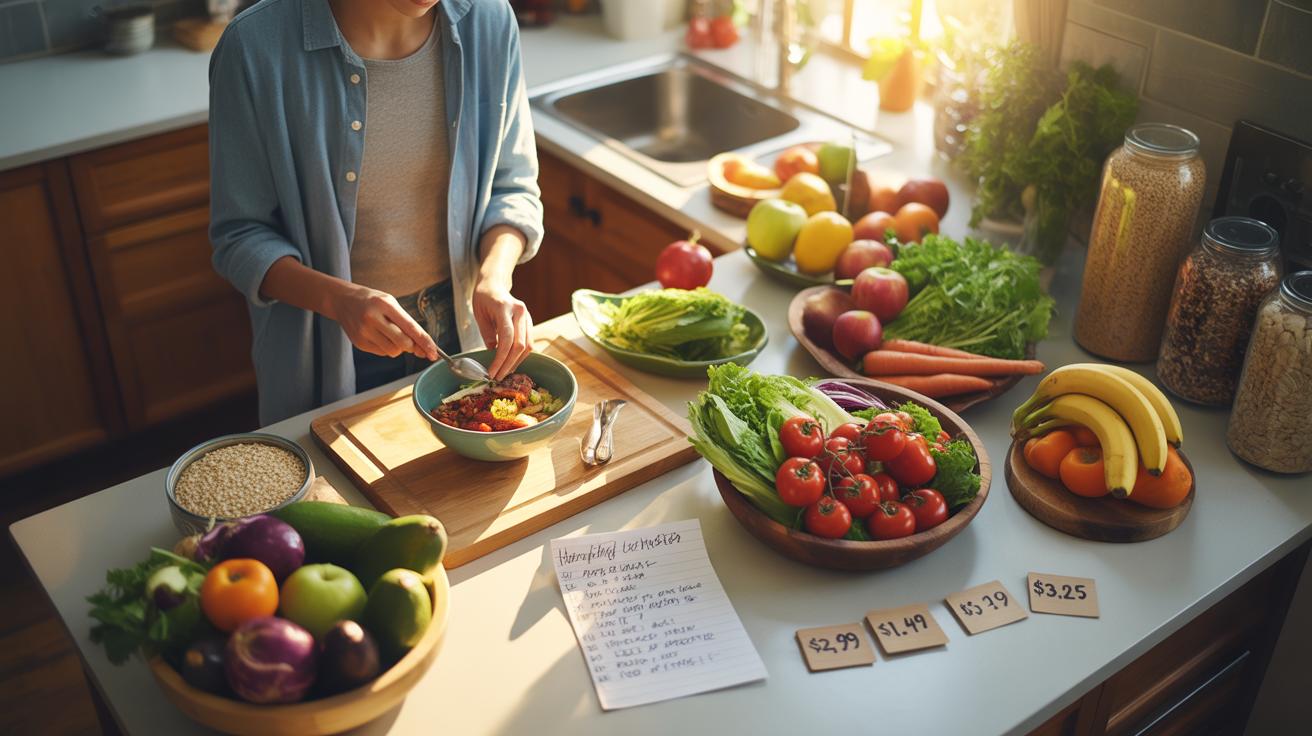
Data shows that staples like rice, beans, and eggs remain the most cost-effective fuels for the body. Manufacturers add sugar and fat to cheap goods to make them addictive. This forces you to buy more. Shifting your strategy to raw ingredients removes the middleman. You control the cost by doing the labor yourself. Saving money requires a trade of time for lower food expenditures.
How A $50 Weekly Budget Breaks Down Per Meal
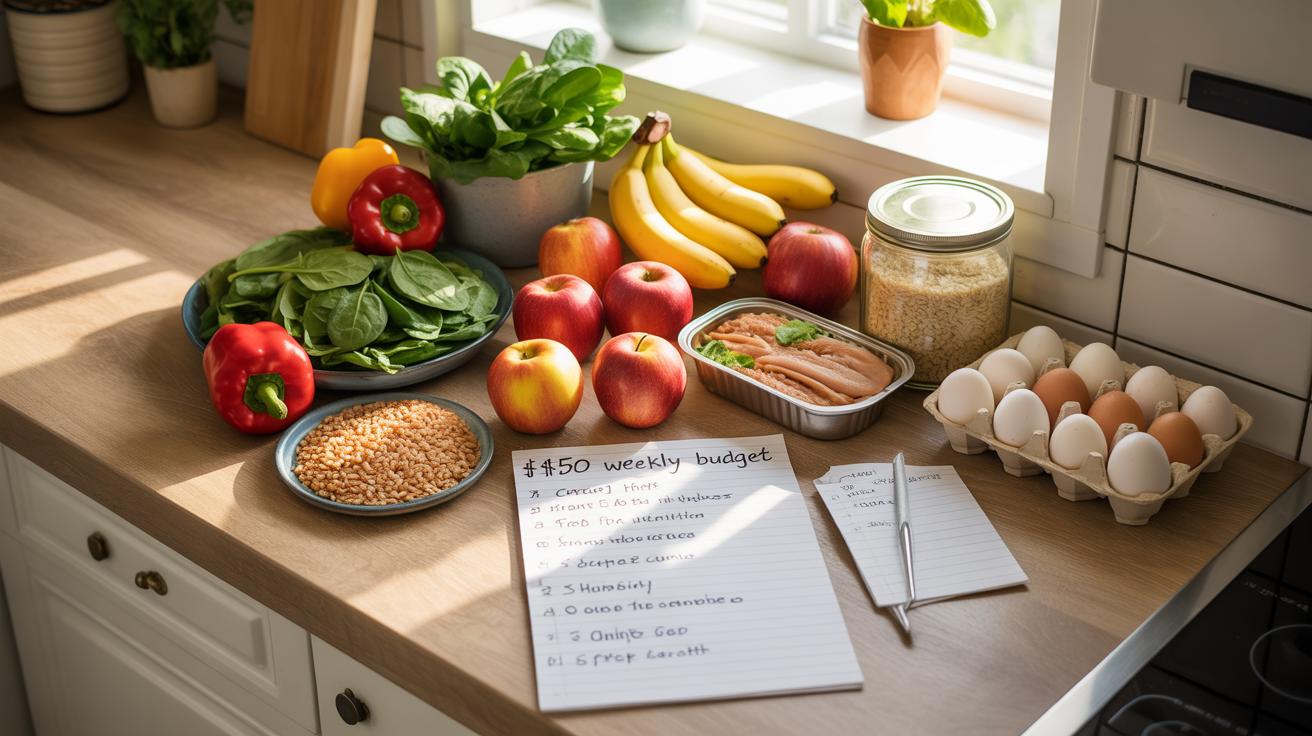
A Fifty dollar limit provides roughly seven dollars per day for food. This total covers three meals and basic snacks. You must allocate twenty dollars to heavy proteins and fats. Spend fifteen dollars on complex carbohydrates like oats or potatoes. Dedicate the final fifteen dollars to seasonal produce and spices. This structure ensures you meet your daily caloric needs without hitting a deficit.
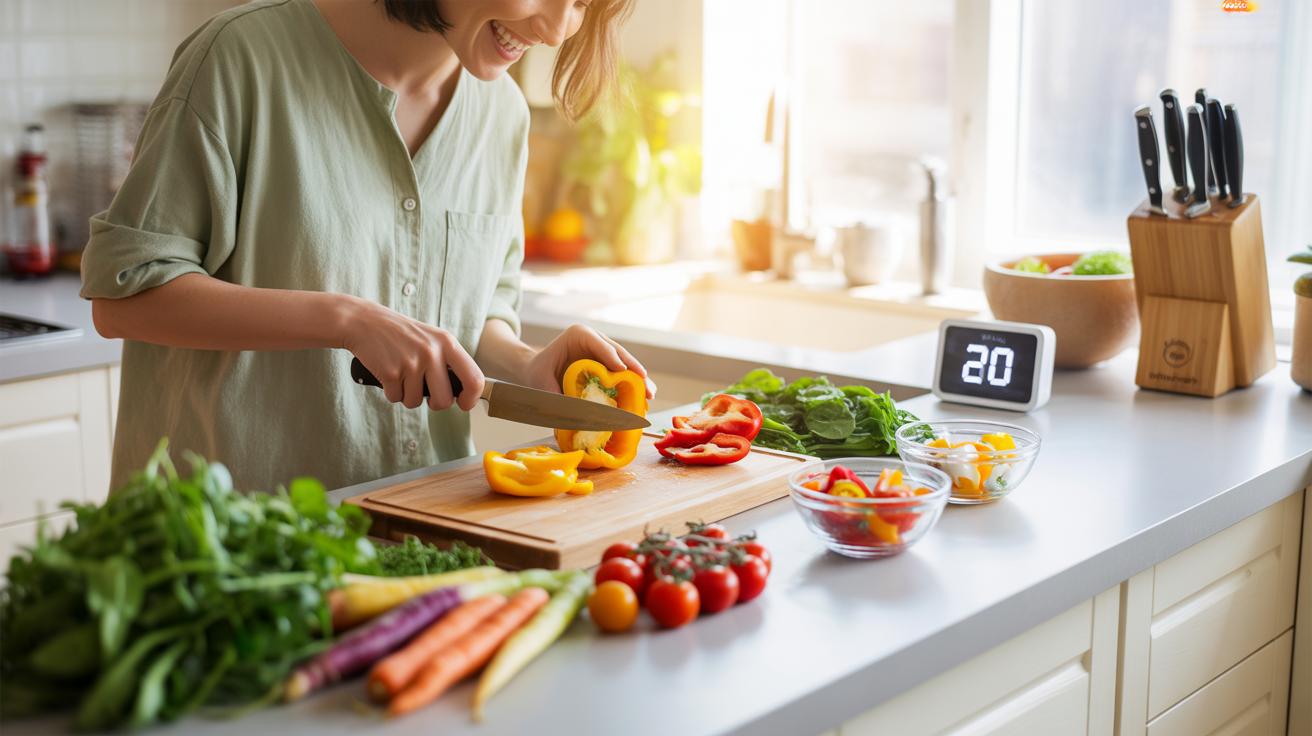
Discipline is the only way to maintain this budget. You cannot afford brand-name items or impulse buys at the register. Each meal costs approximately two dollars and thirty cents. High-protein breakfasts like eggs and oatmeal cost under one dollar. This creates a surplus for dinner where meat or fish costs more. Use tap water instead of soda to keep these margins intact and functional.
How To Eat Cheap And Healthy Building Your Weekly Meal Plan
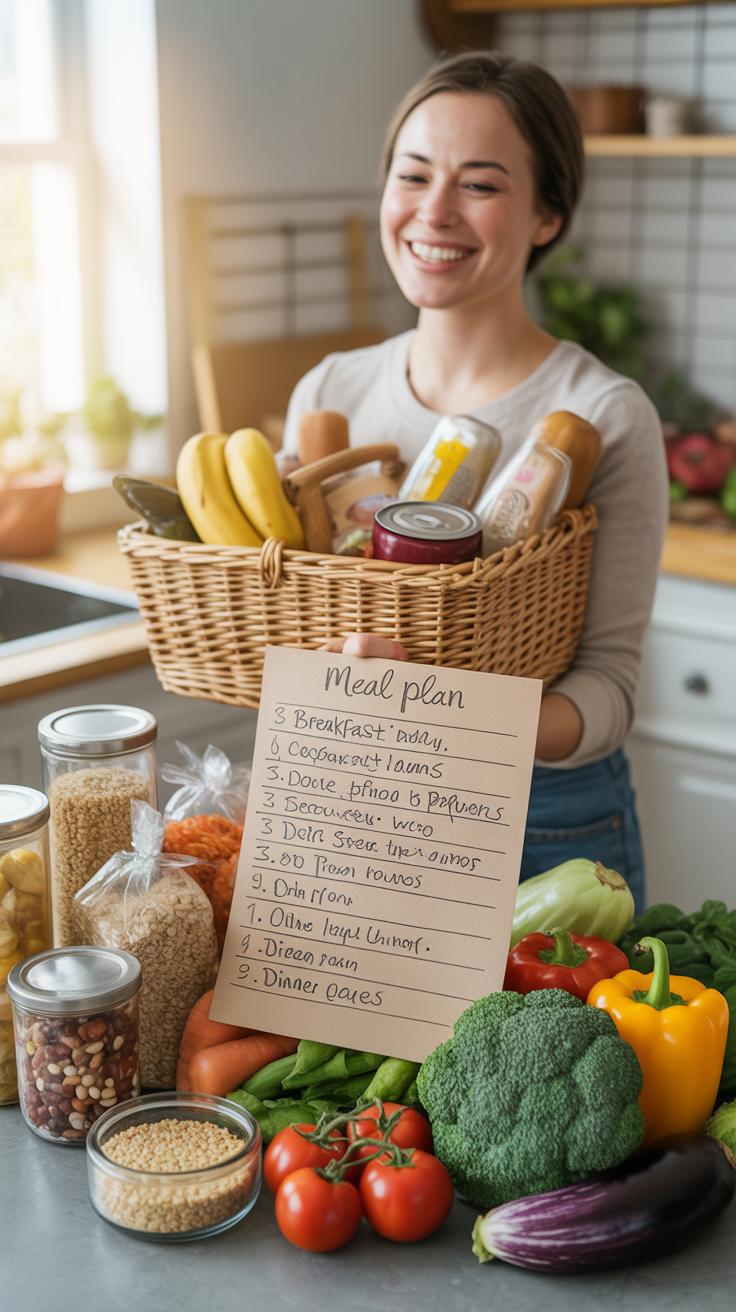
Why Meal Planning Is The Foundation Of A Budget Friendly Diet
Meal planning eliminates impulse spending at the grocery store. When you enter a shop without a list, you buy items based on hunger or marketing. A plan forces you to buy only what you will consume. This strategy reduces food waste, which accounts for significant financial loss in most households. You lock in your costs before you spend a single dime.
A structured plan allows for bulk purchasing and strategic ingredient reuse. Buying a large bag of rice or dry beans reduces the price per serving significantly. You can use one roast chicken for three separate meals. This efficiency ensures every cent of your fifty dollars contributes to nutrition. Planning turns your kitchen into a controlled environment where your budget dictates your choices.
How To Structure A Simple 7 Day Healthy Meal Plan For $50
Effective meal plans rely on a core set of affordable staples. Focus your $50 budget on brown rice, dry lentils, eggs, and frozen vegetables. These items provide steady energy and essential nutrients at low costs. You must repeat certain meals to keep your grocery list short. This repetition simplifies your shopping and reduces the risk of buying expensive, one-off ingredients.
Divide your week into three main meal types. Eat oatmeal or eggs for every breakfast to save money. Use leftovers from dinner for your daily lunches to avoid midday spending. Every dinner should feature a grain, a protein, and a vegetable. This simple structure ensures you hit your caloric needs without exceeding your weekly limit. Discipline in following this layout guarantees financial and physical health.
Smart Grocery Shopping The Key To Healthy Food On A Budget
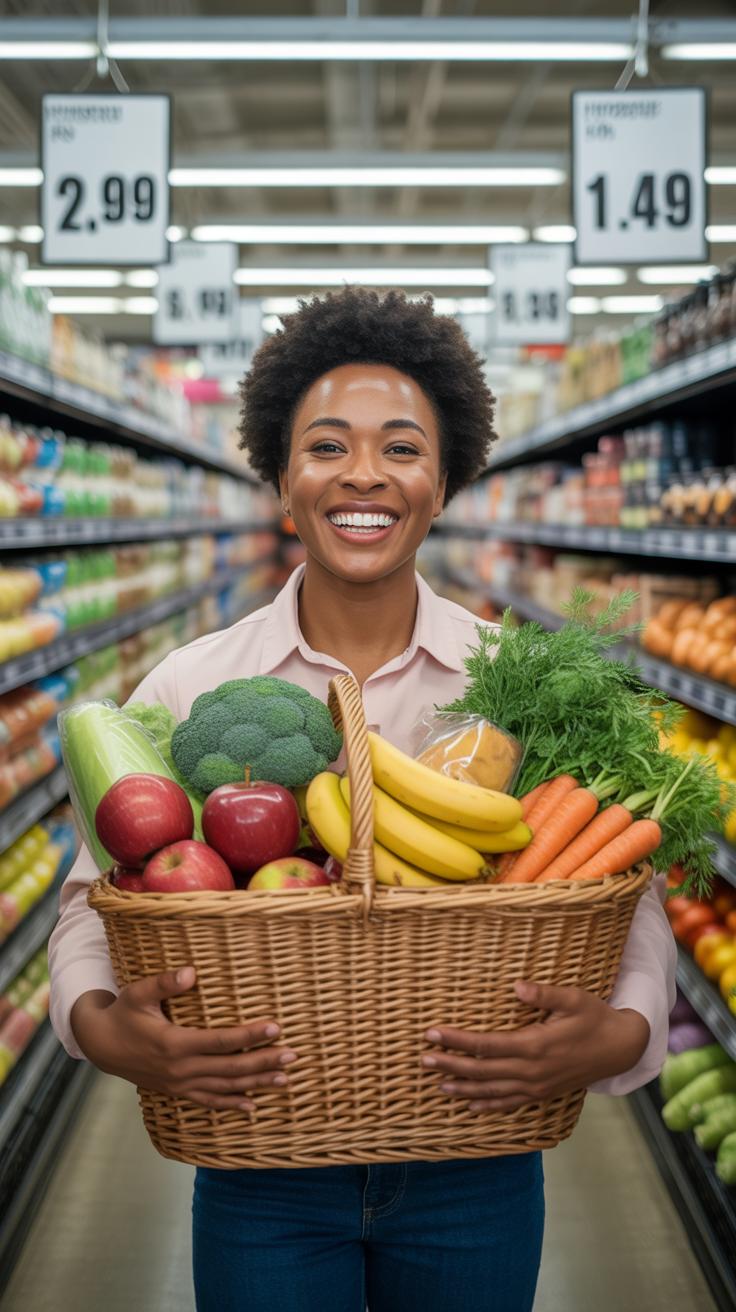
Shopping The Perimeter And Prioritizing Whole Foods
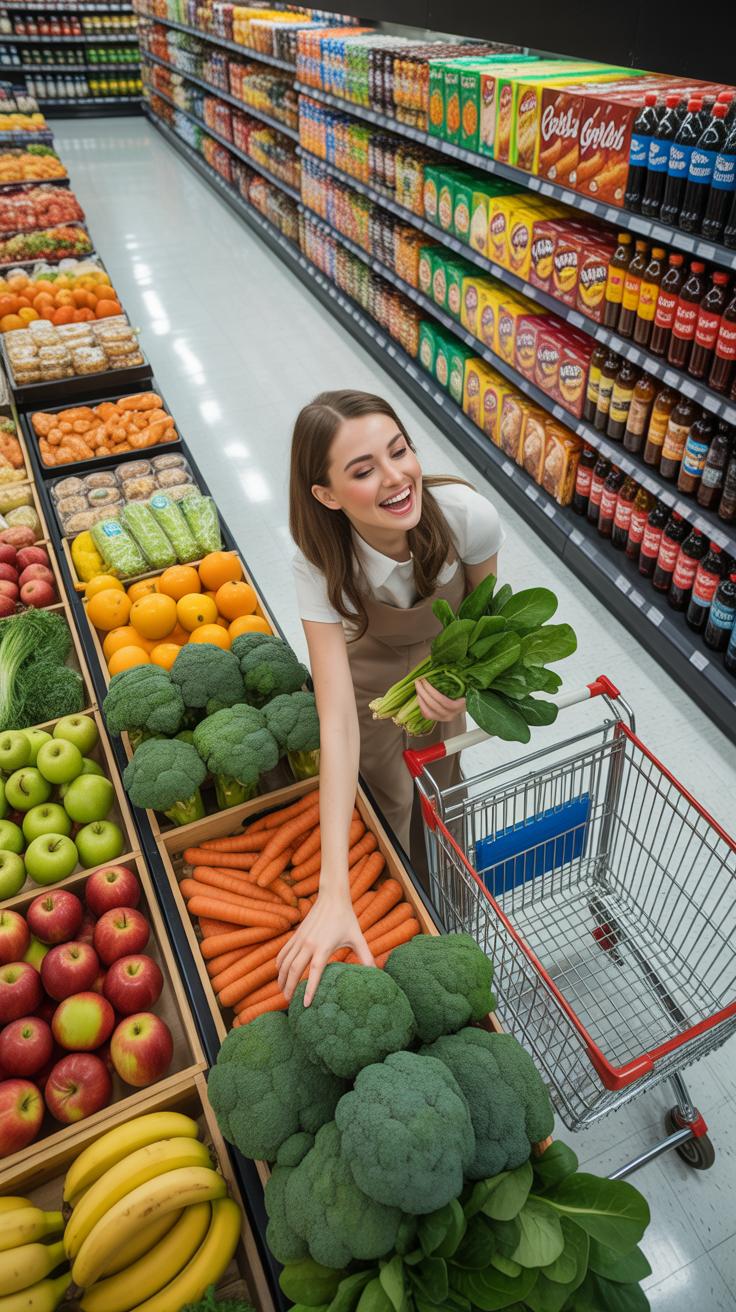
Grocery store layouts follow a specific psychological design. Managers place processed goods in the middle aisles where profit margins are highest. The outer edges of the store contain fresh produce, meat, and dairy. These sections hold the raw ingredients necessary for a healthy diet. You avoid marketing traps by staying on the perimeter. Focus your time here to ensure you buy nutrients instead of chemicals.
Whole foods cost less because you do the labor yourself. A whole cabbage costs much less than a bag of shredded slaw. Buy raw grains, bulk beans, and large bags of potatoes. These items provide the highest caloric and nutritional value for your money. Avoid pre-cut fruits and individual snack packs. Selecting unprocessed items allows you to control your sodium intake and your weekly food budget.
Using Unit Pricing And Store Brands To Stretch Your Dollar Further
Most shoppers only look at the retail price on the shelf tag. Savvy buyers check the unit price located in the corner of that tag. This number tells you the cost per ounce or pound. It reveals which package size actually saves you money. Often, the larger container is cheaper, but sometimes sales make smaller bottles a better deal. Comparing unit prices eliminates guesswork during your shop.
Store brands offer the same nutritional profile as name brands for a lower cost. Federal regulations require these products to meet the same safety and quality standards. You pay a premium for the marketing and packaging of national labels. Switch to generic bags of frozen vegetables, oats, and canned beans. This simple change reduces your total bill without sacrificing the health quality of your daily meals.
Best Affordable Whole Foods For A Healthy Diet On A Budget
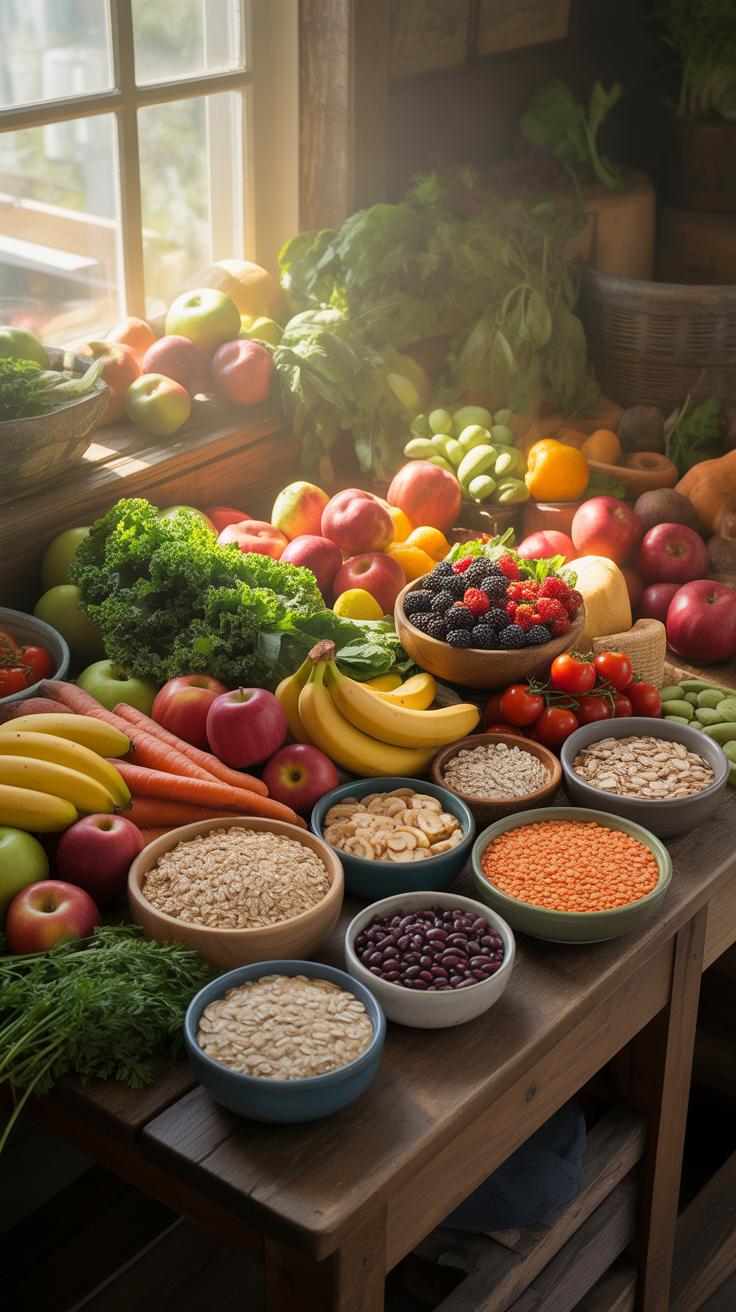
Nutrient Dense Staples That Cost Less Than 2 Dollars Per Serving
Achieving nutritional density requires a focus on caloric efficiency and shelf stability. You must prioritize foods that offer high micro-nutrient profiles relative to their market price. Buying in bulk reduces the cost per serving significantly below the two dollar threshold. These staples provide the foundation for every meal. They ensure you meet your daily vitamin and mineral requirements without overspending on processed alternatives.
- Oats: This whole grain provides high levels of fiber and essential minerals like magnesium. Buy large canisters instead of individual packets to keep costs low. They serve as a versatile base for breakfast or flour replacements in various recipes.
- Brown Rice: Rice offers a reliable source of complex carbohydrates and energy. It stores for months without losing nutritional value or quality. Pairing it with legumes creates a complete protein profile necessary for muscle maintenance and general body repair.
- Frozen Spinach: Flash-freezing preserves nutrients better than long-distance shipping of fresh greens. You get more volume per dollar because the leaves are pre-shrunk and packed tightly. Use it in eggs, soups, or smoothies to boost your daily intake of vitamin K.
- Canned Tuna: This is a cost-effective way to get lean protein and omega-3 fatty acids. Prices remain stable throughout the year regardless of local growing seasons. Ensure you select varieties packed in water to avoid unnecessary fats and calories from cheap vegetable oils.
- Sweet Potatoes: These tubers outperform standard white potatoes in vitamin A and fiber content. They have a long shelf life when stored in a cool, dark place. Their natural density makes them a filling side dish that prevents overeating and lowers overall meal costs.
Smart shopping requires looking at the unit price on the grocery shelf tag. Always compare the cost per ounce rather than the total package price. Staples like grains and frozen vegetables allow for batch cooking. This strategy saves time and prevents expensive last-minute food purchases. Focus your spending on these items to build a resilient and healthy pantry on a very tight budget.
Why Beans Lentils And Eggs Are Budget Nutrition Powerhouses
Legumes and eggs provide the highest protein return on investment for any shopper. Dried beans and lentils cost pennies per serving when bought in bags. They contain high amounts of fiber which slows digestion and keeps you full. This satiety prevents you from snacking on expensive junk food between meals. These items are the primary protein source for millions of healthy people worldwide.
Eggs offer a complete amino acid profile and essential choline for brain health. They are the most versatile ingredient in your kitchen for any meal of the day. Prices fluctuate but they consistently remain cheaper than beef or poultry per gram of protein. Large packs of eggs provide quick meals that require minimal cooking equipment. Incorporate these three powerhouses to maintain muscle mass while keeping your weekly grocery bill under fifty dollars.
Eating Healthy On A Budget For One Tips For Solo Shoppers
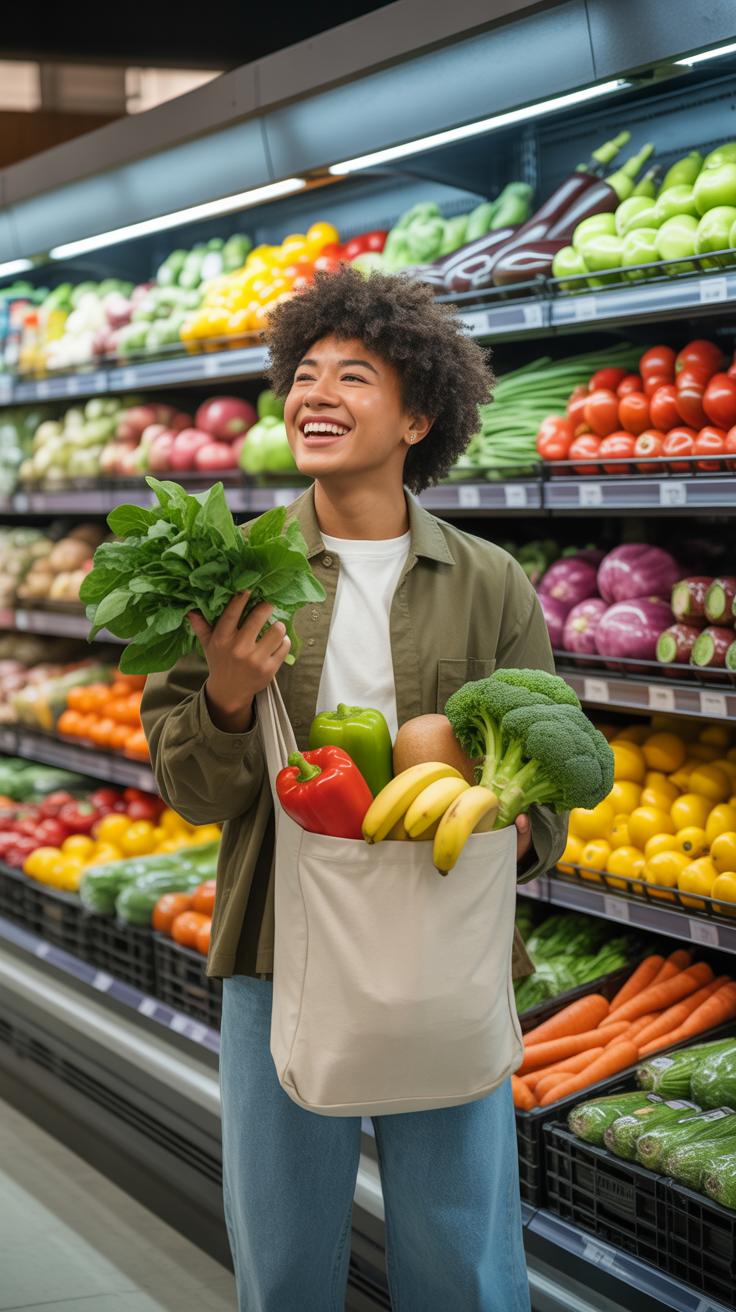
How To Buy In The Right Quantities Without Wasting Food
Solo shoppers lose money through food spoilage. You must prioritize the bulk bin for dry goods like rice and lentils. This method lets you buy exactly what you need for one week. Avoid pre-packaged produce bags that contain more than you can eat. Choose loose vegetables to control the volume. This tactic prevents waste and keeps your total bill under the target budget.
Inventory management is the key to cost control. Check your pantry before you leave for the store to avoid buying duplicates. Buy frozen fruits and vegetables if you cannot finish fresh items before they rot. Frozen produce offers the same nutrition but lasts for months. Only buy meat in small packs or freeze individual portions immediately. Freshness determines your actual cost per meal.
Batch Cooking And Portioning Strategies For A Single Person Household
Batch cooking reduces your energy costs and saves time. Cook a large base protein or carbohydrate on Sunday. Use these components in different ways throughout the week. One pot of beans can become tacos, soup, or a salad topper. This strategy prevents flavor fatigue while keeping costs low. It ensures you always have a healthy meal ready to eat in your kitchen.
Portioning requires hard discipline. Transfer your cooked food into individual containers right after the meal. This stop-gap measure prevents you from eating two portions at once. It also makes your morning routine faster by providing a grab-and-go lunch. Use clear containers so you can see your inventory. Labeling each meal with a date helps you track freshness and prioritize which items to eat.
How To Eat Well On A Budget Cooking Methods That Save Time And Money
One Pot Meals And Sheet Pan Dinners That Minimize Waste And Effort
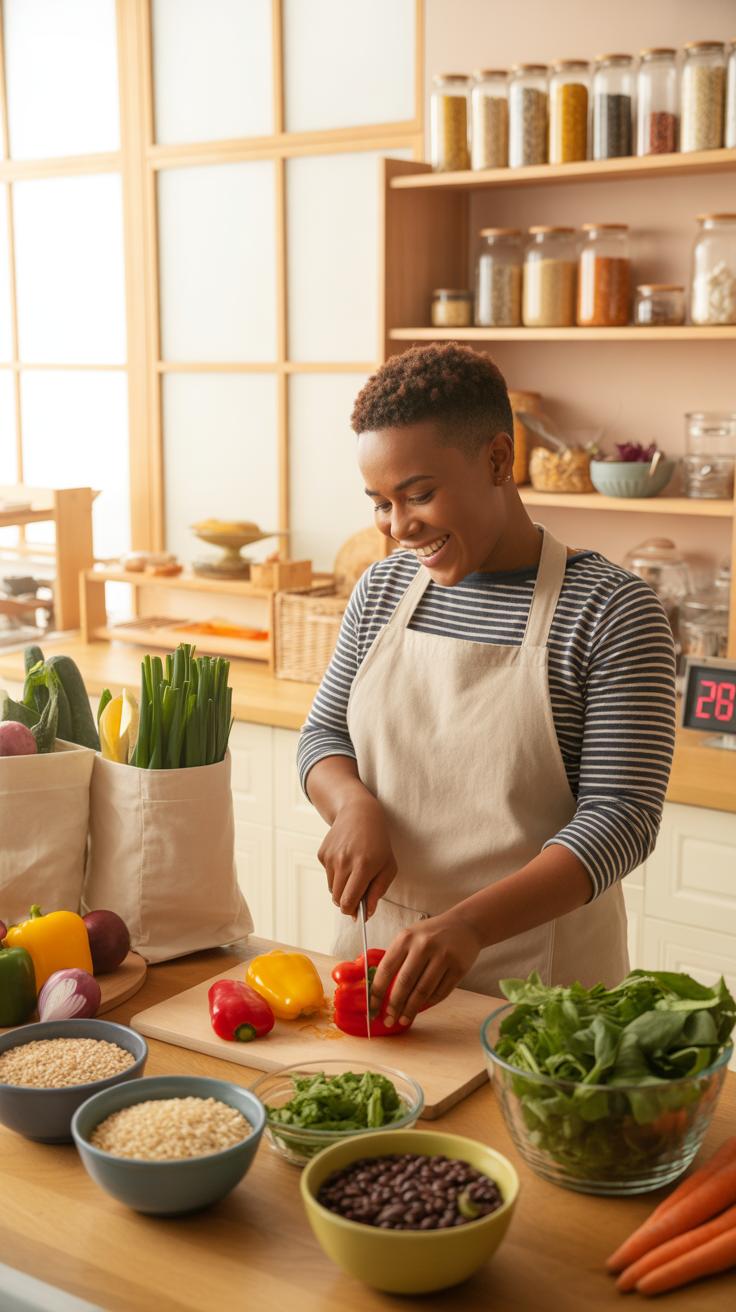
Efficiency drives cost savings in the kitchen. One-pot meals and sheet pan dinners reduce the need for multiple appliances and complex preparations. These methods allow you to cook large batches of protein and vegetables simultaneously. This strategy keeps all juices and nutrients in a single vessel. You save money by using heat more effectively and reducing water usage during the cleaning process.
Limiting your cooking to one pan prevents food waste by consolidating ingredients. You can easily toss wilting vegetables or leftover grains into a single pot to create a cohesive meal. This approach simplifies portion control and storage. Standard sheet pans and heavy pots are durable and require low financial investment. Use these tools to transform cheap bulk ingredients into high-quality fuel without wasting energy.
How Slow Cookers And Rice Cookers Help You Eat Healthy For Less
Slow cookers allow you to buy the cheapest cuts of meat available at the market. Tougher pieces of beef or pork contain high amounts of connective tissue. Long cooking times at low temperatures break down these fibers through a process called collagen hydrolysis. This creates tender meals from meat that usually costs less per pound. You gain nutritional value from inexpensive ingredients without requiring expensive kitchen skills.
Rice cookers provide a precise method for preparing bulk grains and legumes like brown rice and lentils. Buying dried staples in large bags is significantly cheaper than purchasing pre-cooked or canned versions. These machines automate the process to ensure consistent results every time. Consistent cooking prevents the financial loss caused by burnt or undercooked food. Use these tools to build a reliable foundation for every low-cost meal.
How To Save On Healthy Eating Frozen Canned And Seasonal Produce
The Nutritional Value Of Frozen And Canned Vegetables Versus Fresh
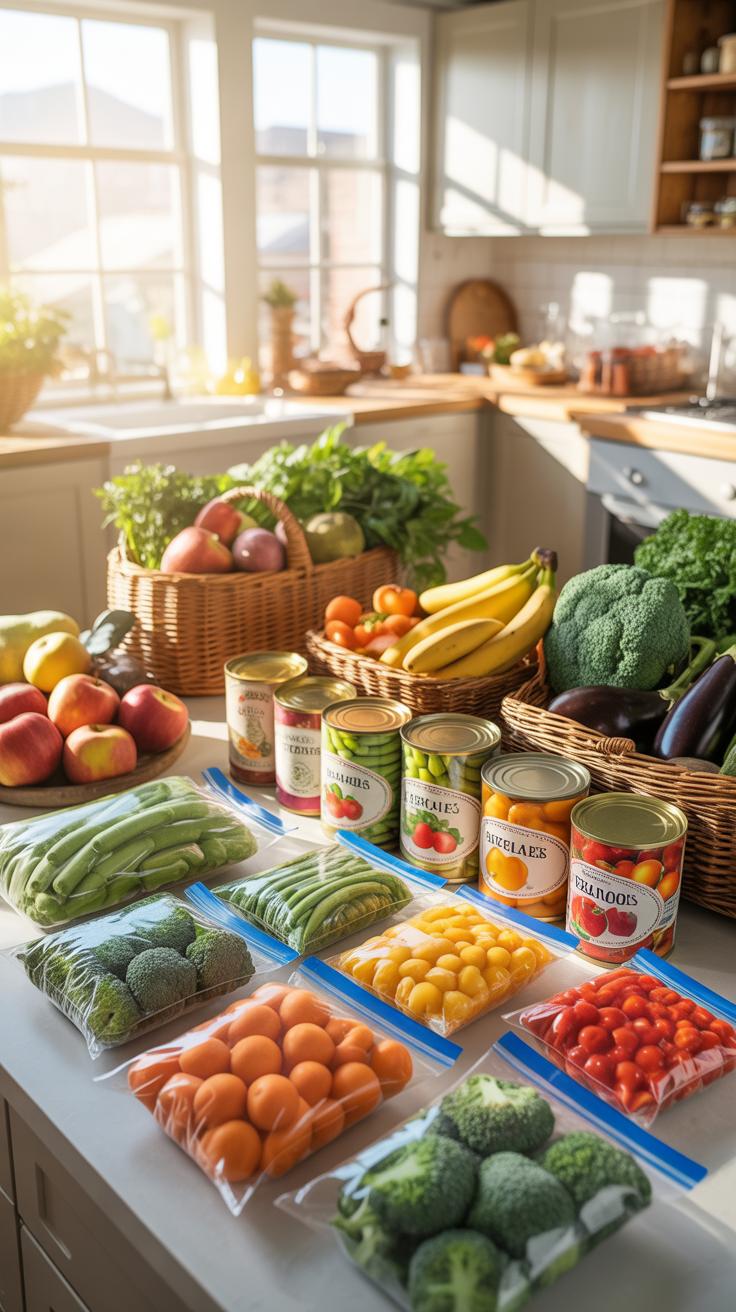
Frozen vegetables often contain more nutrients than fresh produce sitting in grocery bins. Manufacturers pick crops at peak ripeness and flash-freeze them immediately. This process locks in vitamins and minerals. Fresh produce travels thousands of miles and loses nutrients every day it spends in transit or on shelves. Buying frozen ensures high nutrient density for a much lower price point per pound.
Canned vegetables remain a viable and safe option for long-term storage. Research shows that the canning process preserves many essential nutrients. You must rinse canned goods to remove excess sodium or sugar used during processing. Choose cans labeled as low sodium or packed in water. This strategy provides stable shelf life and eliminates waste. These products work perfectly in soups, stews, and mixed dishes.
How Buying Seasonal And Local Produce Cuts Costs Without Cutting Nutrition
Buying produce during its natural harvest peak drives prices down. This happens because supply is high and transport costs are low. Grocery stores must move this inventory quickly to avoid spoilage. You get the highest flavor profile and nutrient content when the food is in season. Out of season items require expensive shipping or greenhouse growth. These extra costs pass directly to the consumer.
Local produce markets often skip the middleman to lower your final bill. Farmers sell surplus items at a discount to avoid total loss. This produce does not spend weeks in climate-controlled trucks. You receive a fresher product that lasts longer in your refrigerator. Buying locally and seasonally reduces food waste. It allows you to build a meal plan around what is cheap and plentiful right now.
Eat Healthy For Cheap Reducing Food Waste To Make Every Dollar Count

Practical Ways To Use Leftovers And Scraps In New Meals
Leftovers are pre-cooked assets that eliminate future labor and cost. View every meal as a component for the next one. A roasted chicken provides dinner tonight and protein for a salad tomorrow. Bone fragments and vegetable ends create nutritious stocks. High-performing meal planners treat their fridge like a professional kitchen. They never throw away edible weight. Scraps are raw materials for soups, stews, and stir-fries.
Turn wilted greens into pesto or sauté them into eggs. Stale bread becomes breadcrumbs or croutons for texture. Small portions of different cooked grains can merge into a single bowl. This strategy lowers your cost per meal by maximizing every ounce purchased. You must stop seeing leftovers as old food. See them as inventory management. Efficient use of these items ensures your fifty dollar budget lasts the entire week.
There is no need for fancy ingredients when the simple virtues of bread, beans, and garden greens can nourish both the body and the soul.
— Edna Lewis
Proper Food Storage Techniques That Extend The Life Of Fresh Ingredients
Incorrect storage kills your budget by rotting your inventory. Oxygen and moisture are the primary enemies of fresh produce. You must control the environment inside your refrigerator to slow down decay. Ethylene gas from certain fruits will ripen and spoil your vegetables prematurely. Separate these items to double their lifespan. Use airtight containers for dry goods to prevent pest infestations and oxidation.
- Ethylene Management: Keep apples, bananas, and tomatoes away from leafy greens and cruciferous vegetables. These fruits emit gases that trigger rapid aging in sensitive produce. Separation prevents premature wilting and saves money.
- Leafy Green Care: Wash and dry greens immediately before storing them with a paper towel in a sealed container. The towel absorbs excess moisture while the container prevents air from drying out the leaves.
- Root Vegetable Storage: Place potatoes and onions in cool, dark, and well-ventilated spaces. Do not store them together because potatoes will sprout faster near onions. Darkness prevents solar heat from triggering rot and nutrient loss.
- Herb Preservation: Treat fresh herbs like flowers by placing stems in a small jar of water. Cover the tops with a plastic bag to maintain humidity. This method keeps soft herbs fresh for weeks instead of days.
- Freezer Utility: Blanch vegetables and freeze them before they hit their peak spoilage point. Use heavy-duty freezer bags to prevent freezer burn. This locks in nutrients and provides ready-to-use ingredients for future low-cost meals.
Temperature zones in your fridge matter for safety and longevity. Keep milk and eggs off the door where temperatures fluctuate the most. Store raw meats on the bottom shelf to prevent cross-contamination from drips. Organizing by shelf life and temperature ensures you eat what you buy before it fails. Proper inventory rotation follows the first-in, first-out rule. This discipline protects your cash flow and your health.
Eating Cheap And Healthy What To Avoid At The Grocery Store
Why Highly Processed Convenience Foods Hurt Both Your Health And Your Wallet
Highly processed convenience foods carry a massive markup for labor and packaging. You pay a premium for someone else to wash, chop, and season your food. These items often contain cheap fillers like corn syrup and industrial seed oils. These ingredients lower the nutritional density of the meal. You spend more money for fewer essential vitamins. This inefficiency drains your weekly budget while leaving you reaching for more snacks.
Consuming these foods leads to spikes in blood sugar and quick hunger cycles. You eat more often because the food lacks fiber and protein. This constant eating forces you to buy more groceries every week. It creates a cycle of high spending and poor metabolic health. Switching to whole ingredients like dry beans or bulk grains eliminates these hidden costs. You get more volume and better sustained energy for a fraction of the price.
How To Identify Marketing Traps That Make Unhealthy Food Seem Like A Bargain
Grocery stores use strategic placement and signage to manipulate your spending habits. End cap displays often feature sugary cereals or snacks at eye level. Most shoppers assume these items are on sale. In reality, brands pay for these spots to move low quality inventory. These items are rarely the best value per ounce. You must ignore the bright colors and look at the bottom shelves for raw staples.
Bulk packaging often disguises a higher unit price for snack items. Manufacturers pack small portions of crackers or cookies into large boxes. You pay for the plastic and air rather than the actual food. Check the shelf tag for the price per pound or ounce. Large bags of frozen vegetables or dry rice always beat individual servings. Stick to a list and avoid the middle aisles where marketing traps are most common.
Healthy Eating On A Budget Staying Consistent And Motivated Long Term
How To Adjust Your $50 Budget As Food Prices And Needs Change
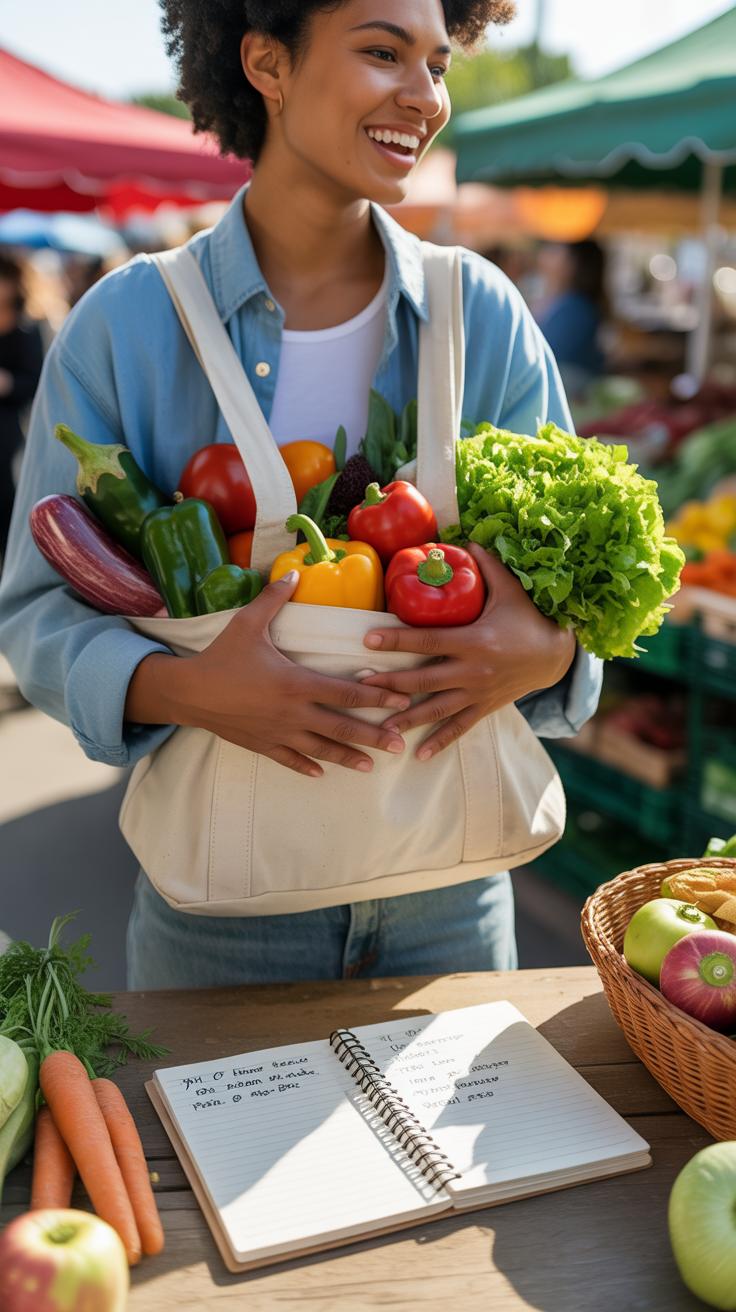
Food prices fluctuate based on seasonal shifts and supply chain logistics. You must track your spending every week to stay under the fifty dollar limit. When prices for fresh produce rise, pivot immediately to frozen options. Frozen vegetables offer the same nutrition at a lower cost per ounce. Check local circulars for loss leaders. These items are sold at a loss to get shoppers inside.
Buy only what you need when inflation hits specific categories like eggs or poultry. Swap expensive proteins for dried lentils and beans to keep costs down. Your caloric needs may increase if your activity level rises. Use bulk grains like white rice or oats to fill the calorie gap without breaking the bank. Always calculate the price per unit. Smaller packages often hide a higher long-term cost.
Building Sustainable Healthy Eating Habits That Don’T Rely On Willpower Alone
Willpower is a finite resource that fails during stress. You must design your environment to make healthy choices the path of least resistance. Pre-portion your snacks and meals on Sunday. If your food is ready, you will not order expensive takeout. Keep your kitchen organized so you can see your inventory. Knowing exactly what you have prevents duplicate purchases and reduces waste.
Automate your grocery list to stop impulsive buying. Stick to a predetermined set of recipes that use overlapping ingredients. This strategy simplifies your shopping trip and keeps your brain from making tired decisions. Remove junk food from your pantry entirely. If it is not in your house, you cannot eat it. Habits stick when you remove friction. Discipline becomes easier when your system does the work for you.
Frequently Asked Questions

Is it really possible to maintain a nutritious diet with such a small weekly grocery budget?
Absolutely! Learning how to eat healthy on a budget simply requires a shift in strategy. By prioritizing whole foods like grains, legumes, and seasonal produce over expensive pre-packaged meals, you can fuel your body effectively. While it takes a bit of planning and discipline, focus on nutrient-dense staples that offer high volume for a low price to ensure you feel full and energized throughout the entire week without overspending.
How should I plan my grocery list to stay under the $50 limit?
Start by auditing your pantry and building meals around what you already own. Focus your list on versatile ingredients like brown rice, eggs, dried beans, and frozen vegetables. To master how to eat healthy on a budget, try to shop at discount grocers and stick strictly to your list. Buying in bulk and choosing store brands over name brands are essential tactics that will help you keep your total receipt under the fifty-dollar mark.
What are the best affordable protein sources for someone on a strict budget?
Protein is often the most expensive part of a grocery bill, but there are many affordable alternatives to pricey cuts of meat. Dried lentils, chickpeas, and black beans are incredibly cheap and packed with fiber. Eggs are another fantastic, low-cost option for any meal of the day. If you prefer meat, look for family-sized packs of chicken thighs or canned tuna, which provide high-quality protein without draining your weekly food fund.